




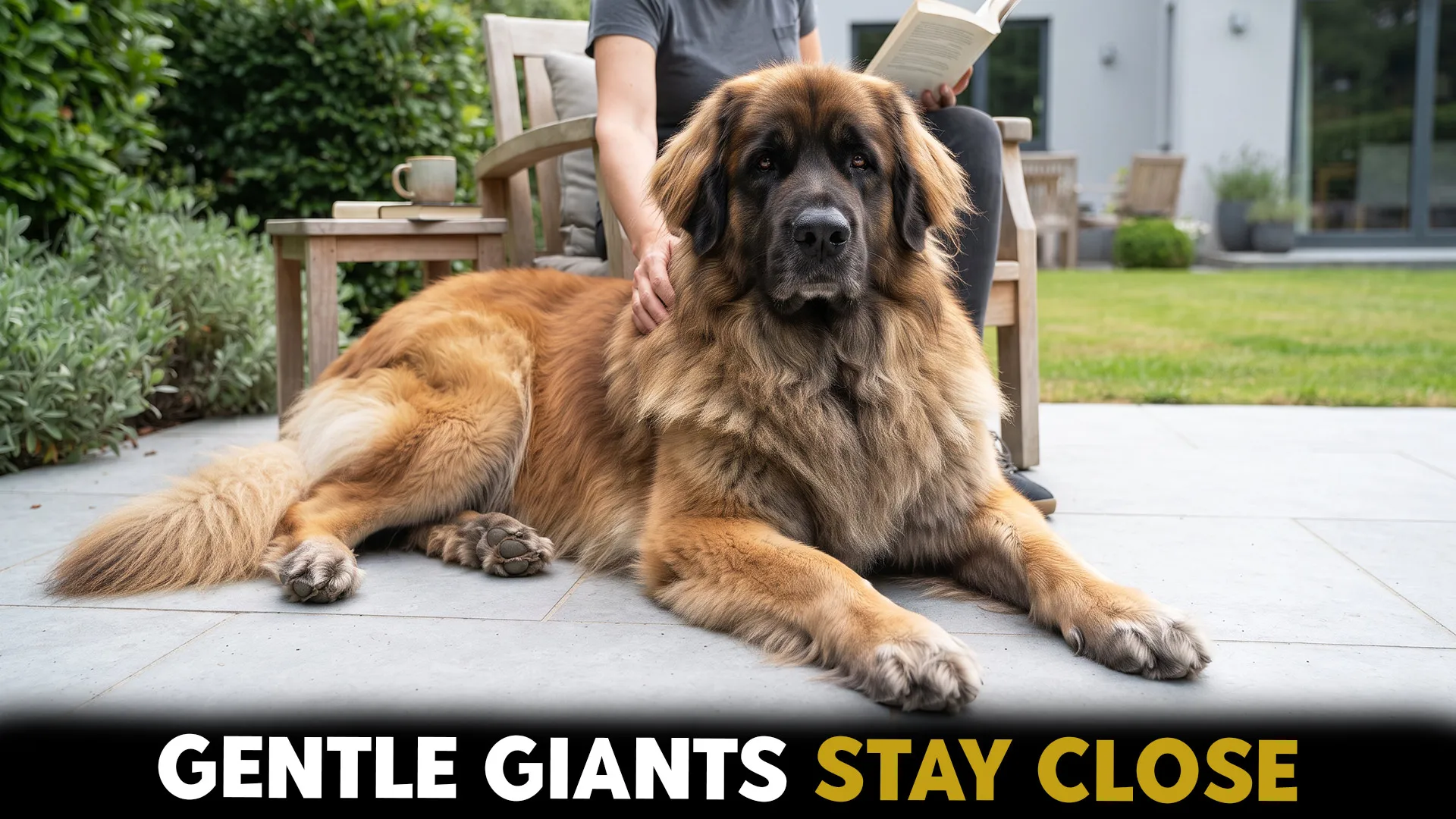
Think big dogs are loud, wild, and impossible to manage? Think again. Some of the biggest dogs in the world are surprisingly calm, gentle, and happy to spend their day relaxing beside their people.
Their size may look impressive, but their easygoing nature can make them wonderfully peaceful companions. Quiet giant dogs often have a steady temperament and don’t react strongly to every little change around them.
Their loyalty, patience, and affectionate nature can also make them a great fit for families, older adults, and anyone who wants a large companion with a calmer personality.
If you’re ready to meet some of the largest canine companions around, these seven quiet giant dog breeds are worth getting to know. Let’s take a look!
Quiet Giant Dog Breeds That Make Great Pets
1. Caucasian Shepherd
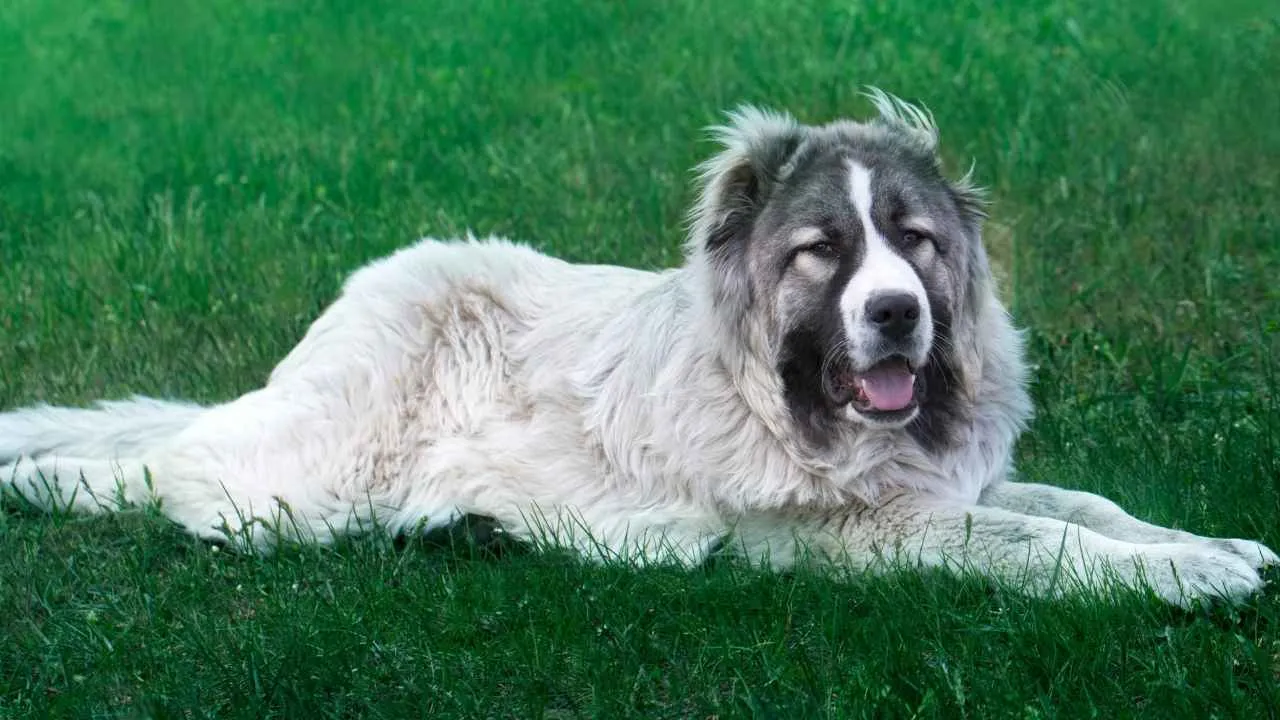
Caucasian Shepherds are giant working dogs from the Caucasus region, where Europe and Asia meet. Also called Caucasian Ovcharkas, Caucasian Mountain Dogs, or Russian Bear Dogs, they were bred to protect livestock and property from predators and intruders.
Their large, muscular build and imposing presence made them serious guardians.
Calm and Devoted at Home
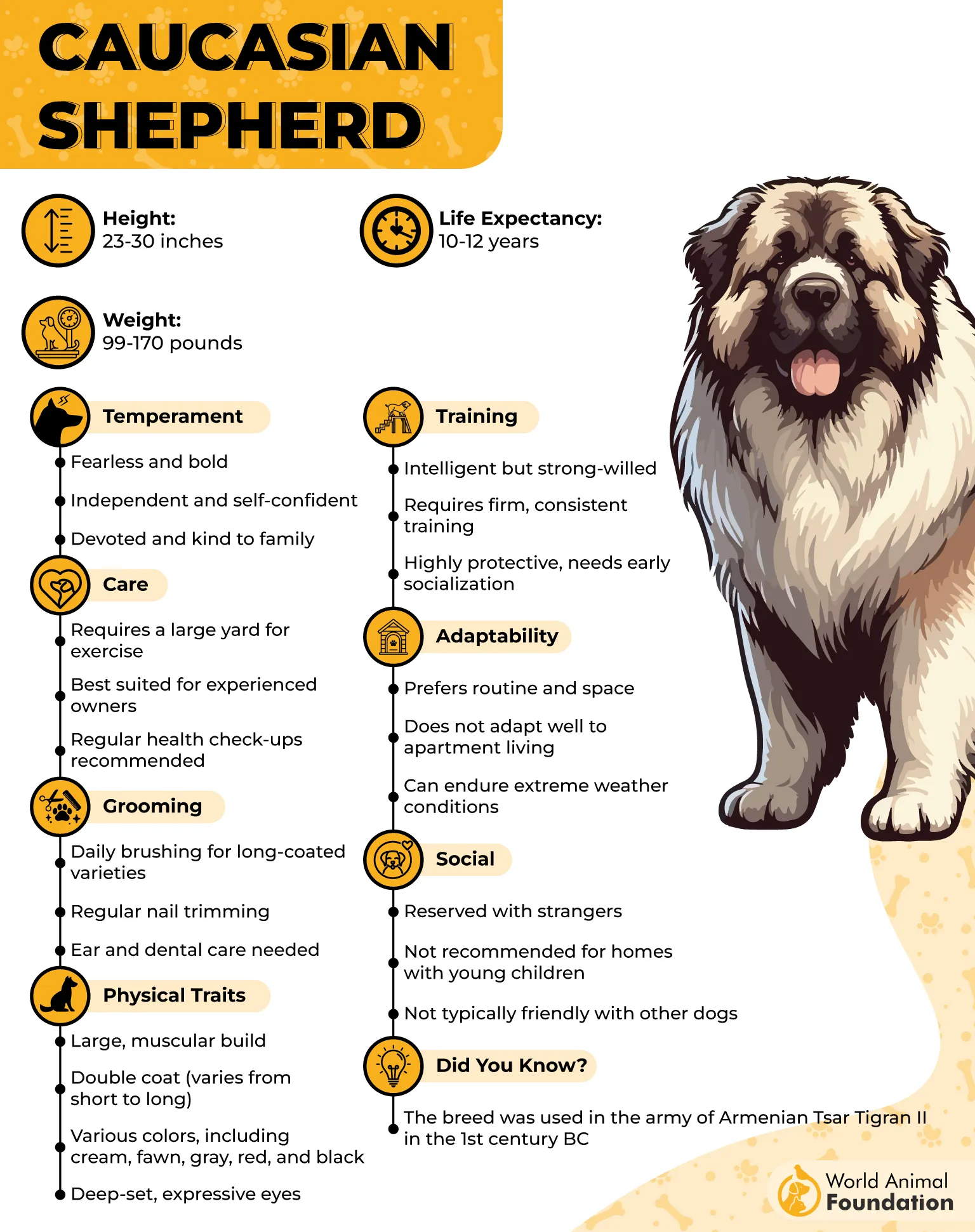
These dogs are thoughtful, observant, and generally even-tempered with their families. They can be soft, devoted, kind, and affectionate with the people and pets they know.
However, their guardian instincts make them alert around strangers and unfamiliar animals. They can also become territorial without proper training and socialization.
Training and Care
Caucasian Shepherds are strong-willed and independent, so they need consistent obedience training with positive reinforcement. PetMD says they are not usually suited to first-time owners or homes with limited space.
Their natural guarding instincts also mean they need careful socialization from an early age. There are two main types: Mountain, which has a heavier build and longer coat, and Steppe, which has a lighter build and shorter coat.
2. Broholmer
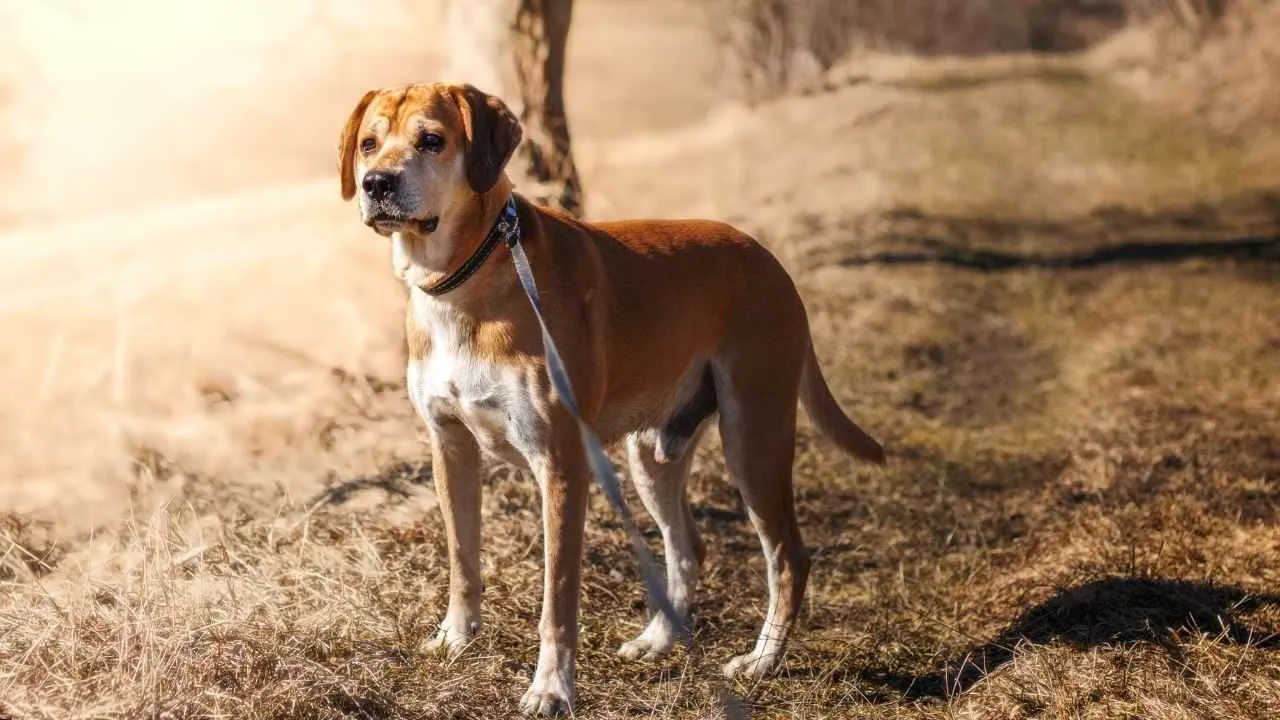
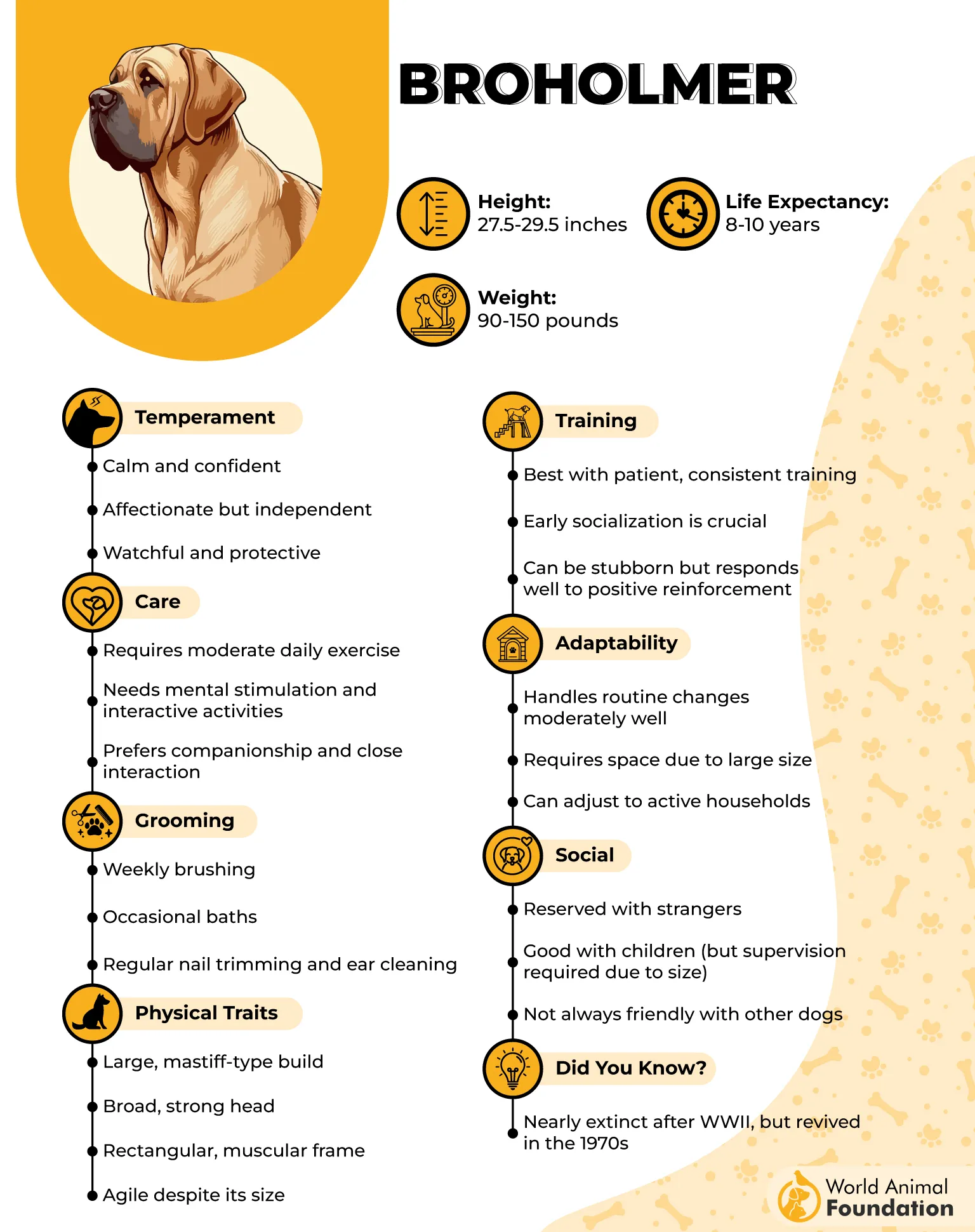
Broholmers are large, powerful dogs from Denmark, but their impressive appearance does not match their incredibly gentle nature. They were once used for hunting, guarding farms and manors, and protecting homes and cattle.
Today, they are mainly kept as companion and guard dogs. Despite their size, they are known for being calm, balanced, friendly, and self-assured.
Calm and Family-Friendly
Broholmers form strong bonds with their families and love staying close to their owners. They have an even temper and are not easily pushed toward aggression. They can be playful and energetic at times, but they are just as happy to relax and cuddle at home.
Their calm nature also helps them get along well with children and other dogs, although supervision is important because they can underestimate their own size.
Loyal and Easy to Train
Broholmers are alert and protective without being overly aggressive. They are brave and watchful when they sense danger, while remaining friendly in normal situations.
They are also considered easy to work with, making training manageable even for newer dog owners. Their active side makes them happy to join their families for walks, hikes, camping trips, fetch, or other outdoor activities.
3. Black Russian Terrier
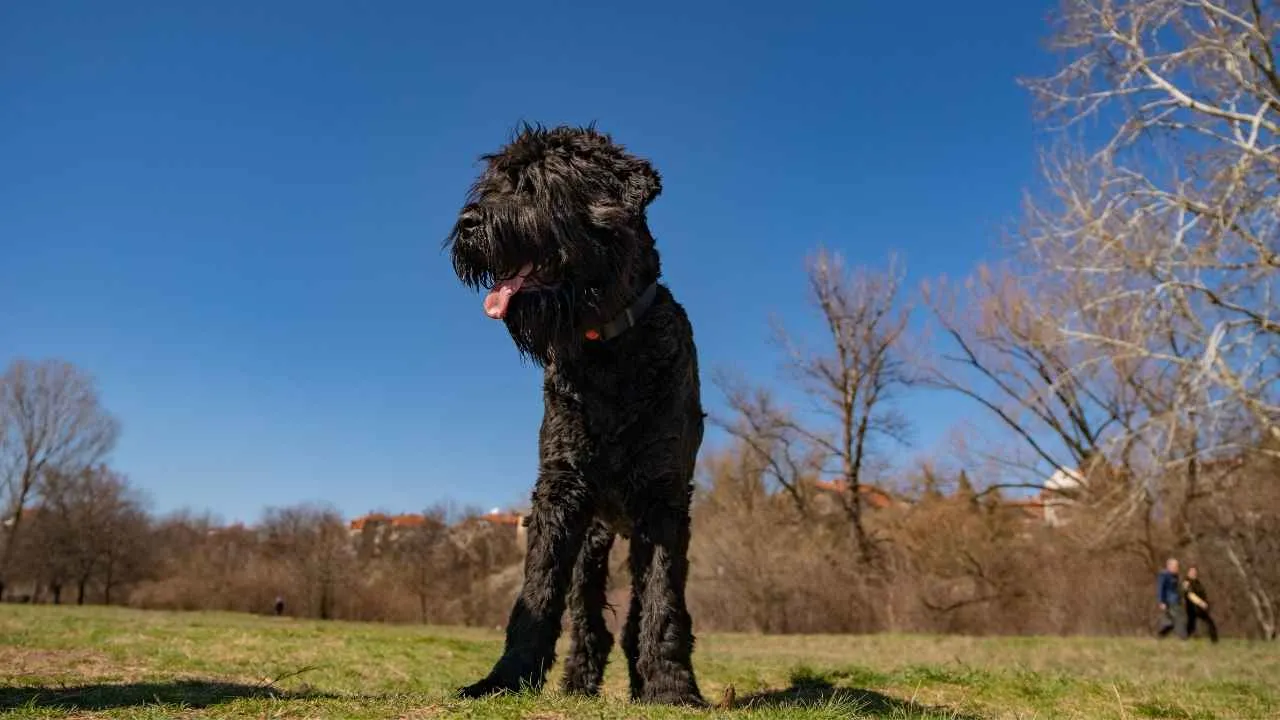
Black Russian Terriers are large working dogs developed in Russia in the late 1940s and early 1950s. Omlet says they were created by crossing several breeds, including Rottweilers, Giant Schnauzers, Airedale Terriers, and Newfoundlands.
They were bred for military, guarding, and other working tasks. Despite their name, they are not true terriers and belong to the working group.
Calm and Loyal Companions
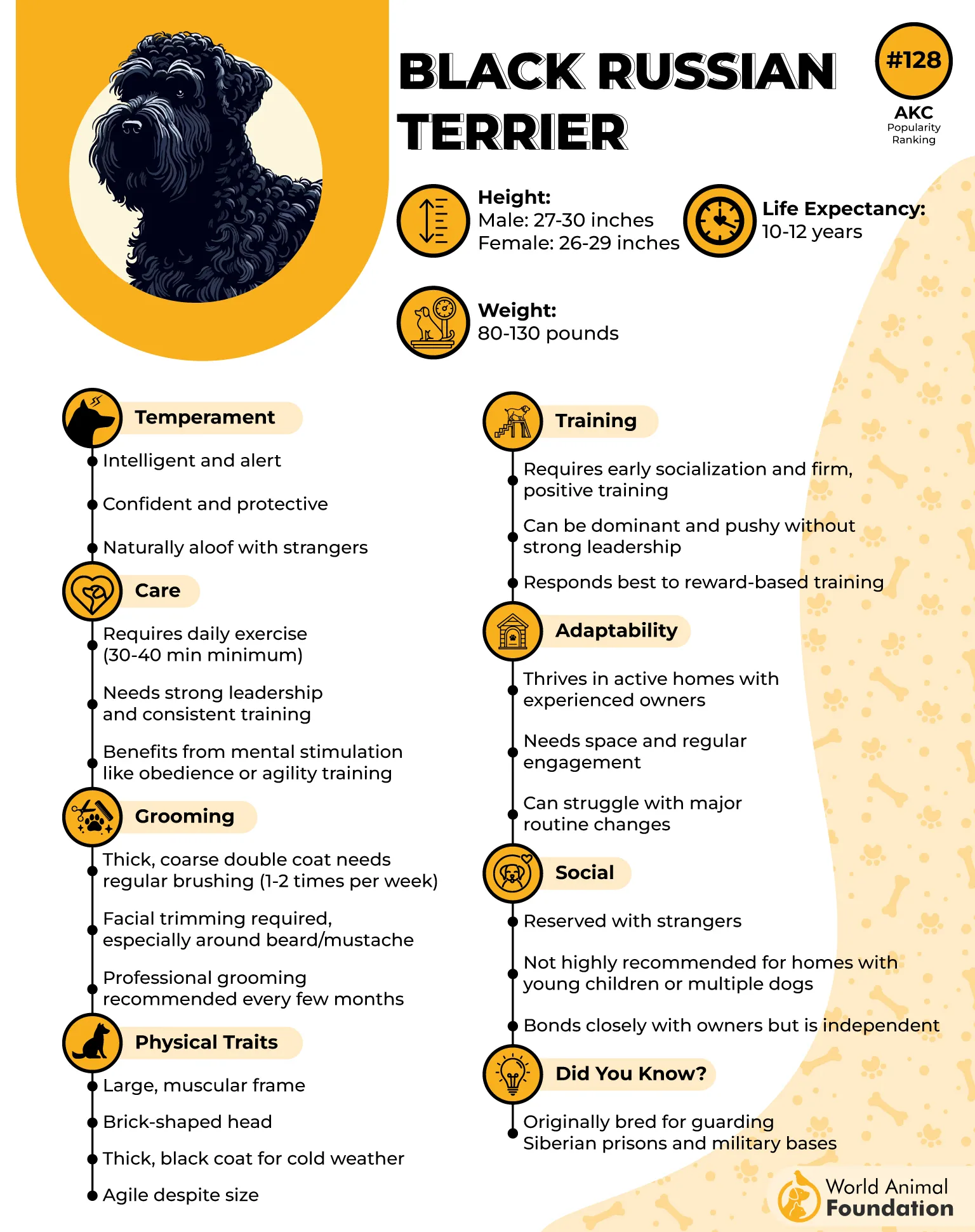
Black Russian Terriers are calm, confident, and vigilant. They are deeply loyal to their families and often want to stay close to their people. Around strangers, they can be aloof and naturally cautious.
They usually assess a situation before reacting and do not tend to bark without a reason. Early socialization helps them become more comfortable around new people, animals, and situations.
Exercise and Training
These intelligent dogs respond well to training and regular praise. They are not hyperactive, but they need daily exercise and mental stimulation to stay content.
Activities such as obedience, agility, and other tasks can give them a sense of purpose. After their activity, they often enjoy relaxing with their families.
4. Leonberger
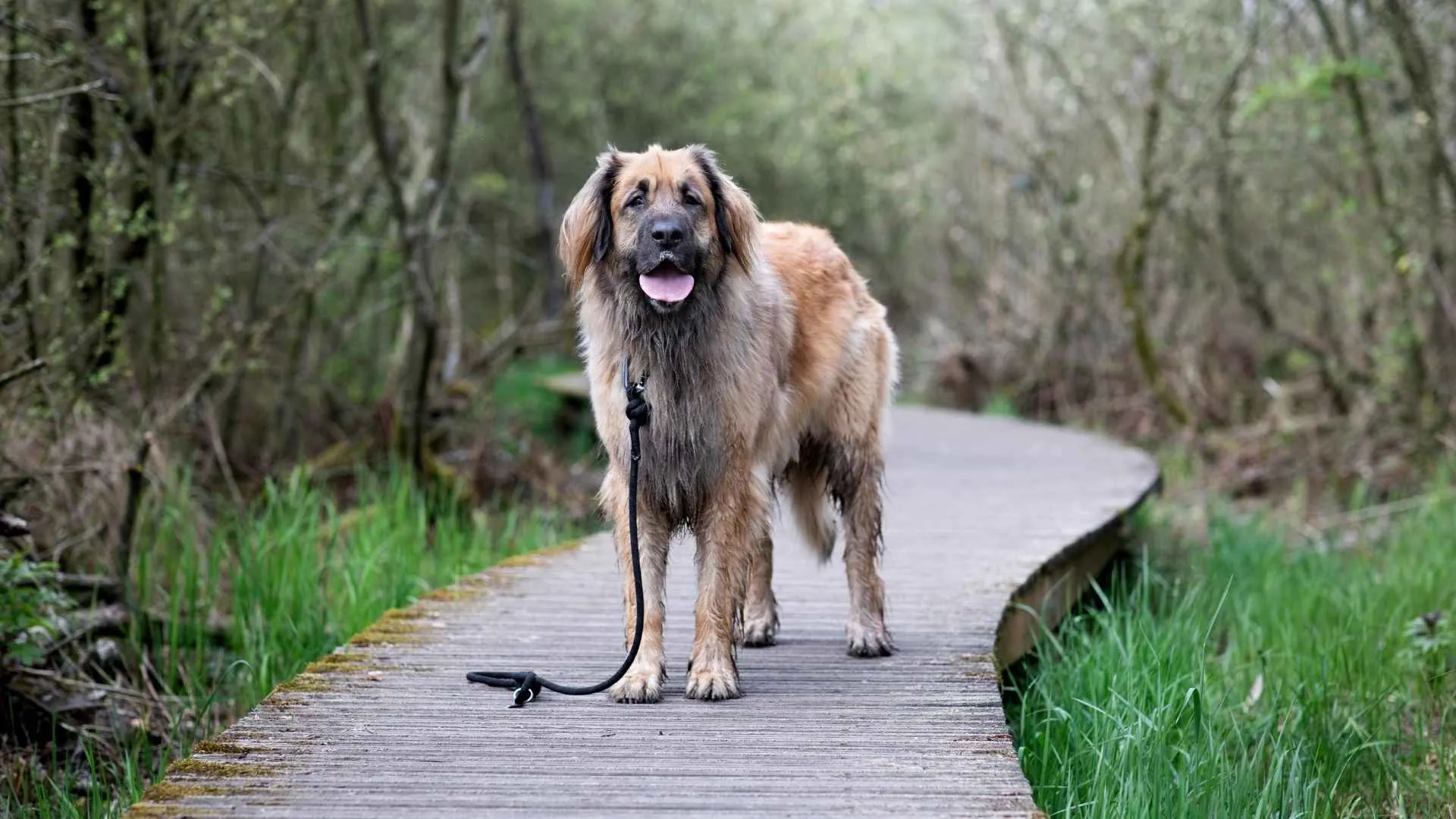
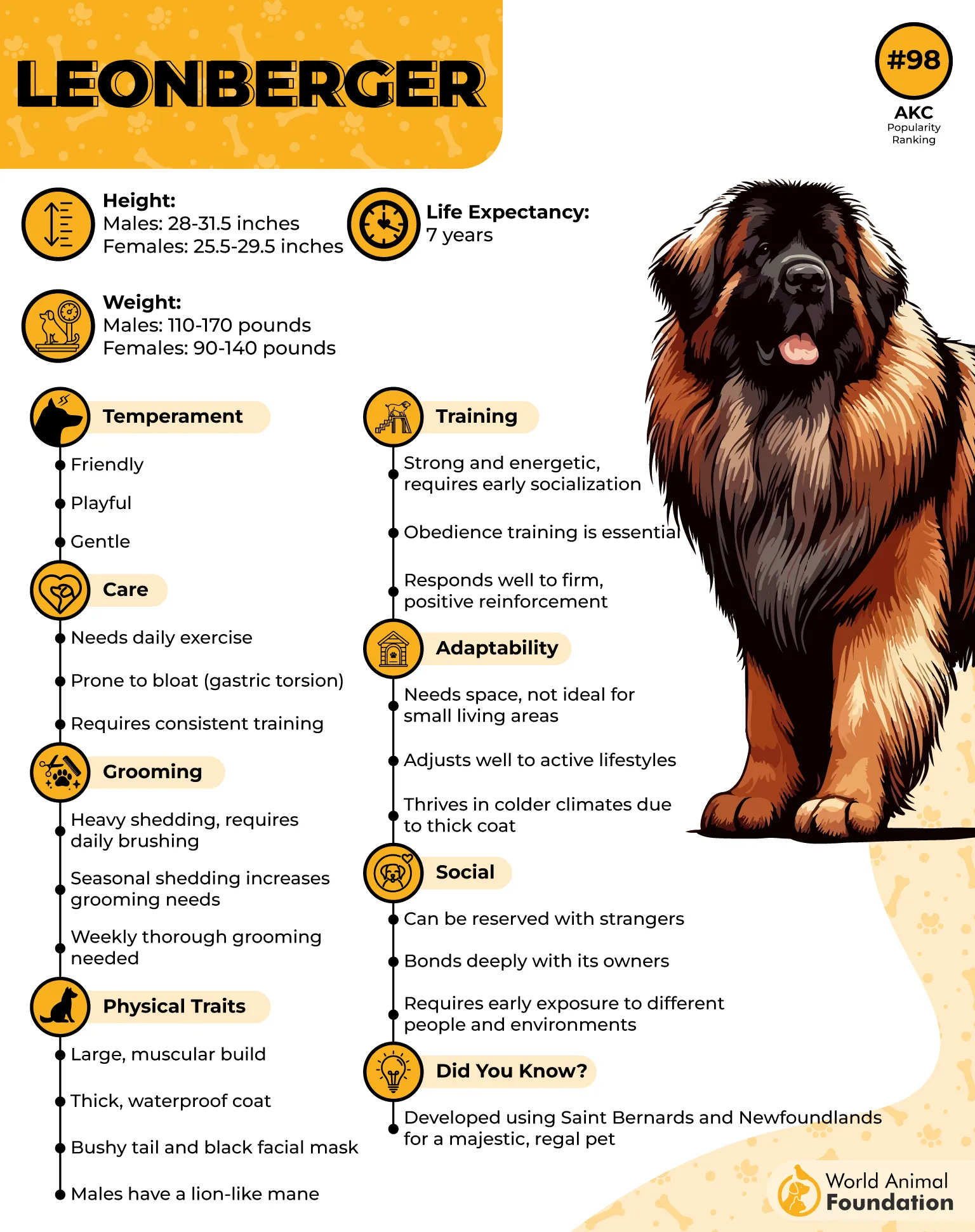
Leonbergers are giant dogs from Leonberg, Germany, known for their gentle and friendly nature. They were developed as family and working dogs and later became popular with European royalty.
Today, they are often kept as companions and are also involved in search-and-rescue work. Their size may be impressive, but their sweet temperament makes them classic gentle giants.
Calm and Protective Companions
Leonbergers are loyal, patient, calm, and confident with their families. They can be especially gentle with children and usually get along well with other pets.
Adults tend to assess situations before reacting. However, their protective side can become stronger during adolescence. They may quietly watch unfamiliar situations or block a door rather than react loudly.
Training and Everyday Life
Leonbergers do best with routine, structure, and clear, kind training. Short, positive sessions and plenty of repetition help them learn. They are intelligent and enjoy having a job or activity to focus on.
Without enough stimulation, they may find their own entertainment through digging or chewing. They also love affection and can be playful one moment and happy to relax on the couch the next.
5. Kuvasz
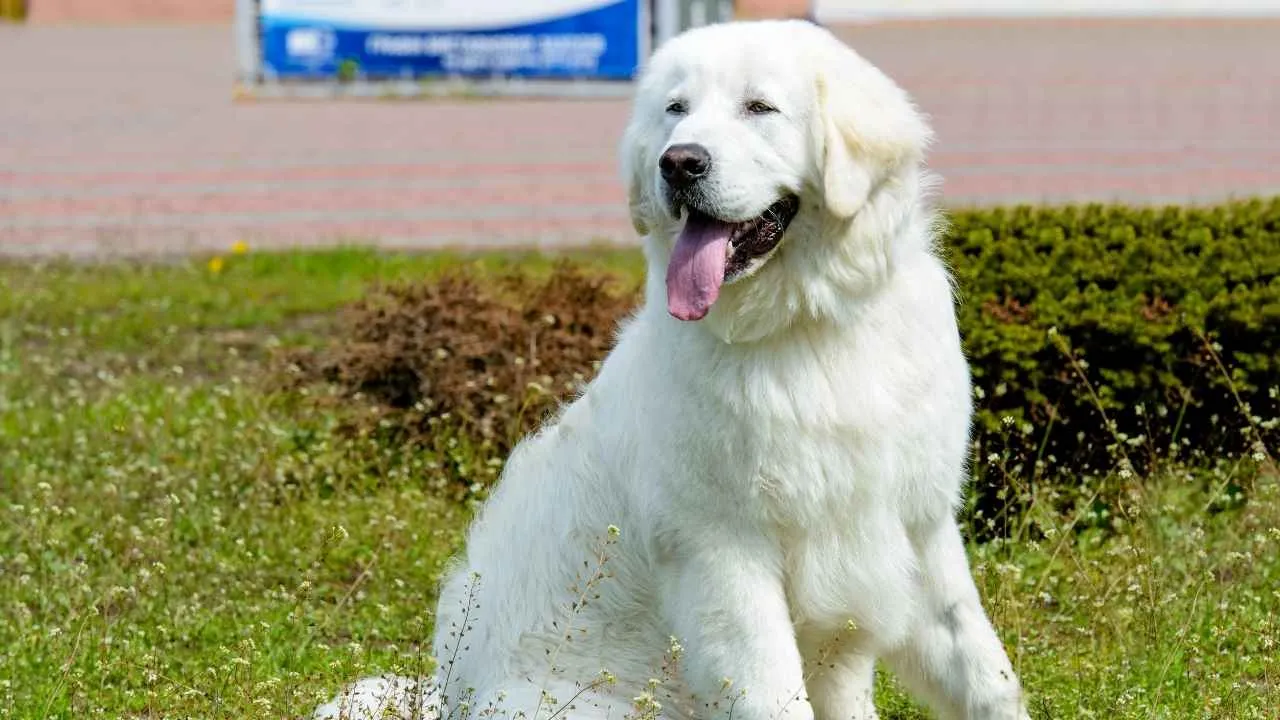
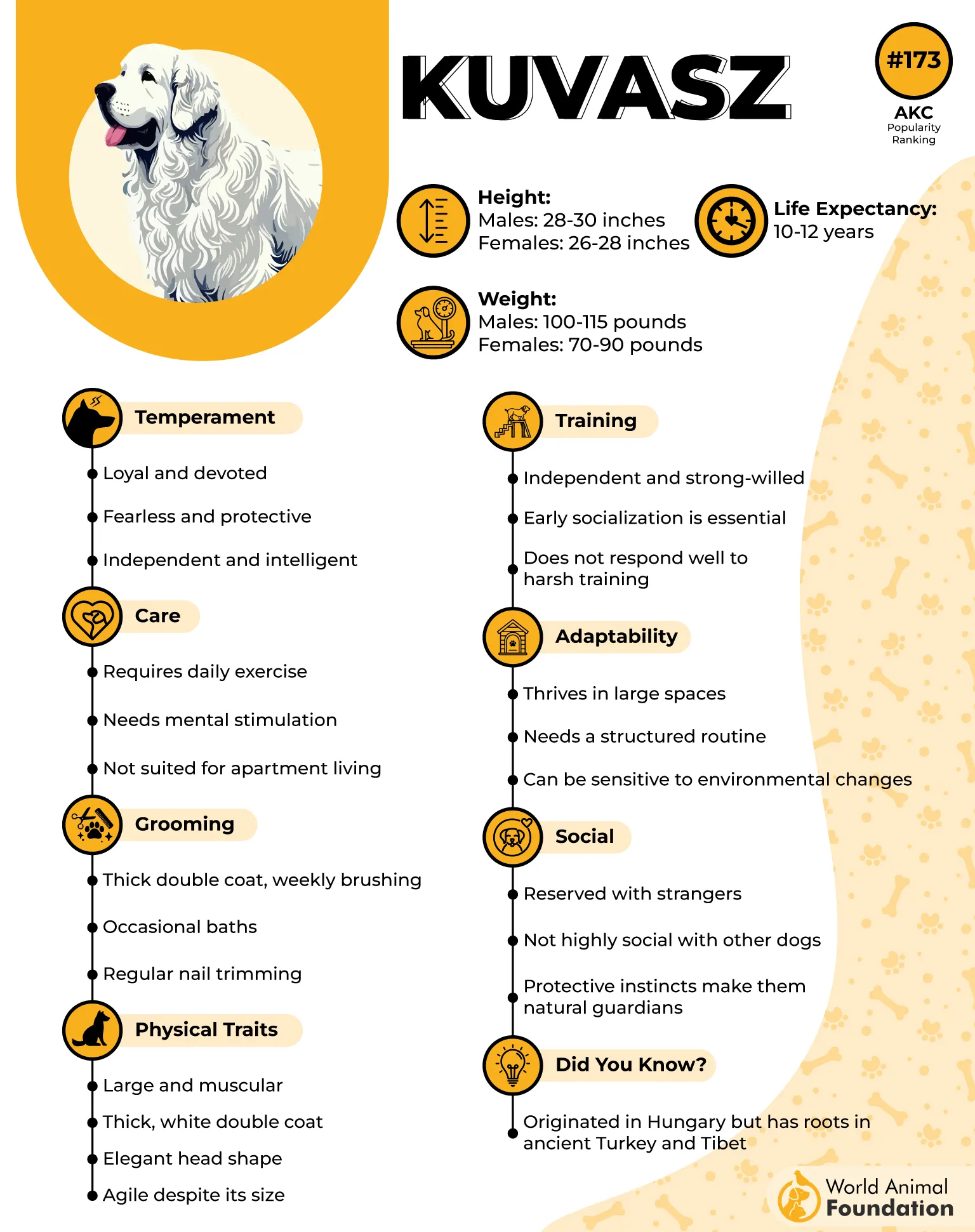
Kuvaszok are large Hungarian guardian dogs with ancient roots. They were brought to Hungary by the Magyar people and were valued for protecting livestock, homes, and people. Their thick white coats and strong build helped them work outdoors in different conditions.
Today, they still have strong guarding instincts but can also be gentle family companions when properly trained and socialized.
Calm and Watchful Companions
Kuvaszok are observant dogs that notice changes around them and quickly learn household routines. They bond with the whole family, though some develop a stronger connection with one person.
They can be affectionate without needing constant attention and may quietly stay close to their people. According to Chewy, they are naturally suspicious of strangers and often position themselves where they can watch doors and pathways.
Training and Everyday Life
Kuvaszok are highly intelligent and independent, which can make training challenging. They need regular exercise, mental stimulation, and a clear purpose. They can be gentle with familiar children and animals when properly socialized, but supervision is important.
Their problem-solving skills can also lead to mischief, such as opening doors or gates. A secure home, careful management, and early socialization are important for this strong-willed breed.
6. Scottish Deerhound
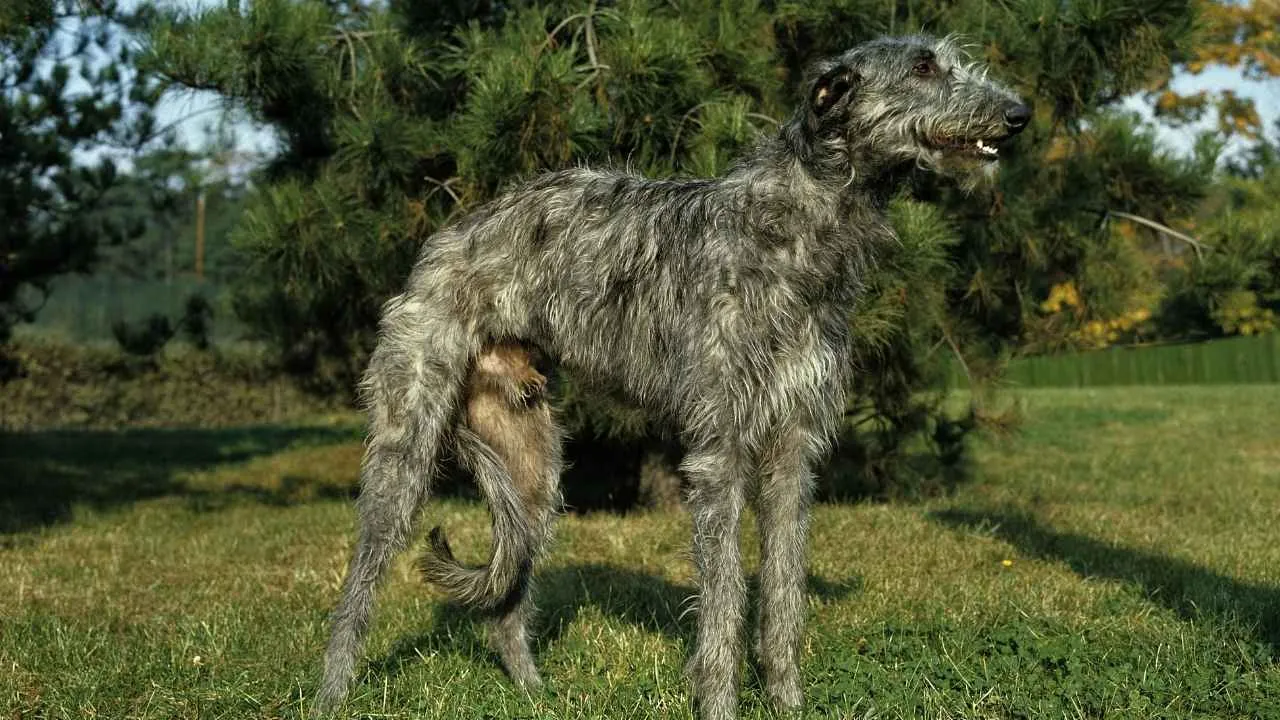
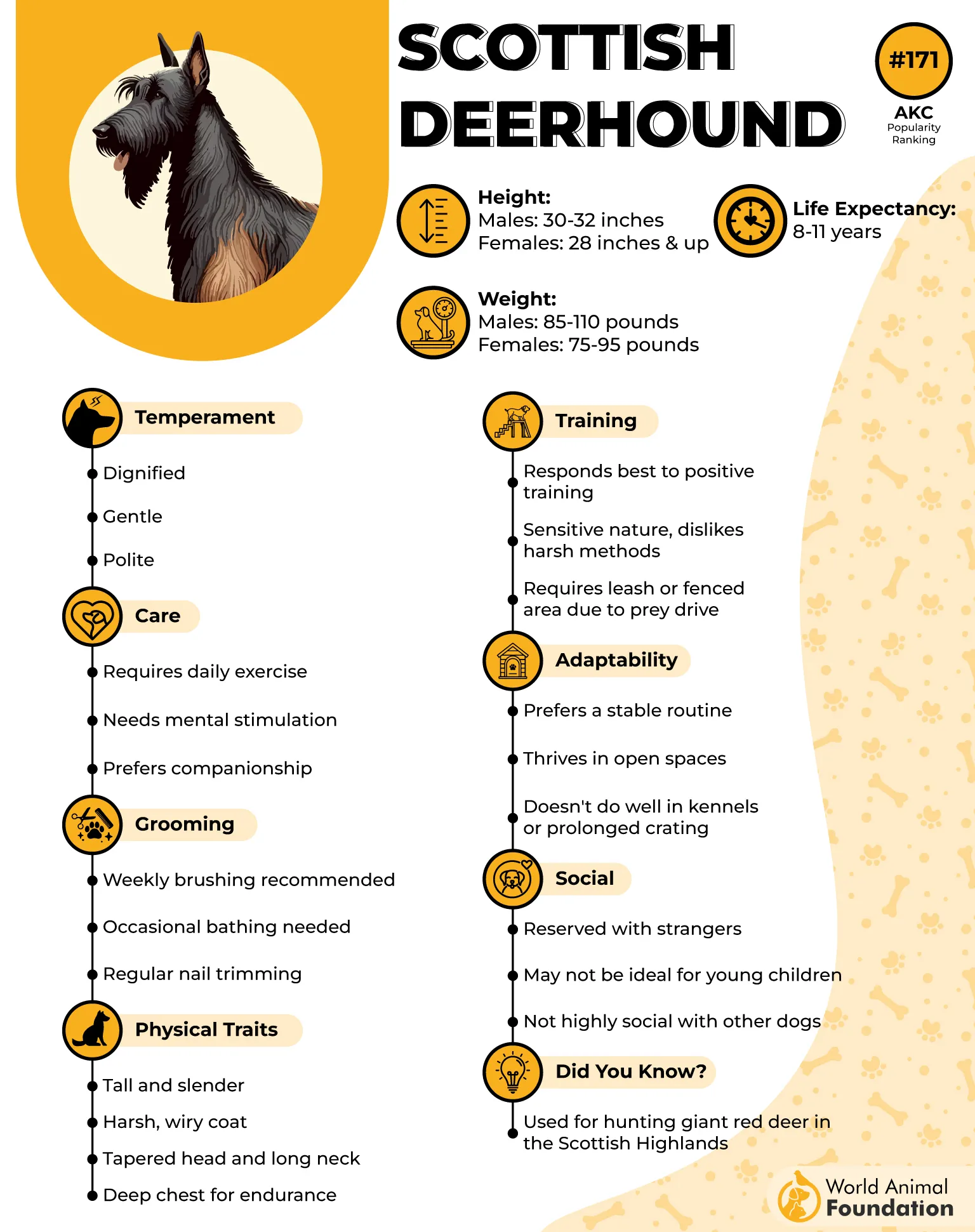
Scottish Deerhounds are tall, elegant sighthounds from Scotland. Their history goes back to the Scottish Highlands, where they were bred to hunt deer and were once closely associated with nobility.
Today, they are better known as gentle and devoted companions. Their graceful appearance may seem serious, but they are soft-hearted dogs at home.
Quiet and Affectionate Companions
Scottish Deerhounds are generally easygoing, loving, and devoted to their families. They are usually quiet and reserved with strangers and are not known for excessive barking.
They can be excellent with children, other dogs, and cats when raised with them. As adults, they often become relaxed couch potatoes who enjoy sleeping and staying close to their people.
Exercise and Training
Despite their calm nature at home, Scottish Deerhounds need plenty of daily exercise and space to run. Their hunting instincts can quickly take over if they spot something moving, so secure areas are important.
They are sensitive, independent thinkers and can learn slowly, making patience and positive training important. Their coarse coat is also fairly easy to maintain with weekly brushing and occasional baths.
7. Rafeiro do Alentejo
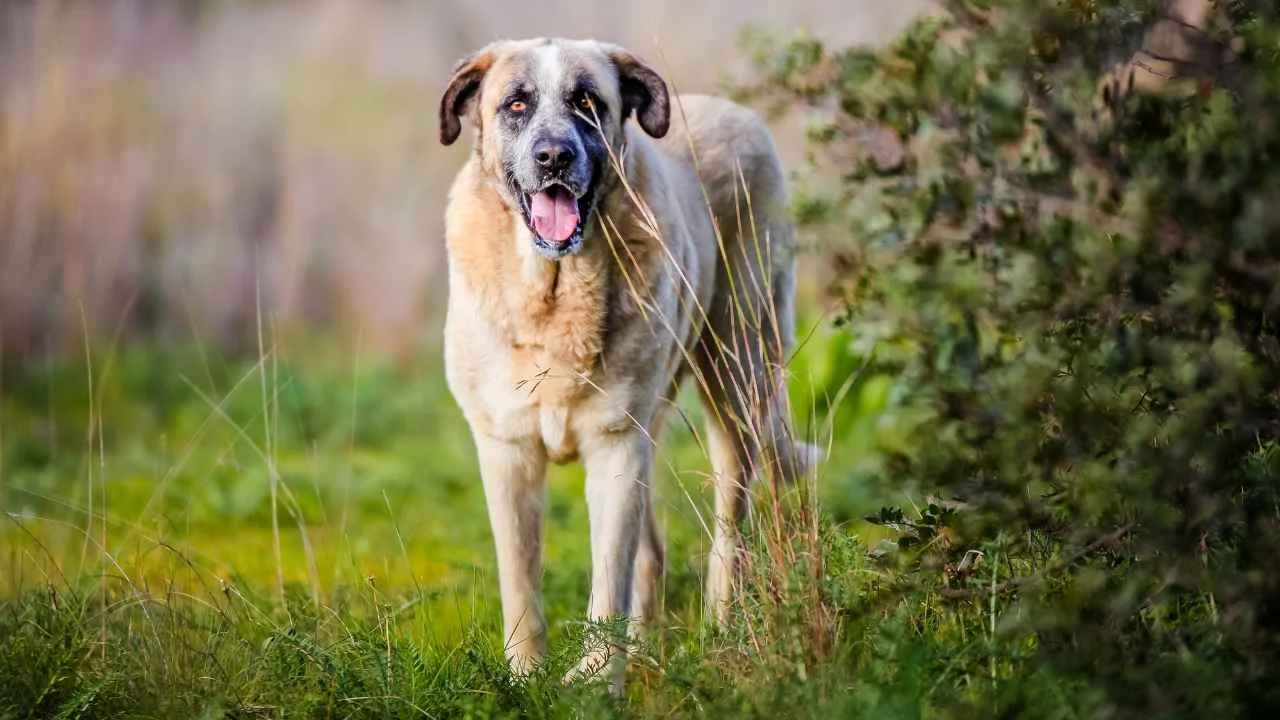
Rafeiro do Alentejo are giant guardian dogs from Portugal, also known as Portuguese Mastiffs or Alentejo Mastiffs.
They were first used to hunt large game before becoming trusted guardians of livestock and land. Their powerful build may look intimidating, but they are known for being calm, sweet-tempered, loyal, and independent.
Calm but Watchful Companions
Rafeiro do Alentejo have strong protective instincts and take their guarding duties seriously. They are naturally watchful and tend to be more active at night, a trait linked to their history of protecting sheep and cattle.
Despite this, they can be gentle family companions when properly trained and socialized. They can also live with children and other pets, especially when raised alongside them.
Training and Daily Life
These intelligent dogs are trainable but are best suited to experienced owners who can provide early socialization and consistent, positive training.
They need daily exercise and enough indoor and outdoor space, though they are not considered highly energetic. Outdoor time should be on a leash or within a secure fence because they can have a strong urge to roam.
Conclusion
Quiet giant dogs show that size does not always mean noise or chaos. From calm family companions to watchful guardians, these breeds can bring loyalty, affection, and a peaceful presence into the home.
Each has its own personality, needs, and level of activity, so understanding the breed matters before bringing one home.
If you’re considering a giant dog, look beyond appearance and think about its temperament, training needs, exercise, and space requirements. The right companion may be the one that can fill a room with its presence while still being happiest simply resting by your side.
