




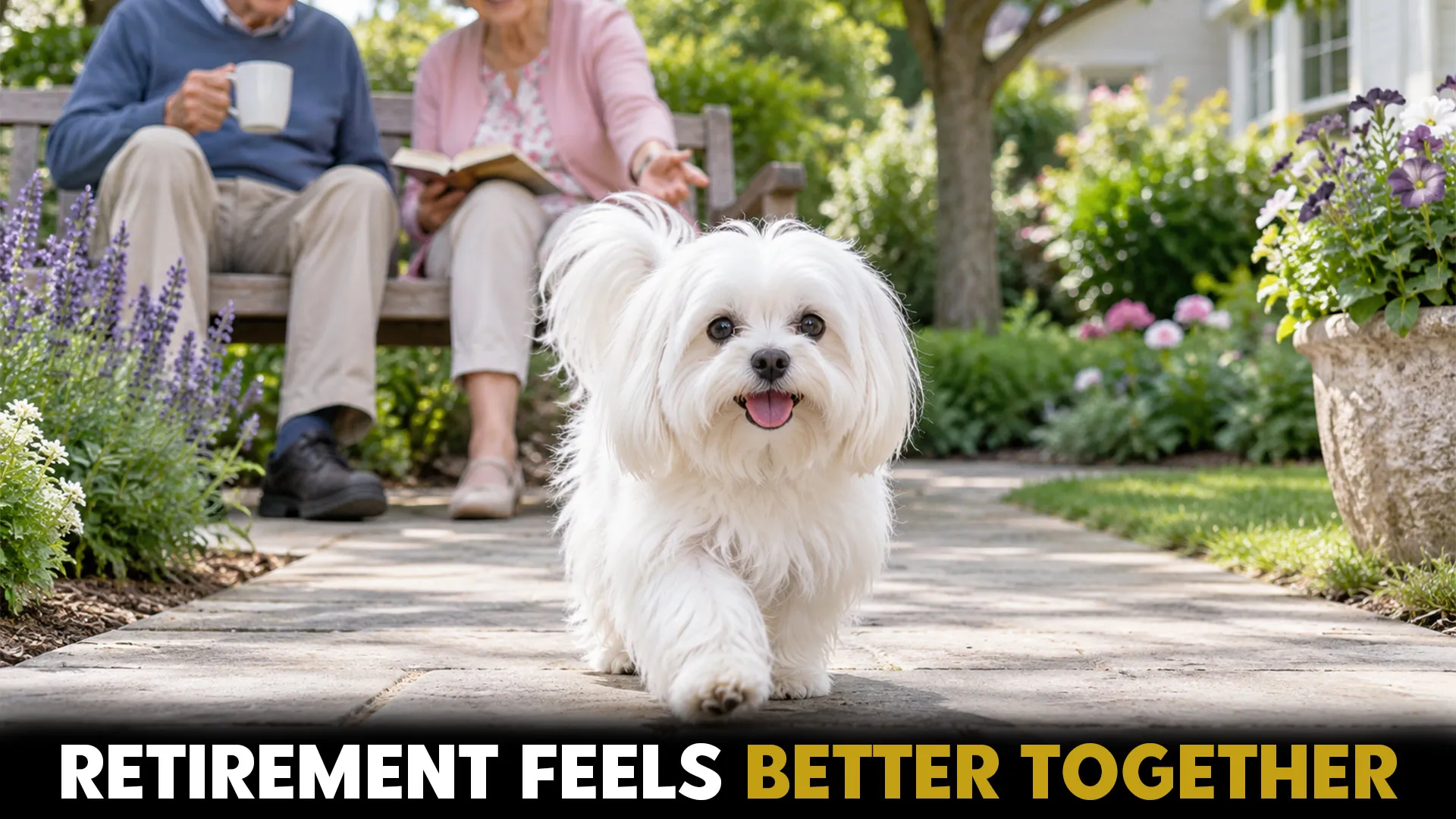
Retirement can bring more time for companionship, and a tiny dog can turn quiet mornings into moments filled with affection and playful energy. Toy breeds are often easy to manage, comfortable in smaller places, and happy to stay close to their favorite person.
The right dog should complement their lifestyle. Size, temperament, energy level, grooming needs, and trainability all matter when choosing a dog that is comfortable to handle and enjoyable to care for. Some toy breeds prefer leisurely routines, while other dogs welcome short walks and interactive play.
If you’re looking for a devoted four-legged companion for your retirement years, these seven top picks of toy breeds offer plenty of personality in a wonderfully manageable package.
FACT: Smaller breeds are generally easier to control and can adapt well to apartments and other compact living spaces.
Best Toy Dog Breeds for Senior Citizens and Retirees
1. Cavalier King Charles Spaniel
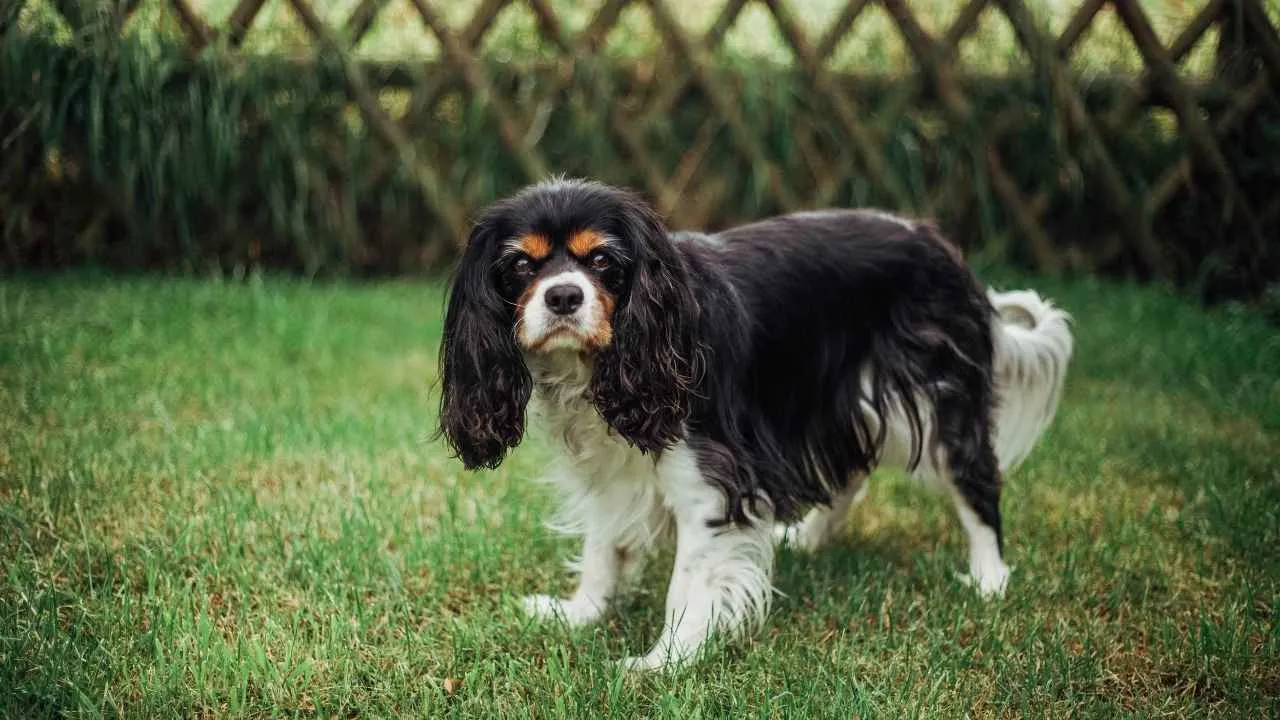
The Cavalier King Charles Spaniel brings a gentle, affectionate presence that suits seniors looking for a devoted companion. This elegant little dog is easy to handle and enjoys being close to its owner.
Daily life with a Cavalier can be pleasantly relaxed. They appreciate moderate walks and playtime but are equally happy settling beside you for a quiet afternoon.
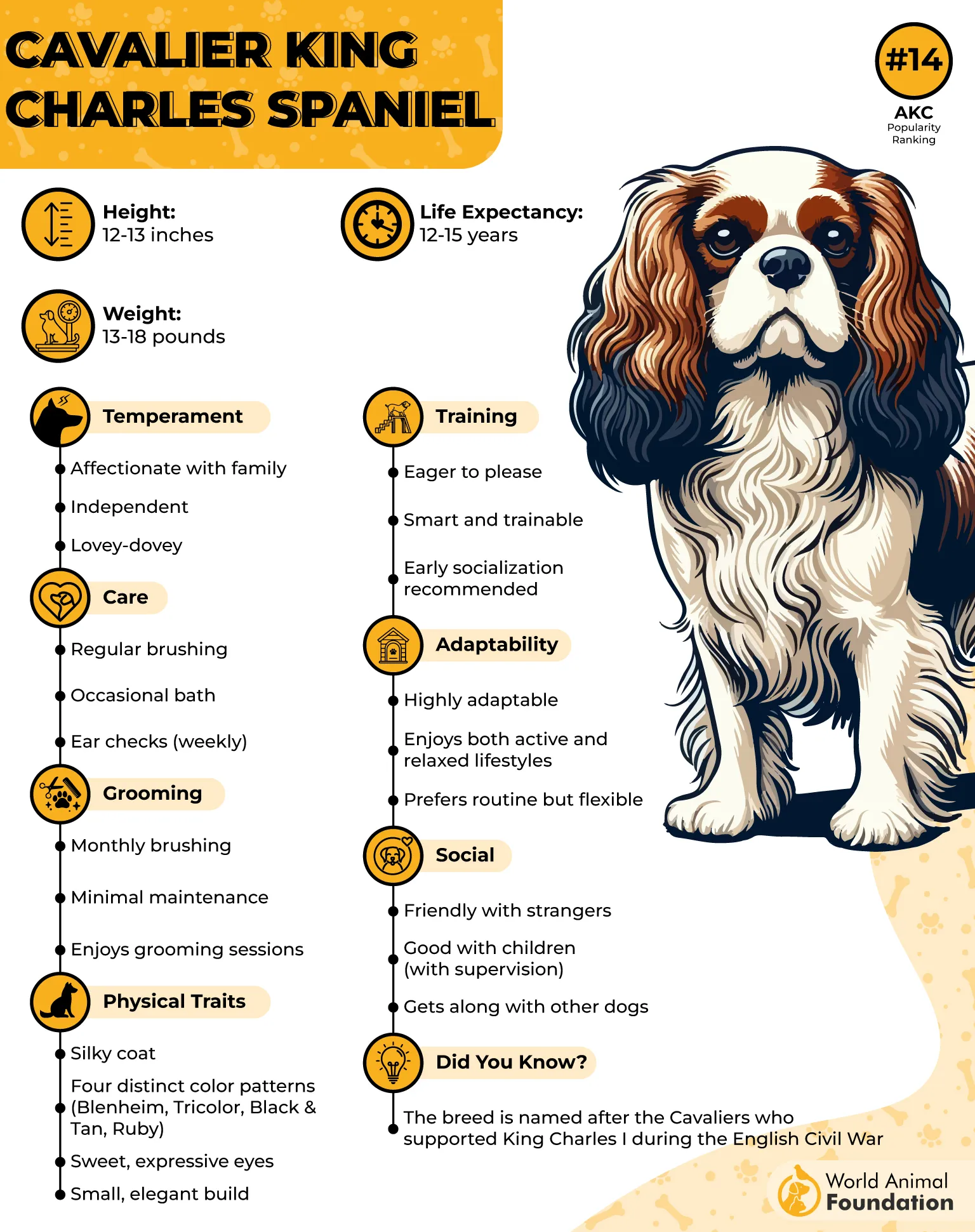
Their adaptable nature makes them comfortable in apartments and smaller living spaces. They tend to adjust well to their owner’s activity level, making them a fitting choice for peaceful routines.
That silky coat does need regular attention, including brushing and occasional ear cleaning. With their loving personality and fondness for cuddling, Cavaliers can bring plenty of warmth and companionship to retirement days.
2. Maltese
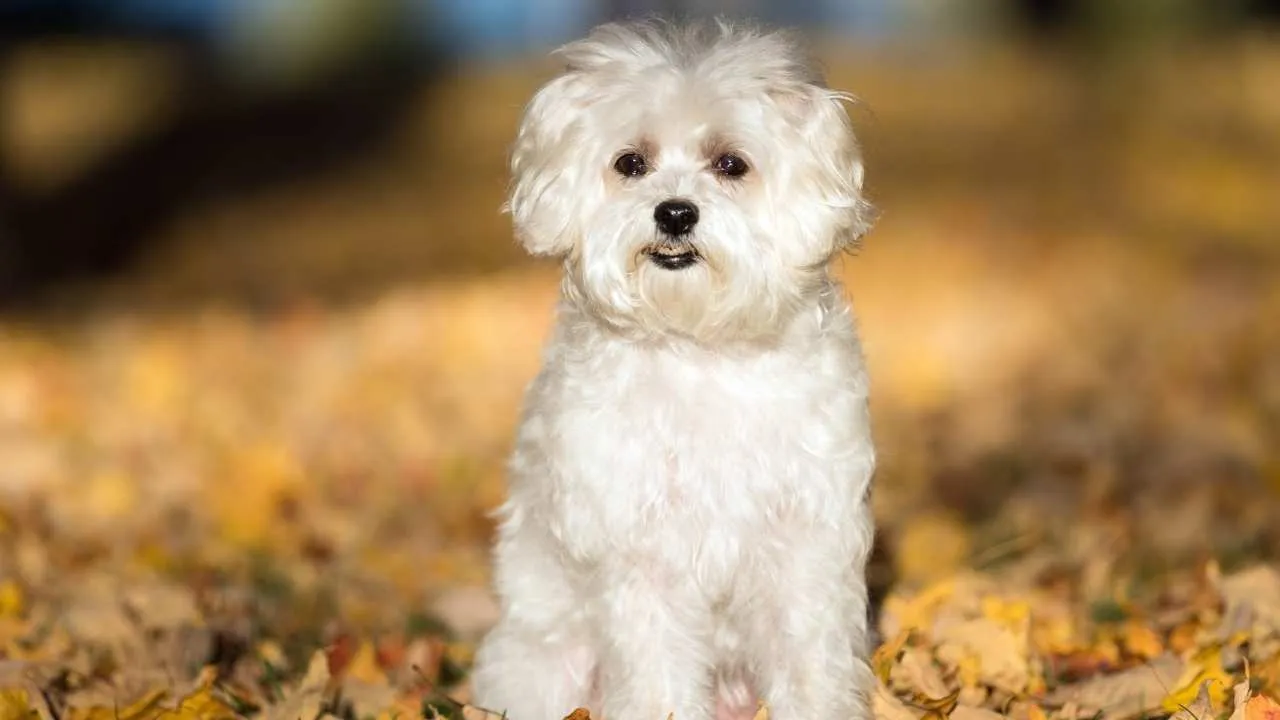
The Maltese brings a warm, affectionate presence to everyday life without demanding a highly active routine. This tiny companion is easy to handle and can comfortably settle into smaller living spaces.
Their exercise needs are refreshingly manageable. Short walks can provide enough moderate activity, while quiet hours spent beside their owner or curled up on a lap suit their gentle nature.
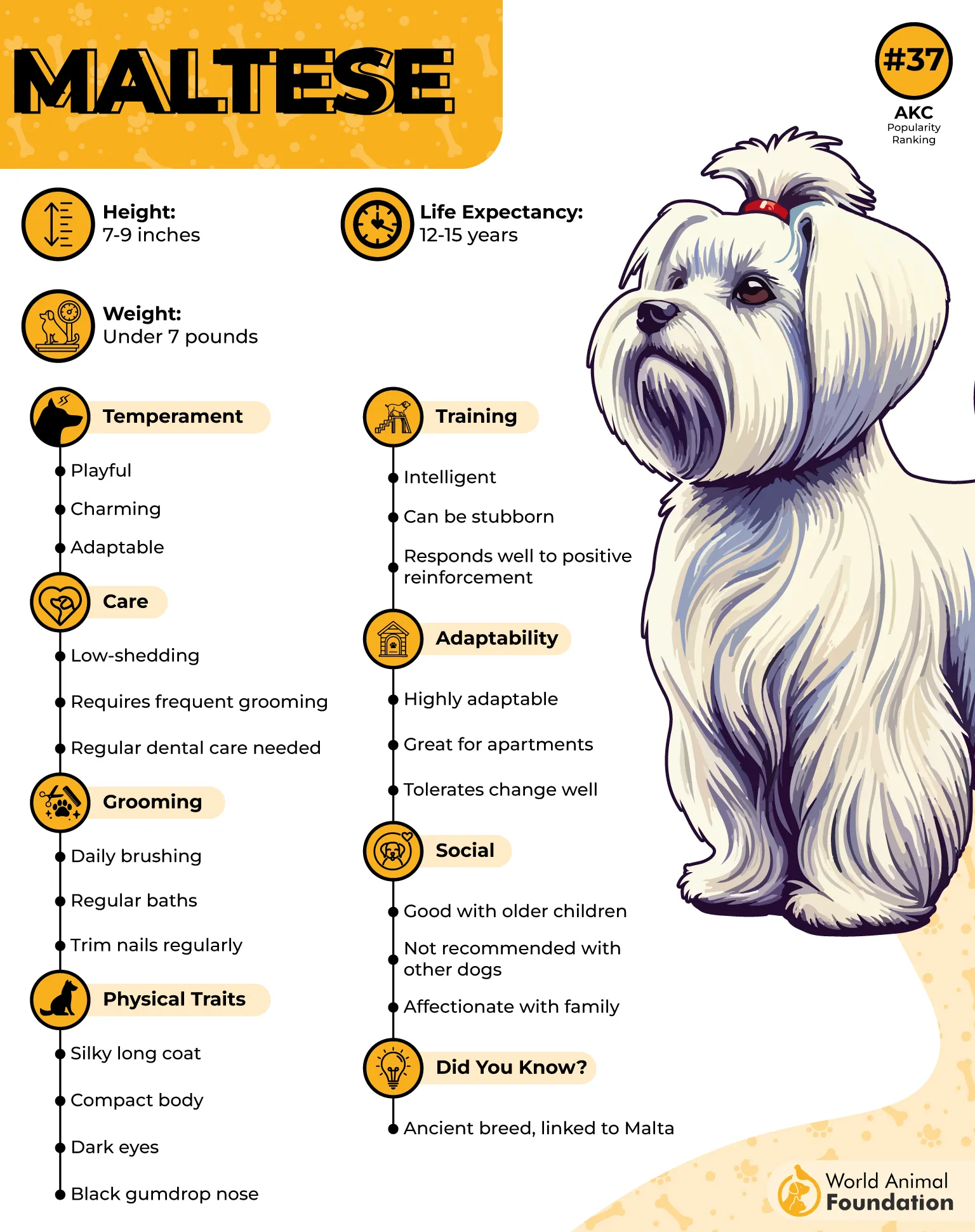
Maltese dogs are also known for being devoted and responsive to their owners, making them pleasant companions throughout the day. Their trainability can make basic routines easier to establish.
That beautiful white coat does require regular attention, including frequent brushing, bathing, and professional grooming. However, the breed sheds very little, which can be appealing for those who prefer a tidier home.
3. Poodle
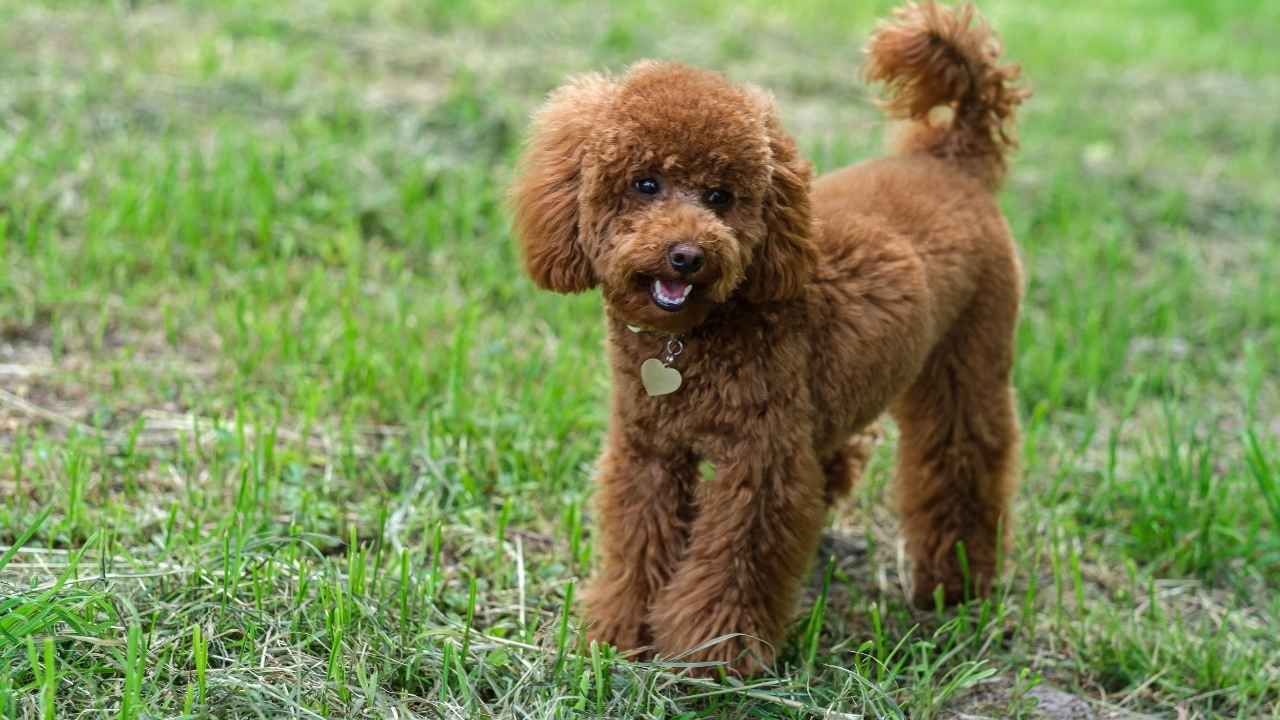
The Poodle is a particularly engaging companion for retirees, thanks to its exceptional intelligence and eagerness to learn. Toy and Miniature Poodles offer manageable sizes while remaining affectionate and adaptable.

Their quick learning ability makes training more straightforward, whether you are teaching basic commands or introducing new activities. This mental engagement can also provide enjoyable stimulation throughout retirement.
Poodles do have more energy than some small companion breeds, so daily walks and interactive play are important. Keeping them active can support both physical fitness and mental well-being.
Their curly, minimally shedding coats may suit seniors with allergies, but they require professional grooming every six to eight weeks. Regular coat care helps maintain their distinctive appearance and prevents the coat from becoming difficult to manage. According to Hill’s Pet, Poodles are considered easy to care for.
4. Shih Tzu
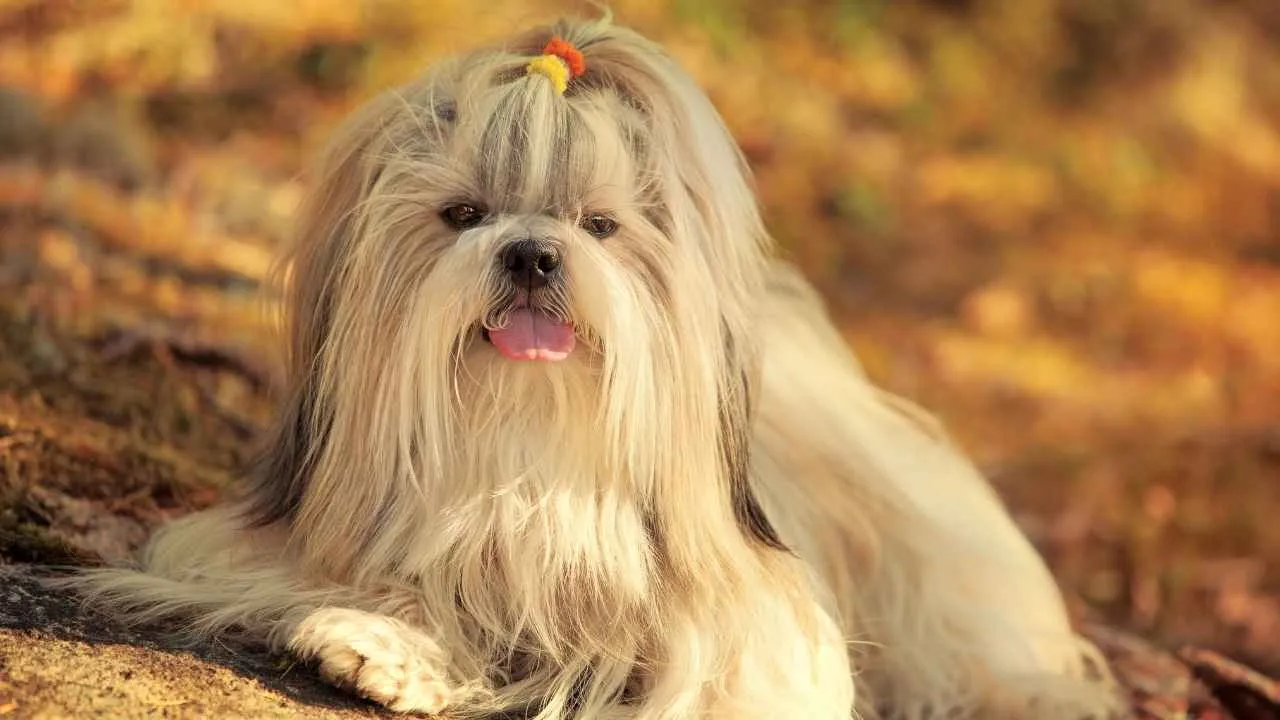
The Shih Tzu brings a regal touch to everyday companionship, with a charming personality suited to relaxed indoor living. This petite breed is also relatively easy for seniors to handle.
Originally bred as palace companions, Shih Tzus tend to form strong bonds with their owners and often follow them from room to room. Their affectionate nature makes cuddling and quiet time a favorite part of the day. According to Orvis, Shih Tzus are deeply loyal to their families.
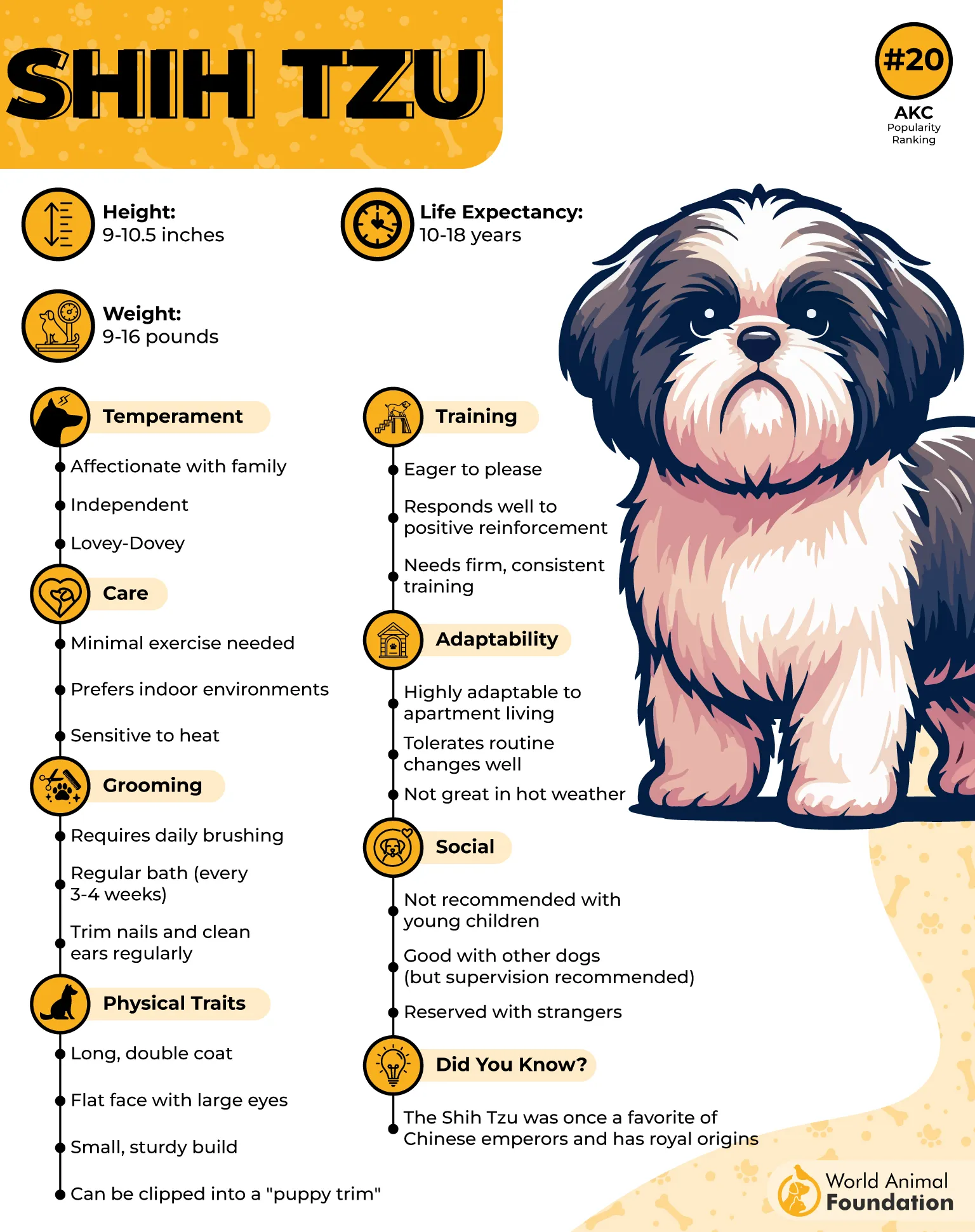
Although they enjoy regular walks, they do not demand extensive exercise, making their activity needs manageable for retirees. A small stubborn streak can appear during training, but their intelligence helps them learn with patience and consistency.
Their long, luxurious coat does require regular grooming to stay in good condition. Some may also experience skin problems or brachycephalic-related concerns; taking care and veterinary attention are important.
5. Pug
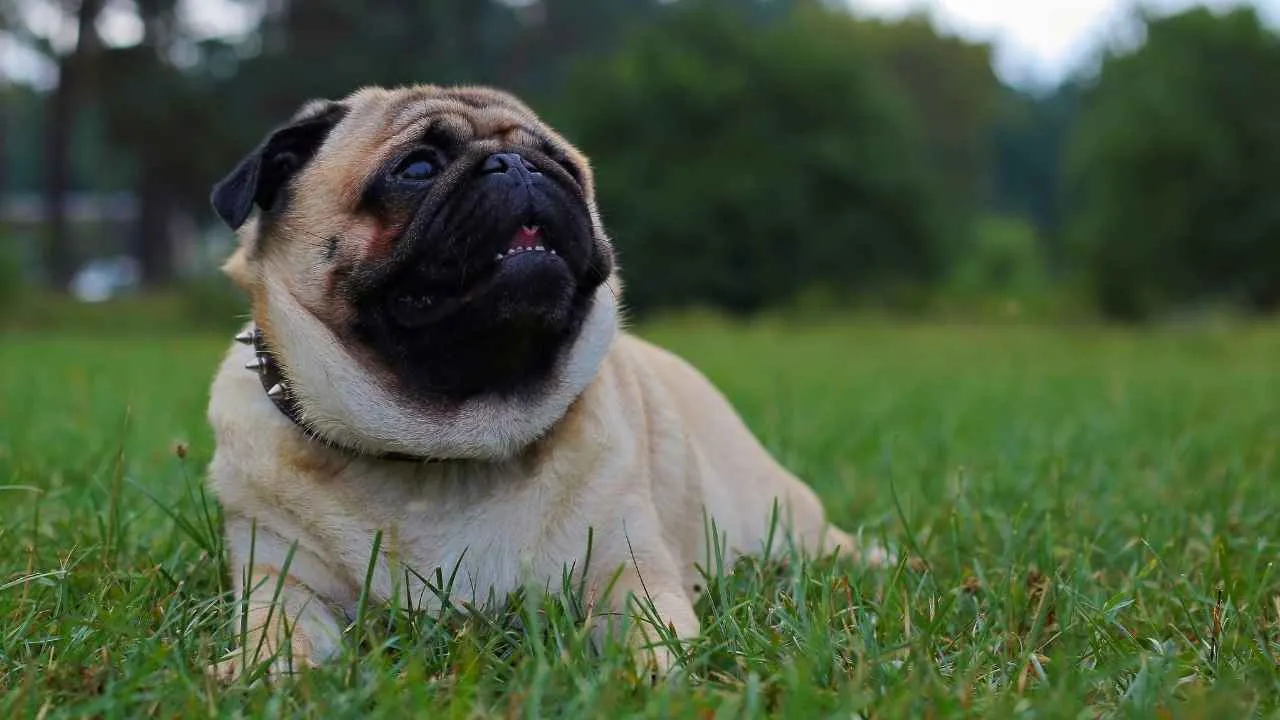
The Pug has a charming way of becoming your little shadow, happily staying close to its favorite person throughout the day. This affectionate breed enjoys cuddling, sitting on laps, and giving plenty of attention in return.
Although Pugs can get excited during play, they generally do well with short walks rather than demanding exercise. When outdoor conditions are uncomfortable, indoor moderate activity can help keep them moving.
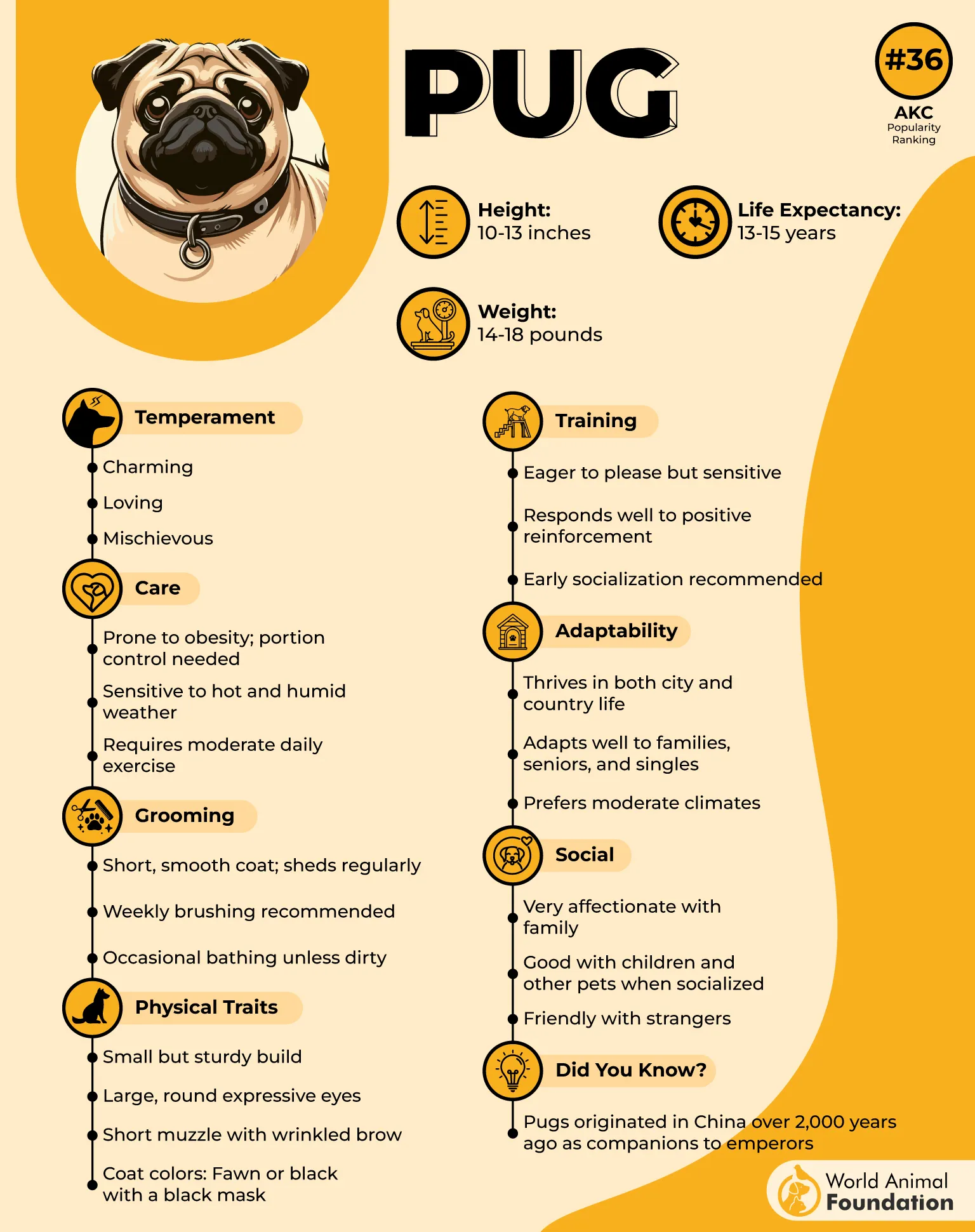
Their grooming routine is fairly simple, but expect noticeable shedding and keep the facial folds around their eyes clean. These easygoing dogs can also be playful and mischievous, adding plenty of entertainment to everyday life.
Pugs are prone to overeating and weight gain, so portion control and a balanced diet are important. Their short-nosed structure can also cause breathing difficulties, particularly in extreme temperatures.
6. Bichon Frise
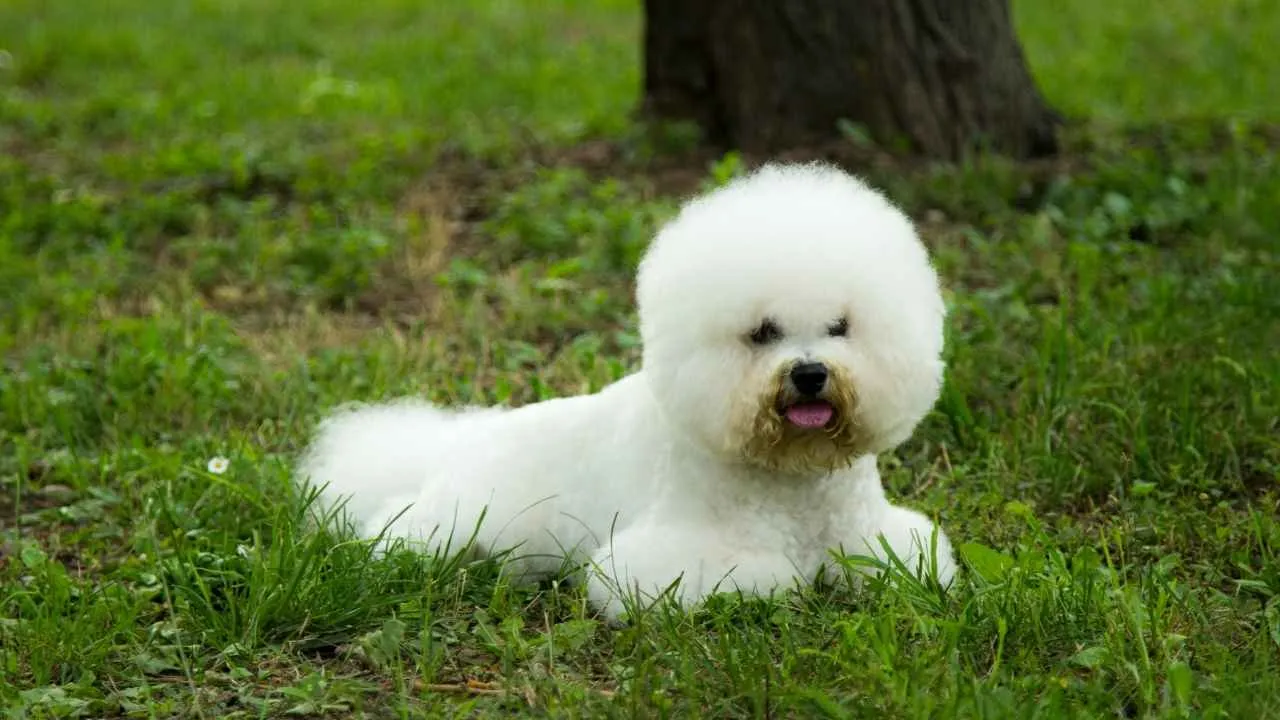
The Bichon Frise brings a cheerful presence, with a playful personality that can brighten quiet days. Its affectionate nature makes it especially suited to seniors who enjoy having a loyal companion nearby.
This petite breed is relatively easy to handle. Bichons also tend to adapt well to their owner’s activity level, enjoying moderate exercise without demanding intense physical routines. According to Petplan, Bichon Frises may display undesirable behaviors such as barking, whining, scratching, and chewing when left alone for extended periods.
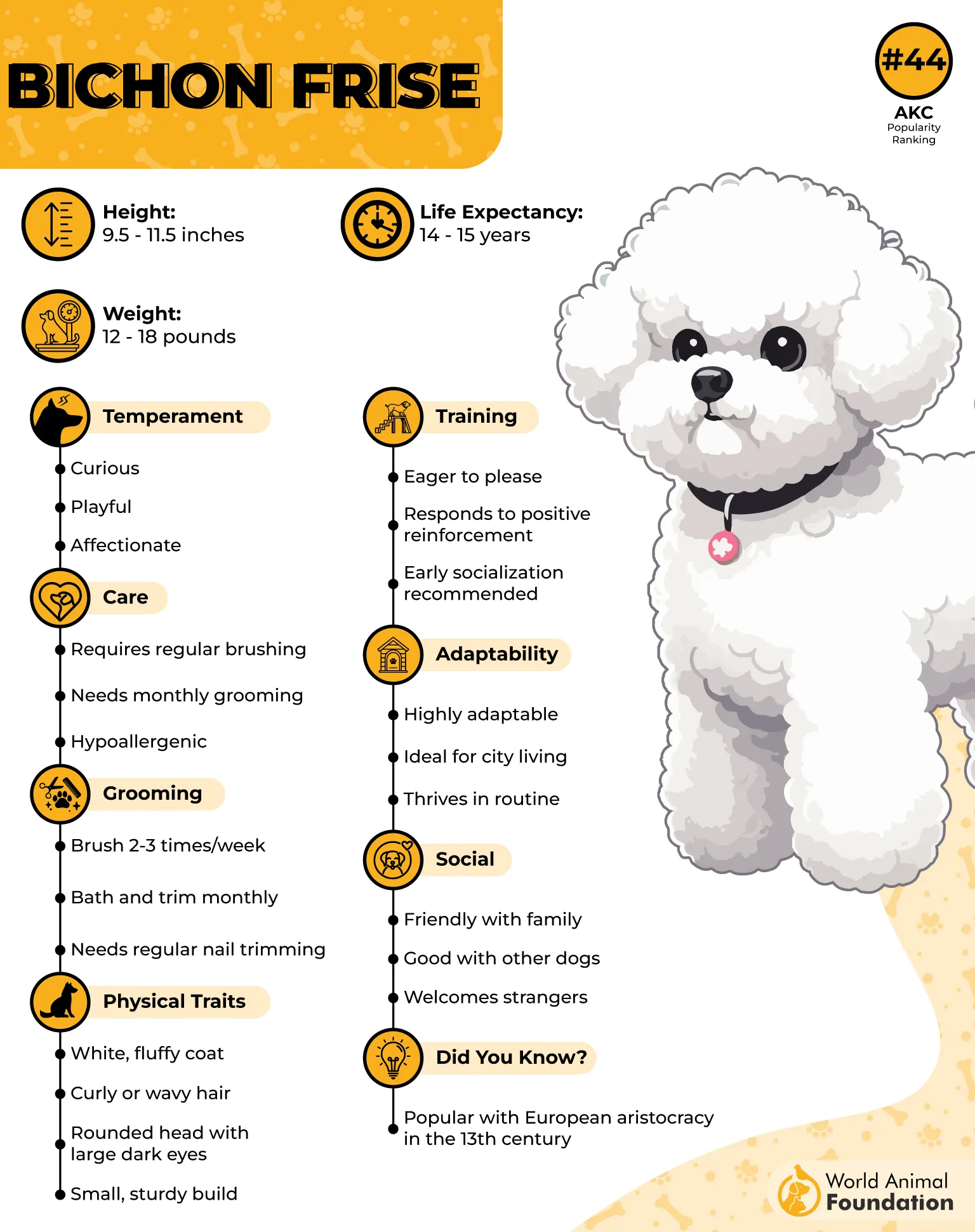
Their intelligence and eagerness to please can make training fairly straightforward. They are also naturally social, often enjoying time with people and children, which can add companionship to a retiree’s daily routine.
That fluffy coat sheds minimally, but it does require regular grooming to stay neat. Periodic professional grooming can help maintain its appearance while keeping everyday coat care manageable.
7. Havanese
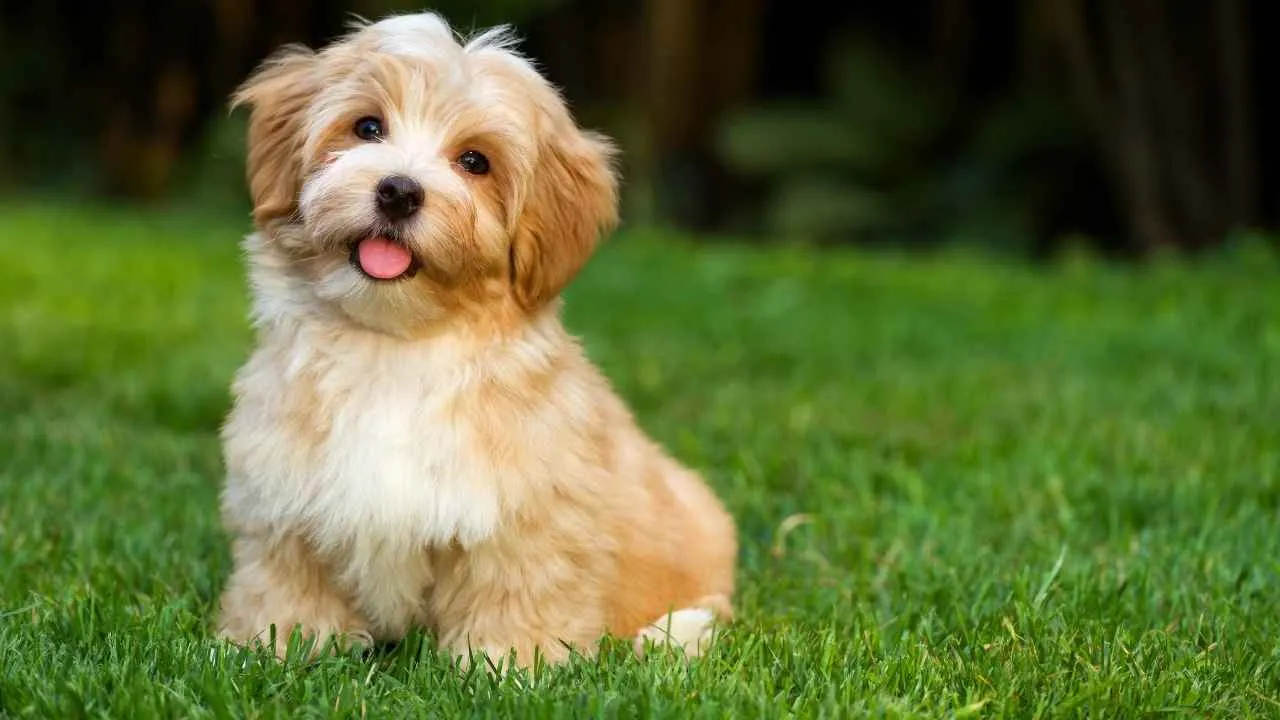
The Havanese has a natural talent for making quiet days feel a little brighter. Affectionate and sociable, this small companion enjoys staying close to its favorite person, making it a good choice for senior owners who spend plenty of time at home.
Life with a Havanese can be pleasantly easygoing. It does not need much exercise or living space, while its intelligence and eagerness to learn make teaching tricks an enjoyable way to provide mental stimulation.
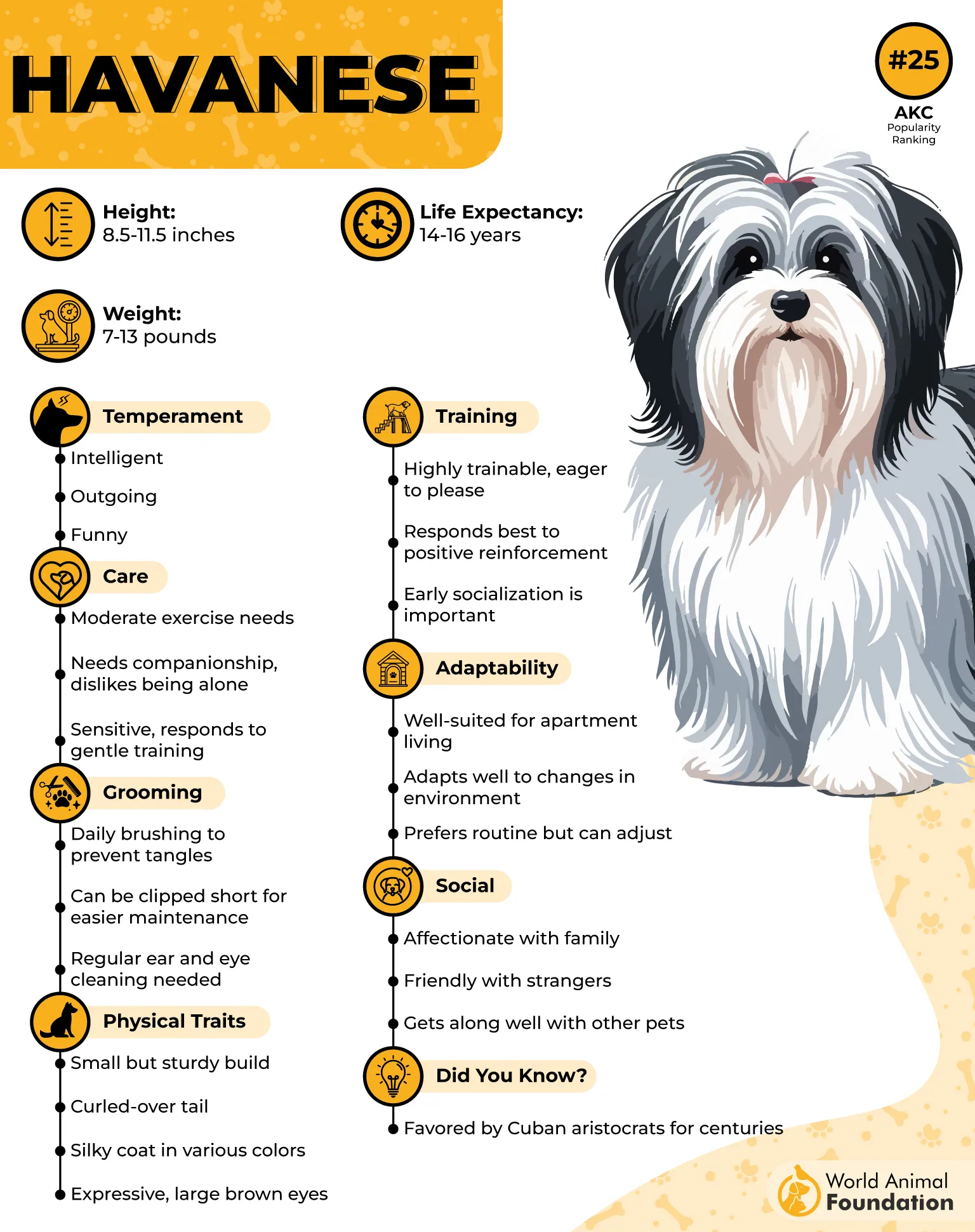
Their friendly nature also makes them popular as therapy dogs, and they can be attentive without being excessively vocal. Their playful personality adds companionship without demanding a highly active routine.
There is one important consideration: that beautiful long coat needs frequent brushing to remain smooth and free of tangles. Some owners may also need occasional professional grooming to keep up with its care.
Conclusion
Choosing the best dog breeds can bring companionship, affection, and a lively presence into a retiree’s daily routine. Their small size can also make them easier to accommodate in smaller apartments of seniors and retirees.
Toy breeds often have manageable exercise needs, allowing older adults to enjoy regular walks, gentle play, and quality time without demanding intense physical activity. Their companionship can fit naturally into a quieter lifestyle.
Grooming, training, temperament, and individual care needs still vary between breeds. Considering these factors can help prospective owners find a canine friend whose personality and daily requirements complement their routine.
With the right match, a low-maintenance dog can become a devoted canine companion, offering affection and enjoyment while fitting comfortably into the slower pace of retirement.
