




Looking for a low-maintenance dog often starts with one question: how much care can you realistically fit into your week? The answer can shape everything from grooming and exercise to training and time spent at home.
Some dogs need frequent brushing because their coats shed heavily or tangle easily. Others have simpler coat care but bring higher exercise needs that can make the daily routine more demanding. There is another detail worth knowing.
A dog that needs less grooming may still need plenty of attention, movement, and daily interaction to remain content. That is why low maintenance should be viewed as an overall lifestyle match rather than a simple shortcut to everyday pet care.
The right dog can share your routines, enjoy your company, and still leave enough breathing room for work and life. The breeds ahead make that balance easier to explore.
Key Takeaways
Low maintenance sounds simple until you realize that less grooming does not always mean less care.
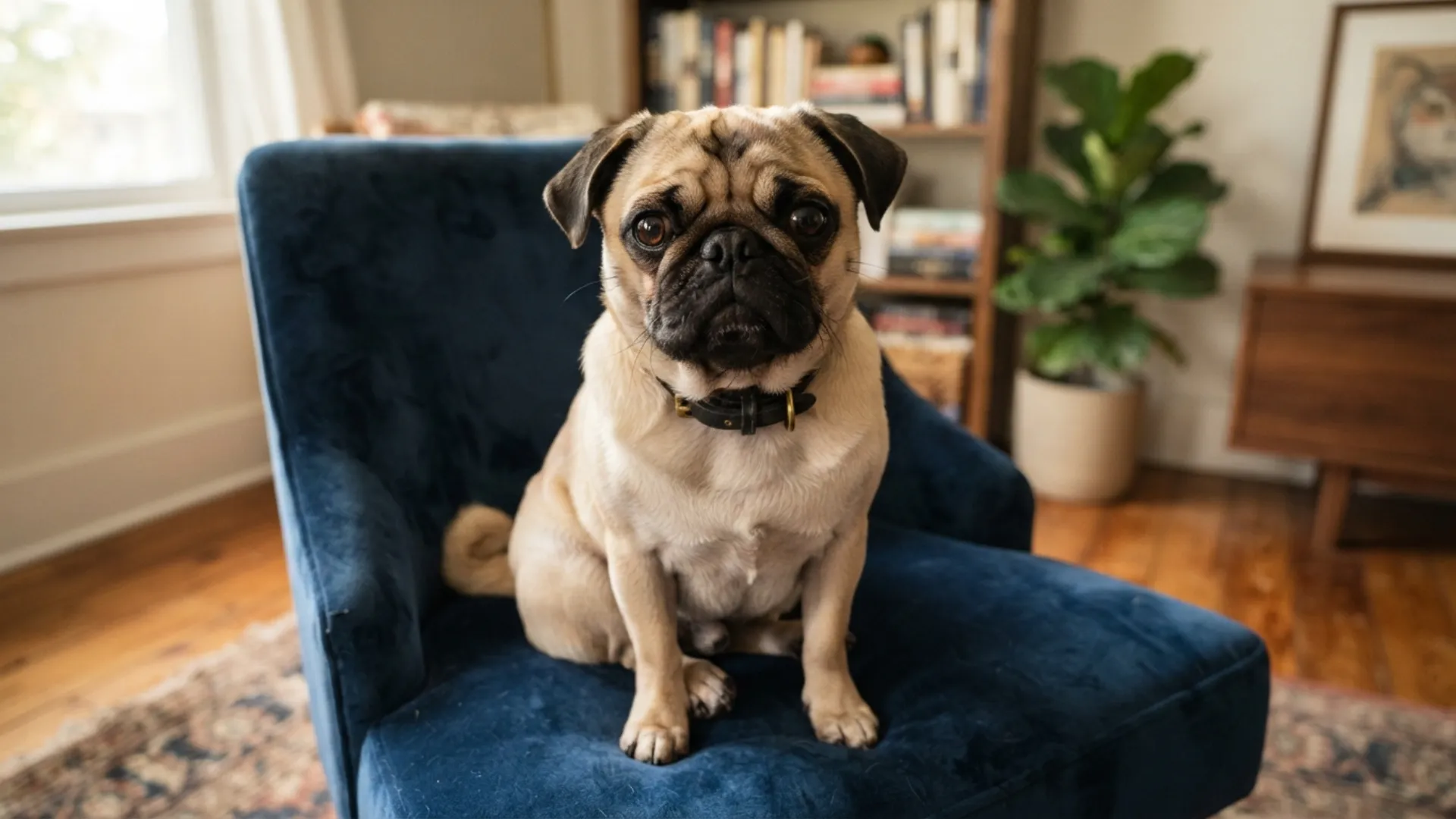
The Pug is a great example, with a short glossy coat that is easy to brush and a history that goes all the way back to ancient Chinese royalty.
The Miniature Pinscher keeps grooming simple too, although its tiny frame comes with enough energy for running, chasing, and getting into whatever catches its attention.
There are several more surprises ahead, including a breed whose tiny size hides a rather mischievous side.
Top Low-Maintenance Dog Breeds for a Fulfilling Bond
1. Pug
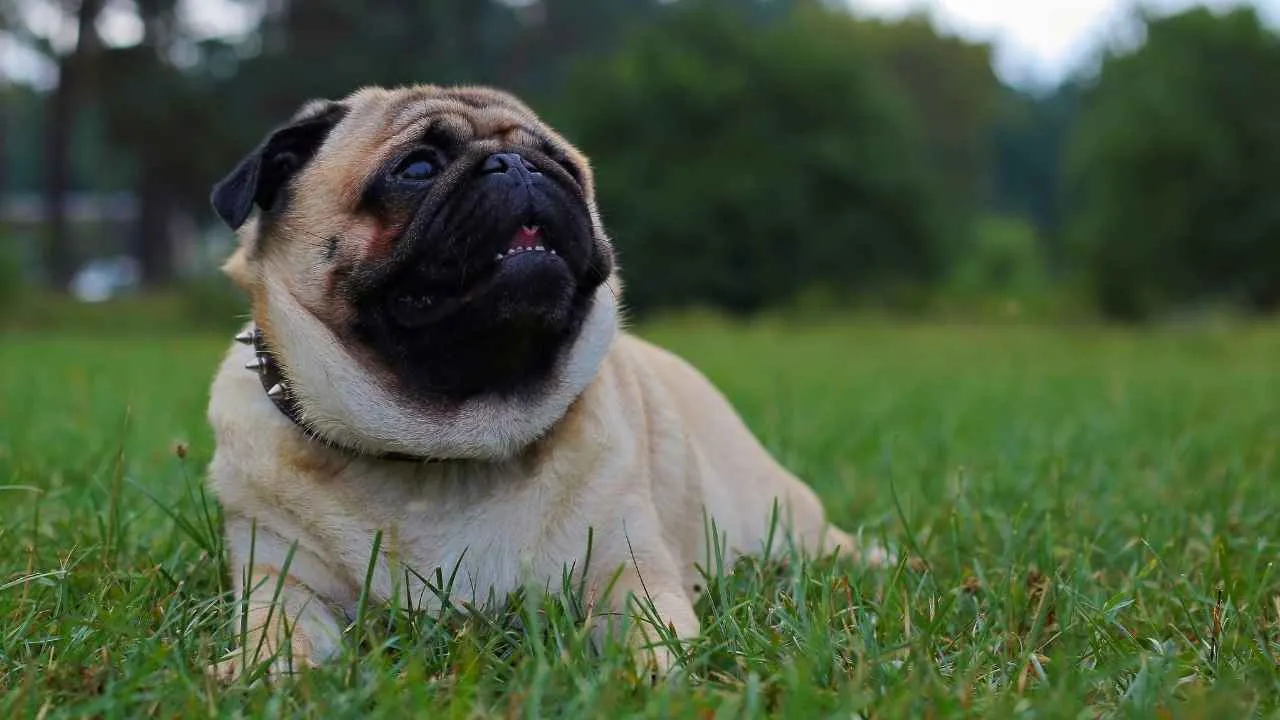
Pugs originated in China during the Han Dynasty, between 206 BC and 200 AD, with evidence of similar dogs also found in ancient Tibet and Japan. Chinese emperors prized these compact companions enough to give them luxurious surroundings and even soldiers for protection.
Small Home, Easy Routine
This minimal maintenance dog suits smaller homes partly because it is fairly inactive indoors and can spend much of the day napping. A 30-minute daily walk or half an hour of garden play can provide a simple routine without demanding extensive space.
These breed traits are worth knowing:
Short muzzle makes heat management difficult
Temperatures above 29°C can cause heat stroke
Exercise should remain on dry land
Simple Coat Care
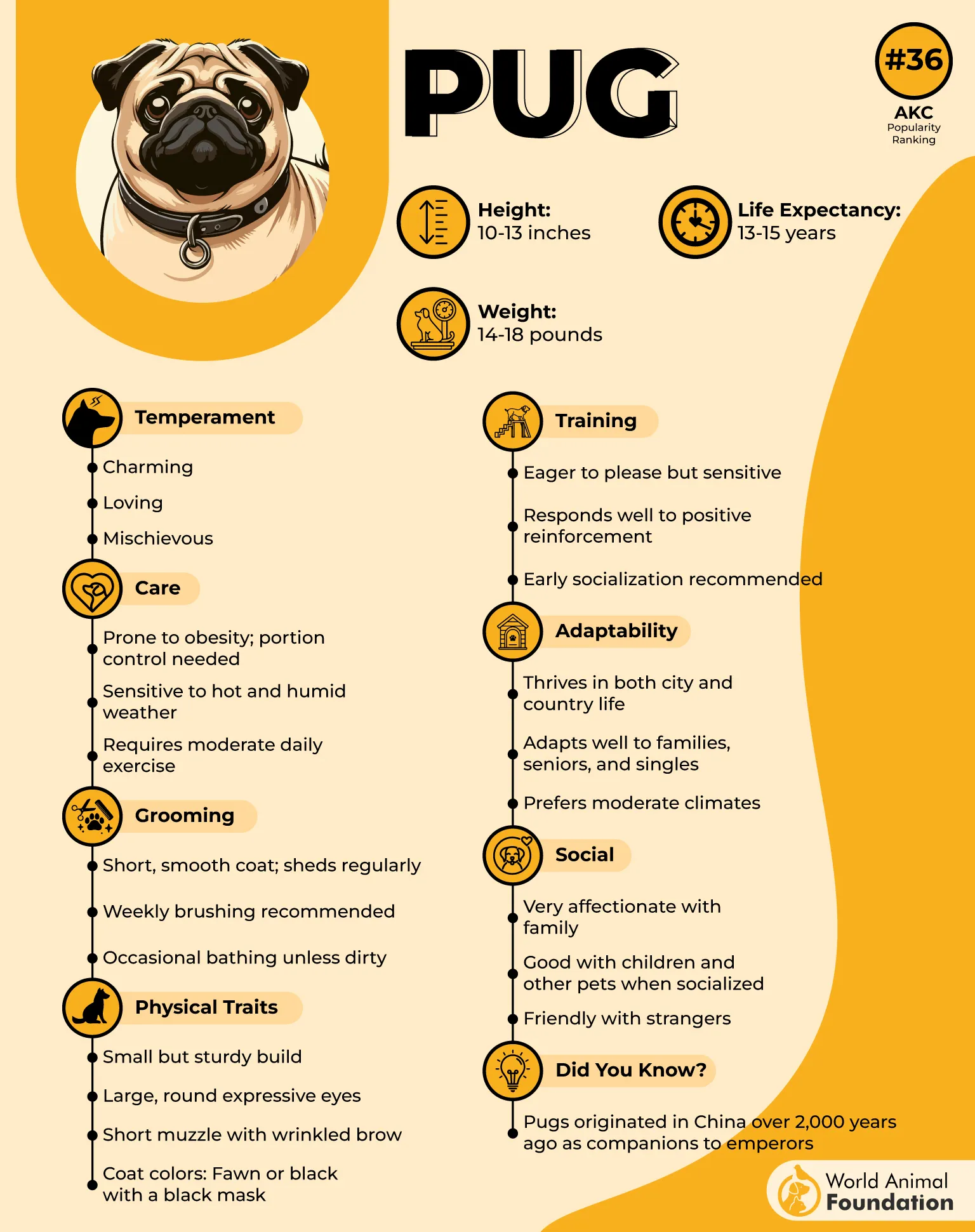
The Pug has a short, smooth, glossy coat that needs limited grooming, although loose hair can still collect around the home and on furniture, as per the AKC. Weekly brushing with a medium-bristle brush, rubber grooming mitt, or hound glove helps remove shed hair and keep the coat looking tidy.
2. Rat Terrier
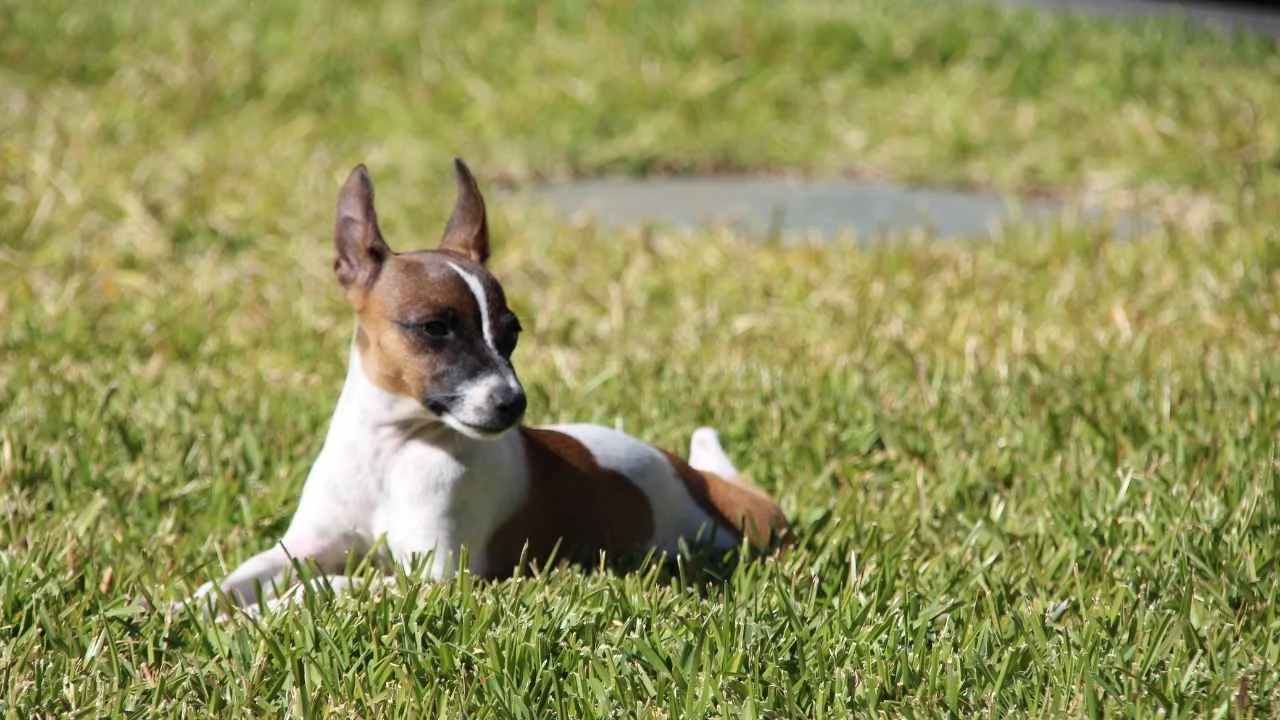
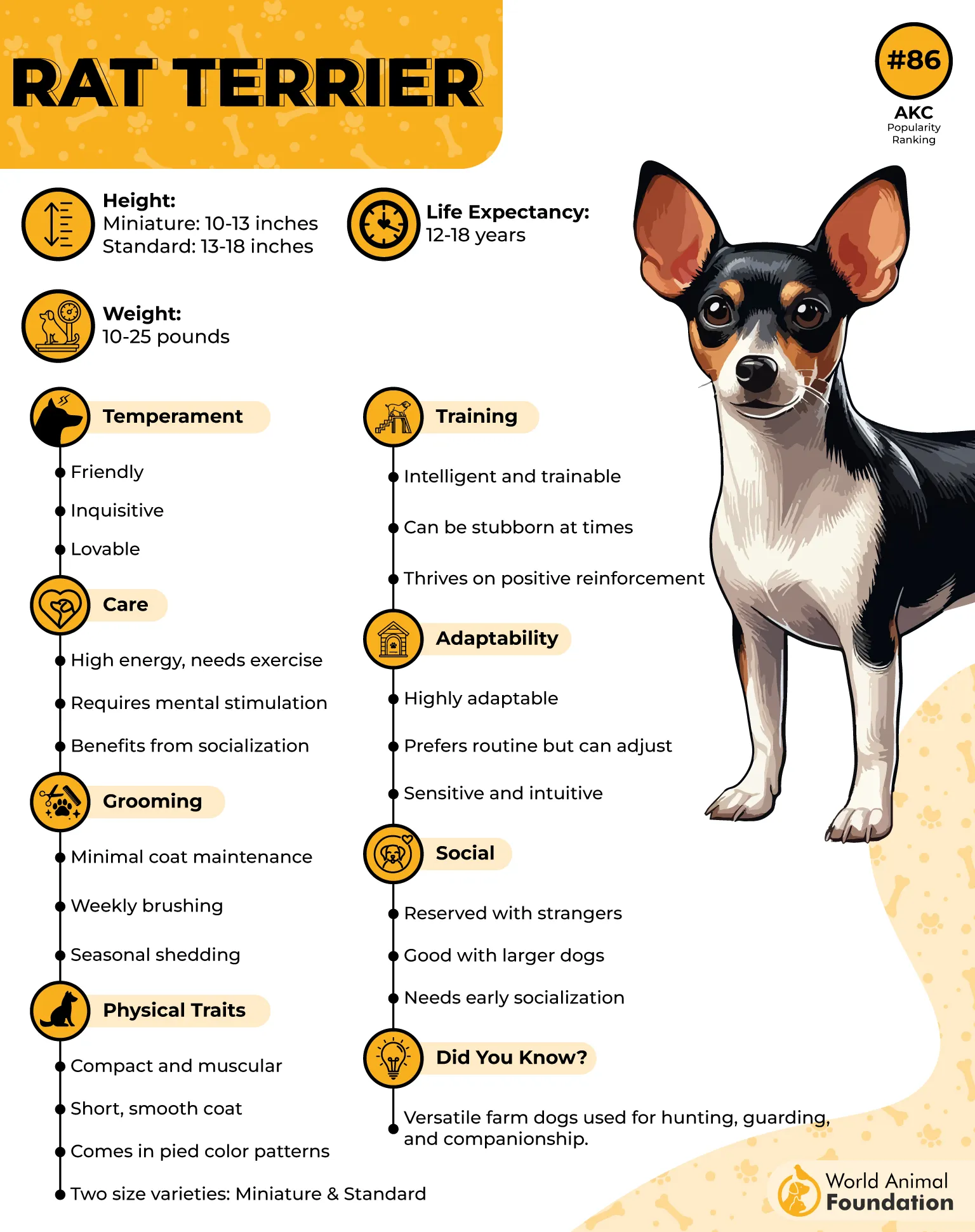
Rat Terrier was bred to chase rats and other vermin, using a sharp mind and quick, nimble movement to get the job done. That working background still shows in its tenacity, curiosity, and habit of turning ordinary moments around the house into its own little adventure.
Easy Coat Care
This small breed has a short, dense coat that needs very little upkeep to remain healthy and glossy. A weekly brushing with a soft brush or hound glove is generally enough, while bathing about once a month can suit many dogs depending on their lifestyle.
Beyond grooming, this dog has these concerns:
Strong prey drive needs proper direction
Benefits from early, consistent training
Can live with familiar cats and pets
Always Involved
Rat Terrier is strongly people-oriented and prefers being part of household activities rather than spending long stretches alone, as PetMD writes. Its playful nature and quick thinking can also turn boredom into mischievous behavior when there is too little to do, so regular interaction and engaging activities are helpful.
3. Miniature Pinscher
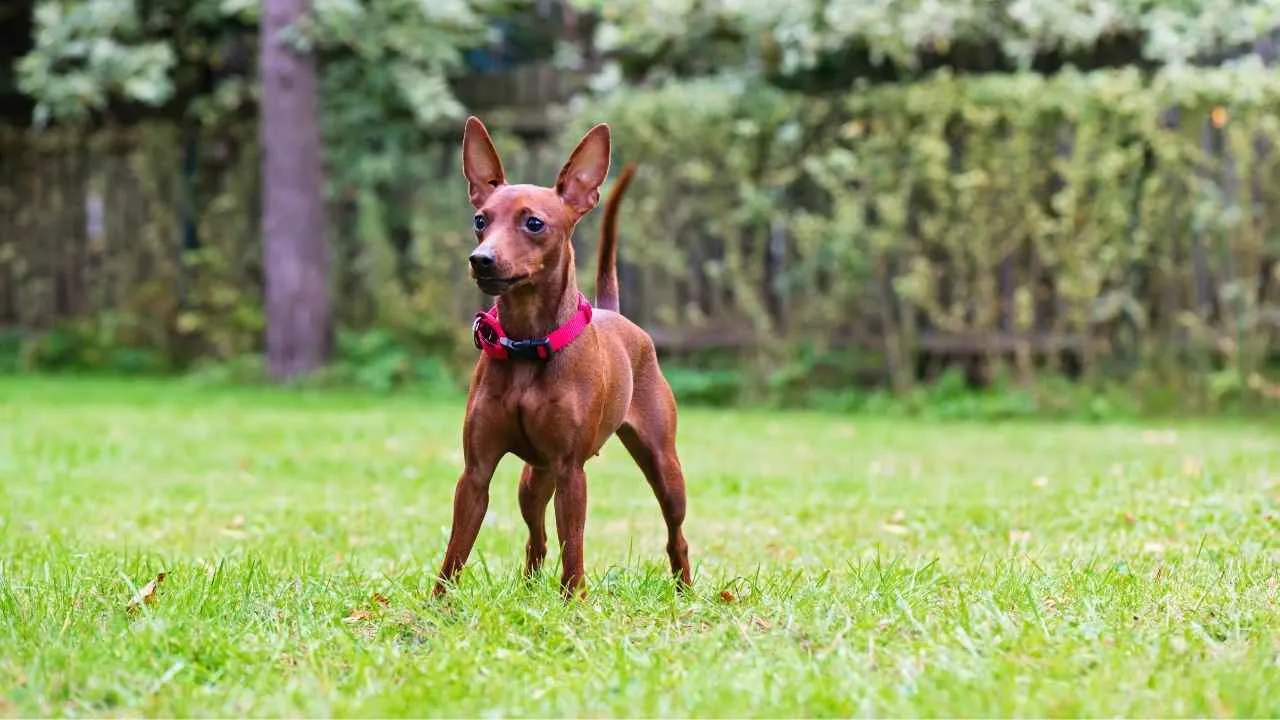
Miniature Pinschers spent hundreds of years in Germany working around barnyards, where their job included keeping rats away from farm areas. The breed later became associated with the title “king of toy breeds,” fitting a dog that reaches about one foot at the shoulder and weighs up to 11 pounds.
Easy Coat Care
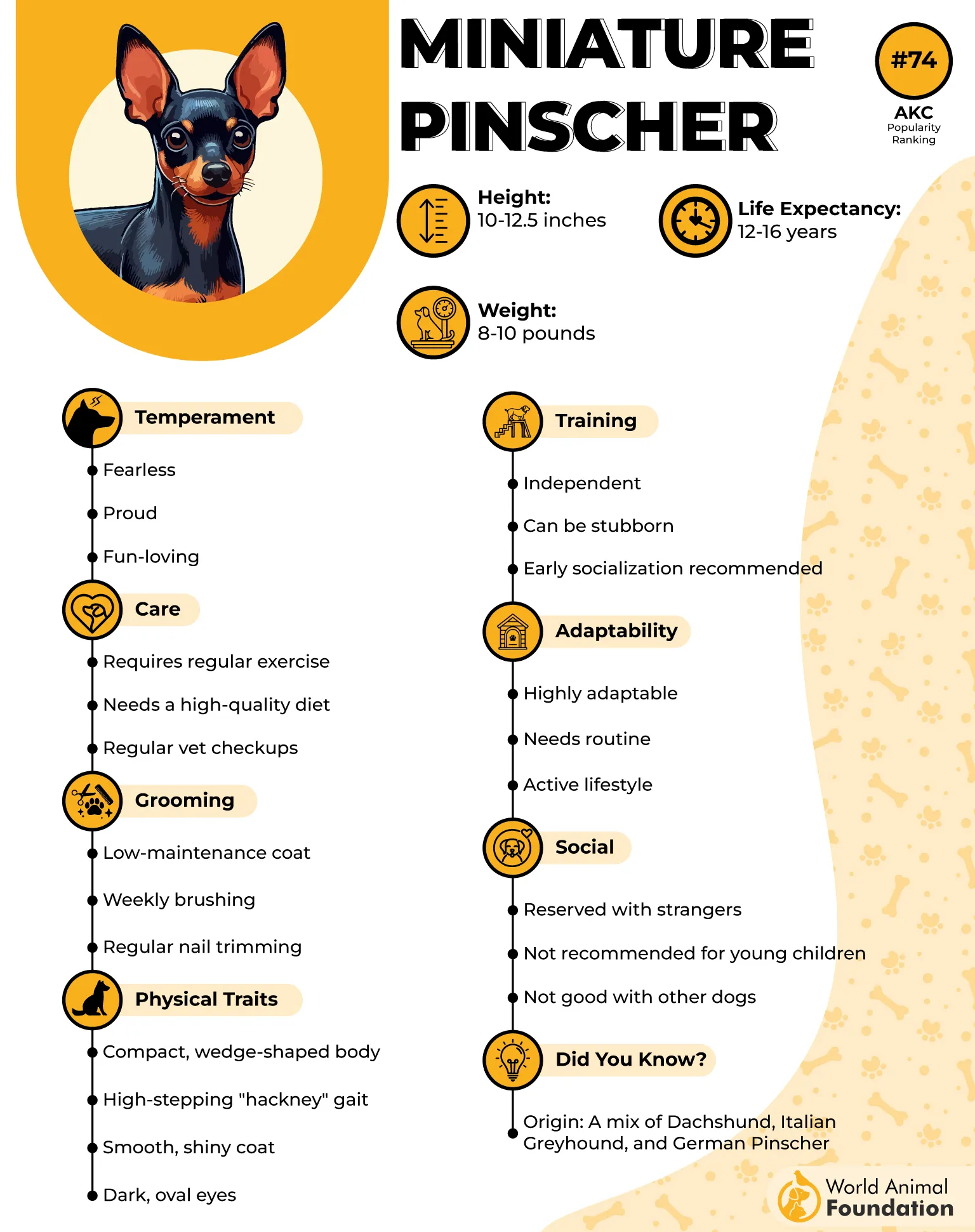
For a low-maintenance routine, the Miniature Pinscher has a short, hard coat that needs very little work to keep tidy and presentable. A weekly pass with a soft brush or hound glove is enough to remove loose hair and keep the coat looking neat and naturally glossy.
Grooming is simple, but this little dog stays quite lively:
Enjoys relaxing beside its person
Intelligent, energetic, and playful
Needs regular activity and patient training
Big Energy, Small Frame
This active breed brings plenty of curiosity and confidence into a very compact body, with enough energy for running, chasing tennis balls, and active play. Its fearless nature also calls for consistent training and close supervision when it decides to investigate something interesting.
4. Italian Greyhound
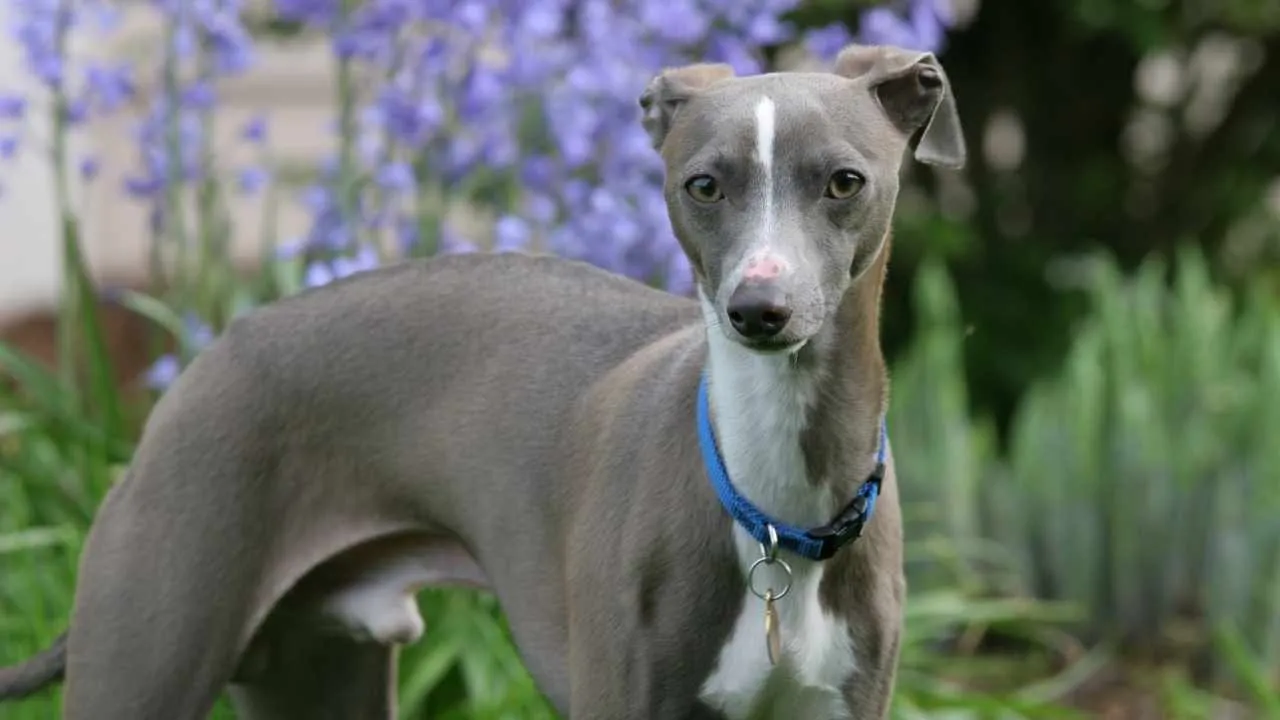
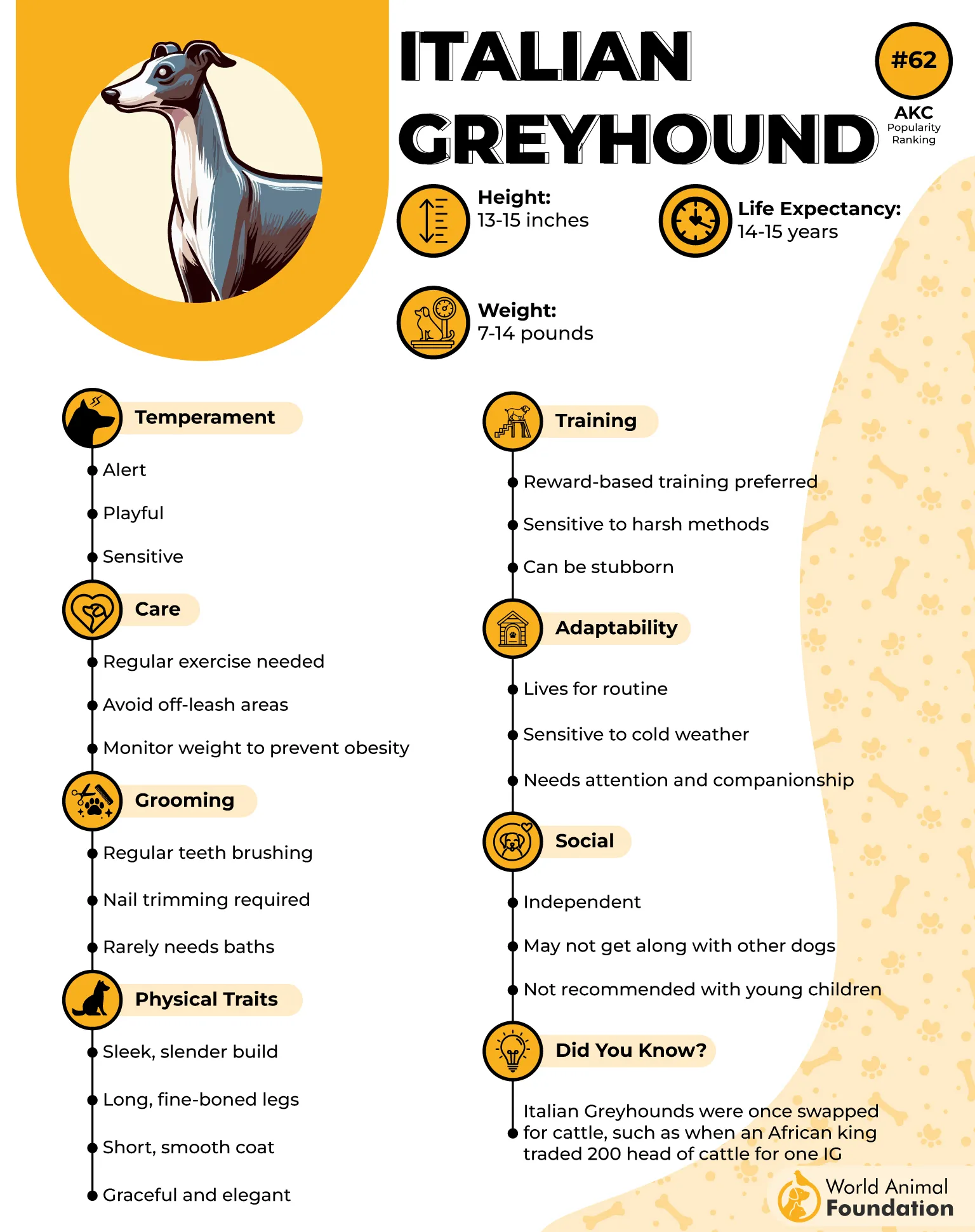
Italian Greyhound is an ancient breed with skeletons dating back more than 2,000 years, although its earliest purpose is no longer certain. These small hounds were likely companions and hunters of rodents before spreading across Europe during the Middle Ages.
Easy Coat Care
Italian Greyhound has an exceptionally short, smooth coat that needs very little attention from the grooming table. Gentle brushing can remove dirt, while baths are usually unnecessary unless something stubborn gets onto the coat.
A little more care goes toward these areas:
Daily tooth brushing
Nails need to be trimmed once a month
Baths should be done every six weeks
Small Frame, Big Personality
This well-mannered breed can be mischievous enough to turn stolen socks into a game, while its tiny build means larger, overwhelming pets may be difficult company.
According to Omlet, it can also seem reserved around unfamiliar guests at first, gradually becoming more playful as familiarity grows.
5. Cavalier King Charles Spaniel
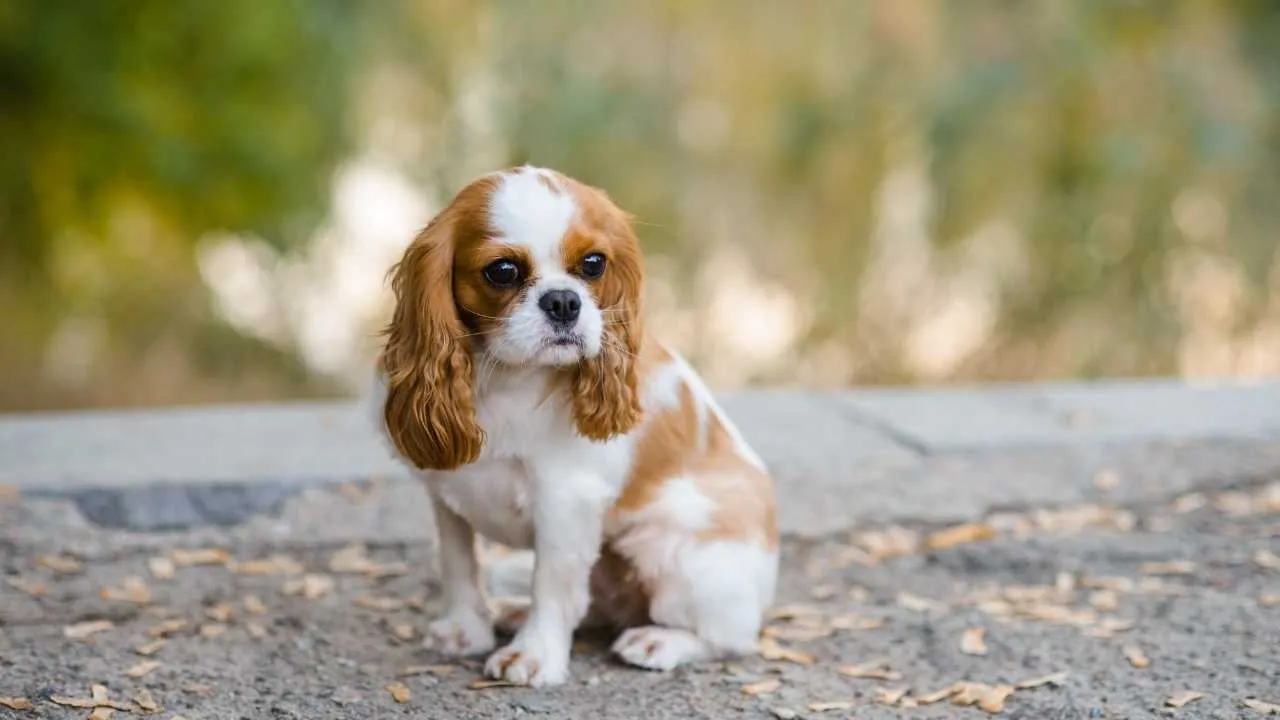
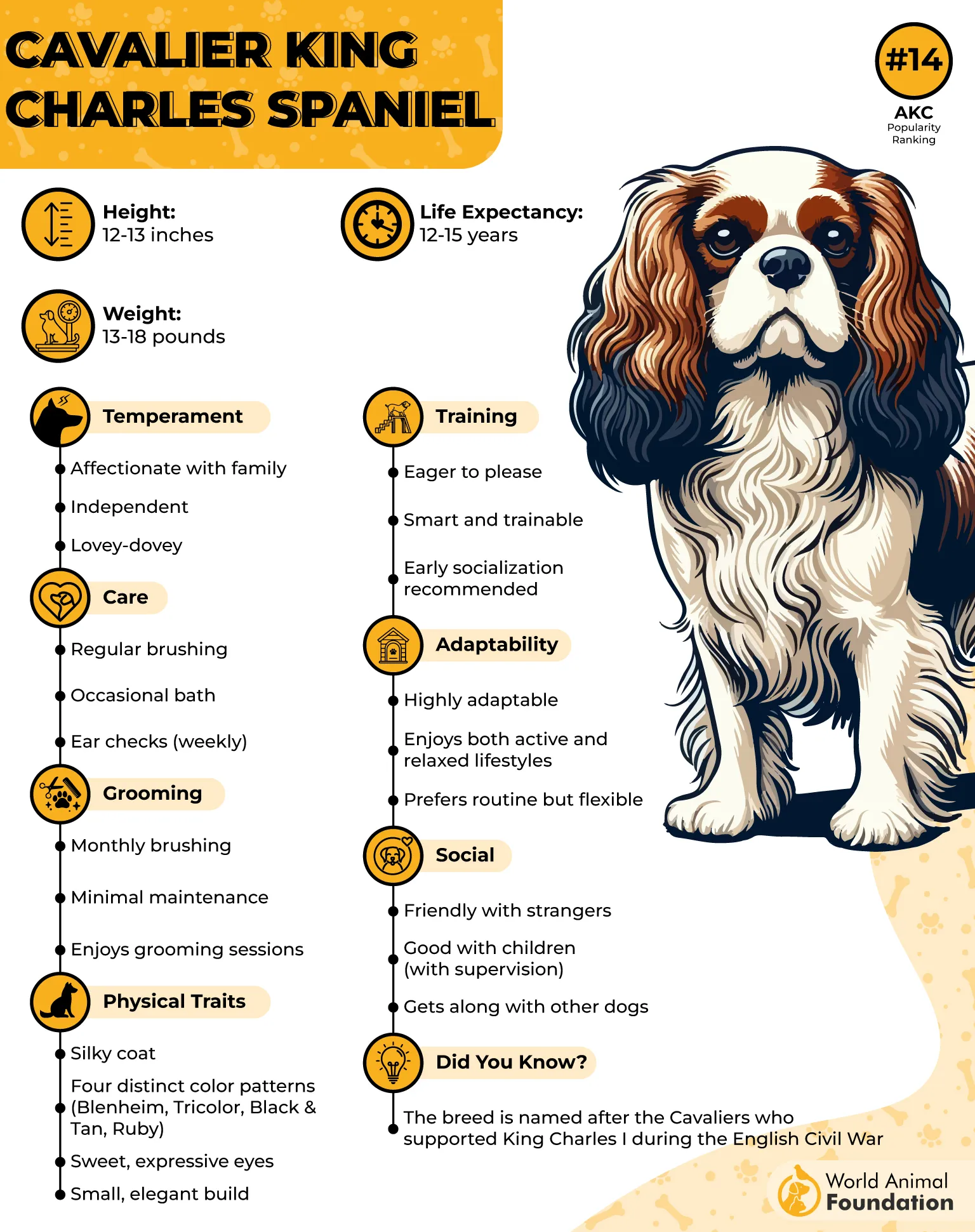
Cavalier King Charles Spaniel took its name from British royalty in the 17th century, with Charles I and Charles II famously keeping these dogs close. Their place beside people extended from royal settings to chilly carriage rides, where they were bred to provide warmth and company.
Easy Coat Care
Cavalier King Charles Spaniel has a moderate coat that benefits from regular slicker-brush sessions to manage loose hair. Professional grooming can further reduce the amount of coat care required at home, making its routine fairly straightforward.
Its personality is just as distinctive as its coat:
Patient around children and other pets
Friendly with unfamiliar people
Needs supervision around young children
A Dog That Follows
This best dog breed enjoys human company and can struggle with long periods without interaction. A fenced yard is recommended because an intriguing scent can tempt this curious spaniel to run after it, while daily walks and play provide appropriate outlets for its energy.
6. Beagle
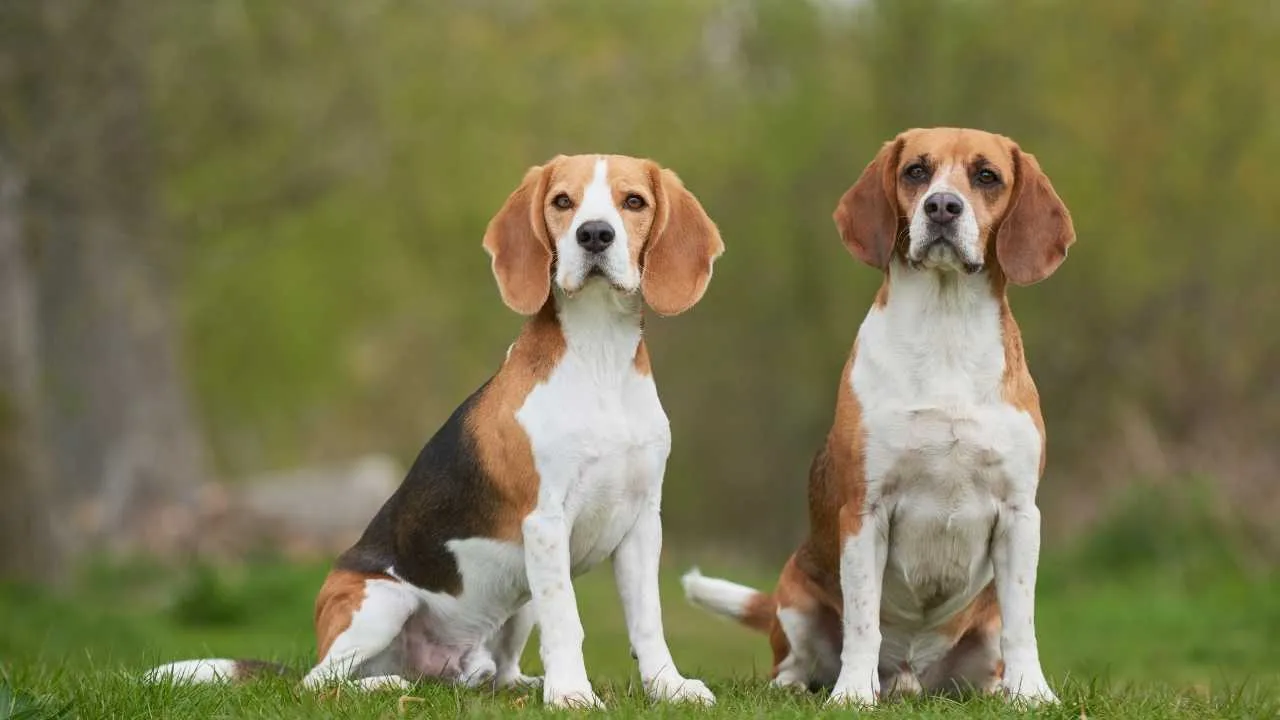
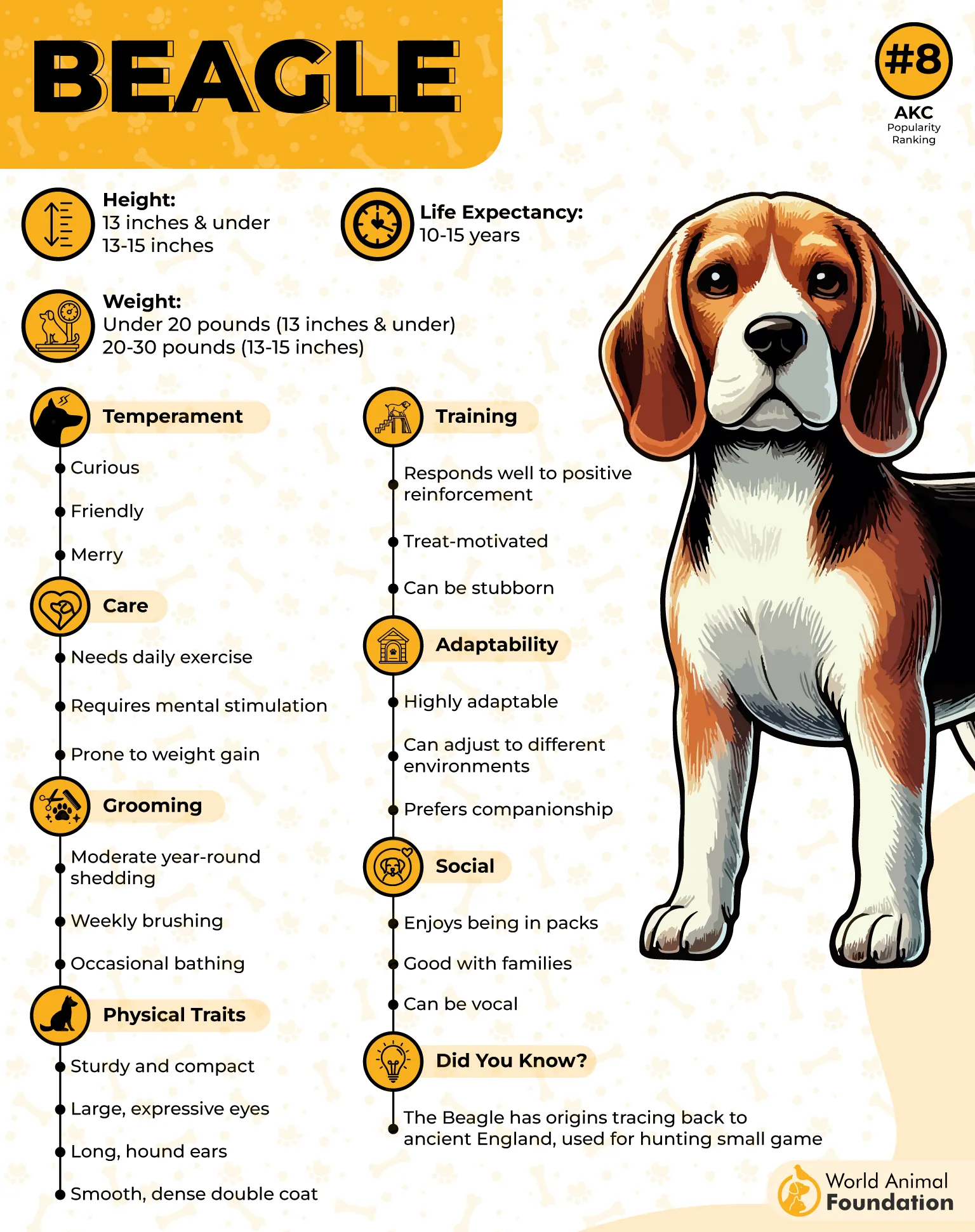
Beagle emerged from 14th-century England, when hare hunting was a popular sport and early versions looked quite different from the breed recognized today. By the late 1800s, the familiar Beagle had become the standard, often hunting foxes, hares, and rabbits in packs.
A Nose That Works
Beagles are happiest when their day includes activity, especially tasks that let their nose take charge. Scent work, tracking, and agility can turn that natural curiosity into something constructive while giving this easygoing hound a reason to keep busy.
Three practical details are easy to overlook:
Secure fencing helps prevent scent-led escapes
Its bay sounds stronger than an ordinary bark
Positive training can curb puppy chewing
Simple Coat Care
This other low-maintenance option has a smooth, dense double coat that becomes heavier during winter, followed by increased shedding in spring.
Weekly brushing with a hound glove, rubber grooming tool, or medium-bristle brush helps remove loose hair, while frequent baths are unnecessary unless the coat gets especially dirty.
7. Dachshund
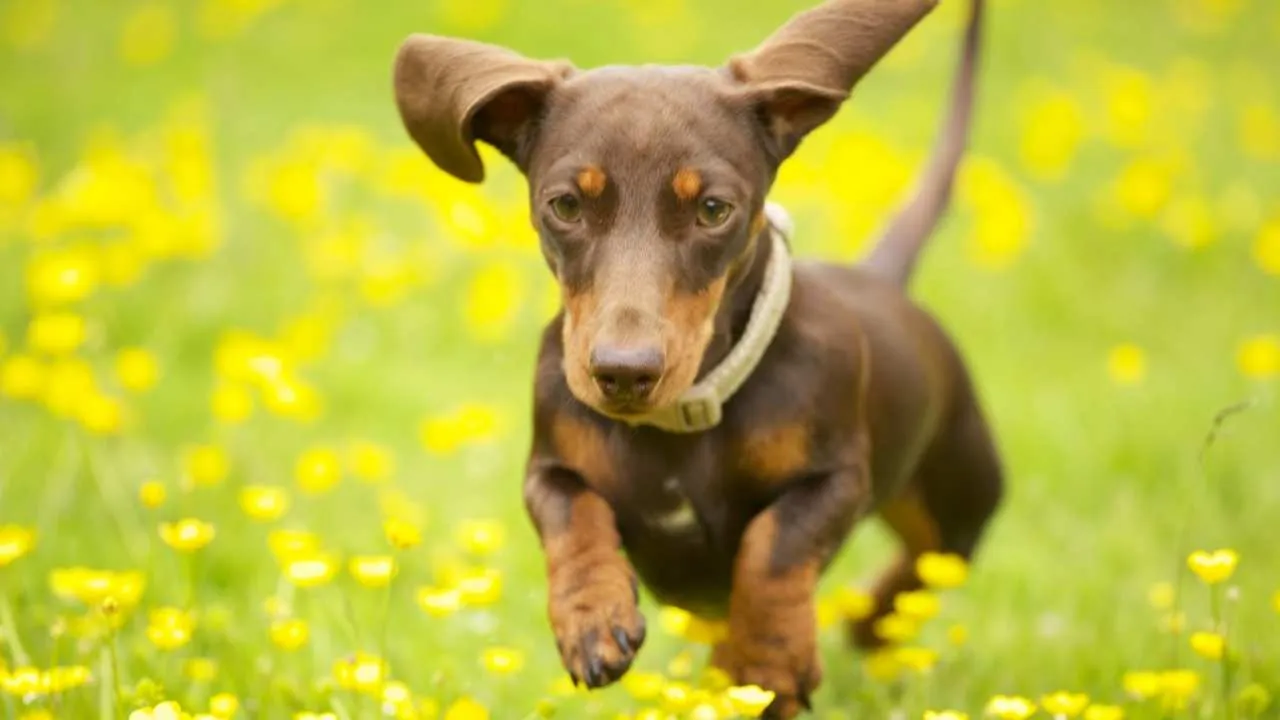
Dachshund first appeared in written records during the 16th century, with its German name combining “Dachs,” meaning badger, and “Hund,” meaning dog. Its long body, muscular legs, and broad front paws were suited to entering tunnels after badgers and other small prey.
Minimal Grooming Needs
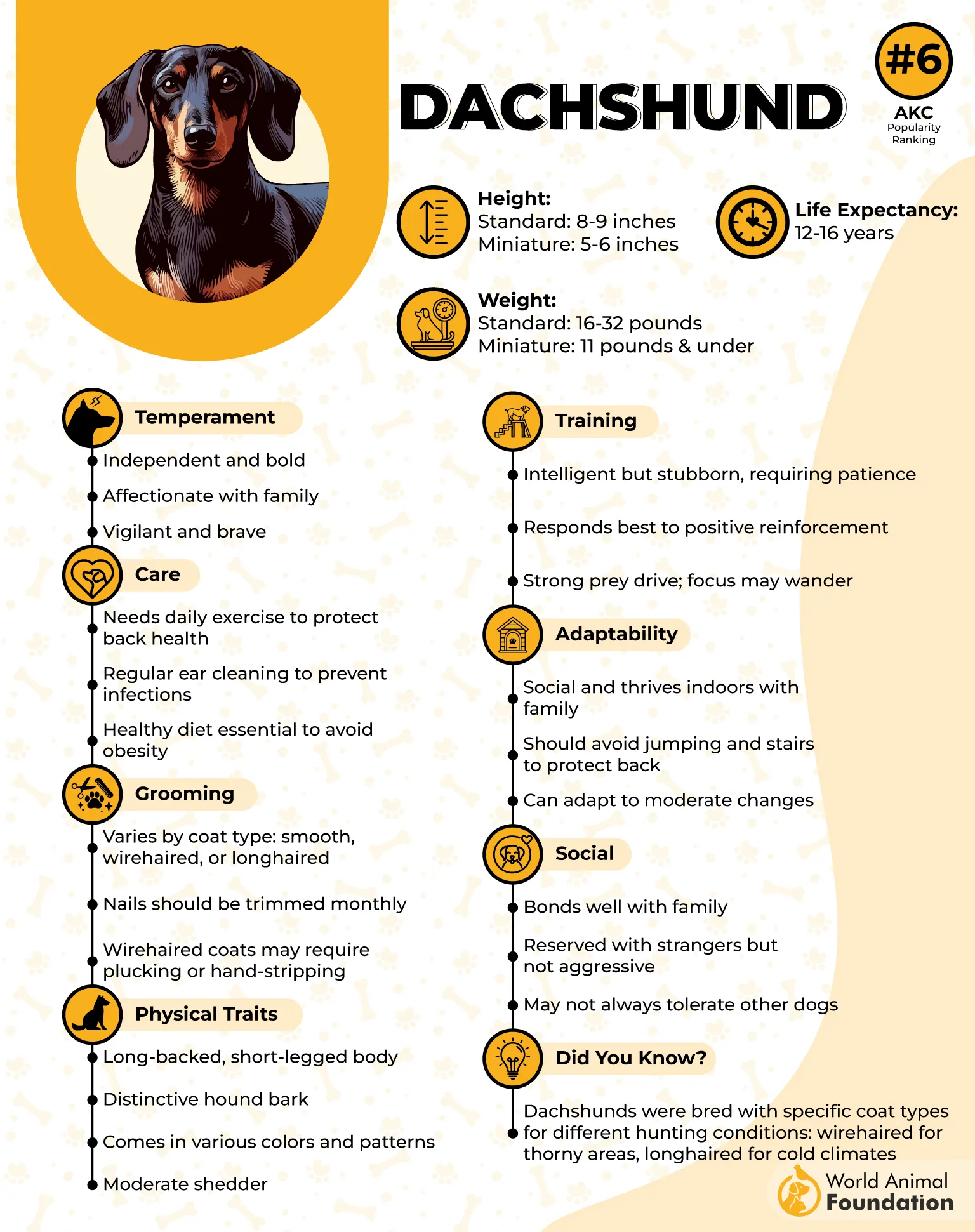
Dachshunds have three coat varieties, with the smooth type requiring especially little grooming beyond a quick wipe with a towel or hound glove. The breed also tends to have little body odor and moderate shedding, useful details for people who prefer less coat-related upkeep.
The following considerations are worth knowing:
Two moderate walks per day
Stairs can risk back injuries
Furniture jumping should be prevented
A Social Little Dog
The Dachshund is highly social and prefers staying close to its people rather than spending long periods outdoors alone. It can also be an independent thinker, while early training and socialization help guide its confident personality, manage frequent barking, and encourage better everyday manners.
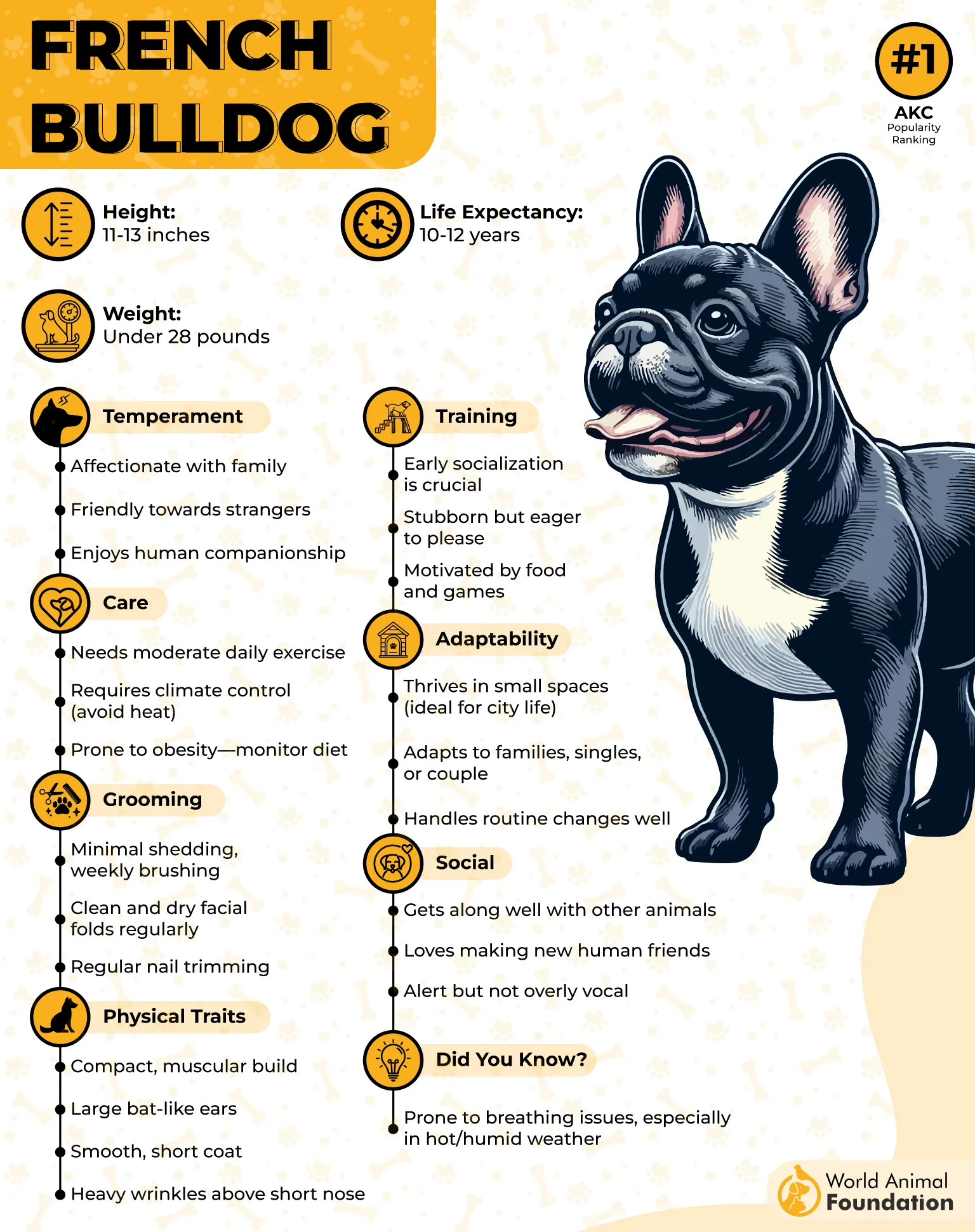
8. French Bulldog
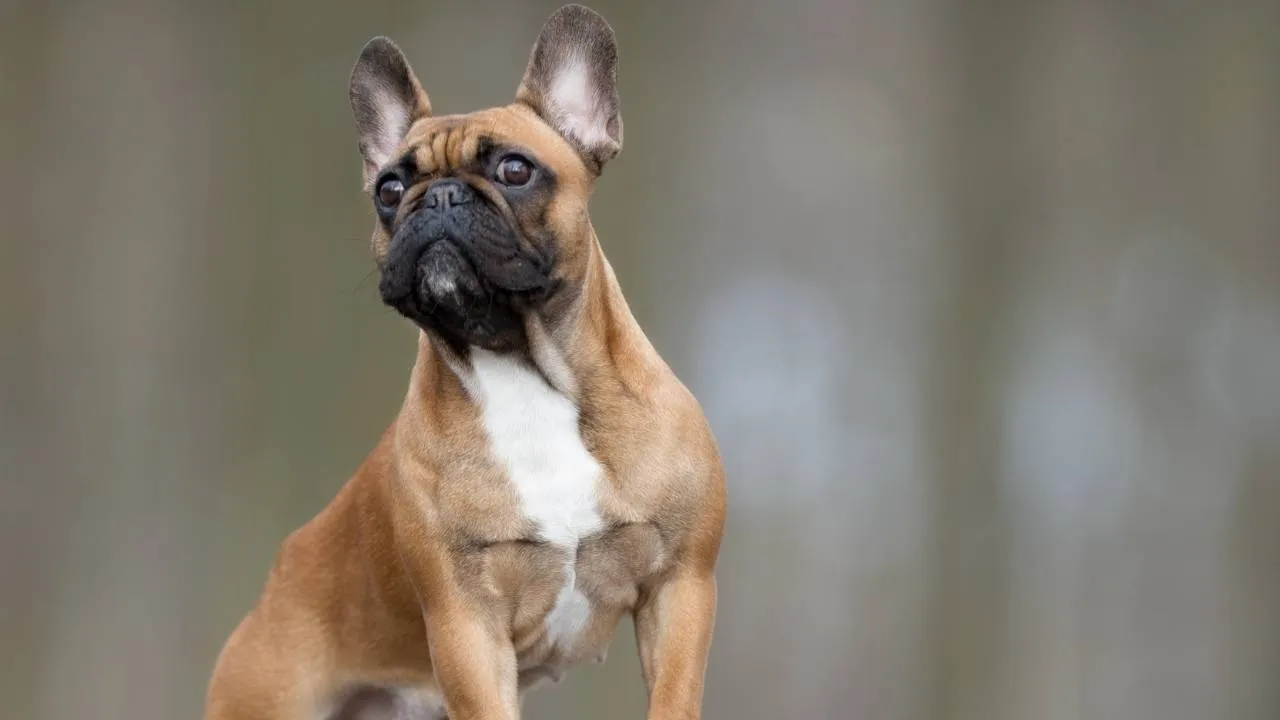
French Bulldog began appearing in France alongside English lace workers in the mid-1800s, who brought their small Bulldogs with them.
French families especially favored dogs with upright, bat-like ears, helping this compact Bulldog gain popularity before American visitors took the breed home.
Easygoing Daily Pace
This cheerful small dog has a moderate energy level and enjoys social walks without demanding intense daily activity. Short outings, gentle games, and time with people fit its routine well, making its exercise needs relatively manageable.
A few practical details are worth knowing:
Short coat needs weekly brushing
Average shedding can leave loose hairs
Excels in both obedience and light agility
A Social Little Shadow
French Bulldogs are curious, playful, and often want to stay close to their family during everyday activities and household routines. It generally interacts well with people and pets after proper socialization, while unfamiliar situations can initially make them somewhat cautious and reserved.
9. Russian Toy
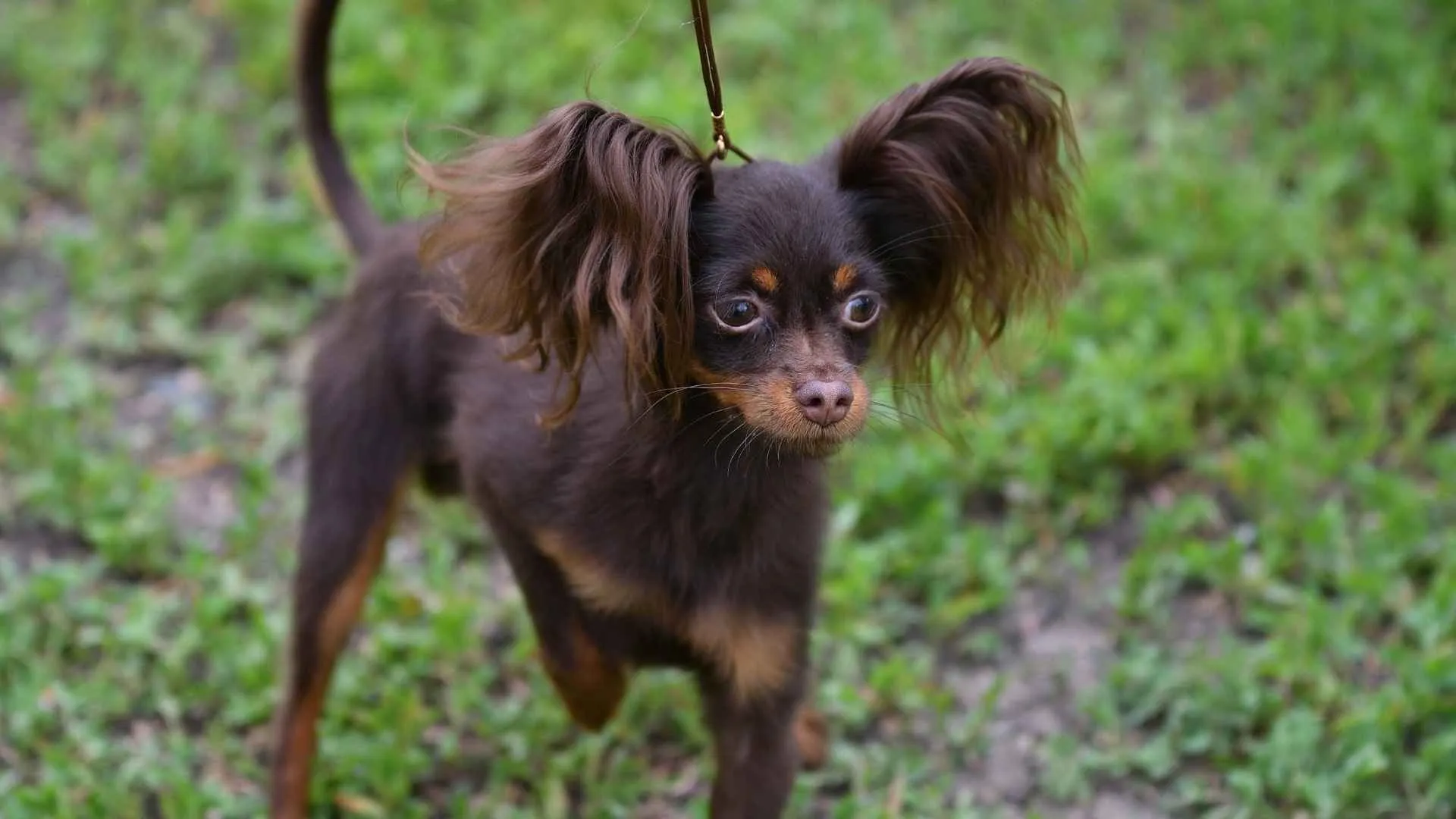
Russian Toy developed as a companion for Russian nobility in the 18th century, when English Toy Terriers were fashionable imports among the upper class. These tiny dogs often accompanied their people to social gatherings, later becoming known as the Russian Toy Terrier in the early 20th century.
Small Dog, Big Spark
Russian Toy has a lively personality packed into a fine-boned, long-legged frame, with lean muscles and a keen, eager-to-please nature.
Its moderate energy level suits regular activity, while its small size means a yard or a good run can provide plenty of room for exercise.
A few practical details are easy to miss:
Enjoys staying close to favorite people
Switches easily between play and cuddling
May be reserved around strangers
Coat Care and Safety
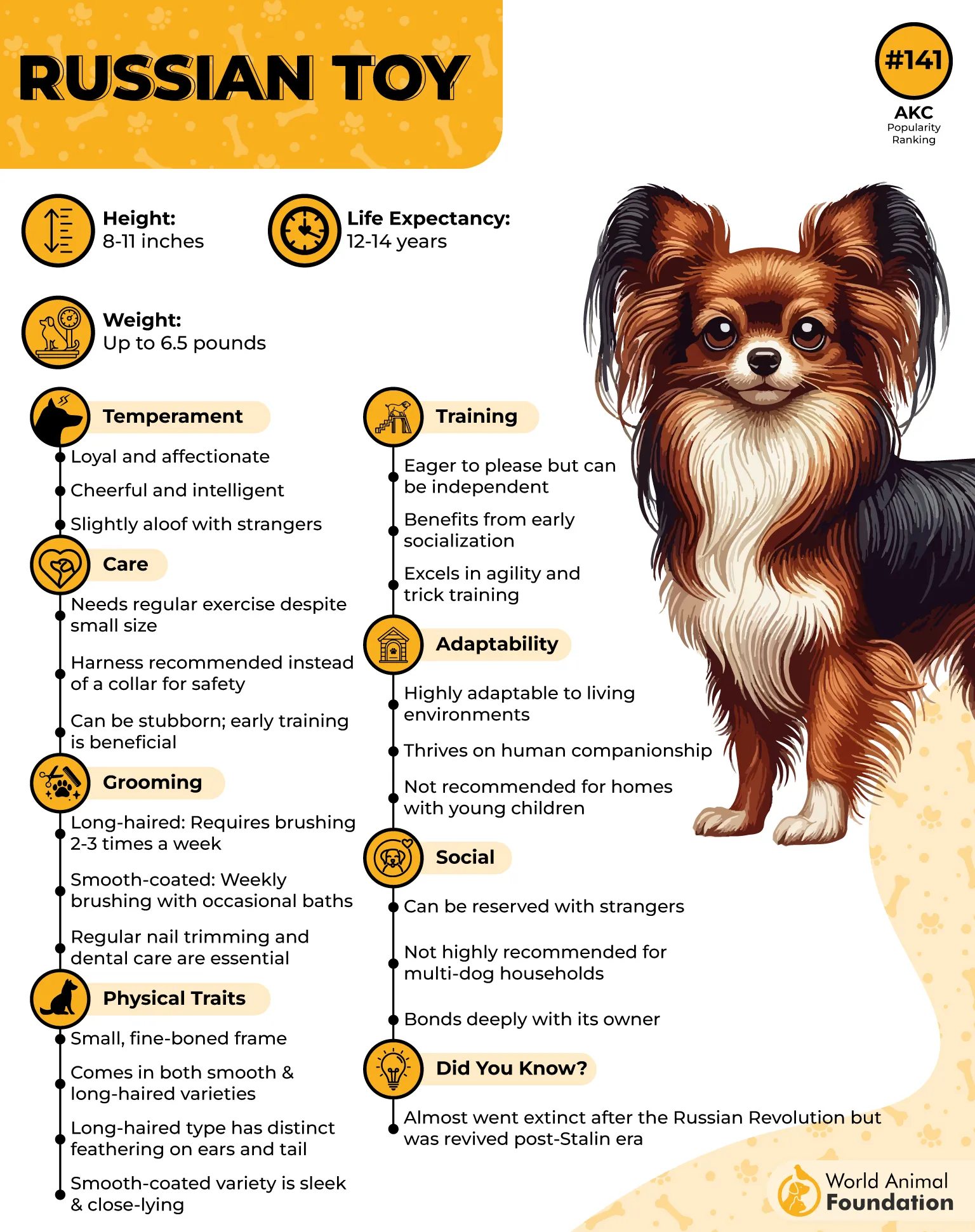
This canine buddy comes in smooth and semi-long coat varieties, with weekly soft-brush grooming recommended for the smooth type to remove dead hair and flaky skin. Because small dogs have delicate necks and tracheas, a harness is recommended for walks instead of attaching a leash directly to a collar.
10. Japanese Chin
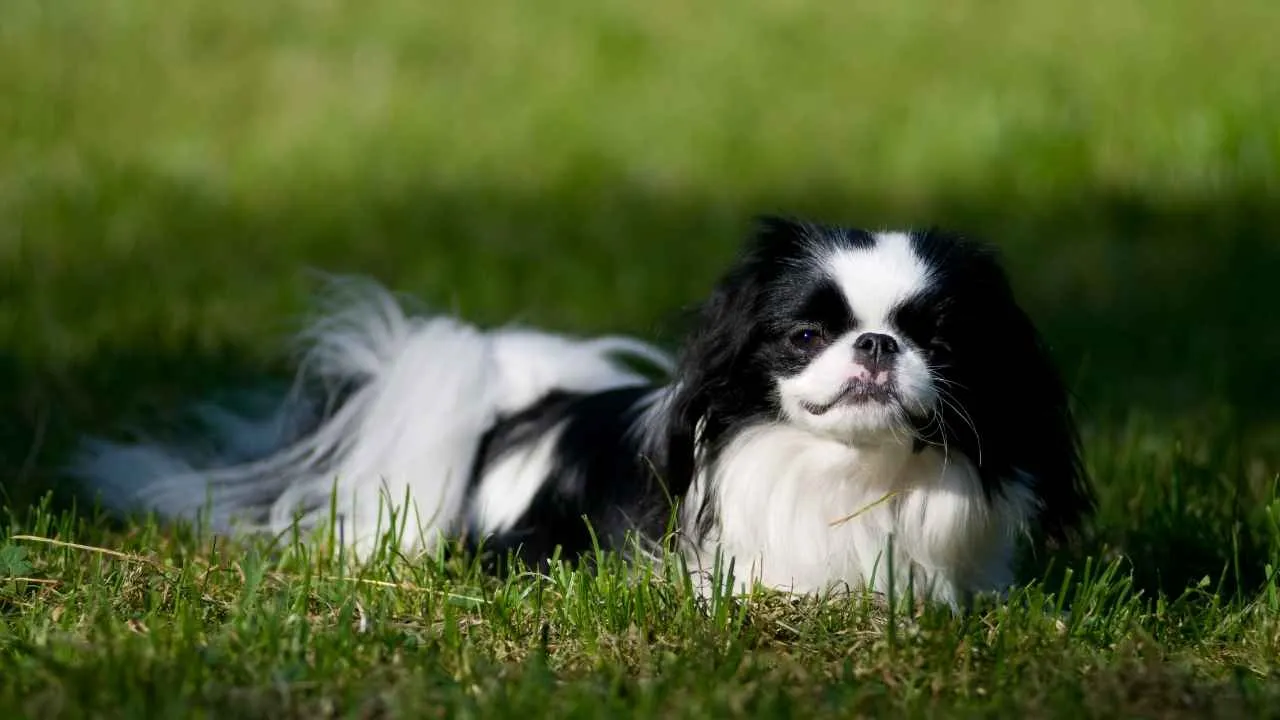
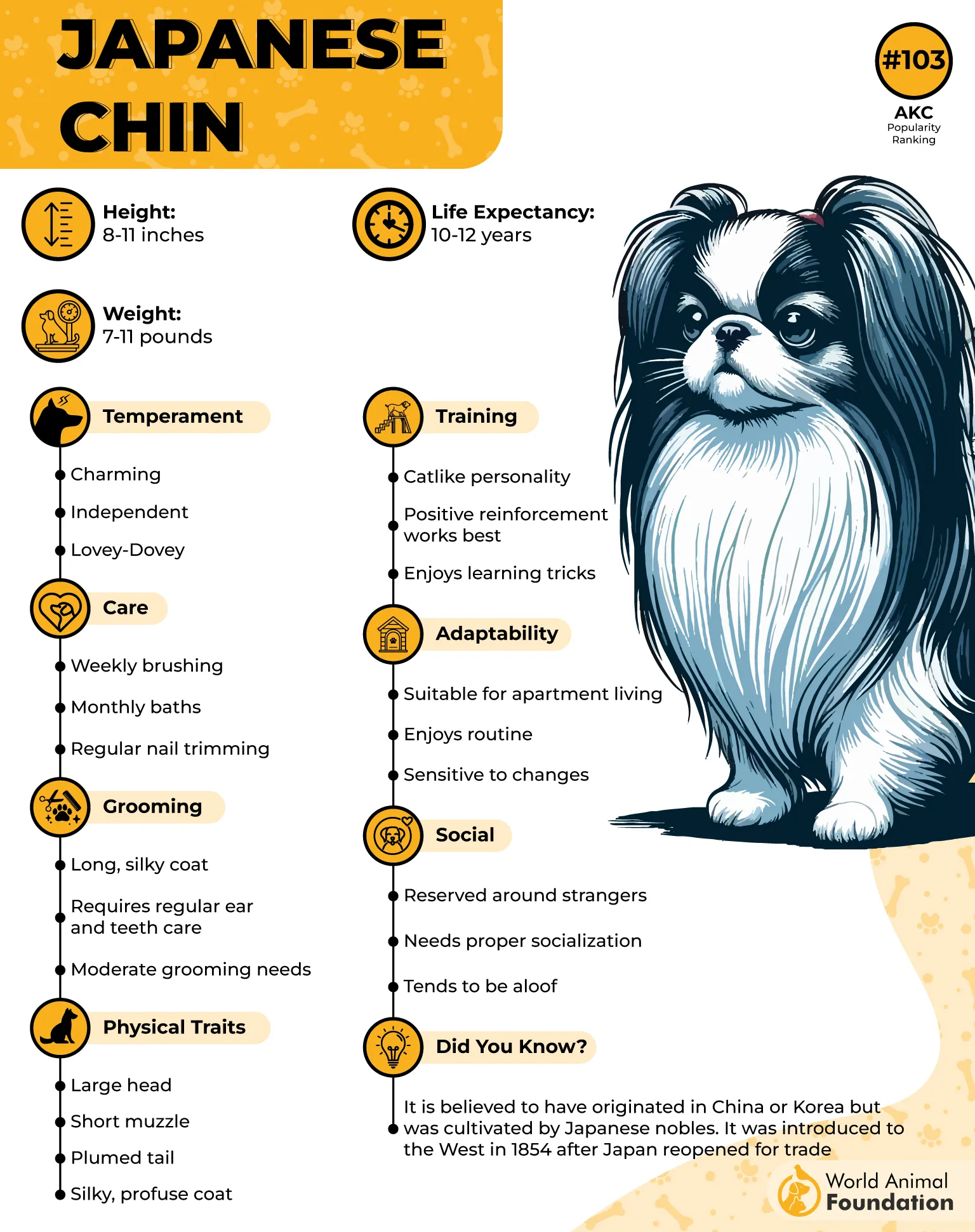
Japanese Chin has centuries of association with China and Japan, with roots most likely linked to China before reaching the Western world during the 1800s.
Once reserved for Japanese nobility, individual households even bred Chins to their own preferred standards, producing noticeable differences in size and weight.
Small and Indoorsy
Japanese Chins can settle nicely into apartment life because it does not need intense exercise to stay content. Slow walks with their person or relaxed exploring in a securely fenced yard can provide enough daily activity, especially when paired with some gentle indoor play.
The following traits make their daily life easier:
Weekly brushing for the silky coat
Monthly bathing, depending on surroundings
Short sessions help prevent training boredom
Cat-Like Habits
This tiny companion has an unusually feline side, using its paws to clean its face and showing impressive balance when perched on elevated surfaces. Bookshelves and mantels can become tempting lookout spots, especially when the dog wants a higher view of the room.
Conclusion
Low-maintenance living with a dog is less about doing nothing and more about finding a routine that feels well-suited to your lifestyle. Simple coats can reduce grooming time, while moderate exercise needs may make daily outings easier to fit around work and life. Still, every dog needs attention, training, social interaction, and regular care, even with low grooming requirements.
Health, age, energy, and personality can change how demanding a companion becomes over time. Owners should also think about time alone, weather, and safe exercise before deciding.
For busy people, low-maintenance options can bring plenty of affection and companionship while leaving room in your week for everything else that matters each day.
