




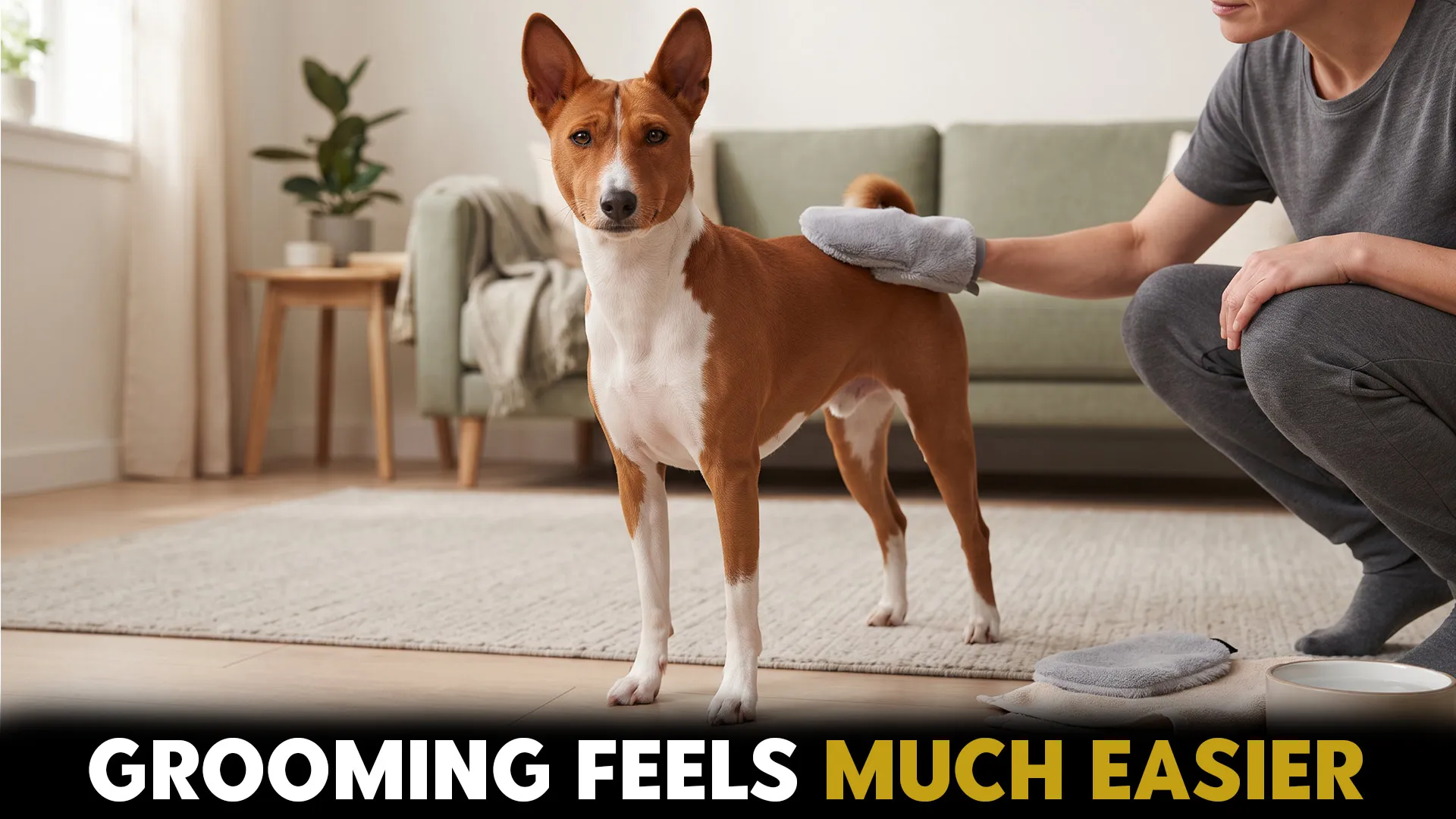
You grab a brush, run it through your dog’s coat, and expect the job to take forever. Instead, a few quick passes are enough; loose hair comes away, and no stubborn knots wait underneath. That is one of the everyday advantages of a short coat.
Close, smooth fur generally takes less time to brush because there is less length available for tangles and mats. It can also make dirt easier to spot and remove after outdoor adventures. Still, simple grooming does not mean skipping care.
Short coats are usually easy to manage with regular brushing, but dogs still need clean ears, trimmed nails, dental care, and occasional baths as needed. Shedding can also vary quite a bit from one dog to another, even when their coats look similarly short.
For anyone who wants a dog that keeps grooming manageable, short-coated breeds offer an appealing place to begin. The choices ahead make that easier to explore.
Key Takeaways
Short fur can make a noticeable difference when you want grooming to stay quick and easy from one week to the next.
The American Hairless Terrier takes that idea to an unusual level, with its hairless variety beginning with one puppy that changed the breed’s history.
Basenji and Weimaraner keep things simple with fine, smooth coats, while Boston Terrier adds its own easy-care routine to the mix.
Then come Boxer, Whippet, and Greyhound, showing just how much personality can come with a coat that barely needs fussing over.
Short-Coat Dog Breeds With Easy Grooming Needs
1. American Hairless Terrier
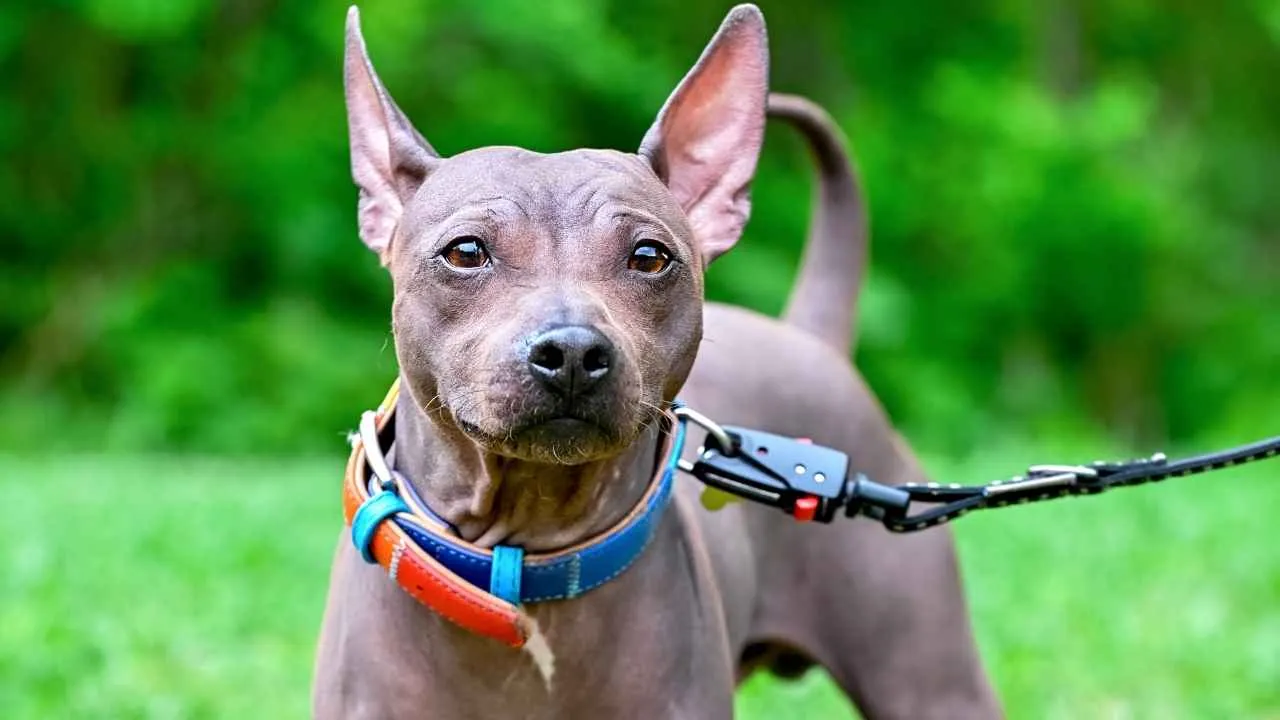
American Hairless Terrier has an unusual origin tied to a single hairless Rat Terrier puppy named Josephine. Adopted by Edwin and Willie Scott, it was bred for eight years before producing Jemma and Snoopy, the pair that led to the first fully hairless litter in 1983.
Easy-Care Breed
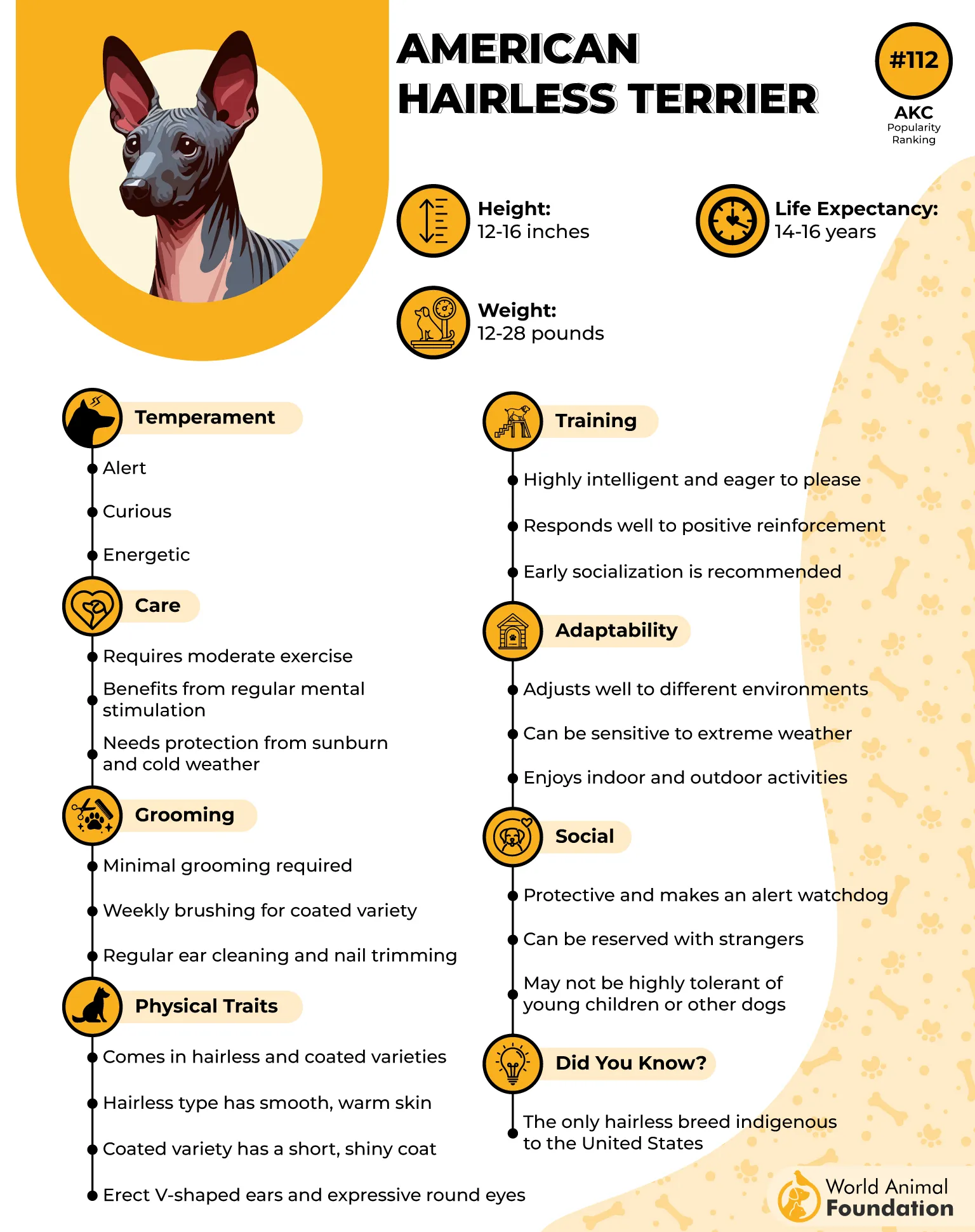
American Hairless Terrier offers an easy routine in its coated variety, whose short coat needs only a quick weekly brushing with a soft brush or hound mitt. Occasional bathing with a mild dog shampoo is enough when the coat becomes dirty.
The following details make their grooming straightforward:
Weekly brushing removes dead hairs
Mild shampoo suits occasional bathing
Thin coats need sunburn protection
Small Yet Lively
American Hairless Terrier suits singles, couples, and apartment dwellers because of its compact size and adaptable family nature, as written in Hill’s Pet. It generally gets along well with children and other animals, while the hairless variety needs extra protection from strong sunlight and weather.
2. Basenji
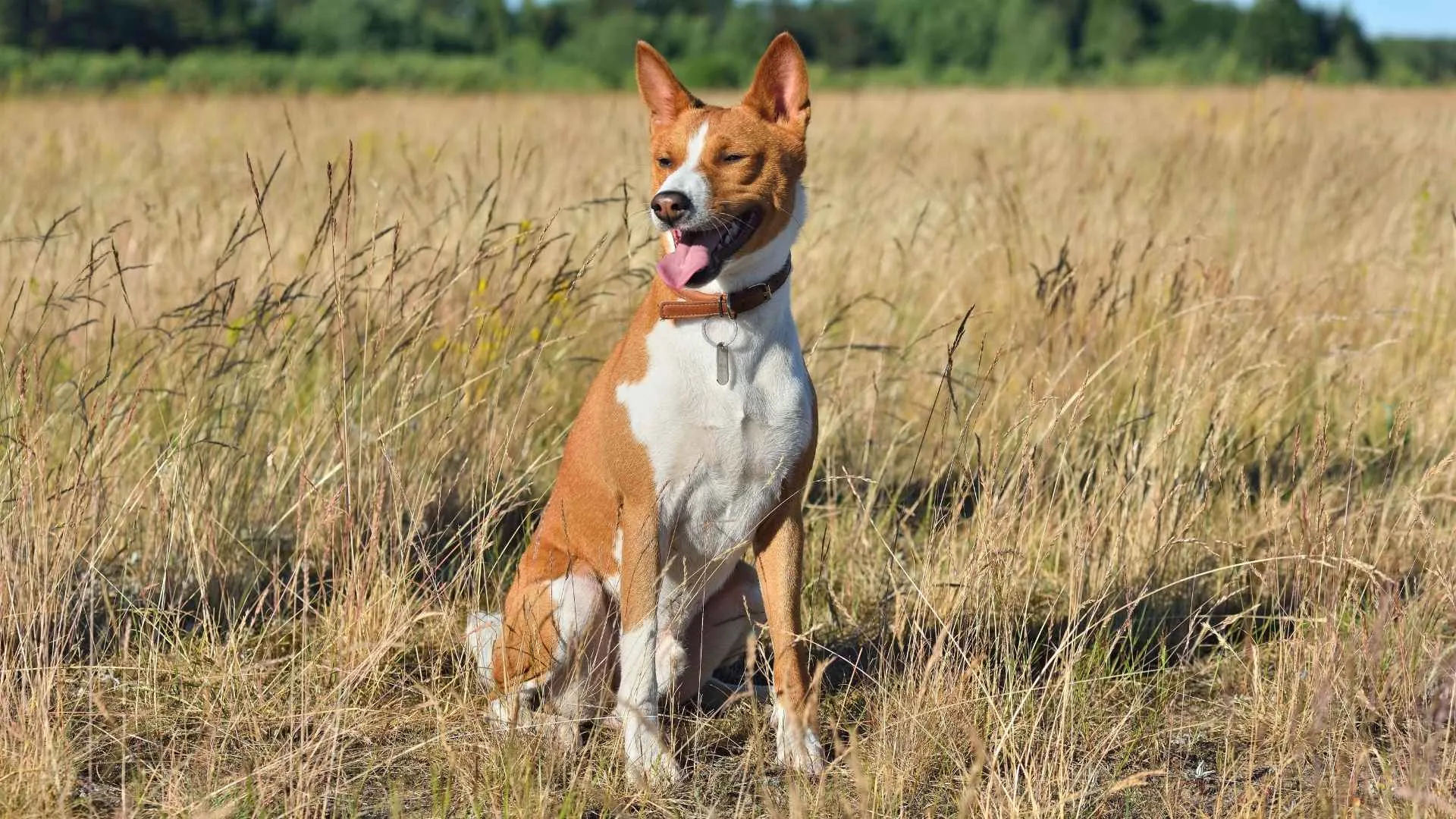
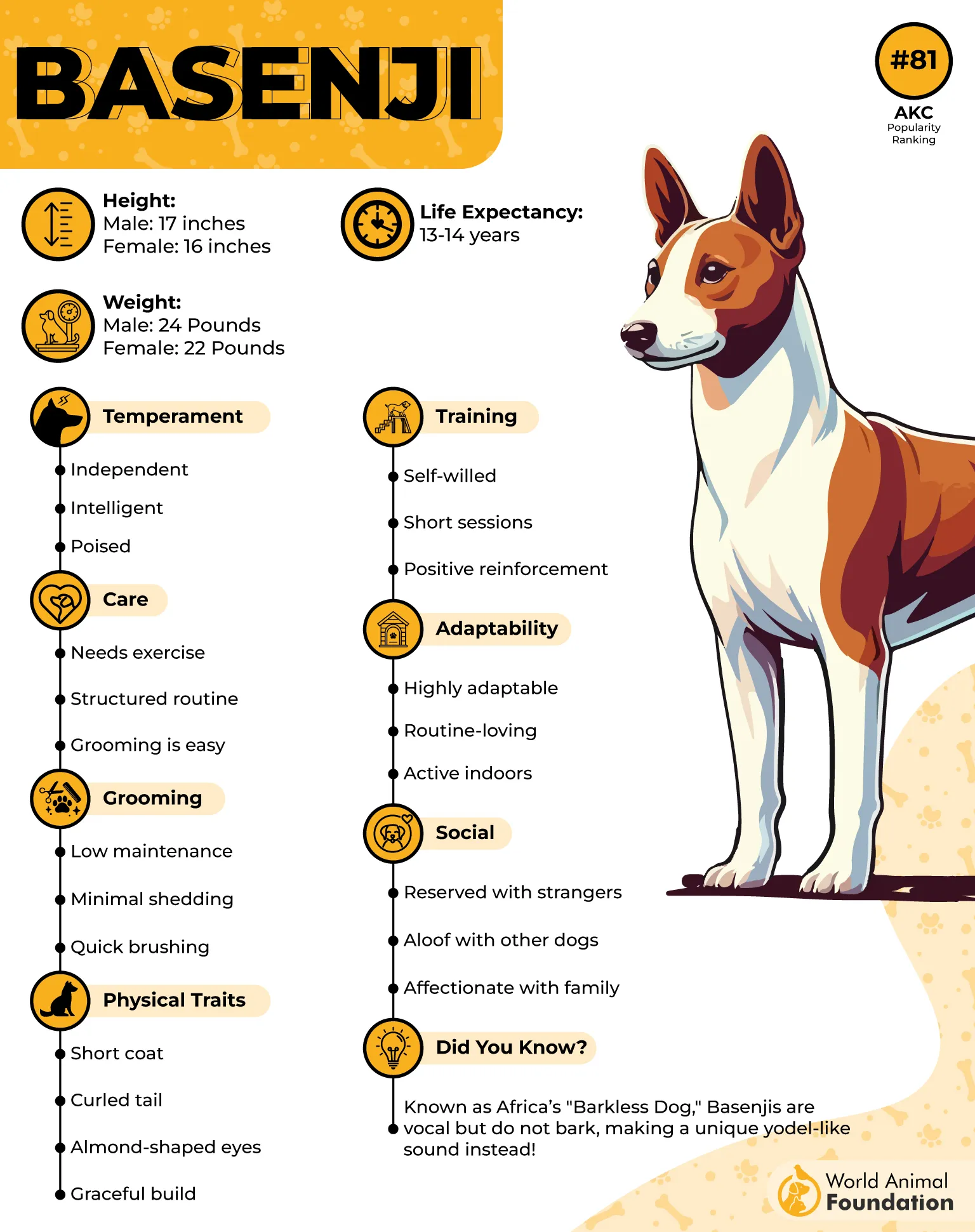
Basenji originates in the Congo region of Africa, where it lived among Pygmy hunters and worked as a pack hunter. A small group reached England in 1930, forming the foundation of a breeding program before the breed became more popular as a pet in the 1950s.
A Coat That Barely Asks
Basenji has an exceptionally short, fine, glossy coat that needs very little attention compared with longer-haired breeds. Weekly brushing with a rubber grooming glove or soft-bristle brush removes loose hair, while shedding periods may call for brushing twice a week.
A simple grooming routine can include:
Bathing every 6 to 8 weeks
Mild shampoo made for short coats
Thorough drying after bathing
Full of Character
This short-coated breed is an alert, inquisitive dog with a famously unusual voice, often producing yodels and howls instead of traditional barking. It can be cautious around unfamiliar people, while affection and playful behavior tend to come through strongly with familiar companions, as per the AKC.
3. Weimaraner
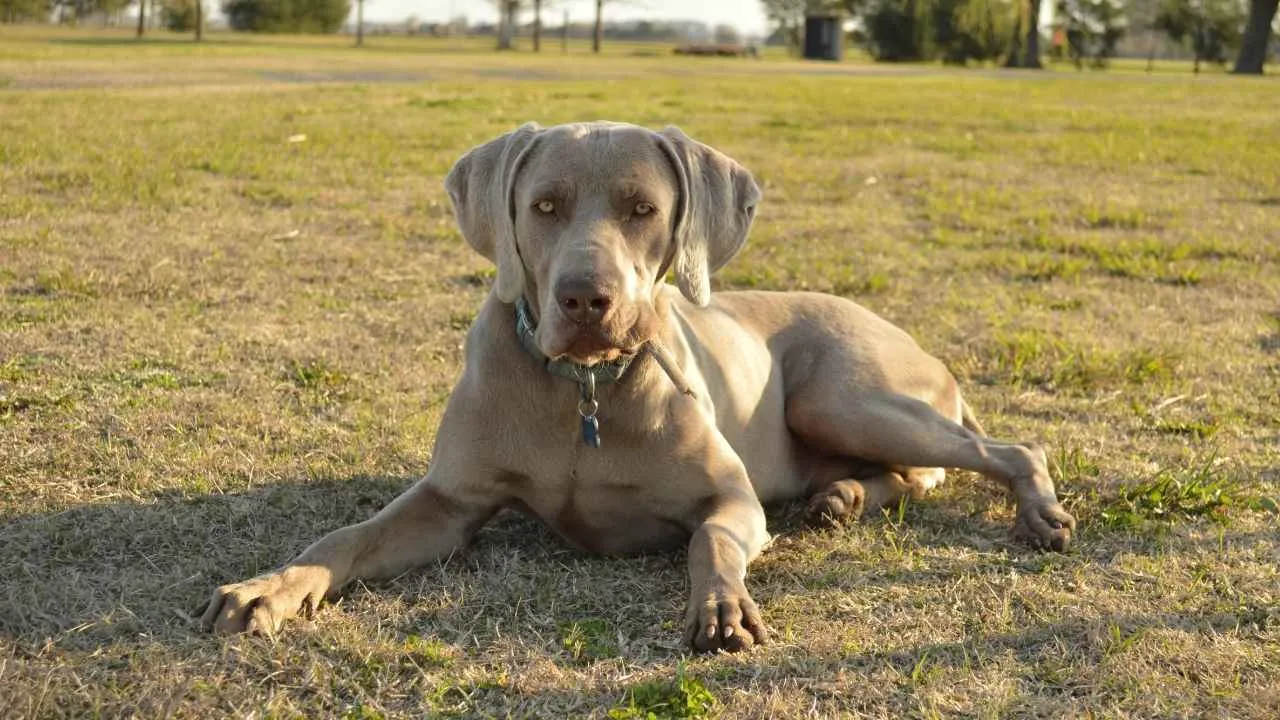
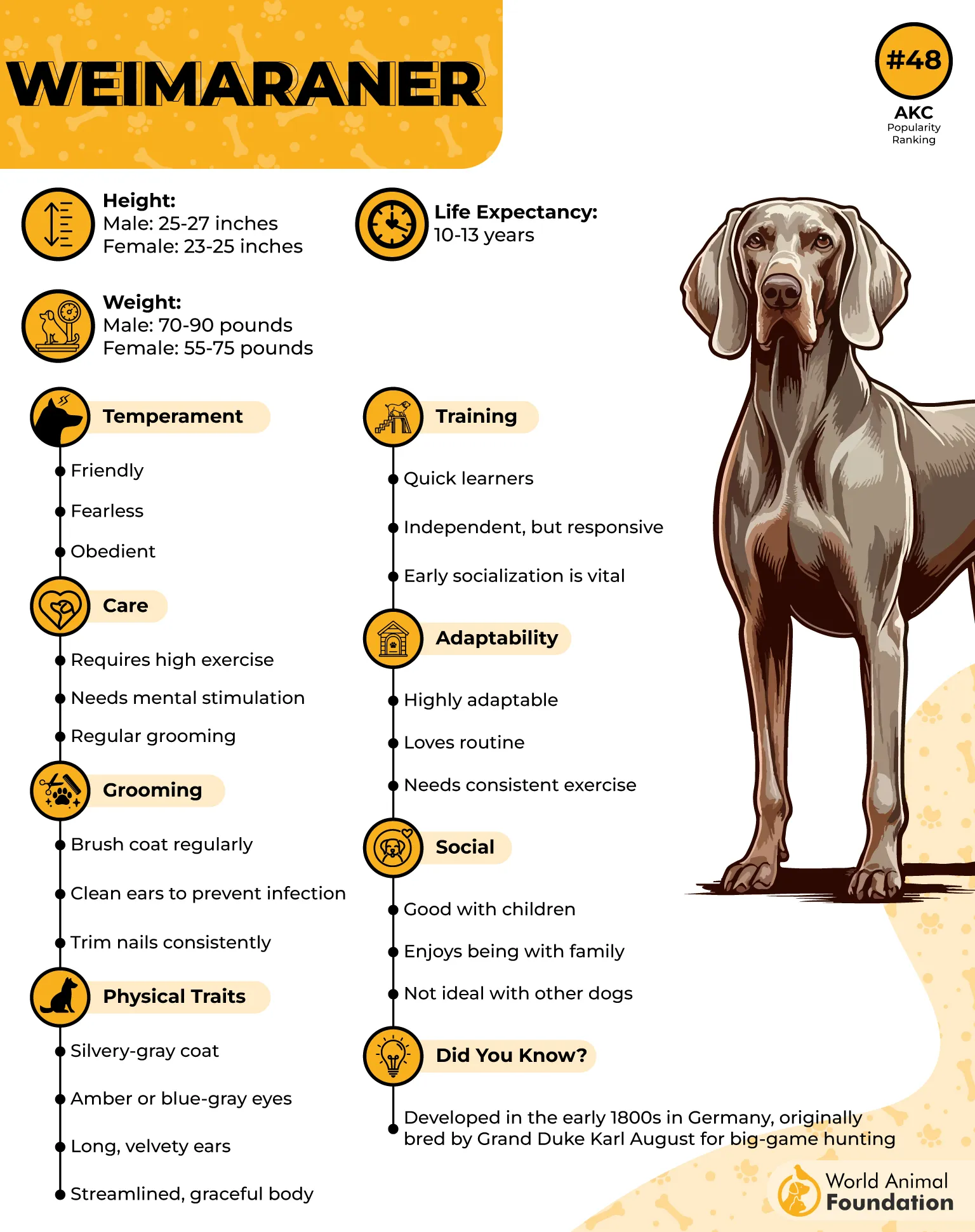
Weimaraner was developed in 19th-century Germany as an all-purpose gun dog capable of pursuing game ranging from deer to bear. Its early breeding included Bloodhounds, Schweisshunds, and pointer breeds, shaping the modern form of this athletic hunting dog.
Have Little Needs
These breeds have a smooth, single-layer coat with no undercoat, giving them a grooming routine that requires very little fuss. A weekly rubber mitt or soft brush can clear away dead hairs while keeping the distinctive silver-gray coat looking polished.
The following practical coat details are worth knowing:
No professional trimming required
Short hairs can appear on dark clothing
Baths are generally needed every 4 to 8 weeks
A Mind That Needs Work
Weimaraner learns quickly and responds best to patient, kind training, although its stubborn side can test inconsistent handling, as mentioned by Omlet.
Without enough mental work, this intelligent breed can become destructive, while early training helps channel its considerable energy.
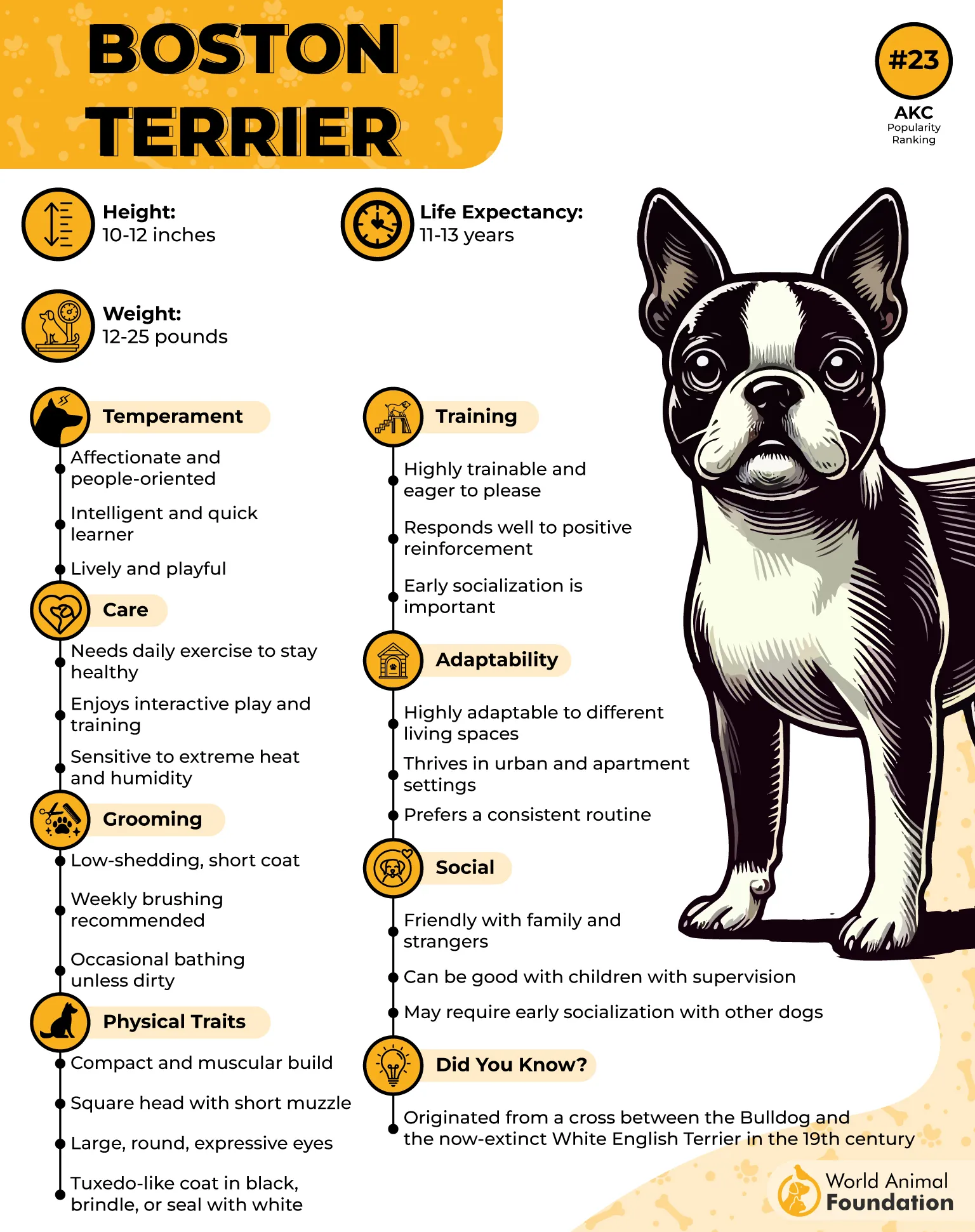
4. Boston Terrier
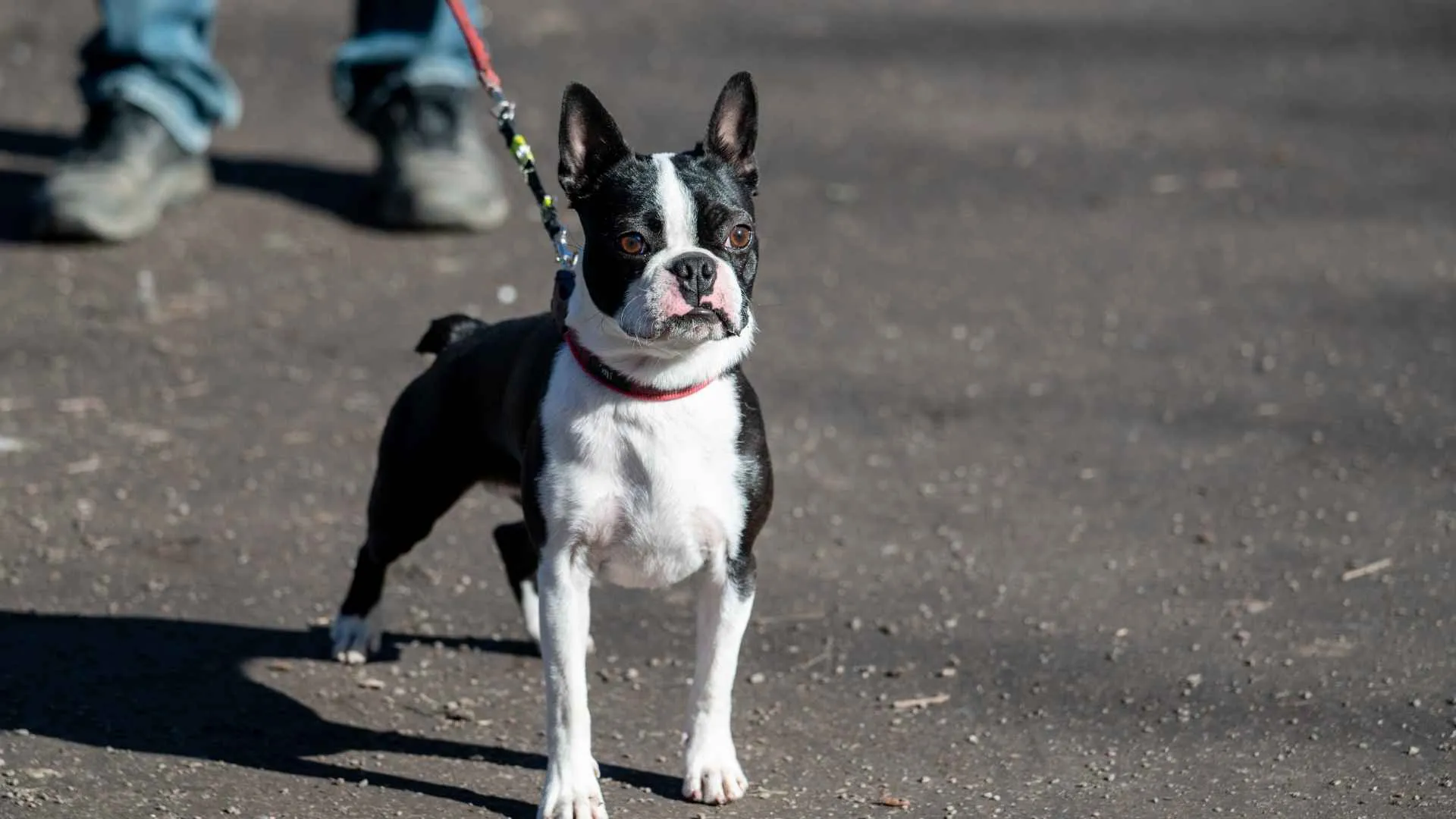
Boston Terrier traces its roots to the United States in the late 1800s, developing from a cross between a Bull and Terrier type dog and a French Bulldog. The American Kennel Club officially recognized the breed in 1893, making it one of the few breeds with American origins.
Easy to Groom
The breed’s sleek single coat keeps grooming fairly straightforward, with soft-bristle brushing or a rubber grooming mitt once or twice a week helping collect loose hairs. The short strands are easy to remove from furniture, and professional clipping is unnecessary.
Keeping that short coat clean of this small dog is fairly easy:
Moderate shedding throughout the year
Baths generally every 4 to 6 weeks
Mild shampoo recommended for sensitive skin
The American Gentleman
This short-haired dog earned the nickname “American Gentleman” and has a lively, playful personality that suits family life well. Intelligent and eager to learn, this breed can also be stubborn during training and prefers having people around rather than spending long stretches alone.
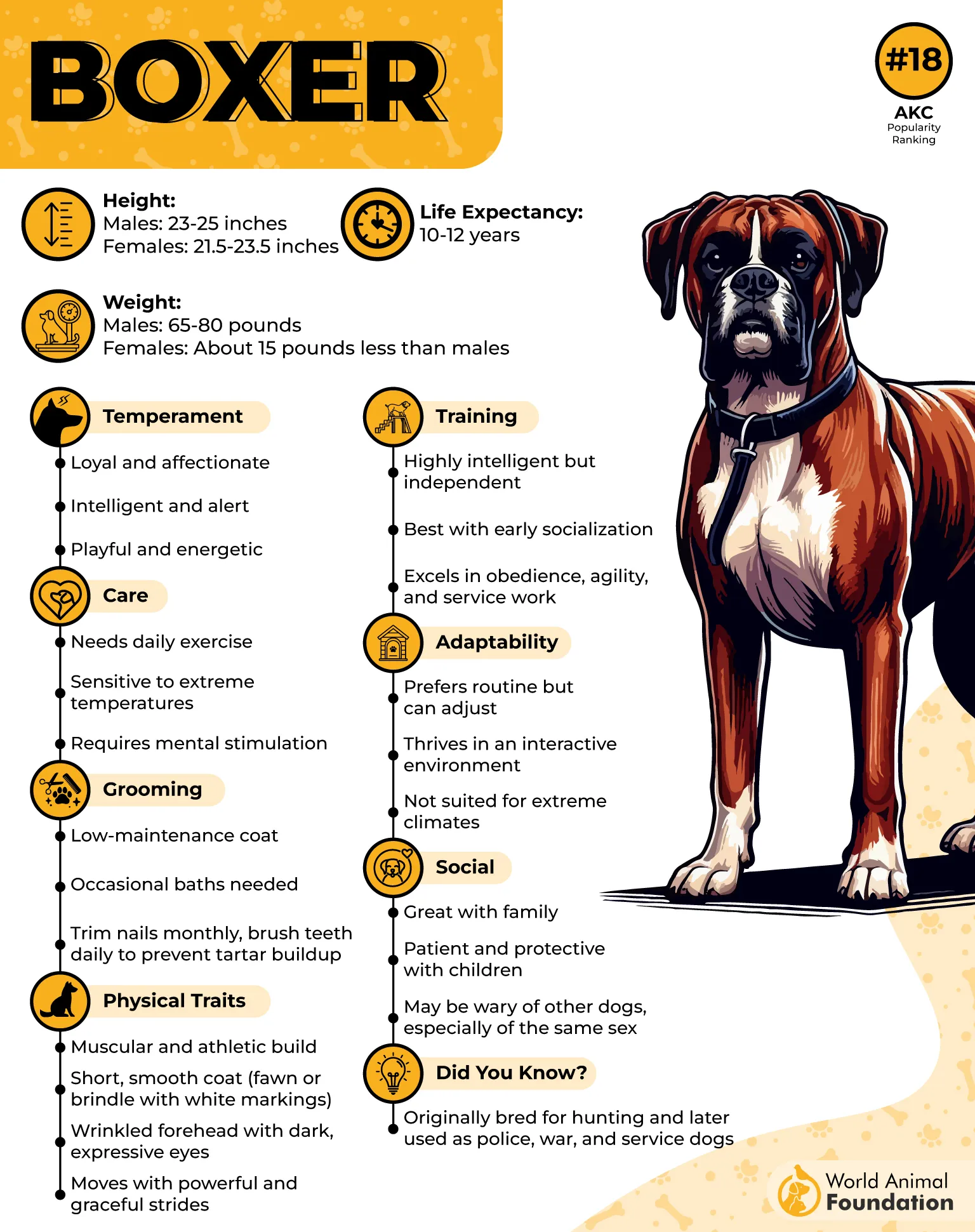
5. Boxer
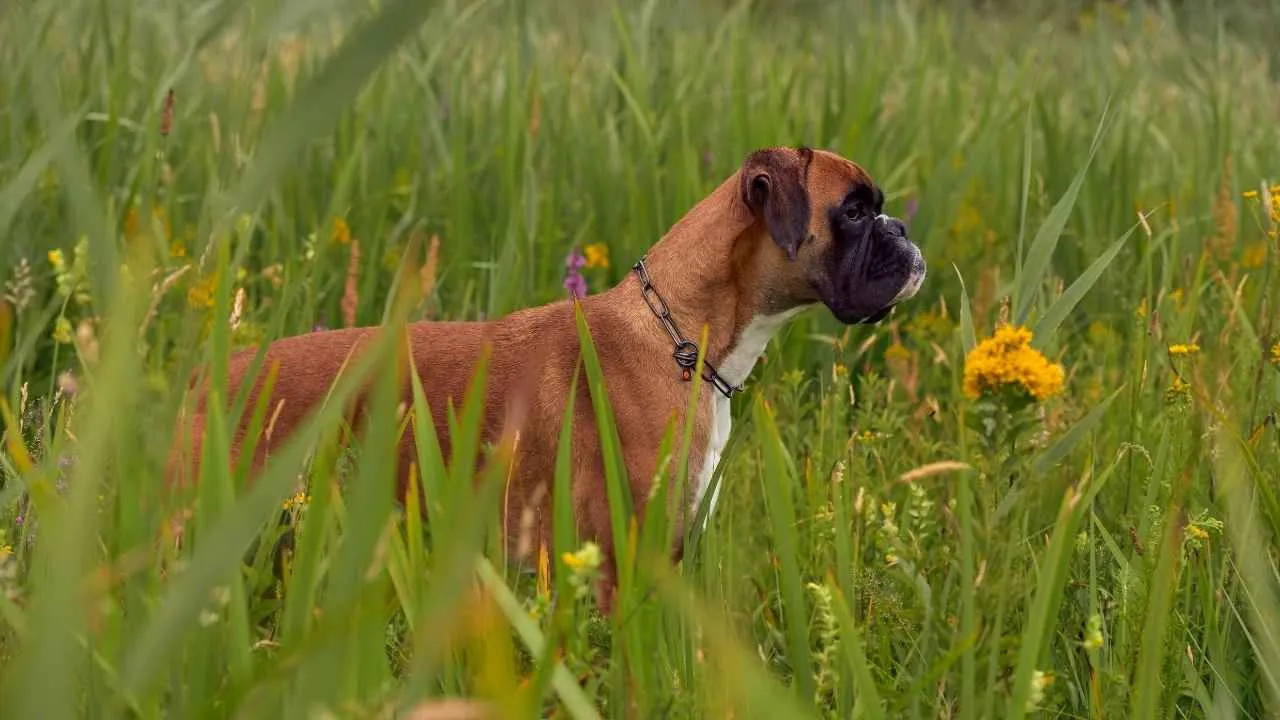
Boxer was originally bred in Germany through a cross between the German Bullenbeisser and Bulldog, with its roots reaching into the late 19th century. Its early work involved controlling cattle in slaughterhouses, giving the breed a very practical role before its duties expanded overseas.
Low-Effort Coat Care
Caring for a Boxer’s short coat is usually straightforward, even though seasonal shedding can become heavier in spring and autumn. Using a rubber curry brush or hound glove helps collect loose fur, while soft circular motions keep natural oils moving through the coat.
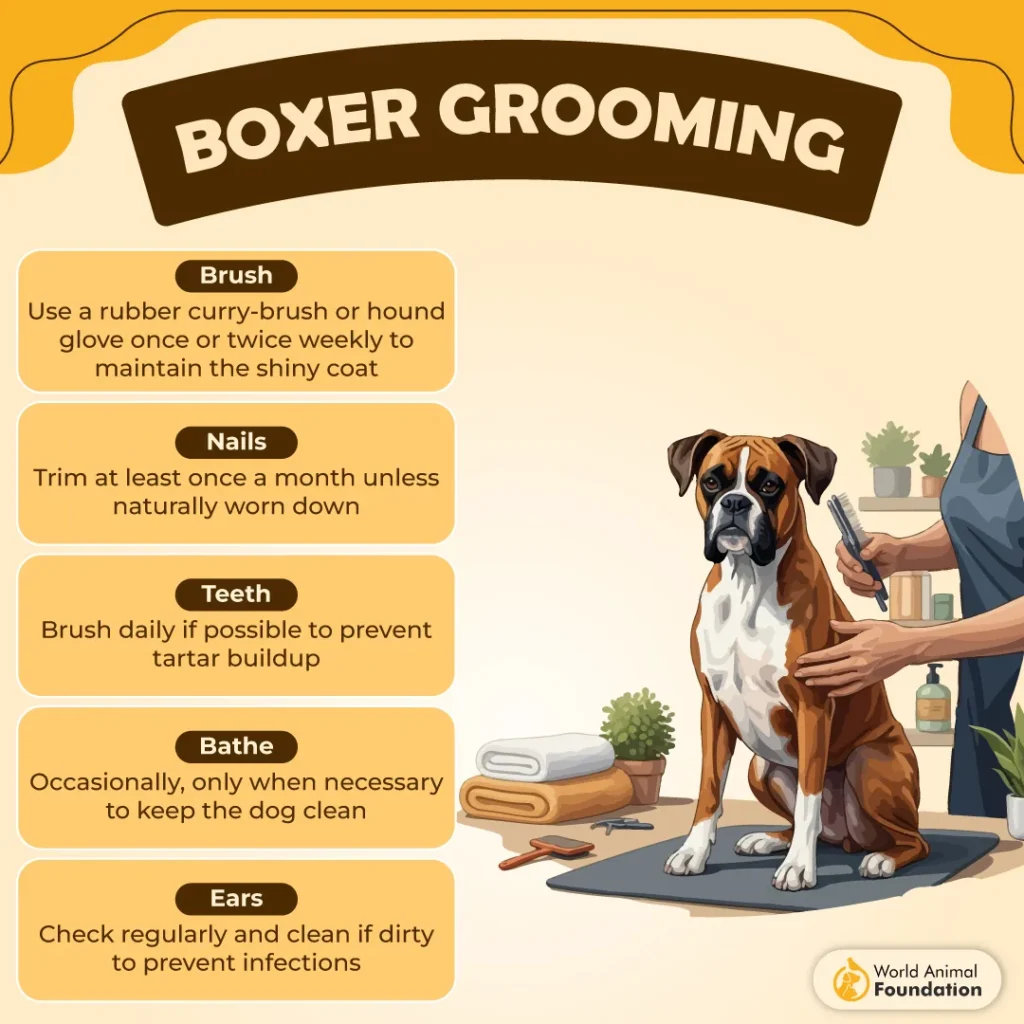
There is little fuss involved in keeping it clean:
Brushing only needs to be done once or twice a week
Bathe every 4 to 8 weeks
Clean facial wrinkles and dry them fully
A Busy Personality
This low-maintenance canine is curious, energetic, and highly interested in what happens around the home, often following people from room to room for company. It can also be protective at the door, while early socialization helps it accept invited visitors and live well with familiar pets.
6. Whippet
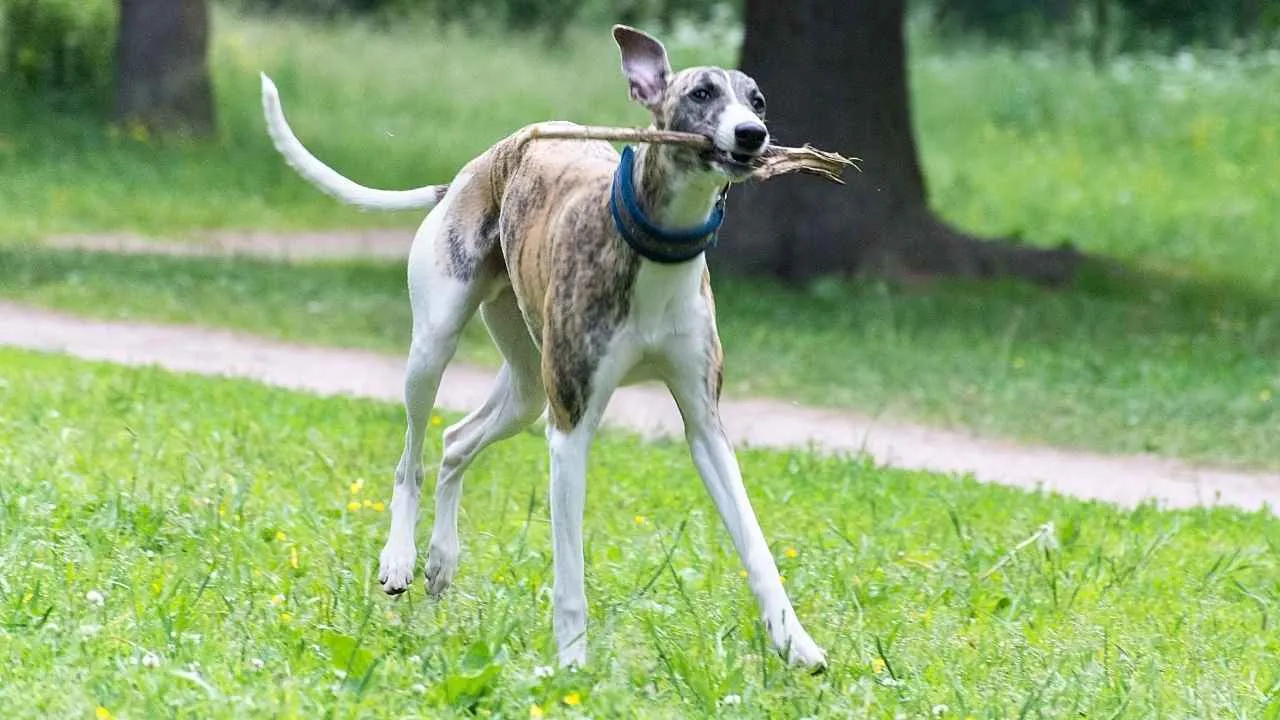
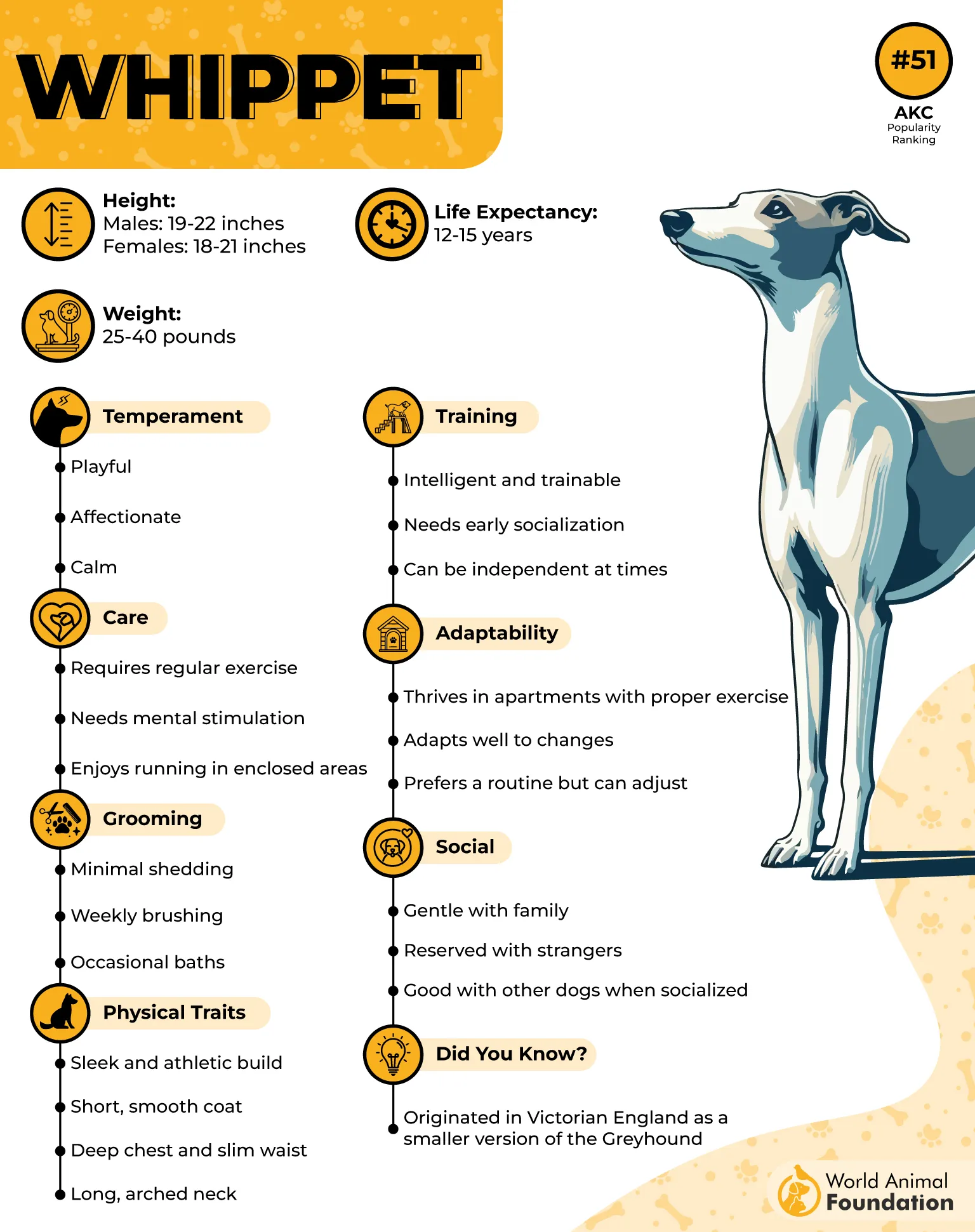
Whippet originated from Greyhound stock and was bred as a sight hound for catching rabbits. When working-class families moved into cities, the breed found a new role chasing waving flags, helping turn Whippet Racing into a popular pastime before official recognition in 1888.
Simple Coat Care
Keeping a Whippet’s coat tidy is fairly simple because shedding stays light and the fur is naturally sleek. Weekly brushing with a soft-bristle brush or rubber mitt removes loose hairs, while a gentle touch suits its thin skin and lean frame.
Its delicate skin deserves the same gentle care:
Mild shampoo helps avoid dry skin
Baths can wait until the coat is dirty
Skin checks can catch small scrapes early
A Fast Chaser
Whippets can spot movement from a considerable distance and may suddenly bolt after something that catches its eye, making reliable recall training essential. It also tends to be quiet at home, with barking generally linked to something being wrong, and early socialization helps it interact comfortably with other dogs.
7. Greyhound
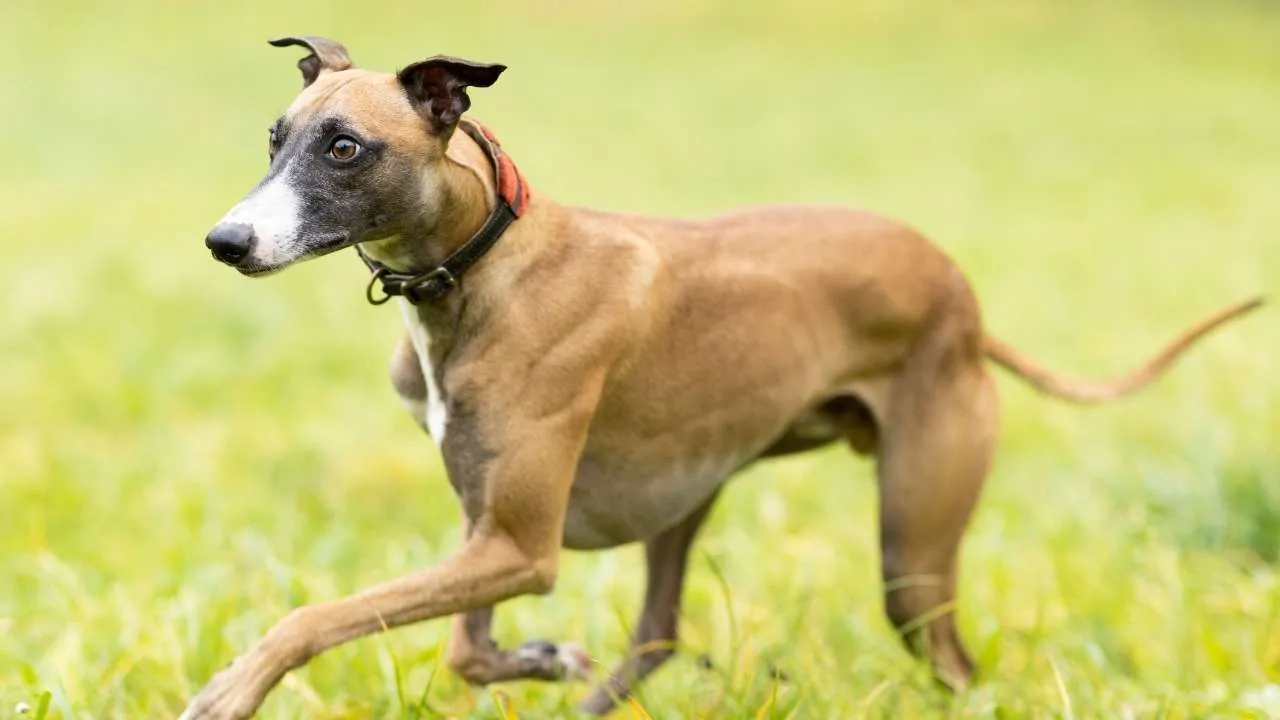
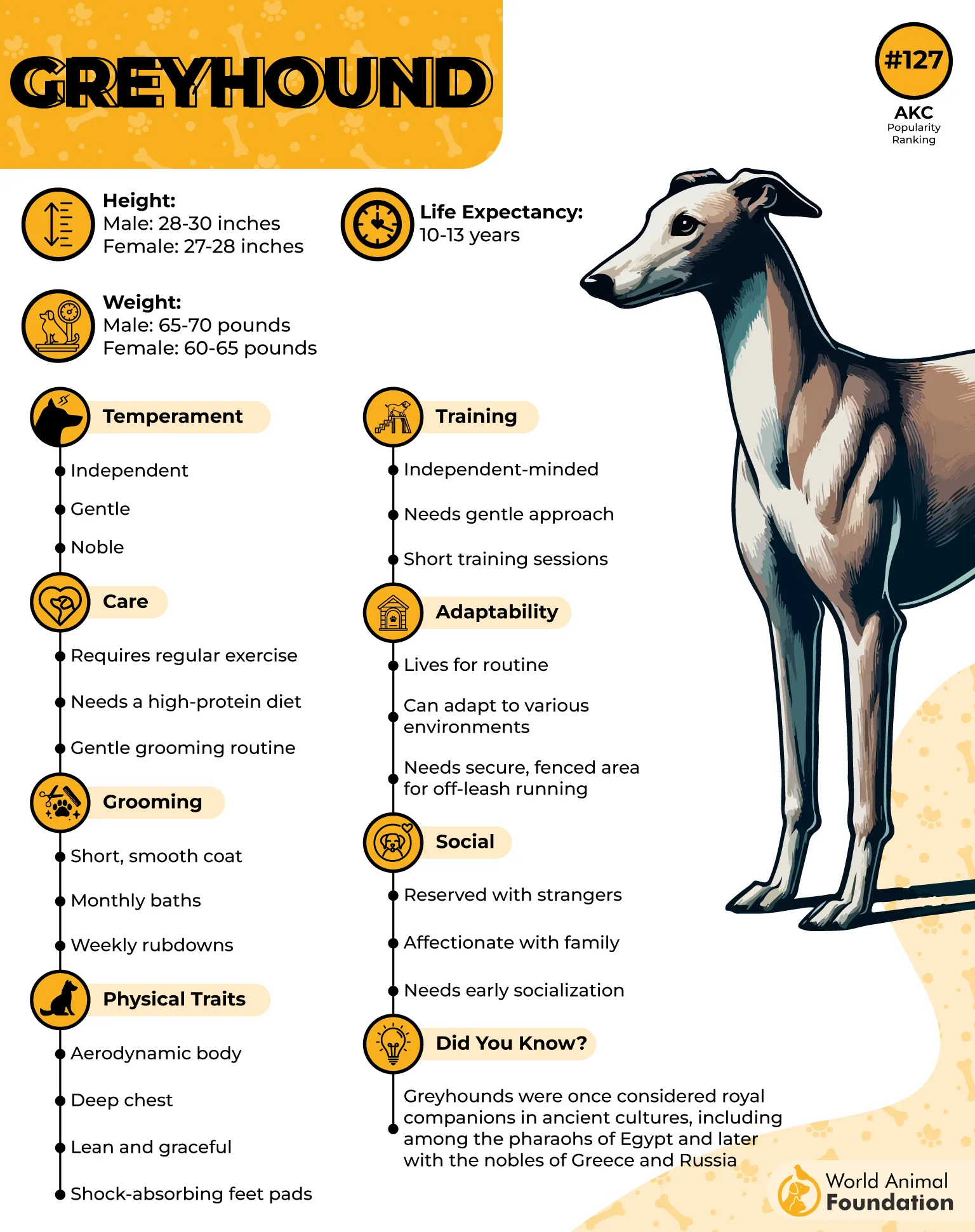
Greyhound is an old European sighthound, originally used to spot and course game swiftly across wide, open ground. Its slim frame, long legs, and flexible spine later made it famous on racing tracks, where dogs chased artificial hares for sport in Britain and America.
Minimal Coat Maintenance
Their short coat also needs little fuss, with weekly brushing enough to remove loose fur and keep its natural sheen. A soft brush or rubber grooming mitt works well, while gentle handling matters because the breed has thin skin and little body fat.
Three practical care details are worth knowing:
Mild shampoo helps prevent dry skin
Complete drying helps prevent chills
Baths are usually needed monthly or less
A Quiet Housemate
Greyhounds can spend plenty of time sleeping on a sofa or bed, often seeking out the softest and coziest spot available. It is generally calm around children and other animals, although its strong sight-driven instincts can quickly send it after small creatures outdoors.
Conclusion
Keeping a short-coated dog clean can be refreshingly simple when compared with managing long fur, mats, or heavy tangles. A quick brushing routine may be enough for loose hair, while baths can usually wait until the coat is genuinely dirty.
Even these easy-care dogs still need attention to their ears, nails, teeth, and skin.
Shedding should also be considered because short hairs can still collect on floors, furniture, and clothes. Cold weather deserves attention for dogs with little insulation. When grooming needs match your available time, you can focus more on exercise, training, companionship, and everyday life together.
