




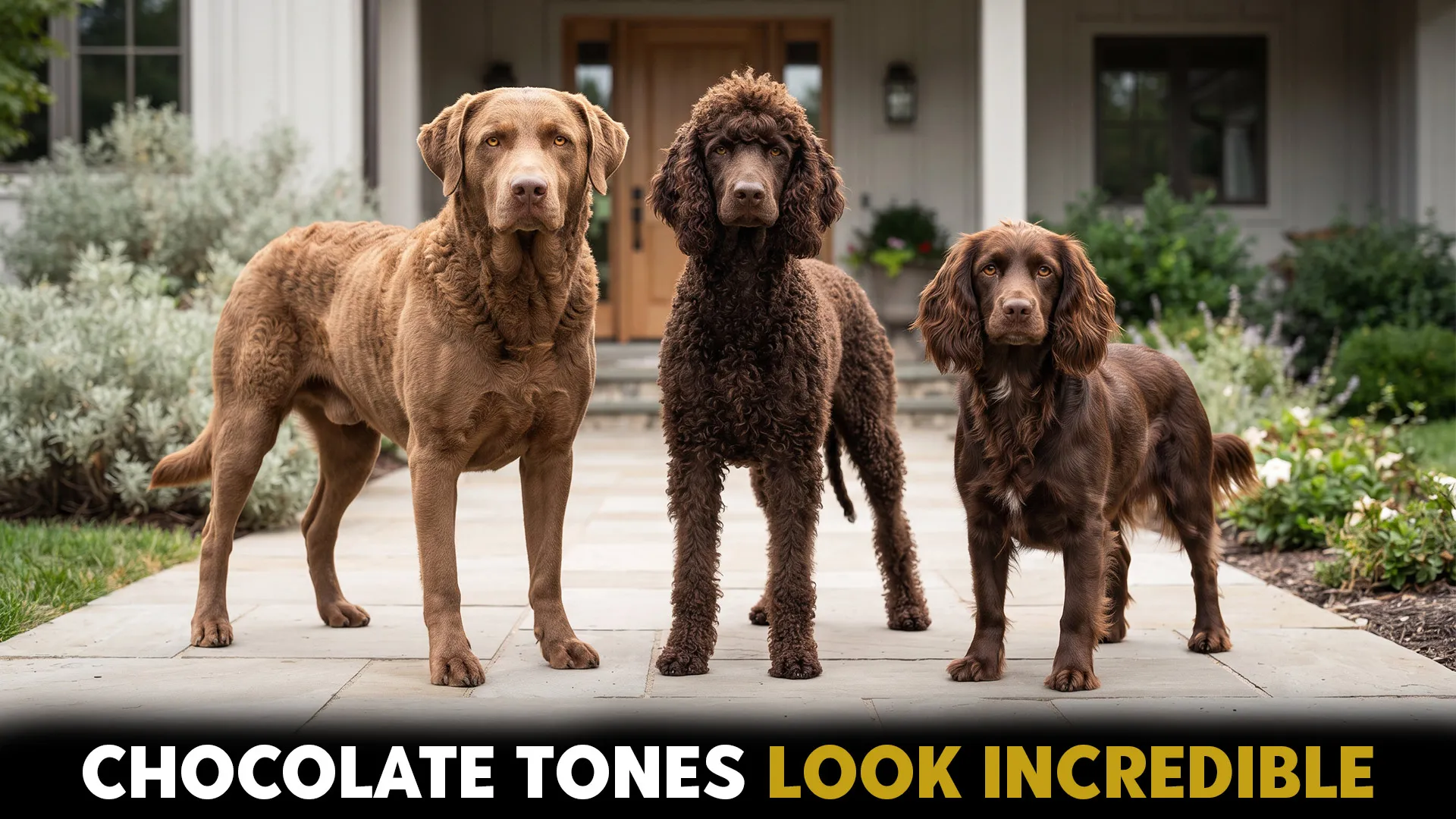
Brown-coated dogs have a special kind of charm. From deep chocolate shades to warm chestnut and golden-brown tones, their coats can make them look rich, elegant, and instantly eye-catching.
But these dogs are more than just beautiful fur. Many of them are also known for their loyalty, intelligence, playful nature, and strong bond with their families.
If you love warm, earthy coat colors, this list is for you. Here are the top dog breeds with rich brown coat hues that stand out for both their looks and personality.
Did you know? Just like in humans, a dog’s coat color is determined by genetics passed down from its parents. These genes influence the color and pattern of the fur. The exact shade depends on the type and amount of melanin, or pigment, deposited into each hair as it grows.
Top Dog Breeds with Rich Brown Coat Hues
1. Sussex Spaniel
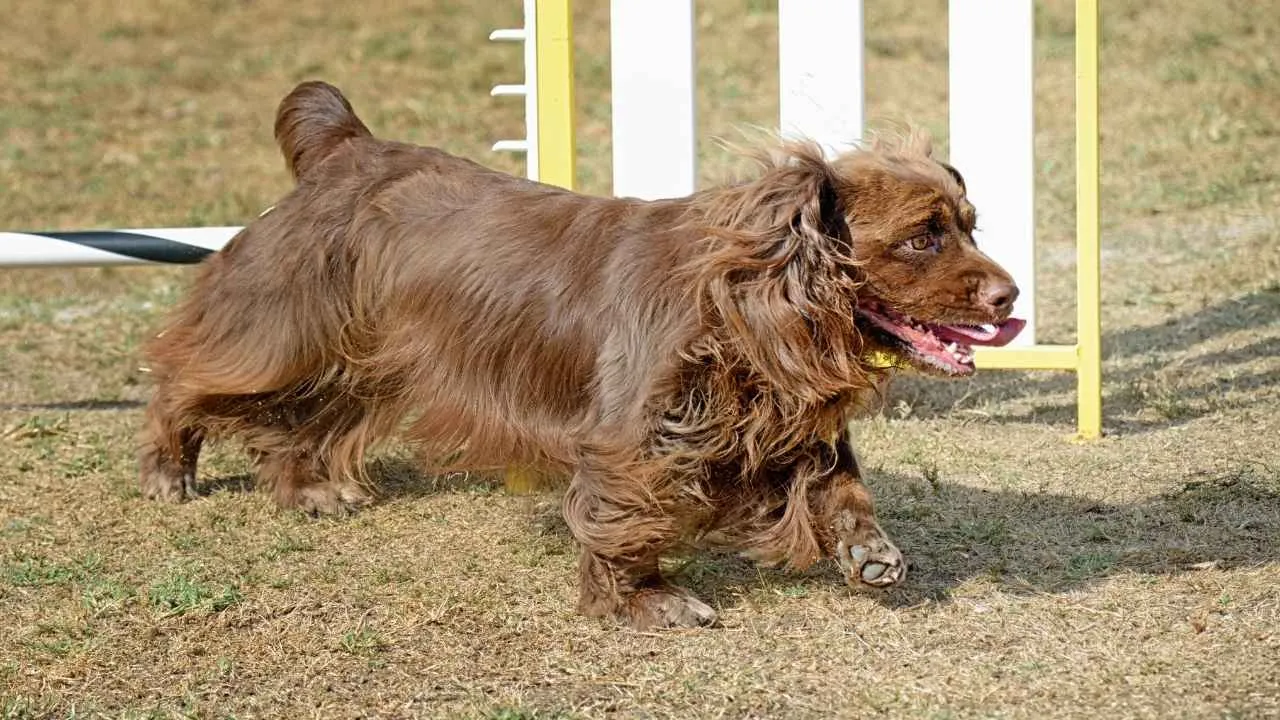
Few dogs pull off a big personality on such short legs, but the Sussex Spaniel manages it. Golden liver from head to tail, it stays calm until instinct kicks in.
Colour exclusivity: Golden liver is the only shade the standard allows — no white patches, no exceptions.
Coat & grooming: This medium-sized dog’s feathered, shiny coat needs daily brushing to keep loose hair under control.
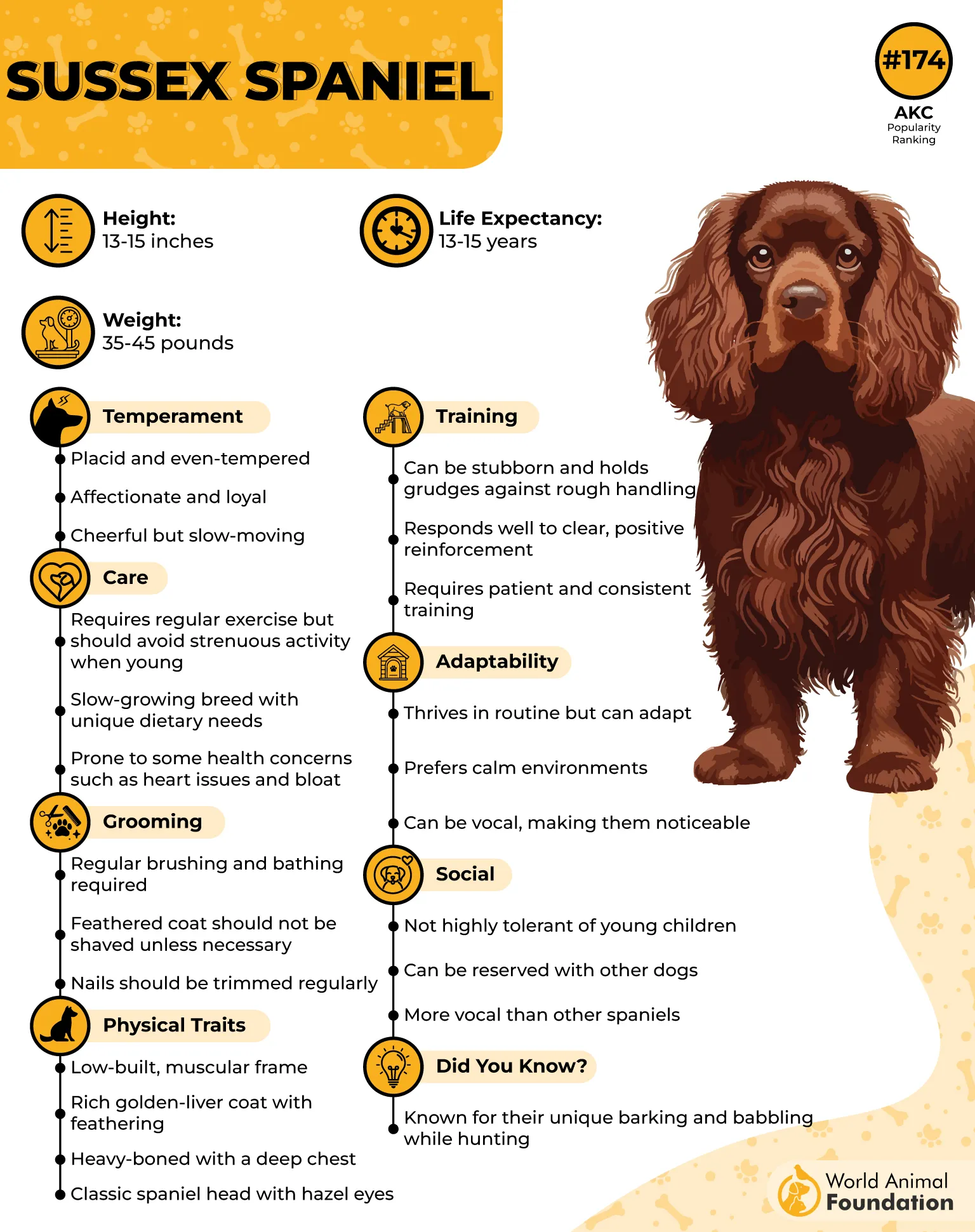
Short legs and a sturdy frame let it push through thick hedgerows with ease. Hunters valued this build for working dense cover on foot.
Health & coat care: Hip dysplasia and heart murmurs top the health issues, and a professional groomer every few months keeps feathering mat-free.
Here’s one for trivia night: Stump, a Sussex Spaniel, won Best in Show at Westminster in 2009 at age ten, the oldest dog ever to win.
2. Boykin Spaniel
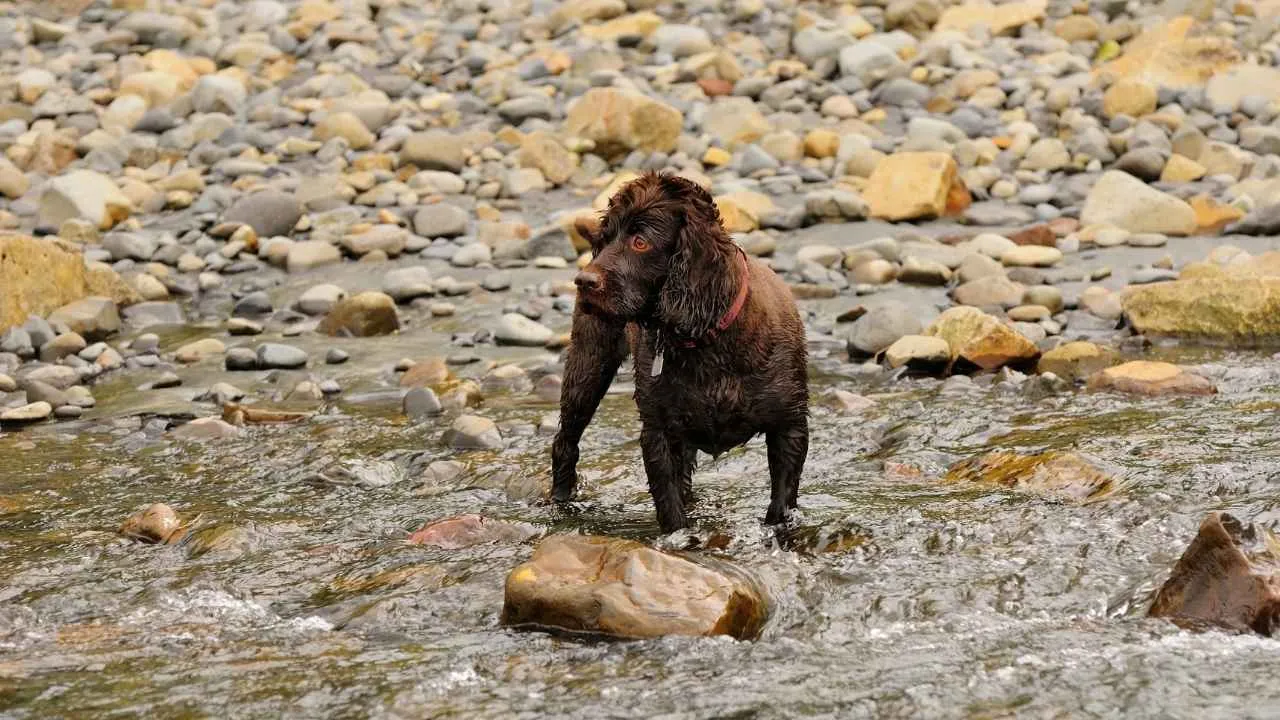
South Carolina’s state dog wears one colour only: solid chocolate brown. The Boykin Spaniel is eager, merry, and endlessly trainable, flipping from lap dog to retriever near water.
Colour exclusivity: Solid liver brown is the only body colour allowed, aside from small white markings on the chest.
Coat & grooming: Flat-to-curly and wash-and-wear, this coat stays easy between swims, though a grooming mitt helps in shedding season.
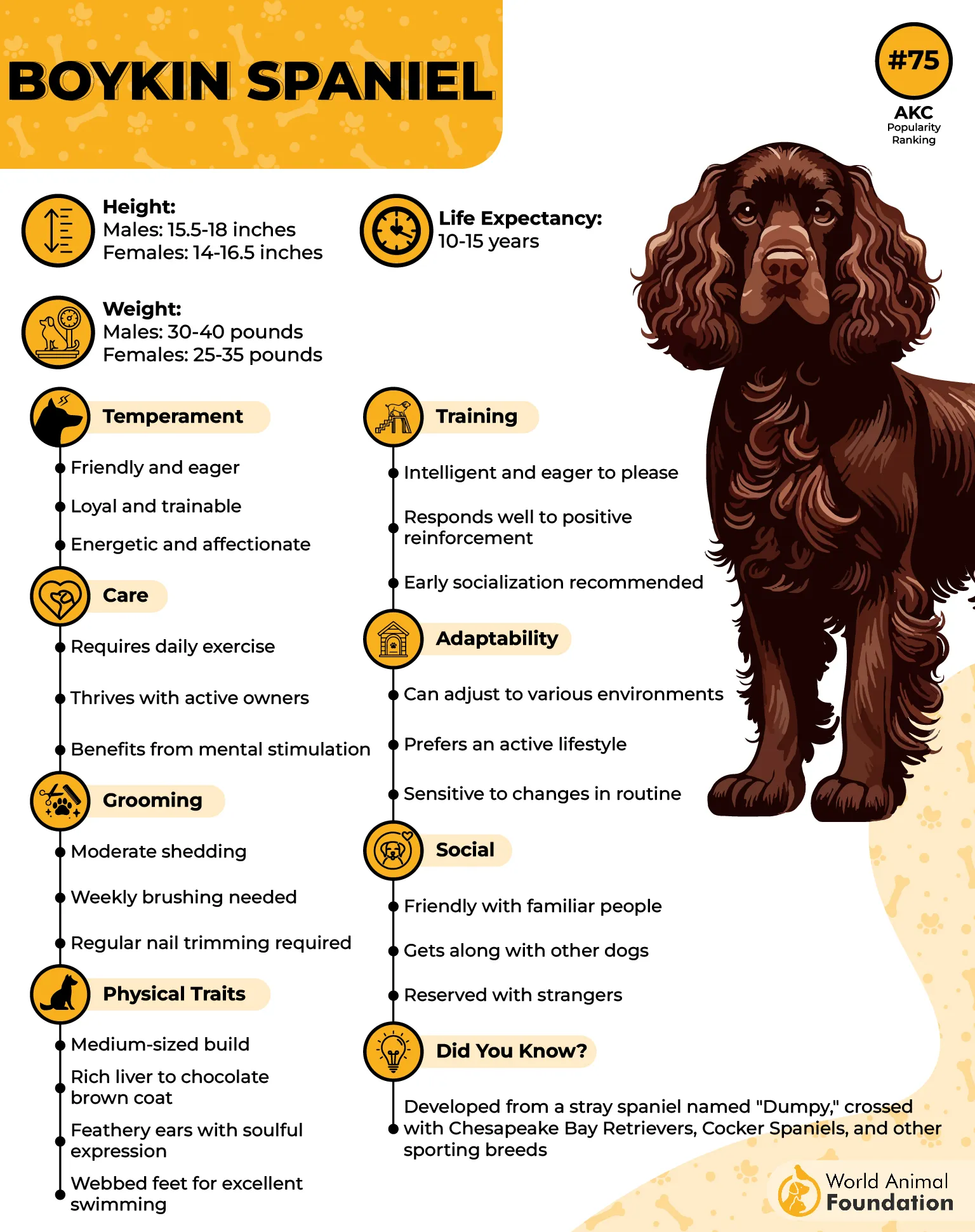
It started with a stray dog named Dumpy, found by a Spartanburg hunter around 1900. Whit Boykin built a breed around him, tough enough for Carolina swamps.
Health & coat care: Swimming raises ear infection risk in those floppy ears, and VCA recommends drying the coat thoroughly to prevent skin irritation.
Boykin Spaniels stayed a regional secret for decades before wider recognition arrived in 2009. Locals in the Carolinas already knew what they had.
3. Irish Water Spaniel
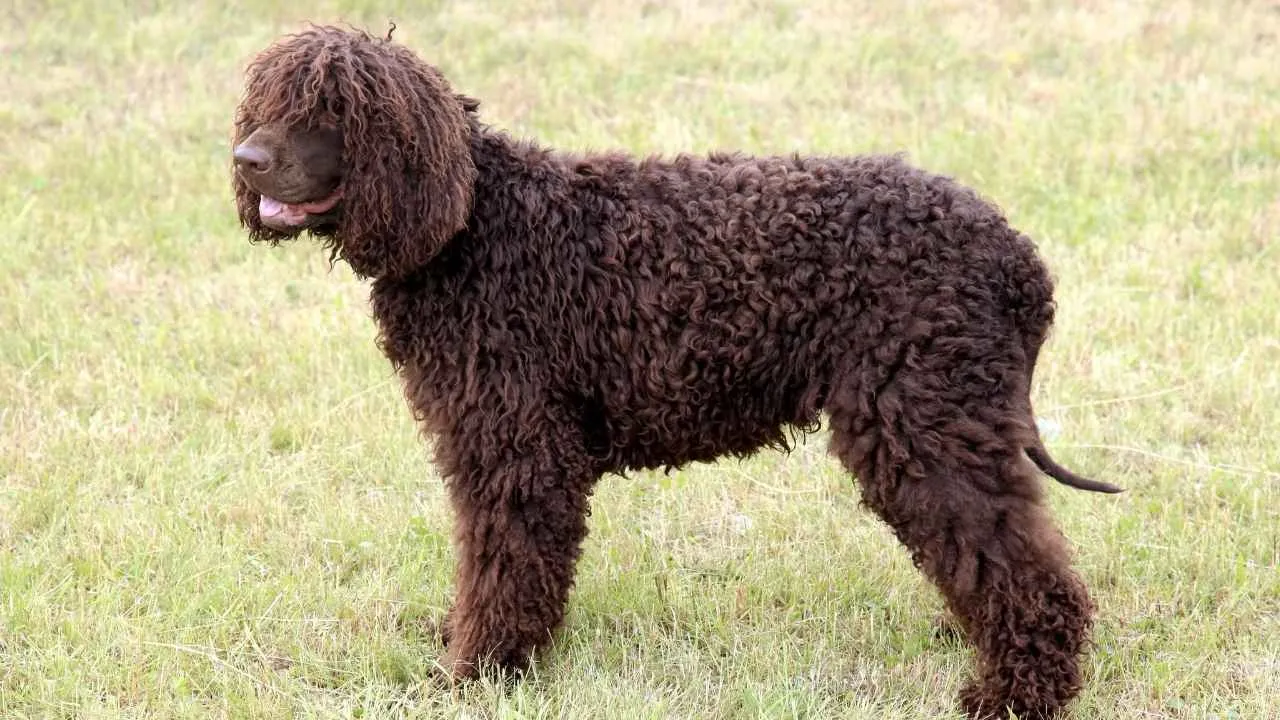
Picture a dog with a curly coat, a rat-like tail, and a big personality to match. It’s playful at home, sharp in the field, and a serious swimmer.
Colour exclusivity: Rich liver with a purple sheen, sometimes called puce, is the breed’s only colour.
Coat & grooming: Those tight curls trap loose hair rather than scattering it, but still need combing two to three times weekly.
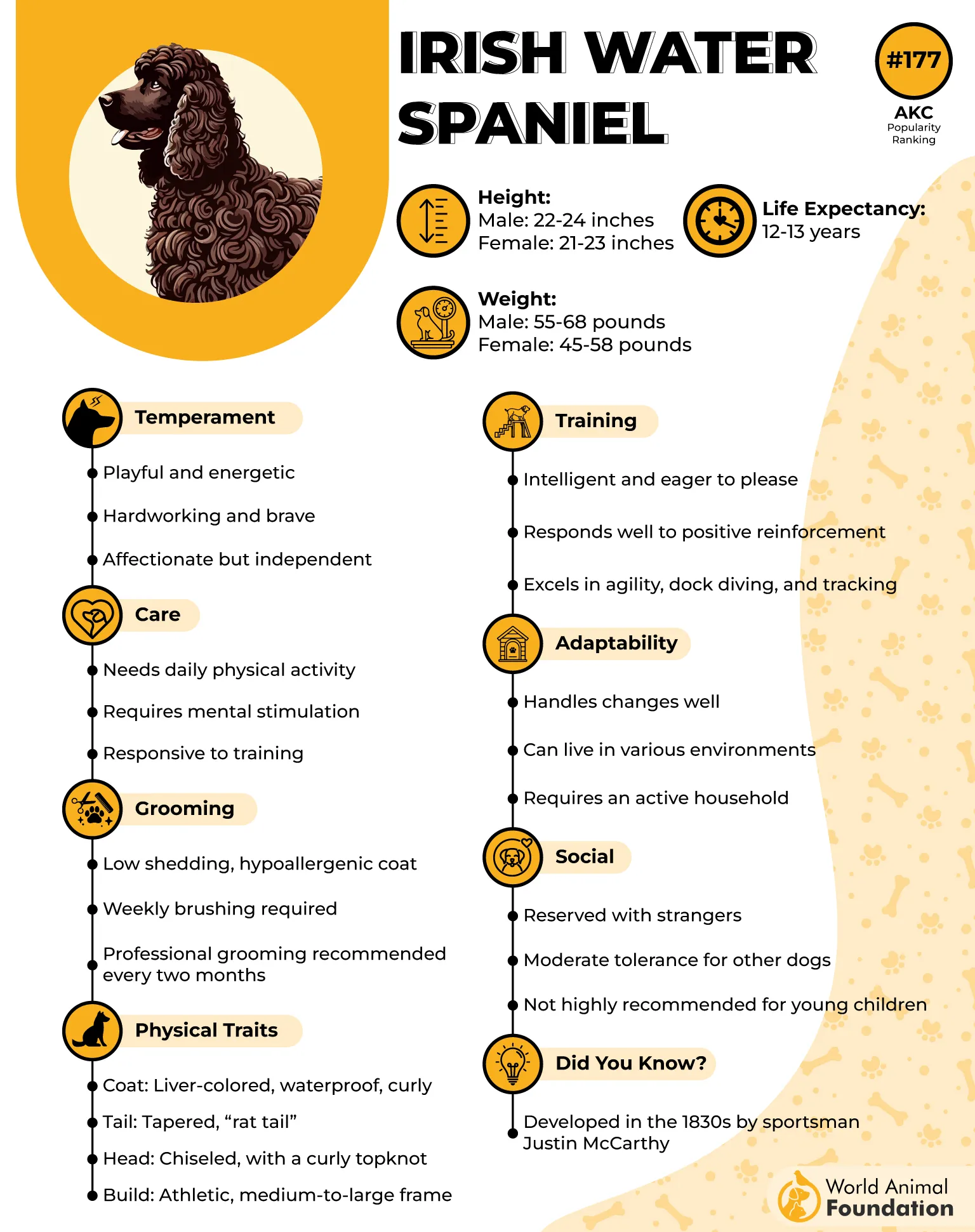
One of the oldest spaniel breeds alive, its curls and tail trace back centuries of water work. Britannica notes the liver coat has stayed constant throughout history.

Health & coat care: Curl-covered ears trap moisture, so regular cleaning matters, and towel-drying the thick coat after each swim keeps skin healthy.
Legend says King James I once gifted one to the King of France as a diplomatic gesture. Nobody can confirm it, since early breeders kept poor records.
4. American Water Spaniel
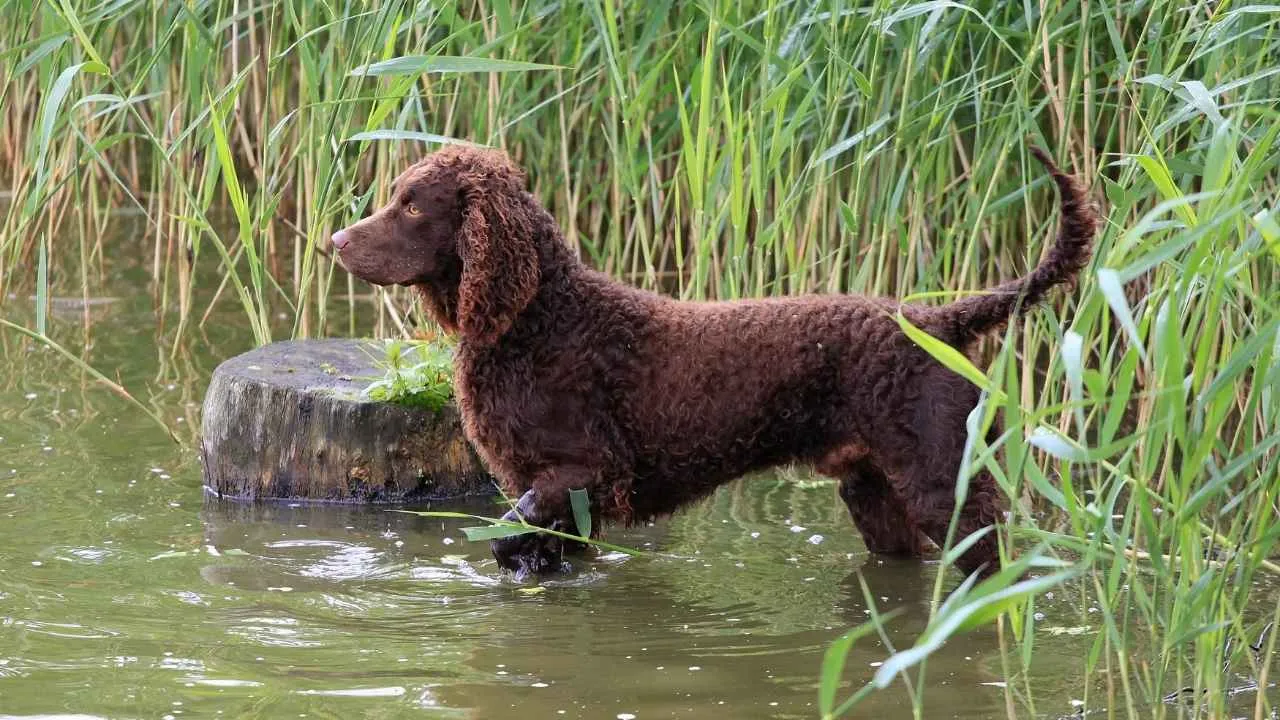
Small enough for a canoe, tough enough for geese — that’s the American Water Spaniel in one line. Eager and a touch stubborn, it needs real mental stimulation to stay content.
Colour exclusivity: Liver, brown, and dark chocolate cover the full colour range — no other shade is standard.
Coat & grooming: The thick double coat is oily and water-repellent, needing weekly brushing during shedding season.
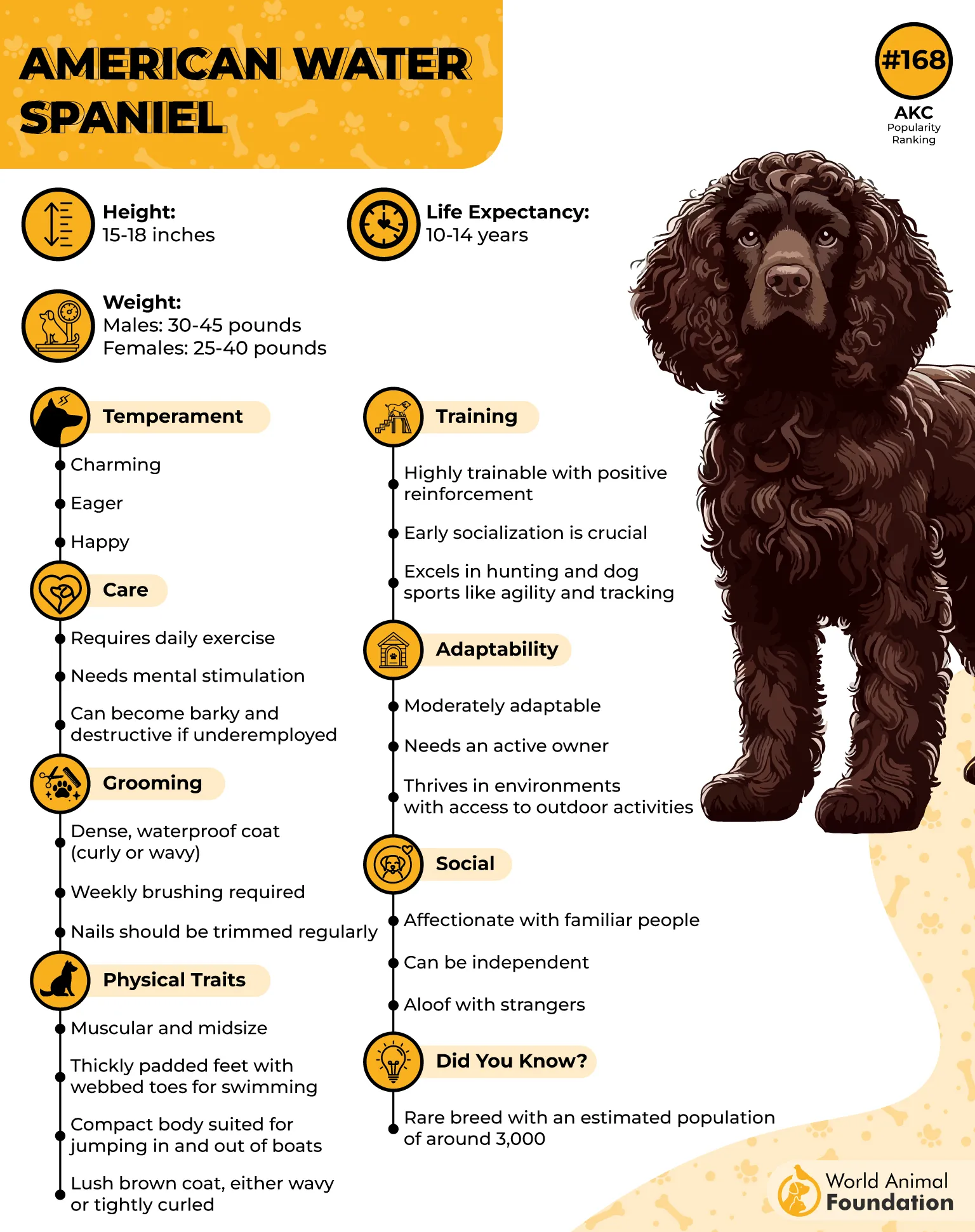
Developed in 1800s Wisconsin, it had to fit in a small boat yet handle icy lake water. Its dense undercoat and wavy topcoat were built for exactly that.
Health & coat care: Long ear hair traps moisture, so trimming the ears matters, and rinsing the coat after swims helps prevent skin problems.
Fun fact: It became Wisconsin’s state dog in 1986. It once nearly went extinct before one breeder saved it.
5. Chesapeake Bay Retriever
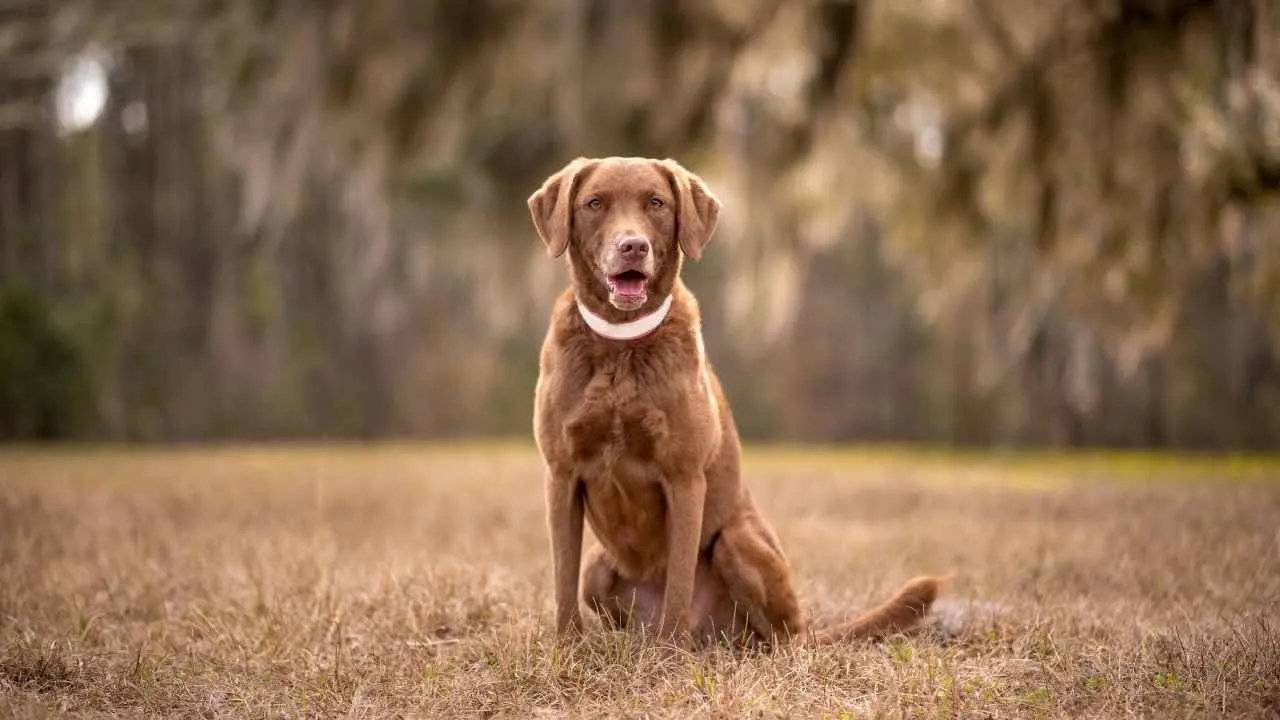
This retriever shrugs off icy water like it’s nothing. Loyal and independent, it’s more protective than most retrievers and built for tireless work, not couch cuddles.
Colour exclusivity: Brown, sedge, and deadgrass come in a variety of shades — sedge counts as a red coat, deadgrass leans tan, and solid brown remains most iconic.
Coat & grooming: The thick double coat sheds water on contact, so brush weekly and skip frequent baths.
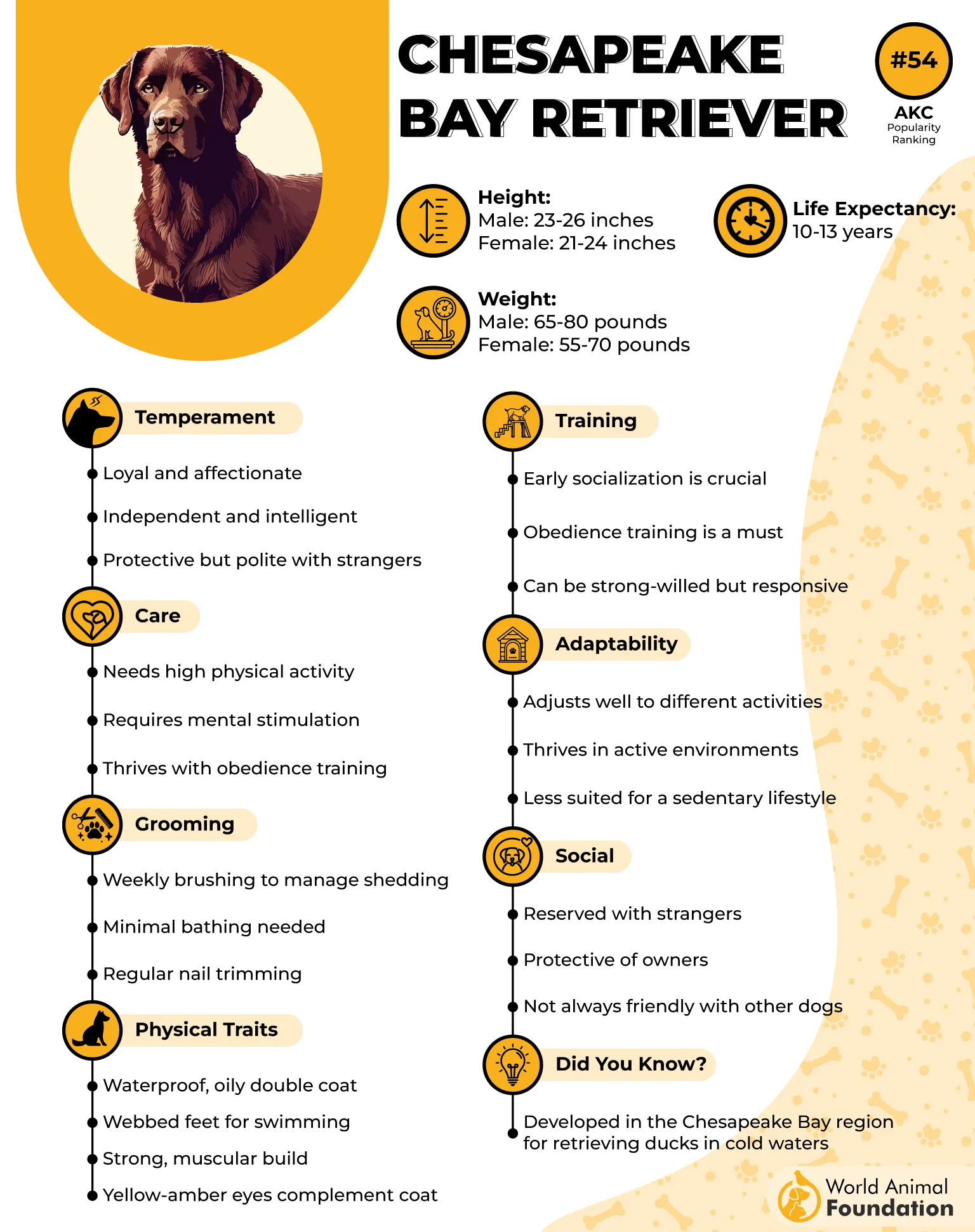
Legend traces the breed to 1807, when two Newfoundland-region pups survived a shipwreck off Maryland. Vets note those same oils are why over-bathing does more harm than good.
Health & coat care: Hip dysplasia and bloat are the bigger concerns, and brushing before bathing protects the coat’s natural, waterproof oils.
Fun fact: This was the first retriever breed the AKC ever recognized, back in 1878. Not bad for two shipwreck survivors.
6. German Shorthaired Pointer
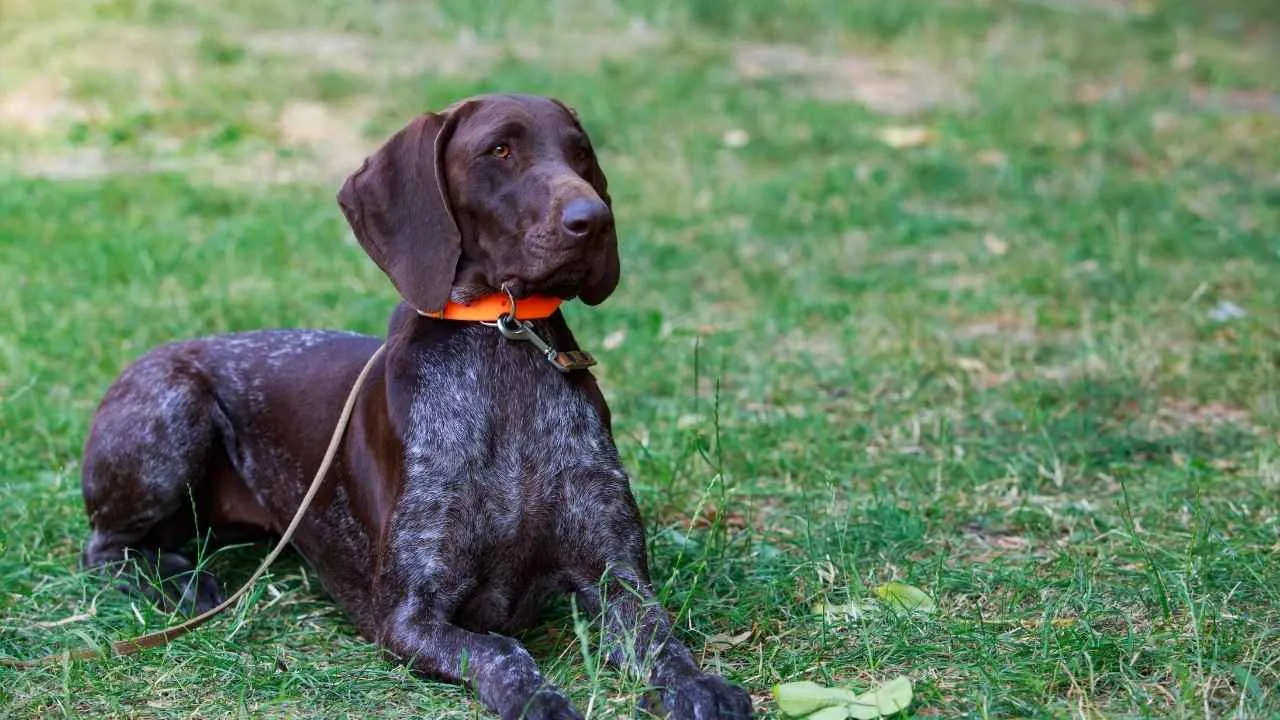
Most people picture liver-and-white patches, but the solid liver German Shorthaired Pointer is the quiet showstopper. High-energy and versatile, it hunts, points, and retrieves without missing a beat.
Colour exclusivity: Solid liver is one of eight allowed combinations, alongside solid black and various brown patches or roan patterns.
Coat & grooming: Short, smooth, and weather-resistant, this low-maintenance coat needs only weekly brushing; the triangular ears are the giveaway.
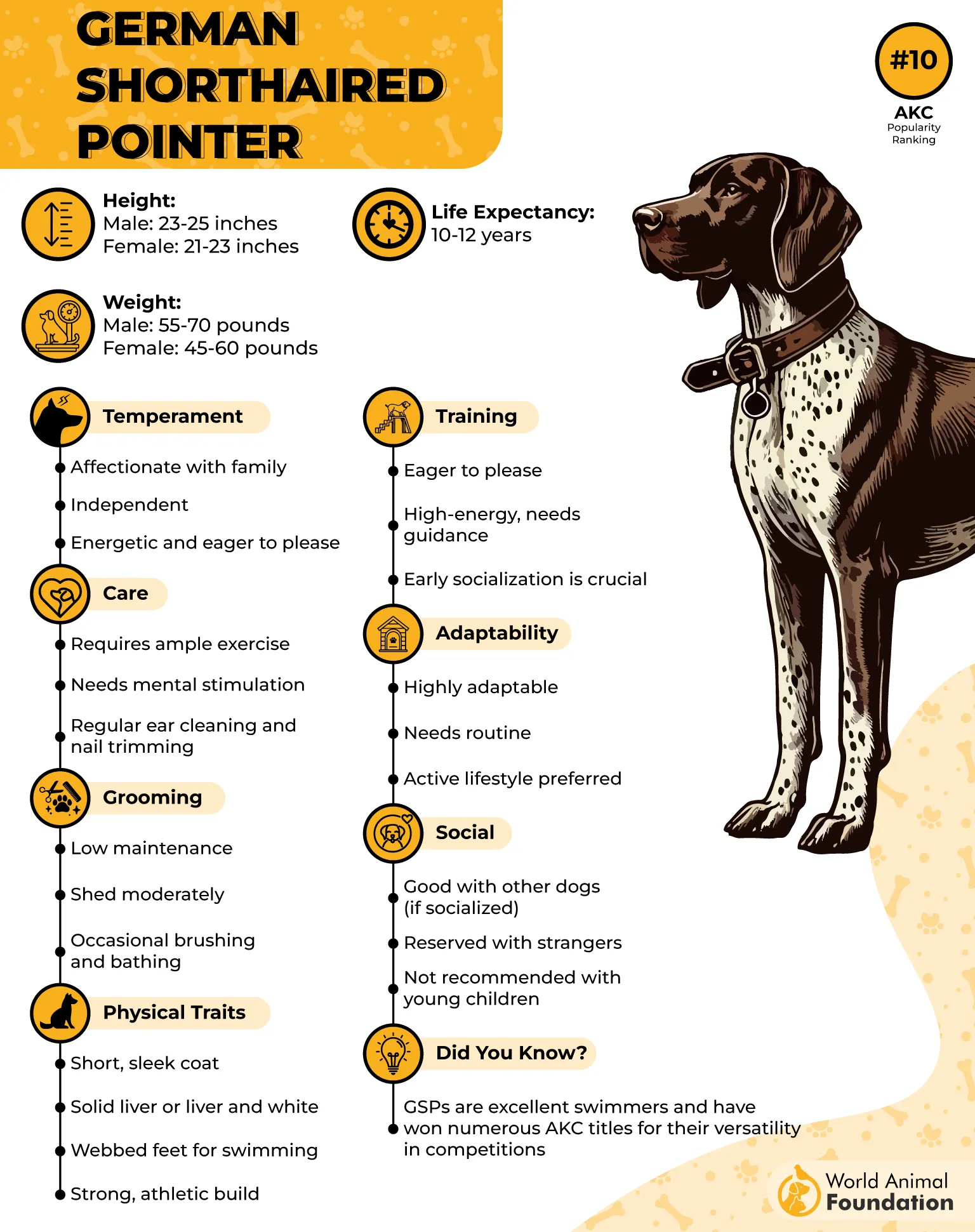
Bred to hunt on land and water, this pointer even has webbed feet for swimming. The same short coat that keeps grooming simple also dries fast after a lake retrieve.
Health & coat care: The coat rarely causes health problems, but ears need regular cleaning, and a quick wipe-down after swimming keeps it shiny.
Fun fact: This furry friend competes in nearly every dog sport that exists, from agility to dock diving. Most stay puppy-like well into old age.
7. English Cocker Spaniel
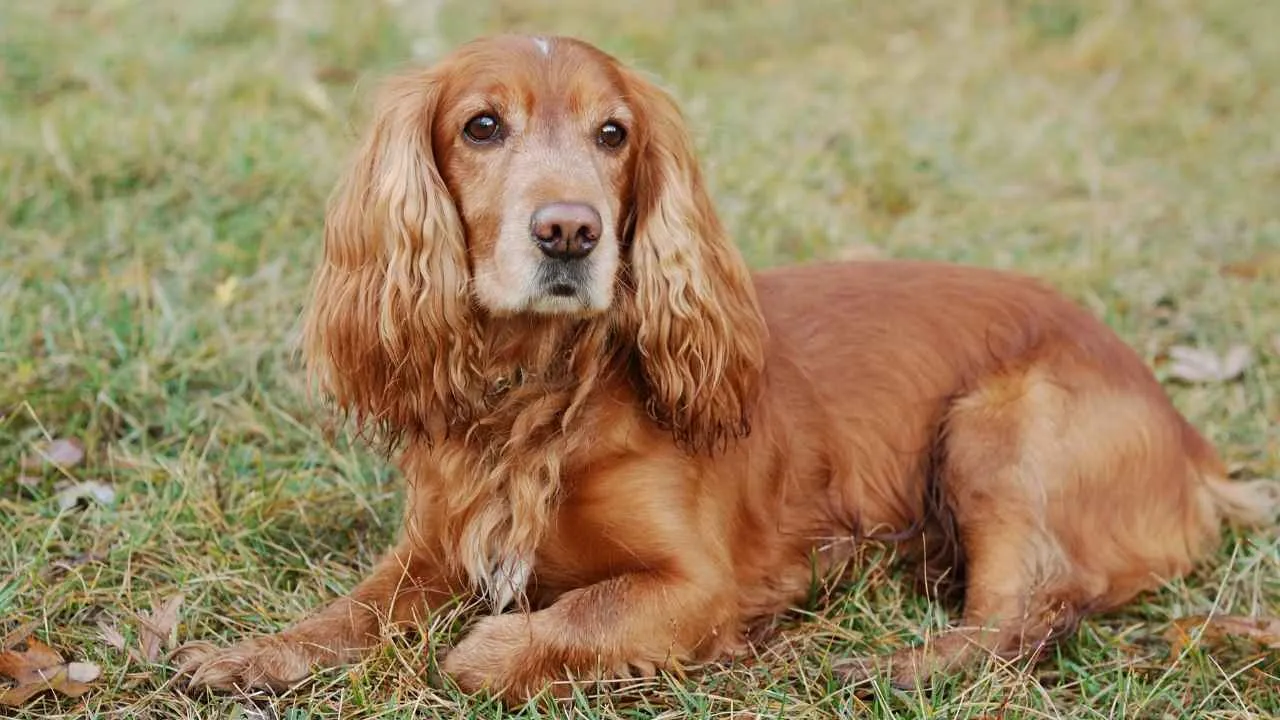
Say Cocker Spaniel and most picture gold or black, but liver and liver roan are just as real. This spaniel is merry and affectionate wherever it goes.
Colour exclusivity: Liver and liver roan are two of several standard colours, alongside black, red, tan, and other markings.
Coat & grooming: This medium-sized dog’s silky, feathered coat needs regular brushing and the occasional trim from a professional groomer.
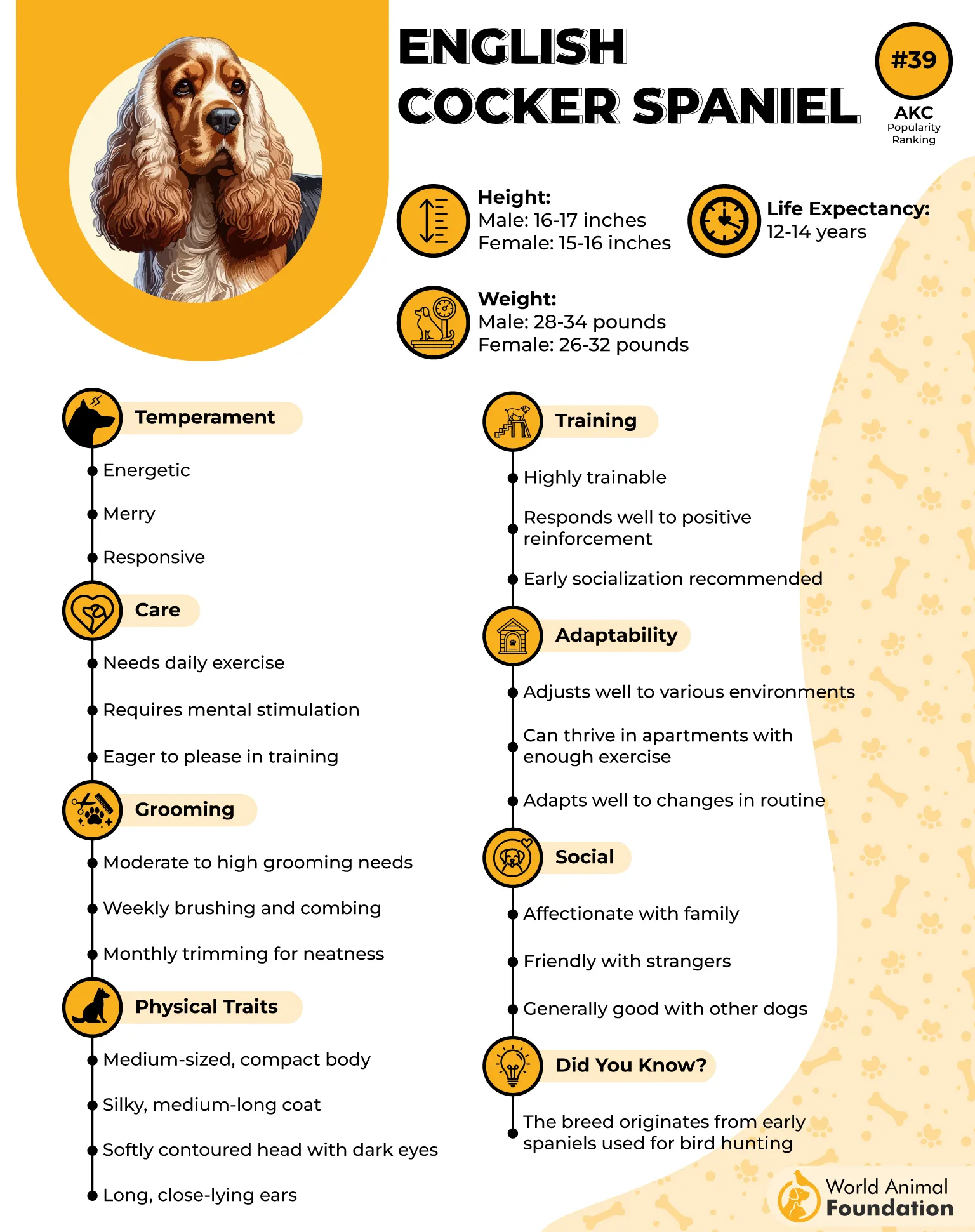
Roan patterning shows up far more in English Cockers than in their American cousins. That mottled look comes from liver and white hairs mixing, not patches.
Health & coat care: Floppy ears trap moisture easily, and PDSA lists ear infections among the breed’s health issues, so cleaning plus thorough drying protect both.
Fun fact: The English and American Cocker Spaniel were once one breed, tracing back to a champion dog born in 1879. They split apart only in the 20th century.
Conclusion
Every brown coat on this list earned its place through mud, marsh, and cold water, not through a trend in dog coat colors. That is the real reason liver and chocolate brown shades show up more often in working and water dogs than in other breeds bred purely for looks.
Before you commit to a breeder because of one gorgeous photo, pull up that breed’s AKC standard and compare the shade, coat, and temperament against what’s actually described. A little homework now saves you from a dog whose coat you loved and whose needs you didn’t research.
