




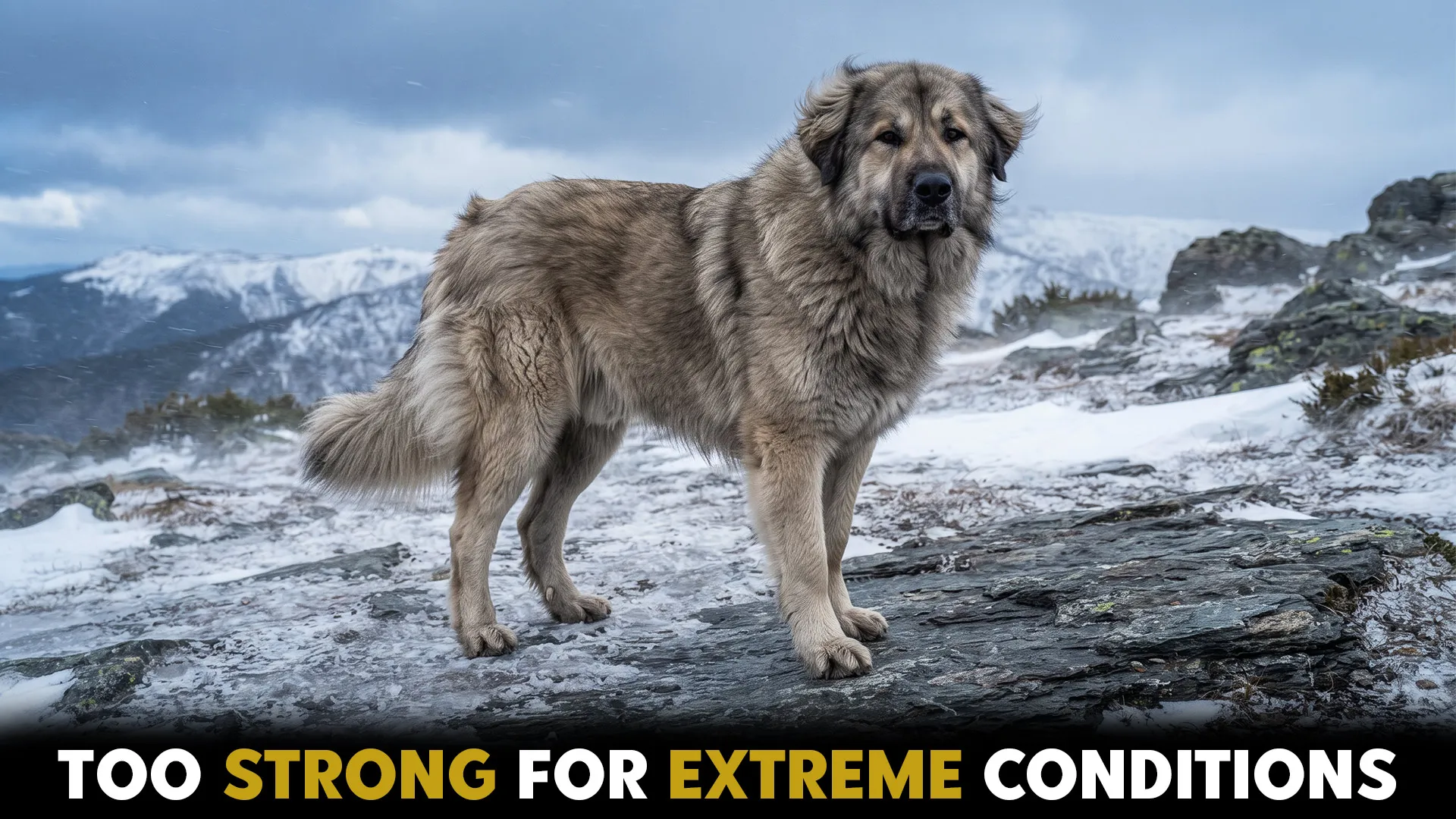
Some dogs are built for comfort, while others seem made to take on snow, heat, rough terrain, and harsh weather without missing a beat. Their strong bodies, thick coats, stamina, and natural survival instincts help them handle conditions that would challenge most breeds.
These tough dogs were often developed for demanding jobs such as guarding livestock, pulling sleds, hunting, or working in remote regions. That background gave them the strength, endurance, and adaptability needed to perform when the environment gets difficult.
From freezing mountain trails to hot and rugged landscapes, these breeds know how to keep going. Here are the top dog breeds that can withstand extreme conditions and still stay strong, alert, and ready for action.
Top Dog Breeds That Can Withstand Extreme Conditions
1. Norwegian Elkhound
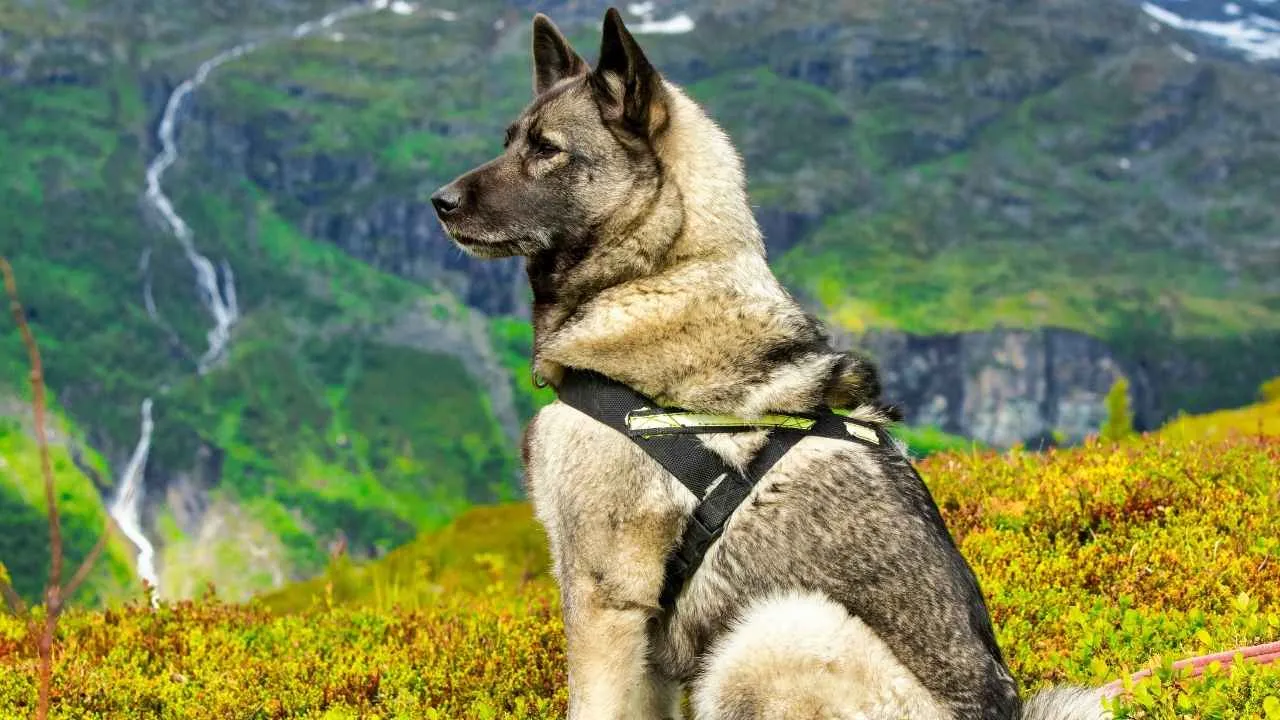
Norway’s national dog earned its reputation in the Viking Age, tracking bear and moose across steep, snow-covered terrain for centuries. This is old-school cold-climate pedigree, not a recent trend.
That silver-gray coat isn’t just handsome. A dense undercoat traps warmth while the coarse outer layer sheds snow and rain, keeping the dog dry in brutal weather.
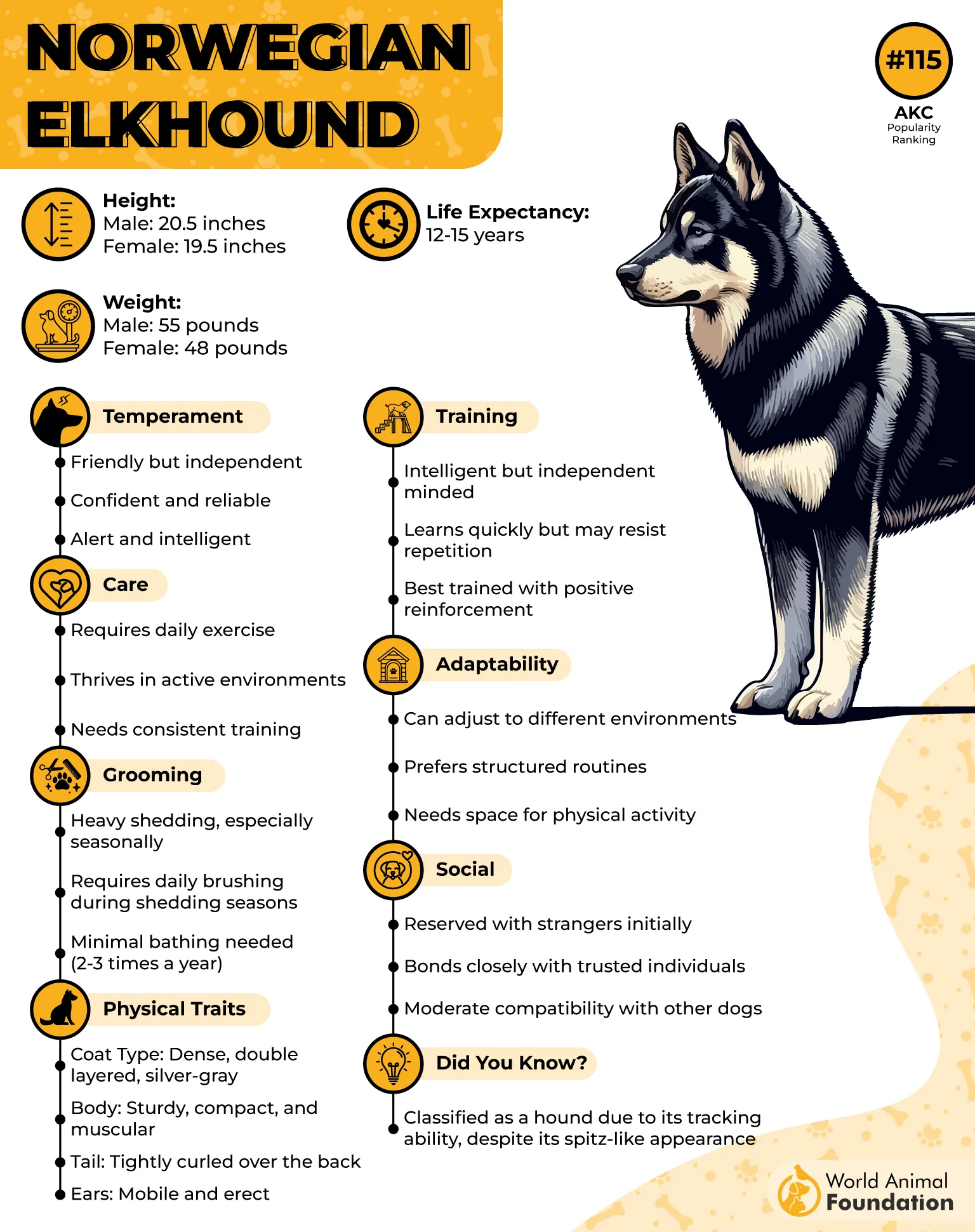
This breed once hunted, herded, and guarded farms, often all in the same day. One dog, several jobs, zero complaints. Weekly brushing keeps that thick coat working properly, notes Orvis.
Many Quora users say Norwegian Elkhounds are gentle, loyal dogs that can do well with children when properly supervised.
Fun fact: The name is a bit misleading, since Elkhounds were actually bred to track moose, not elk.
2. Estrela Mountain Dog
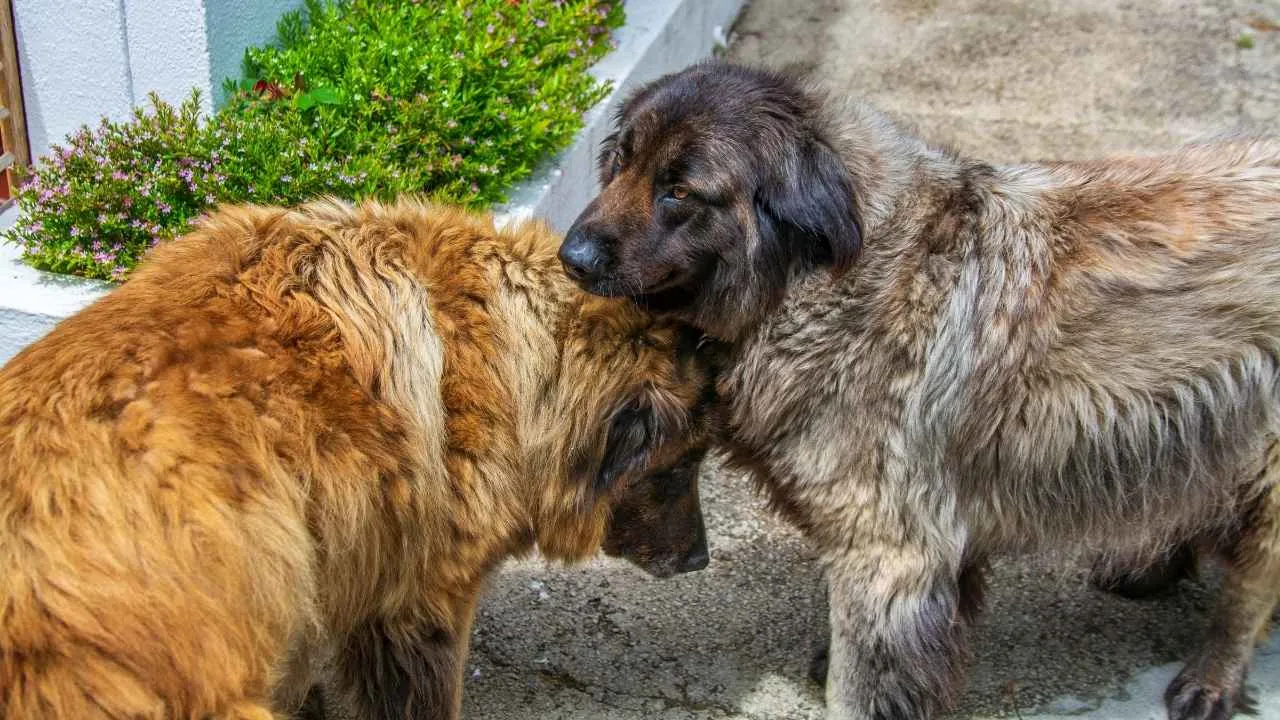
Portugal’s Serra da Estrela mountains gave this breed both its name and its job description. Steep slopes, freezing winters, and scorching summers built a dog that handles extremes calmly.
Underneath all that fur sits a large, muscular frame with substantial bone, built to match rugged terrain rather than just look impressive.
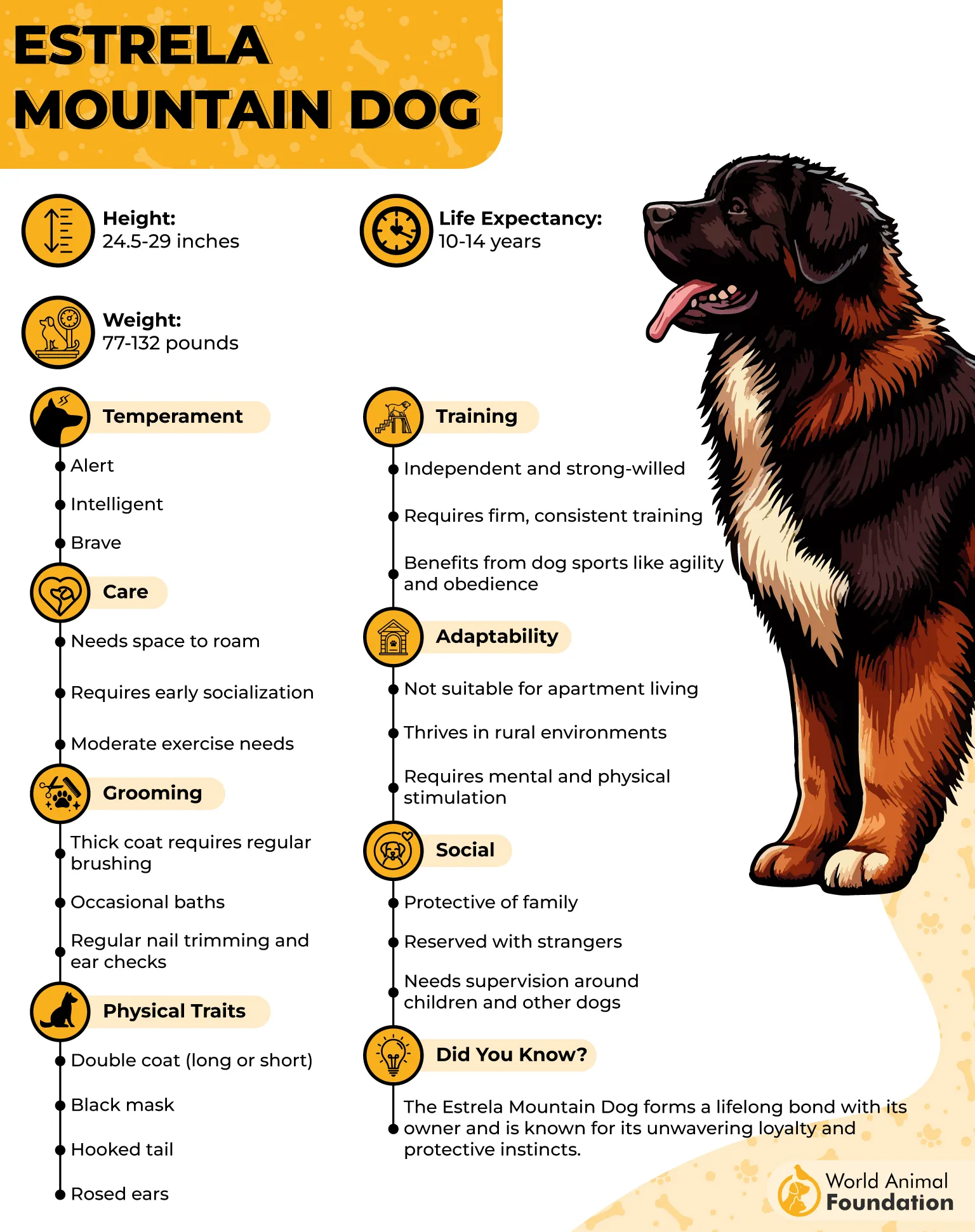
Shepherds split the work by season. Summers meant guarding flocks high in the mountains, and winters meant watching over the farmhouse instead.
They can make deeply loyal and affectionate family companions, but they require an experienced owner and proper training because of their strong guarding instincts and massive size.
Early socialization matters here, since a naturally dominant streak can turn stubborn without it, according to the AKC.
One quirky detail: The breed only earned AKC recognition status in 2004, so it’s still climbing the ranks in America.
3. Siberian Husky
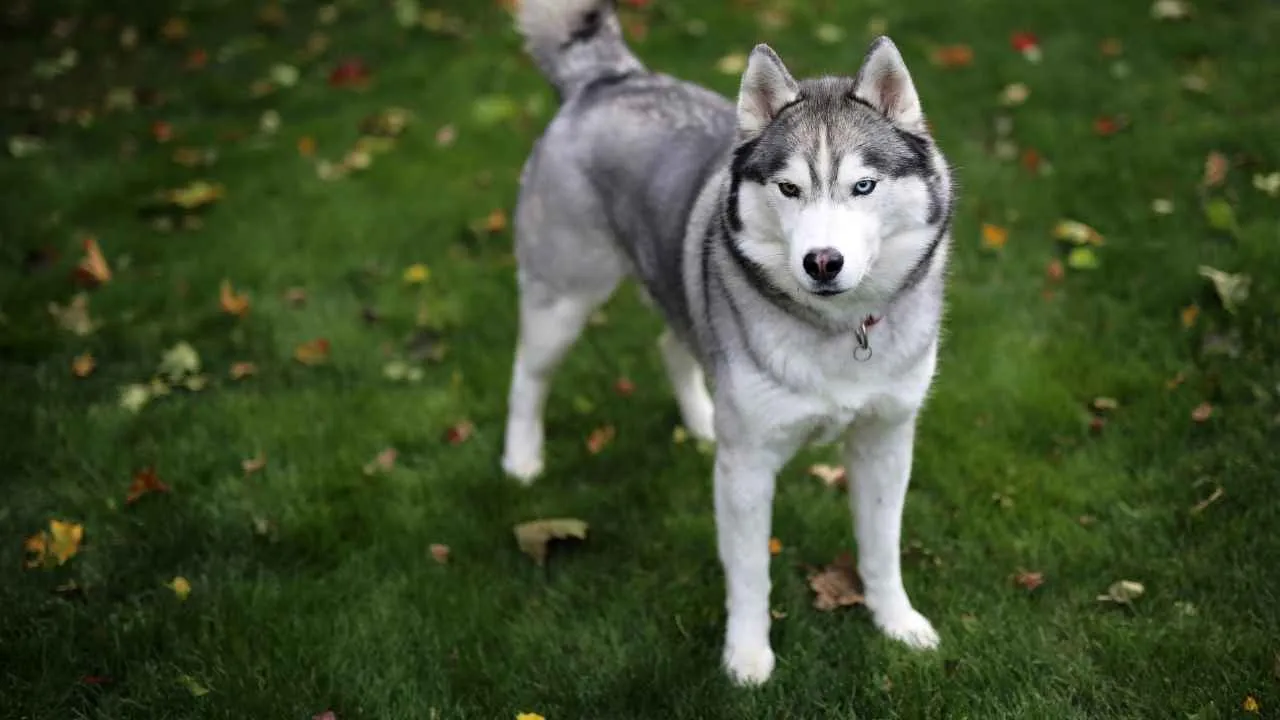
Siberia’s Chukchi people bred this dog for one demanding job: hauling people and supplies across tundra where little else could survive. That’s a serious cold-weather resume.
A thick double coat handles insulation, but the real trick is metabolic. Huskies burn fat efficiently, letting them run for hours without crashing. Their thick double coats blow out twice a year, leading to constant and heavy hair accumulation.
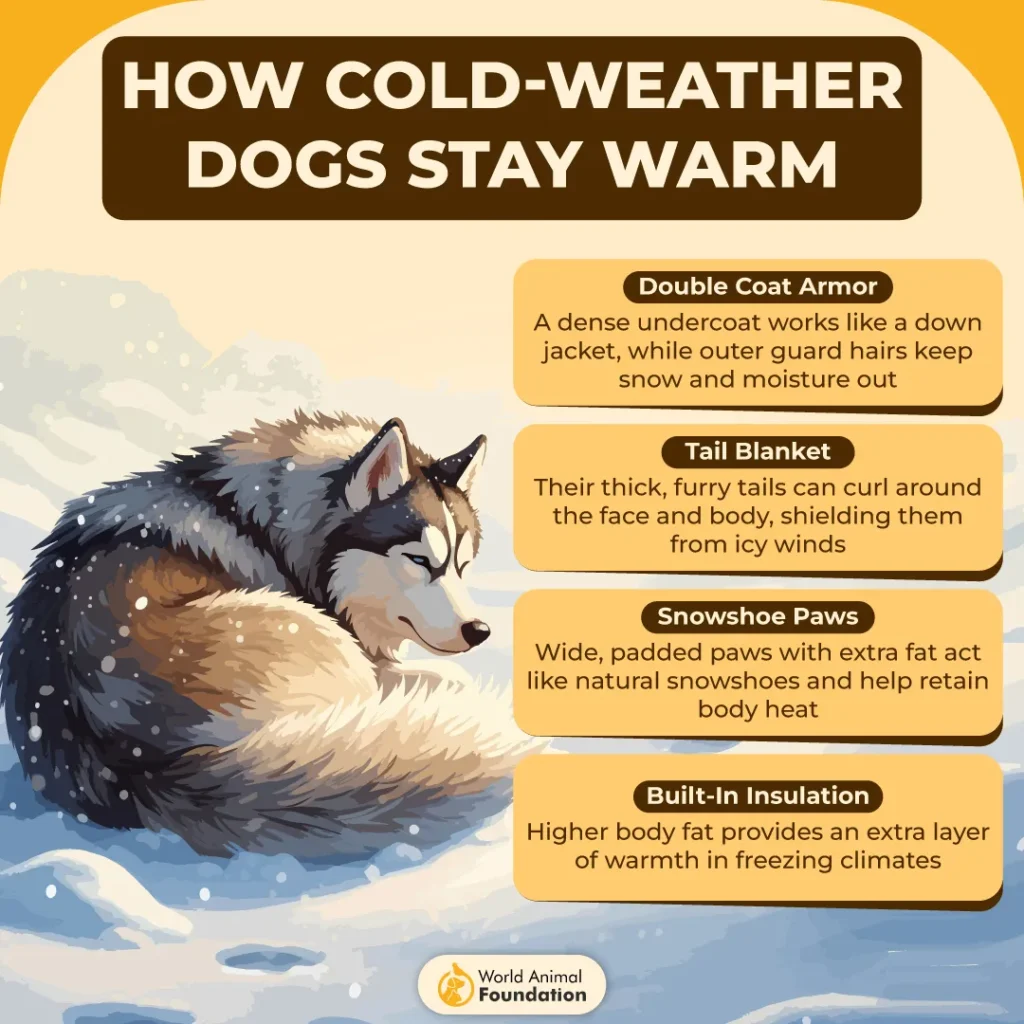
Packs of six to eighteen dogs once pulled sleds at speed across vast frozen distances, according to VCA. Marathon runners, basically, with paws instead of sneakers.
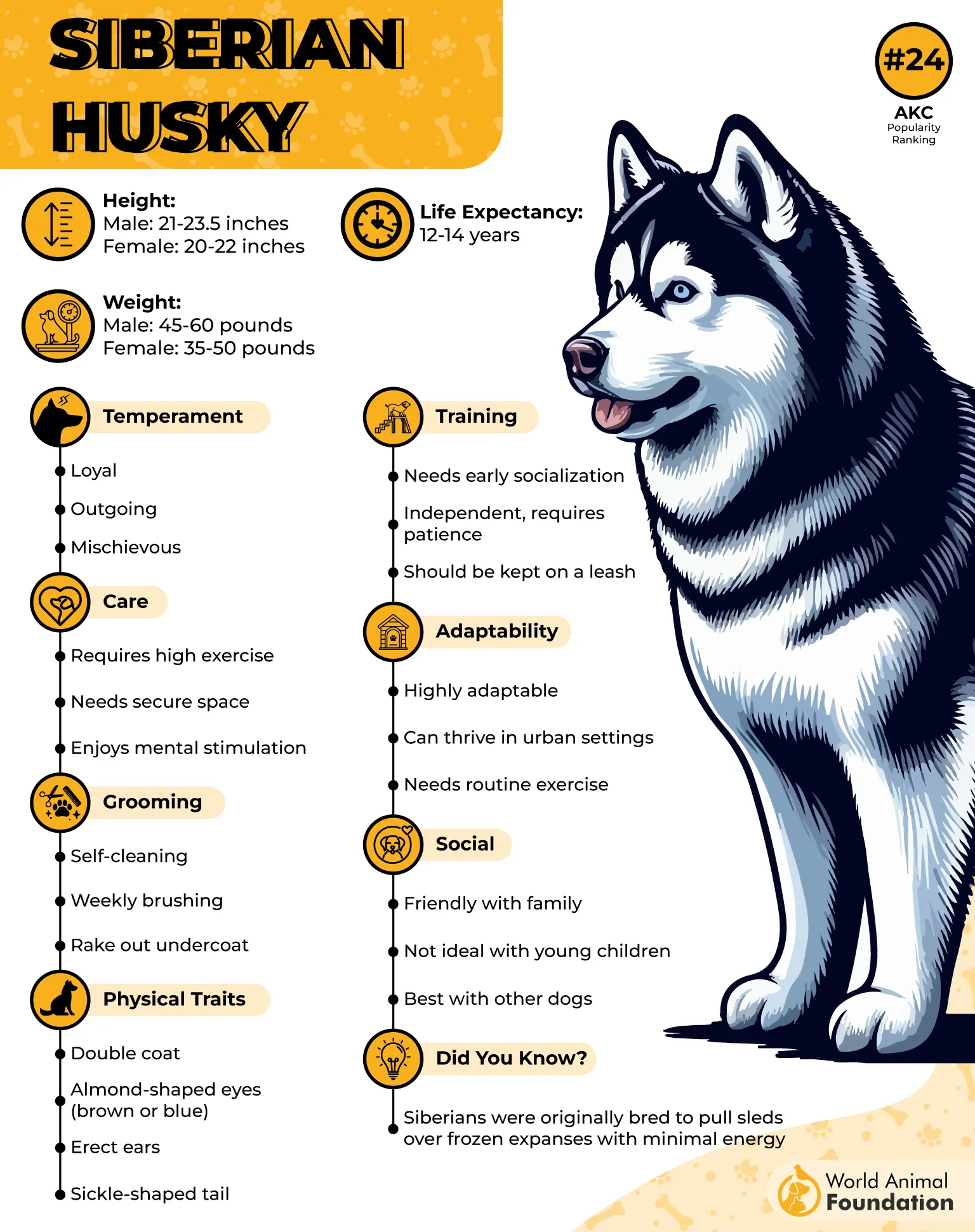
Daily exercise isn’t optional for this breed, and secure fencing matters too, since that strong prey drive stays switched on year-round.
4. Bernese Mountain Dog
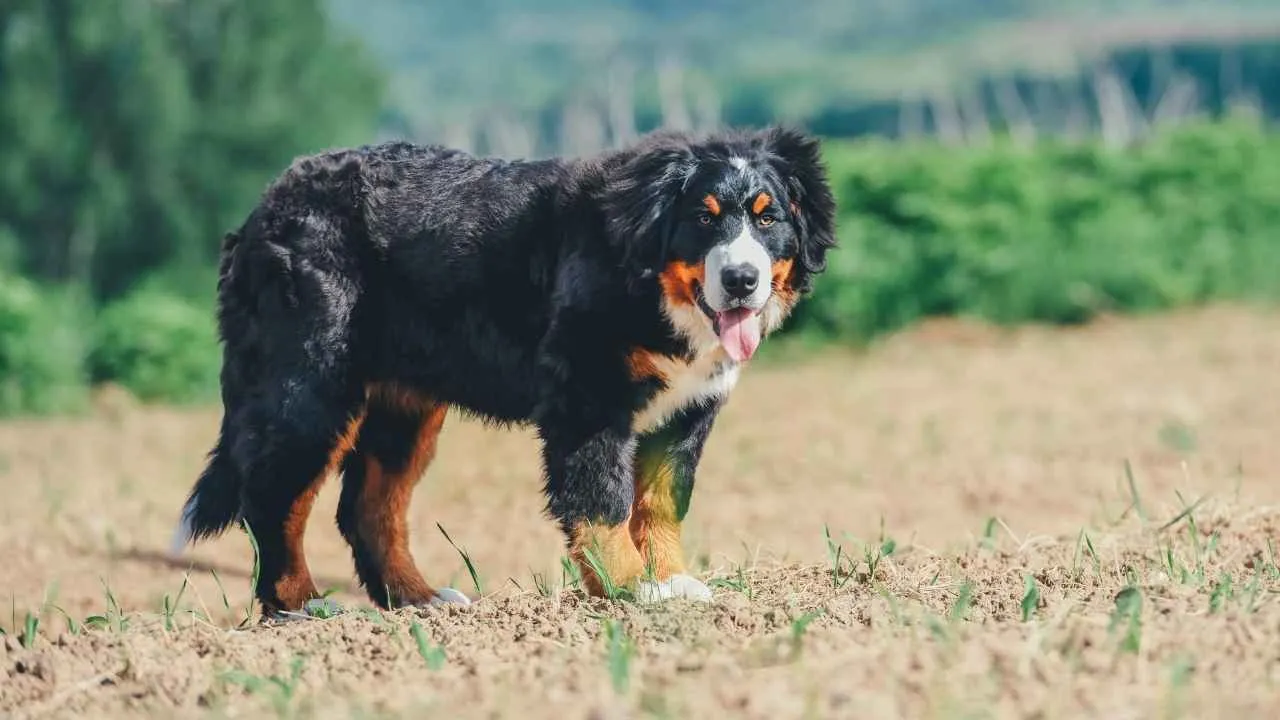
Switzerland’s canton of Bern is home turf for this breed, shaped by Roman-era working dogs brought over the Alps more than two thousand years ago.
A long, silky double coat handles Alpine cold with ease, wrapped around a broad chest and sturdy frame built for pulling weight, not posing for photos.
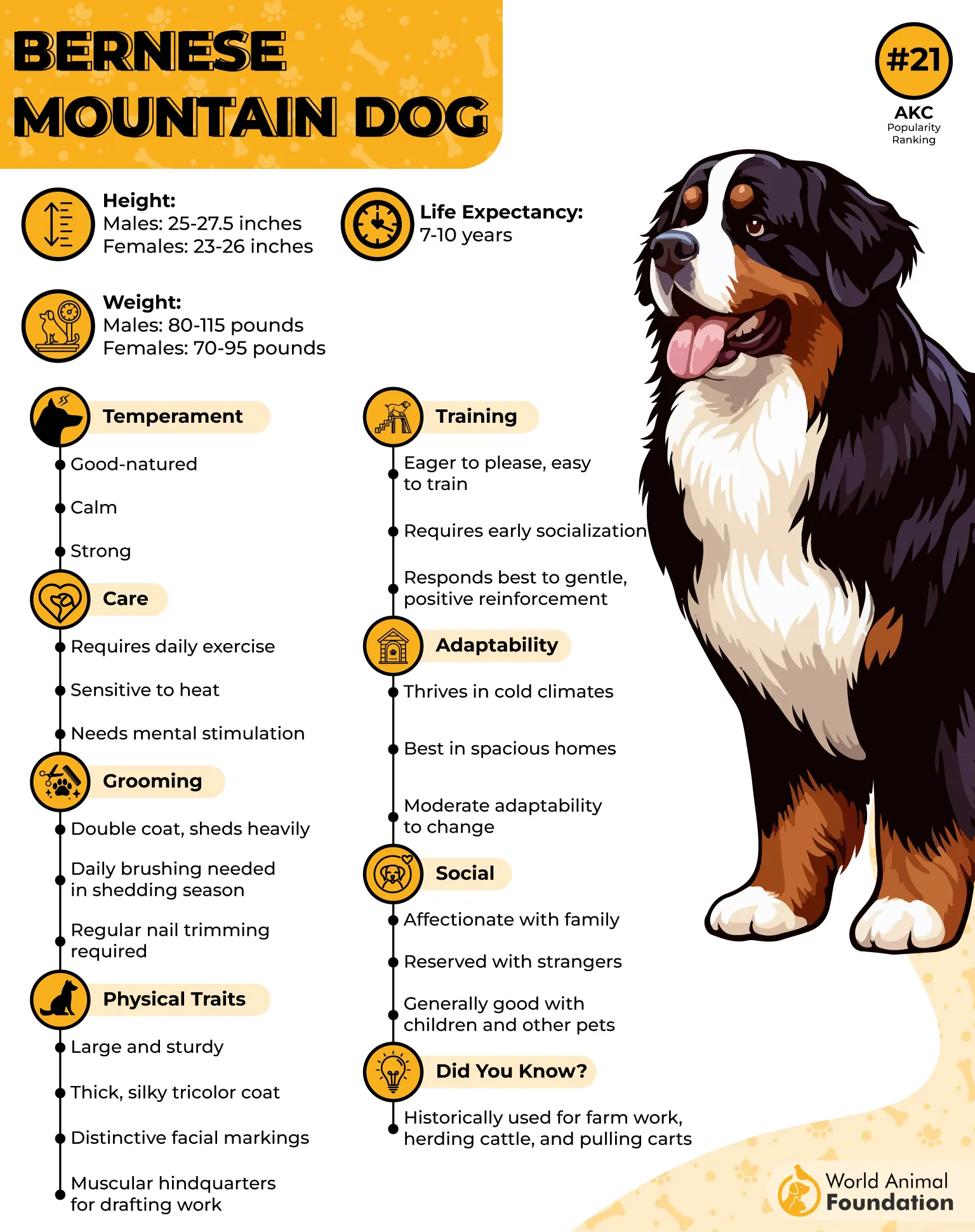
Farmers relied on this dog to haul carts, drive cattle, and guard the property, all in one working day. Their thick double coat sheds heavily, so regular grooming and vacuuming are needed. They can also overheat easily and are more comfortable in cooler weather or air-conditioned spaces.
According to Britannica, the breed often prefers cold, hard surfaces to rest on, so soft bedding should still be offered to protect its joints. A gentle giant with practical needs.
5. Anatolian Shepherd Dog
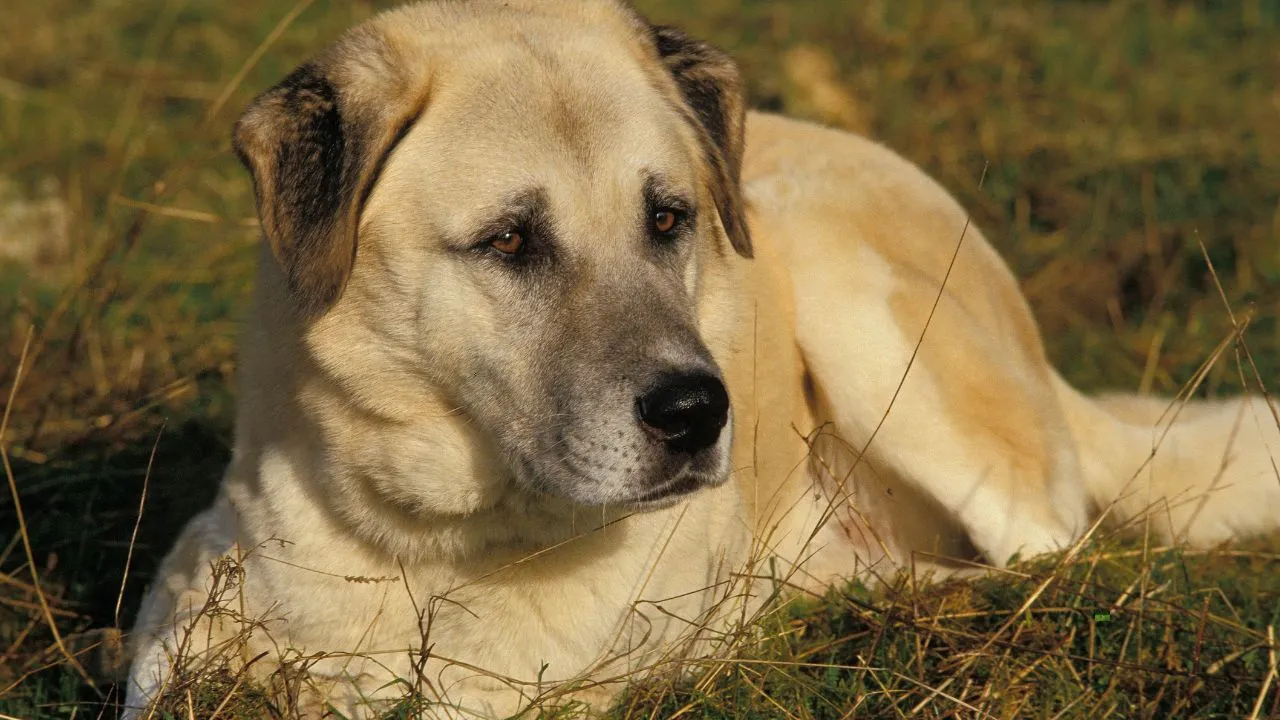
Turkey’s Anatolian plateau doesn’t do mild weather, and this breed grew up handling freezing winters and scorching, dry summers without missing a beat.
Its coat and lean, athletic build cover both climate extremes, and a ground-covering trot lets it patrol serious territory without tiring out.
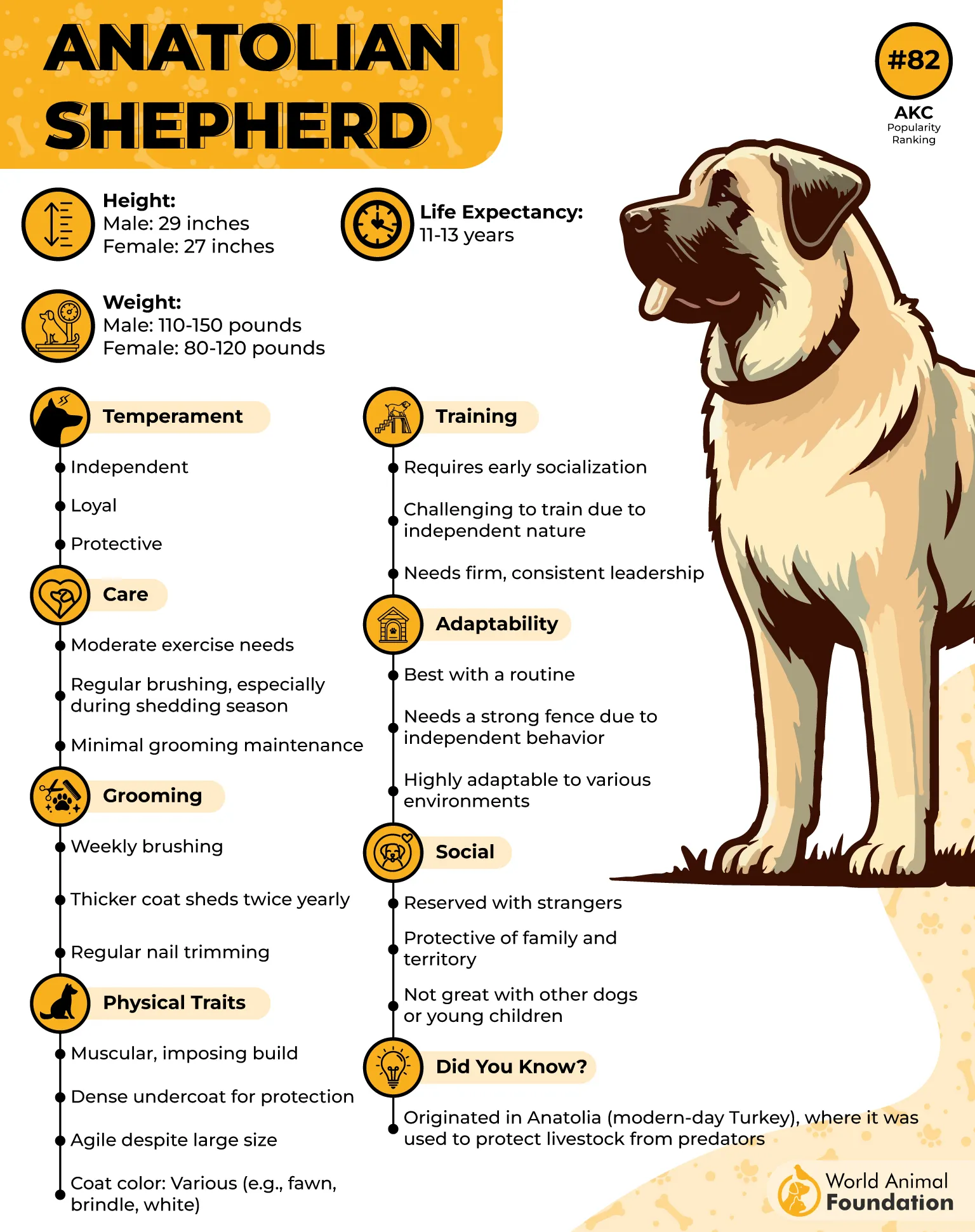
Rather than herd anything, this dog was bred to guard, making its own calls about predators while flocks grazed freely nearby.
The breed has stood up to predators as large as leopards throughout its working history, notes CKCUSA. Independent to the bone, it still needs patient, consistent training from day one.
They are naturally cautious around strangers and may react strongly to unfamiliar people or animals. They also do best in a large, secure yard or on a farm where they have plenty of space.
6. Akita
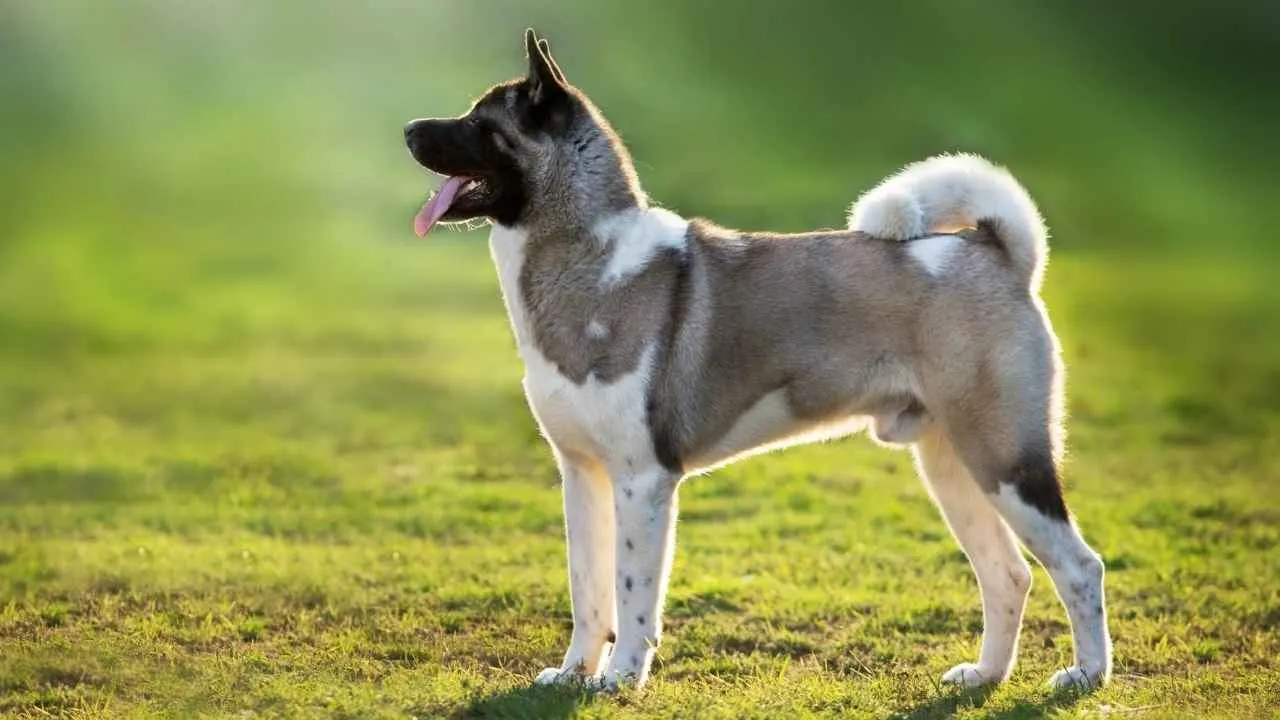
Japan’s snowy Akita and Odate regions shaped this breed long before it had an official name. Locals once simply called it a snow country dog, born and raised in some of Japan’s most frigid climates.
A thick double coat handles the cold, but the real party trick is in the feet. Webbed toes spread weight across deep snow, and the front dewclaws work like built-in ice picks for climbing out of frozen water.
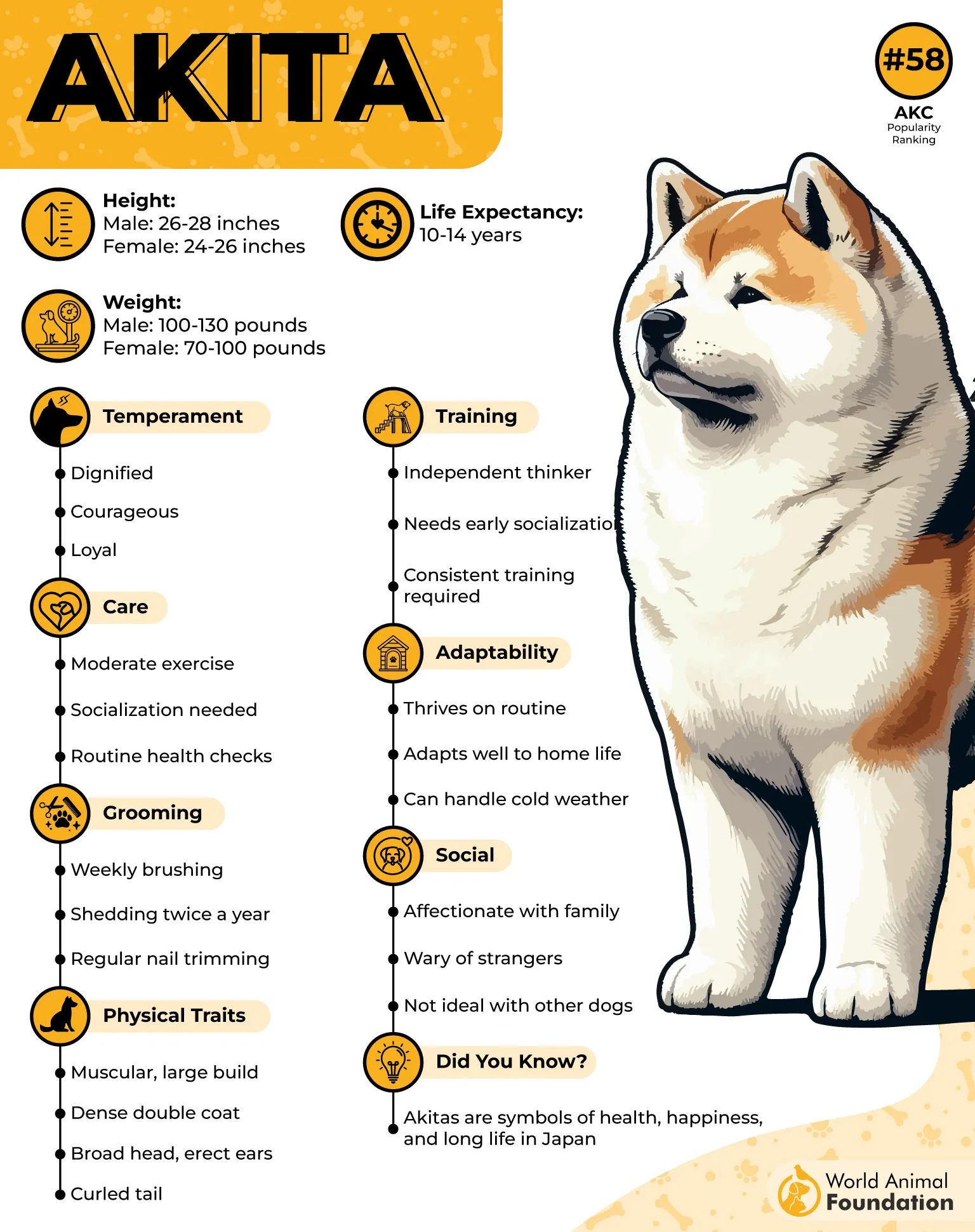
Originally, this Japanese dog hunted bear, boar, and mountain serow across steep, snow-covered terrain. Guarding property came naturally alongside the hunting work. Daily brushing keeps that wooly coat in shape, though Akitas famously groom themselves like cats too.
They can be loyal family companions, but they are generally not recommended for first-time owners or households with very young children.
Fun fact: Families in Japan still gift a small Akita statue at a child’s birth, symbolizing health and a long life.
7. Tibetan Mastiff
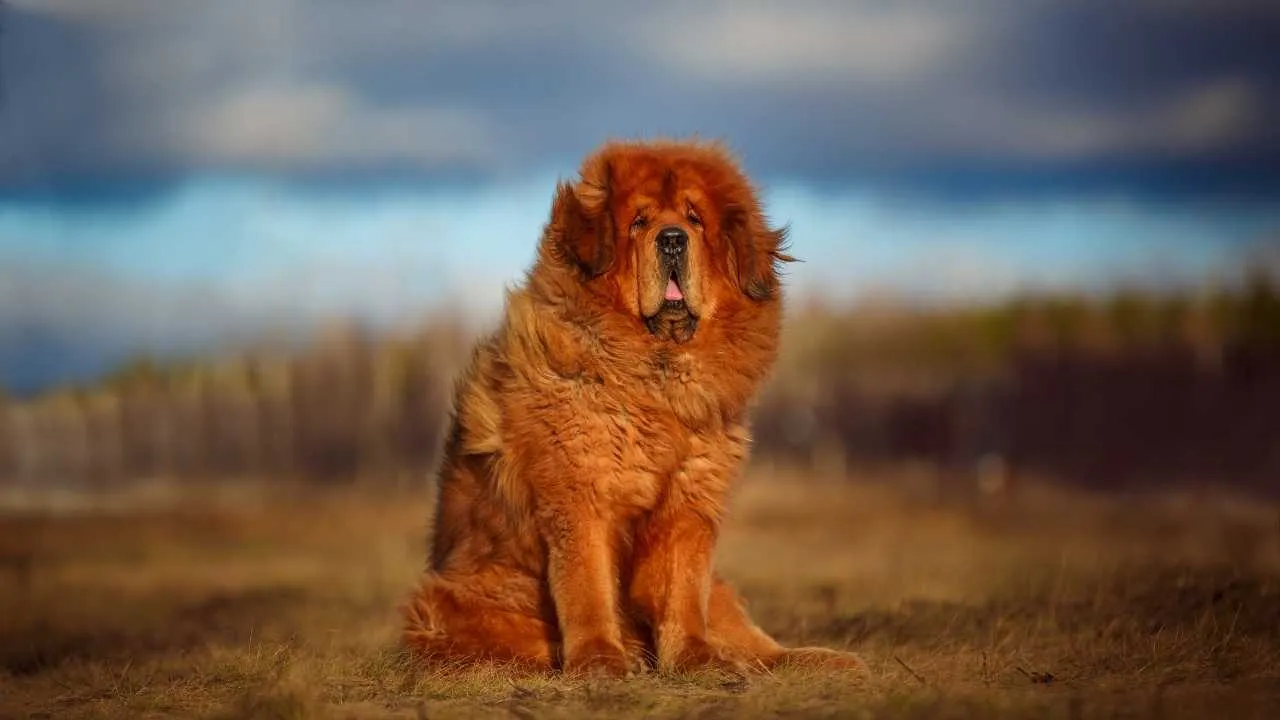
High on Tibet’s Chang Tang Plateau, elevations near sixteen thousand feet forged a dog built for genuinely frigid climates. Snow, wind, and thin mountain air were just the daily backdrop here.
The payoff is a massive, dense double coat with a thick mane, giving serious insulation against Himalayan cold. This breed carries real bulk and a deep, resonant bark to match its intimidating presence.
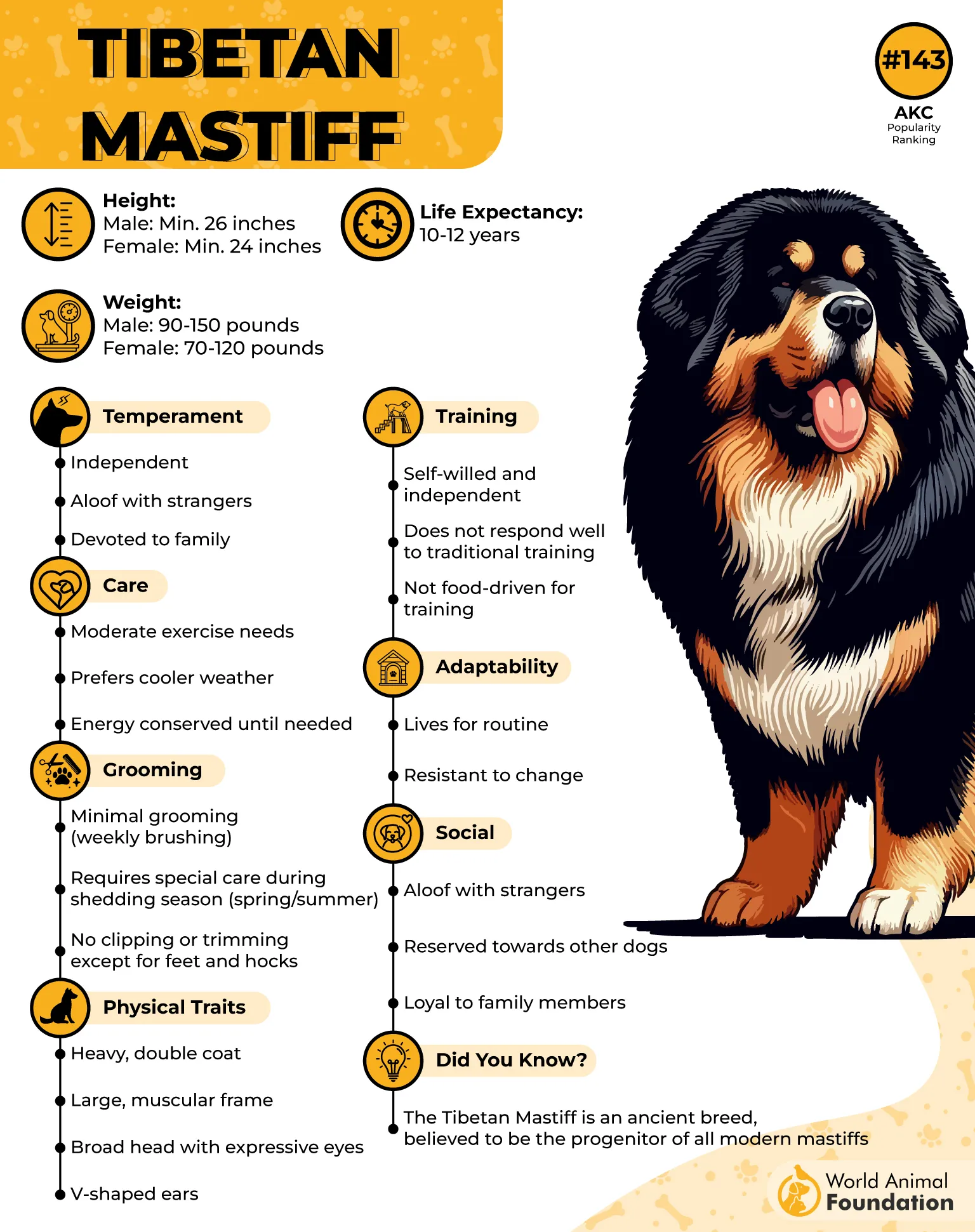
Traditionally, these dogs guarded monasteries, nomadic camps, and grazing yaks, often working alone and making their own calls about threats. Independence was the whole point.
Weekly brushing and regular baths keep the coat healthy, especially through heavy spring shedding.
Fun fact: Cave drawings in the Himalayas suggest this breed’s ancestors have existed for thousands of years, making it one of the world’s oldest guardian dogs.
8. Great Pyrenees
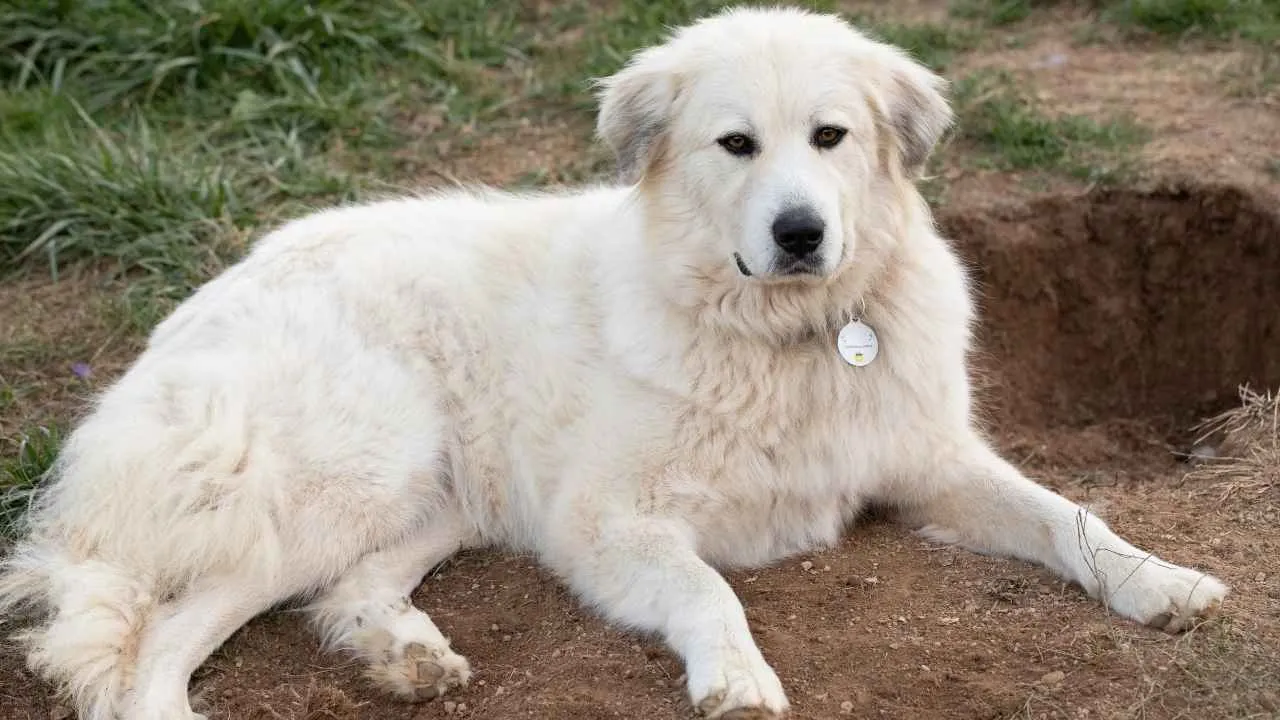
The Pyrenees Mountains between France and Spain gave this livestock guardian dog its name and its taste for snowy climates. Centuries of mountain winters shaped a breed built to work outdoors, not just survive it.
A thick, weather-resistant double coat covers a large, powerful frame, and that signature white color wasn’t random. Shepherds could spot the dog against dark wolves at night, even in low light.
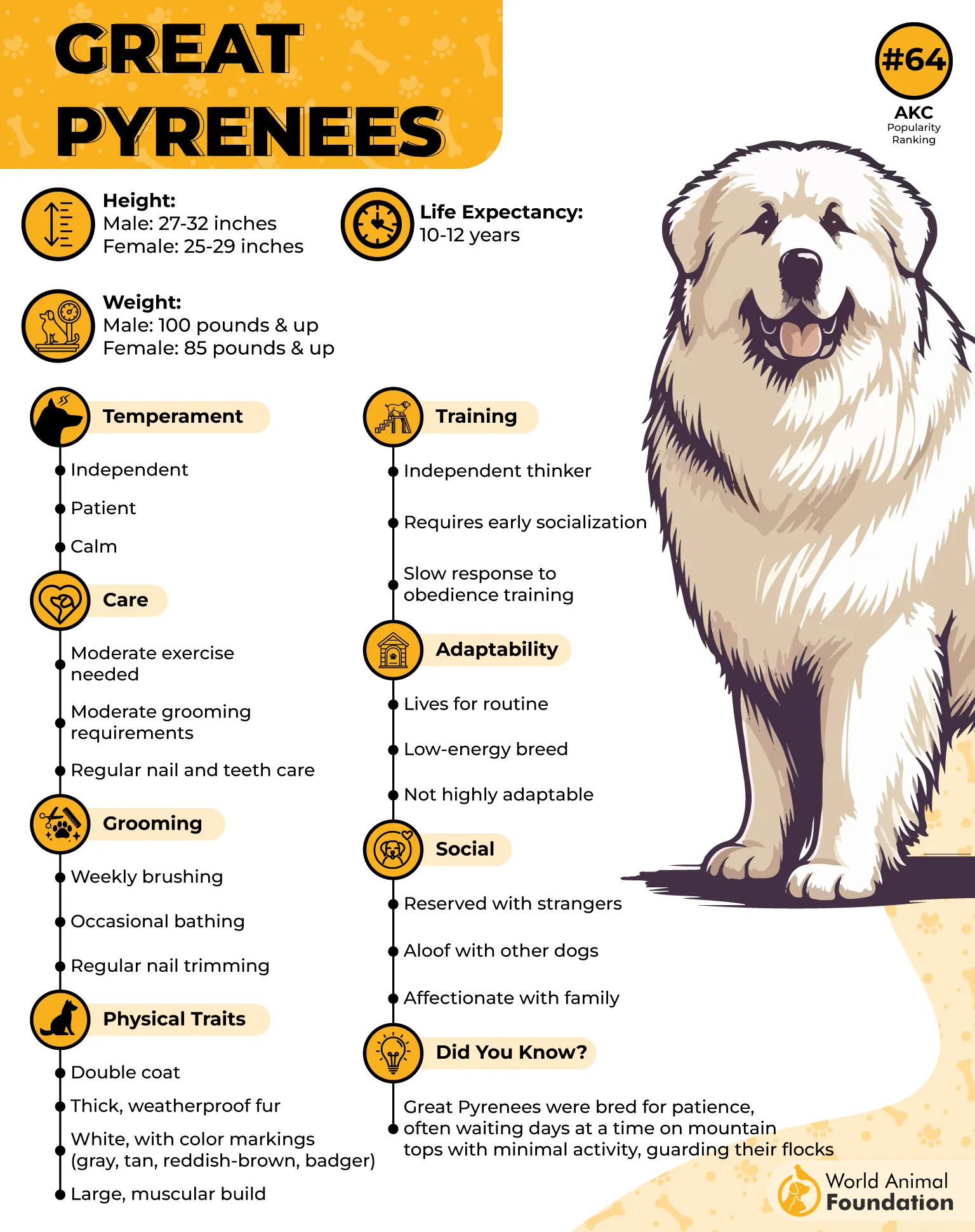
This breed still works today, guarding flocks independently across harsh terrain without needing constant direction. Some regions even reintroduced Pyrs specifically to fend off returning wolf populations.
Regular brushing manages the heavy coat, and a securely fenced yard suits its guarding instincts well.
Fun fact: French royalty once declared this breed the Royal Dog of France, a title that stuck for centuries.
9. Alaskan Malamute
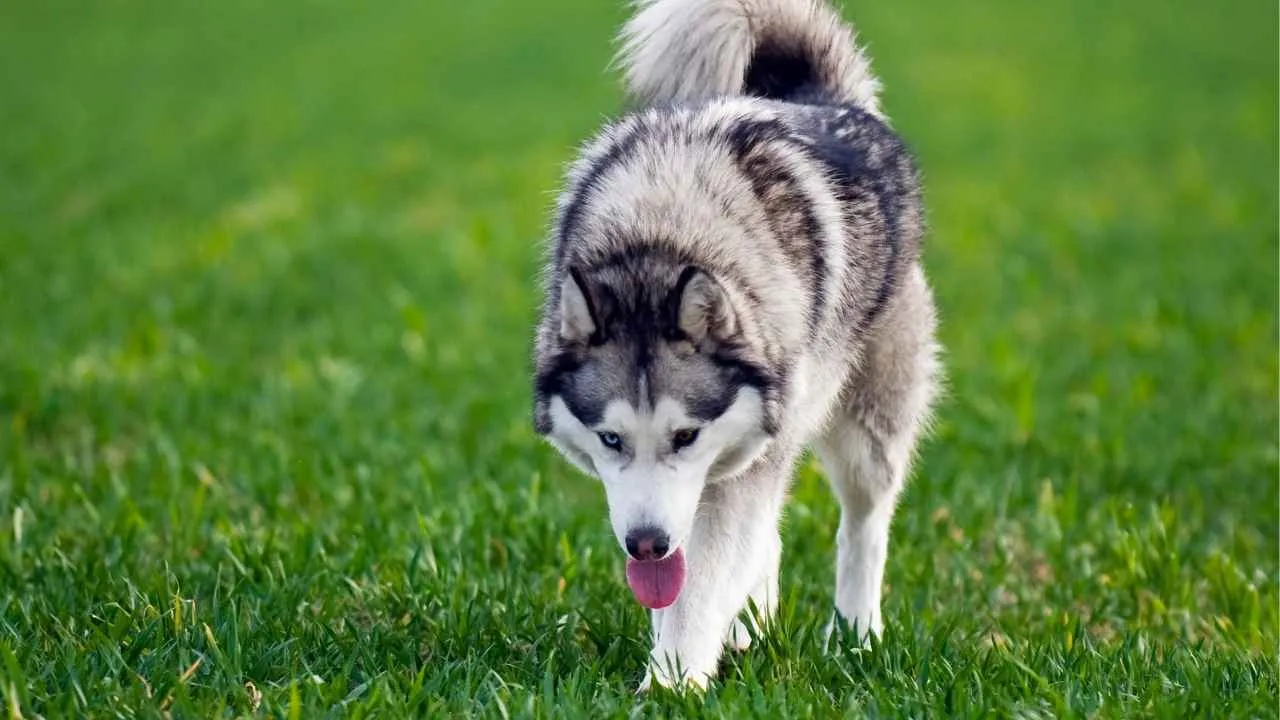
Northwestern Alaska’s Kotzebue Sound region is home ground for this breed, developed by the Mahlemut people to survive genuinely frigid climates. Few dogs have a working history this ancient or this demanding.
Built thick and heavily boned, this dog trades speed for raw pulling power. A dense double coat locks in warmth, letting it work outdoors through brutal Arctic winters.
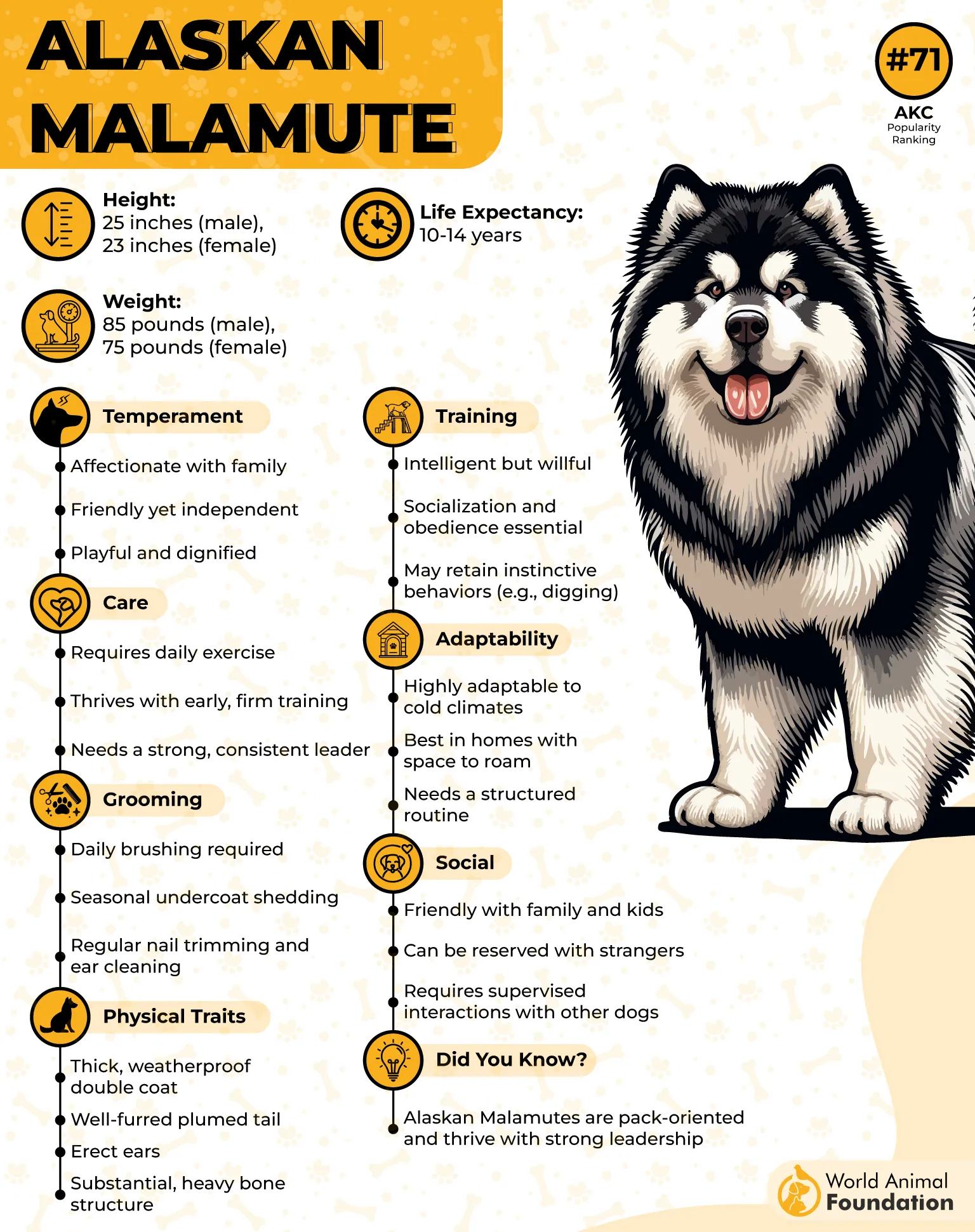
Unlike faster sled breeds, Malamutes specialized in hauling heavy freight at slow, steady speeds across long distances. That remarkable stamina later proved useful for military supply work too.
Long, steady exercise suits this breed better than short sprints, and calm, consistent training goes a long way given its independent streak.
Fun fact: The Gold Rush era nearly wiped out the breed through careless crossbreeding, until dedicated owners stepped in to preserve it.
Conclusion
Every breed on this list earned its toughness the hard way, through generations of real work in real weather, not through marketing. Coat, build, and job history tell you far more about how a dog handles cold temperatures or challenging terrains than its looks ever will.
Before you fall for one, look up a breed-specific rescue or reputable breeder near you and ask directly about coat care, exercise needs, and how your dog handles your actual climate. That single conversation will tell you more than any list can.
