




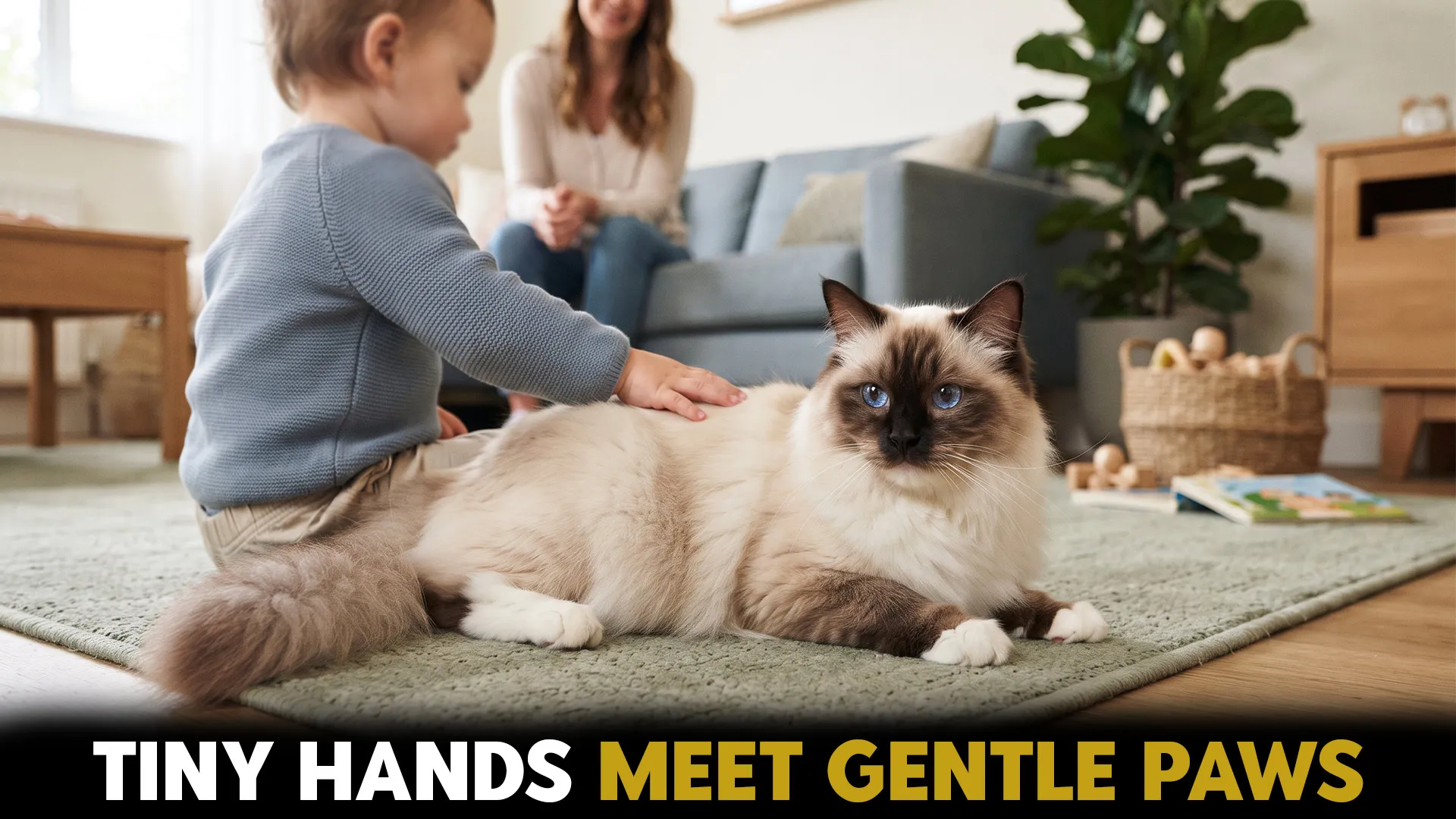
Picture a toddler giggling as a gentle cat settles nearby, turning an ordinary afternoon into a sweet family memory. The right feline companion can bring affection and playful moments while helping little ones learn patience, kindness, and respect for animals.
For families with toddlers, temperament matters as much as appearance. Breeds known for being social, tolerant, and adaptable may handle busy households more comfortably, but every cat has an individual personality. Children should always learn to approach, pet, and interact with cats gently.
If you’re ready to welcome a feline friend into your growing family, these seven breeds offer a range of personalities and qualities worth considering for life alongside curious, energetic toddlers.
FACT: Studies suggest that cats can help children develop important lessons about responsibility, boundaries, patience, and respectful interaction with animals.
Best Cat Breeds for Families with Toddlers
1. Ragdoll
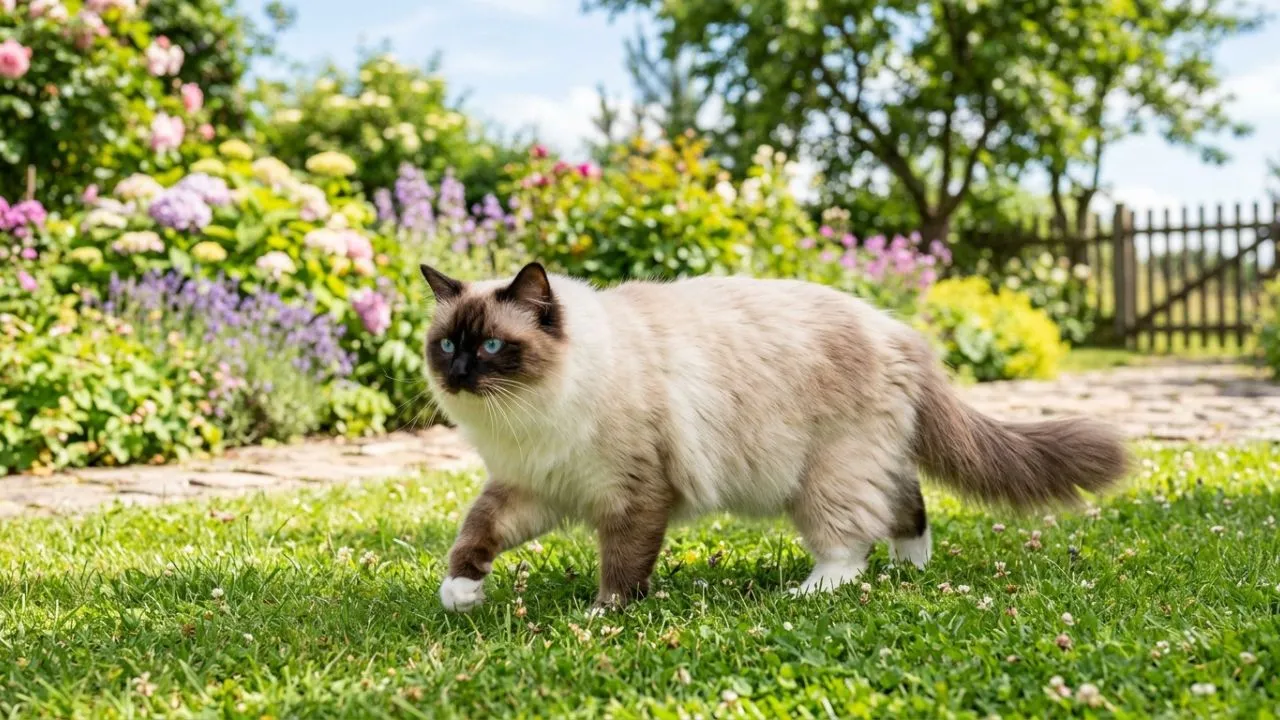
Ragdolls are known for their exceptionally gentle and relaxed nature, making them well suited to homes with toddlers. Their calm temperament allows them to enjoy family life without constantly demanding attention or activity.
True to their name, these large cats may become wonderfully relaxed when picked up, although young children should still be taught to handle them carefully. Their patient, affectionate personality makes them comfortable around respectful kids. According to WebMD, Ragdoll cats are known for their lively temperaments.
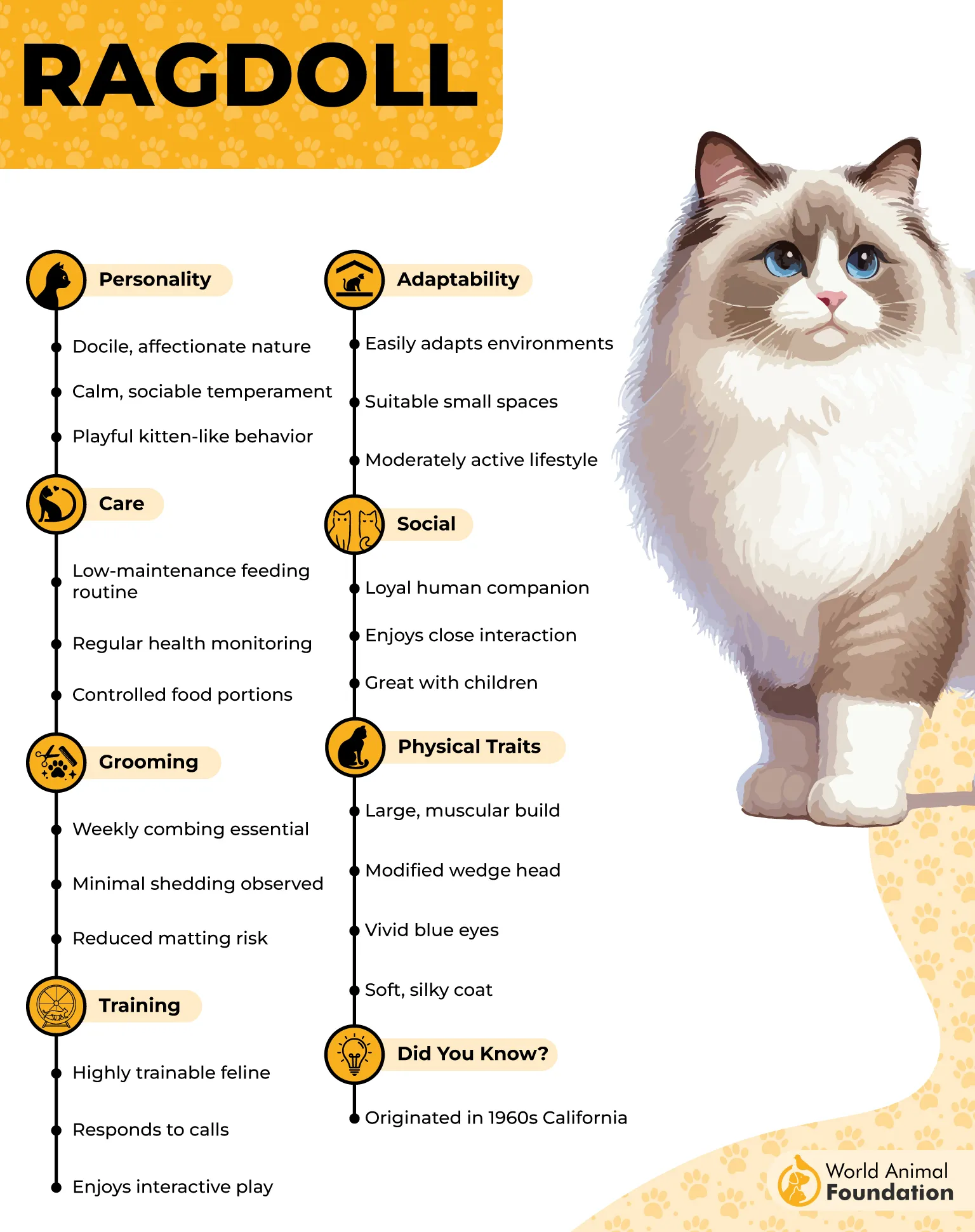
What really sets Ragdolls apart is their love of staying close to their people. They may follow family members around the house, settle beside them on the couch, or happily curl up nearby.
They also enjoy playtime, so toddlers can interact with them through gentle, supervised games. Their adaptable nature can help them fit comfortably into busy family households, including those with other pets.
2. British Shorthair
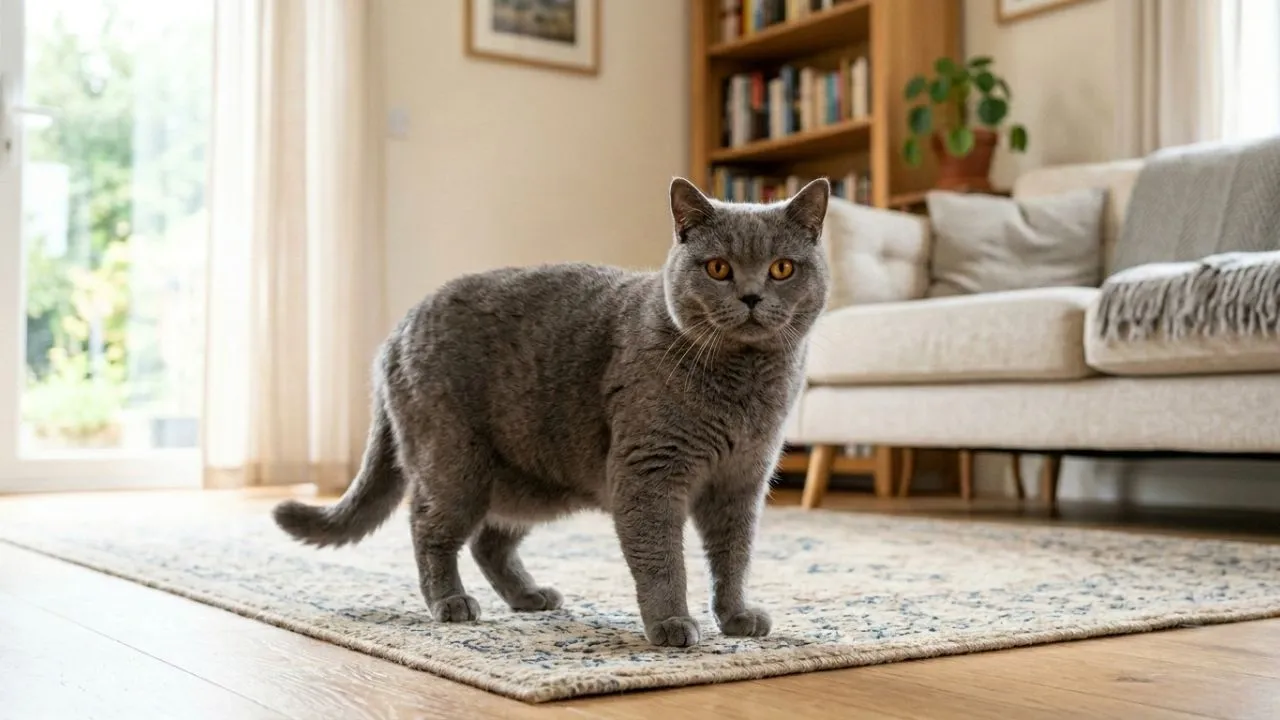
The British Shorthair brings a relaxed presence to family life, making it well suited to homes with toddlers. It enjoys affection without demanding constant attention and usually prefers staying close rather than being carried around.
This short-haired breed can happily follow family members from room to room, driven by quiet curiosity. Although it is not typically a lap cat, it often enjoys settling beside its people for comfortable couch time.
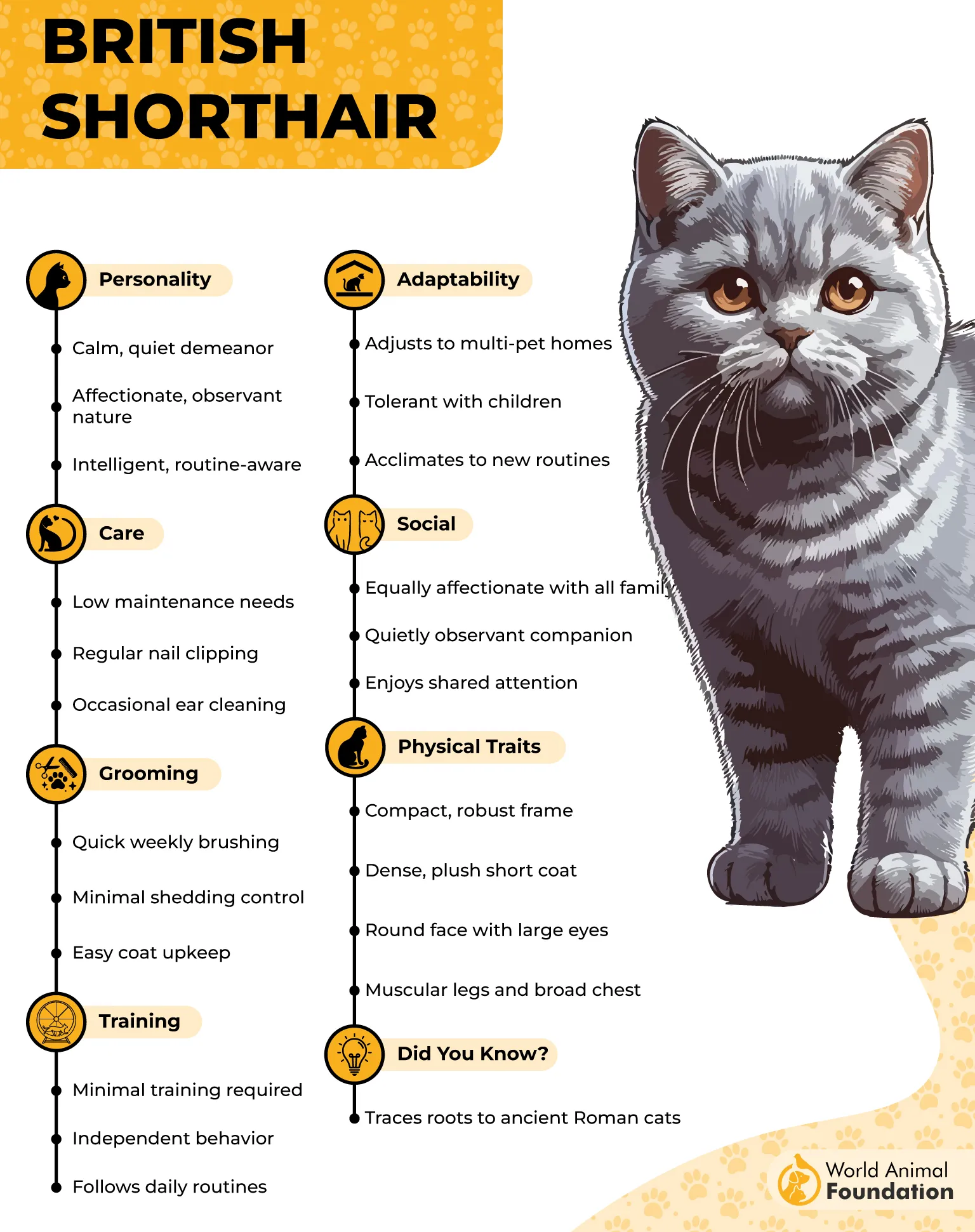
British Shorthairs generally do well with gentle, respectful children and can coexist with cat-friendly dogs. Their independent streak also means they can entertain themselves when the household gets busy.
Their short, plush coat is relatively straightforward to maintain, with weekly brushing usually enough outside seasonal shedding periods. More frequent brushing during spring and fall can help manage loose hair.
3. Maine Coon
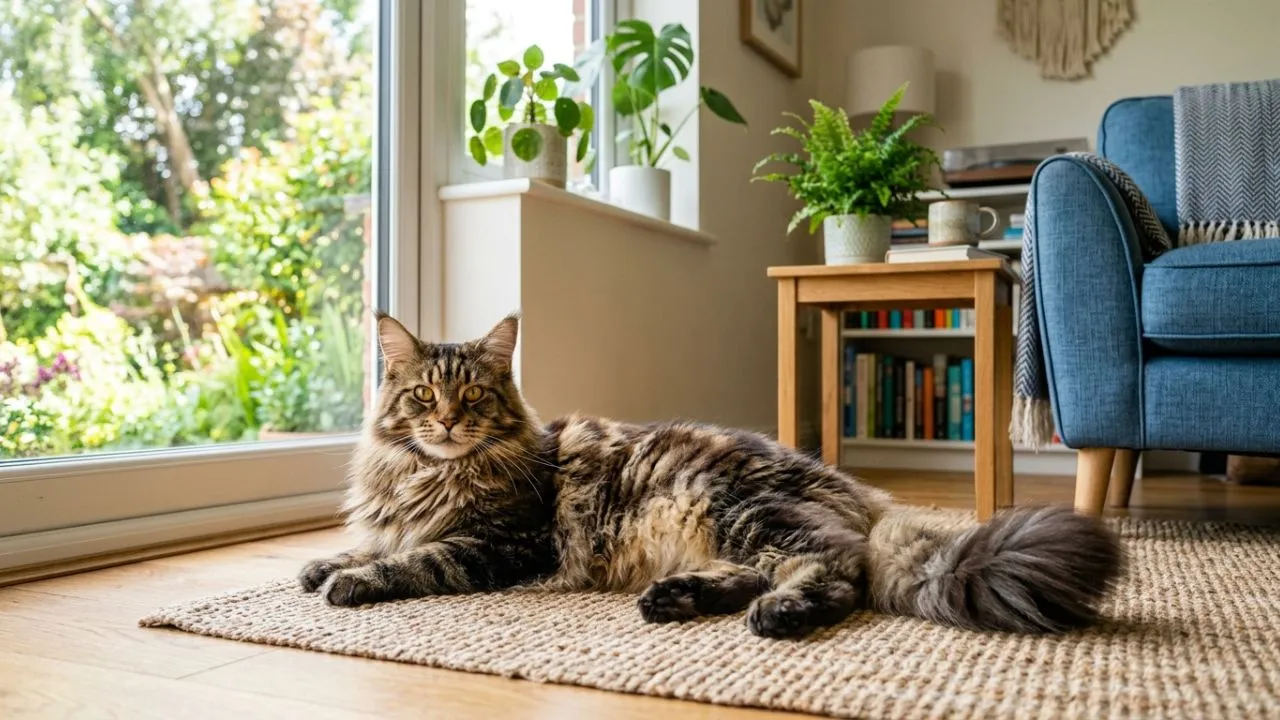
The Maine Coon may be one of the largest domestic cats, but its impressive size comes with a remarkably gentle nature. Known for being affectionate, friendly, and intelligent, this breed can be comfortable around young children.
Picture a busy family home with little feet running around; the Maine Coon can fit right into the activity. Its playful personality makes it an enjoyable companion, while its adaptable nature helps it handle a lively household.
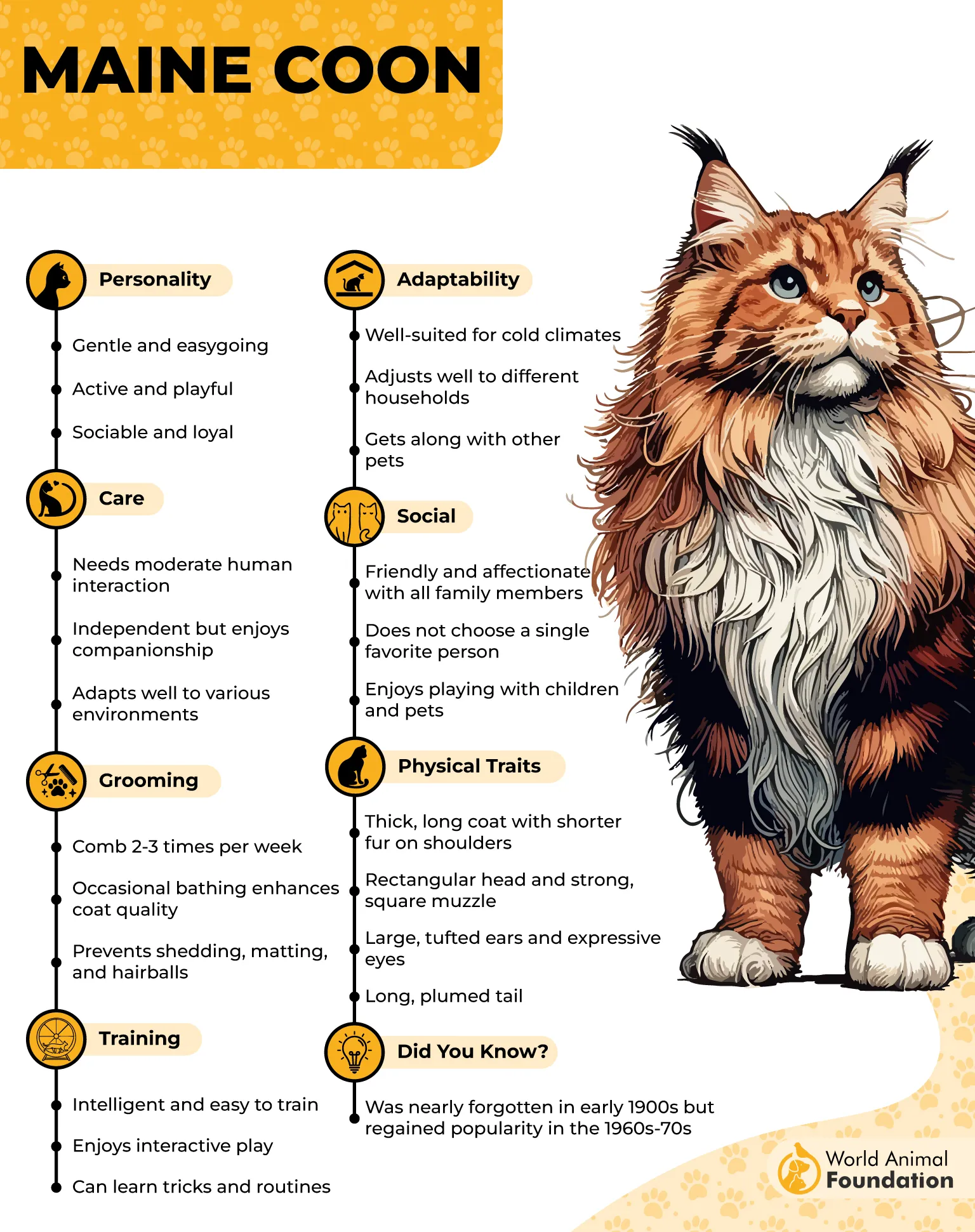
When playtime begins, these cats can happily chase toys, fetch balls, or even walk on a leash when properly trained. They also have a calmer side and are content to relax beside their favorite people.
Their friendly attitude extends beyond children, too, as Maine Coons often get along well with other pets. They can enjoy plenty of family interaction while still being independent enough to spend some quiet time on their own. According to Hill’s Pet, this breed is devoted to its owners and can adapt to different environments.
4. Birman
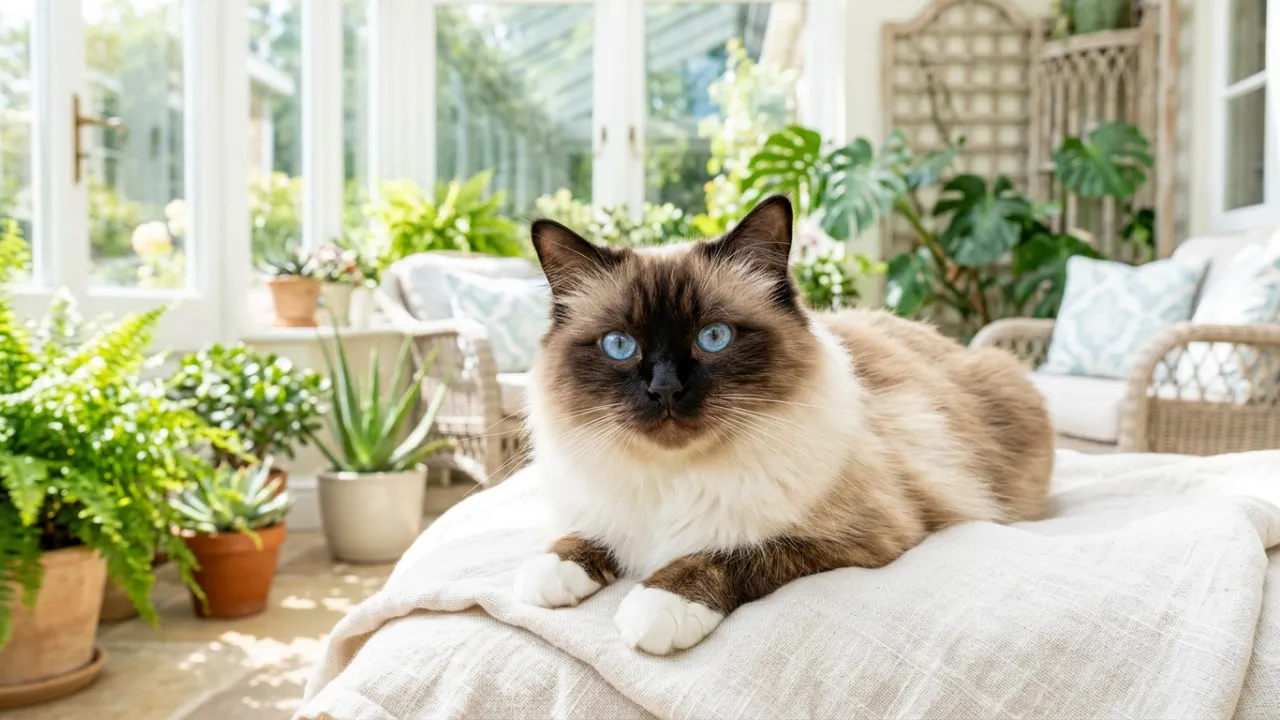
With striking blue eyes, silky coats, and distinctive white-gloved paws, Birmans bring a gentle charm to family life. Their sweet, easygoing nature allows them to fit naturally into homes with young children.
These affectionate cats enjoy staying close to their people and may happily follow family members from room to room. Their sociable personality means they often want to be involved in whatever is happening around the house.

When toddlers are ready to play, a Birman can join in with plenty of enthusiasm. They enjoy activities such as chasing toys and playing fetch, while their patient temperament helps them remain comfortable around children.
Birmans also have a softer, cuddly side that makes them wonderful companions during quiet family moments. According to Purina, Birmans can be softly vocal.
5. Manx
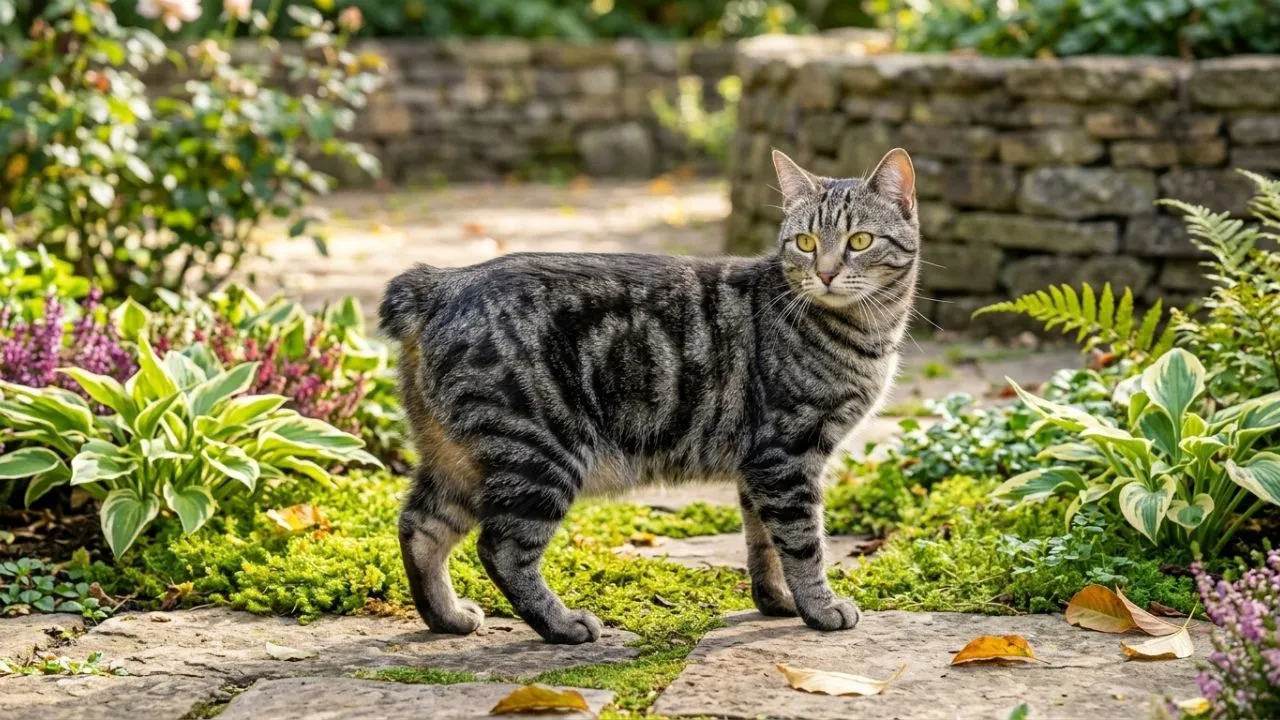
The Manx is a quirky, people-loving cat that brings plenty of fun to a family home. Its famously short or absent tail gives it a distinctive look, while its devoted personality makes it an engaging companion.
For families with toddlers, its friendly nature and love of interactive play make it a great fit. Manx cats often get along well with children and other pets, and some even develop a protective attachment to their families.
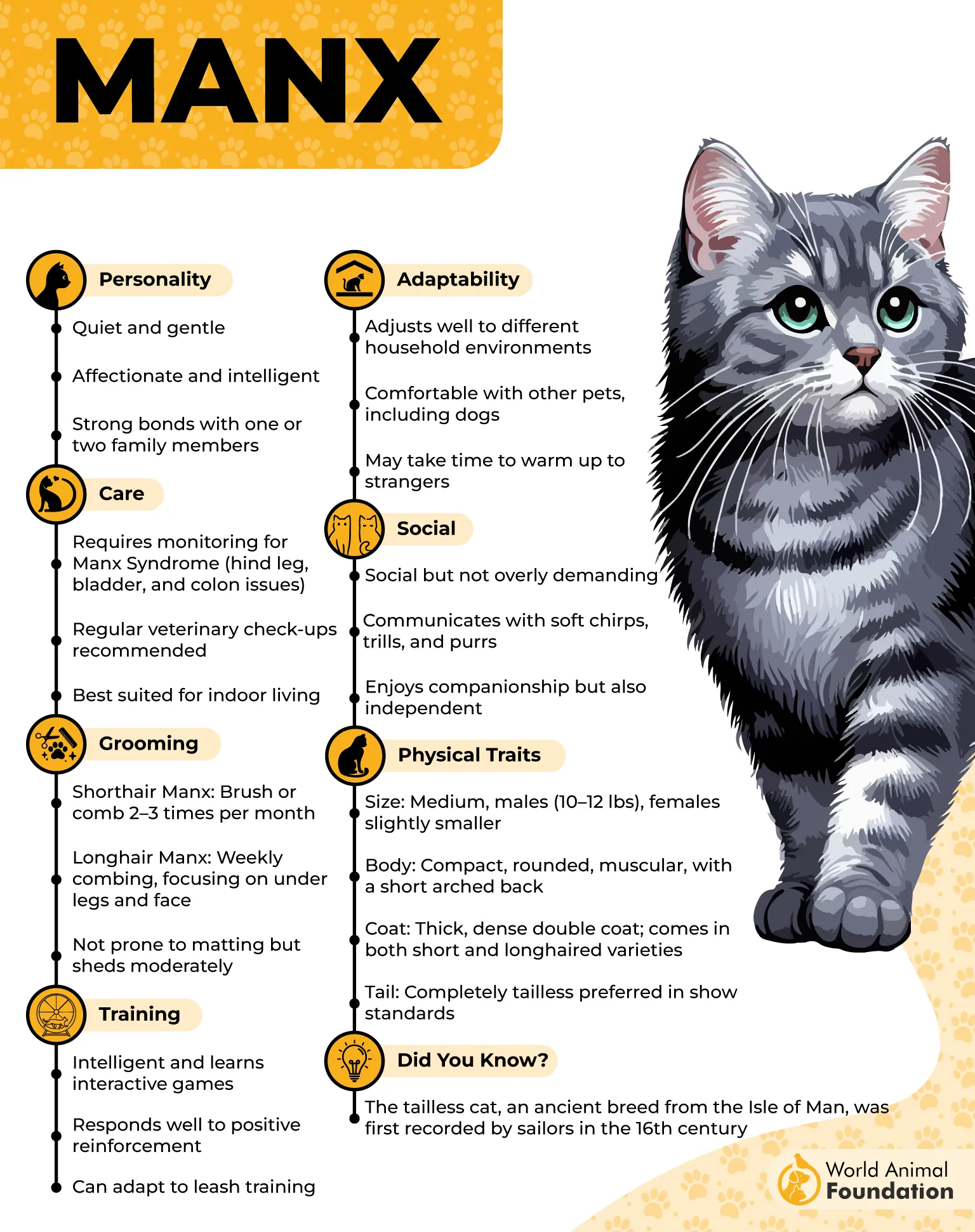
These cats are active without being excessively demanding, enjoying games with feather wands, toy mice, or even a game of fetch. Their powerful hind legs also make climbing and jumping to high spots a favorite pastime.
Because every cat has its own personality, children should still learn to respect a Manx’s boundaries. Gentle handling, supervised interactions, and regular play can help build a positive relationship between the cat and toddler.
6. Abyssinian
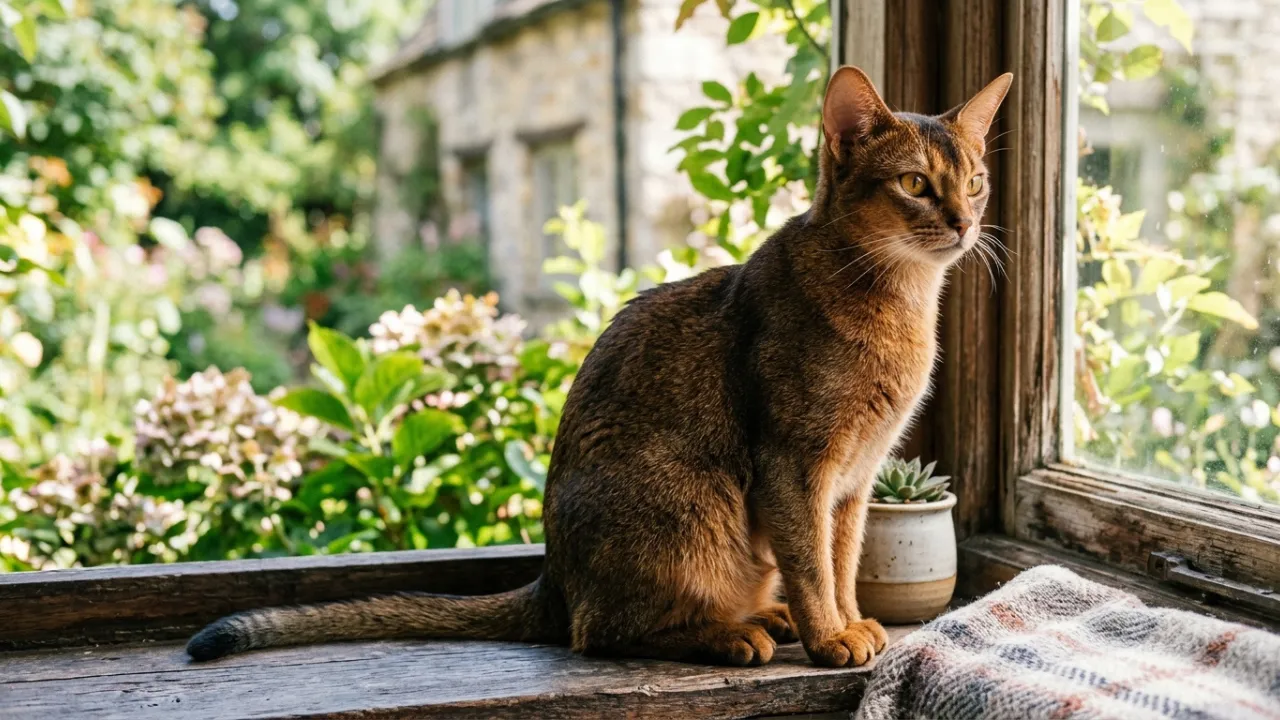
The Abyssinian can bring plenty of excitement to a family home, thanks to its curious, playful, and affectionate personality. This athletic cat loves exploring, climbing, and investigating its surroundings.
For families with toddlers, gentle handling is especially important because the Abyssinian has a relatively petite, slim build. Children should be taught to respect the cat’s space and avoid rough play.
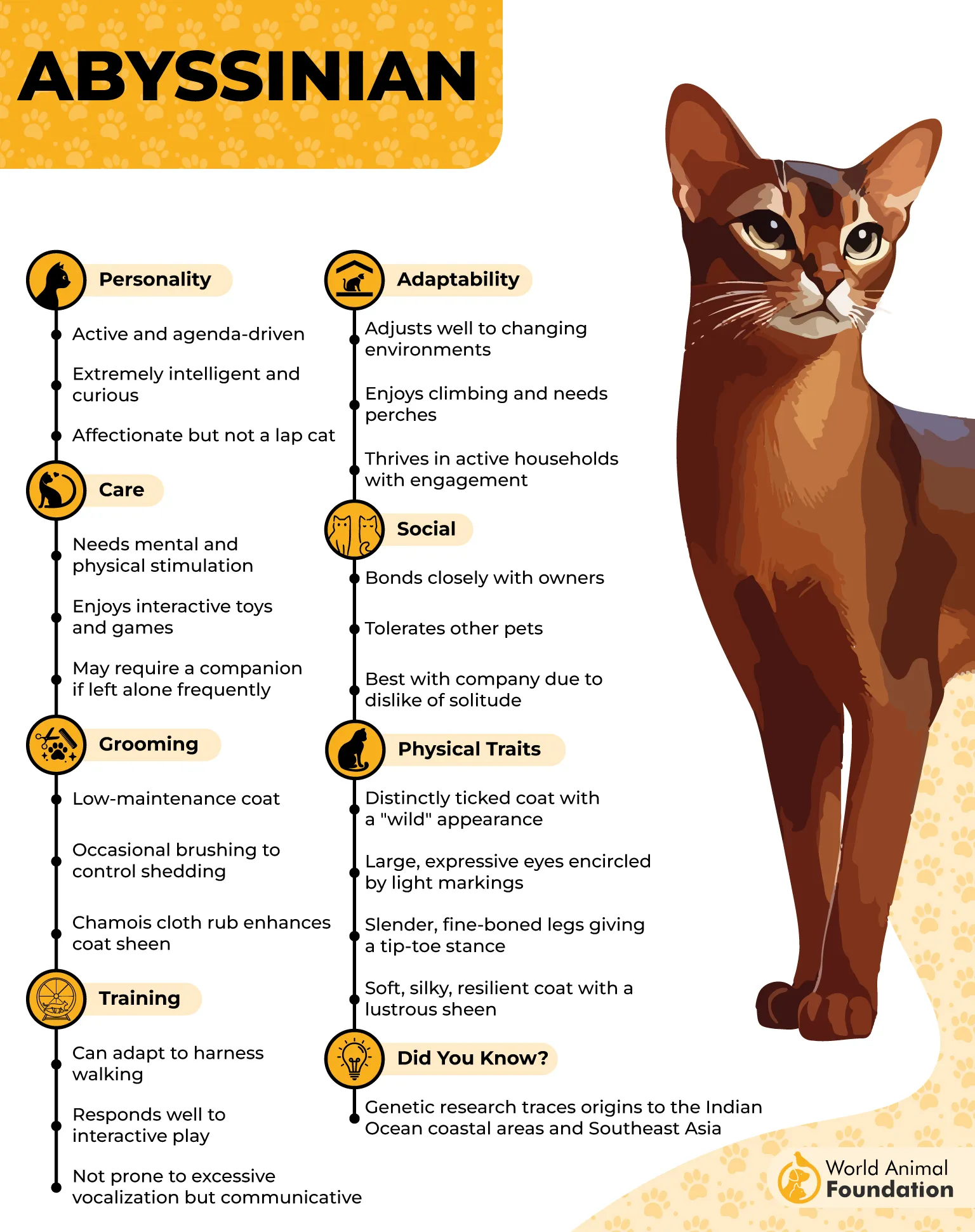
These intelligent cats enjoy staying busy and can spend hours discovering new corners, jumping onto high spots, or playing with interactive toys. Puzzle toys can also give their active minds a useful challenge. According to Royal Canin, the Abyssinian is an active cat that likes to be involved in domestic tasks.
Although they are people-oriented and enjoy attention, Abyssinians are not typically content to sit on laps all day. They may instead keep nearby, observing family activities before returning to their next little adventure.
7. Burmese
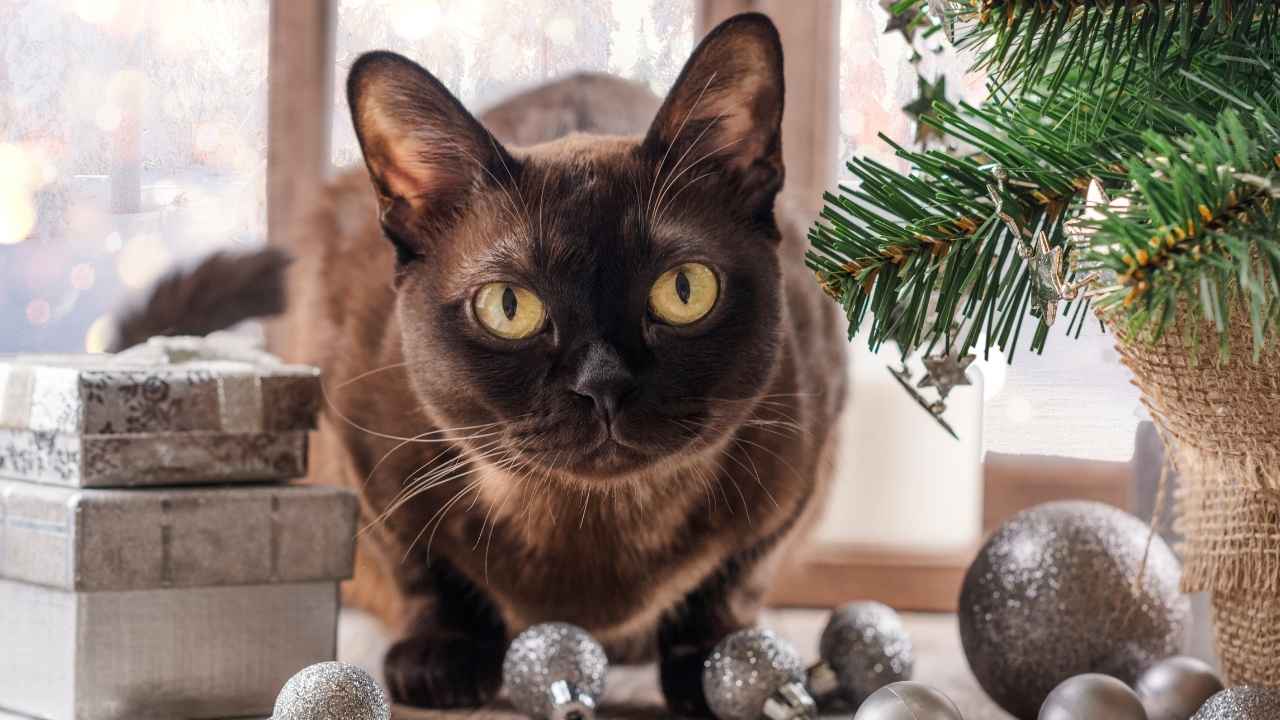
The Burmese is a naturally social cat that enjoys being involved in family life. Its affectionate personality makes it especially appealing for households with toddlers who want a friendly companion nearby.
These cats tend to remain playful and curious well into adulthood, making everyday interaction more engaging. They often follow their people around the home and enjoy being included rather than left alone for long periods.
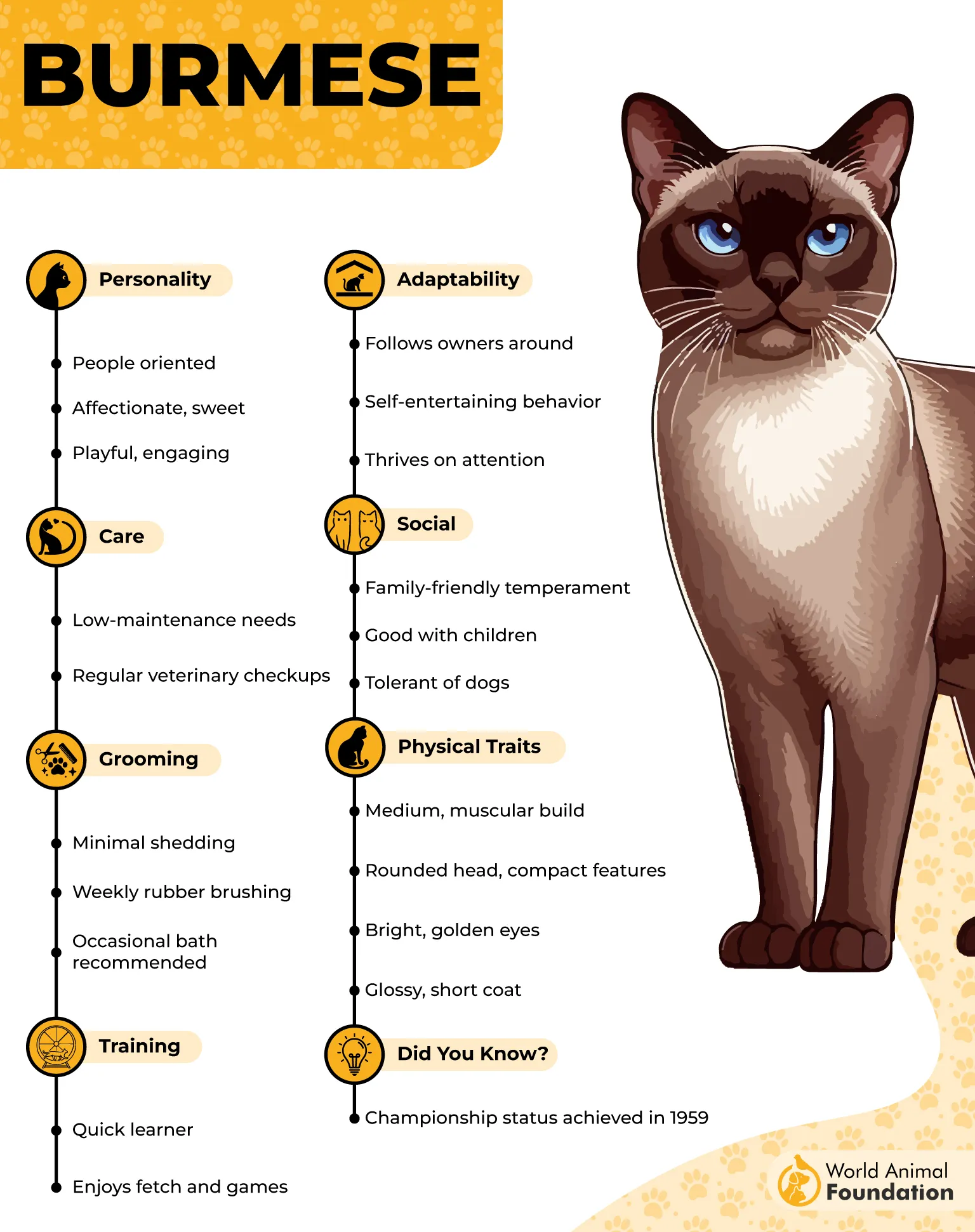
Their patient, people-focused nature can work well with children when interactions are gentle and supervised. Burmese cats may also enjoy playing games, learning tricks, and even retrieving toys, giving them a fun, dog-like quality.
A busy household is unlikely to overwhelm this outgoing breed, as Burmese cats generally enjoy attention from children and other family members. Their energetic nature means they benefit from interactive play and plenty of companionship.
Conclusion
Choosing the best cat breed for your kids means looking beyond appearance and considering temperament, patience, and adaptability. A calm, affectionate cat can fit more comfortably into a busy household.
Child-friendly cats with gentle and people-oriented personalities may be easier companions for little kids. However, every cat has an individual temperament, so personality should remain an important part of the decision.
Families should also teach little ones to interact respectfully with pets. Supervised interactions, gentle handling, and giving the cat a quiet place to retreat can help create a positive relationship.
With thoughtful selection and responsible supervision, a cat can become a loving part of family life. The right match can provide companionship while helping children develop kindness and respect toward animals.
