




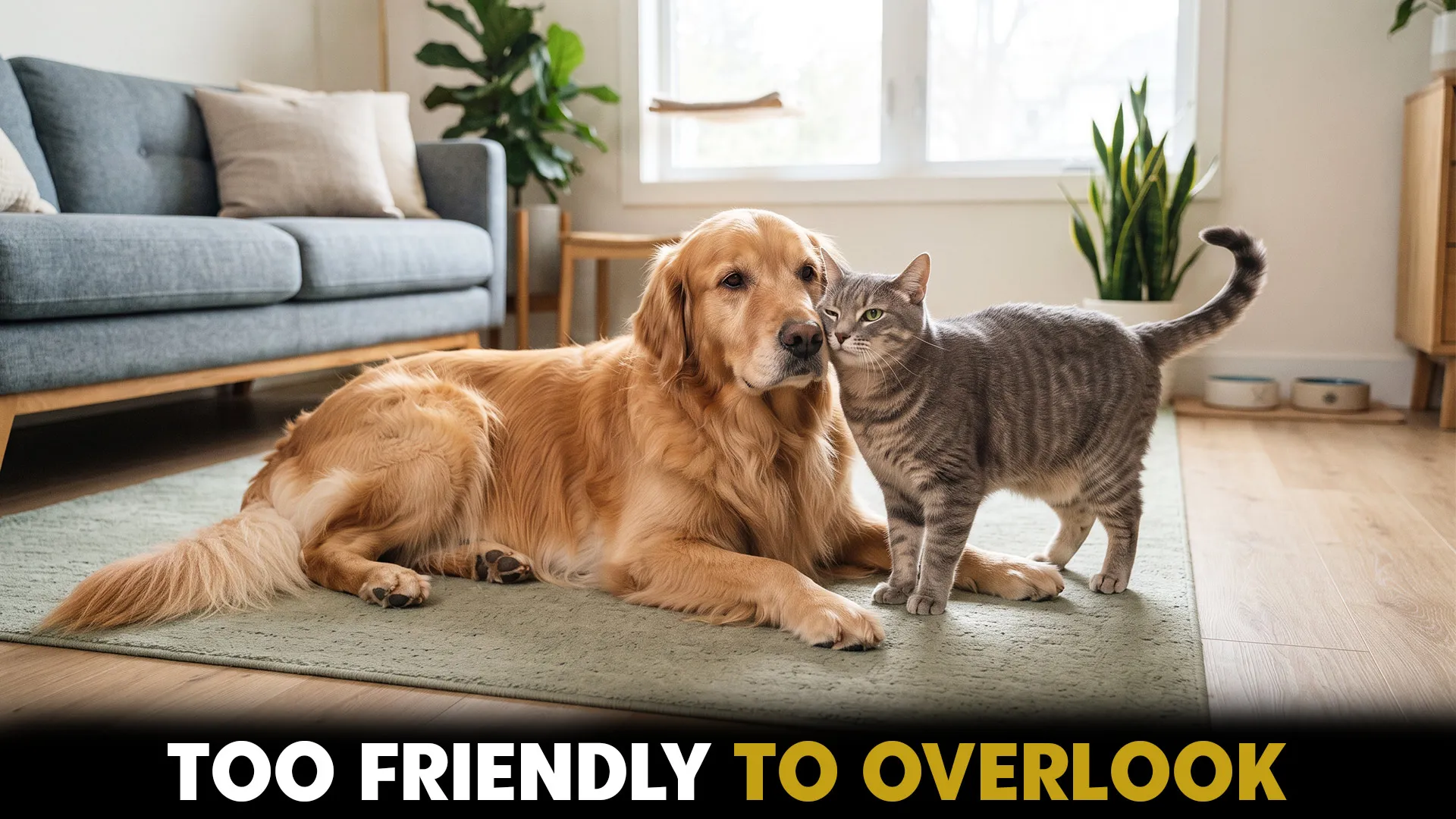
Roughly one in four pet owners keep a cat and a dog under the same roof, proof that peaceful multi-pet households are more common than the old rivalry myth suggests.
Still, not every dog is naturally cat-friendly, and the wrong energy levels or high prey drive can turn a home into a standoff. The right match depends less on luck and more on knowing which cat-friendly dog breeds carry a gentle nature built right in.
That’s exactly what we’re breaking down next: the best dog breeds that genuinely get along with cats, and what makes each one tick. Keep reading, because your future dog and cat could end up as best buddies.
Top Dog Breeds That Live in Harmony With Cats
1. Beagle
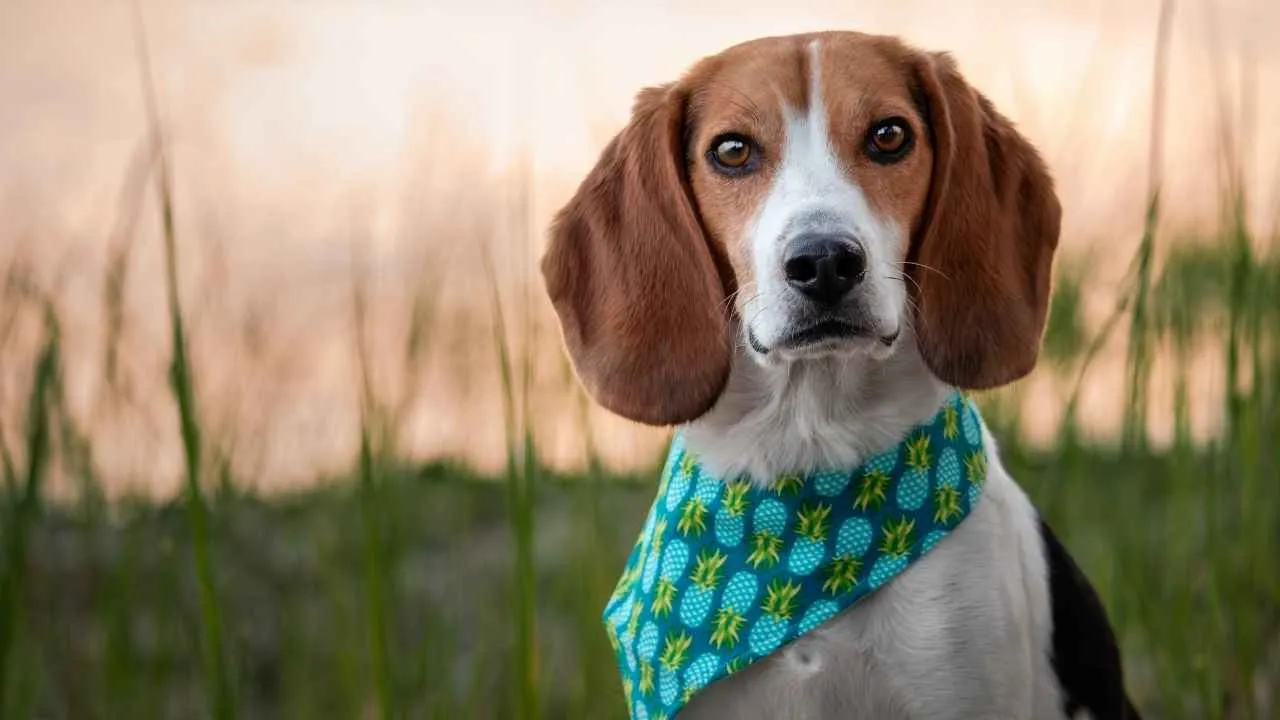
Picture a Beagle nose-deep in the couch cushions, tail going, sure something delicious is hiding there. That curiosity is pure Beagle — friendly, food-driven, and hard to stay mad at. Underneath the goofiness is a genuinely sociable dog that treats most creatures like a friend.
Introduction: Swap scented blankets between dog and cat for a few days, then move to short, supervised meetings through a baby gate.
Energy & pace: Beagles run on high energy and a strong nose, so a calm cat that won’t bolt suits their pace far better than a jumpy one.
Beagles were bred centuries ago to hunt in packs, following a scent trail as a team rather than chasing solo. The AKC notes this pack mentality is why Beagles often fold a cat into “the group” instead of treating it as an outsider.
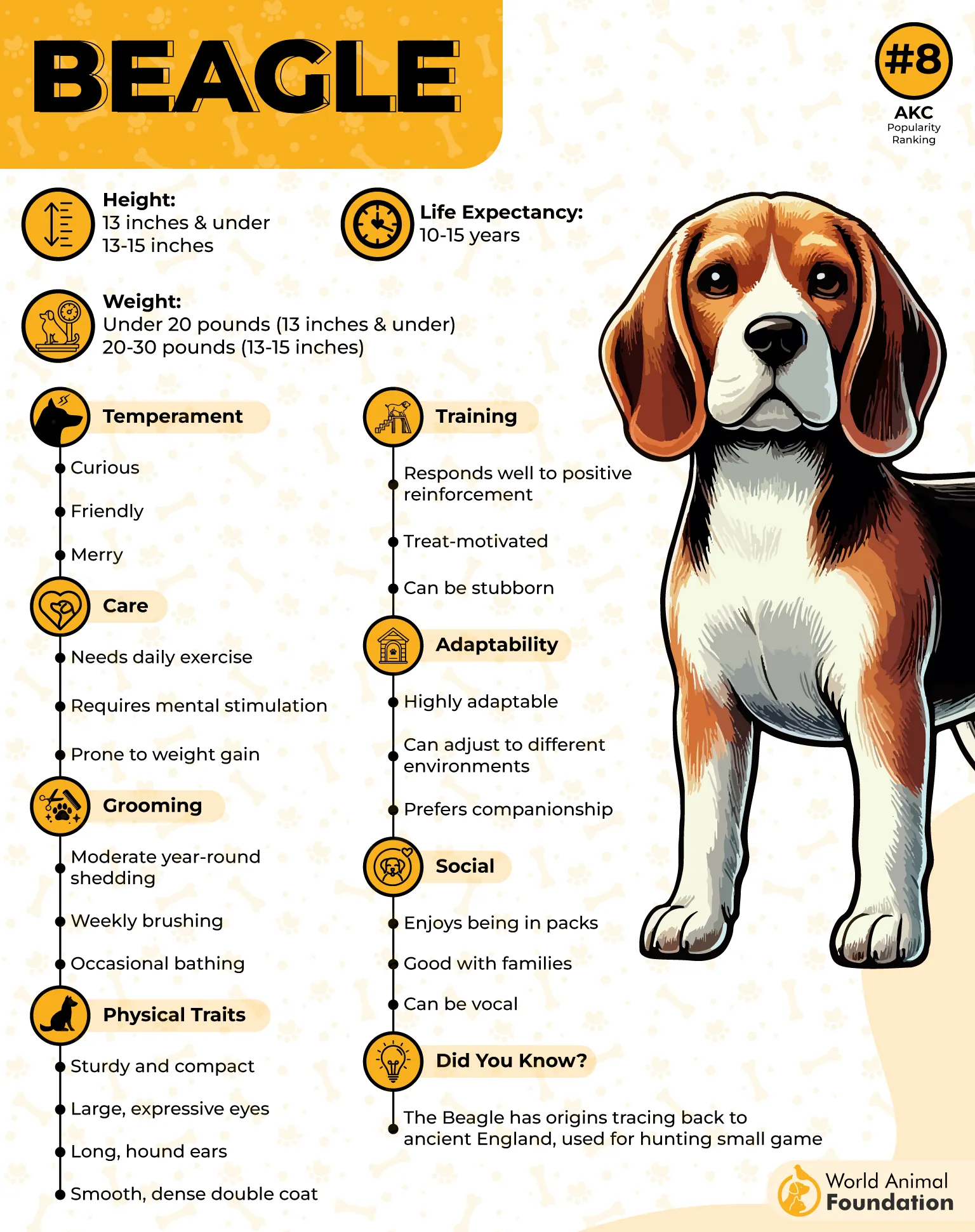
A Beagle does best in an active home with a secure yard, since that nose wanders given any chance. Early socialization matters here — skip it, and a fast-moving cat can turn into something worth chasing.
2. Basset Hound
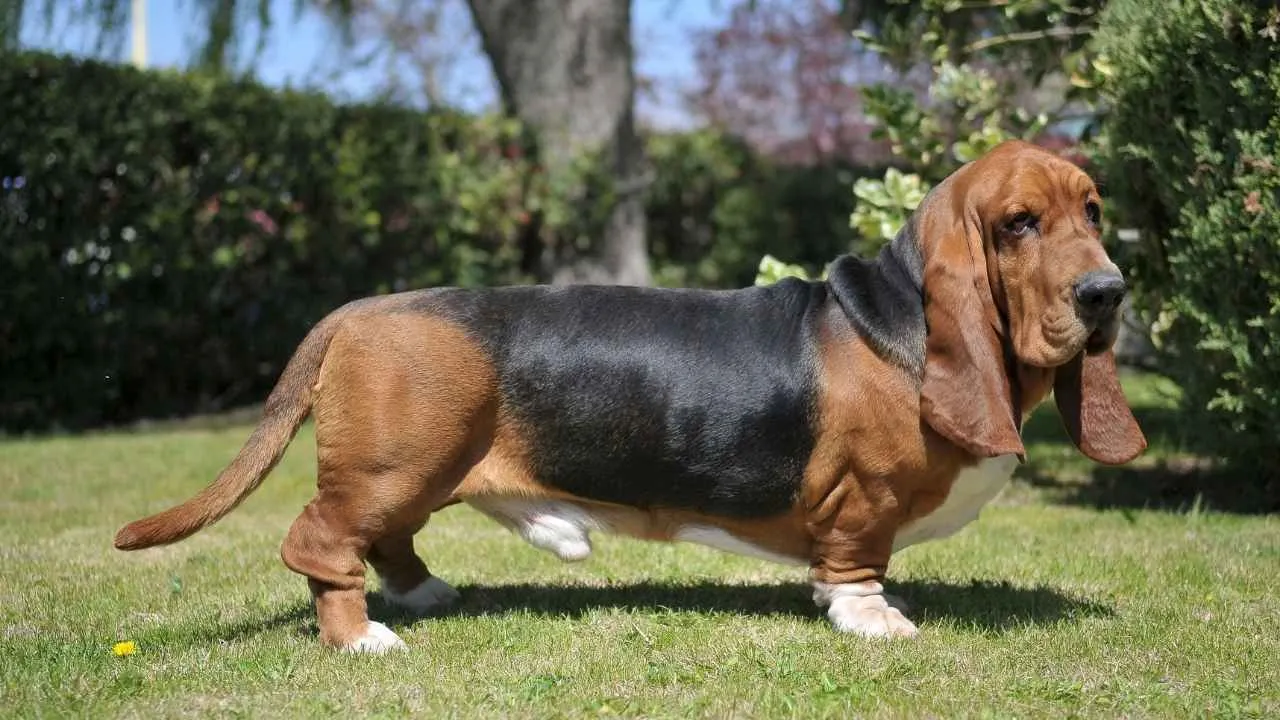
Imagine a Basset sighing, flopping down three feet from the cat’s favorite windowsill, and staying put for hours. That’s the whole personality — patient, stubborn, and about as threatening as a throw pillow. Cats tend to read that low-key energy as no big deal at all.
Introduction: Start with scent swapping through a closed door, then hold brief supervised meetings before letting them share a room alone.
Energy & pace: Bassets move slowly and nap often, matching a cat’s laid-back rhythm better than a bouncier breed ever could.
Basset Hounds were bred in France to track rabbits at a walking pace hunters could follow, not to sprint after prey. PDSA ties their easygoing temperament directly to that slow, scent-led working style rather than any drive to catch.
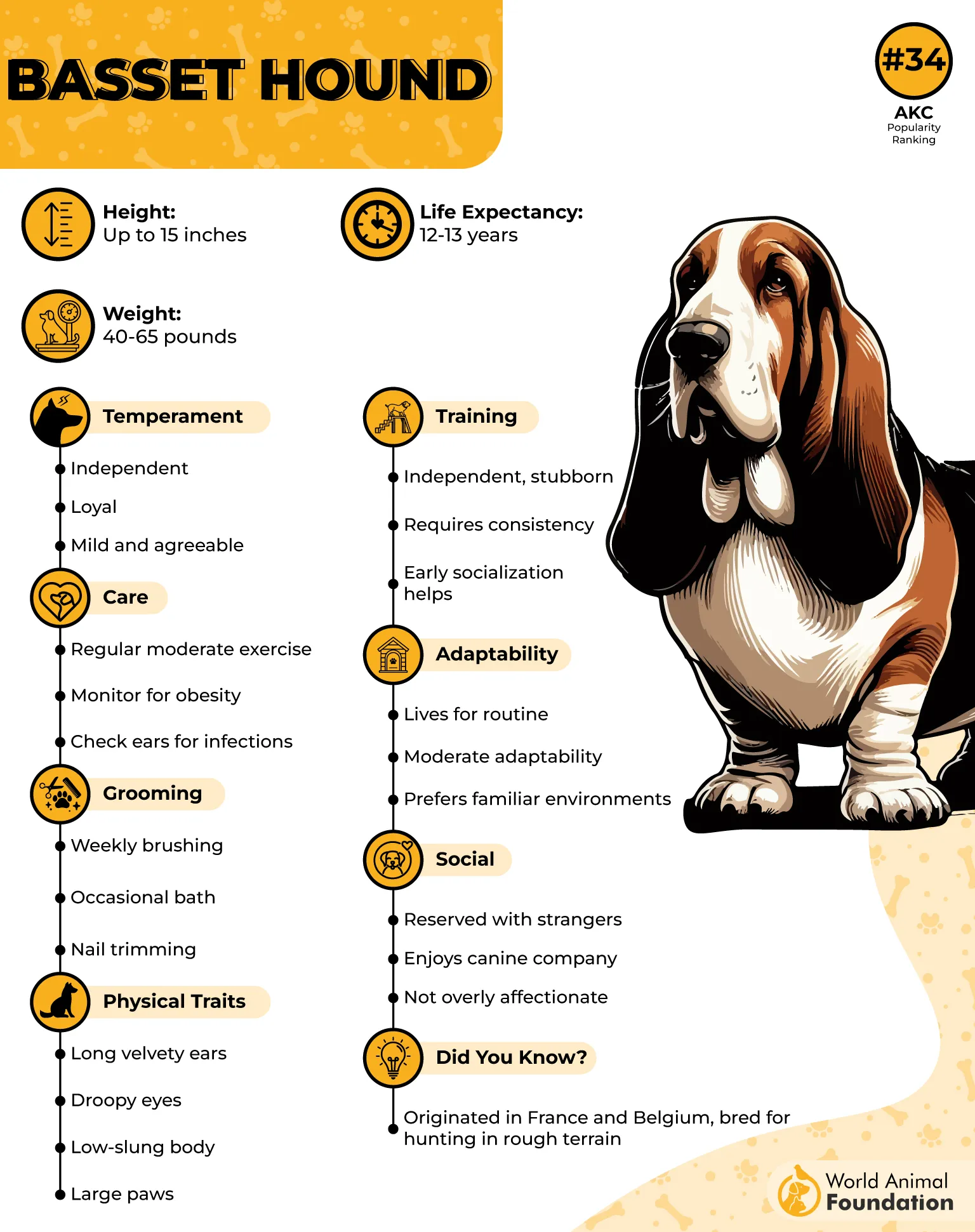
A Basset suits a home with a secure garden and an owner who won’t mind occasional howling. Early socialization still helps, since that nose can pull a Basset into tracking mode around a cat before training kicks in.
3. Golden Retriever

A Golden curled up nose-to-nose with a napping cat sums up the breed nicely. Warm, patient, and endlessly eager to please, Goldens greet nearly everyone — human or feline — like an old friend. That easygoing warmth is less luck than careful breeding.
Introduction: Swap bedding scents first, then hold short, leashed meetings in a neutral room before allowing free roaming together.
Energy & pace: Goldens need daily exercise, but they read a cat’s body language well and usually slow down once the cat sets the tone.
Golden Retrievers were bred in Scotland to retrieve shot game undamaged, giving them what’s often called a soft mouth. PetMD notes this gentle, cooperative instinct — built for carrying, not catching — explains why Goldens rarely treat smaller animals as prey.
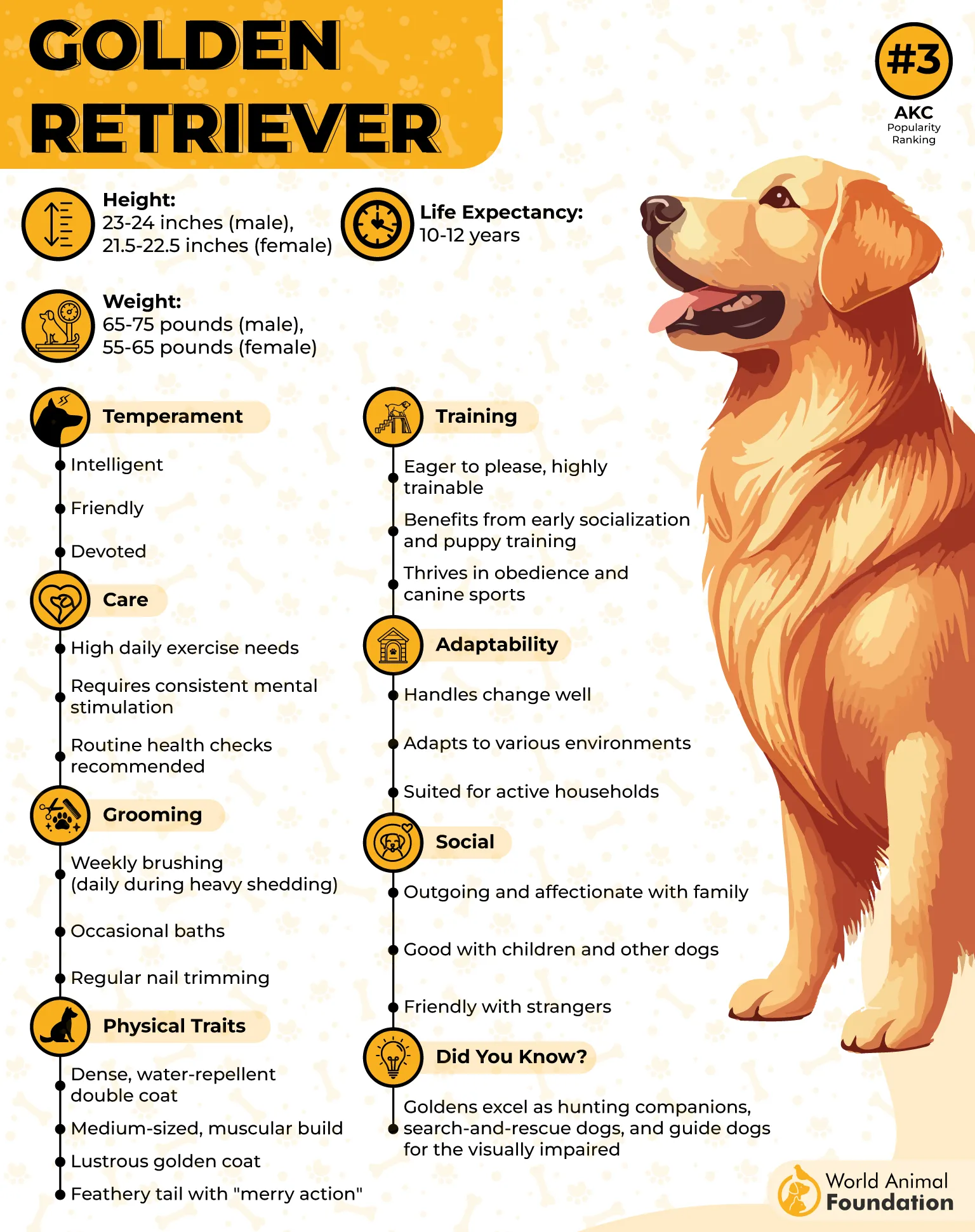
Goldens do best with room to burn off energy and a family that keeps up with their social needs. Early cat exposure still helps, since an unsocialized Golden may chase out of pure playfulness rather than real prey drive.
4. Labrador Retriever
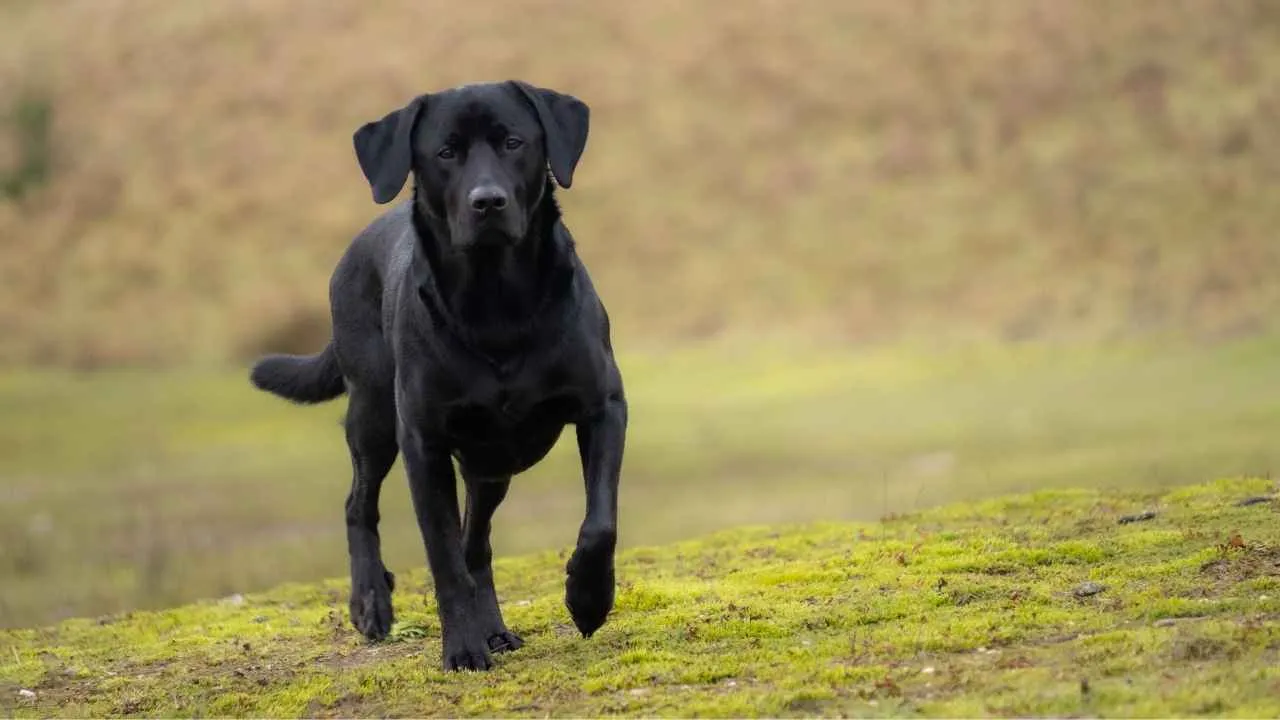
A Lab nudging a toy toward the cat, tail going full speed, hoping for a playmate — that’s its whole approach to life. Outgoing, food-motivated, and eager for company, Labs rarely meet a creature they don’t want to befriend. That enthusiasm just needs a little guidance around something small and quick.
Introduction: Use scent swapping and a cracked-door introduction before direct contact, supervising the first several sessions closely.
Energy & pace: Labs stay playful well into adulthood, so a confident cat that holds its ground tends to fare better than a timid one.
Labradors were developed in Newfoundland as water-retrieving dogs, working closely alongside fishermen to bring back nets and catch. Purina points out that this cooperative, human-focused history is why a Lab’s chasing is usually about play, not hunting.
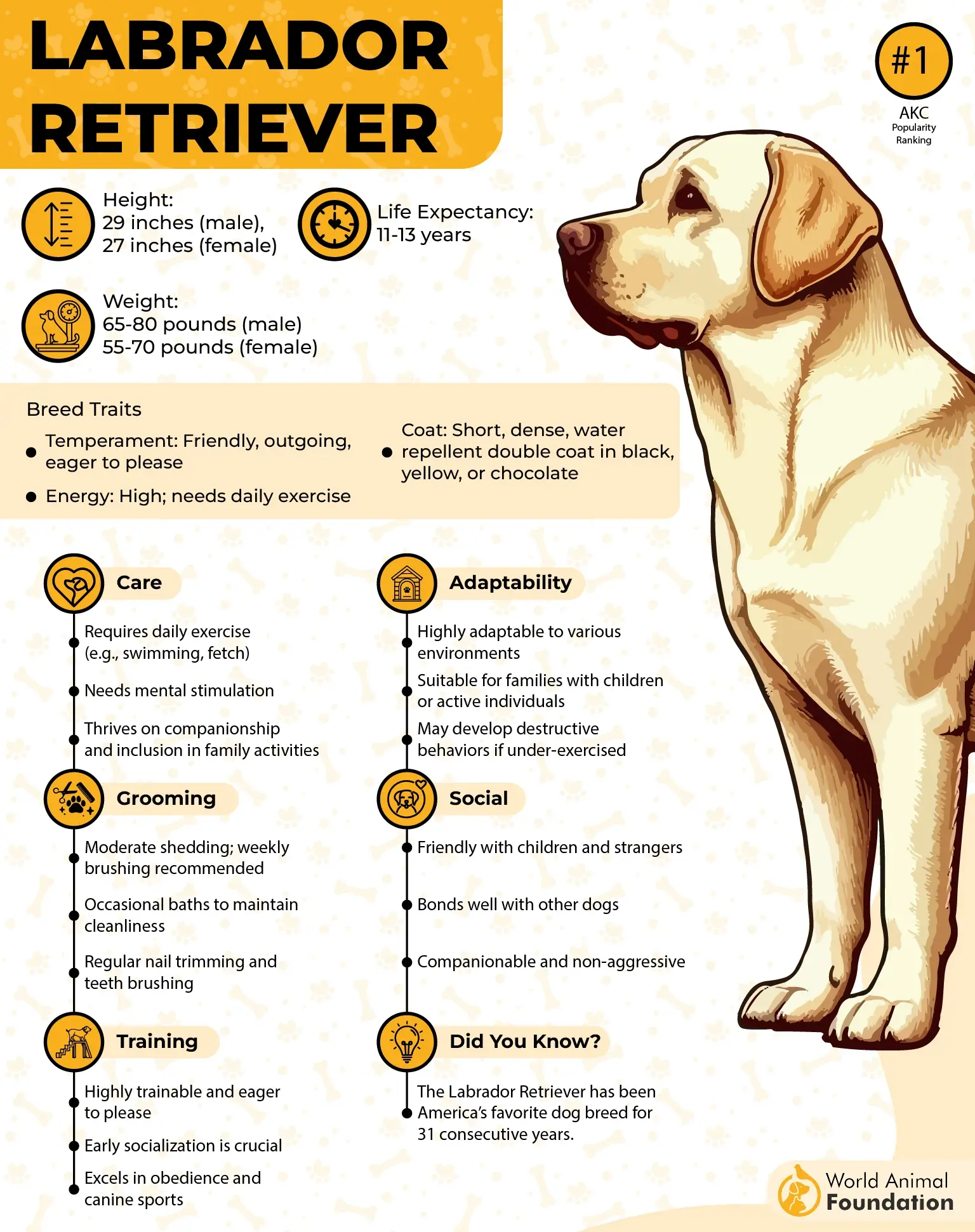
A Lab thrives in an active household with room to run and a family ready to match its energy. Socialization matters too — an untrained Lab may still chase a bolting cat, even without any real intent to harm it.
5. Pug
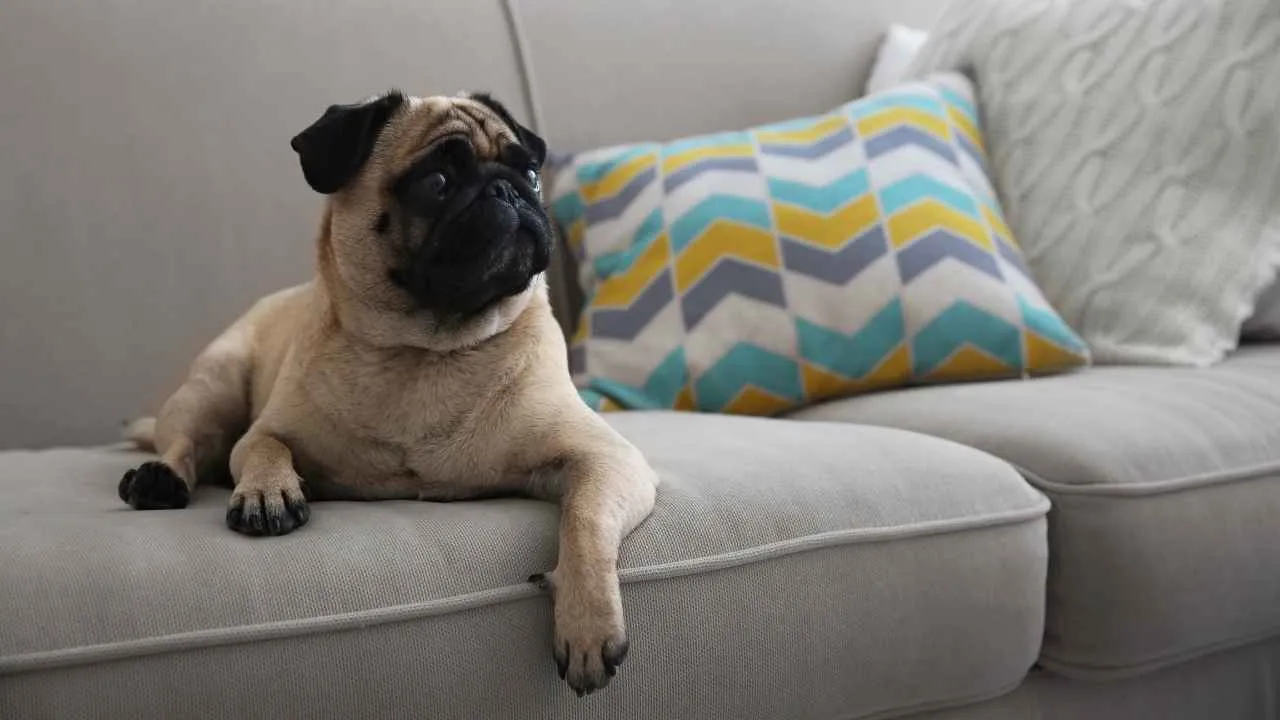
A Pug snoring softly on the sofa while the cat curls up against its side — this pairing basically writes itself. Small, affectionate, and happiest indoors with their people, Pugs carry almost none of the chase instinct that makes some breeds a gamble around cats. They’re after company, not conquest.
Introduction: Keep the cat in a separate room at first, swap scents through bedding, then introduce them slowly on neutral ground.
Energy & pace: Pugs favor short play bursts followed by long naps, a rhythm that mirrors a cat’s own pace better than most breeds manage.
Pugs were bred purely as companion dogs for Chinese emperors and later European royalty, never for hunting or guarding. Orvis notes this companionship-first history is a big reason Pugs carry so little prey drive today.
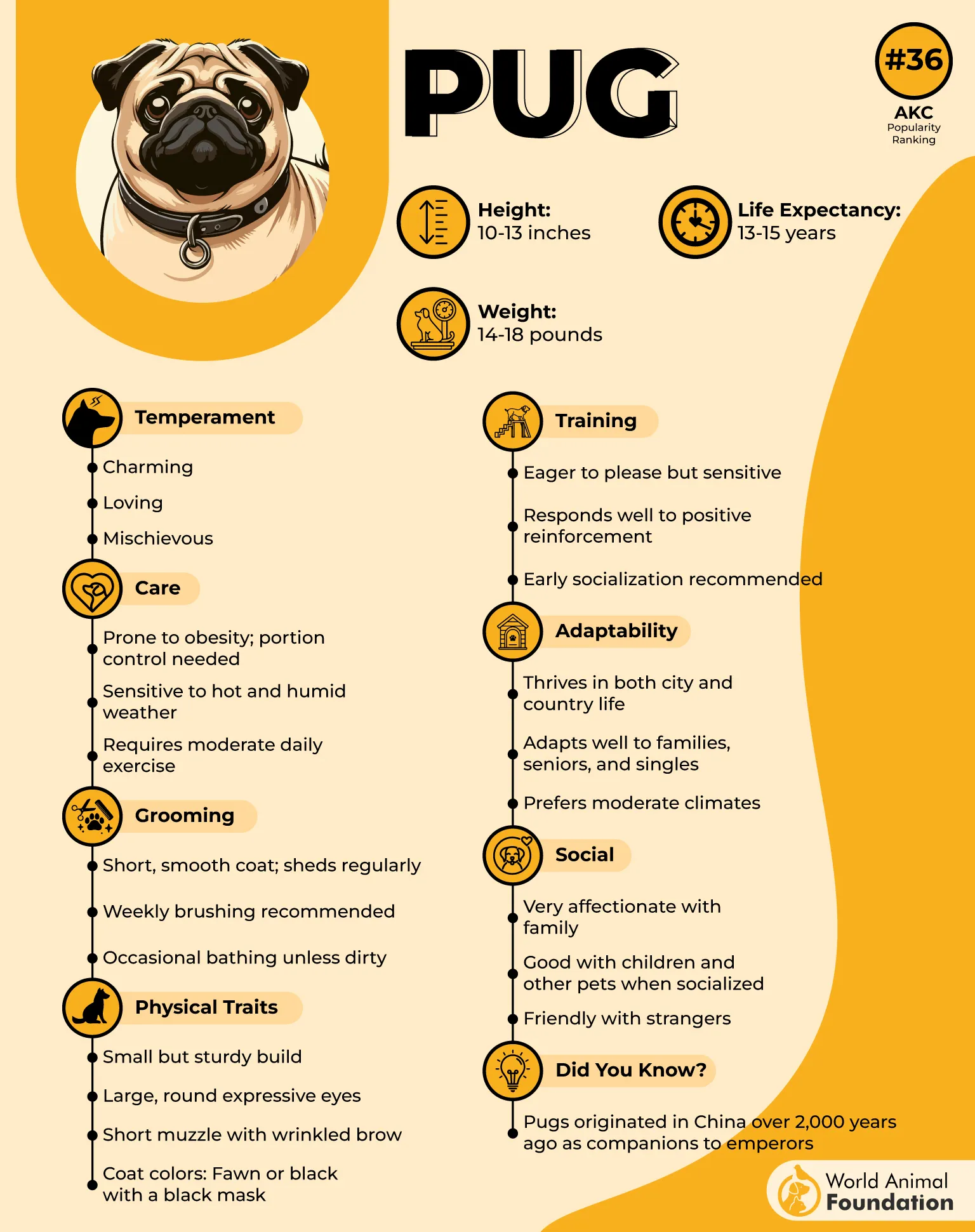
Pugs suit apartment living and lower-energy households well, since they don’t need much space to stay content. One caveat: their easygoing nature can backfire if a bold cat pushes them around, so watch which pet actually sets the pace.
6. Cavalier King Charles Spaniel

Picture a Cavalier draped across the arm of the sofa, one ear flopped over a dozing cat’s back, both perfectly content. Sweet, gentle, and a little needy for company, Cavaliers treat almost every creature in the house as someone to cuddle. That soft nature is the whole reason cats tend to warm up to them fast.
Introduction: Swap scented bedding first, then let them meet through a cracked door before any off-leash time together.
Energy & pace: Cavaliers have moderate energy and settle quickly, matching a cat’s calmer rhythm once the initial excitement wears off.
Bred centuries ago purely as royal lap companions, Cavaliers were never asked to hunt or guard anything. That companionship-first history explains their tolerant, affectionate streak toward smaller housemates today.
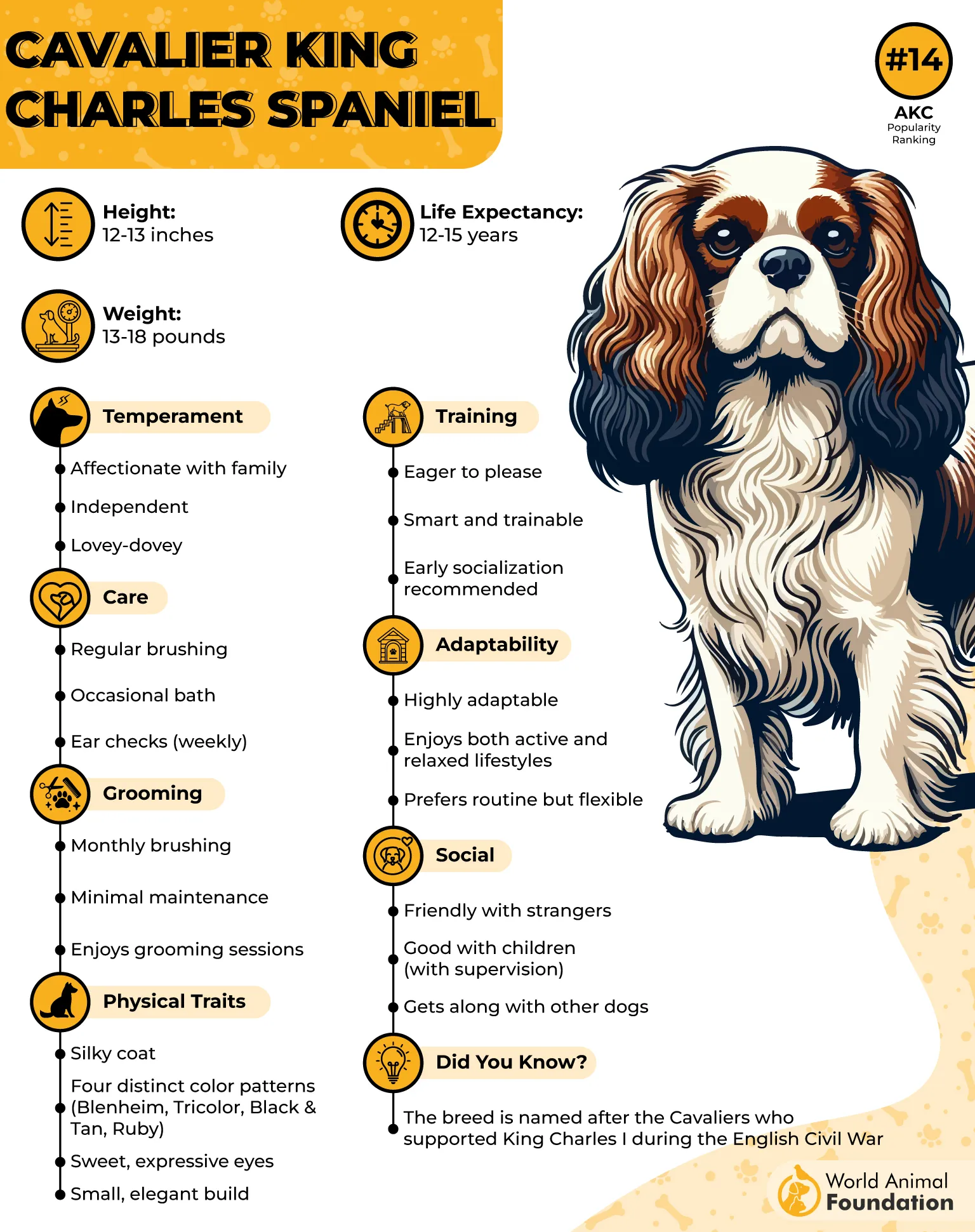
A Cavalier fits well in apartments or larger homes alike, as long as someone’s usually around. One caveat: their old spaniel instincts can still flicker outdoors, so a leash matters if a cat or small animal bolts nearby.
7. Collie
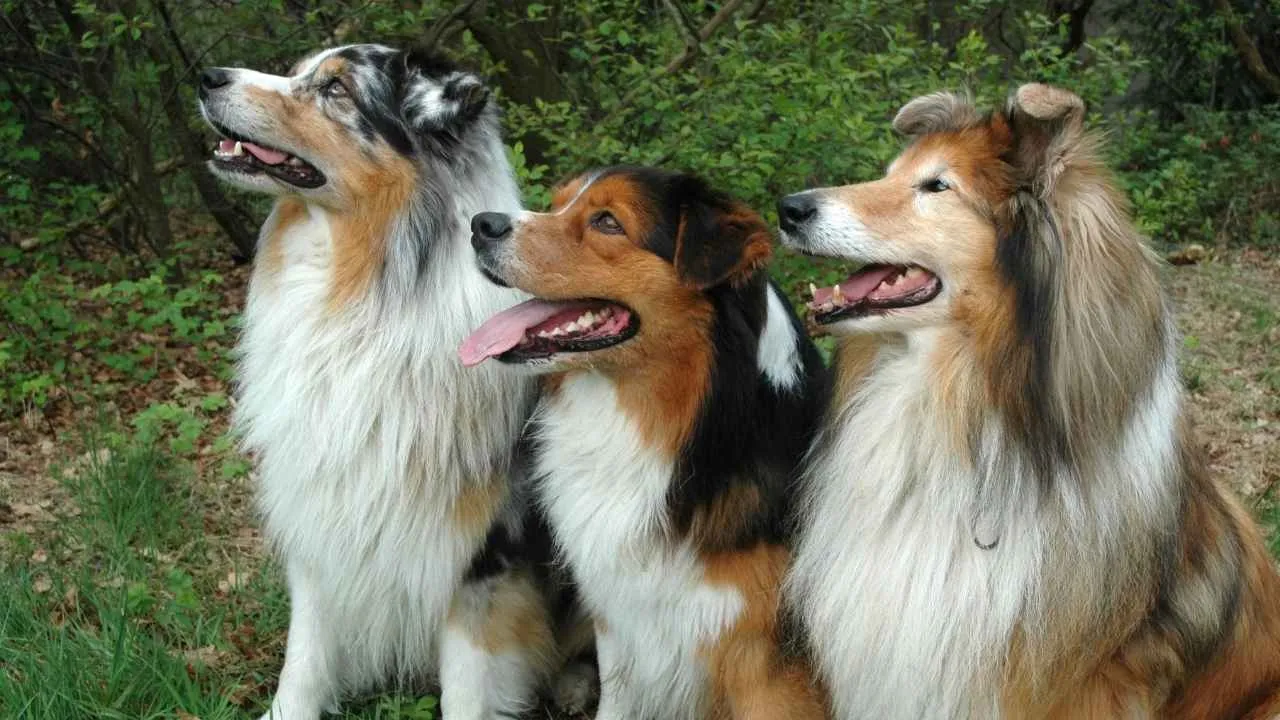
A Collie circling the cat slowly, herding it gently toward the kitchen like a tiny, fluffy sheep — this is the breed’s quirky charm. Athletic, loyal, and endlessly attentive to their family, Collies bring a watchful energy that’s more managerial than menacing. Cats mostly just find it mildly annoying, not threatening.
Introduction: Start with scent swapping, then use short, supervised sessions on a leash before letting them roam freely together.
Energy & pace: Collies need real daily exercise, and a cat that stands its ground handles their attention better than one that runs.
Collies come from the Herding Group, bred to gather and control livestock rather than chase it down. That deep-rooted urge to herd anything that moves is exactly what can carry over toward a cat in the house.
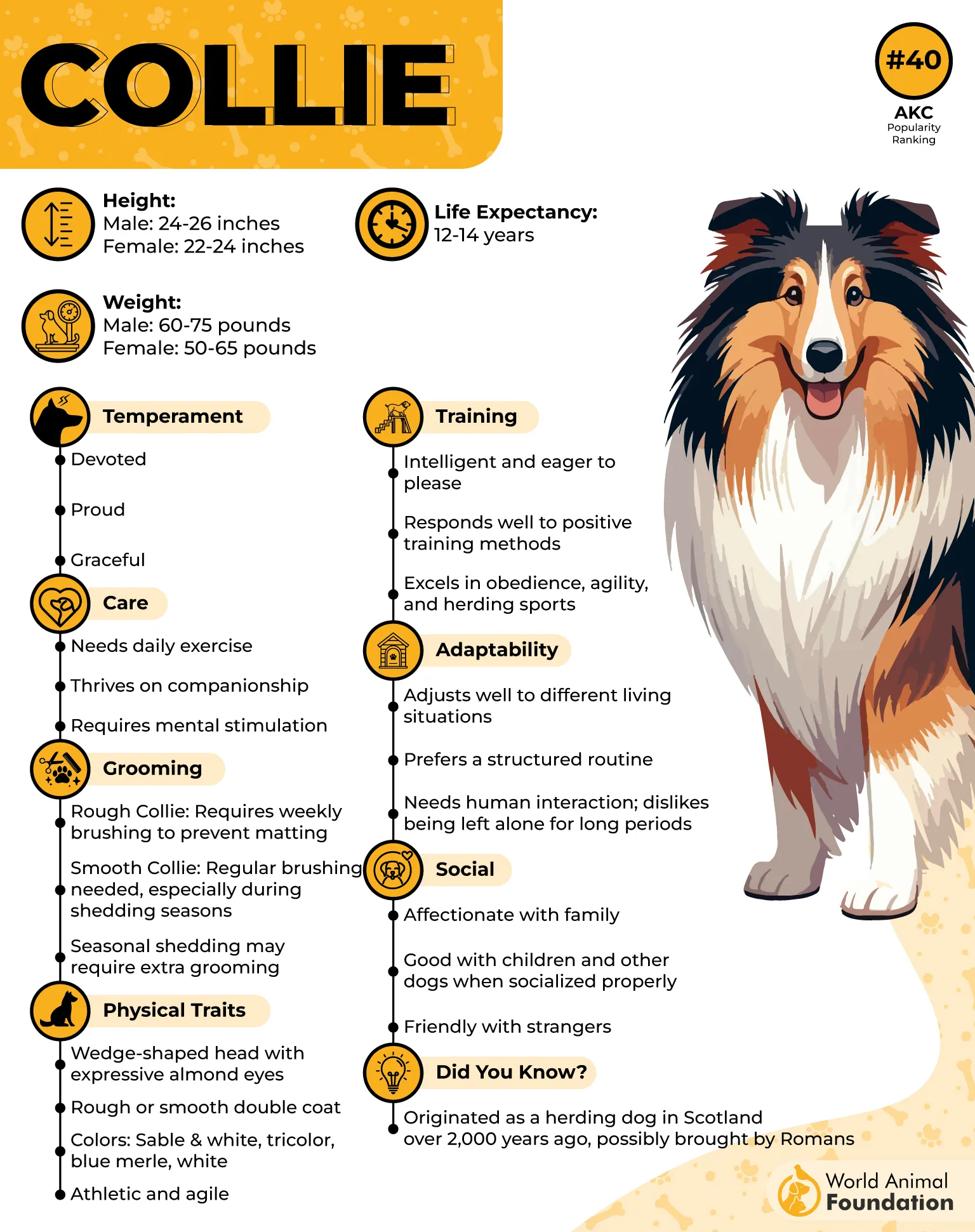
A Collie suits an active family with space to run and time for consistent training. Early socialization is important here, since unmanaged herding behavior — nipping, circling, staring — can wear a cat’s patience thin over time.
8. Papillon
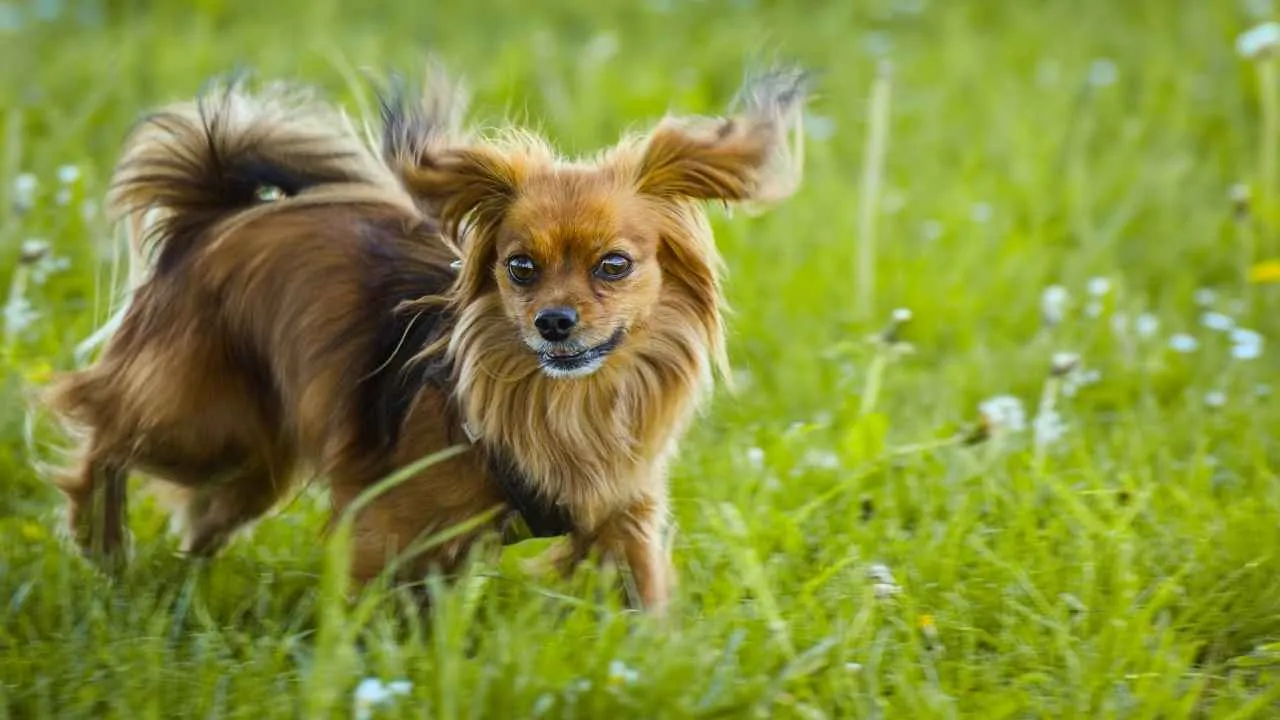
A Papillon standing eye-to-eye with the cat on the windowsill, both about the same size, sizing each other up as equals — that’s a fairly common sight in Papillon households. Alert, curious, and surprisingly bold for their size, these little dogs approach cats more like peers than prey. Their butterfly ears seem to twitch with pure curiosity around anything new.
Introduction: Introduce scents gradually through bedding swaps, then hold brief, calm meetings before leaving them alone together.
Energy & pace: Papillons are playful and quick, so their pace suits an equally confident cat better than a nervous one.
Papillons descend from toy spaniels kept as companions in European courts for centuries, never bred for hunting or working. That long companionship history is a big part of why they see cats as playmates rather than targets.
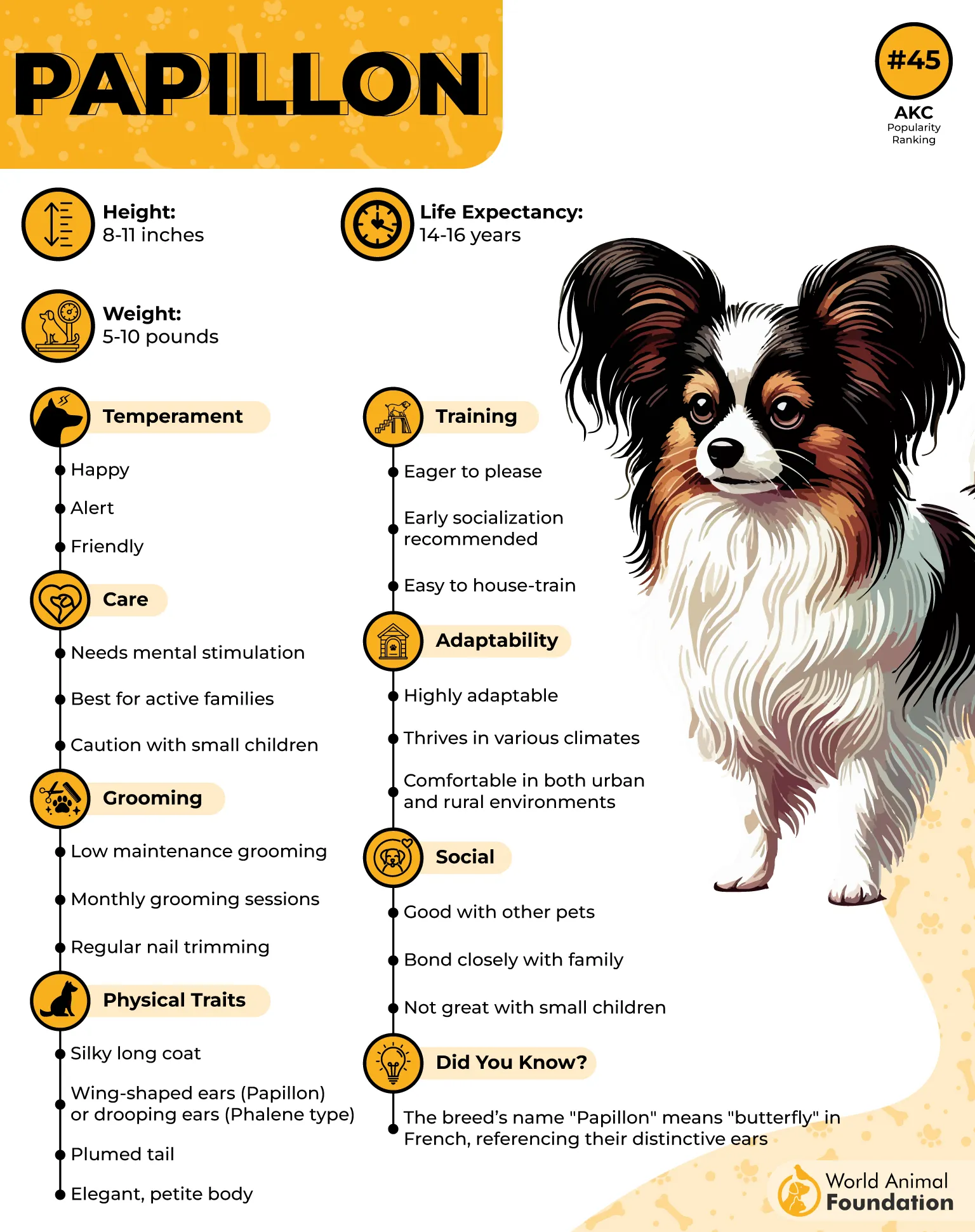
Their small size makes Papillons a great fit for apartments and smaller homes. One caveat: they’re more fragile than they look, so a rough cat or an overly excited dog-cat play session needs a watchful eye.
9. Bichon Frise
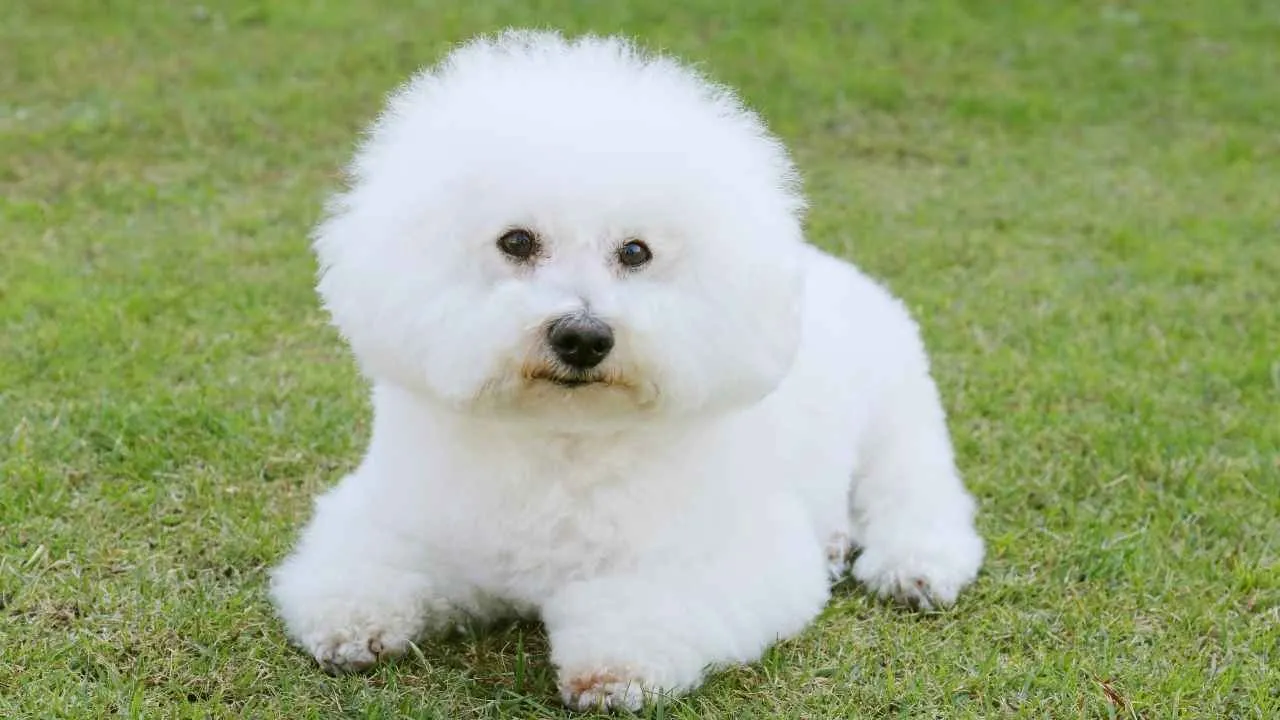
A Bichon Frise bouncing around the living room, then flopping down for a nap right next to the cat mid-play — that’s the breed’s whole rhythm in a nutshell. Cheerful, affectionate, and eager to please, Bichons treat cats the same way they treat everyone else: as a potential friend. Their fluffy, cotton-ball look pretty much matches their soft temperament.
Introduction: Swap bedding scents, then use a baby gate for gradual, supervised exposure before letting them share space freely.
Energy & pace: Bichons have bursts of playful energy but settle down fast, syncing reasonably well with a cat’s own on-off rhythm.
Bichons were bred purely as companion dogs, historically kept by sailors and later European nobility for charm rather than any working purpose. That companionship-only background lines up with their generally low prey drive around smaller pets.
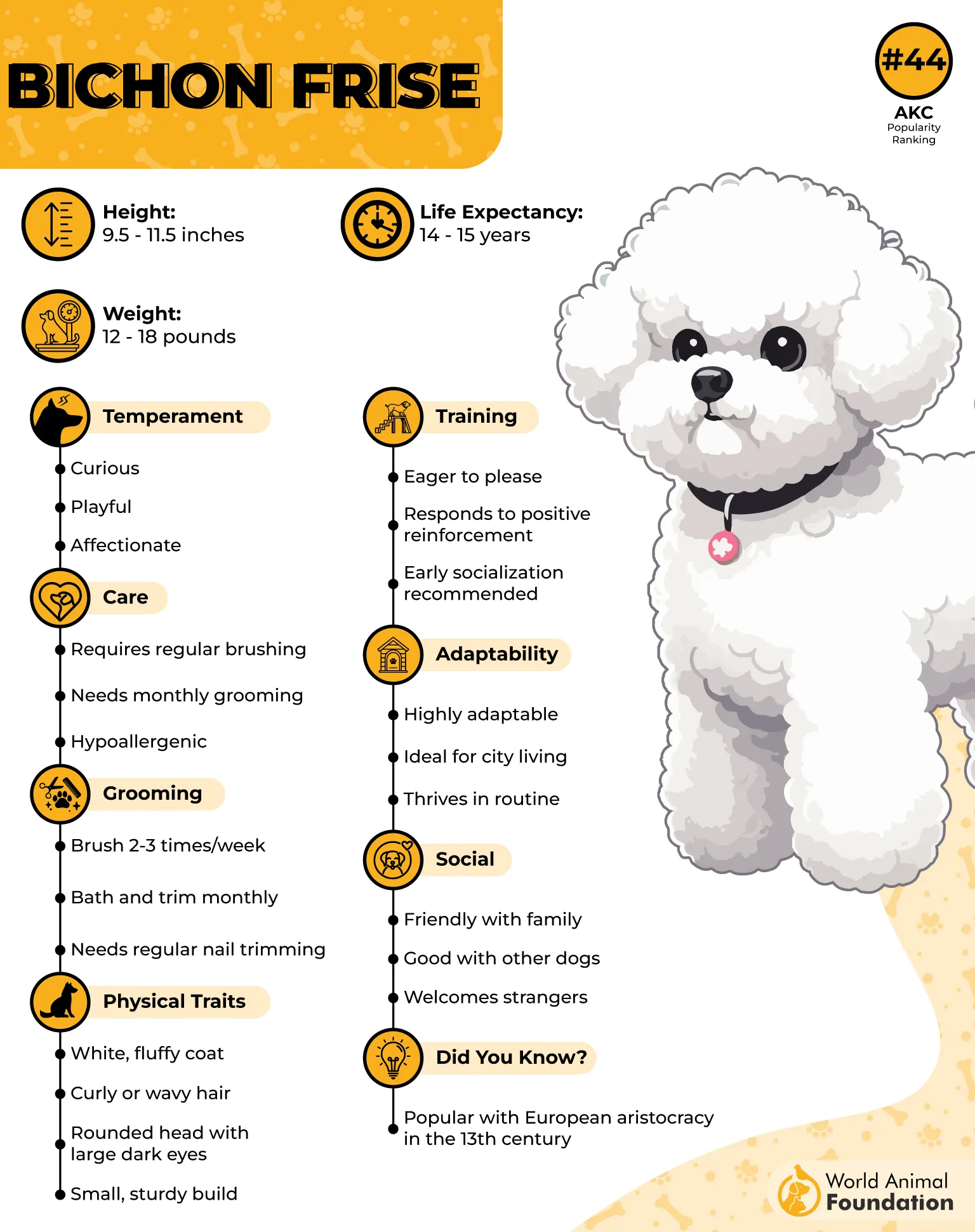
Bichons do well in apartments and with first-time pet owners thanks to their manageable size and energy. One thing to watch: their people-focused nature means they can get jealous if a cat starts stealing attention, more a household dynamic than a safety issue.
Conclusion
What ties every breed on this list together isn’t size or breed group — it’s gentle nature and low hunting instincts. That’s the trait deciding if a dog and a cat end up living peacefully instead of just tolerating each other.
Before you bring a new dog home, watch how your current cat reacts to houseguests or other pets for a week — that tells you more than any breed chart. Then start with proper introductions: scent swap for a few days, add a baby gate for supervised meetings, and give your cat clear escape routes as they warm up.
