




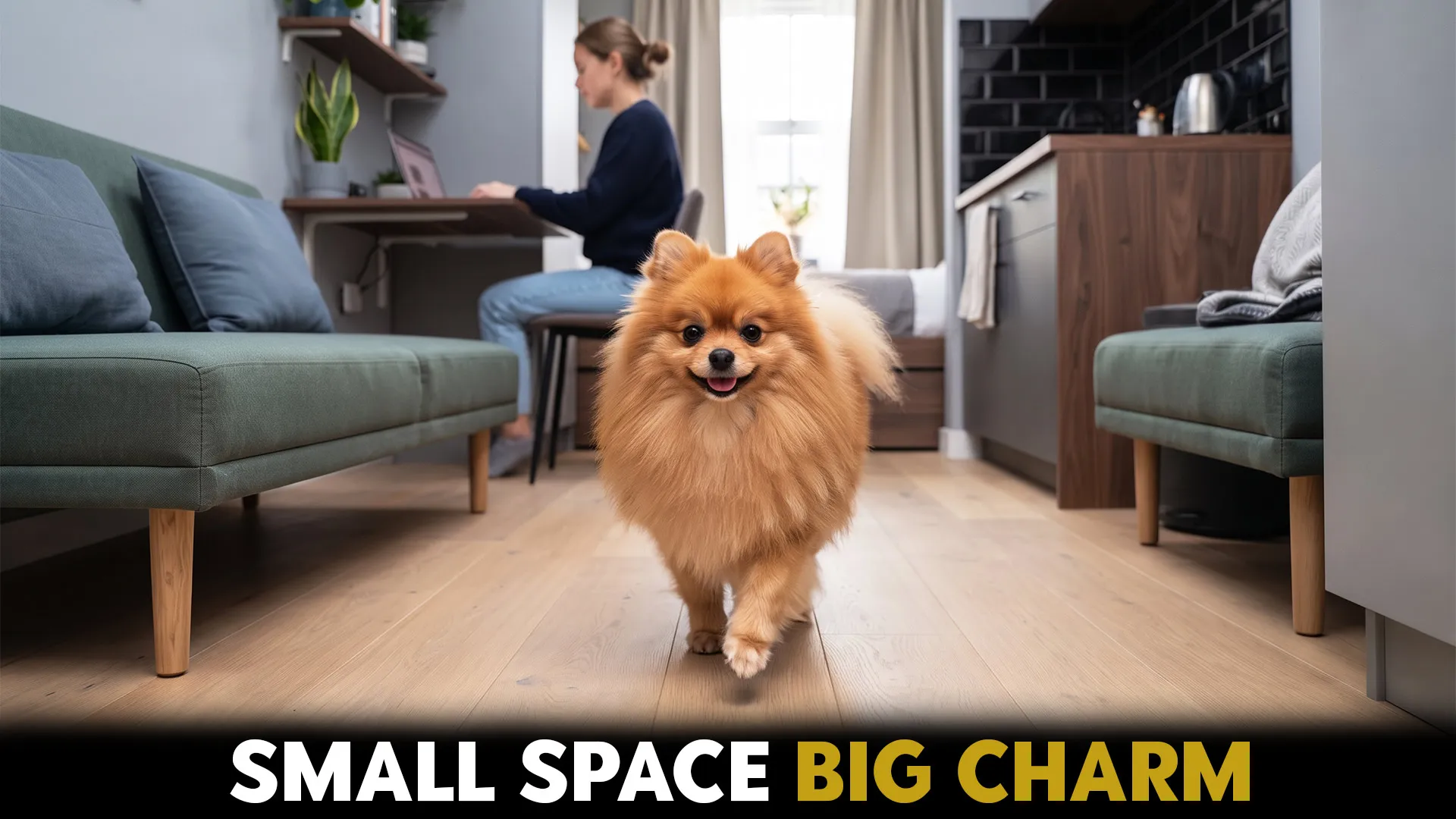
A small apartment does not have to mean giving up on having a dog with plenty of personality. In fact, many smaller dogs can adapt comfortably to limited indoor space, provided their exercise, training, and companionship needs are met.
The tricky part comes from assuming that every little dog is automatically suited to apartment life. Some are surprisingly active, while others are happier with indoor play and shorter outings. Noise matters too. In a shared building, frequent barking can become a daily problem for both you and your neighbors.
The major kennel clubs recommend considering activity level and barking tendencies alongside size when choosing a dog for an apartment. That changes the question from “Which dog is smallest?” to “Which dog fits this home?” The answer can be more charming than expected, too.
Keep reading because the right match may have the exact personality you want without demanding a mansion.
Key Takeaways
A little living space can still make room for a dog that loves company, playtime, and a good daily routine.
Cavalier King Charles Spaniels are happy with moderate exercise, while Maltese can stay active without needing much outdoor space.
Pomeranians add plenty of personality to the mix, and Papillons can turn a small living room into a surprisingly busy playground.
Then come three more breeds with their own apartment-friendly quirks, including one that needs around an hour of activity each day.
Charming Dog Breeds for Small-Space Living
1. Cavalier King Charles Spaniel
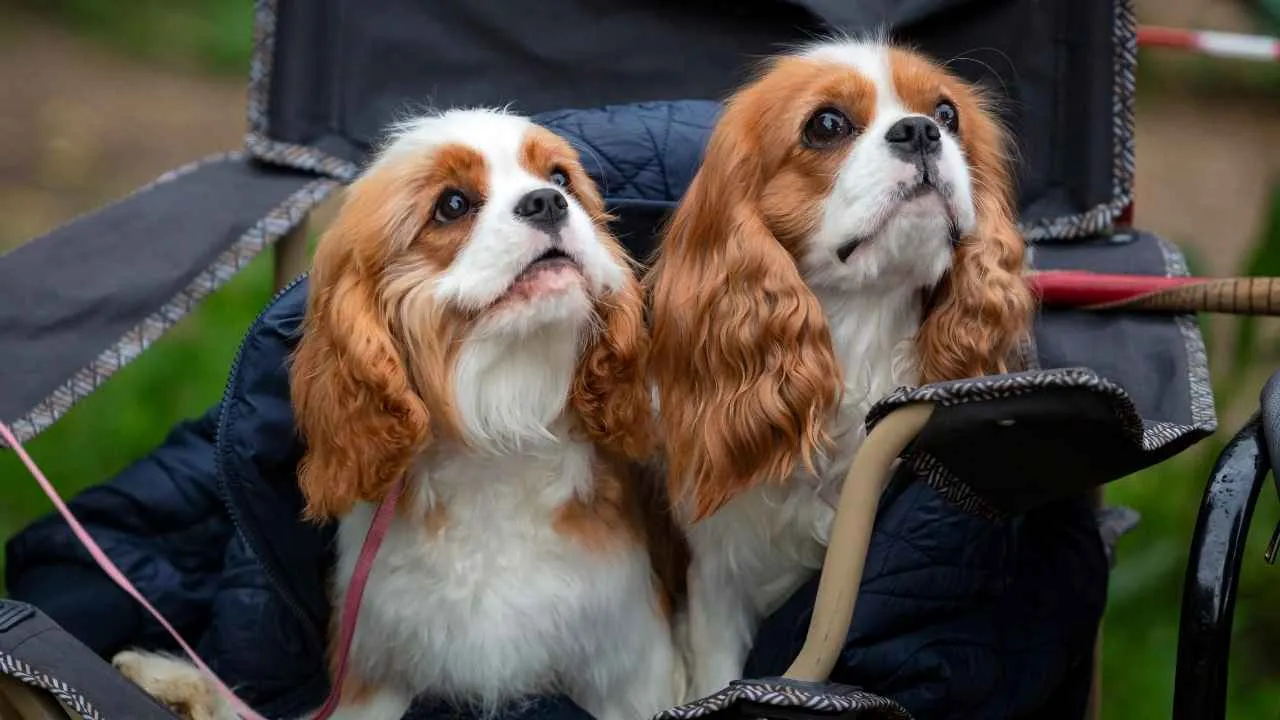
Cavalier King Charles Spaniel descends from the small toy Spaniels seen in northern European paintings from the 16th through 18th centuries. These little dogs once warmed laps in chilly castles and carriage rides, while royal households valued them as close companions.
Easy at Home
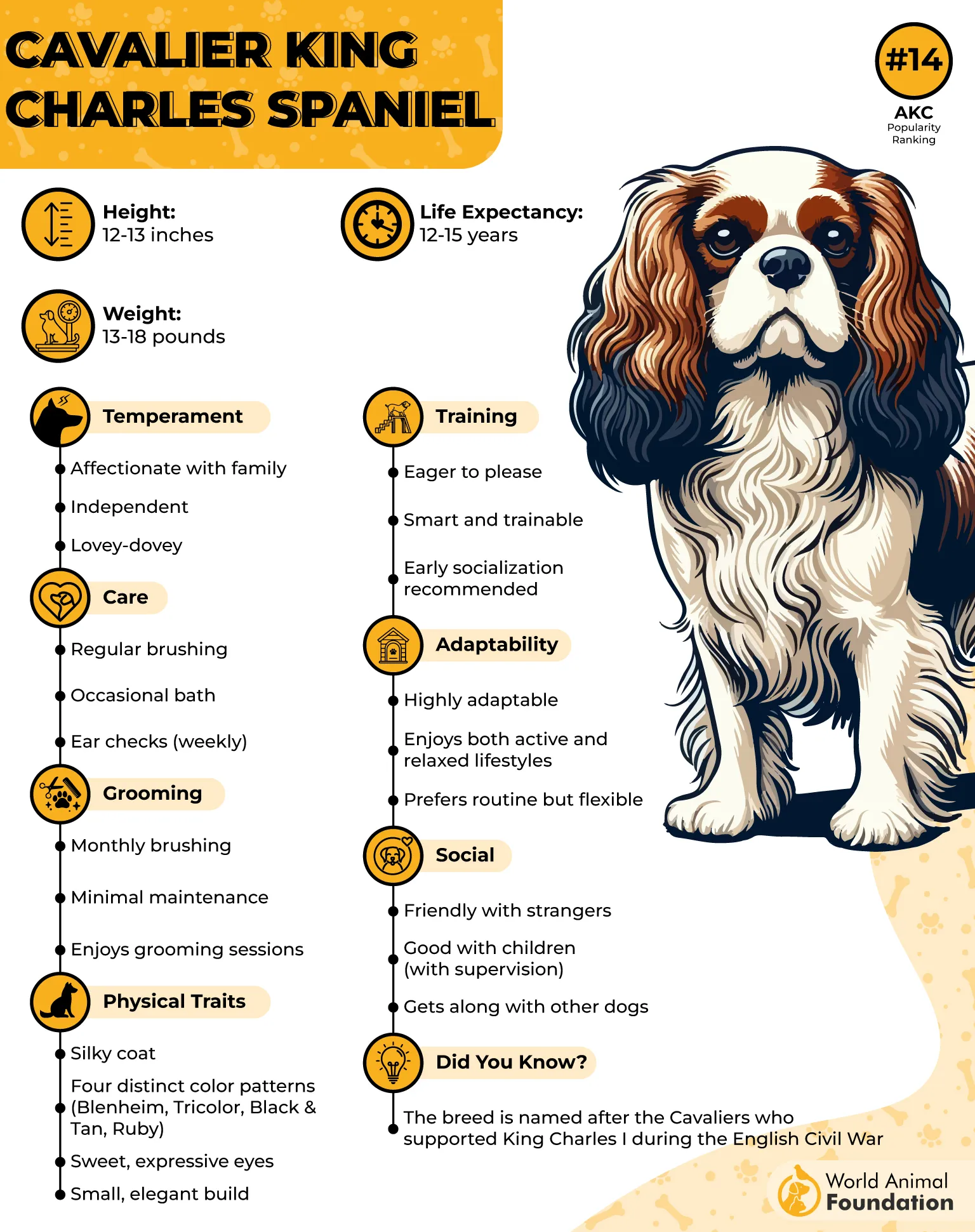
This small dog breed has a moderate energy level, with two 20- to 30-minute walks plus playtime generally fitting its routine well. That manageable schedule makes it easier to meet its needs when floor space and outdoor room are limited.
A simple routine can work well here:
Enjoys relaxed indoor time after activity
Can live happily with or without a yard
Often enjoys accompanying people on errands
Social by Nature
Cavalier King Charles Spaniel is cheerful with strangers and other animals, including cats, although a larger dog can feel intimidating at first, as per the AKC. Its friendly nature also makes supervised playdates and calm interactions useful ways to build confidence around unfamiliar dogs.
2. Maltese
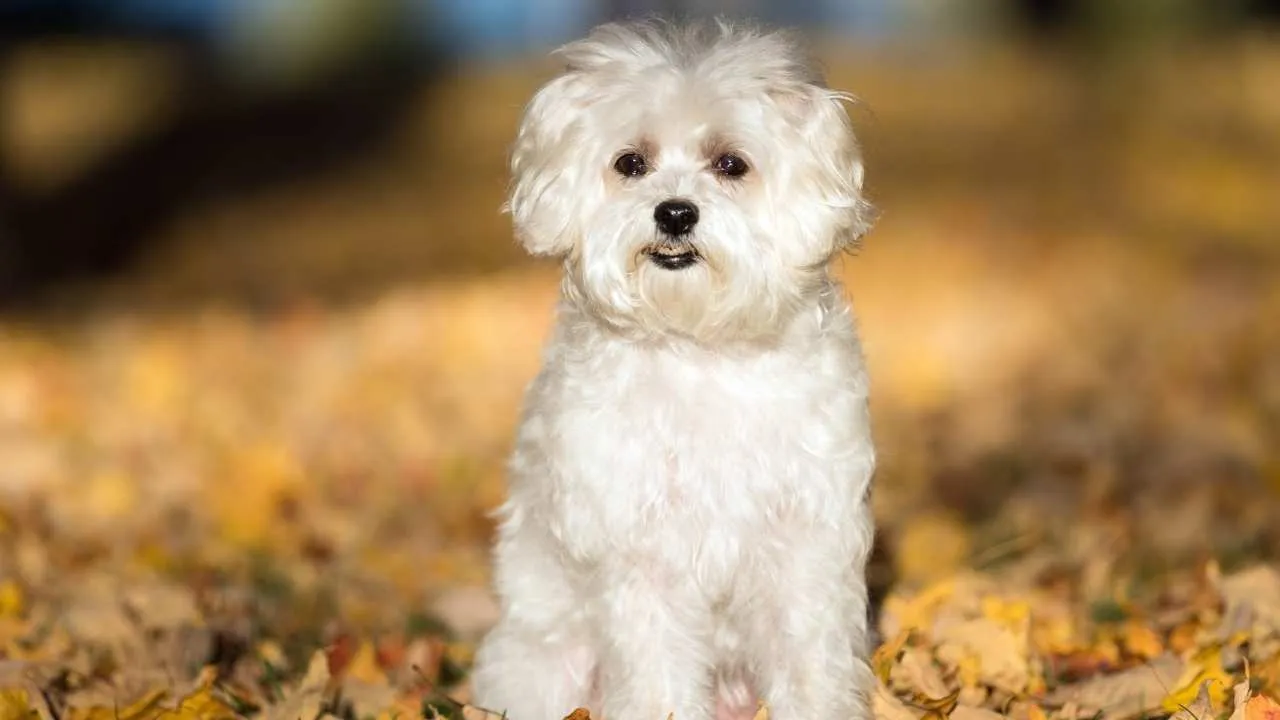
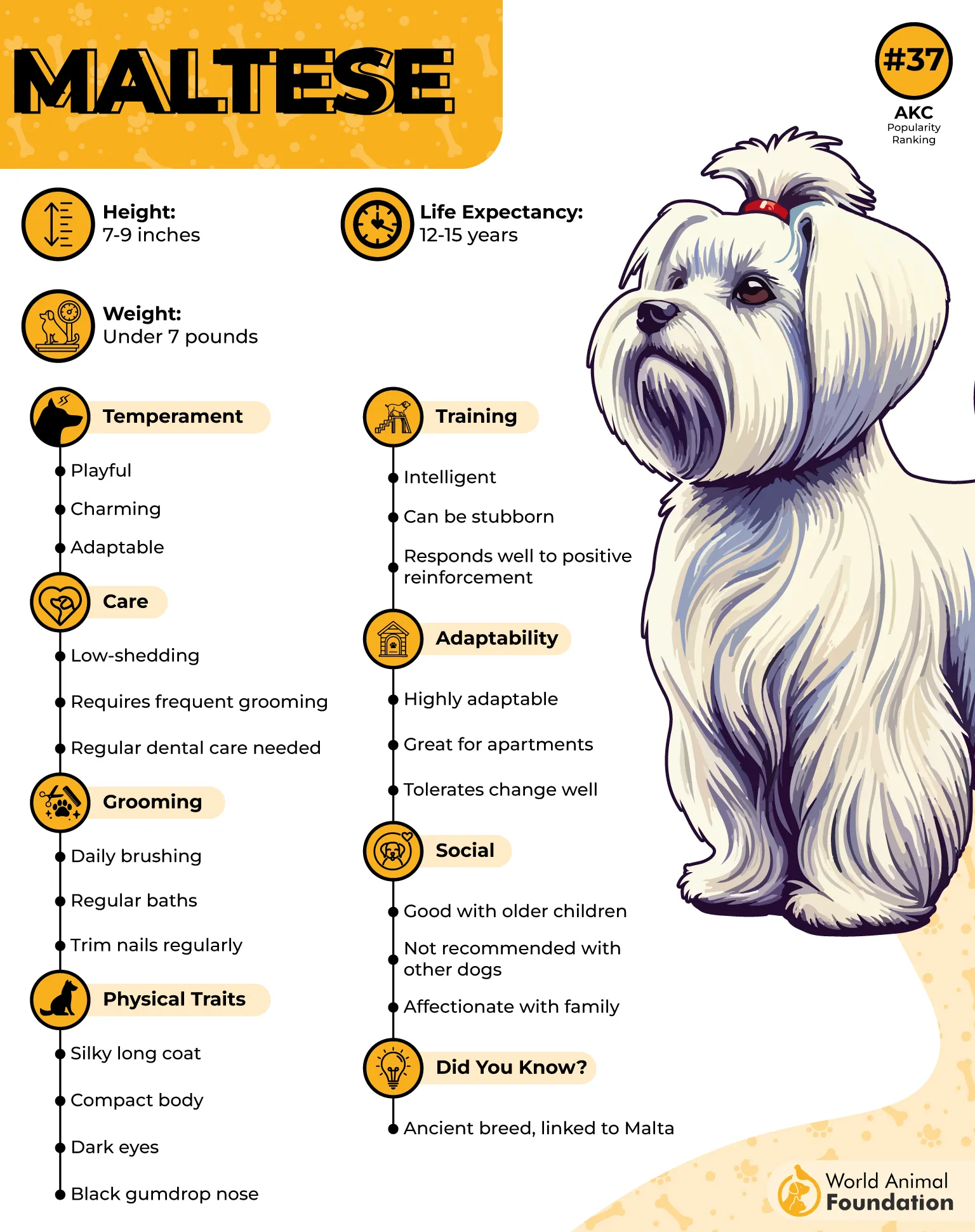
Maltese has an uncertain origin, with theories linking its arrival in Central Europe to traders traveling through Asia and possible connections to the Tibetan Terrier. Records reach back to 300 BC, while Malta is often suggested as an early home because of its importance as a trading port.
Apartment-Friendly Size
Maltese dog needs relatively little exercise and can get its daily activity from a short walk, indoor play, or a run around a secure backyard. A brisk 20- to 30-minute daily walk also gives this lively little dog a useful outlet without demanding a large living area.

Exercise is manageable, but social time is important too:
Strongly attached to its people
May struggle with long periods alone
Benefits from a sitter, friend, or daycare
Lively Indoors
This apartment-living breed remains playful well into adulthood and enjoys switching between indoor games, fetch, scent work, and interactive toys.
Its friendly nature also helps it get along with other dogs and pets, while its small, fragile frame calls for supervision around babies and larger dogs.
3. Pomeranian
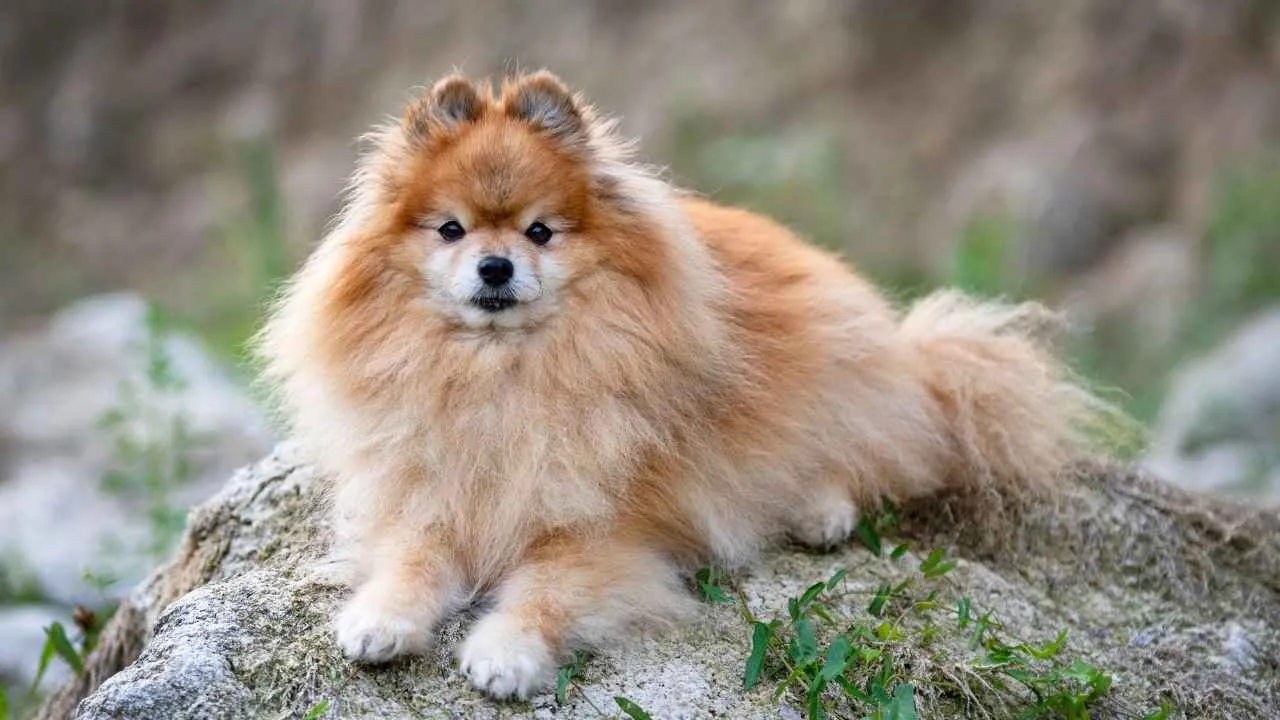
Pomeranian comes from Pomerania, the region spanning parts of present-day Poland and Germany, and is believed to descend from the German Spitz. Smaller puppies were selected over time, leading to the petite companion now also called Zwergspitz, Pom, or Pom Pom.
Small Legs, Big Personality
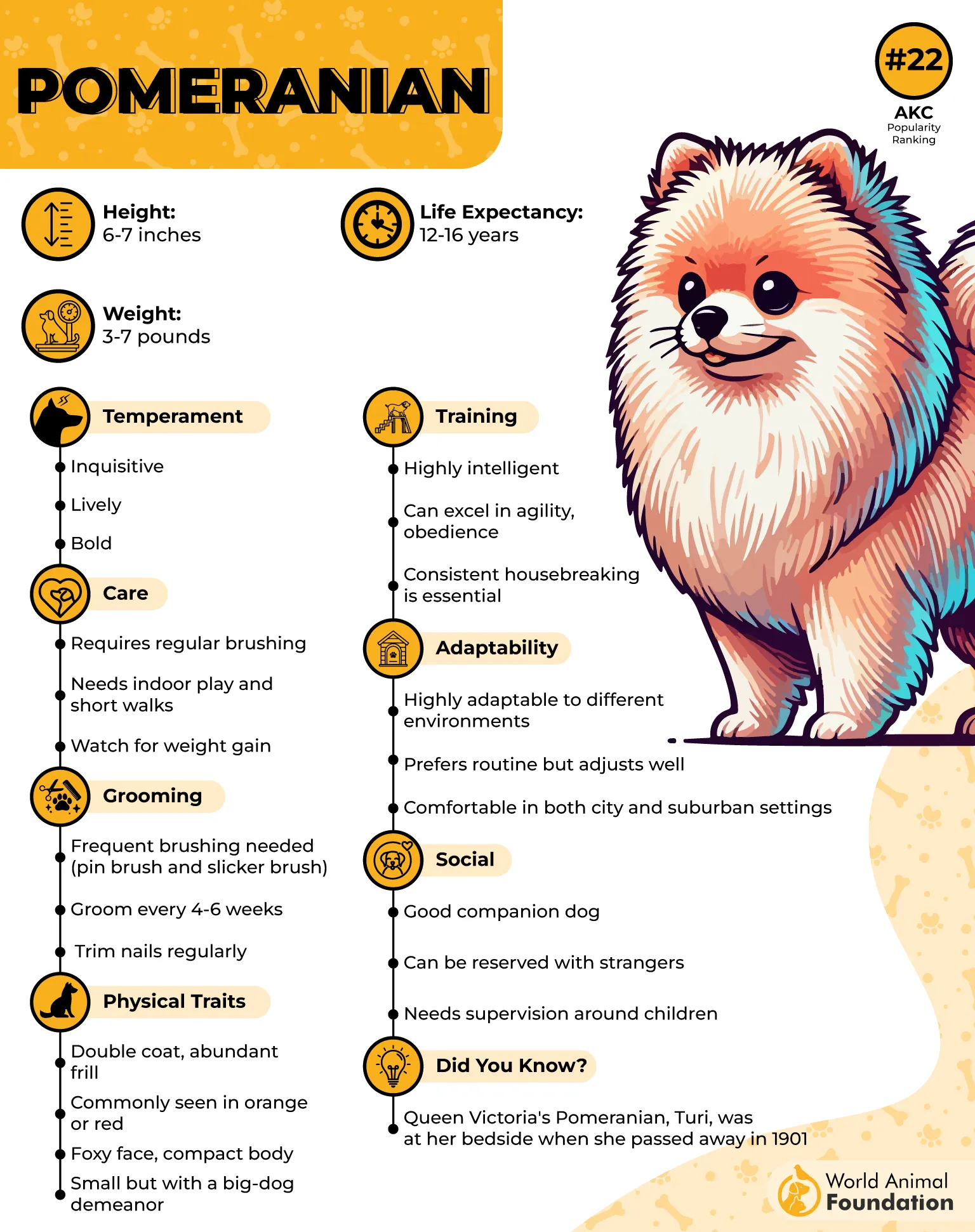
Poms can fit easily into compact homes, including small condos, while still enjoying regular outings and a social household, as noted by PetMD. Their short legs mean longer adventures need a little planning, with a 20-minute walk a couple of times daily often providing suitable exercise.
That tiny frame comes with a few safety needs:
Can squeeze through small fencing gaps
Needs protection from birds of prey
Requires care around larger dogs
Quick to Learn
This apartment dog breed picks up new tricks quickly and often performs well during obedience training, making lessons useful for shaping manners as well as teaching commands. Indoor training can also help reduce unnecessary barking, particularly when hallway noises become a source of excitement.
4. Papillon

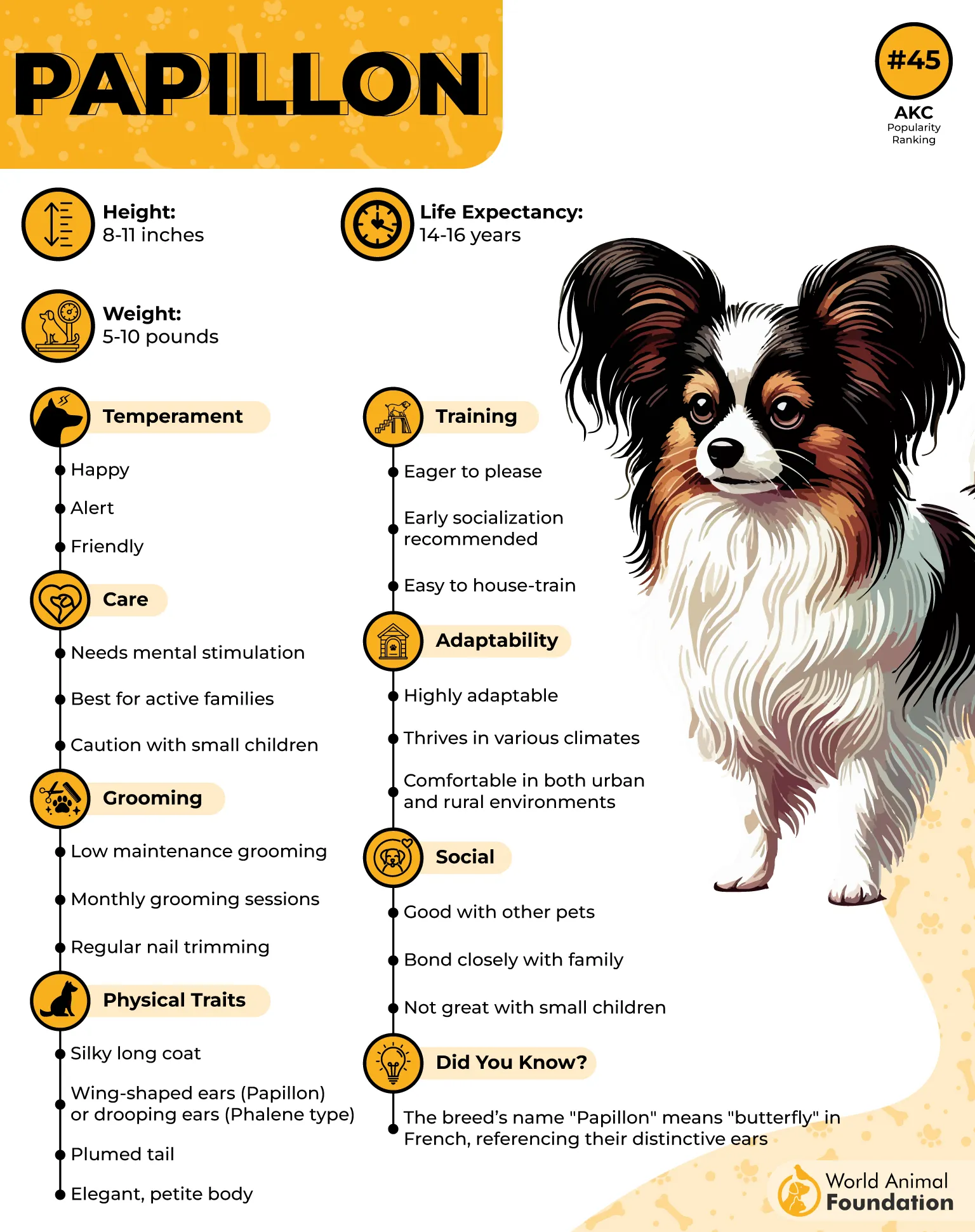
Papillon dates back centuries in France and was especially favored among court ladies, with paintings of the breed appearing as early as the 13th century. Its name means “butterfly” in French, inspired by its distinctive upright ears that resemble delicate, spread wings, as mentioned by Omlet.
A Tiny Footprint
Papillon needs little room to have fun and can happily turn a living room into a fetch spot without needing a yard. Around the house, small tent-style beds and other snug spaces give this lively companion places to retreat between bursts of play.
There are several ways its small size proves useful:
Around 30–45 minutes of daily exercise
Puzzle toys provide mental entertainment
Agility trials can offer an extra challenge
Social by Nature
This popular small dog breed generally gets along with cats, other dogs, and older children when everyone learns appropriate ways to interact. Its confident personality can also become overly dependent on familiar people without enough early socialization and gradual exposure to new situations.
5. Toy Poodle

Toy Poodle belongs to the smallest of the three Poodle groups, with its story shaped by European breeding and the breed’s earlier work around water and hunting. Poodles were also used as military, guide, and circus dogs before smaller varieties became especially popular in France.
Small Home, Big Energy
Toy Poodles can get their daily activity from a relatively small living area, with walks, indoor fetch, trick training, and agility providing plenty of options. About an hour of exercise each day is typical, along with puzzle games or interactive toys for mental work.
Three practical details matter for everyday life:
Low-shedding curly coat
Needs protection from outdoor predators
Can be vulnerable in rural settings
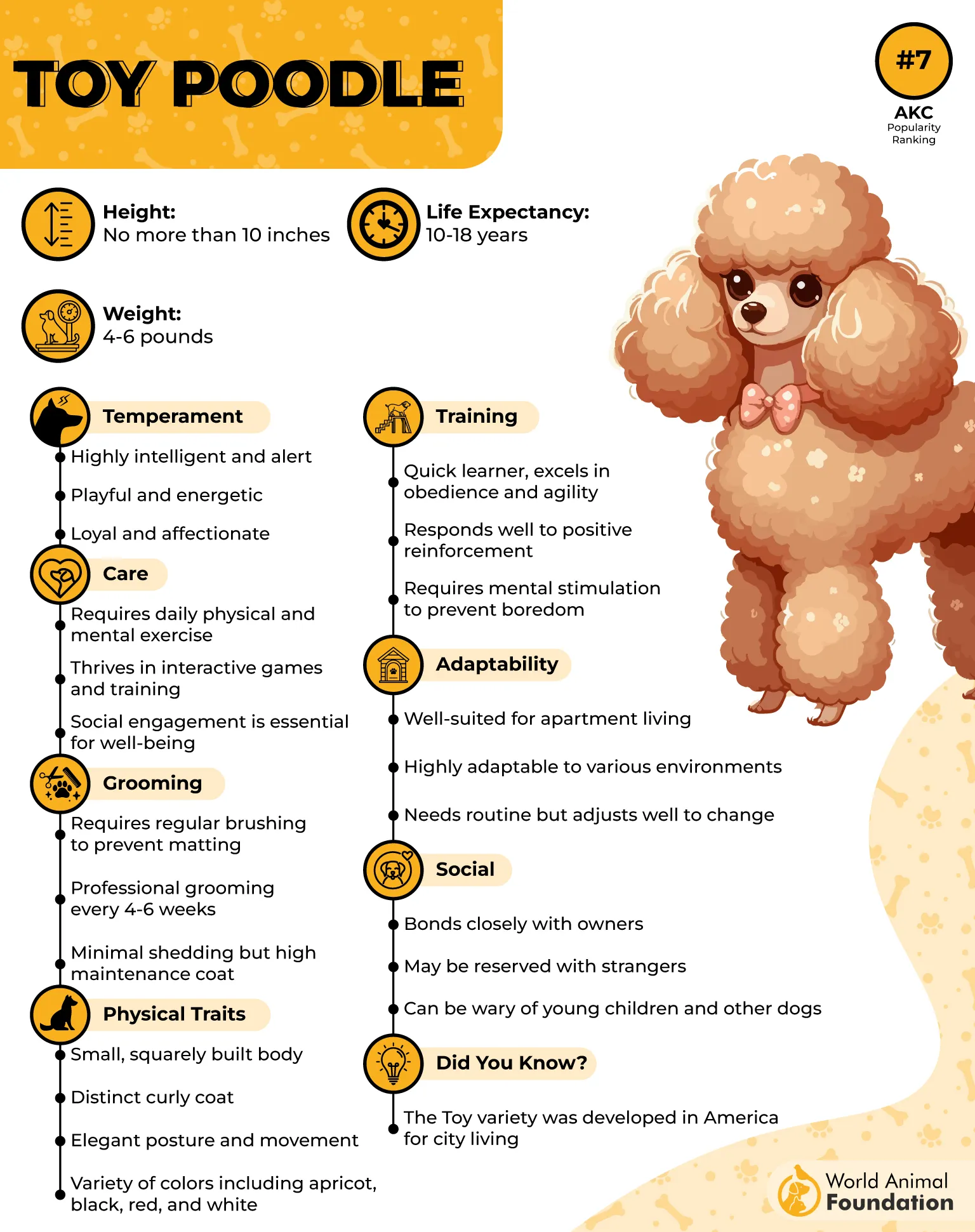
Keep Outdoor Time Sensible
This best apartment dog has far less physical bulk than its larger relatives, so outdoor settings require extra care around owls, eagles, and raccoons. The source specifically notes that larger Poodles can retrieve ducks and track through woods, while the Toy variety is primarily suited to life as a house pet.
6. Yorkshire Terrier
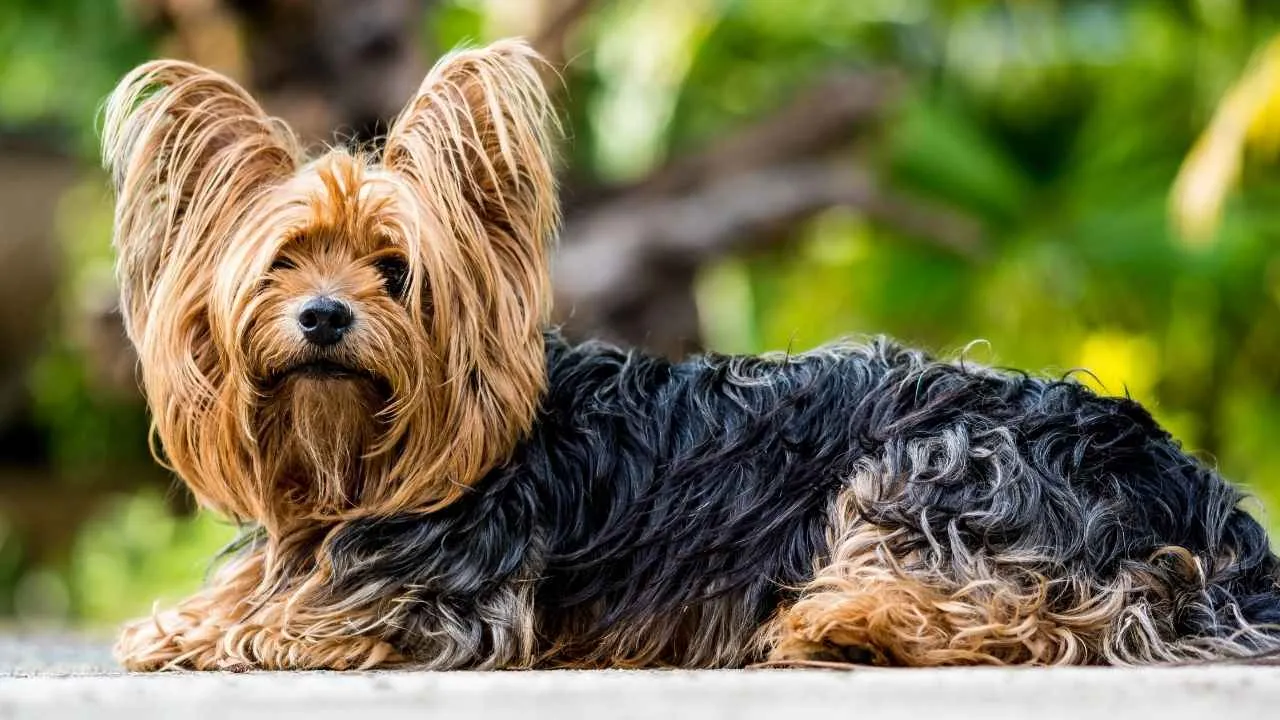
Yorkshire Terrier originated in Yorkshire during the mid-19th century after Scottish workers brought small terriers into the region’s cotton mills. These dogs were used to catch rats inside the mills and were later shaped through crosses involving Waterside, Paisley, and Skye Terriers.
Big Personality, Little Footprint
This perfect apartment dog needs very little indoor space and can get plenty of play from a living-room game of fetch. Two 15-minute walks can be enough for daily exercise, with puzzle toys adding a useful challenge when outdoor time is limited.
Several everyday details can make small-home living easier:
A yard is not essential
Covered beds offer secure resting spots
Living-room fetch uses limited space
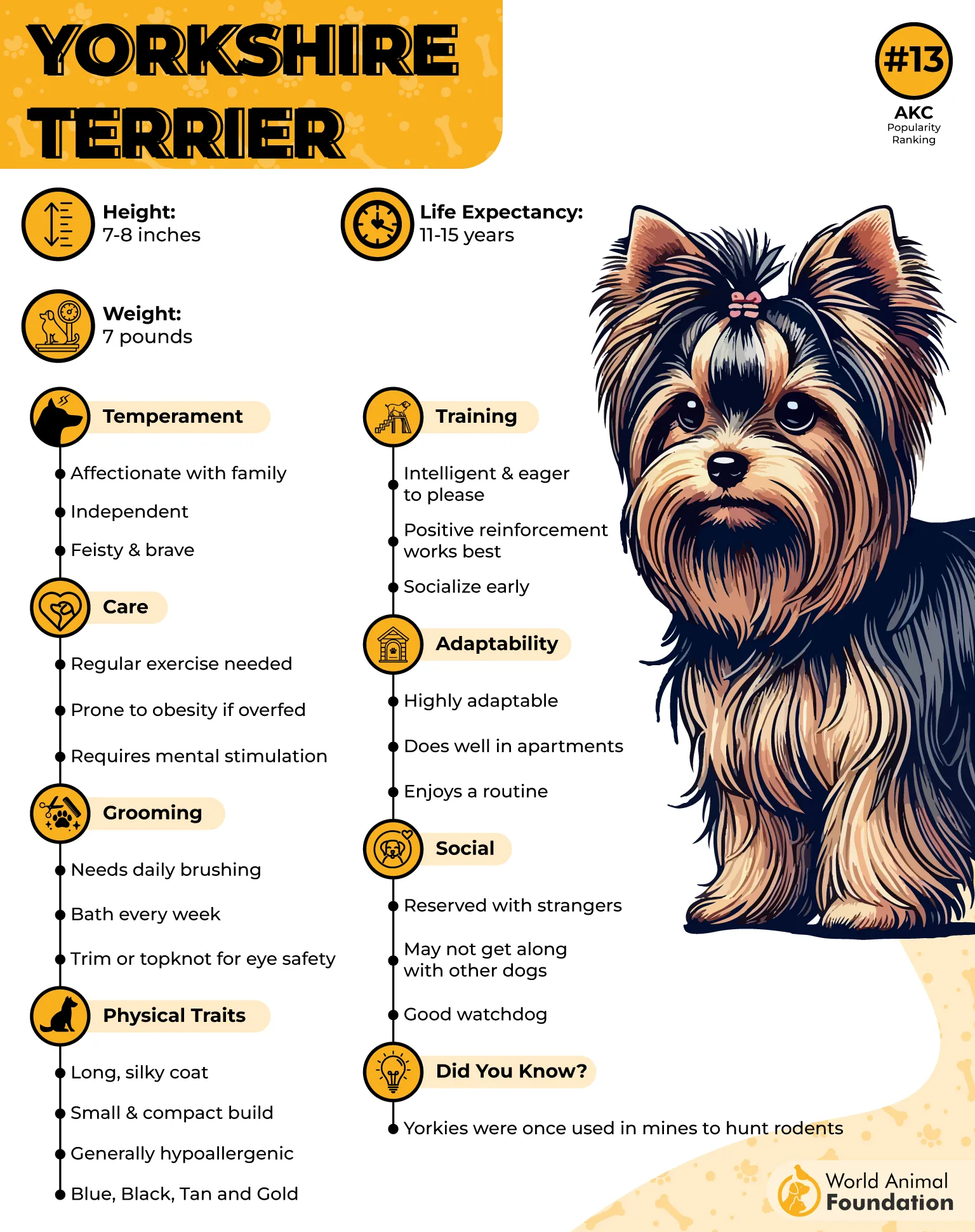
Small Dog, Serious Routine
Yorkshire Terrier is eager to please and can learn cues quickly when training begins early, and rewards, praise, and consistency are used together. Younger children need supervision because this tiny dog can easily be mistaken for a toy, while long periods alone can contribute to unwanted behavior.
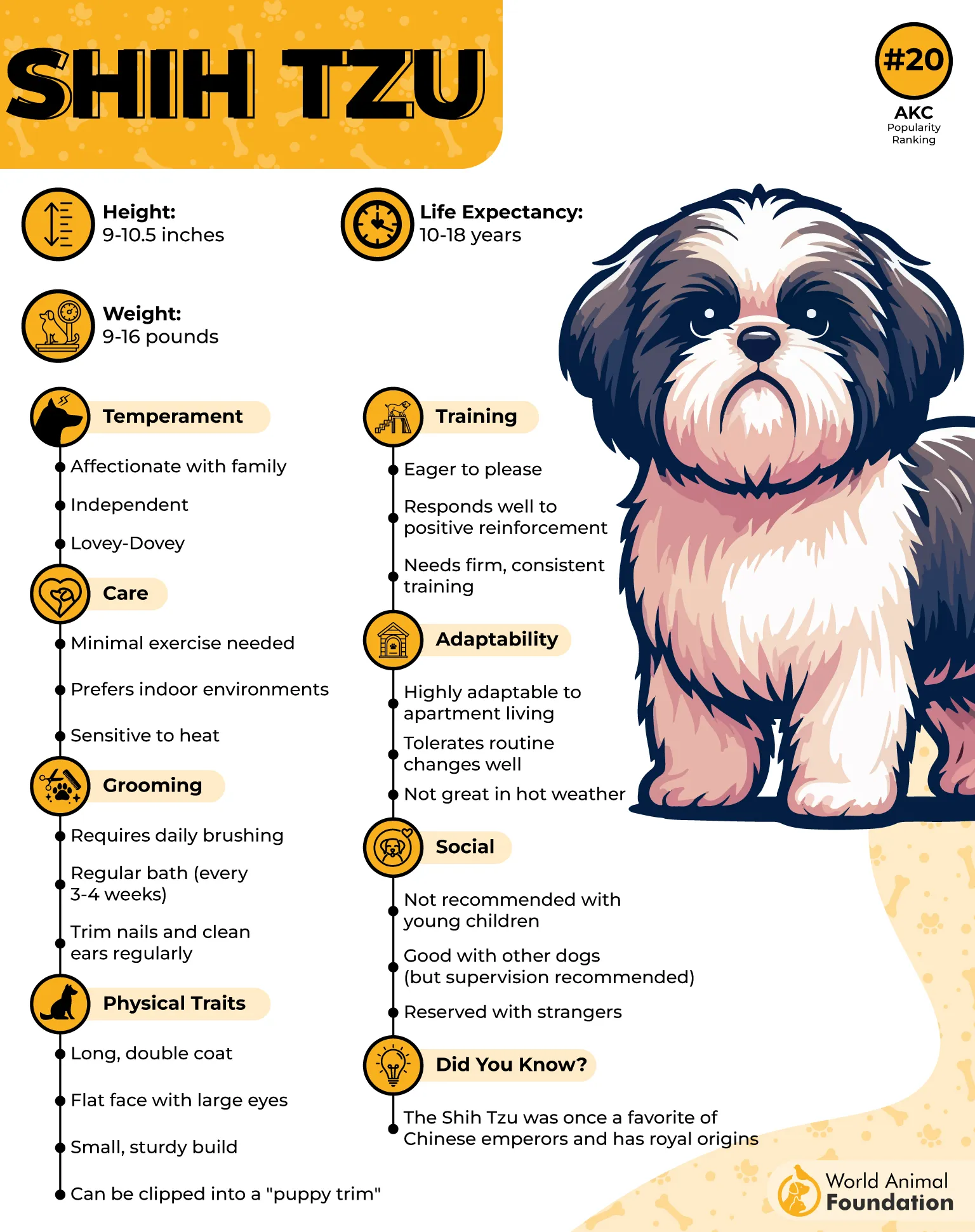
7. Shih Tzu
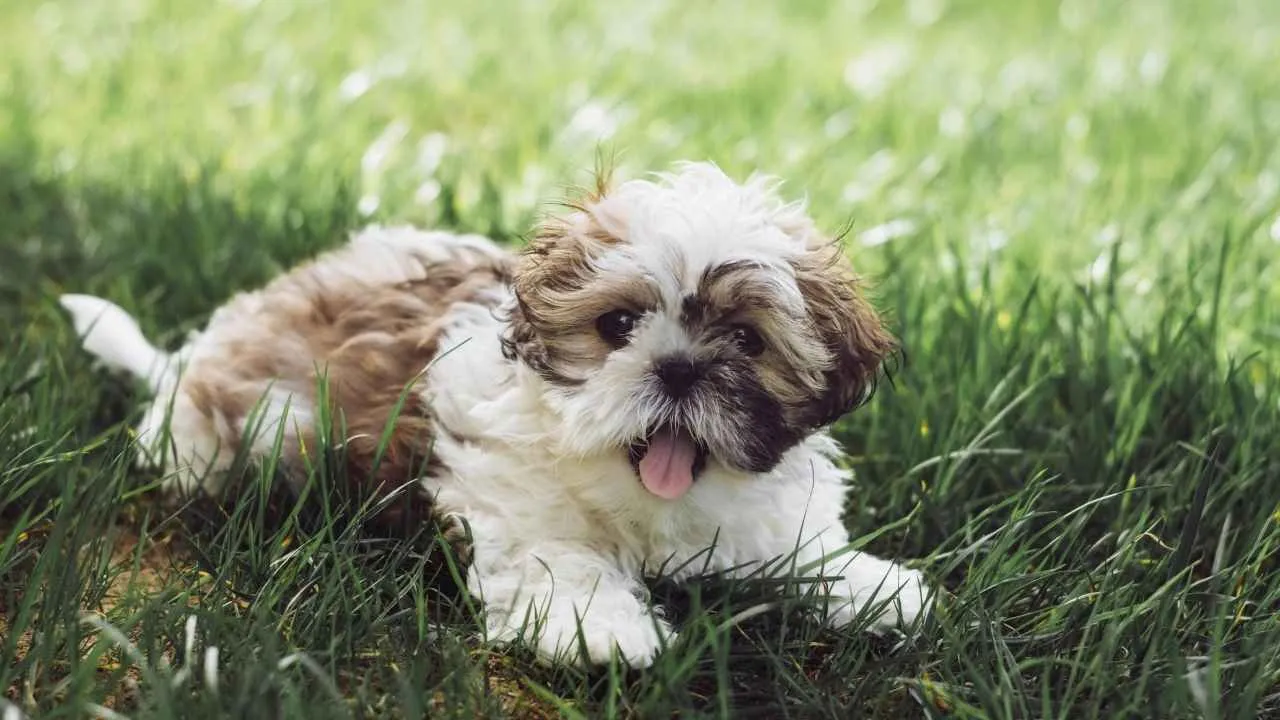
Shih Tzu is closely linked with Chinese culture and Buddhism, where it was regarded as the Lion Dog and associated with royalty and imperial households.
Its roots are also connected with Tibet, while one theory suggests a Pekingese and Lhasa Apso pairing influenced its early form and distinctive appearance.
Content with Minimal Exercise
Shih Tzu needs only moderate daily activity, making two or three 20-minute walks a practical routine for this short-legged breed. Indoor play can add variety, while longer outings may become tiring and should be adjusted if heavy panting or refusal to continue appears.
A few practical details are easy to overlook:
Sensitive to hot weather
Cold exposure should be limited
Water should always be available
A Watchful Dog Breed for Apartment
As great small dog breeds, they can assess household activity quickly and often react when someone approaches the door, including the mail carrier. Its alert behavior adds a lively element to apartment life, while its affectionate nature makes it happiest when included in daily family routines.
Conclusion
Living in a smaller home does not mean giving up the fun and companionship that come with having a dog. What matters most is finding a companion whose exercise needs, noise level, and personality fit naturally into the space available.
Indoor games, short walks, training, and regular attention can keep many dogs happy without a large yard, while providing mental stimulation.
Apartment dwellers should also consider time alone, barking habits, weather sensitivity, and safety around larger animals. Small dog breeds thrive in some compact homes, but their individual needs still matter.
A good match can settle comfortably into apartment life while still bringing plenty of character to everyday routines. The right dog can make a compact home feel surprisingly lively and welcoming.
