




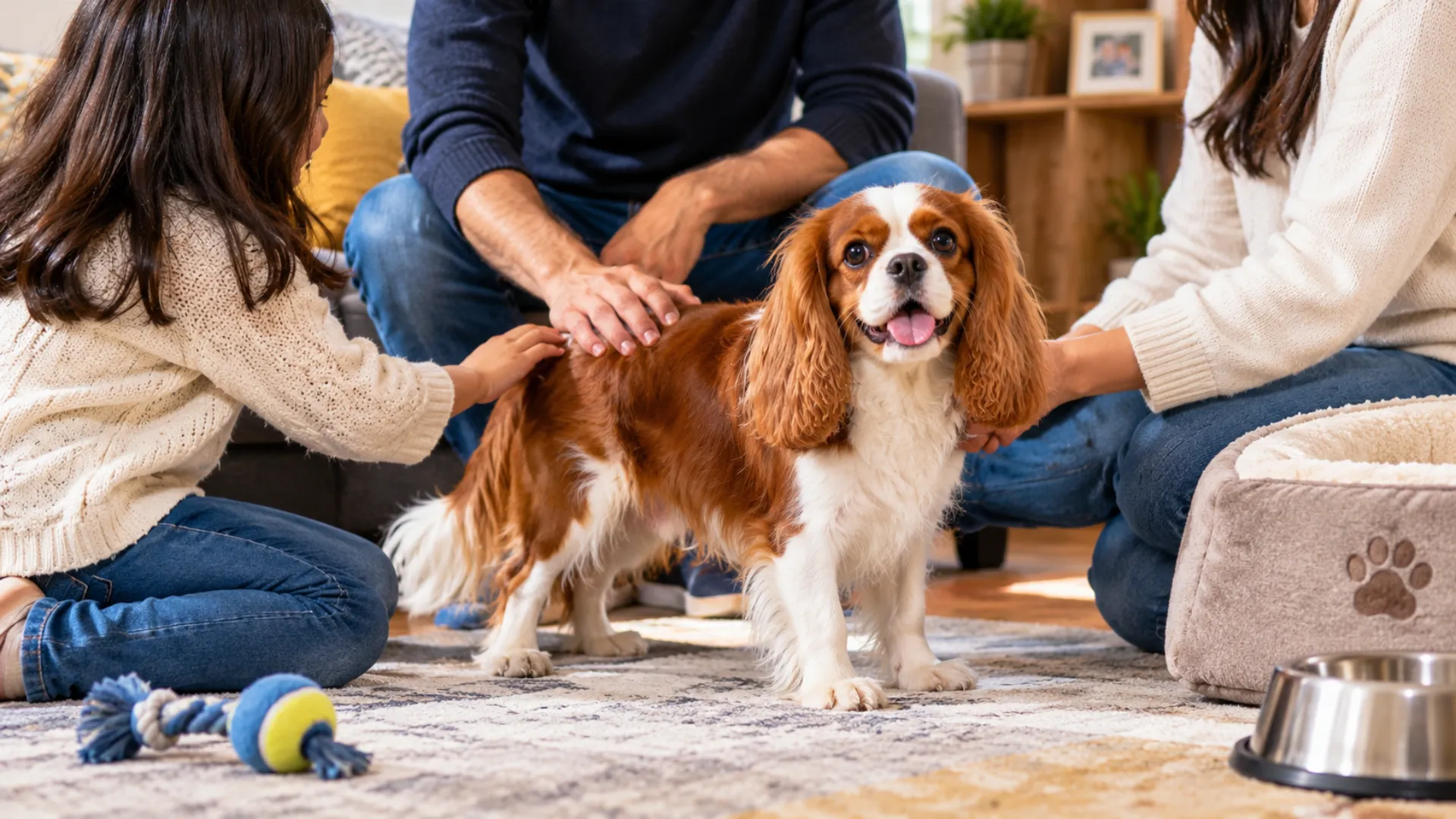
Small dogs are often treated like easy pets because they are easy to carry. That assumption can lead first-time owners into trouble. A little dog may need less physical space than a large dog, but it still needs training, exercise, socialization, grooming, and veterinary care.
In fact, unwanted behavior can become especially easy to overlook when a dog is tiny. Jumping, barking, pulling, or refusing to come when called may seem less serious when the dog weighs only a few pounds, but those habits can become harder to change later.
For a beginner, the better choice is a little dog whose temperament matches the kind of training experience they want. Dogs that are responsive, food-motivated, and comfortable working with people can make basic lessons simpler. Consistency still matters daily.
The right companion can fit into a beginner’s routine while keeping training manageable. The following breeds are worth a closer look.
Key Takeaways
Training a tiny dog can feel surprisingly easy when you choose a breed that actually enjoys learning and working with you.
Cavalier King Charles Spaniels are eager to please, while Toy Poodles bring impressive intelligence into an even smaller package.
Shih Tzus may need a little more patience, and Havanese puppies can take extra time with housetraining, giving beginners a few important things to consider.
Then come the Papillon, Japanese Chin, and Yorkshire Terrier, each with a different personality that makes the rest of the list worth exploring.
Little Dog Breeds for First‑Time Owners Who Want Easy Training
1. Cavalier King Charles Spaniel
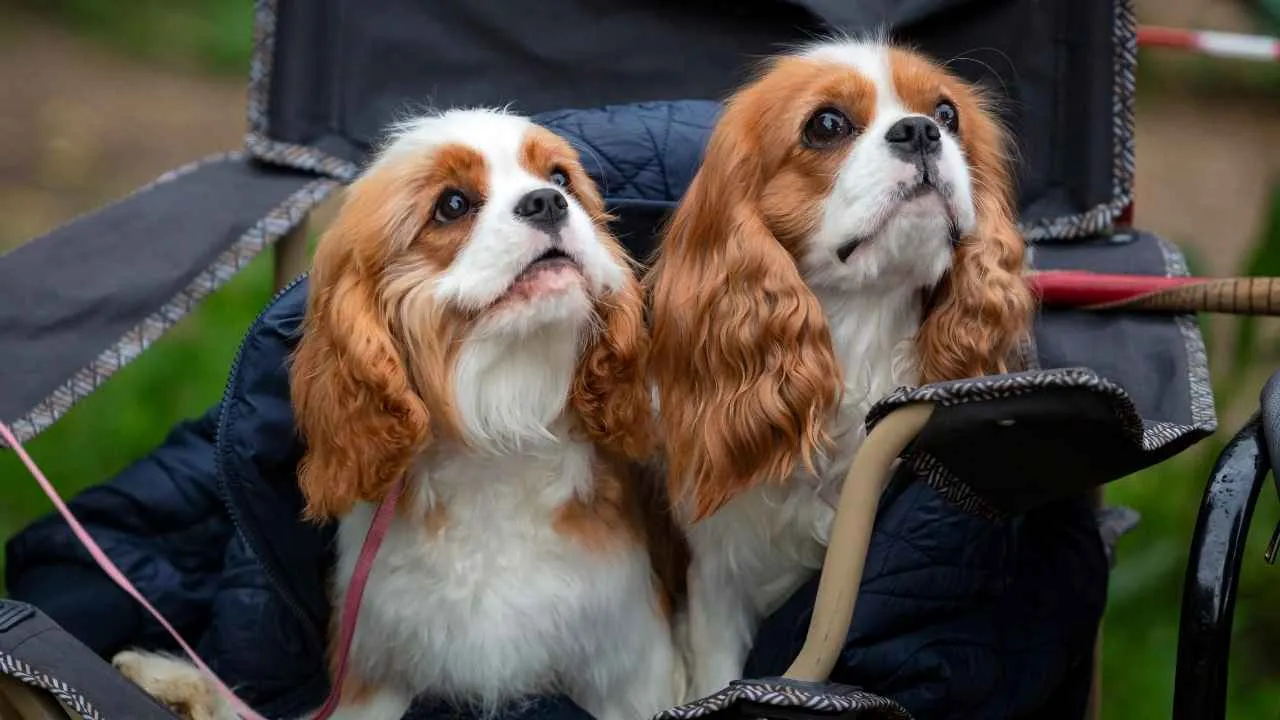
Cavalier King Charles Spaniel takes its name from King Charles I, the 17th-century British monarch whose spaniel-type companions were frequently at his side. The breed began as a bird hunter before its small size and gentle character made companionship its more familiar role.
Quick to Learn
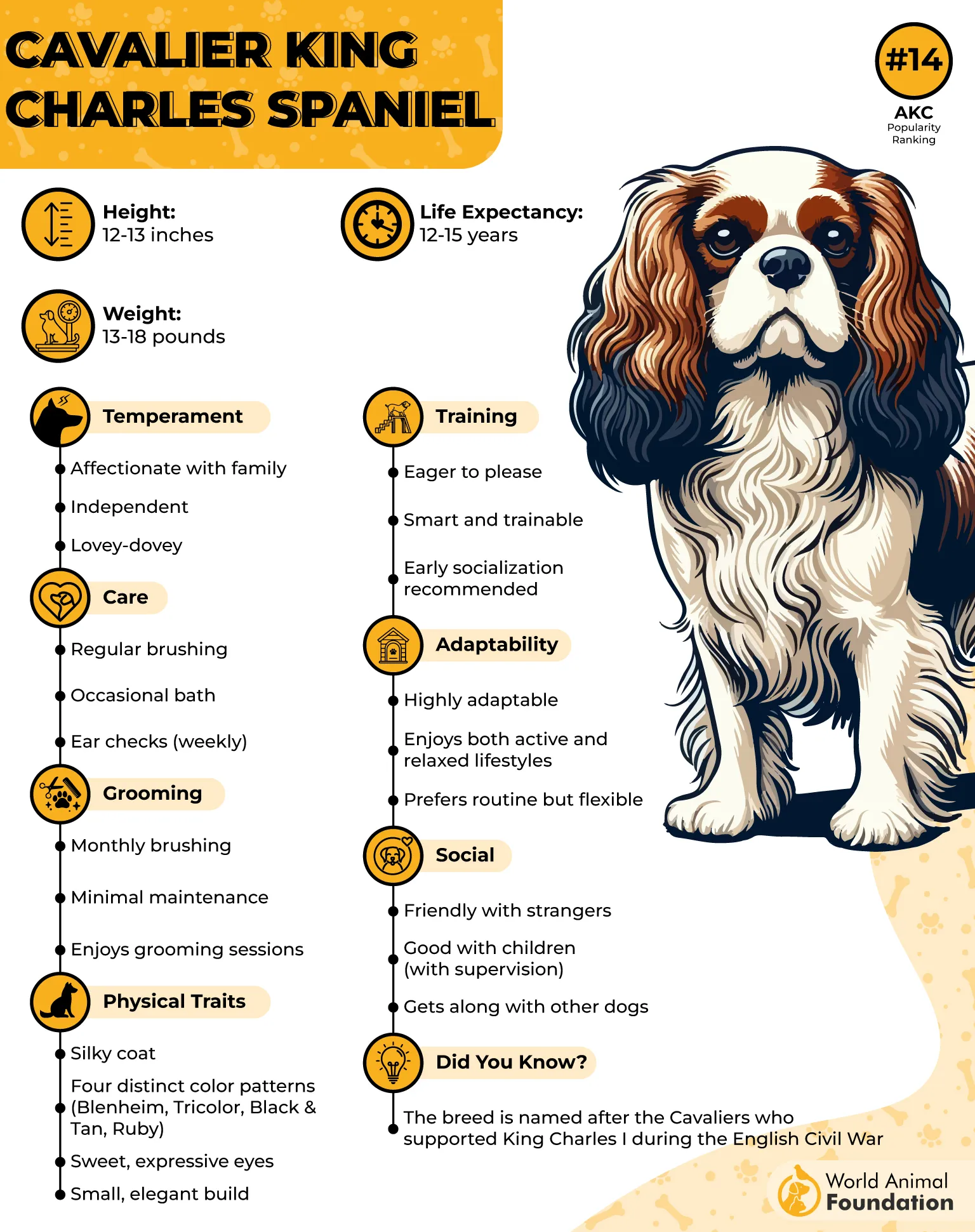
This cute, small dog breed is intelligent and eager to please, which can make early obedience work feel surprisingly straightforward. Basic cues such as sit, down, come, and stay are often picked up quickly when lessons use treats, toys, and enthusiastic praise.
The following training details are especially useful:
Start puppy training early
Keep practice sessions regular
Respond best to positive reinforcement
A Social Nature
Cavalier King Charles Spaniel tends to greet strangers, children, and other animals with a friendly attitude, while early socialization helps young dogs handle unfamiliar places and situations. Their natural willingness to interact also suits activities such as rally, obedience, and agility, as reported by the AKC.
2. Toy Poodle

Toy Poodle belongs to a breed whose early roots are linked with curly-coated dogs from Asia that traveled into Europe with herders, as Omlet claims.
In Germany, the Poodle took the form associated with the breed today, later serving as a military, guide, and circus dog before becoming especially fashionable in France.
A Training Natural
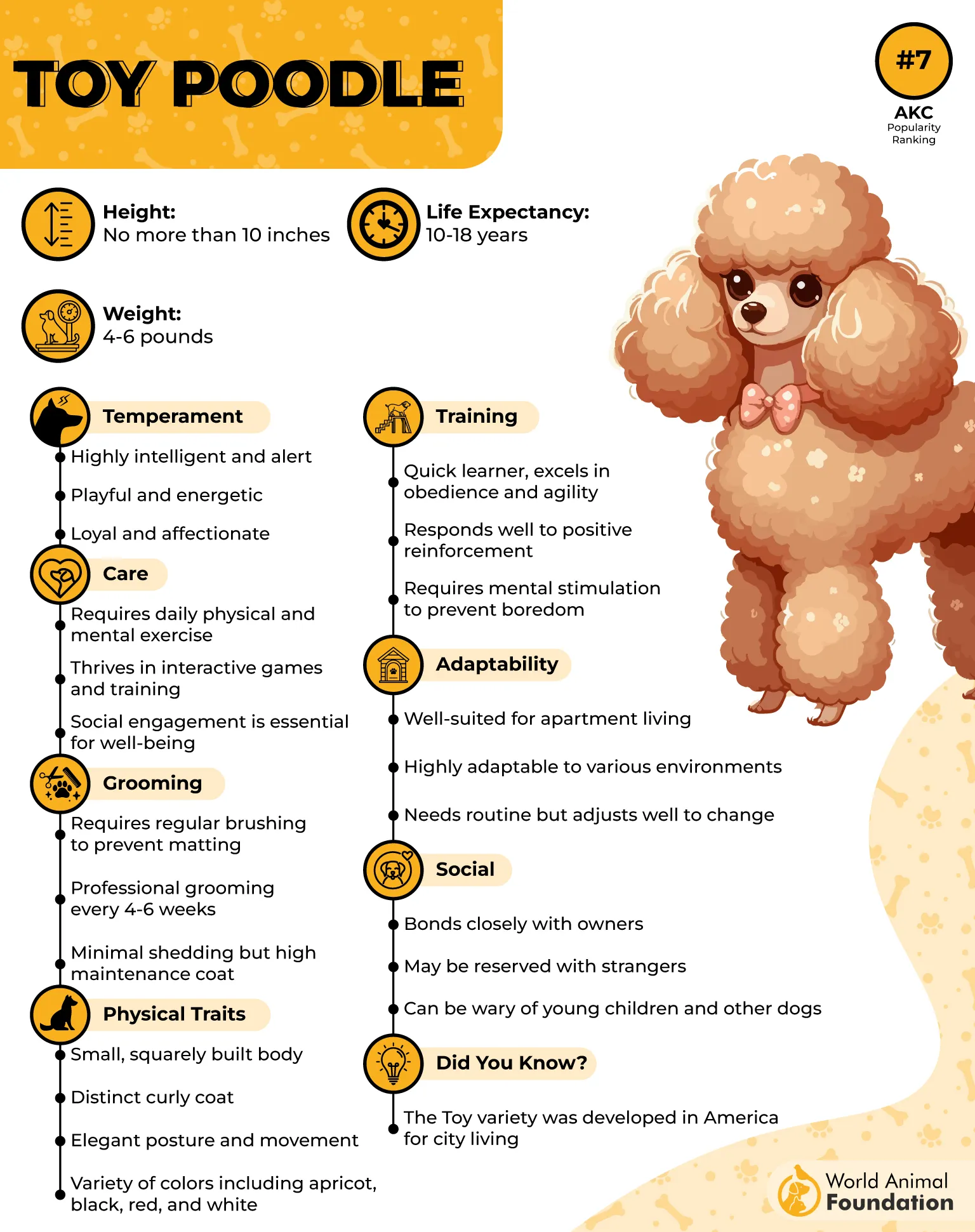
Toy Poodle brings the Poodle’s sharp learning ability into a much smaller frame, making lessons such as sit, come, and other basic cues easier to teach with praise, toys, and treats. Positive reinforcement gives this eager learner a clear reason to keep paying attention.
That learning ability can extend beyond household commands:
Obedience competition skills
Agility course work
Trick-learning ability
Social Lessons
Toy Poodle benefits from early exposure to people and other pets, with socialization beginning around 7 or 8 weeks for puppies. Gradual introductions can help a young dog become more confident when encountering unfamiliar people, animals, and situations.
3. Shih Tzu

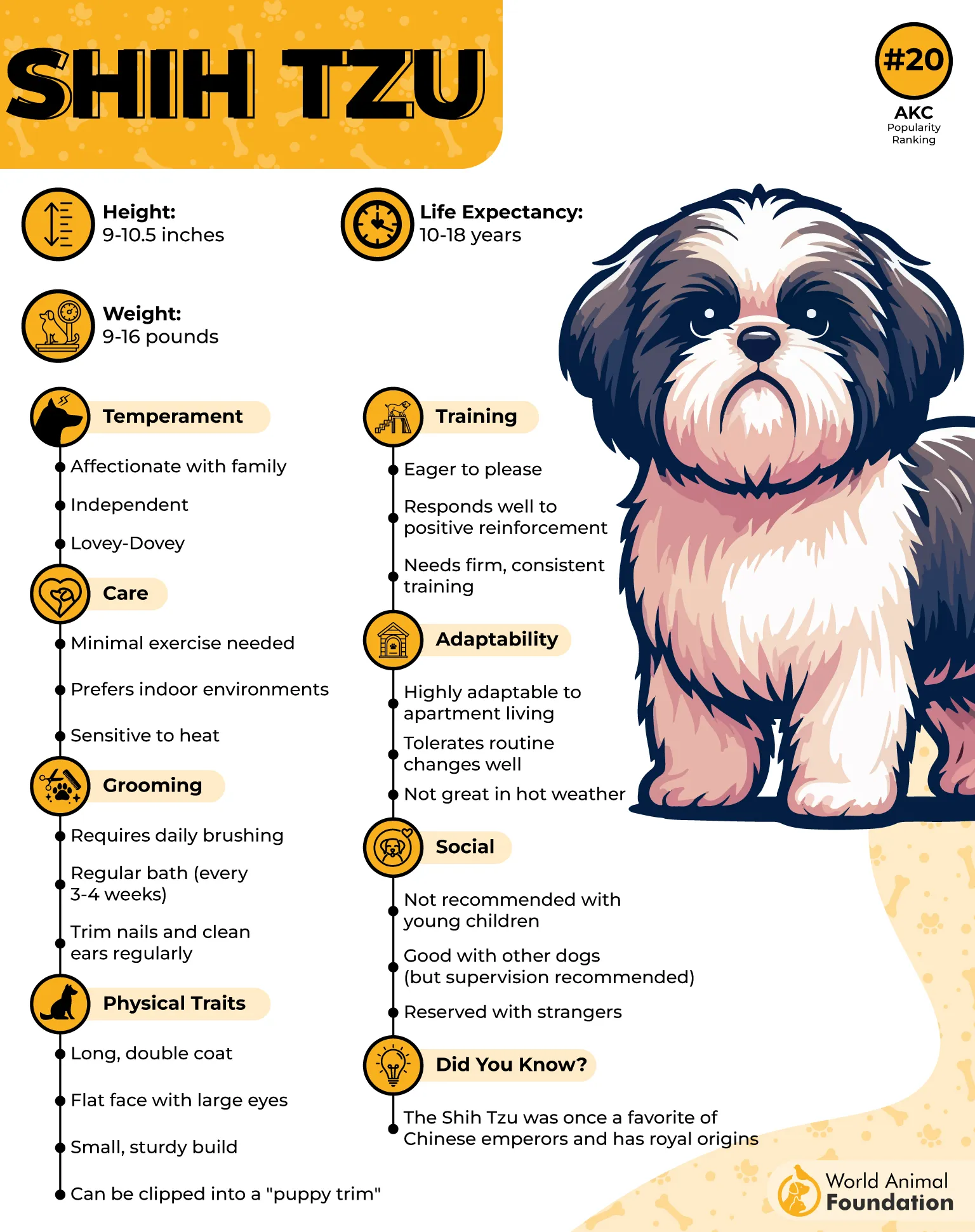
Shih Tzu has deep ties to Tibet and China, with connections to Buddhism and the name “Lion Dog” woven into its early story. It was once grouped with the Lhasa Apso and Tibetan Terrier, while one theory links its beginnings to a Pekingese and Lhasa Apso cross.
Reward-Based Learning
This small breed can learn basic cues, but its independent streak means training works best when praise, treats, and toys give the lesson a clear payoff.
Keep practicing commands such as sit, stay, and come throughout its life, with calm handling especially important for this sensitive breed.
These practical points matter for first-time trainers:
Small bladder can complicate housetraining
Potty trips work best every few hours
Puppy classes can begin early
Patience Pays
Shih Tzu may need extra patience with obedience work and can have a mind of its own, so consistency and rewards can make lessons more productive. Raising your voice may create anxiety and undo progress, while calm, positive reinforcement gives this little dog clearer guidance during training.
4. Havanese
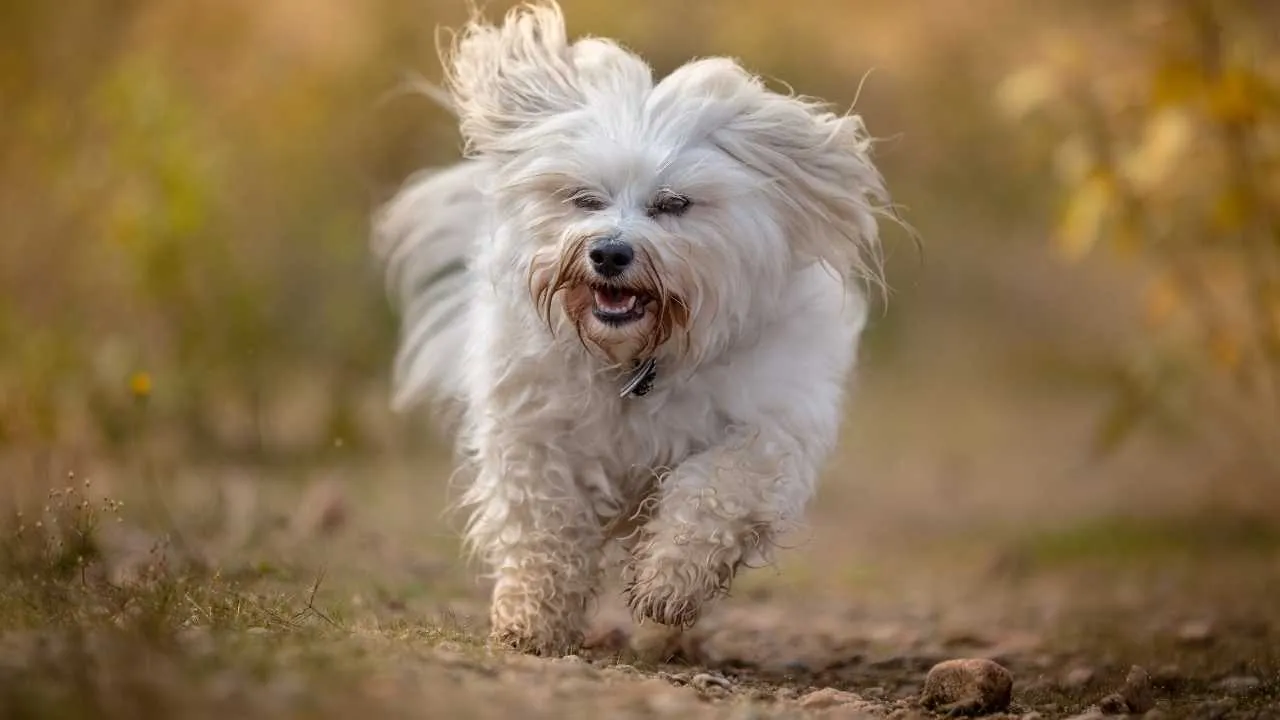
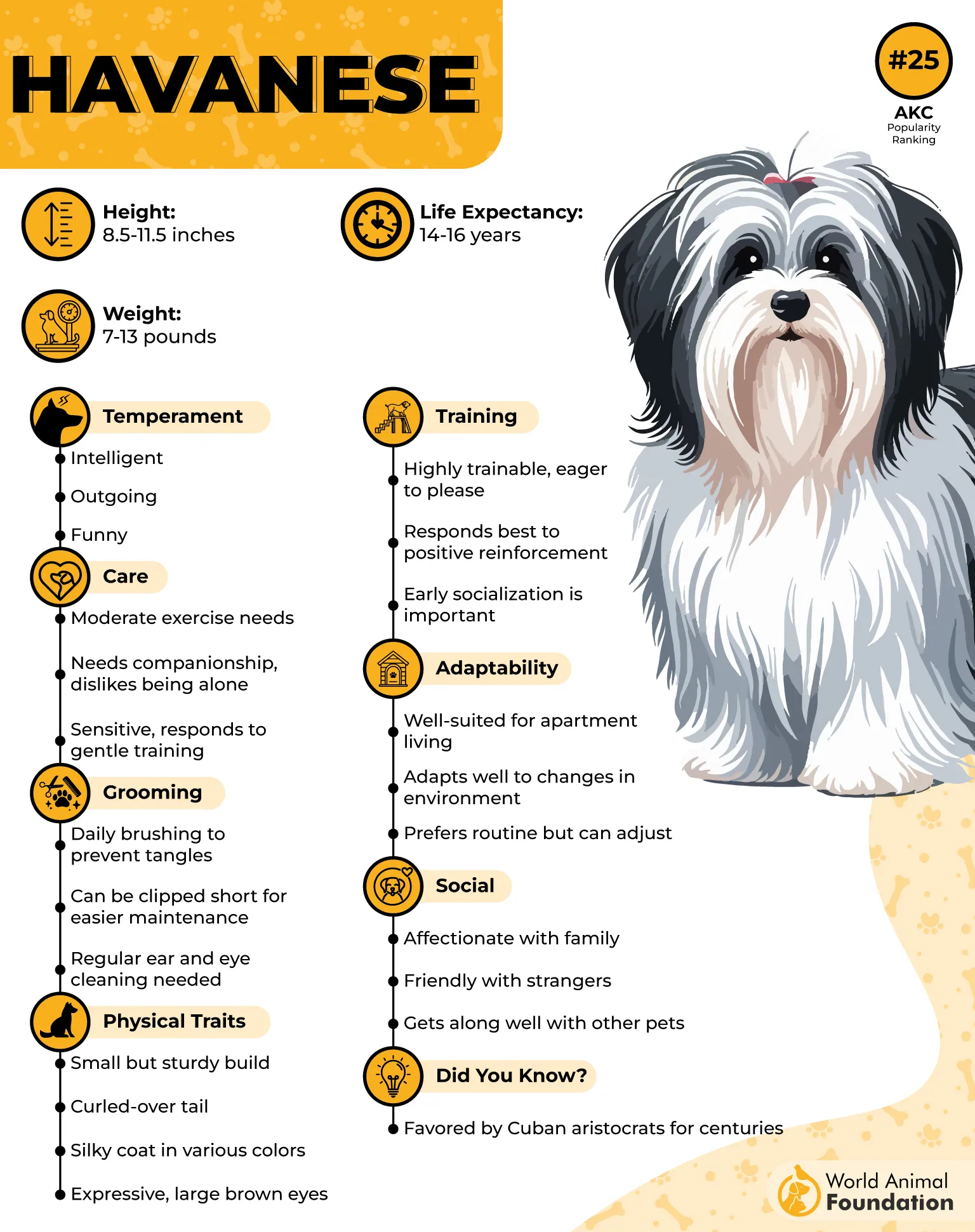
Havanese is a member of the Bichon family and traces its history to the Mediterranean region centuries ago. Spanish traders brought these little dogs to Cuba as gifts during trading relationships, where they soon became cherished favorites among wealthy households.
A Quick Learner
These affectionate lap dogs can begin basic obedience as early as 7–8 weeks, and their intelligence and eagerness to please make lessons easier to introduce. Positive reinforcement with praise, treats, and toys gives them clear reasons to repeat the right behavior, as PetMD writes.
These details make their training routine more practical:
Fetch and agility can burn daily energy
Nose work gives their minds a job
Socialization supports confidence with new situations
Potty Training Takes Patience
Havanese puppies can take longer to become reliable with house training because their small bladders require frequent trips outside. Starting early helps, while crate training can also support the process when the crate allows enough room to stand, turn around, and lie down comfortably.
5. Papillon
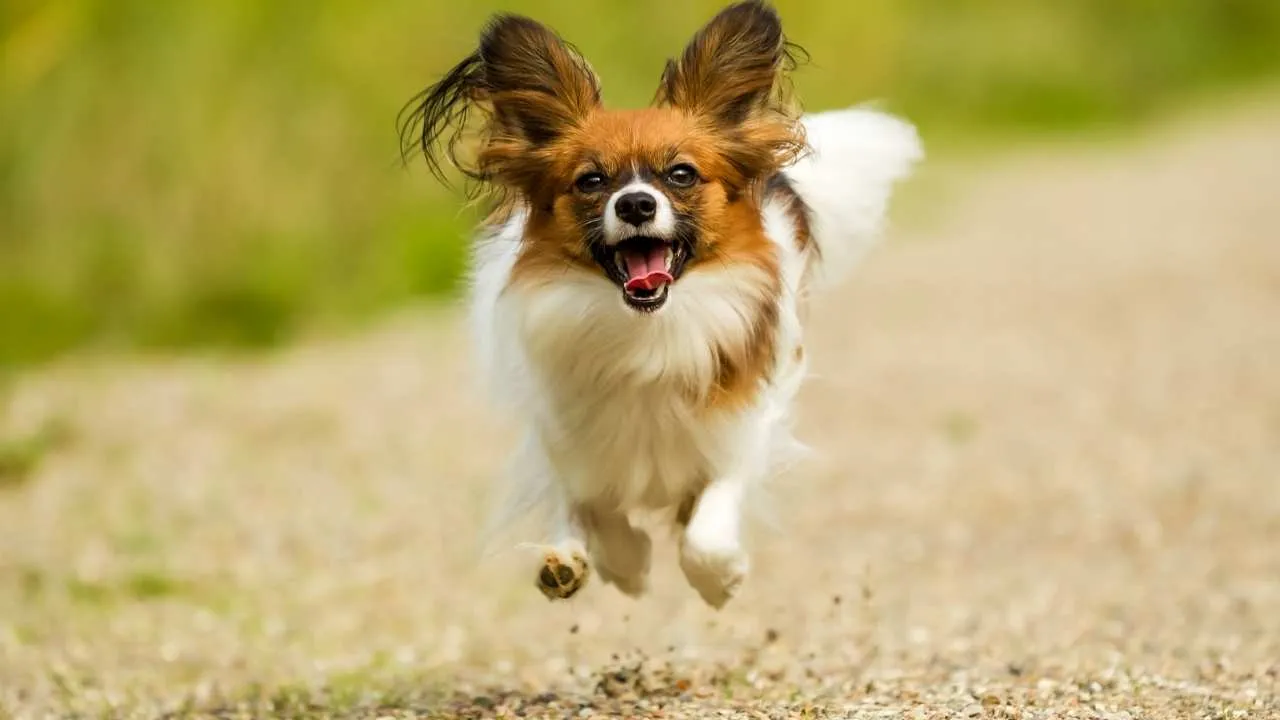
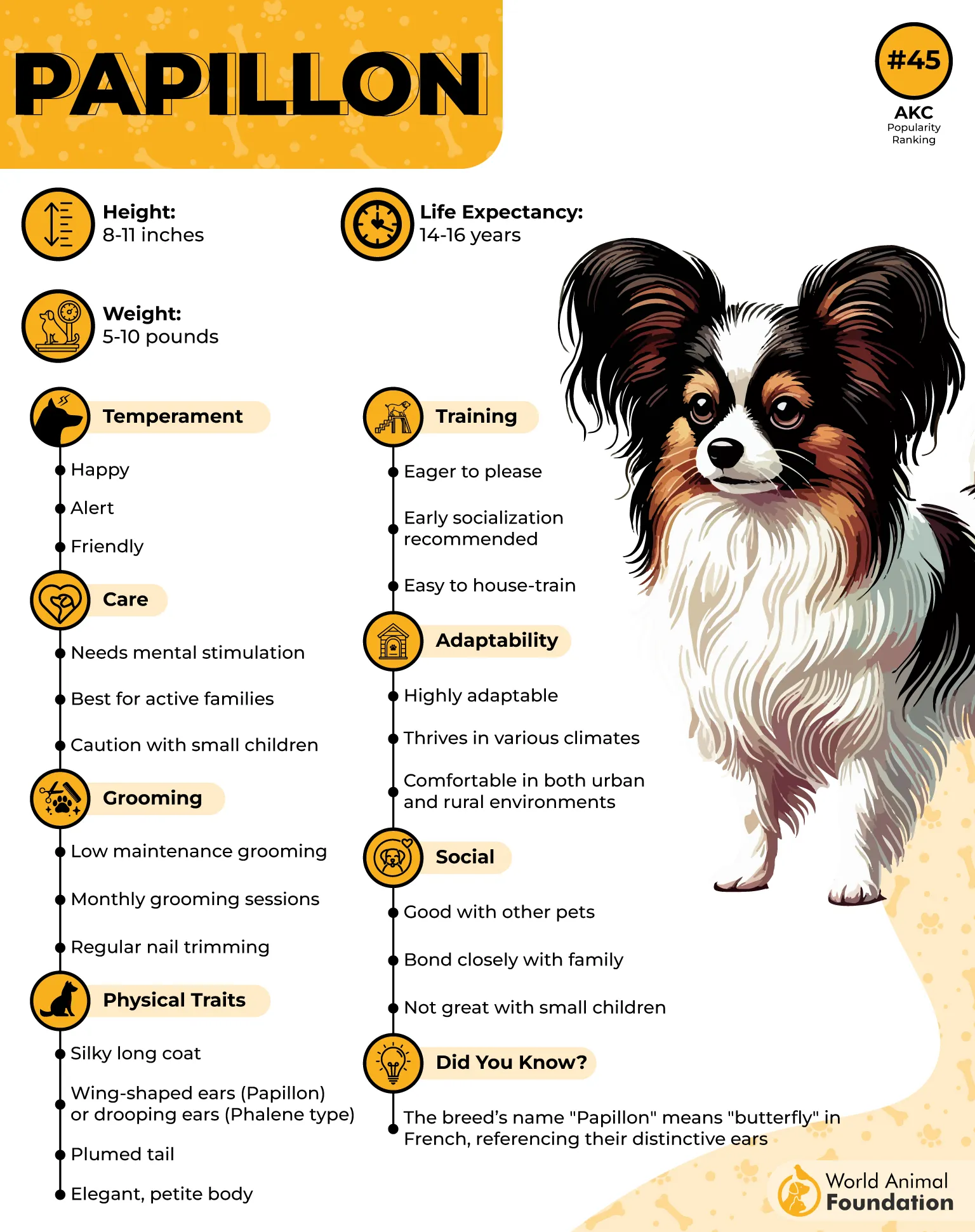
Papillon dates back centuries in France and was favored by ladies of court, with paintings of the breed appearing as early as the 13th century. Its name means “butterfly” in French, inspired by its upright ears, while drop-eared puppies are called Phalene, or “night moth.”
Training With Rewards
Papillon is exceptionally bright and eager to please, making praise and rewards especially useful during obedience work. Practicing cues such as sit and come can help this confident little dog learn household manners, while trick training can add an enjoyable challenge.
A few training details are worth knowing:
Positive reinforcement encourages cooperation
House training may take extra patience
Frequent potty breaks and pee pads ease the process.
Confidence Needs Guidance
This best dog breed is outgoing and often friendly with people, small dogs, cats, and older children, while early socialization helps prevent excessive dependence on familiar people. Their delicate size also calls for supervised play around larger dogs or energetic children.
6. Japanese Chin
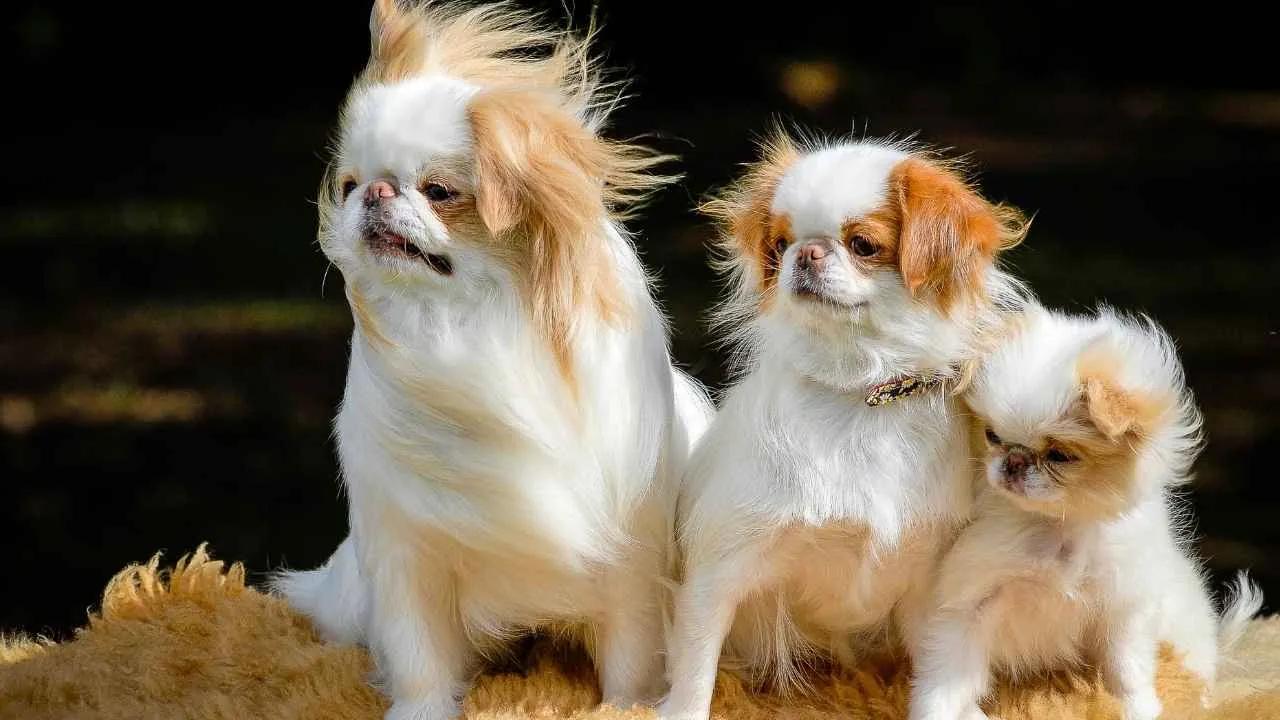
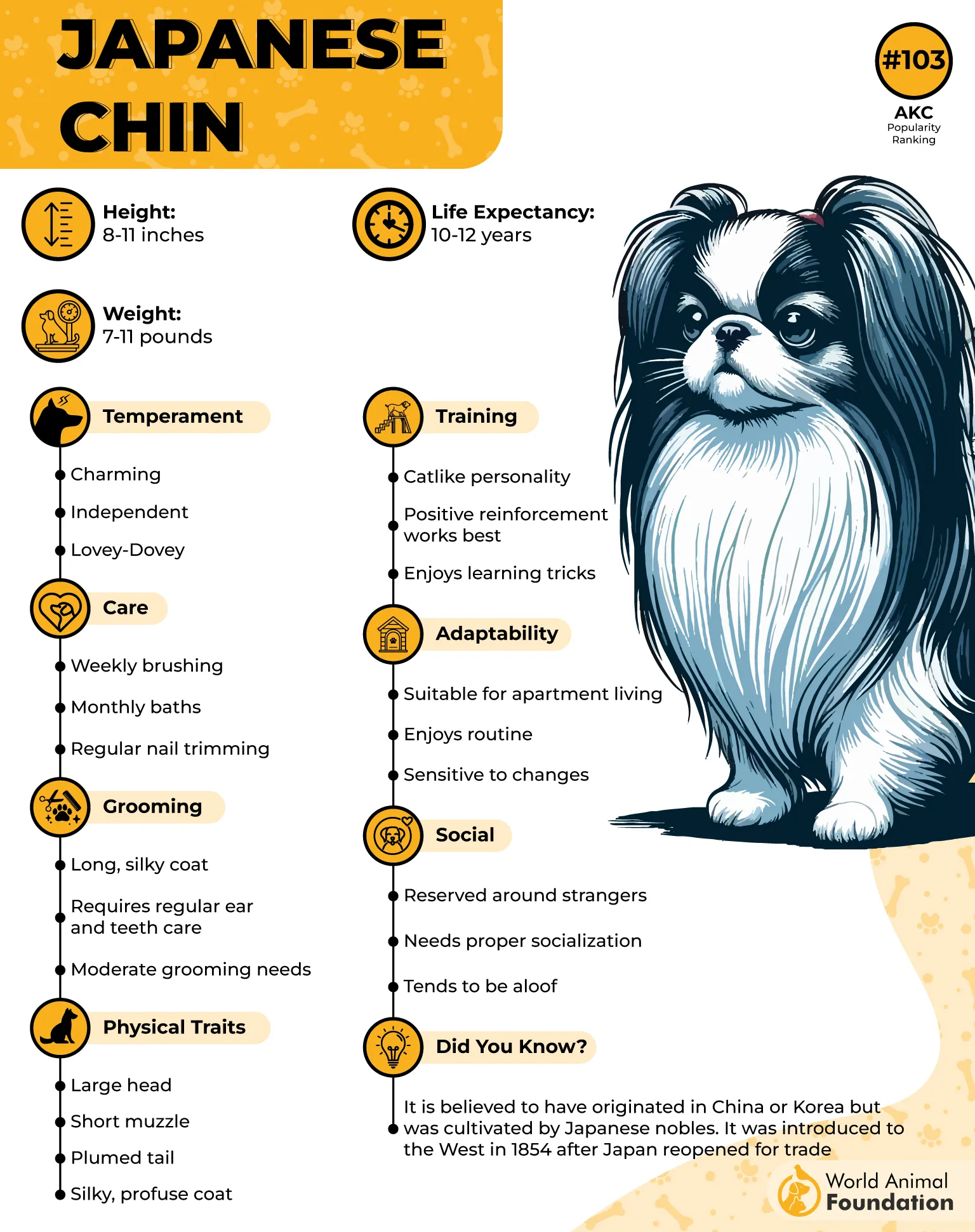
Japanese Chin has centuries of history behind its name, although the breed most likely originated in China before reaching the Western world in the 1800s. Once reserved for royalty, each household bred its own Chin to its preferred standard, leading to noticeable differences in size and weight.
Made to Be a Companion
Japanese Chin belongs to the small group of breeds classified solely as companion dogs, with no particular working purpose attached to it. That role fits a dog that enjoys being near dog people and can turn an ordinary moment into a little performance.
These characteristics give this tiny breed plenty of personality:
Also called the Japanese Spaniel
Known for the “Chin spin” when excited
Often sings instead of barking
Learning the Big World
This best small dog breed benefits from gradual introductions to unfamiliar people, places, and animals, especially while young. Early socialization helps this small companion become familiar with new situations and learn appropriate behavior in a world that can feel enormous from its perspective.
7. Yorkshire Terrier
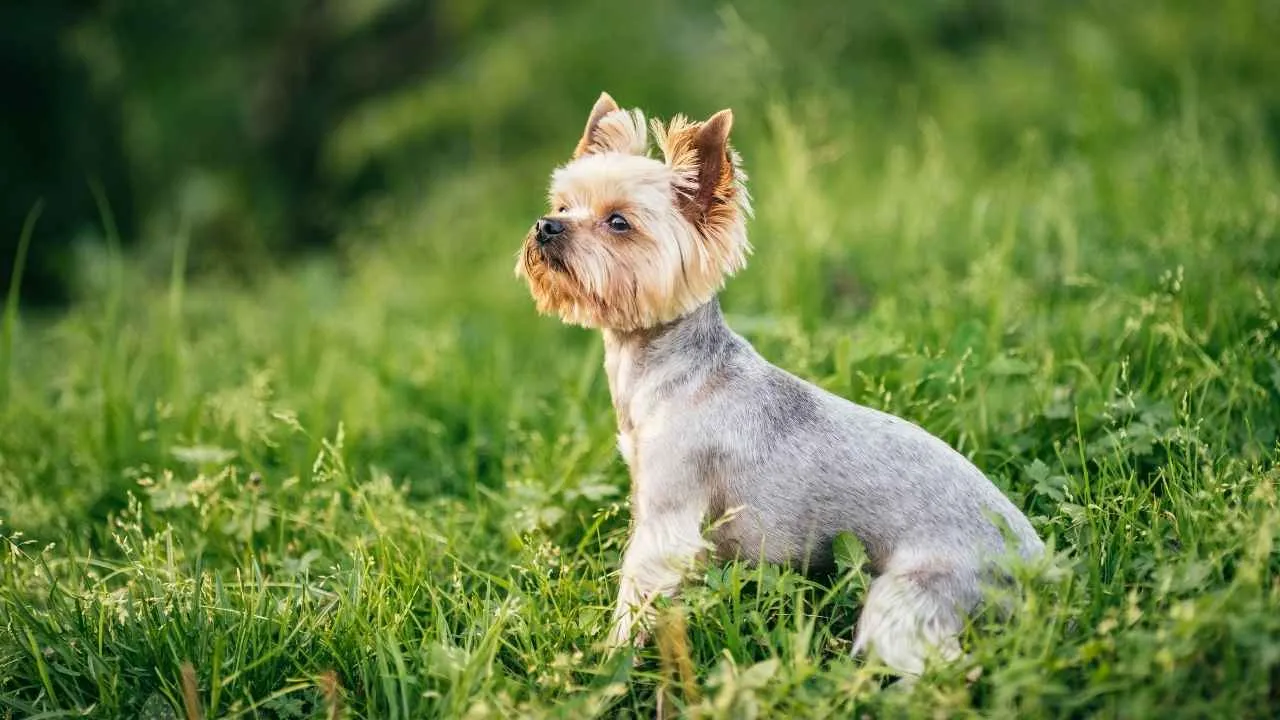
Yorkshire Terrier originated in Yorkshire during the mid-19th century after Scottish workers brought small terriers into the region’s cotton mills. These dogs were used to catch rats, with Waterside, Paisley, and Skye Terriers believed to have contributed to the breed that emerged there.
Quick to Learn
This terrier breed picks up cues such as sit, stay, and come readily when training uses praise, toys, and treats. Its eagerness to please also translates into agility and obedience competitions, giving structured lessons a practical outlet beyond basic manners.
A few training details are worth keeping in mind:
Socialization can begin at 7 or 8 weeks
Older dogs can learn at their own pace
Vet guidance can help set training timing
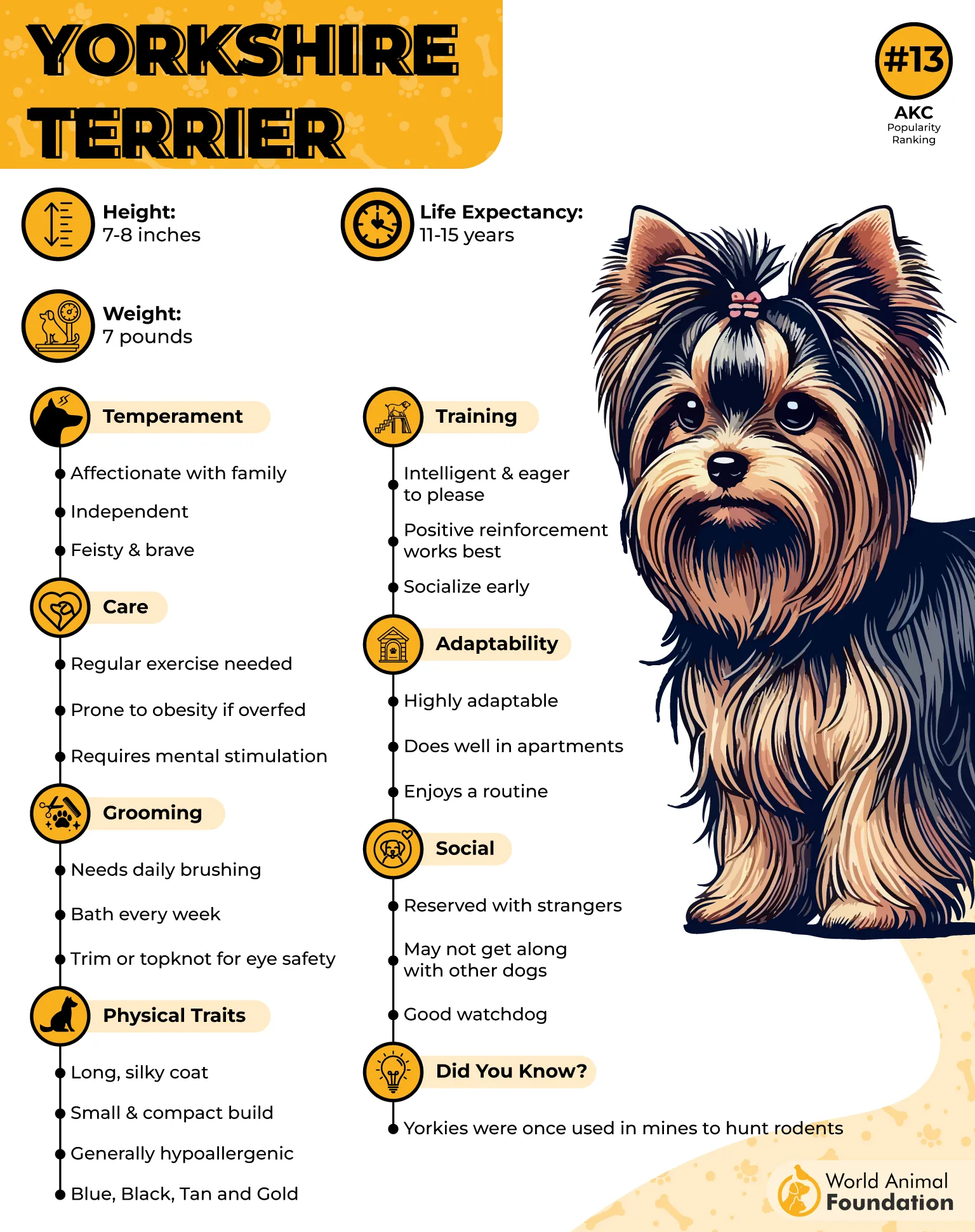
A Big Personality
Yorkshire Terrier has plenty of confidence packed into its small frame and can quickly become the household’s self-appointed schedule keeper. It may remind you when breakfast, walks, getting up, or one-on-one attention should happen, sometimes right on time every day.
Conclusion
A little dog can make training feel approachable, but its size does not remove the need for clear rules and regular practice. Quick learners still need patience, socialization, exercise, and guidance when distractions appear, especially for first-time dog owners.
House training may also take extra time with some smaller companions because frequent bathroom breaks can be part of the routine.
Think about how much time you have for short training sessions, daily walks, play, and supervision before choosing. Your experience matters too, especially when a dog has an independent or confident personality.
For a dog parent considering apartment living, low-maintenance dog breeds may seem appealing, but the right fit should still be comfortable around other dogs.
