




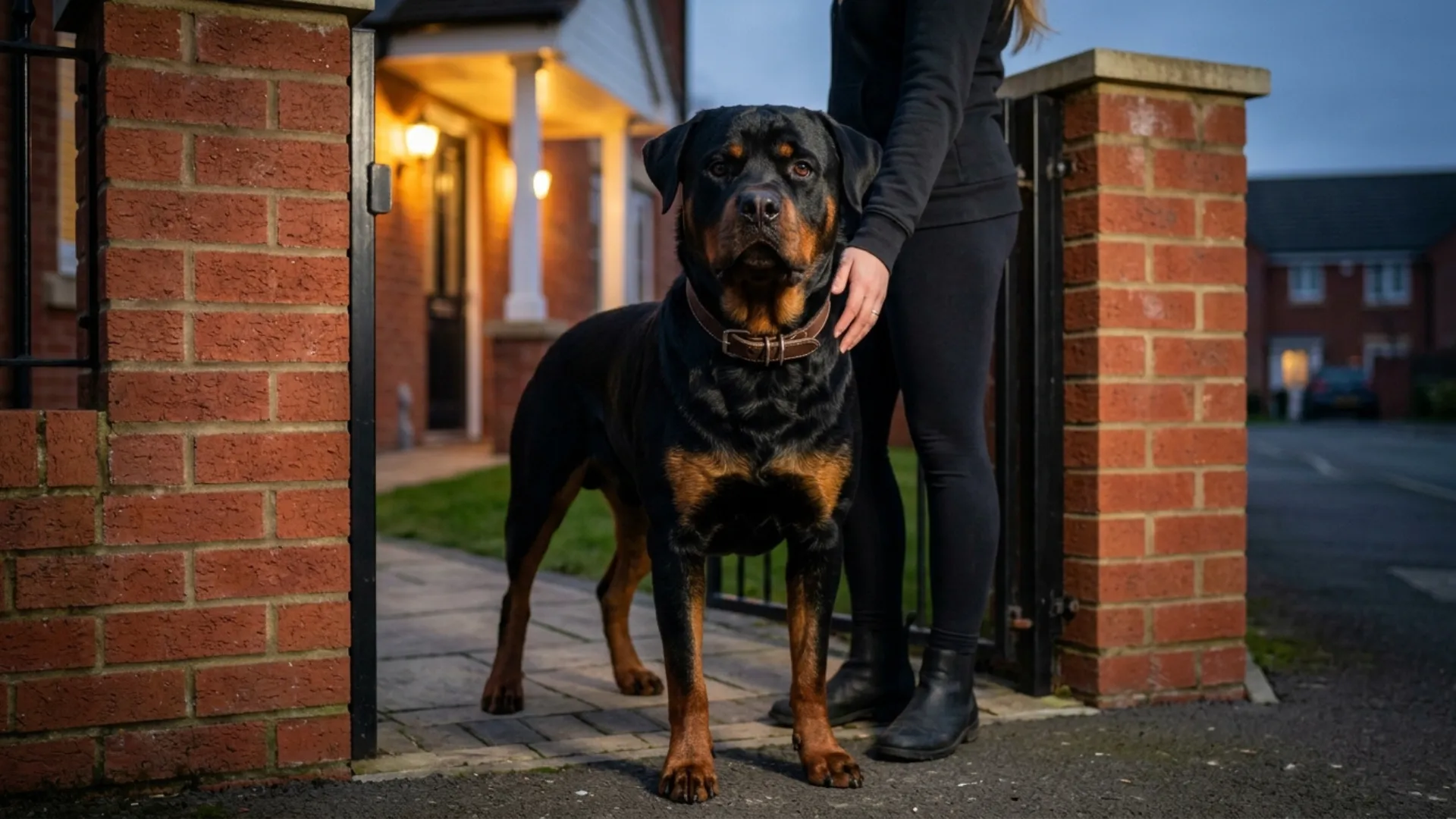
Living alone can feel empowering, but having a loyal dog by your side can add an extra sense of security. A protective dog can alert you to unfamiliar sounds, discourage potential intruders, and stay close whether you’re at home or out for a walk.
Still, the biggest or strongest dog isn’t always the best fit. Temperament, trainability, energy level, and your living situation all play a role. Proper socialization and training are also essential for turning natural protective instincts into safe, reliable behavior.
So, which dogs can offer both companionship and personal protection? Let’s look at some of the best guard dog breeds for women and what makes each one stand out.
Key Takeaways
Meet good protection dogs that bring loyalty, confidence, and a reassuring presence.
German Shepherds combine intelligence, trainability, and natural protectiveness.
Belgian Malinois bring serious energy, sharp minds, and strong family bonds.
Find out which guardian breeds fit an active lifestyle and life on your own.
Ideal Guard Dog Breeds for Single Women’s Protection
1. Bullmastiff
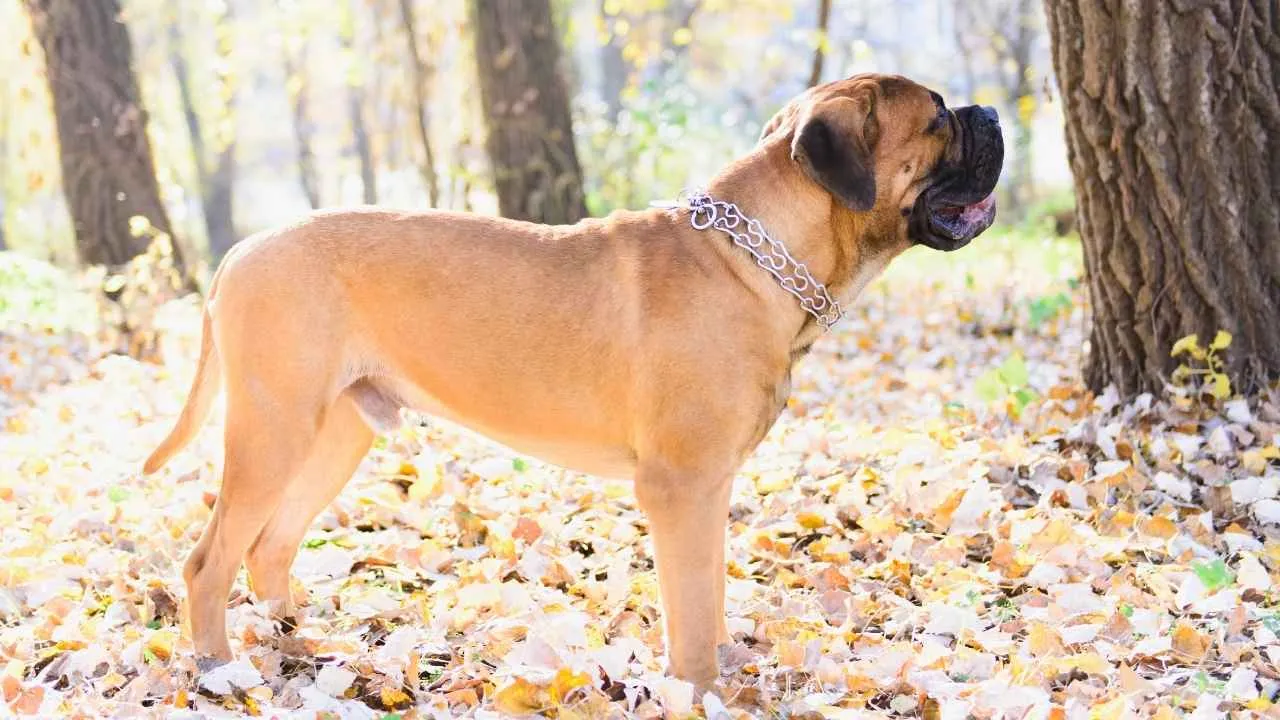
The Bullmastiff is a loyal, affectionate dog with a calm nature and an instinct to guard. According to PetMD, British gamekeepers created the breed in 1860 by crossing Bulldogs with Mastiffs to guard against poachers.
Today, these gentle giants can be loving family companions while remaining watchful around strangers.
Temperament and Training
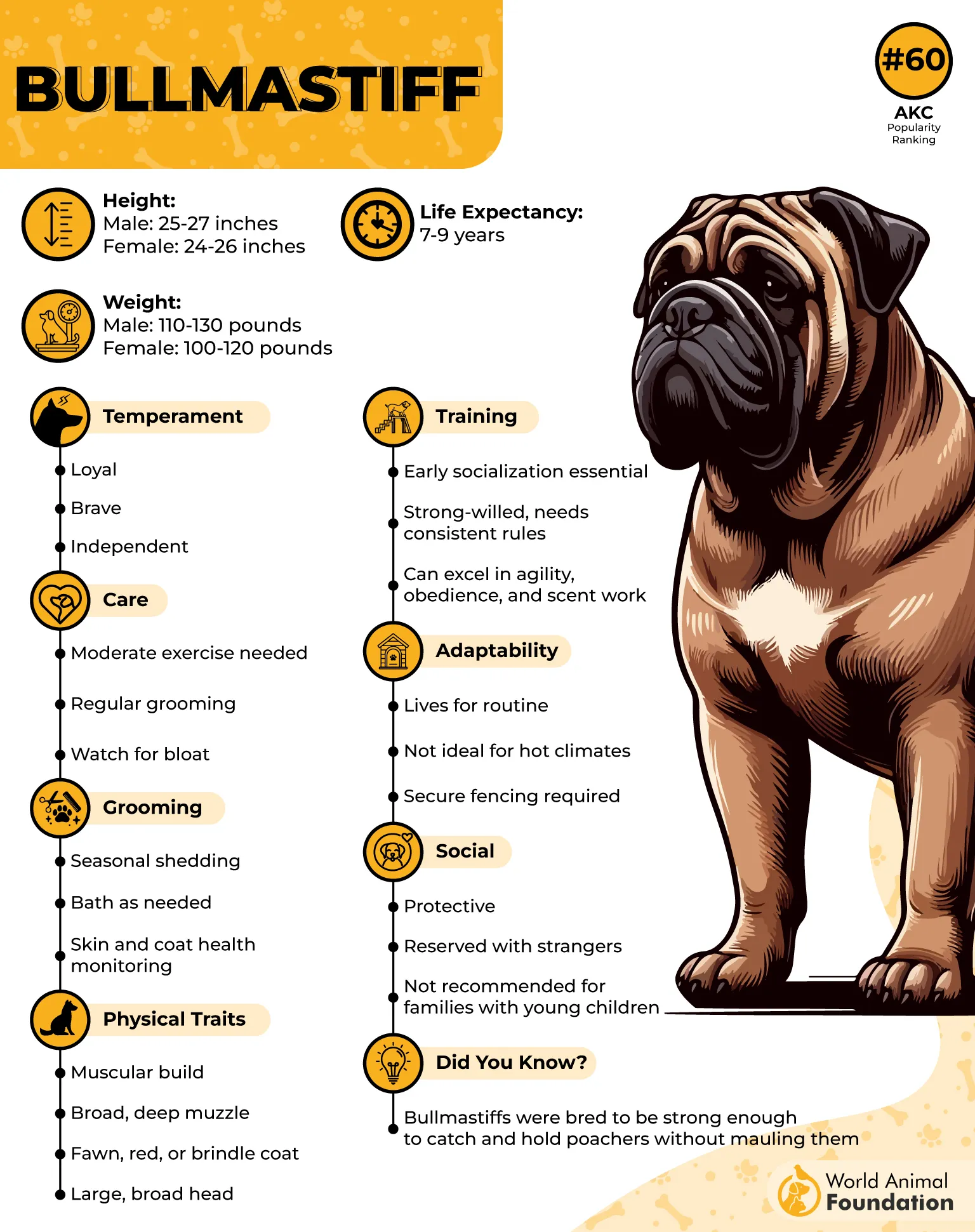
Bullmastiffs are calm and affectionate with their families, including children. They can be more reserved around new people and animals, so early socialization is important. They are also very smart and quick to learn, but may become strong-willed as they mature.
Puppy training, socialization, and obedience classes can help them become calm and well-mannered companions.
Exercise and Care
Bullmastiffs have plenty of energy as puppies but do not need intense exercise as adults. Daily walks, play, hiking, and time in a fenced yard can keep them active.
Their short, coarse coats need little care, with monthly brushing to reduce shedding. They are also not excessive barkers, but they may bark when something seems unusual, giving a single woman an early alert.
2. German Shepherd
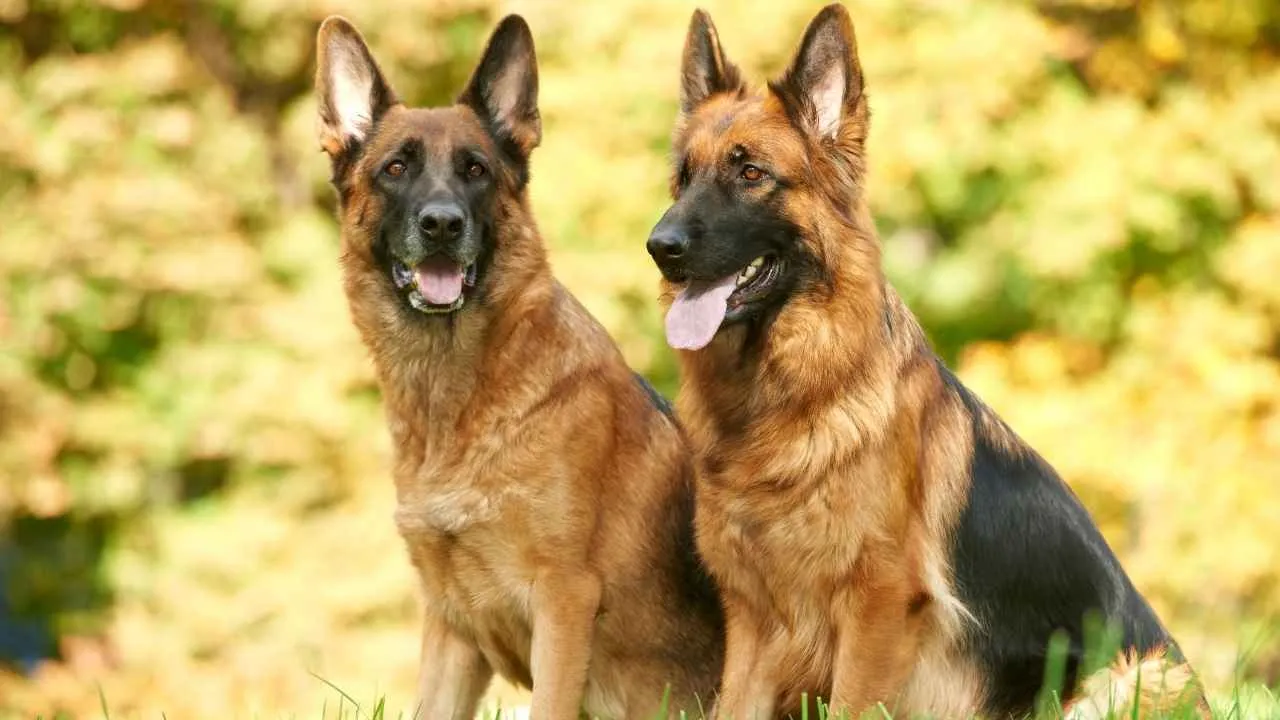
German Shepherds are known for their loyalty, intelligence, and bravery. Originally developed in Germany from herding and farm dogs, they became valued working dogs and are now widely used in police, military, search-and-rescue, and service roles.

Temperament and Training
German Shepherds are devoted and watchful around their families. They may be reserved with strangers, which can be useful for a protective companion.
They are also highly intelligent and learn quickly with consistent training and positive reinforcement, as noted by the AKC. Early socialization and obedience training help them grow into confident, well-mannered dogs.
Exercise and Daily Life
These active dogs need plenty of physical and mental activity. They do best with one to two hours of daily exercise, along with activities such as tracking, hiking, agility, or scent work. German Shepherds also shed heavily, so regular brushing is needed.
3. Rottweiler
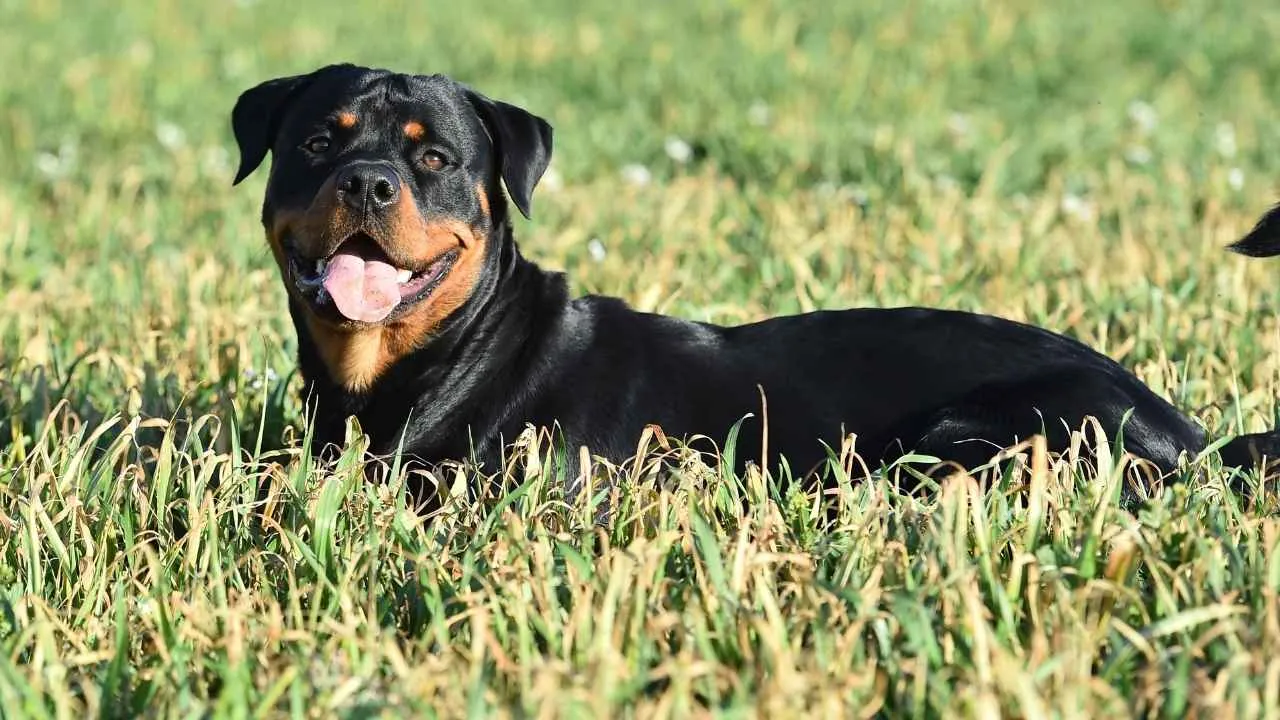
Rottweilers are confident, loyal dogs with a long history of guarding and working alongside people. They are thought to descend from cattle-driving dogs used by Roman legions and later became known for protecting butchers and their money.
Today, their protective nature and strong bond with their people make them notable companions for women seeking added security.
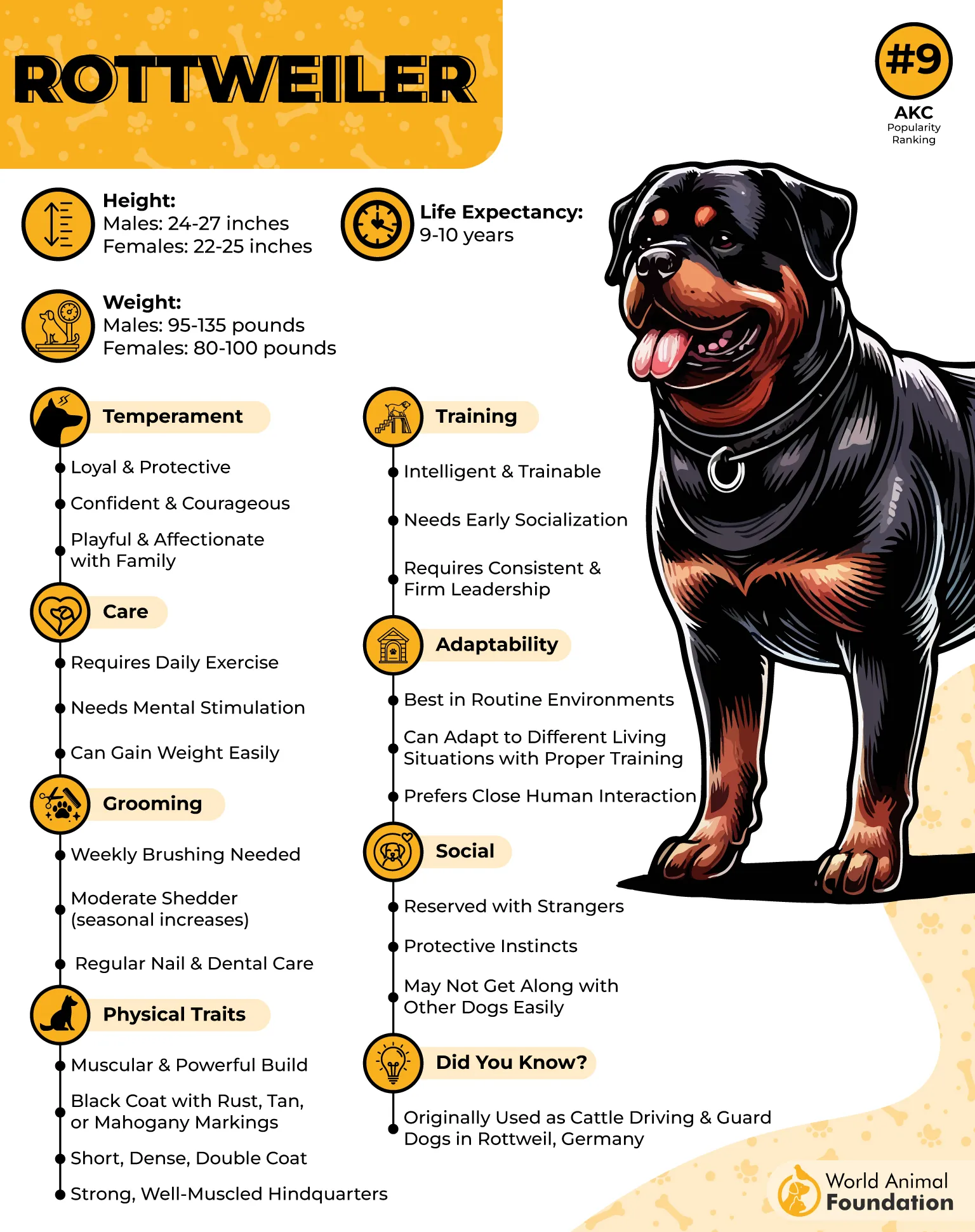
Temperament and Training
Rottweilers are intelligent, brave, and naturally watchful around strangers. They can be affectionate, calm, and devoted to their families, but they may also be stubborn at times. Early and consistent socialization is important, especially around people and other pets.
With clear guidance and positive reinforcement, they can learn commands quickly and develop into well-mannered companions.
Exercise and Daily Life
Orvis mentions Rottweilers need at least 60 minutes of daily exercise, along with mental stimulation to prevent boredom and unwanted behaviors.
Walks, hikes, tracking, agility, and obedience training can keep them engaged. Their short coat needs only occasional grooming, although they can shed heavily throughout the year.
4. Boxer
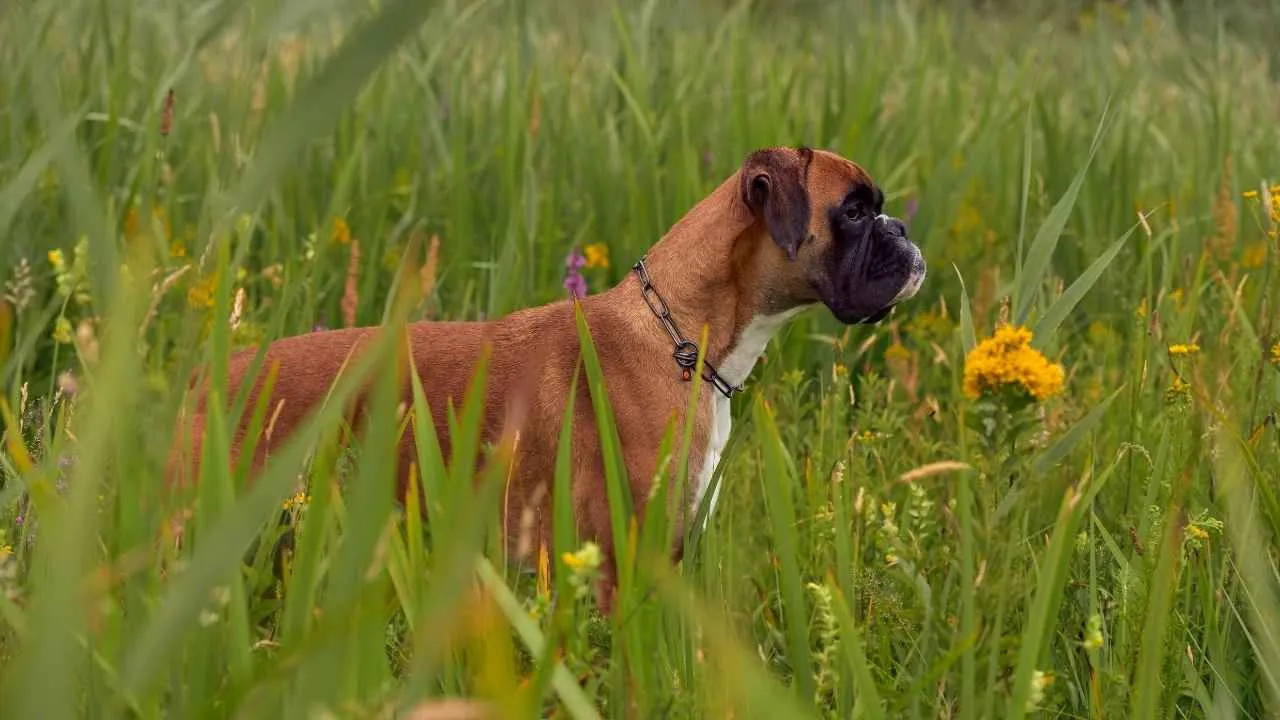
The Boxer is an energetic, intelligent working dog with a history rooted in Germany and ancient hunting dogs. Its larger ancestor, the Bullenbeisser, was used to hunt and hold big game, while Boxers later became valued as police dogs, watchdogs, and companions.
Today, their courage, alertness, and strong bond with their families make them a notable choice for women seeking both companionship and protection.
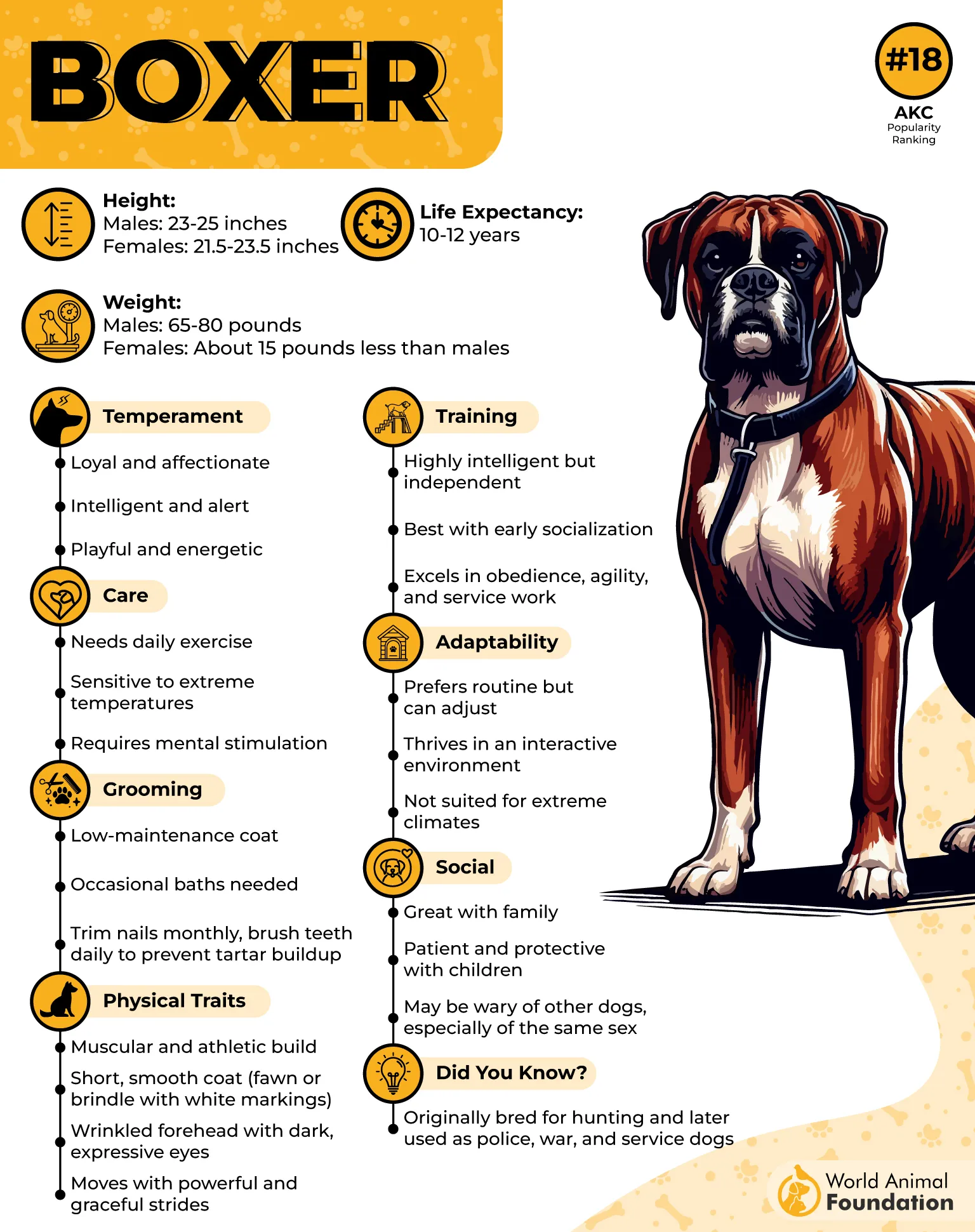
Temperament and Training
Boxers are playful, loving, and extremely energetic, with a strong affection for their families. They are intelligent and learn quickly, although their high energy and occasional stubbornness can make training require patience.
They generally bark when there is a reason, which can make them effective watchdogs. Early socialization and clear, consistent positive-reinforcement training are important for helping them stay confident and well-mannered around people and other animals.
Exercise and Daily Life
Boxers need plenty of physical and mental activity, with daily exercise ranging from 30 minutes to two hours. Walks, runs, fetch, agility, nose work, and other active games can help keep them engaged. Their short coat also needs little grooming, with weekly brushing and occasional bathing.
5. Great Dane
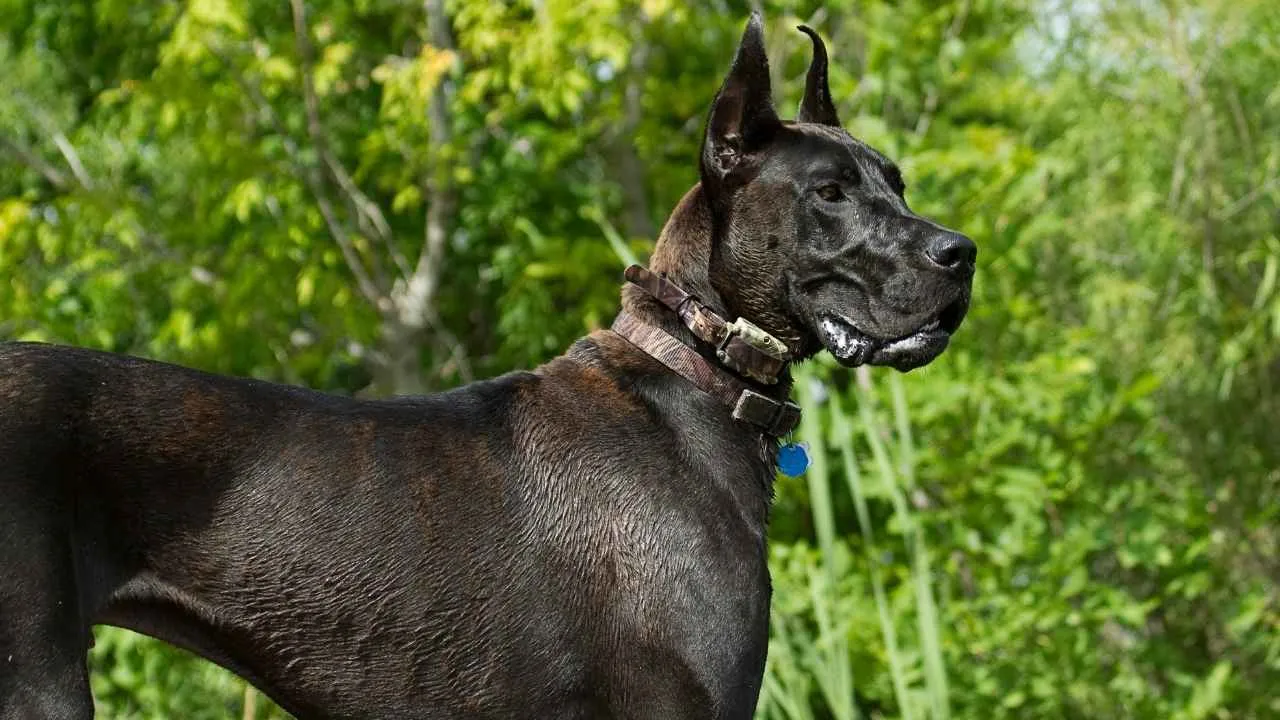
The Great Dane is a giant, powerful breed with a history as a guardian and wild boar hunter in Germany. Developed from mastiff-like dogs more than 400 years ago, they were once used to protect estates and carriages and later became popular as family companions.
Despite their imposing size, Great Danes are known as gentle, affectionate dogs that can still be protective of their homes.
Temperament and Training
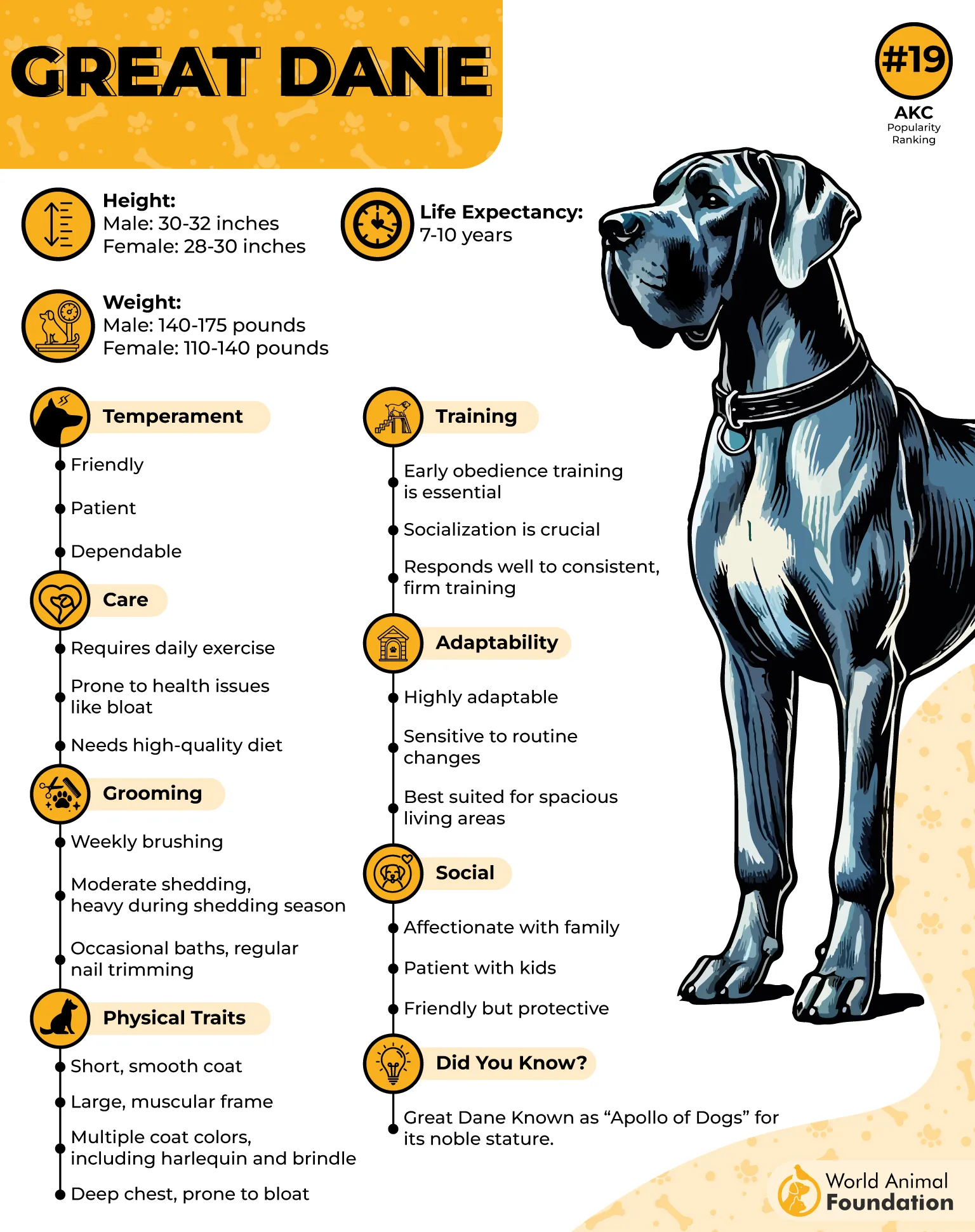
Great Danes are gentle, quiet, and affectionate with their families. They are generally good with children and can get along with other animals when raised with them, although some may be aggressive toward unfamiliar dogs.
They are intelligent and usually easy to train, but some can be stubborn learners. Early socialization and obedience training are important, especially because their size makes good manners essential.
Exercise and Daily Life
Great Danes need enough room to move, play, and stretch out, along with long daily walks. They have moderate energy and do not require intense exercise, but regular activity helps keep them engaged. Their short coat is easy to maintain with weekly brushing and occasional baths.
6. Akita
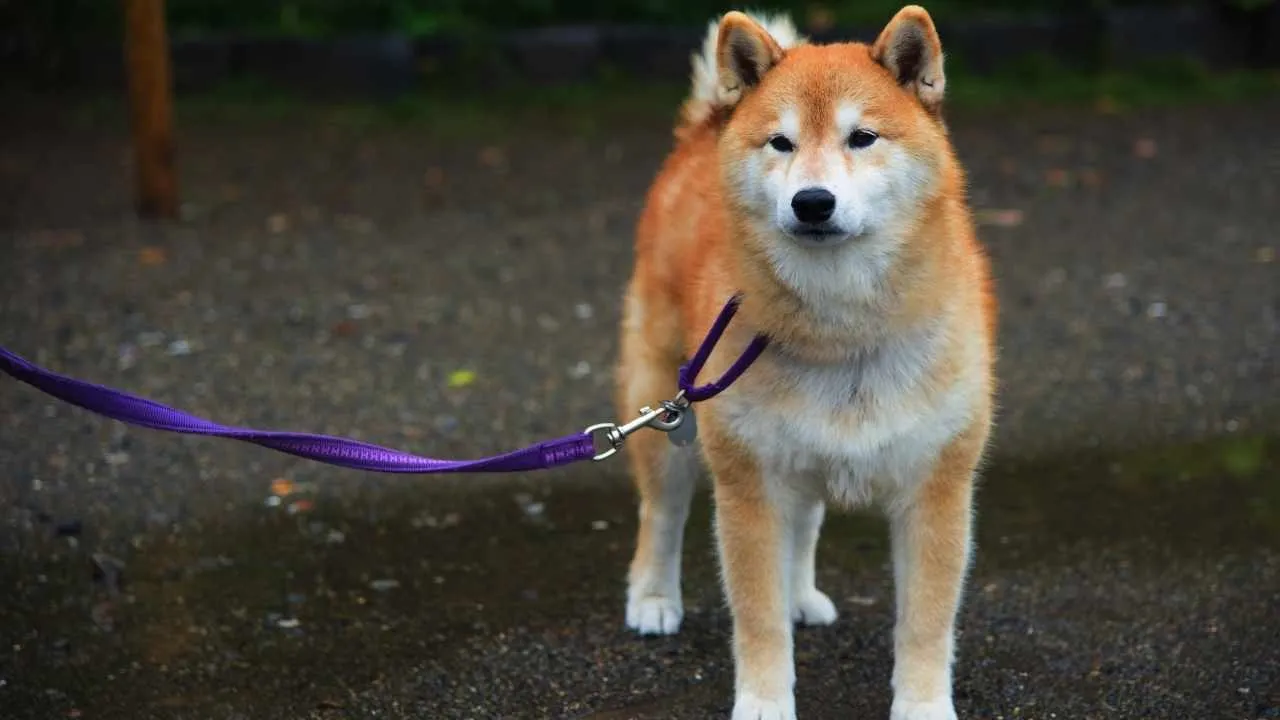
The Akita is a Japanese working breed originally bred to hunt large game and guard. Known for their loyalty, courage, and calm confidence, Akitas form deep bonds with their families while remaining reserved around strangers.
Their strong protective instincts and quiet, watchful nature can make them appealing companions for single women, though they are best suited to experienced dog owners.
Temperament and Training
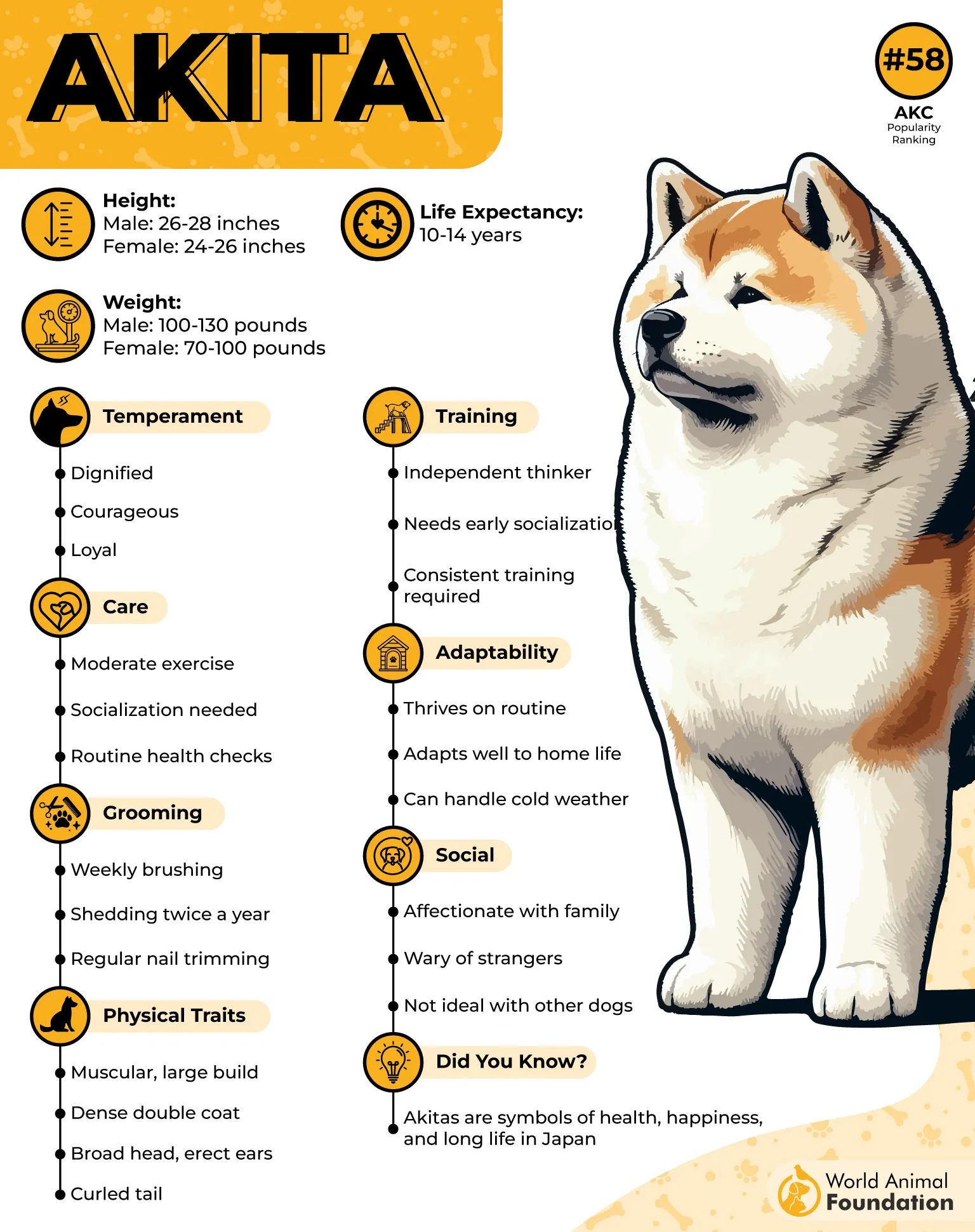
Akitas are intelligent, dignified, and deeply devoted to their families. They can be cautious around unfamiliar people and may be assertive with other dogs, while their strong prey drive can make smaller animals difficult companions.
Early socialization and consistent obedience training are essential. Akitas can learn quickly but are strong-willed, so they respond best to confident leadership and positive reinforcement.
Exercise and Daily Life
Akitas have moderate exercise needs and benefit from daily walks, play sessions, and activities such as hiking, scent walks, or agility. They are also heavy shedders, with a thick double coat that needs regular brushing, especially during seasonal shedding.
7. Belgian Malinois
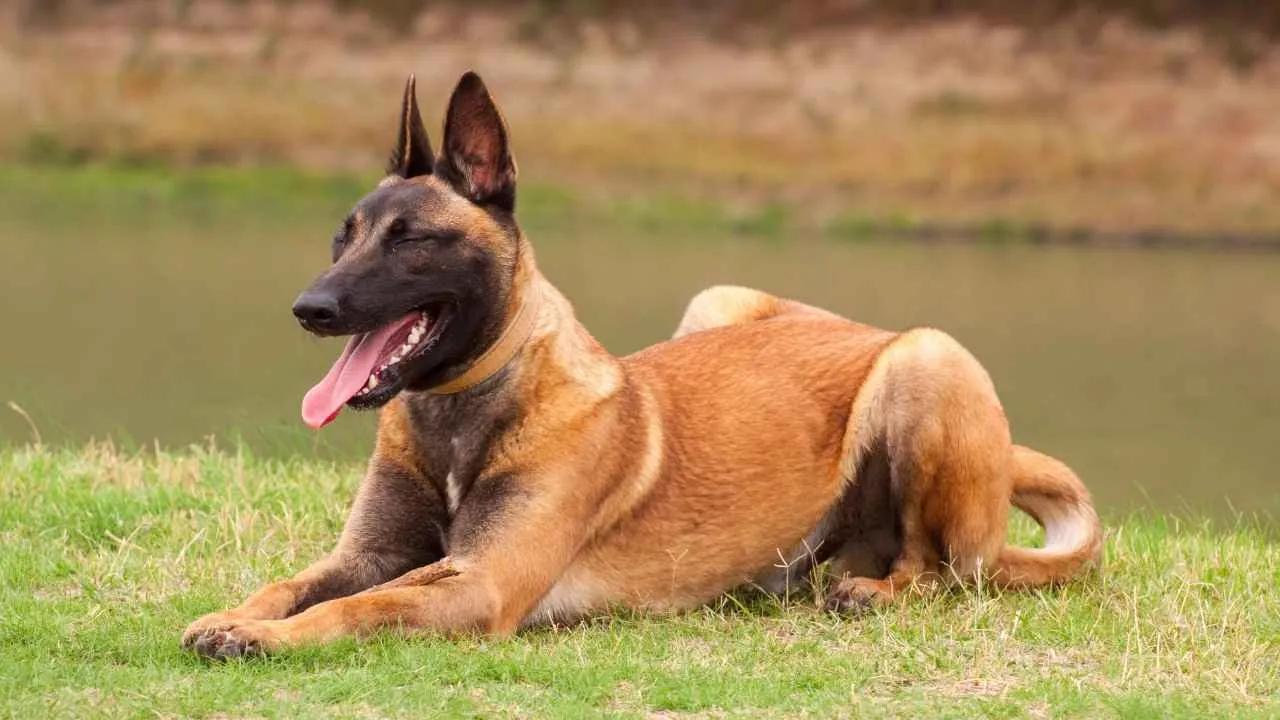
Belgian Malinois are confident, intelligent, and hardworking dogs originally bred for herding near Malines, Belgium. Their trainability and strong drive later led them into police work, search and rescue, and detection roles.
Their loyalty and natural tendency to watch over their family can make them a strong option for an experienced single woman who wants an active companion with protective instincts.
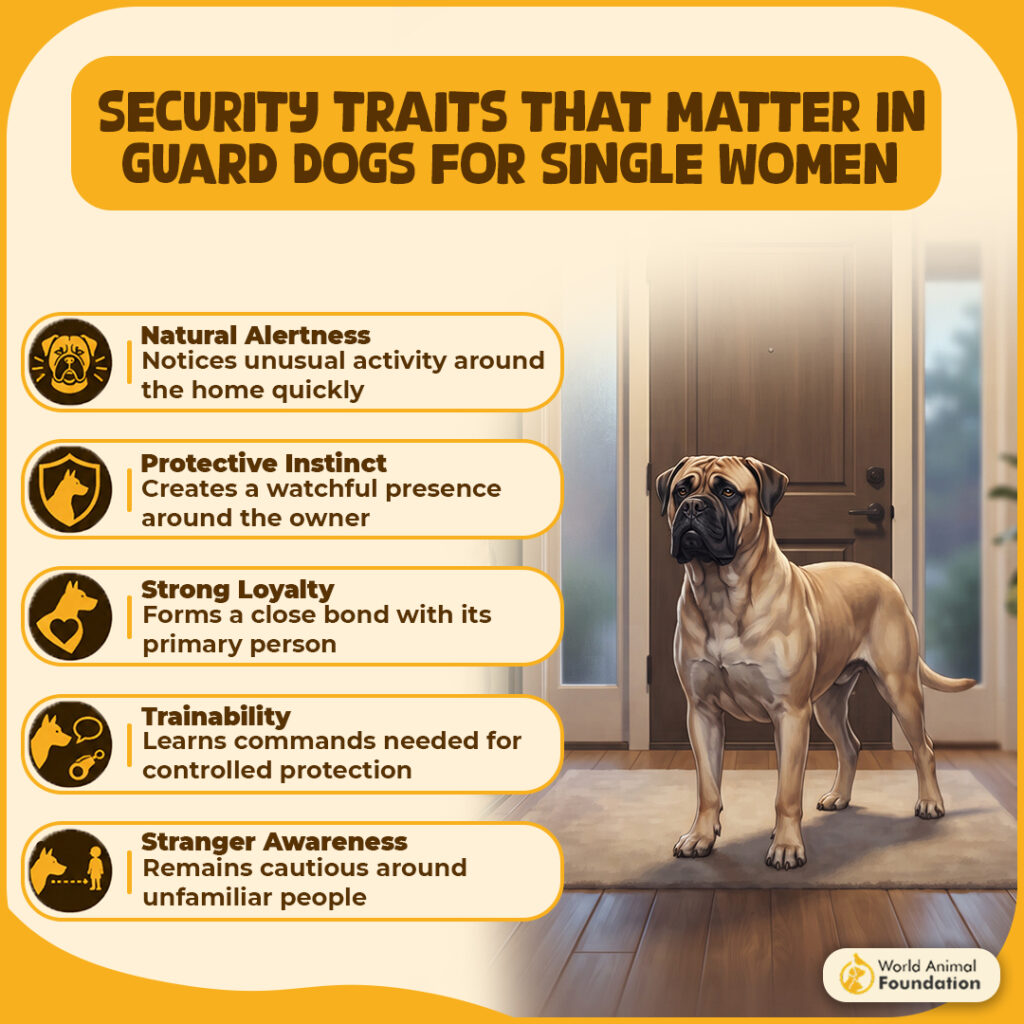
Temperament and Training
Belgian Malinois are incredibly loyal and form strong bonds with their people. They are also highly intelligent and fast learners, but they need constant training and mental stimulation to stay engaged.
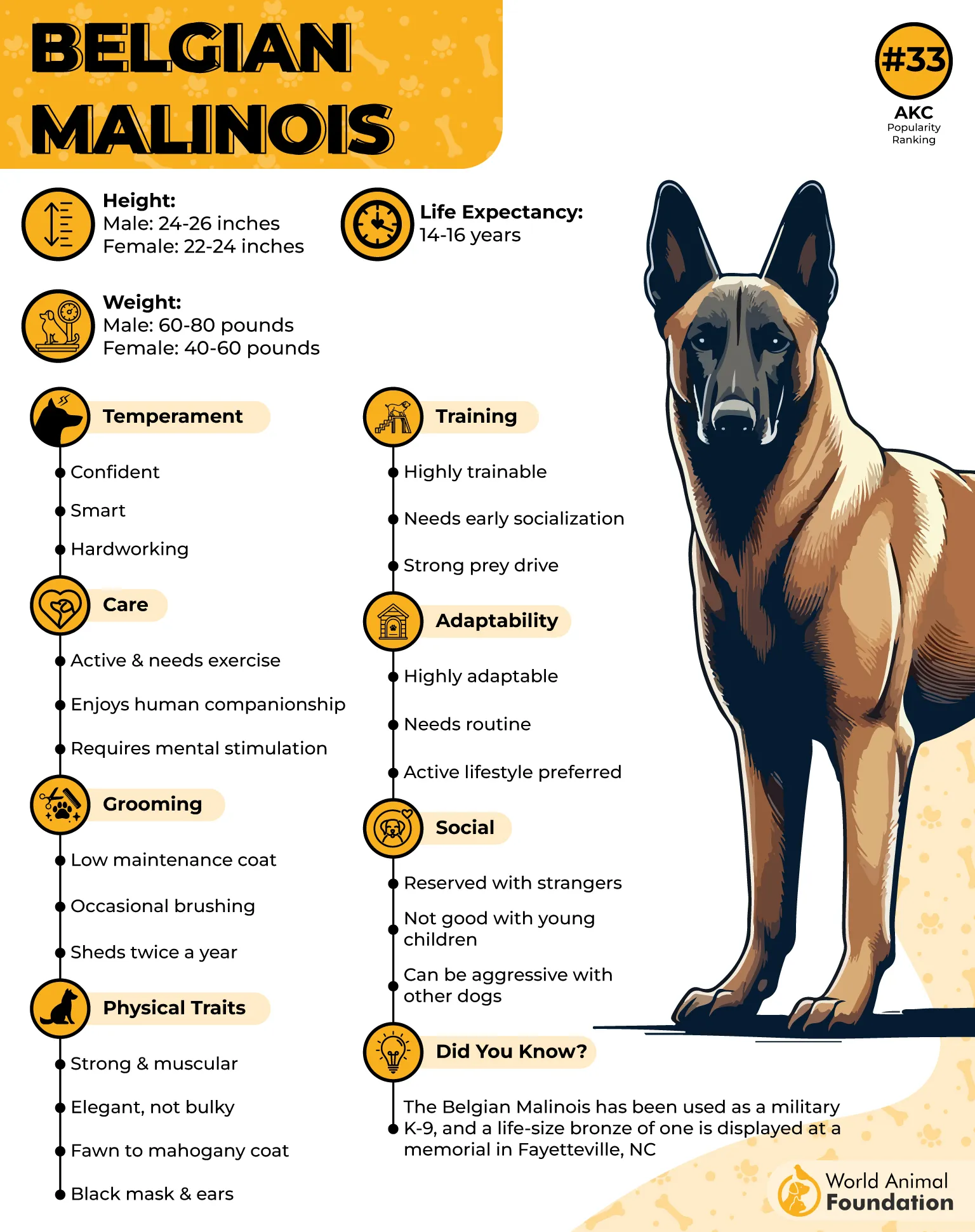
Early and consistent training and socialization should continue throughout their lives, ideally with a professional who understands the breed. They can be watchful around their family, so proper training is especially important when guests or strangers visit.
Exercise and Daily Life
This is an extremely high-energy breed that needs much more than a daily walk. Belgian Malinois thrive on running, hiking, biking, agility, tracking, herding, and obedience activities.
Without enough physical and mental stimulation, they can develop destructive behaviors. Their short, waterproof coat is easy to care for with occasional brushing, although they shed seasonally.
Conclusion
Choosing a guard dog is about more than finding a strong or intimidating breed. Dogs like the Bullmastiff, German Shepherd, Rottweiler, Boxer, Great Dane, Akita, and Belgian Malinois each bring different strengths, but they all need proper training, socialization, exercise, and a home that suits their needs.
Before bringing one home, think honestly about your lifestyle, experience, time, and living space. The right dog should not only make you feel safer but also become a trusted companion who fits naturally into your everyday life.
