




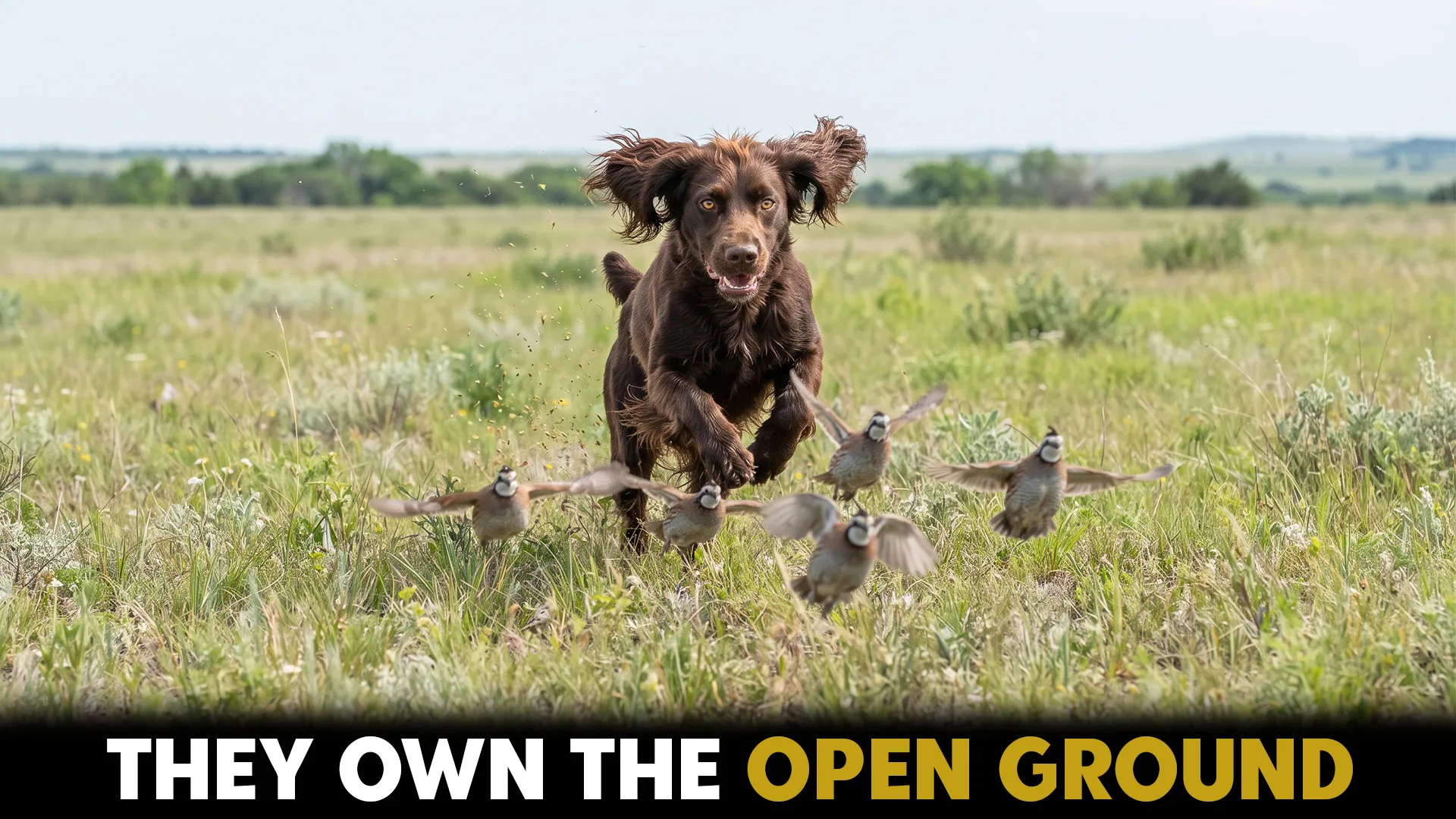
Open plains leave nowhere for a bird chase to hide. A dog working this terrain may run through grassland for long stretches, catch scent on shifting air, and suddenly need to react when a bird breaks cover.
That combination makes bird hunting on open ground a demanding job for both dog and handler. The best working dogs bring a useful mix of scent ability, endurance, trainability, and a strong desire to search. Some are bred to point, holding a steady position when they locate game.
Others are designed to flush birds from cover, while retrievers specialize in finding downed game and bringing it back. Their jobs may differ, but each role supports a different part of the hunt. Open-country work also rewards dogs that can range out without becoming difficult to control.
If broad grasslands, fast-moving birds, and serious field work caught your attention, these dogs offer plenty to discover.
Key Takeaways
There is a lot happening when a bird chase unfolds across open plains, and the right dog needs more than a fast pair of legs to handle it.
German Shorthaired Pointers follow scent carried by the wind, then freeze in place when they find game, while English Setters search the land in broad sweeping patterns.
Irish Setters add endurance to the mix, and Boykin Spaniels bring a fascinating piece of hunting history after being bred to work from small boats in South Carolina.
Further down the list, one breed can switch from chasing game to retrieving with ease, while another has a clever way of drawing ducks within reach.
Dog Breeds That Chase Birds Across Vast Open Plains
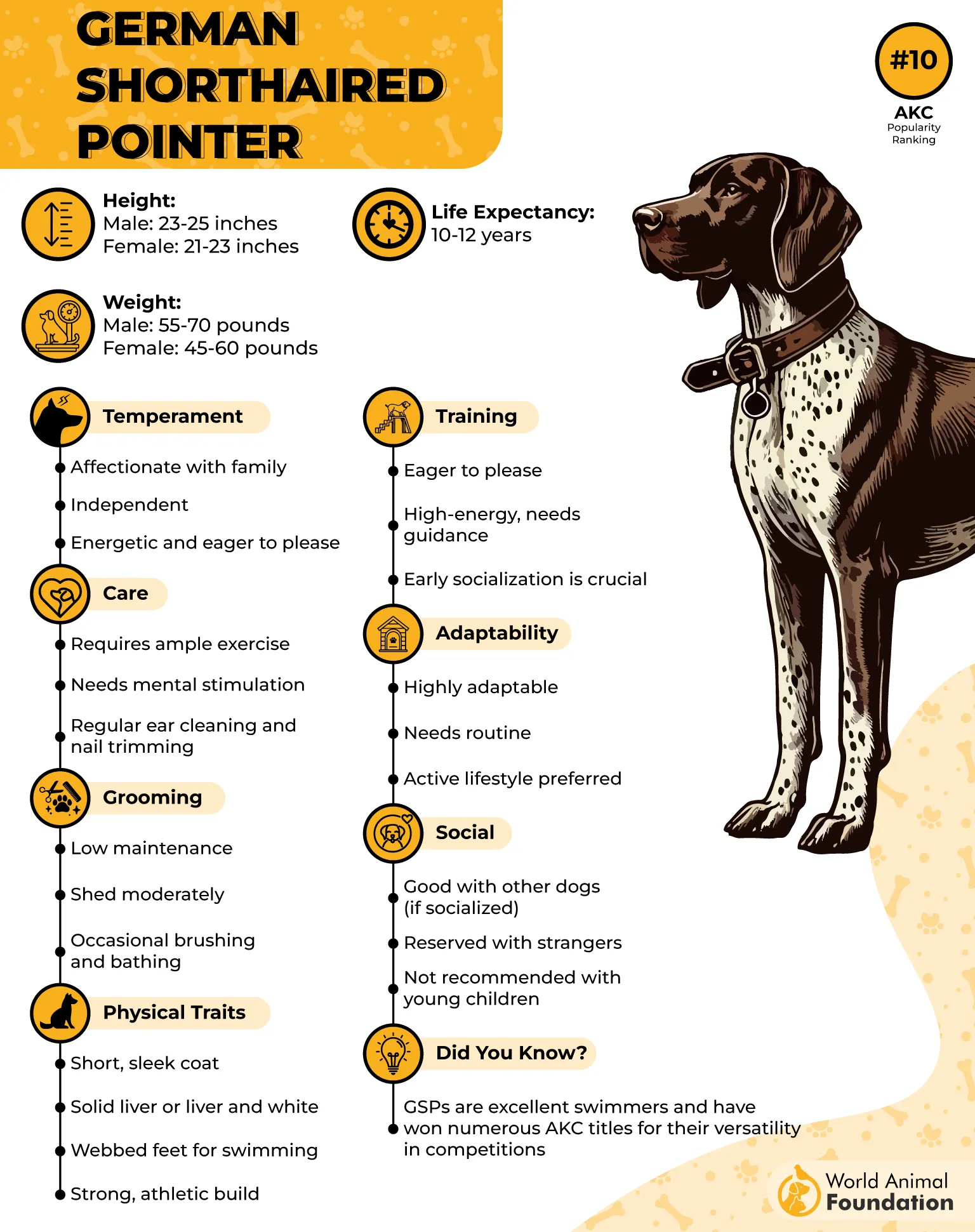
1. German Shorthaired Pointer
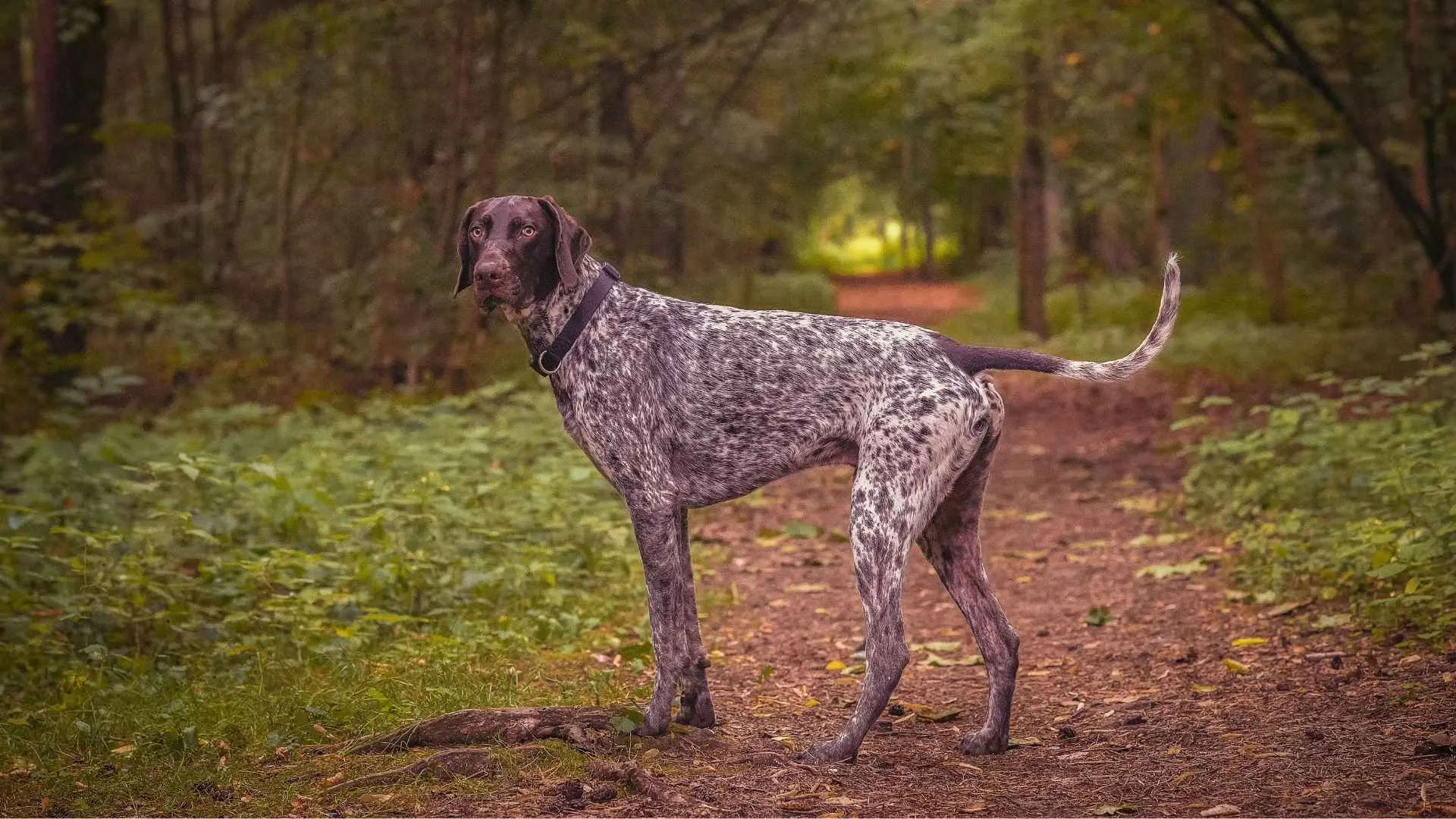
German Shorthaired Pointer emerged from German bird-dog stock linked to the Old Spanish Pointer, with English Pointer and Arkwright Pointer blood later entering the lineage. Its modern form was taking shape around 1870, followed by American Kennel Club recognition in 1930.
Reading the Open Ground
Across cropland, forest edges, and marshes, this pointing dog uses air-scenting to locate wind-carried birds. Its long legs, deep chest, and athletic frame support sustained galloping during demanding hunts across wide stretches of country.
These working details make its field behavior especially precise:
Side-to-side quartering while searching
Soft-mouthed retrieval of game
Willing entry into cold water
The Freeze Before the Flush
A German Shorthaired Pointer can suddenly lock into a rigid pointing stance when scent reaches its nose: head forward, tail level, and one forepaw sometimes lifted. This pause gives the hunter a clear indication of the bird’s location before the next command.
2. English Setter
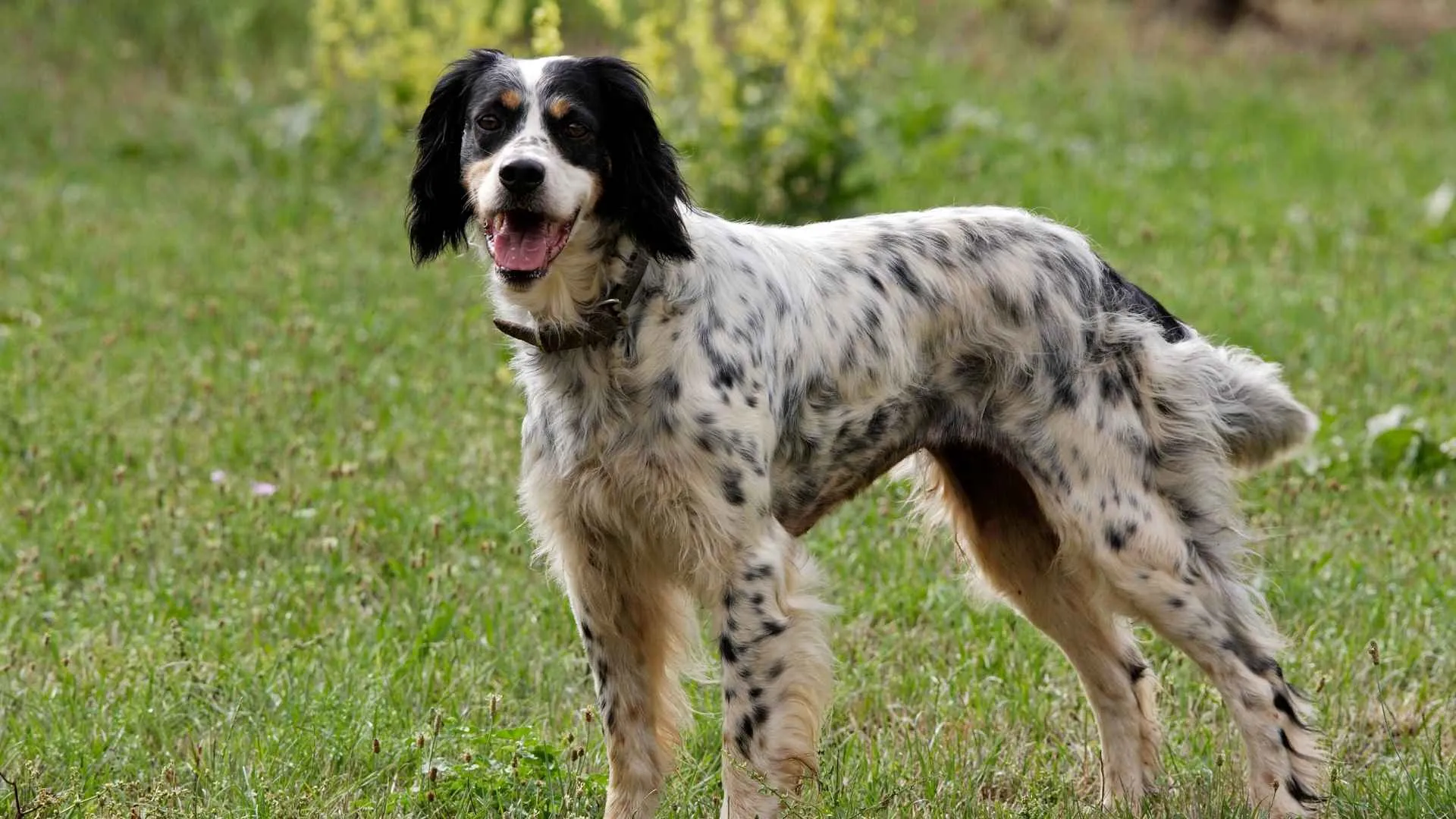
English Setter belongs to one of the oldest setter lines used for hunting game, with its roots tied to dogs trained to locate prey and freeze so hunters could find it. Around 1825, intensive breeding focused on producing a dog capable of ranging far across open country.
A Methodical Search
English Setter uses its highly sensitive sense of smell to locate upland birds from a distance, working across fields and moorland in wide zigzag patterns.
Once a scent becomes strong, the classic “set” can involve freezing or crouching with intense concentration rather than pursuing the bird.
The field style has several recognizable details:
Tail held level or slightly raised on point
Belton ticking or roaning across the coat
Feathering along the tail and legs
A Long Puppyhood
English Setter can remain playful and puppyish beyond two years of age, with plenty of enthusiasm for activities such as agility, Flyball, and field trials, as mentioned by Omlet. A brief lead walk does little to use that energy, while longer opportunities to run and explore suit its natural working style.
3. Irish Setter
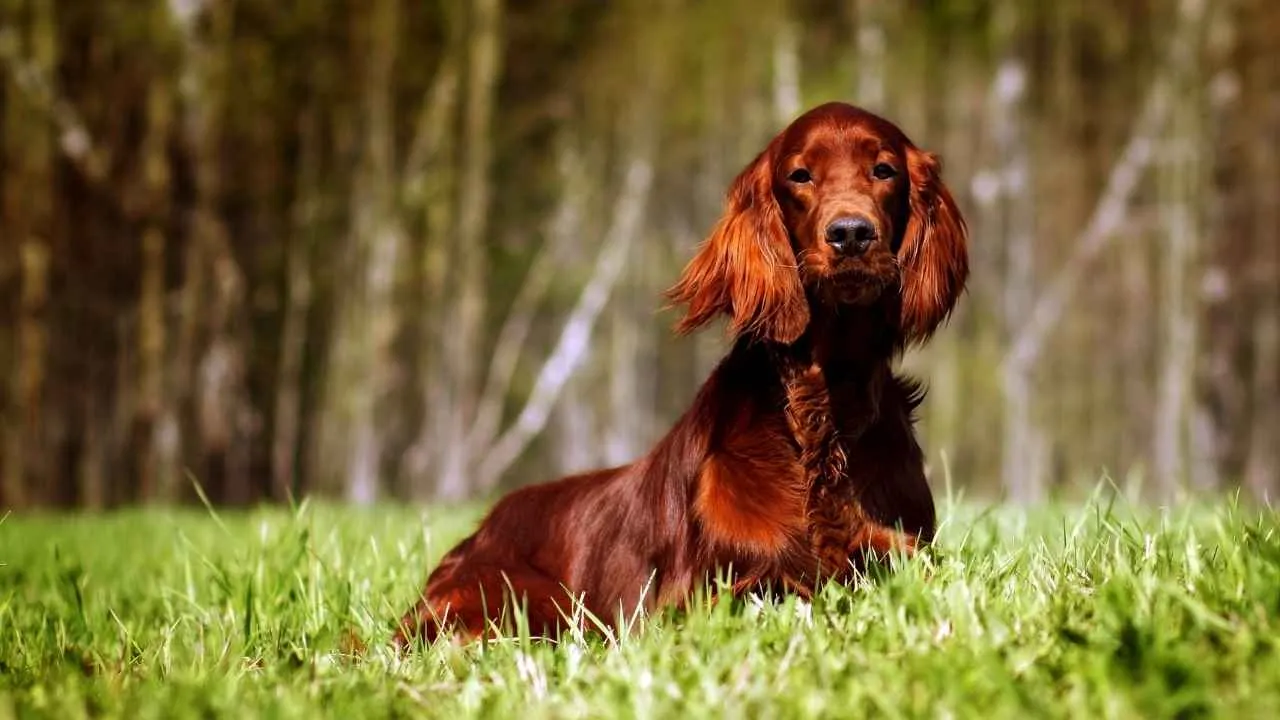
Irish Setter has an unusually practical origin story, with hunters seeking a large dog that could be spotted easily across open ground and hedgerows. Its rich mahogany-red coat served that purpose, while the first breeding kennels for Irish “Red” Setters appeared around 1800.
Built for the Field
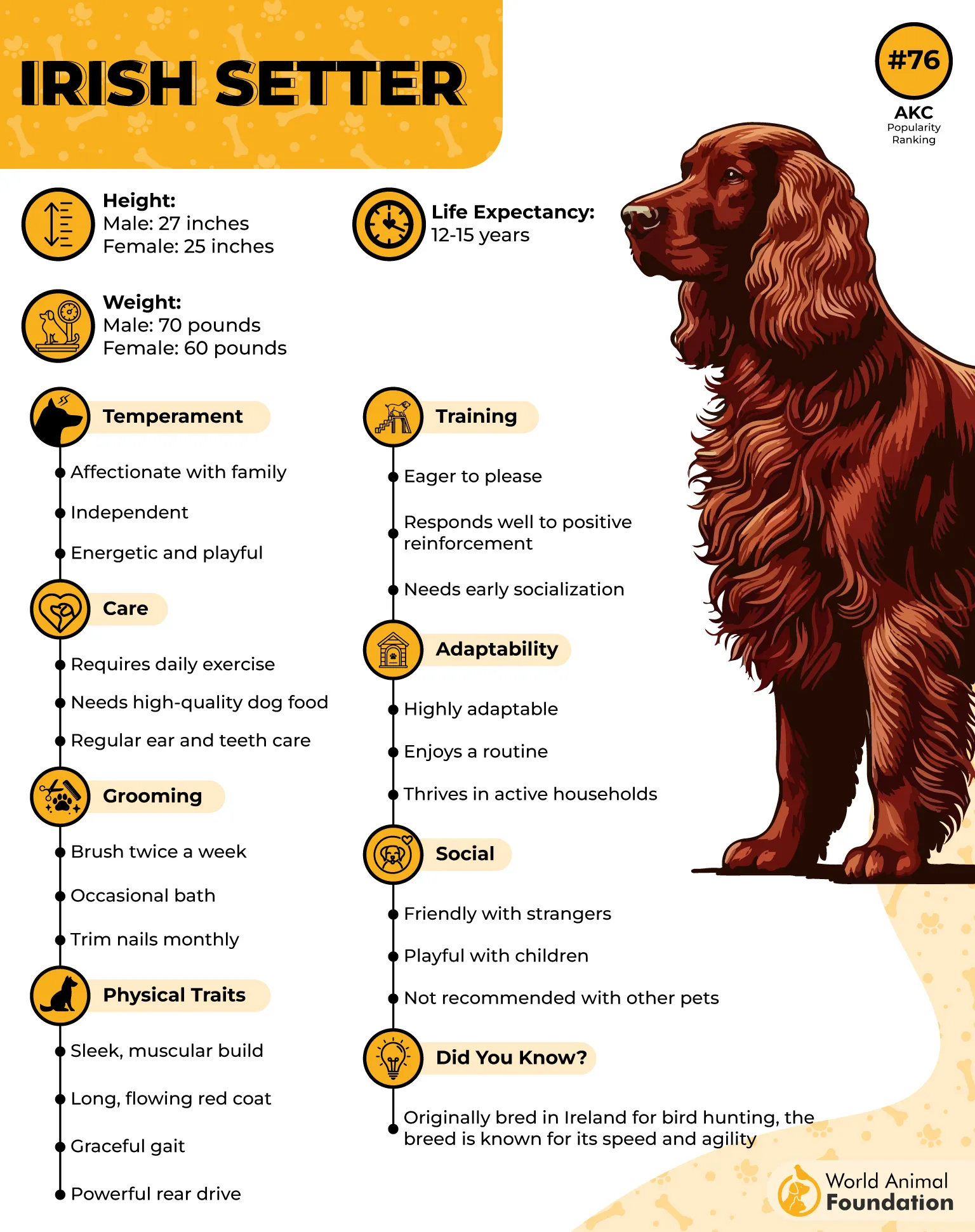
Breeders bred the Irish Setter for upland bird work, using its keen nose and cooperative search style to locate birds across broad stretches of terrain.
Its deep chest and long stride support sustained aerobic effort, while feathering offers light protection from brush and changing weather.
The following field details make its working style easier to picture:
Natural “setting” posture on bird scent
Wide back-and-forth terrain sweeps
Strong handler-focused responsiveness
Life Beyond the Hunt
Irish Setter is affectionate with its family and generally gets along well with children and other animals, while its lively nature can make interactions with small children quite bouncy.
At home, it may alert the household when someone reaches the door, usually from curiosity and interest rather than protective behavior.
4. Boykin Spaniel
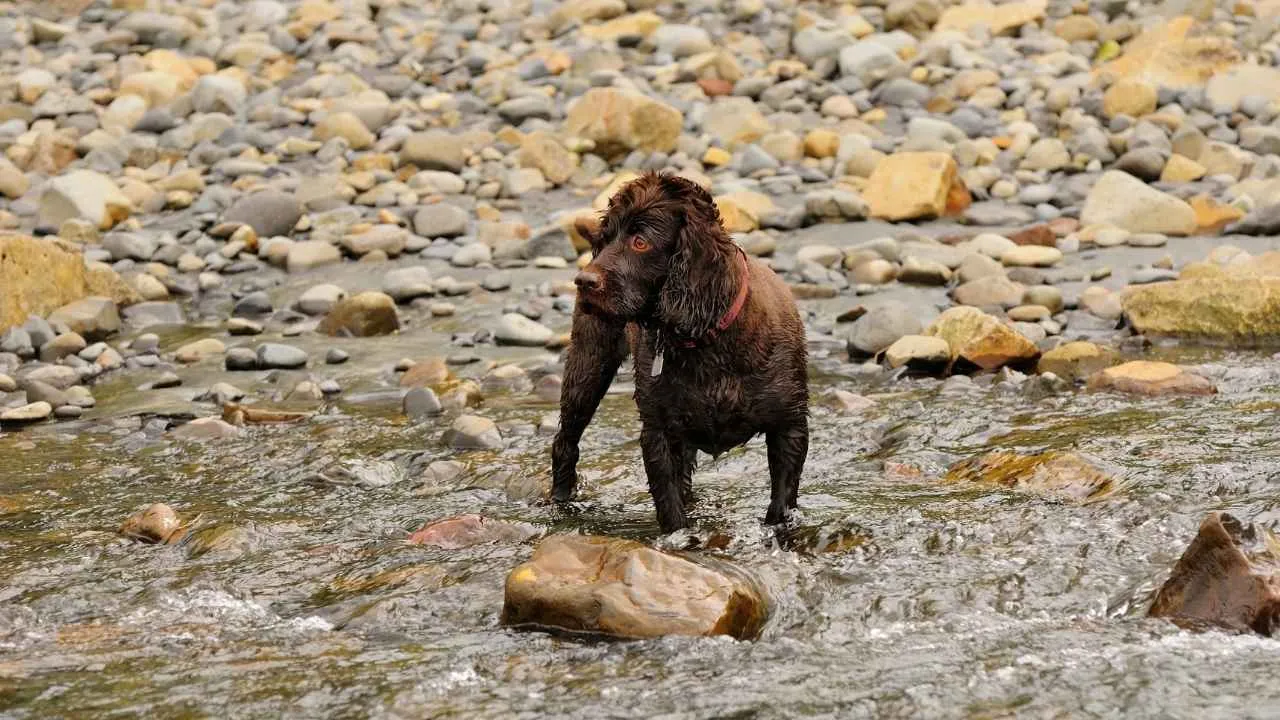
Boykin Spaniel began taking shape along South Carolina’s Wateree River in the early 1900s, when hunters needed a capable gun dog that could fit inside cramped one-man boats.
A small stray Spaniel named Dumpy eventually entered this story after a Spartanburg man recognized its hunting ability and sent it to hunting partner Whit Boykin.
Built for Open Country
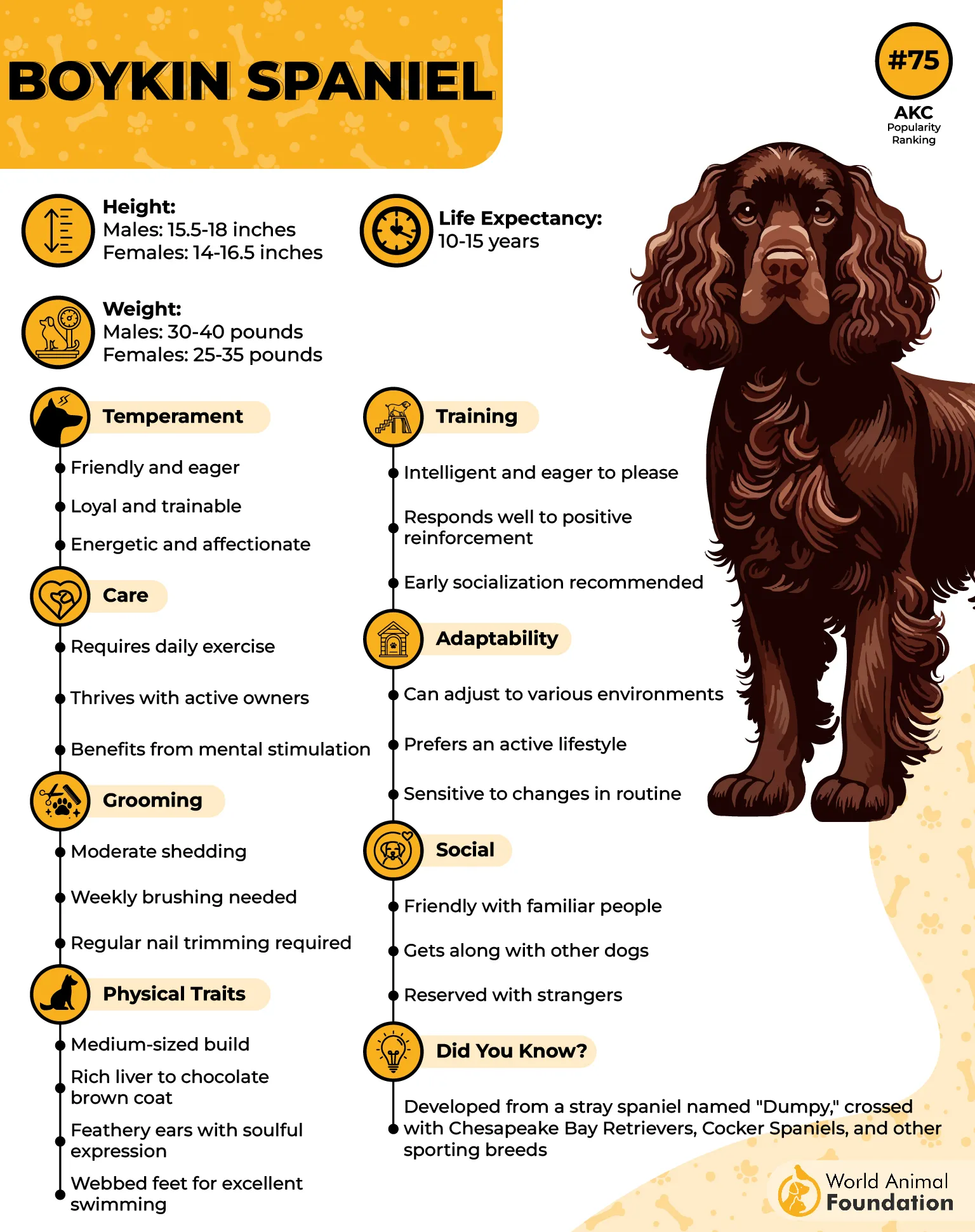
This Spaniel combines flushing and retrieving instincts, working close to the handler while sweeping back and forth within gun range to locate birds. Its water confidence also suits flooded timber, reeds, mud, and other wet ground encountered during bird hunts.
A closer look reveals three practical details:
Webbed toes aid swimming and muddy footing
Feathering offers some protection through brush
Pendulous ears can retain moisture after water work
A Nose With a Job
Boykin Spaniel has a strong scent focus that carries into everyday life, with some dogs following interesting smells around yards and fence lines. Its eagerness to please also makes praise, teamwork, and structured obedience sessions particularly useful during training, as stated by WebMD.
5. Weimaraner
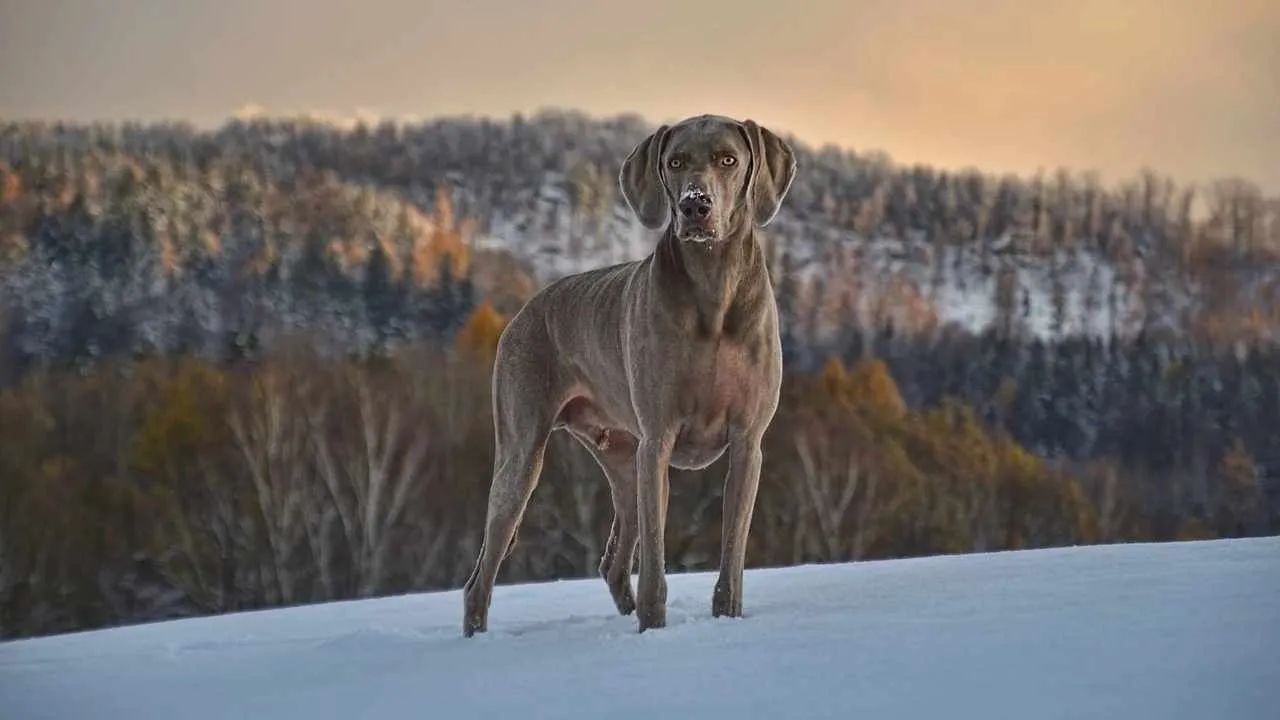
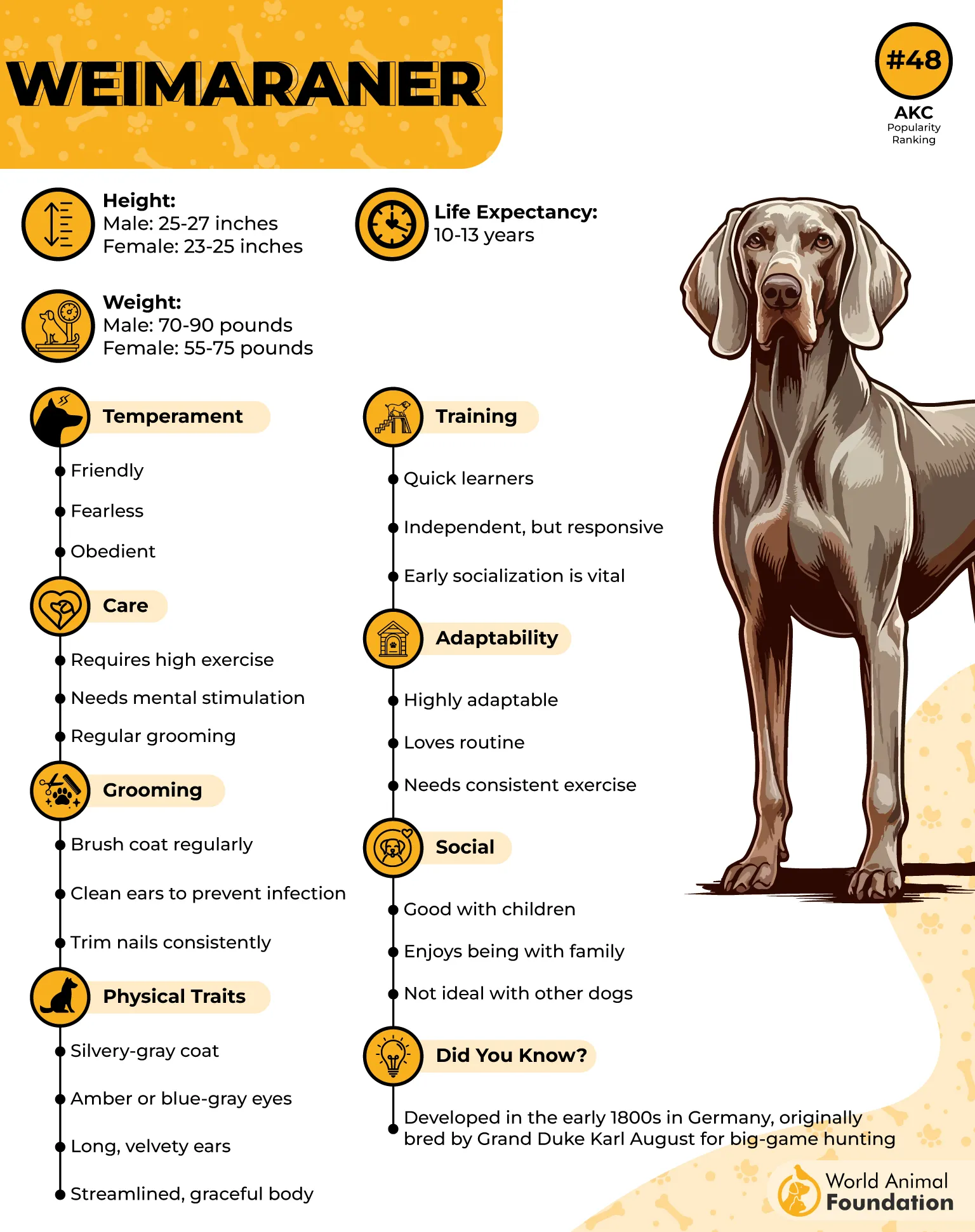
Weimaraner was originally bred in 19th-century Germany as an all-purpose gun dog, selected for pursuing game ranging from deer to bear. Bloodhounds, Schweisshund, and pointer breeds contributed to the modern type, giving it a lineage tied closely to demanding hunting work.
Built for the Chase
Weimaraner brings an athletic frame, efficient gait, and powerful scenting ability to open-country pursuits. Its hunting instincts can send it after birds or other small animals, making reliable recall training especially important outdoors.
These details make its field work more distinctive:
Webbed toes can aid swimming and traction
Short coat dries quickly after wet retrieves
Head-high scanning can precede sudden pointing freezes
A Serious Working Mind
Weimaraner learns quickly and responds well to patient, kind training, although its intelligence can make it challenging when boundaries are unclear or inconsistent. It needs regular mental work and purposeful interaction rather than long stretches with nothing to do.
6. Vizsla
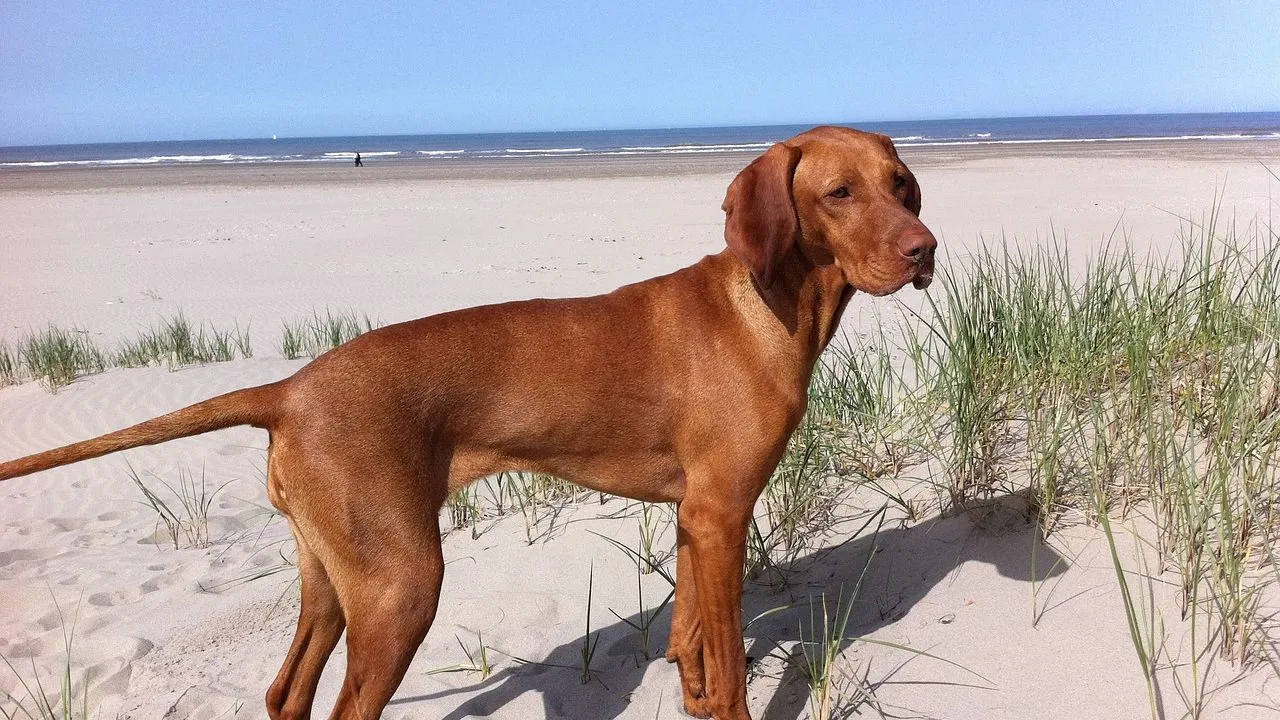
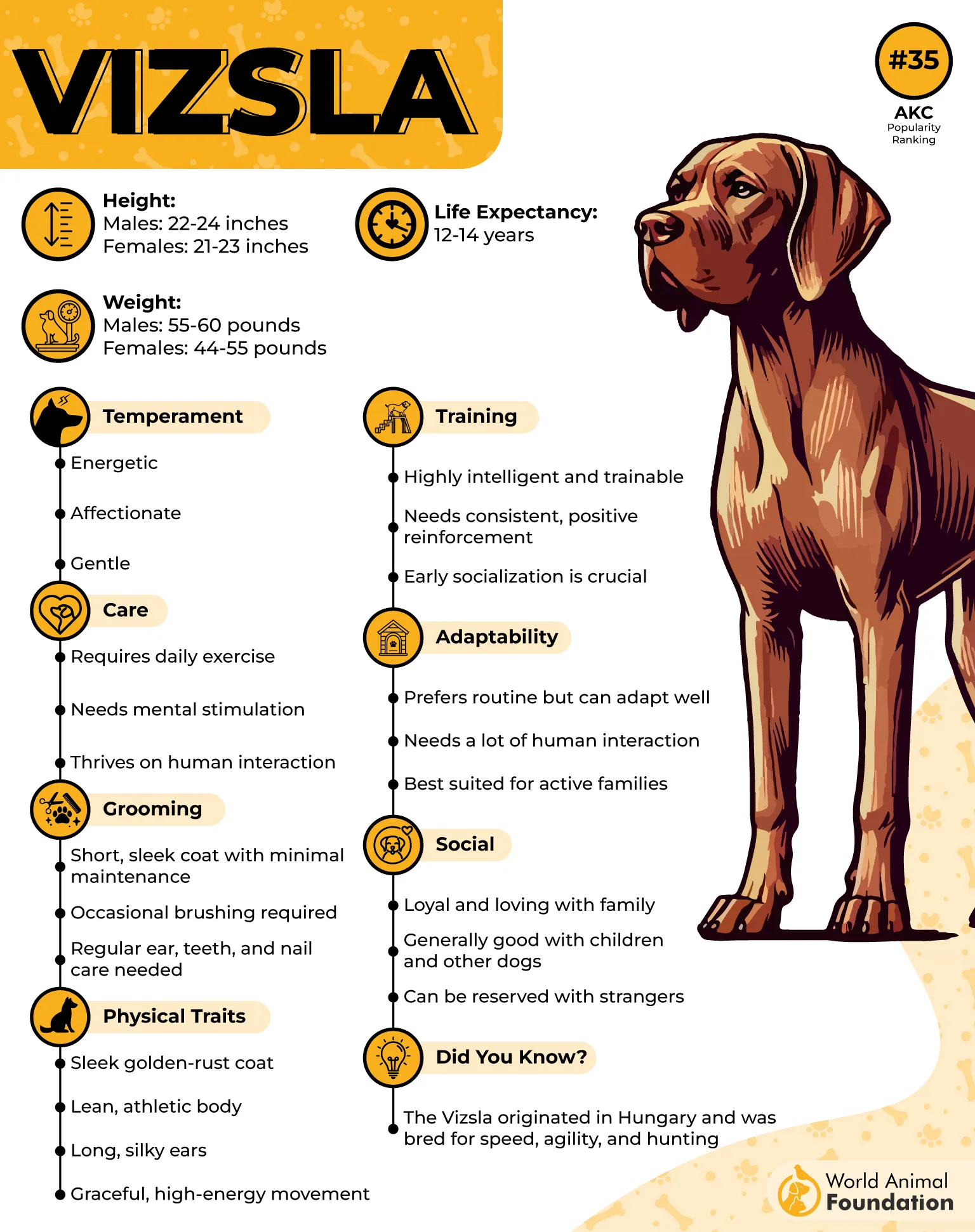
Hungarian hunters developed Vizsla as an all-purpose field dog that could stay involved throughout a hunt. It was expected to track game, indicate where it was hiding, and retrieve it, giving the breed a broader working role than a dog trained for just one task.
A Precise Field Worker
Vizsla uses its keen nose to locate game, then freezes into a rigid pointing stance with its tail held steady to indicate where the hidden bird is. Its long legs, compact feet, and athletic frame help it cover uneven farmland quickly while weaving through grass and brush, as noted by the AKC.
Three details make its fieldwork especially precise:
Gentle grip when retrieving birds
Repeated checks toward its handler
Zigzag scent tracking with sudden head turns
Made for Full Days
Vizsla has the stamina for long periods of walking and running, while its love of water adds another useful dimension to retrieving work. A quick leash walk does little for this highly active dog, which needs room to run safely and reliable recall training when searching for game.
7. Nova Scotia Duck Tolling Retriever
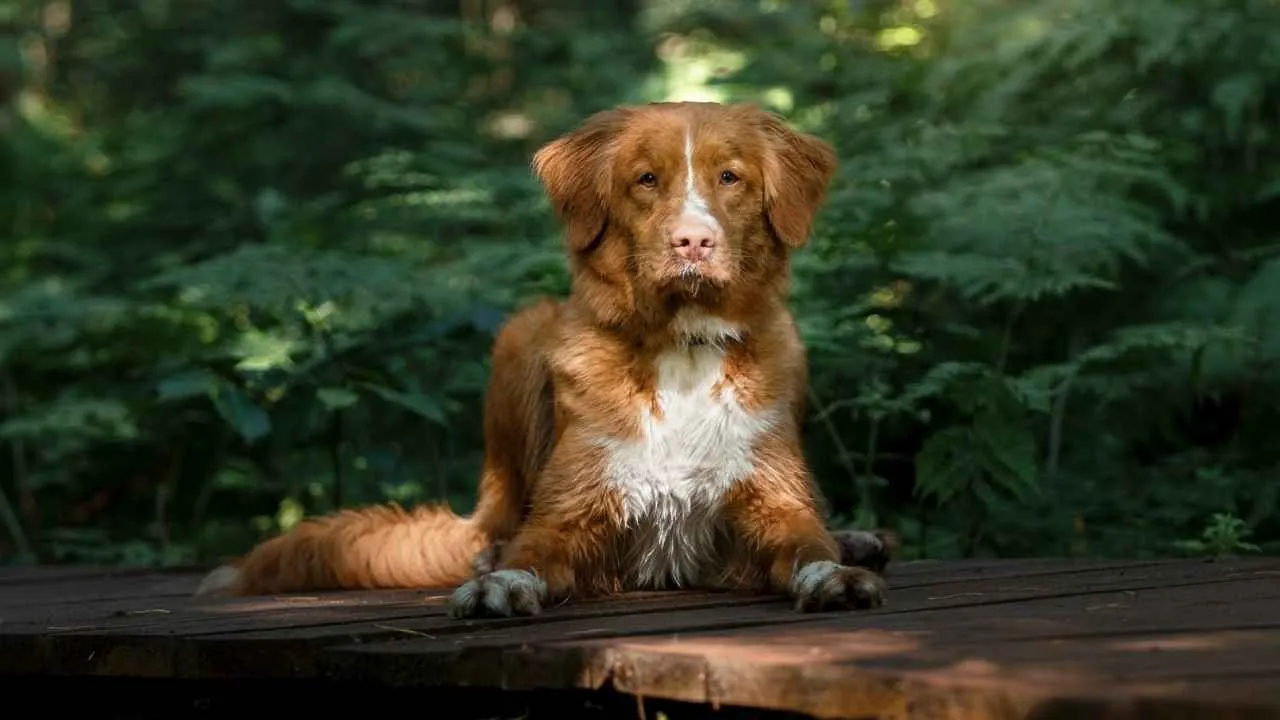
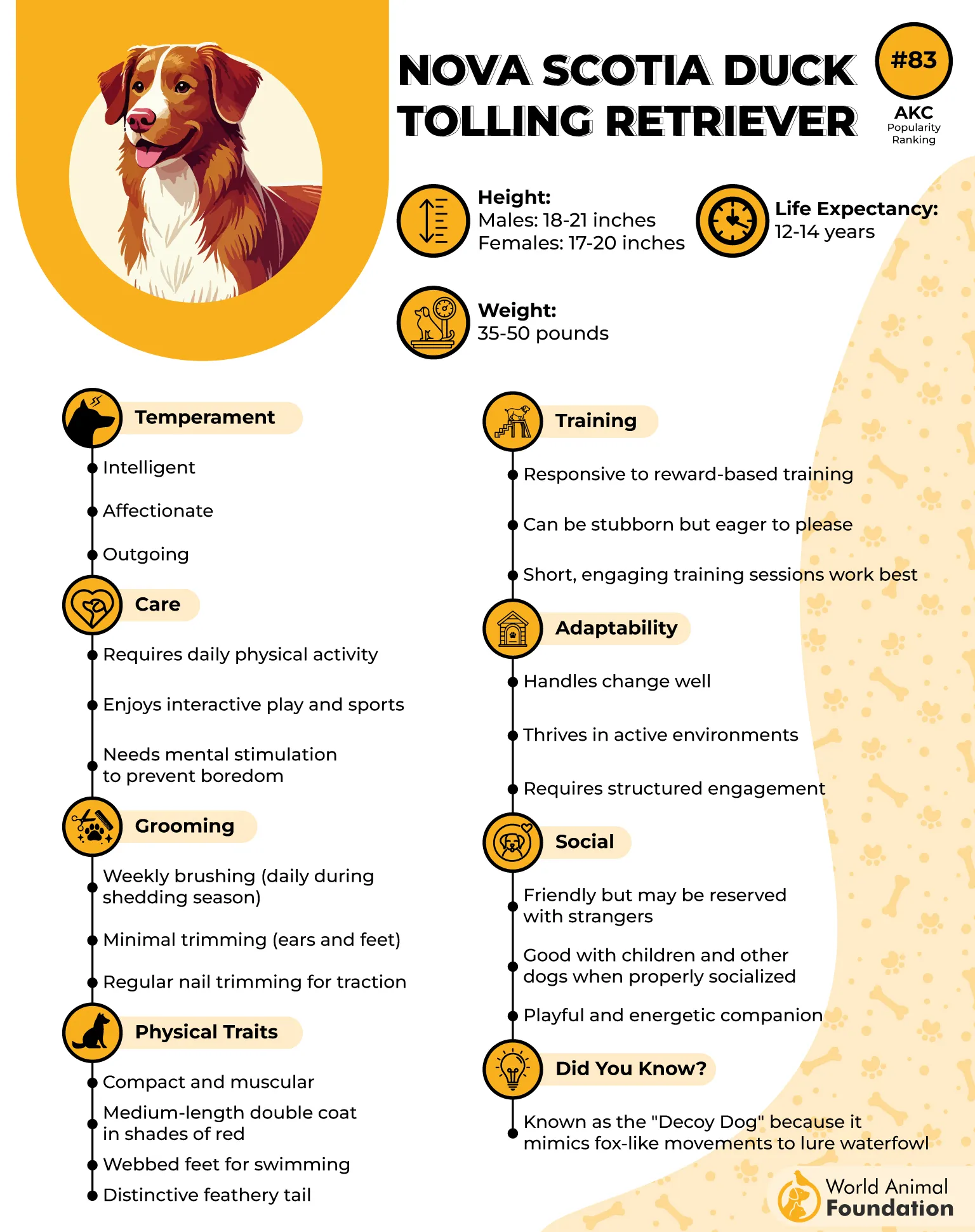
Nova Scotia Duck Tolling Retriever originated in Little River, Nova Scotia, Canada, where its unusual hunting role centered on drawing waterfowl toward the shoreline. Local farm dogs were likely combined with setters and spaniels, producing a smaller retriever suited to demanding fieldwork.
The Toller Trick
Nova Scotia Duck Tolling Retriever uses energetic shoreline play to catch a bird’s attention, with its white-tipped tail helping create the visual lure. Once the waterfowl come closer, the dog shifts from playful teasing to focused retrieving work.
The specialized routine involves:
Enticing birds toward shore
Switching quickly into retrieve mode
Using a gentle retrieving mouth
Quick to Change Gears
This retrieving breed can shift rapidly from lively play to concentrated fieldwork, so impulse control matters during training. Short, upbeat sessions with clear expectations and rewards tend to suit its sensitive nature, while harsh handling can affect confidence.
Conclusion
Open plains can make bird hunting feel like a test of every skill a dog brings to the field. A partner needs to search widely for game birds, read scent carried by changing air, stay focused, and respond when birds break cover. Pointing, flushing, and retrieving each call for different natural abilities, yet control remains important across all three jobs.
Reliable recall and steady training help keep an energetic dog manageable when the landscape offers varied terrain and plenty of distractions. Before heading out, consider the weather, hunting method, and your dog’s conditioning, prey drive, and strong retrieving instinct. The right companion can turn wide open country into productive ground for an outdoor adventure.
