




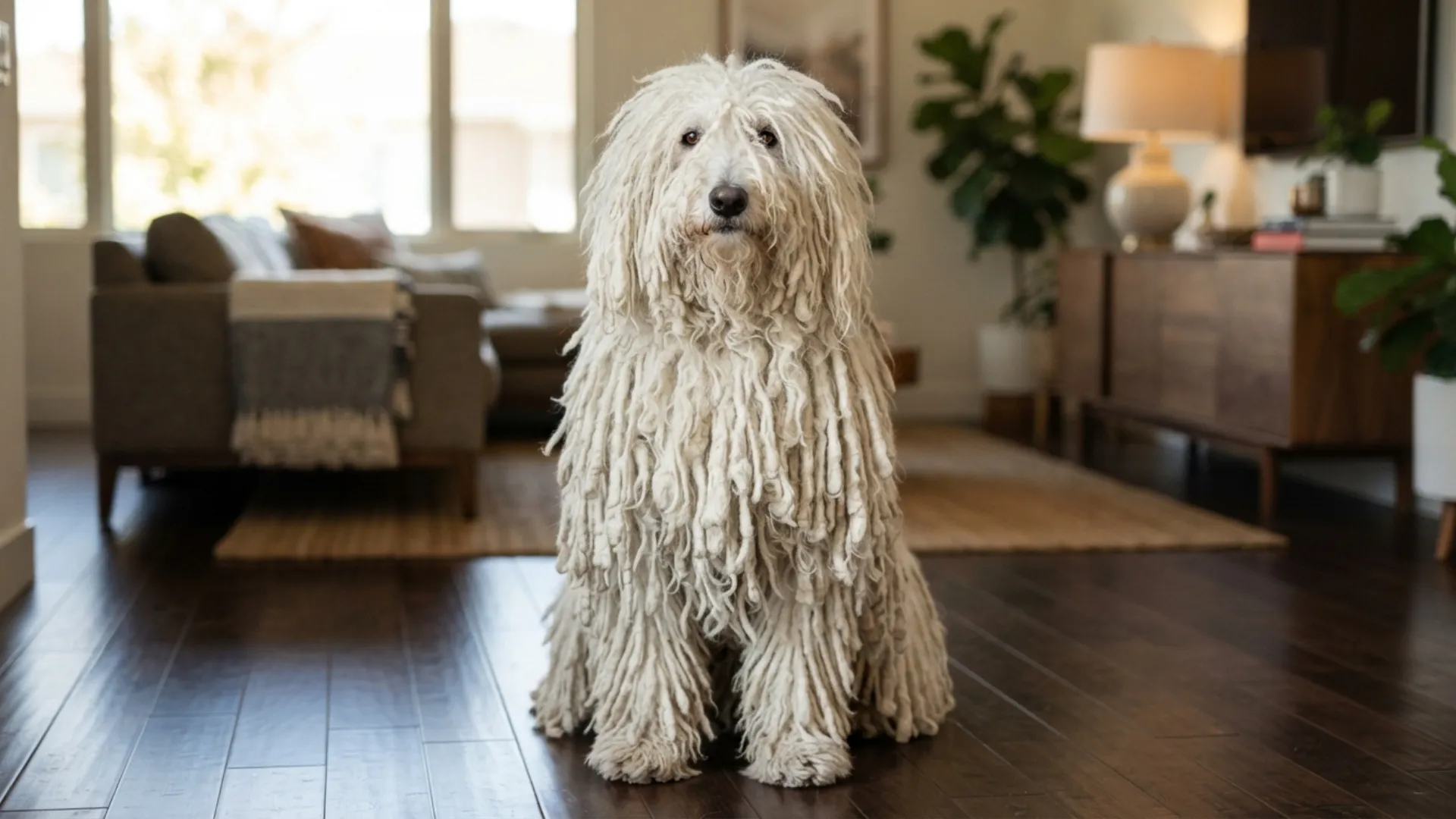
Some beautiful dogs arrive wrapped in curls, cords, silk, or enough shag to qualify as mobile furniture. Their coat texture is not merely a fashion decision; it often reflects the work their ancestors did outdoors.
Fun fact: A dog’s coat may be single-layered or double-layered, and that structure influences insulation, shedding, and grooming. So, your future brush may have opinions about your lifestyle.
From springy curls to flowing silky hair, different dog coat textures create very different cleaning routines and care needs. Before falling for a picture-perfect coat, see which texture belongs in your home—and which one might run it.
Amazing Dog Breeds Recognized by Their Coat Texture
1. Miniature Poodle
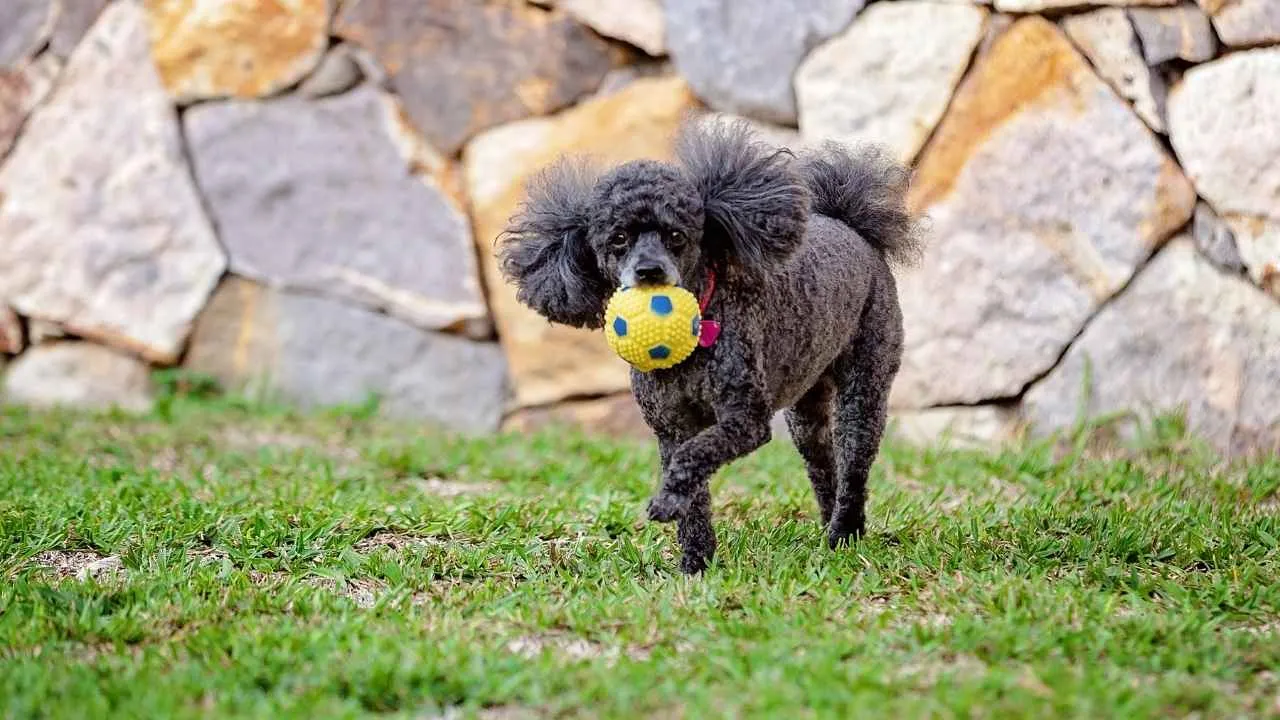
Miniature Poodles are bright little schemers that learn quickly and expect everyone to keep up. Their larger Poodle ancestors retrieved waterfowl, and dense curls shielded them from cold water. The AKC calls them elegant athletes, fair for a dog that can outthink a cupboard latch.
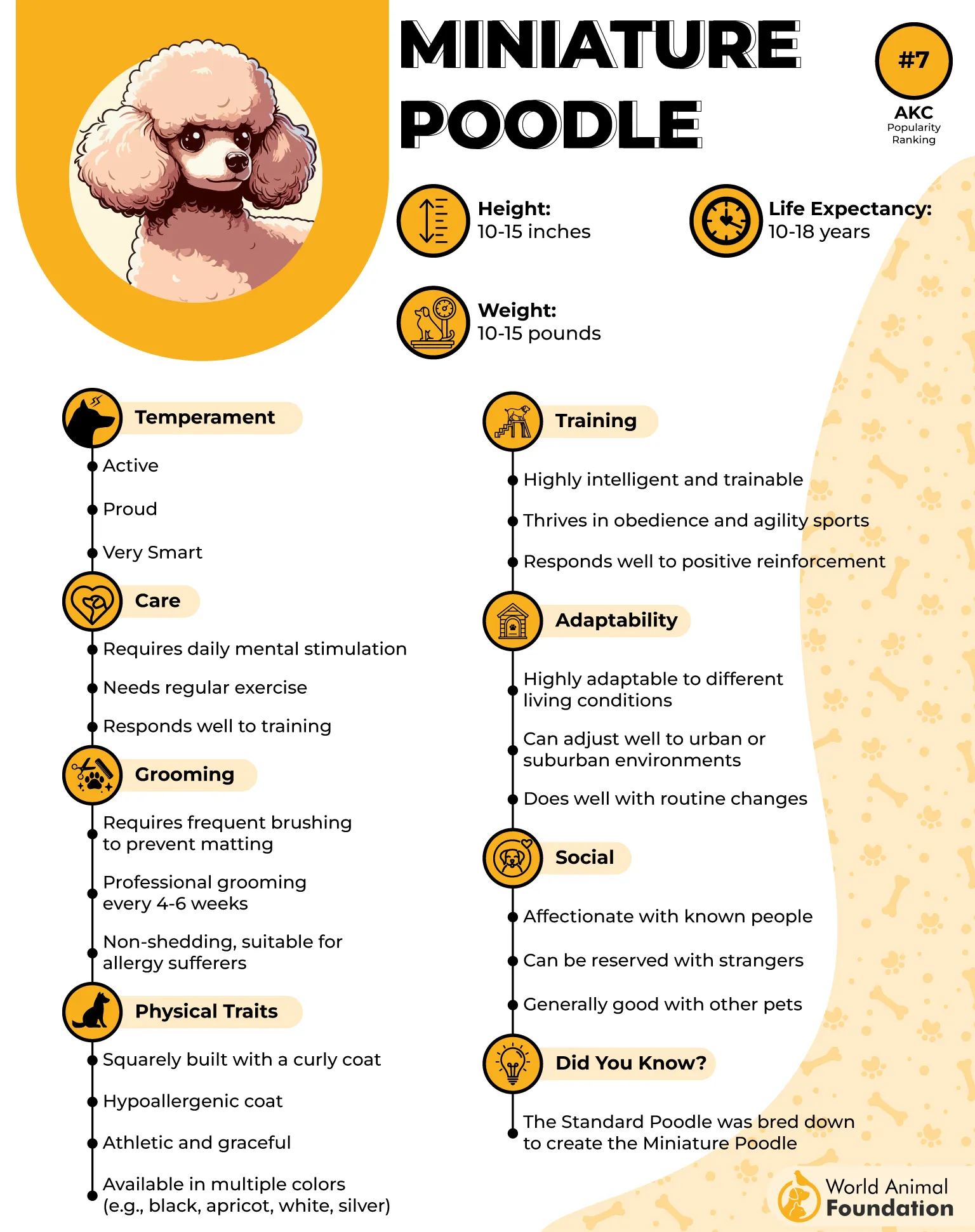
Grooming: Their low-shedding, curly single layer needs frequent brushing and regular grooming to maintain a neat, healthy appearance.
The dog’s hair and coat feel springy and plush, like a woolly jumper with opinions. Those tight spirals are less random glamour than a practical, water-repellent design.
Shedding: Low; loose hair usually stays caught in the coat, not across the sofa.
Cost Reduction Tip: Learn basic face, feet, and sanitary trimming at home, then book professional grooms only for full reshaping.
That means lighter vacuuming, but no free pass: neglected curls turn trapped hair into tangles. You trade loose fur for a real year-round grooming calendar.
2. Komondor
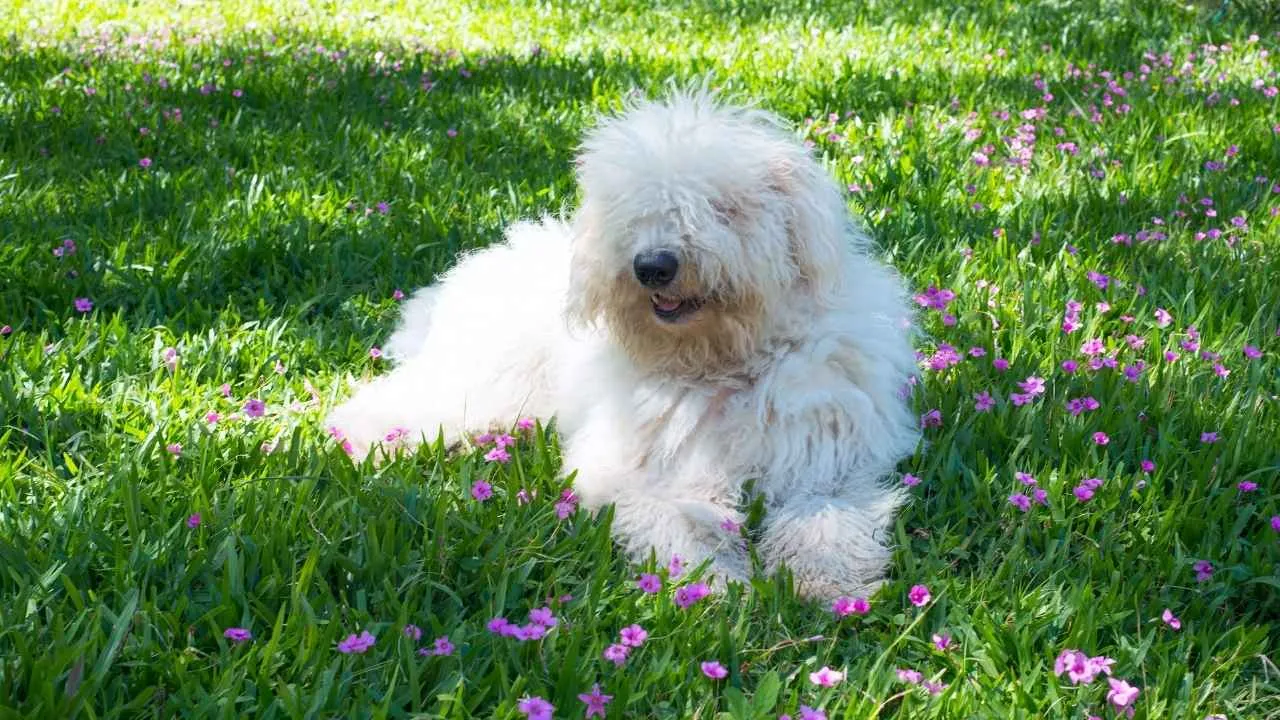
Komondorok are calm, watchful guardians with a serious job-minded streak. PetMD explains that Hungarian shepherds bred them to guard sheep, while white cords helped them blend into the flock and face rough weather. They are not a decorative mop; they are security staff in a truly unforgettable uniform.
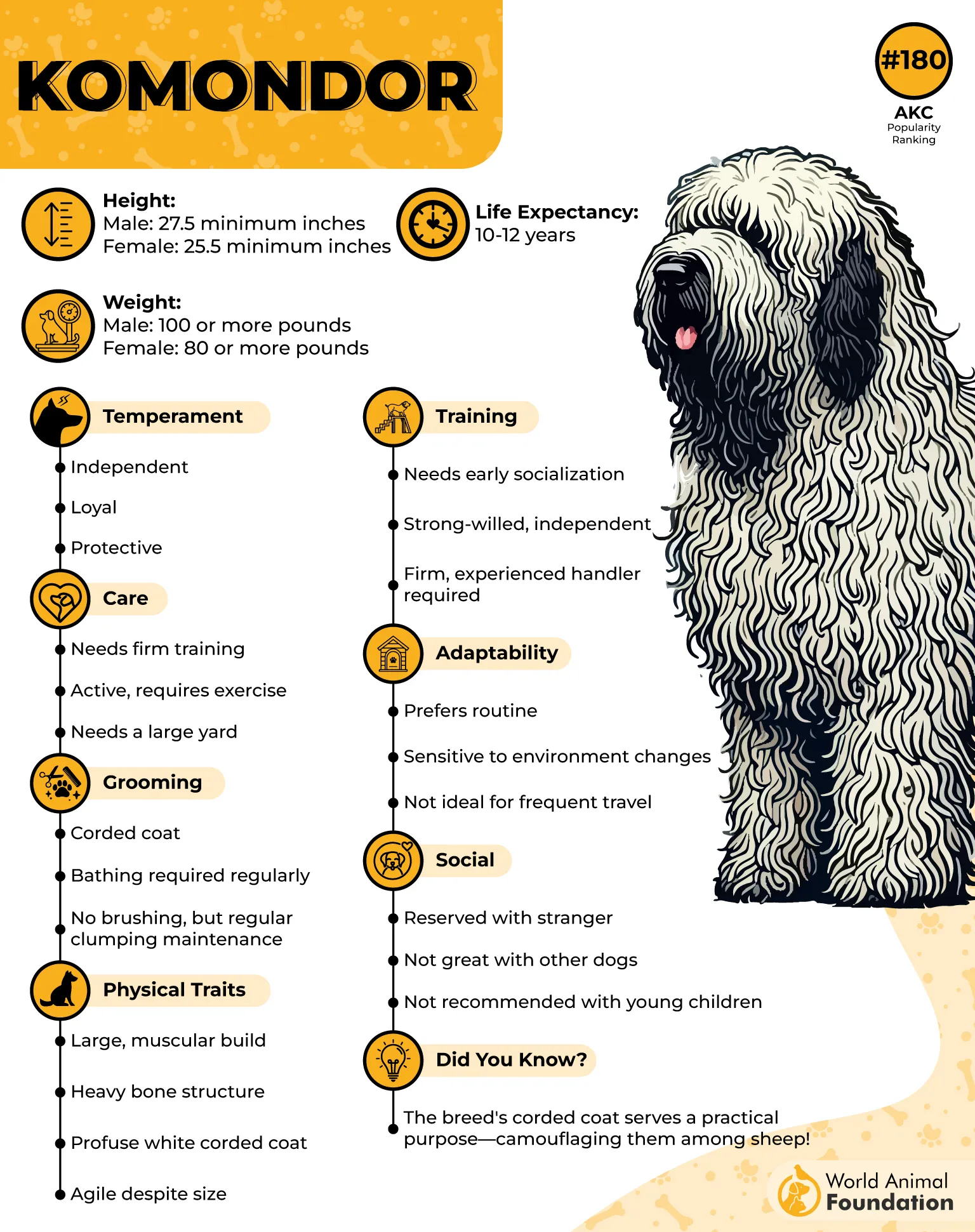
Grooming: This dense double coat forms cords that need careful hand separation, extra grooming, and complete drying to stay healthy.
Each cord begins with a soft, woolly undercoat and a coarser outer coat, then develops into rope-like strands. It feels dense and heavy, more armour than throw pillow.
Shedding: Low; shed hair becomes part of the cords, so fur tumbleweeds are not the main event.
Cost Reduction Tip: Separate young cords consistently and rinse muddy spots quickly, since neglected cords can turn into an expensive grooming rescue.
Dirt hides in cords, so bath day needs patient, thorough drying.
3. Afghan Hound
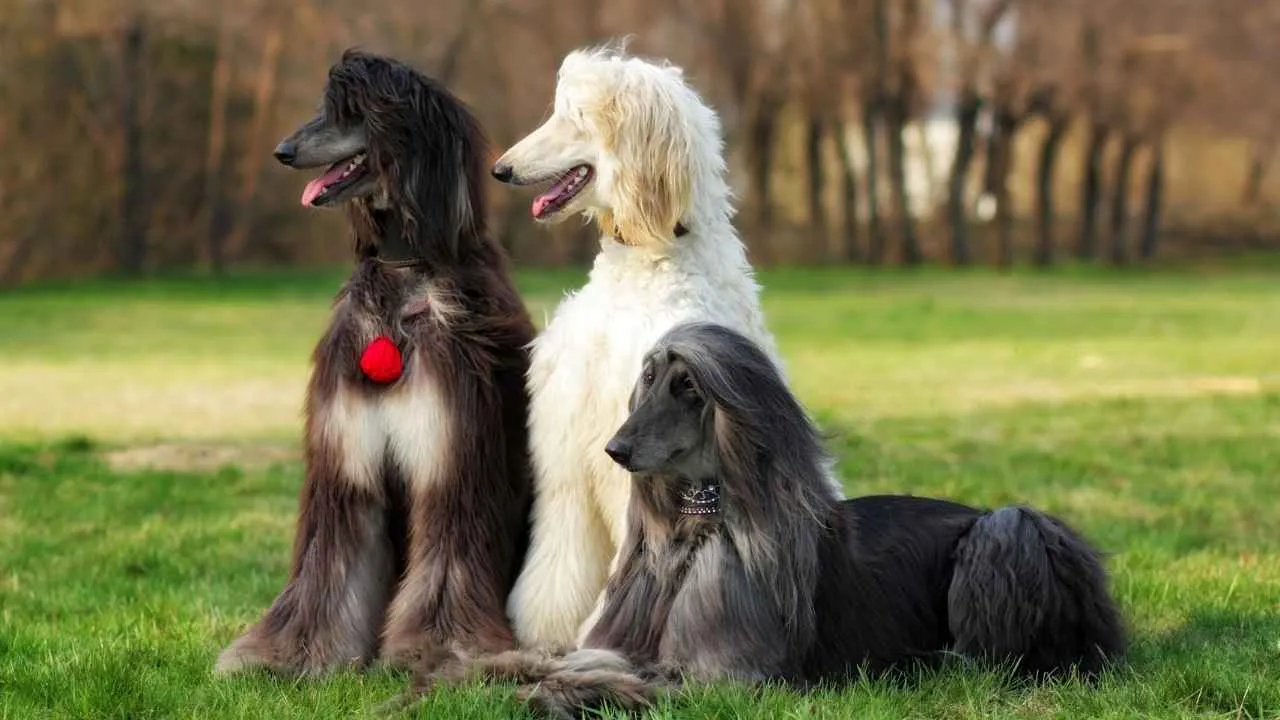
Afghan Hounds have the manners of a glamorous roommate who accepts affection on a personal schedule. Purina notes that they were bred as independent sighthound hunters across Afghanistan’s mountains and deserts. That serious work explains their speed, strong chase instinct, and unapologetically selective listening.
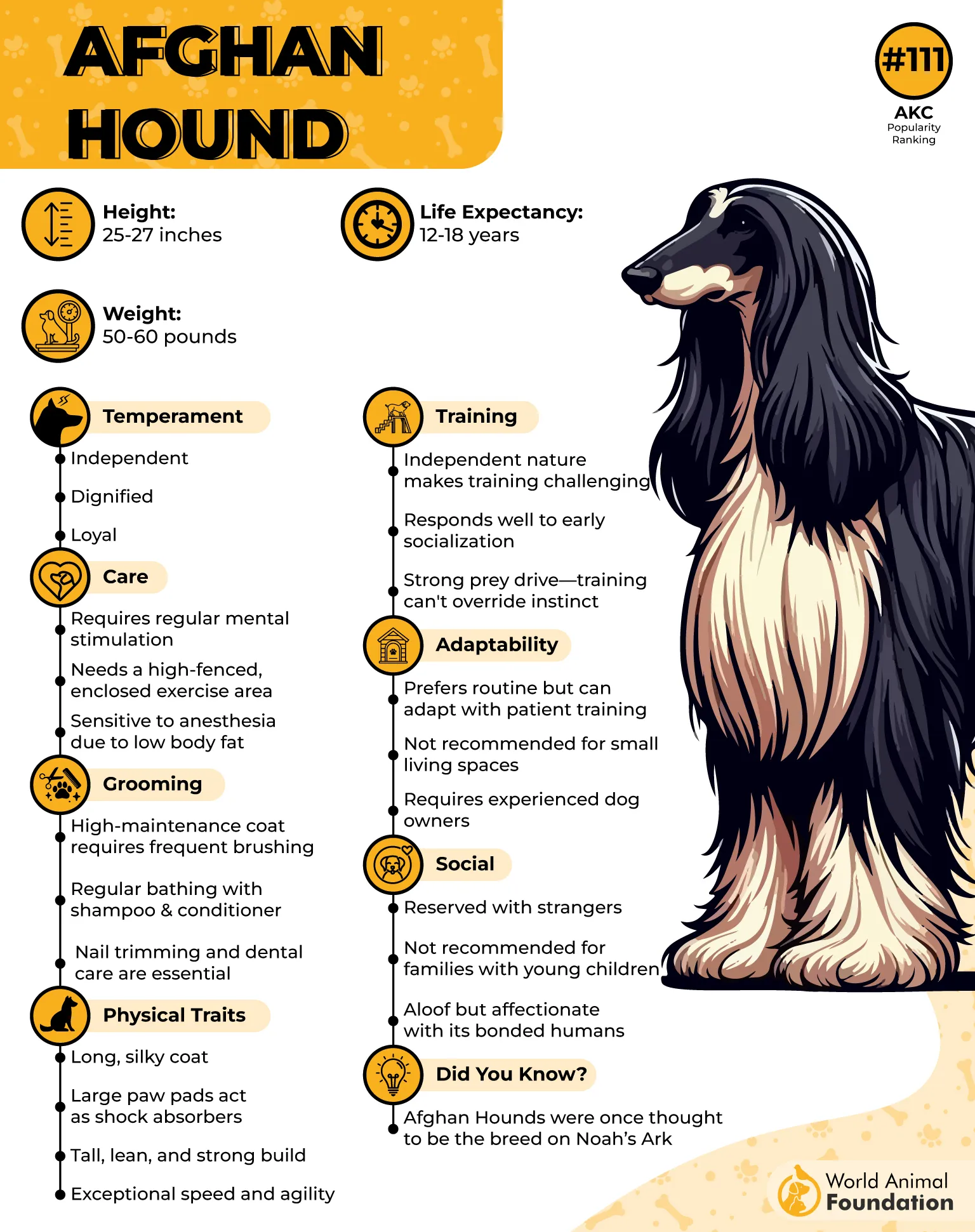
Grooming: Long, shiny, silky hair creates a luxurious sheen, yet it needs daily brushing and gentle shampoos to prevent tangles.
The smooth coat is fine, flowing, and cool like silk curtains in a windy palace. It originally protected working hounds from harsh desert and mountain conditions.
Shedding: Low; loose hair is modest, but long strands remain extremely visible on dark clothes.
Cost Reduction Tip: Brush gently before tangles form and keep the coat clean between appointments to avoid paying for lengthy de-matting.
You may not vacuum constantly, yet a brush, a comb, and raincoat-grade patience become essential household equipment for this silk-covered sprinter on wet days.
4. Bedlington Terrier
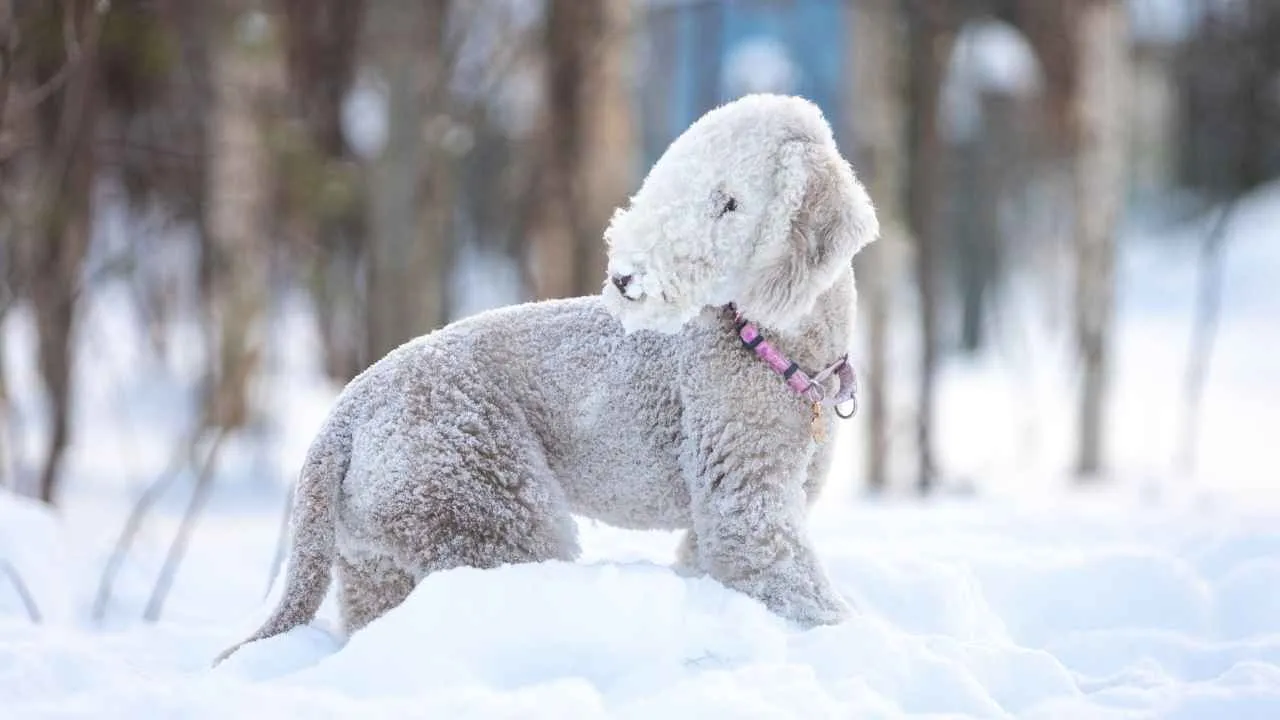
Bedlington Terriers look like gentle lambs, then reveal a terrier brain with a fast chase button. In northern England, they hunted vermin for miners and were raced for sport. So the cute curly coated breeds arrives with a surprisingly athletic history.
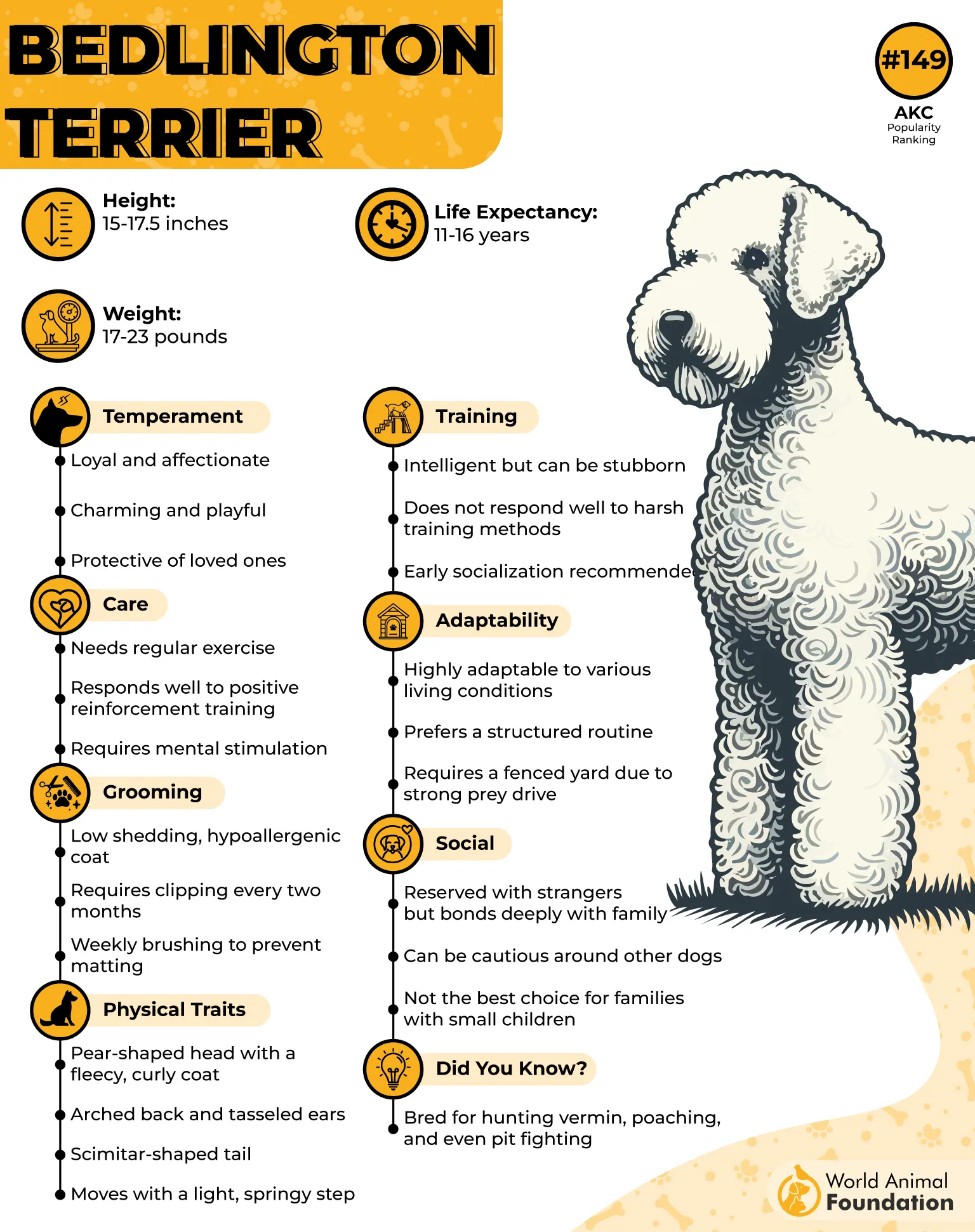
Grooming: Comb every few days and schedule skilled clipping or professional grooming for the lamb-like outline.
Its soft, crisp coat type sits away from the body and requires regular brushing, clipping, and occasional hand stripping for its lamb-like look.
Shedding: Low; loose hairs cling to the coat, not every cushion in your home.
Cost Reduction Tip: Ask a breeder or groomer to teach the signature trim, then maintain the outline with careful home clipping between professional visits.
Vacuuming stays manageable; the real mess is a skipped trim turning that cloud into something your groomer will politely sigh at.
5. Irish Water Spaniel
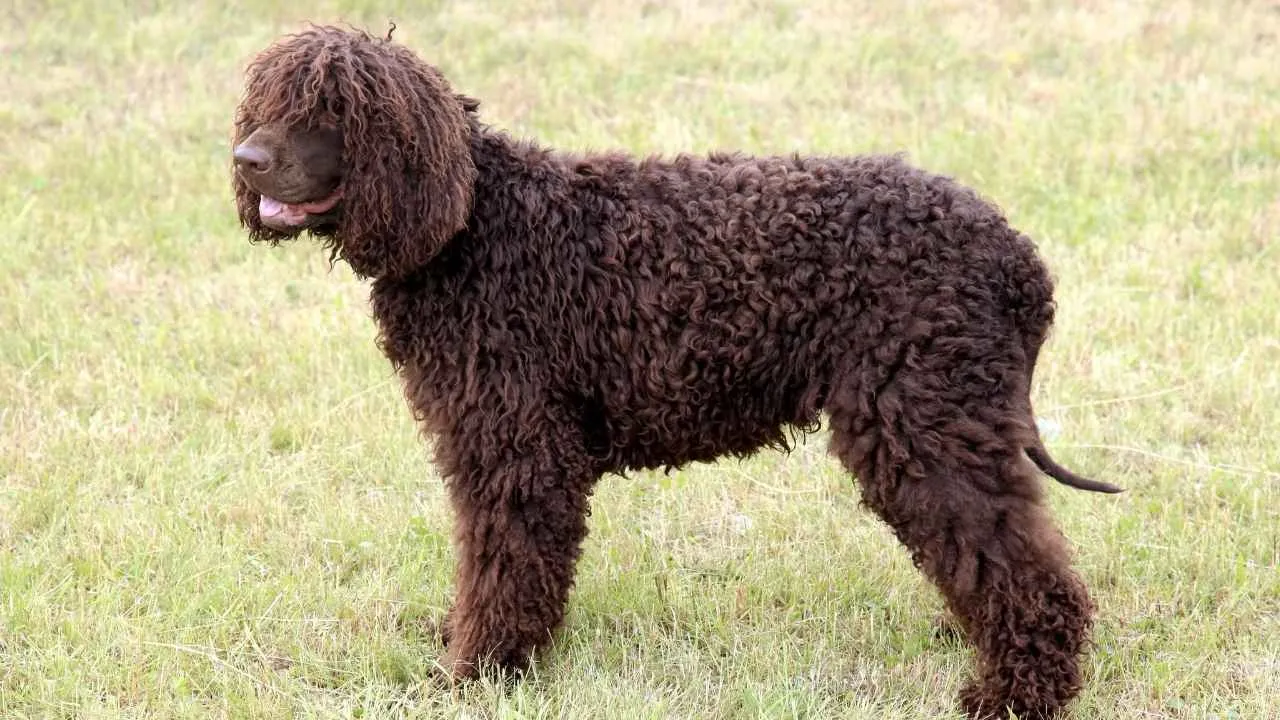
Irish Water Spaniels are bold, clever companions who join every household scheme, then greet strangers like they need an appointment. Dog owners describe them as spirited water-game hunters, built to retrieve through heavy cover. That work demanded stamina, swimming skill, and a coat ready for soggy drama.
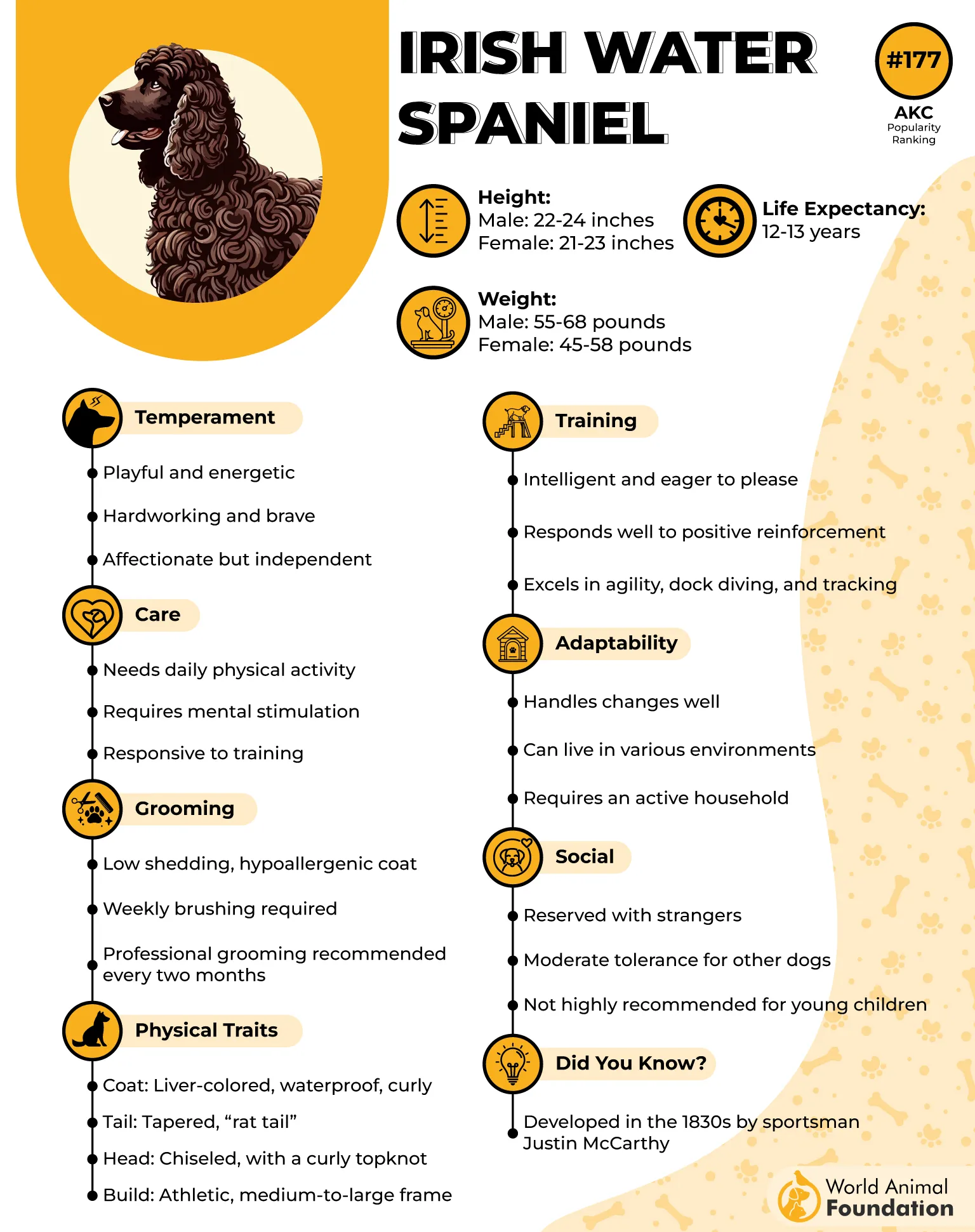
Grooming: Comb with a wide-toothed comb, keep the ears dry, and book regular professional trims.
The dense, curly coat has natural oils that help it handle water, though weekly brushing keeps the curls clean and mat-free.
Shedding: Low; dead hair stays in the curls, though wet debris happily comes home.
Cost Reduction Tip: Comb the curls regularly and dry the coat well after swimming, which helps prevent mats and reduces salon time.
Floors stay calmer, but towels will work overtime after swimming.
6. Curly-Coated Retriever
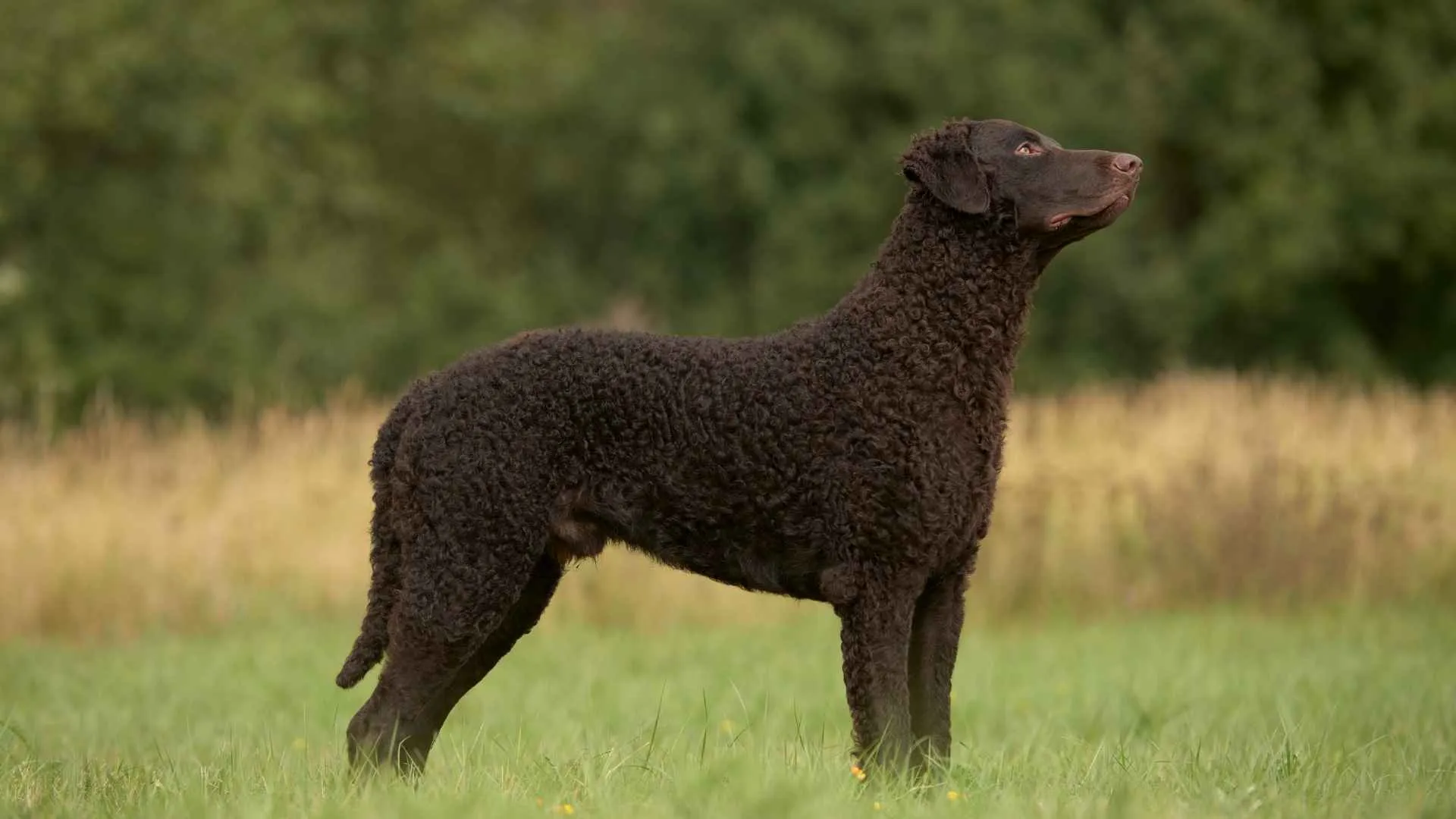
Curly-Coated Retrievers are bright, self-possessed sporting dogs. Canine historians trace them to English bird hunting and waterfowl retrieval, where tight curls repelled water and avoided snagging in cover. They love a job, a swim, and reminding you that the tennis ball remains missing.
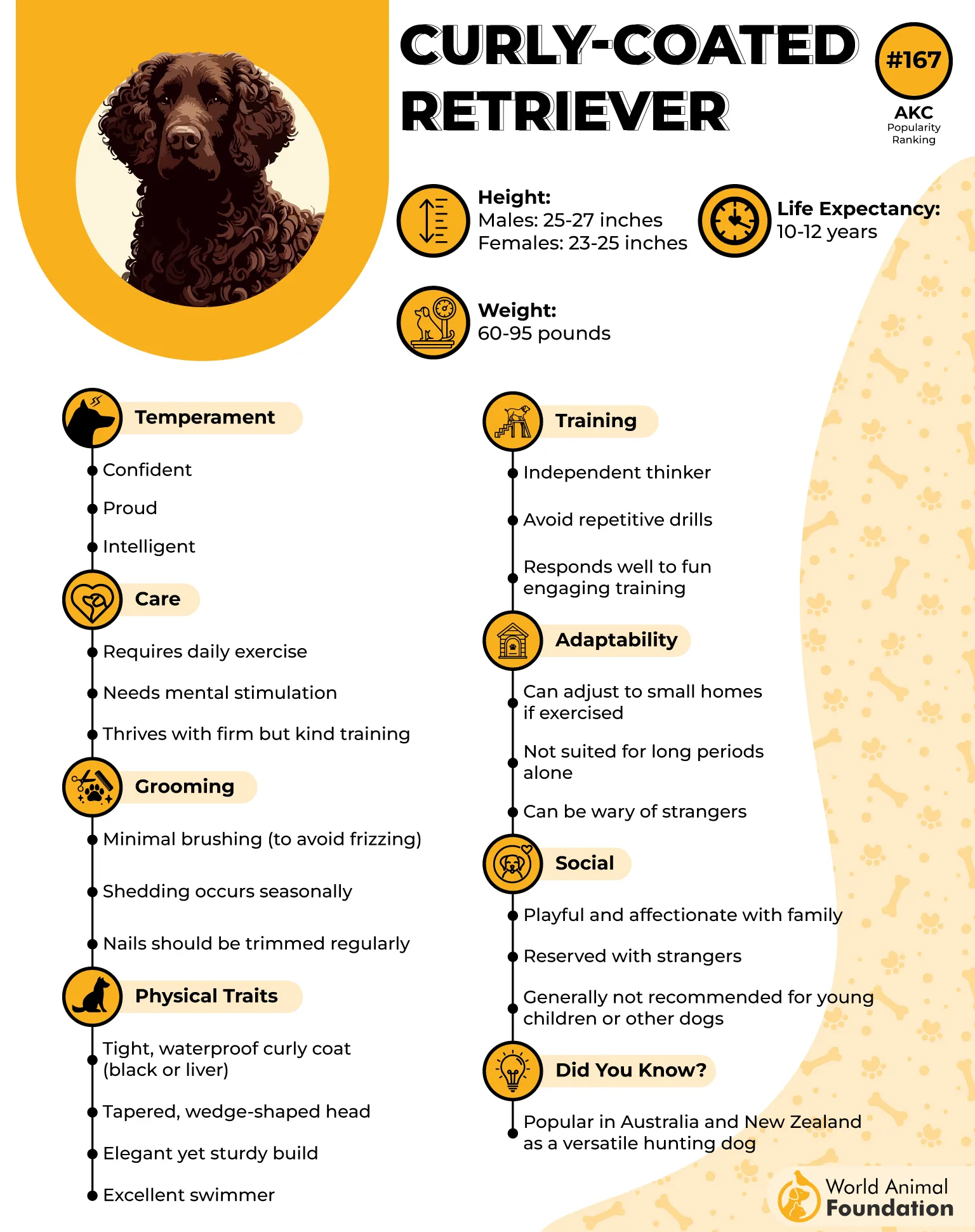
Grooming: Groom lightly when needed; over-brushing can loosen the curl pattern. Towel-dry after wet adventures.
Tight, smooth curls form a sleek, water-resistant coat that needs light grooming, not constant brushing that can spoil its texture. That rough texture makes a practical shield for outdoor work.
Shedding: Seasonal; expect more loose hair during coat changes, not a constant fur blizzard.
Cost Reduction Tip: Avoid frequent brushing and expensive styling; occasional bathing, towel-drying, and a simple tidy-up usually suit the coat.
Most weeks, home cleaning is manageable. The garden mud is more likely to test your patience than the coat.
7. Old English Sheepdog
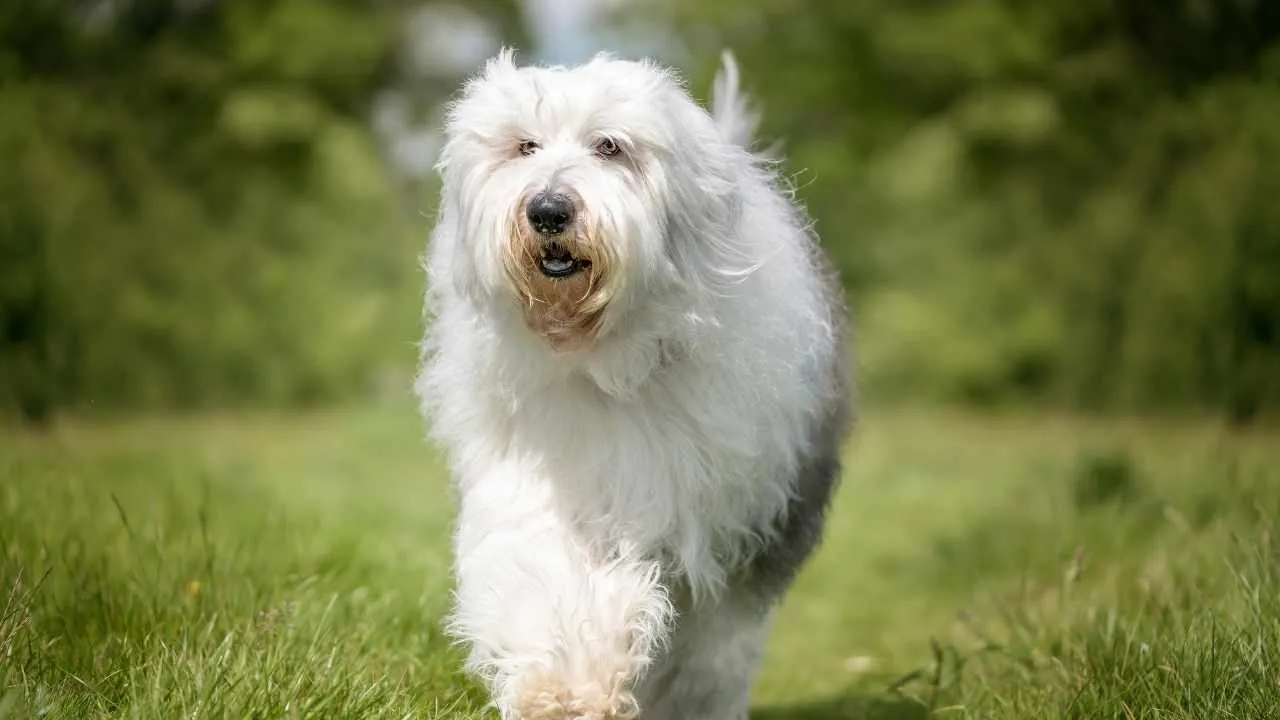
Old English Sheepdogs are cheerful, brainy herders disguised as sofa-sized dust bunnies. Britannica notes that they drove sheep and cattle to market in England, so their weather-resistant double coat had a real job before acquiring celebrity hair. They still need activity and mental work; the fluff is not an excuse for a lazy life.
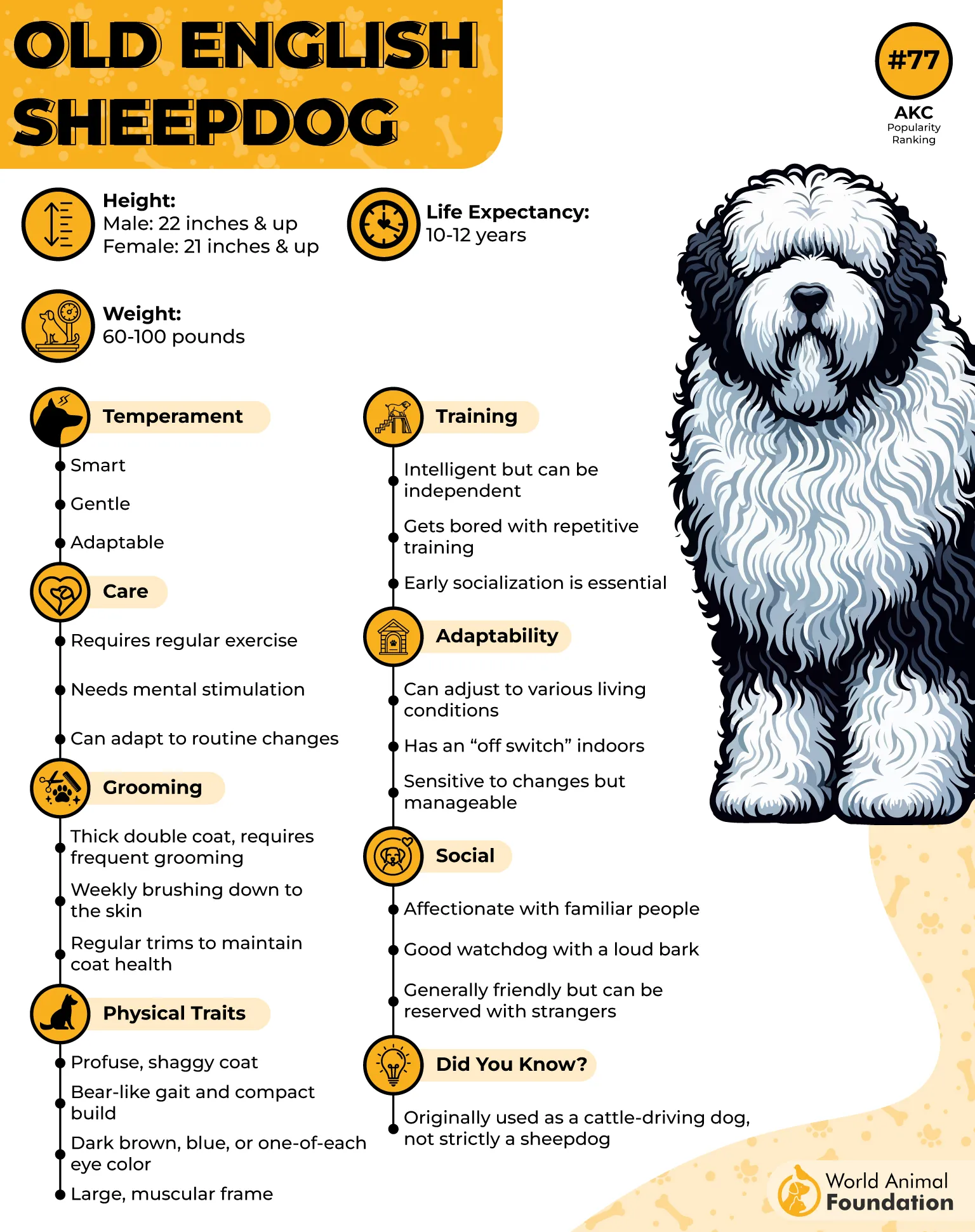
Grooming: Brush right through to the skin, check around the eyes, and remove trapped debris before it mats.
This fluffy, rough coat has a dense undercoat and long outer hair, so frequent brushing is vital to maintain coat health. Its long outer layer and insulating undercoat were made for working outdoors.
Shedding: Expect loose hair, plus leaves and dirt hitching a ride indoors.
Cost Reduction Tip: Keep a shorter pet trim if you do not show your dog, then brush routinely to prevent mats that require costly removal.
A clean home is possible, but your brush, vacuum, and lint roller will become a highly committed trio.
Conclusion
Coat texture is the useful truth beneath the glamor: curls, cords, silk, and a dense double coat each ask for a different kind of commitment. Regular grooming protects coat health, but the best match is the one whose brushing, drying, and clean-up routine still sounds reasonable after a muddy Tuesday.
Before bringing home a dog, meet an adult, run your hands through its coat, and ask the breeder or rescue exactly how they maintain it between appointments. Then put frequent brushing, grooming costs, and your weekly schedule on paper; choose the coat type you can happily care for every week.
