




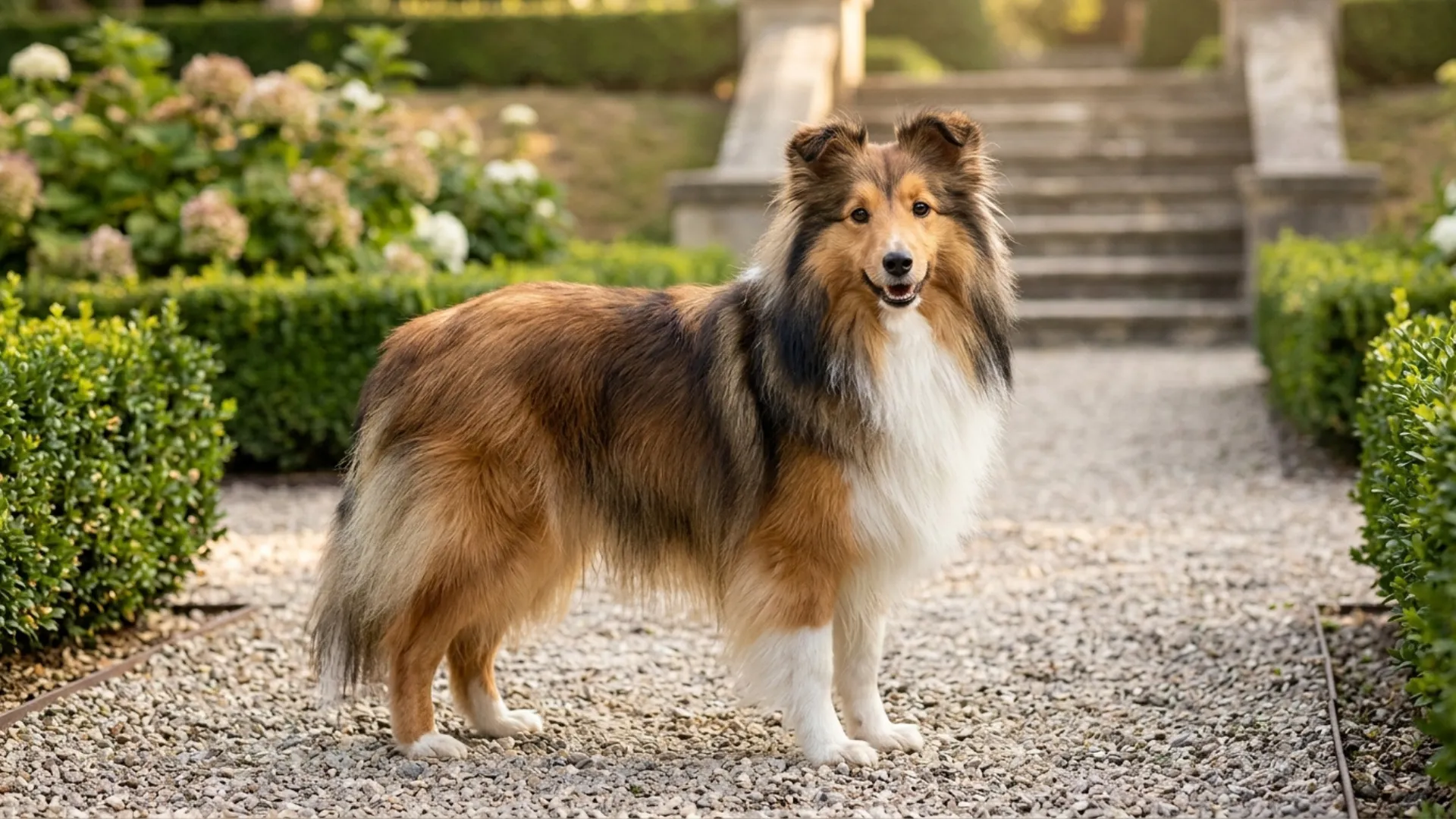
Buy a sable puppy, and there’s a decent chance you won’t recognise it in photos two years later. The colour shifts, sometimes dramatically.
Here’s the thing: sable isn’t really a colour at all in the canine kingdom. Each hair is pale at the root and tipped with black, so the exact shade you see depends entirely on how much dark tipping the adult coat brings in.
That one detail explains the mismatched puppy photos, the arguments between breeders, and why two littermates can end up looking like entirely different dogs. Read on — the seven strange, weird, and wonderful breeds below wear this shifting pattern better than any others.
Elegant Dog Breeds Known for Sable Coats
1. German Shepherd Dog
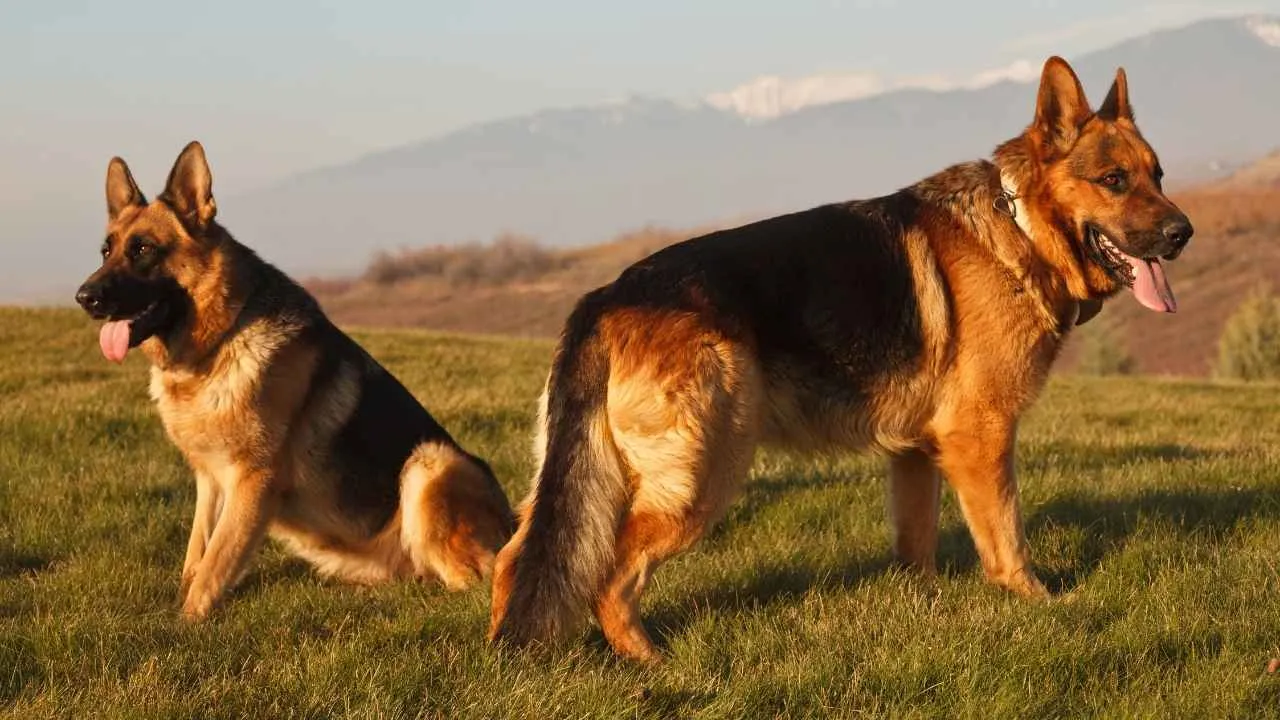
The German Shepherd is the breed most people picture when they hear sable, and the one most likely to change on them. In this breed, the pattern is called sable, though geneticists know it as agouti. Every hair is banded, which gives that wolfish, layered look. Working lines wear it most often.
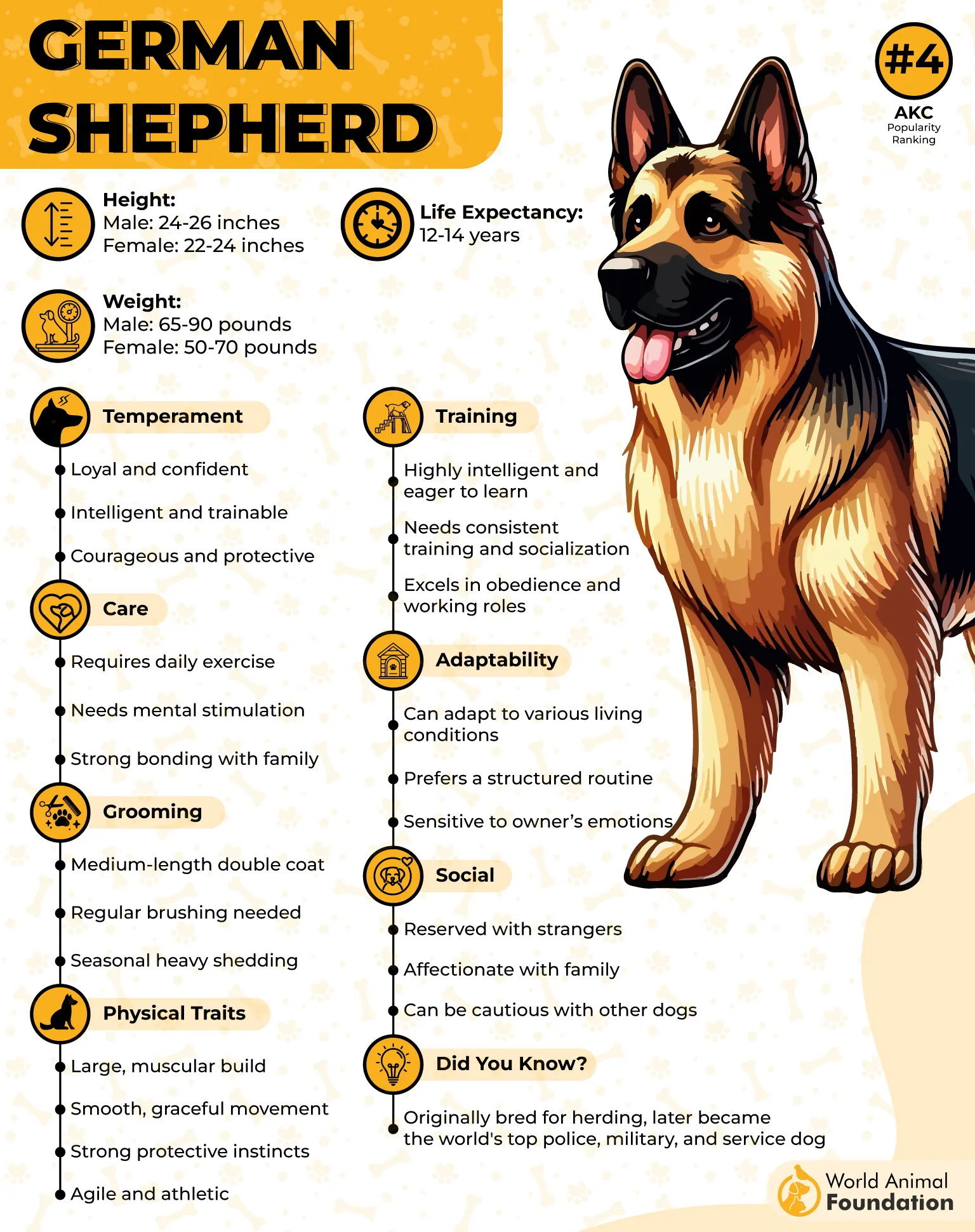
Exercise and Mental Stimulation: Two hours of exercise daily.
Swap one walk for scent games or agility work.
Boredom here turns into chewed furniture, fast.
Coat: A weather-proof double coat with a soft undercoat beneath a coarse, straight topcoat, and a shade that keeps shifting through the first two years.
A growing sable pup needs food matched to its life stage, not its size alone. Large-breed puppy formulas support steady joint development rather than rapid growth spurts.
Training and Education: Start socialising early, before 16 weeks.
Positive reinforcement training, reward-based sessions beat repetition drills.
American Kennel Club (AKC) says to brush a few times weekly, more when that undercoat blows. Best suited to active families who genuinely want a working partner.
2. Shetland Sheepdog
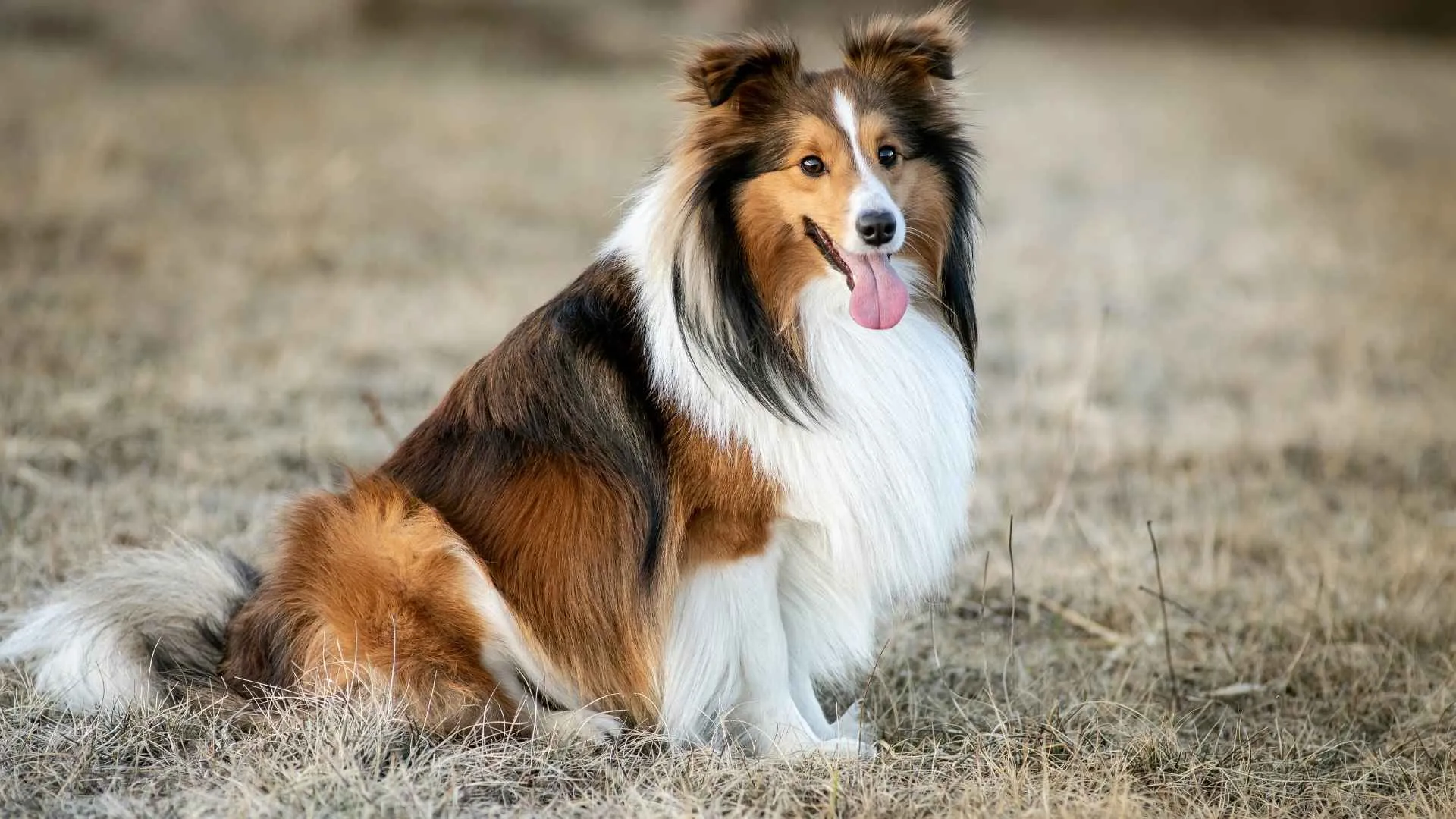
Think of a Collie shrunk to knee height, wrapped in a long double coat, and considerably chattier. Breeders call it sable and white, ranging from pale gold through mahogany. Shelties are Collies in miniature, complete with the mane and the wedge-shaped head.
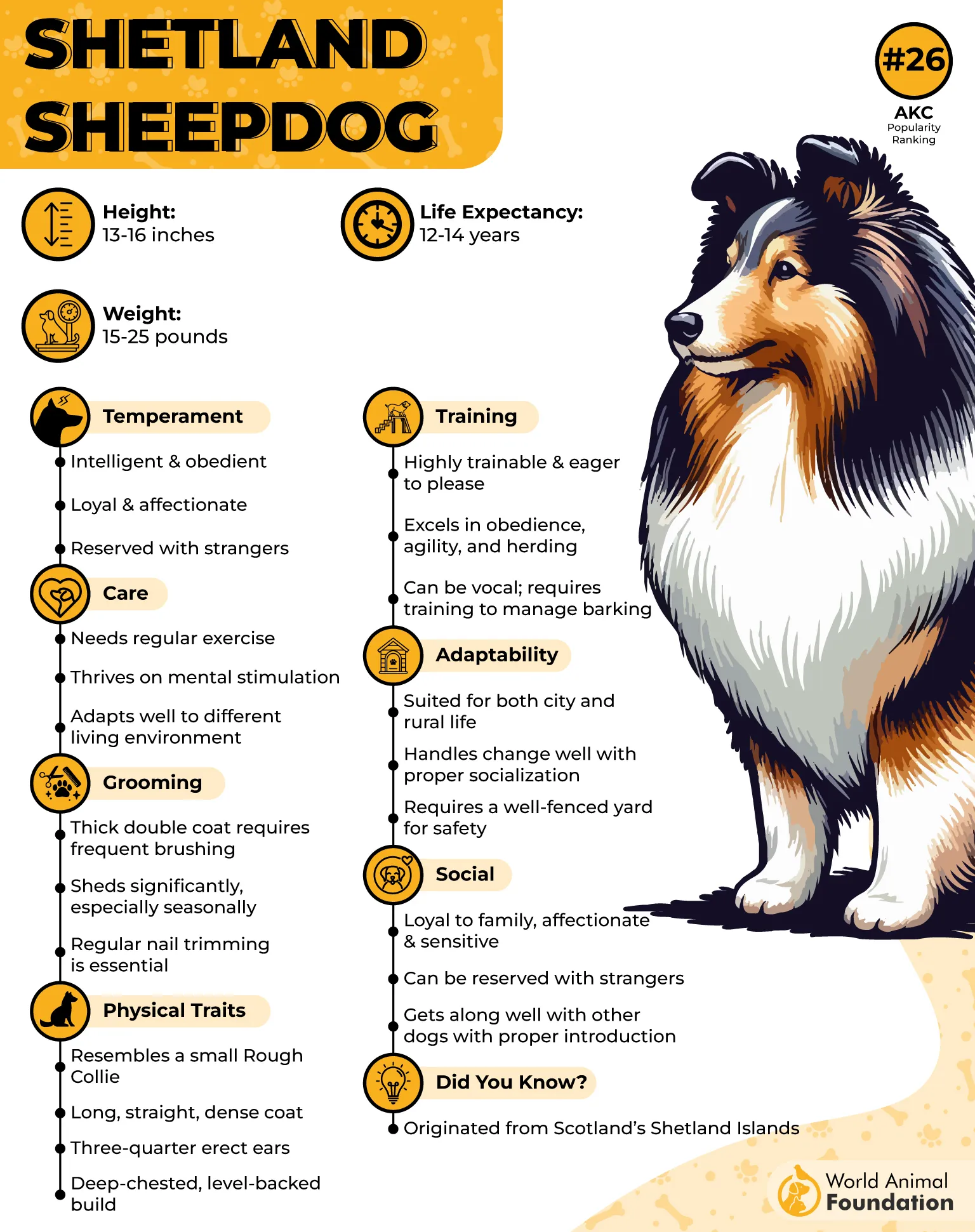
Exercise and Mental Stimulation: An hour daily, split into two outings.
Herding games and puzzle feeders suit them beautifully.
They think faster than they run.
Coat: Harsh outer hair over a thick undercoat so dense you can barely see skin, with heavier shading across the back and clear tan on the legs and chest.
Small dogs still need proper nutrition. Feed a toy or small-breed puppy formula in measured portions, since Sheltie pups gain condition quickly.
Training and Education: PetMD notes Shelties are highly trainable and eager.
Teach a “quiet” cue early — they are vocal.
Weekly brushing keeps mats away behind the ears and elbows. Ideal for families who enjoy a chatty, clever shadow.
3. Collie
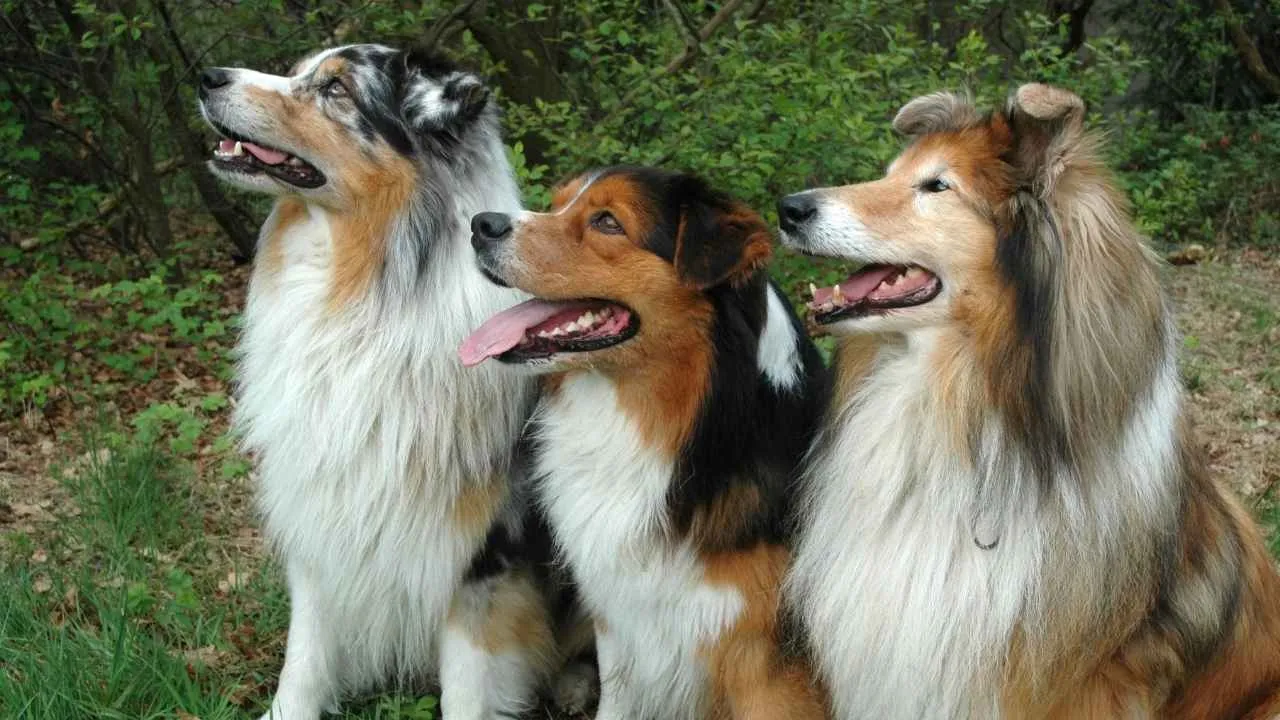
Queen Victoria made this breed famous, and the beautiful coat did most of the persuading. Here the color is registered as sable and white, running from lemon gold to deep mahogany. White collar, white feet, white tail tip — that trim is part of the look.
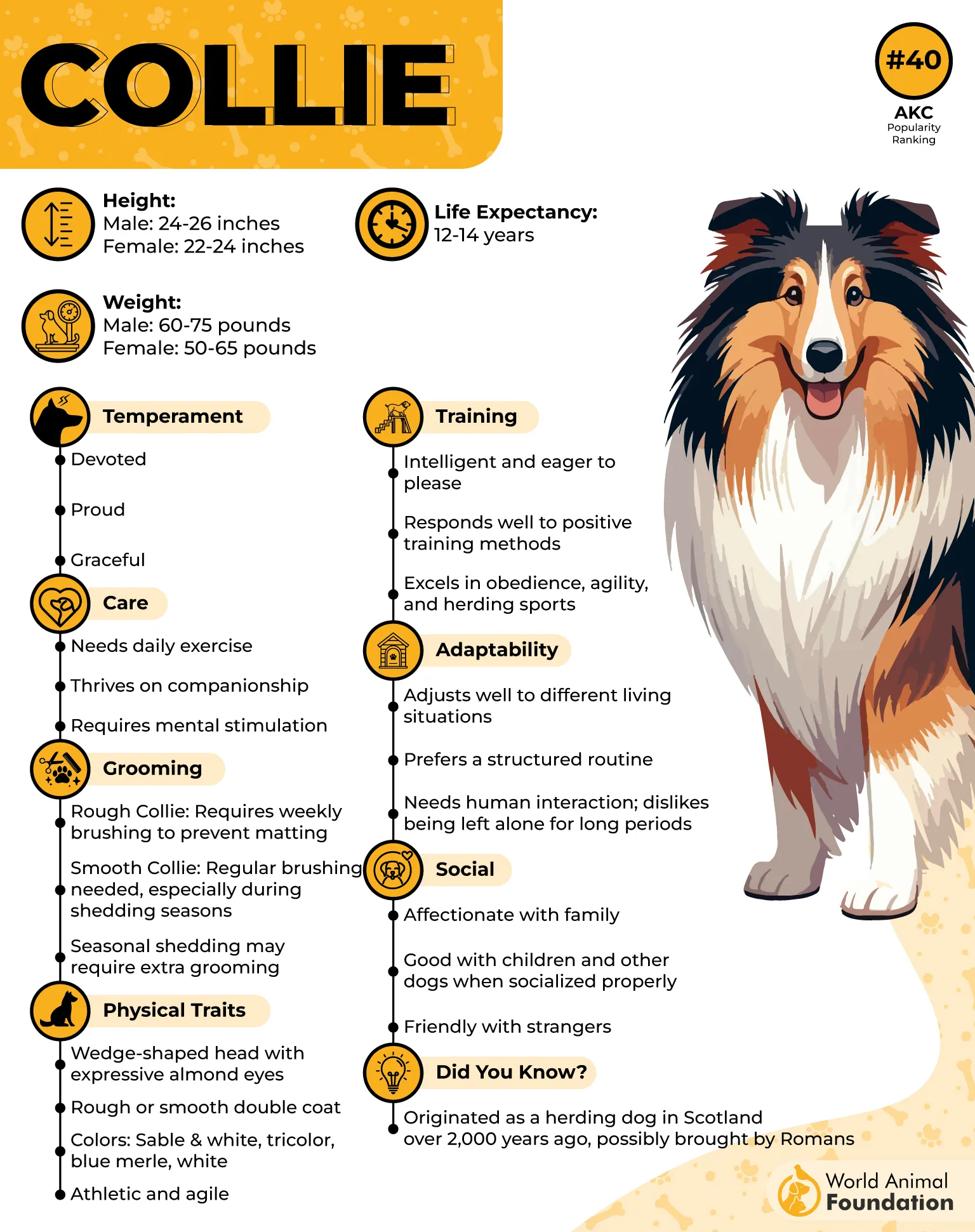
Exercise and Mental Stimulation: An hour a day suits most Collies.
Herding trials, tracking, or long countryside walks.
They enjoy having a job more than having a garden.
Coat: Rough or Smooth, both carrying white markings on the collar, feet, and tail tip, with shades of brown running from lemon gold to deep mahogany.
Growing pups do best on measured meals rather than free feeding. Puppies generally move to two meals a day by around six months, which steadies their intake.
Training and Education: Soft-natured, so keep corrections gentle.
Teach an early “settle” — they alert-bark readily.
Groom the Rough weekly; the Smooth needs far less. A calm, patient breed that fits gentle households well.
4. Belgian Tervuren
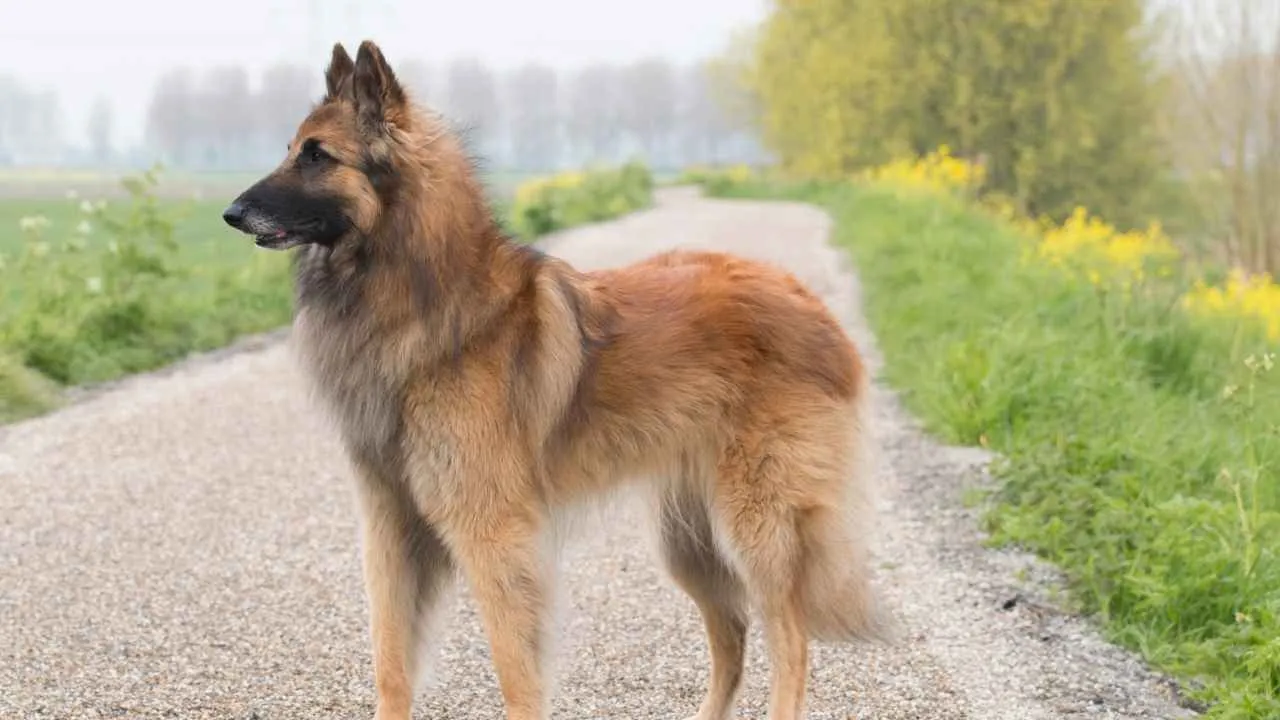
Here’s the odd one out: The Tervuren wears a sable pattern, but the breed standard refuses to call it that. Curiously, this breed never says sable. Its standard calls the same tipping a black overlay over a fawn-to-russet mahogany base, finished with a black mask.
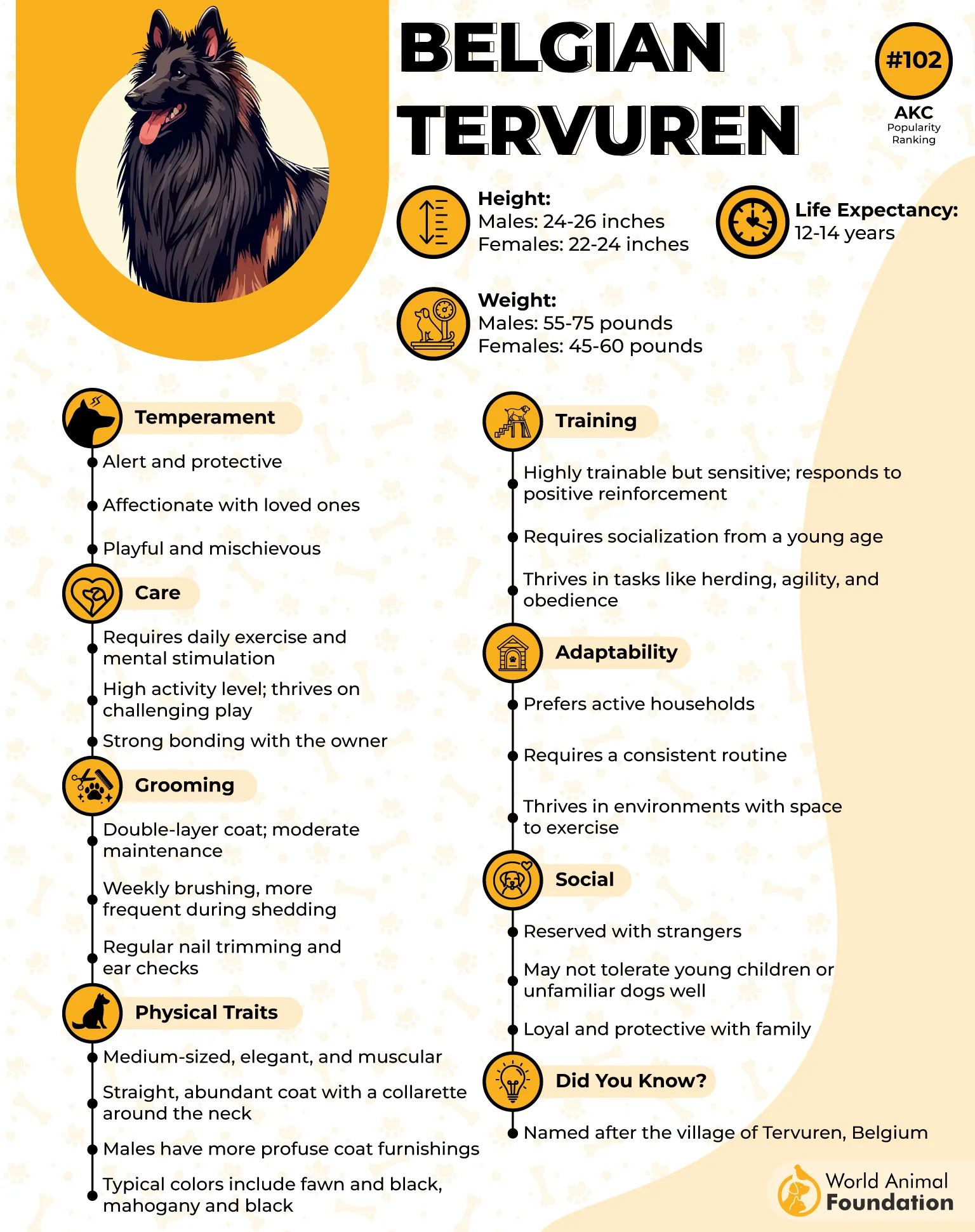
Exercise and Mental Stimulation: Closer to two hours, every day.
Dog sports, biking, kayaking — they want a partner.
Under-exercised Tervs invent their own projects.
Coat: Long, medium-harsh guard hairs over a dense undercoat, with black tips concentrated on the shoulders, back, and head, and cream or light beige underneath.
Feed a large-breed puppy diet to support even skeletal growth. Portion control matters here, as lean condition protects those hardworking joints.
Training and Education: The breed is intelligent and watchful.
Vary the sessions; repetition bores them quickly.
Brush two or three times weekly through that dense undercoat. Suited to experienced owners with genuinely busy, outdoor lives.
5. Pomeranian
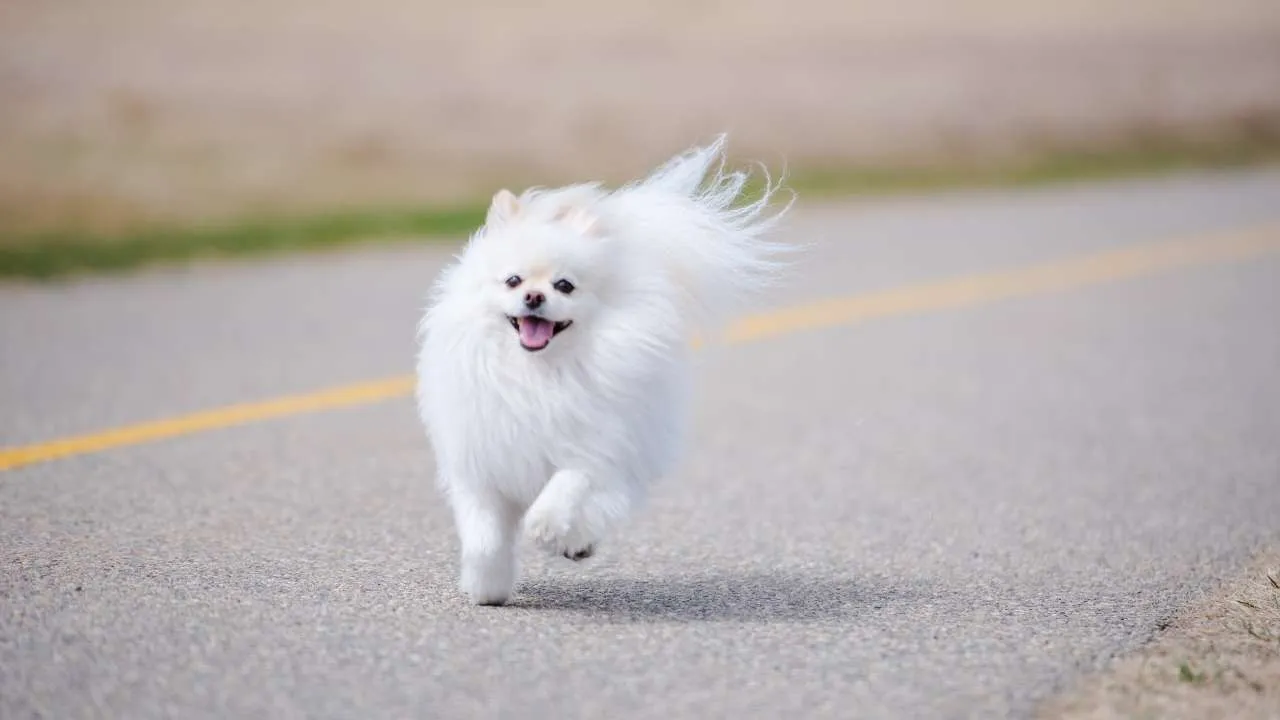
A Pomeranian puppy born silvery-grey can grow into a warm cream sable adult, which explains a lot of confused new owners. Poms wear several sable names: orange sable, cream sable, wolf sable, red sable. All describe the same thing — black banding on the guard hairs over a lighter base.
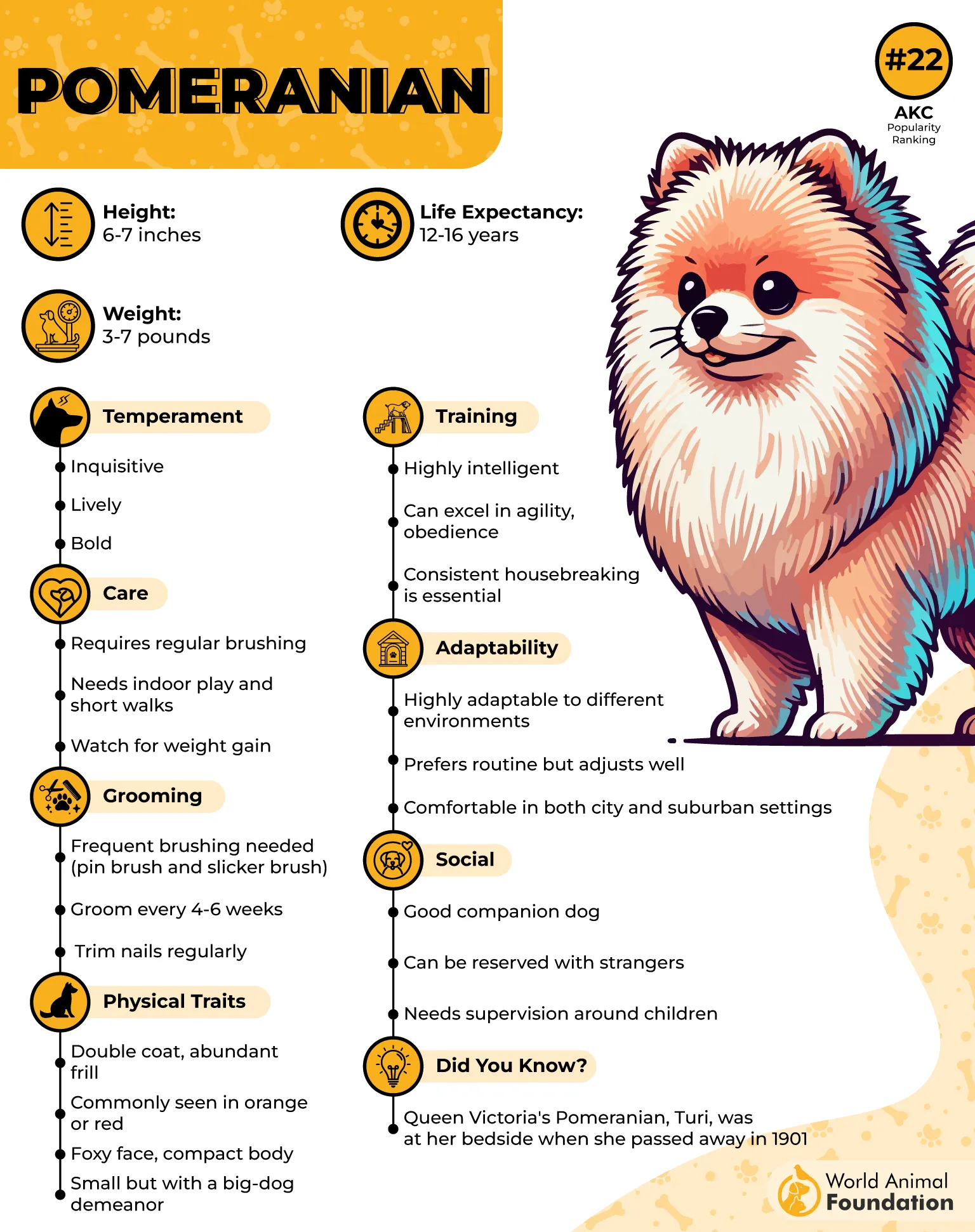
Exercise and Mental Stimulation: 30 minutes daily, split into short bursts.
Indoor fetch and trick training work well.
Skip long hikes; their legs are tiny.
Coat: A stand-off double coat where the black banding sits only on the guard hairs, so the fur reads darker on top and much lighter at the base color.
Little dogs burn through energy quickly. Pomeranians carry a higher-than-average risk of hypoglycemia, so regular meals of quality small-breed food matter.
Training and Education: Reward calm behavior, not barking.
Handle their feet early for nail trims.
Brush a few times weekly, and never shave them — regrowth often fails. Great for apartments, less so for rough-and-tumble homes.
6. Papillon
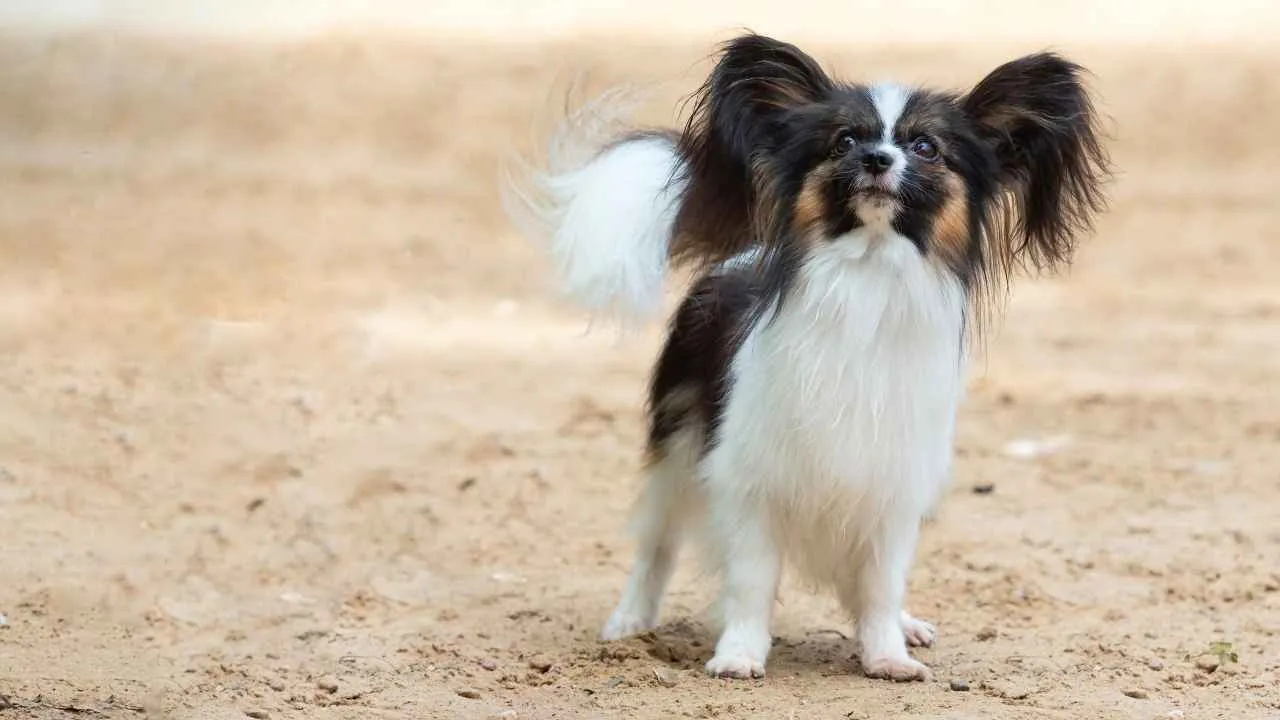
No undercoat, no shedding season, no slicker brush battles — the Papillon proves sable isn’t tied to one coat type. Registered as white and sable, with the sable patches covering both ears and reaching over the eyes. That butterfly fringe is the giveaway.
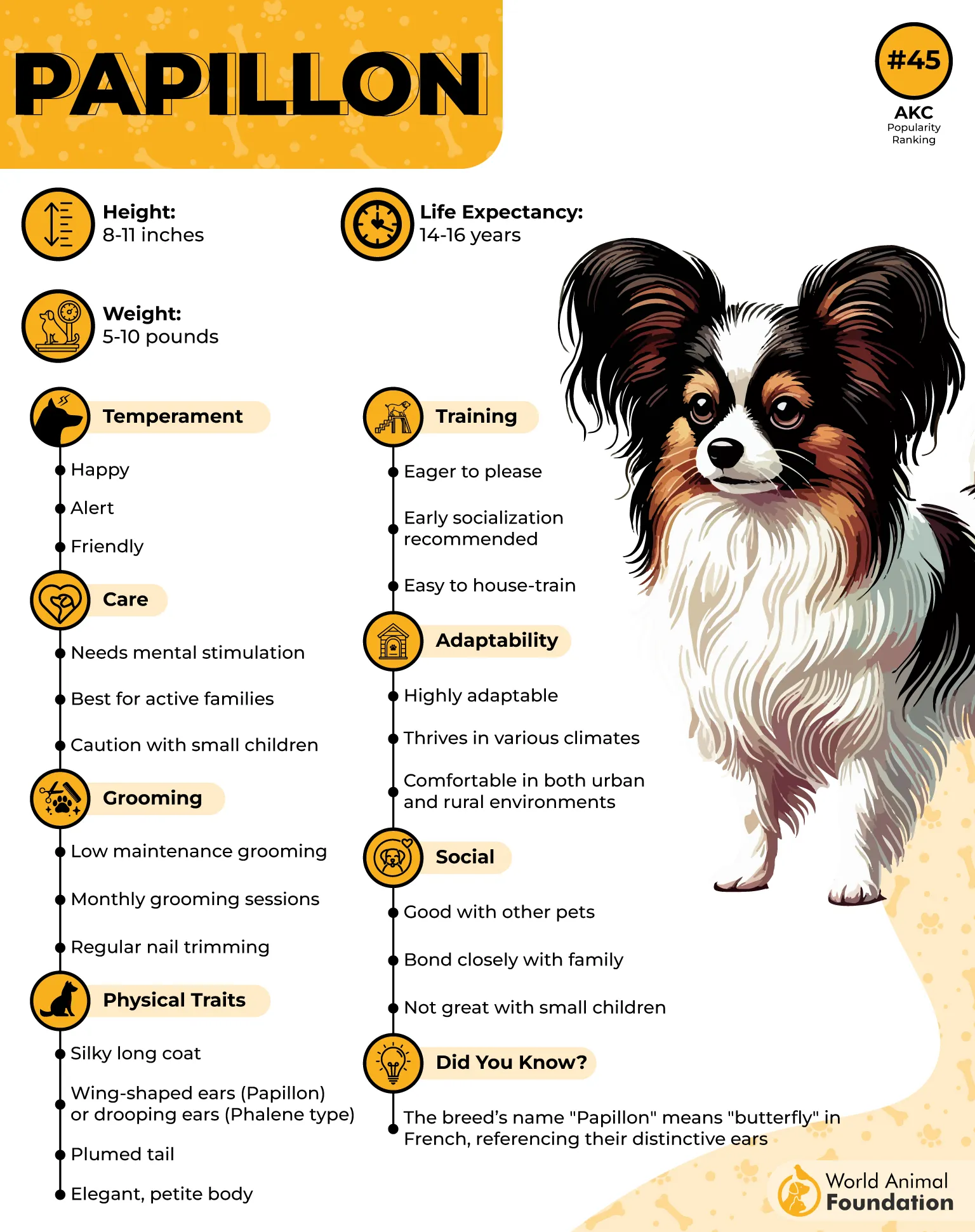
Exercise and Mental Stimulation: Two short walks plus indoor play.
Agility suits them; they are surprisingly athletic.
Puzzle toys keep that busy brain occupied.
Coat: Fine, flowing and single-layered, with a chest frill, feathered ears and no undercoat at all — so matting, not shedding, is what needs watching.
Toy-breed puppies need calorie-dense food in small, frequent portions. Dental-friendly kibble helps too, since crowded little jaws collect plaque early.
Training and Education: The AKC ranks Papillons among the brightest toy breeds.
Keep sessions to five minutes, several times daily.
One weekly brush handles that silky coat — there is no undercoat to manage. Perfect for singles, seniors, and calmer families.
7. Borzoi
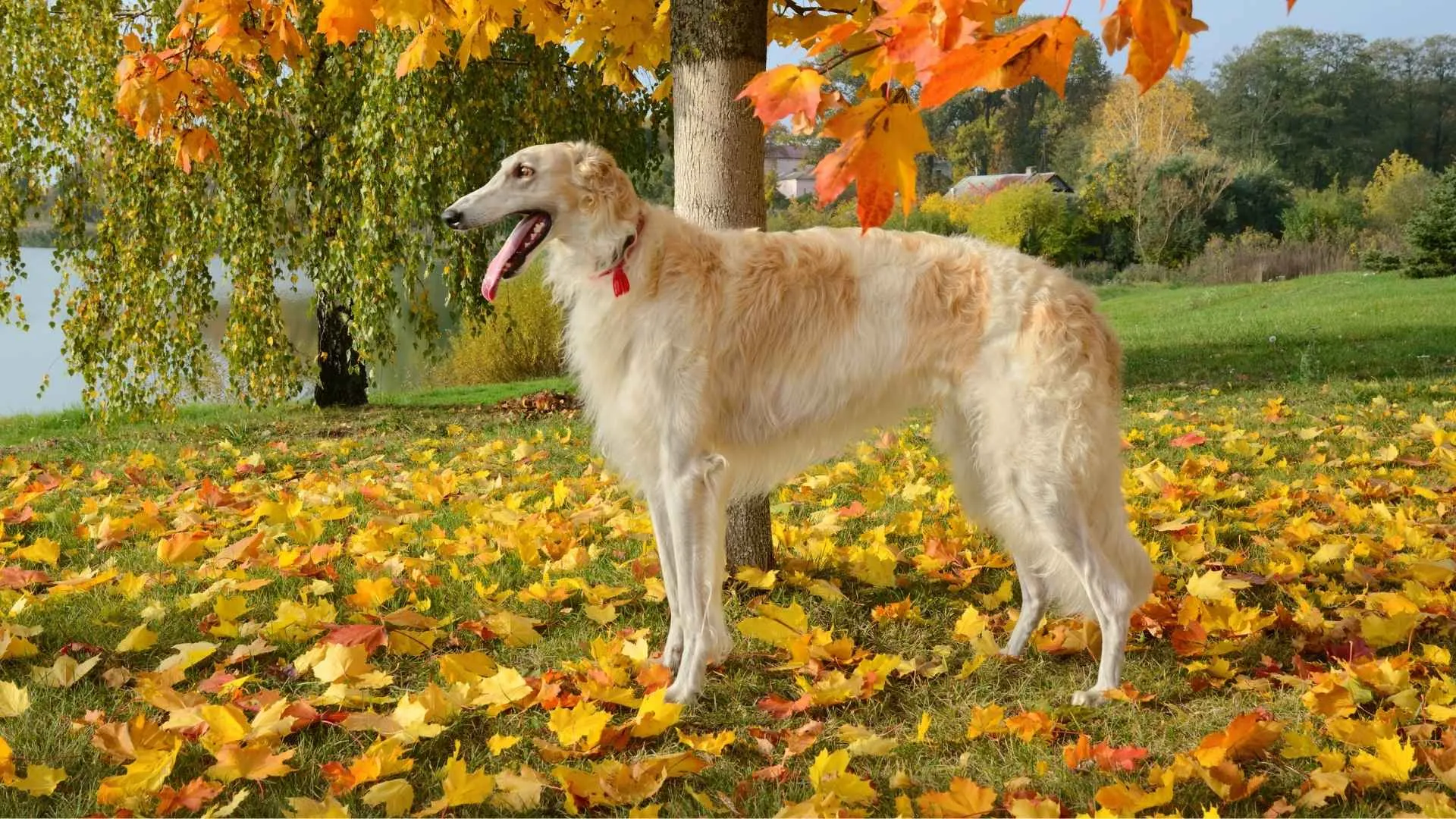
Russian nobility bred this hound for wolves, not for looks — the elegance came free. Sable arrives in several forms here: silver sable, gold sable, brindled sable, sabled gold, sabled red. Long, silky, and draped over a running frame.
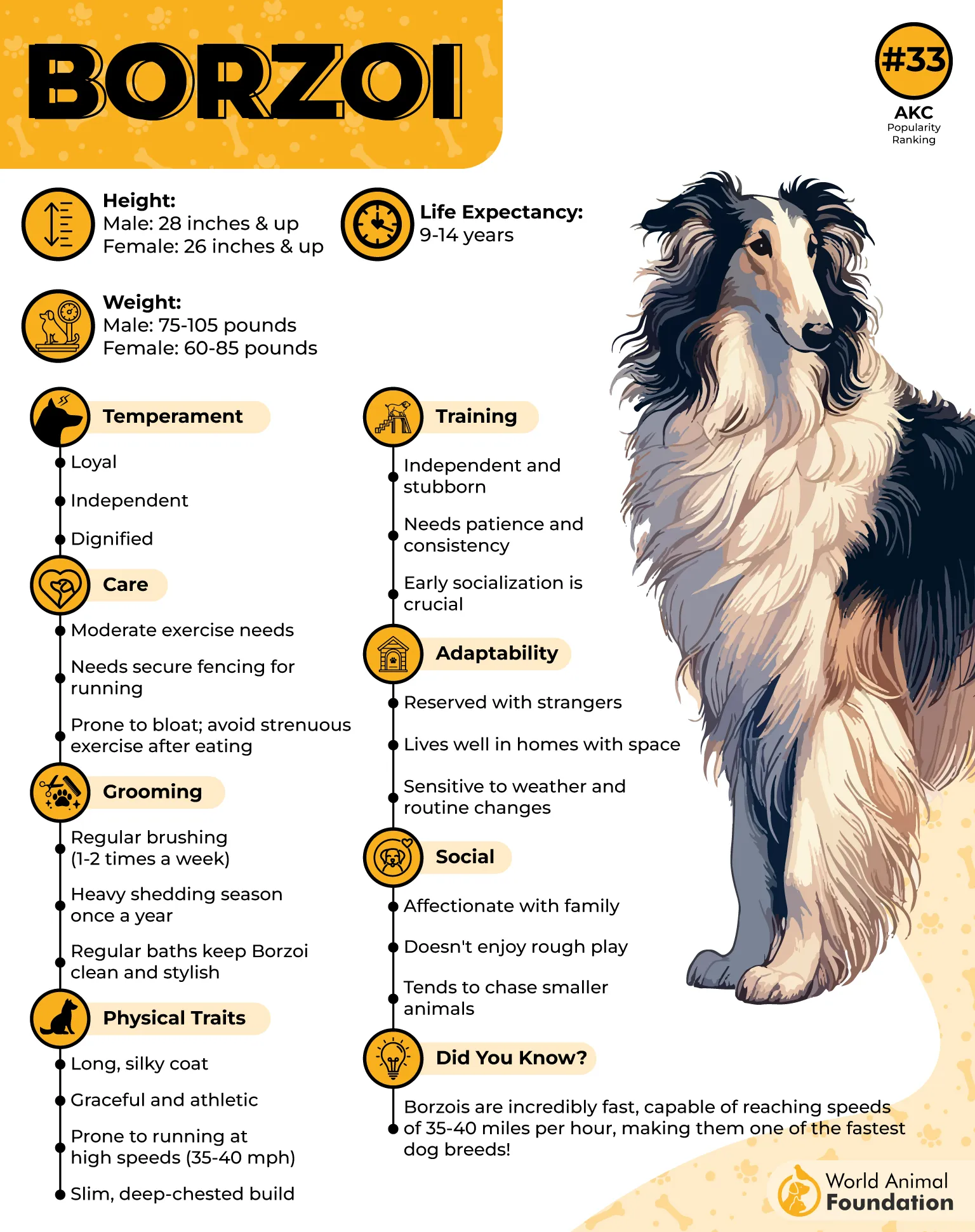
Exercise and Mental Stimulation: Daily walks plus a fenced sprint.
Lure coursing channels the instinct safely.
Never leave them off-leash in open ground.
Coat: Medium-length silky hair, flat, wavy or lightly curled, short and smooth on the head and giving that unmistakable shine when the dog moves.
Deep-chested pups benefit from smaller, spaced meals. VCA Animal Hospitals classifies the Borzoi as a sighthound, and that build carries a real bloat risk worth planning around. Training and Education: reward-based only; pressure shuts them down
Training and Education: Reward-based only; pressure shuts them down
Recall will always lose to a moving rabbit.
Frequent brushing two or three times weekly, focusing on the feathering. Best for quiet homes with secure fencing.
Conclusion
Sable is the one pattern that refuses to sit still, which means the beautiful coat you fall for at eight weeks is only a rough draft of the dog you’ll actually live with.
So before you commit, ask the breeder for photos of both parents as adults, not puppies — then ask how much the sire’s shading changed after its second birthday. That one question tells you more about your future pup’s color than any litter picture ever will.
