




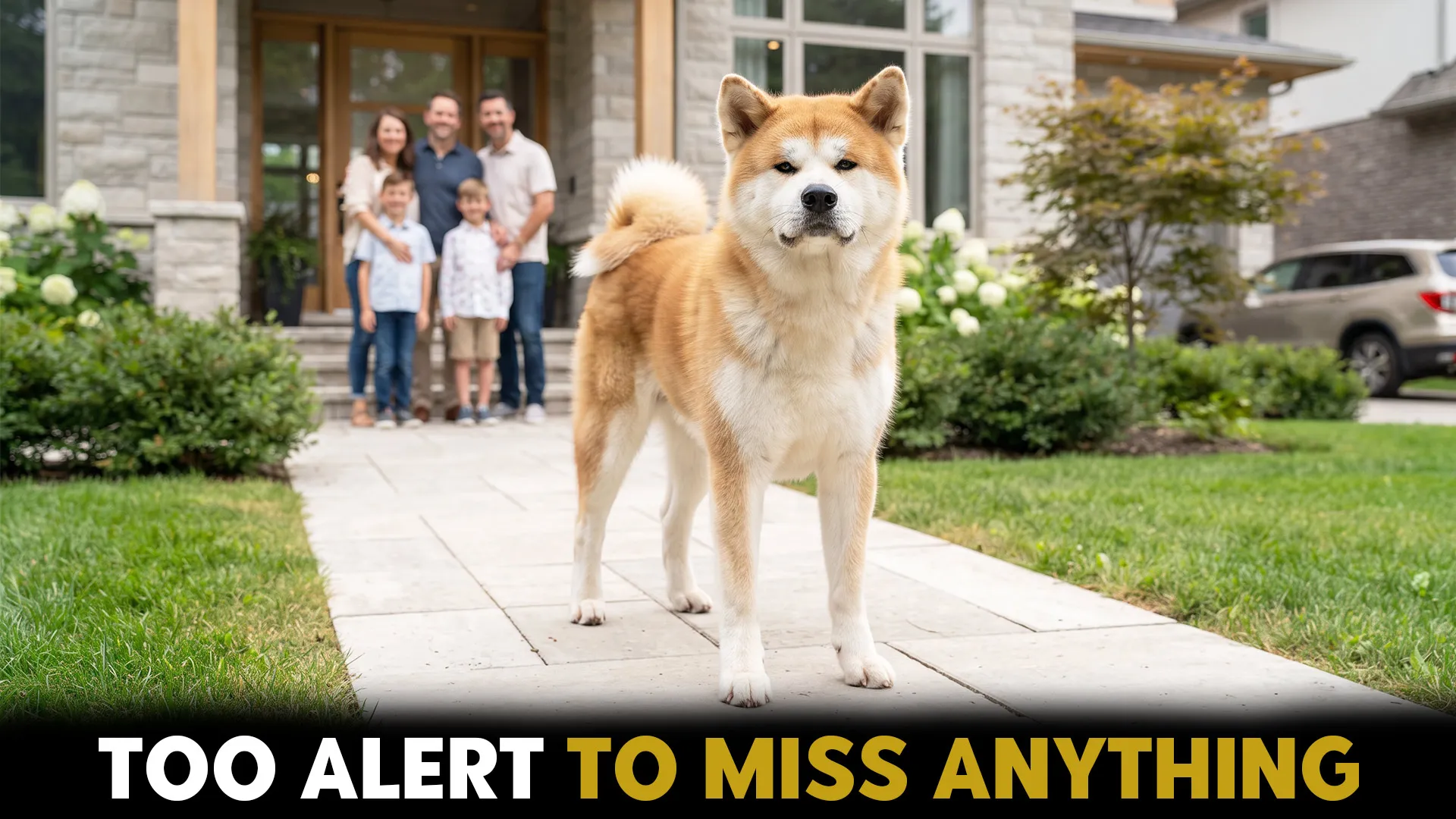
The front door opens, the dog lifts its head, and suddenly the relaxed evening feels different. It watches the visitor, then settles once everything seems familiar. That small moment captures what families often want from a protective dog.
The value is not simply having a large animal in the house. It is having a companion that notices changes, stays close to its people, and can respond appropriately when something feels unfamiliar. Many guardian dogs were bred for real working duties, including protecting homes, property, or livestock, which shaped their natural alertness and confidence.
Yet those instincts need direction. Early socialization, consistent training, and close supervision around children help create safer household routines. A protective dog should know the difference between an ordinary visitor and a genuine concern. That balance matters more than an intimidating appearance.
The following breeds offer different combinations of strength, loyalty, vigilance, and family compatibility worth knowing.
Key Takeaways
The best family guardian may be the dog that quietly notices what everyone else misses.
Boxers bring quick reactions and a strong guarding instinct, while their working history also explains their sharp minds and willingness to learn.
German Shepherds take that watchful nature further with their deep bark, K9 background, and close attention to unfamiliar activity.
As the list moves through Dobermans, Akitas, and other serious guardians, each breed reveals a different side of what family protection can look like.
Best Protective Dog Breeds That Will Keep Your Family Safe
1. Boxer
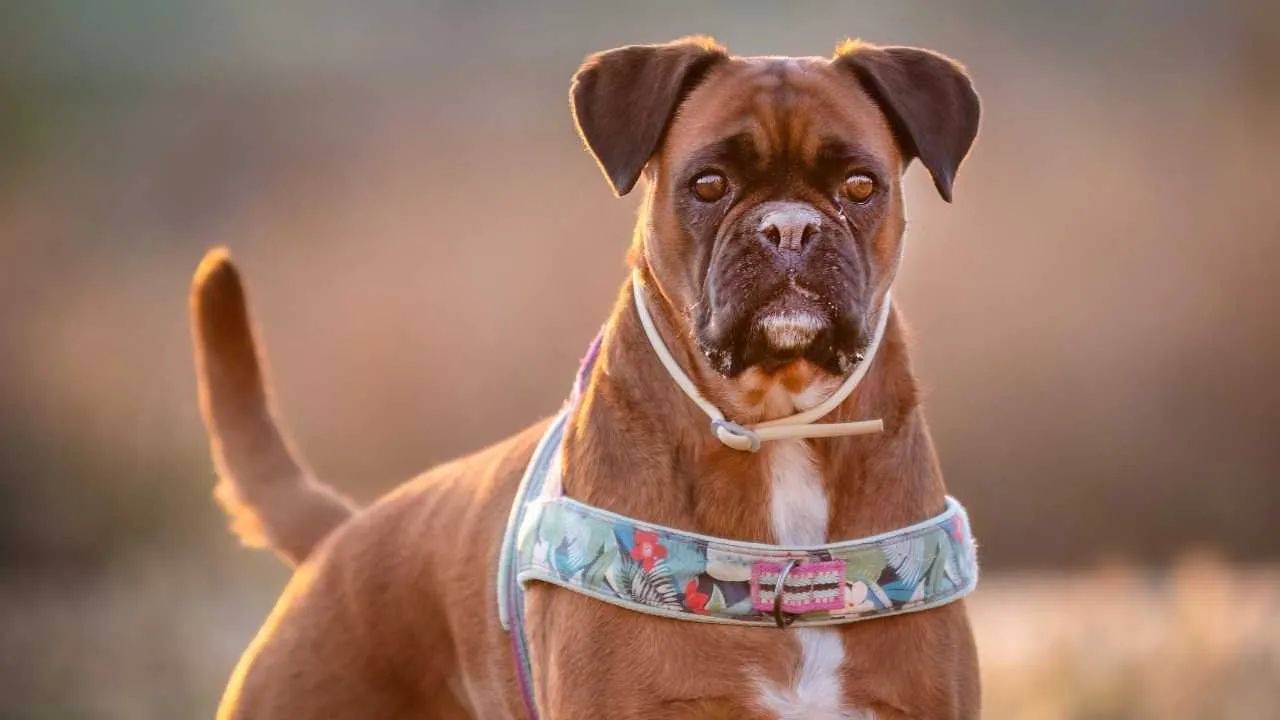
Boxer descends from Germany’s Bullenbeisser, a powerful mastiff-type hunting dog used against wild boar, deer, and even bears. Later, farmers and butchers relied on these dogs to guard and drive cattle, adding practical working duties to their demanding early role.
Quick When It Counts
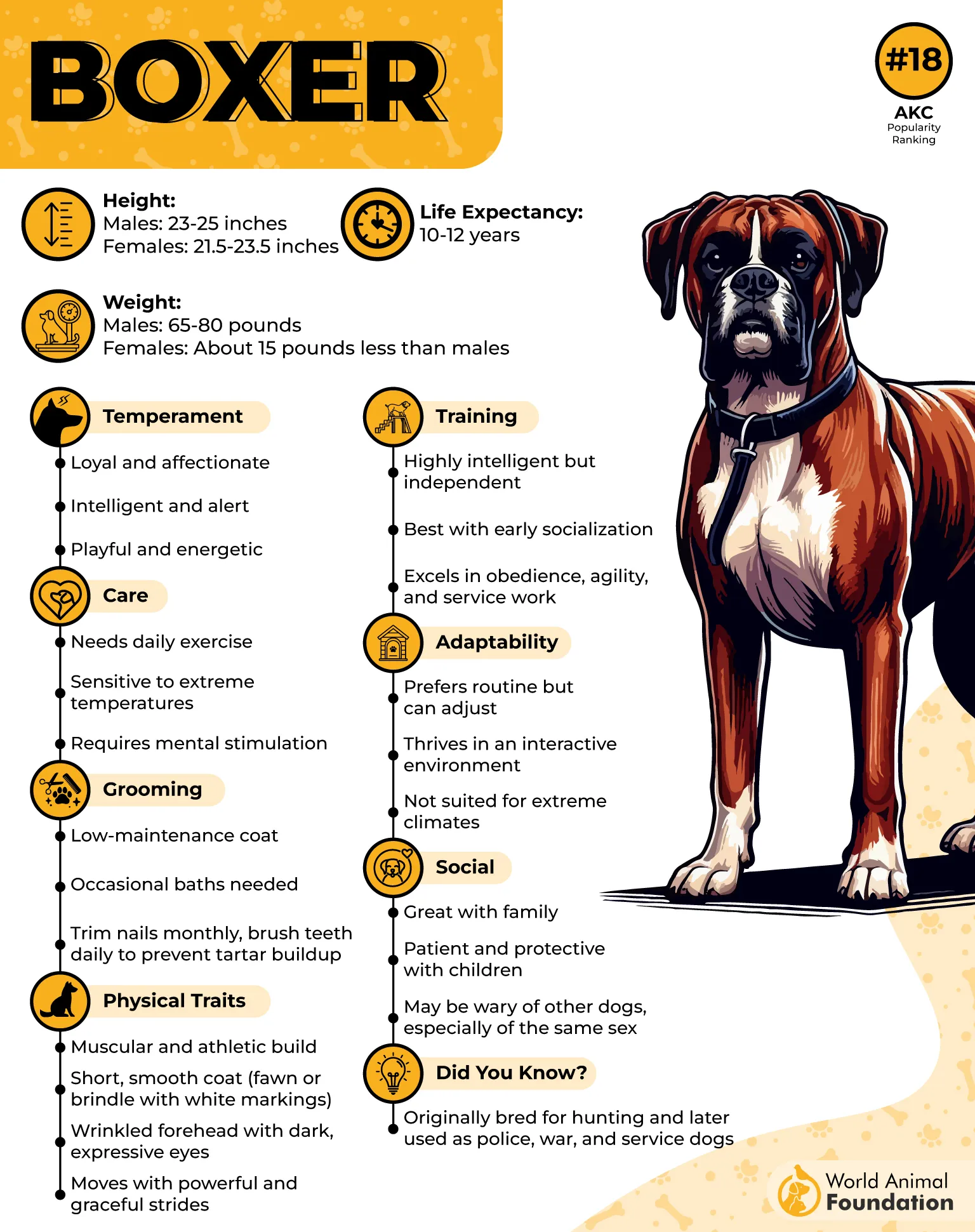
Boxer has a natural guarding instinct and can react quickly when something feels threatening to its family or territory. Its intelligence is especially useful in unfamiliar situations, helping it assess sudden changes rather than simply reacting to every new person or event.
These traits give this protector a distinctive working profile:
Fearless response to perceived threats
Strong territorial instinct
Quick adaptation to uncertainty
A Working Mind
This excellent guard dog breed enjoys learning when there is a worthwhile reward involved, and its willingness to please has opened doors beyond household protection.
The breed has worked in therapy, search and rescue, police, and military roles, where responsiveness and practical intelligence are especially useful, as Pawlicy Advisor noted.
2. German Shepherd
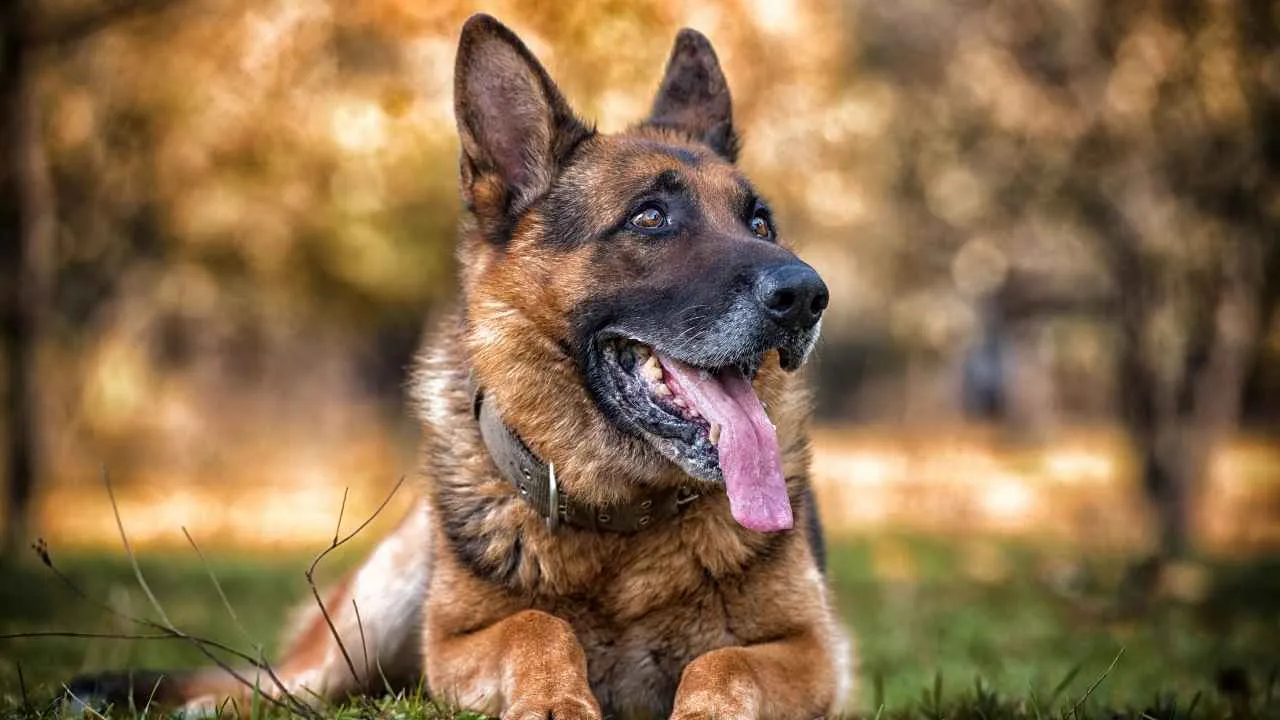
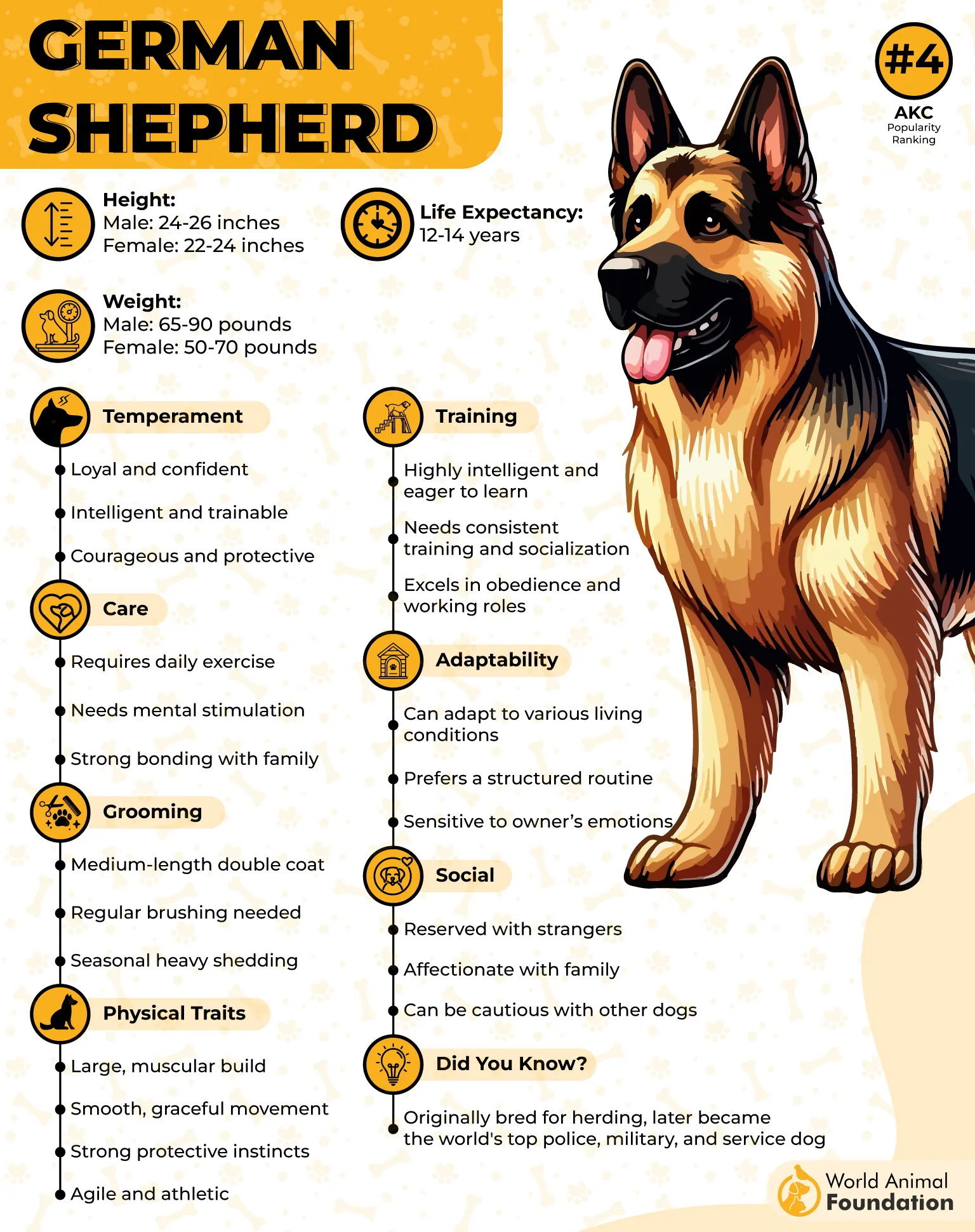
German Shepherd emerged in the late 1800s through Captain Max von Stephanitz’s effort to create a capable German herding dog that could manage sheep and guard them from wolves. He brought together dogs from northern and central Germany and later formed the first club dedicated to the breed.
A Serious Deterrent
German Shepherd has the presence, deep bark, and watchful nature that can make an unfamiliar person think twice about approaching a home.
Its reputation as a police and K9 partner adds weight to that impression, particularly when a trained dog responds to suspicious activity.
The following characteristics give its protective role more context:
Alert to unfamiliar people
Deep, authoritative barking
Highly attentive to surroundings
Training Matters
These breeds are highly motivated and responsive to guidance, making structured training especially important for a dog expected to protect a household.
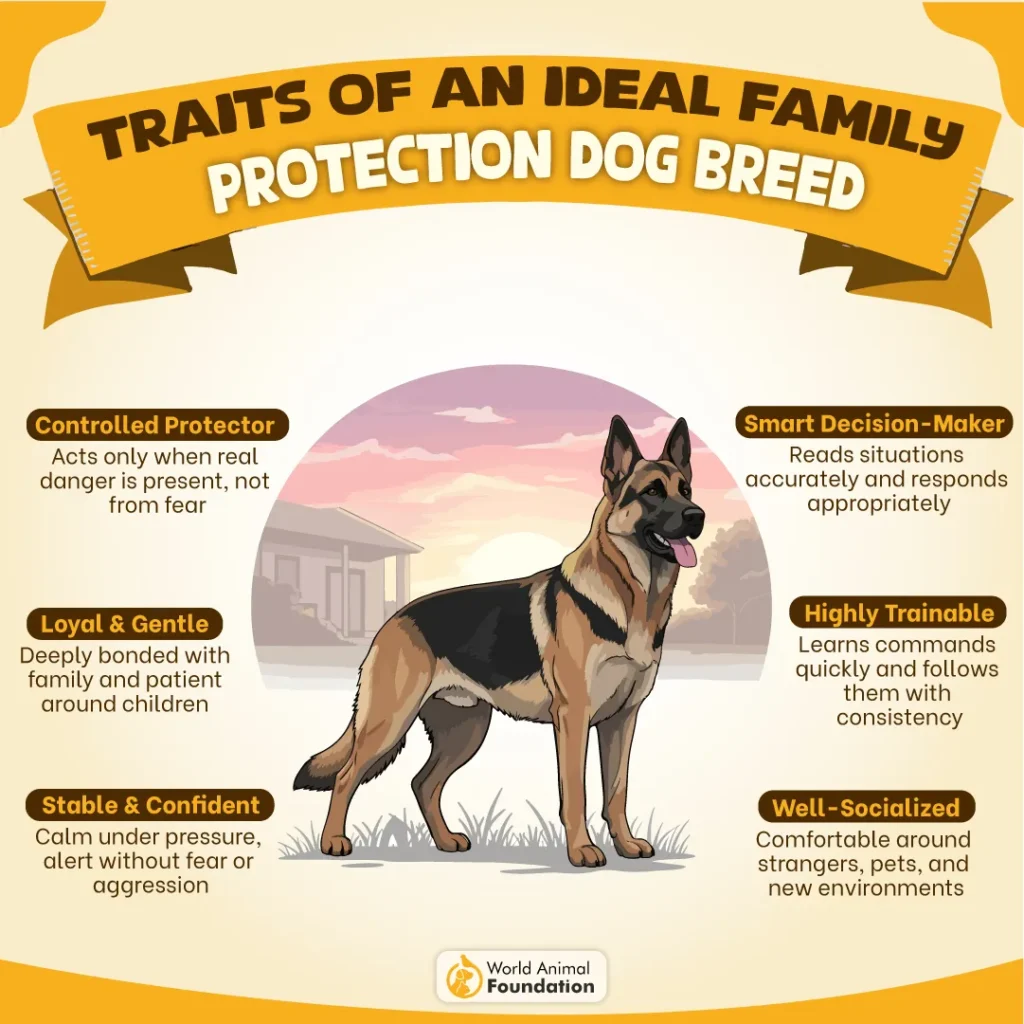
Socialization teaches a young dog that ordinary visitors, children, babies, and other animals do not automatically signal danger, as Chewy mentioned.
3. Doberman Pinscher
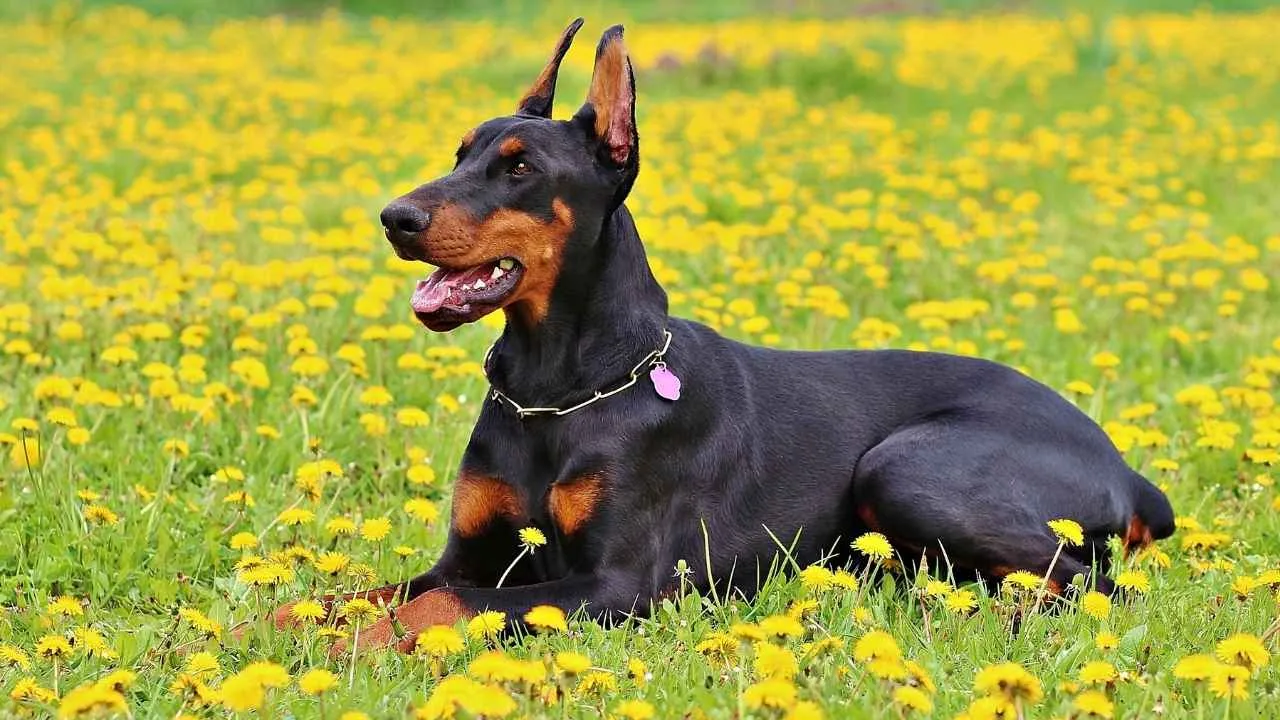
Doberman Pinscher was created by Louis Dobermann, a German tax collector who wanted a dependable guard dog while working door to door.
Early breeding likely involved the Old German Shepherd, German Pinscher, Weimaraner, and Manchester Terrier before the sleek modern type emerged.
Different Protective Styles
Dobbies can approach protection differently depending on sex, with males tending toward property guarding and females showing a stronger preference for protecting their person.
According to The Kennel Club, females also mature earlier and are more agile, while males are larger and more muscular.
The following practical distinctions are worth noting:
Males can be more territorial
Females may react more strongly to strangers
Can pick up on human body language and emotional cues
Serious About Learning
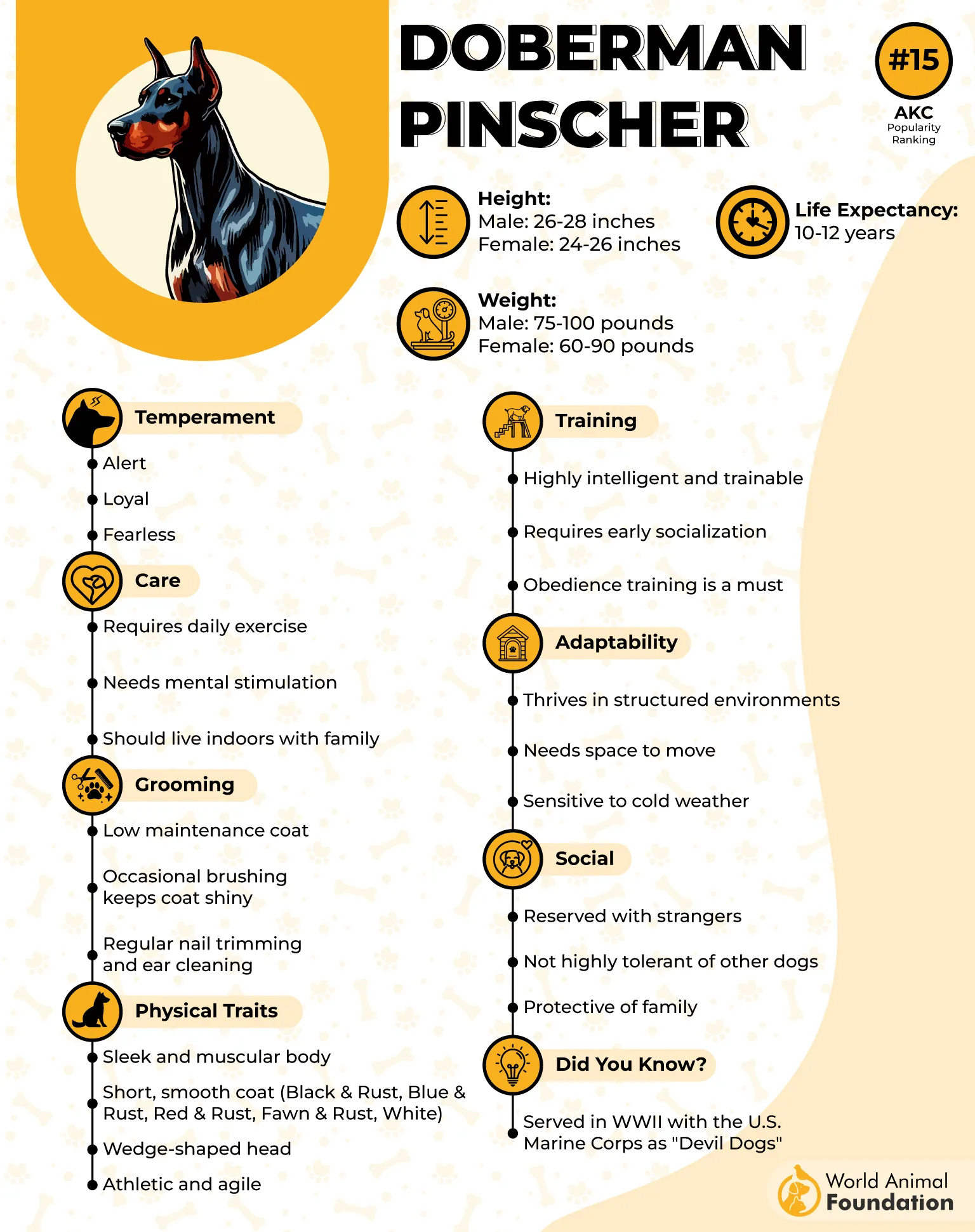
Doberman Pinscher ranks among the most intelligent dog breeds and responds well to obedience training, which has supported its use in police and military roles.
Regular walks or long runs, combined with ongoing mental challenges, give this active breed productive ways to use its energy.
4. Akita
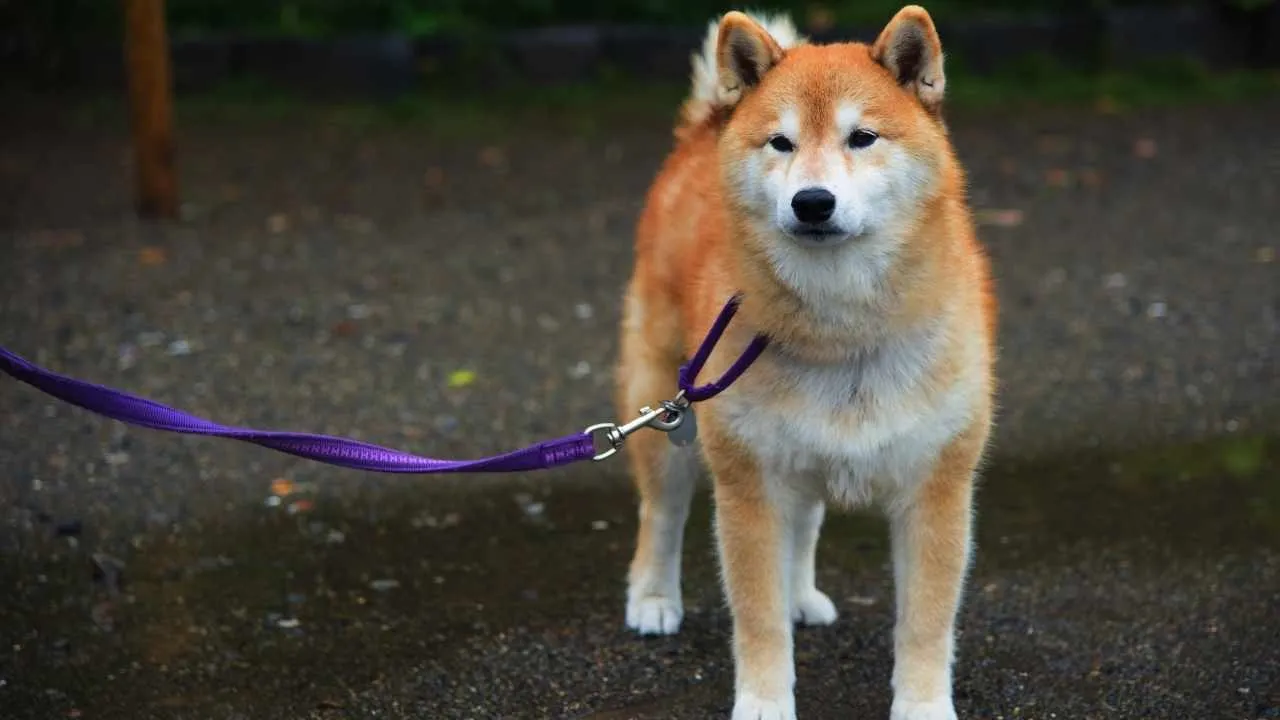
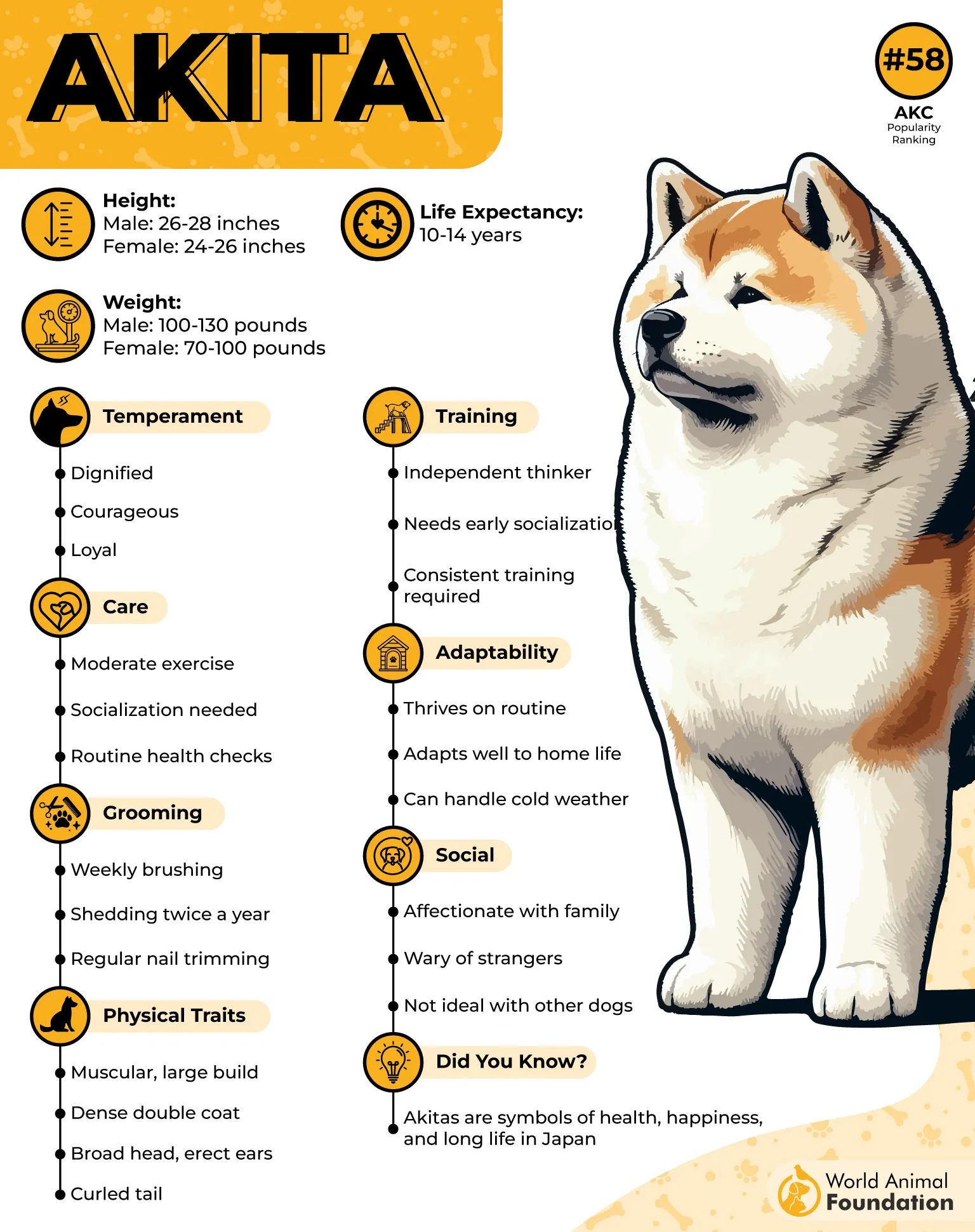
Akita comes from Japan’s northern Akita Prefecture, where the breed was once restricted to imperial leaders and shaped through crossings involving Chow Chows, Japanese Kari, and Tosa dogs. Its early work included hunting, guarding, and herding, with enough power to track deer, elk, and black bears.
Quietly Watchful
Akita has a strong territorial instinct and will alert the household when someone enters its space without relying on constant barking. When a visitor is welcomed inside, the breed generally keeps a reserved manner rather than reacting aggressively.
These details are especially useful for a protective household:
Used as a police dog in Japan
Will position itself between family and danger
Protective toward children in its family
Around Children
This family guard dog can be affectionate and protective toward children it has known from an early age, especially within its own family.
Adults should supervise interactions with unfamiliar children because energetic play can trigger an overly protective response toward its young family members.
5. Belgian Malinois
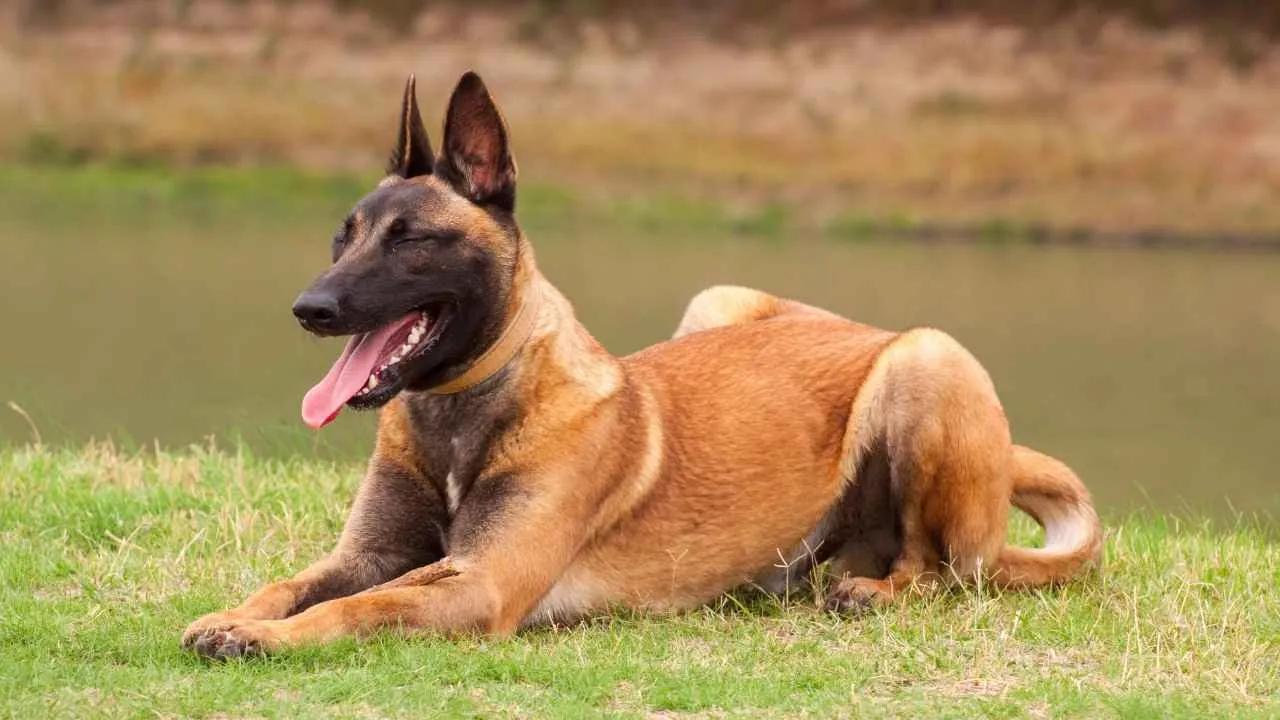
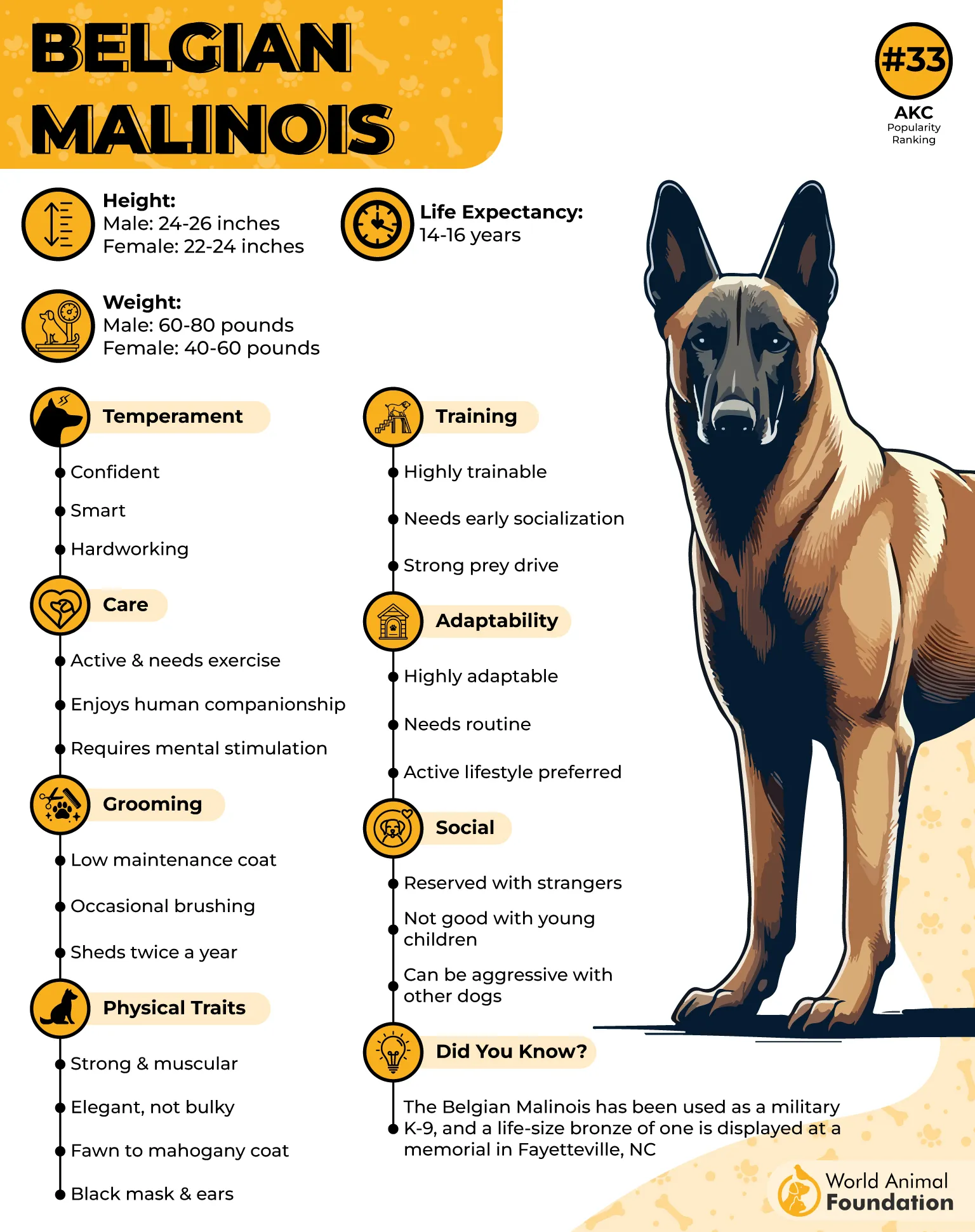
Belgian Malinois takes its name from Mechelen, Belgium, and its early work centered on herding and farm duties in the late 1800s. The breed reached the United States in 1911, then entered the AKC miscellaneous class in 1959 after World War II disrupted further arrivals.
A Natural Sentinel
They are highly territorial and pay close attention to their surroundings, making this instinct especially relevant for households needing a vigilant guardian. Its protective behavior can extend to the home, farm, and family members, including children.
Three details add another layer to its working ability:
Bomb detection training
Drug detection work
Gas detection skills
A Serious Student
This herding breed has the intelligence and willingness to work that make new cues, tricks, and structured training easier to teach and practice. Its desire to please also gives training a clear purpose, with the dog keen to respond correctly and consistently to its handler.
6. Giant Schnauzer
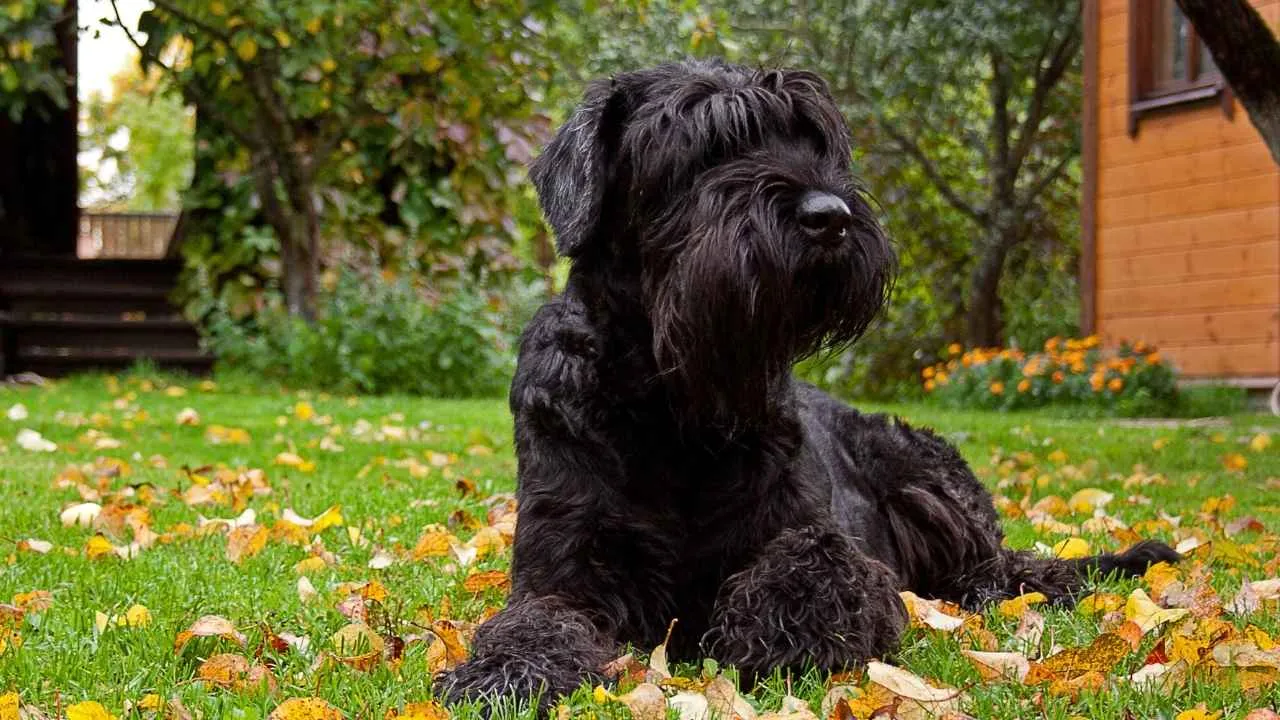
Giant Schnauzer comes from Bavaria, Germany, with records placing the breed in the 1700s. Breeders combined the Standard Schnauzer, Black Great Dane, and Bouvier des Flandres to produce a larger farm dog suited to guarding property and working with cattle.
After the First World War, its role expanded beyond rural farms as people began using the breed to guard shops in towns and cities. Police and military work followed, and it is still used in those fields as well as search-and-rescue operations.
Serious About Protection
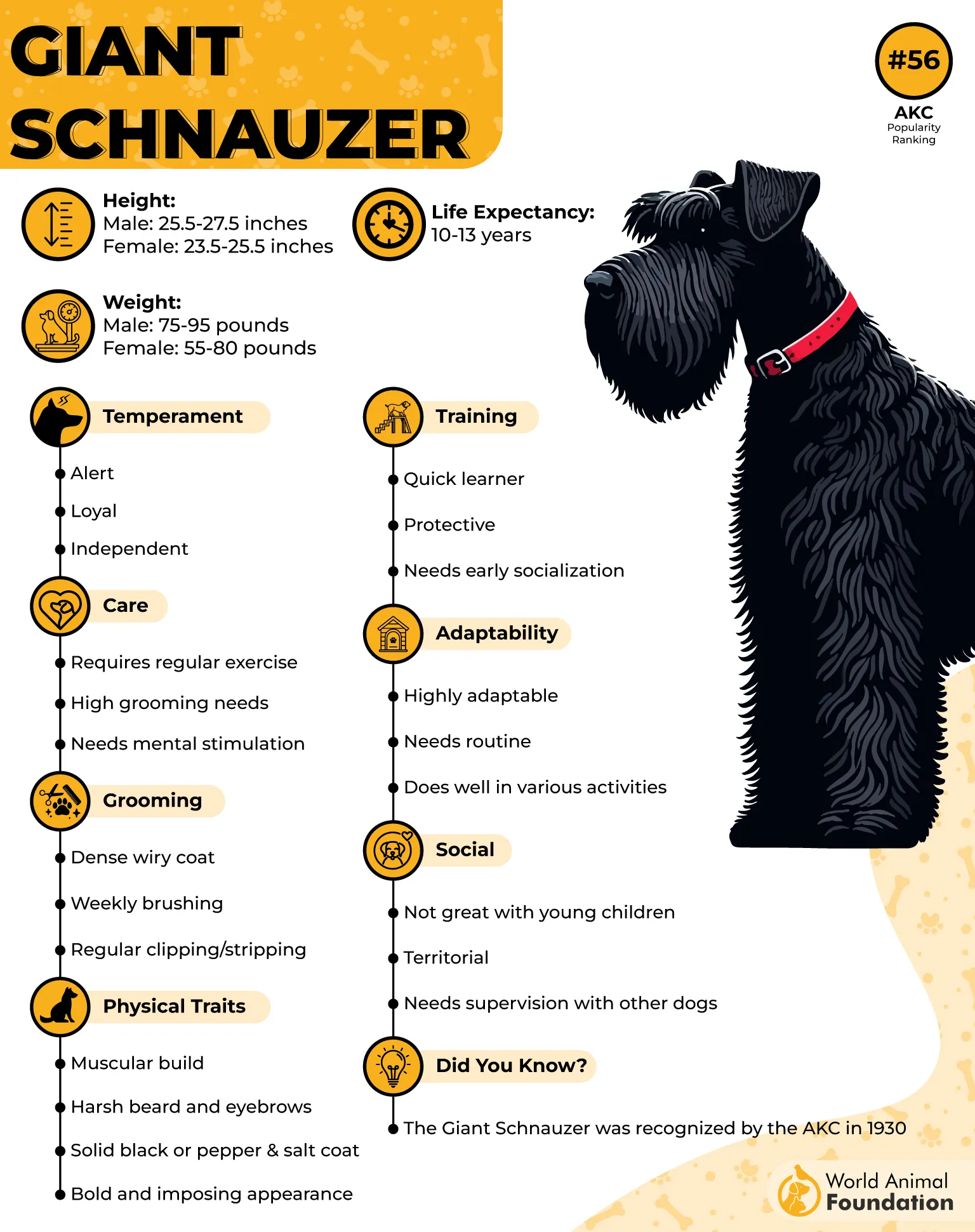
Giant Schnauzer has a strong territorial instinct and can react forcefully when unfamiliar people enter its property. A loud bark can alert the household to possible danger, while its protective nature may lead to aggressive behavior toward intruders.
For a family considering this breed, these traits deserve attention:
Early socialization around unfamiliar dogs
Close supervision with unfamiliar children
Best suited to homes without other animals
Firm Family Rules
This large dog breed can be patient with children in its own family, though its large, energetic nature can be overwhelming for very young kids. Early training also matters because this intelligent working dog may test boundaries and attempt to take control of household routines.
7. Cane Corso
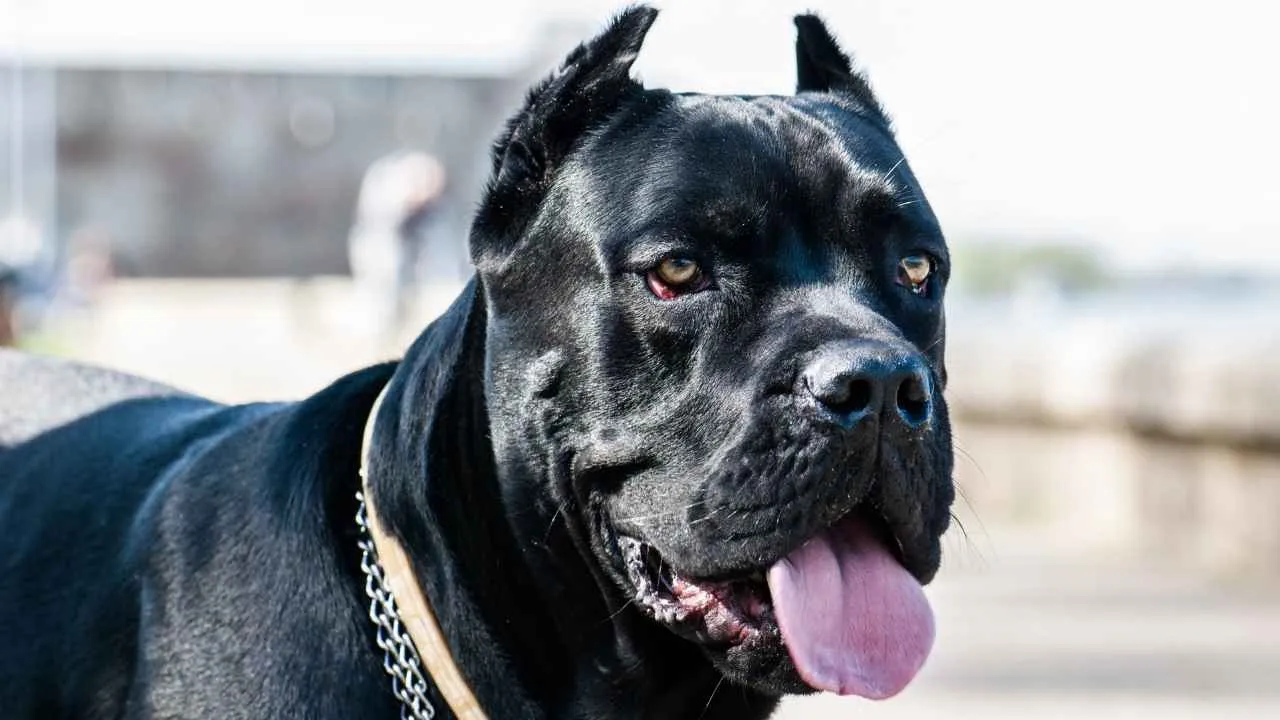
Cane Corso descends from ancient Molosser dogs linked to Greek guardians, with Roman forces later bringing these powerful dogs into Italy for military service.
After the Roman Empire fell, the breed took on roles in hunting, herding, and protecting farms before two world wars and the decline of family farms pushed it close to extinction.
A Serious Guardian
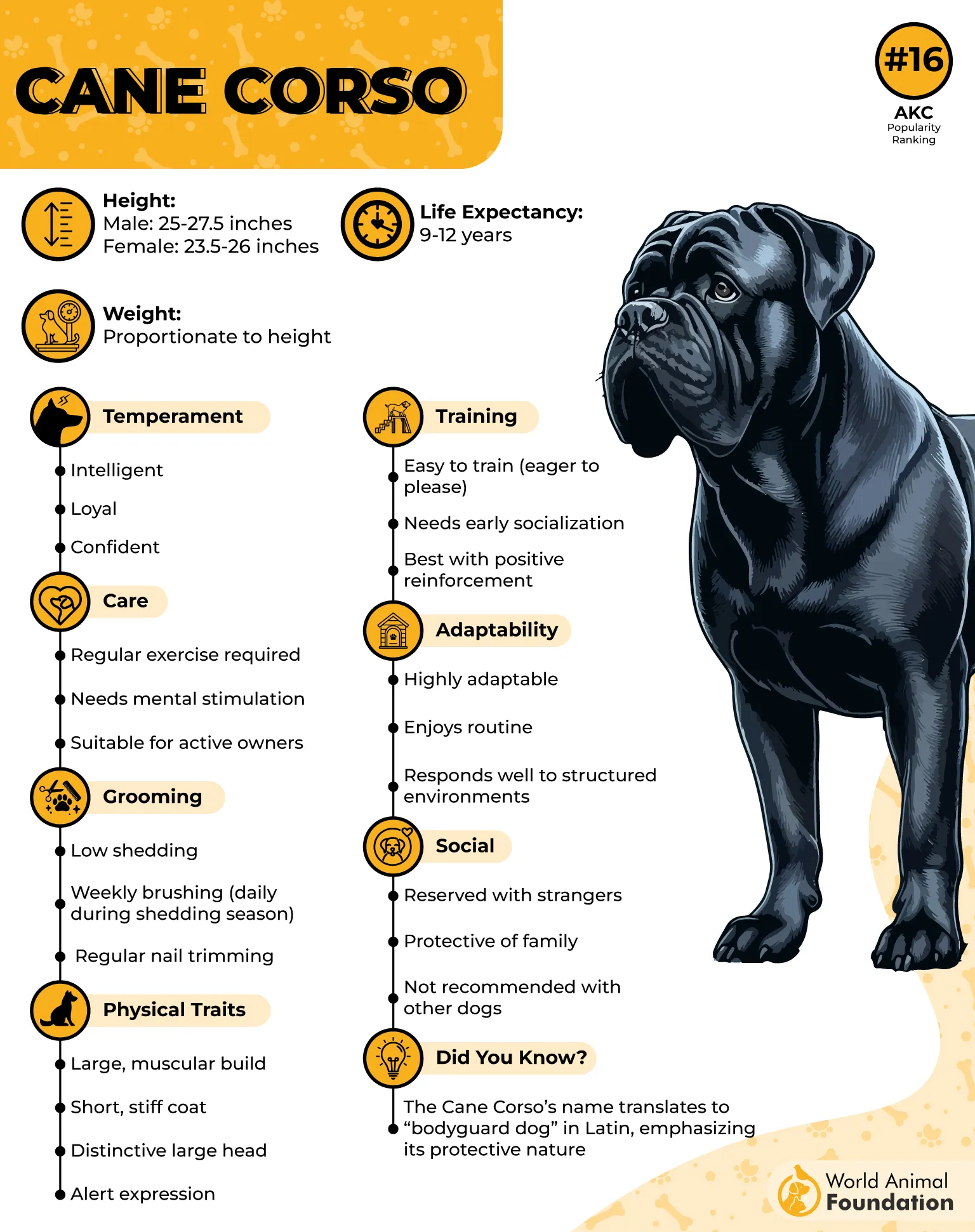
Cane Corso was bred with a strong protective instinct, so responsible training and clear boundaries are essential for keeping that drive manageable.
Positive experiences with unfamiliar people and animals can help this sensitive breed respond to everyday situations with better judgment.
A closer look at its physical presence reveals:
Square-shaped head
Large, powerful jaws
Muscular, athletic frame
Highly Alert
These loyal companions takes its territory seriously and quickly notice unfamiliar people or unusual activity around their home and immediate surroundings.
Barking can become its way of drawing attention to something it considers suspicious, including an unfamiliar visitor or animal nearby that catches its attention.
Conclusion
A protective dog can bring a sense of safety to everyday family life, but its instincts need thoughtful direction. Alertness, confidence, loyalty, and physical strength are useful qualities when paired with steady training and good socialization. A naturally protective dog can still be friendly when clear household rules help it understand when a visitor is welcome and when something truly needs attention.
Families should consider exercise, fencing, grooming, size, and supervision before making a decision. Active families may appreciate a strong guardian, but it still needs an owner who can handle its behavior calmly and consistently. The best match offers protection while fitting comfortably alongside family pets, without making ordinary moments at home harder to manage for everyone each day.
