




Few things are as inviting as a dog with a thick, plush coat that gives it the appearance of a walking cloud. Fluffy dogs come in many shapes and sizes, from tiny companion breeds that can curl up in your lap to large working dogs covered in dense layers of insulating fur.
That impressive appearance comes with responsibilities, however. Thick coats often require frequent brushing, careful grooming, and attention to seasonal shedding.
Some heavily coated breeds were developed for cold climates, so owners must also consider temperature when planning outdoor activities.
The breeds below stand out for their abundant coats and distinctive personalities. While their grooming needs differ, each offers a particularly fluffy appearance that can make them irresistible to dog lovers.
Dog Breeds Featuring Fluffy, Cloud‑Like Fur You’ll Love
1. Samoyed
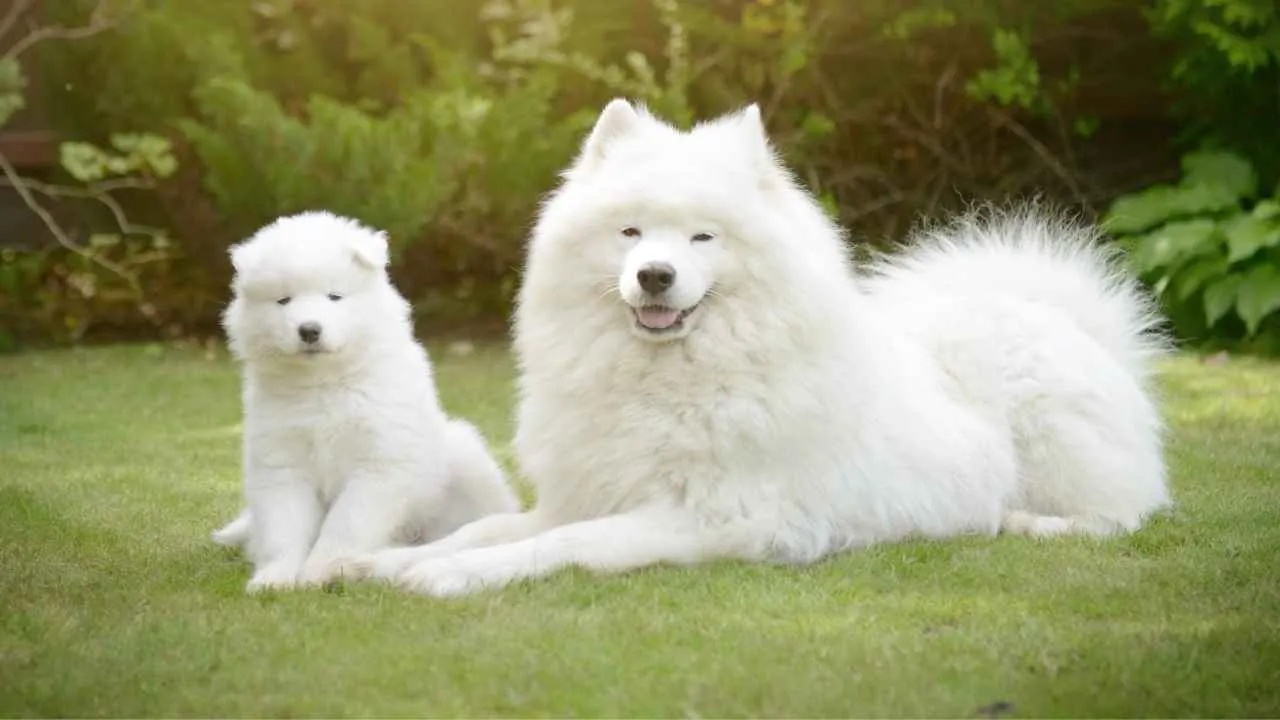
The Samoyed originated in Siberia, where it worked alongside the Samoyedic peoples as a herding, sled-pulling, and hunting dog. Its dense white coat developed as protection against severe cold, giving the breed its unmistakable snowy appearance.
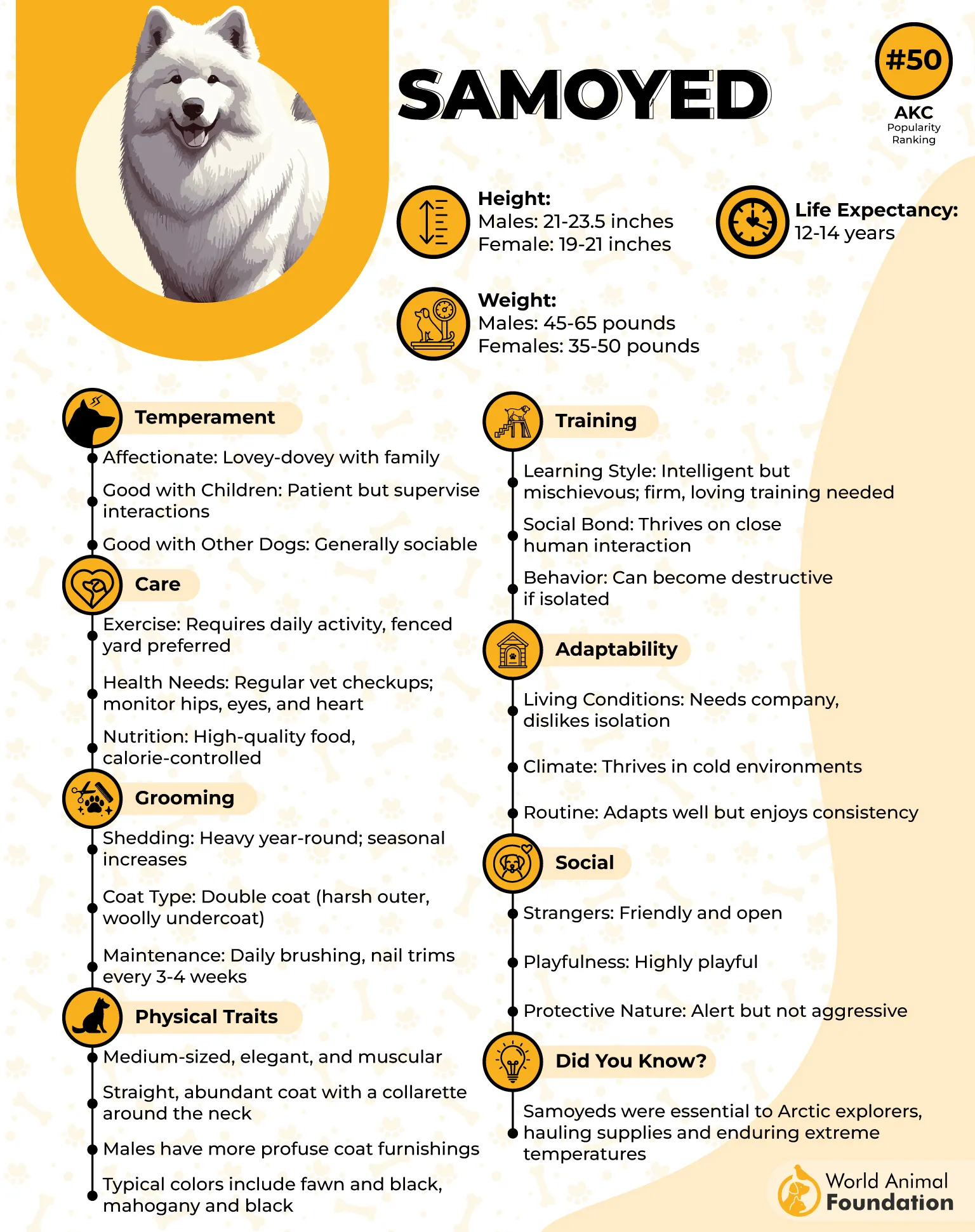
Samoyeds are medium-sized working dogs with lively, social personalities. Their famous expression, often described as a “Sammy smile,” adds to their charming appearance and has helped make them popular companions, as noted by the AKC.
Maintain Their Dense Coat With Regular Care
Samoyeds have substantial coats that benefit from frequent brushing. Regular grooming helps remove loose undercoat, prevent mats, and keep the skin properly ventilated.
They also shed heavily during seasonal coat changes. Owners should be prepared for considerable loose fur and should use appropriate grooming tools rather than relying on occasional brushing.
A Snowy Coat With an Unmistakable Silhouette
The Samoyed’s brilliant white or biscuit-tinted coat creates one of the most recognizable fluffy appearances in the dog world. Its abundant neck ruff, plumed tail, and soft-looking outer coat give it an almost cloud-like outline.
That luxurious appearance is not merely decorative. The coat developed to provide insulation in extremely cold environments, making it a functional feature as well as one of the breed’s defining visual traits.
2. Chow Chow
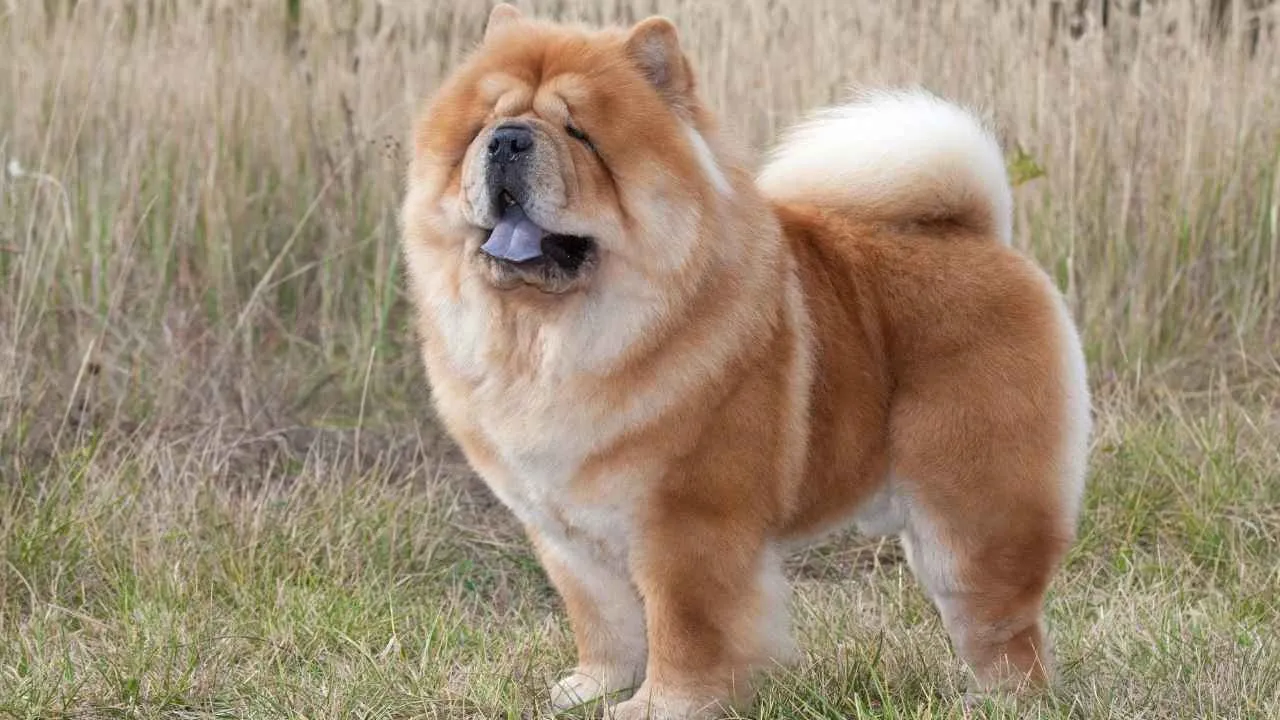
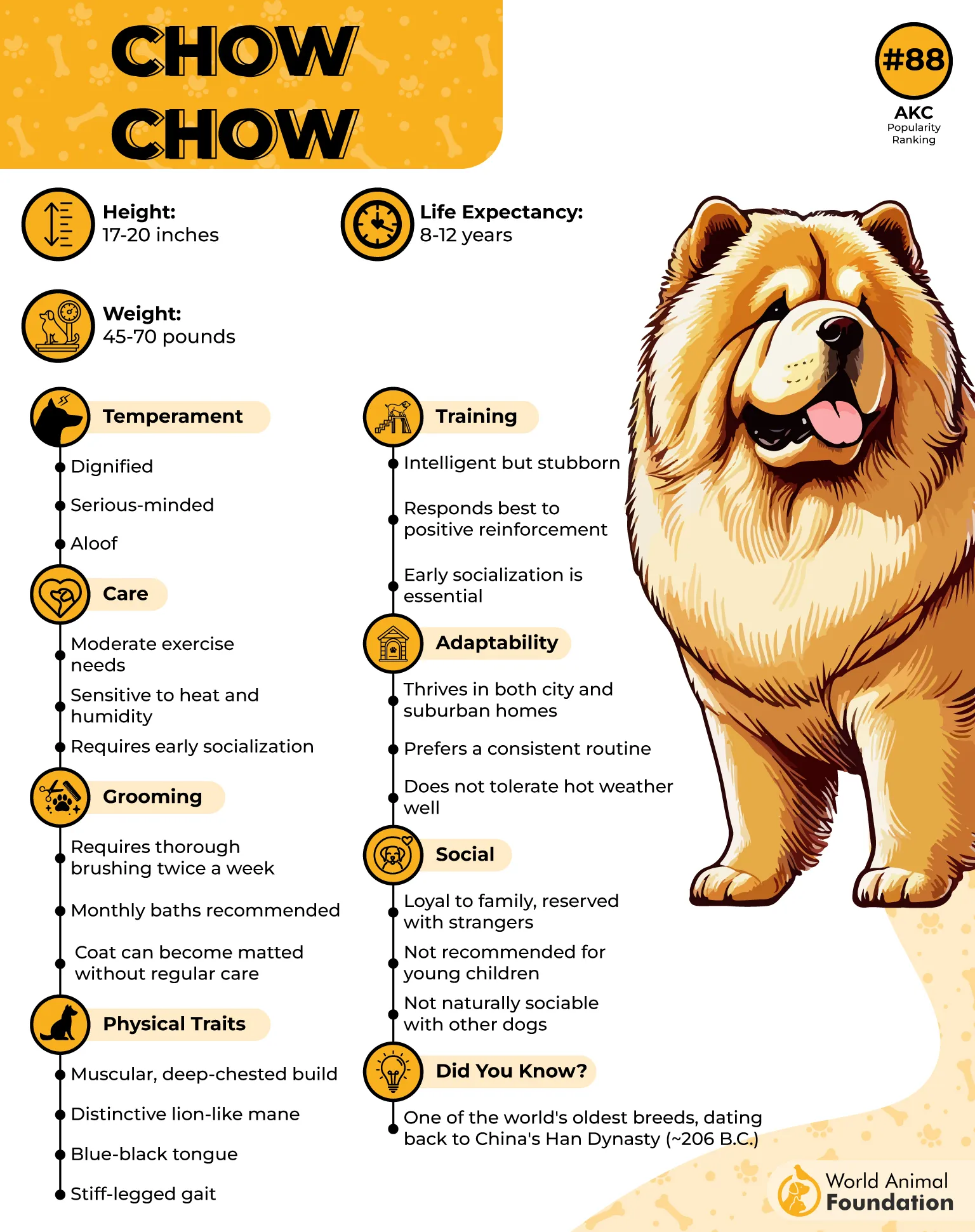
Chow Chows originated in China and have a long history as multipurpose working dogs. They were used for activities that included guarding, hunting, and pulling, while their dense coats helped protect them from harsh weather.
The breed is known for its sturdy build, distinctive blue-black tongue, and independent temperament, as noted by Britannica. Chow Chows can be reserved with unfamiliar people but often develop strong bonds with their families.
Brush Beneath Their Abundant Outer Coat
Chow Chows have a substantial double coat that requires consistent grooming. Regular brushing is especially important around areas where dense fur can become tangled, including behind the ears, around the neck, and along the hindquarters.
Grooming should be introduced positively while the dog is young. This helps an adult Chow become comfortable with the handling needed to maintain such a heavy coat.
A Plush Appearance Unlike Any Other
The Chow Chow’s thick coat creates a rounded, almost teddy-bear-like silhouette. The profuse fur around the head and neck can give the breed an especially impressive mane-like appearance.
Both rough-coated and smooth-coated varieties exist, but the rough variety is particularly associated with the plush look many people admire. Its dense fur contributes strongly to the breed’s distinctive visual character.
3. Newfoundland
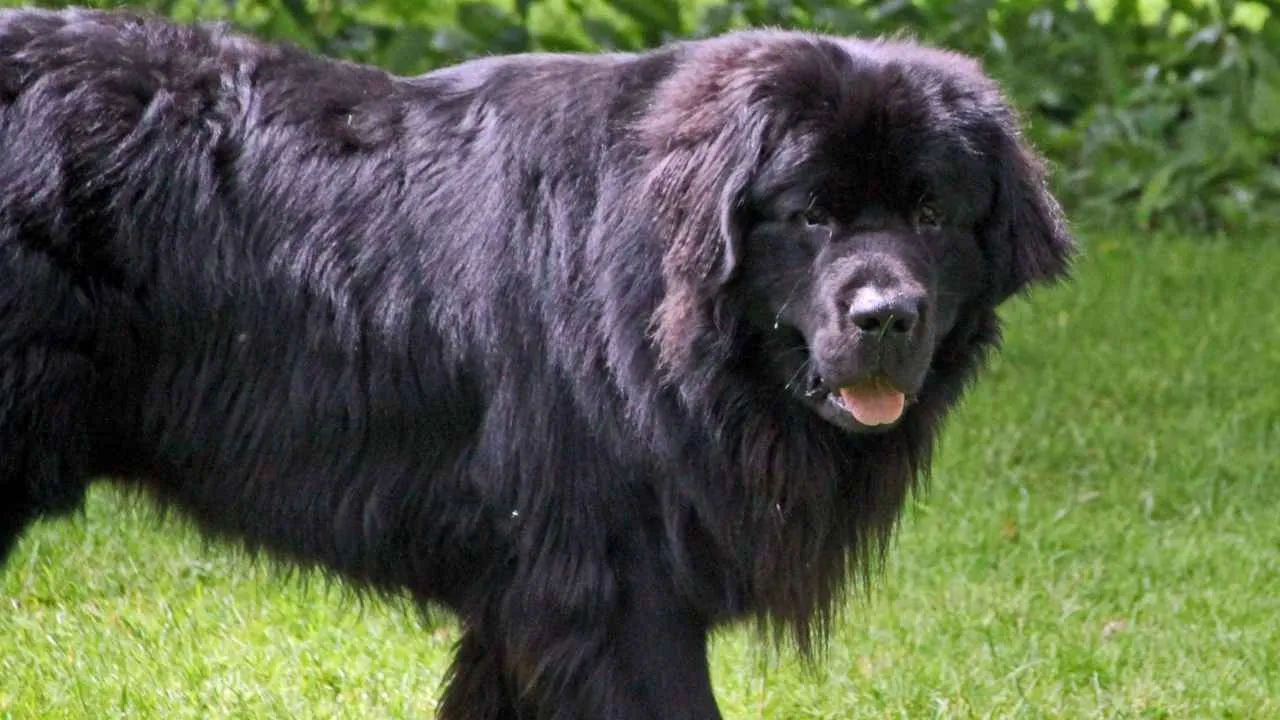
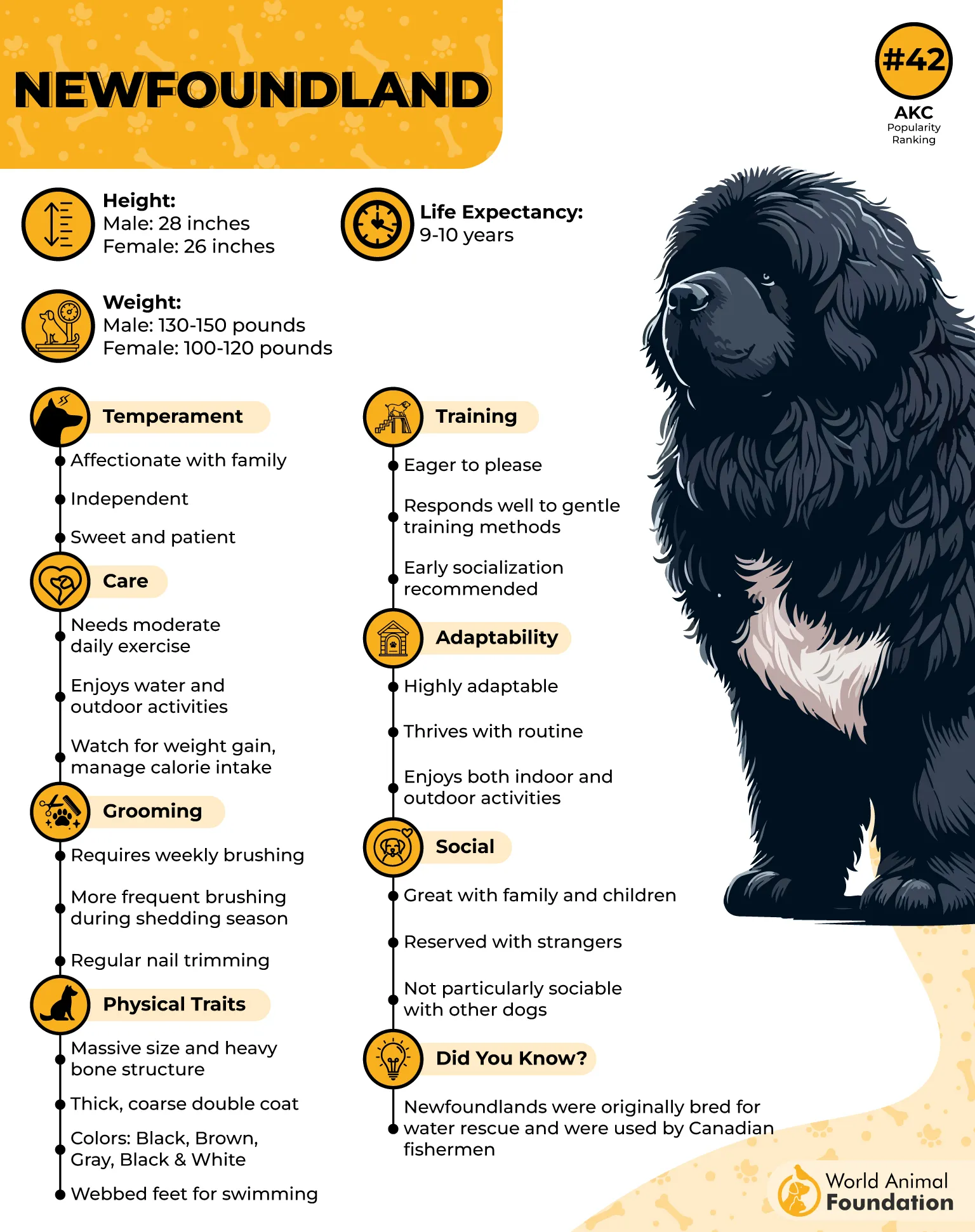
Newfoundlands originated on the island of Newfoundland in Canada, where they worked alongside fishermen and became valued for their strength, swimming ability, and endurance, as noted by WebMD. Their dense coats helped protect them from cold water and challenging weather.
These muscular dogs combine enormous physical strength with a reputation for gentle companionship. Their large size and substantial coat make them visually impressive even when they are simply resting at home.
Keep Their Thick Coat Clean and Manageable
Newfoundlands have a dense double coat that requires regular brushing to reduce tangles and remove loose hair. Grooming becomes particularly important when the coat is exposed to mud, water, or debris during outdoor activities.
Owners should also monitor areas that stay damp after swimming or bathing. Thorough drying can help keep the skin comfortable beneath the heavy fur.
A Giant Wrapped in Plush Fur
The Newfoundland’s abundant coat adds considerably to its imposing size. Long outer hairs and a dense undercoat create a soft, full appearance that makes the breed look especially huggable.
Its furry tail, broad body, and substantial neck area contribute to the impression of a giant, living cushion. Beneath all that fur, however, is a powerful working dog built for demanding tasks.
4. Pomeranian
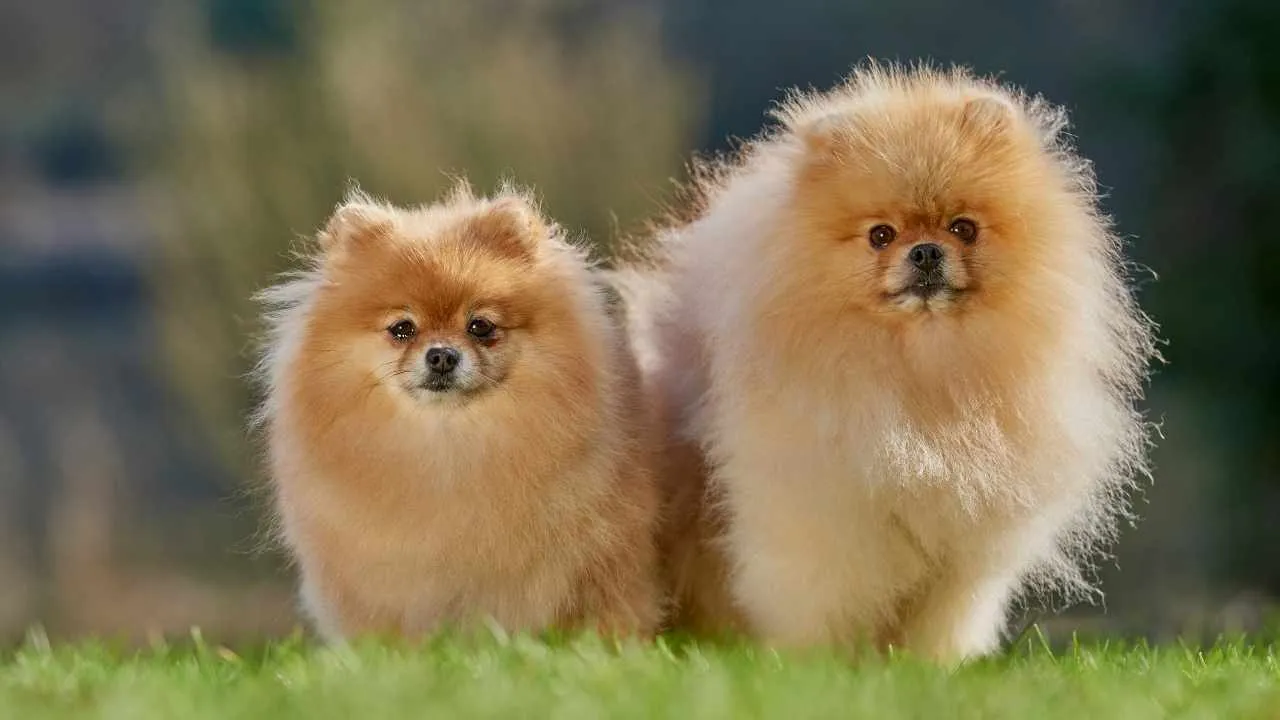
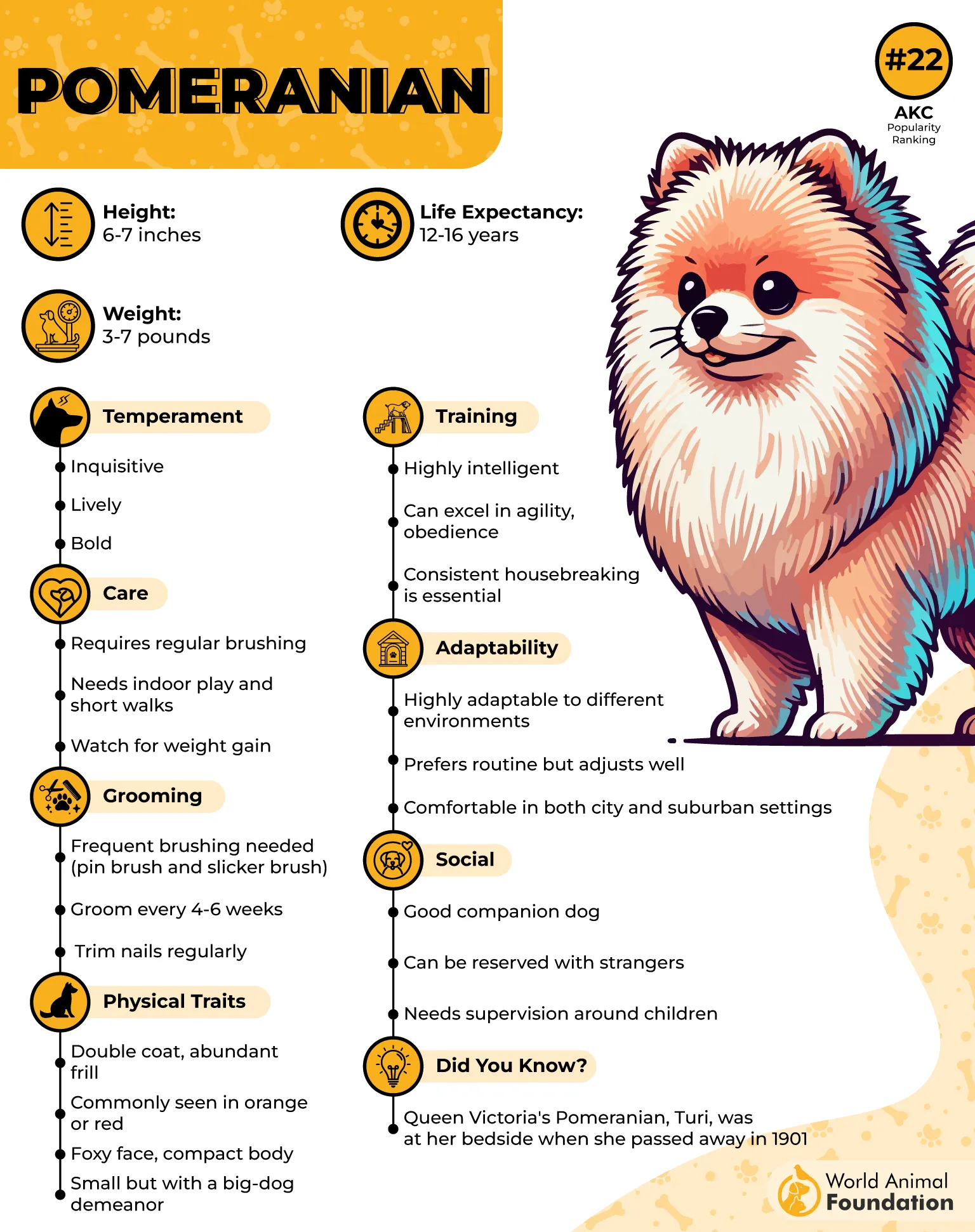
Pomeranians are descendants of larger Spitz-type dogs from northern Europe and became much smaller through selective breeding. Their compact size, fox-like expression, and abundant coat have made them popular companion dogs.
Despite their tiny frames, Pomeranians often have lively and confident personalities. They can be alert, playful, and highly engaged with their surroundings.
Give Their Small Coat Consistent Attention
A Pomeranian’s profuse coat requires regular brushing to prevent tangles and keep the undercoat in good condition. Particular attention should be given to areas behind the ears, around the legs, and near the tail.
Professional grooming may be useful for owners who want to maintain the coat neatly. Excessive shaving should generally be avoided because the double coat serves important protective functions.
A Tiny Dog With Remarkable Volume
The Pomeranian’s coat creates an illusion of considerably greater size than its body actually possesses. Its fluffy ruff, feathered tail, and abundant fur give the little dog a rounded, plush outline.
The contrast between its tiny body and enormous-looking coat is part of its appeal. A well-maintained Pomeranian can appear almost like a miniature ball of fur with bright eyes and a lively expression.
5. Old English Sheepdog
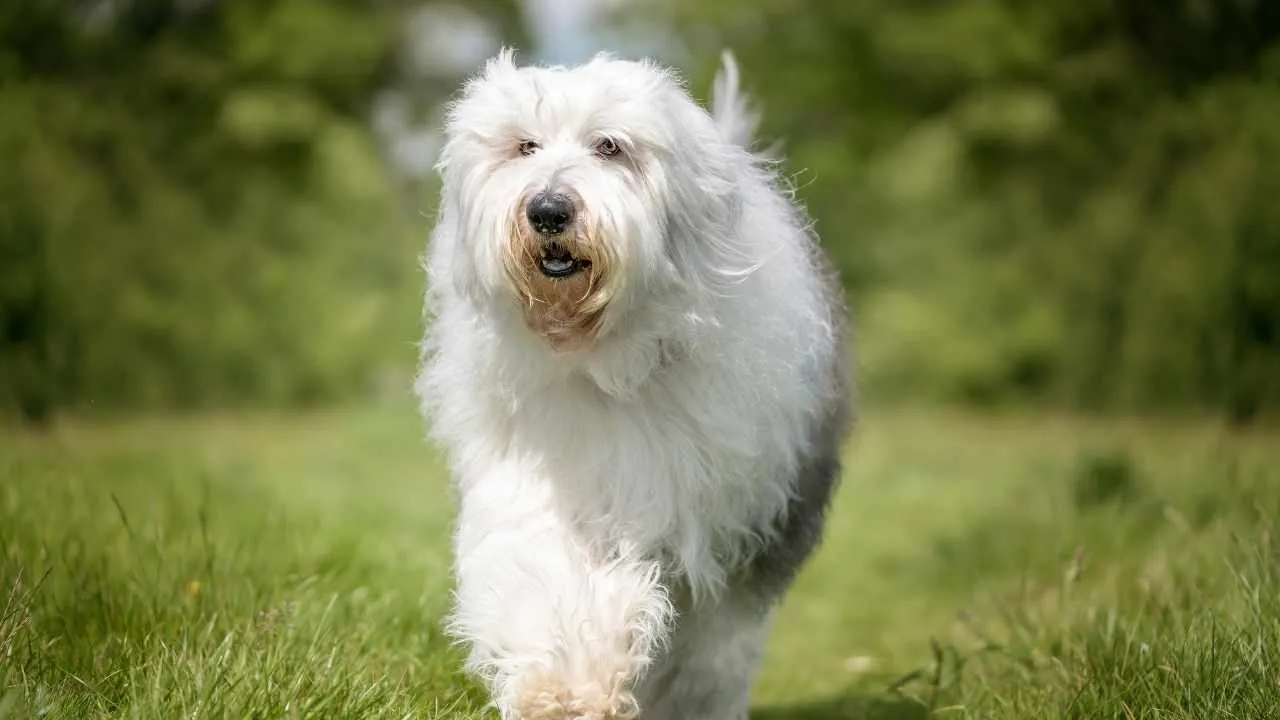
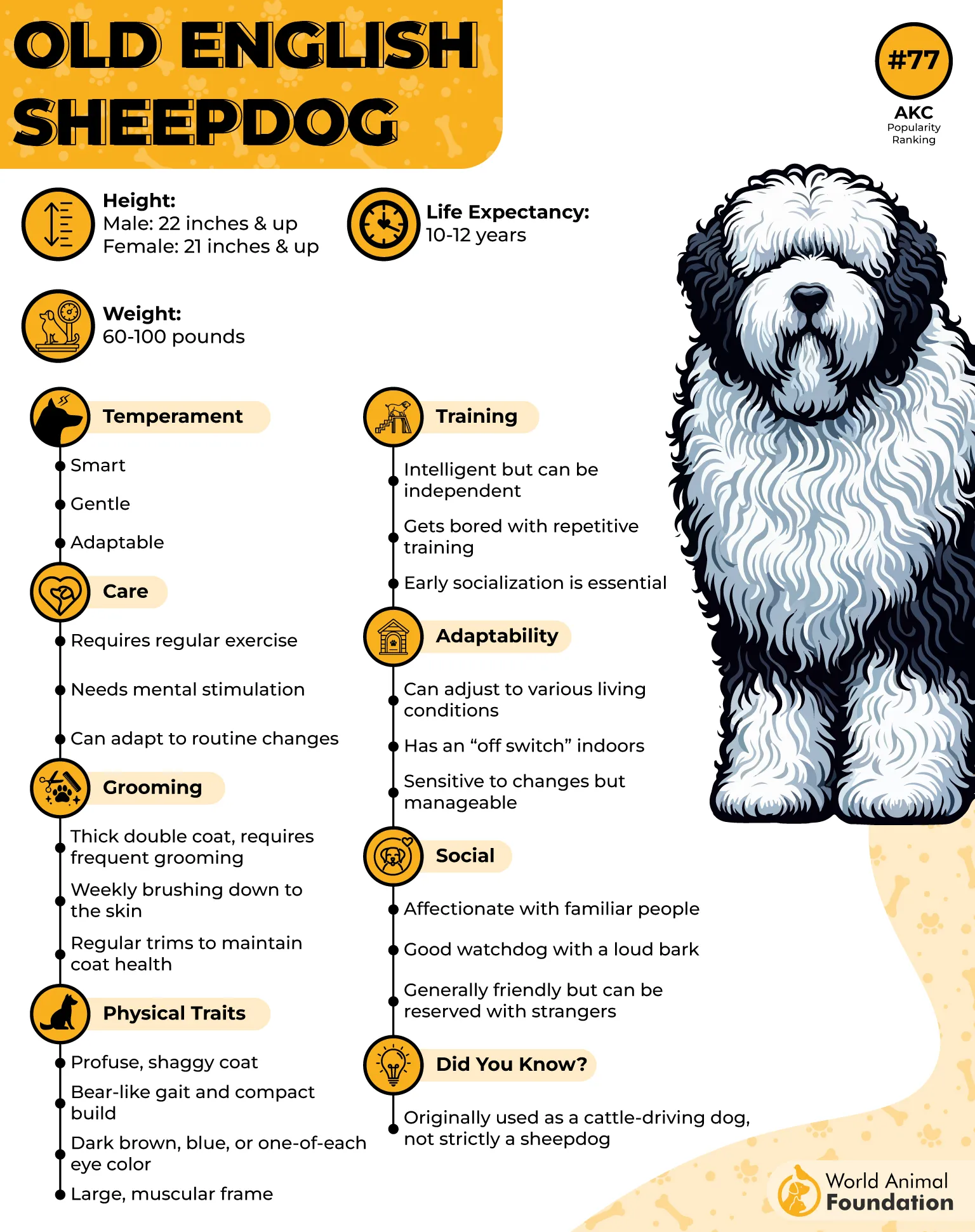
The Old English Sheepdog developed in England as a working farm dog used for driving livestock. Its thick coat helped protect it from changing outdoor conditions while it spent long periods working alongside farmers.
The breed is recognizable for its substantial body, shaggy appearance, and often partially obscured eyes beneath its profuse hair. Despite its imposing coat, it can be playful and affectionate with its family.
Grooming Is a Major Part of Ownership
Old English Sheepdogs require considerable grooming because their long, dense coats can mat easily. Thorough brushing should reach through the layers rather than simply smoothing the surface.
Owners should also keep the coat free from debris after outdoor activities. Regular maintenance can take significant time, making grooming commitment an important consideration before choosing this breed.
A Shaggy Cloud on Four Legs
Few breeds have the Old English Sheepdog’s signature shaggy appearance. Its abundant coat can create a rounded silhouette that almost hides the dog’s underlying body shape.
The long hair around its head, legs, and torso contributes to an unmistakably fluffy look. When properly maintained, the coat gives this large breed a charming, soft-edged appearance.
6. American Eskimo Dog
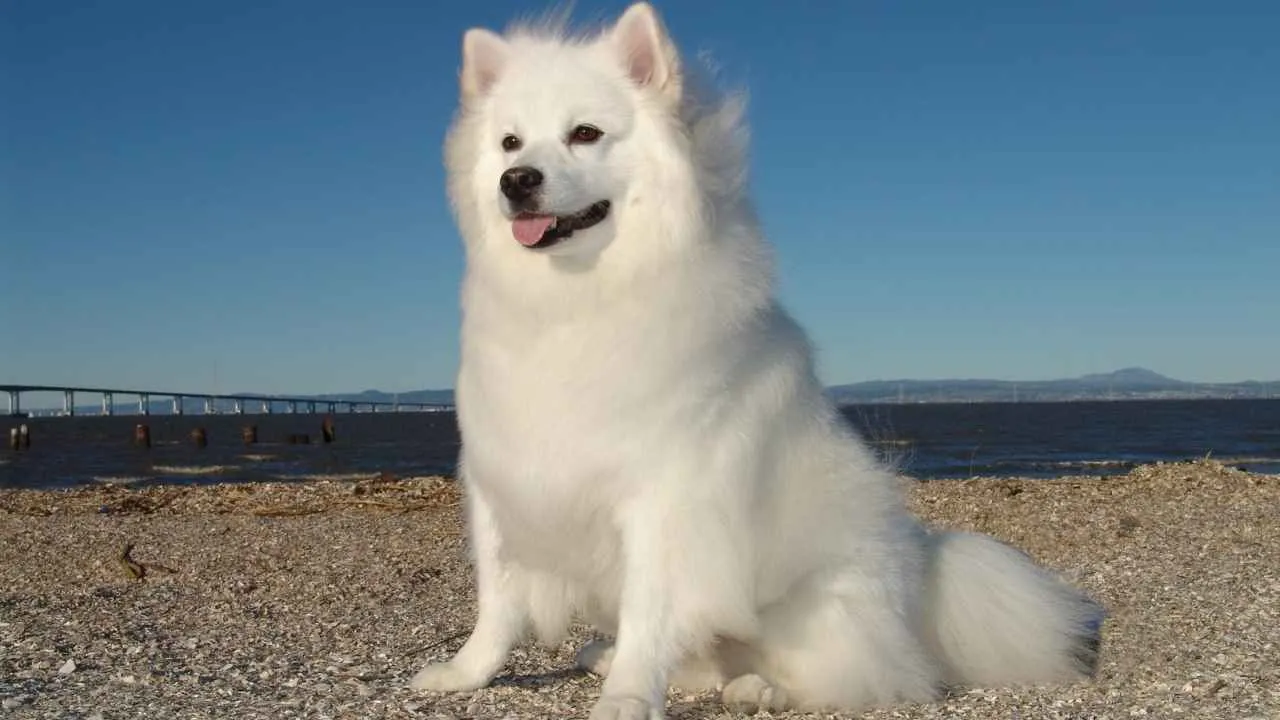
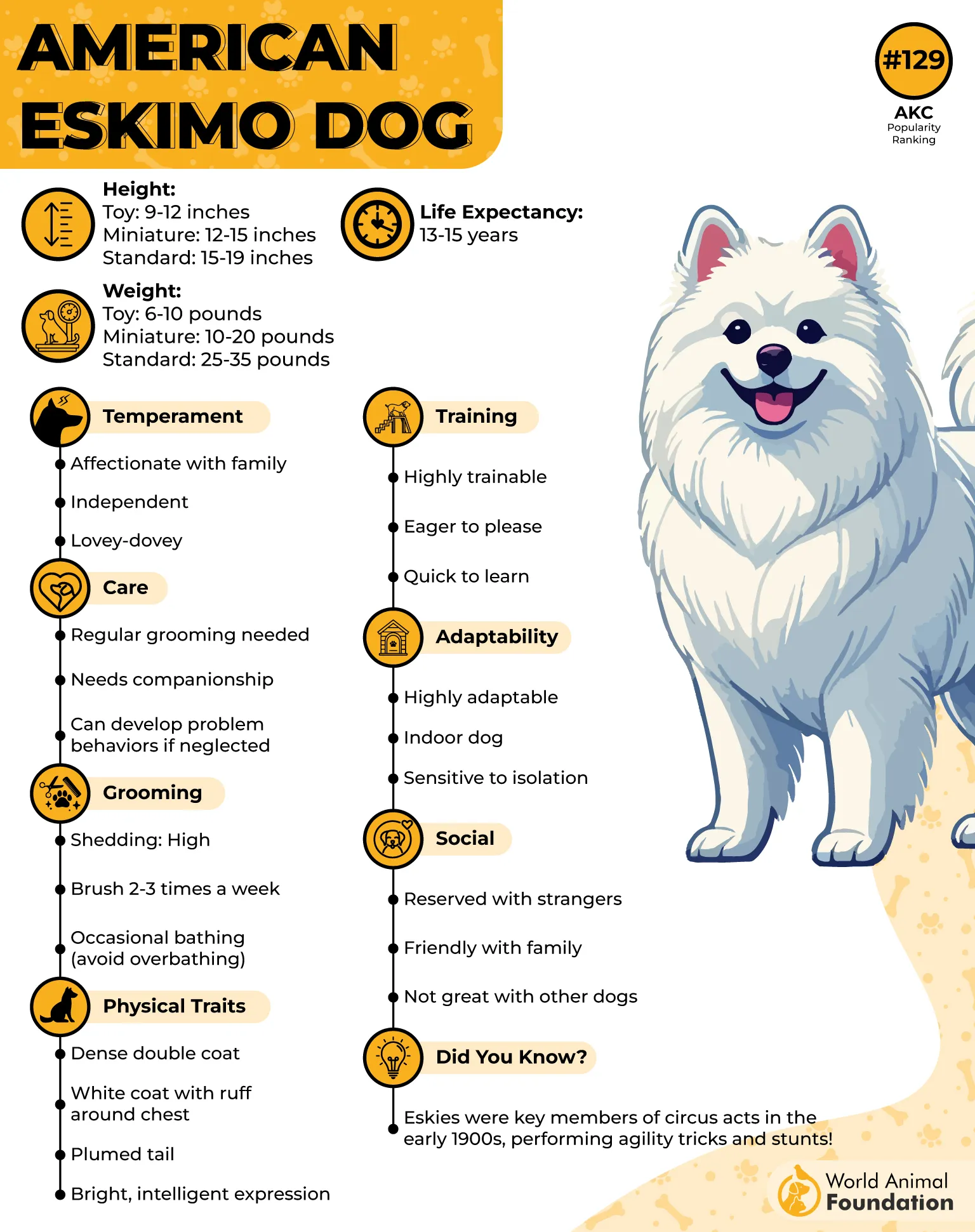
The American Eskimo Dog is a Spitz-type breed known for its bright white coat, pointed ears, and expressive face. Despite its name, it was developed in the United States and became popular as a companion, performer, and watchdog.
The breed comes in Toy, Miniature, and Standard sizes, allowing its fluffy appearance to exist across several different body types. Its intelligence and alertness are equally notable characteristics.
Keep Their Bright Coat Looking Its Best
American Eskimo Dogs have thick double coats that benefit from regular brushing. Frequent grooming helps manage loose undercoat and reduces the likelihood of mats developing in dense areas.
Their white fur can also show dirt easily, particularly around the feet. Routine inspection after outdoor activities can help keep the coat clean without excessive bathing.
A Brilliant White Puff of Fur
The American Eskimo Dog’s pure white coat and dark facial features create a striking contrast. Its abundant neck ruff, feathered tail, and thick body fur give it a particularly soft appearance.
The coat can make the dog look almost snow-covered even on a sunny day. This distinctive fluffiness, combined with its alert expression, gives the breed a lively and polished appearance.
7. Japanese Spitz
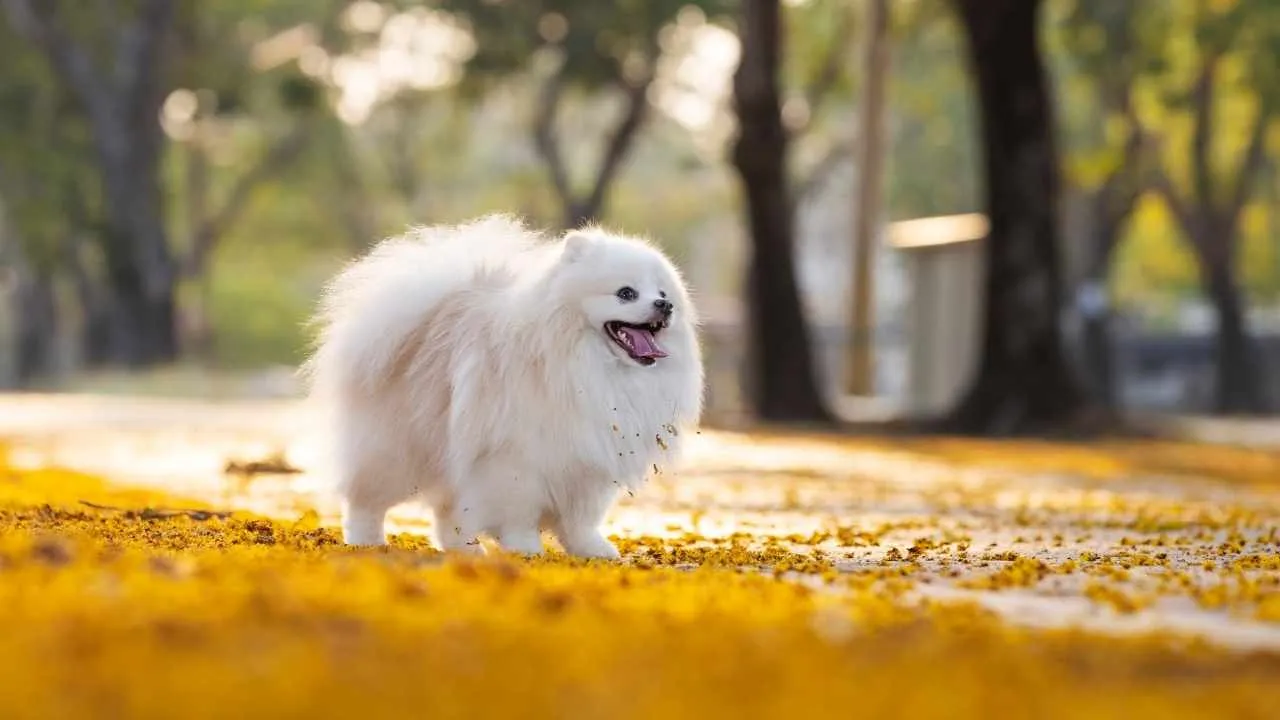
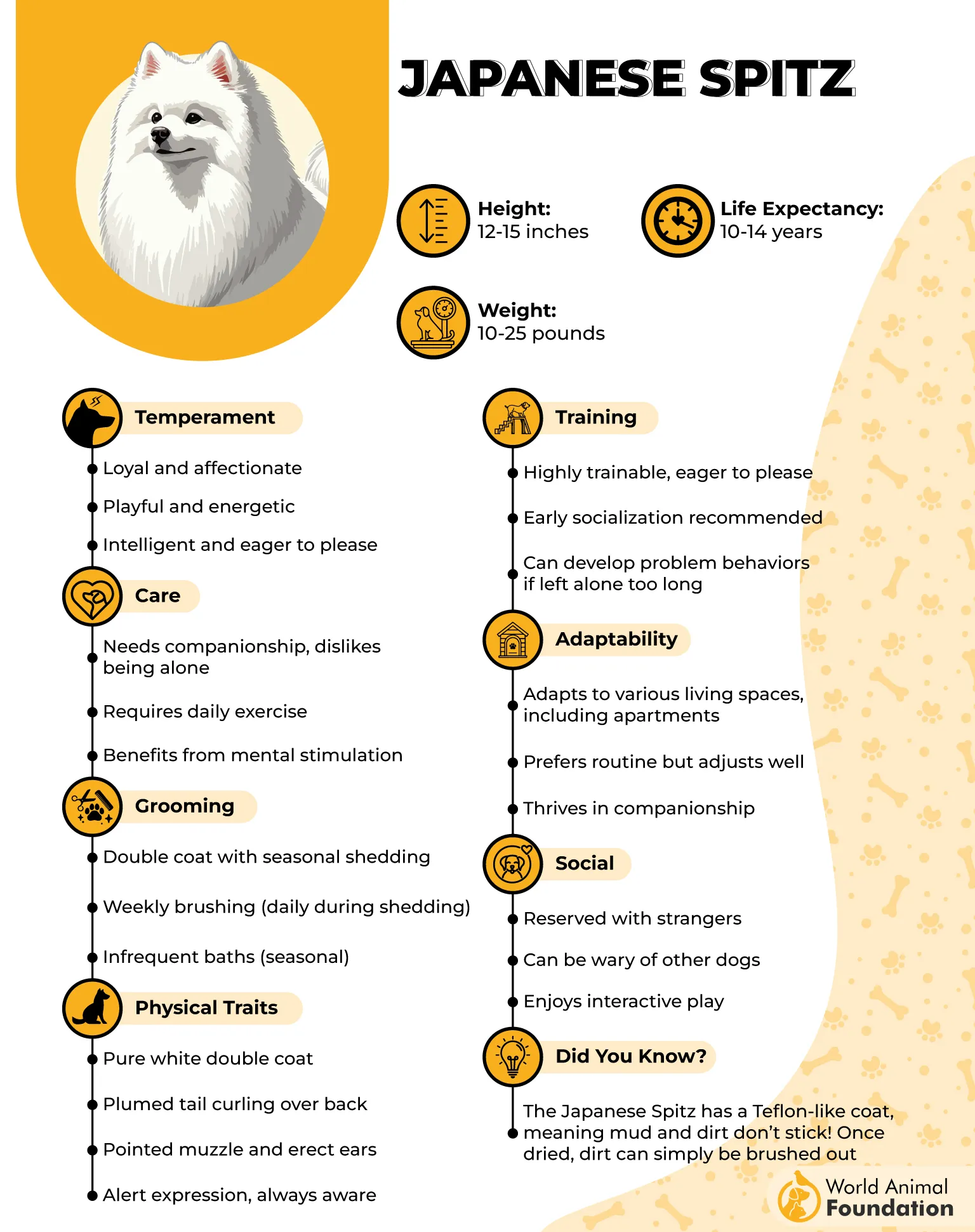
The Japanese Spitz was developed in Japan during the twentieth century and is closely associated with the Spitz family of dogs. Its small-to-medium build, pointed ears, curled tail, and brilliant white coat give it a distinctive appearance.
These dogs are often lively, affectionate, and adaptable household companions. Their relatively compact size can make them easier to accommodate than some of the larger fluffy breeds on this list.
Brush Away Loose Undercoat Regularly
Japanese Spitz dogs have a double coat that benefits from routine brushing, particularly during seasonal shedding periods. Regular maintenance helps remove loose hairs before they accumulate around the home.
Their white coat can make dirt visible, but frequent bathing is not always necessary. Appropriate brushing and occasional bathing can help maintain cleanliness while preserving healthy skin.
A Compact White Cloud With a Cheerful Face
The Japanese Spitz has a remarkably clean, rounded appearance created by its thick white fur. The full coat around the neck and body gives the dog a soft outline without the enormous size associated with some other fluffy breeds.
Its curled tail, often carried over the back, adds another layer of visual charm. Together, the coat and compact build create an appearance reminiscent of a small, animated cloud.
8. Great Pyrenees
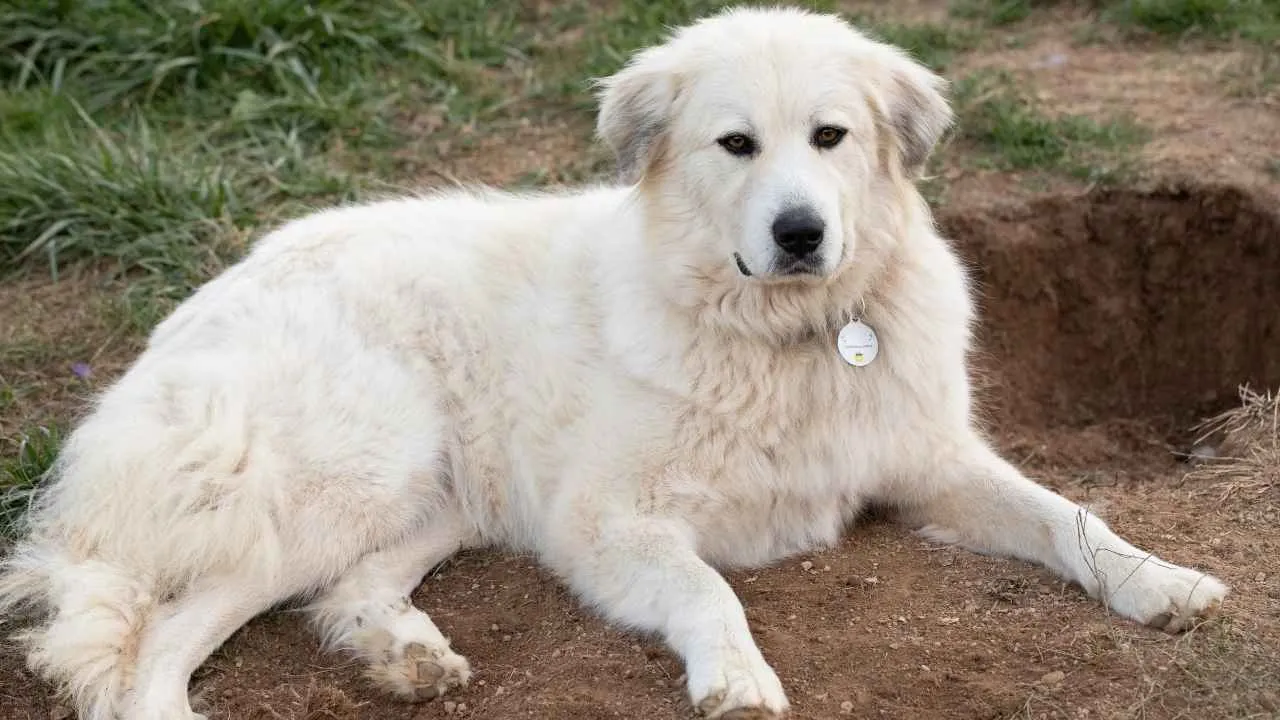
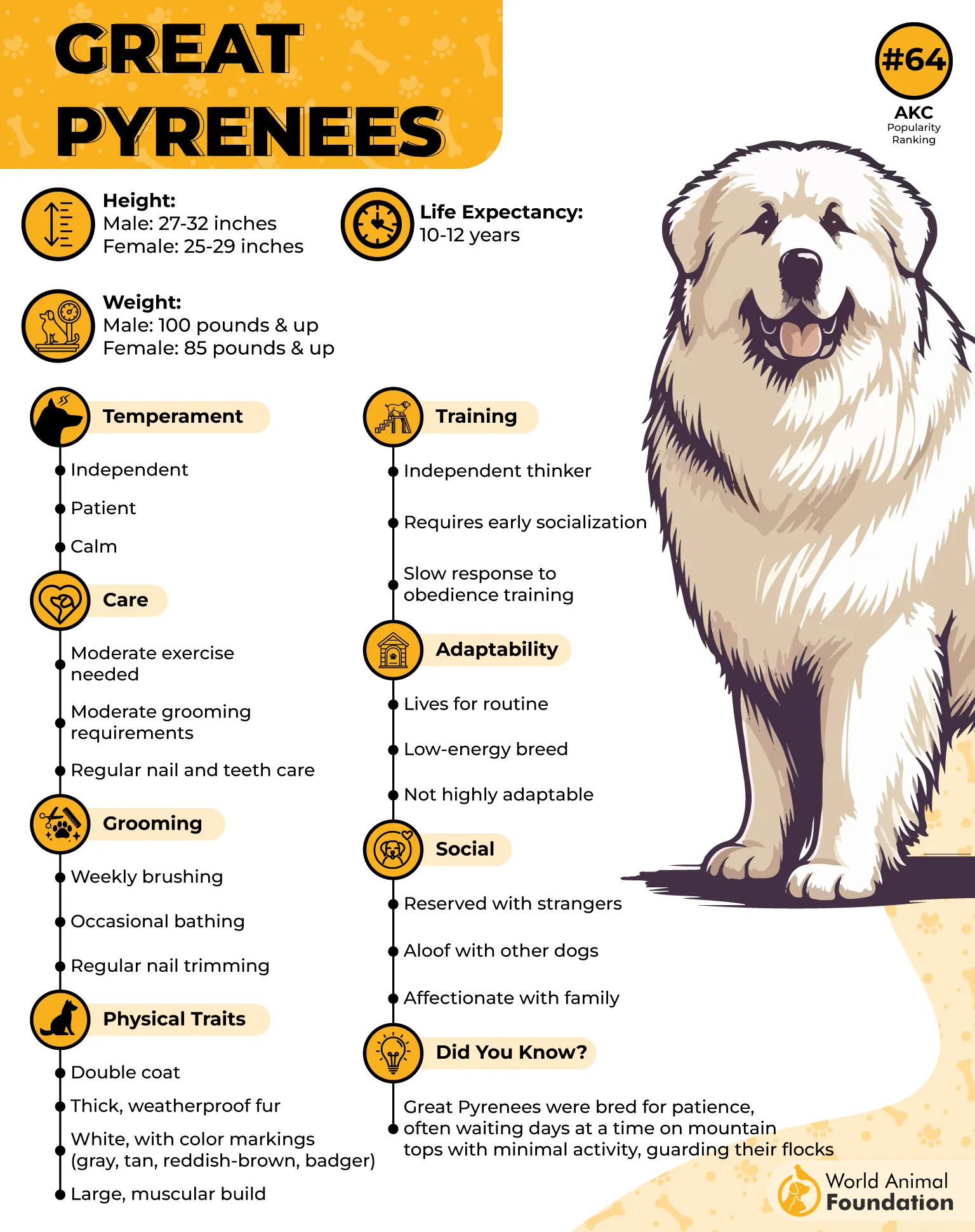
Great Pyrenees dogs originated in the mountainous regions between France and Spain, where they served as livestock guardians. Their heavy coats provided protection while they worked outdoors in cold and difficult environments.
These dogs are large, powerful, and traditionally independent. Their impressive appearance is matched by a calm but watchful personality, making them distinctive working guardians as well as family companions.
Manage Their Heavy Coat Through Every Season
Great Pyrenees have thick double coats that need consistent brushing, particularly during major shedding periods. Regular grooming helps remove dead undercoat and prevents compacted fur from developing.
Owners should also consider the climate carefully. A heavy coat designed for cold conditions can make hot weather uncomfortable, so access to shade, water, and cool indoor areas is essential.
A Majestic Blanket of White Fur
The Great Pyrenees has one of the most imposing fluffy coats among large dog breeds. Its long outer hairs and thick undercoat give the body a broad, substantial appearance.
The fur around the neck and shoulders can create a majestic mane, while the heavily plumed tail completes the breed’s grand silhouette. Its coat makes an already large dog appear even more magnificent.
9. Coton de Tulear
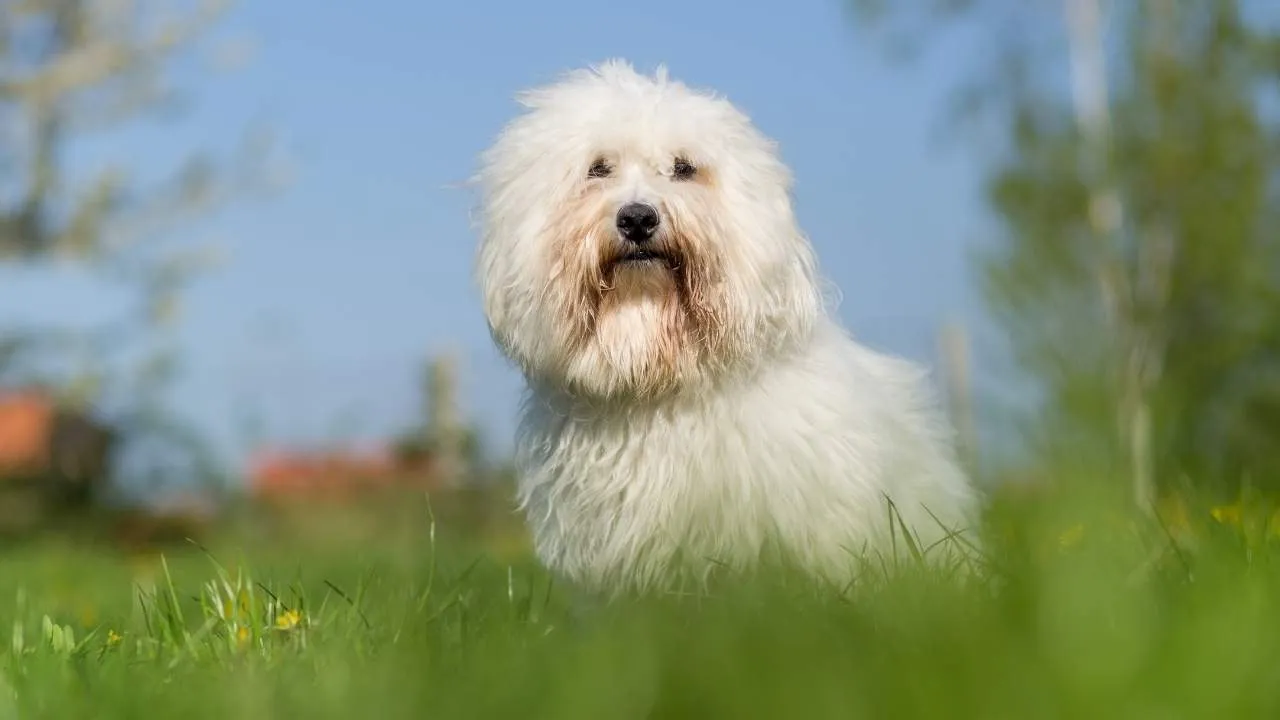
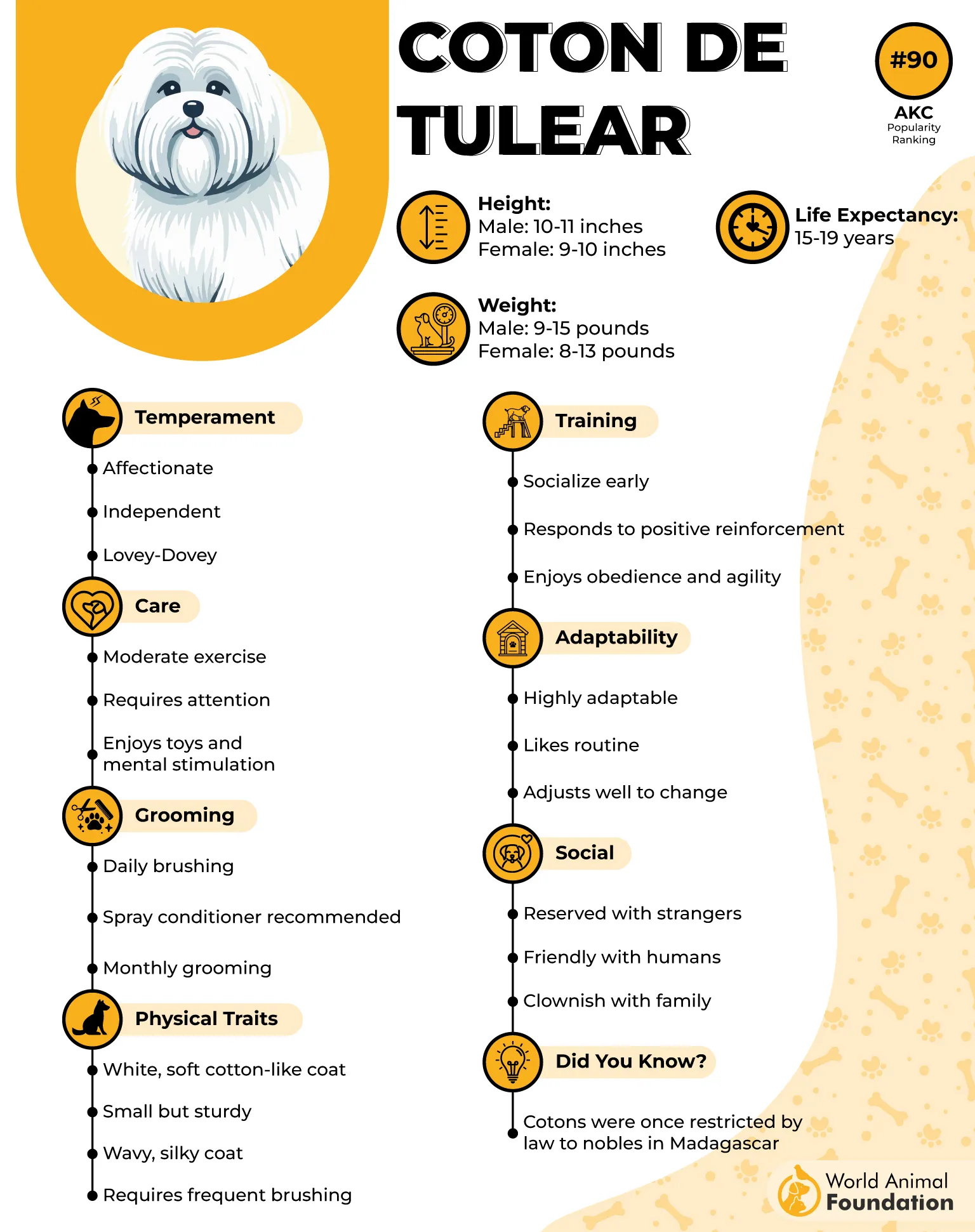
The Coton de Tulear originated in Madagascar and was named after the port city of Tulear. The breed became associated with companionship and is known for its small stature, lively personality, and distinctive cotton-like coat.
Its fur is soft and textured rather than densely plush like that of some northern breeds. Coton de Tulears are generally cheerful, affectionate dogs that enjoy remaining close to their families.
Keep Their Soft Coat Free From Mats
The Coton’s long coat requires regular brushing to prevent tangling. Because the hair can become knotted close to the skin, grooming should be thorough and consistent rather than limited to the visible surface.
Gentle handling from puppyhood can make grooming easier as the dog matures. Regular checks around the ears, legs, and other friction-prone areas are especially helpful.
A Soft Coat With a Cotton-Like Texture
The Coton de Tulear gets its name from the distinctive texture of its coat, which can feel soft and cotton-like. Its flowing white hair creates a fluffy appearance without the heavy bulk of a large mountain or northern breed.
Its small frame beneath the soft fur gives the dog an especially charming appearance. For people who prefer a compact companion with a light, cloud-like coat, the Coton can be an appealing choice.
Conclusion
Samoyeds, Chow Chows, Newfoundlands, Pomeranians, Old English Sheepdogs, American Eskimo Dogs, Japanese Spitz, Great Pyrenees, and Coton de Tulears all demonstrate how dramatically fluffy coats can differ between breeds.
Some have dense double coats designed for severe cold, while others have softer companion-dog hair that creates a lighter, cotton-like appearance.
A beautiful coat also requires commitment. Brushing frequency, seasonal shedding, bathing, professional grooming, and climate management can vary considerably from one breed to another. Prospective owners should consider these responsibilities alongside temperament, exercise requirements, and overall size.
Whether you prefer a giant Newfoundland, a snowy Samoyed, or a tiny Pomeranian, these breeds show that fluffy fur comes in many forms. With appropriate grooming and care, their abundant coats can remain healthy while preserving the cloud-like appearance that makes these dogs so appealing.
