




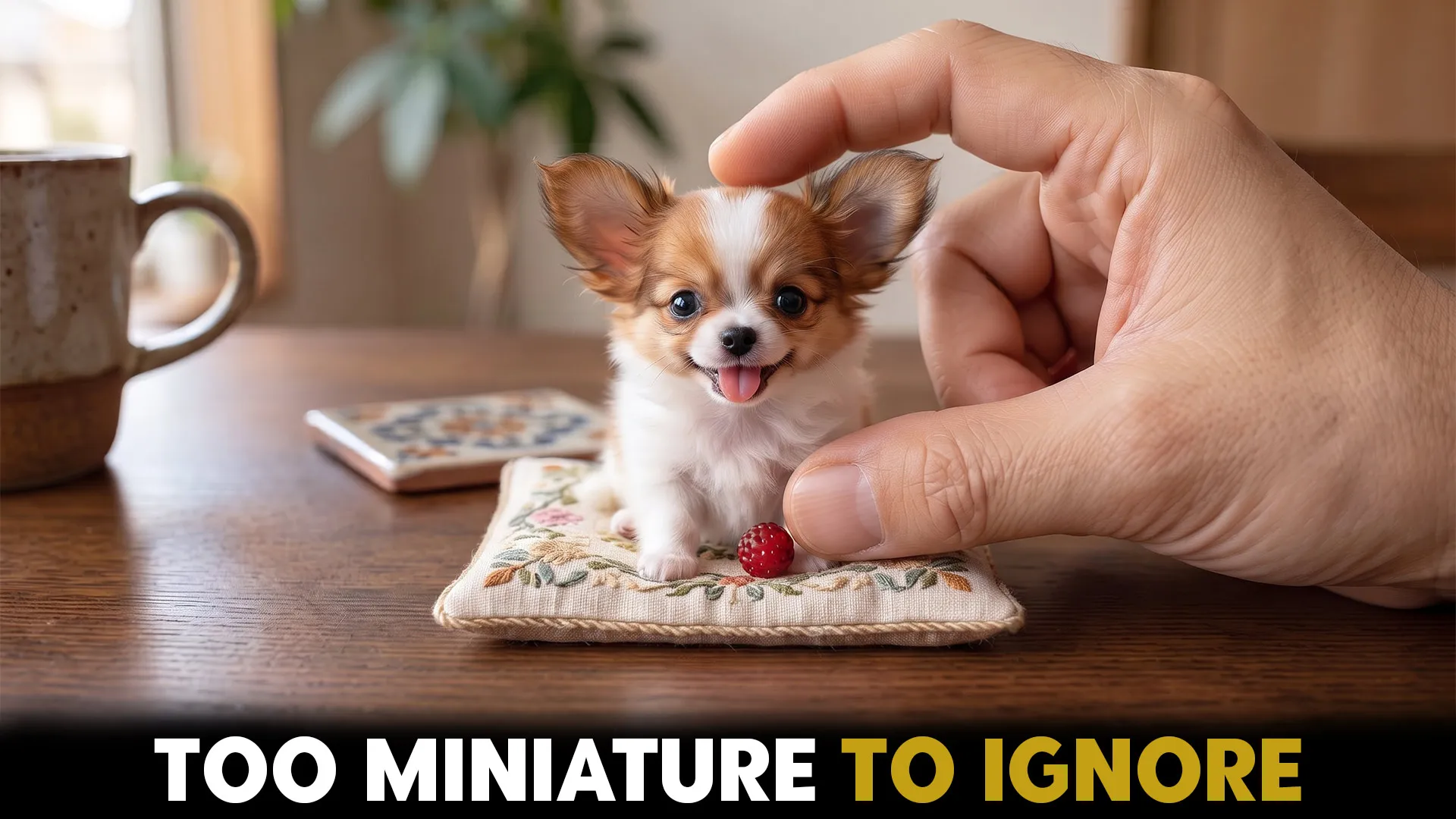
How small can a dog actually remain once it reaches adulthood? That question matters when your goal is a genuinely miniature companion rather than a puppy that happens to be tiny today.
Adult dogs considered toy-sized commonly weigh around 4 to 12 pounds, although some can be even smaller. Their final size depends on genetics, breed standards, sex, and individual growth, so a puppy’s current weight alone cannot predict exactly how large it will become.
For apartment living, frequent travel, or limited space, adult size can make everyday life easier. A miniature body means smaller beds, carriers, food portions, and less space for movement, but tiny size also requires care with fragile bones, dental health, temperature, and handling.
The following picks focus on ideal companions that keep their petite proportions, along with the details that make living with them easier.
Key Takeaways
A puppy can look tiny today and grow much larger later, so finding a dog that stays genuinely miniature takes a closer look.
Chihuahuas take miniature living to another level, with tiny bodies that still need play, walks, and careful handling to stay safe.
Pomeranians and Yorkies keep that petite size while bringing plenty of energy, cleverness, and personality into the home.
The list gets even more interesting with dogs whose small frames come with very different needs, so keep reading to see which tiny breeds may suit your lifestyle.
Tiny Dog Breeds That Stay Miniature Forever
1. Chihuahua
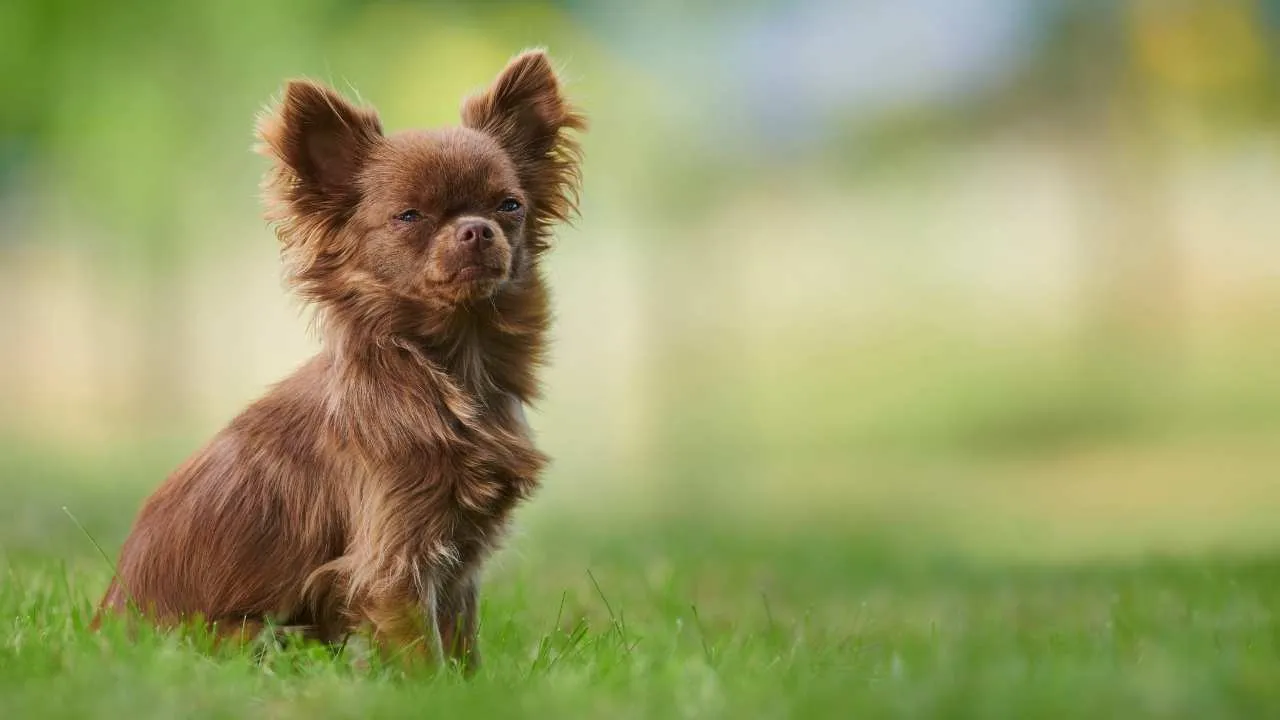
Chihuahua takes its name from the Mexican state where the breed originated, with one theory linking it to the tiny Techichi kept by the Toltecs as early as the ninth century, as Britannica noted. The AKC recognized the Chihuahua in 1904, while broader popularity followed almost a decade later.
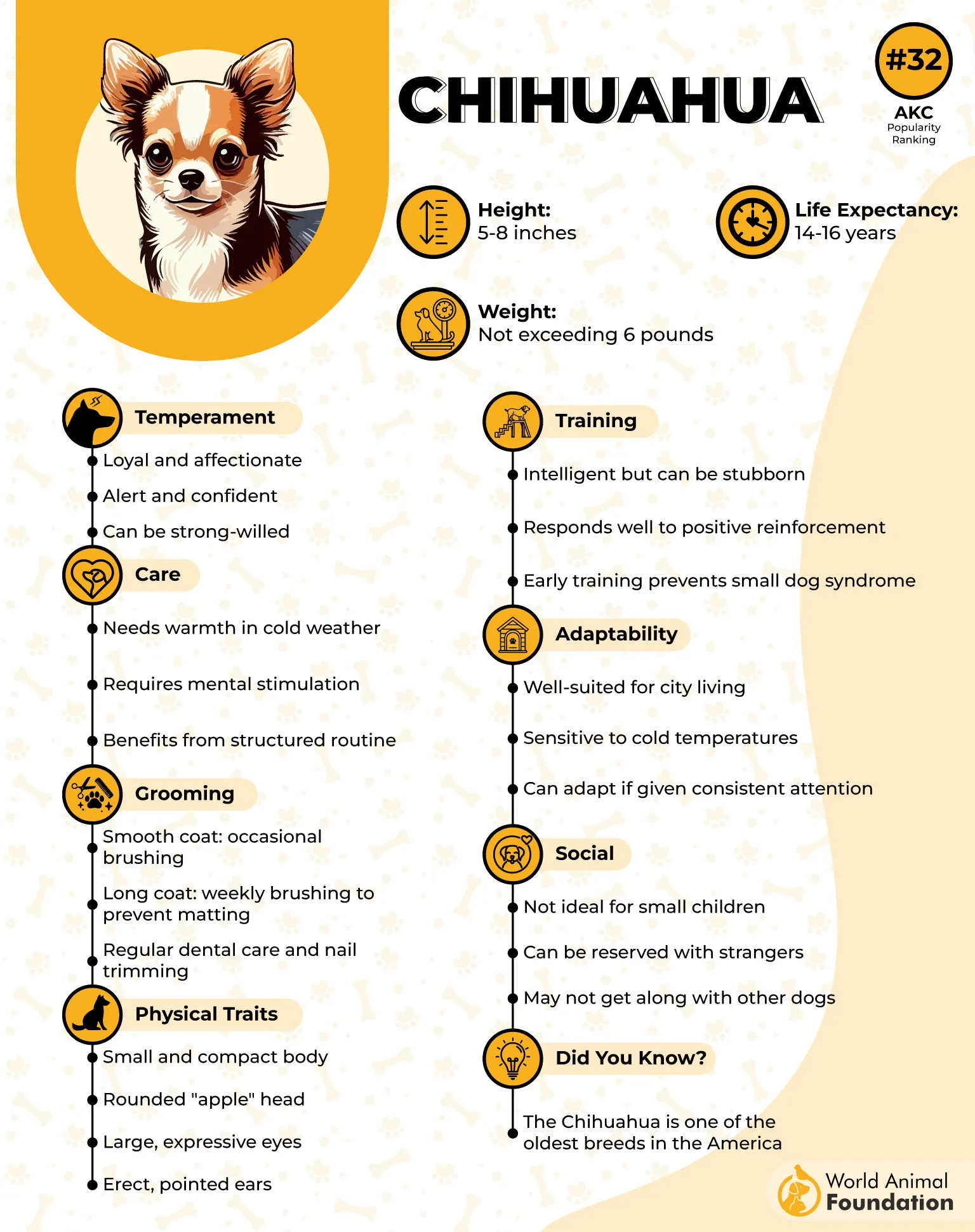
Tiny Frame, Real Dog Needs
They are among the smallest dog breeds, yet their compact size does not remove the need for everyday sniffing, outdoor exploration, and play.
Daily short sprints around the block or backyard suit them well, while long-distance running is too strenuous for their tiny bodies.
Three practical details are easy to overlook:
Indoor footsteps still count as activity
Busy places can require paw protection
Early socialization helps them respond calmly
Small Means Careful
Chihuahuas can fit city, suburban, or rural life, though an unattended yard creates serious risks because hawks and eagles can prey on such a tiny dog. Their delicate frame also makes them better suited to adults or families with older children who can handle them gently.
2. Pomeranian
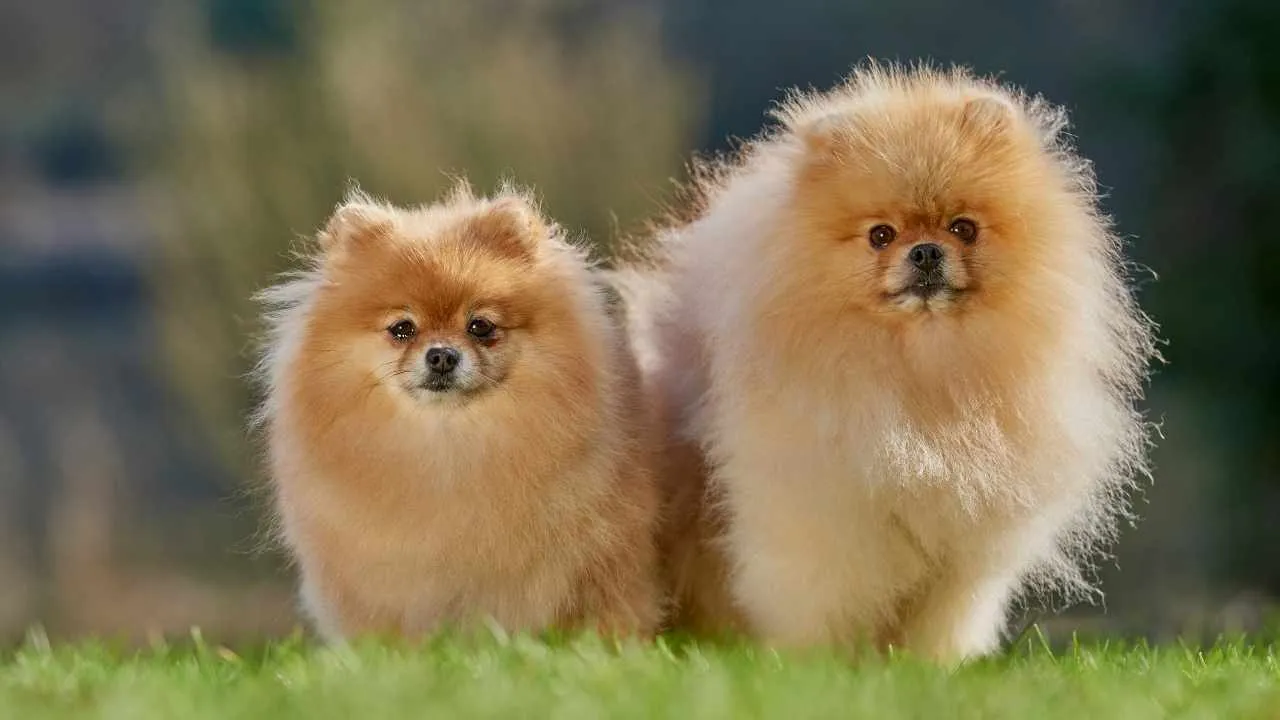
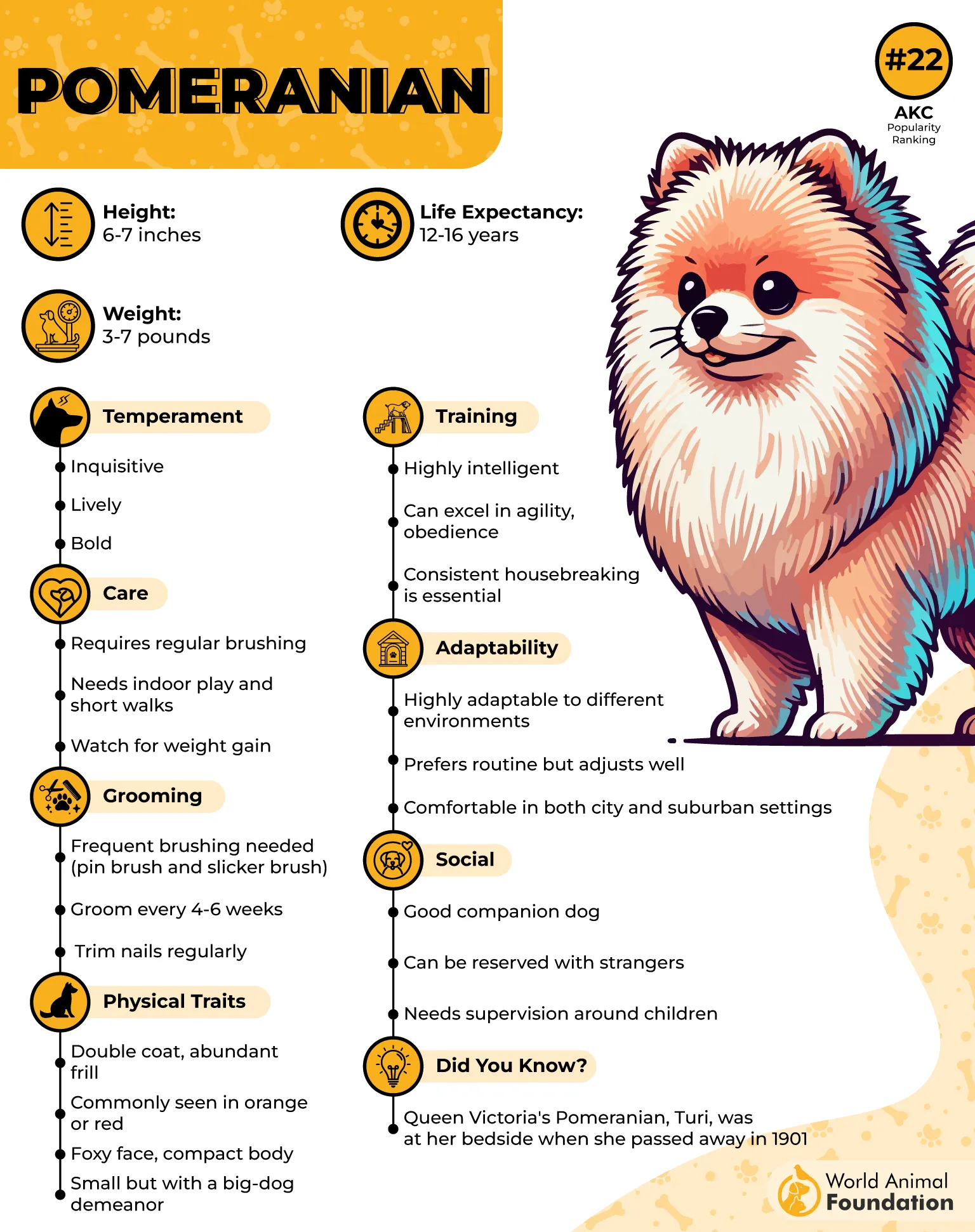
Pomeranian has its historical roots in Pomerania, a region bordering the Baltic Sea across present-day Poland and Germany. Its distant lineage is connected with larger, wolf-like Spitz dogs associated with Iceland, including sled-pulling breeds from colder northern regions.
Tiny by Design
Pomeranian measures just 6–7 inches at the shoulder and weighs around 3–7 pounds, placing it among the smallest dog breeds. That tiny frame makes the breed particularly practical where floor space is limited, including condos and apartments.

These traits put its miniature size into perspective:
Needs around two 20-minute walks daily
Requires careful outdoor supervision due to its tiny size
Needs protection from fence gaps and birds of prey
Bright Little Personality
This small dog breed learns new tricks quickly and can perform well in obedience training, while its lively personality often turns everyday interaction into entertainment.
It also tends to enjoy social attention and can get along with cats, children, and unfamiliar people when handled appropriately, as mentioned by Greencross Vets.
3. Yorkshire Terrier
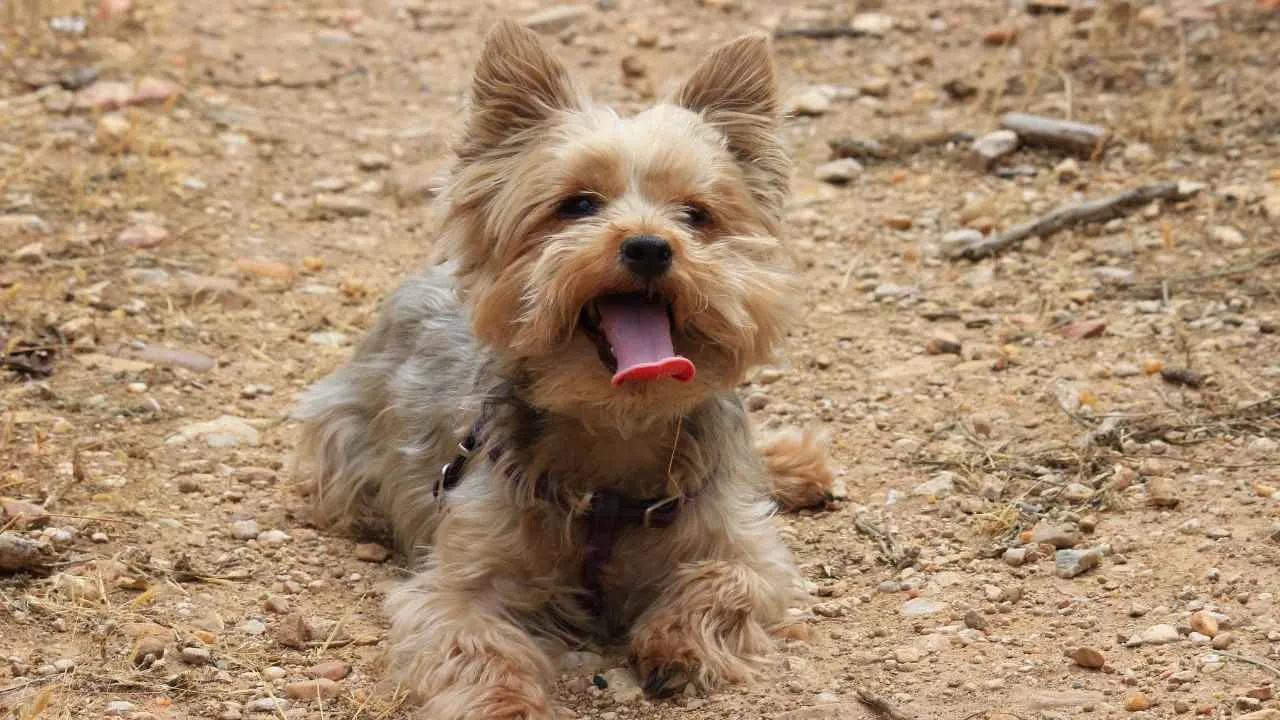
Yorkshire Terrier emerged in Yorkshire, England, during the mid-1800s, with Scottish Terriers among the breeds believed to have contributed to its ancestry. Originally valued for hunting rats, the breed later became a fashionable lapdog among Victorian women by the late 1800s.
Tiny by Design
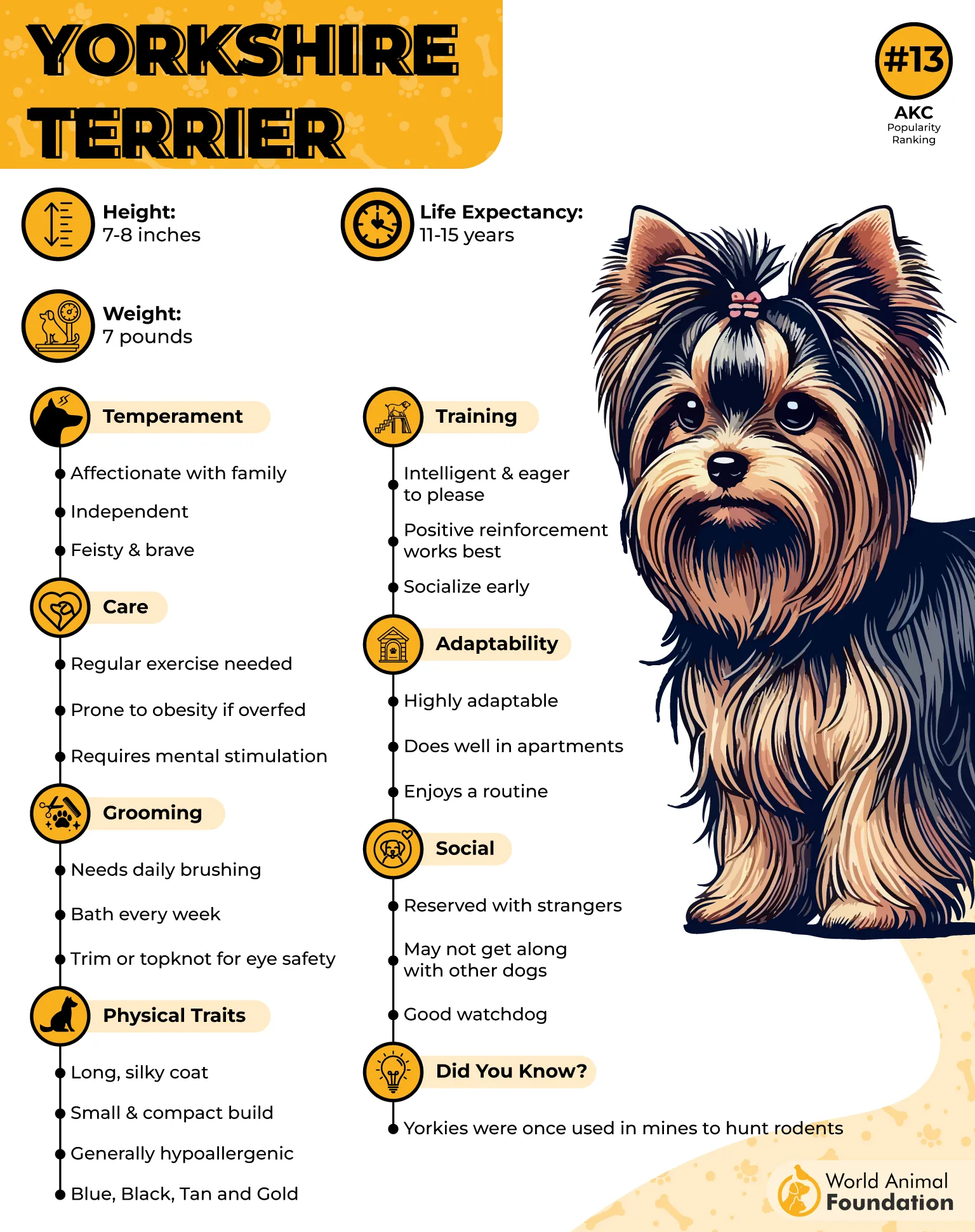
Yorkies measure only 7–8 inches tall and weigh up to 7 pounds when fully grown, making them one of the smallest dogs on this list. That compact frame also means a yard is unnecessary for games, since a living room can provide enough room for fetch.
These characteristics make that size easier to picture:
Two 15-minute walks can meet daily walking needs
Covered beds provide sheltered resting spots
Agility trials can suit athletic individuals
Big Personality, Small Frame
These delightful dogs have an energetic, confident personality and can quickly learn household routines, from breakfast time to walks and attention. Early cues and socialization from around 7–8 weeks can help channel that intelligence into useful behavior.
4. Maltese
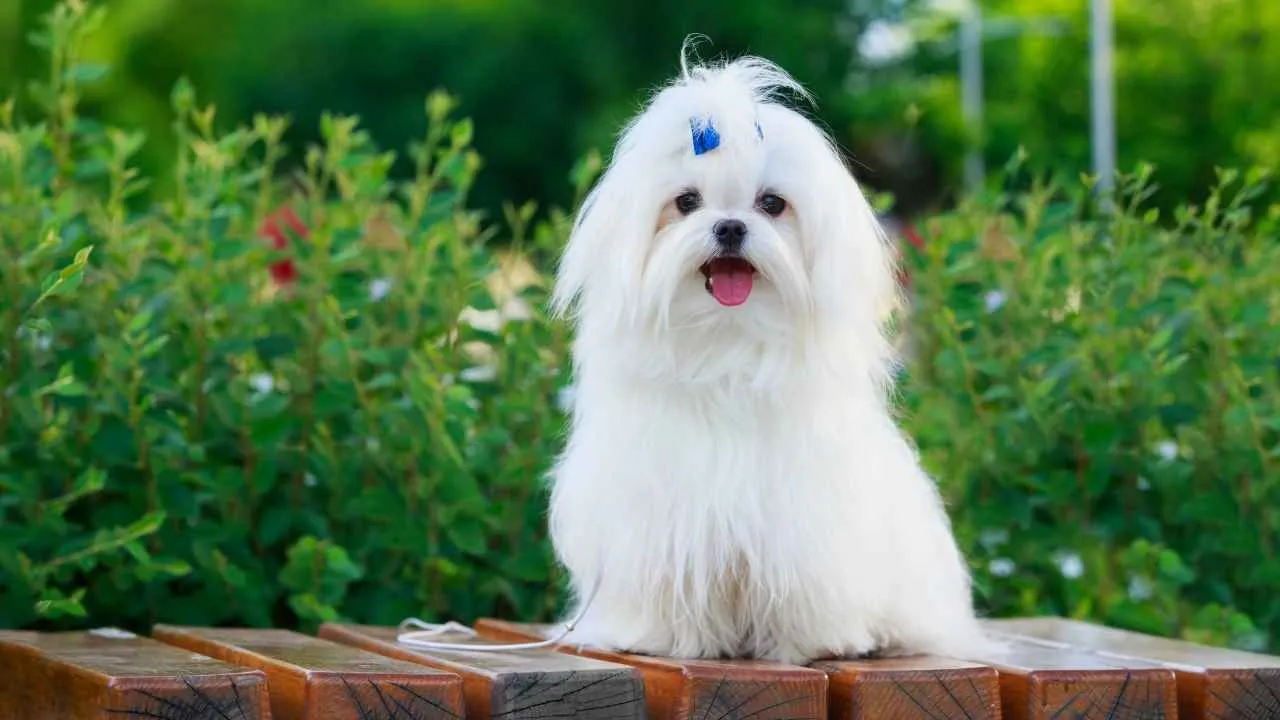
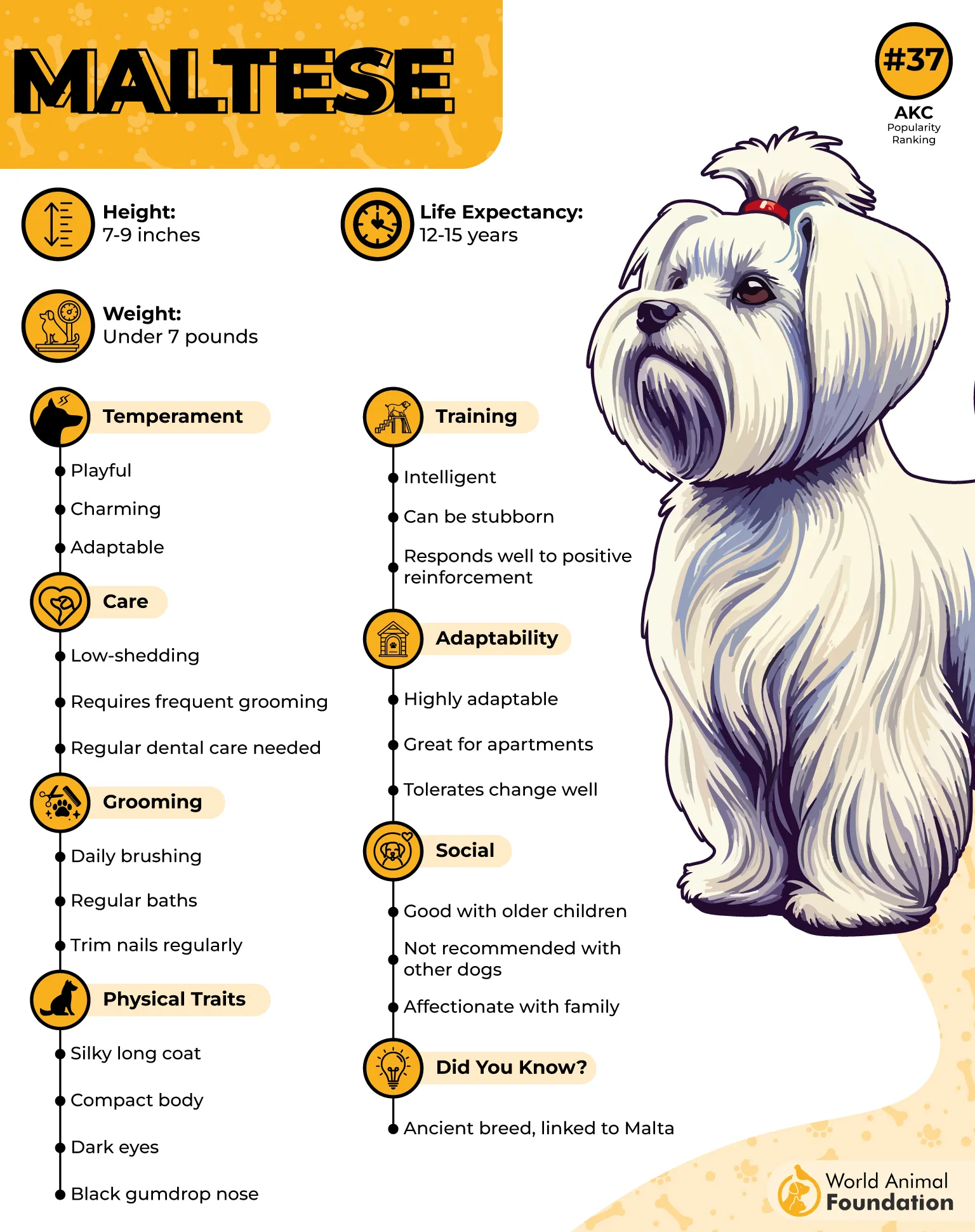
Maltese has long been associated with Malta, where Phoenicians are thought to have introduced the breed around 1500 B.C.E. Over the centuries, these little dogs became prized in Greek culture, appeared in artwork, and were even praised by Aristotle for their symmetrical appearance.
Truly Tiny
This furry friend typically weighs just 3 to 10 pounds, with little difference between males and females. That tiny weight range makes the breed easy to accommodate in compact homes, while its lively personality gives it plenty of character.
Some everyday examples put its size in context:
Lively without high athletic demands
Fragile around very young children
Comfortable with indoor games
People Matter
Maltese is highly people-oriented and often wants to be wherever its favorite person happens to be. Its playful personality and gentle nature have also made it useful as a therapy dog, while proper socialization can help it interact well with other household pets, as reported in Orvis.
5. Toy Poodle
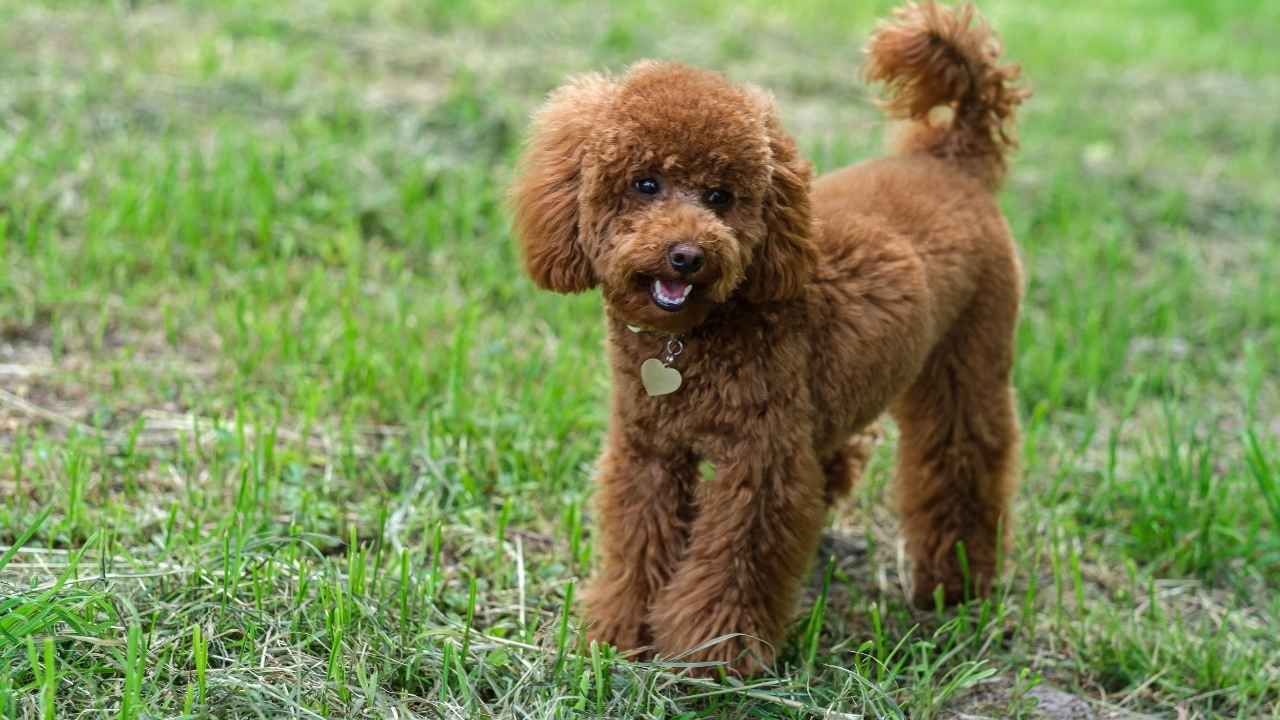
Toy Poodle belongs to a breed lineage that likely began with curly-coated dogs from Asia, later traveling with herders into Europe. Germany shaped the type recognized today, while France embraced Poodles so strongly that the breed became its national dog and a favorite among fashionable women.
Small, Still Busy
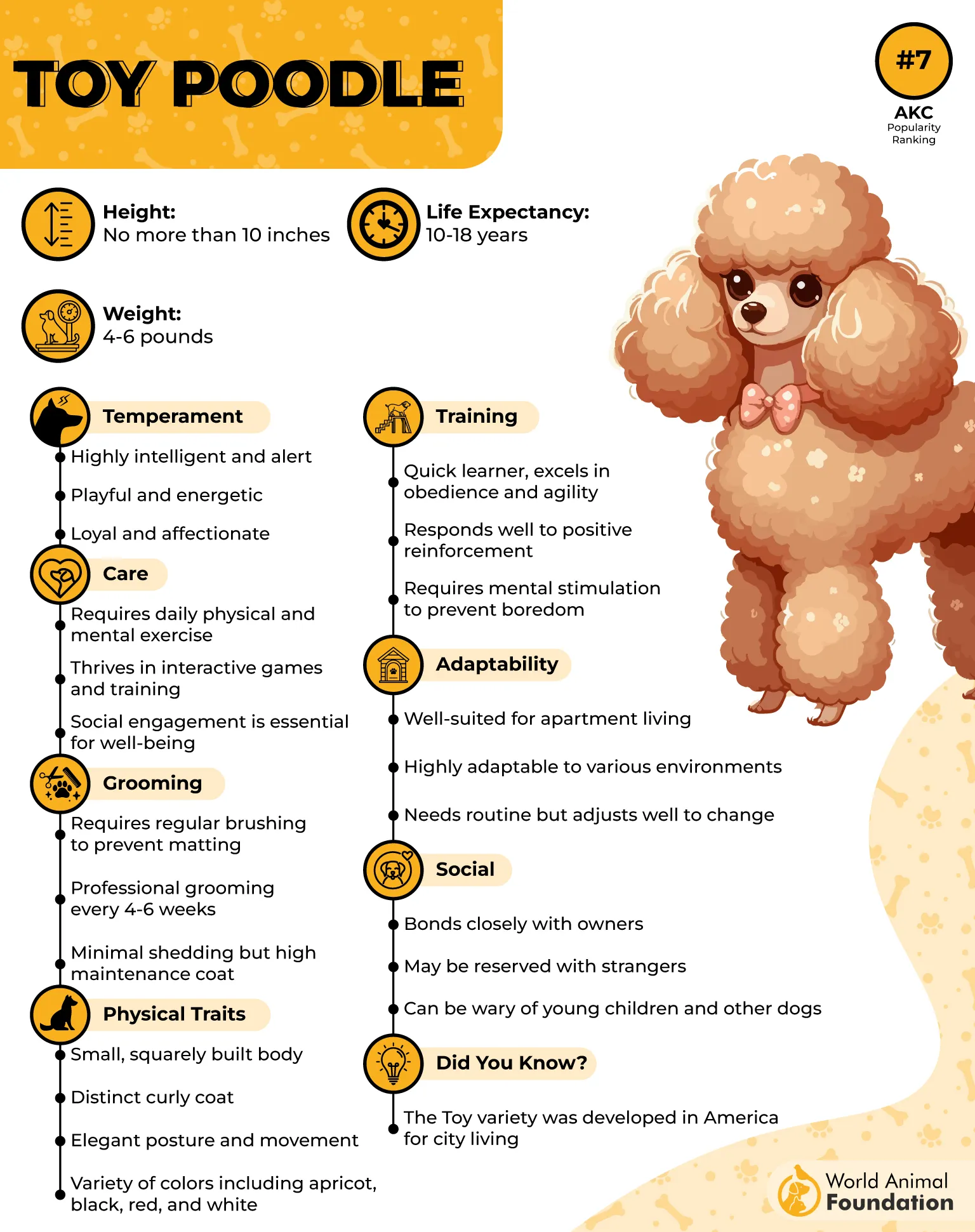
Toy Poodle measures under 10 inches tall, yet its tiny frame holds plenty of energy and an unusually sharp mind. Around the house, walks around the block, indoor fetch, and trick training can provide useful outlets without requiring large outdoor spaces.
Here are a few practical details that matter with such a small dog:
Weighs around 4 to 6 pounds
Low-shedding coat
Can compete in agility
Gentle Handling
This toy dog breed can be friendly with children, although its small bones make rough play a genuine concern. Larger dogs can also cause accidental injuries, so interactions need close supervision when play becomes too energetic or unpredictable.
6. Shih Tzu
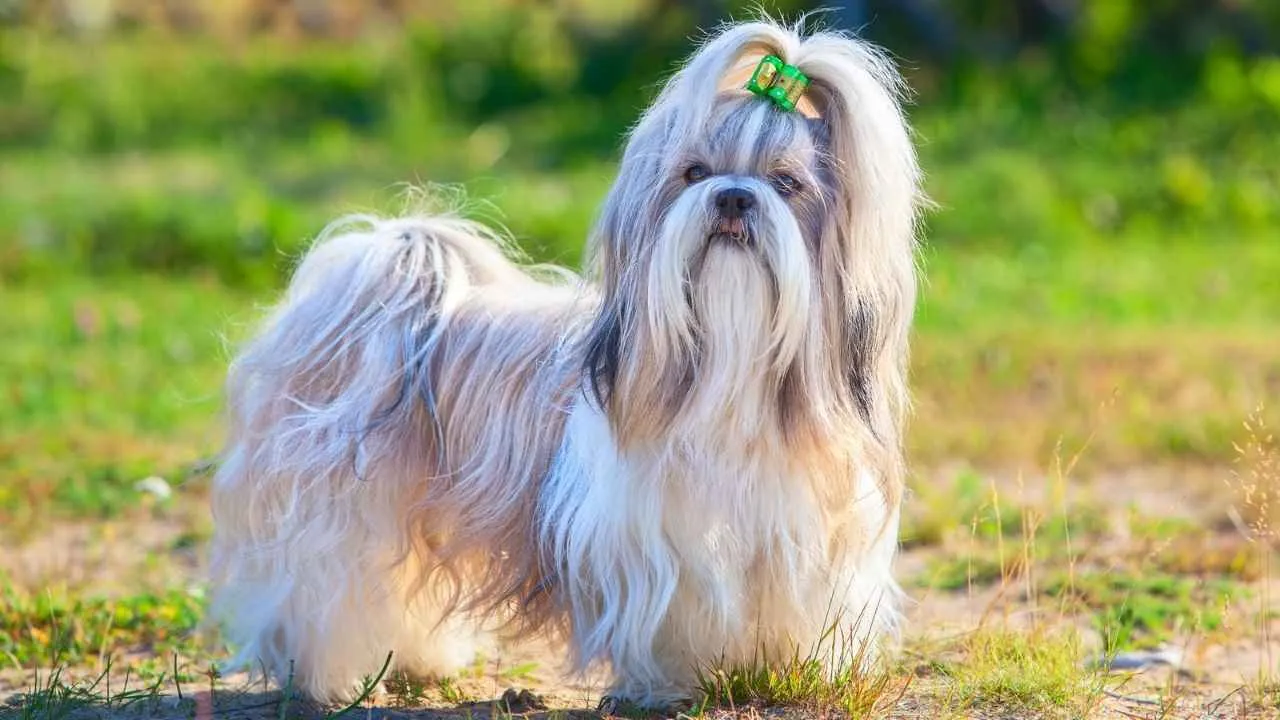
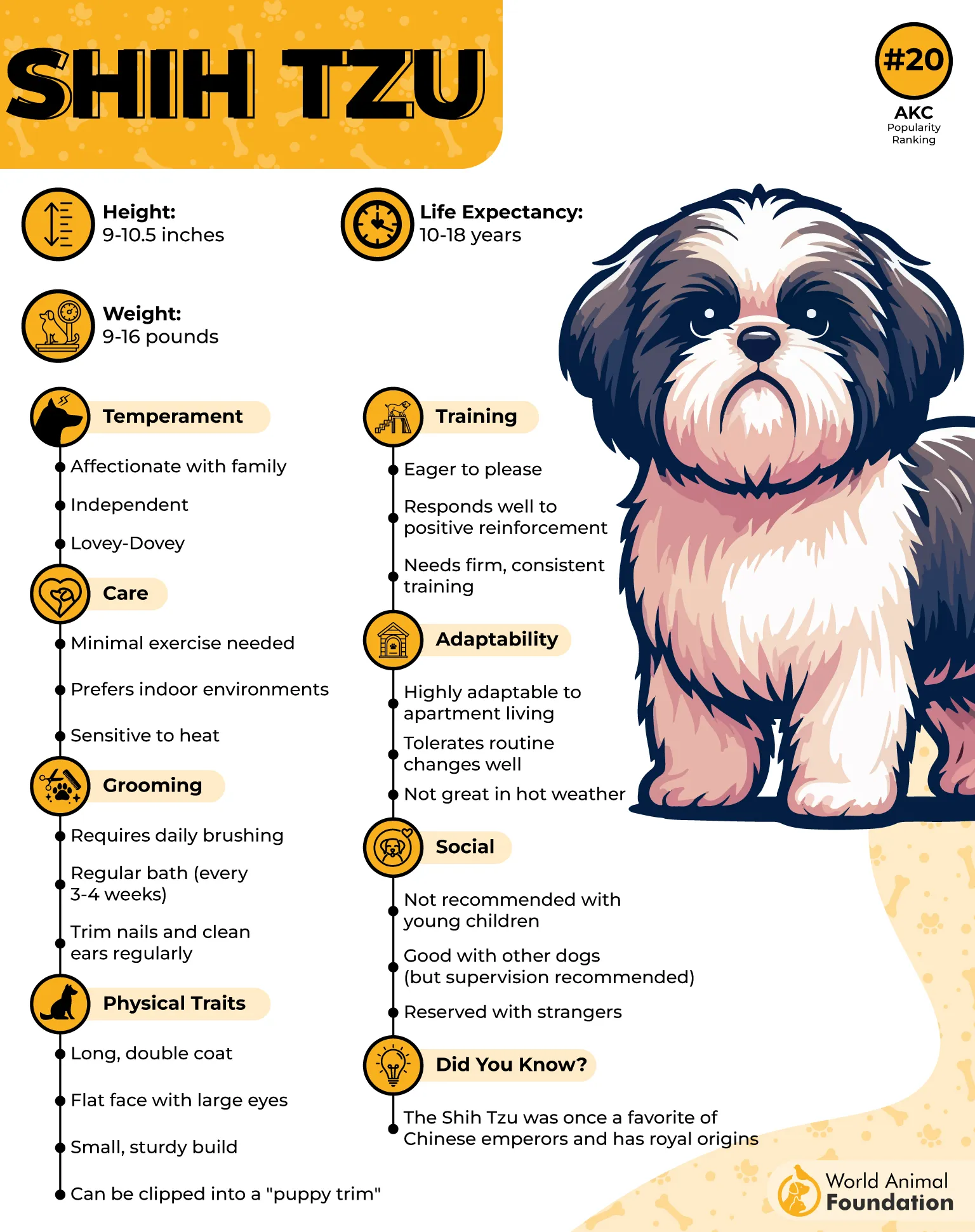
Shih Tzu has long been associated with Chinese royalty and was bred as a lapdog for emperors. Earlier accounts also connect the breed with Tibet, while its small size and broad skull eventually separated it from similar dogs such as the Lhasa Apso.
Miniature by Design
A full-grown Shih Tzu usually weighs 9 to 16 pounds and stands about 10 inches tall, keeping its little frame compact. Two or three 20-minute walks each day can provide enough activity, while longer outings may prove difficult for its short legs.
Its small size does not limit its social side:
Best suited to air-conditioned indoor spaces
Enjoys playful interaction with older children
Gets along well with other pets after careful introduction
A Watchful Little Companion
Shih Tzu can assess activity around the home quickly and may alert the household when someone arrives, including the mailperson. Its independent streak can also make obedience work slower, so patience, rewards, and consistent practice are useful during training.
7. Papillon
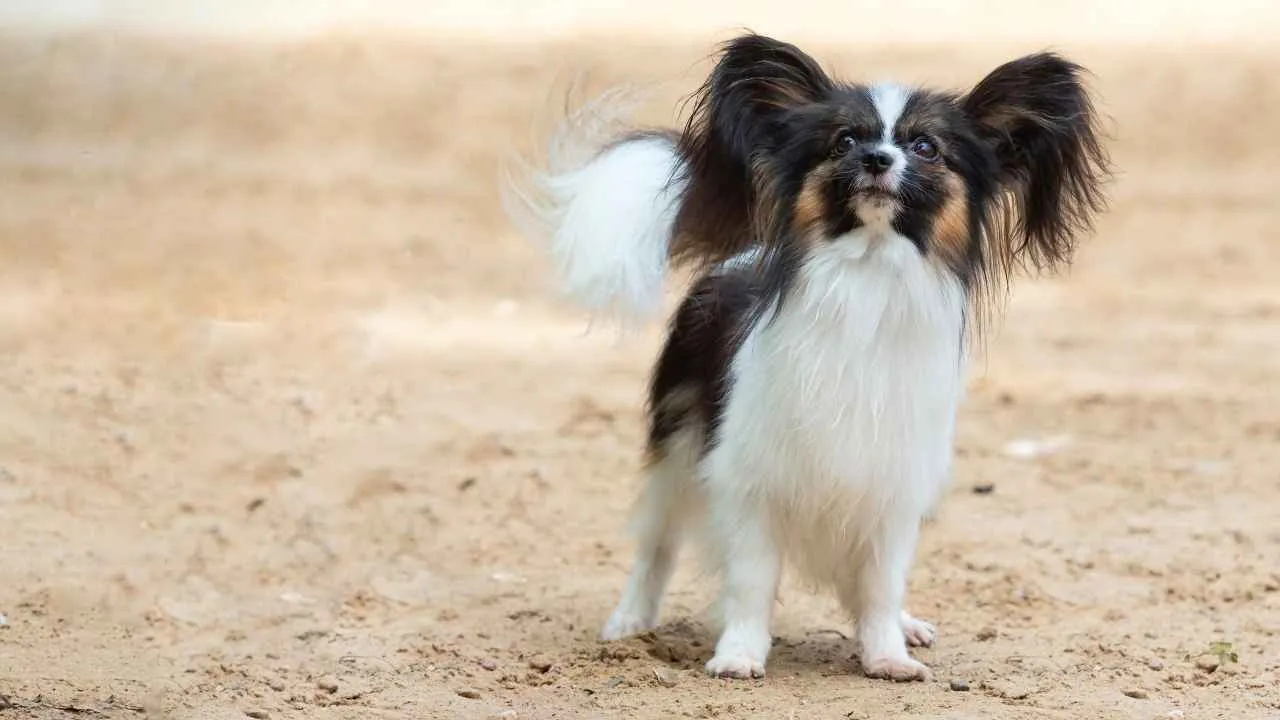
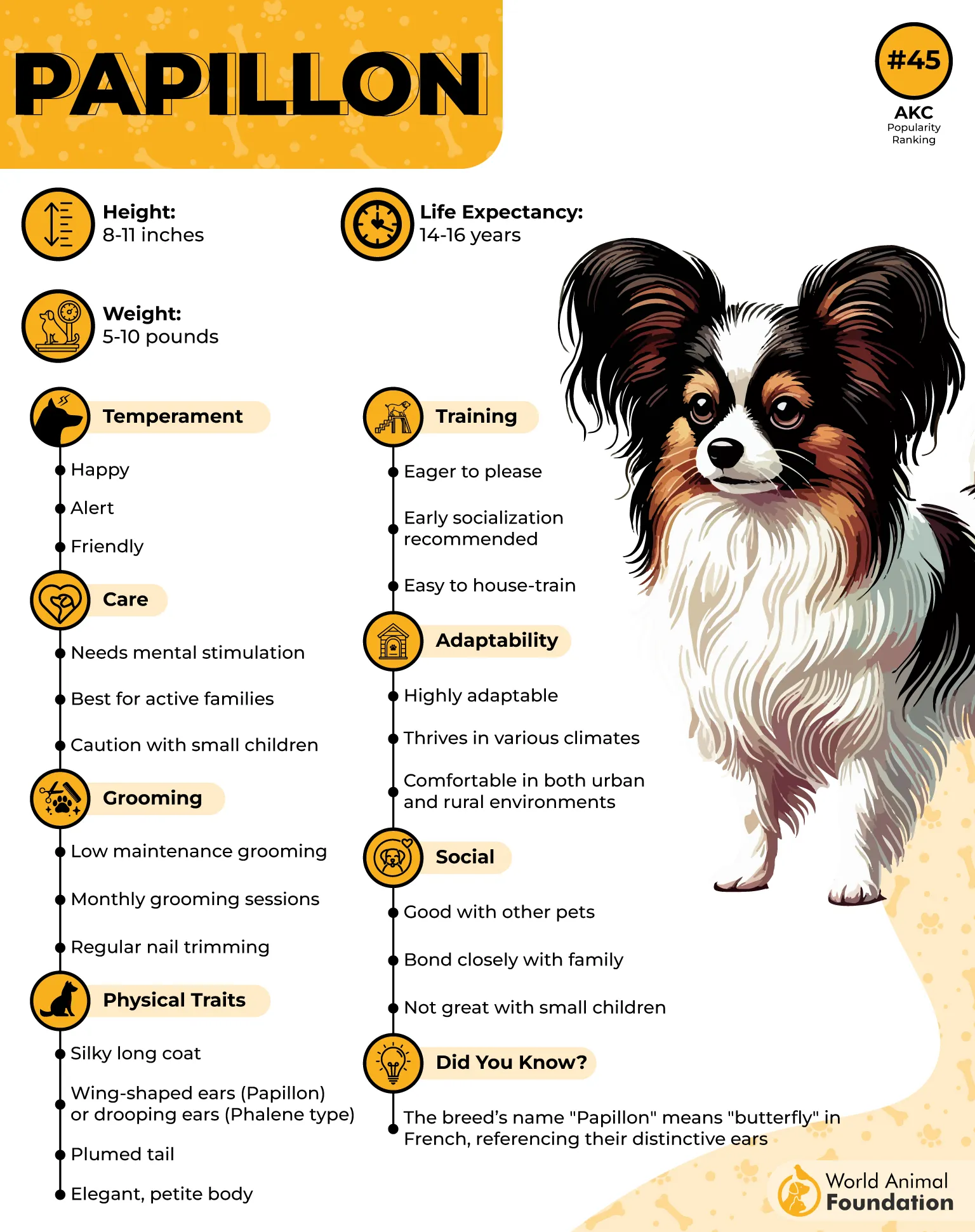
Papillon originated in France centuries ago and became a favored companion among ladies of court, with paintings featuring the breed dating to the 13th century. Its name means “butterfly” in French, inspired by the upright ears that resemble delicate butterfly wings.
Tiny Space, Big Energy
They need very little room to have fun, and a living room can provide enough space for games of fetch and daily play. Around 30–45 minutes of activity can help use its energy, with leisurely walks, scent walks, and fetch fitting easily into a small-home routine.
Small spaces can still offer plenty of enrichment:
No undercoat, so shedding is limited
Puzzle toys provide indoor mental challenges
Agility trials can add a demanding game
Easy Indoor Fun
These loving companions can enjoy a cozy home without needing a yard, especially when play sessions provide enough activity throughout the day. Cozy spots such as tent beds, along with access to sofas or beds, give this tiny companion places to rest between bursts of play.
Conclusion
A tiny dog can fit neatly into an apartment, travel carrier, or smaller household, but small packages do not mean fewer responsibilities. Regular exercise, training, grooming, dental care, socialization, and veterinary attention still belong in the routine. Small bodies also need careful handling around children, humans, larger dogs, outdoor hazards, and cold or hot weather.
Some miniature companions may be playful and full of energy, while others prefer a quieter pace. Small but sturdy companions can still have different activity needs, so consider the adult size, temperament, and care requirements before making your choice.
When those details fit your lifestyle, having a small companion can make everyday living simple without feeling limited.
