





A clean home and a happy dog can absolutely exist under the same roof, especially when you choose a breed that leaves less loose hair behind.
Heavy shedding can mean fur on carpets, bedding, furniture, clothes, and car seats, with seasonal shedding making the cleanup even more noticeable. Low-shedding dog breeds generally release less hair into the environment, which can make everyday cleaning easier.
Their coats still require attention, though, and some need regular brushing, trimming, or professional grooming to prevent mats and tangles. Lifestyle matters too. A low-shedding coat can still come with high activity needs, so consider exercise, training, personality, and household needs together.
Ahead, you will find the top low-shedding dog breeds and a useful look at what makes each one easier to live with, from basic coat care to companionship.
Key Takeaways
Tired of finding dog hair on the sofa, clothes, and every corner of the house? These low-shedding breeds can make daily cleanup much easier.
The Miniature Poodle traps loose hair in its curly coat, while the Bichon Frise does much the same with its dense curls.
Then come breeds with their own surprises, from the nearly hairless Chinese Crested to the Basenji, a dog that also has very little natural odor.
There is plenty more to discover, especially when you reach the Portuguese Water Dog and learn why its coat suits an active household so well.
Top Low-Shedding Dog Breeds: Easy Cleaning and Happy Owners
1. Miniature Poodle
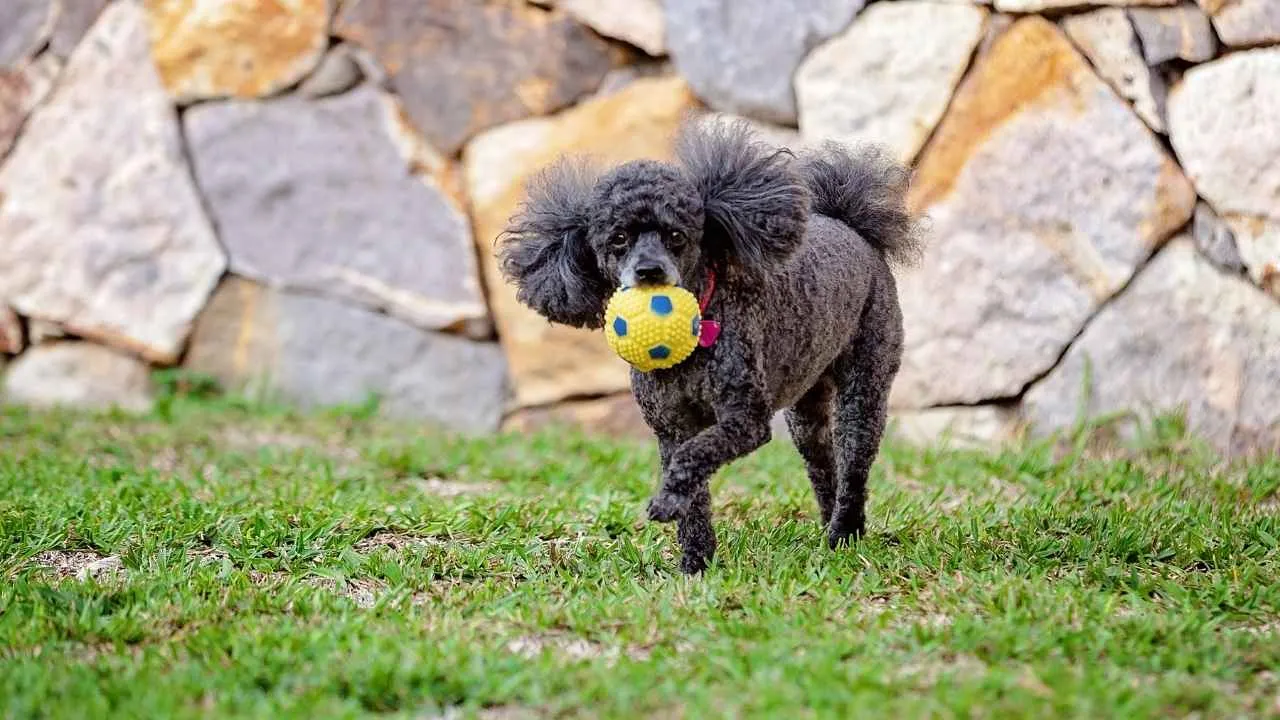
Miniature Poodle has roots in old water dogs, with the German word “Pudel” linked to “pudeln,” meaning to splash in water. Written records mention curly-coated, water-loving dogs as early as the 14th century, while ancient Greek artwork also depicts dogs with the familiar lion-style trim.
Where the Hair Goes
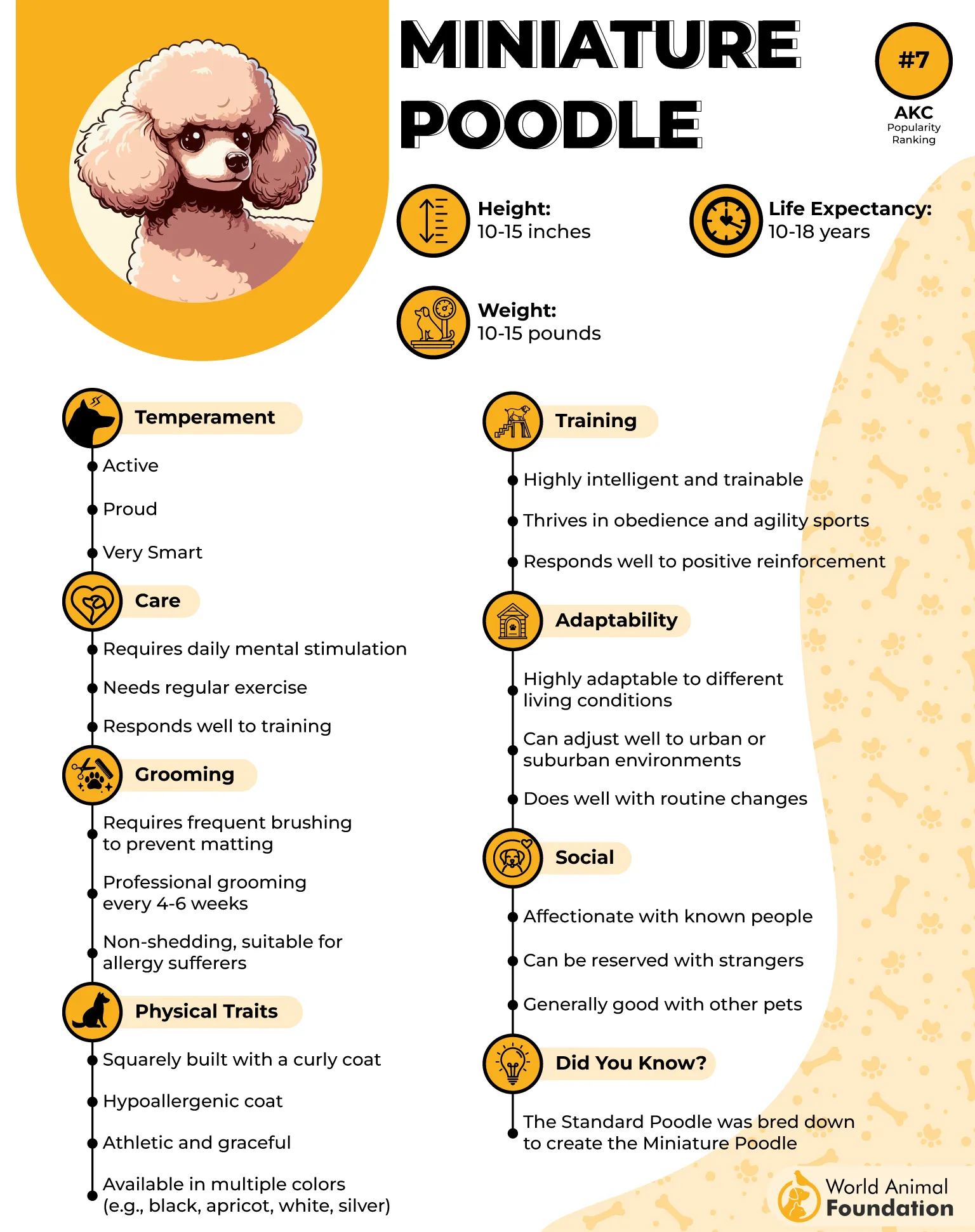
This breed has tightly curled hair that catches loose strands instead of letting them fall around the home. They also lack the heavy undercoat responsible for much of the shedding seen in other dogs, making its coat especially relevant for people tired of loose hair indoors.
A closer look at its grooming needs tells a different story:
Regular brushing prevents painful mats
Professional clipping is often needed every 4 to 6 weeks
Bathing is commonly included during grooming visits
More Than a Lapdog
Miniature Poodle is cheerful, intelligent, and naturally alert, with a livelier temperament than larger Poodles. It can be sociable around unfamiliar dogs while remaining fairly indifferent to strangers, and its intelligence makes activities such as obedience and agility a good match.
2. Bichon Frise
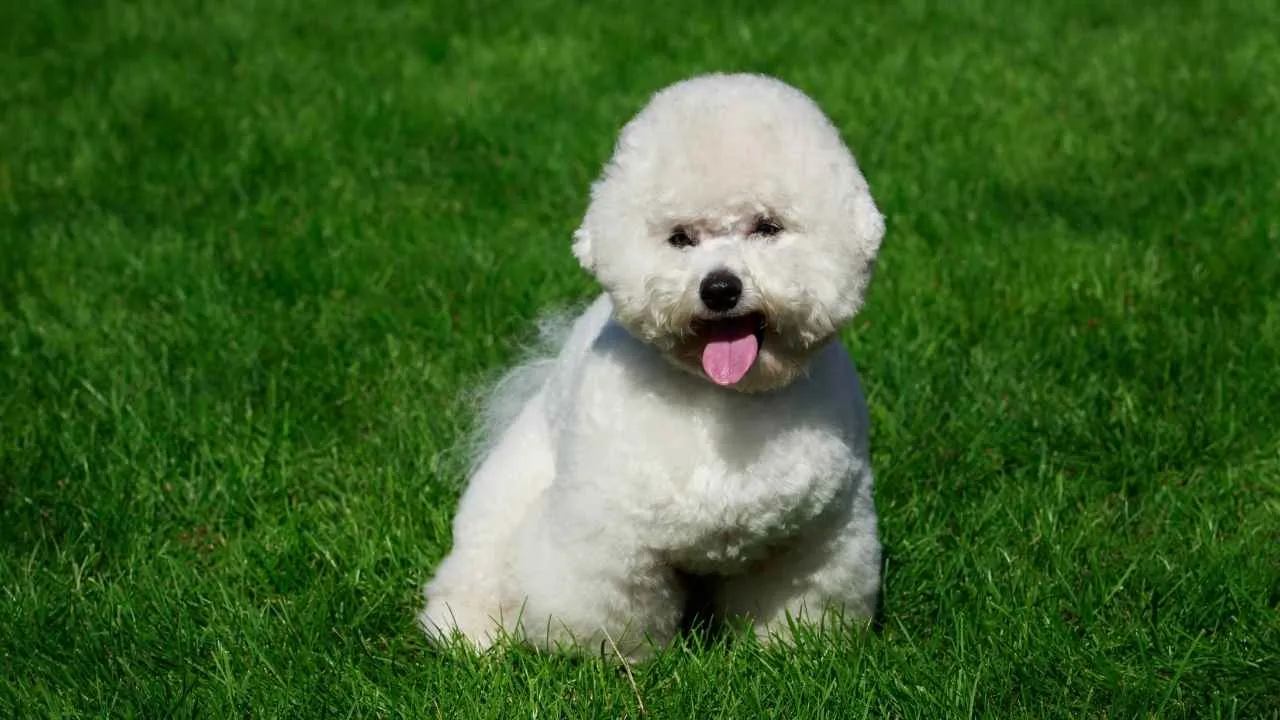
Bichon Frise emerged from the Mediterranean group of small white dogs known as Barbichons, with the Tenerife type linked to the breed we know today.
Sailors brought these dogs to Italy, where they became popular among upper-class families before later finding a different role with street performers.
Less Hair Around the Home
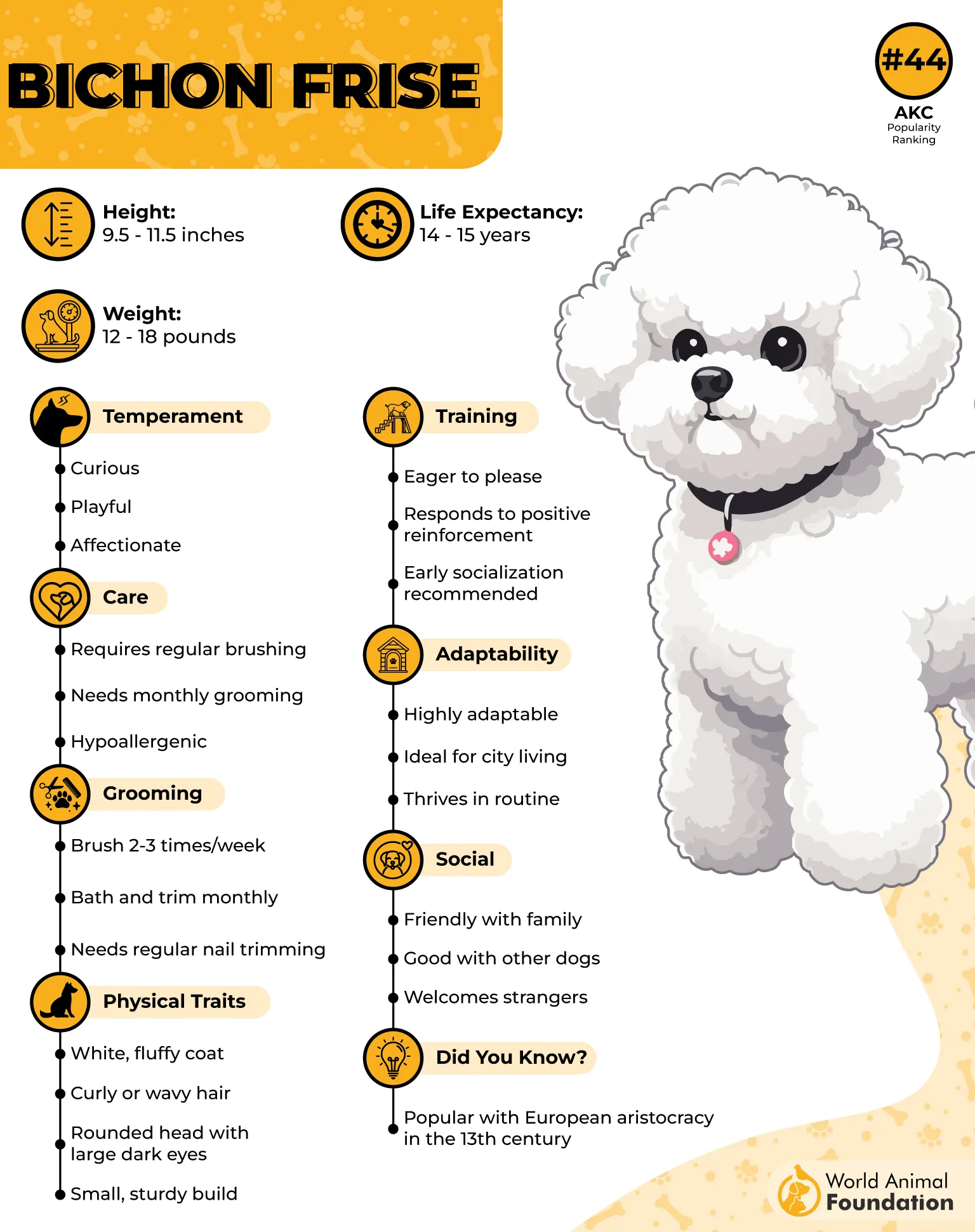
The curly hair of this easygoing pup can trap loose fur within the coat, so regular grooming helps remove it rather than leaving as much hair around the home. Professional grooming every 4 to 6 weeks is often recommended to keep the coat trimmed and manageable.
These traits from the breed’s care routine are worth knowing:
Dense coat offers some protection from cold
Thick fur can increase overheating risk in hot weather
Extended outdoor exposure is unsuitable in extreme conditions
Quick to Learn
Bichon Frise responds well to praise, play, and dog treats during training, with early lessons helping shape polite social behavior. The breed can also get along with children and other pets when introductions are handled properly, and younger children are supervised, as Purina claims.
3. Shih Tzu
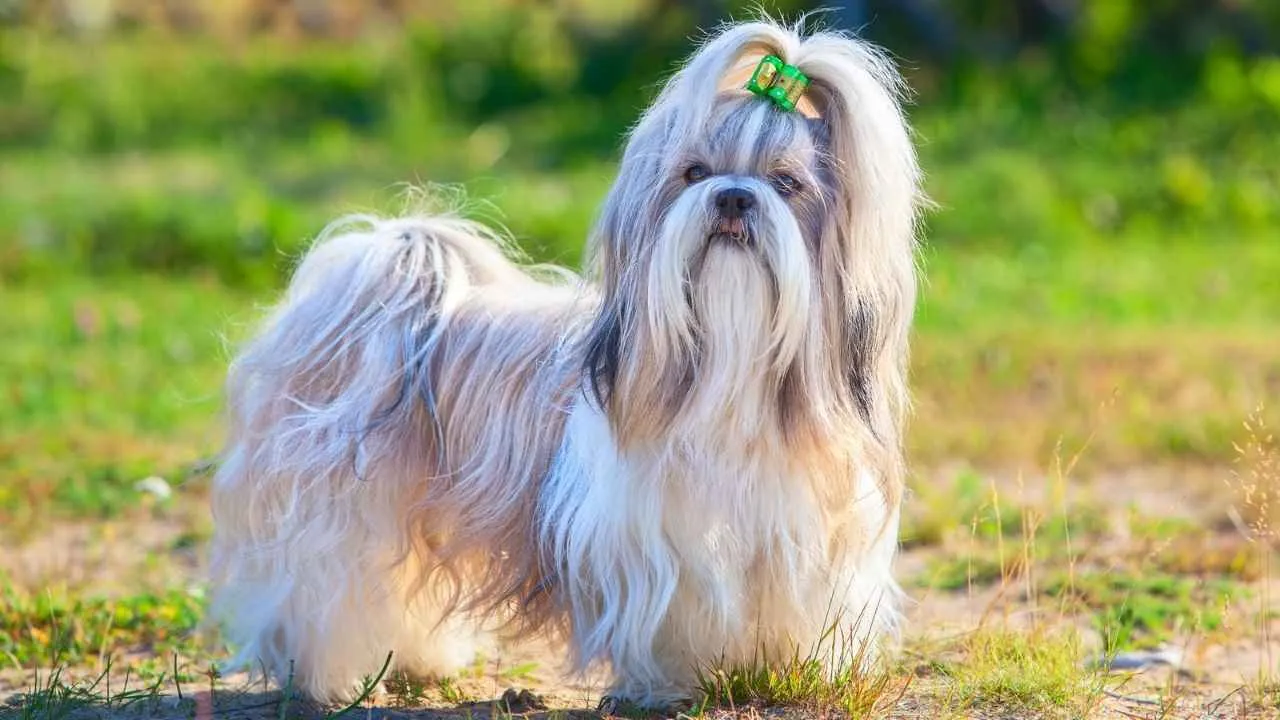
Shih Tzu is closely linked with ancient Chinese culture and Buddhism, where it was called the Lion Dog and held in high regard, as Omlet highlighted. Its earlier Tibetan connections and resemblance to the Lhasa Apso led to both breeds being grouped before the Shih Tzu was recognized separately.
Hair That Hides
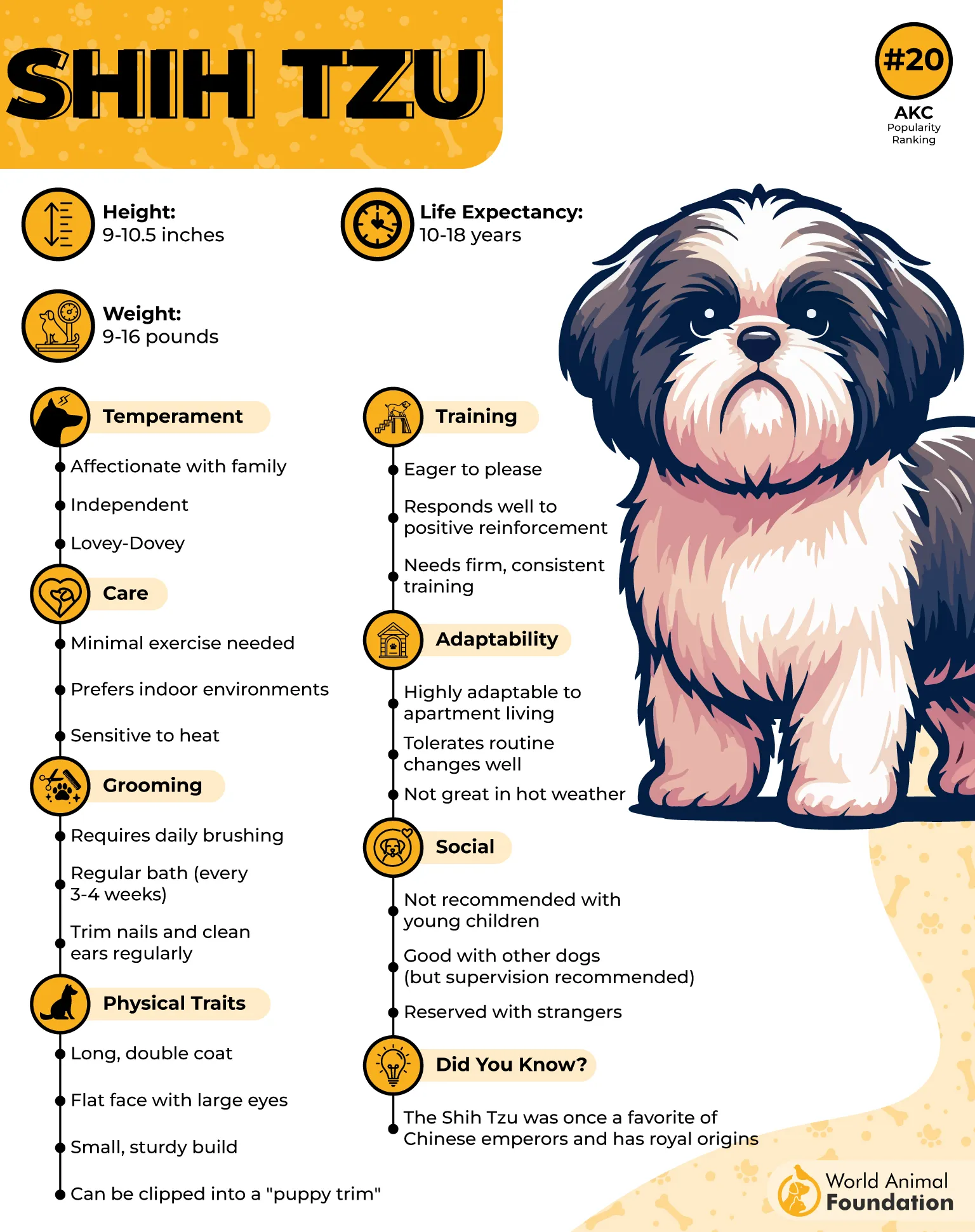
Shih Tzu sheds some hair, yet much of it becomes caught within the long outer coat instead of landing across furniture and clothing. Regular brushing helps remove that loose hair, with extra attention needed around the ears and elbows where tangles can form.

The following coat-care details are easy to overlook:
Brush gently through the long coat
Check behind the ears for mats
Bathe about every three to four weeks
Easy Daily Pace
Shih Tzu has modest exercise needs and can be satisfied with a stroll around the block before settling in for a long nap on a lap or sofa. However, warm weather can be a bit difficult for this breed, so outdoor routines need extra care when temperatures rise, as noted by PetMD.
4. Chinese Crested
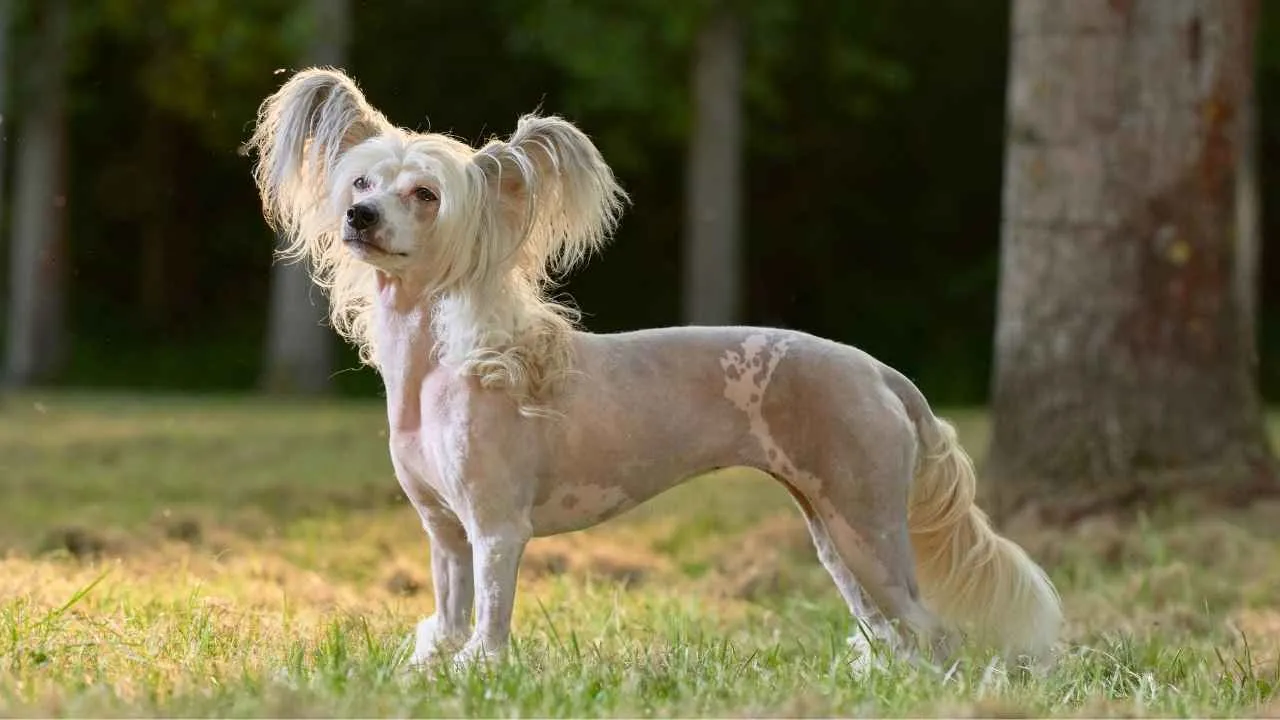
Chinese Crested has an origin story that changed with genetic research, which linked the breed to the Mexican Hairless dog rather than the African Hairless Terrier. A breeding program began in the 1950s, and the breed received official recognition in 1987.
Two Coat Types
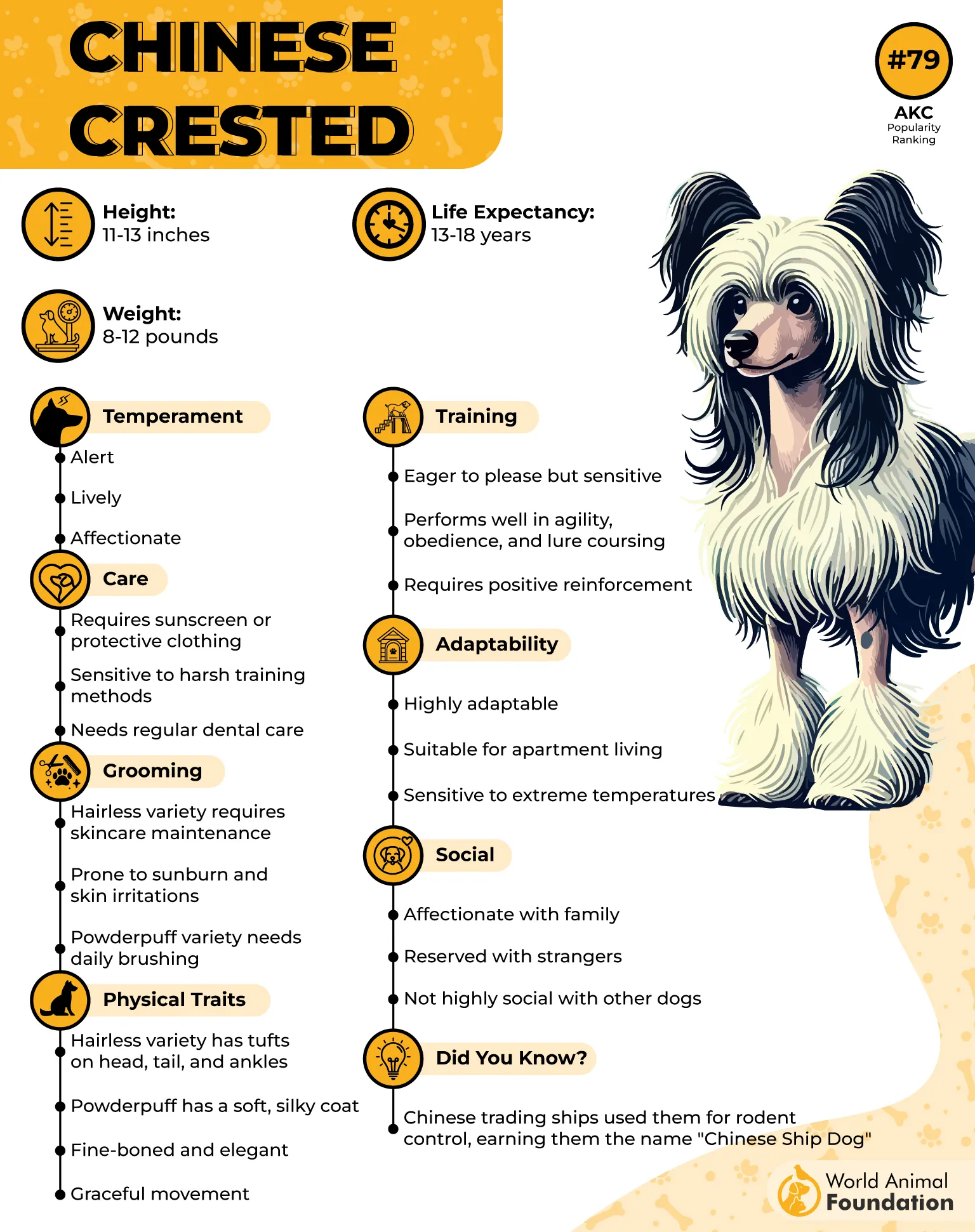
This breed has two distinct varieties with different grooming needs. The Hairless variety has hair on the crest, tail, and feet, while the Powderpuff has a soft, silky double coat that needs regular brushing to prevent loose strands from becoming trapped.
The two varieties also differ in how they handle loose fur:
Hairless dogs shed almost no loose hair
Powderpuffs shed less than most double-coated breeds
Brushing helps remove trapped Powderpuff hair
People-Oriented Personality
Chinese Crested is highly attentive to its human companions and enjoys close contact throughout the day. Its cheerful, playful nature also makes it adaptable during travel, while its alertness can prompt a warning when someone approaches the door without turning into constant barking.
5. Yorkshire Terrier
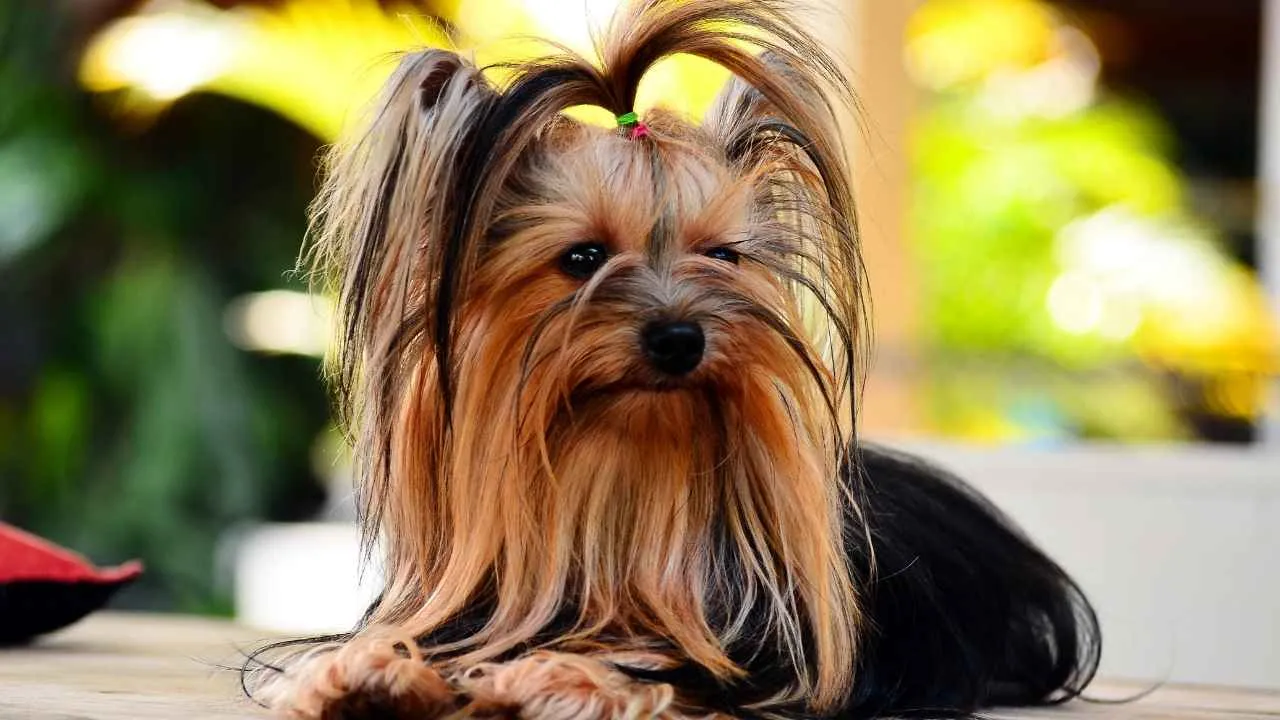
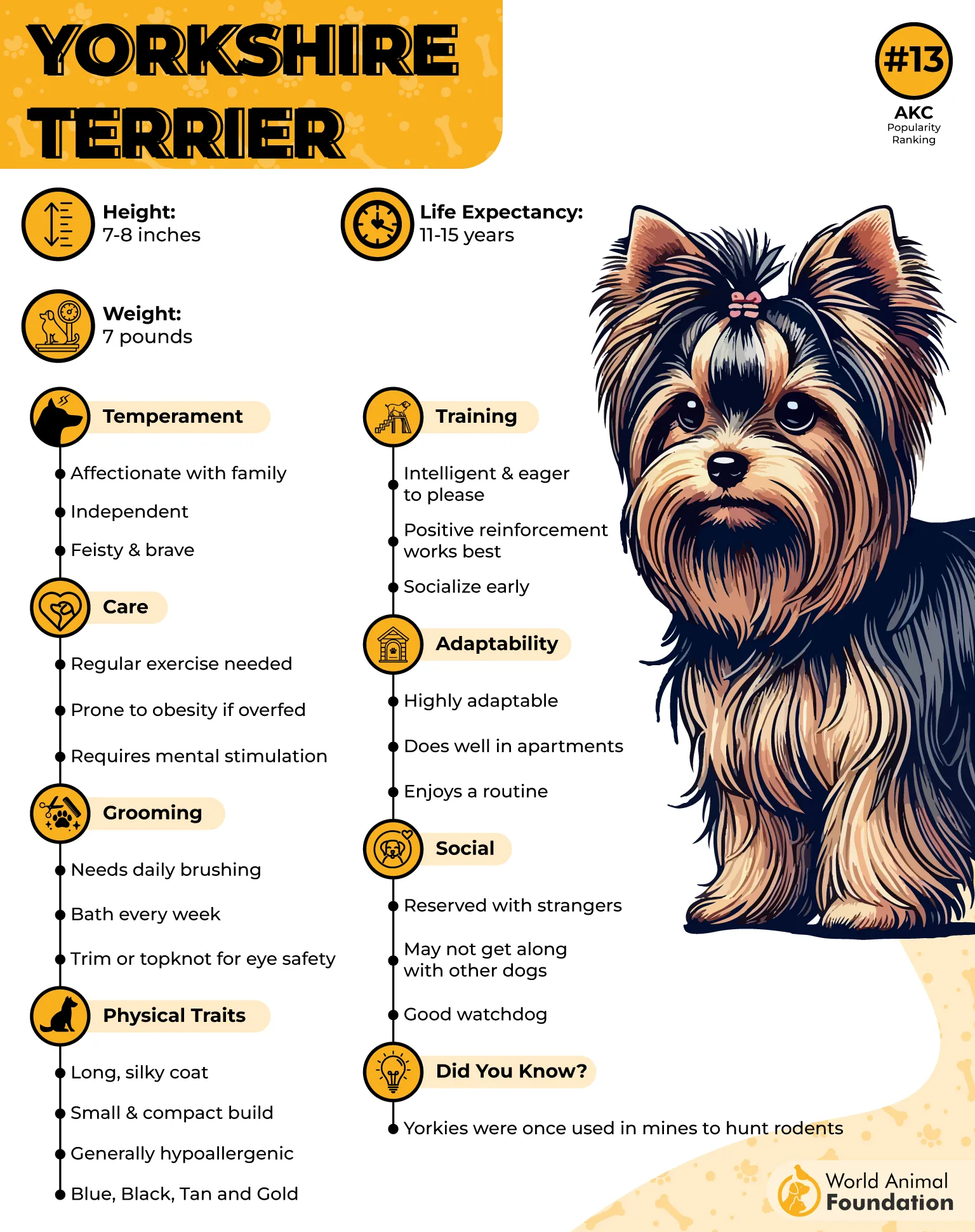
Yorkshire Terrier was originally bred in Yorkshire during the mid-19th century after Scottish workers brought small terriers into the region’s cotton mills.
These dogs were used to catch rats, with Waterside, Paisley, and Skye Terriers among the breeds believed to have influenced the Yorkie we know today.
Low-Shedding Coat
Yorkies have notably low-shedding habits, which can be helpful for keeping loose hair off furniture and floors. That quality does not remove the need for care, since its long, silky hair needs daily brushing to prevent painful mats and tangles that can irritate the skin.
These practical traits make their upkeep more specific:
Mats can pull against the skin
Tangled hair may trigger repeated scratching
Excessive scratching can lead to hair loss
Big Personality
Yorkshire Terrier has an active, inquisitive nature and can turn an ordinary day into a search for something interesting. Short walks, indoor fetch, and regular play can give this energetic little dog enough activity to settle beside its favorite person afterward.
6. Havanese
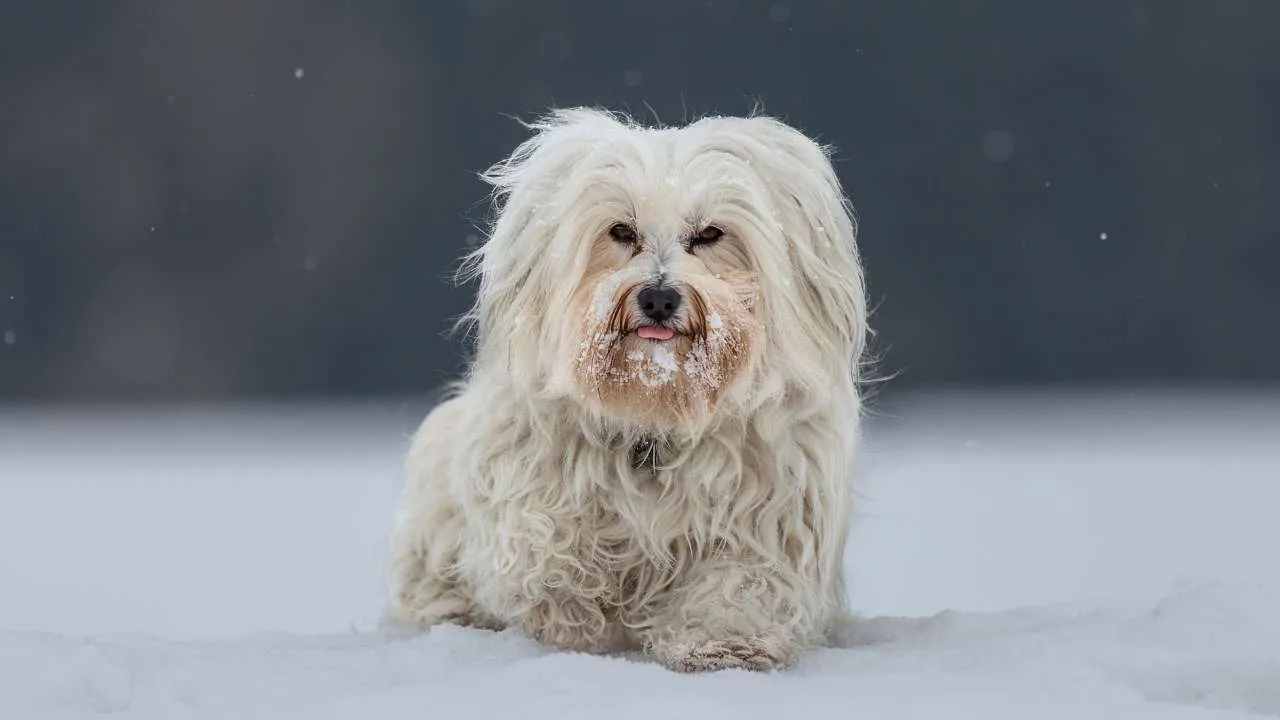
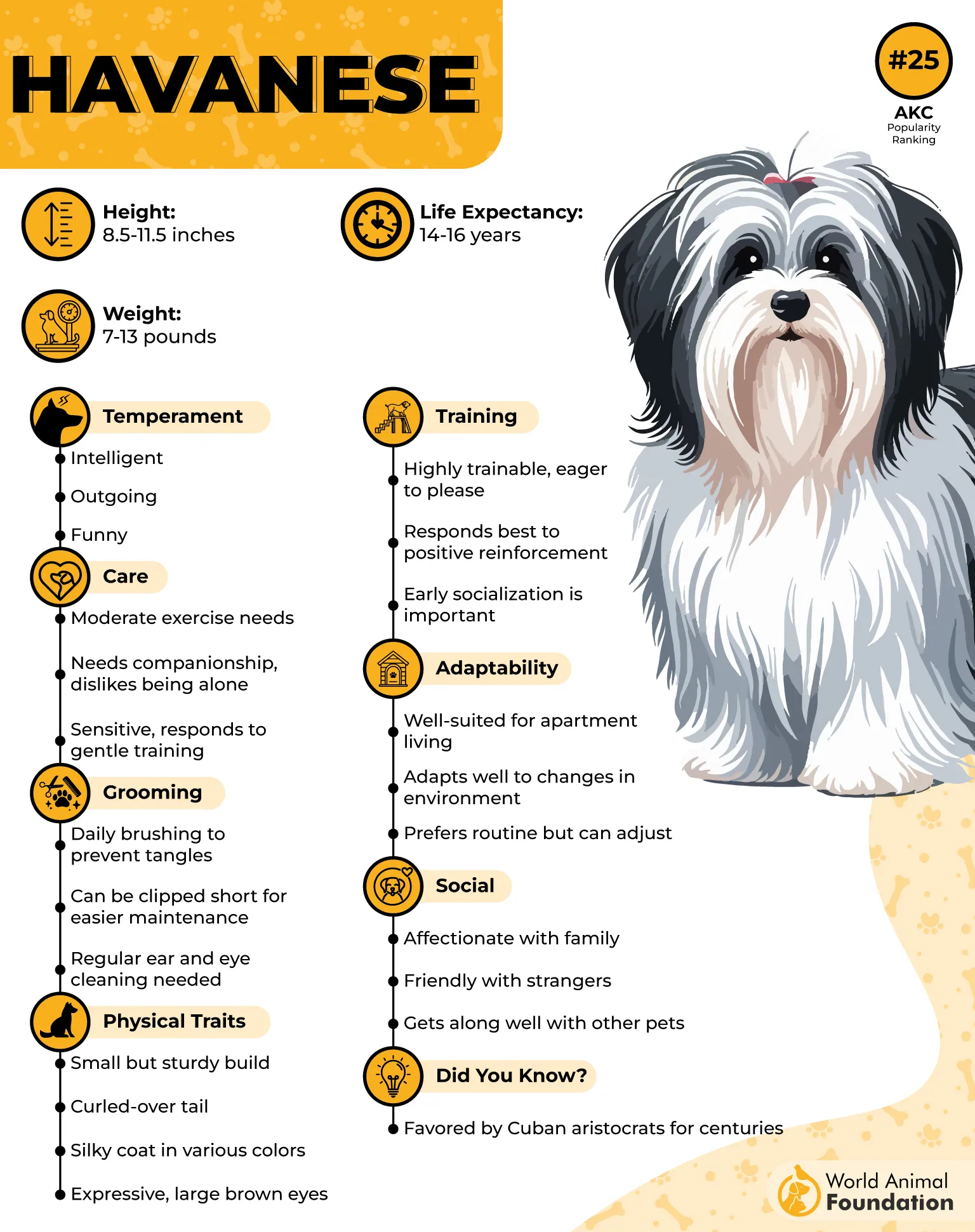
Havanese began among the Bichon family in the Mediterranean before Spanish traders took these dogs to Cuba as gifts during trading ventures. Their popularity grew among wealthy Cuban families, and the breed later reached Europe, where it became a circus performer.
A Low-Shed Coat
Havanese has abundant, luxurious hair while shedding very little, including during seasonal changes. That combination can make loose hair less of an issue around the house, though the coat still demands regular attention to prevent tangles and mats.
These grooming details are worth knowing:
Brush two to three times weekly
Long coats may need daily brushing
Use a slicker or pin brush, then a steel comb
Always Part of the Action
Havanese is an energetic little companion with a strong appetite for attention and a playful habit of getting involved in whatever is happening nearby. These dogs can handle short periods alone when taught from an early age, while extended isolation can be difficult for them.
7. Bolognese
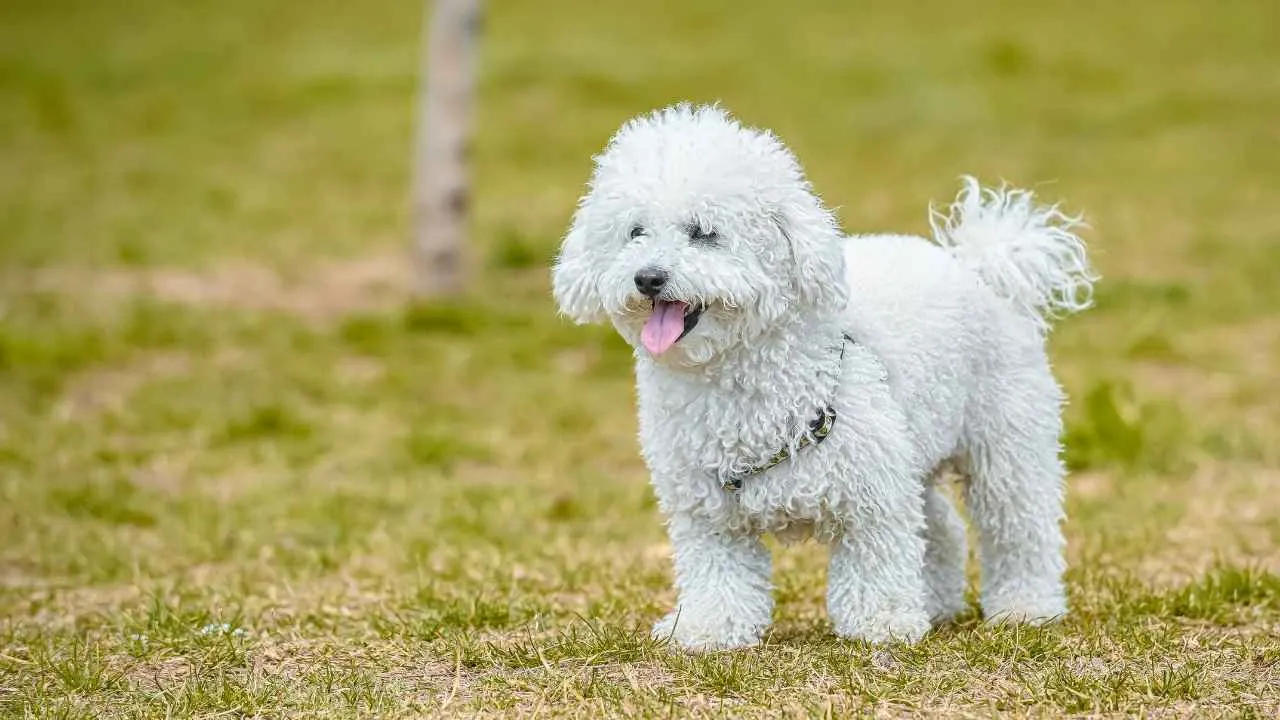
Bolognese originated in Bologna, Italy, as part of the Mediterranean Barbichon group that included the Bichon Frise. Wealthy Italian families valued these small white companions, often exchanging them as prestigious gifts among the upper class.
A Different Kind of Coat
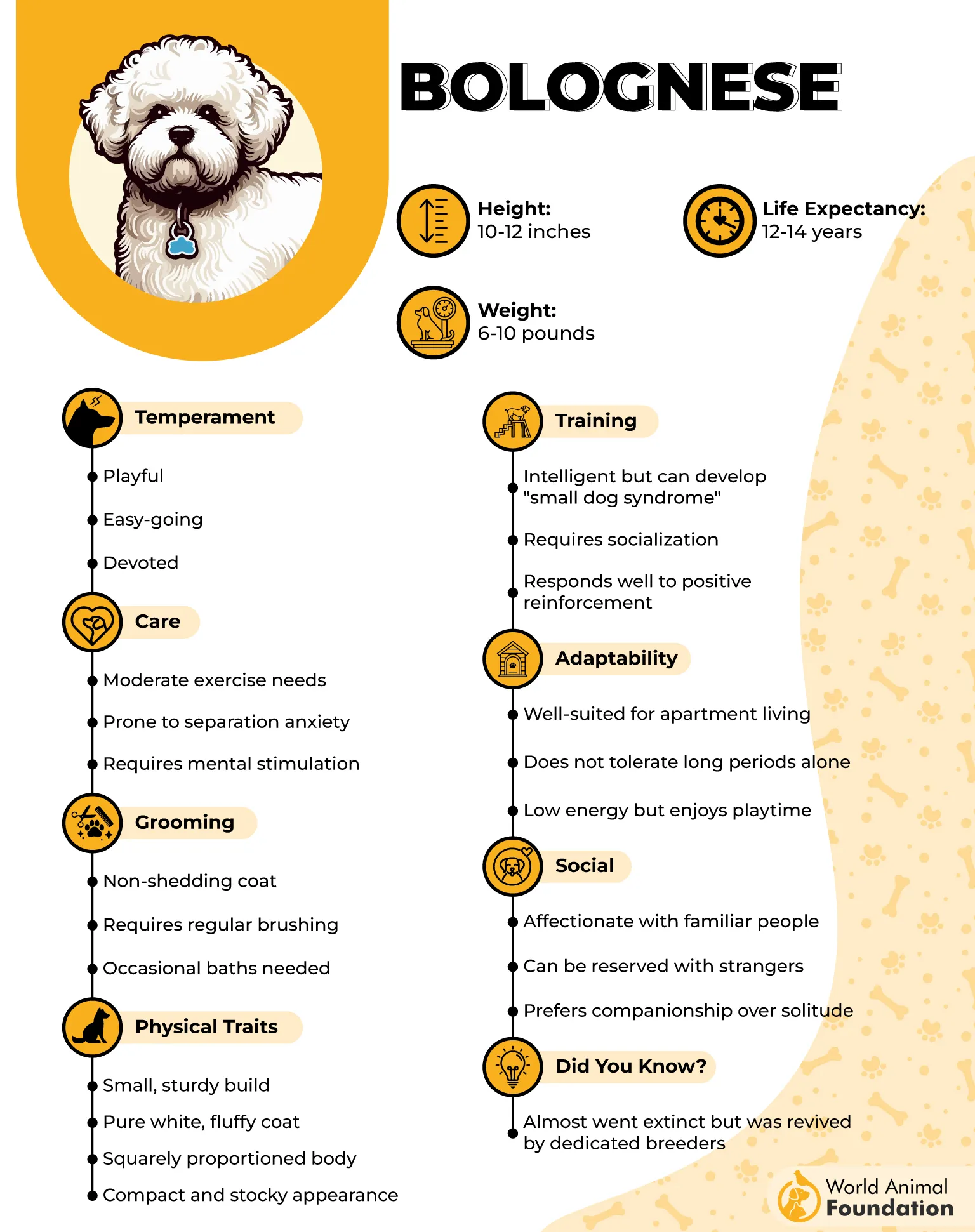
Bolognese has a single layer of long, fluffy hair that grows continuously and sheds in very small amounts rather than undergoing seasonal molting.
Loose hairs can remain trapped in the cotton-like coat, making daily brushing important for preventing tangles and painful mats.
Life with this little dog has other sides:
Usually gets along with cats and dogs
Low hunting instinct around other pets
May alert at the door, then nap
A Soft Spot for People
Bolognese is affectionate, playful, and particularly fond of joining its favorite person for ordinary activities such as walking, playing, or relaxing on the sofa. It may become especially attached to one member of the household while still enjoying attention from other familiar people.
8. Coton De Tulear
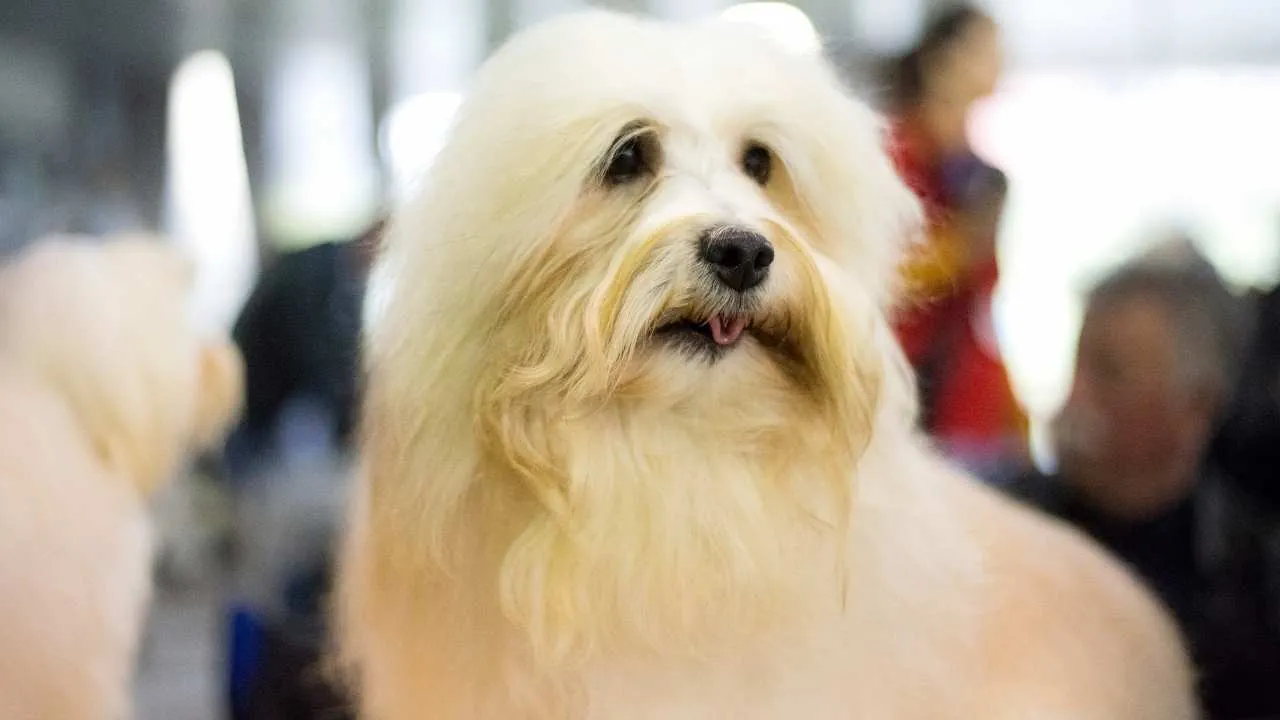
Coton de Tulear traces its roots to Madagascar, where the breed became associated with local communities after arriving on visiting ships several hundred years ago. Named after the city of Tulear, it later gained a place in the island’s Royal court.
Easy Coat Care
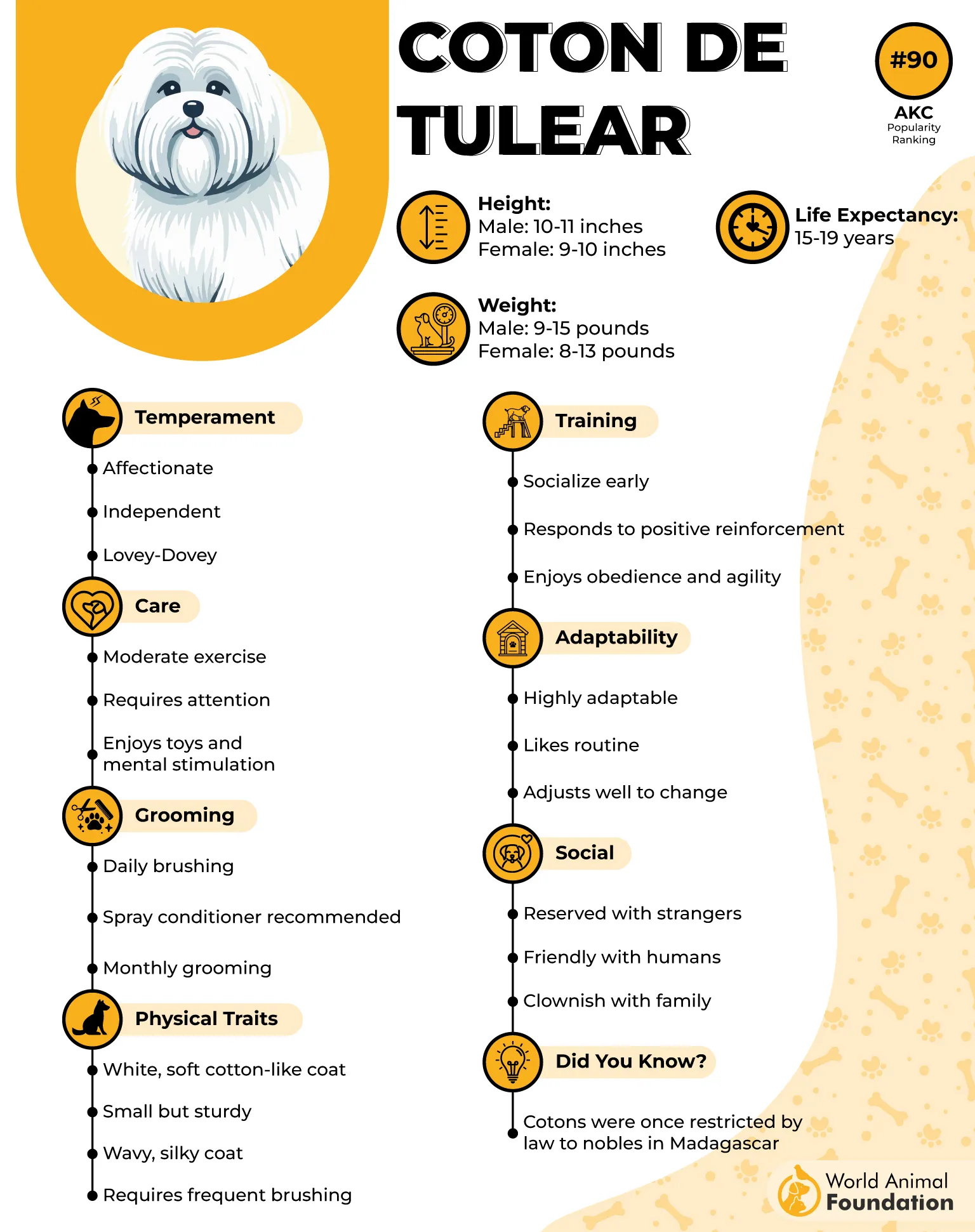
They have a cotton-like, medium-length coat that sheds very little, making loose hair less of a concern around the home. Two weekly brushing sessions help prevent mats, while the breed standard calls for the coat to remain natural rather than trimmed.
These details also matter for the breed:
Occasional baths are sufficient
Puppy cuts can simplify pet grooming
Professional trimming is not required
Social by Nature
Coton de Tulear is playful, inquisitive, and affectionate, with a friendly attitude toward children, household dogs, cats, and visitors when socialized properly. Early introductions matter because insufficient socialization can lead to shyness or defensive behavior around family members.
9. Basenji
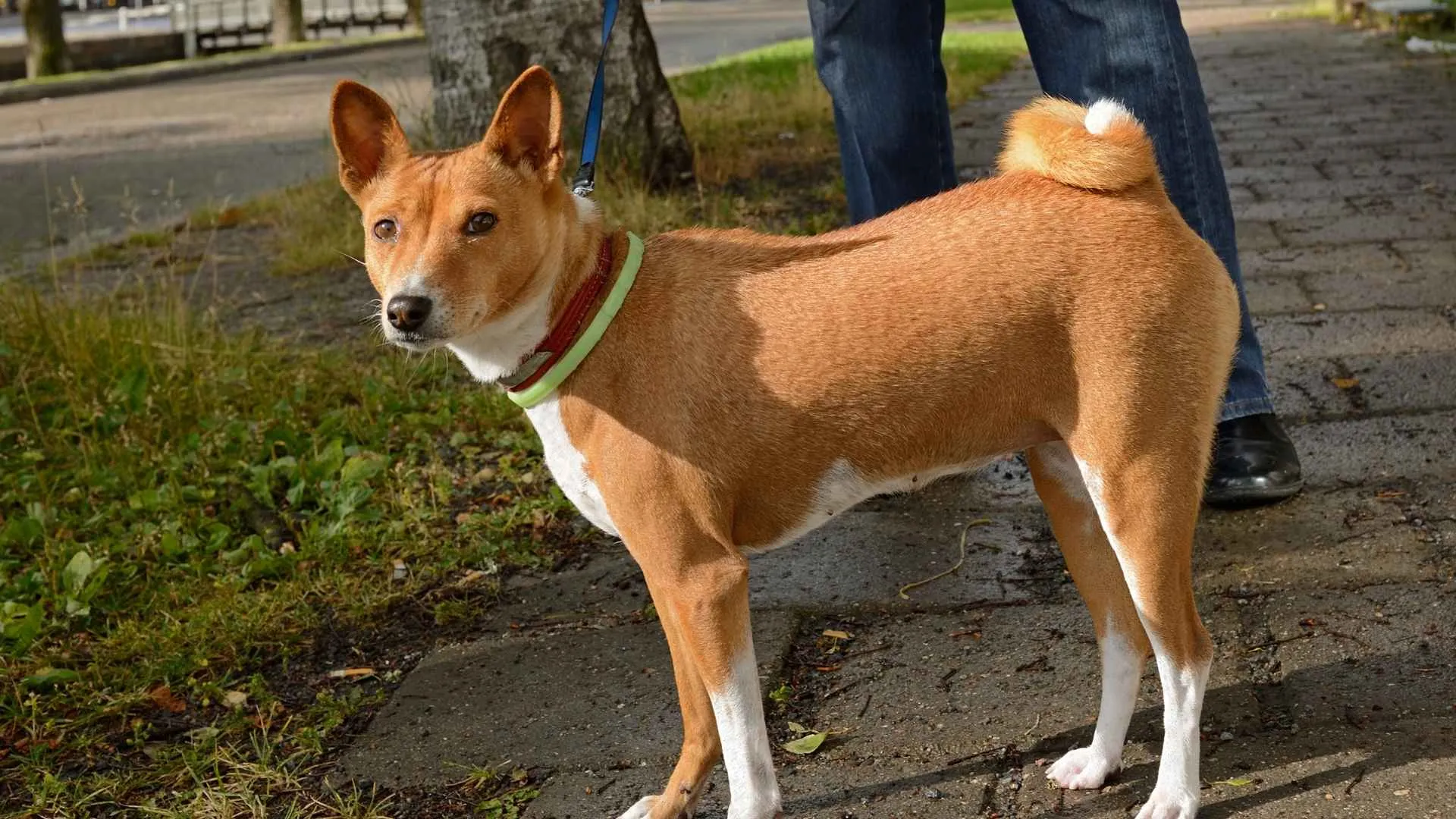
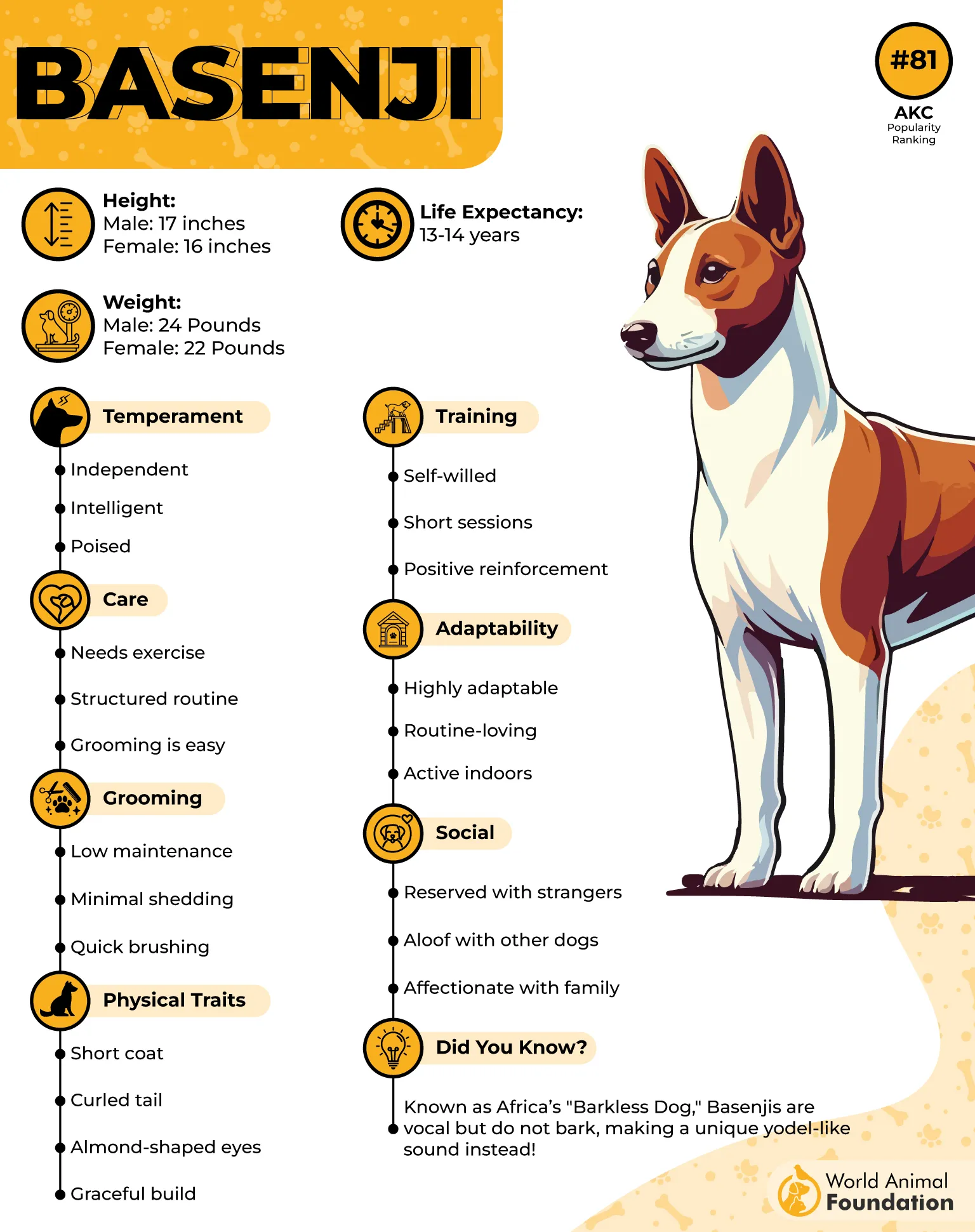
Basenji originates from the Congo region of Africa, where it lived among Pygmy hunters and worked as a pack hunter for herding game. A small number reached England in 1930, forming the foundation for a breeding program before gaining wider popularity as a pet by the 1950s.
A Cleaner Coat
Their short coat also sheds very little throughout the year, making it easier to manage around the home than breeds that leave heavy amounts of loose fur.
It also has little natural dog odor, which adds another practical advantage for people who prefer a fresher-smelling household.
The grooming routine is refreshingly simple:
Often cleans itself with its paws
Weekly brushing removes loose hairs
Usually needs few baths
Plenty of Personality
Basenji is alert, curious, and highly independent, with a strong prey drive that can escape attempts a serious concern. Its climbing ability, fast running speed, poor recall, and stubborn approach to training make secure outdoor areas and patient training especially important.
10. Portuguese Water Dog
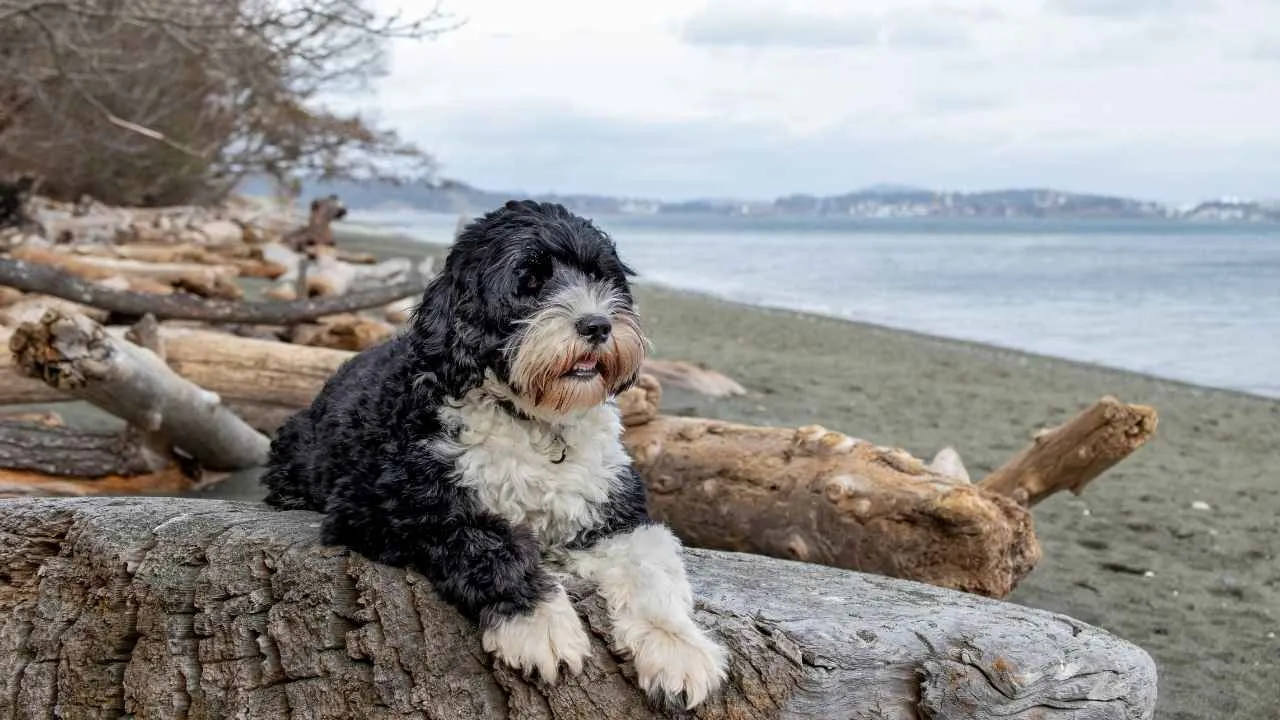
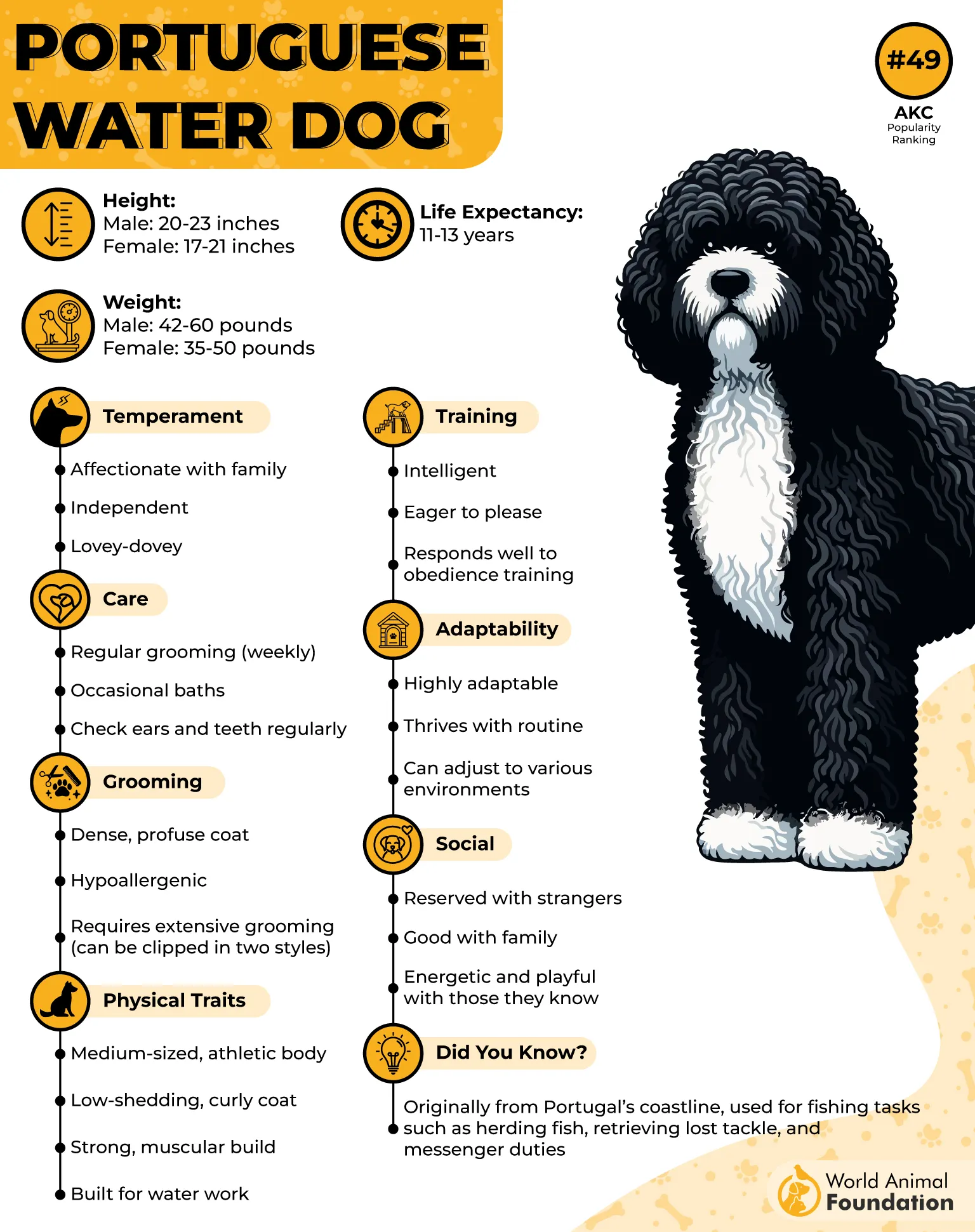
Portuguese Water Dog originated in Portugal’s Algarve region, where fishermen relied on these dogs for demanding work around the coast.
They helped direct fish toward waiting nets, retrieved damaged nets from the water, and sometimes worked as far away as Newfoundland during cod fishing trips.
A Different Kind of Coat
PWD has hair rather than a traditional fur coat, and loose strands often become caught within its tight curls or waves instead of landing anywhere. That makes the breed particularly relevant for households looking to reduce loose hair around the home.
Beyond grooming, its nature stands out too:
Naturally drawn to pools, lakes, and oceans
Friendly and playful with people
Enjoys active outings and interaction
Needs Something to Do
Portuguese Water Dog is clever, energetic, and athletic, so long periods without activity can become frustrating for this breed. Regular mental challenges matter alongside physical activity, while monthly bathing and careful grooming help keep its coat clean, shiny, and free of tangles.
Conclusion
A low-shedding coat can certainly make life easier when loose hair around the home has become frustrating. Still, choosing a dog should involve more than looking at how much fur reaches the floor.
Some need frequent brushing, professional grooming, or careful coat maintenance, while others are easy to train but bring high energy and strong mental needs into the household.
Your daily schedule, grooming budget, activity level, and available time all matter. Pet parents should consider whether they can brush and groom their companion regularly while keeping its routine healthy. Even the cutest dog needs thoughtful care, and the cleanest dog breeds still require attention.
When those factors line up, pet parents can enjoy a cleaner home while keeping their companion healthy and happy.
