




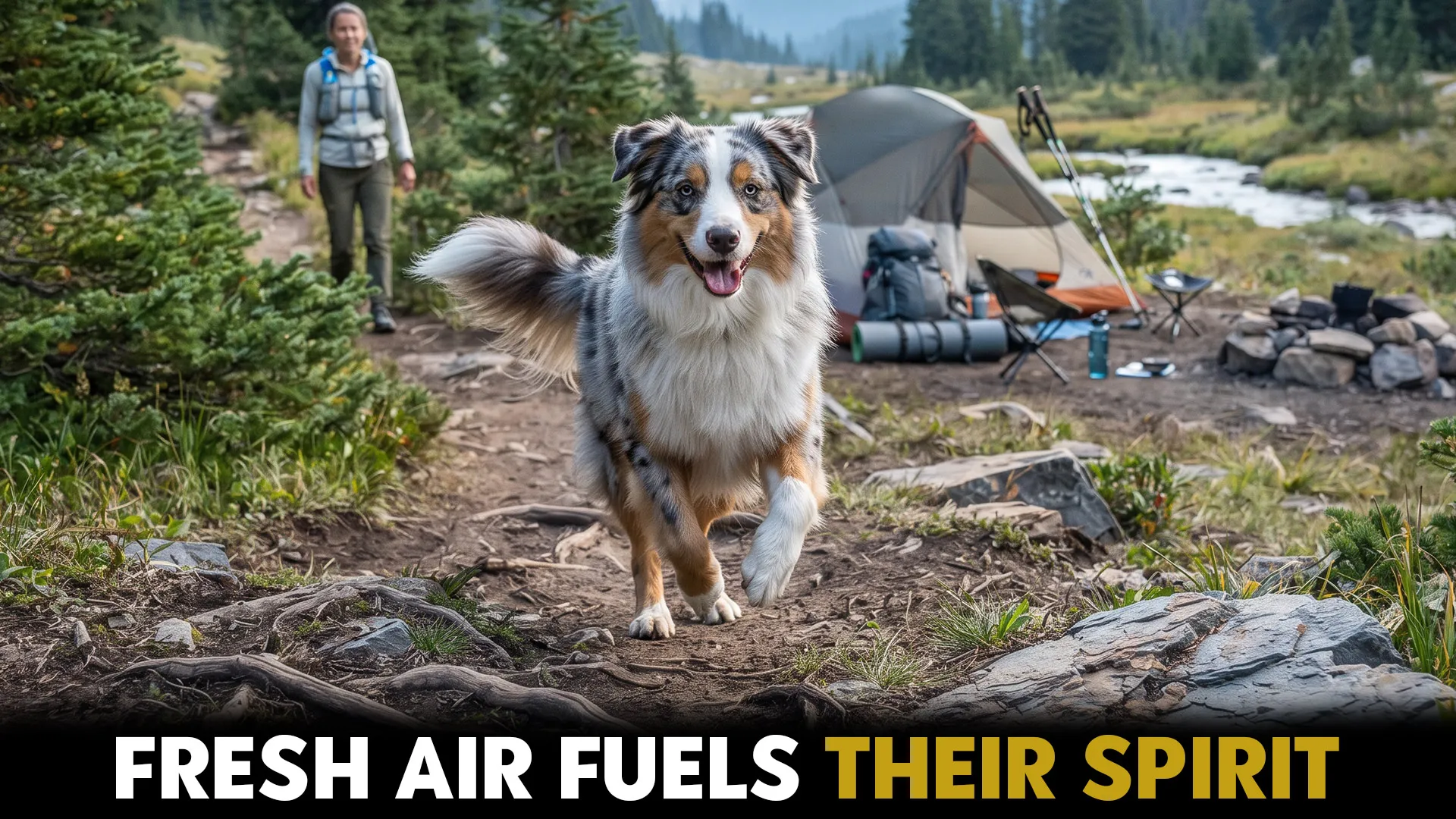
Imagine planning a weekend around a forest trail, a campsite, and several miles of running, only to discover that your dog cannot comfortably keep up. That is why adventurous dog breeds deserve attention when outdoor activities are part of your routine.
Camping and trail running demand a lot from a dog’s body and behavior. Sustained exercise requires fitness and recovery, while rocky paths, hot surfaces, steep slopes, and wet ground can challenge paws and joints. A campsite brings distractions, from wildlife and people to nighttime sounds and weather.
Dogs with working or sporting backgrounds may have traits such as endurance, focus, and confidence, but those qualities need support through training, conditioning, and regular practice. Age, health, experience, and temperament also influence what a dog can safely handle.
For anyone ready to trade weekends spent on rugged trails and tents, the ideal companion can make the miles feel well worth taking.
Key Takeaways
A classic outdoor dog needs more than energy. Rocky ground, steep climbs, wet paths, and long miles can quickly test how well a dog is prepared.
The German Shorthaired Pointer is a natural starting point, with some properly conditioned dogs capable of handling marathon-length outings.
Australian Shepherds and Vizslas add plenty of stamina, but they also bring strong instincts that make training an important part of an outdoor lifestyle.
As the list moves through Labradors, Border Collies, Weimaraners, and Australian Cattle Dogs, the differences become even more interesting.
Adventurous Dog Breeds Perfect for Camping and Trail Running
1. German Shorthaired Pointer
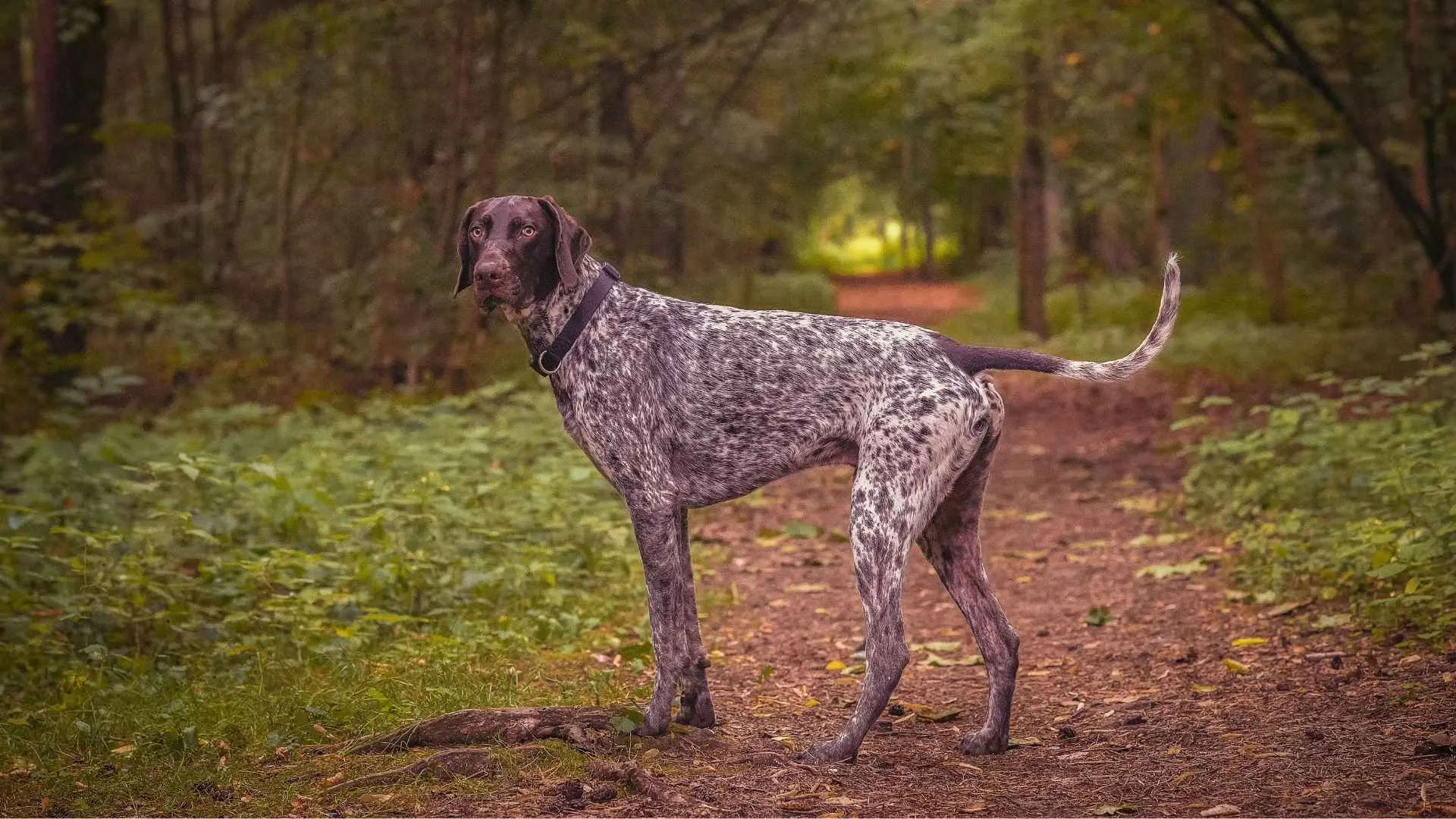
German Shorthaired Pointer emerged in the 1600s from crosses involving the heavy Spanish Pointer and Hanoverian Hound. Early breeders wanted a capable hunter that could trail mammals, point birds, and deal with wounded game when necessary.
Built to Handle Trails
This pointer breed has a short, tight coat that sheds burrs and dries quickly, a practical advantage when routes lead through fields and wetlands. Long legs, a deep chest, and an athletic frame support sustained galloping during demanding hunts.
A closer look at its working equipment reveals:
Air-scenting ability for birds carried on the wind
Natural pointing instinct around game
Handler focus at a distance
Miles Come Naturally
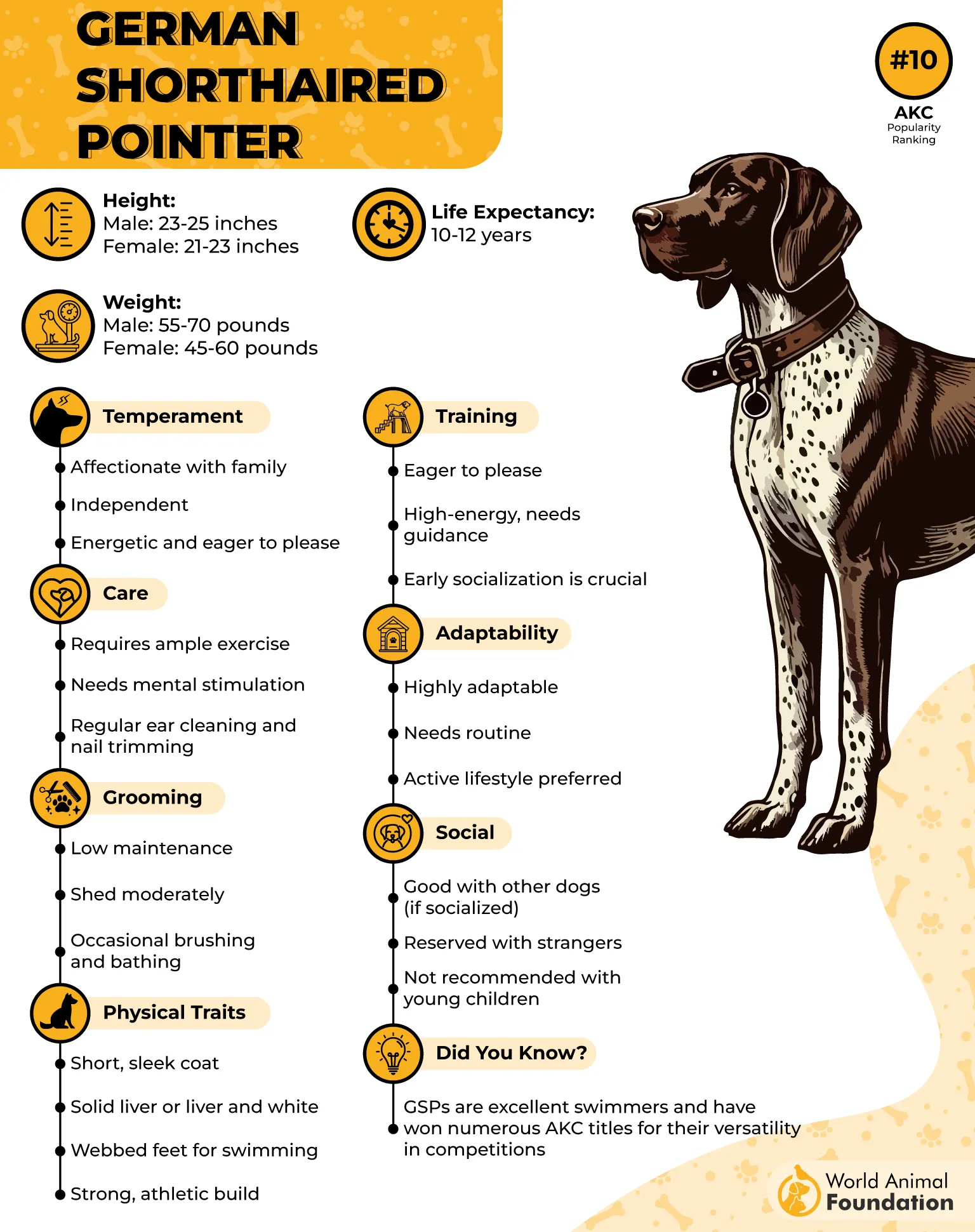
German Shorthaired Pointer can keep pace on serious hikes once properly conditioned, with some able to handle marathon-length outings. For running, start conditioning gradually, with shorter distances before working toward three to four miles, as mentioned by Orvis.
2. Australian Shepherd
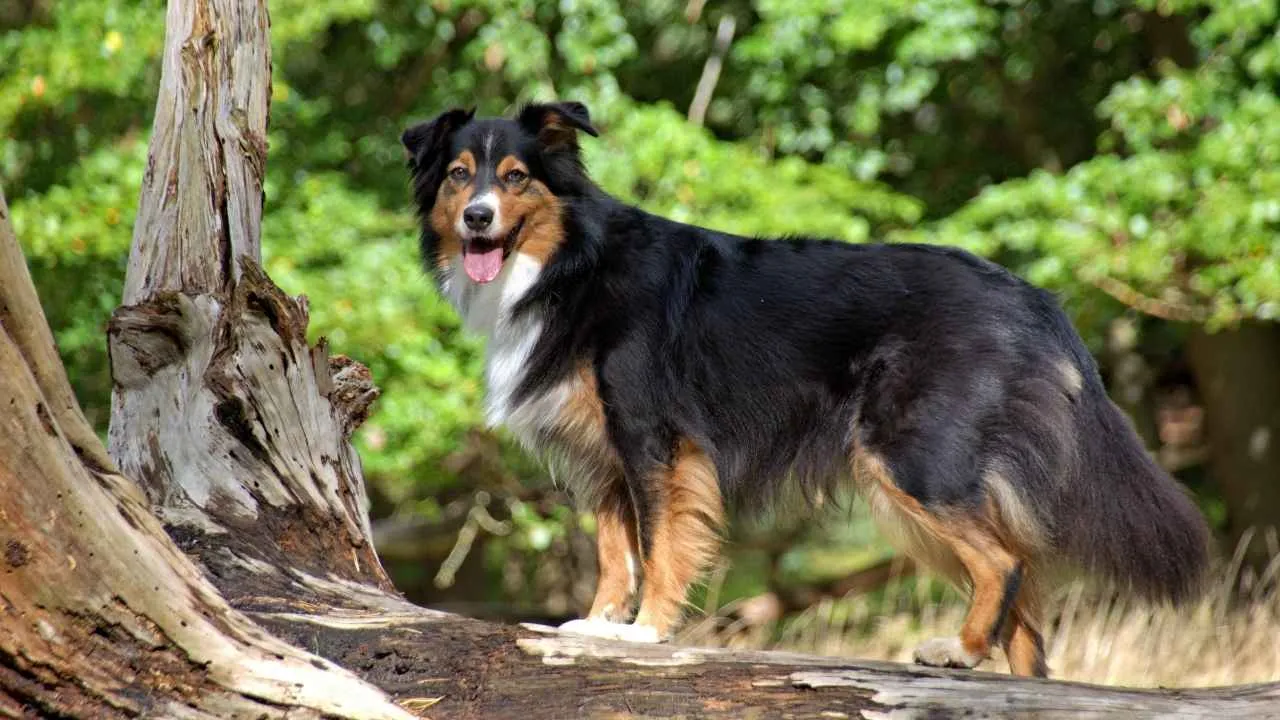
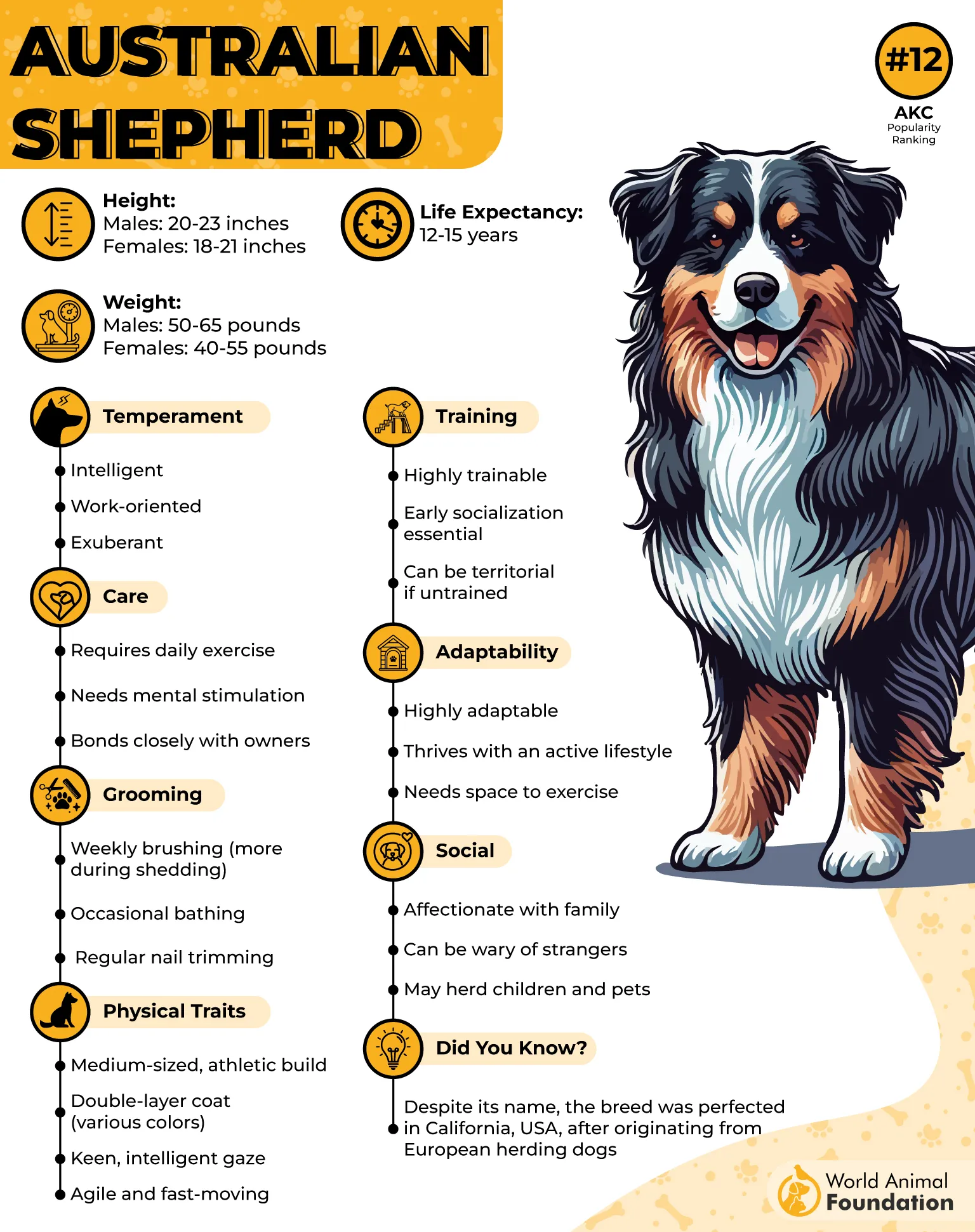
Australian Shepherd is actually an American breed, despite its name, with roots linked to Basque shepherds from the Pyrenees who brought small blue merle dogs to the United States, as noted by the AKC.
By the late 1800s and early 1900s, working ability mattered far more than appearance as these dogs took on sheep-herding duties.
Made to Go the Distance
Aussies have the athletic build and efficient gait needed for long stretches of trotting, sprinting, and sharp turns across uneven ranch ground. A healthy, well-conditioned Aussie can handle four to six miles of running or hiking trips, reaching about 15 miles.
For active outings, these abilities are especially useful:
Comfortable navigating logs and rocky sections
Quick enough to require secure boundaries
Strong stamina for extended trail sessions
A Mind That Needs Work
This outdoor-loving dog enjoys tasks that make them think, with agility trials, canine disc games, fetch, and daily training providing plenty of mental engagement. Its strong herding instinct can also lead to heel or hand nipping when children or cyclists trigger that working response.
3. Vizsla
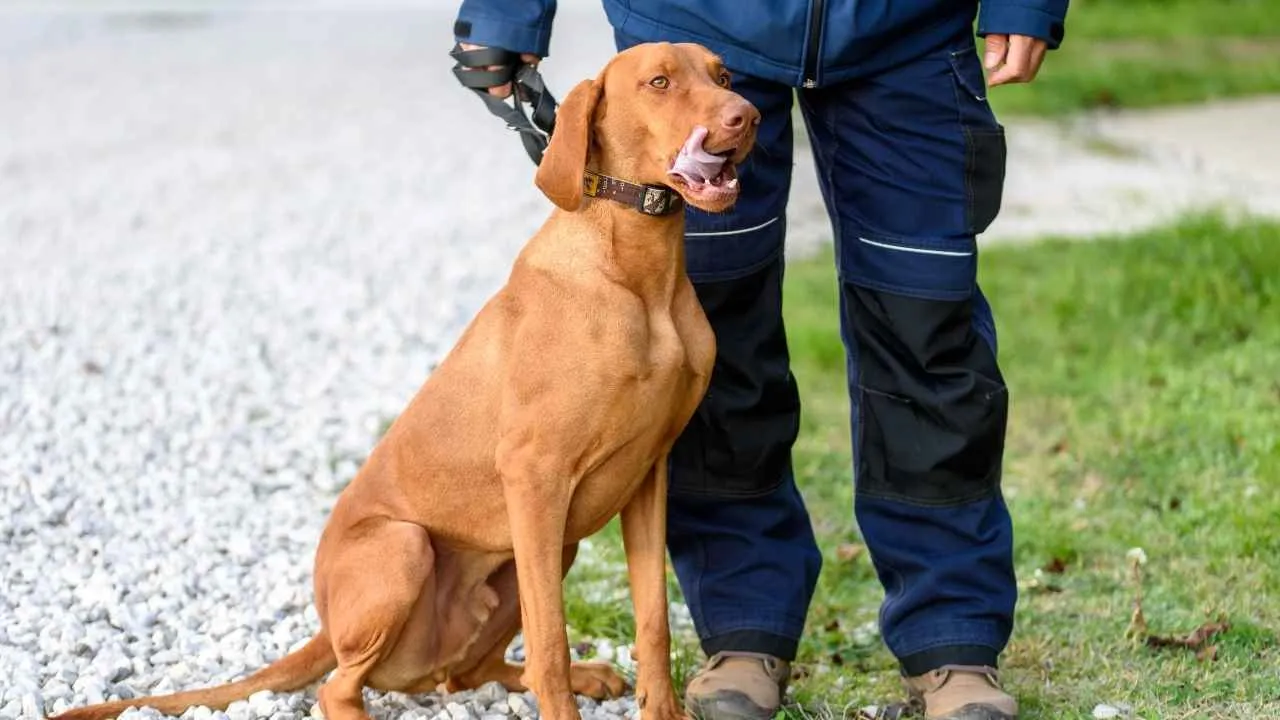
Hungarian hunters shaped the Vizsla into a versatile field dog capable of tracking, pointing, and retrieving game. Following World War II, it spread to other parts of the world, where its working abilities and affectionate nature made it popular beyond the hunting field.
Ready for Outdoor Adventures
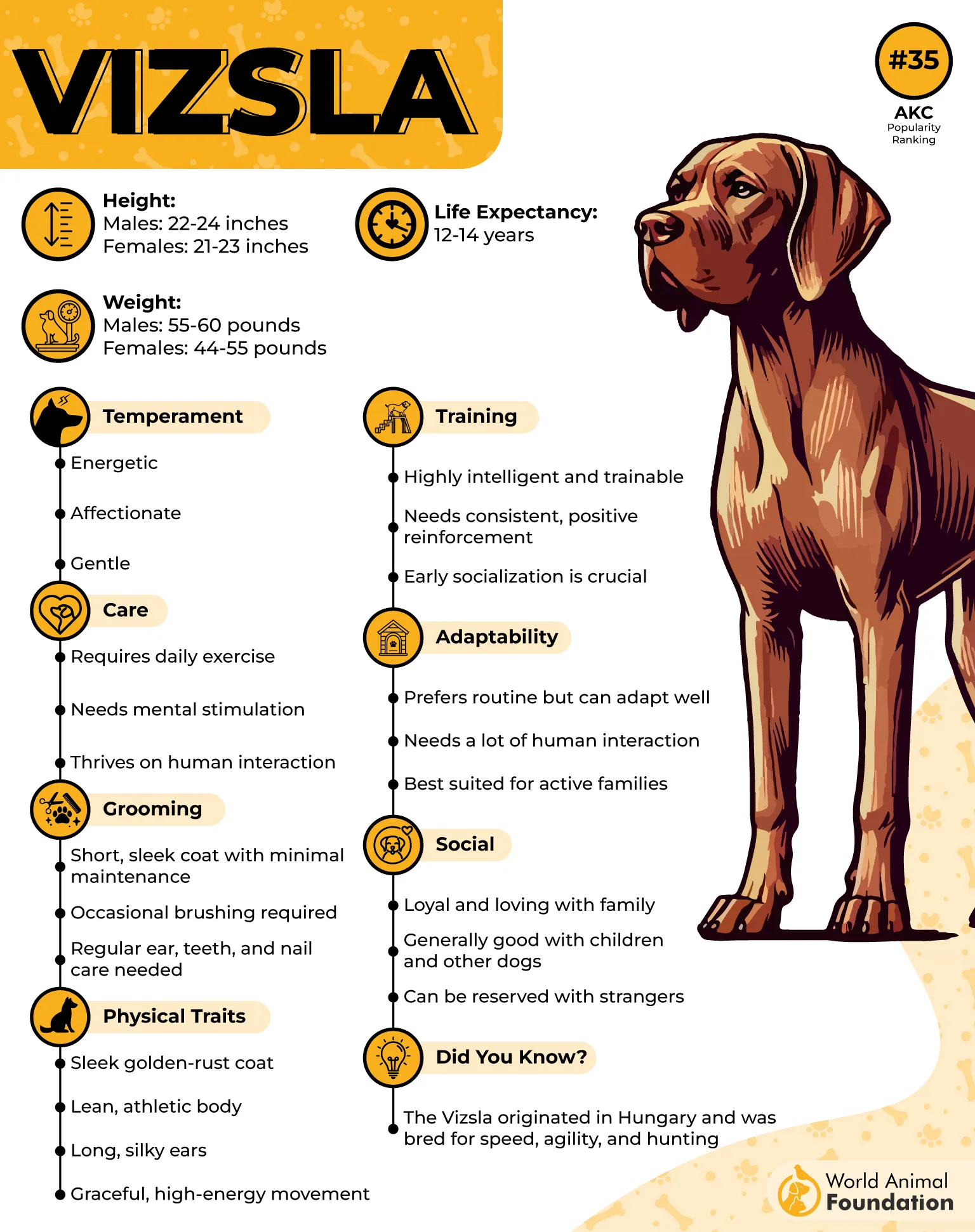
This breed has a light, deep-chested athletic frame built for sustained galloping, while its compact feet help it handle uneven farmland with agility. Its short, dense coat also sheds water and burrs easily when working through grass and brush.
Family life brings out its softer side:
Strong need for human companionship
Gentle with children when properly socialized
Can live with dogs and cats with supervised introductions
Built for Active Days
Vizslas need at least seven hours of exercise each week, with walking, jogging, running, hiking, and swimming among their favorite outlets, as PetMD writes. Recall training matters during outdoor adventures because its hunting instincts can send it wandering after game.
4. Labrador Retriever
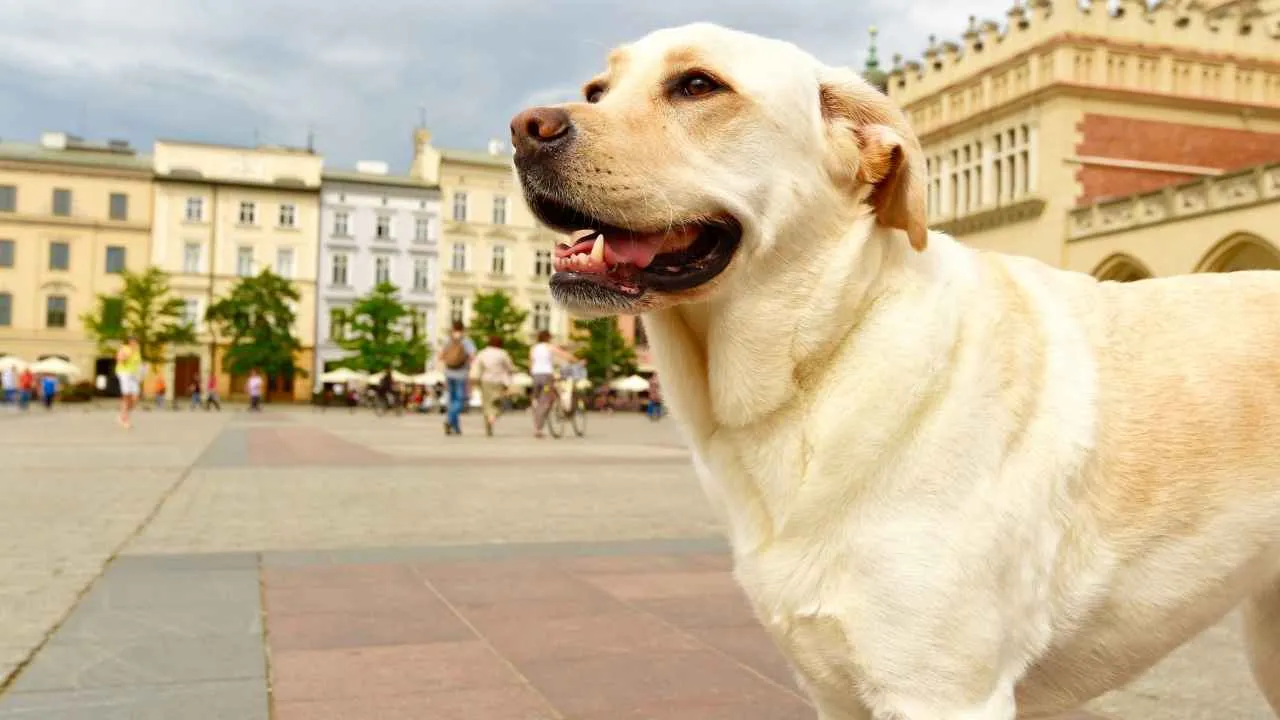
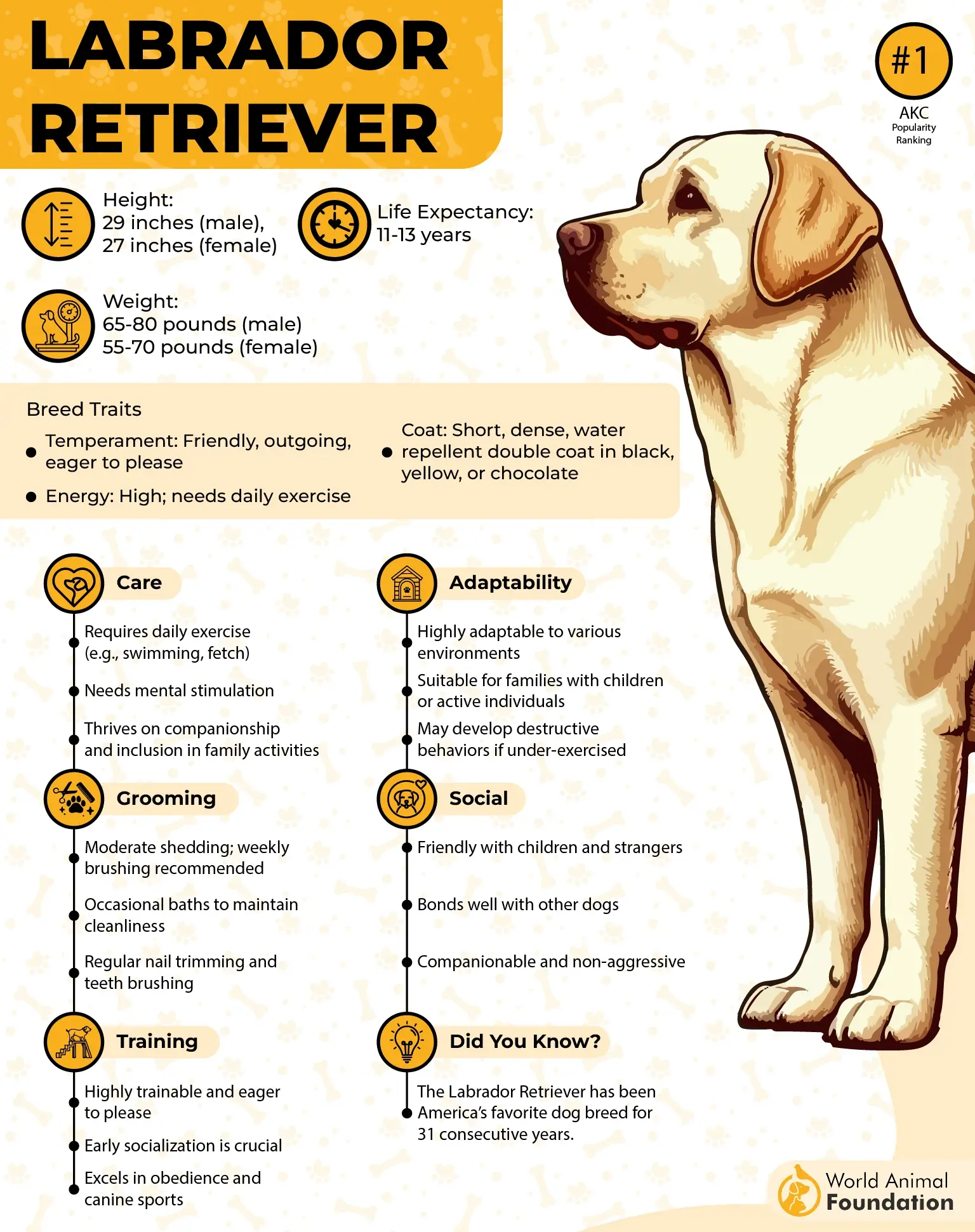
Labrador Retriever has roots in the working water dogs of Newfoundland, with smaller St. John’s dogs among those sent to England in the early 1800s.
English breeders later refined these dogs, likely with some Flat-Coated Retriever influence, into the Labrador Retriever recognized today.
Made for the Trail
Labrador Retriever’s webbed toes, strong shoulders, otter-shaped tail, and water-resistant double coat all come in handy around water. They help the breed swim, steer, retrieve, and keep going through repeated activity in cool conditions.
That water-loving build comes with a sharp mind:
Highly responsive to training and people
Excels in obedience, tracking, scent work, and agility
Needs suitable toys to prevent chewing and mouthing
Serious Stamina
On outdoor challenges, this breed can cover a good number of miles when healthy and properly conditioned, with some dogs able to run up to five miles.
On a suitable trail, that stamina can even stretch to around 10 miles of hiking, giving active people plenty of ground to explore.
5. Border Collie
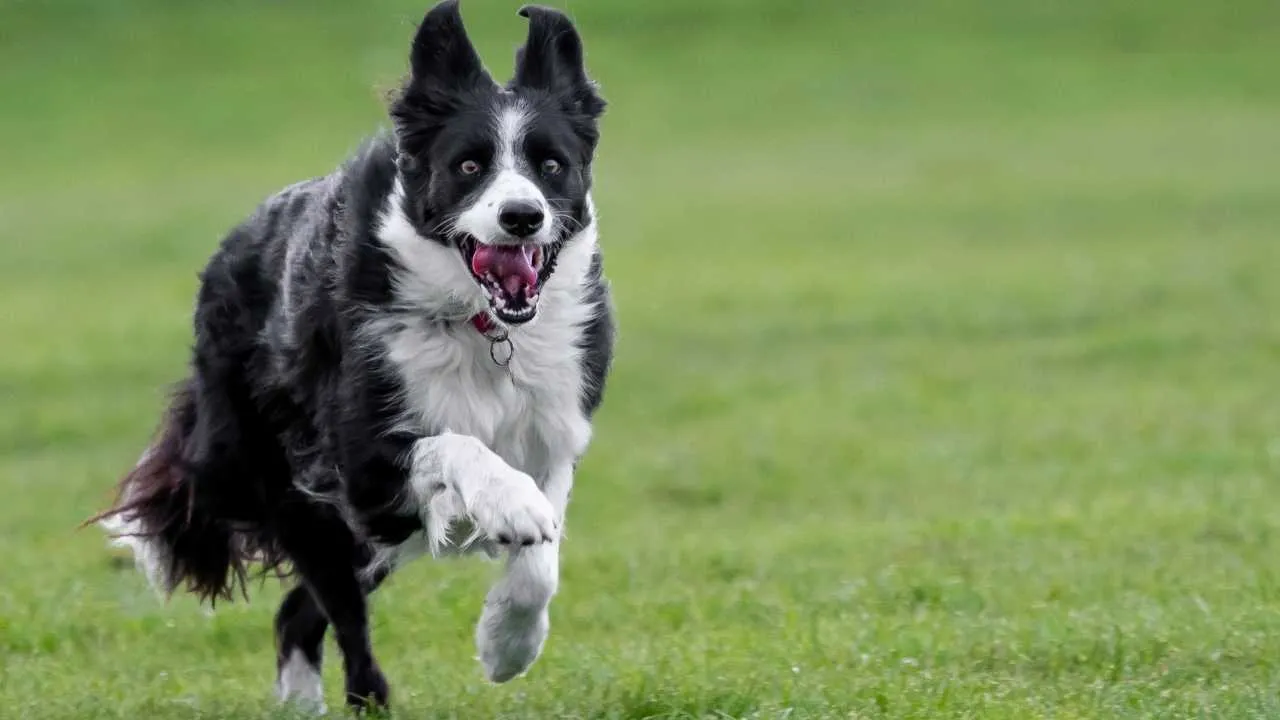
Border Collie originated along the border between Scotland and England, earning its name from that geographic link. During the 18th-century droving era, the breed reached Northern England, then arrived in Australia in 1901 before becoming associated with Australian farm work in the 1950s.
Always Ready for Challenges
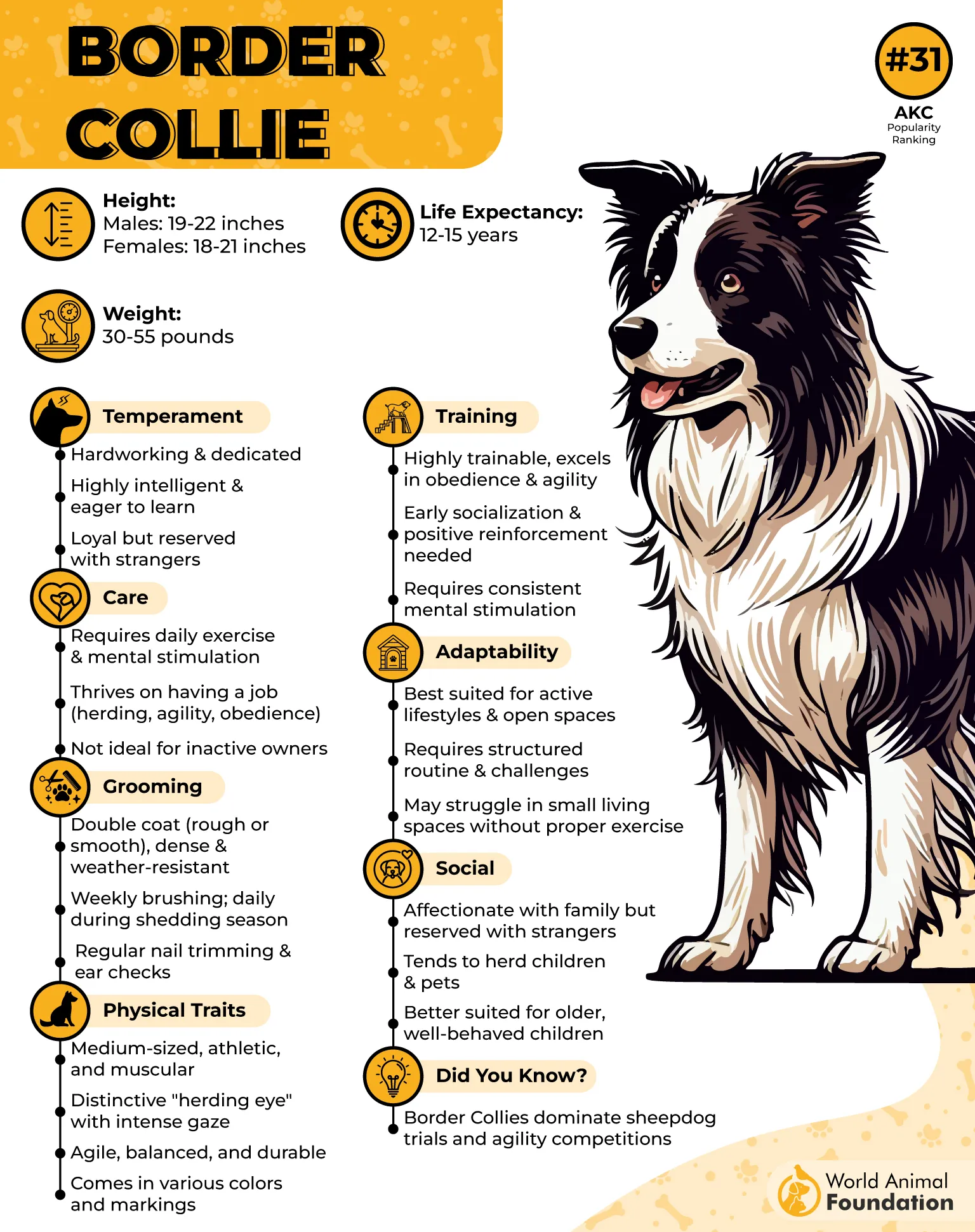
Border Collies have exceptional aerobic stamina and an efficient gait for outdoor pursuits, allowing them to handle three to four miles of hiking across challenging terrain. Their quick directional changes also reflect the precise footwork once needed to redirect sheep.
These characteristics make its outdoor ability especially practical:
Rough or smooth double-coat varieties
Fine control during quick turns
One to two hours of daily activity
A Brain That Needs Work
This ideal camping dog is highly intelligent and becomes intensely focused on whatever task fills its day, making agility, scent walks, fetch, and obedience useful ways to channel that concentration. A simple routine may feel too predictable for a dog accustomed to purposeful work and varied challenges.
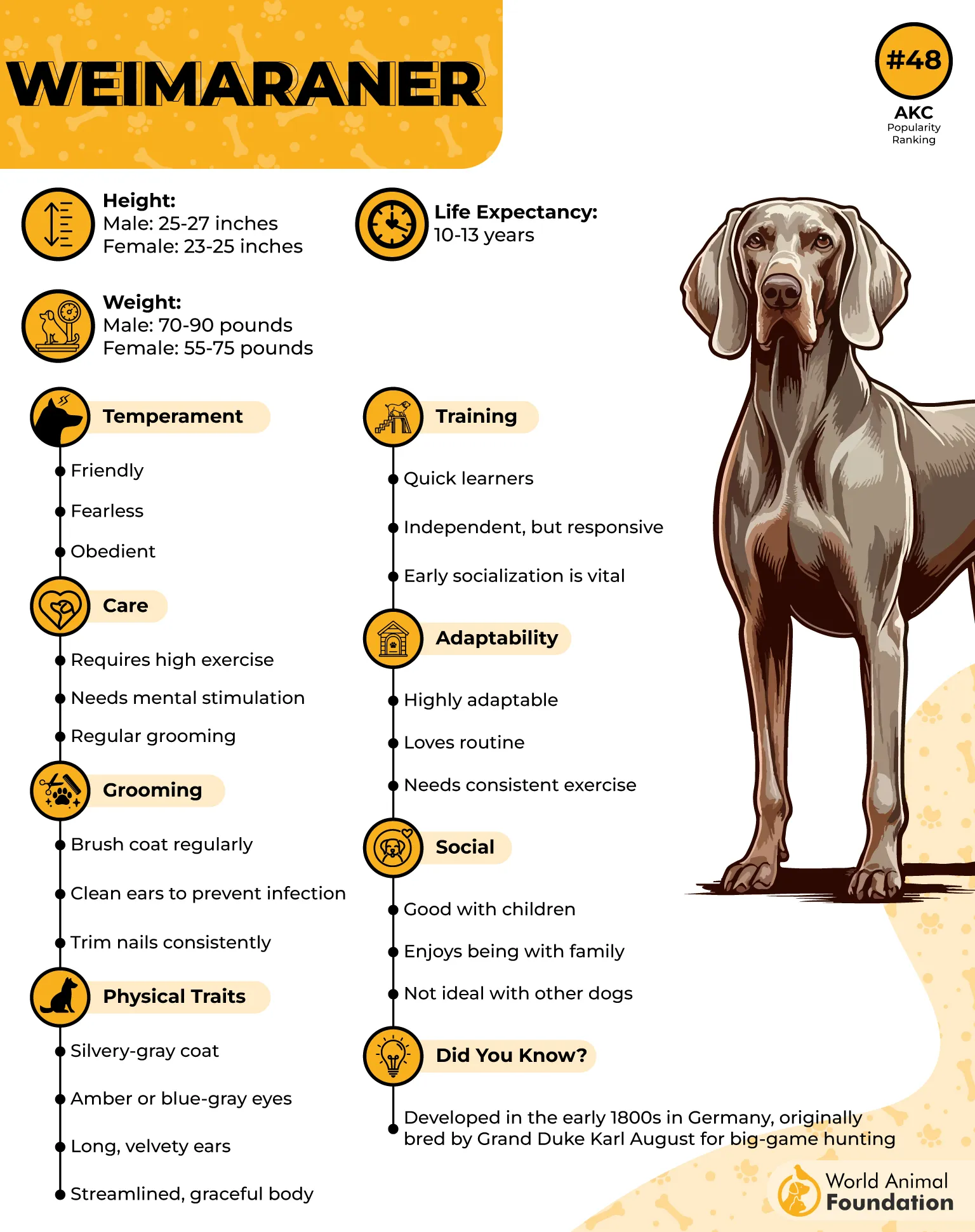
6. Weimaraner
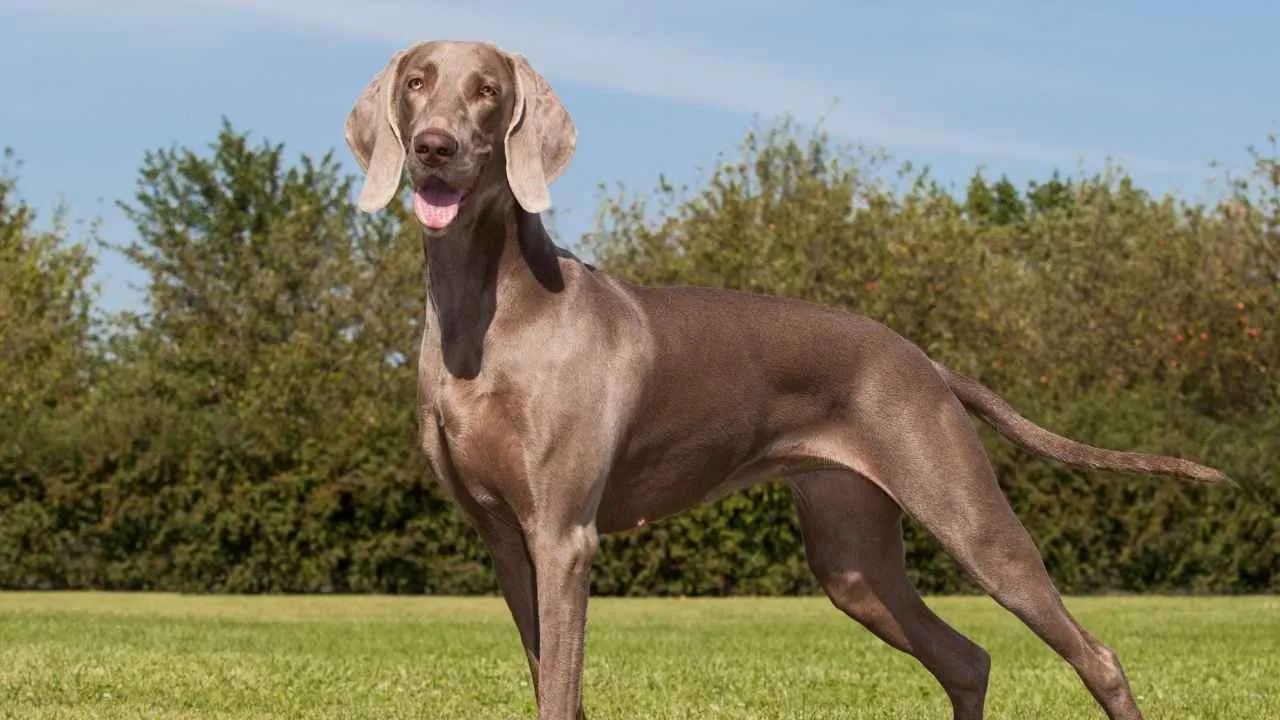
Weimaraner began in early 19th-century Germany under Grand Duke Karl August of Weimar, an avid sportsman seeking an exceptional hunting companion.
Accounts link its creation to Bloodhounds crossed with German and French hunting dogs, with early work focused on wolves, deer, and bears before the breed shifted toward bird hunting.
Made for the Trail
Weimaraner has the athletic build and efficient stride needed for sustained running, while its short, dense coat dries quickly after wet retrieves. That combination suits long trail sessions where steady pace and repeated activity matter more than a leisurely outing.
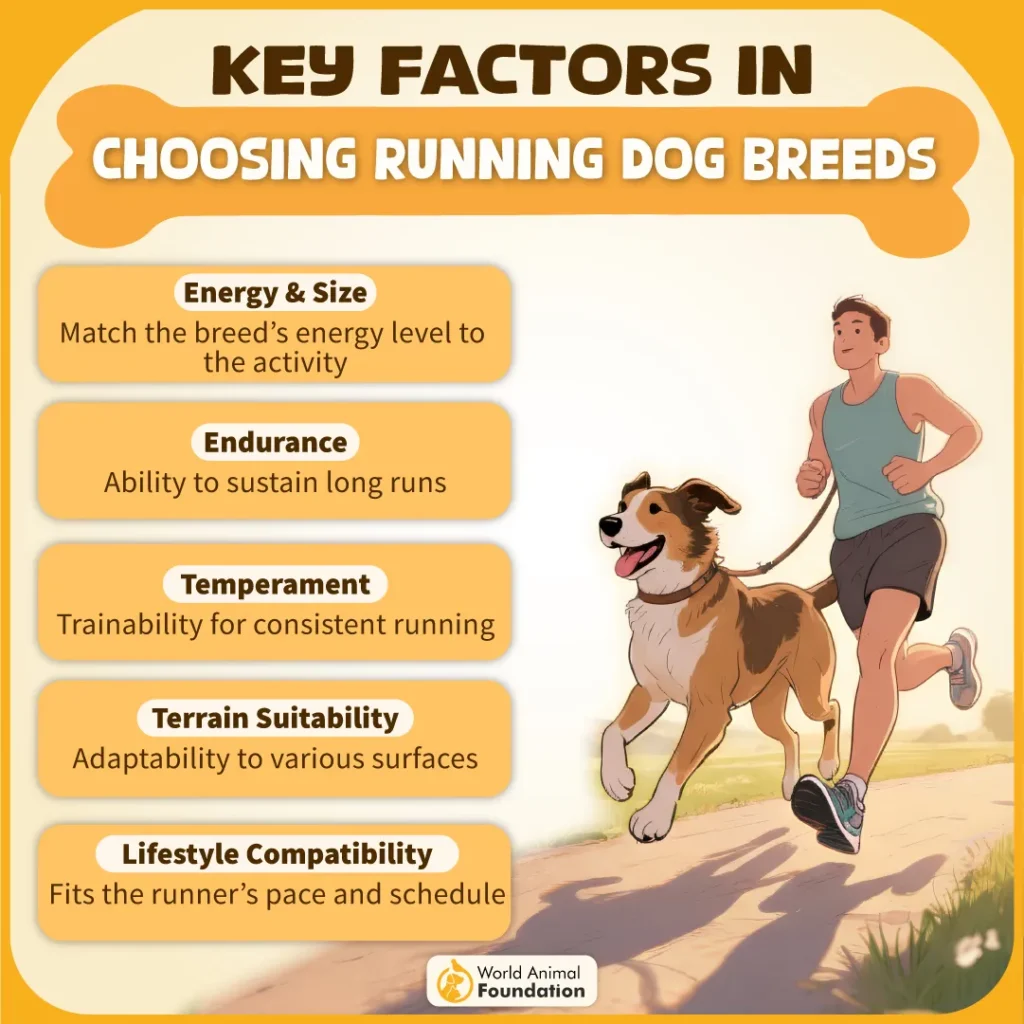
Three details make outdoor work especially interesting:
Naturally retrieves toys and objects
Freezes during sudden scent detection
Head-high posture aids environmental awareness
Keep Them Busy
This active dog breed generally needs one to two hours of exercise each day, with hiking, swimming, running, fetch, and agility among the activities that fit its energy level. Interactive toys and sports such as flyball add the mental challenge this intelligent breed also seeks.
7. Australian Cattle Dog
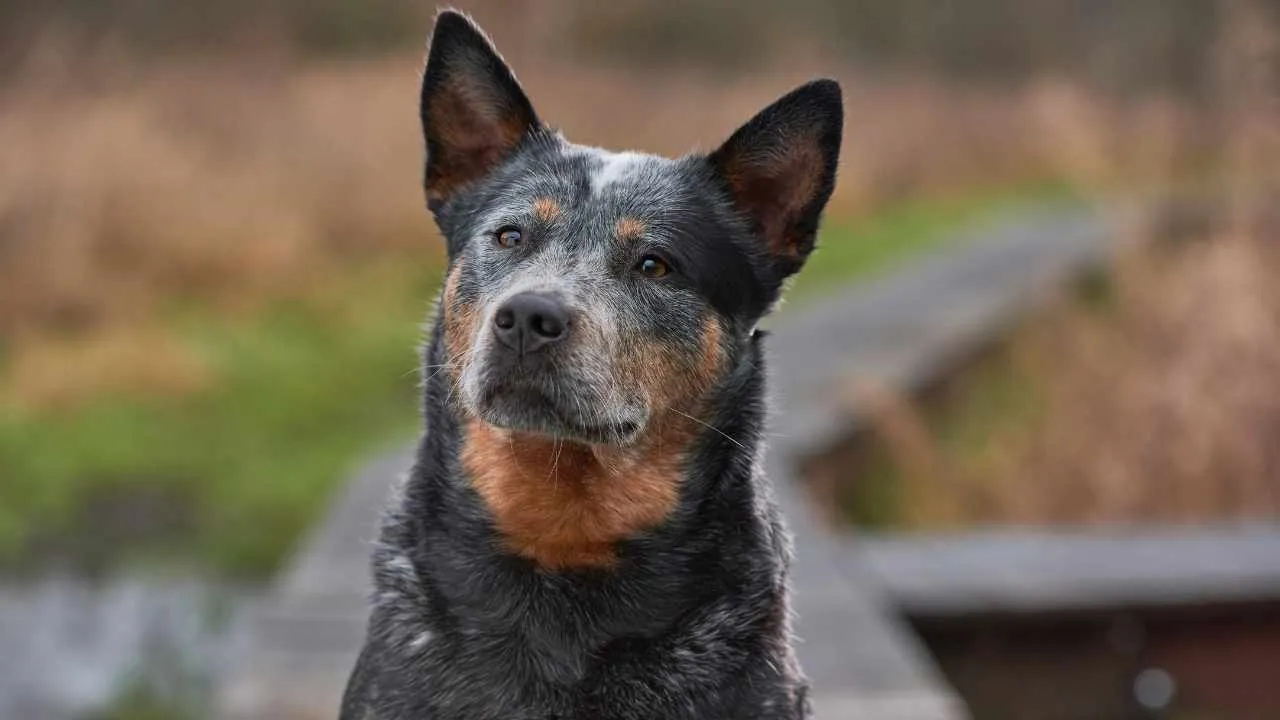
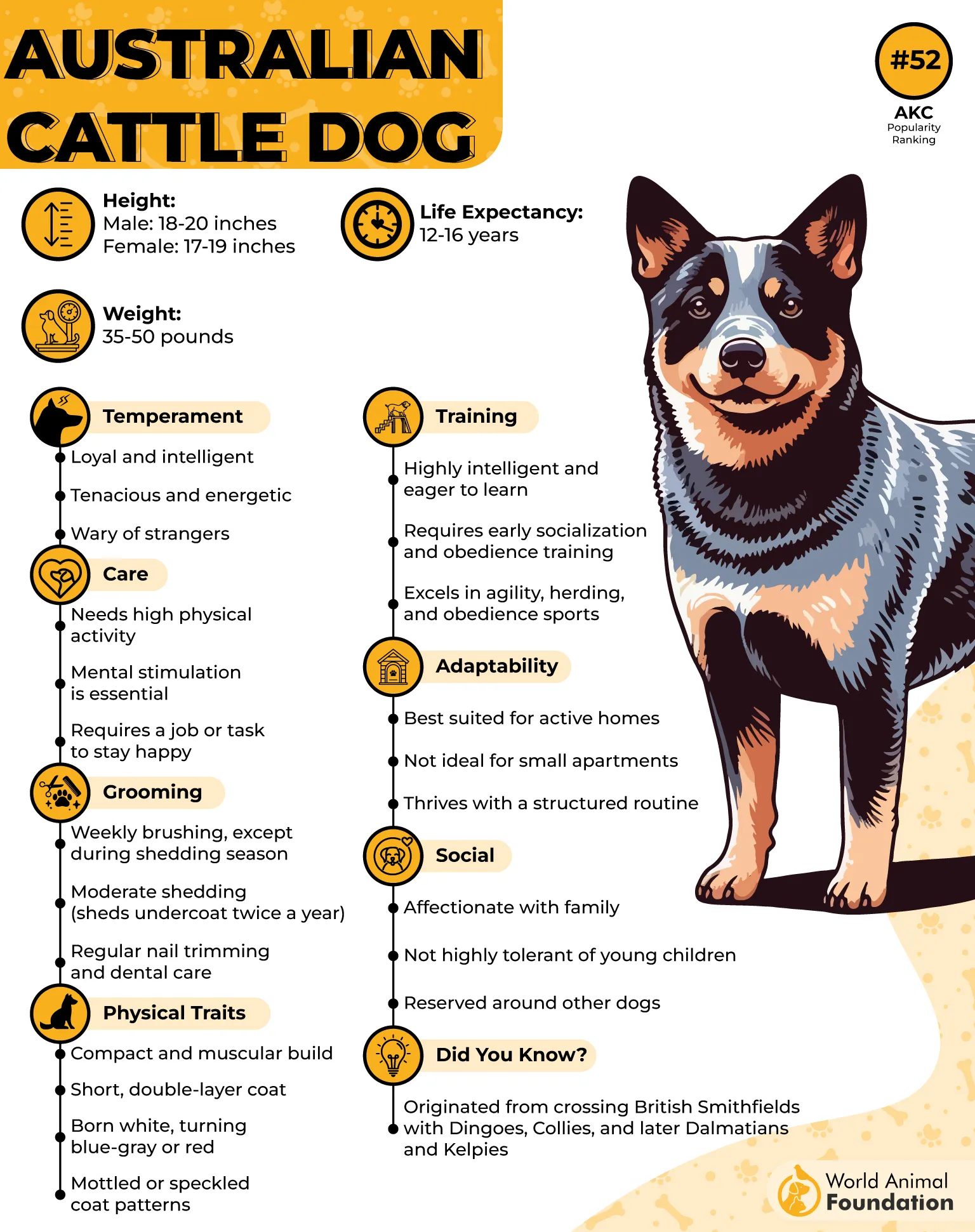
Australian Cattle Dog was developed in the early 1800s, when cattle grazing spread across vast parts of Australia and herders needed a dog capable of working over long distances.
In 1840, Hall crossed Blue Merle Highland Collies with tame Dingoes, producing the dogs known as Hall’s Heelers.
Made for the Miles
ACD has the stamina for long outings, supported by strong forequarters, powerful hips, and an efficient gait suited to all-day trotting. Its short, dense outer coat and insulating undercoat also help it handle heat, cold nights, rain, and contact with scrub.
For camping adventures, these details matter:
Up to two hours of daily exercise
Runs reaching 30 mph
Daily jogging sessions of at least 45 minutes
A Brain That Needs Work
This loving canine companion is an independent problem solver that can become bored when its day lacks enough mental challenges. Tracking activities, nose work, puzzle toys, and obedience training give its sharp mind something worthwhile to figure out.
Conclusion
Camping and trail running can turn ordinary weekends into demanding adventures, so the right dog needs more than enthusiasm. Endurance, fitness, confidence, focus, and reliable behavior matter when trails become steep, rough, wet, or unfamiliar, especially across uneven terrain. Proper conditioning helps a lovable canine companion build distance safely instead of doing too much too soon.
Training is just as important around wildlife, hikers, cyclists, and campsite distractions. Before planning long hikes, consider your dog’s age, health, experience, and ability to recover after exercise.
A positive camping experience depends on choosing a reliable companion that can handle the workload while fitting naturally into your pace, plans, and everyday routine comfortably.
