




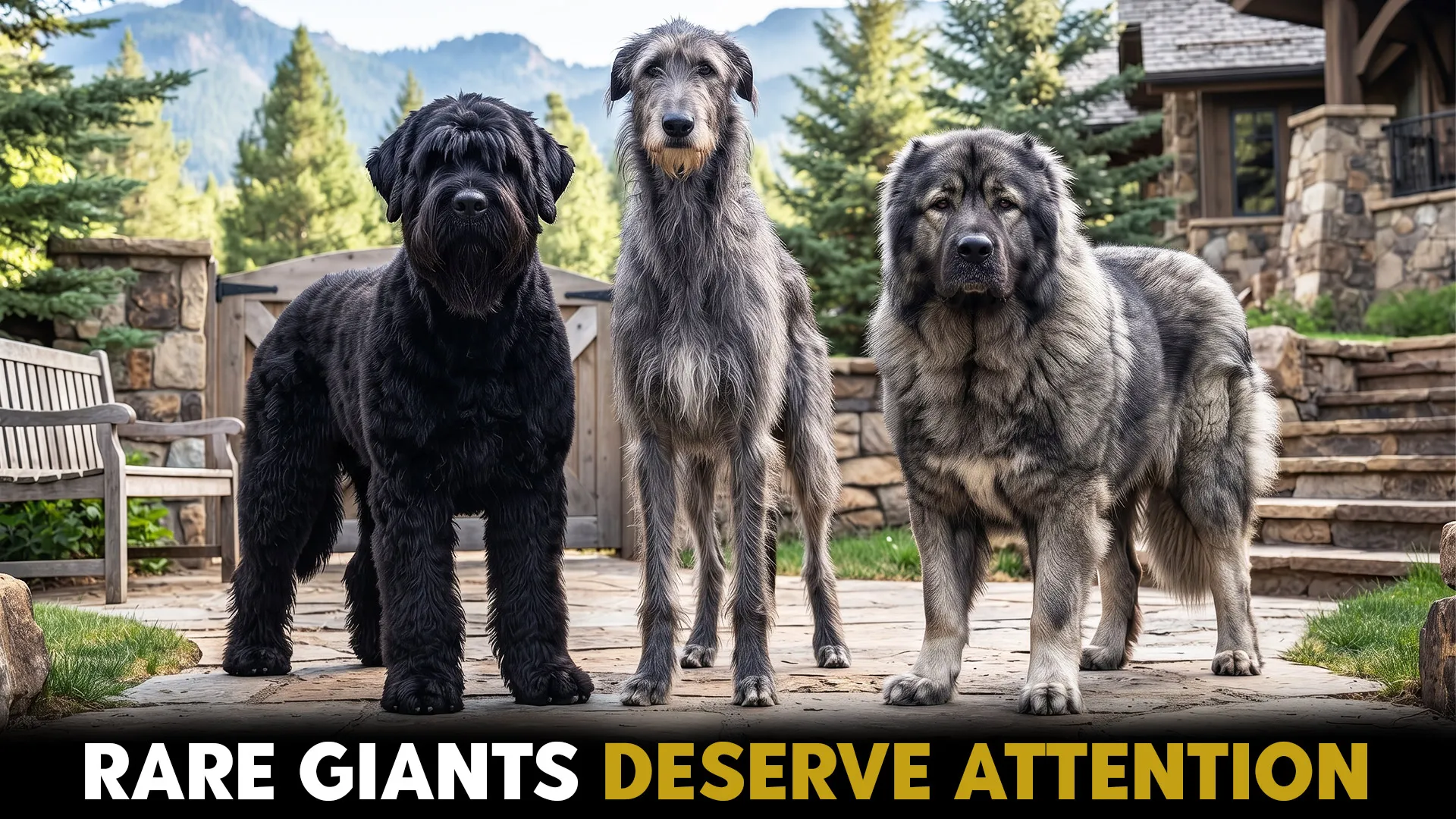
Big does not automatically mean familiar, and that is exactly why some overlooked giant dog breeds deserve a closer look.
The breeds that dominate conversations about enormous dogs represent only a fraction of the choices available to people who want a larger-than-life companion. Some lesser-known giants have working roots in guarding, hauling, hunting, or rescue, giving them abilities that go far beyond their stature. Their size requires planning.
Giant puppies grow for a long time, and veterinary sources warn that overfeeding during this stage can encourage overly rapid growth and increase the risk of developmental orthopedic problems. Adult life brings its own considerations, from suitable living space to training strong manners and budgeting for equipment and veterinary care.
So if your idea of the perfect giant dog has never gone beyond familiar names, it may be time to widen the search. A few overlooked choices could change what you thought you wanted.
Key Takeaways
When people talk about giant dogs, the same familiar breeds usually come to mind. There are plenty of others with stories worth knowing.
The Black Russian Terrier was created in Russia for military work, while the Scottish Deerhound was once prized by Scottish nobility for hunting deer.
Further down the list, the Caucasian Shepherd and Bucovina Shepherd Dog reveal just how serious a giant dog’s working instincts can be.
These breeds bring their own surprises, including the Rafeiro do Alentejo, which is naturally more active at night, and a rare Portuguese guardian built to patrol wide-open ground.
Unique and Overlooked Giant Dog Breeds to Consider
1. Black Russian Terrier
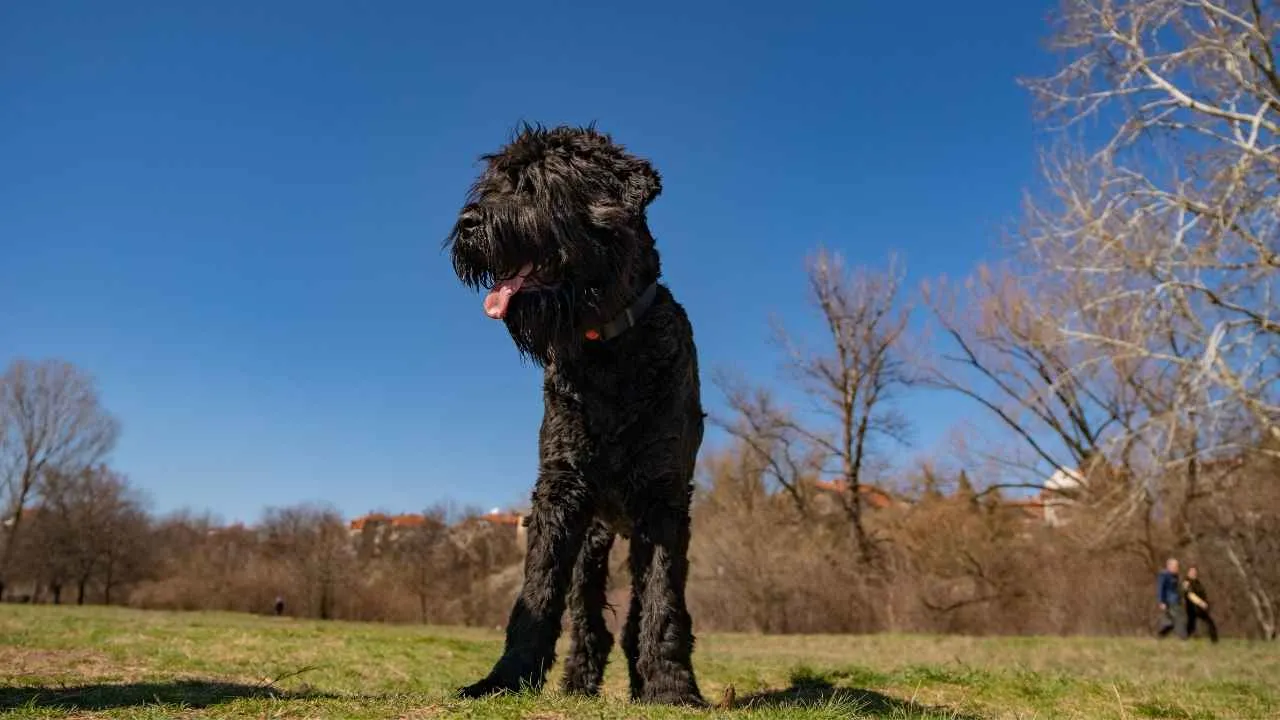
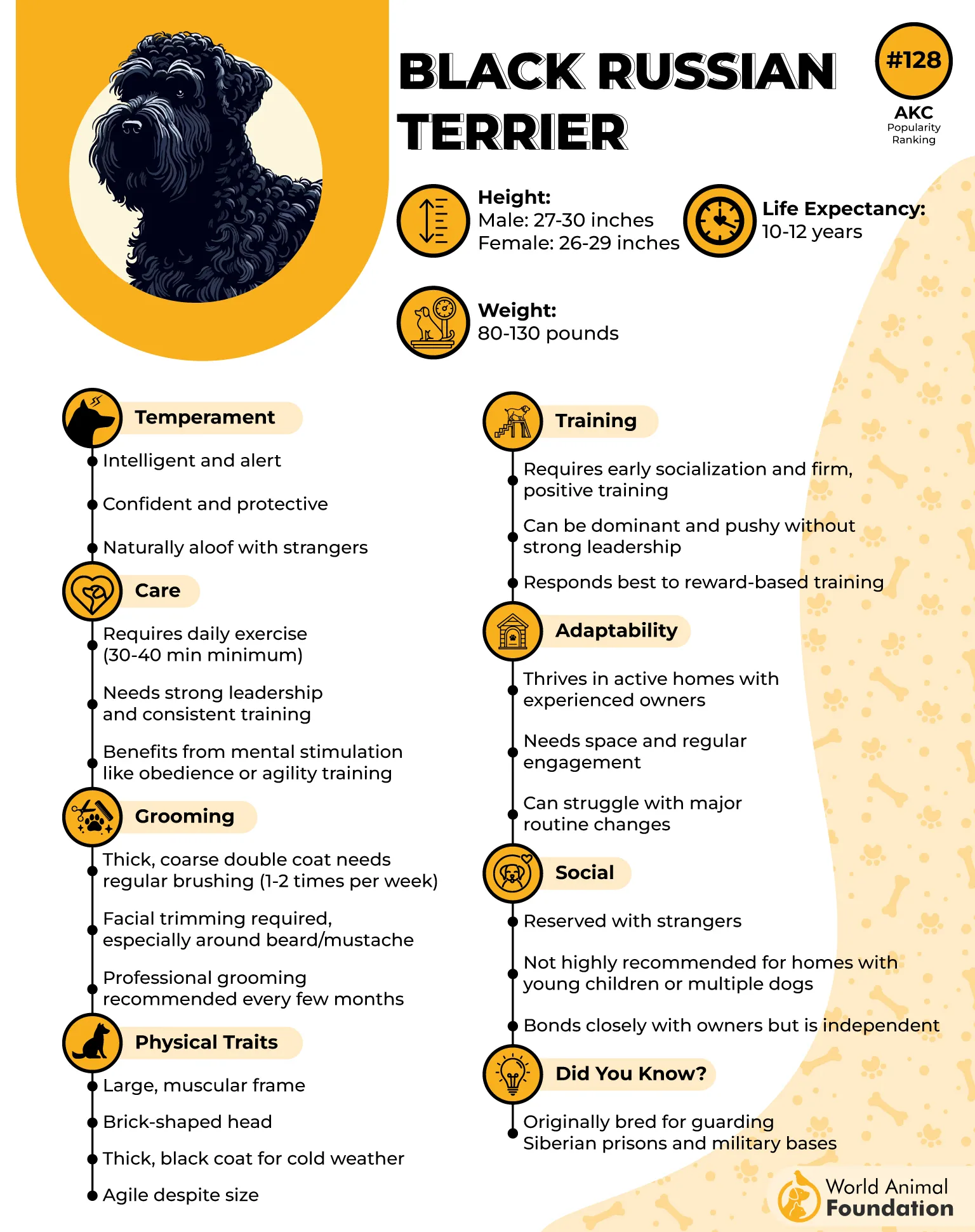
Black Russian Terrier emerged in Russia during the late 1940s and early 1950s as a working dog for military use. Its lineage draws from several breeds, including the Airedale, Rottweiler, Giant Schnauzer, and Newfoundland, creating a large guardian with a distinctly varied ancestry.
A Serious Working Mind
BRT combines confidence and intelligence with a strong need for purposeful activity, making mental engagement especially important. For a full-grown dog, about 60 to 90 minutes of meaningful daily activity can include hiking, swimming, agility, or dock diving.
This is what life with this breed involves:
Affectionate and deeply attached to family
Often follows a favorite person around the home
Needs regular company and may struggle with long periods alone
Watchful by Nature
Black Russian Terrier tends to assess unfamiliar people carefully before responding, which fits its role as a vigilant guardian, as mentioned in Orvis. It usually reserves barking for situations it considers worth reacting to, while early socialization helps it handle visitors more appropriately.
2. Scottish Deerhound
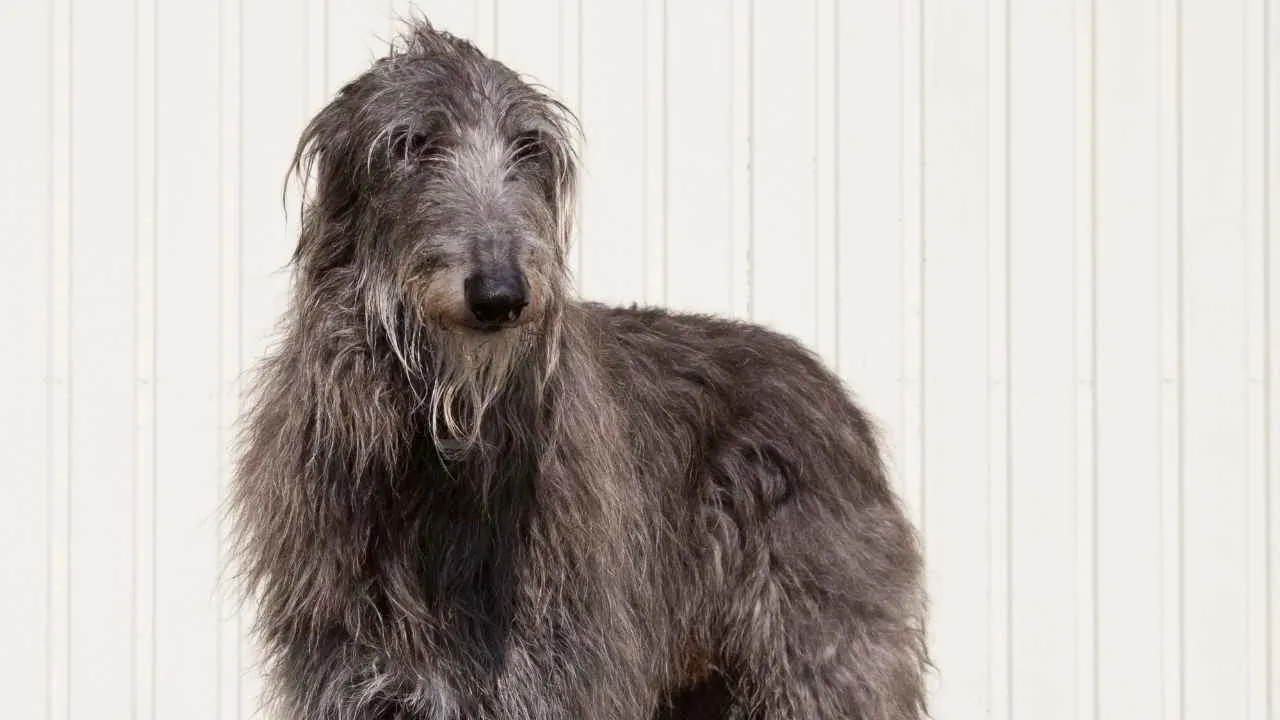
Scottish Deerhound dates back to medieval Scotland, where it was reserved for nobility and used in deer hunting. During the 1800s, firearms changed hunting practices, and numbers fell sharply, while breed clubs and later events such as World War I shaped its difficult path toward survival.
Strong on Difficult Ground
This big dog was built to pursue deer across demanding terrain, with the speed to chase prey several times its own size. Its athletic frame makes activities such as hiking, running, bike rides, and lure coursing particularly fitting for this giant breed, as PetMD stated.
These details add a clearer picture of its working side:
Vigorous exercise twice daily
A six-foot fence for safe running
Strong instinct to chase wildlife
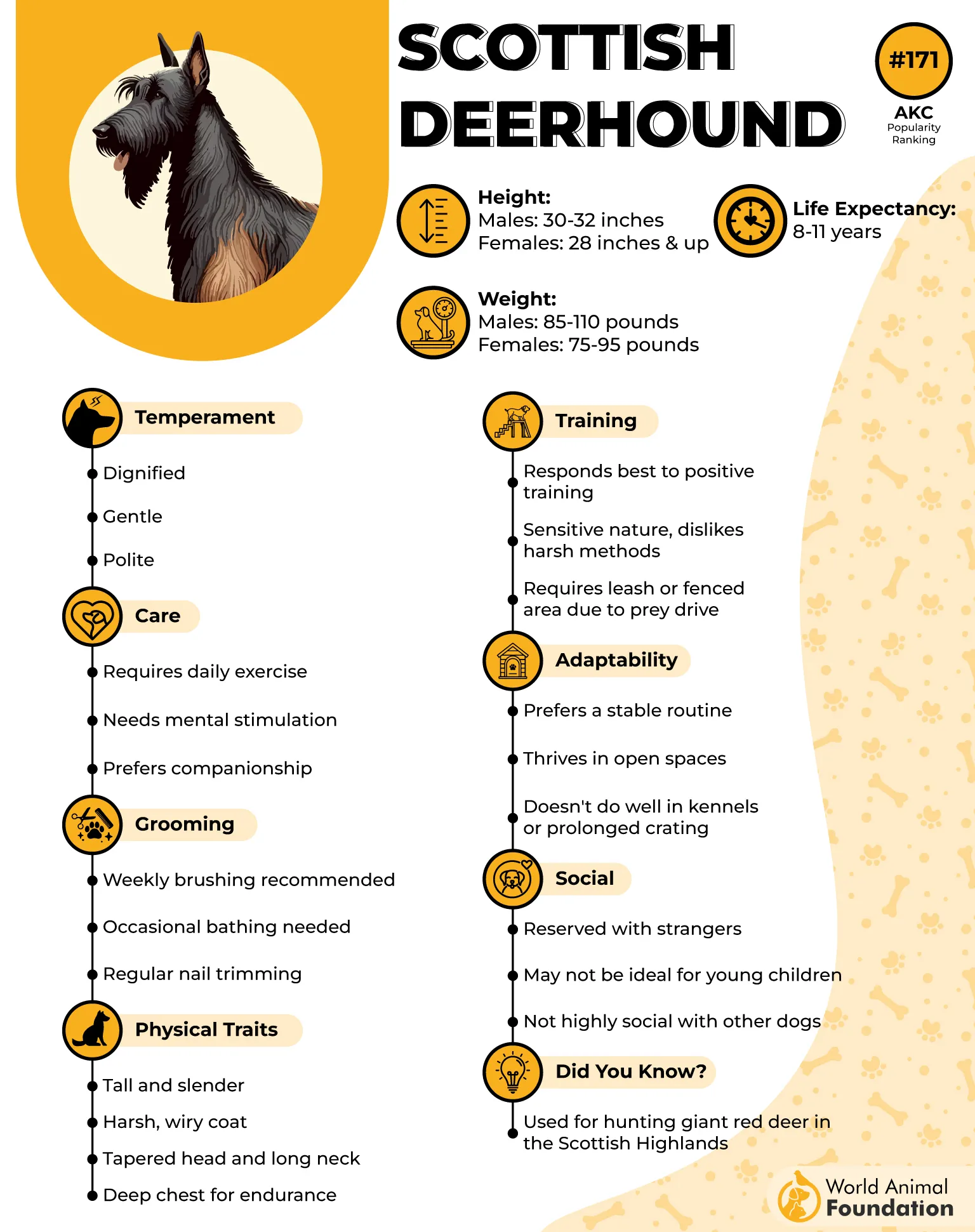
Gentle at Home
Scottish Deerhound has a remarkably calm temperament around people and can fit well into family life with children, dogs, and cats when properly raised together. It tends to be quiet around unfamiliar people, while its affection is directed strongly toward the family it knows.
3. Caucasian Shepherd
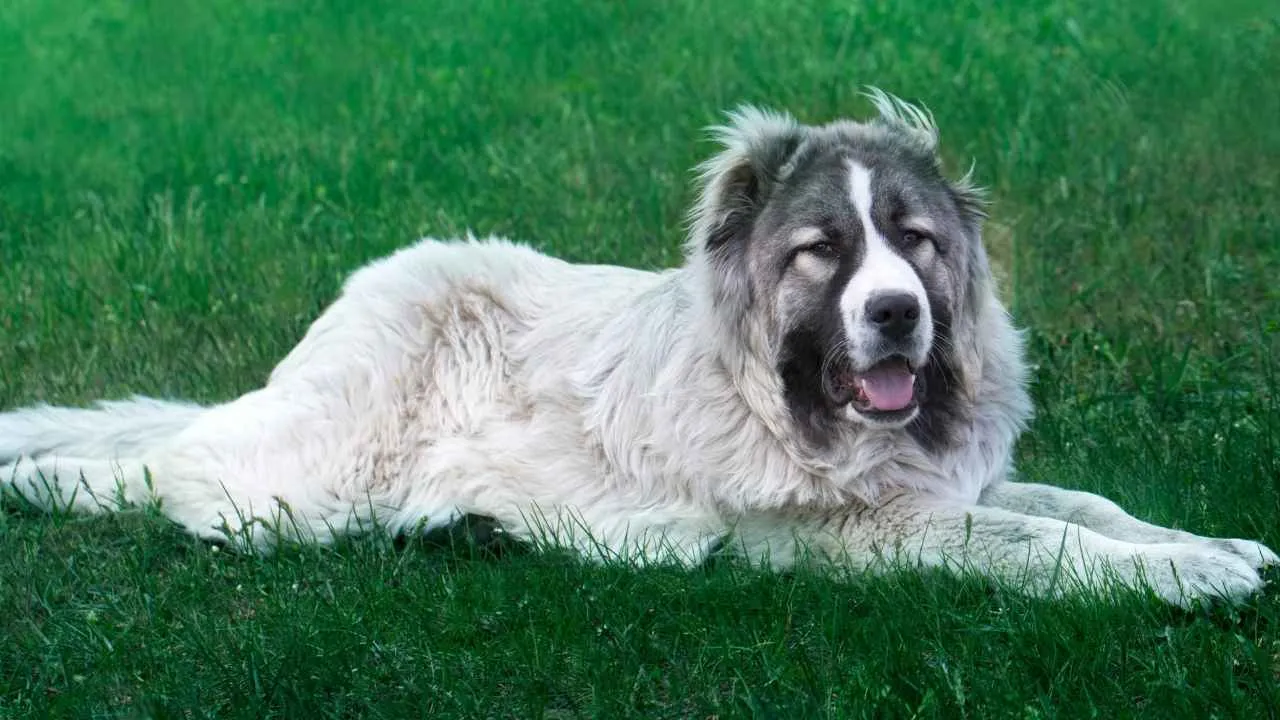
Caucasian Shepherd has been associated with the Caucasus Mountains of Europe and Asia for centuries, guarding livestock and property from predators such as wolves and bears.
Regional conditions shaped two forms of the breed, including a heavier mountain type with a longer coat and a lighter steppe type with shorter fur.
Comfortable in the Wild
This working breed can handle cold, wind, and rain while spending extended periods outdoors with livestock, relying on its own judgment to guard the herd. Its ability to face serious predators such as wolves and bears gives this giant breed an unusually demanding working profile.
Family life brings out a softer side of this guardian:
Affectionate and attentive with family when socialized
Wary and highly protective around unfamiliar people
Needs secure fencing and should not receive protection training
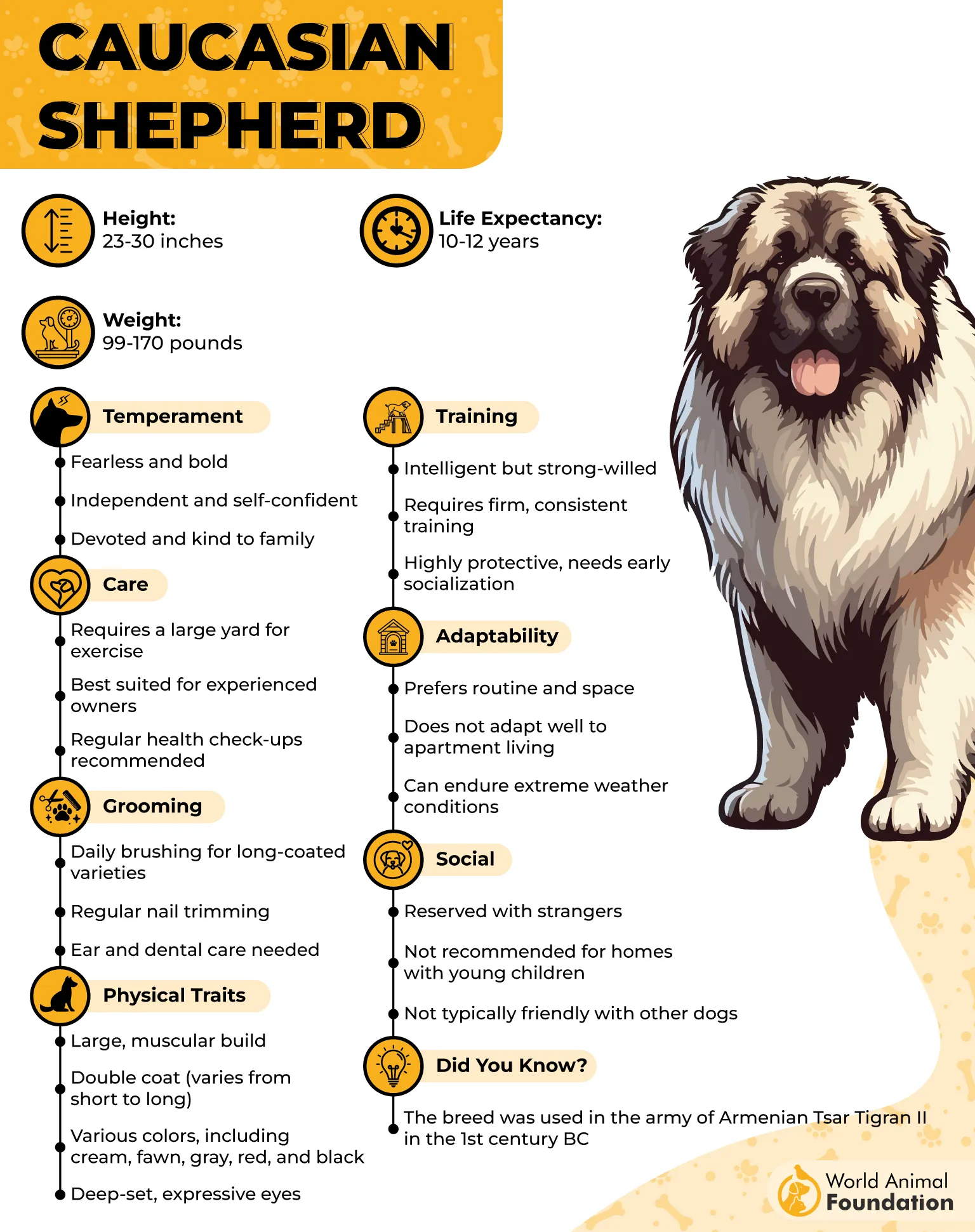
A Strong-Willed Nature
Caucasian Shepherd has a highly independent temperament and does not naturally seek approval from people, making training a serious commitment, as the AKC claims.
Consistent guidance, patience, empathy, and considerable experience are important when working with a dog that is accustomed to making decisions independently.
4. Bucovina Shepherd Dog
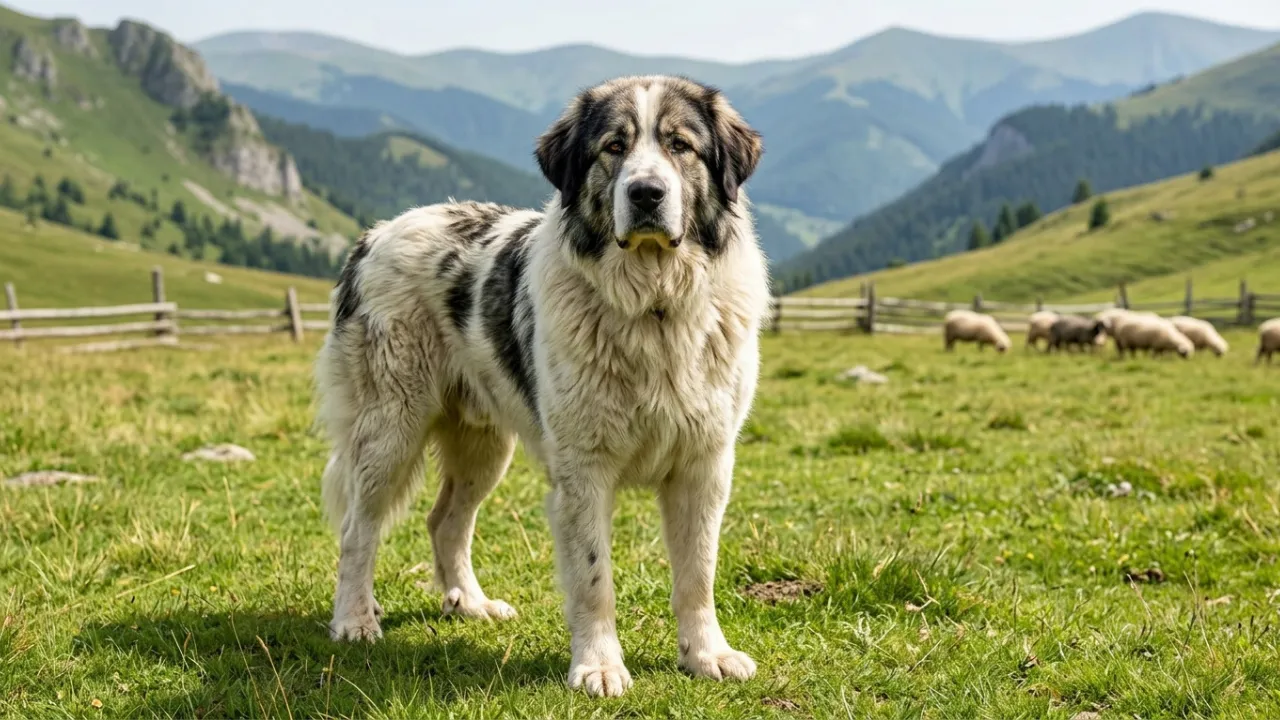
Bucovina Shepherd Dog comes from Romania’s Bucovina region, where shepherds in the Carpathian Mountains relied on these powerful guardians for generations. Their work centered on protecting sheep and cattle from serious predators, including wolves and bears.
Made for Protection
This shepherd dog has the physical presence expected of a large livestock guardian, with a deep chest and muscular body suited to demanding outdoor work. Its long, bushy tail hangs low when relaxed, adding another distinctive detail to its appearance.
Calm handling can bring out its best side:
Responds best to calm, fair, confident guidance
Benefits from positive reinforcement and patient repetition
Early exposure helps manage protective instincts as it matures
Independent by Nature
Bucovina Shepherd Dog is intelligent and observant, with the confidence to assess situations without constant direction. That independent mindset makes early socialization, boundary work, and obedience training especially important for such a large, protective dog.
5. Rafeiro do Alentejo
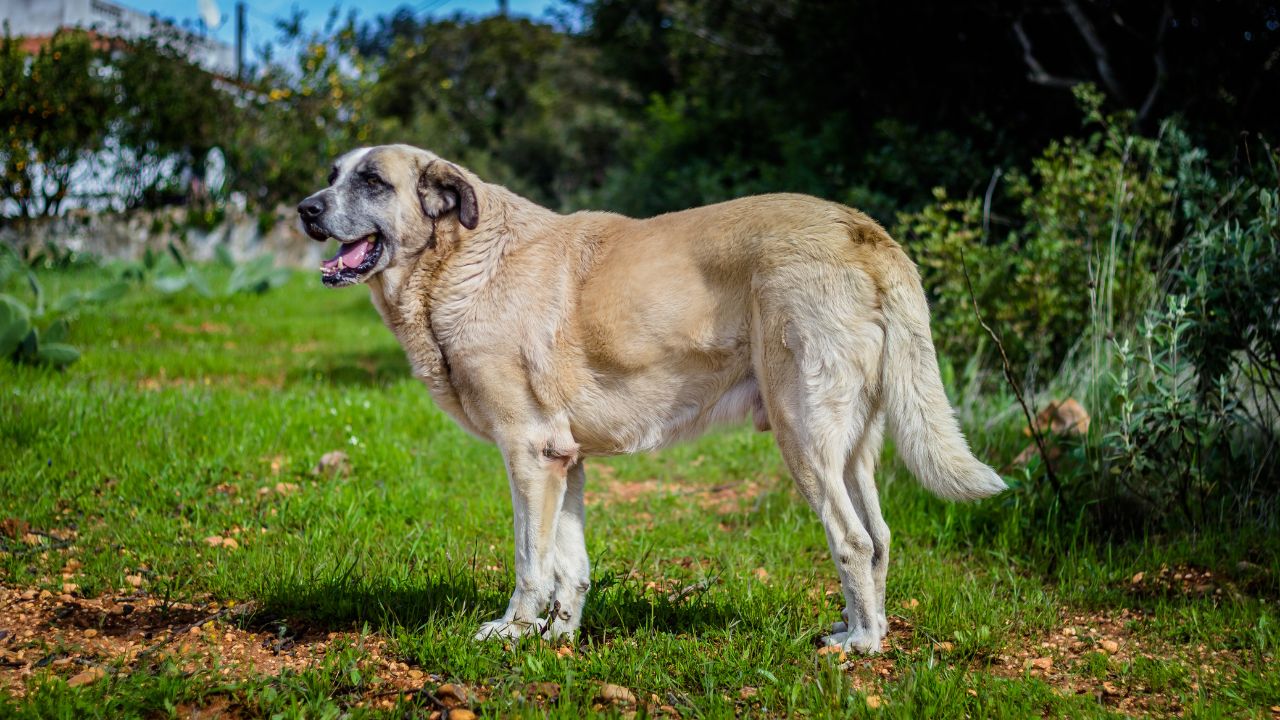
Rafeiro do Alentejo is thought to descend from large Middle Eastern mastiffs and was first used for hunting large game in packs. Its durability, strength, and adaptability later made it useful to migratory shepherds as they travelled long distances with their herds across rugged terrain.
A Natural for Rural Terrain
Once shepherds settled across Portugal’s Alentejo plains, the breed’s role shifted toward protecting livestock and rural estates. Its short, thick coat requires little grooming, while its calm nature and strong protective instinct suit life around large properties.
Some of the best traits of the breed include:
Particularly active during nighttime hours
Often quiet around familiar surroundings
Wary of unfamiliar people
Space Matters
Rafeiro do Alentejo is naturally inclined to cover broad areas, so cramped living can become a serious limitation for this giant breed. A large yard for walking or running, or several daily walks, provides the room needed for its natural roaming habits and helps keep it physically active and mentally engaged.
6. Pyrenean Mastiff
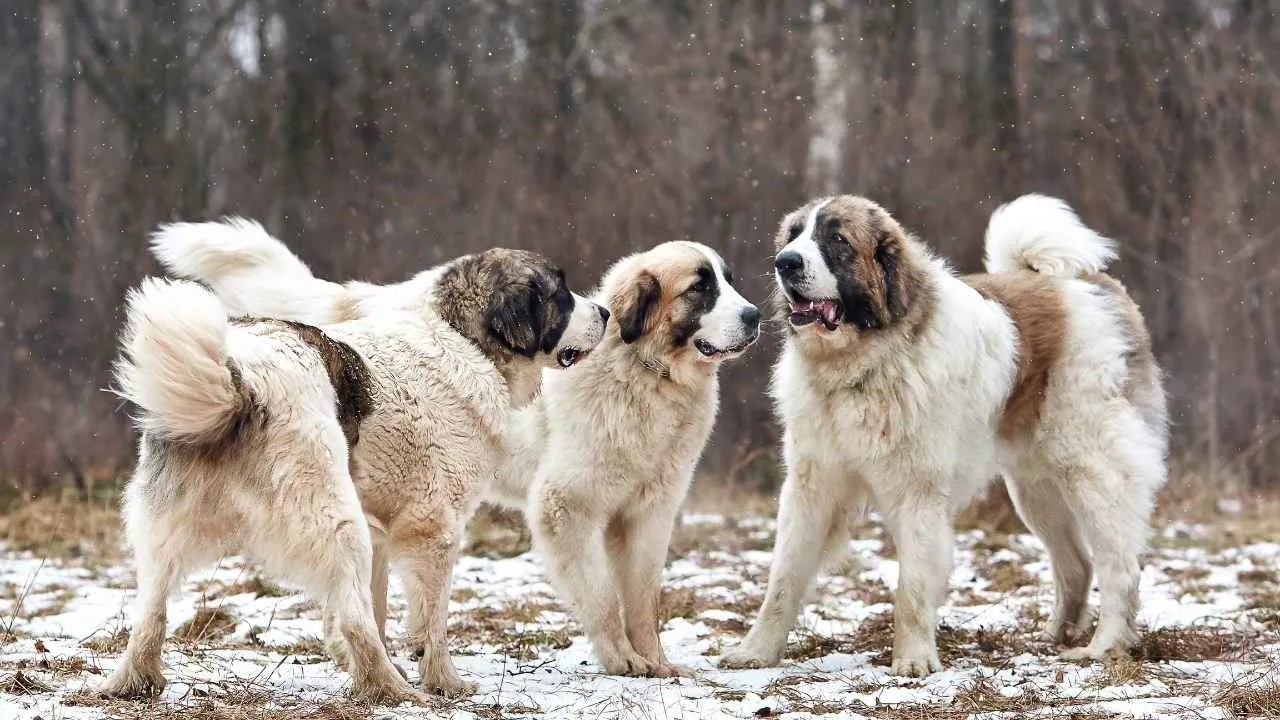
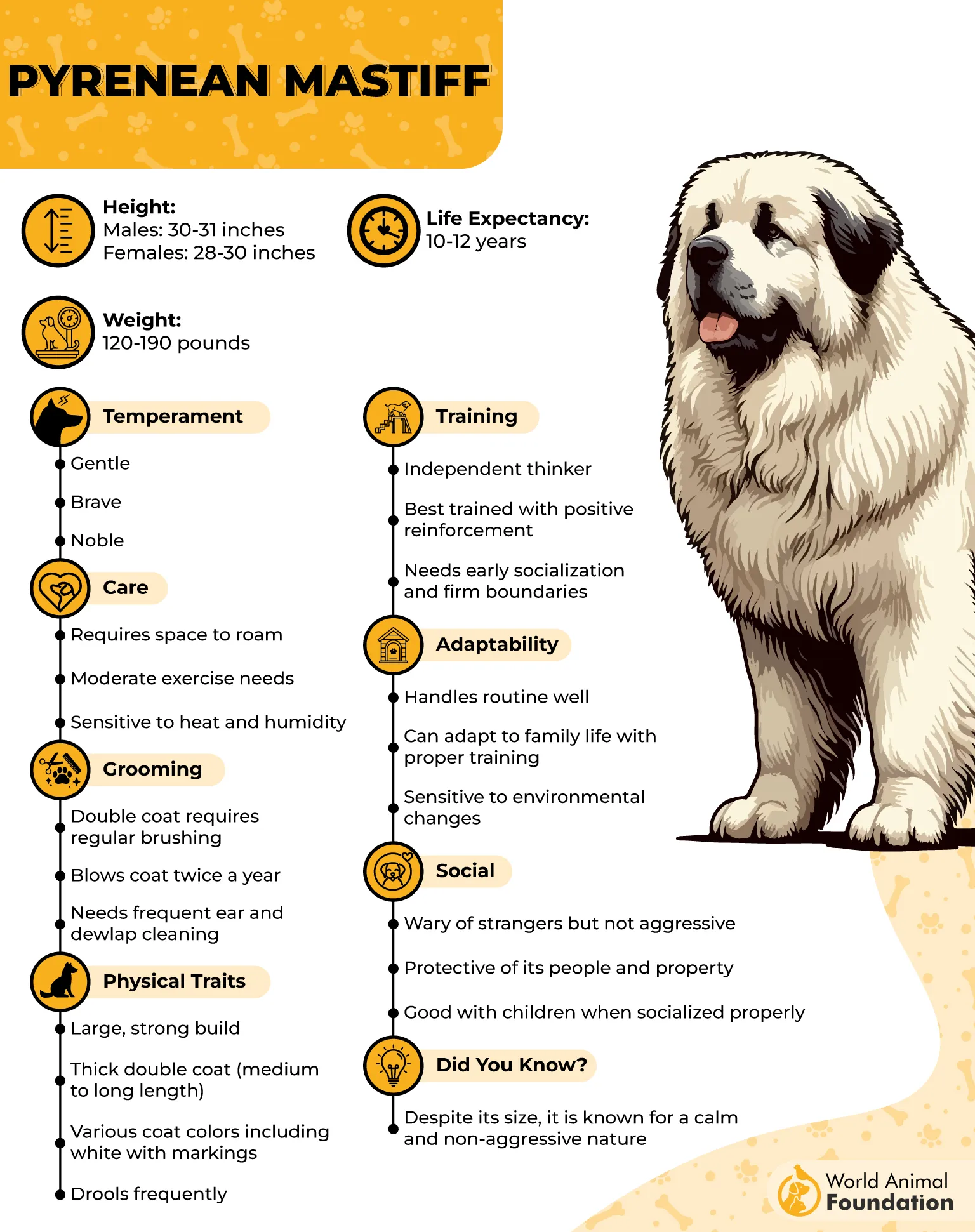
Pyrenean Mastiff originated in Spain’s Aragonese Pyrenees as a large livestock guardian, later gaining official breed recognition in the 1970s. The breed had been close to extinction during the 1950s and was once grouped with the Pyrenean Mountain Dog.
A Quiet Giant
This mastiff-type breed has modest daily exercise needs, with a couple of short walks often enough for its routine. It also enjoys getting outside to meet other dogs, while its generally reliable recall can make those outings easier to manage.
Here are some worth-knowing characteristics of this breed:
Naturally gentle with children
Often sleeps for long periods
Can become destructive when bored
Serious About Its Job
Pyrenean Mastiff is naturally cautious around unfamiliar people and watches unknown visitors closely after alerting the household to someone at the door. Early socialization is important because this livestock guardian can react strongly when it believes a person is threatening its family.
7. Cão de Gado Transmontano
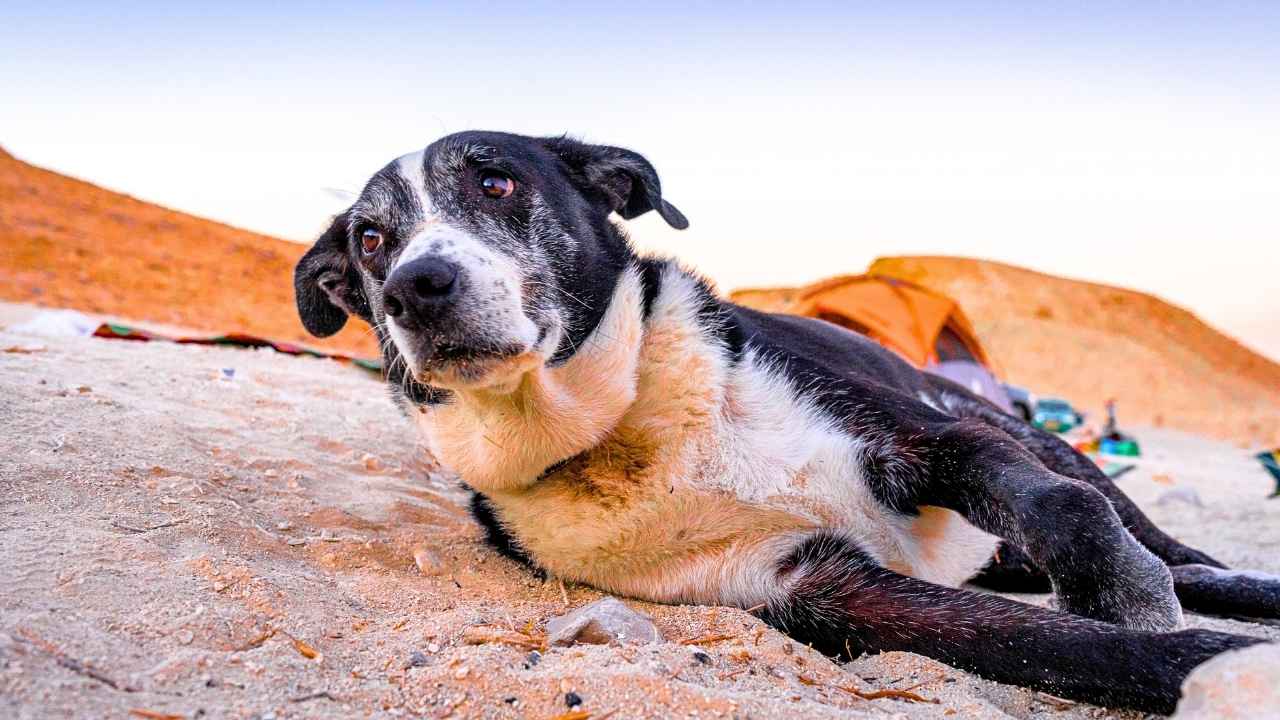
Cão de Gado Transmontano comes from Trás-os-Montes e Alto Douro in northeastern Portugal, where it remains closely associated with the region’s rural landscape.
It is the largest of Portugal’s native breeds and has long served as a powerful livestock guardian, protecting herds across the area’s open and rugged terrain.
A Wide-Ranging Guardian
Cão de Gado Transmontano was valued for protecting flocks from wild boar, foxes, wolves, and feral dogs across open territory. Its calm response to danger pairs with keen curiosity and intelligence, giving it a measured approach when confronting threats.
These details reveal how demanding its working role can be:
Excellent night guardian
Works in mixed-sex packs
Naturally patrols large territories
An Independent Mind
This rare dog breed can think for itself and needs early, consistent training that teaches it to respond reliably to its handler’s voice and direction.
Positive methods work well, while punishment can backfire because the breed is described as having a long memory and a strong independent nature.
Conclusion
Looking beyond familiar giant dogs can lead to companions with interesting working abilities and different personalities. Their size may catch your attention first, but life depends on much more than height or weight. Growth, feeding, training, exercise, secure fencing, a big yard or space, and veterinary costs all deserve to be considered seriously.
Protective or independent instincts can also require experience and steady handling, especially as these multi-talented dogs mature into powerful adults. Consider what your home and routine can realistically support before bringing one home. The best choice is the one whose needs, temperament, and working nature fit comfortably with your everyday life and provide lasting companionship.
