




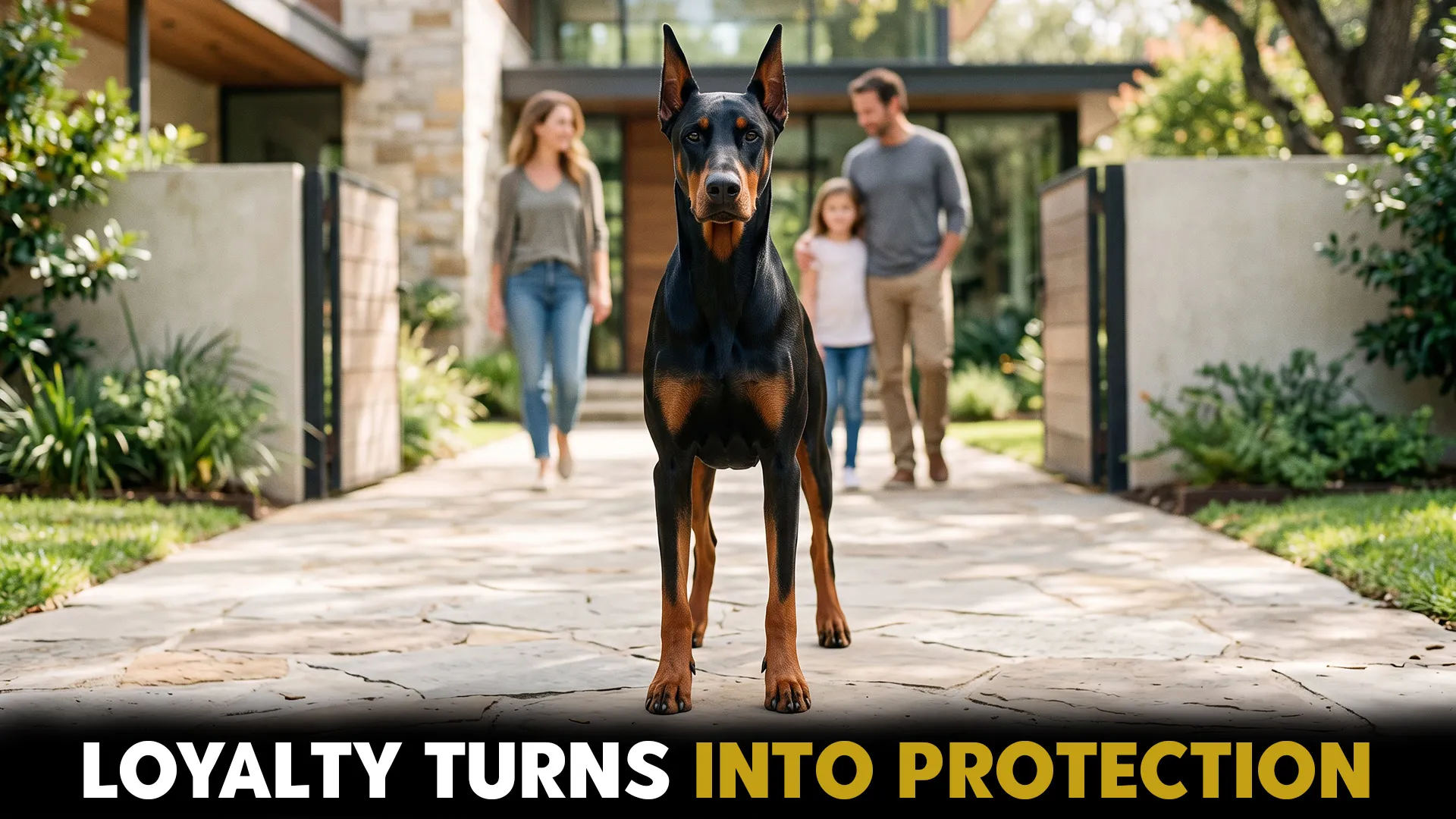
A protective dog can be an addition to a family home, but only when the dog’s instincts fit the people around it. Guarding breeds are not defined by size alone.
Many were selected for centuries to watch livestock, property, or people, which helped shape traits such as vigilance, courage, loyalty, and responsiveness. Those qualities can make a dog quick to notice unusual activity and willing to stand its ground when it perceives a threat. They also mean owners must take training seriously.
A protective dog needs clear rules, early exposure to different people and environments, and enough physical and mental activity to stay balanced. Family life adds another consideration because children, visitors, neighbors, and delivery workers are part of daily life. The best choice is a dog whose protective nature can be guided rather than simply encouraged.
Up next, you’ll see what makes guardian breeds worth considering before you decide to bring one home.
Key Takeaways
Family protection can look very different from one dog to another, especially when instinct, training, and temperament all come into play.
German Shepherds stay busy reading their surroundings, while Rottweilers can quietly position themselves where they can keep track of what is happening.
Dobermans react with speed and focus, while Akitas are more selective about people and often take time to assess a situation.
And somewhere further down the list is a gentle Newfoundland whose idea of protection may simply be standing between its family and trouble.
Must‑Know Protective Dog Breeds That Guard Your Family
1. German Shepherd
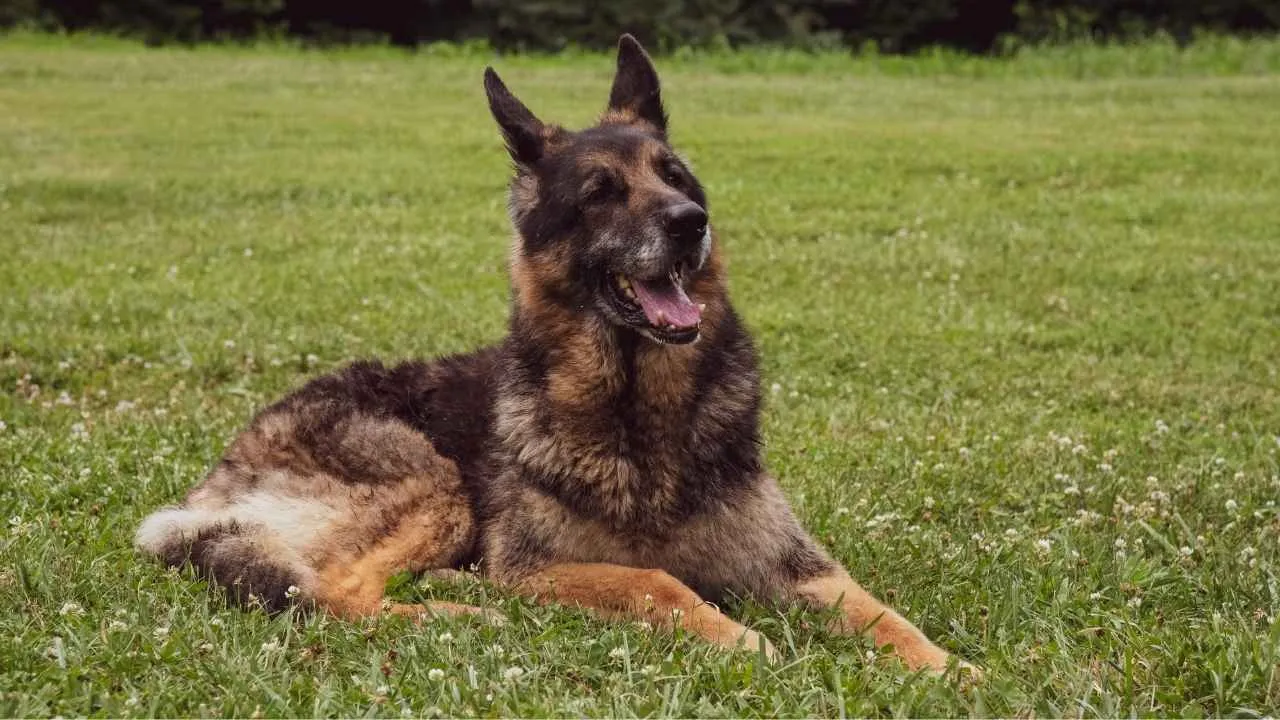
German Shepherd began in Germany as a carefully selected herding and flock-guarding dog, with later breeding placing greater emphasis on intelligence and courage.
Its name was temporarily changed to Alsatian after World War I before kennel clubs returned to German Shepherd in the 1930s.
A Working Eye
For protective work, the German Shepherd brings strong environmental awareness, with alert barking and perimeter scanning helping it notice activity around its surroundings. Training matters here because unchecked vigilance can turn into reactive behavior.
Its working mind stays busy in several ways:
Strong scenting ability
Frequent handler check-ins
Learns routes and landmarks quickly

A Mind That Needs Work
This best guard dog learns routines quickly and can remember routes, obstacles, and environmental patterns with impressive accuracy, as Britannica reported. Its problem-solving drive also makes obedience exercises, scent games, and structured tasks useful ways to engage its working mind.
2. Rottweiler
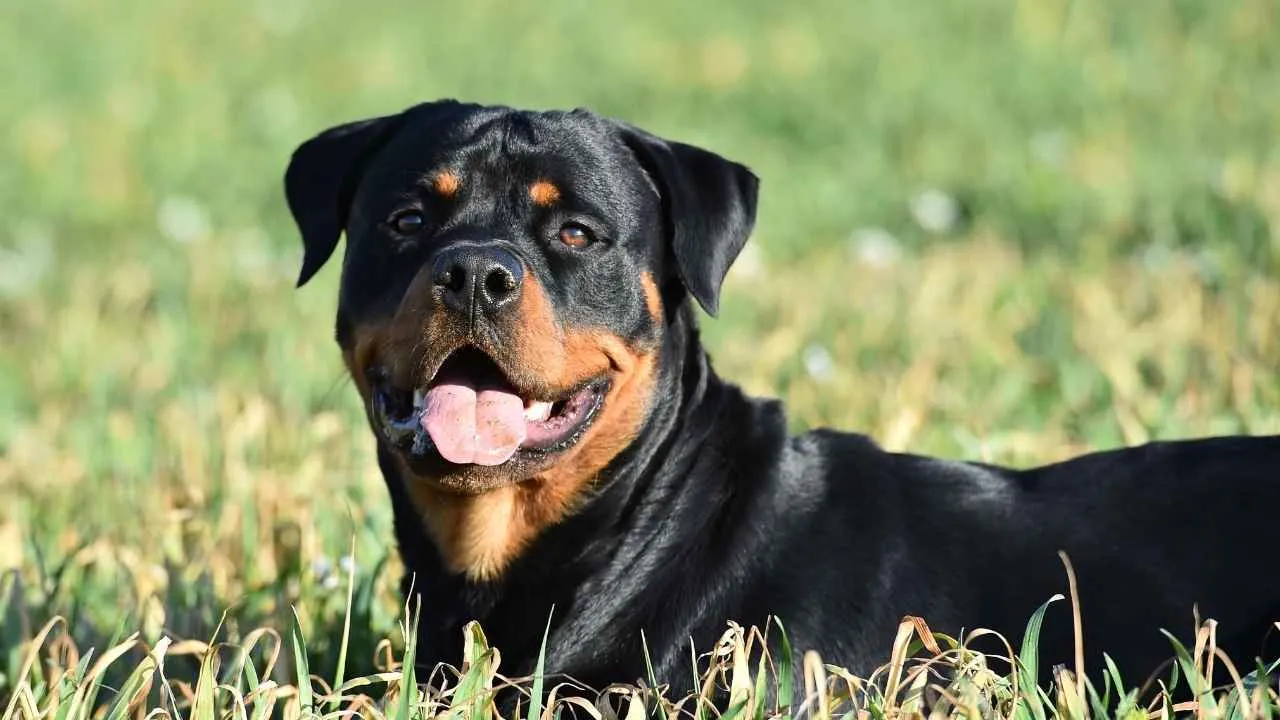
Rottweiler was developed as a cattle-driving dog along Roman livestock routes and later became closely associated with Rottweil in southern Germany.
There, it helped take cattle to market, pulled butcher carts, and guarded goods after sales, with money sometimes tied around its neck to deter thieves.
A Natural Watcher
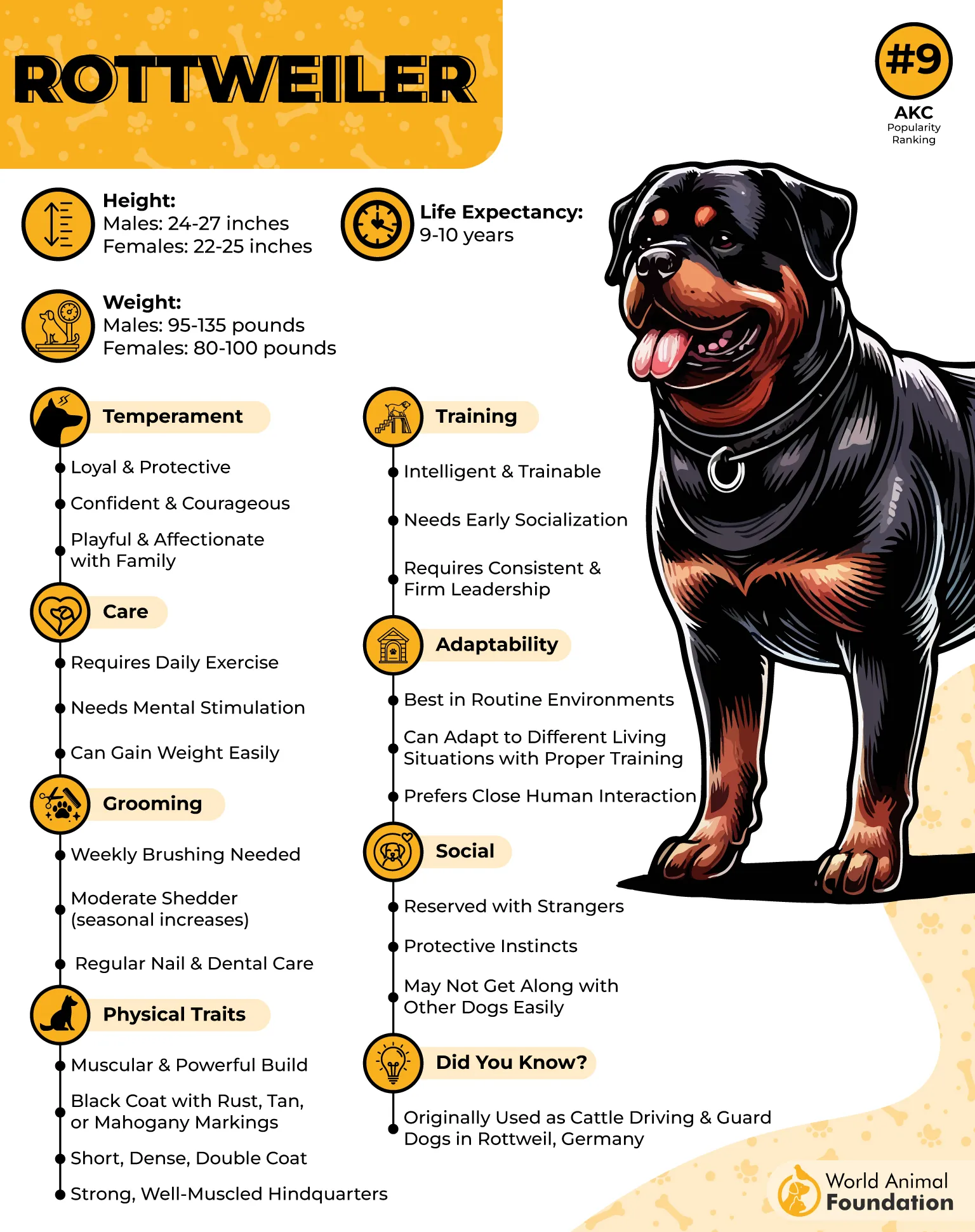
These excellent protectors have a powerful build shaped for sustained work, with robust bones, a broad chest, and strong hindquarters suited to pulling and guarding.
At home, some individuals quietly position themselves where they can keep an eye on entrances, paths, and household activity.
Here are the traits that make their protective behavior interesting:
May quietly watch before barking
Can place its body between family and a concern
May follow fast-moving children or bikes
Serious About Training
Rottweiler is highly intelligent and can pick up obedience work quickly with consistent, purposeful training, as per the AKC.
Early socialization also matters because poor guidance can contribute to rebellious behavior, while its eagerness to work gives structured training a useful direction.
3. Doberman Pinscher
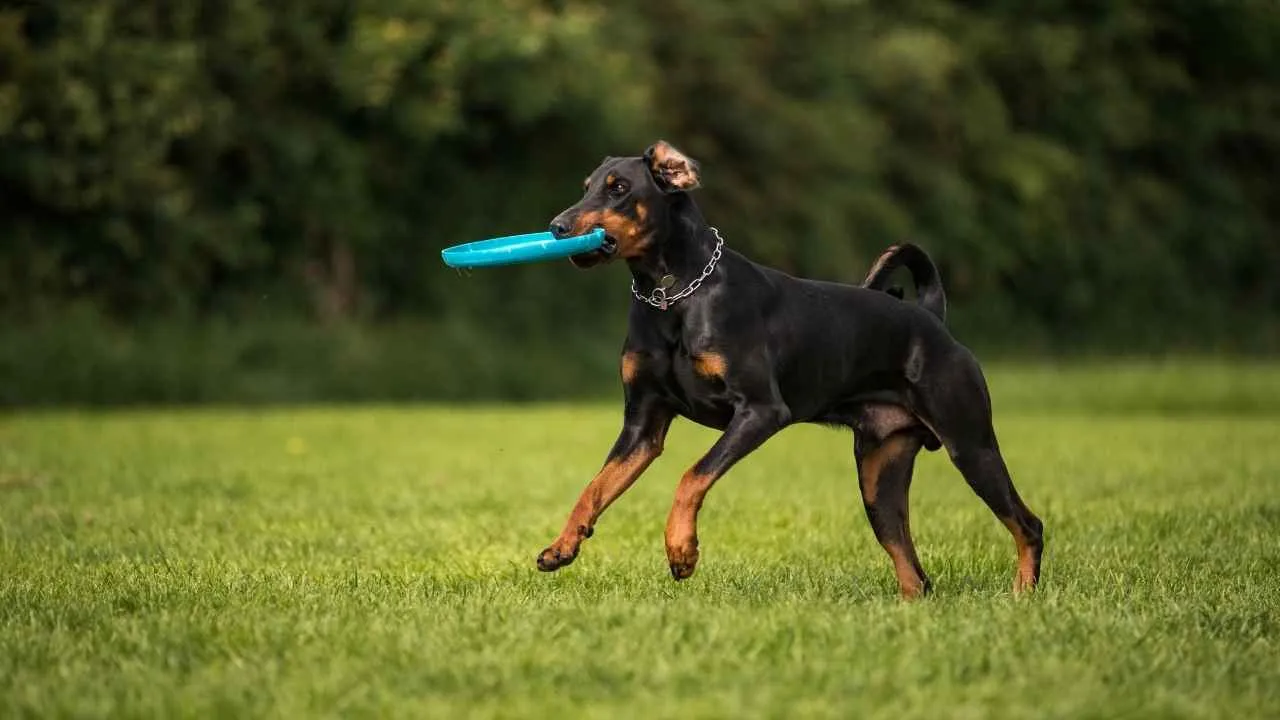
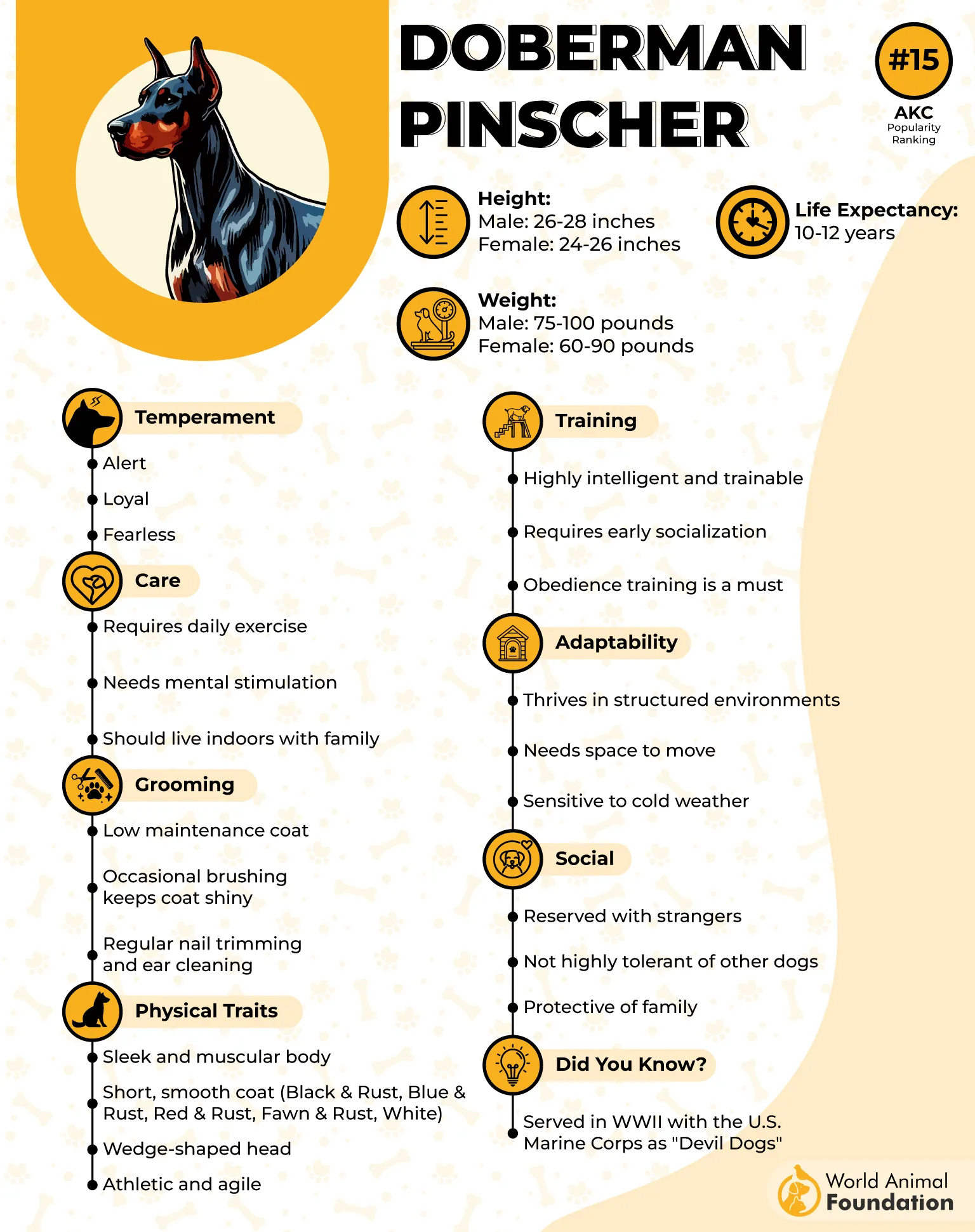
Doberman Pinscher was created in Thuringia, Germany, by Louis Dobermann, a door-to-door tax collector who wanted a dependable guard dog for his work.
Early breeding likely involved the Old German Shepherd, German Pinscher, Weimaraner, and Manchester Terrier before the breed took on its sleek modern form.
Guardian Instincts
Dobbies have an athletic frame with a deep chest and powerful hindquarters, supporting quick bursts of speed during demanding situations. Its natural alertness also shows in how it scans movement, focuses forward, and watches its surroundings closely.
That strong presence comes with protective habits:
Can position its body between family and a perceived threat
Often looks to its handler for direction during tense moments
May use low woofs or grumbling sounds when alerting
Quick to Learn
This best dog breed responds strongly to human direction and can pick up routines and patterns quickly, making obedience work especially rewarding.
Inconsistent rules can become a problem because this intelligent breed may anticipate what happens next and find its own way around unclear expectations.
4. Akita
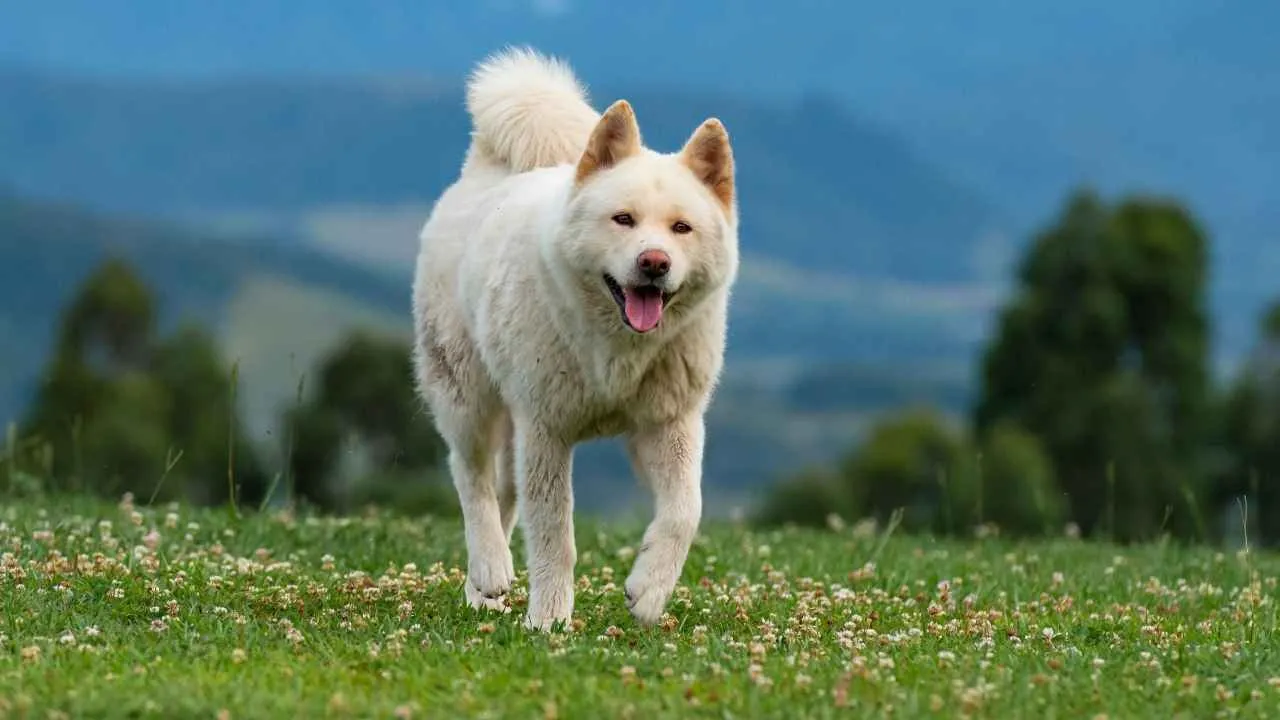
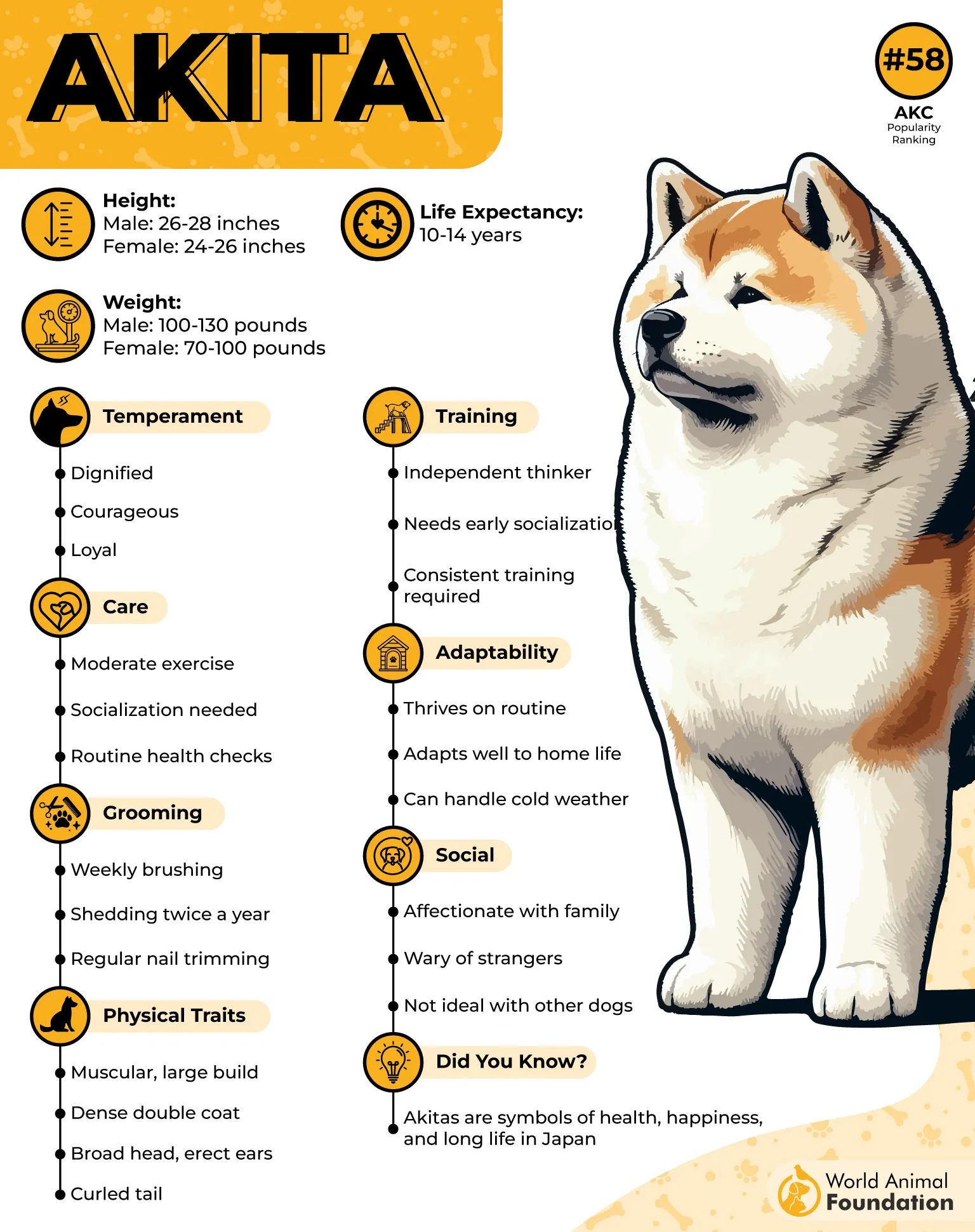
Akita’s story reaches back to 17th-century Japan, where the breed was used to hunt deer, wild boar, elk, and even bears, as reported by Purina.
After facing the threat of extinction several times, it became one of seven Japanese dog breeds designated as a national monument and a symbol of health and happiness in Japan.
Quiet on Watch
Akita has a habit of observing its surroundings before reacting, which can make its presence especially useful when someone unfamiliar approaches the home.
Rather than constantly seeking attention, it tends to monitor what is happening and may position its body between family members and a visitor.
These practical details deserve attention:
Secure fencing for chase-prone individuals
Leash control around small animals
Supervised contact with other pets
Selective With People
Akita can be reserved with unfamiliar people and may become increasingly selective about canine company as it reaches adulthood.
Early socialization and consistent training are important because its reactions around other dogs can change quickly and may be difficult to predict.
5. Tibetan Mastiff
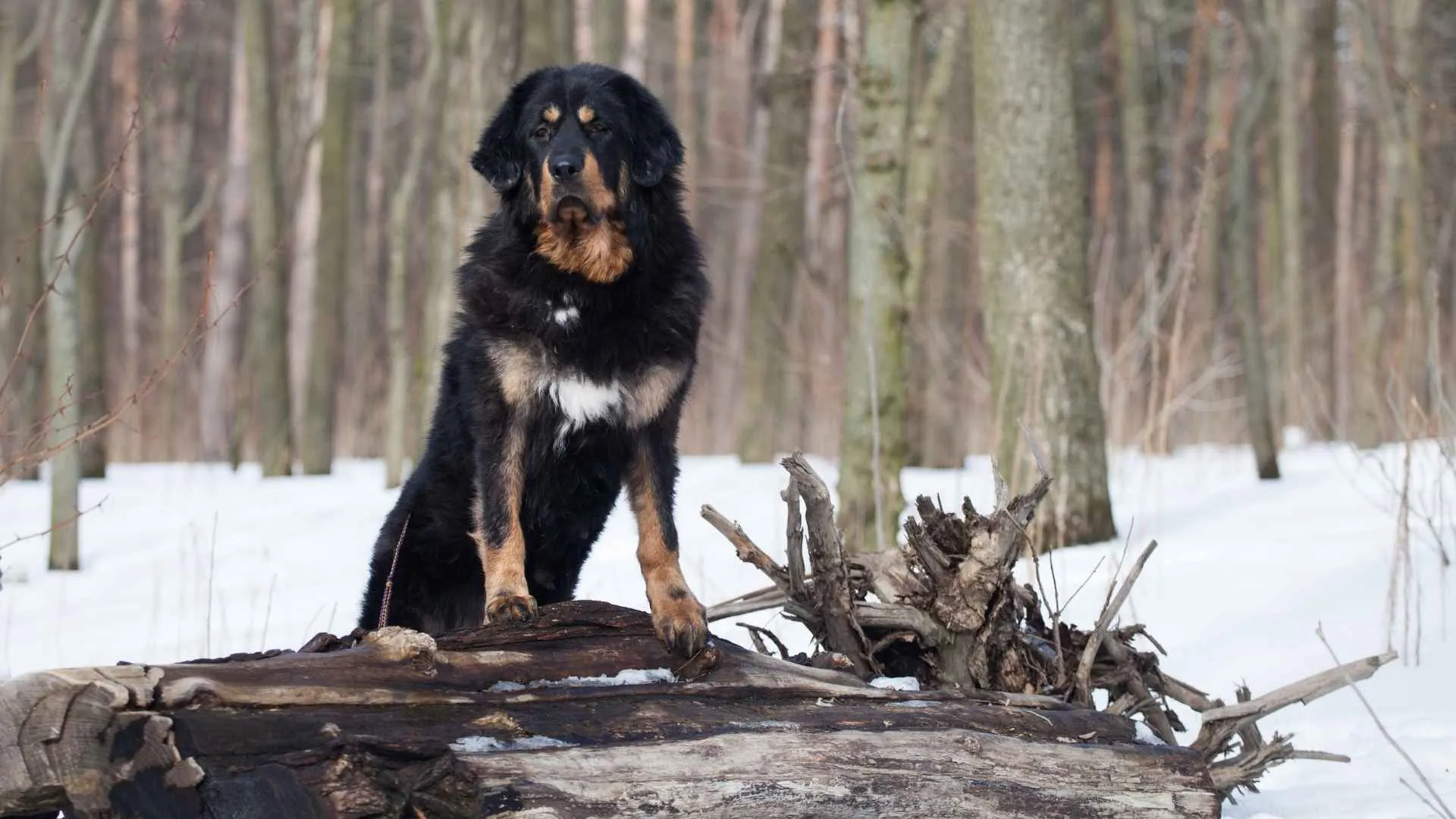
Tibetan Mastiff has guarded people, livestock, and valuable property across Tibet for thousands of years, including temples, monasteries, and nomadic settlements. Its roaming lifestyle meant dogs interbred freely for generations, long before a formal breed standard existed.
Built to Watch
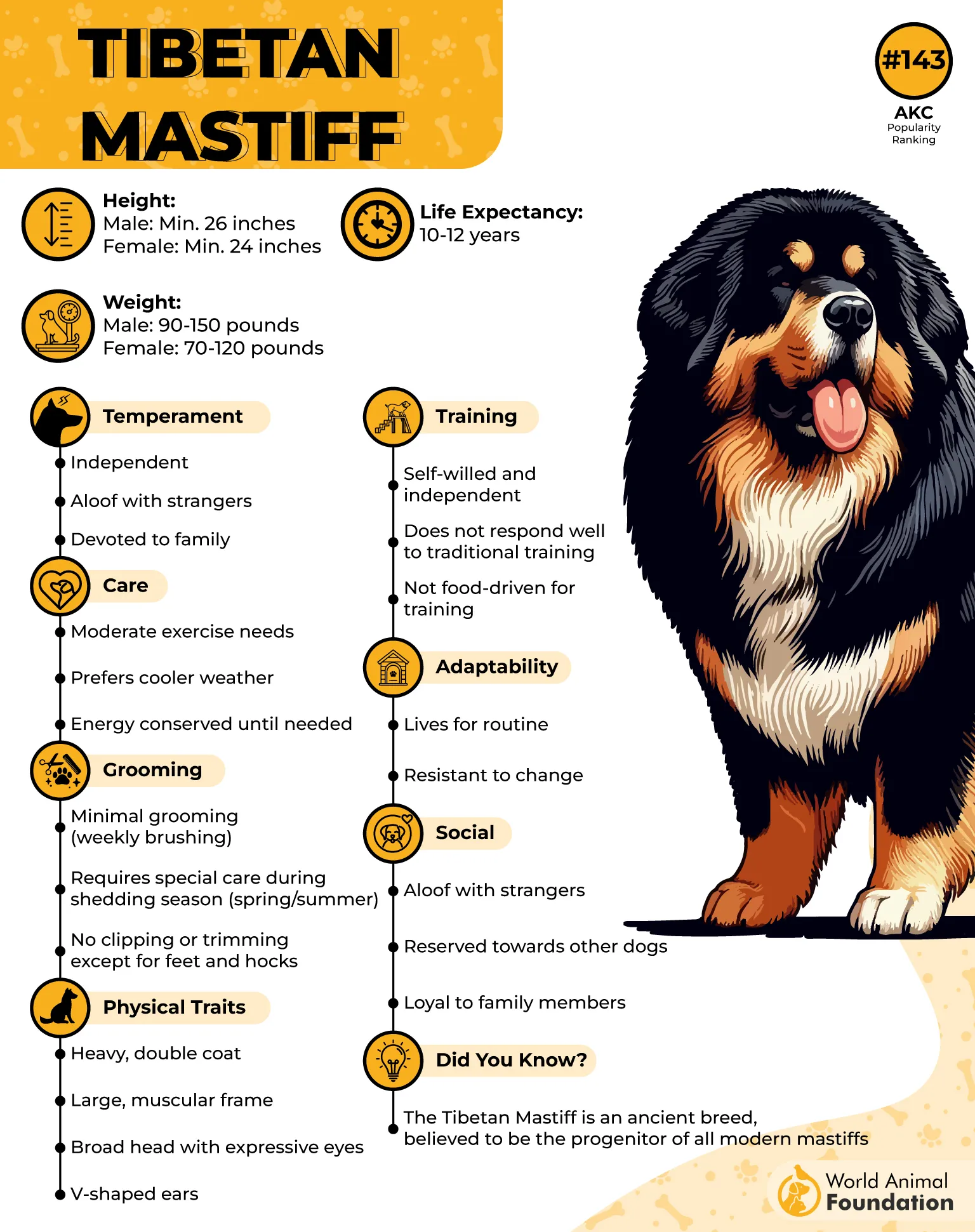
These breeds have the heavy bone, substantial musculature, and thick coat suited to prolonged guarding duties rather than constant running.
Its instinctive approach to security also means it assesses unfamiliar sights and sounds independently before deciding how to respond.
A closer look at its guarding style reveals:
Deep, booming warning bark
Regular perimeter patrols
Strong nighttime vigilance
Needs an Experienced Hand
Tibetan Mastiff is intelligent, confident, and strong-willed, making obedience training more demanding than with a highly biddable breed.
It can be gentle with its own family and compatible with household cats and other pets, while older children may be a better fit because of its size and protective instincts.
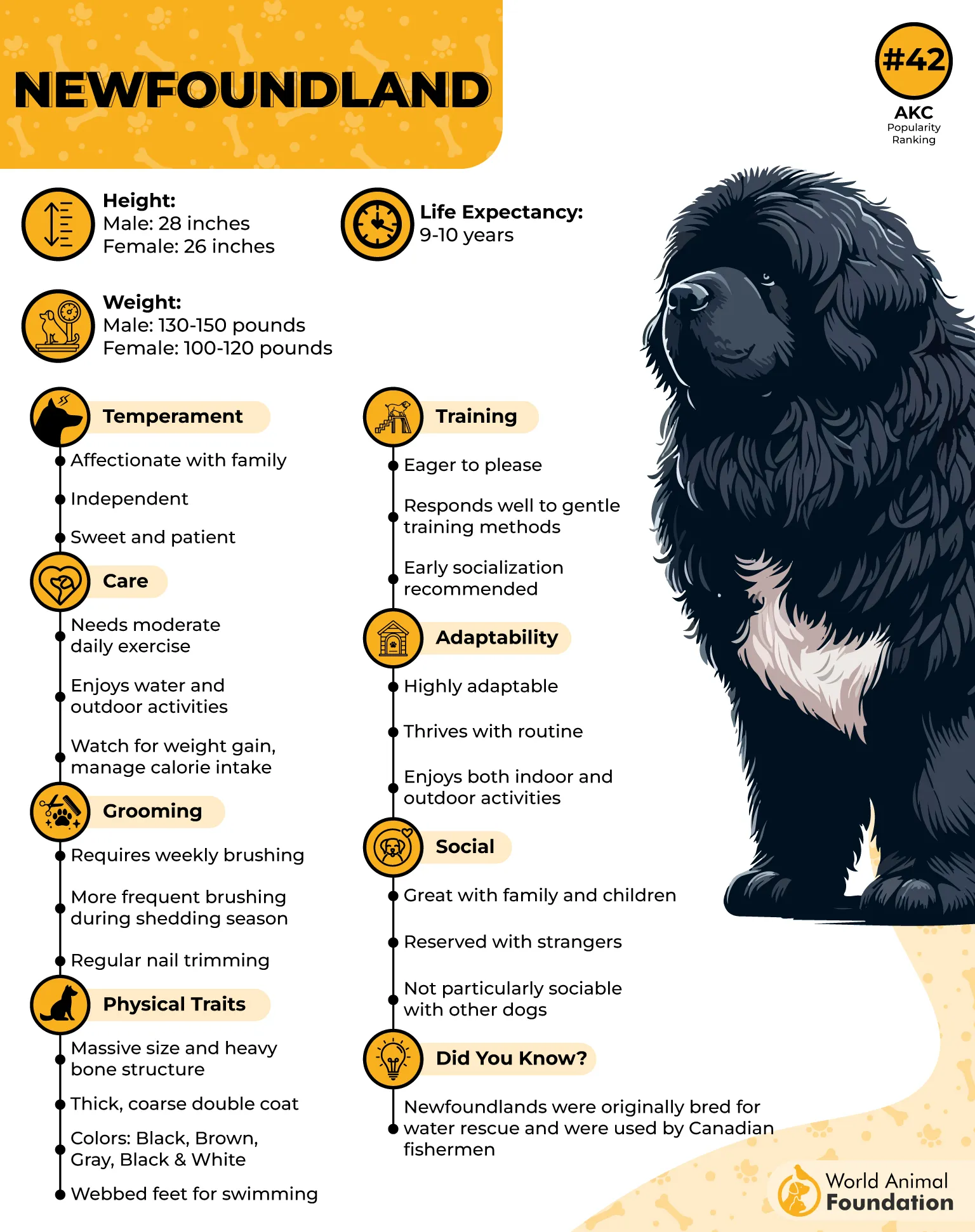
6. Newfoundland
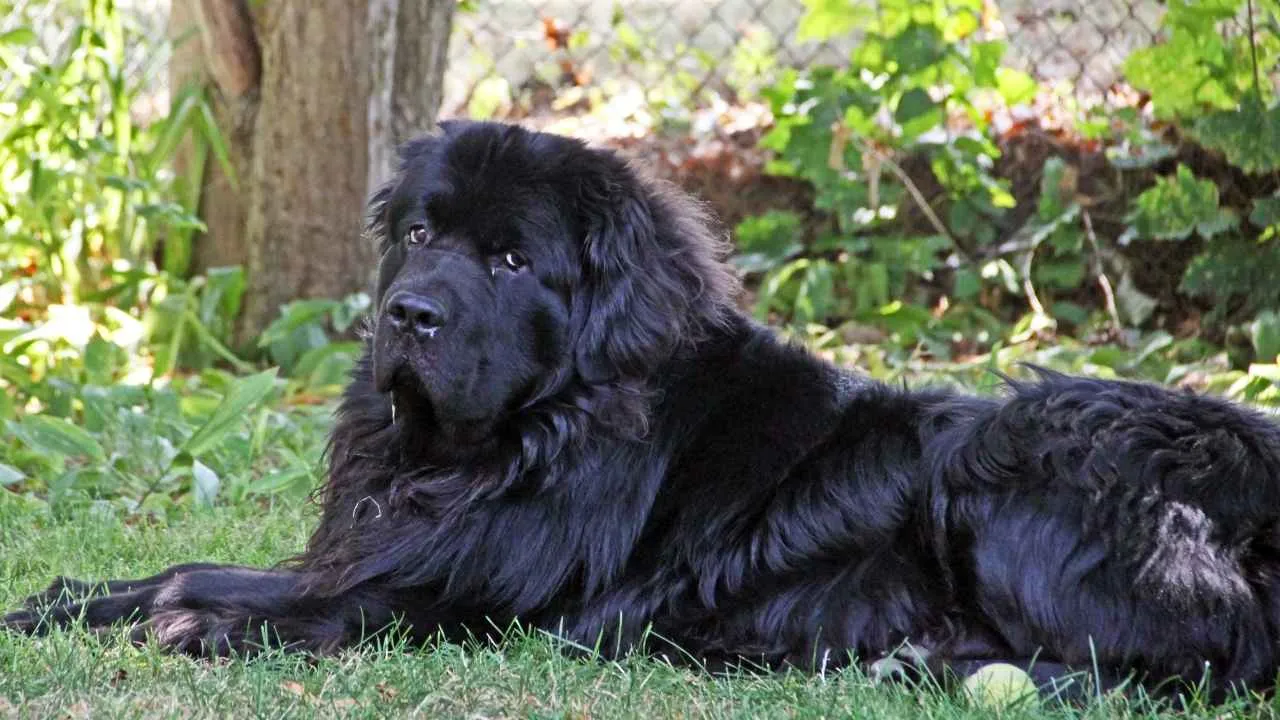
Newfoundland comes from the Canadian island of the same name, where early dogs worked alongside fishermen in demanding water and land tasks.
Their work included hauling nets, swimming, and pulling carts, with Portuguese Fishermen’s Mastiffs believed to have influenced the breed during the 16th century.
A Natural Family Guard
Newfies have an unusual protective instinct for such a gentle dog. When a person seems threatening, it may quietly position its large body between that individual and a family member, especially a child, rather than rushing toward confrontation.
A few details make that response especially distinctive:
Has an intimidating presence for intruders
Deep, low-frequency warning bark
Often places itself between family and risk
Power With Restraint
This watchful protector can be intensely affectionate and people-focused, often leaning its substantial body against someone for close contact. Its soft mouth also allows it to pick up objects carefully, while its strength lends itself to pulling gear, carts, or sleds at a deliberate pace.
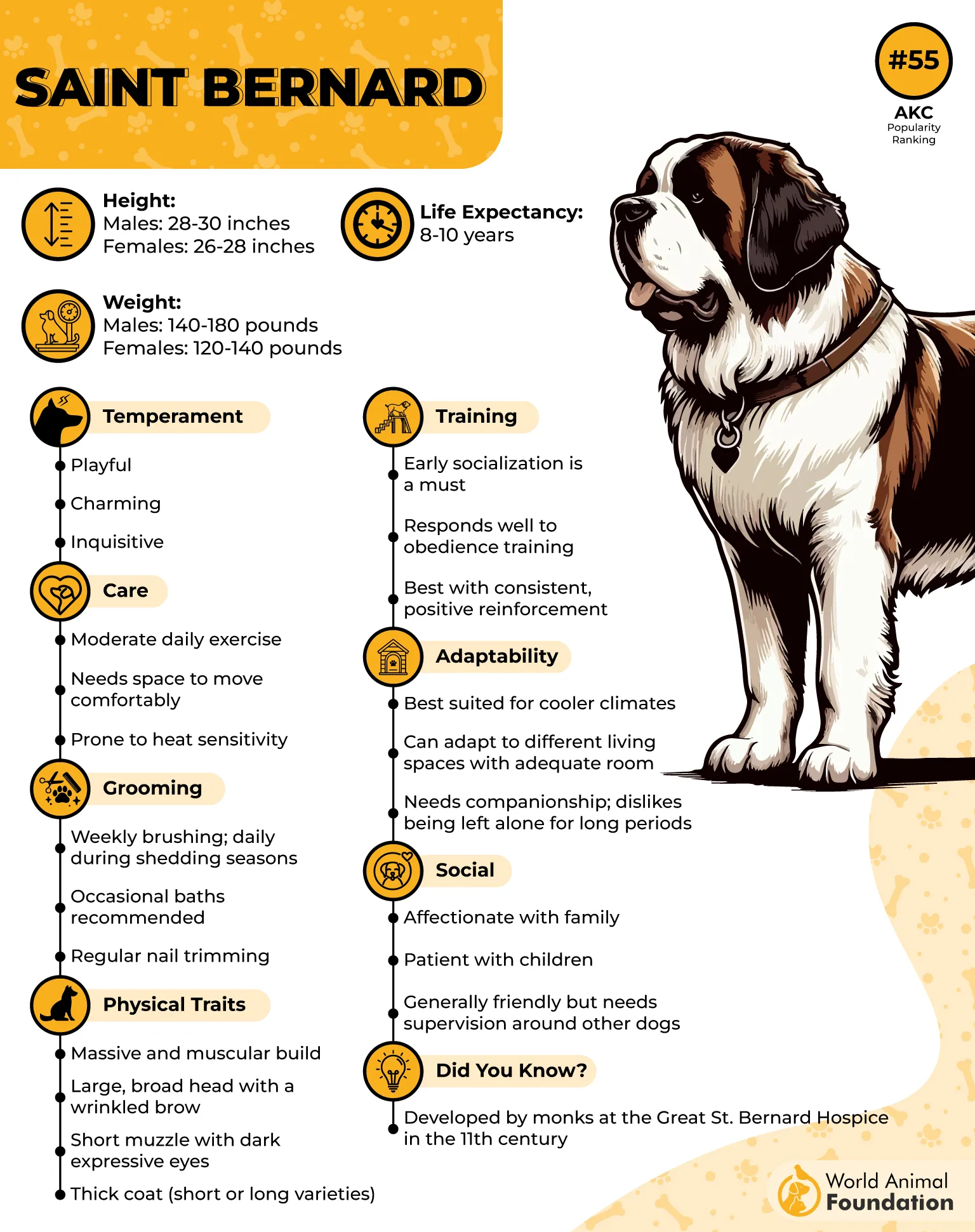
7. Saint Bernard
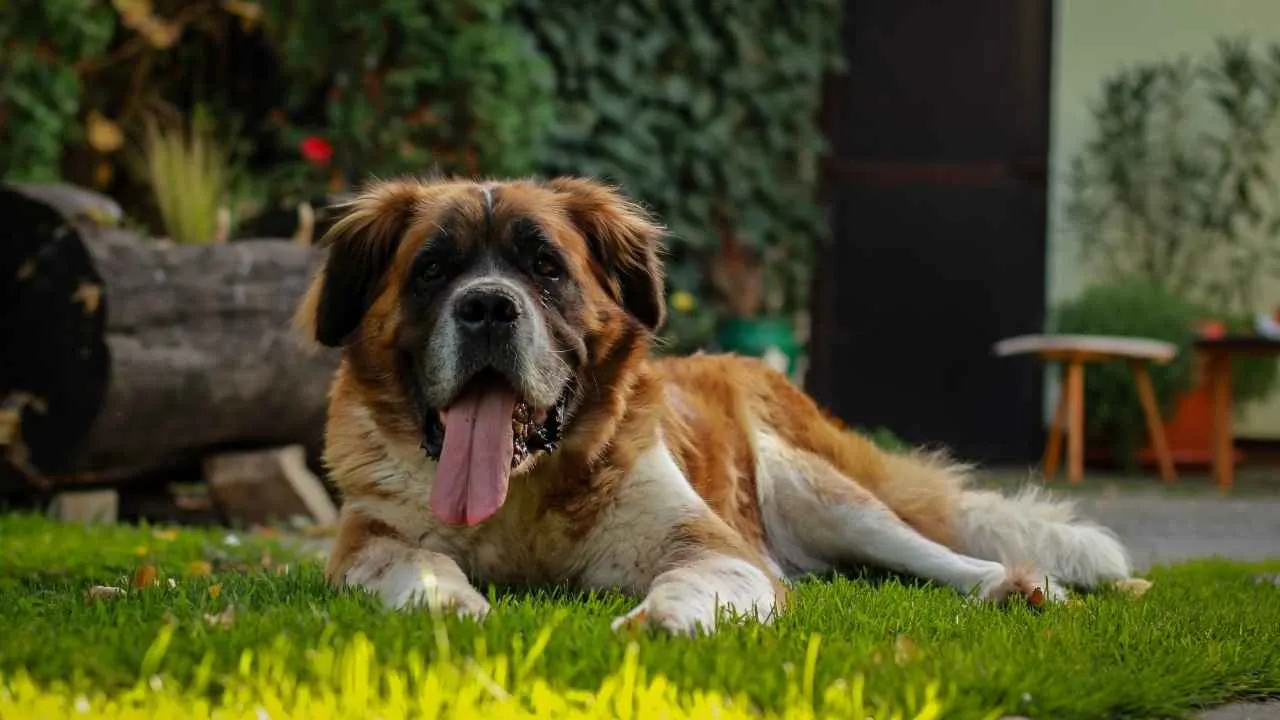
Saint Bernard first appears in records from 1707, linked to monks at the Saint Bernard Pass Hospice between Switzerland and Italy.
Believed to descend from Roman Molossian dogs, these powerful animals were first used for tasks such as pulling carts and turning spits before their rescue abilities became recognized.
A Natural Rescuer
At the hospice, younger Saint Bernards learned by following older dogs that could locate lost travelers and find routes through deep snow. The monks did not formally teach rescue methods, making this learned behavior an especially interesting part of the breed’s story.
The following physical details explain their ability in difficult terrain:
Broad head and powerful neck
Large paws for slippery ground
Strong pasterns for uneven surfaces
Quietly Protective
This working dog is generally easy-going and slow to feel threatened, yet a deep bark can alert the household when something seems wrong.
Around children, the breed is notably careful, sometimes stepping aside to avoid knocking them over, while early, consistent training helps manage its stubborn streak.
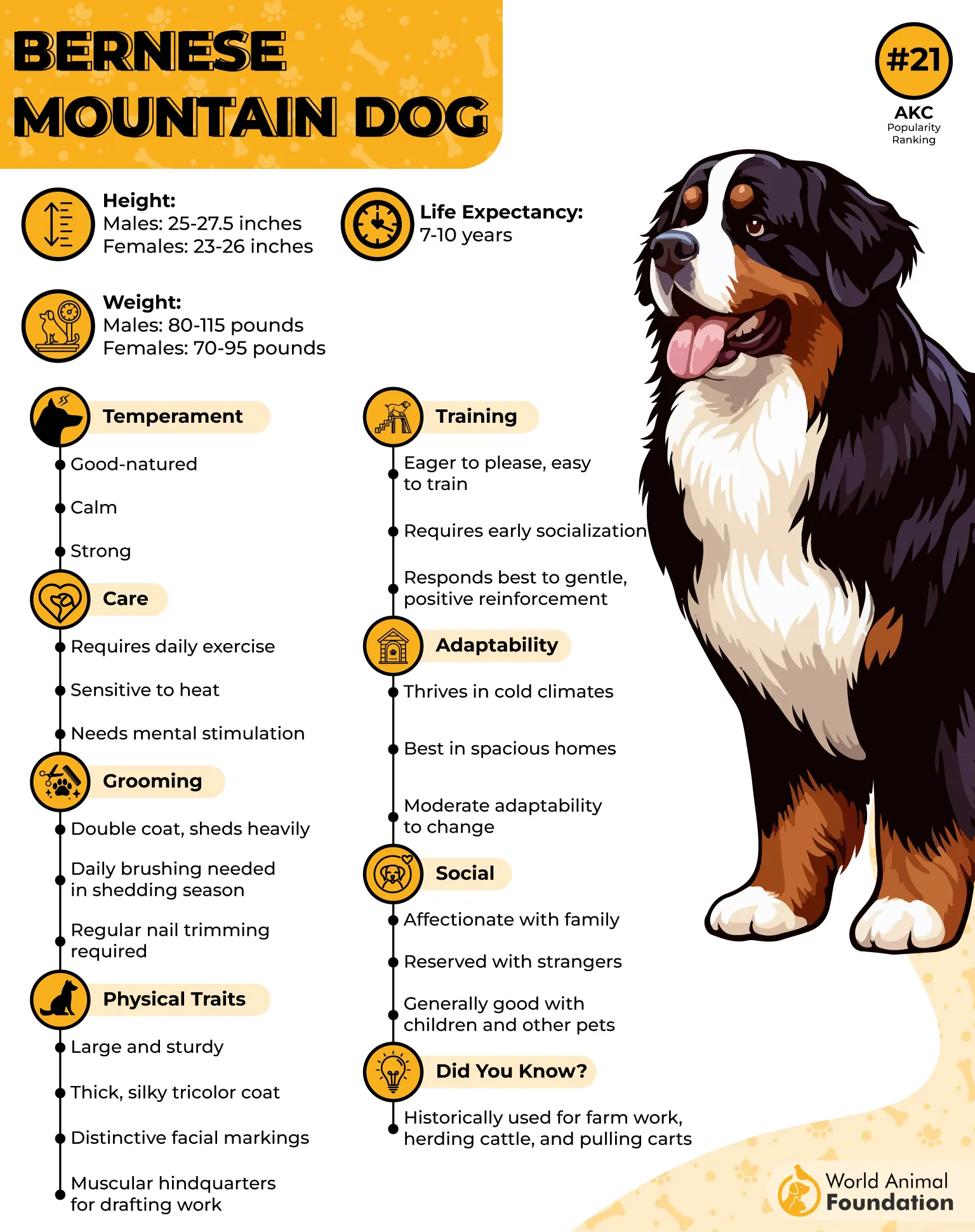
8. Bernese Mountain Dog
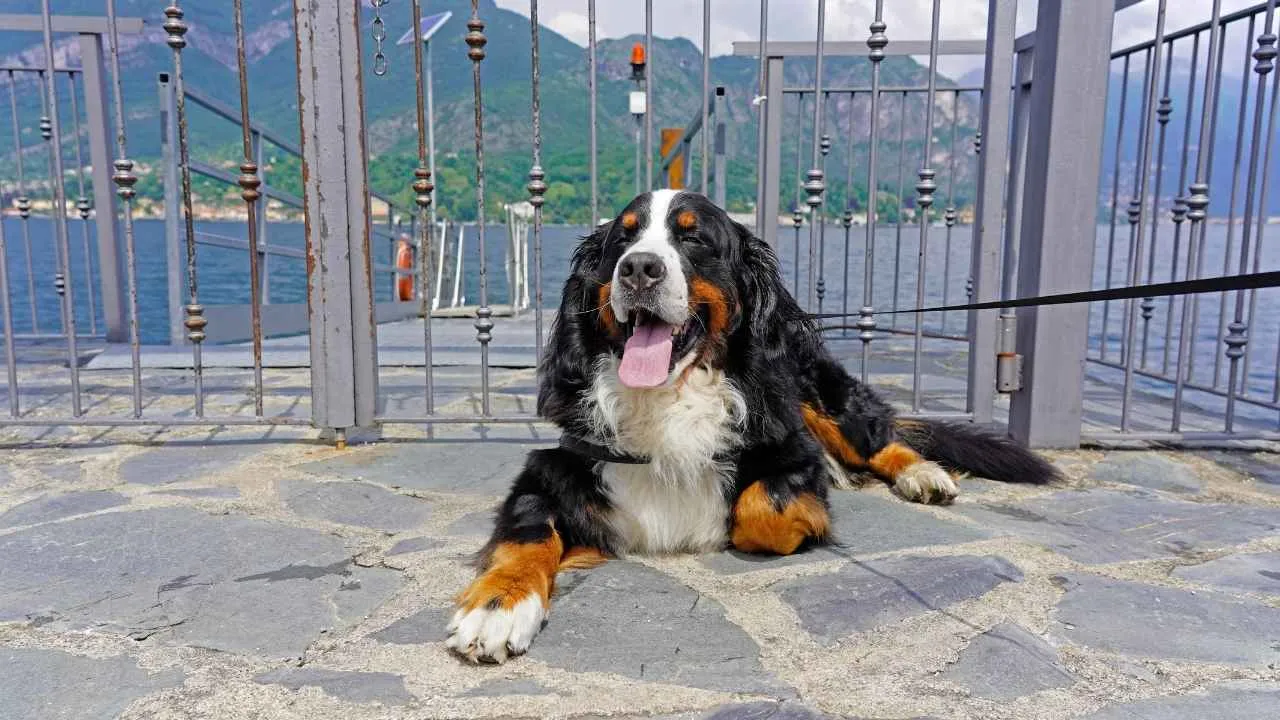
Bernese Mountain Dog spent centuries working around Swiss farms, particularly in the Durrbach area, where it was once called the Durrbachler. Its farm duties included driving dairy herds and pulling carts, and the breed was later given its familiar name as its popularity grew.
A Natural Alarm
Their watchful nature makes them useful around a family home, often barking when something unusual catches their attention. It can also become cautious with unfamiliar people until a trusted person signals that the visitor is welcome.
Their protective nature is reflected in:
Alerts with purposeful barking
Guards family and territory
Usually avoids aggressive reactions
Gentle at Home
Bernese Mountain Dog has a patient, calm temperament and generally does well around children and other pets when introductions happen early. Its strong attachment to people also means it prefers being involved in household activities rather than spending long stretches alone.
9. Boxer
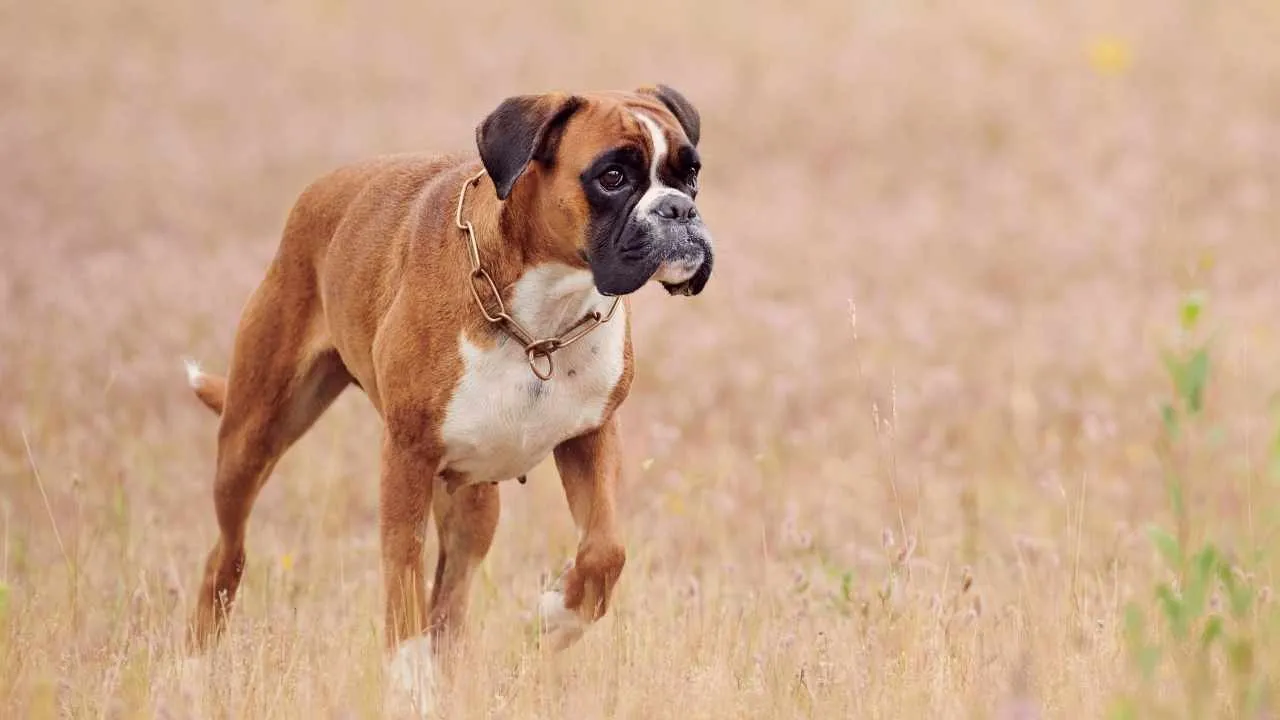
Boxer came from Germany through crosses involving the German Bullenbeisser and Bulldog, with its early work centered on controlling cattle in slaughterhouses.
By 1903, the breed had reached America, and its versatility soon led to messenger and guard duties during the First World War.
Built for Protection
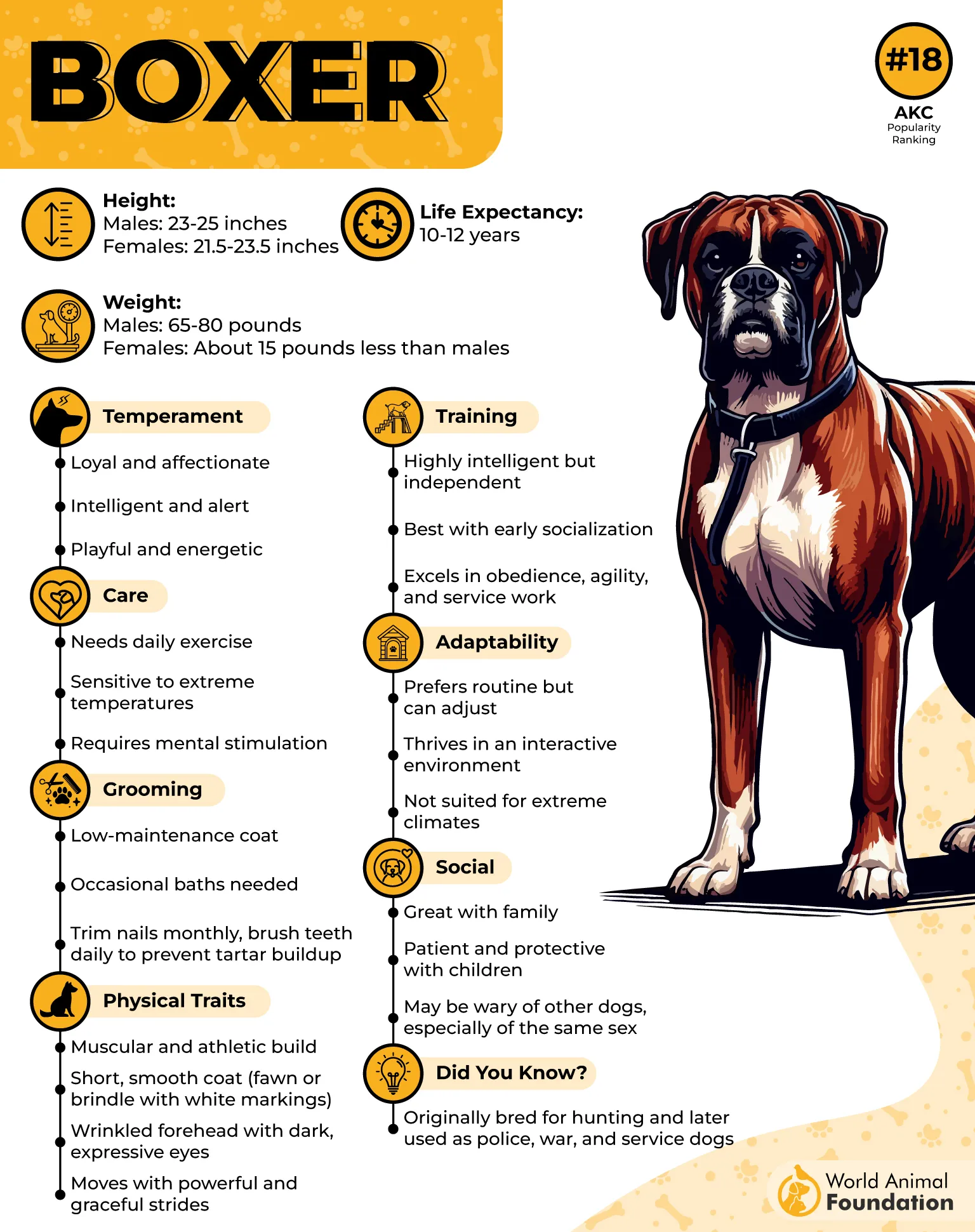
Boxer has a muscular frame, deep chest, and powerful forequarters suited to sprinting, jumping, and sudden bursts of physical effort. For family protection, that athletic build pairs with close attention to people and a strong response to training and interactive games.
A few practical details add another layer:
Often alerts at the front door
May position itself between family and strangers
Can use expressive grumbles during greetings and play
Social at Home
This protection breed is playful and patient with children and can live successfully with cats or other pets when raised alongside them. Its strong need for human contact can also turn ordinary household routines into a constant request for attention, from ear scratches to belly rubs.
10. Rhodesian Ridgeback

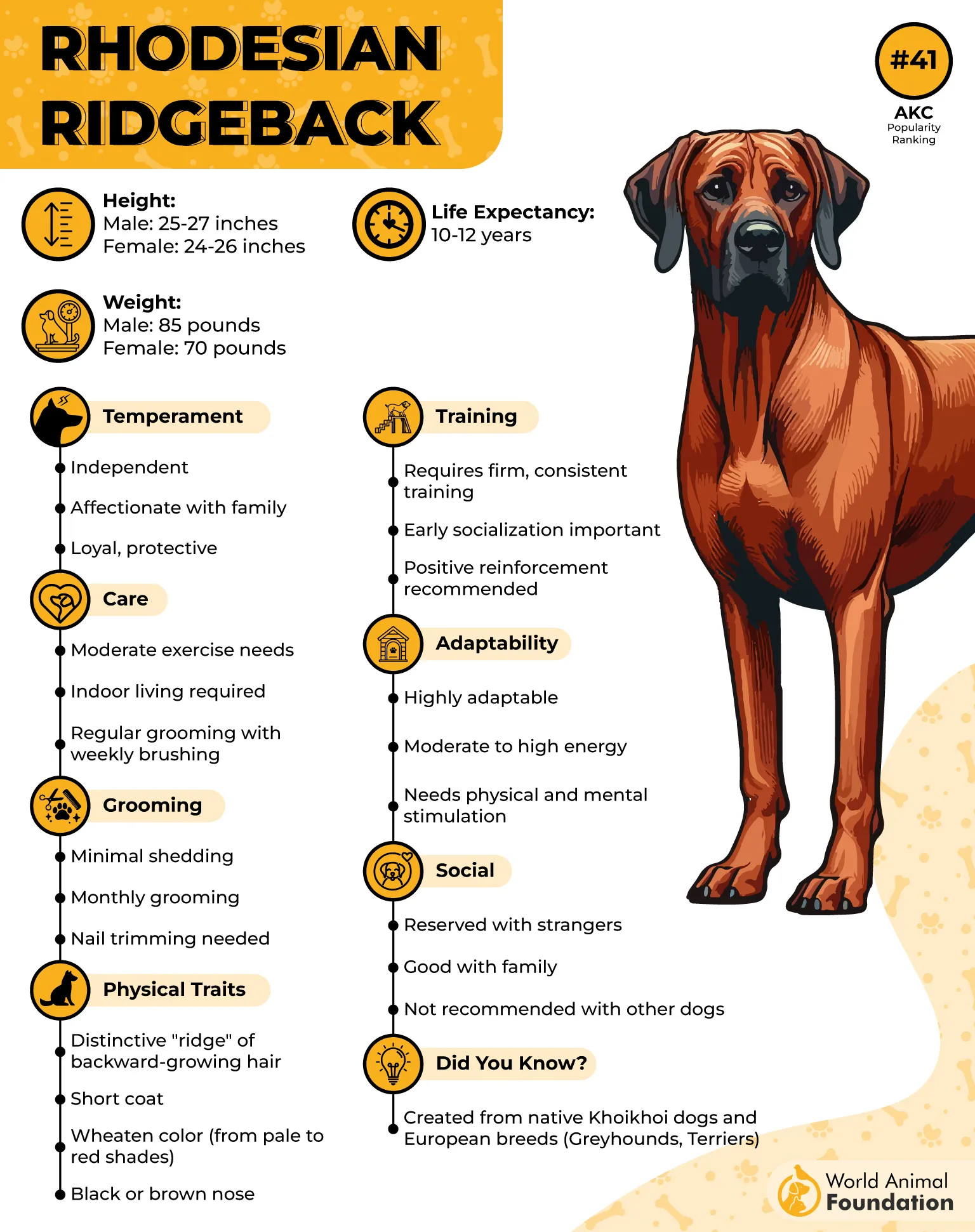
Rhodesian Ridgeback emerged from crosses between European breeds such as Mastiffs, Bloodhounds, Great Danes, Pointers, and Greyhounds with native hunting dogs.
By the late 1800s, these powerful dogs were used in Rhodesia, now Zimbabwe, to track lions and keep them at bay while hunters approached.
A Serious Guardian
The breed’s deep chest, powerful hindquarters, and an efficient gait suited to long-distance trotting. Its independent nature also suited work that required a dog to make decisions while working at a distance from people.
A closer look reveals some useful details:
Quiet observation around unfamiliar people
Strong instinct to chase rabbits and squirrels
Combines scent tracking with visual pursuit
Watchful at Home
Rhodesian Ridgebacks may regularly patrol the boundaries of a yard or home, especially around dawn and dusk when outdoor activity tends to pick up. This watchful habit can make its presence clear without the need for constant barking or demanding attention from people nearby.
Conclusion
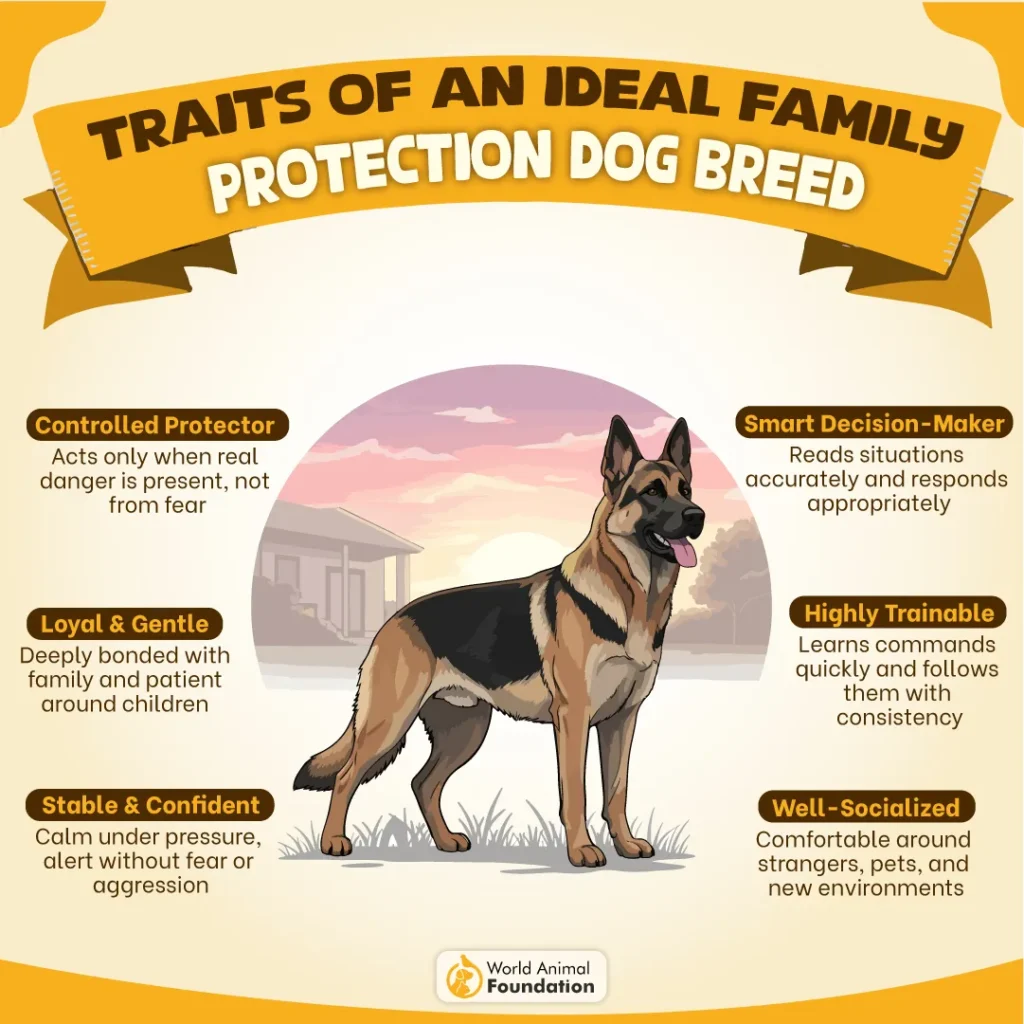
A family guardian needs more than the ability to bark or look intimidating. Naturally protective instincts work best when paired with steady training and clear household rules.
A dog that can remain calm around familiar people is easier to manage when visitors or unexpected activity appears. Building confidence can also help your dog respond calmly rather than react out of fear.
Owners should also consider fencing, exercise, grooming, food costs, and the time needed for regular training. Strong dogs need handlers who can manage them with confidence in different situations.
Before bringing one home, think about whether its natural guarding style fits your family setting. The right choice adds security while remaining manageable every day.
