




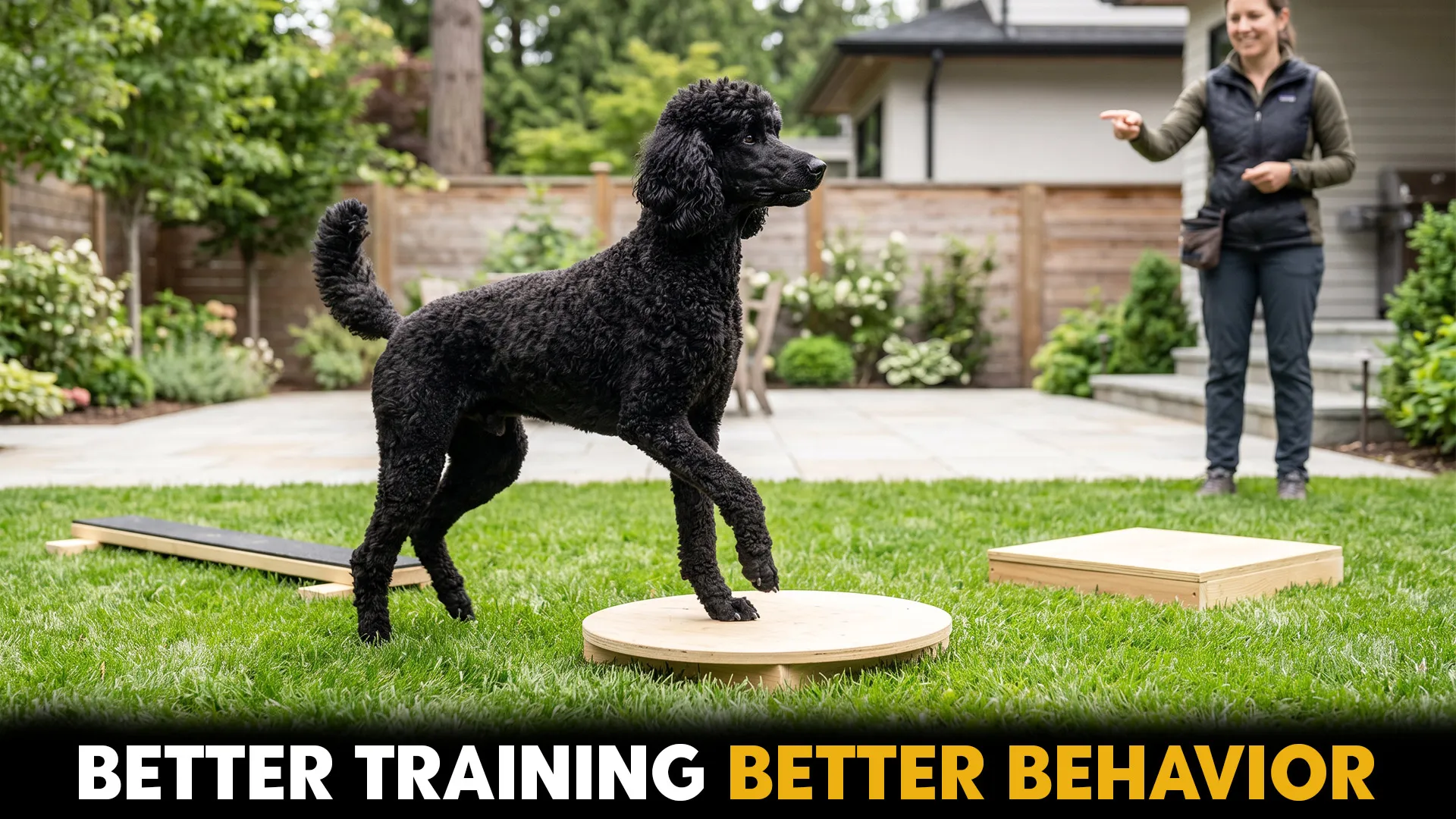
Training a dog for obedience becomes much easier when you start with a breed that enjoys learning and responds well to direction. Intelligence matters, but it is only one piece of the picture.
A highly trainable dog needs to understand what you want, remember lessons, control its impulses, and repeat behaviors reliably in different situations. Some dogs pick up commands after only a few repetitions, while others need more patience, motivation, and consistency before a lesson clicks.
Their ability to focus can also make a noticeable difference when distractions enter the picture. For owners who want a dog that can progress from basic manners to advanced obedience work, choosing wisely can save time and frustration. The smartest choices often combine quick learning with cooperation, focus, and a willingness to work.
Here, you’ll meet the brainiest dog breeds for obedience success and discover what makes each such a rewarding training partner.
Key Takeaways
A dog that catches on quickly can make every training session more rewarding, especially when it actually enjoys the work.
Border Collies are famous for learning fast, though their active minds need plenty of purpose once the basic commands become easy.
Poodles add another kind of intelligence to the list, with their history as water workers showing just how versatile they can be.
German Shepherds, Golden Retrievers, and the breeds that follow bring their own strengths to obedience, making this list worth reading through.
Best Brainiest Dog Breeds to Train for Obedience Success
1. Border Collie
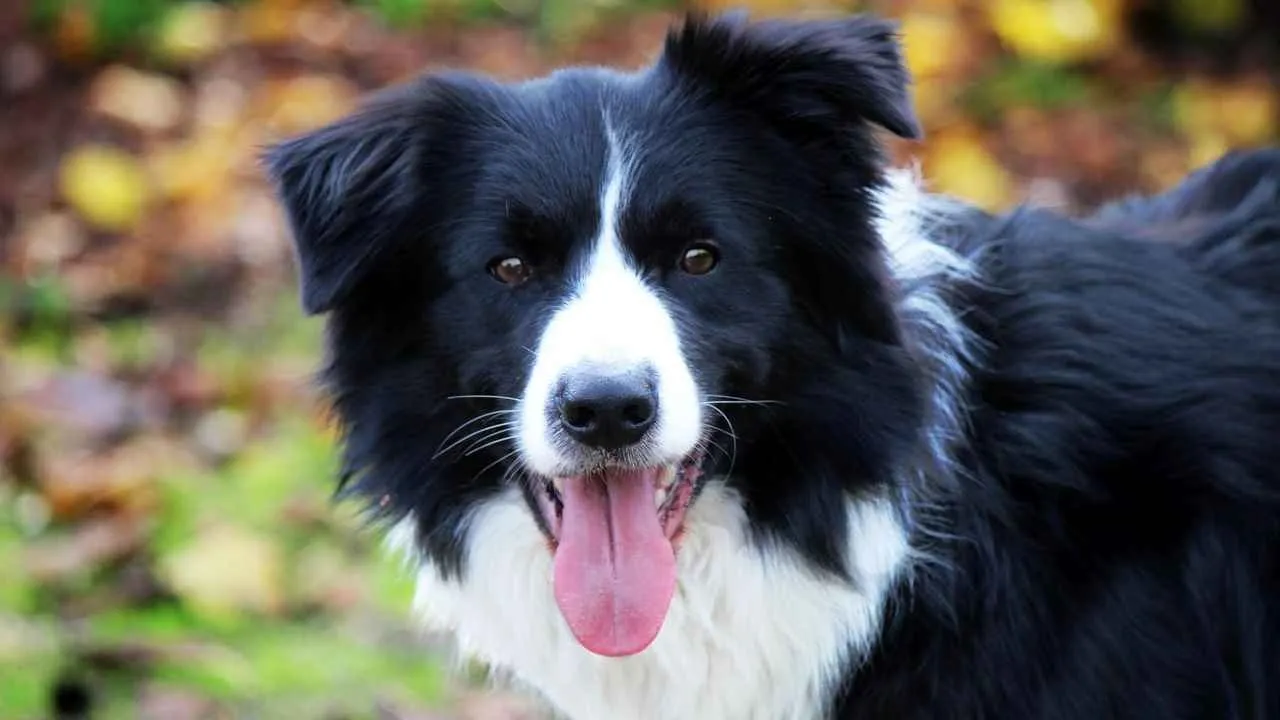
Border Collie’s story reaches back to Roman-era Britain, when Roman forces brought livestock and herding dogs to the region.
Later, Viking raiders introduced smaller spitz-type herders, and the combination eventually produced a compact, agile dog suited to Scotland and Wales’s rocky, hilly terrain.
Training With Purpose
This smart dog learns quickly, so obedience work is most effective when sessions remain brief, rewarding, and varied. Core cues such as sit, lie down, come, and stay can begin in quiet surroundings before distractions are added.

These training details deserve attention:
Reward desired behavior immediately
Use interactive toys for reinforcement
Practice impulse control around distractions
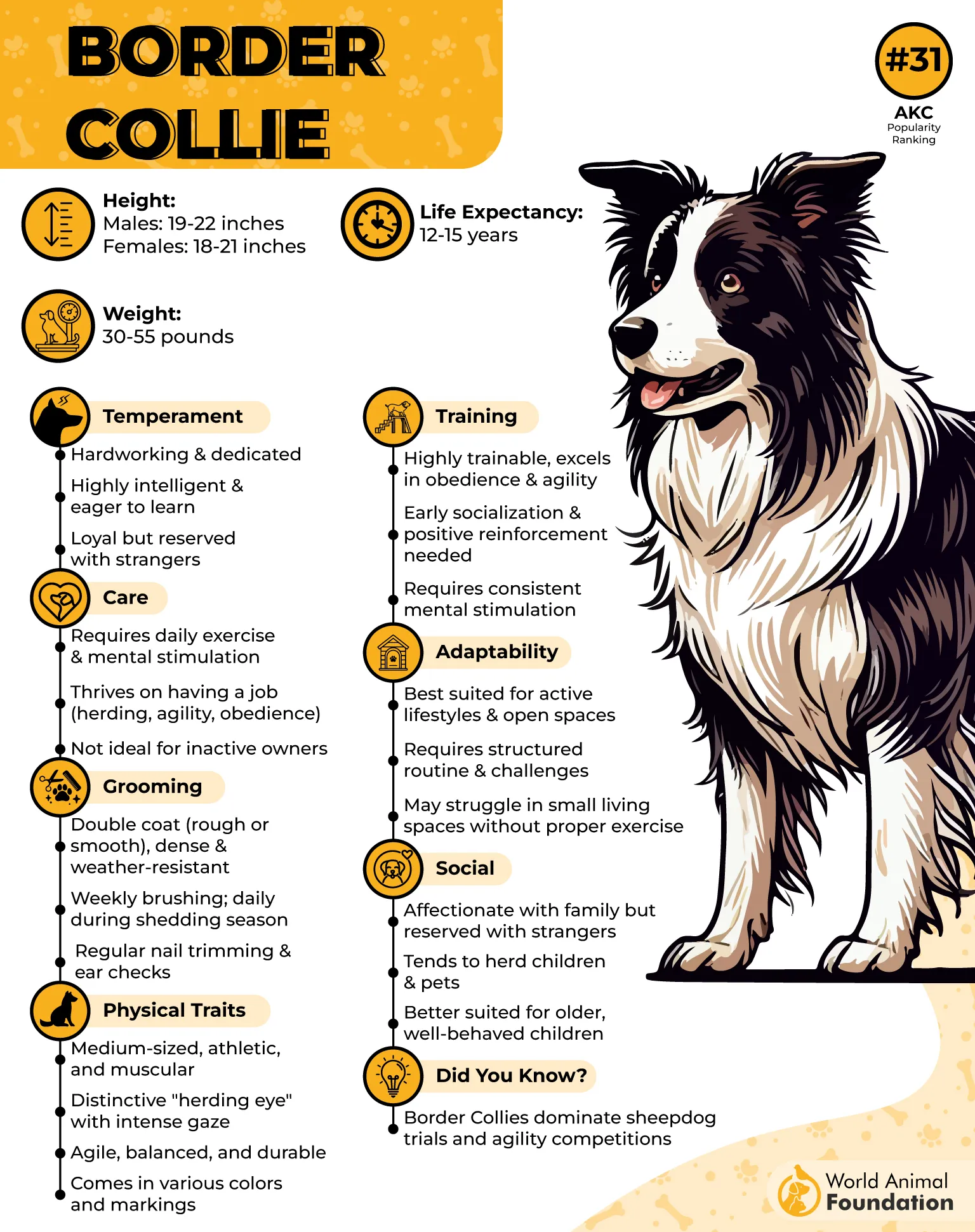
A Working Mind
Border Collies were bred for sustained work, so an hour or two of physical activity may leave it ready for another round. Giving the dog a clear task, such as fetching or tracking, can direct its herding drive while reducing boredom-related behaviors such as nipping or chasing.
2. Poodle
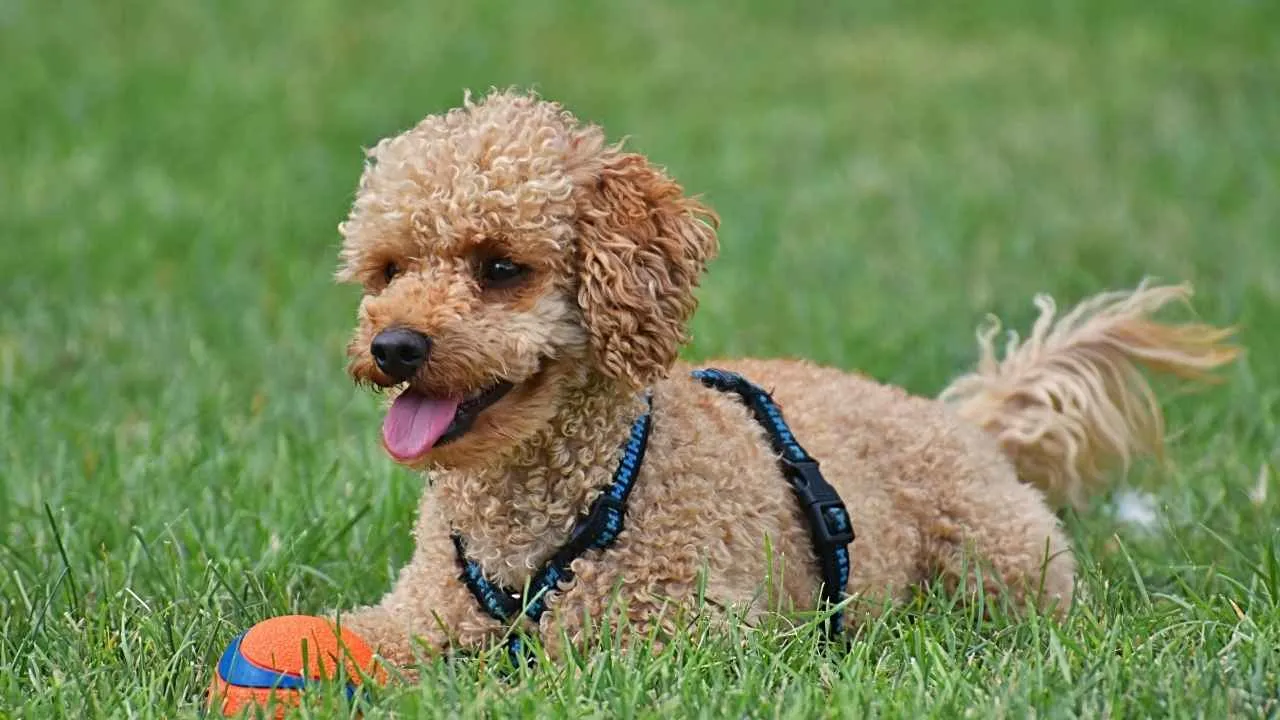
Poodle is often associated with France, though its earlier roots are linked to curly-coated dogs from Asia that traveled into Europe alongside herders. The breed later became closely associated with work around water, where its coat offered insulation in cold conditions.
A Natural Water Worker
They have a strong working connection with swimming and duck hunting, making water retrieval a particularly relevant part of their working profile. For obedience training, that active nature calls for focused sessions when the dog has already had enough exercise to concentrate.
These training details make the process more practical:
Begin with the “come” command
Use a clicker with treats
Add hand signals alongside words
Keep Sessions Short
Poodles respond best to calm, positive training, with rewards helping reinforce the behaviors you want repeated, as stated in Best Mate Dog Training. Short sessions can prevent frustration and boredom, especially with younger dogs learning commands such as sit, down, stay, and heel.
3. German Shepherd
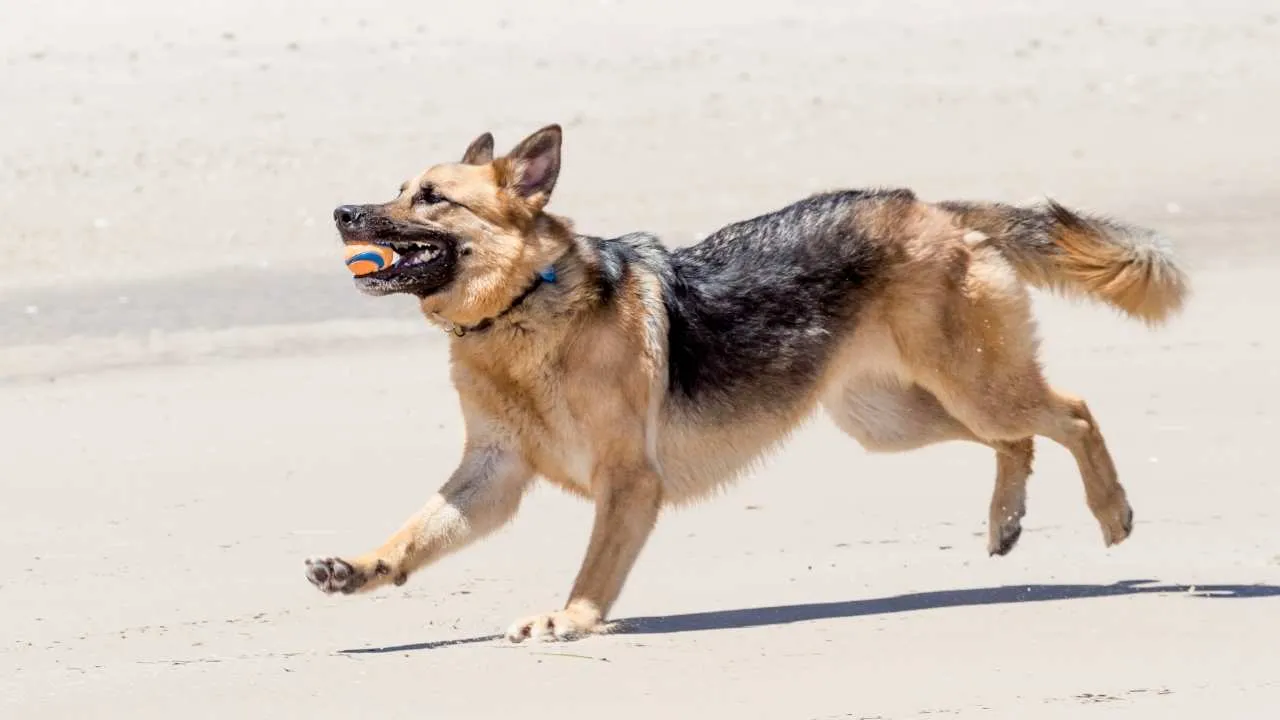
German Shepherd originated in Germany through efforts to create a capable flock herder and guardian, with later breeding placing greater emphasis on intelligence and courage. After World War I, some places changed the name to Alsatian, while others used “Shepherd Dog.”
Obedience From Day One
German Shepherd is particularly suited to structured obedience work, beginning with basic commands such as sit, down, and leash walking during puppyhood.
Puppy obedience classes can combine early command training with socialization, while later work can progress into AKC Obedience and Rally, as per the AKC.
These further details on training make the process more precise:
Ask for a sit before meals or play
Reward increasingly advanced commands
Practice impulse control around distractions

Focus Is the Key
German Shepherds benefit from learning to direct their attention toward their handler, especially when excitement or prey drive gets involved. Without enough mental work, boredom can lead to digging, excessive barking, destructive chewing, or chasing anything from cats to cars.
4. Golden Retriever
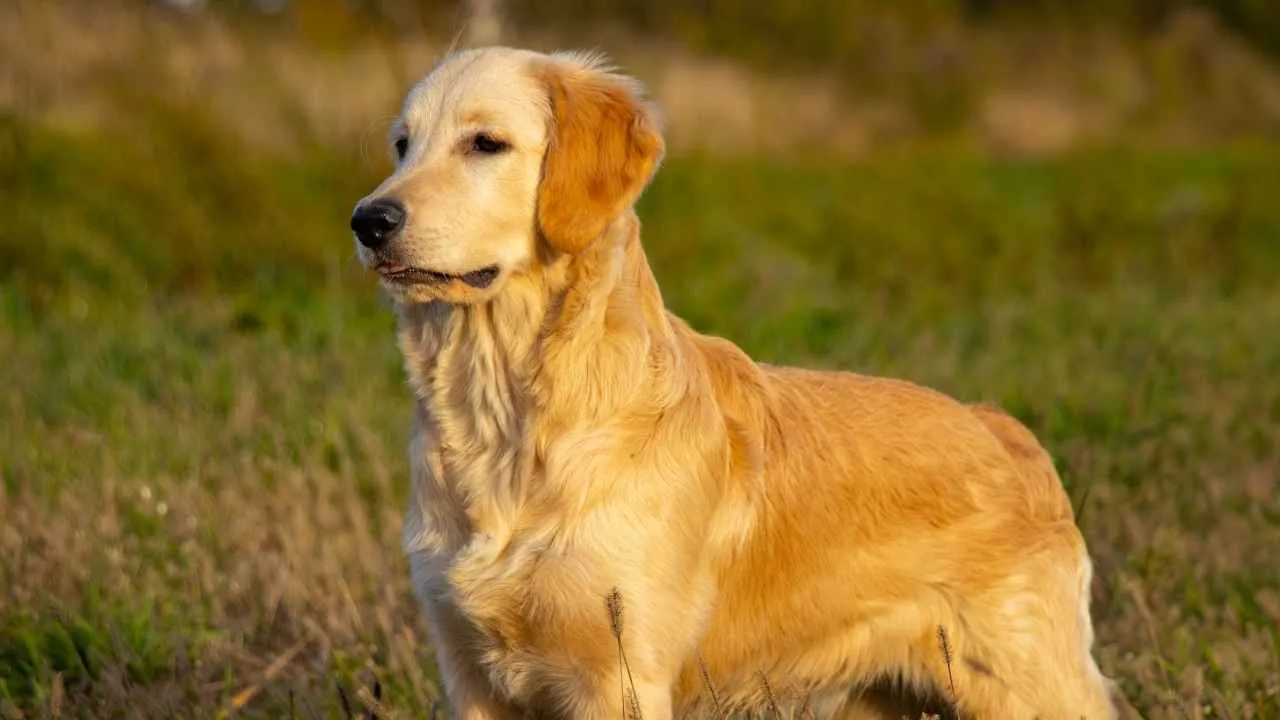
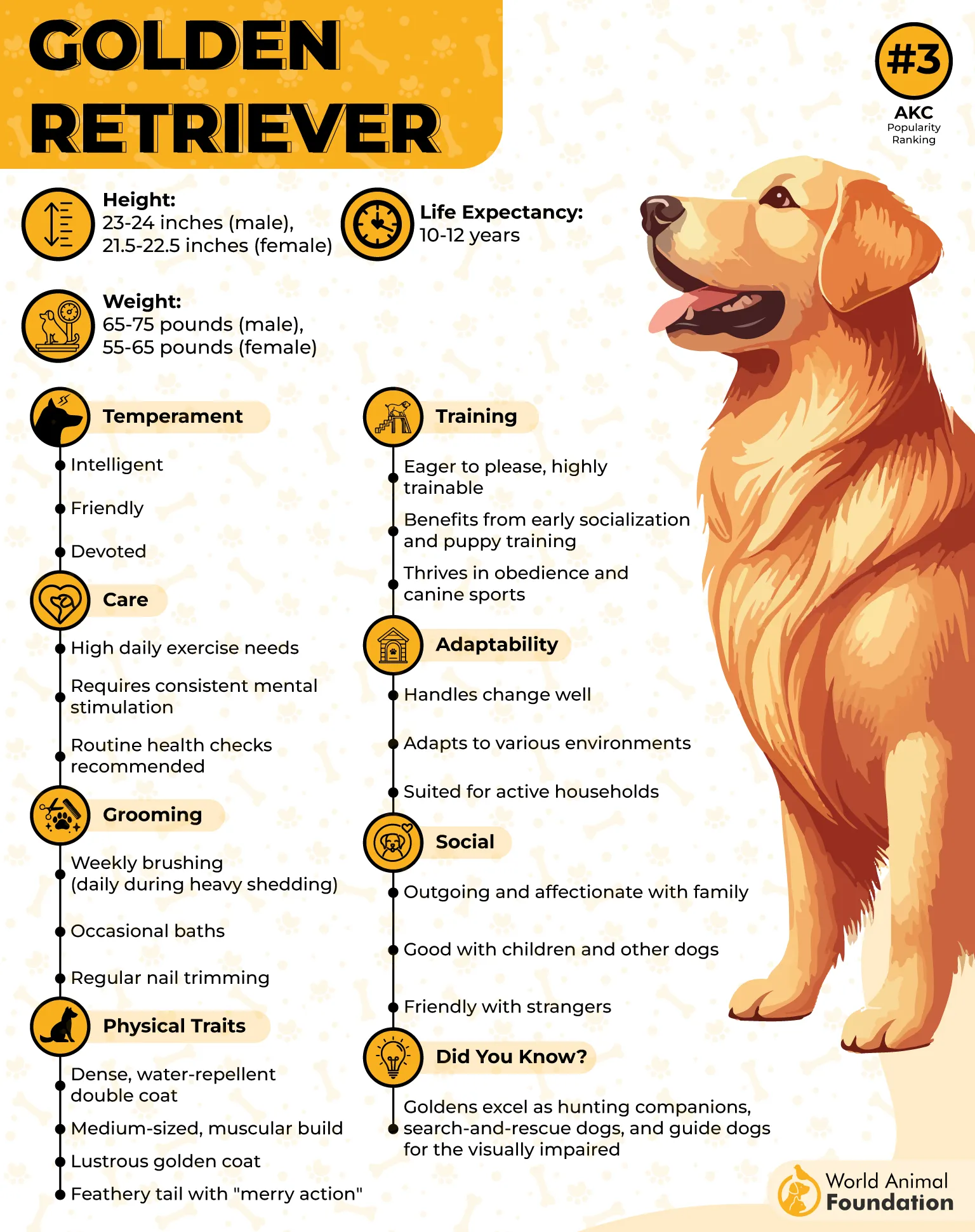
Golden Retriever began with Lord Tweedmouth’s interest in a yellow retriever named Nous, acquired in Brighton in 1865. He bred Nous with a Tweed Water Spaniel, then later introduced Labrador Retrievers, Red Setters, and possibly Bloodhounds to refine scenting ability and bone.
Start Training Early
This family dog responds well to structured learning, making early obedience work especially useful for everyday cues and manners. Training can begin at around eight weeks, while gradually introducing commands such as sit, lie down, and drop it in calm settings.
Some training steps are worth adding to the routine:
Begin socialization within one to two weeks of arriving home
Use vaccinated, friendly dogs for early introductions
Increase cue difficulty after basic commands are understood
Gentle Handling Matters
Golden Retrievers have a sensitive side, which makes the trainer’s approach especially important, as Hill’s Pet noted. Sessions work best in familiar, comfortable places such as the home or backyard, where distractions are easier to control, and learning can progress gradually.
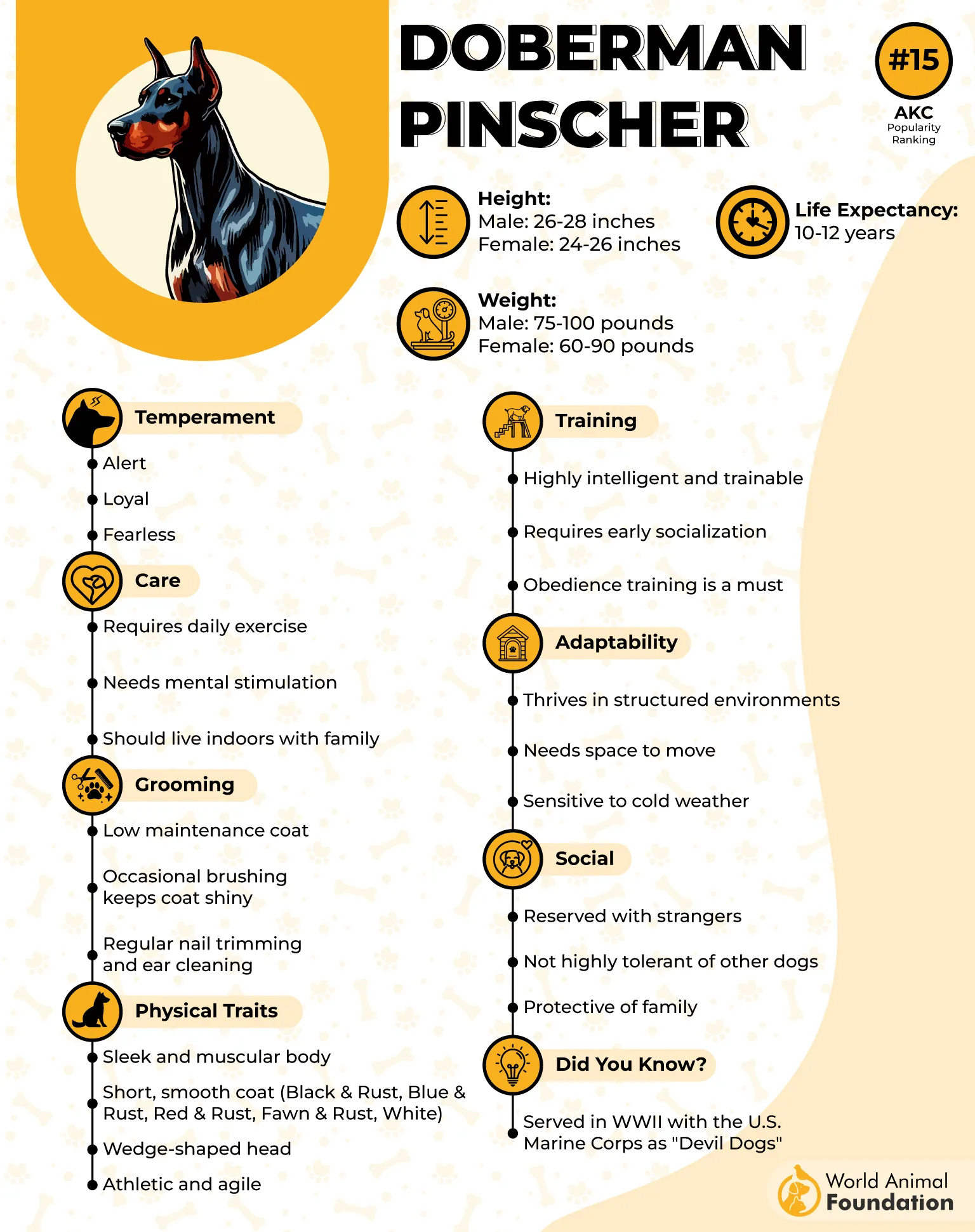
5. Doberman Pinscher
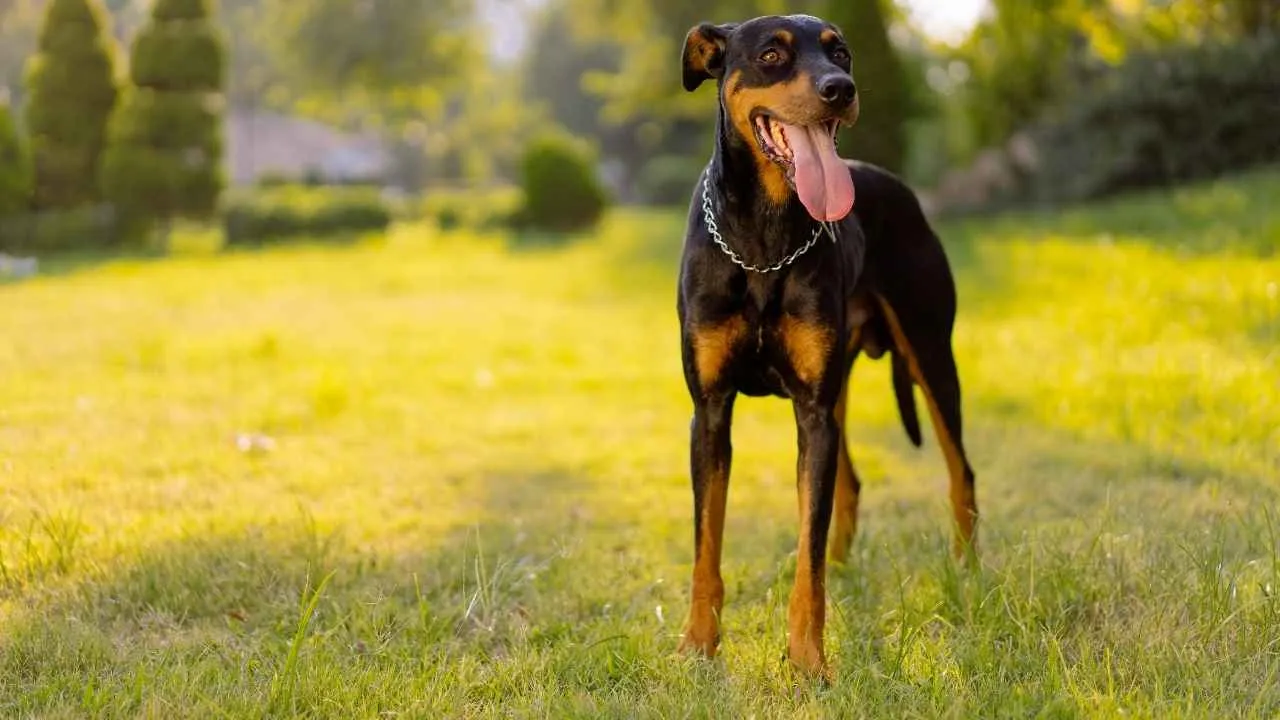
Doberman Pinscher was originally bred in Thuringia, Germany, through the work of Louis Dobermann, a door-to-door tax collector who needed a dependable guard dog for his rounds. Early breeding likely involved the Old German Shepherd, German Pinscher, Weimaraner, and Manchester Terrier.
Built for Obedience
Dobbies have an exceptional ability to learn and retain training, making focused obedience work especially productive. Attention training forms the foundation, with commands such as sit, down, and stay fitting naturally into early lessons.
These training priorities are worth considering:
Loose-leash walking from puppyhood
Focus on the handler before commands
Impulse control for safer decisions
Focus Fuels Progress
This intelligent dog breed needs regular mental challenges to keep its sharp mind occupied, and obedience work can provide exactly that outlet. Agility, dock diving, and protection sports can also add variety once activities match the puppy’s age and physical development.
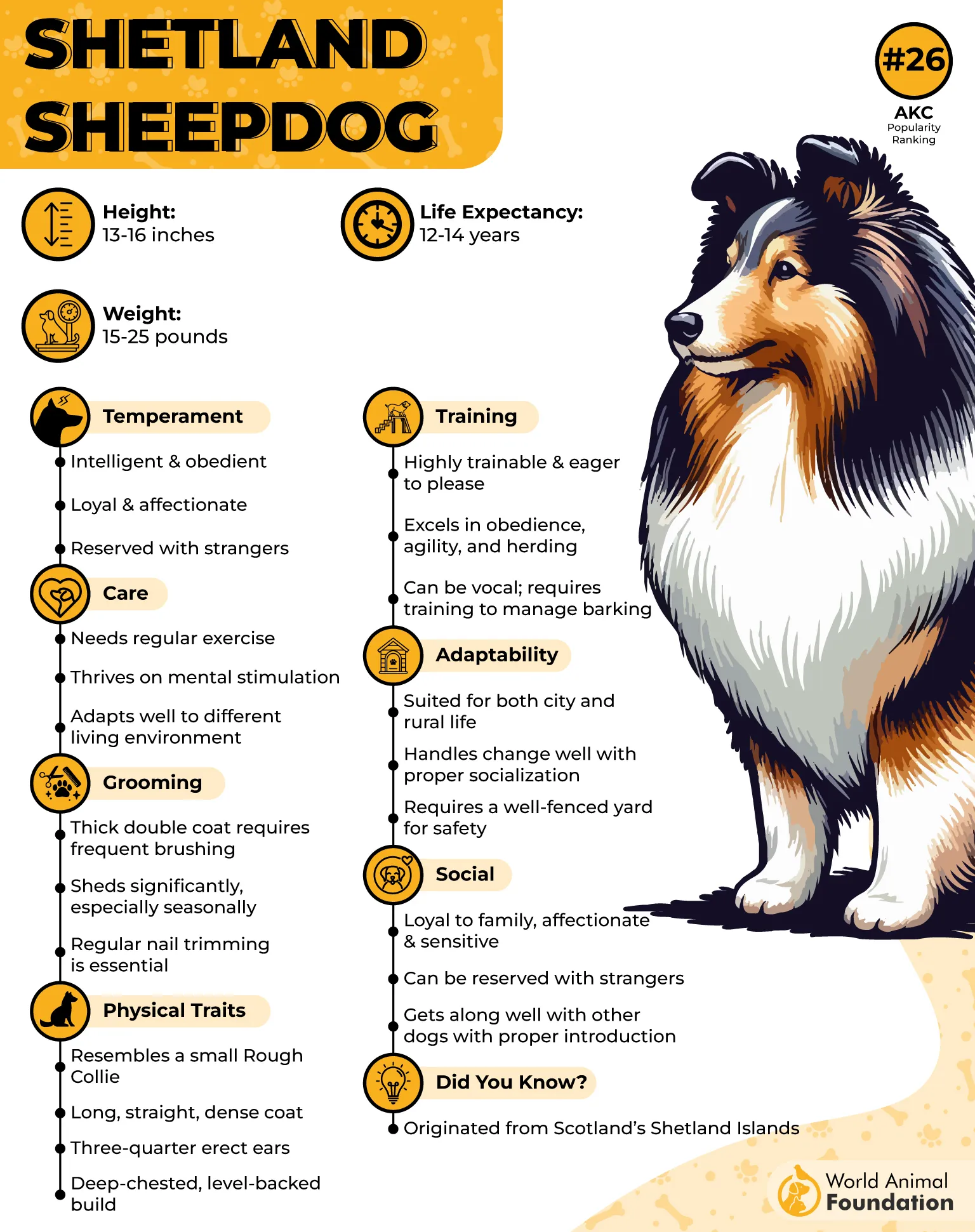
6. Shetland Sheepdog
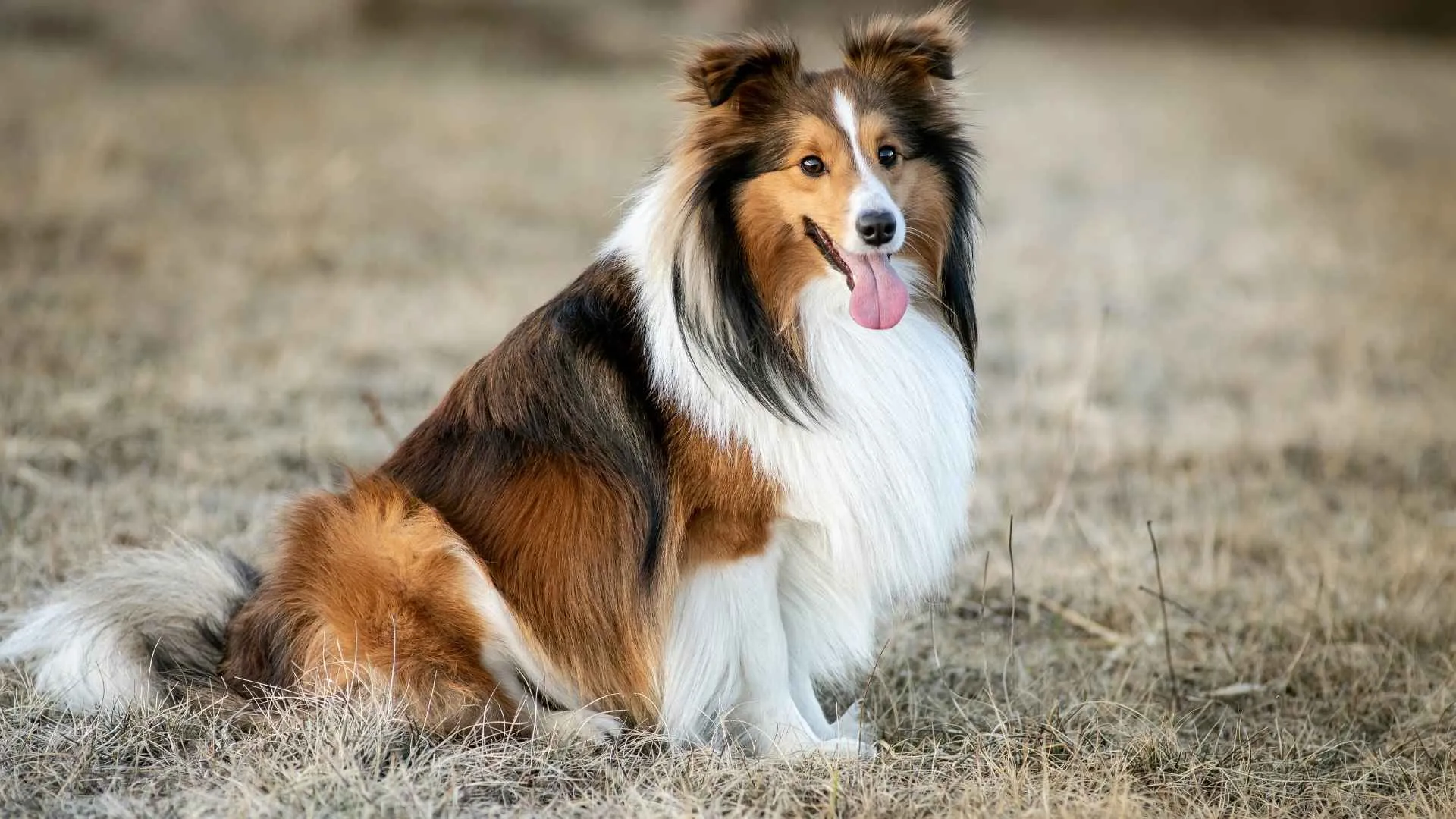
Shetland Sheepdog emerged in Scotland during the 1800s, with its roots linked to local herding dogs crossed with Collies.
Smaller livestock suited the area’s limited vegetation, so a smaller herding dog became useful for working among them and managing flocks across the island’s rugged landscape.
Sharp at Work
Shelties bring a strong work ethic to training and can become overwhelmed by too many distractions, making a quiet starting point useful for obedience lessons. Positive reinforcement with treats, praise, or play suits this sensitive breed better than harsh corrections.
Their training setup is shaped by these details:
High-value treats for rewards
Clicker for marking behaviors
Training leash for controlled practice
Commands With Purpose
Shetland Sheepdogs can learn commands such as “sit,” “stay,” “come,” and “leave it” through short, gradual exercises. Building distance and duration slowly helps with skills such as impulse control and reliable recall without making sessions unnecessarily difficult.
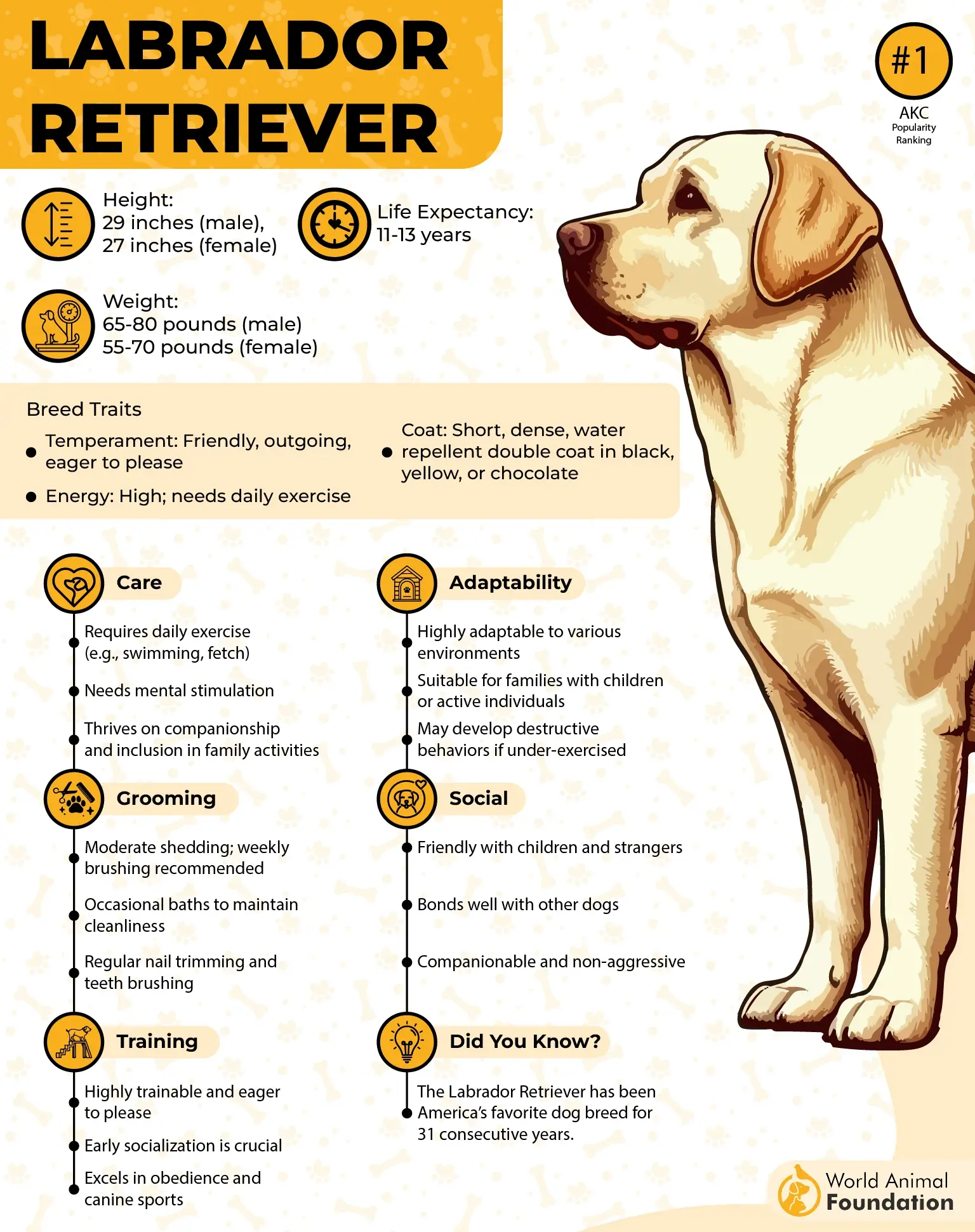
7. Labrador Retriever
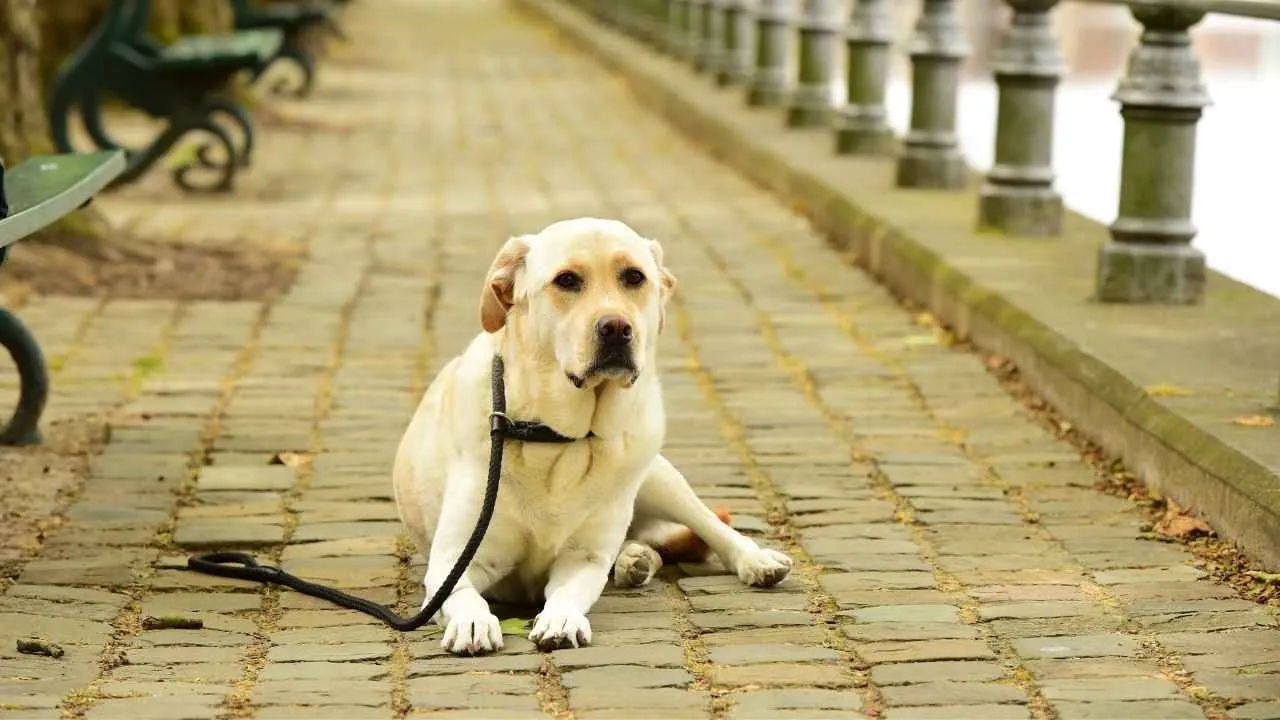
Labrador Retriever has roots in the smaller “St. John’s” dogs used by hunters in North America during the early 1800s. Some were taken to England, where the breed was refined with probable Flat-Coated Retriever influence into the Labrador recognized today.
Training That Works
Labs respond well to short, upbeat training sessions, making early obedience a practical place to begin. Keeping lessons around 5–10 minutes with high-value treats and enthusiastic praise can help hold its attention while teaching useful commands.
Once basics are clear, training can become more varied:
Begin leash manners before pulling becomes a habit
Add hand signals after verbal commands are understood
Puppy classes can begin around four months after initial vaccines
Strong and Enthusiastic
Labrador Retrievers can be powerful enough to drag an untrained handler down the street, so early obedience matters as the puppy grows. With appropriate training, their natural exuberance becomes easier to manage around children, other dogs, and household pets.
Conclusion
A smart dog can make obedience training feel rewarding because new commands may click faster, and progress can come naturally. Still, intelligence does not replace structure, exercise, patience, or consistent practice. The smartest dogs can also become bored when sessions are repetitive or too easy, so variety helps keep their attention.
Start with basic obedience, then gradually add distractions, distance, duration, and more advanced skills as your canine becomes ready. Think about your schedule and training experience before choosing a working breed. Excellent companions make learning enjoyable while giving your dog enough direction to use its abilities well every day.
