




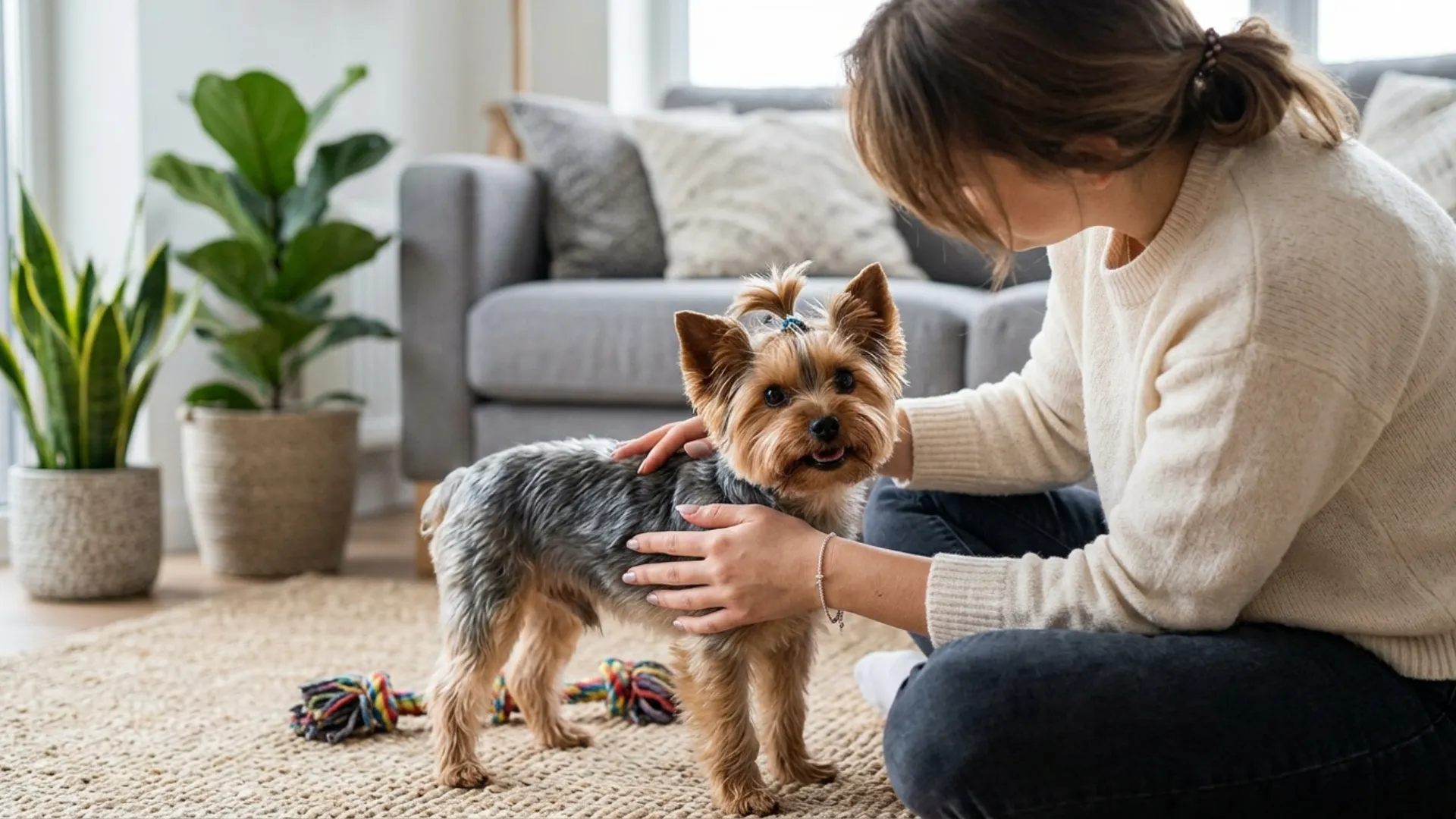
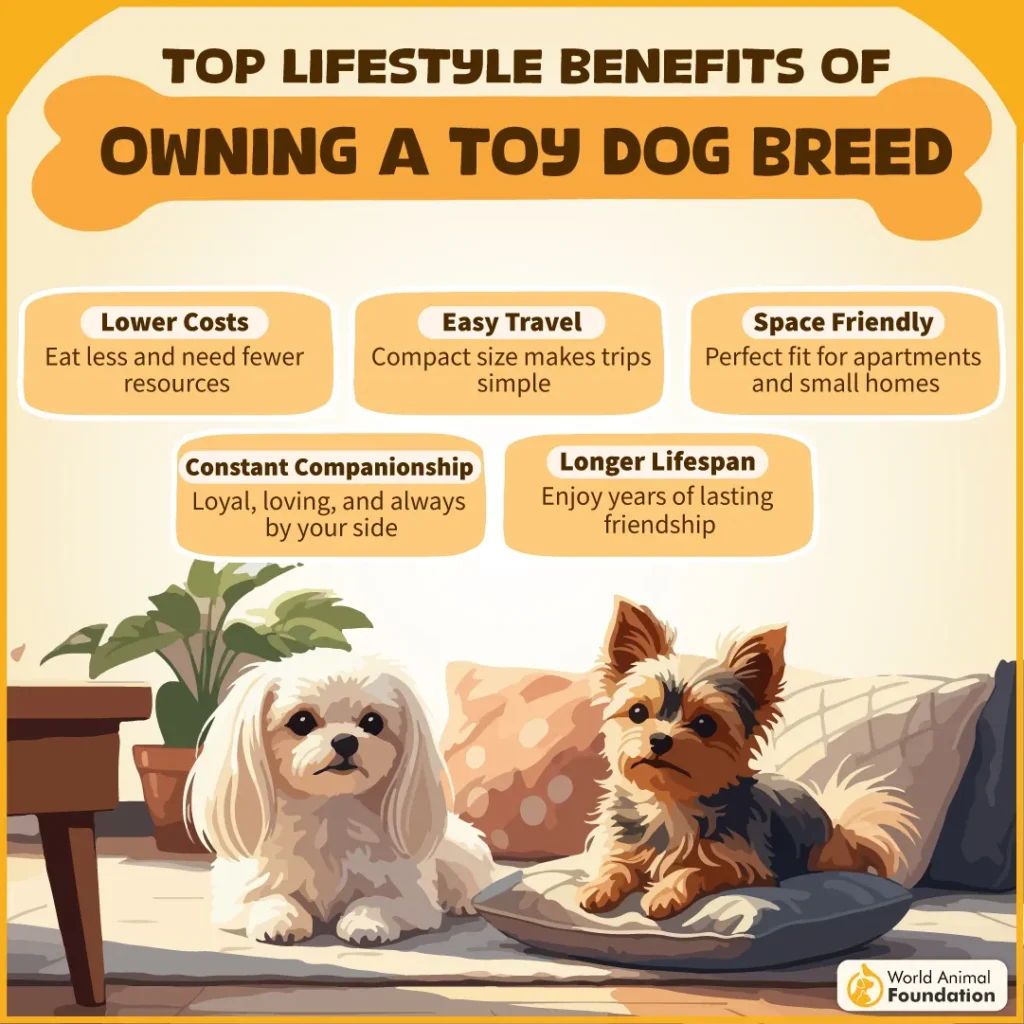
Small toy dog breeds can make the first experience of dog ownership feel far more manageable, especially for people living in apartments, smaller homes, or busy households.
Their compact size makes everyday tasks such as carrying a dog to the vet, fitting a bed into a room, or traveling together easier. That does not mean they need little care. Toy dogs still require regular exercise, training, grooming, dental care, socialization, and veterinary attention.
Some can also be surprisingly energetic, vocal, or strong-willed, so choosing one based only on size can lead to problems later. The better approach is to find a small companion whose temperament, activity needs, and training style match your routine.
From gentle personalities to playful little characters, the breeds ahead offer different strengths worth carefully considering before bringing your first dog home.
Key Takeaways
Your first dog does not have to turn your whole routine upside down, especially when you choose a breed whose needs match the way you already live.
Cavalier King Charles Spaniels are known for their friendly nature, while Yorkies bring a bold little personality that comes from a very different working past.
Havanese love staying close to their people, and Papillons can have plenty of fun in a small home with the right mix of walks and play.
The Shih Tzu and Toy Poodle round out the list with their own training, grooming, and exercise needs, so there is plenty to consider before making your choice.
Small Toy Dog Breeds Perfect for Beginner Owners
1. Cavalier King Charles Spaniel
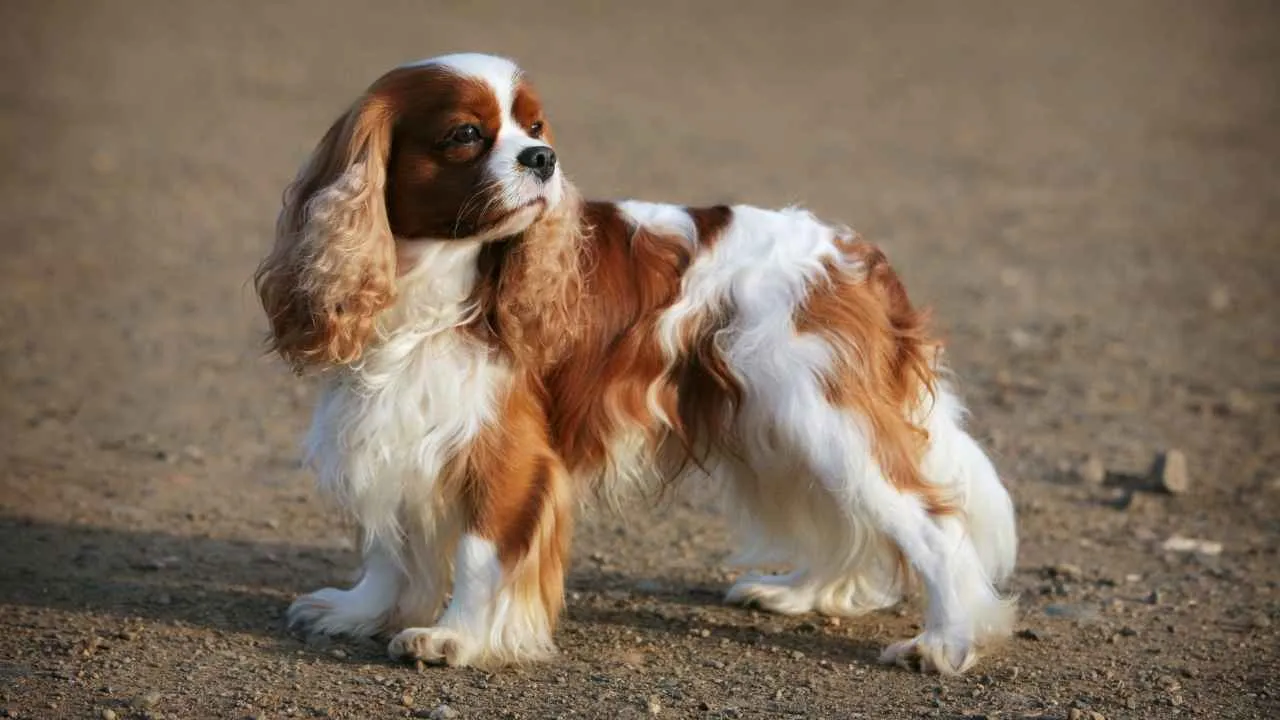
Cavalier King Charles Spaniel descends from small toy spaniels pictured in northern European paintings from the 16th, 17th, and 18th centuries. These little dogs warmed laps in chilly castles and carriage rides, while Tudor ladies kept toy spaniels as favored companions.
Easygoing Days
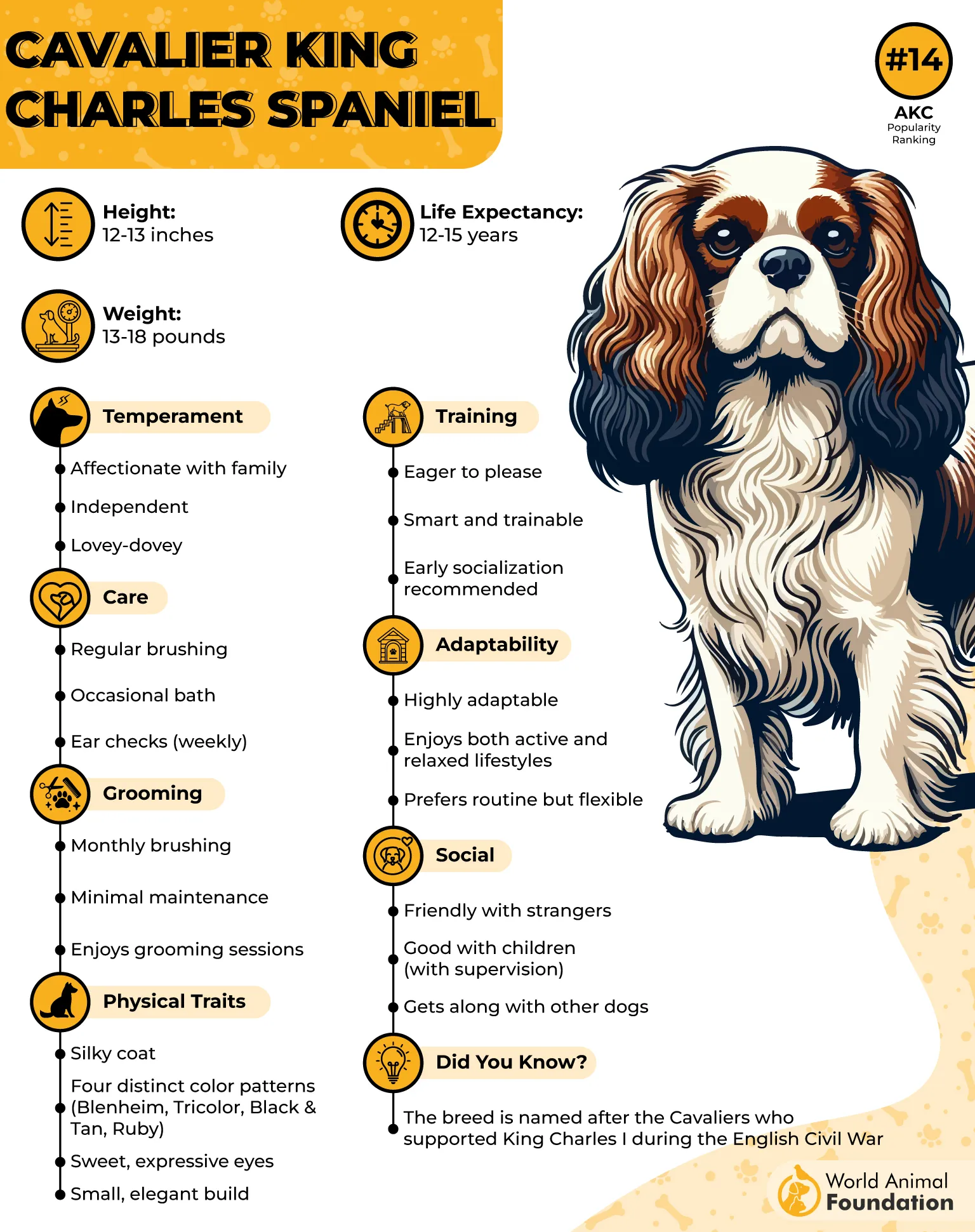
This toy dog breed has a moderate energy level that suits beginners who want some activity without an intense daily routine. Two 20- to 30-minute walks, plus play and basic training, can provide a manageable rhythm for a new owner.
These activities can add variety without making the routine complicated:
Interactive toys and games
Flyball and agility trials
Scent-based activities
A Friendly Personality
Cavalier King Charles Spaniel is cheerful and welcoming with new people, making introductions less awkward for someone learning the ropes of dog ownership.
The breed also tends to get along with cats and other animals, while its small size can make larger dogs feel intimidating at first, as reported in Petplan.
2. Yorkshire Terrier
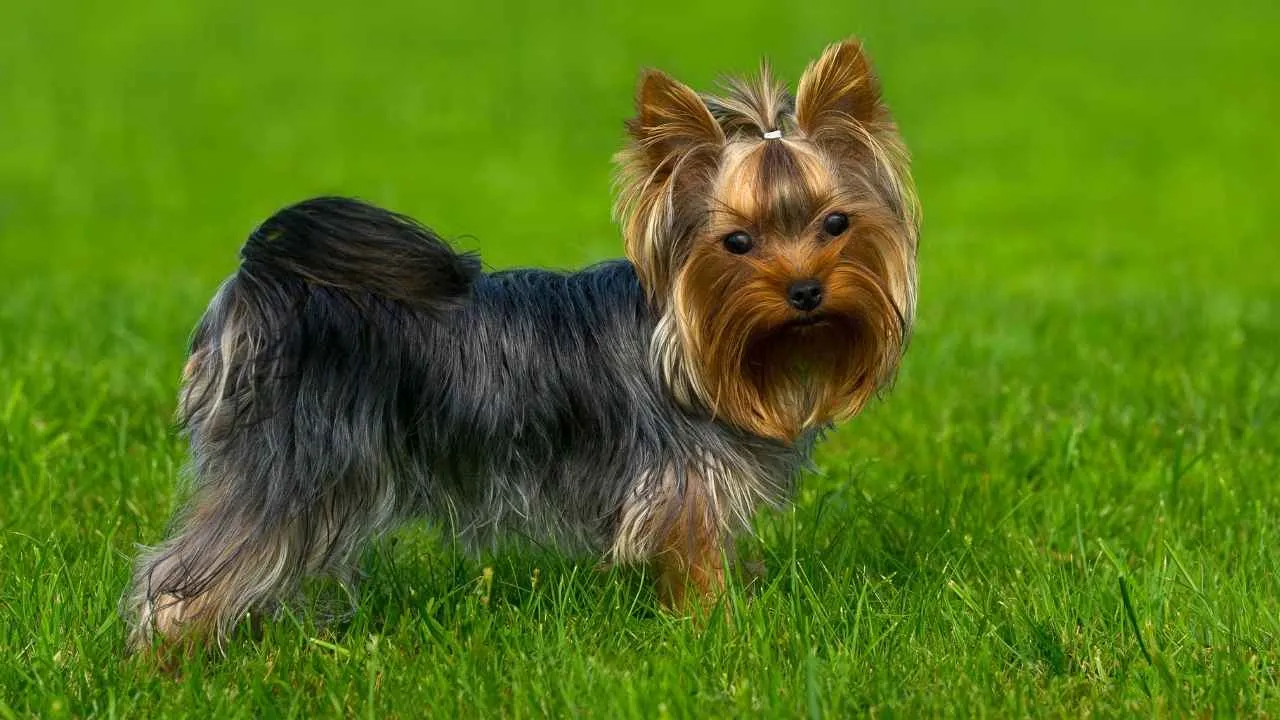
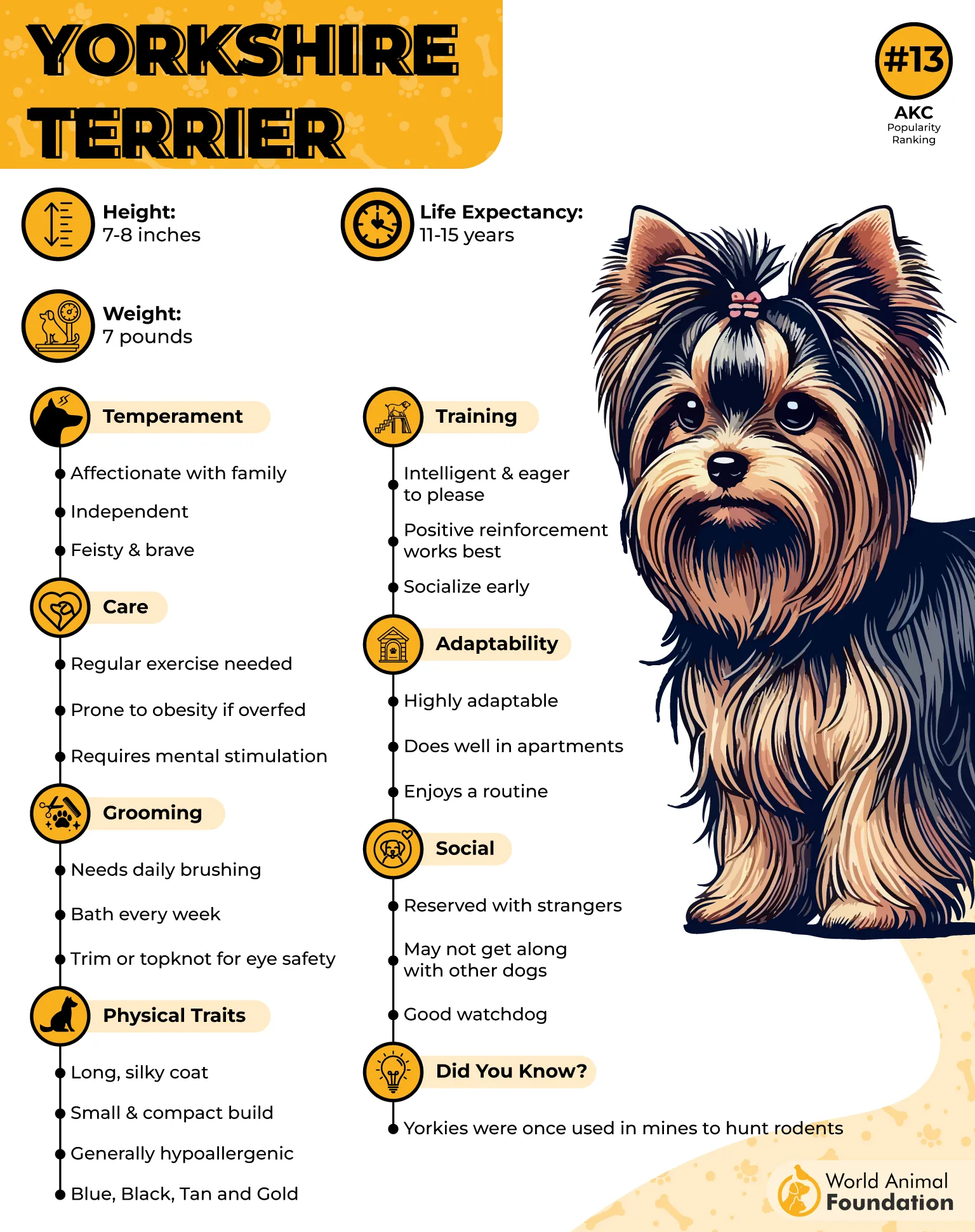
Yorkshire Terrier originated in Yorkshire during the mid-19th century after Scottish workers brought small terriers into the region’s cotton mills. These little dogs were used to catch rats, with Waterside, Paisley, and Skye Terriers believed to have influenced the breed.
Small Dog, Big Routine
Yorkies need modest daily exercise, with two 15-minute walks often enough to provide regular movement. Indoor fetch and puzzle toys can add variety without demanding long outdoor sessions from a beginner owner.
Some everyday care needs deserve a closer look:
Agility trials can suit athletic Yorkies
Puzzle toys help prevent boredom
Loud singing can appear when understimulated
A Spirited Companion
This excellent companion can be playful, friendly, affectionate, and surprisingly independent within the same household, as PetMD suggested.
Younger children need close supervision because the breed’s tiny size can lead kids to treat it like a toy rather than a dog, especially during rough or overly excited play.
3. Havanese
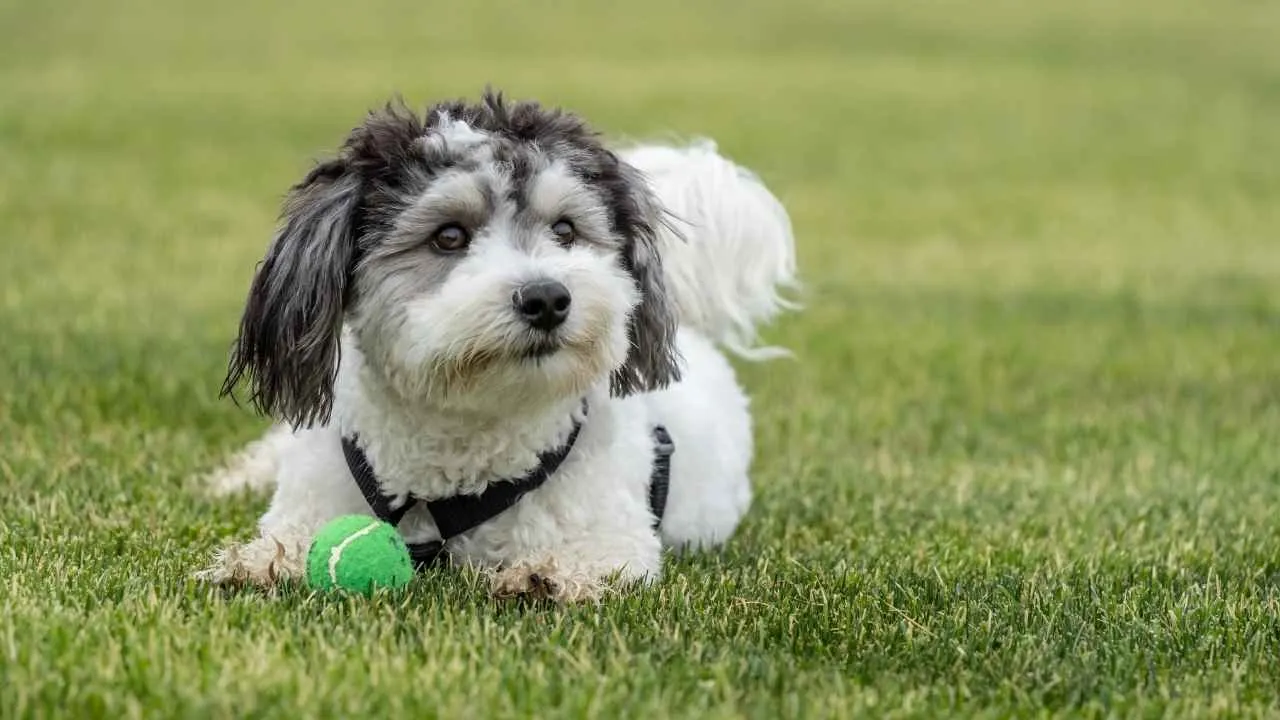
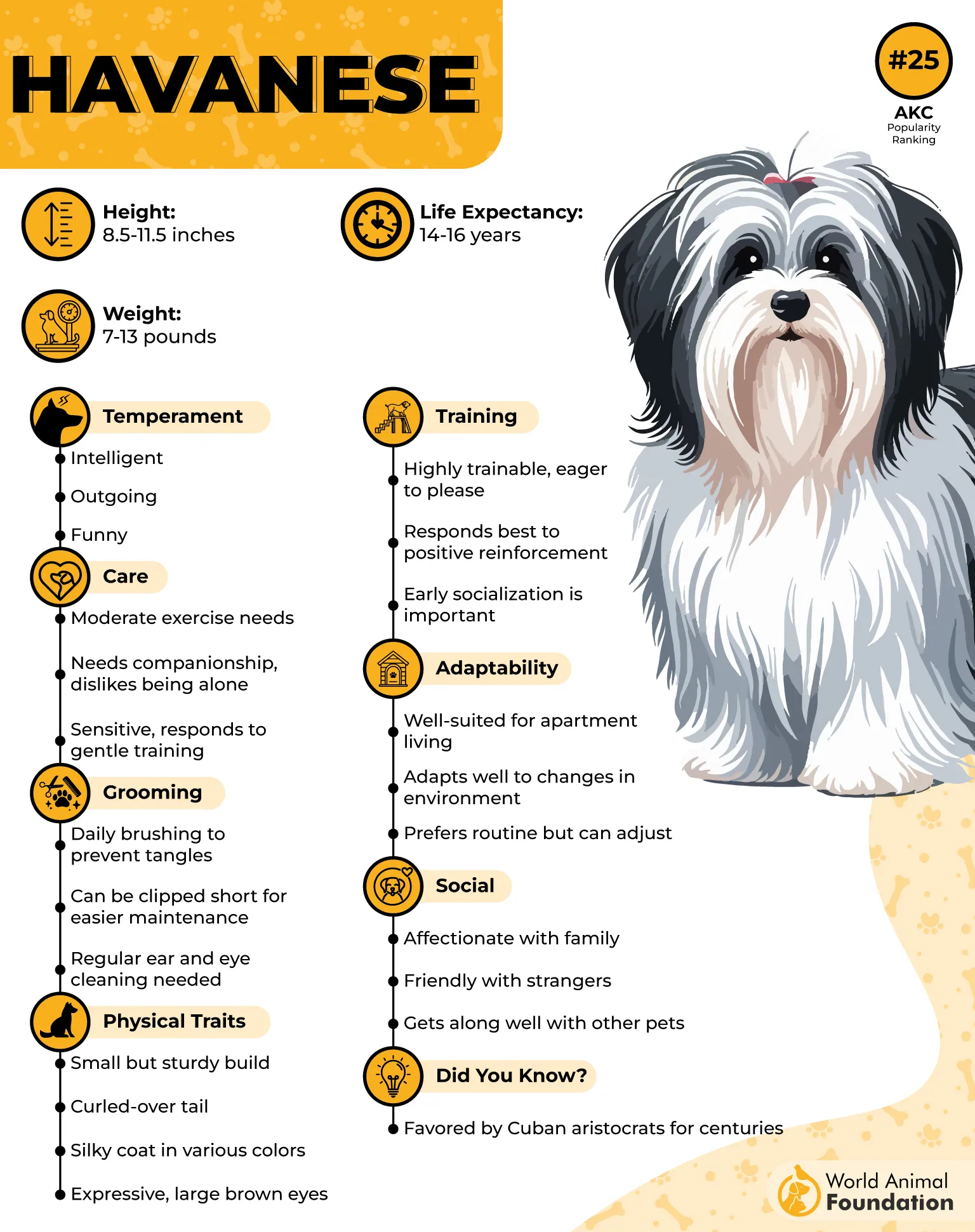
Havanese belongs to the Bichon family and originated in the Mediterranean centuries ago before Spanish traders took these little dogs to Cuba as gifts.
There, they became popular among wealthy families and picked up names such as Habeneros and White Cuban before reaching Europe again.
A Small Dog With a Big Social Calendar
Havanese is a busy, curious companion that wants to know what everyone is doing and often seeks a place at the center of household activity.
For a beginner owner, that people-focused nature can be rewarding, especially when the dog receives plenty of daily interaction.
For new owners, this is what matters in daily life:
Can learn to handle short periods alone with early training
Often gets along with cats, dogs, people, and strangers
Intelligent and eager to please during training
Always Nearby
Havanese is affectionate enough to earn the nickname “velcro dog,” often following its favorite people from one part of the home to another, as noted by Orvis. It also brings plenty of playful energy in small apartments and enjoys curling up beside someone on the sofa after all the activity.
4. Papillon
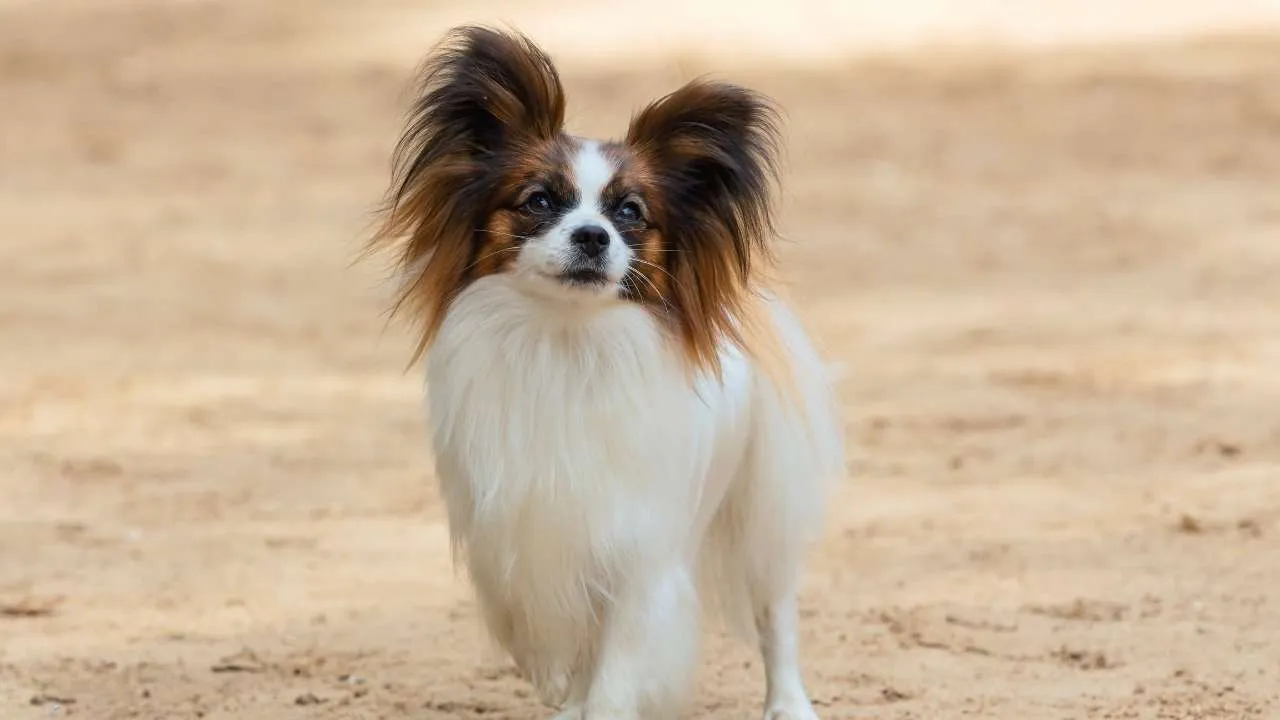
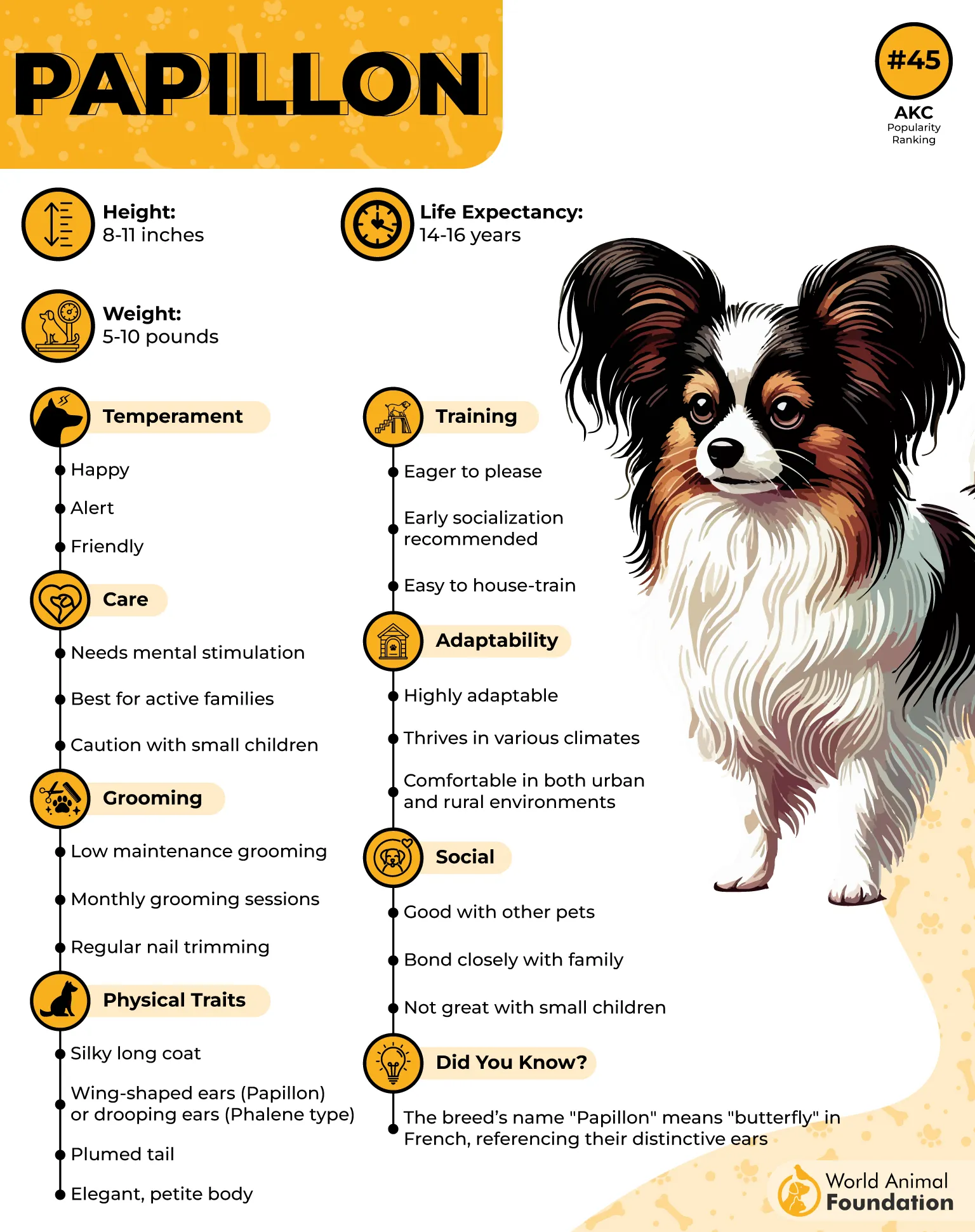
Papillon originates from France and dates back centuries, with the breed once favored by ladies of court. Paintings featuring these small dogs date to the 13th century, while their name comes from the French word for “butterfly,” inspired by their wing-shaped ears.
Apartment-Sized Fun
This miniature dog breed needs little room to have an entertaining day, and a living room can be enough for games of fetch. Leisurely neighborhood walks paired with daily play give this energetic little dog useful outlets without requiring a large yard.
For a small home, these details can make daily life easier:
No undercoat, so shedding is limited
Weekly slicker brushing helps prevent tangles
Monthly baths suit their grooming routine
Mind the Size
Papillon may approach the world with fearless enthusiasm, yet its small frame makes careful play especially important. Supervised interaction is sensible around larger dogs and energetic children, while cozy spaces such as tent beds can give this tiny companion a secure place to relax.
5. Shih Tzu
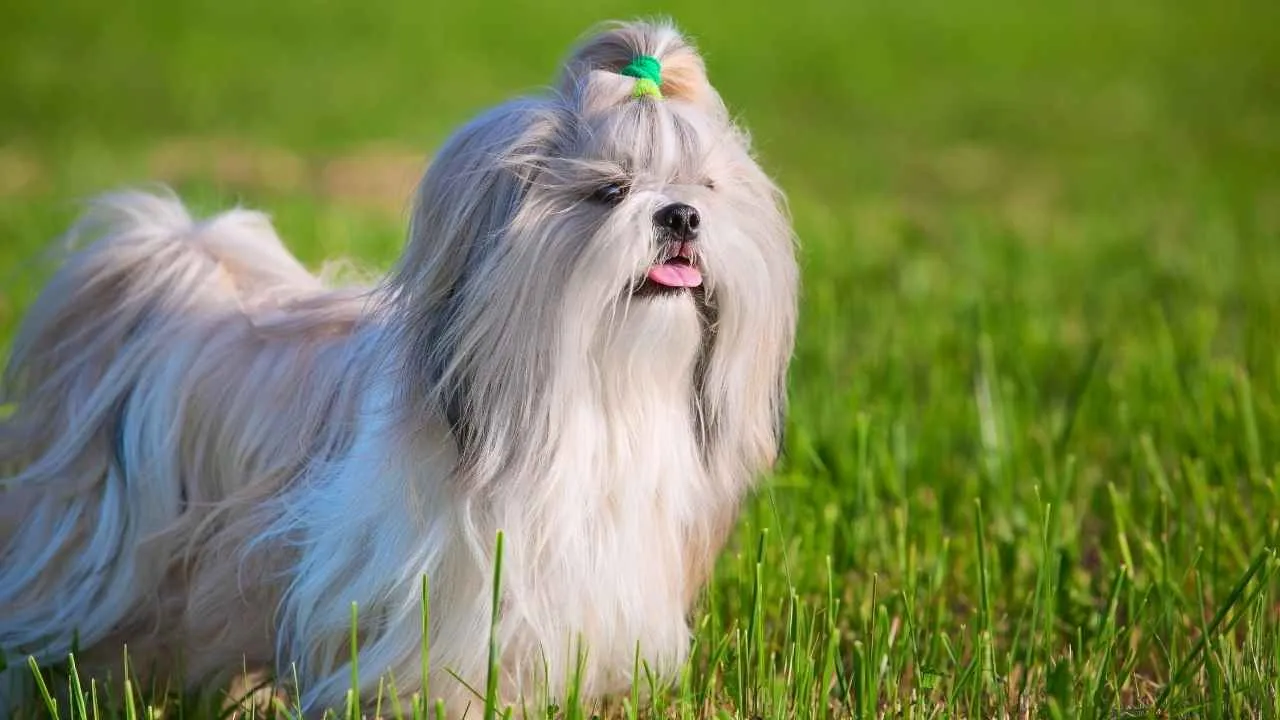
Shih Tzu is linked to Tibet and was closely associated with Buddhism, where the breed was called the Lion Dog and held in high regard. Its appearance also resembles the Tibetan Terrier and Lhasa Apso, with early classifications placing them together.
Easy Daily Rhythm
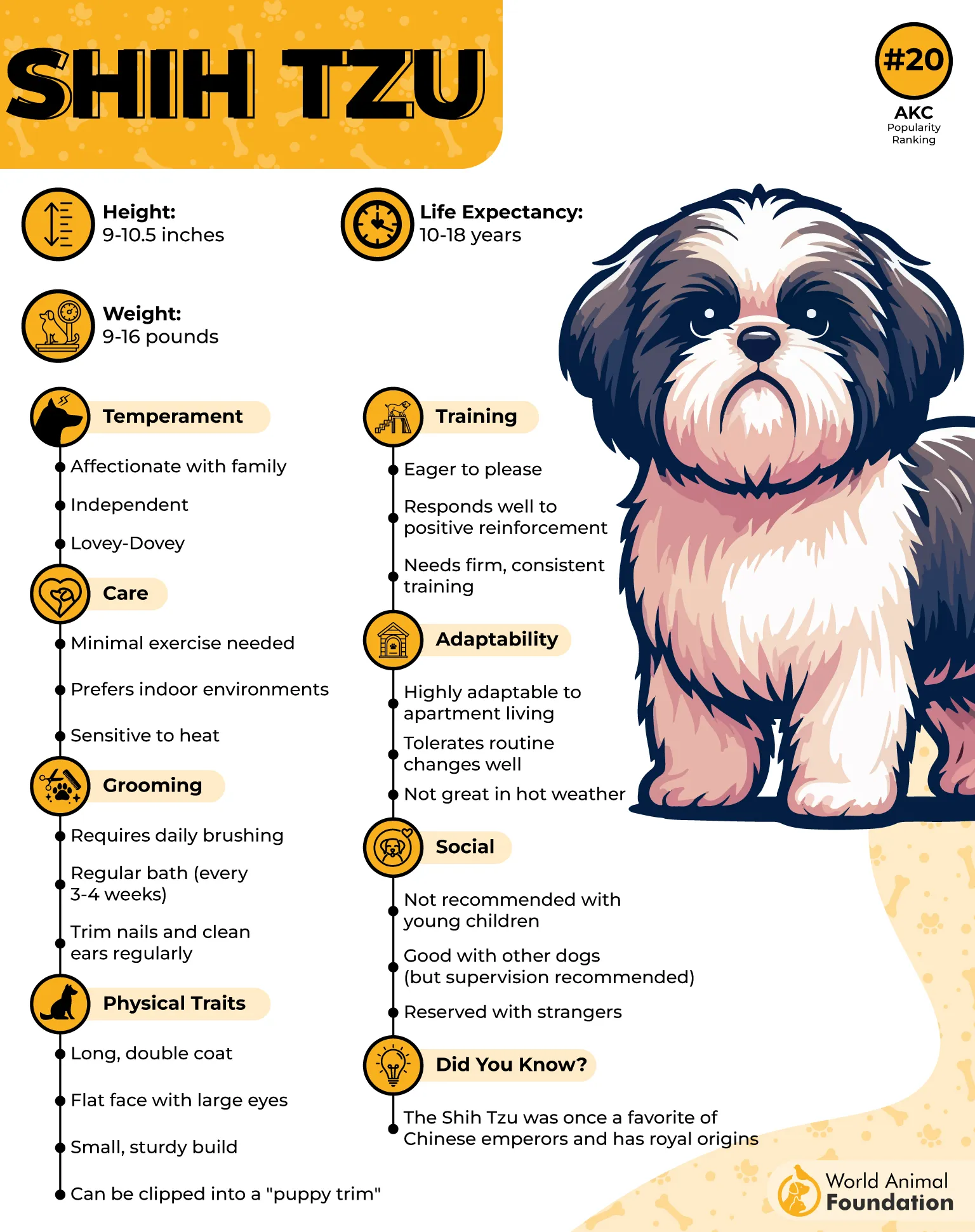
For a first-time owner, they bring moderate energy that can be managed with two or three 20-minute walks each day. Longer outings can be tiring for their short legs, while daily activity helps keep this companion fit and occupied.
These points make their daily life easier to understand:
Needs patience and consistency during training
Responds well to rewards during lessons
Quickly alerts the household to visitors at the door
A Little Personality
Shih Tzu can be friendly with older children and other pets when introductions are handled properly, while rough play may bring out a mouthy response.
Puppies also need careful supervision around babies and young children because their small size leaves them vulnerable to accidental injury.
6. Toy Poodle
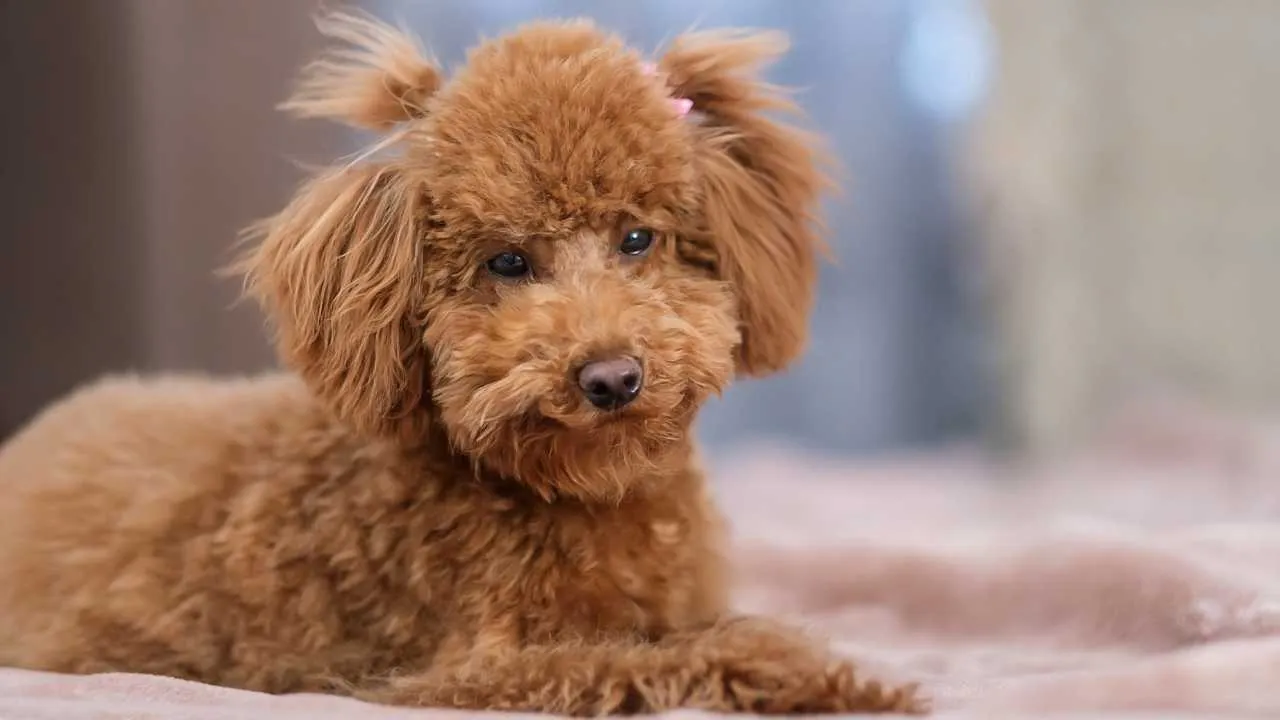
Toy Poodle has roots linked to curly-coated dogs from Asia that traveled with herders into Europe, with Germany later shaping the breed familiar today.
Poodles served as herders, duck hunters, military dogs, guide dogs, and circus performers before becoming closely associated with France.
Tiny Apartment Fit
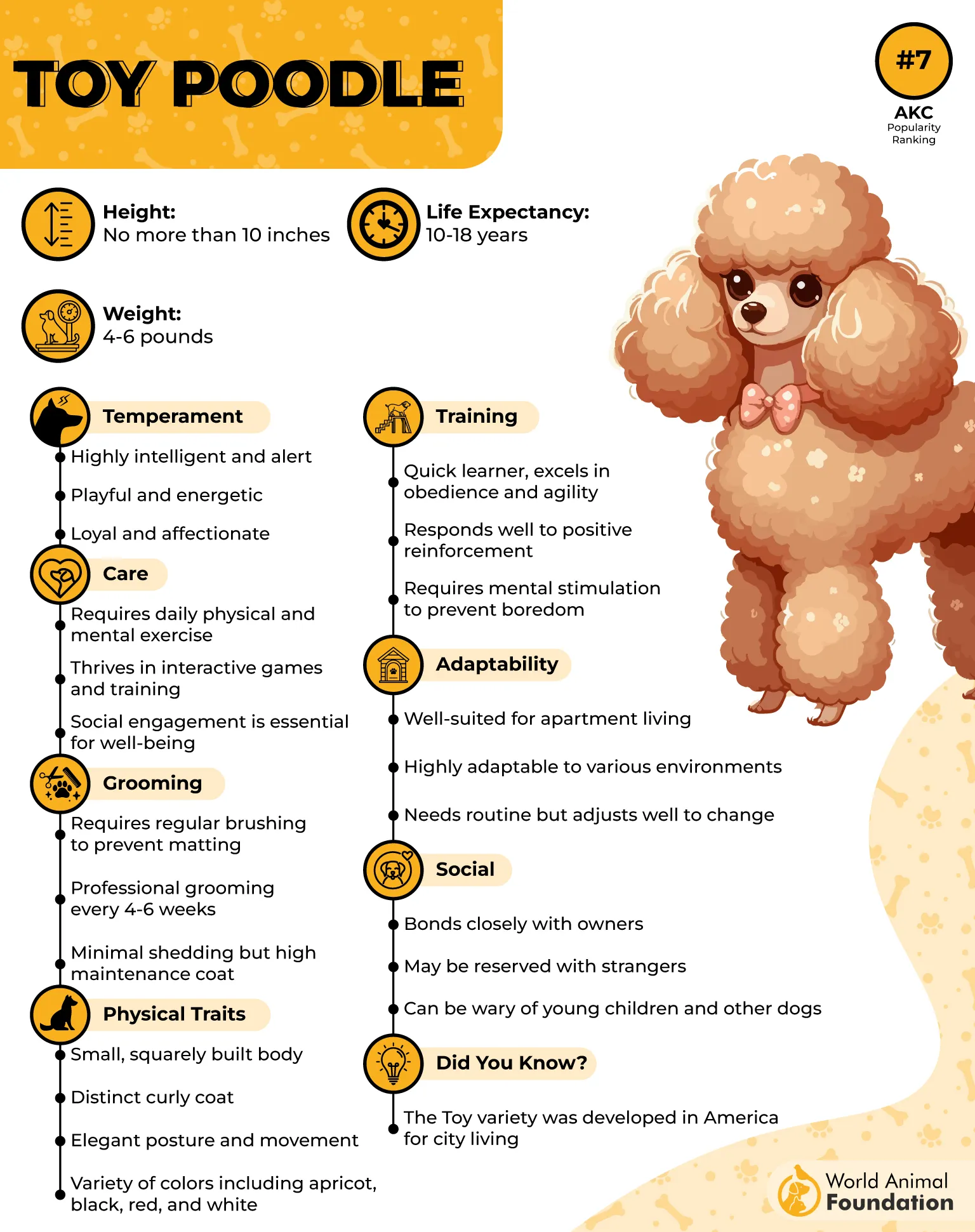
Toy Poodle stands under 10 inches tall, making its physical size especially practical for apartments and condos with limited floor space.
Around 30 to 60 minutes of daily activity, divided between short walks and indoor games, can fit neatly into a smaller household routine.
Three details are especially useful for new households:
Weighs around 4 to 6 pounds
Low-shedding coat
Highly eager to please
Small Body, Real Needs
This breed brings plenty of energy into its tiny frame, so indoor play can be just as useful as a walk for keeping its mind occupied and giving it something fun to do.
Its affectionate, attention-seeking nature also means family interaction forms a noticeable part of its daily routine and keeps it feeling involved.
7. Maltese
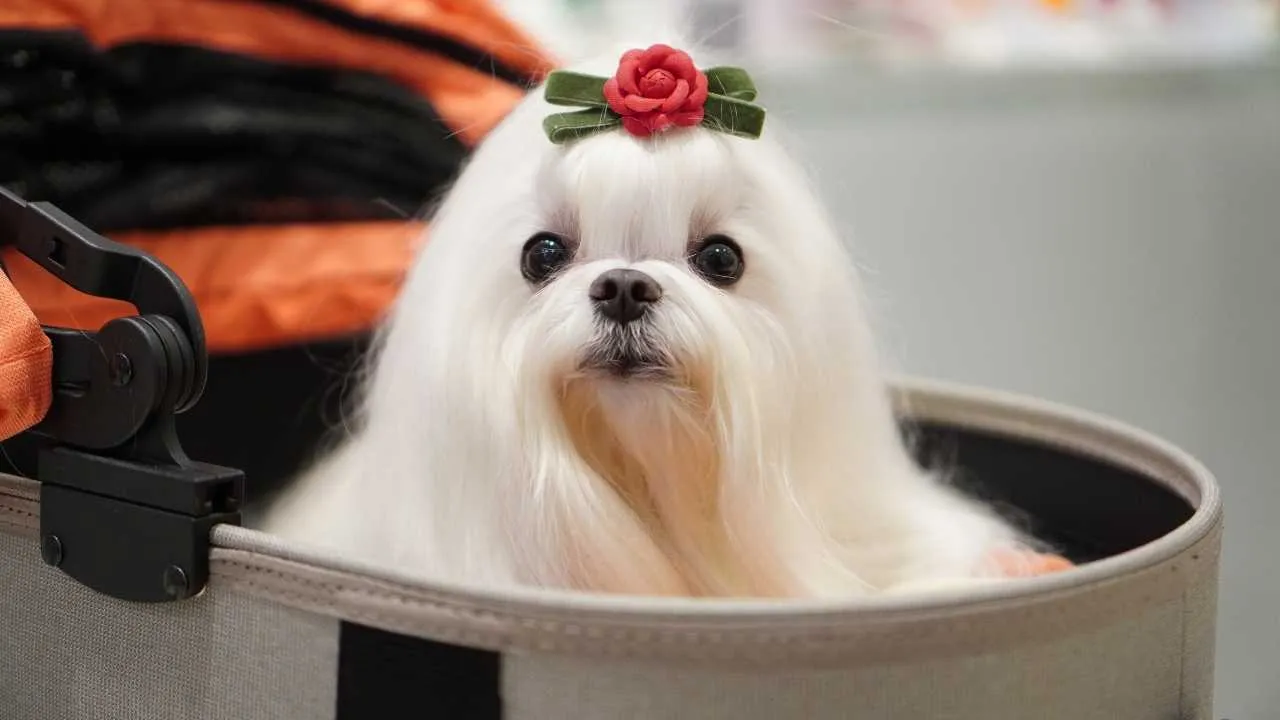
Maltese has an uncertain early origin, with theories placing its arrival in Central Europe through Asian trade routes and linking it to the Tibetan Terrier. Records date back to around 300 BC, while Malta’s role as a trading port may explain the breed’s association with the island.
Lap-Sized Companion
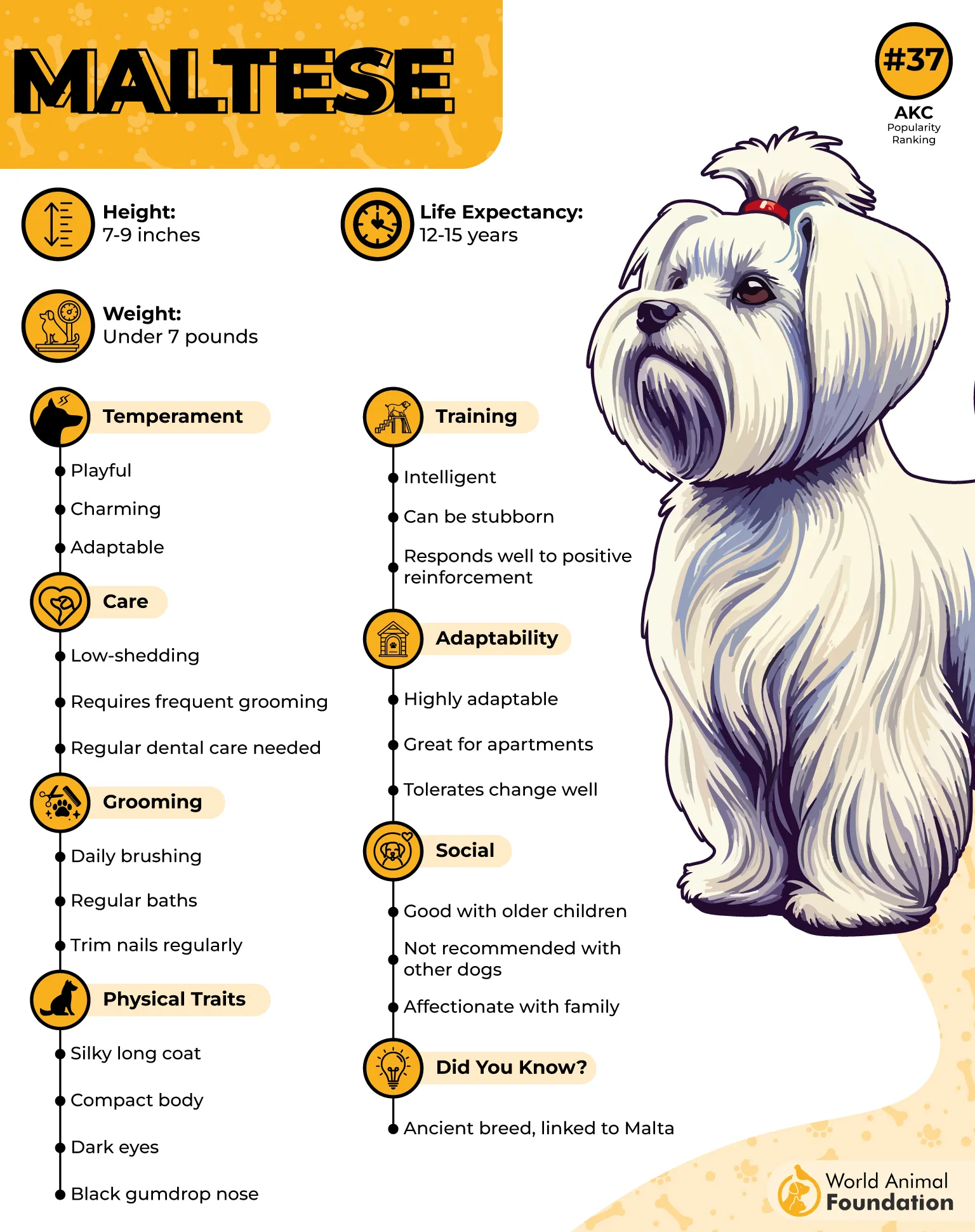
Maltese enjoys being close to its person and often prefers a lap to a busy day of activity. Its lively, playful side still comes through during indoor games, while its gentle temperament has also made the breed useful in therapy work.
Its gentle nature does not mean it skips playtime:
Daily walks of 20 to 30 minutes
Fetch works well in a fenced yard
Interactive toys provide mental enrichment
Social, Yet Delicate
This little furry companion generally gets along with other pets when training and early socialization are handled properly. Its tiny frame needs extra care around babies and young children, who may handle a small dog too roughly without meaning to, especially during excited play.
Conclusion
A small dog can be a practical choice for a first-time owner, but its size should never be the only deciding factor. Daily exercise, training, grooming, dental care, socialization, and veterinary attention still shape the routine. Temperament matters too, especially when children, other pets, visitors, or busy surroundings are part of daily life.
Think about how much time you can give before choosing a companion, including weekends and busier days. Easily trained dogs can make learning the responsibilities of ownership much easier, while the Best breeds are those that fit your activity level and household.
The right match can bring companionship without making everyday care feel overwhelming.
