




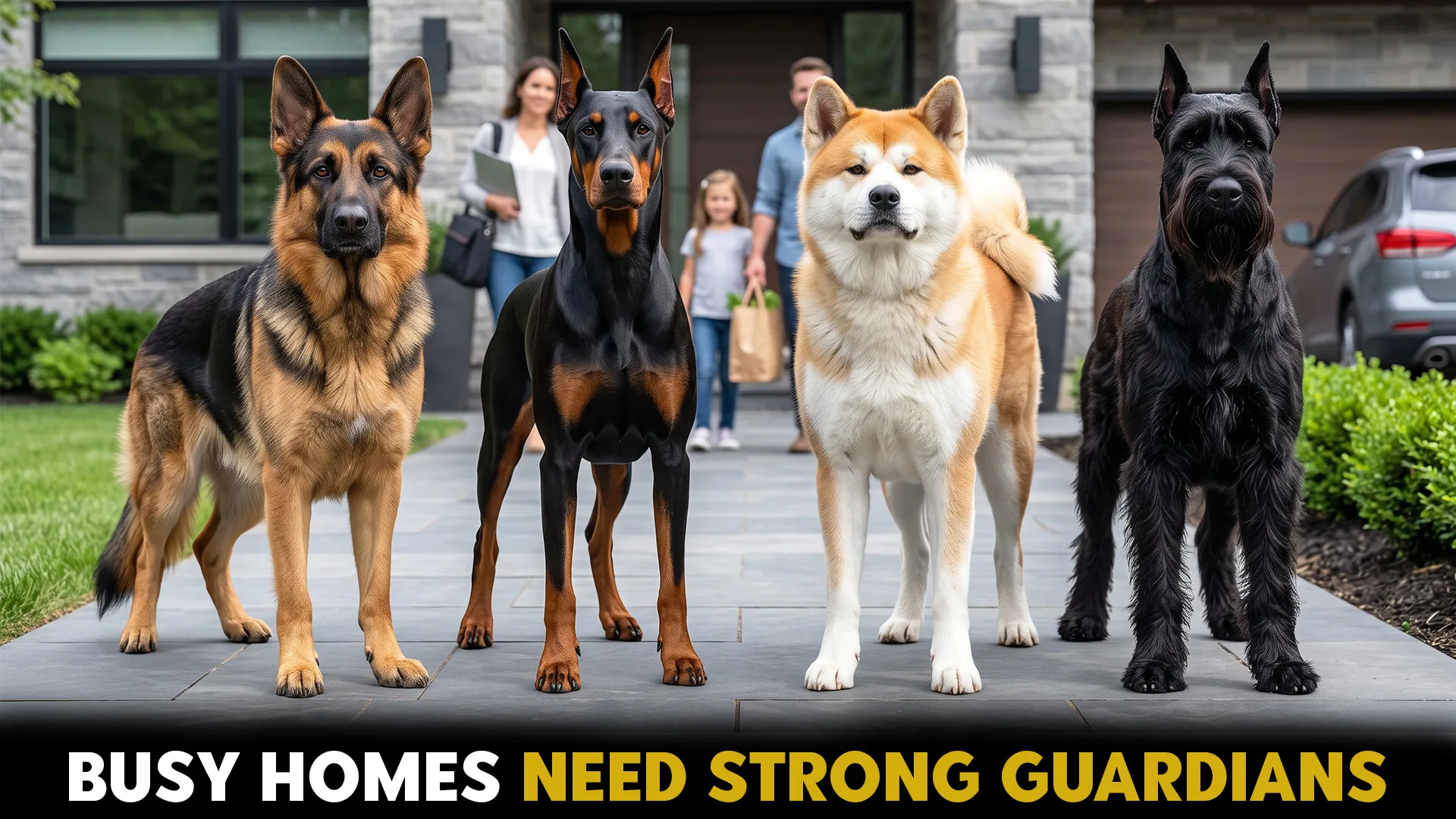
For generations, dogs have stood beside people not only as companions but also as watchful protectors of homes and families. Today, that protective instinct still appeals to households looking for a loyal dog that can offer companionship while remaining alert to its surroundings.
However, a protective dog is not simply a four-legged security system. Every dog has its own temperament, needs, and instincts, and responsible ownership means understanding what comes with those traits.
Some breeds are naturally watchful and deeply devoted to their families, while others may require more training, socialization, exercise, and experienced handling. This is especially important for busy families, who need a dog that can fit realistically into everyday life without compromising its wellbeing or safety.
The breeds featured in this list highlight different approaches to protection, from naturally vigilant companions to highly capable working dogs. Finding the right match means looking beyond appearance and considering temperament, training, activity, and family compatibility.
Key Takeaways
Protective breeds can offer families loyalty, companionship, and a reassuring sense of security.
Every protective breed has different exercise, training, grooming, and socialisation needs.
Early socialization helps dogs become more confident and well-adjusted around people and other animals.
Consistent training is essential for managing a protective dog’s strength and instincts.
Intelligent working breeds often need both physical exercise and mental stimulation.
Top Protective Dog Breeds for Busy Families in 2026
1. Belgian Malinois
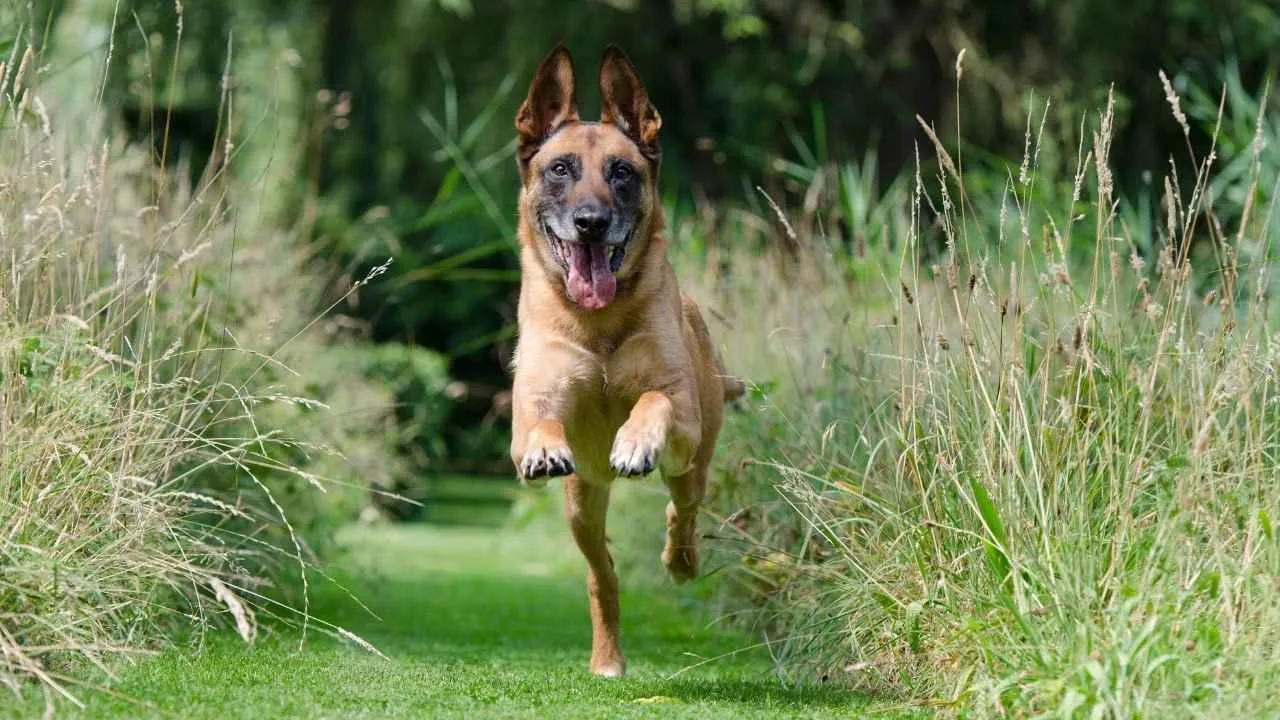
The Belgian Malinois is a remarkable blend of intelligence, athleticism, confidence, and devotion, making it a natural fit for families seeking a highly capable protective companion.
Originally developed in Belgium for herding, this alert working breed has since earned recognition in police, military, protection, tracking, obedience, and other demanding roles.
Its lean, muscular build, proud head carriage, fawn or mahogany coat, black mask, and dark eyes give it a distinctive appearance.
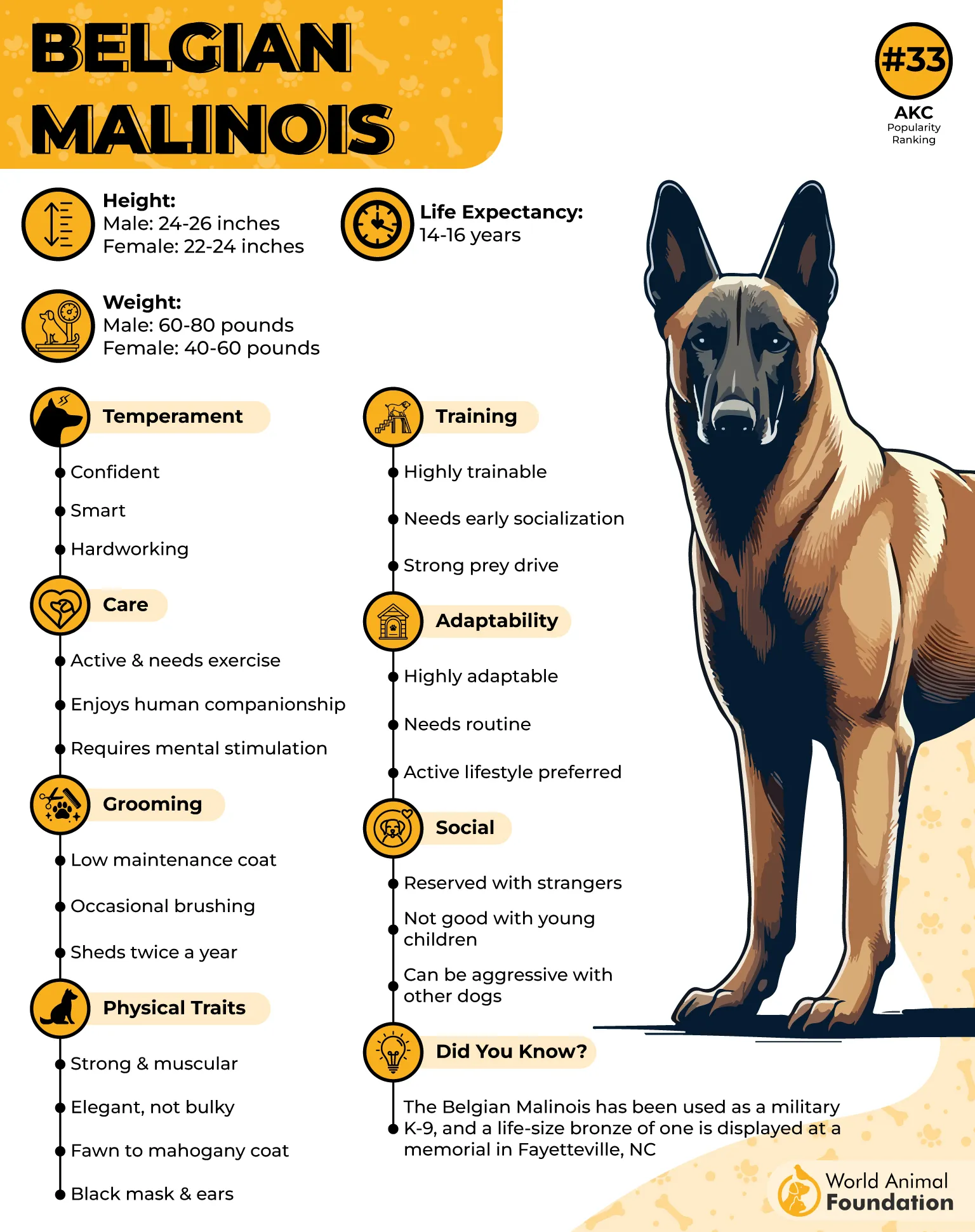
But life with a Malinois requires more than admiration for its impressive abilities. This people-oriented dog thrives on meaningful activity, close companionship, and consistent mental and physical engagement.
Without enough stimulation, it can become difficult to manage. Early socialization and obedience training are essential, particularly because its strong prey drive may encourage chasing moving children, vehicles, or animals.
For an active, committed family, the Malinois can be an exceptionally devoted and hardworking partner.
2. Bullmastiff
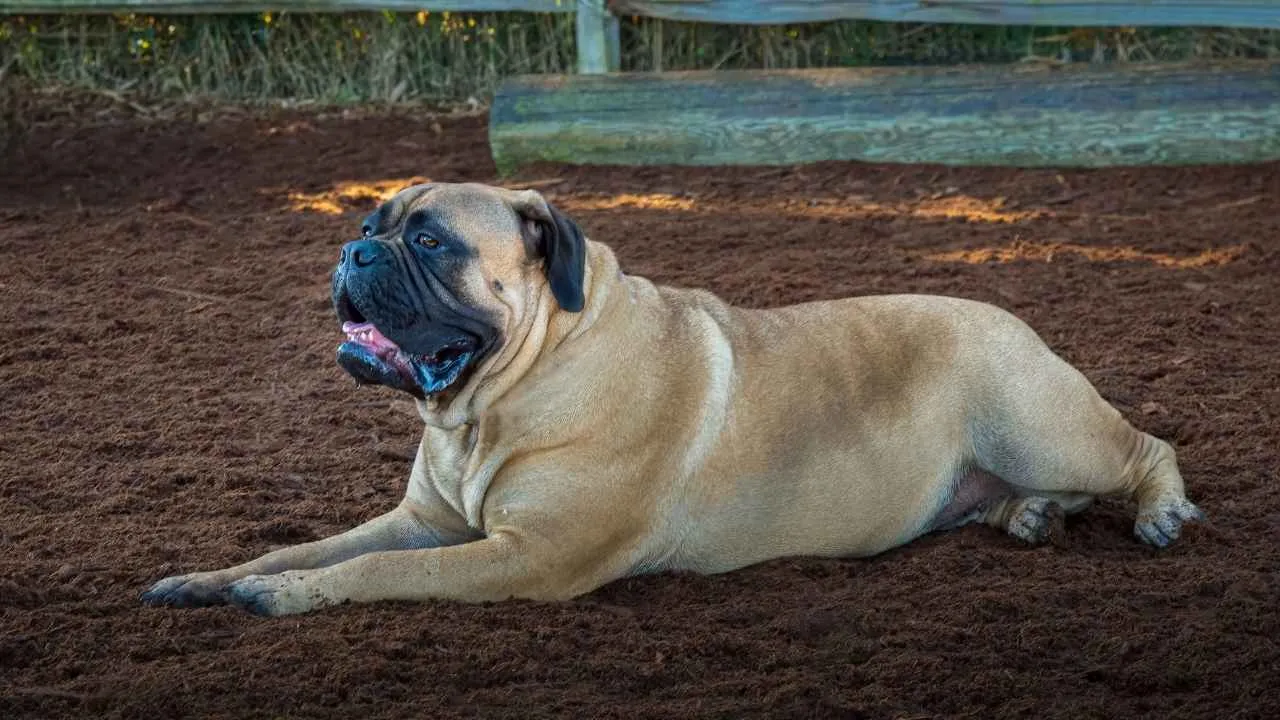
The Bullmastiff was purposefully developed in 19th-century England by crossing the Old English Mastiff with the Old English Bulldog to create a capable guard dog for gamekeepers.
Later, the Bloodhound was added to strengthen its scent and tracking abilities, helping shape the breed once known as the “Gamekeeper’s Nightdog.”
Despite its imposing size and powerful appearance, the Bullmastiff is described as calm, confident, patient, and deeply devoted to its family.
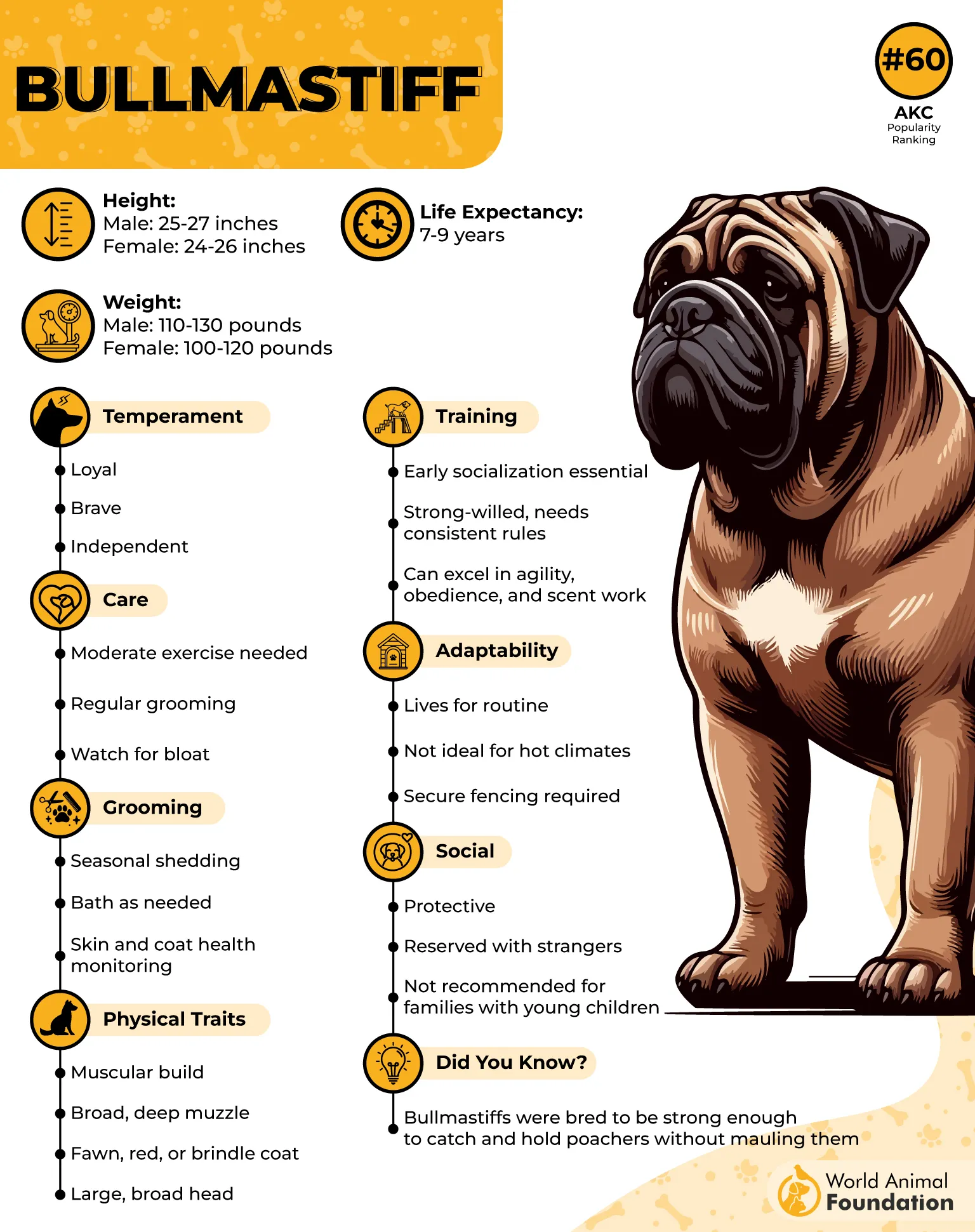
It can be reserved with strangers while naturally remaining watchful of its surroundings, making its protective instinct a defining quality.
With proper socialization and consistent training from puppyhood, its gentle nature can shine through, including around children.
The breed can also be headstrong, so owners should not expect unquestioning obedience.
Bullmastiffs enjoy activity but also appreciate the quiet comfort of home, making their balanced temperament appealing to families. With proper care and a healthy diet, they can live for 10 to 12 years.
3. Doberman Pinscher
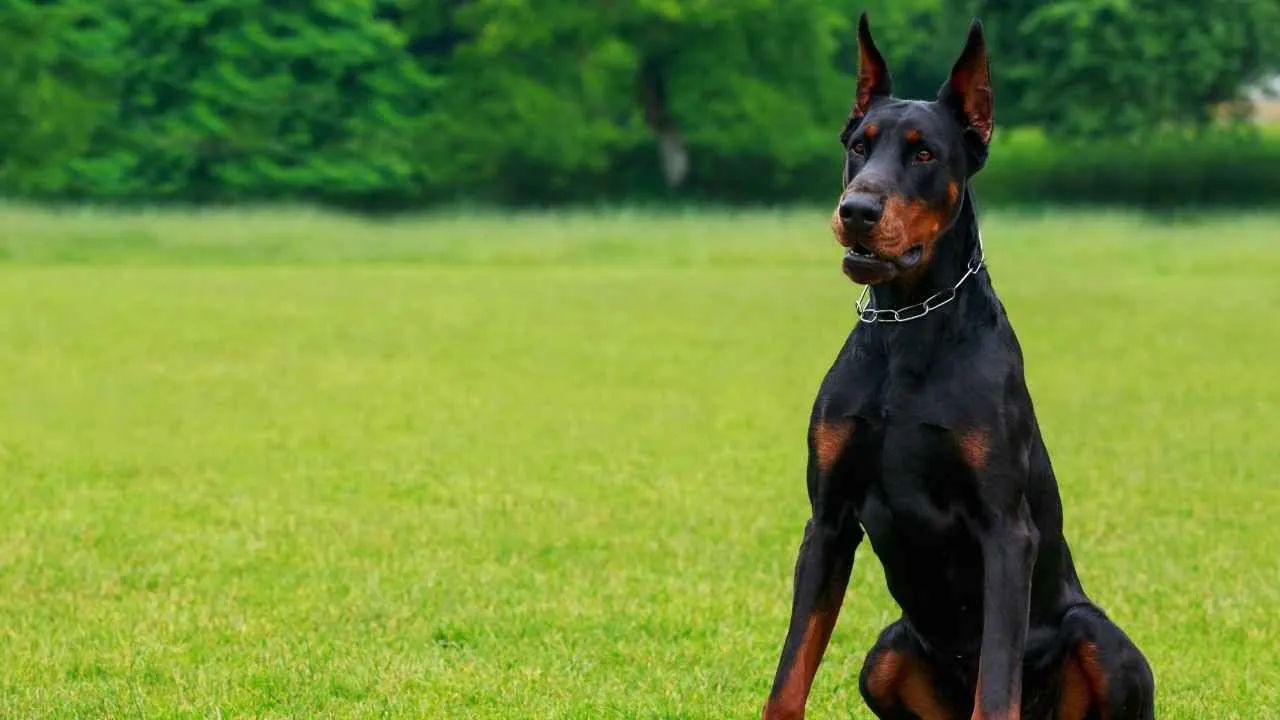
The Doberman Pinscher combines elegance, intelligence, athleticism, and a deeply loyal nature, qualities that have made it a trusted protector and devoted family companion.
Developed in Germany around 1890 by Louis Dobermann, the breed was originally intended to protect while he carried out his work as a tax collector.
Today, Dobermans remain naturally alert and observant, while also being affectionate and highly responsive to training.
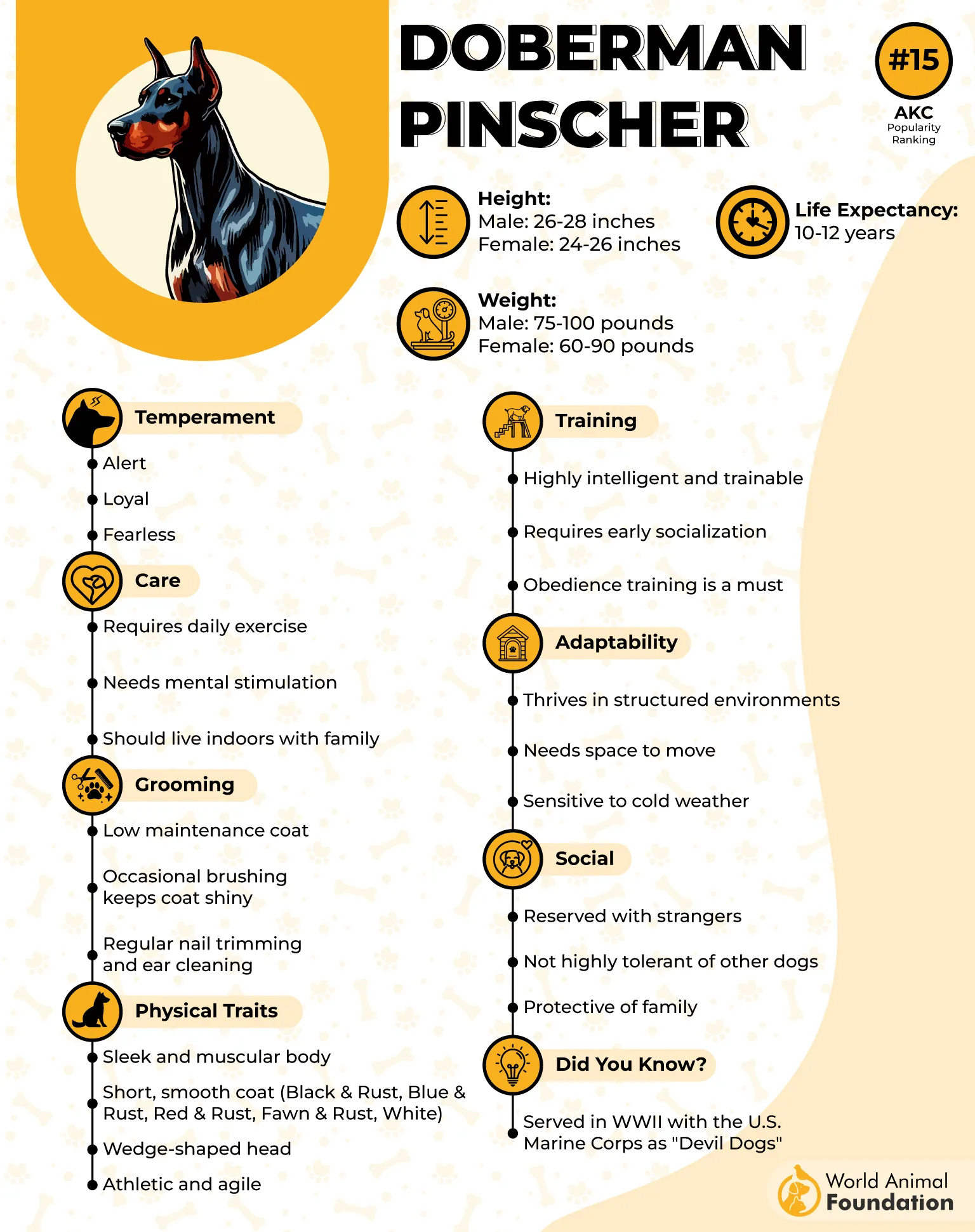
Their intelligence can be a strength, but it also means they need clear boundaries, mental stimulation, early socialization, and consistent obedience training.
Without enough structure or exercise, their protective instincts may sometimes lead to poor judgments or unwanted behavior. These energetic dogs thrive with regular physical activity, including long walks and hikes, according to Barkbusters.
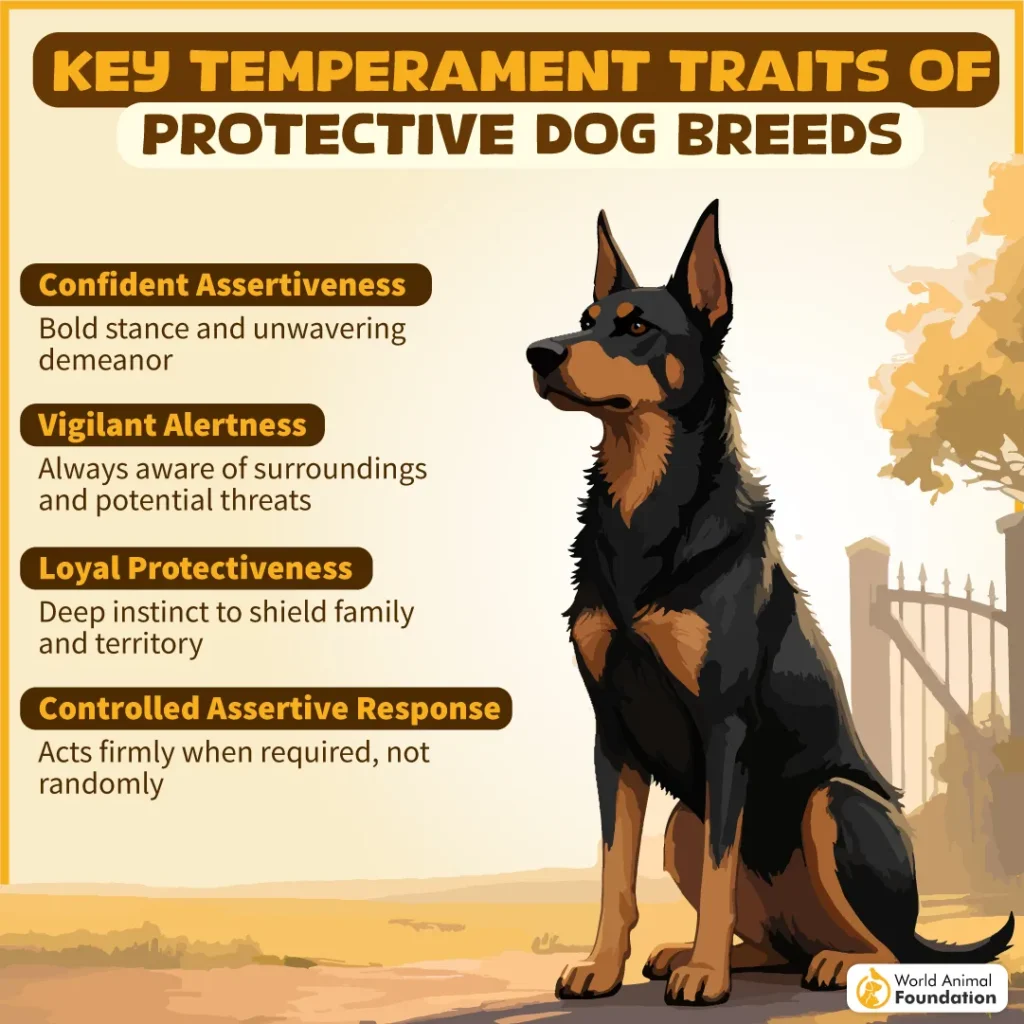
Their sleek, powerful build and watchful nature make them effective watchdogs, while their loving temperament can make them devoted members of a busy family that can meet their considerable exercise and training needs.
4. Great Dane
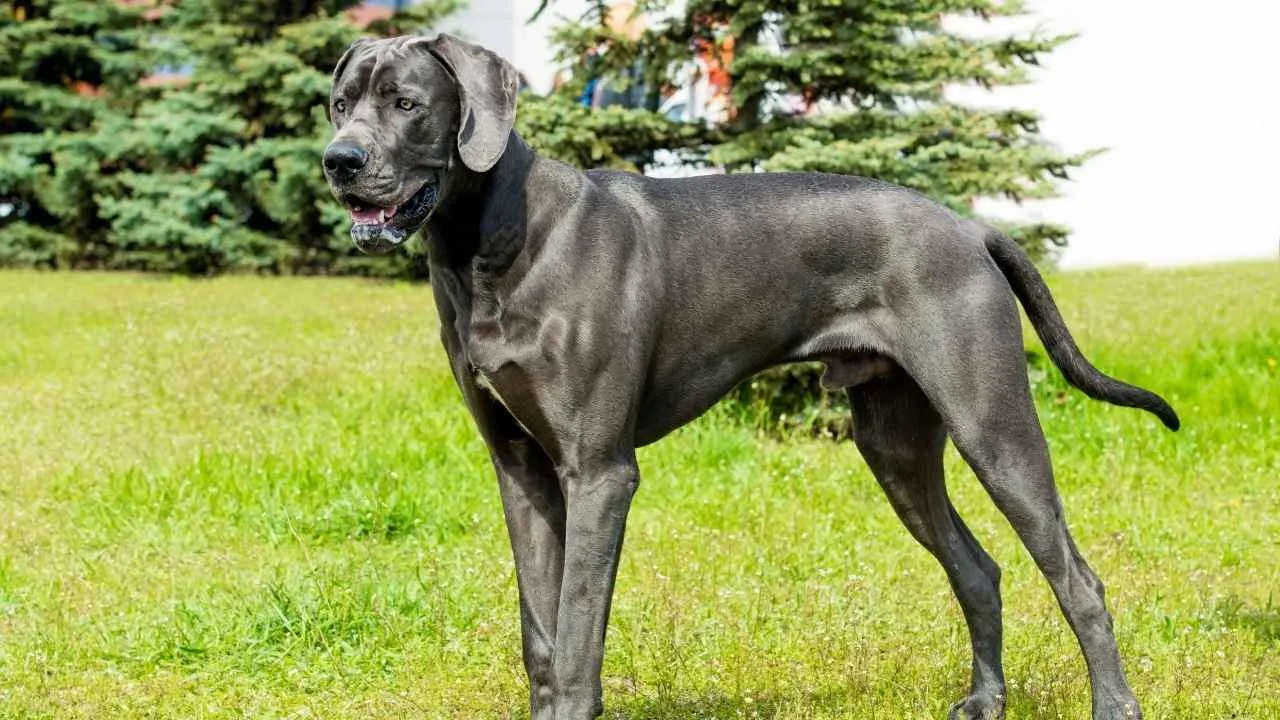
The Great Dane may tower over the household, but beneath its imposing appearance is a dog known for affection, patience, and a strong attachment to family life.
Its history traces back to working and hunting roles, eventually developing into the gentle, confident companion recognized today.
Despite its size, the breed can be calm indoors when given regular exercise, play, and companionship. Great Danes are naturally alert and may step into a protective role when they sense a genuine threat, adding reassurance for families without losing their affectionate character.
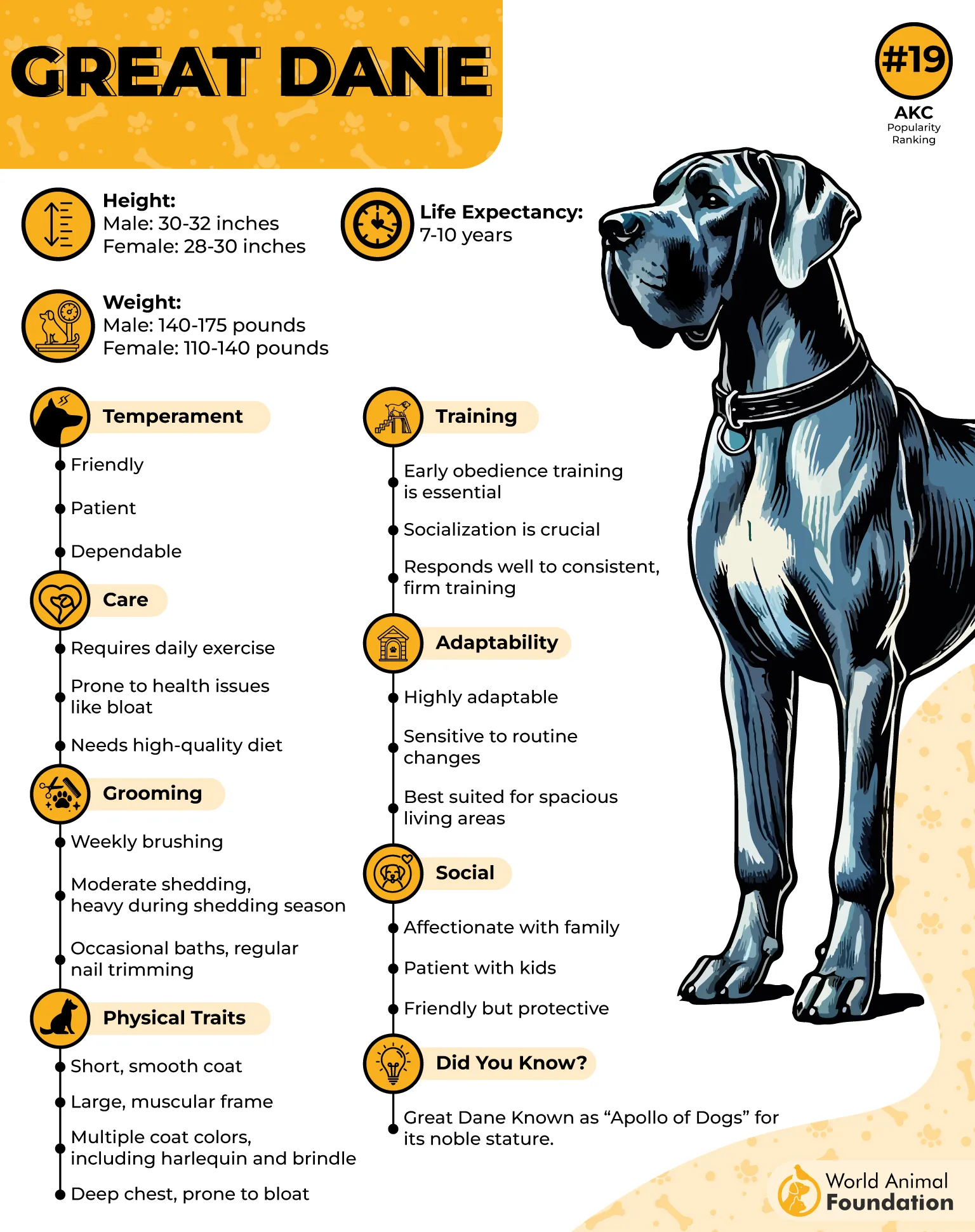
Their people-oriented nature also makes early socialization and obedience training especially important, helping them manage their considerable strength and size appropriately.
They enjoy walks, play, hiking, swimming, and other activities that keep them engaged. However, their needs should not be overlooked: Great Danes require regular exercise, companionship, thoughtful care, and attention to their health.
For families prepared to meet those needs, their gentle presence can make them devoted protectors and loving household companions.
5. Rhodesian Ridgeback
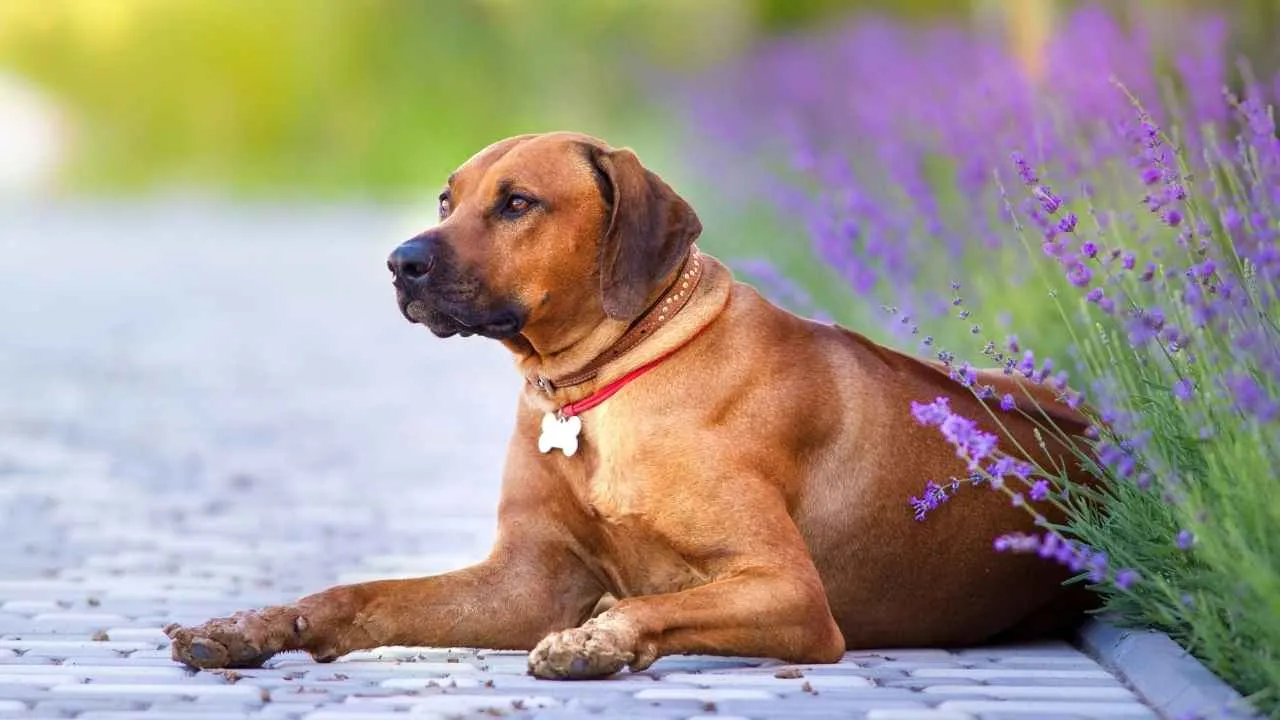
The Rhodesian Ridgeback brings a fascinating mix of courage, independence, and devotion to family life.
Originally developed in southern Africa, these powerful hounds became known for tracking and baying lions while also helping protect farms and families.
Their distinctive ridge of hair along the back gives them an unmistakable appearance, while their calm, dignified temperament makes them devoted companions.
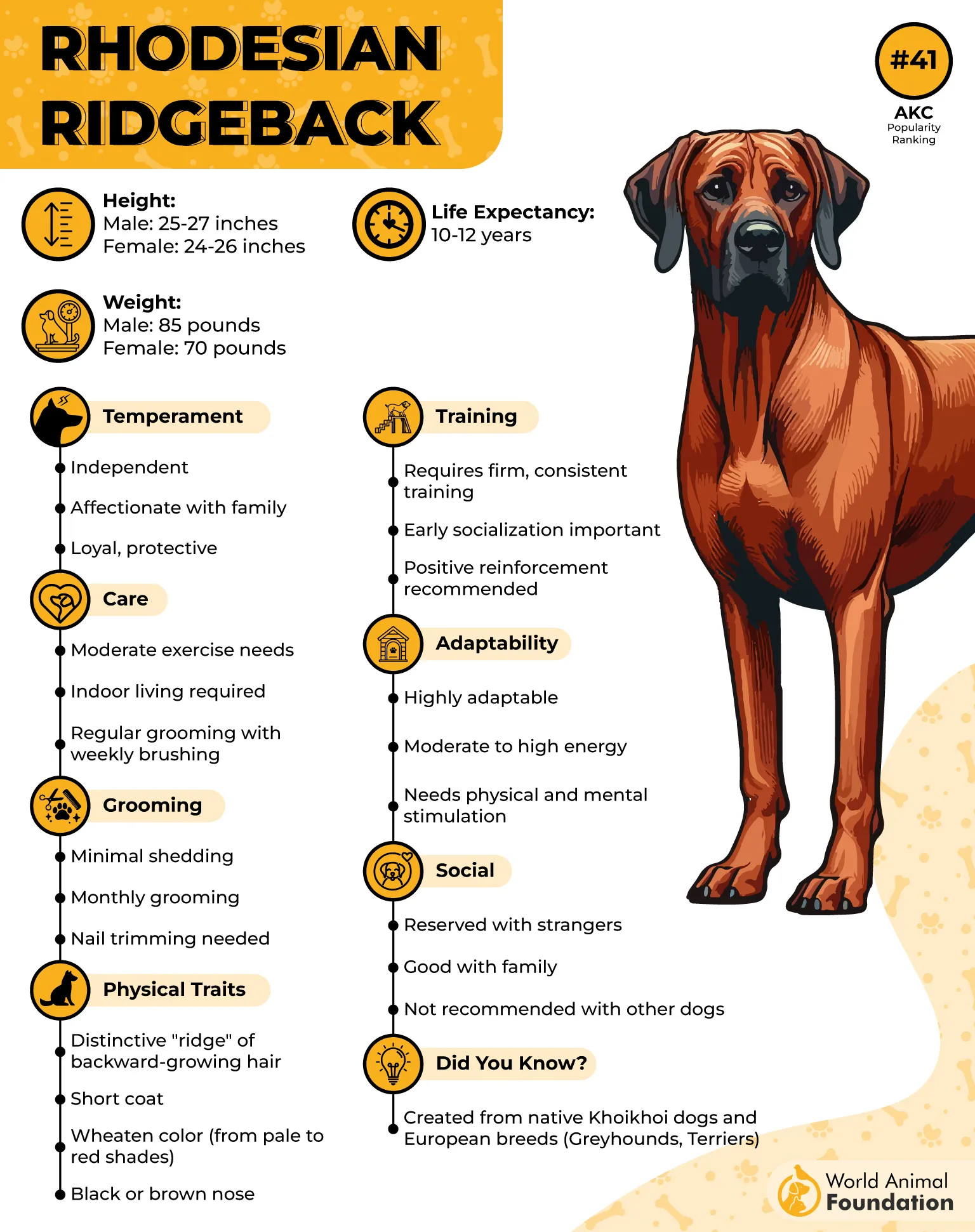
Ridgebacks are affectionate with their owners but often reserved around strangers, making their natural watchfulness especially valuable for families seeking a protective dog.
They are also strong-willed and have a high prey drive, so early socialization, obedience training, and consistent guidance are essential. Despite their athletic nature, they can be well-mannered house dogs when their exercise needs are met.
They enjoy running, walking, hiking, tracking, and other activities with their people, as explained by WebMD.
Their short coat requires relatively little grooming, but their need for companionship and activity makes them best suited to families prepared to stay actively involved in their lives.
6. Giant Schnauzer
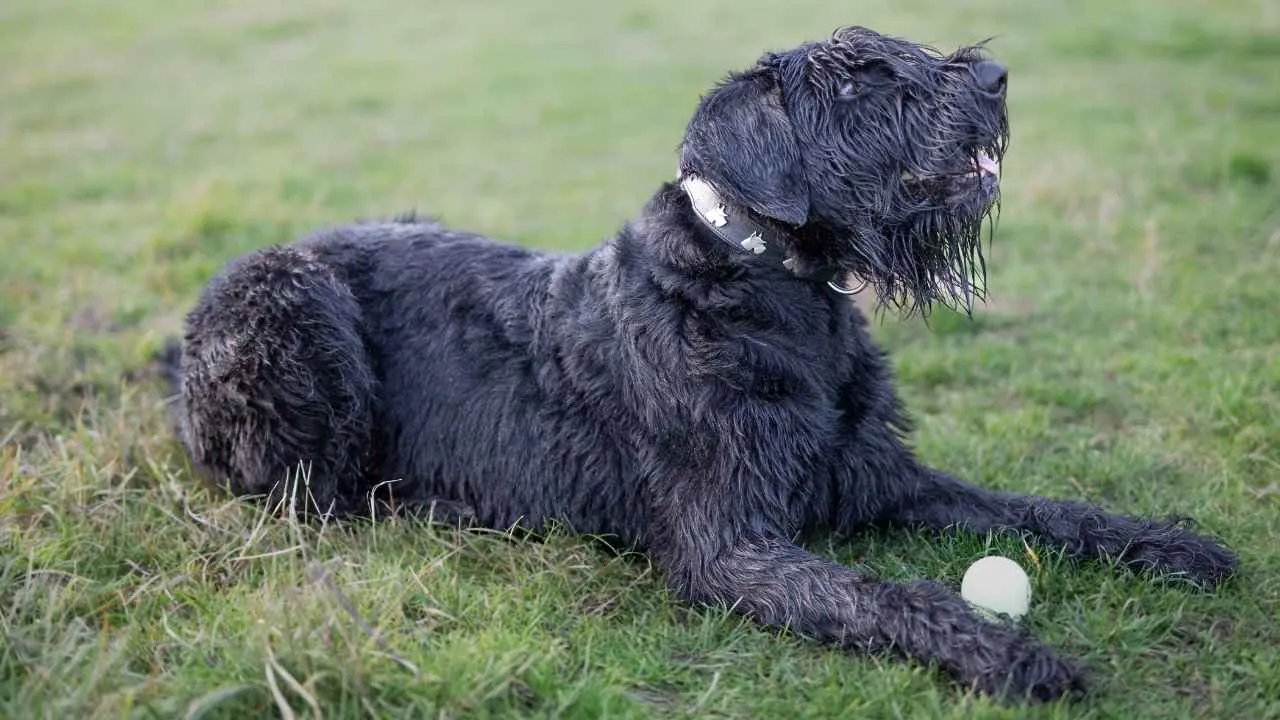
The Giant Schnauzer is a powerful, intelligent working dog with a serious protective streak and a deep devotion to its family.
Developed in Germany as an all-purpose farm worker, it helped drive cattle, guard property, and protect families before taking on roles in police, military, search-and-rescue, and other working fields.
Today, its imposing presence and naturally territorial nature make it a formidable guardian, but those qualities also demand responsible handling.
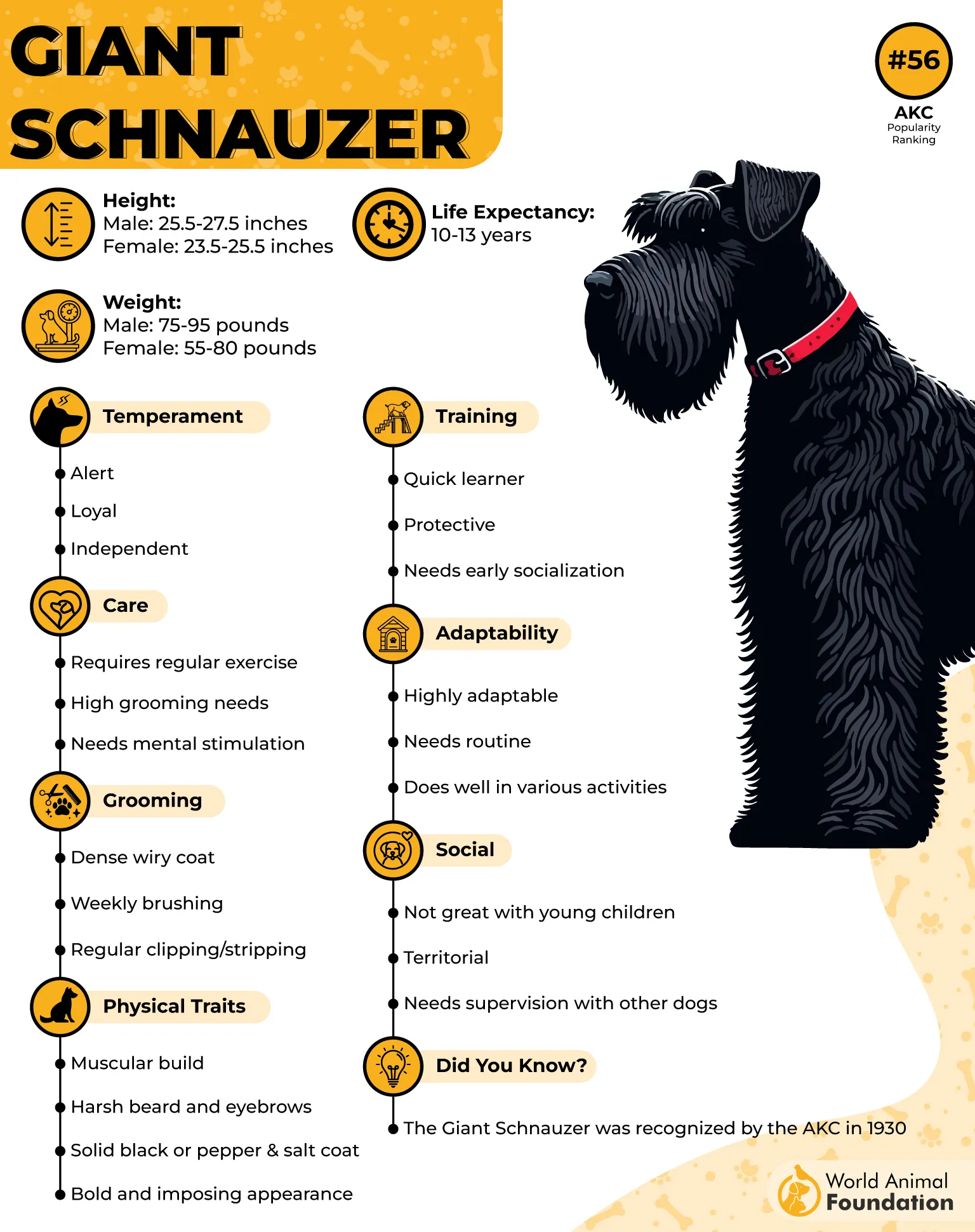
Giant Schnauzers are energetic, independent thinkers who need early socialization, consistent obedience training, and plenty of physical and mental stimulation.
Long walks, running, hiking, swimming, fetch, and dog sports can help channel their energy constructively.
They tend to be reserved with strangers and may become destructive when bored or left without enough companionship.
Their dense coat also requires regular grooming. For experienced owners ready to provide structure, activity, and commitment, the Giant Schnauzer can be both a courageous protector and an exceptionally loyal family companion.
7. Staffordshire Bull Terrier

The Staffordshire Bull Terrier may be compact, but its muscular build, courage, and lively personality give it a presence that is hard to overlook.
Often called a Staffy, this affectionate breed thrives on human companionship and loves being part of family life.
It is enthusiastic, playful, and always ready for the next game or activity, making it a lively match for families with an active routine.
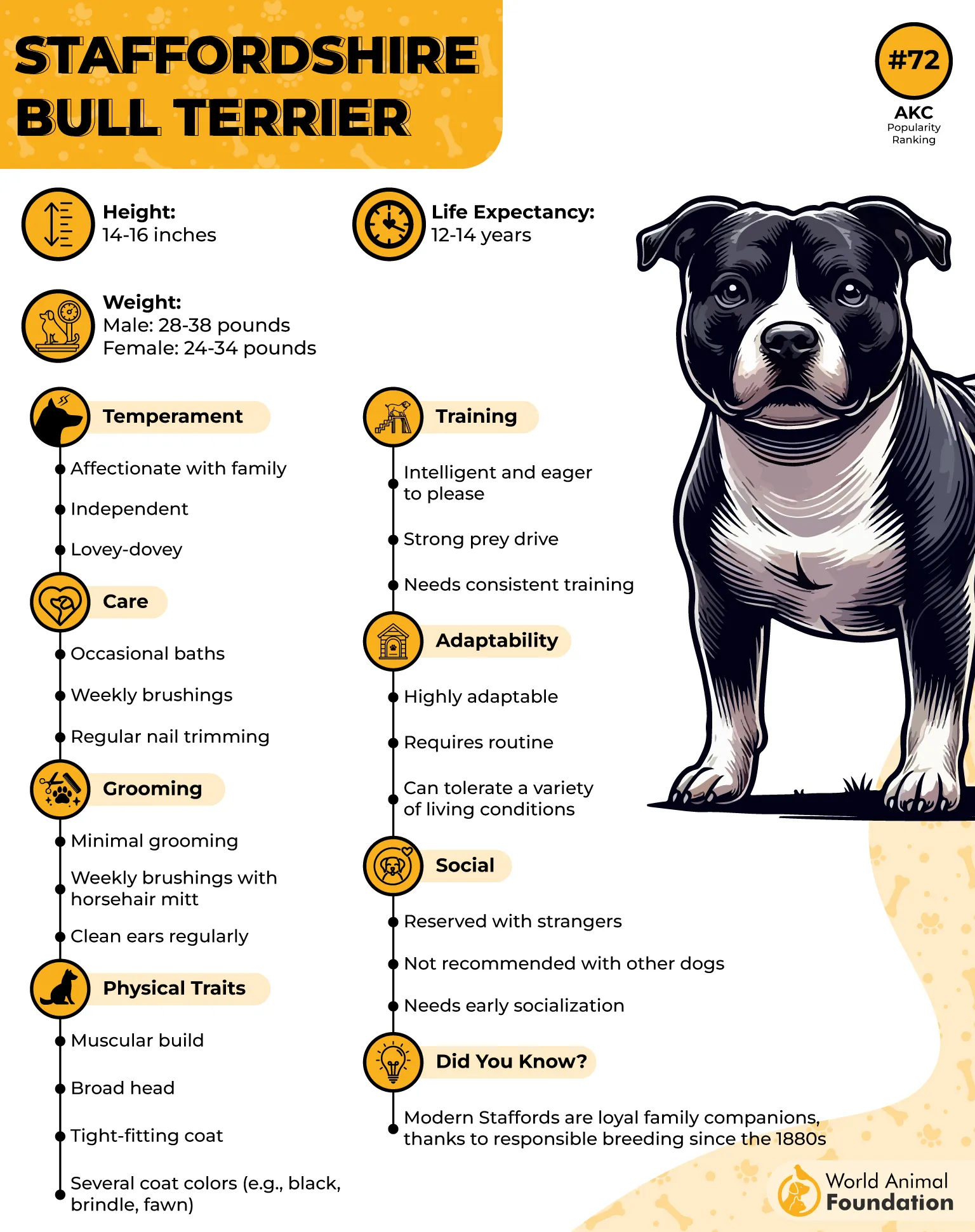
Despite its tough appearance, the Staffy is known for being gentle and especially good-natured with people and children when properly bred and socialised, according to Ezydog.
However, its relationship with other dogs can be less predictable, making early and ongoing socialisation and training particularly important.
Staffies are intelligent and respond well to consistent, positive training, while their energy calls for regular exercise and interaction.
Their short, smooth coat is easy to maintain with weekly brushing. For a family willing to provide companionship, structure, and activity, the Staffy can be a loyal and spirited protector.
8. Tibetan Mastiff
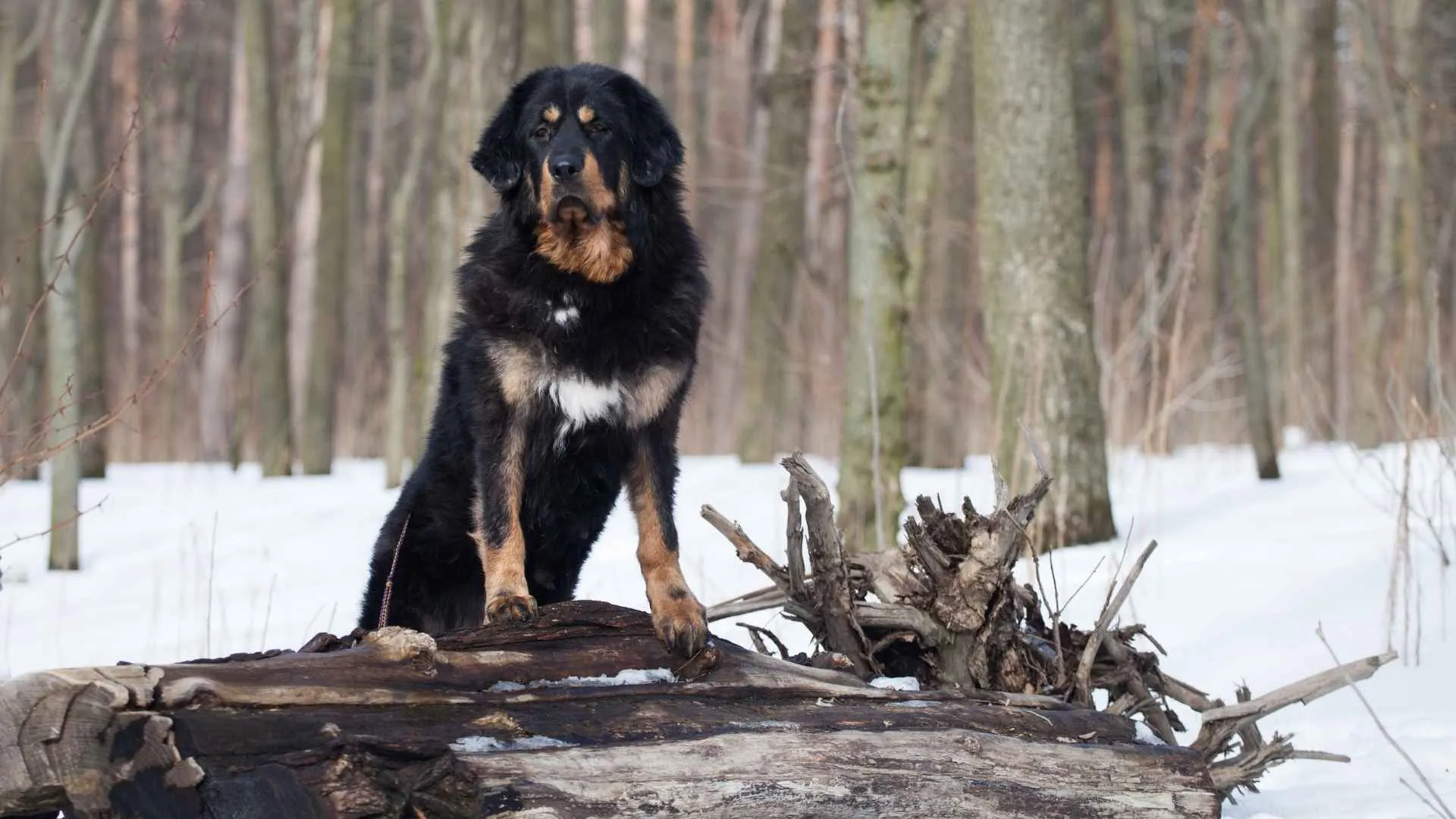
The Tibetan Mastiff is a powerful guardian with an independent mind and a deep sense of responsibility toward the people and property it considers its own.
Intelligent and naturally protective, this ancient breed has long been valued for guarding flocks and homesteads.
At home, it is often relatively quiet and relaxed, but its instinct to watch over its surroundings can make it particularly vocal at night.
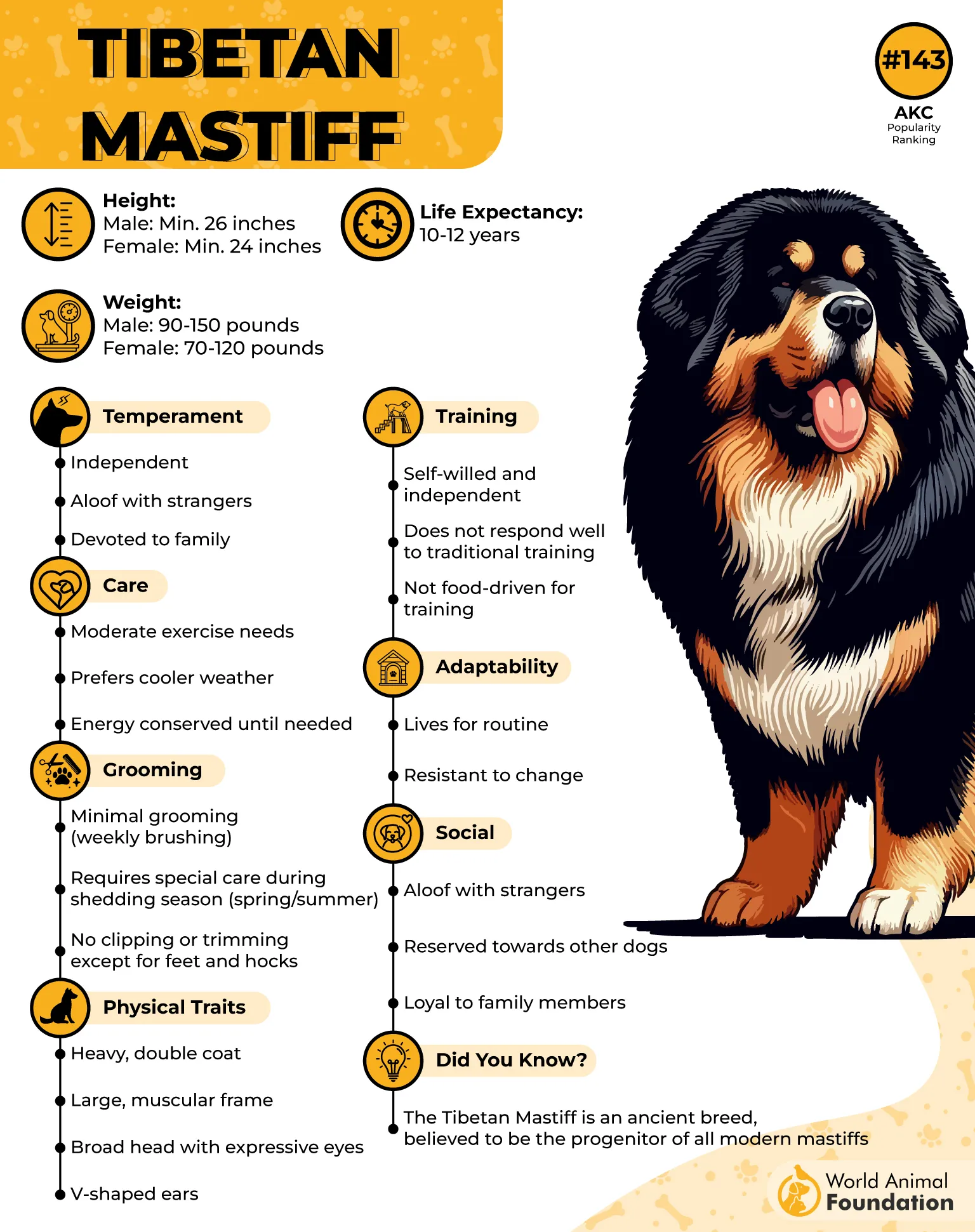
Tibetan Mastiffs are strong-willed and may not always be eager to follow commands, so early training and thorough socialization are essential.
They can be patient with children and become devoted family members when raised with them or regularly exposed to them. However, they may be territorial around unfamiliar dogs, animals, or people and require careful introductions and supervision.
Their large size also means they need adequate space, preferably a securely fenced yard, along with regular exercise. For families who understand their independent nature, a well-socialized Tibetan Mastiff can be a steadfast and imposing protector.
9. German Shepherd
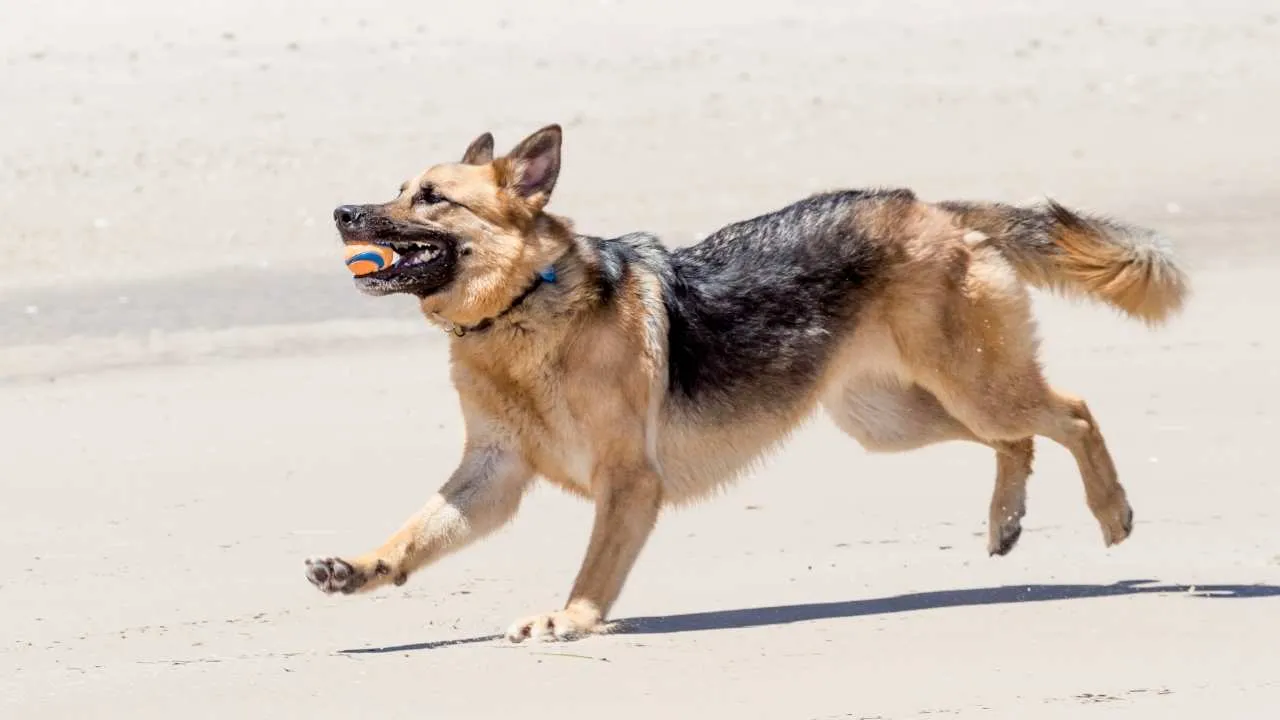
The German Shepherd is a loyal, intelligent, and highly capable breed whose protective nature can make it a reassuring presence in a busy family home.
Bred to work closely with people, these dogs often form strong bonds with their chosen humans and remain responsive to their guidance.
Their intelligence means they learn quickly and enjoy having a purpose, but it also means they need consistent training, mental stimulation, and physical activity rather than a low-maintenance routine.
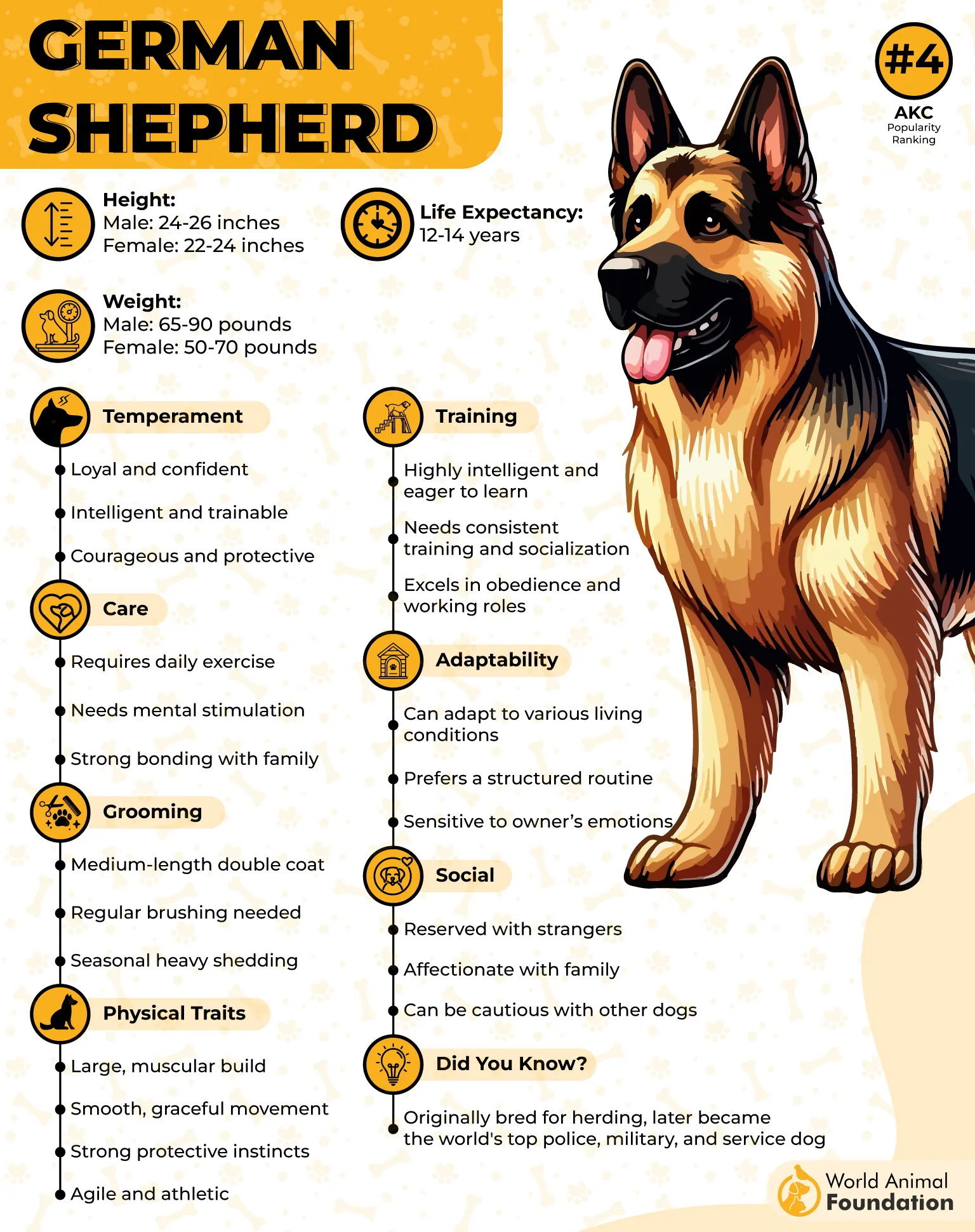
German Shepherds can balance their serious working side with a playful, fun-loving personality, making them affectionate family companions when raised with the right training and environment.
However, they can also be strong-willed, anxious, or reactive, and poor genetics, inadequate socialization, or inconsistent training may contribute to difficult behaviour.
Early socialization and clear, fair boundaries are therefore essential. For families prepared to invest time, structure, exercise, and companionship, the German Shepherd can be a devoted, protective, and dependable companion.
10. Akita
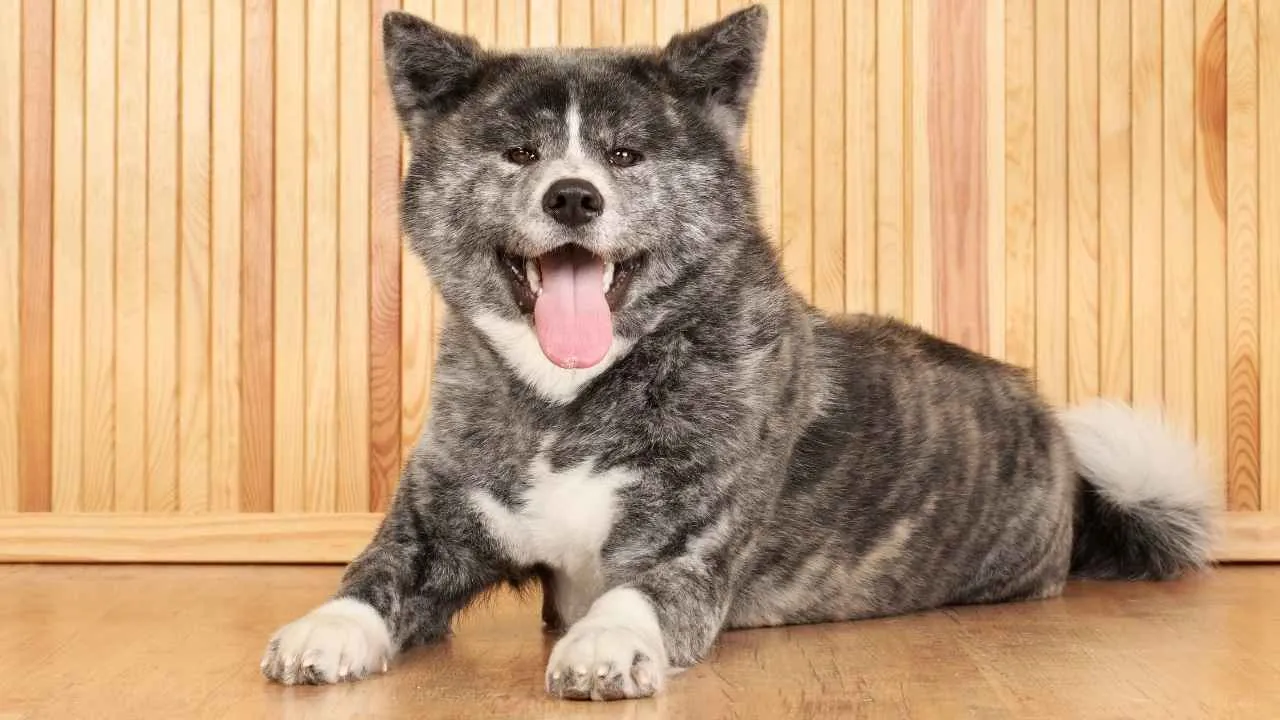
The Akita is a striking, muscular breed whose quiet dignity can be matched by a strong instinct to protect the people it considers family.
Originating in Japan, Akitas were developed for demanding working roles, contributing to their strength, independence, and alert nature.
They can be affectionate and deeply loyal at home while remaining reserved with strangers, qualities that can make them effective watchdogs.
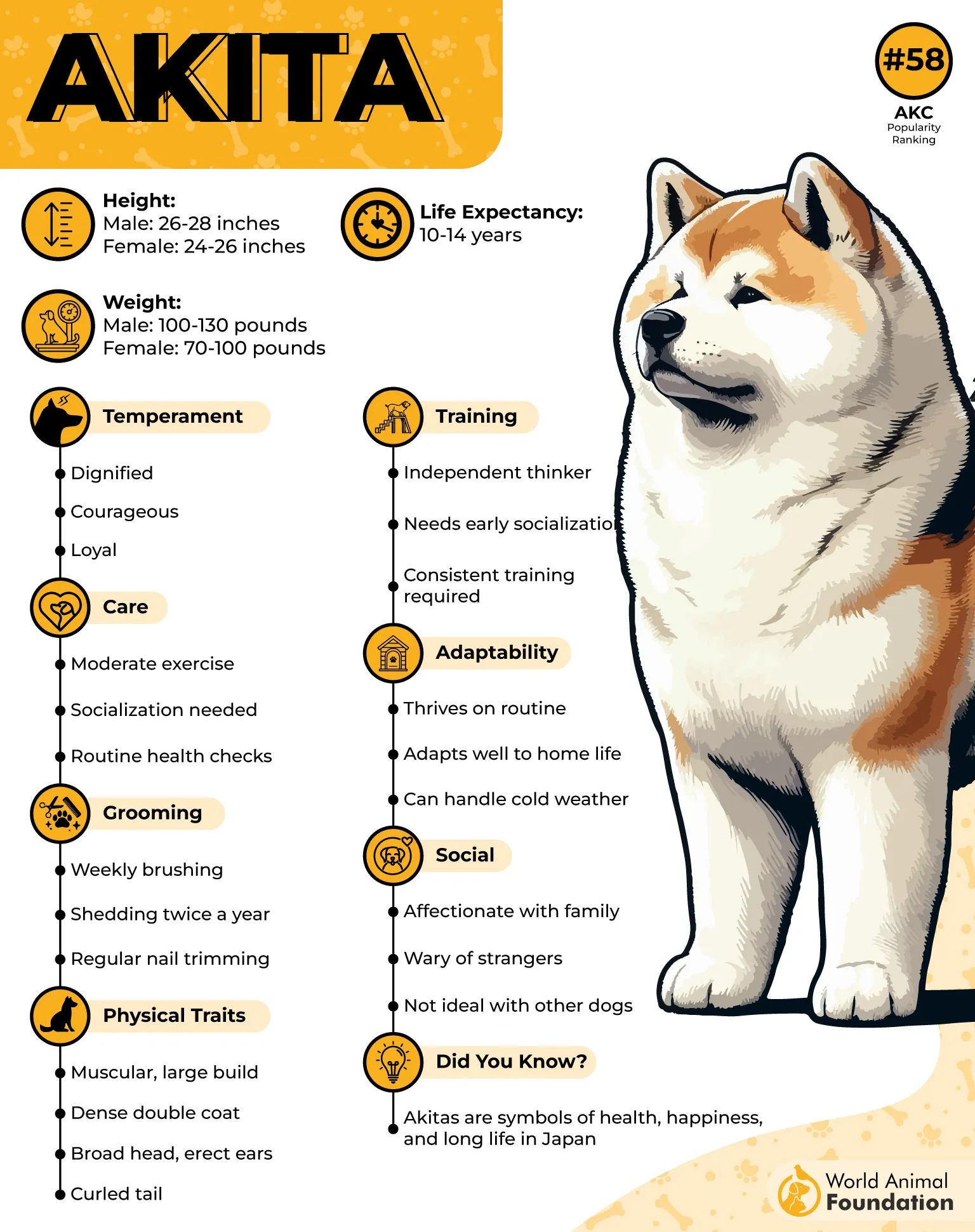
However, their independent temperament means they are not an ideal match for inexperienced owners. Akitas need consistent, reward-based training and early socialisation to help them become well-adjusted companions.
They also have substantial exercise needs and benefit from both physical activity and mental stimulation to stay content and well-behaved. Their thick double coat requires regular brushing, particularly during heavier shedding periods.
Families should also be mindful of the breed’s potential health concerns and provide appropriate nutrition and veterinary care. For experienced owners who can offer structure, activity, and commitment, the Akita can be a loyal and devoted protector.
Conclusion
A protective dog can bring more than a watchful presence to a family home; with the right temperament and training, it can become a trusted companion, playmate, and steady source of reassurance.
The breeds featured here offer their own combination of loyalty, confidence, alertness, and devotion, but protection should never be viewed as their only role.
Busy families also need to consider a dog’s exercise requirements, temperament, training needs, socialisation, and ability to fit into everyday family life.
Some breeds thrive on constant activity and mental challenges, while others are happier balancing outdoor adventures with quiet time at home.
Most importantly, responsible ownership matters. Consistent training, early socialisation, companionship, proper care, and understanding a dog’s individual personality can help build a healthy relationship.
The best protective breed is ultimately one whose needs your family can genuinely meet. When that match is right, the bond can become one of the most rewarding parts of family life.
