




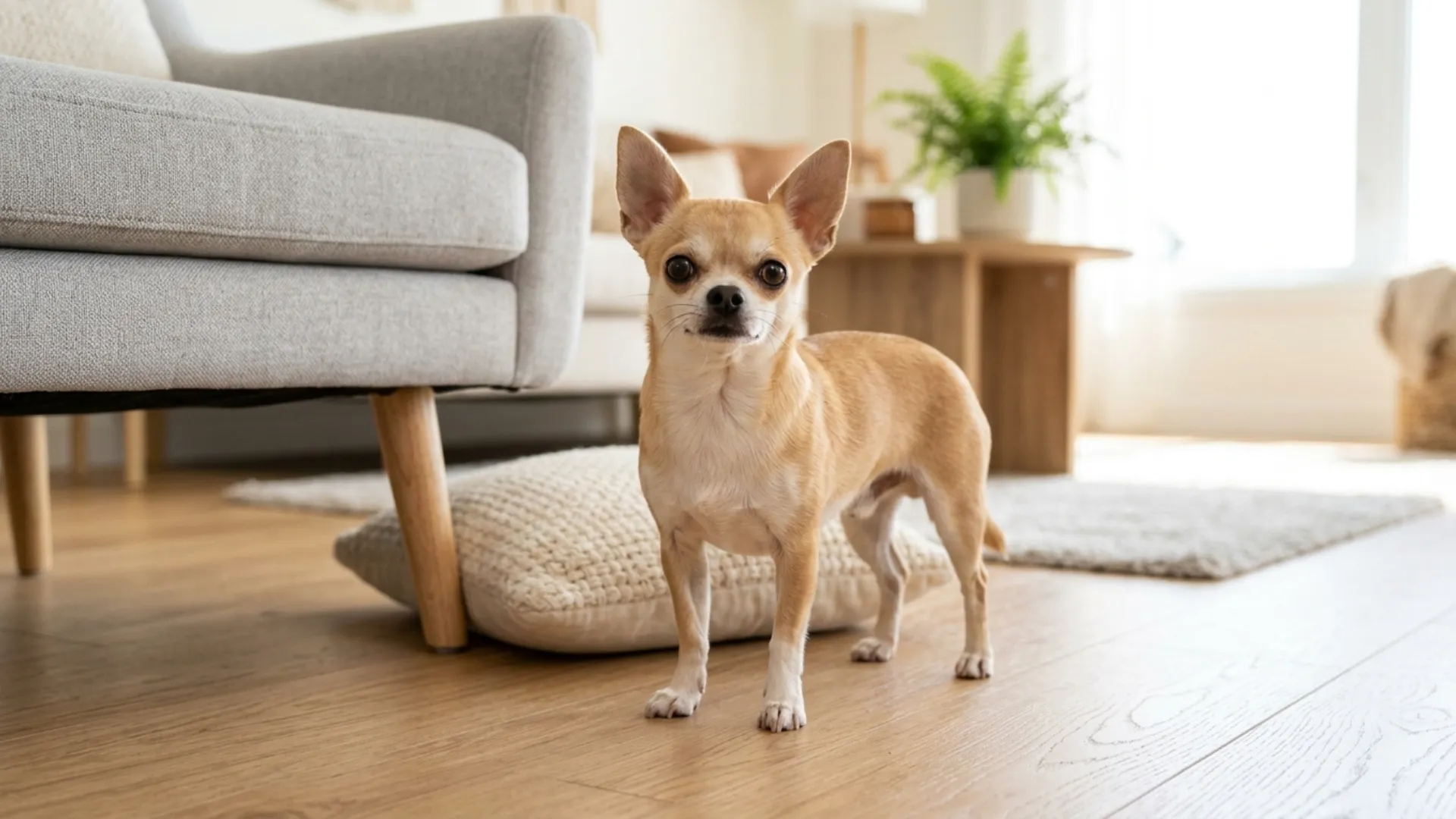
Having a small apartment does not mean you do not deserve love, affection, and entertainment. You just need a perfect match for your compact space and a companion that matches your energy level.
This is where a cute, little dog comes in. Each breed listed in this article can not only be carried in your purse, but also be a full-time entertainer, a lap dog, and a part-time watchdog.
Hundreds of years of selective breeding have led to the development of each breed. While caring for one of these tiny breeds, you are actually displaying a piece of history with you.
These diminutive breeds are happy sitting next to you, playing with you, alerting you, and even ready to go on a walk with you. In short, a bundle of happiness!
Top Small Dog Breeds That Stay Tiny All Their Lives
1. Pekingese
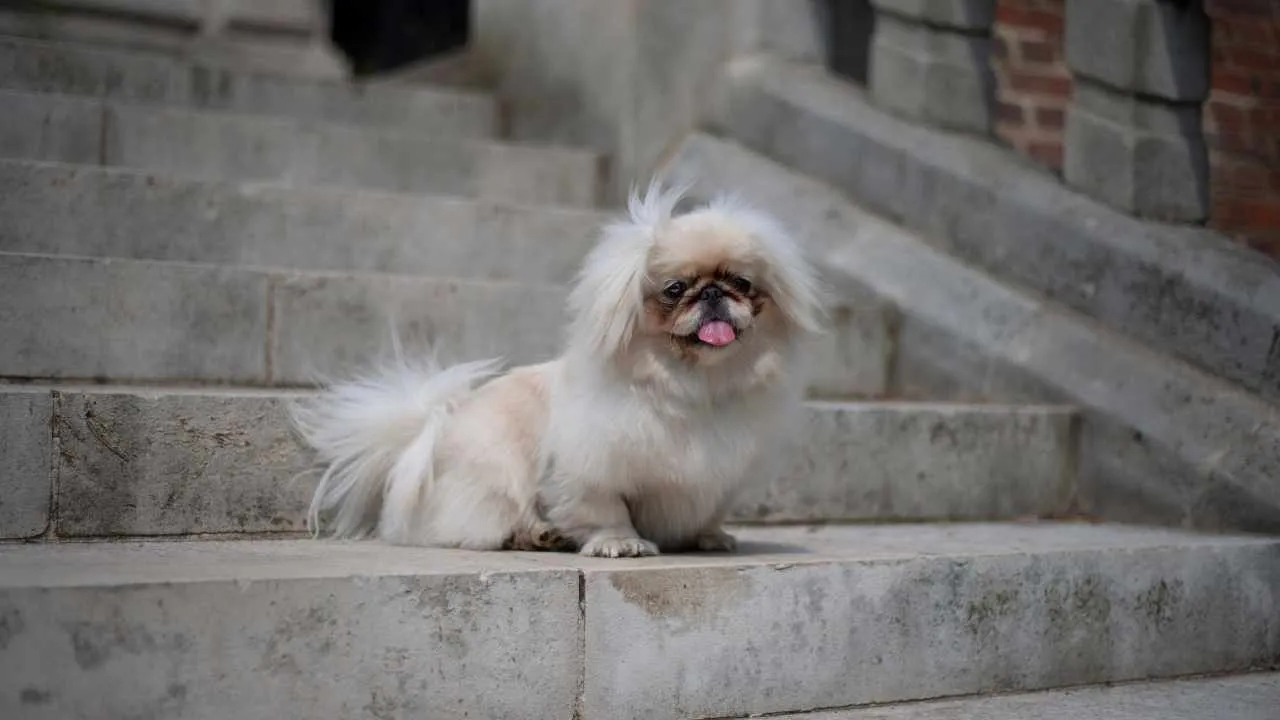
This ancient dog breed was originally bred some 2,000 years ago in China as a companion dog for royalty. Only noblemen were allowed to have the breed, and a commoner would face a death sentence if they adopted one, according to Pooch & Mutt.
The growth plates in the legs harden in puppyhood, enabling the iconic ‘rolling gait.’ It has large, round eyes that mimic human infants. The Pekingese thrives on human companionship and may develop separation anxiety when left alone for too long.
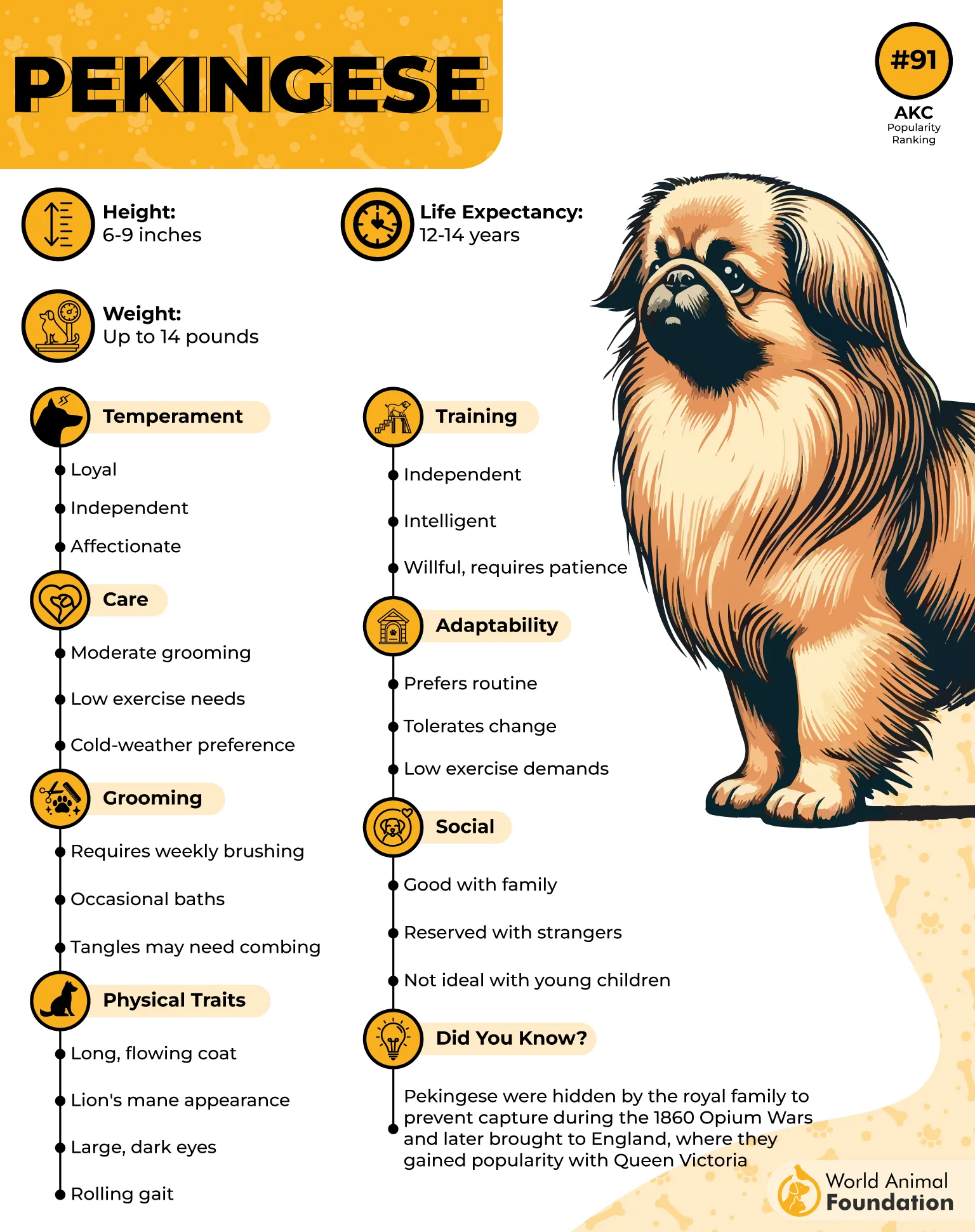
The brachycephalic nature causes breathing issues if it is involved in high-impact exercise outdoors. Once used as a watchdog, the little dog barks to alert the owner to notify the visitor.
2. Shih Tzu
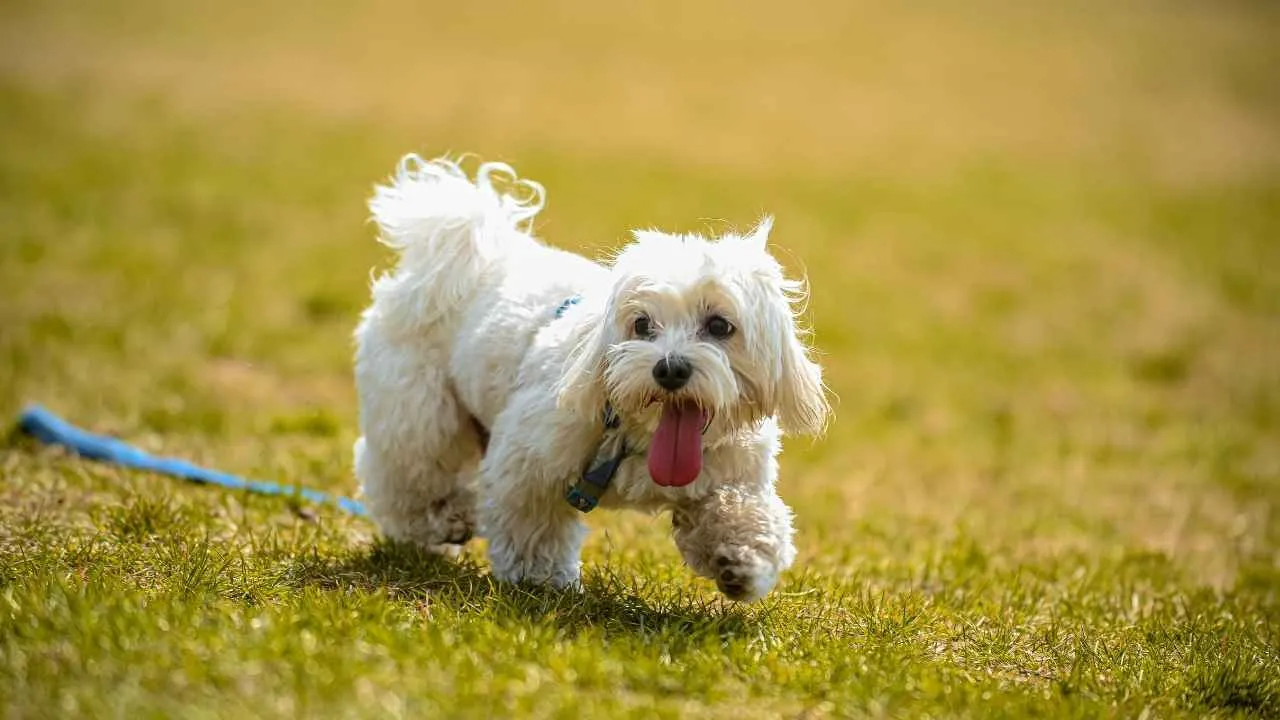
Ranked among the top 14 oldest dog breeds, the Shih Tzu was developed in Tibet and was gifted by the Byzantine Empire to the Chinese courts in 624 AD. Also known as the ‘little lion,’ the lap dog has a thick ruff around its neck, giving it a lion-like appearance.
The popular tiny dog breed has a rapid basal metabolic rate that burns energy quickly. It excels at reading human emotions and body language and consoles with intense eye contact and sitting in the lap, making it a great therapy dog. The outgoing and affectionate companion also loves to spend hours on the couch.
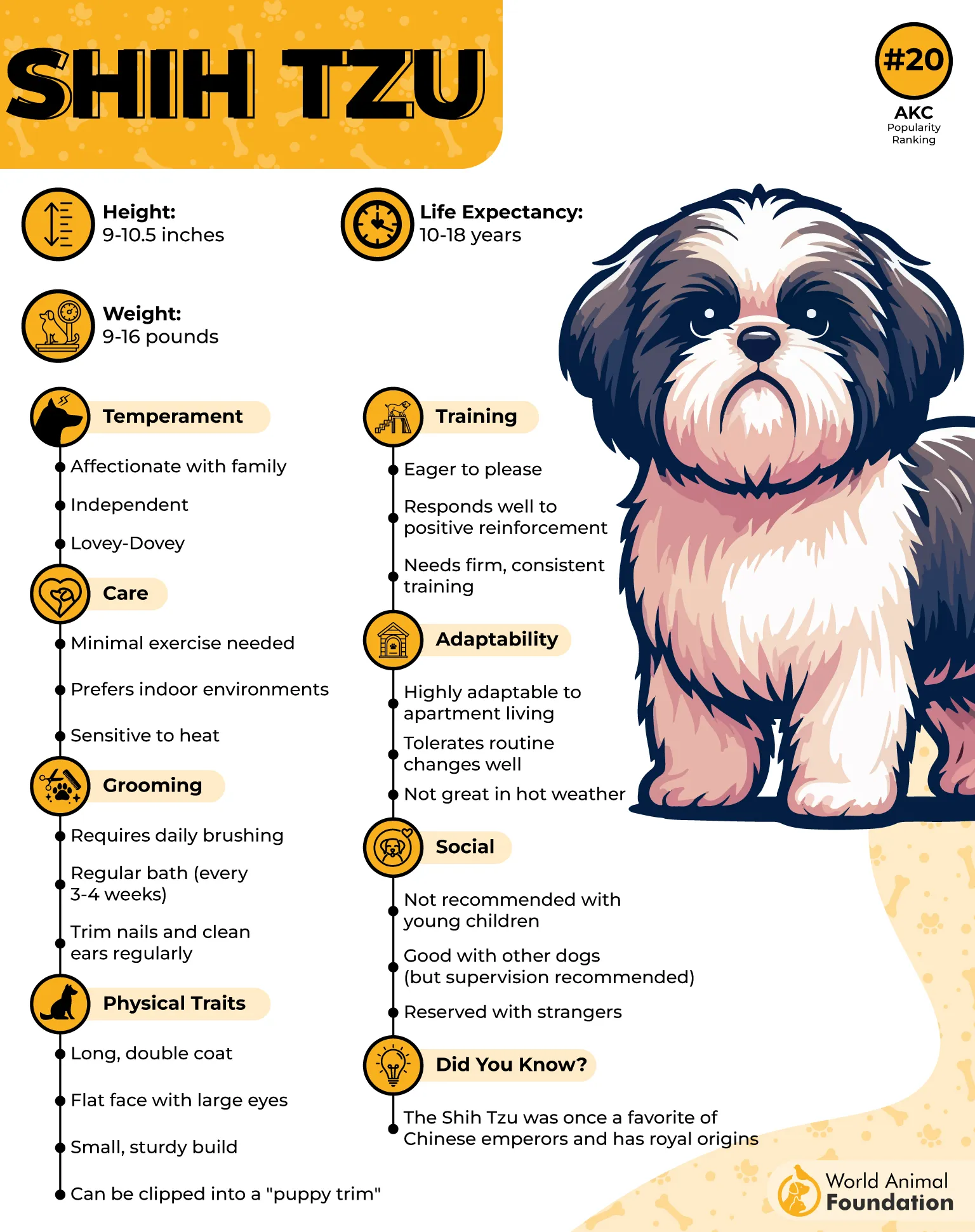
Despite having a watchdog history, the breed gets along with children, other pets, and family members. It has moderate exercise needs (30 minutes daily): brisk walks and indoor play. It has a slight independent streak; thus, proper training and early socialization are important.
3. Chihuahua
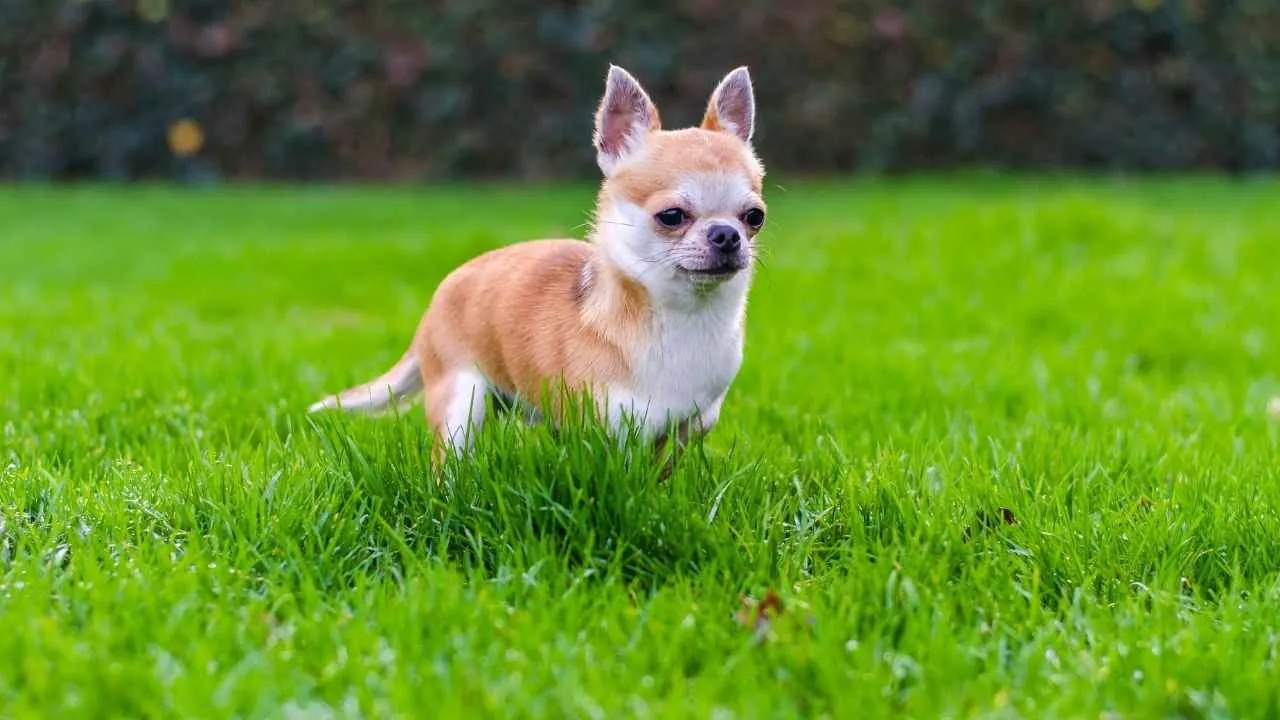
This very small breed was originally bred in Mexico in 300 B.C and is descended from the Techichi, a dog kept by Toltec people. It was believed to have superpowers, such as guiding the dead person’s life to the afterlife, as reported by Wikipedia.
The dog has neotenic features and carries them into adulthood. It has an apple head, expressive eyes, and short limbs. Since the breed has a high area-to-mass ratio, it loses body heat at a faster pace. Bred for companionship, this family dog forms strong bonds with the owner. The breed is highly alert and intelligent, and it learns complex commands easily.
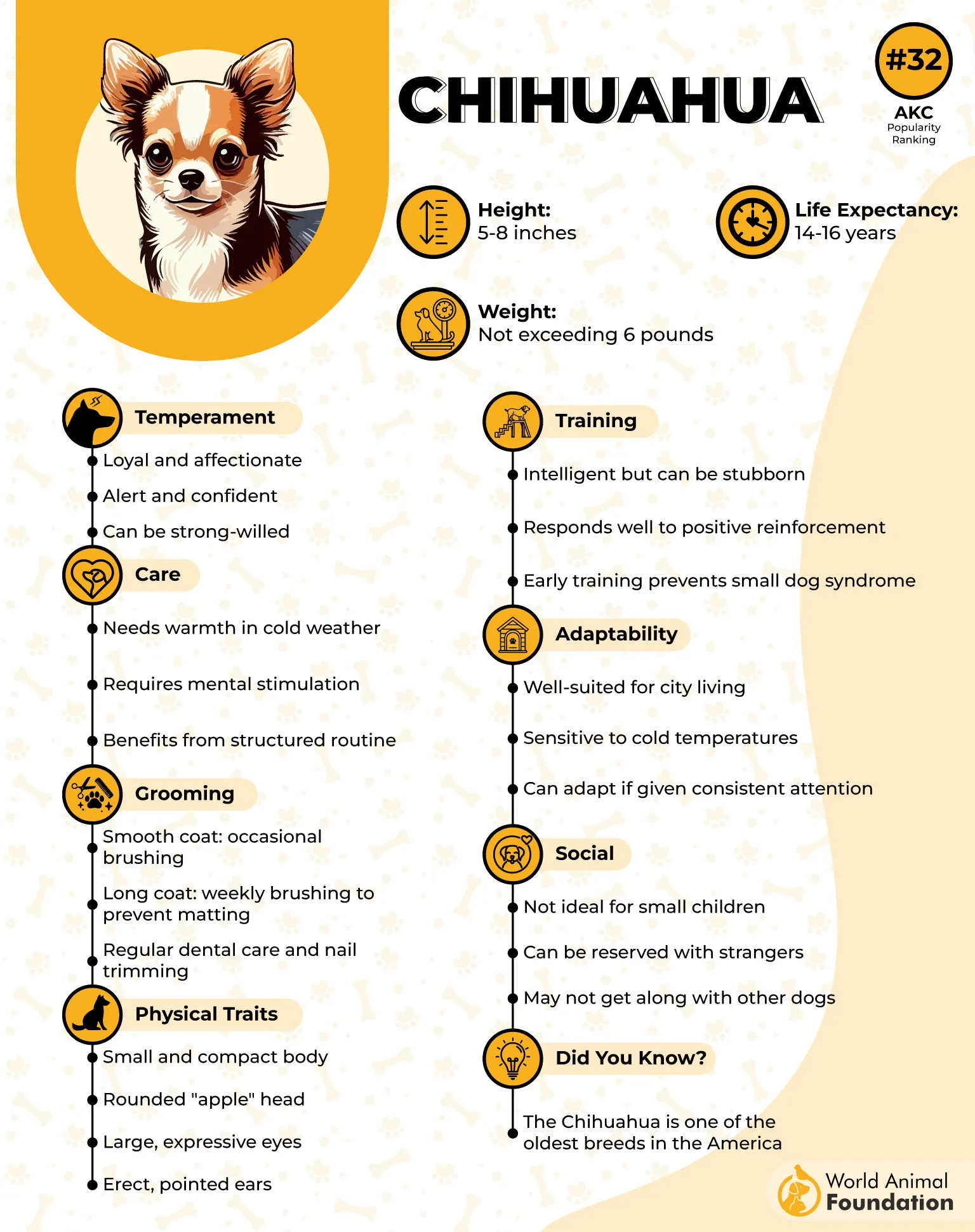
It has short bursts of energy and loves to play fun tricks followed by a prolonged resting phase. Despite its small size, the Chihuahua may bark to alert the owner of a visitor. It makes good friends with children and other pets.
4. Pomeranian
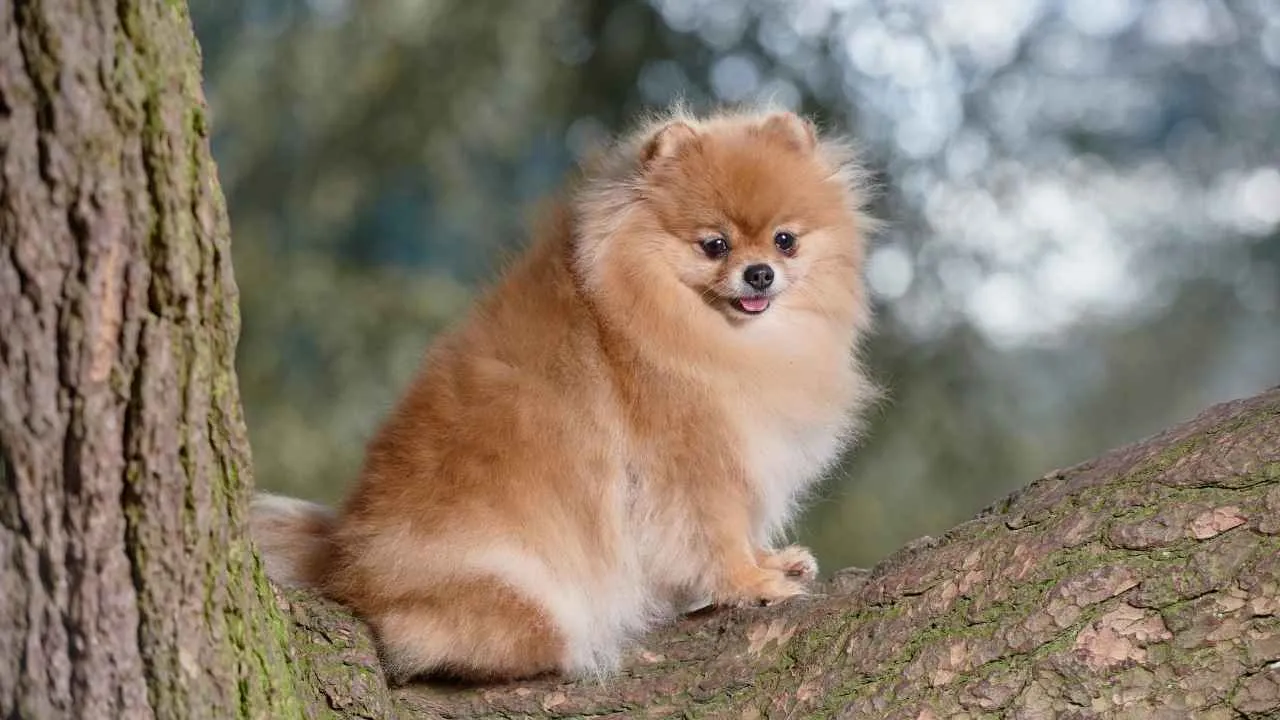
Originating from a large, sled-pulling Spitz breed, the Pomeranian was specifically bred for cold climates. It was favored by Queen Victoria, and the size reduction of the breed started in her era. The breed is also ranked as one of the oldest breeds recognized by the AKC.
Skeletal maturation enables it to reach maximum height at the age of 9-12 months. With its proportionate dwarfism characteristics, the compact dog has a square physique. The breed has foxy facial structures: a small muzzle and a rounded skull, mimicking human infants.
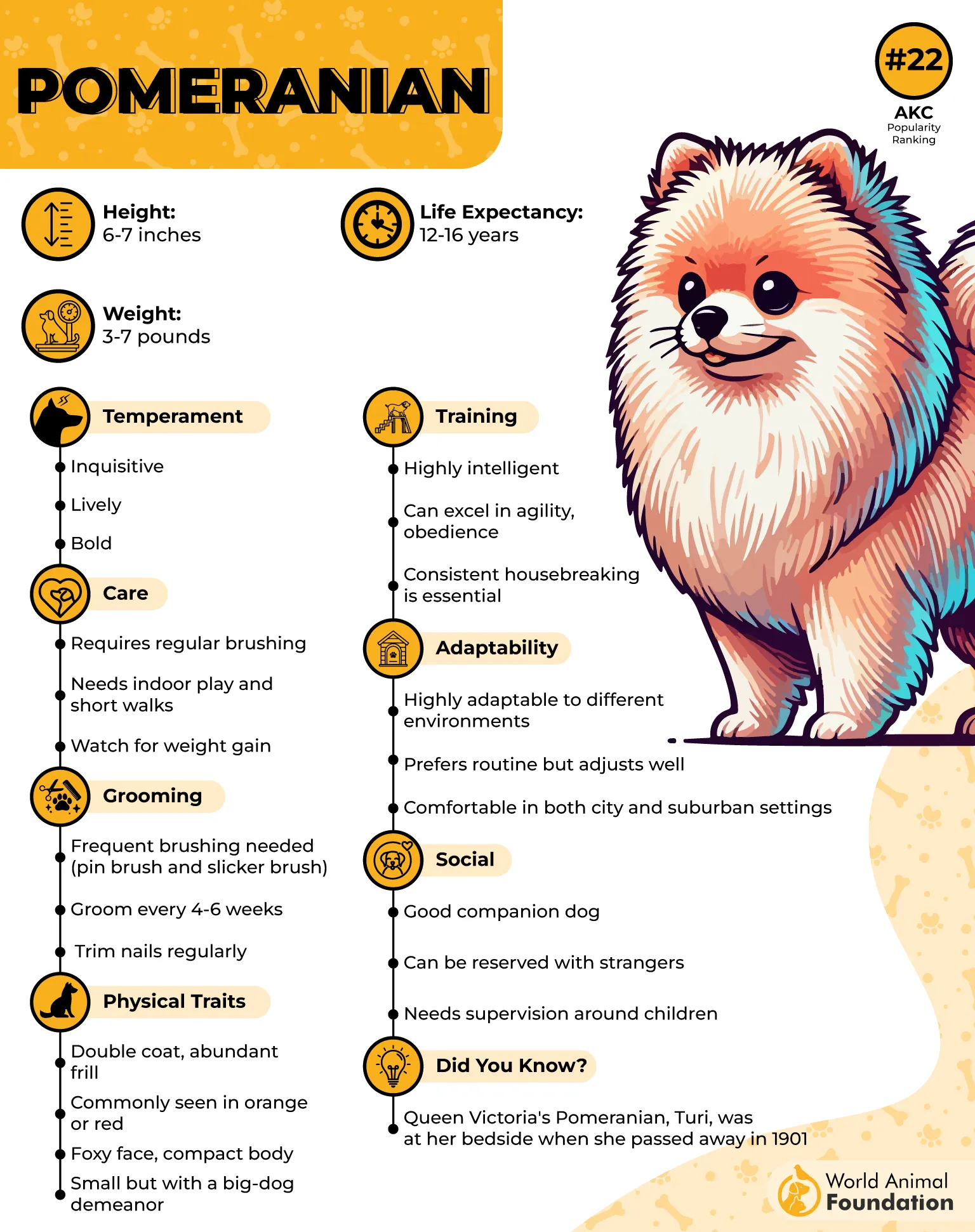
The short and dense, ultra-fluffy double coat gives it a plush toy-like appearance. Despite being an affectionate pet, it is highly aware of its surroundings. The breed has moderate exercise needs and requires 30-60 minutes for physical and mental stimulation.
5. Yorkshire Terrier
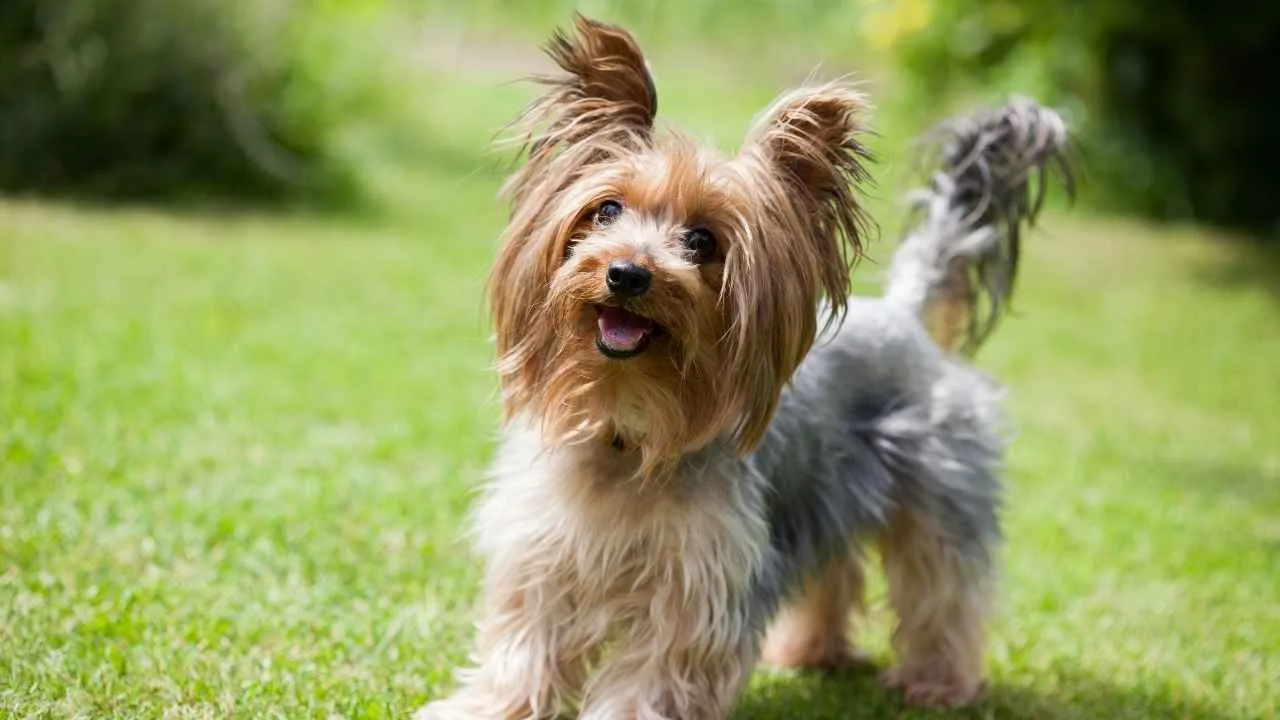
Descended from the Waterside Terriers, the Yorkshire Terrier was specifically bred by the Scottish weavers when they migrated to the city of Yorkshire during the Industrial Revolution. Its primary purpose was to serve as a watchdog and rat catcher in cotton mills, as per Orvis.
It has a well-proportioned toy structure with a button nose, short muzzle, and expressive eyes (the phenomenon is termed paedomorphosis). The small companion dog craves human touch and may develop separation anxiety if left alone for too long. Being highly alert and vocal, the dog makes an exceptional watchdog.
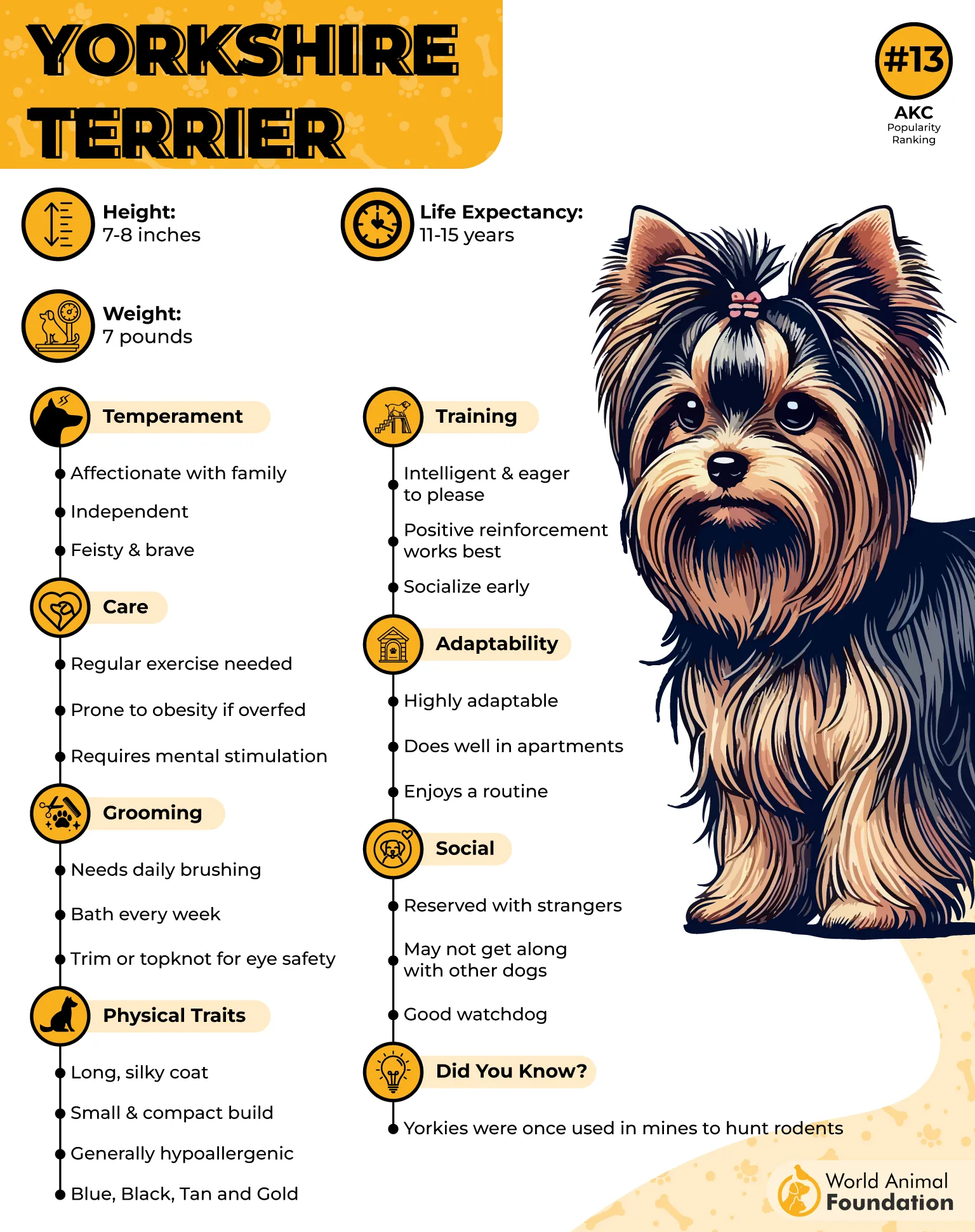
It grows continuous hair, making it a hypoallergenic dog. The Yorkie has an independent nature and needs its personal space at some part of the day. 20-30 minutes of daily exercise is enough.
6. Maltese
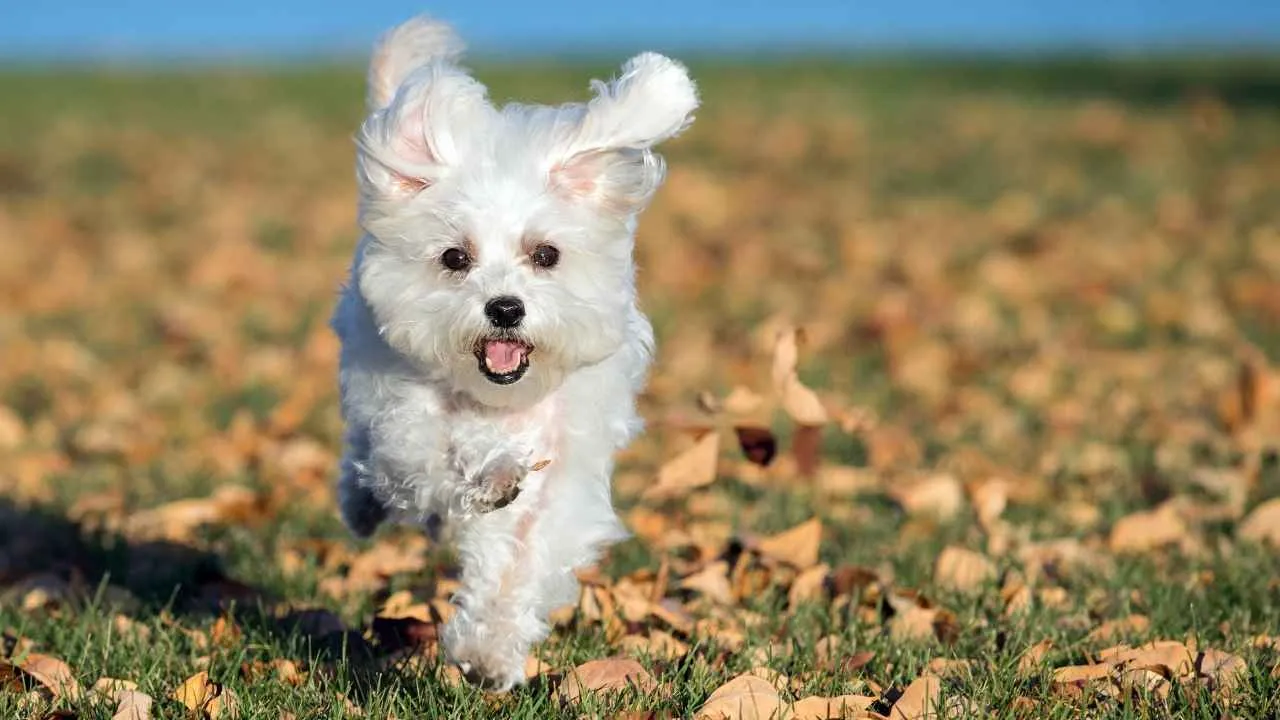
Adored by ancient Egyptians, Greeks, and Romans, the history of the Maltese dates back to 1,500 B.C. The small breed was descended from a Spaniel or Spitz type of dog. The pint-sized pup was favored by the British royalty in the 14th century. Developed as a lap dog, the breed was given a nickname, ‘the comforter.’
The tiny breed was selectively bred over generations and consoles with paw-placing, head-tilting, and sustained eye contact. The Maltese is highly attuned to human emotions. Often described as a ‘charming ham,’ this little dog loves to show off new tricks to the owner to get praise.
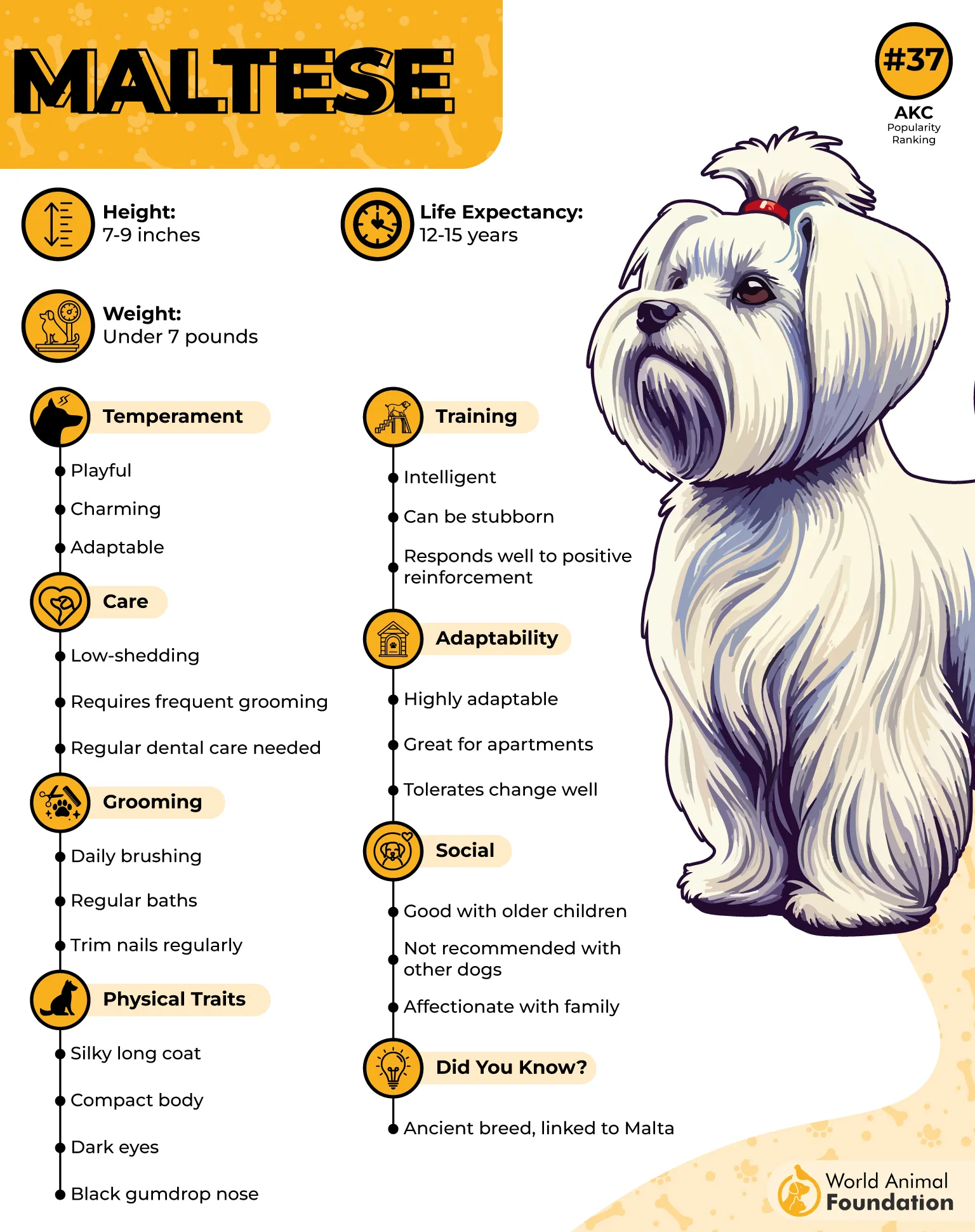
The small-sized dog needs at least 30-60 minutes of daily exercise, such as soft fetching, tug-of-war, short walks, and puzzle toys. The single-layered, silky coat needs a soft brush to comb the hair to prevent mats and tangles.
7. Papillon
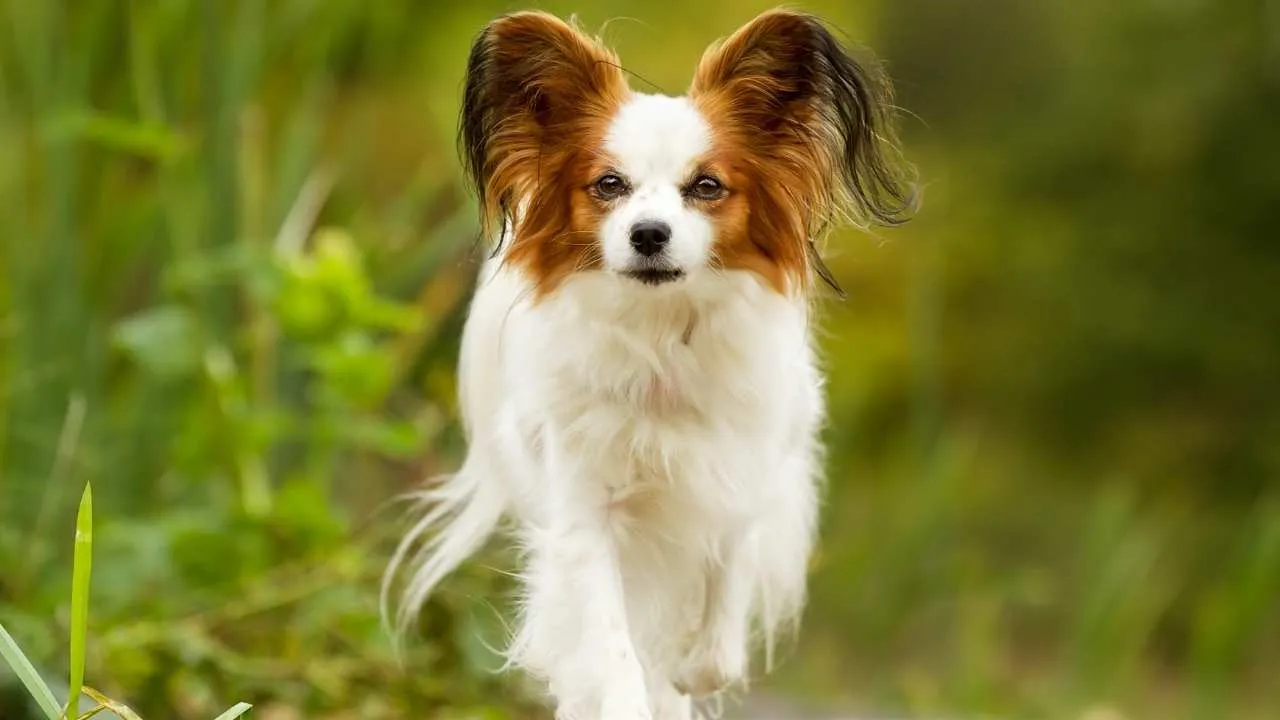
The little dog was originally bred in Spain and is descended from a dwarf spaniel that was used as a ratter dog. It was also depicted in the royal portraits, posed alongside King Louis XIV. The breed got its name from a French word that means ‘butterfly ears.’
The ears are not only for aesthetics, but they are also highly alert and a great mode of communication too. It processes microexpressions, human vocal tones, and contextual cues with accuracy. Since it has a small bladder, the great family dog needs more frequent bathroom breaks than larger dogs.
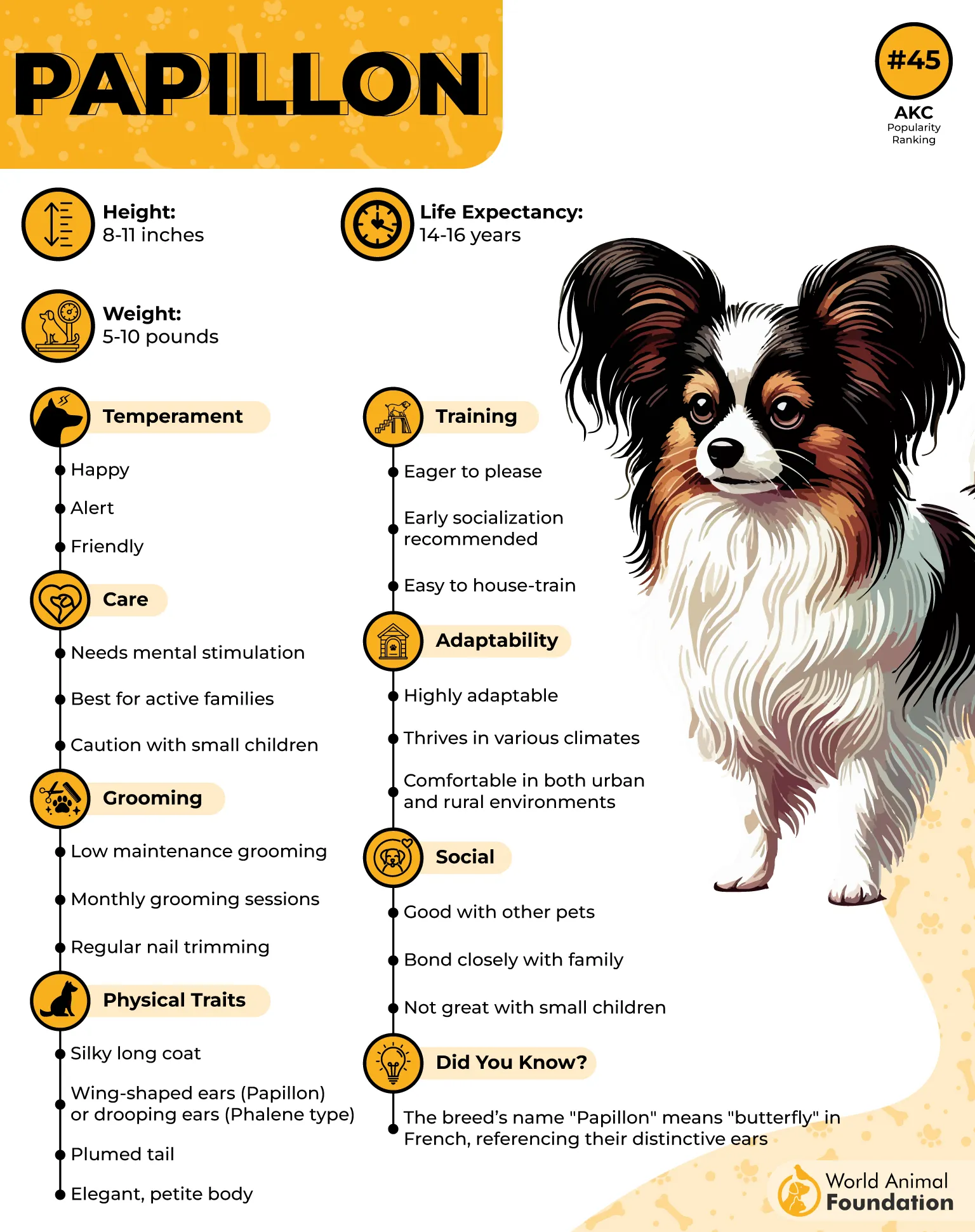
The social butterfly dog makes good friends with everyone, even strangers. It loves being the centre of attention and has the abilities of a sporting dog. It excels in indoor fetching, play sessions, trick training, scent games, and puzzle toys.
Conclusion
Be it the ancient breed of Pekingese, developed to watch over royal boundaries, a Yorkshire Terrier built to hunt rats and rodents, or a Chihuahua whose only purpose was to sit on the laps, each breed has unique features that make it an ideal breed for respective families.
All you need to do is conduct proper research and find a dog that matches your lifestyle, routine, and vibe. A breed intelligent enough to read your mind and console you on your low days. These dogs are not here to be a burden, but to make you believe that true love may come with 4 legs and a wagging tail.
