




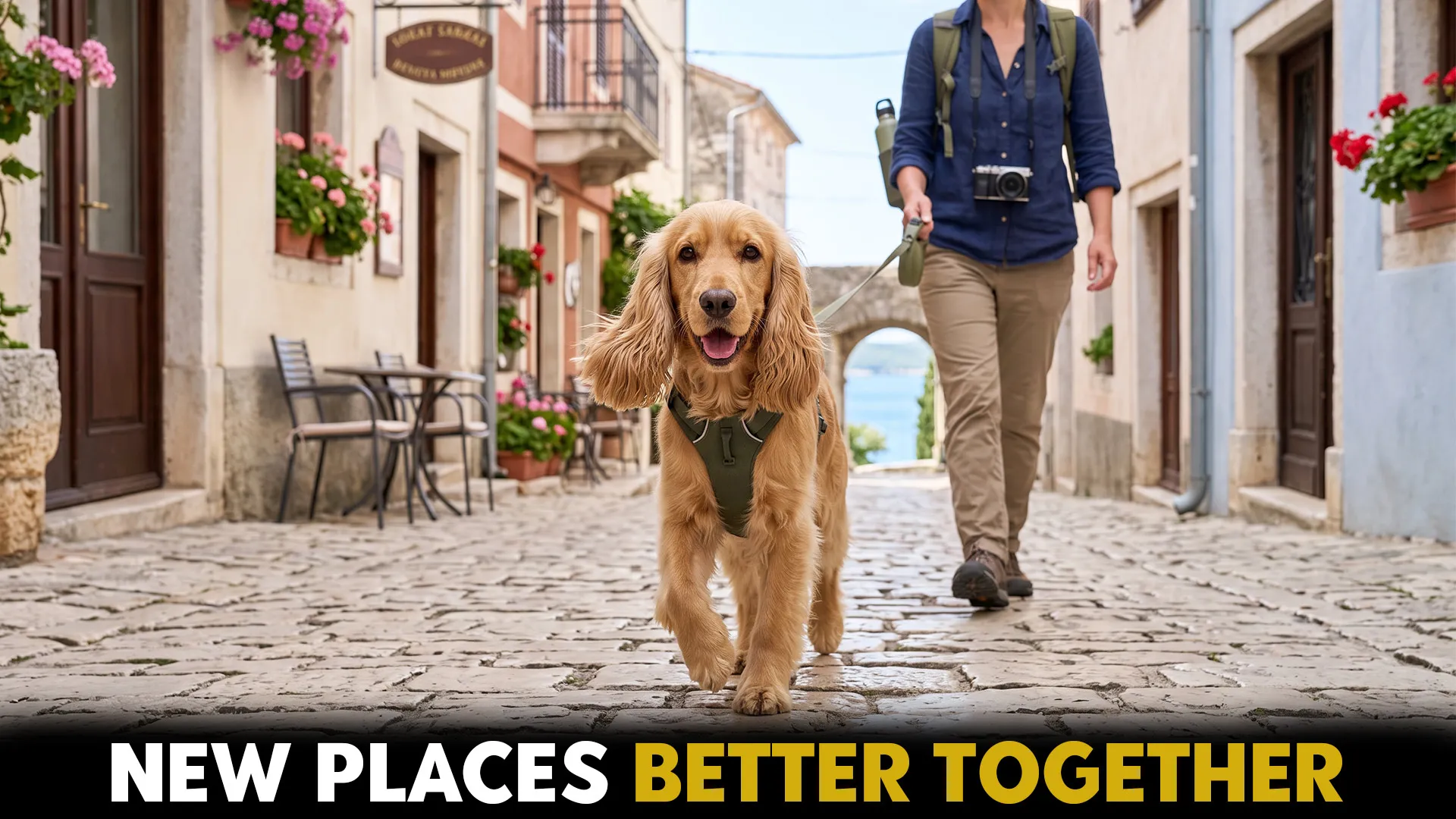
For travelers who want four paws involved in the itinerary, choosing a dog with the right combination of confidence, stamina, trainability, and curiosity can make exploring new places way more fun.
But remember, preparation matters A LOT. Keep pets properly identified and microchipped, check vaccinations and destination requirements before traveling, and use a leash during adventures to reduce the chance of injury, illness, or an unexpected canine disappearing act.
The breeds below bring different kinds of travel energy, but they all have big-trip ambitions.
Ideal Dog Breeds for Exploring New Destinations
1. German Shorthaired Pointer
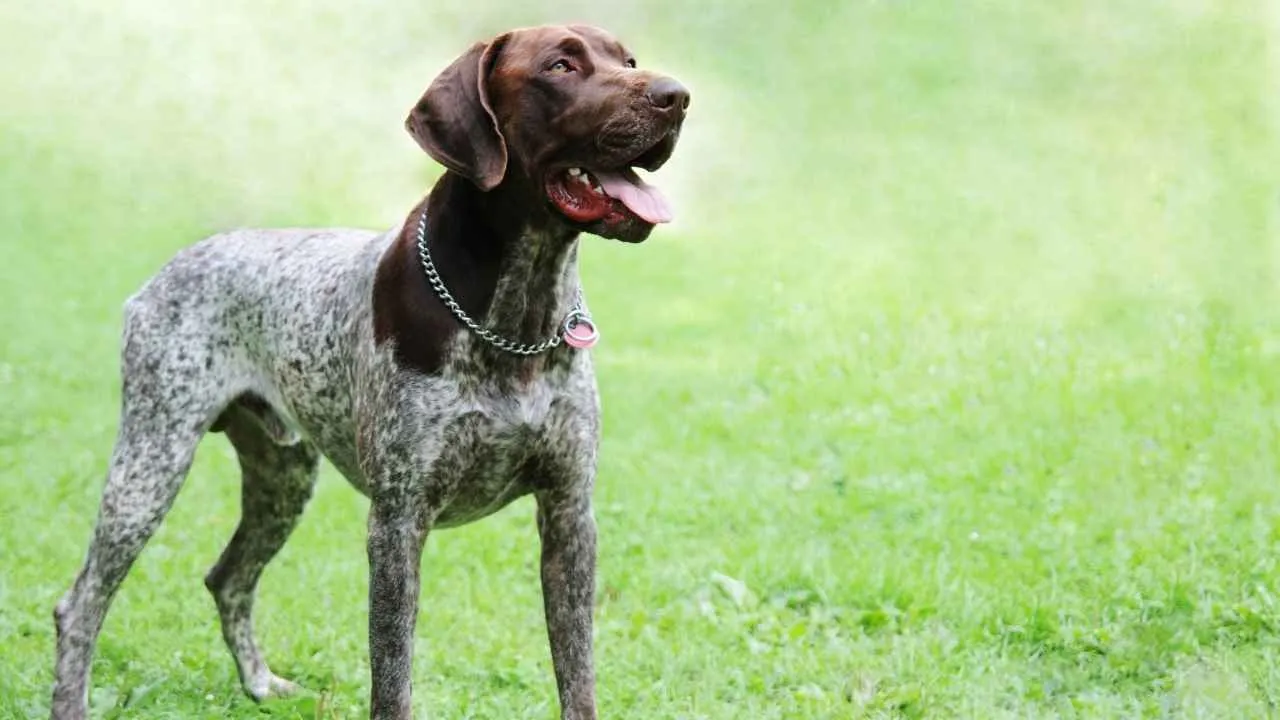
The German Shorthaired Pointer is a “multitasking legend”. Breeders developed these dogs to point, track, hunt, and retrieve across varied terrain rather than specializing in a single narrow job, which is why modern GSPs love hiking trails.
PetMD says a non-working GSP commonly needs around one to two hours of intense exercise daily, with running, retrieving, agility, hiking, and swimming among the activities that suit them.
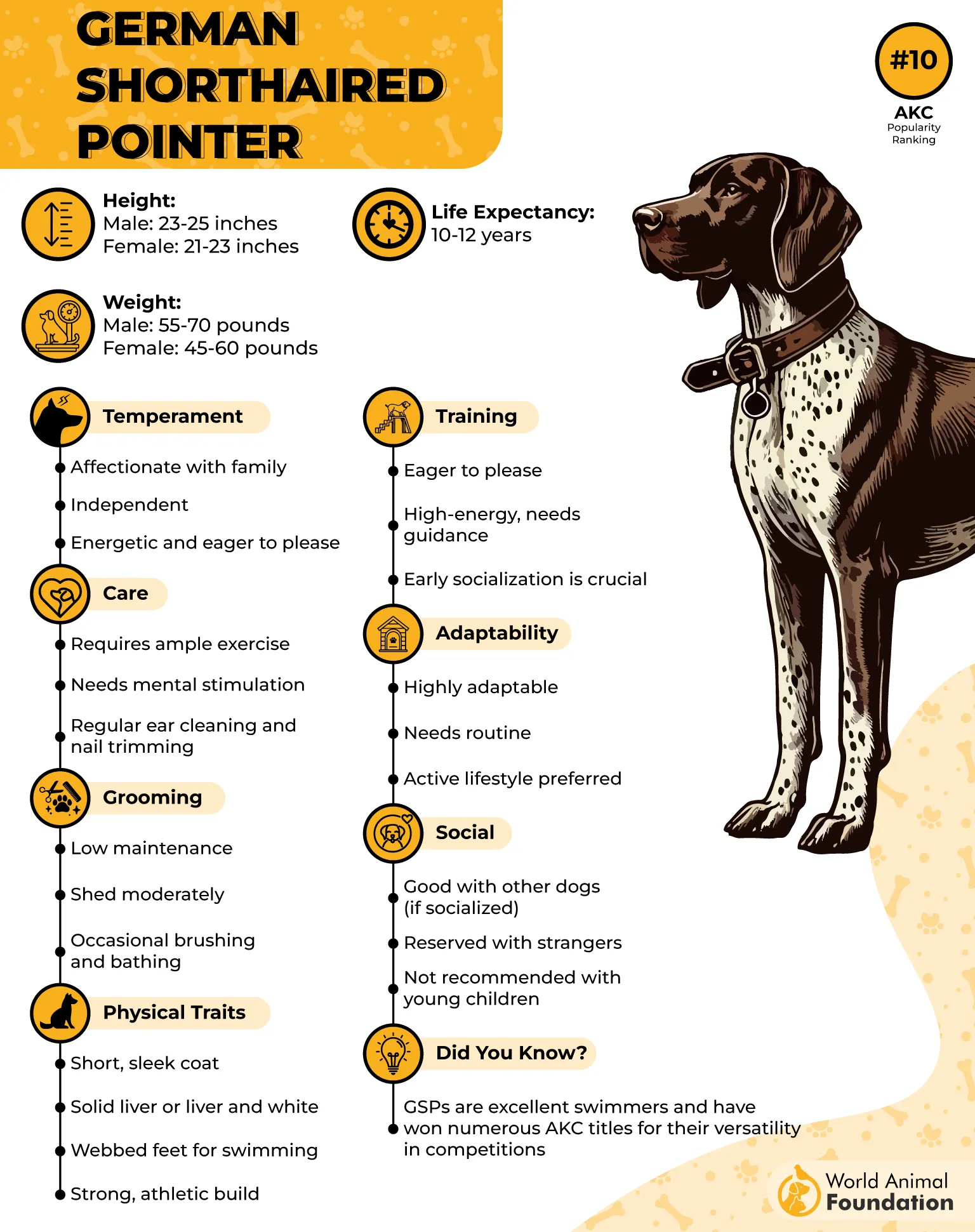
They are typically affectionate, energetic, clever, and very attached to their humans. Give them training and constructive things to do, and that huge enthusiasm becomes ridiculously fun; leave the brain unemployed and your throw pillows may suddenly receive an unsolicited interior redesign.
A well-conditioned adult Pointer dog can be brilliant for camping weekends, hiking holidays, lake trips, active road journeys, and outdoorsy family escapes because sitting on the sidelines is very much not their brand.
Comforting Them While Exploring New Destinations
Give the first 10–15 minutes at a new stop to controlled sniffing so the environment becomes information rather than instant sensory chaos.
Pack a familiar crate mat or blanket; a properly crate-trained GSP may treat the crate as a safe den during hectic travel.
2. Labrador Retriever
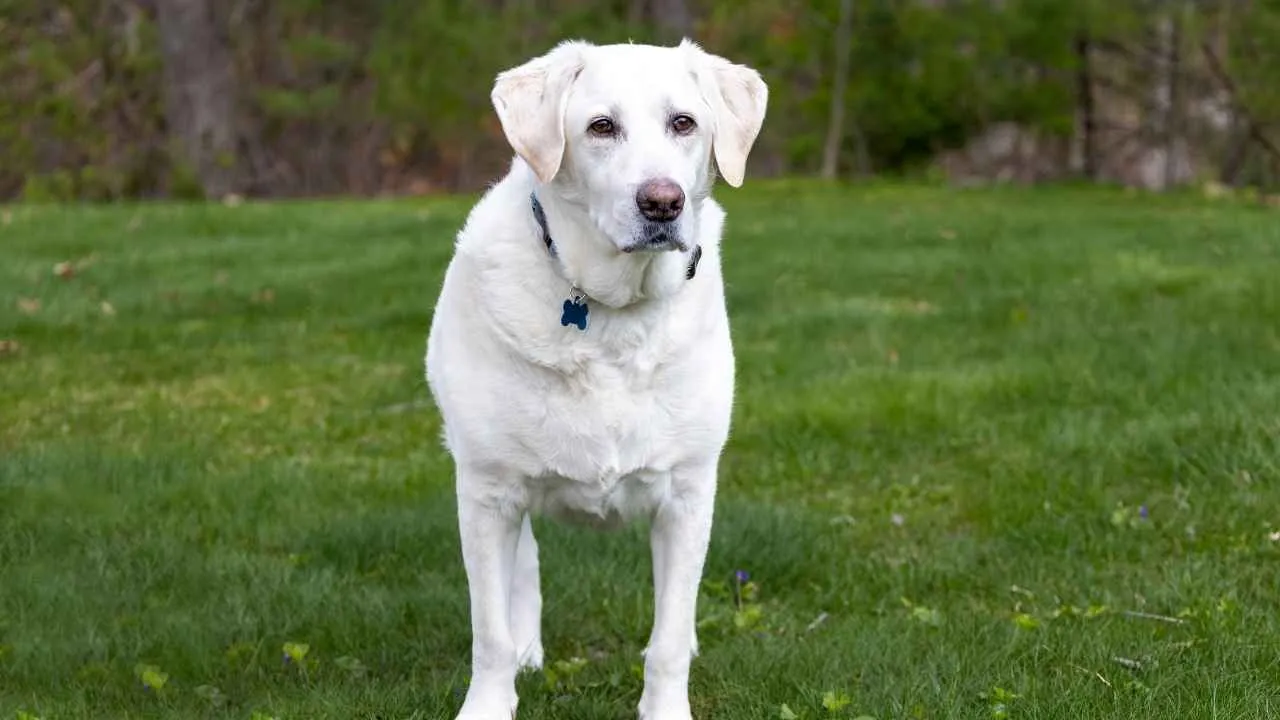
Labs are famously outgoing, affectionate, and sociable, qualities that can make busy campgrounds, family visits, parks, and dog-friendly destinations easier for a well-socialized individual to process. They are energetic family dogs who enjoy hiking, swimming, meeting people, car rides, and fetching.
Many healthy adults need at least an hour of daily exercise, while activities such as hiking, swimming, running, tracking, agility, and dock diving align well with their work backgrounds.
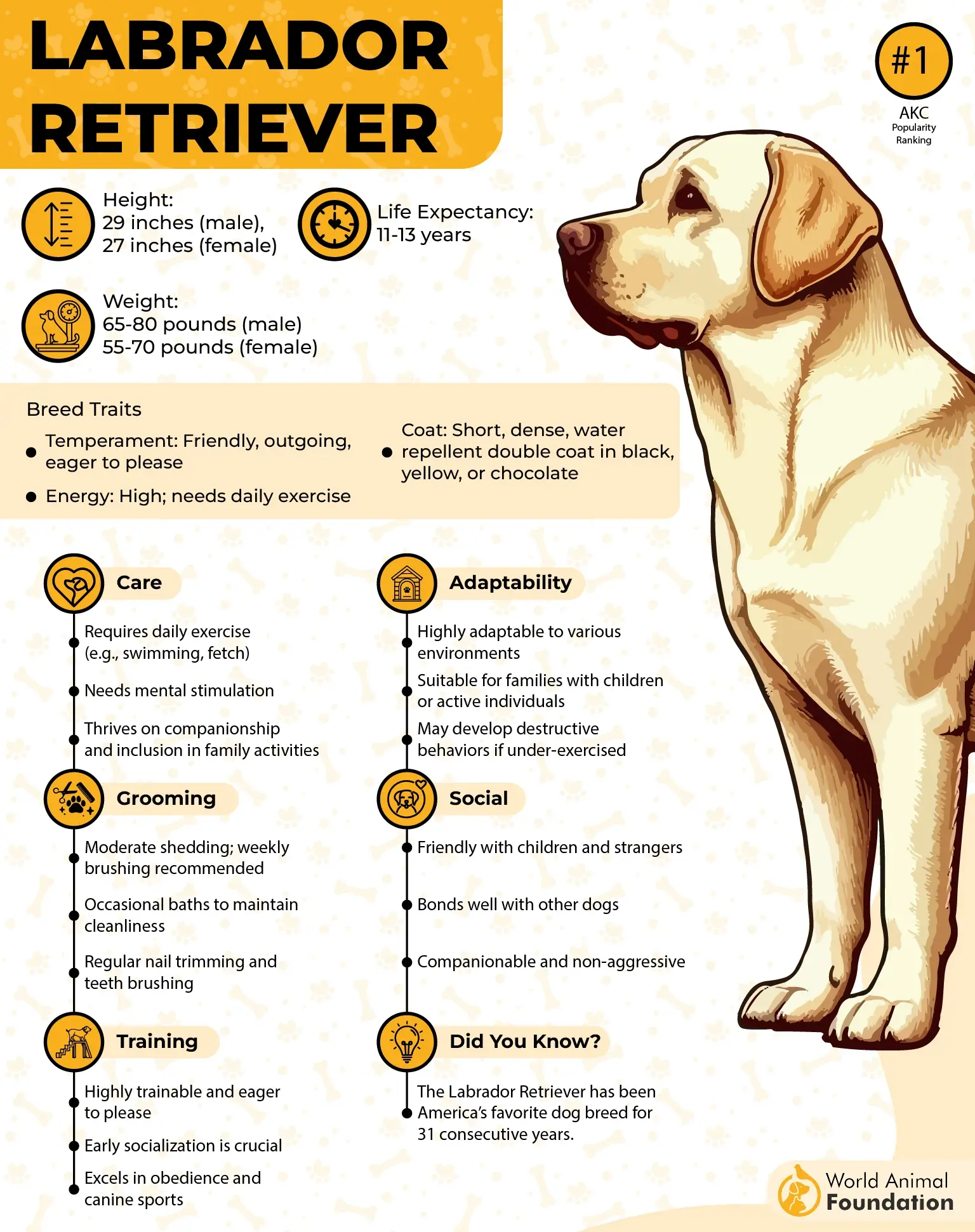
Great for camping trips, they are also generally eager to please, which is an underrated travel superpower. Teaching a calm vehicle exit, loose-leash walking, “leave it,” place training, and settling beneath a café table can transform raw enthusiasm into civilized tourism.
Water-loving Labs also need practical post-adventure care. The Royal Kennel Club recommends attention to their ears, particularly after swimming, because the breed is prone to ear infections. At the same time, that famously weather-resistant coat sheds enough to make a lint roller feel like essential luggage.
Comforting Them While Exploring New Destinations
Turn travel stops into mini routines: a toilet break, water, a quick sniff, then back into the vehicle before excitement hits festival-level.
Bring one familiar retrieving toy and use short games to make an unfamiliar park feel immediately understandable.
3. Australian Shepherd
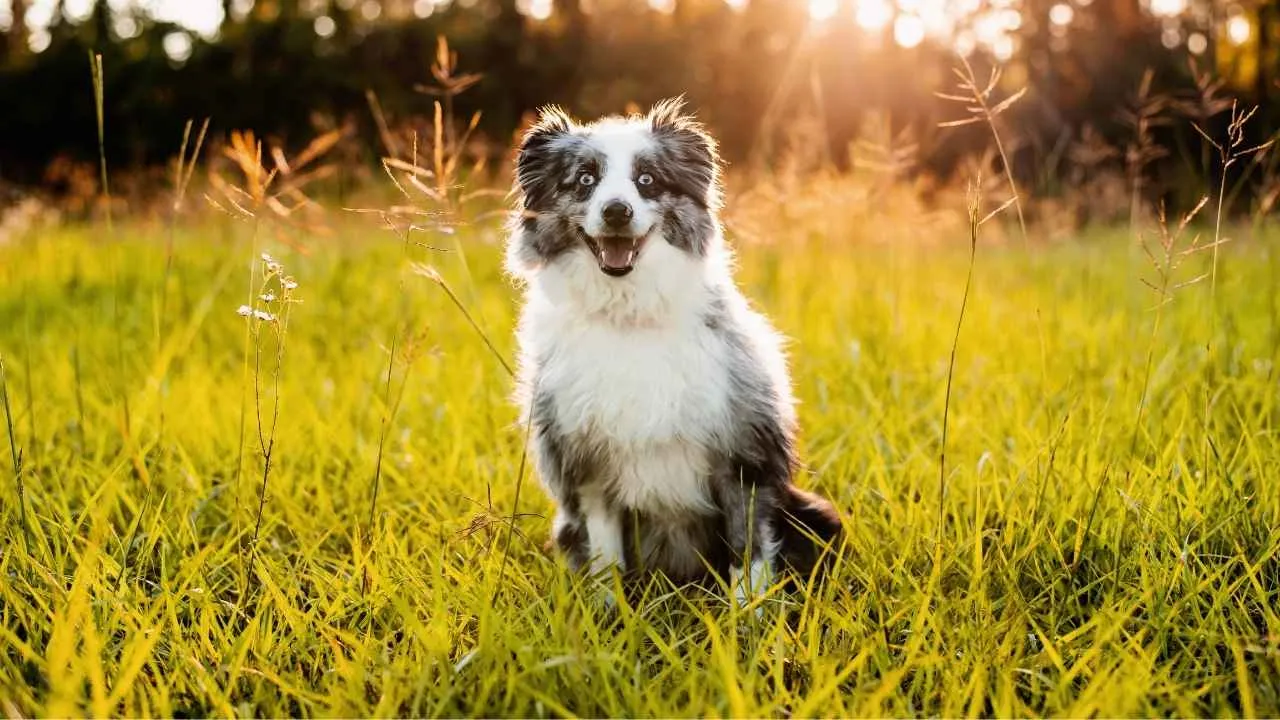
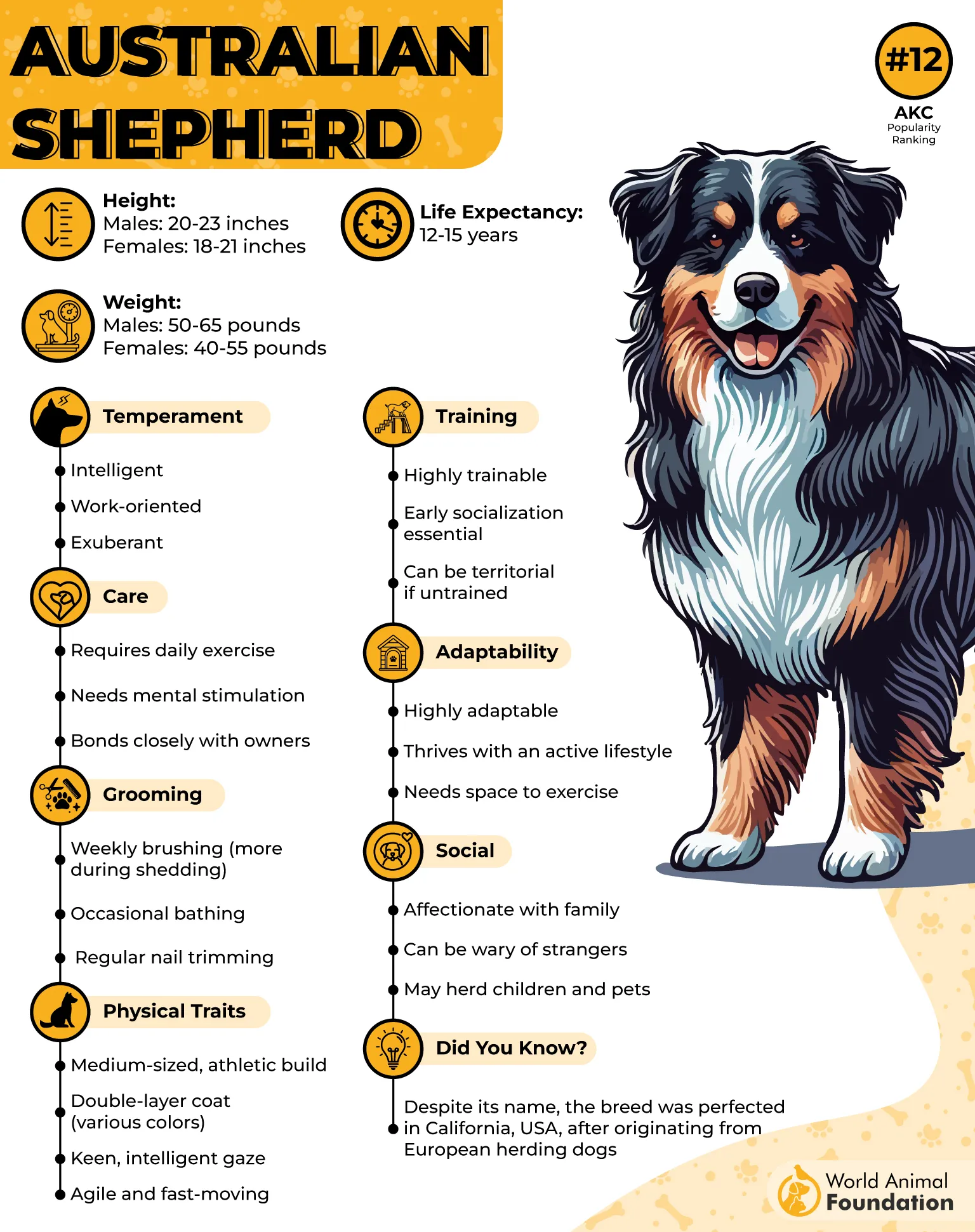
Plot twist number one: the Australian Shepherd was developed largely in the United States, not Australia. Plot twist number two: these ridiculously photogenic fluff machines are serious herding dogs whose intelligence, work ethic, and tendency to stay engaged with their people make them natural candidates for active travel.
They are smart, work-oriented, exuberant, and adaptable dogs that thrive when given meaningful work. They often stay close on outdoor adventures and can adapt to hiking, running, camping, cabins, unusual transport situations, and other unpredictable scenarios.
Modern owners report similar road-trip wins, with the usual puppy chaos included. In a 2026 Australian Shepherd community post, one family described driving more than 2,000 miles with a six-month-old Aussie that traveled quietly in a kennel. However, settling in unfamiliar overnight locations took a few nights.
Young dogs deserve extra restraint from humans whose hiking ambition exceeds puppy anatomy. Avoid high-level exercise and long-distance running or hiking until the dog is fully grown, usually around 12–16 months, to reduce unnecessary stress on developing joints.
Comforting Them While Exploring New Destinations
Keep vehicle exits structured; opening a door directly into heavy traffic, bicycles, or wildlife is a terrible time to discover that recall is still in beta.
Use sniffing games in hotel rooms or rentals to decompress that high-speed herding brain before expecting peaceful sleep.
4. Miniature Poodle
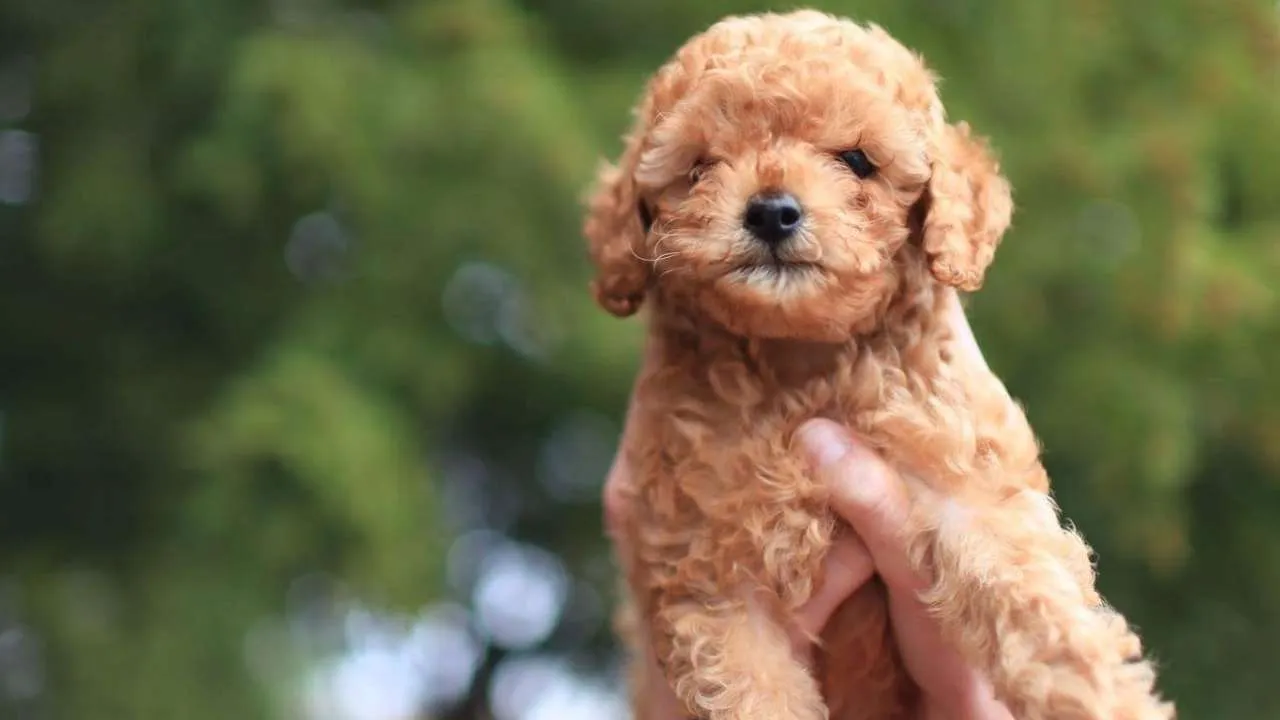
The Miniature Poodle is an energetic, intelligent dog that enjoys long walks, hiking, swimming, retrieving, agility, and other active pursuits. Its compact dimensions can simplify some forms of travel, while its athleticism gives it considerably more outdoor potential than the “fancy little lap dog” stereotype suggests.
Their brain is one of their best travel accessories. These tiny dogs learn quickly, respond well to positive training, and can channel unfamiliar surroundings into training games, scent work, tricks, obstacle work, or careful exploration instead of simply becoming overwhelmed.
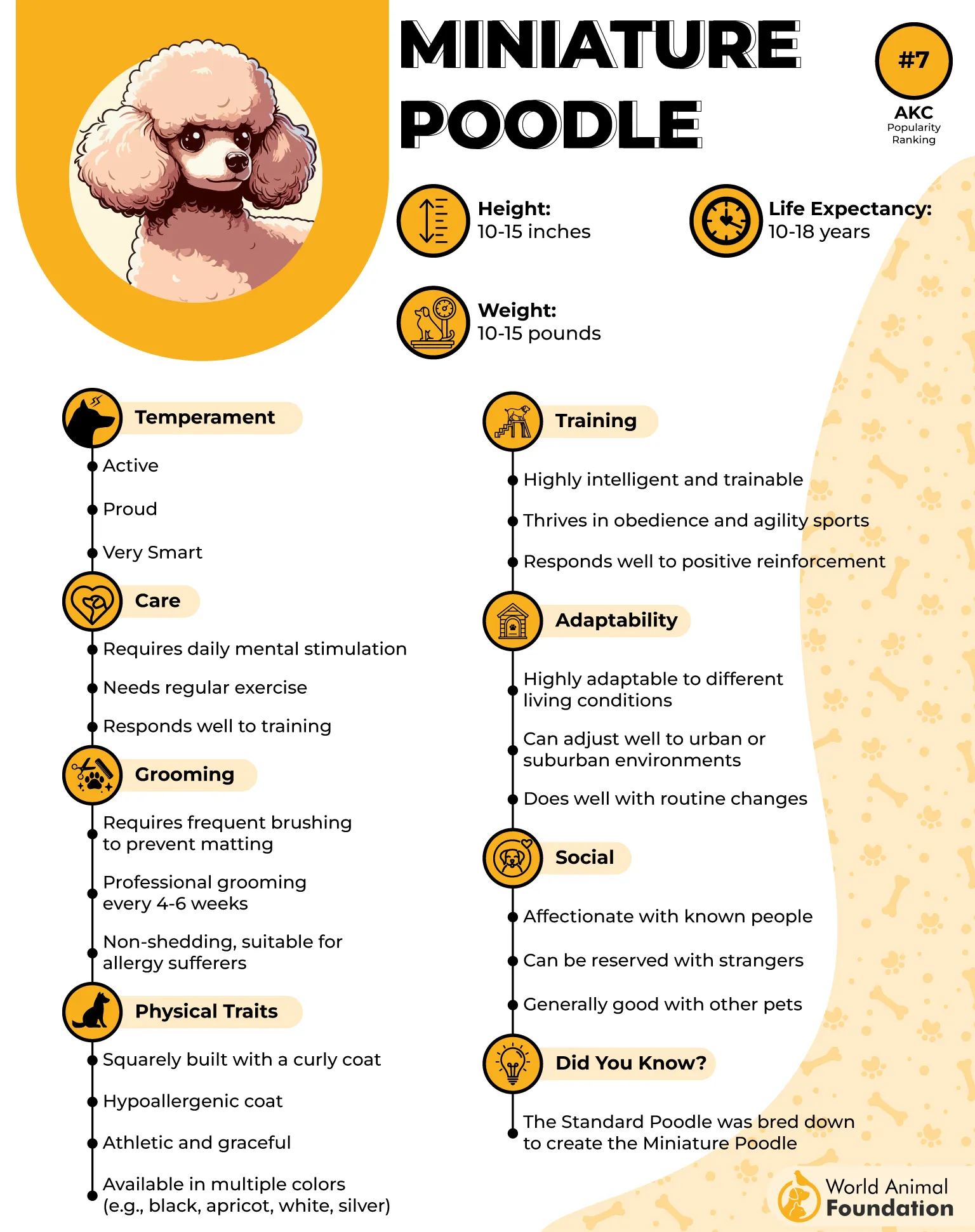
Their coat creates a different form of trip admin. It sheds relatively little but continues to grow and requires routine grooming, so wet grass, burrs, beach sand, mud, camping debris, and woodland souvenirs can become one complicated, curl-based filing system.
A comb, towel, paw check, and five minutes of maintenance after messy outings can save you from discovering three days later that half the forest has moved into your dog.
Comforting Them While Exploring New Destinations
Make a tiny “home base” in new accommodation using the same bed, travel mat, and familiar evening routine used at home.
For hot destinations, shift outdoor exploring toward cooler hours and check small paws regularly on sun-heated pavement or rocky terrain; Mini Poodle owners in warm climates frequently flag heat and paw protection as practical concerns.
5. Cocker Spaniel
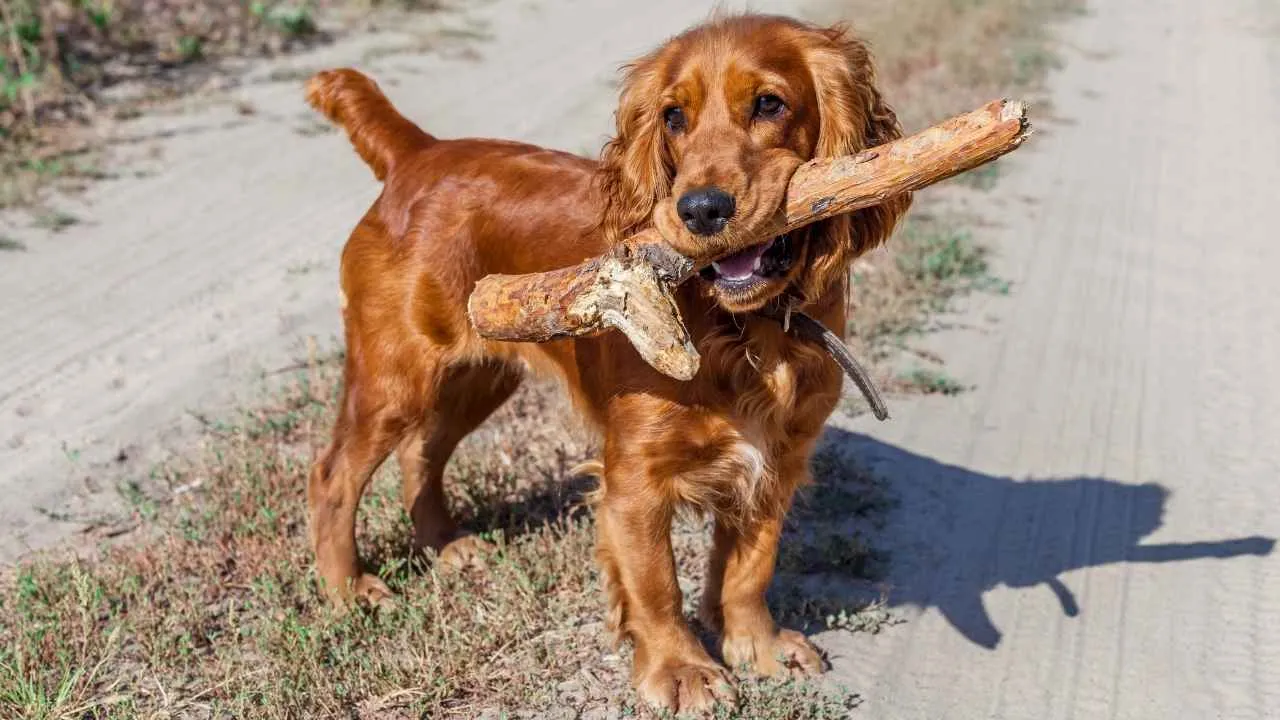
The Cocker Spaniel breed was developed for hunting, and modern Cockers still tend to enjoy retrieving, brisk walks, games, outdoor exploration, and close involvement with their people.
This is the smallest sport spaniel, which makes it convenient around accommodation and vehicles, yet the personality is not exactly pocket-sized. It tends to be merry, loving, eager to please, and game for daily activity rather than existing purely as decorative cushions with ears.
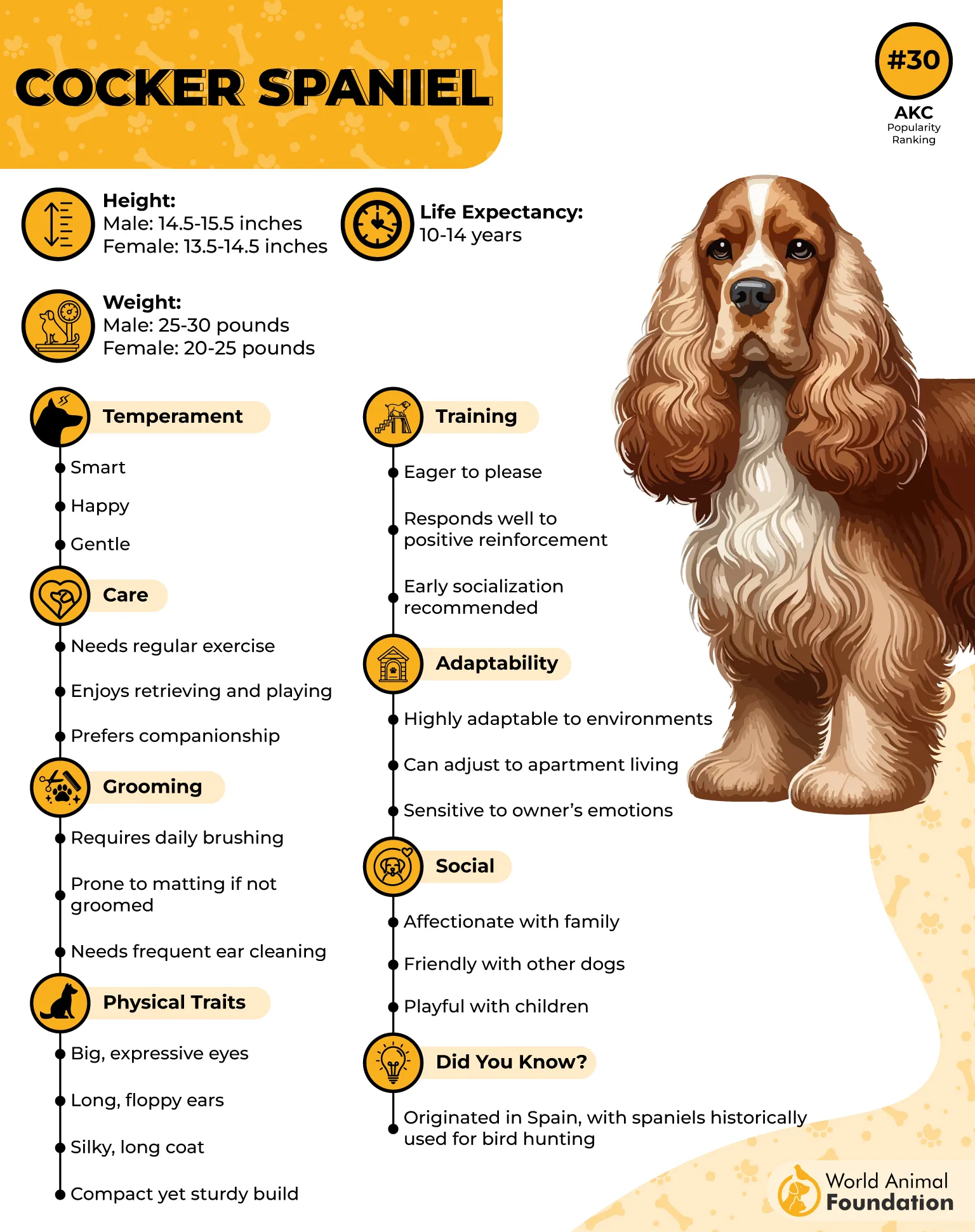
This dog’s people-oriented temperament can work beautifully on trips where the dog gets to participate, rather than spending most of the holiday alone in unfamiliar accommodation. Positive reinforcement is particularly useful because these great companions can be sensitive to harsh handling, while early socialization helps build confidence around new settings.
Build mileage gradually, watch gait and recovery, carry water, and schedule breaks to see how well Spaniel explores new destinations with you.
Comforting Them While Exploring New Destinations
Pack an absorbent towel near the top of the bag, not somewhere beneath six suitcases, because a Cocker can locate water with almost supernatural efficiency.
After adventurous walks, inspect feathering around the ears, legs, and belly for burrs or tangles before those souvenirs become tomorrow’s grooming emergency.
6. Portuguese Water Dog
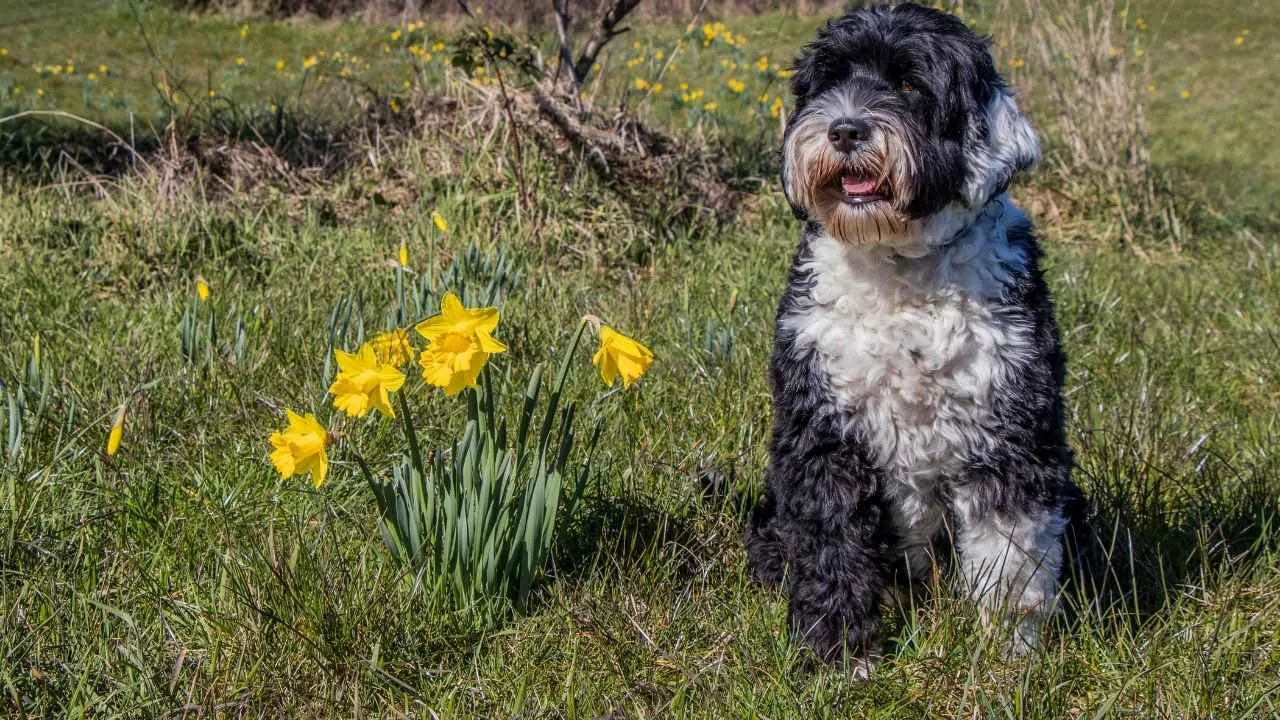
The Portuguese Water Dog did not receive the word “Water” in its name through aggressive branding. These dogs historically worked alongside Portuguese fishing crews, retrieving equipment, carrying messages between boats and shore, and helping manage fish around nets.
This popular breed is an intelligent, playful, loyal dog that forms strong bonds with its family and generally does best when physical exercise and mental challenges are part of everyday life. That combination can make them terrific companions for travelers who love hiking before lunch.
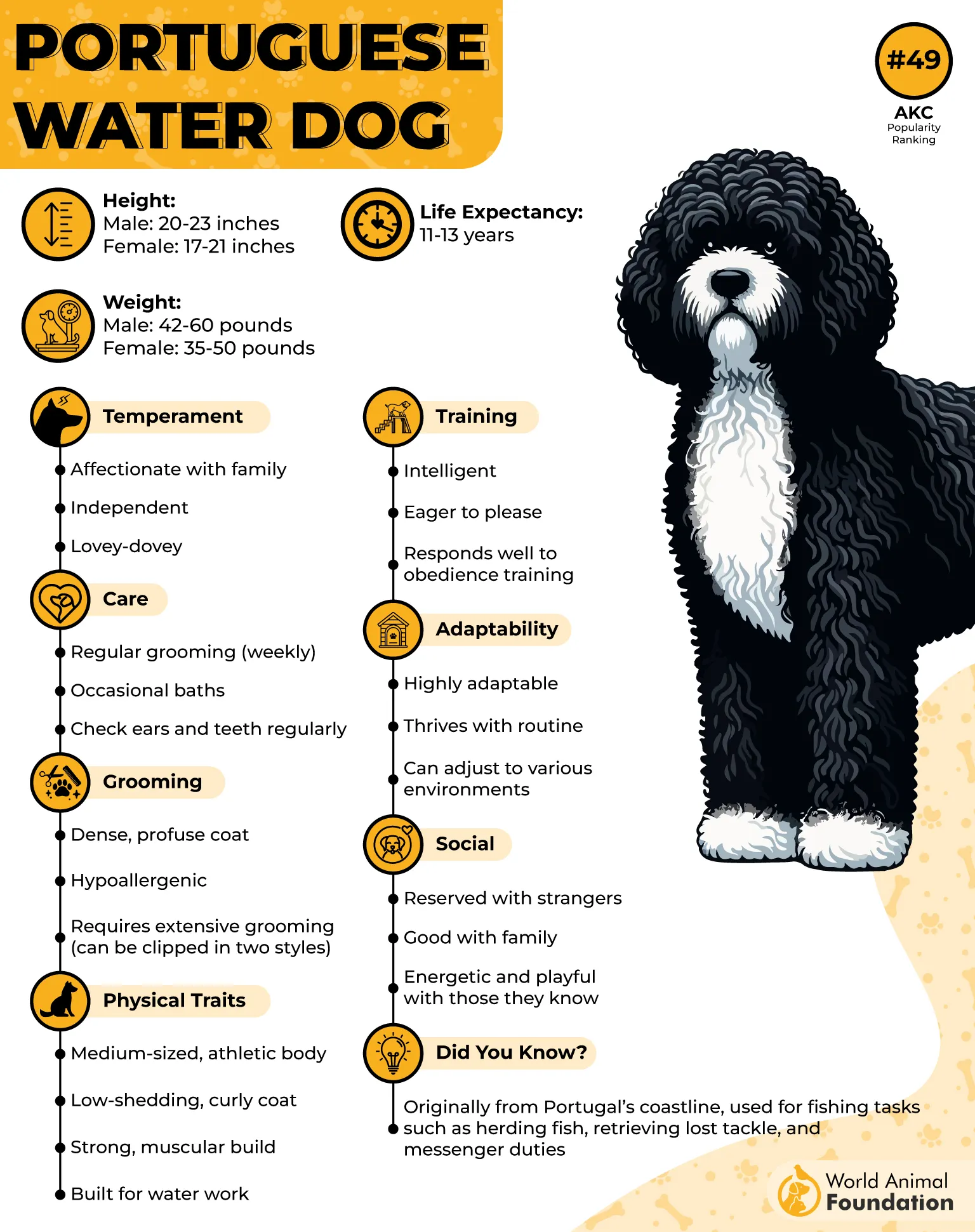
PDSA recommends around 30–60 minutes of daily exercise as a baseline for many Porties and lists hiking, running, swimming, dock diving, obedience, agility, and puzzle work among suitable activities.
Their low-shedding coat is useful if you prefer your rental car with slightly less airborne fluff, but low shedding does not translate to low maintenance. Outdoor travelers should also rinse or inspect the coat after saltwater, sand, vegetation, and muddy swimming sessions, because adventure debris has a remarkable affinity for curly hair.
Comforting Them While Exploring New Destinations
If water is on the itinerary, introduce unfamiliar docks, boats, waves, or currents gradually, even when your dog already swims confidently.
Create a post-swim ritual—fresh water rinse when appropriate, coat check, ear check, dry-off, rest—so high-energy fun has a predictable off-switch.
7. Border Collie
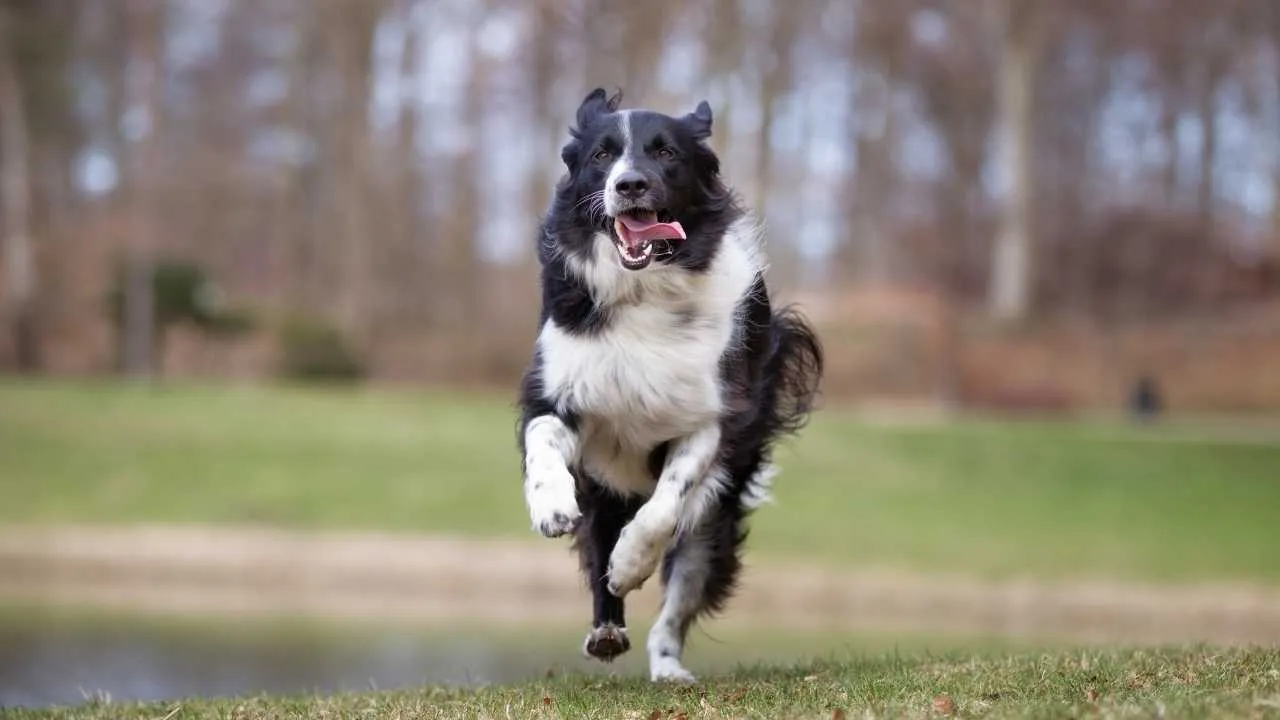
Developed to herd livestock in Great Britain, the Border Collie combines extreme responsiveness, agility, problem-solving ability, and working stamina in a package that can be phenomenal for active travel—but only when the human arrives prepared. AKC says this is a high-energy working dog that needs both physical exercise and consistent mental stimulation.
These small dogs need roughly 1 to 2 hours of exercise daily, and they often excel at hiking, running, frisbee, agility, flyball, advanced obedience, and herding.
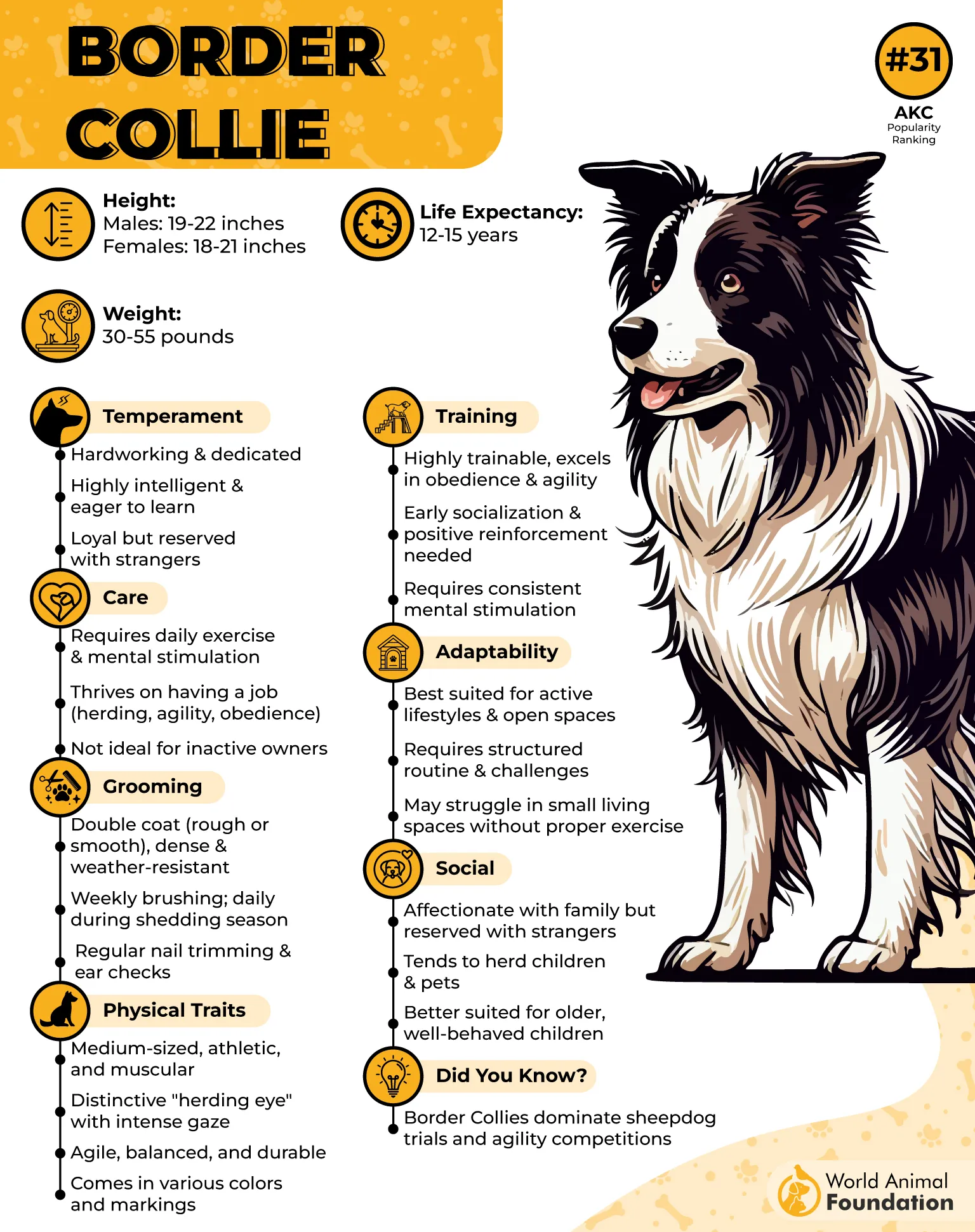
Travel introduces exactly the kind of visual stimulation their herding system loves: bicycles, traffic, children running, wildlife moving, luggage rolling, dogs appearing, people separating from groups, and seventeen things you personally failed to notice.
Car travel requires preparation because some Border Collies can become overexcited, stressed, or motion-sick, and active dogs need planned opportunities for water, movement, and decompression during longer journeys.
Comforting Them While Exploring New Destinations
Practice boring car trips before exciting ones: ten calm minutes around town teaches more about settling than making the first journey a nine-hour interstate marathon.
Build a portable “switch off” cue using one mat, one position, and repeated calm rewards so restaurants, campsites, cabins, and hotel rooms share a familiar rule.
Conclusion
The best dog breed to explore new destinations is not automatically the fastest runner, the strongest swimmer, the smartest breed, or the most photogenic passenger leaning out of a car window. The best adventure dogs usually have something more practical: appropriate conditioning, confidence built through gradual exposure, useful training, and predictable routines.
Other dogs that love adventures include Australian Cattle Dogs, Cavalier King Charles Spaniels, Jack Russell Terriers, Siberian Huskies, Golden Retrievers, Shih Tzus, and Toy Poodles.
Let your individual dog write part of the itinerary. Pick destinations that match their fitness and personality, build endurance gradually, keep safety boringly excellent, and turn the next unfamiliar trail, beach, campsite, or little roadside stop into a place your dog is genuinely excited to explore with you.
