




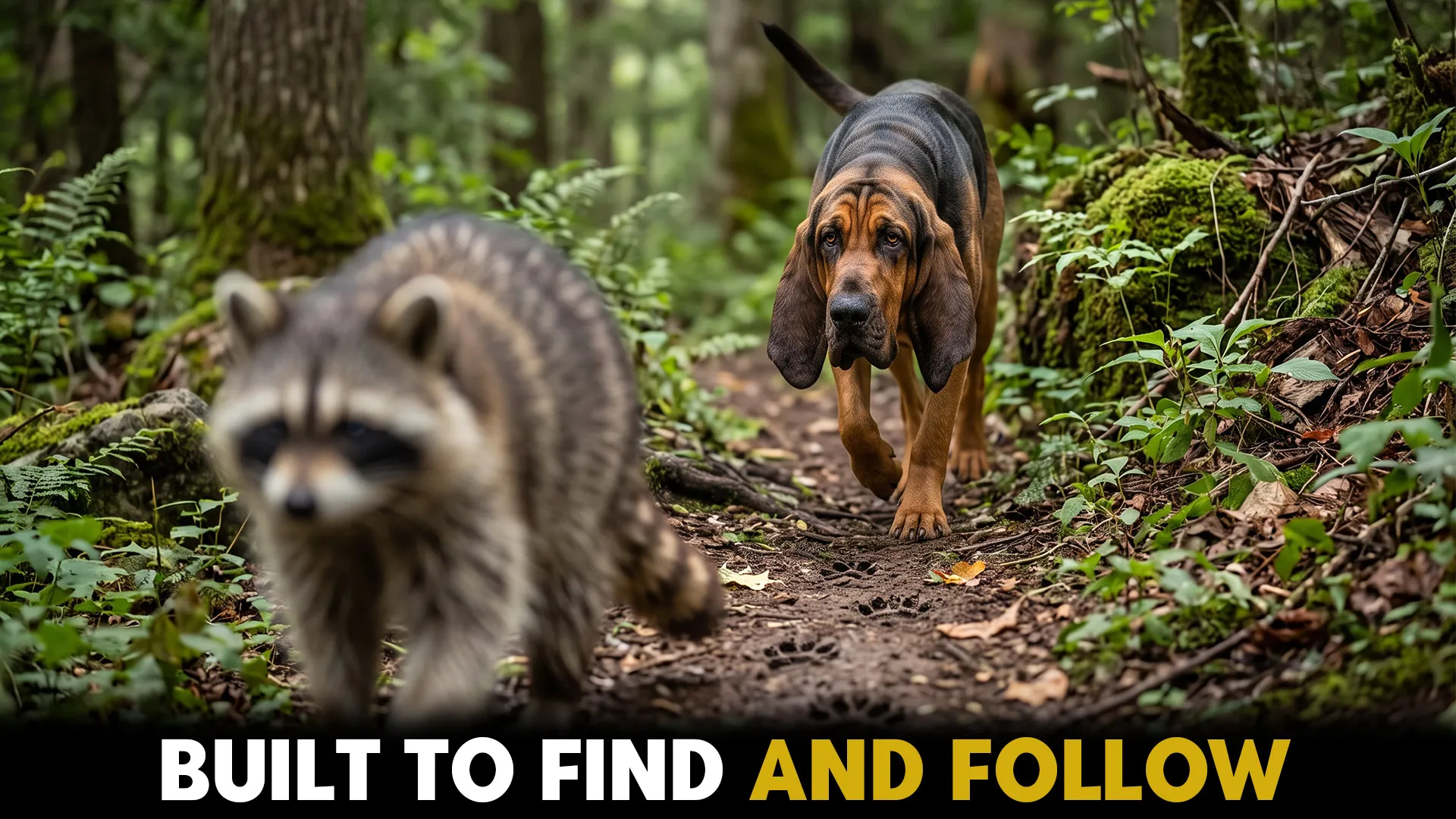
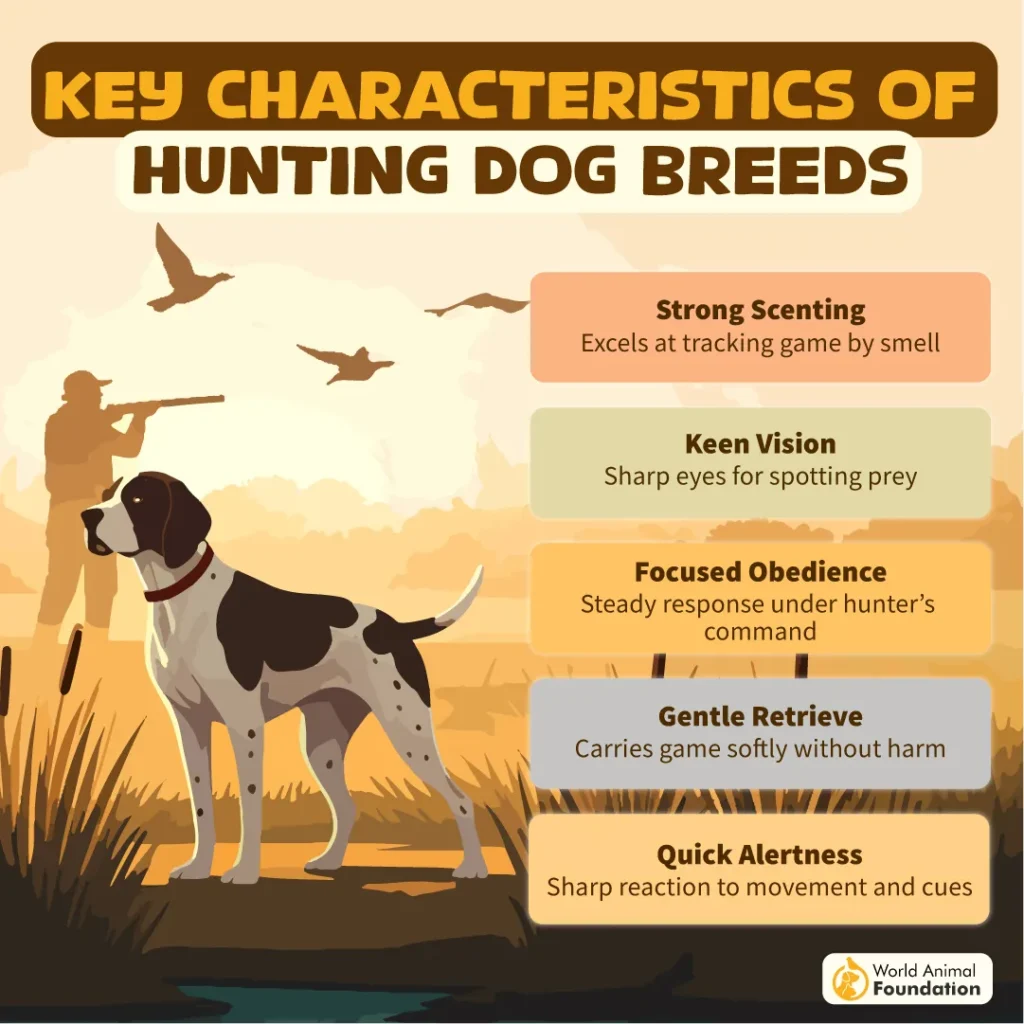
Tracking wildlife becomes a completely different experience when a dog can turn a faint scent into a trail. Certain hunting breeds have been selectively developed for generations to follow odors, locate animals, and stay focused across challenging terrain.
Imagine moving through dense woods or open fields while your canine companion carefully investigates every scent in the air and on the ground. From powerful hounds to versatile sporting dogs, each breed brings its own combination of nose, stamina, intelligence, and determination to the field.
Choosing the right tracking dog means considering more than hunting ability. Their energy, trainability, instincts, and working style should complement your outdoor routine, helping you find a dependable partner for wildlife tracking and adventure.
FACT: A dog’s sense of smell is vastly more sensitive than a human’s, making scent-focused breeds exceptionally capable of following trails that people cannot detect.
Top Dog Breeds That Excel at Tracking Wildlife
1. Bloodhound
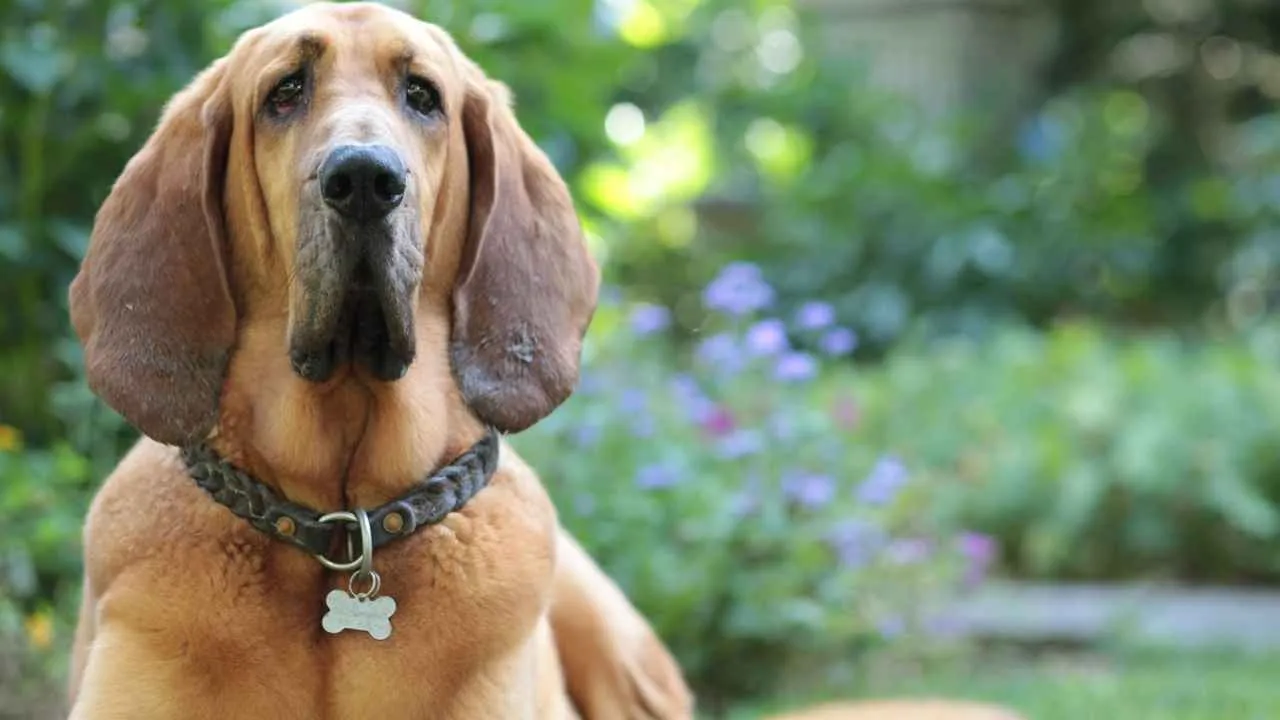
The Bloodhound stands out as a legendary scent detective, equipped with an exceptional nose and remarkable stamina. Its ability to distinguish and follow faint odors makes it particularly effective when tracking wildlife across challenging terrain.
The breed’s scenting heritage stretches back centuries, with roots often linked to Western Europe and early hound breeding programs. Historical accounts also describe ancient scent hounds whose intense focus allowed them to remain on a trail until they located their target.
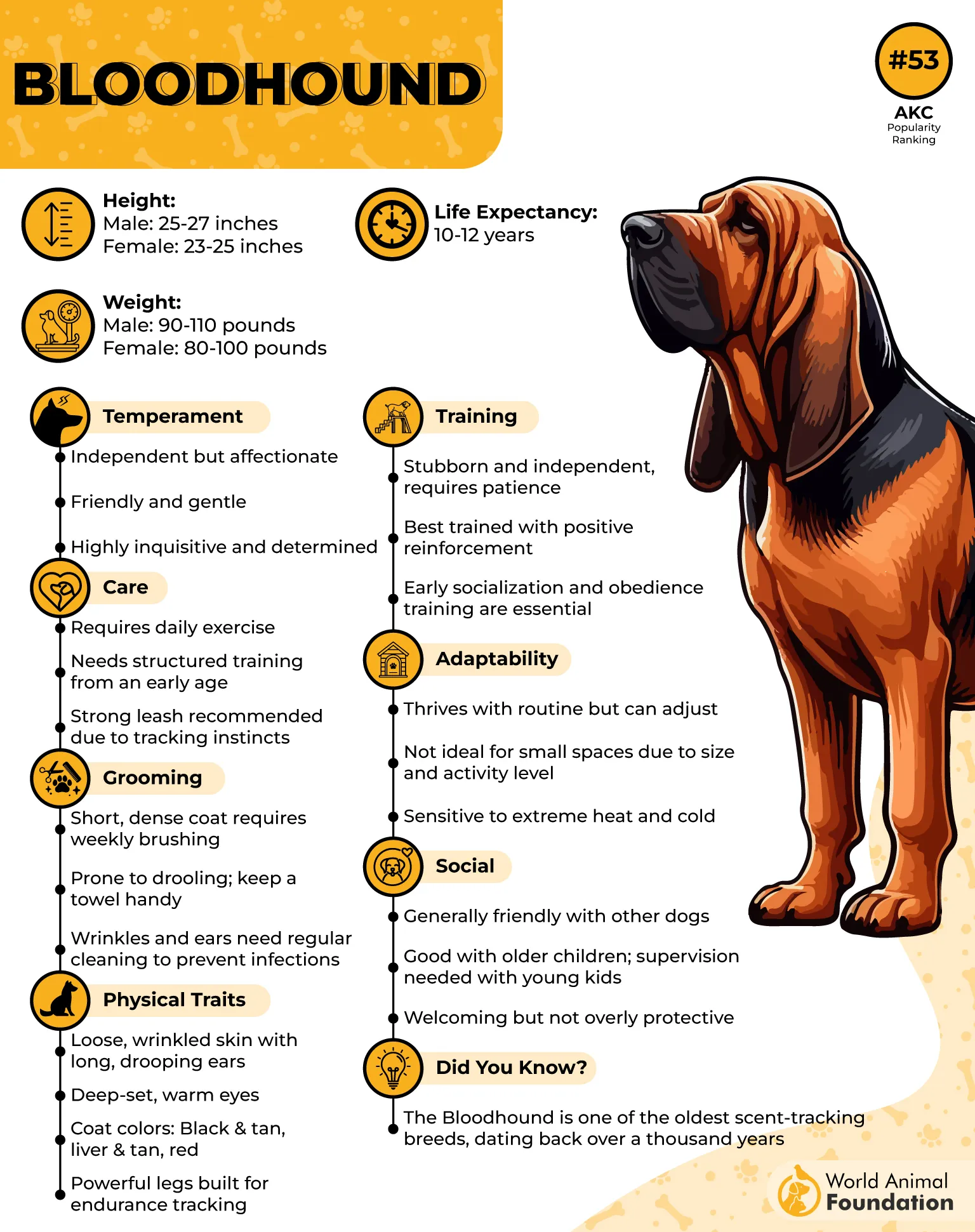
What makes the Bloodhound especially valuable is its determination. Once it picks up an interesting scent, its strong-willed nature can drive it to follow the trail for extended periods, even when the path becomes difficult or the distance grows considerable.
Despite this single-minded tracking instinct, Bloodhounds are typically gentle and affectionate companions. They can also be quite vocal, using distinctive howls and whines to communicate, while their independent streak means they may confidently follow their nose rather than immediately respond to their handler.
2. Beagle
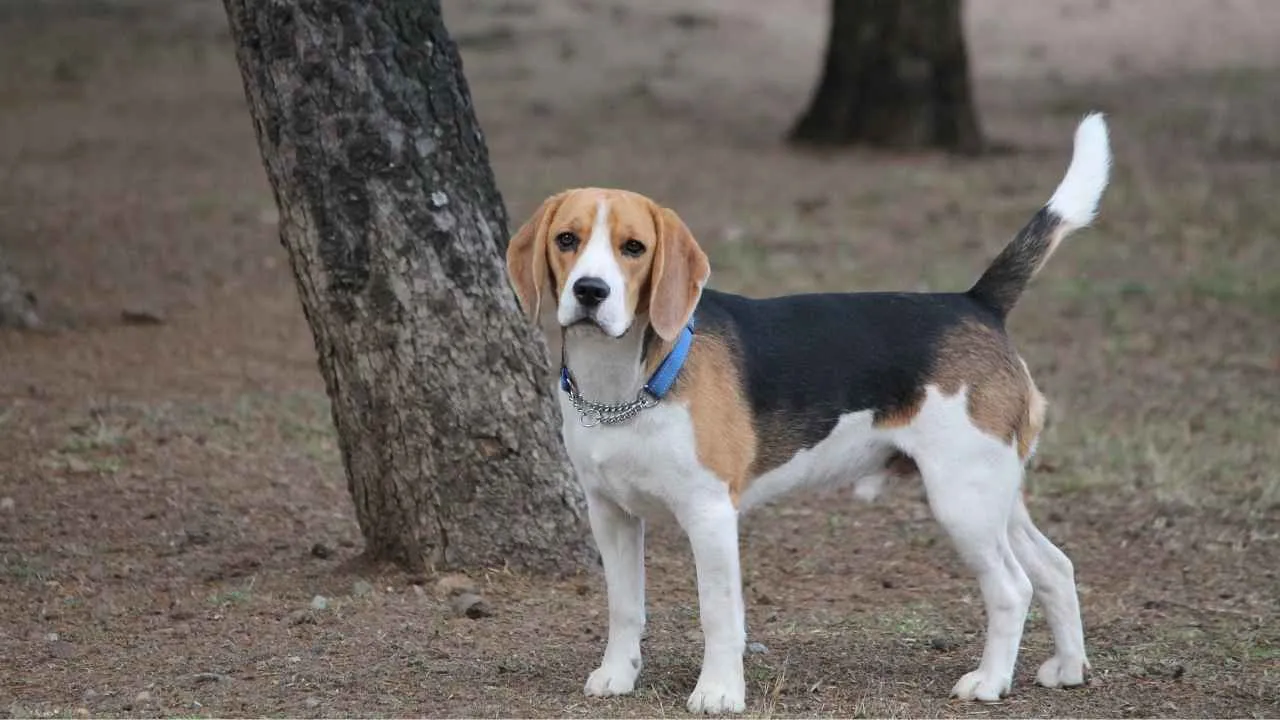
The Beagle may be small, but its nose is anything but ordinary. This compact hound is built close to the ground, giving it an advantage when picking up and following scents left by wildlife. According to Omlet, it is known for howling when it picks up a fresh scent.
Its scenting talent makes it especially useful for tracking rabbits, hares, and even foxes. Rather than relying on speed alone, the Beagle methodically follows a trail, using its powerful nose to stay on scent.
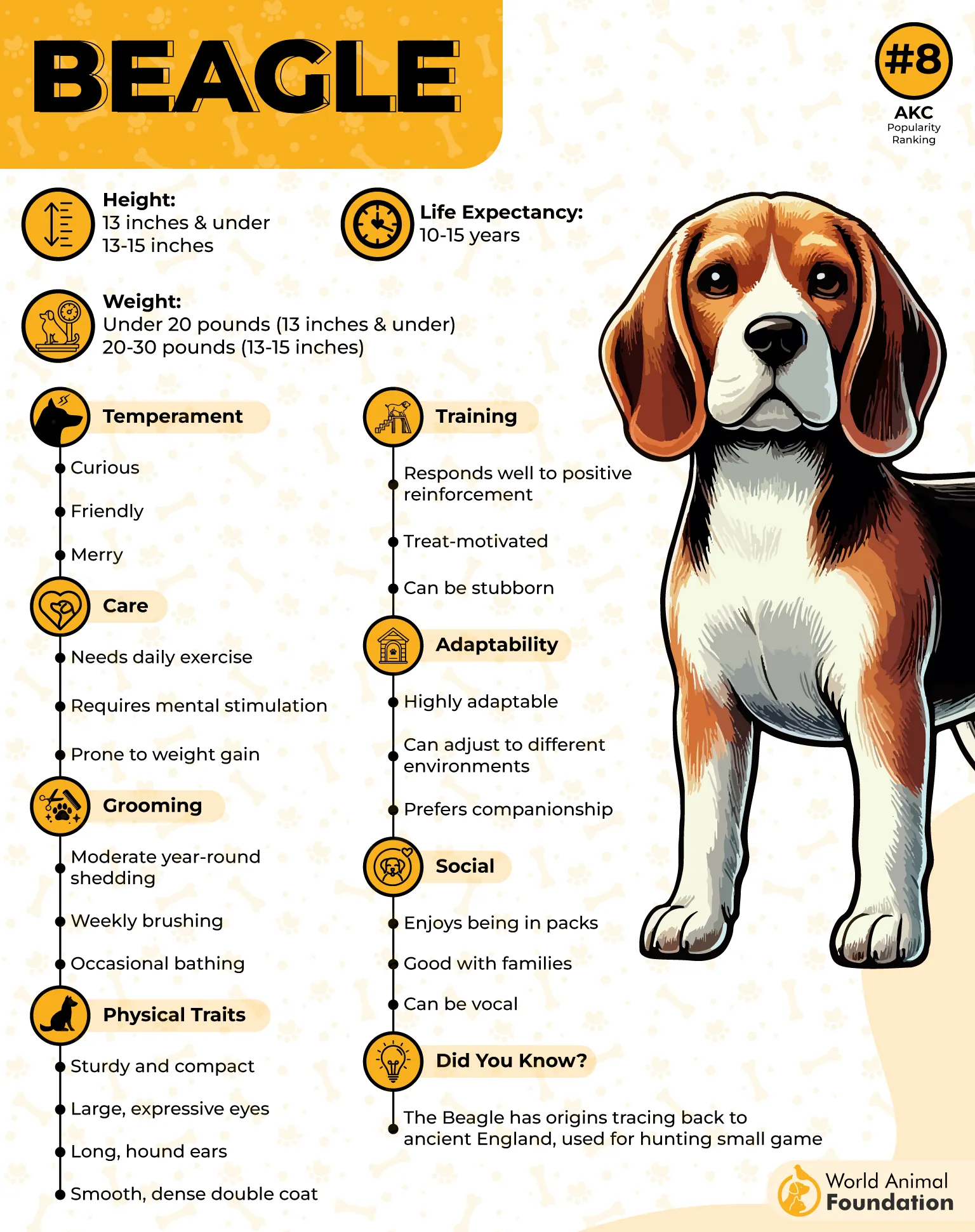
Curious and energetic by nature, the Beagle can remain remarkably focused once it catches an interesting trail. Its stamina also helps it keep working over extended periods without quickly losing interest.
Beagles have also been used for detection work, including identifying food and other prohibited items, demonstrating just how capable their exceptional noses can be.
3. Redbone Coonhound
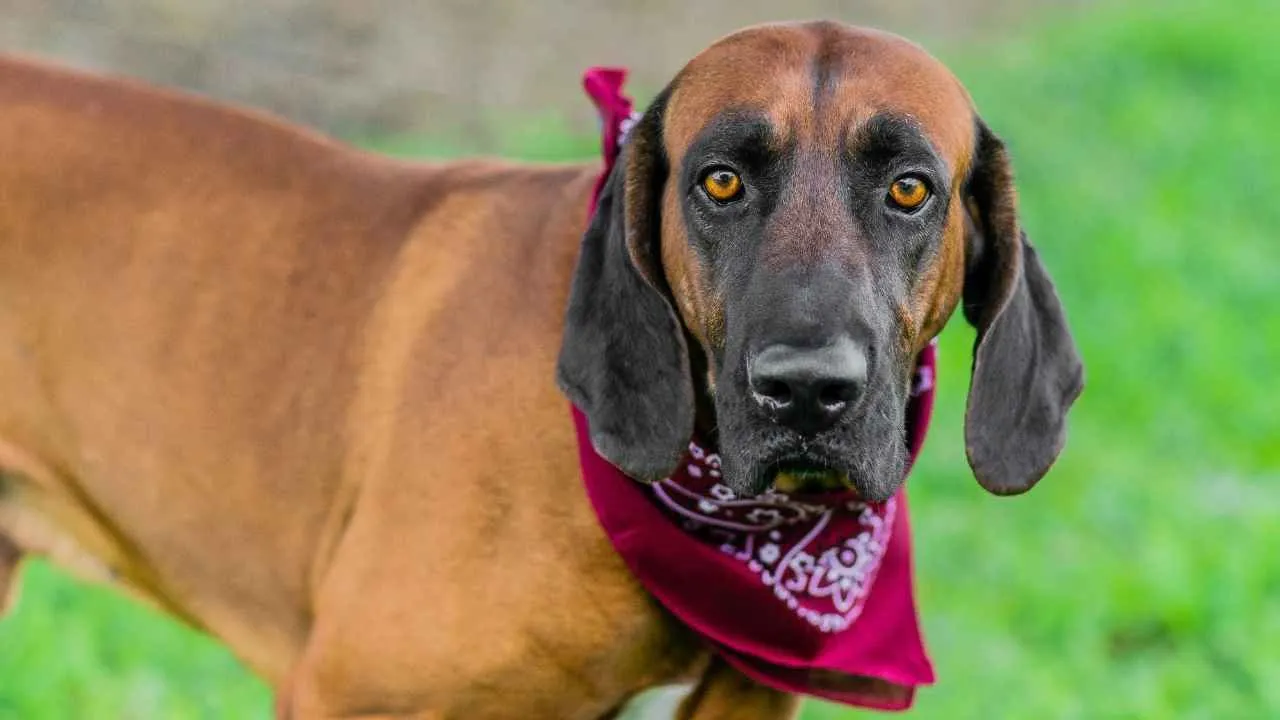
Developed in the United States from red-coated foxhounds, the Redbone Coonhound was shaped for demanding hunts. Its powerful nose, speed, and stamina allow it to follow scents across varied terrain while pursuing raccoons, bears, and other wildlife.
This breed is especially suited to long pursuits, maintaining a steady pace rather than tiring quickly. Its distinctive baying voice can also help hunters follow its progress when it disappears into dense woodland or covers challenging ground.
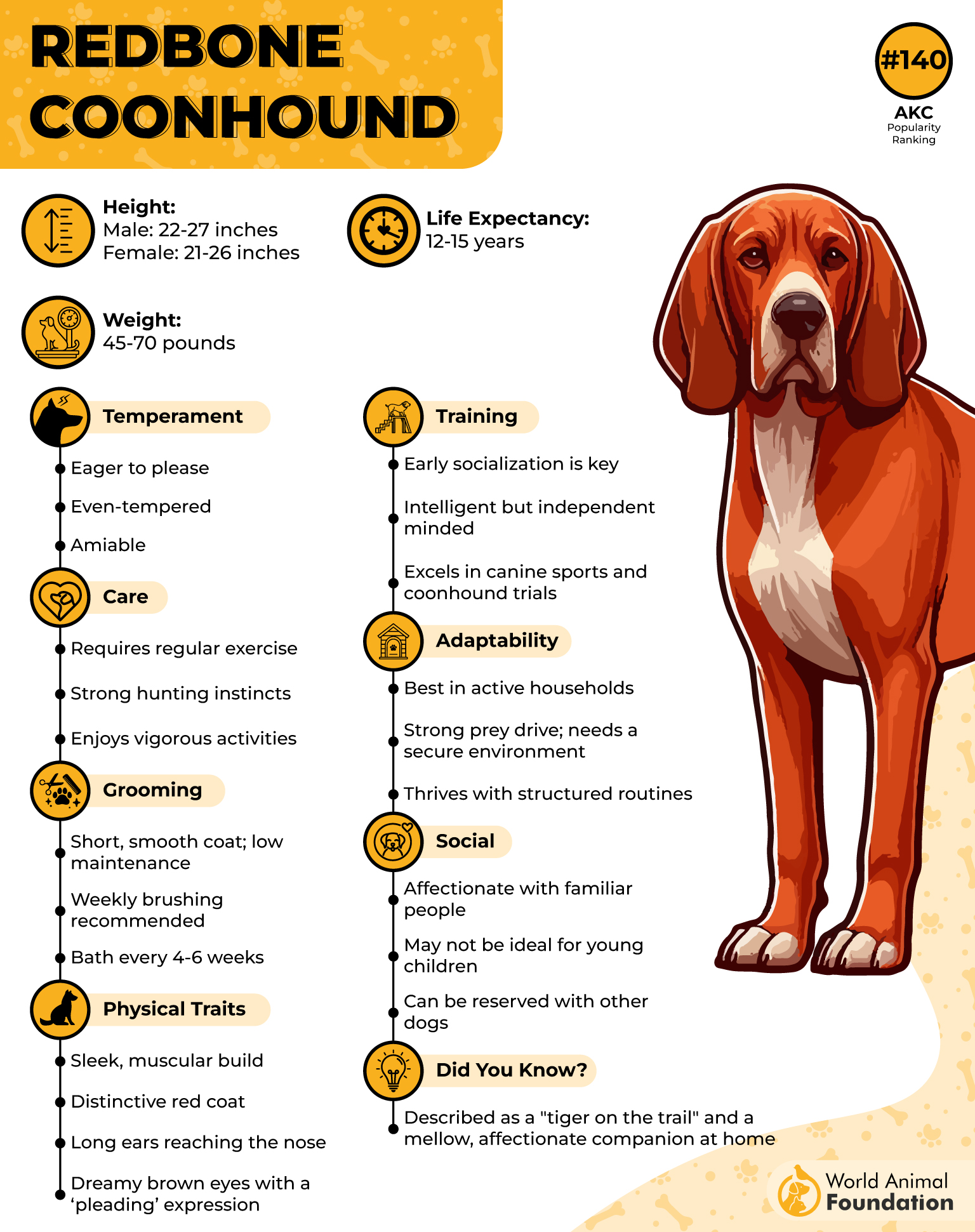
Independent yet intelligent, the Redbone benefits from early socialization, positive reinforcement, reliable recall, and scent-based training. Tracking games, mantrailing, and other nose-led activities provide excellent outlets for its natural hunting instincts.
Adventure-minded owners will find a willing partner in this energetic hound. Long walks, running, hiking, and scent work help meet its substantial exercise needs, while access to securely fenced outdoor space gives it room to explore safely.
4. Bavarian Mountain Scent Hound
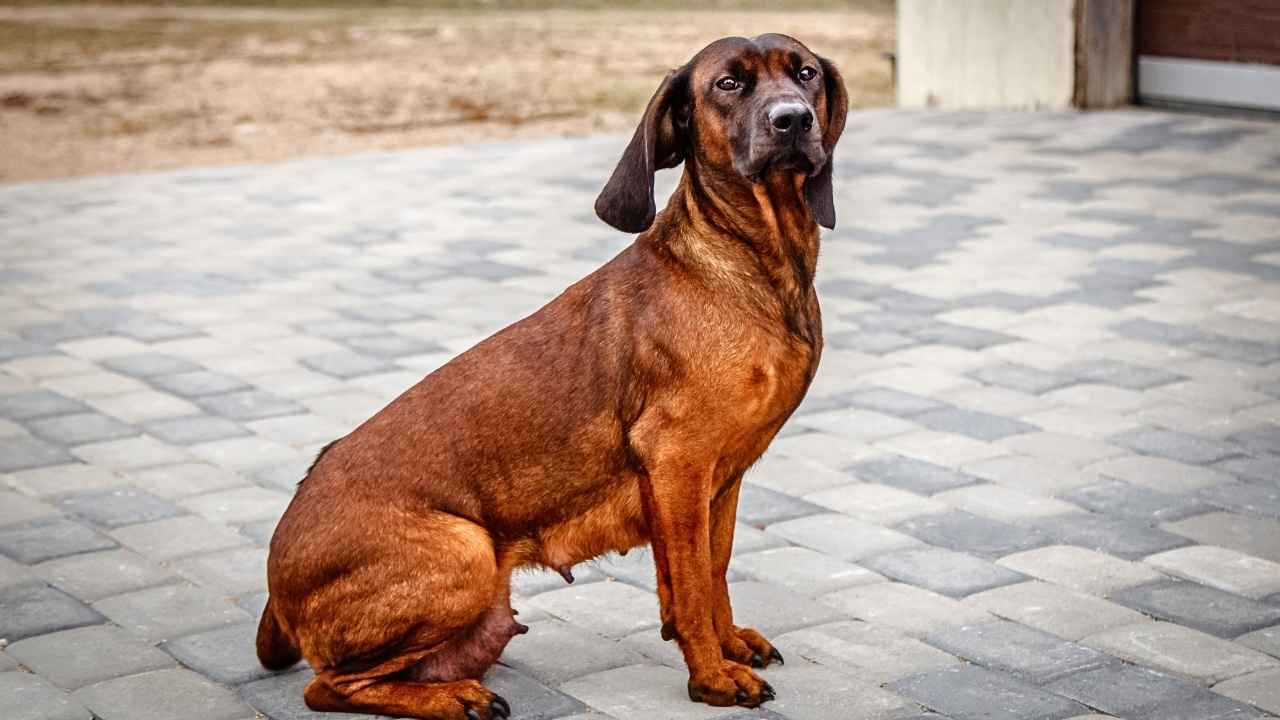
The Bavarian Mountain Scent Hound is built for the moments when a wildlife trail becomes difficult. Developed in Germany, this specialist follows injured big game through steep, rugged terrain where ordinary tracking can become challenging.
Picture a hunter searching for a wounded deer: the hound is sent ahead, using its exceptionally keen nose to pick up the trail and locate the animal as efficiently as possible. Its natural hunting instinct and awareness of game make it particularly suited to this demanding work.
Years of purposeful breeding have produced a dog that is fearless, capable, and intensely focused on its task. Yet, with experienced handlers, it is cooperative and obedient, readily working alongside its human partner rather than acting independently.
Away from the trail, the Bavarian Mountain Scent Hound can be surprisingly calm and affectionate. When its physical and mental needs are fulfilled, it may become a patient family companion, although it typically remains reserved around unfamiliar people.
5. German Shorthaired Pointer
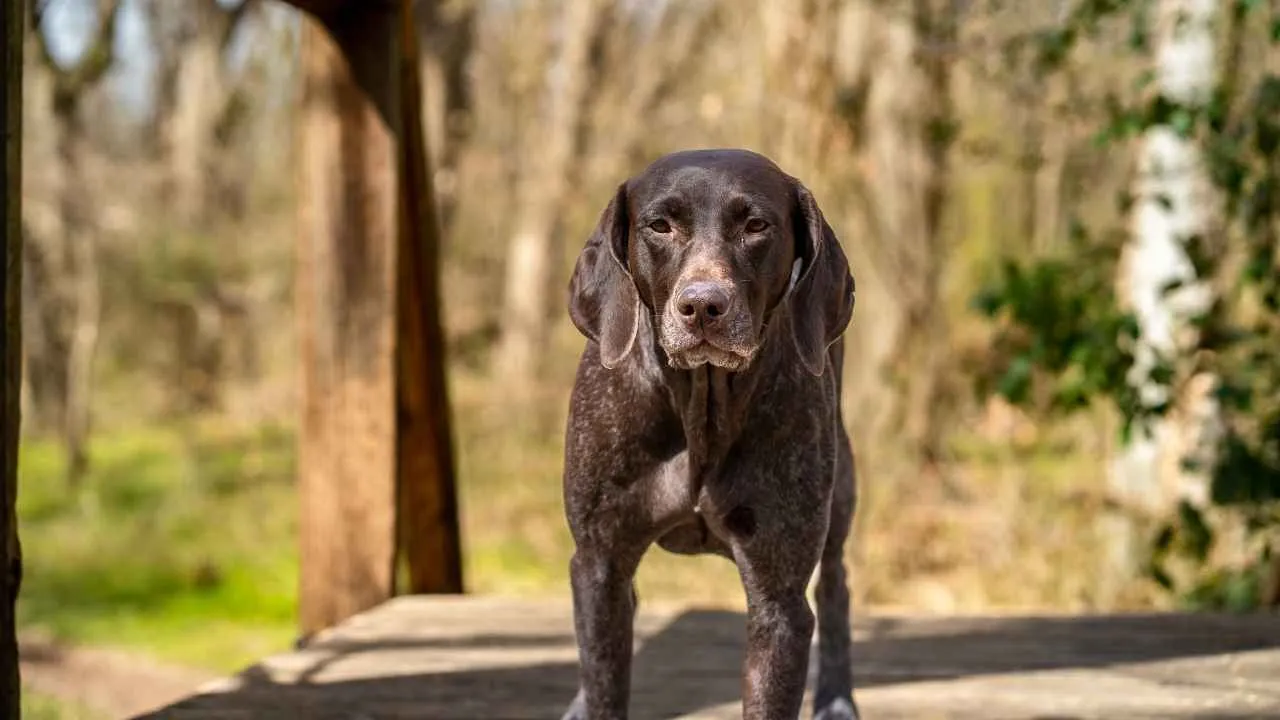
German Shorthaired Pointers are built for demanding terrain, combining energy, stamina, and an excellent nose. Their webbed feet help them move confidently through water, while their strong prey drive supports tracking game across fields, forests, and wetlands.
This breed is highly versatile in the field, capable of locating, pointing, and retrieving different types of wildlife. Its endurance allows it to stay engaged during lengthy outings, making it a dependable partner for hunters covering varied landscapes.
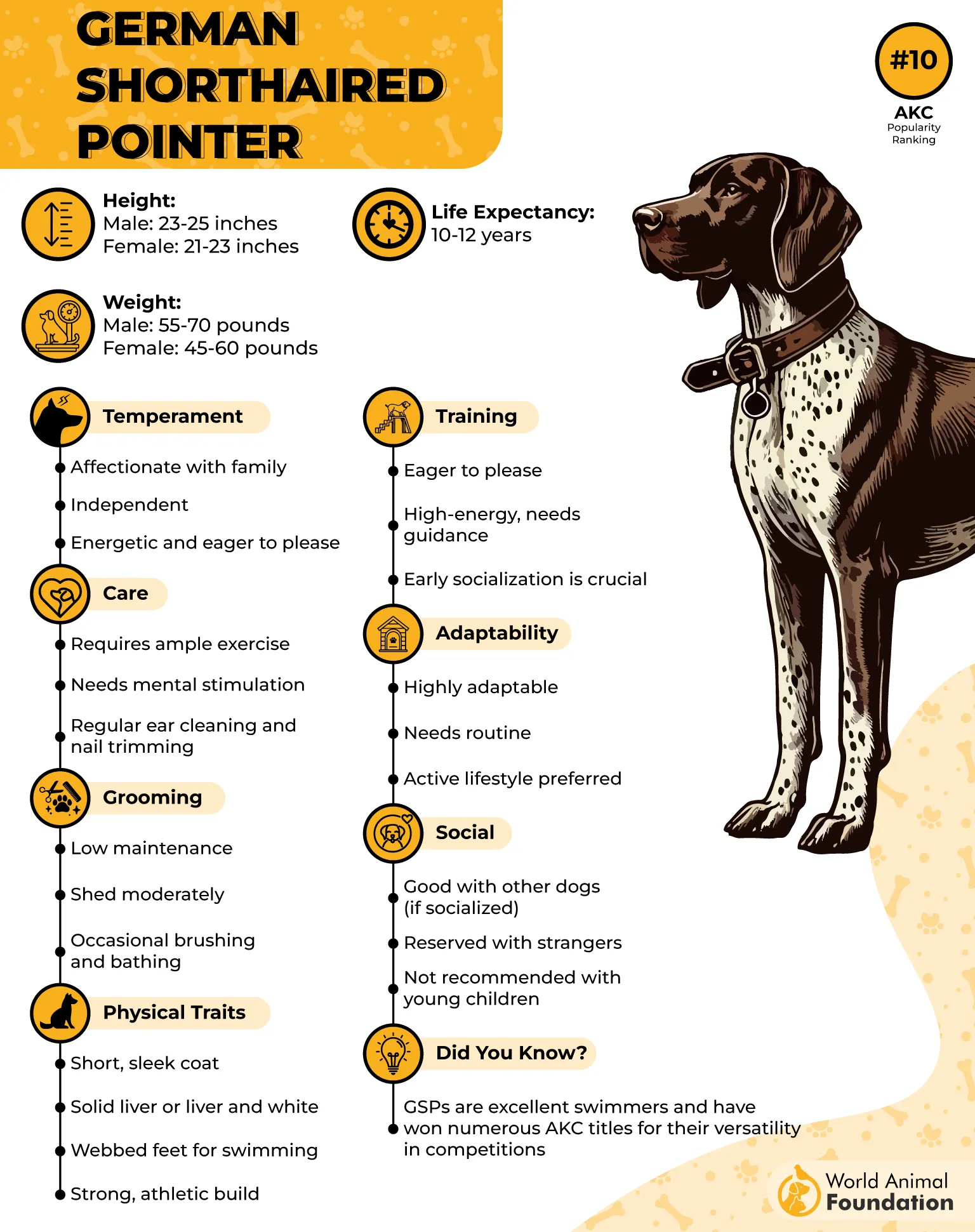
Despite their athletic working style, German Shorthaired Pointers can be affectionate family pets. They tend to form close bonds with their people and are generally balanced in temperament, although they may remain somewhat reserved around unfamiliar faces.
Their intelligence and curiosity make training rewarding, but they need consistent guidance, early socialization, and plenty of physical and mental activity. When given meaningful work and sufficient exercise, they are more likely to remain settled and content at home.
6. American English Coonhound
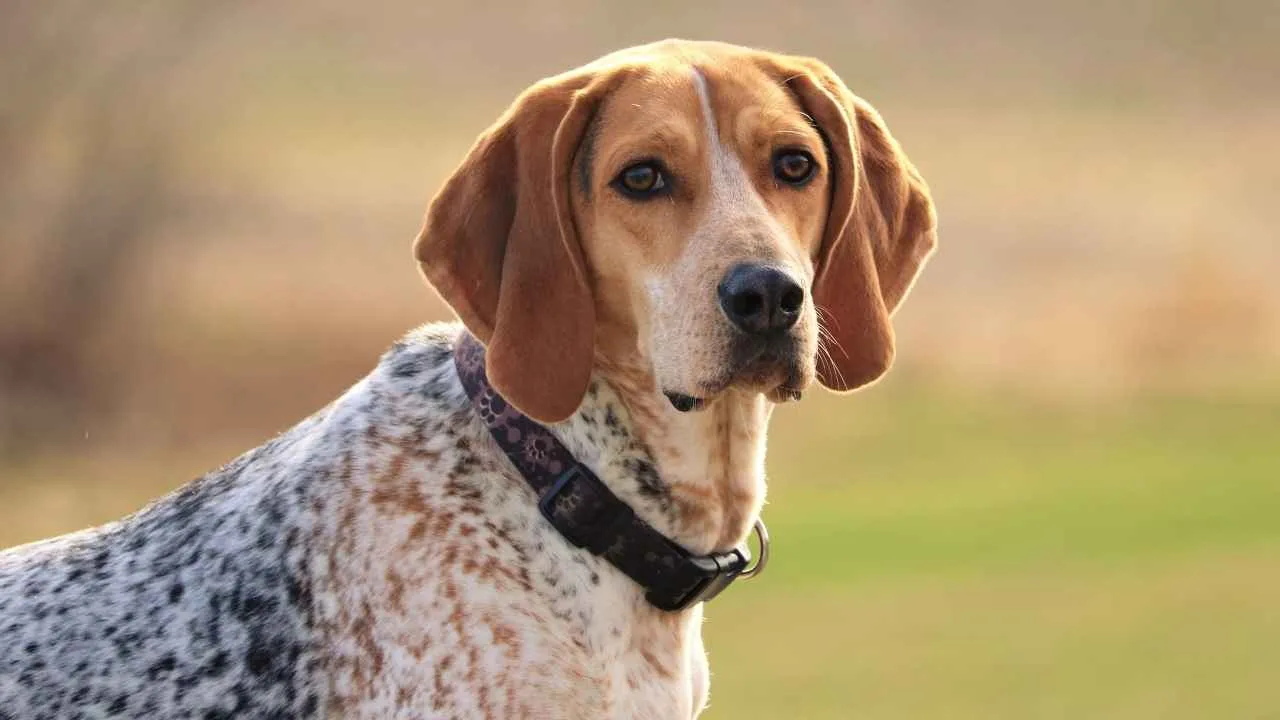
The American English Coonhound is a historic hunting dog breed developed for pursuing raccoons with remarkable persistence. Built for nighttime work, its powerful nose and stamina allow it to stay on a trail long after other breeds might tire.
When following wildlife, this hound is fast, determined, and intensely focused. Its strong prey drive keeps it locked onto a scent, while its distinctive voice helps hunters follow its progress through dark woods and dense terrain.
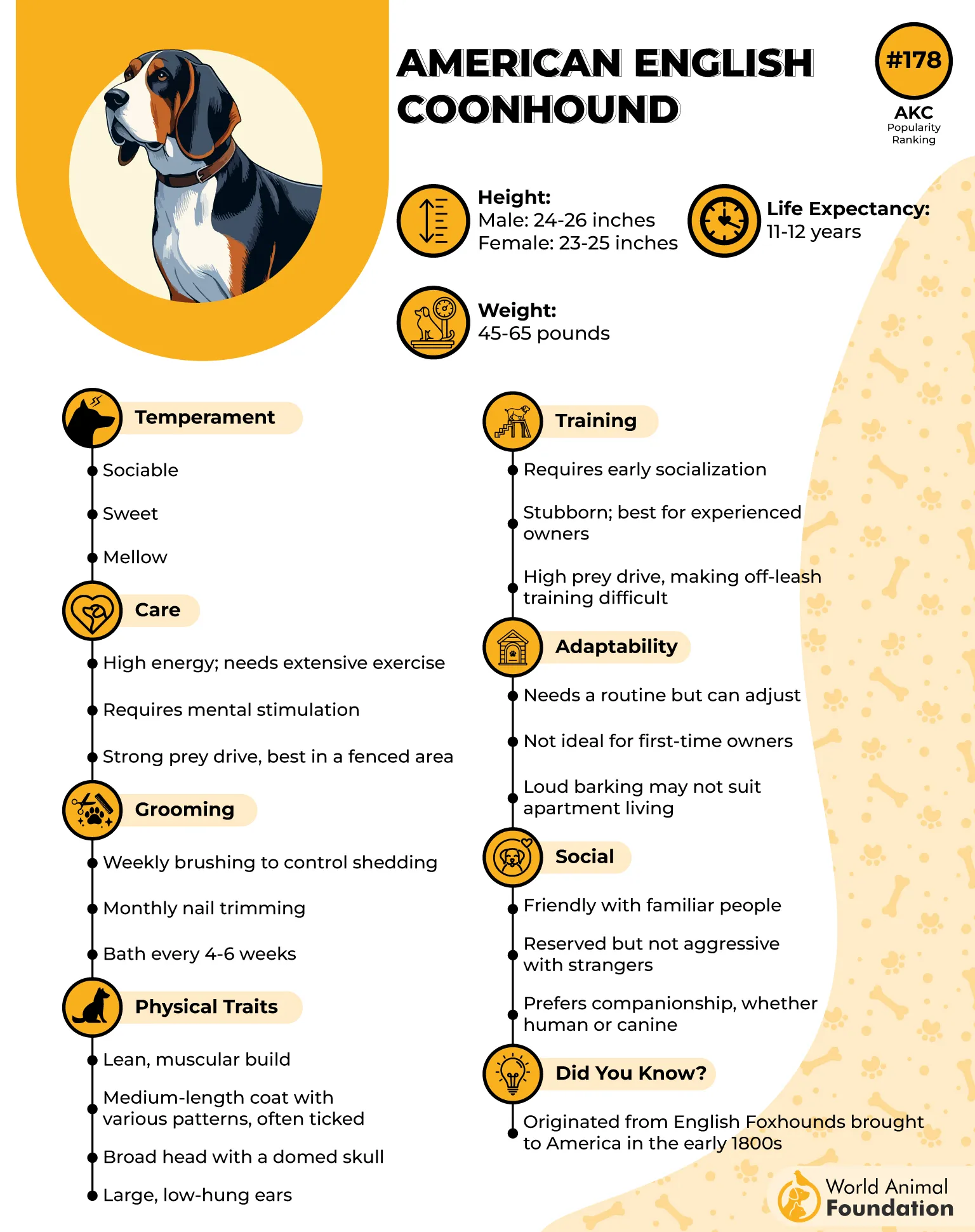
That stamina comes with substantial exercise needs. Long hikes, runs, and opportunities to explore safely can help channel its energy, although a leash is important because an interesting scent may send this dog racing after wildlife.
Away from the trail, the American English Coonhound is typically affectionate, sociable, and loyal. Early socialization and patient, reward-based training help maintain its friendly nature while teaching it to manage its powerful hunting instincts. According to Purina, the breed’s tough, protective coat requires minimal upkeep.
7. Plott Hound
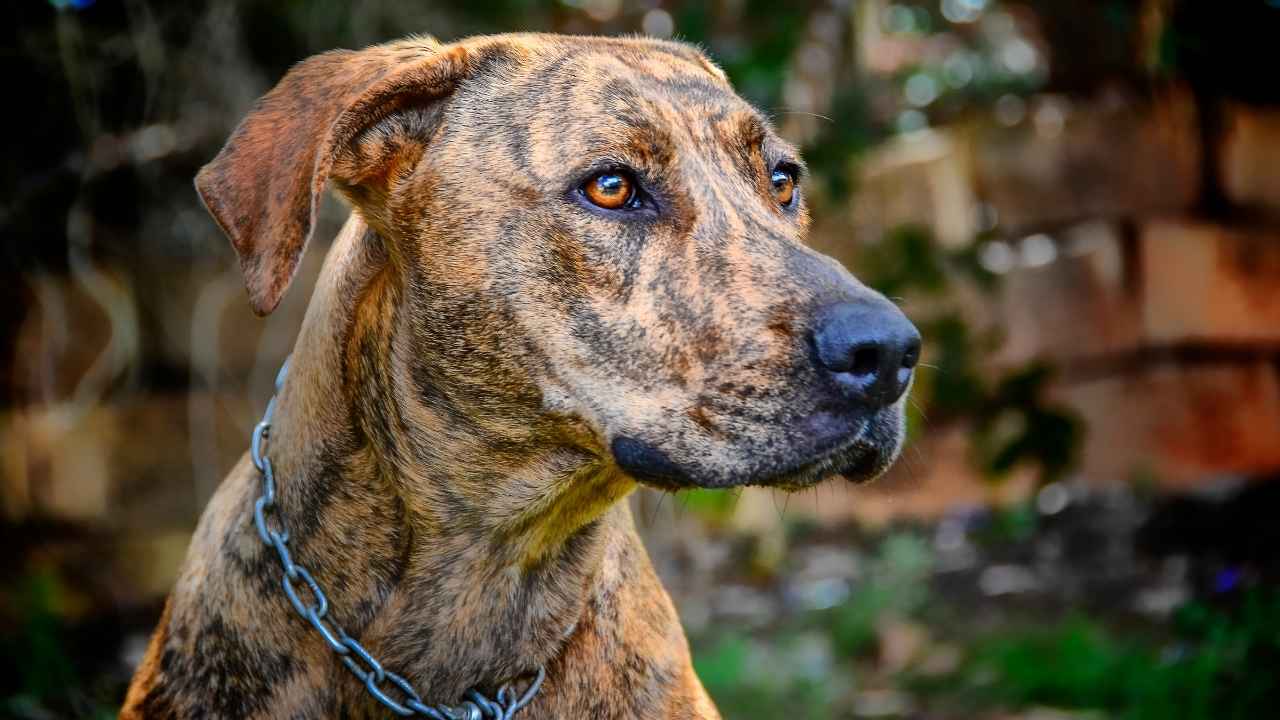
The Plott Hound is a formidable tracker developed for pursuing powerful game such as wild boar and bear. Its sharp nose, stamina, and determination allow it to stay focused when following challenging scents across demanding terrain.
Descended from Hanover Hounds brought to North Carolina in the 1750s, the breed carries a deep hunting heritage. Its distinctive baying helps hunters follow its progress, while its bold nature allows it to tackle demanding trails with confidence.
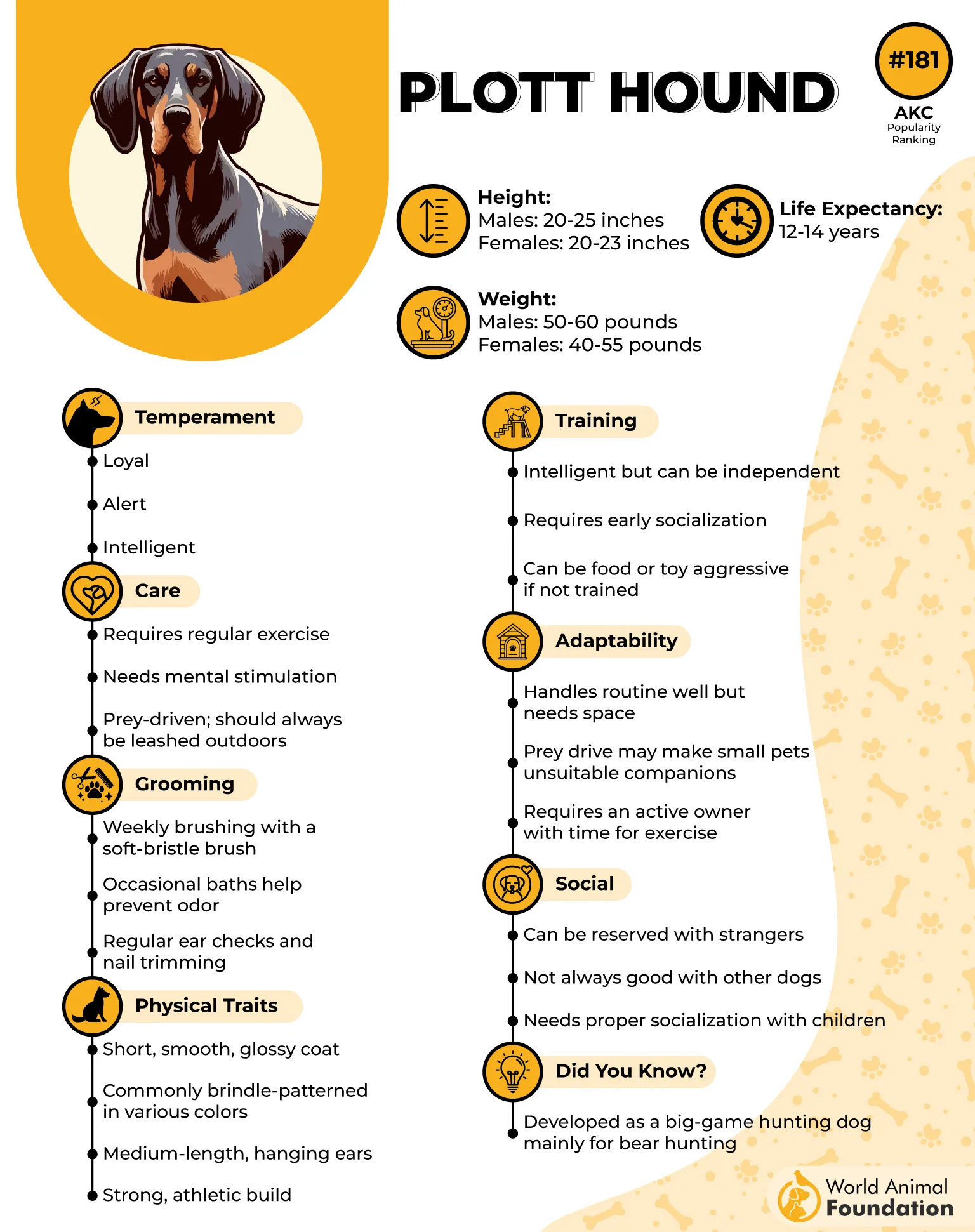
Beyond the field, the Plott Hound is loyal and protective toward its family, though it can be reserved around unfamiliar people. Early socialization and positive, consistent training help channel its independent streak and strong prey drive.
This energetic hound needs vigorous daily activity to remain satisfied. Long hikes, runs, interactive games, and scent-trail exercises provide valuable physical and mental outlets, while secure containment helps prevent it from wandering after an intriguing trail.
8. American Foxhound
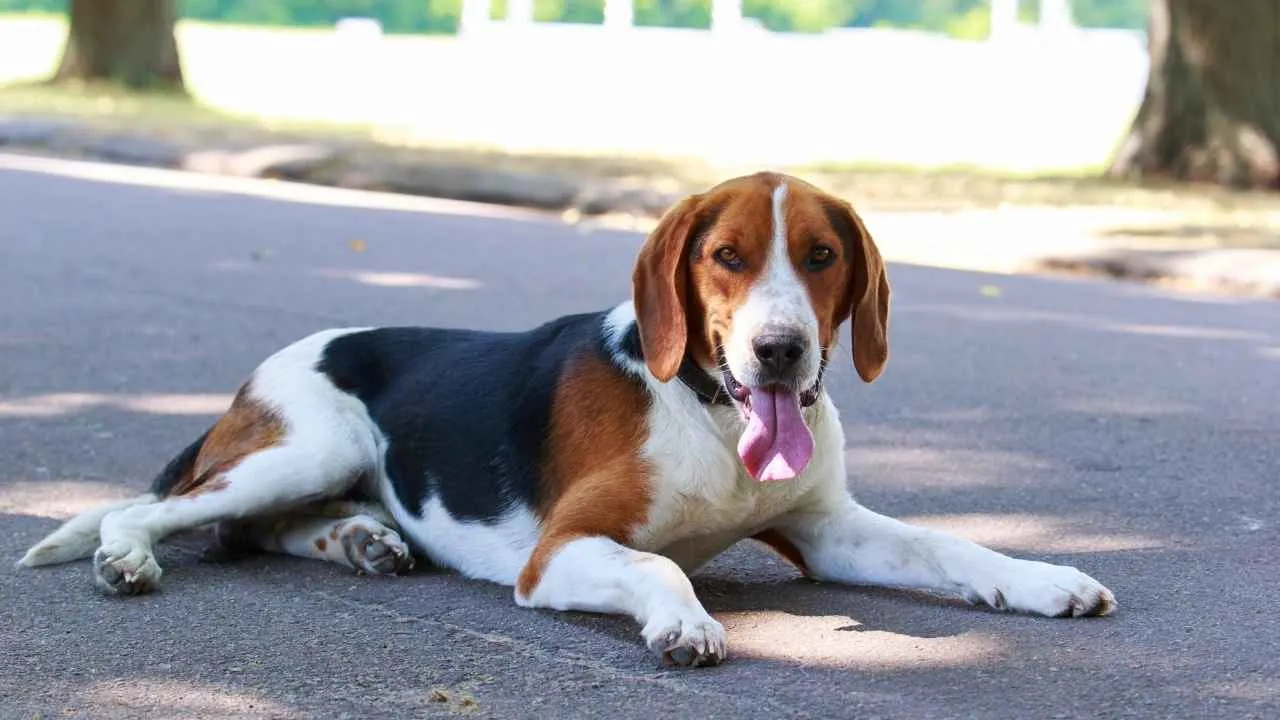
Built for the long haul, the American Foxhound is a remarkable scent tracker with the stamina to follow wildlife across extensive terrain. Its lean, athletic frame and deep chest support sustained running, while its powerful nose helps it stay focused on a trail for hours.
Unlike many hunting companions, this hound was developed to pursue game rather than remain close to its owner. It can follow a scent over considerable distances, often working alongside other animals and riders. That strong tracking instinct makes it particularly effective when searching through forests and open country.
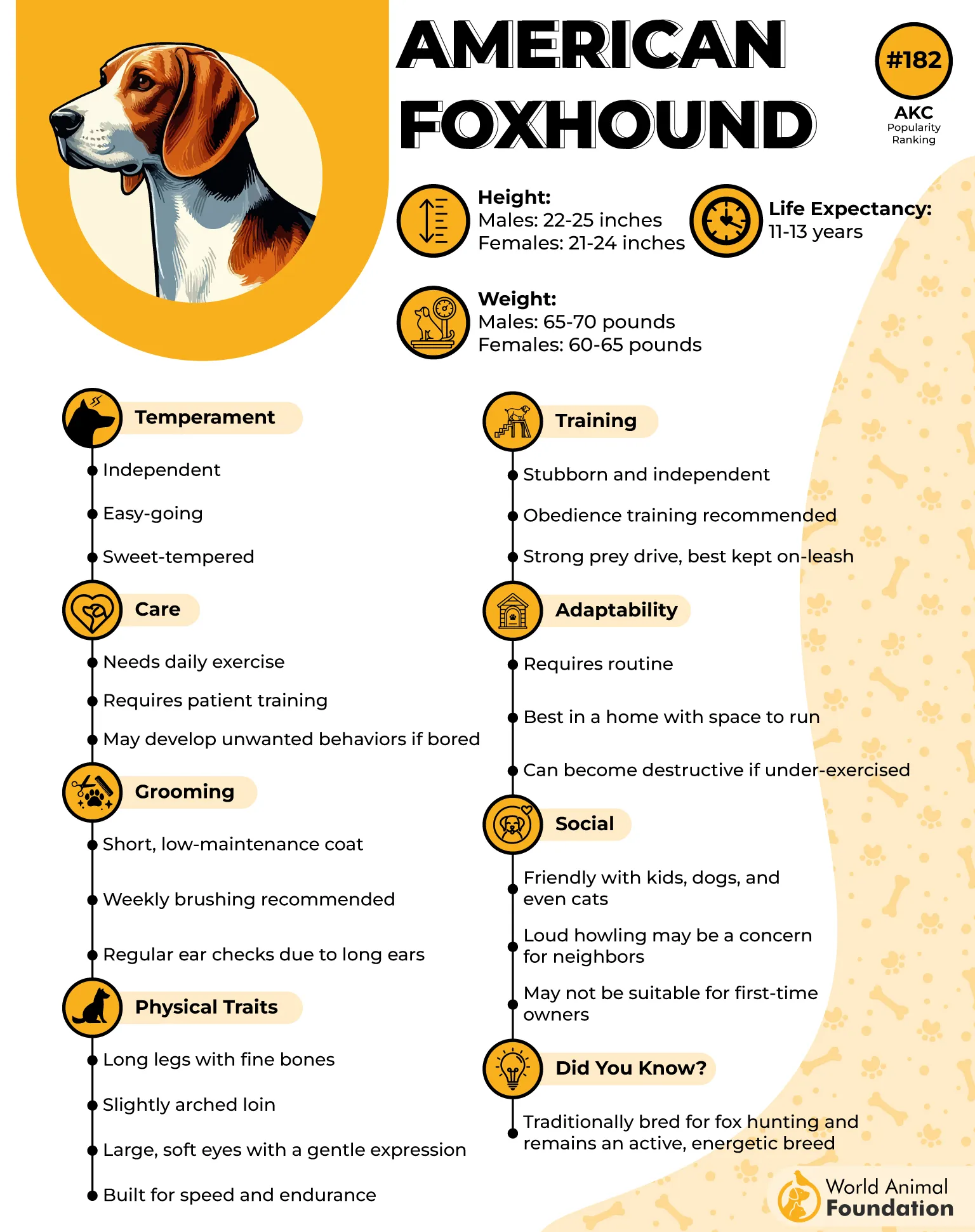
At home, the American Foxhound is generally sociable with children and other pets, but its independent nature can make obedience training challenging. Once it catches an interesting scent, following the trail may become far more appealing than responding to commands.
Its energy level also shapes its ideal lifestyle. This breed needs extensive daily exercise and room to roam, making it better suited to active households with plenty of outdoor opportunities than small urban homes. Its distinctive, far-carrying bark is another consideration for noise-sensitive neighborhoods.
9. Hanoverian Scenthound
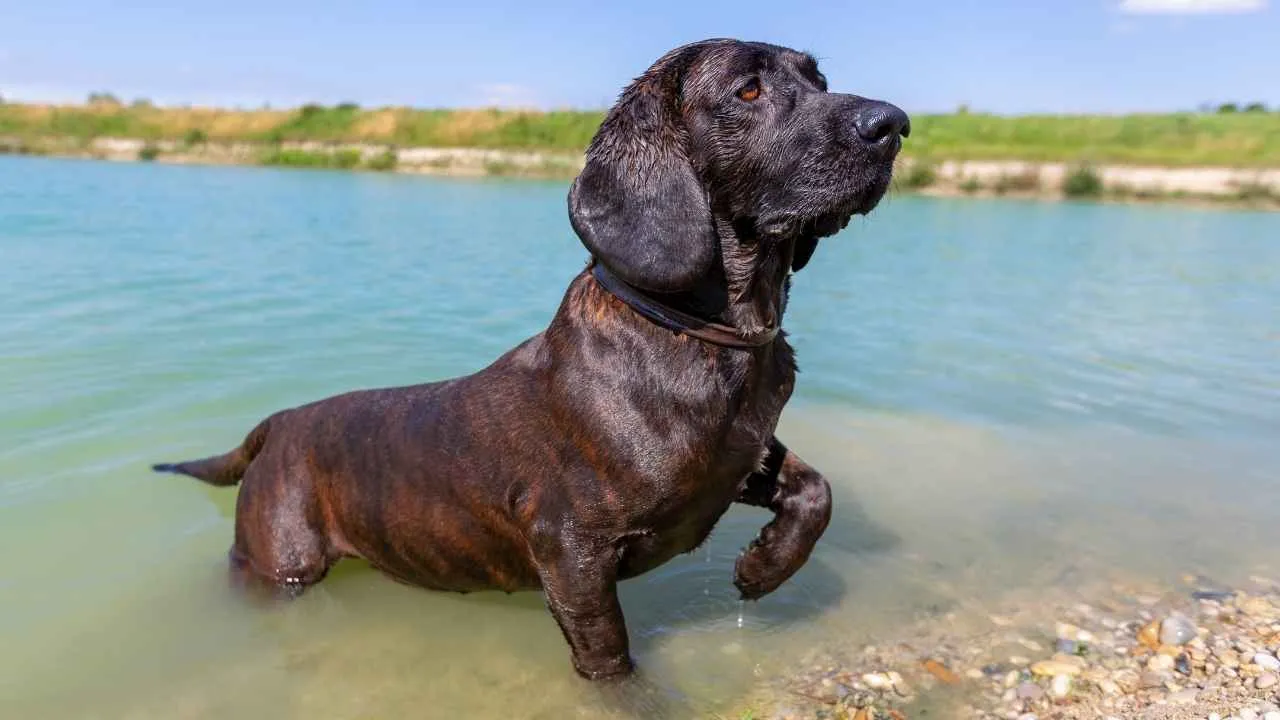
The Hanoverian Scenthound is a precision specialist when difficult game trails demand exceptional scent work. Its highly developed nose can follow even faint traces over long distances, making it valuable to hunters and search-and-rescue teams. Focused and persistent, it works with remarkable commitment when tracking wounded game.
What sets this breed apart is its ability to remain concentrated despite challenging conditions. Its strong prey drive, intelligence, and composed temperament help it methodically pursue a scent rather than rush the task. This combination makes it particularly effective on demanding trails where accuracy matters.
Although serious and independent in the field, the Hanoverian Scenthound becomes affectionate and even-tempered with its owner after work. It is generally friendly with other dogs but can be reserved around unfamiliar people, reflecting its discerning nature.
Early, consistent training is important because its independent streak can make it stubborn. An experienced handler who understands scent hounds will be better equipped to channel its instincts, while daily physical activity and mental stimulation help keep this energetic tracker balanced.
10. Bluetick Coonhound
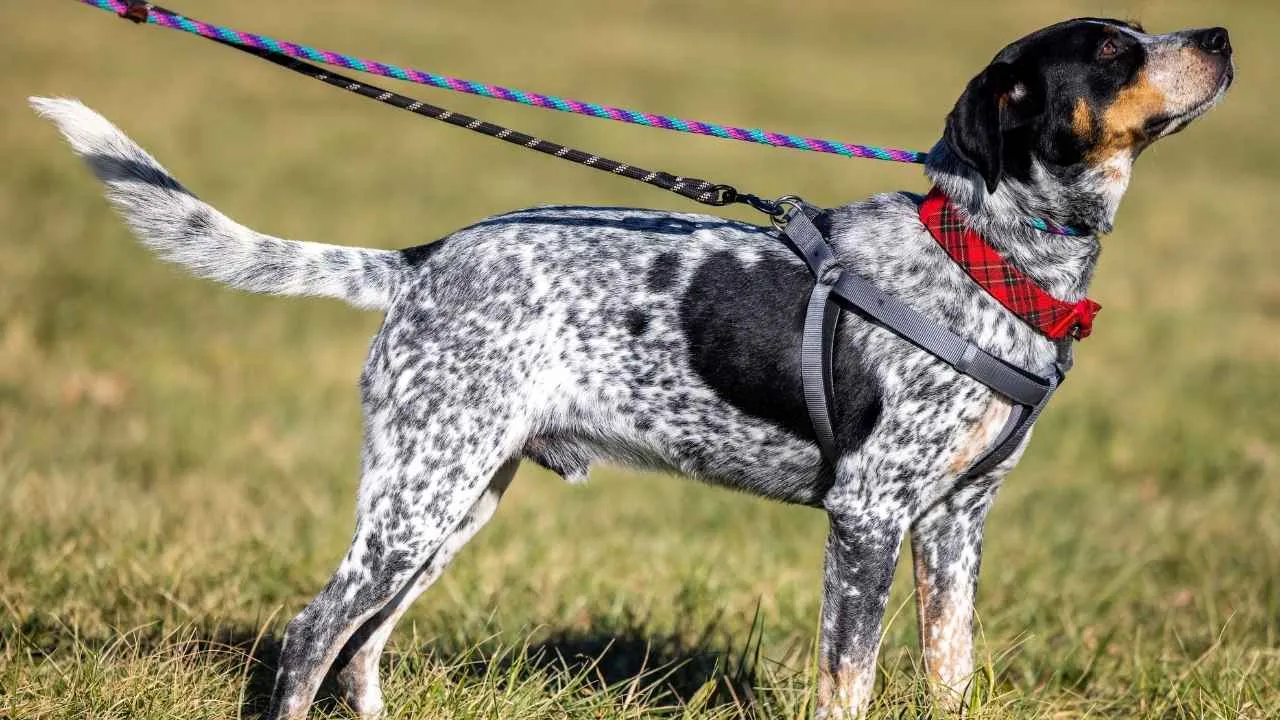
With a mottled blue-and-black coat and a nose built for pursuit, the Bluetick Coonhound is a natural wildlife tracker. Its exceptional scenting ability allows it to follow trails that may have gone cold for days, making it especially effective in demanding hunts.
What truly sets this hound apart is its determination. Historically used to pursue raccoons and larger game, it can stay focused on an intriguing scent for extended periods. That persistence, however, means owners need to keep the dog securely contained when outdoors. According to Orvis, the Bluetick Coonhound is usually relaxed indoors.
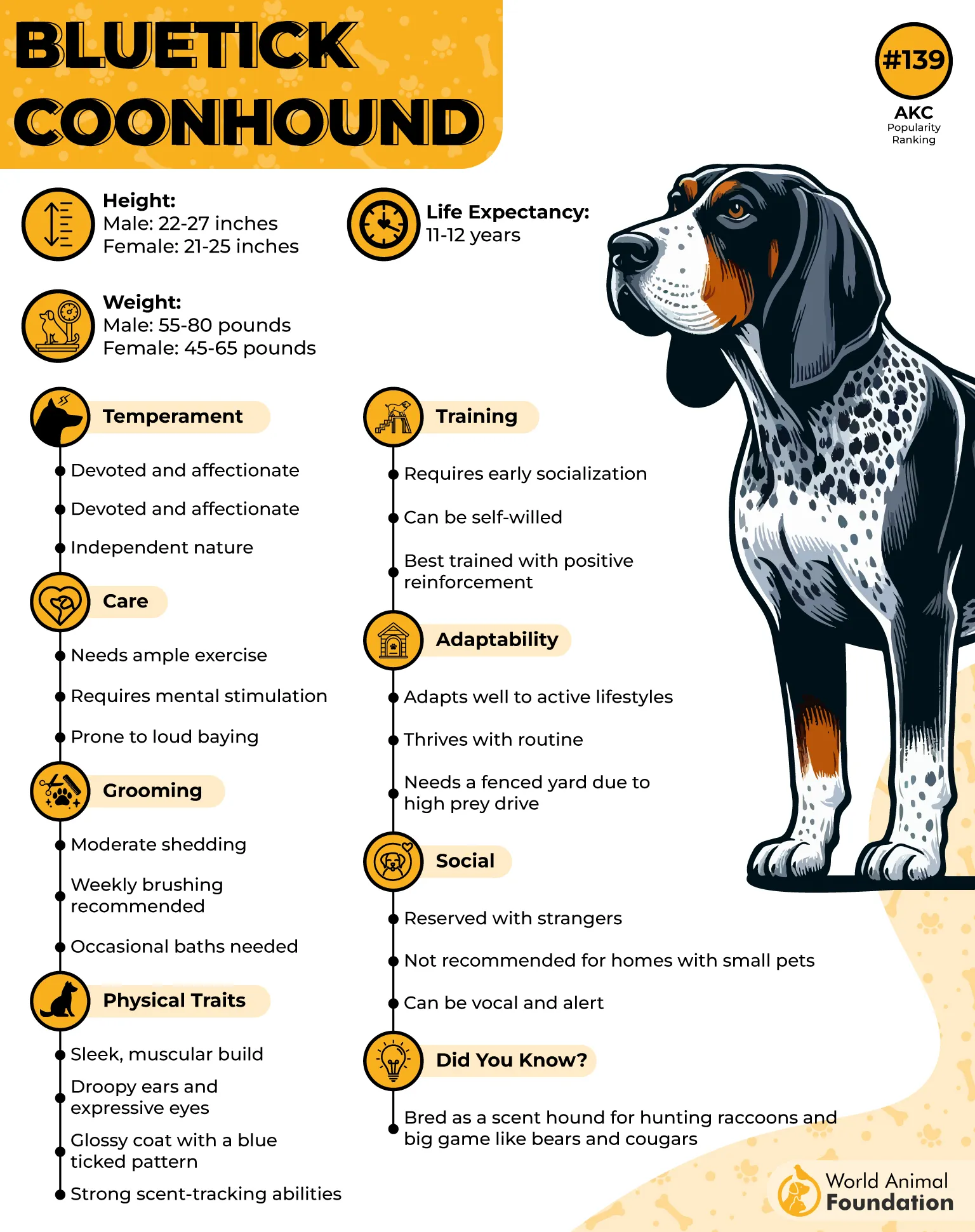
The breed’s distinctive bay adds another layer to its tracking style. Blueticks can be remarkably vocal when they pick up an interesting trail, using their characteristic voice to communicate during a pursuit.
Training works best when patience, consistency, and positive reinforcement are combined. Their intelligence helps them learn quickly, while their independent nature can make them selective about following commands when a fascinating scent captures their attention.
Conclusion
Wildlife tracking demands more than a sharp nose. The best tracking dogs combine scenting ability, endurance, intelligence, determination, and the focus needed to follow challenging trails across different environments.
From scent-driven hounds to energetic working breeds, each dog brings its own strengths to the field. Some excel at following faint trails, while others rely on persistence, stamina, or a dog’s ability to stay focused during long pursuits.
However, these natural abilities also come with responsibilities. Proper training, early socialization, secure handling, and appropriate outlets for their energy help these dogs use their instincts safely and effectively.
Whether tracking through dense terrain or pursuing a lingering scent, these remarkable breeds demonstrate why dogs remain invaluable companions for wildlife tracking. Choosing the right breed ultimately depends on its abilities, temperament, and the demands of the work.
