




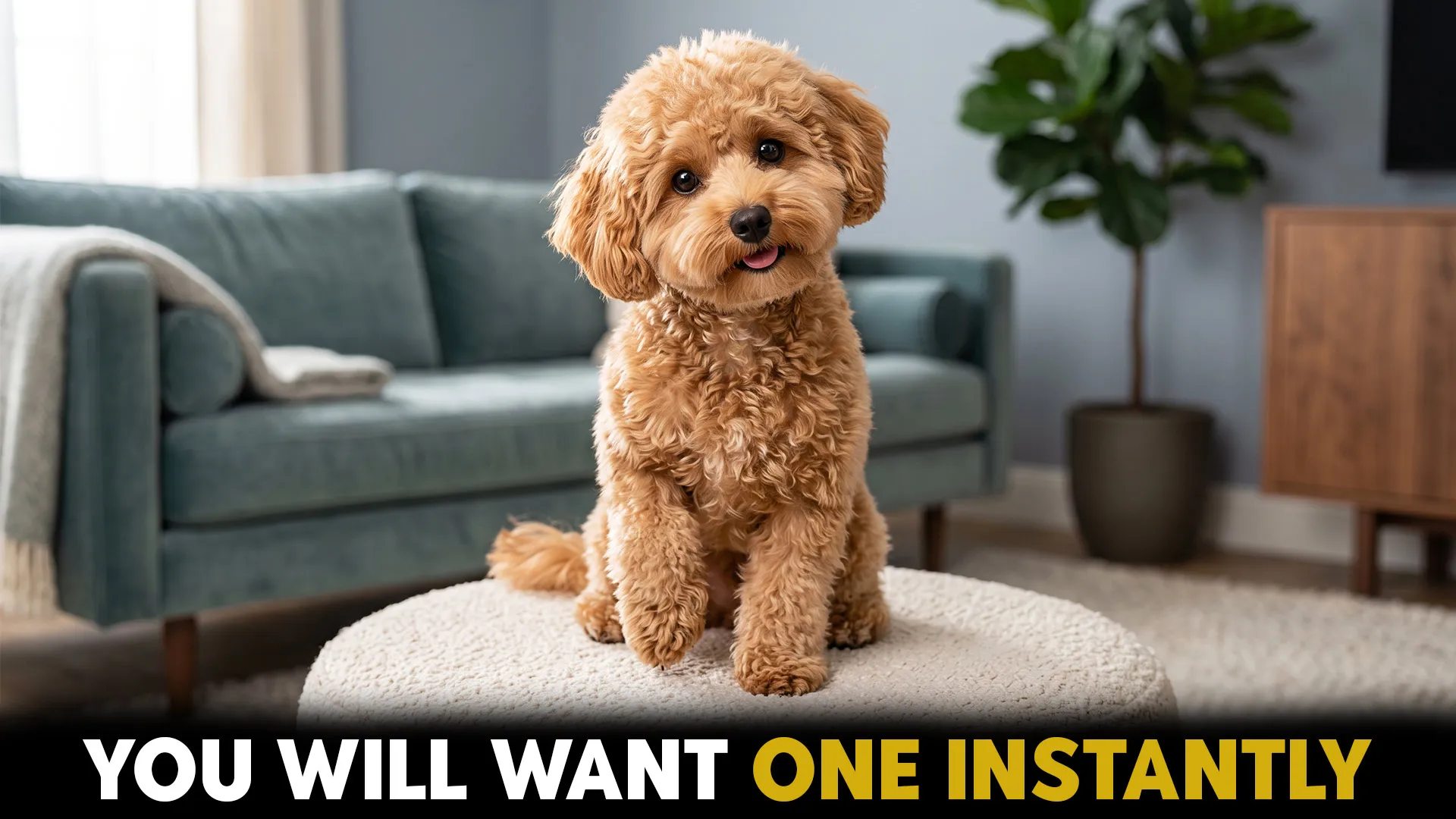
Some dogs look like they walked straight out of a teddy bear shop. Their round faces, fluffy coats, button noses, and soft expressions can make you want to scoop them up for a cuddle. But looks can be a little sneaky.
A dog that resembles a plush toy may still have plenty of personality, energy, grooming needs, and quirks hiding underneath that fluff.
From the tiny Maltipoo and Toy Poodle to the sturdy Chow Chow and cloud-like Samoyed, these breeds bring their own version of the teddy bear look. If you are choosing a dog based on appearance, it helps to look beyond the cute factor.
Let’s meet nine breeds that prove adorable can come with very different personalities.
Charming Dog Breeds That Echo Teddy Bear Aesthetics
1. Maltipoo
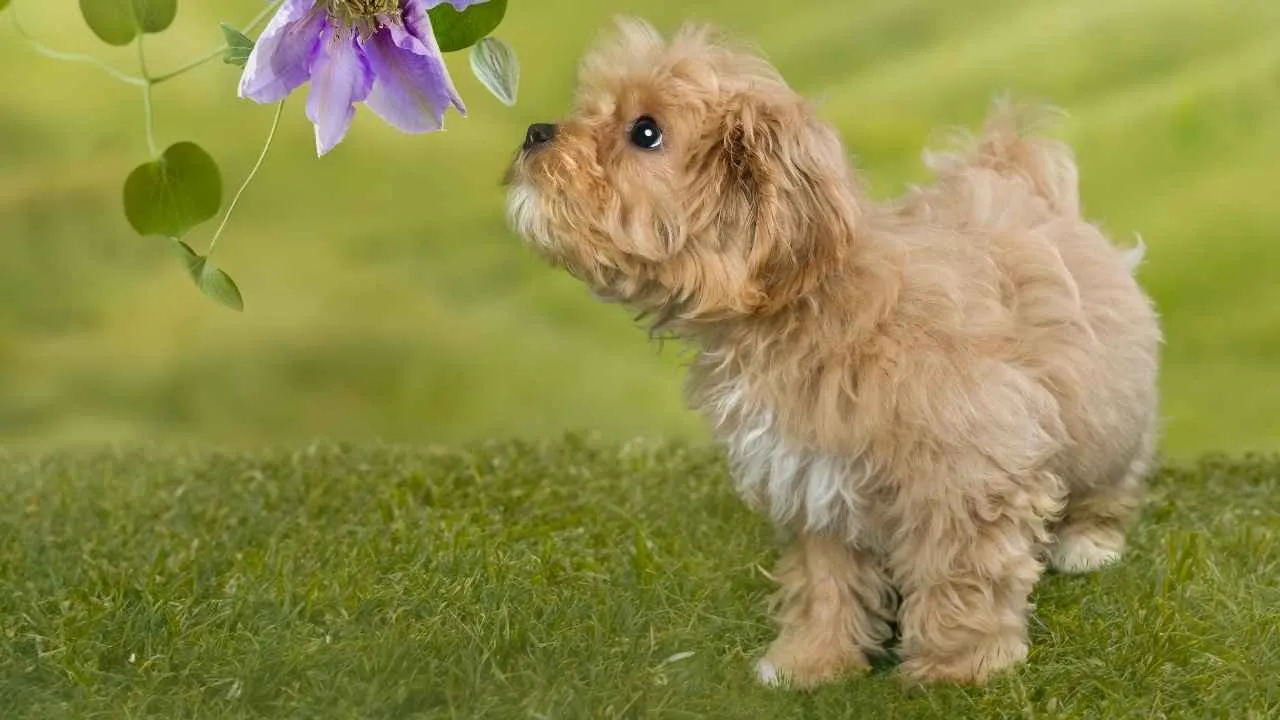
Although the exact history of the breed is unknown, it is believed to have developed by crossing the Poodle and the Maltese in recent years to create a hypoallergenic breed. The Poodle was originally bred in Germany as a hunting dog, while the Maltese was developed in Malta, so the resultant breed carries traits of both breeds.
The teddy bear dog carries its neoteny traits to adulthood and has a short and rounded muzzle, mimicking a plush toy. It has dark and expressive eyes that resemble human infants. The coat has loosely curled fleece or a wavy texture. The short and sturdy stature gives it a stuffed animal appearance.
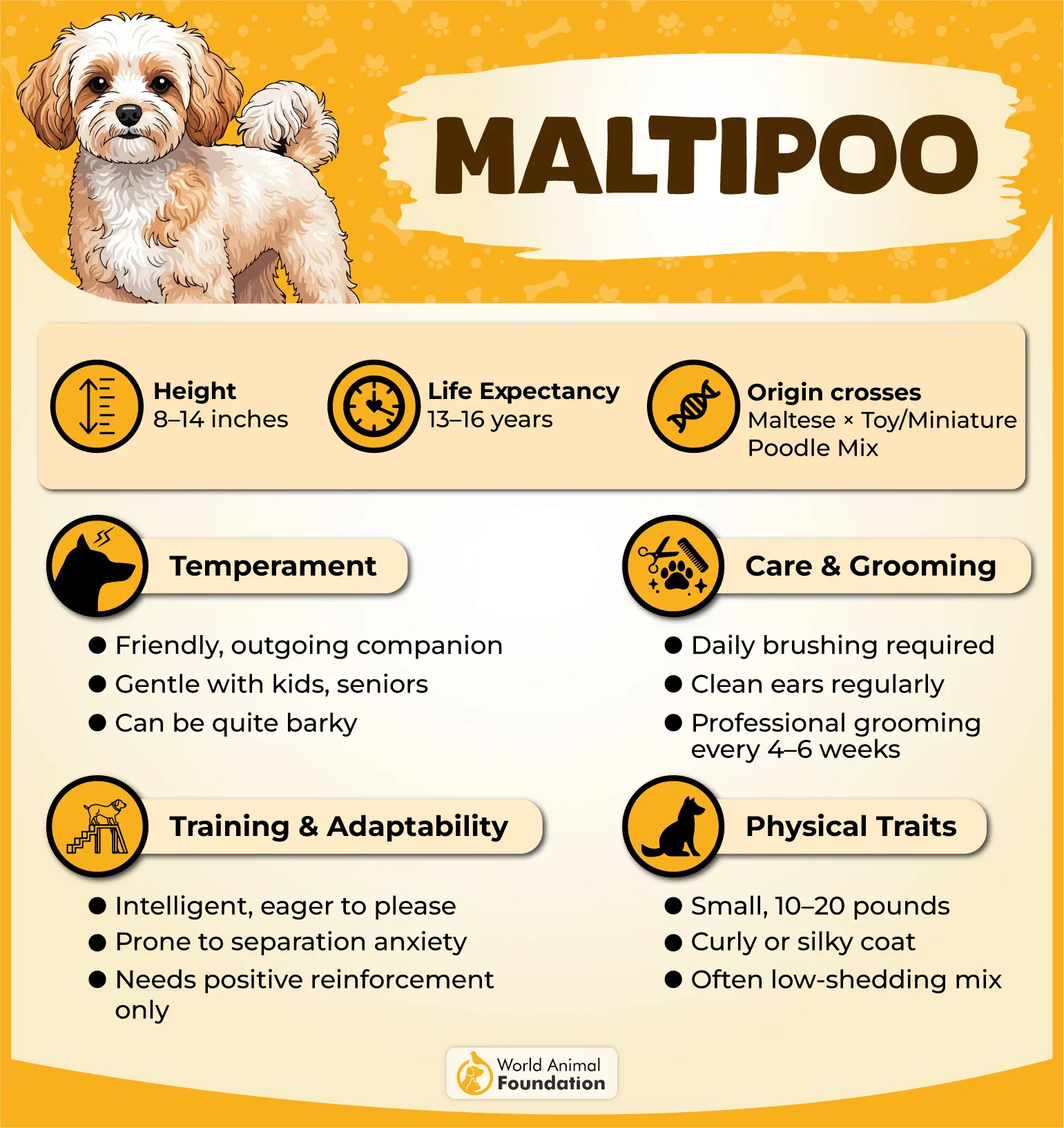
Being a velcro dog, the Maltipoo mirrors its owner’s emotions and has a bouncy gait that keeps it active indoors. Despite being active, the breed loves to spend time sitting in laps for hours.
2. Cavapoo
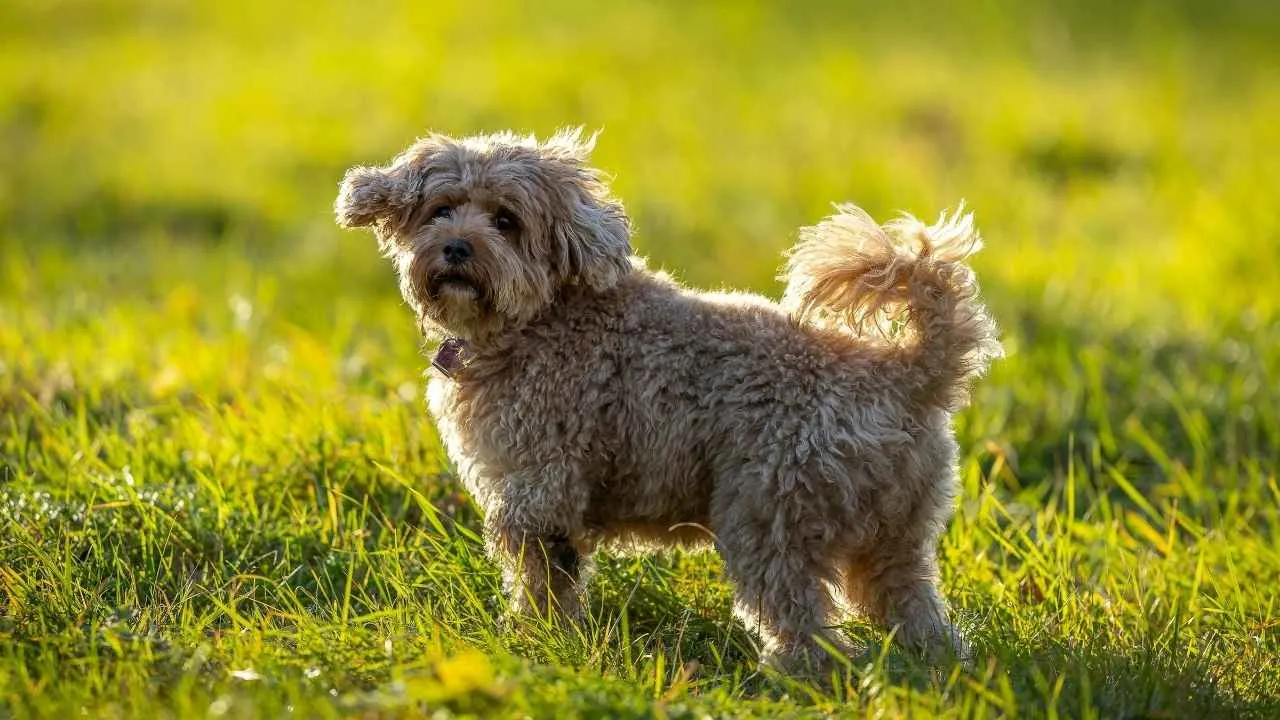
The breed gained popularity in the late 20th century by crossing the Cavalier King Charles Spaniel and the Poodle. At least three varieties of the breed are known so far: F1, F1b, and F2.
The dog has a soft and flattened muzzle, creating a broader midface. The face grows continuous hair, moustache, and eyebrows. It has a level back and stockier stature that gives it a low-centre-of-gravity physique. It barely shows aggression and has a forgiving temperament.
Since the small dog was developed from the most intelligent toy breed, it is highly trainable. The fluffy friend actually wags its tail when excited. It has drooping ears that frame the round face, giving it a plush toy appearance.
3. Shichon
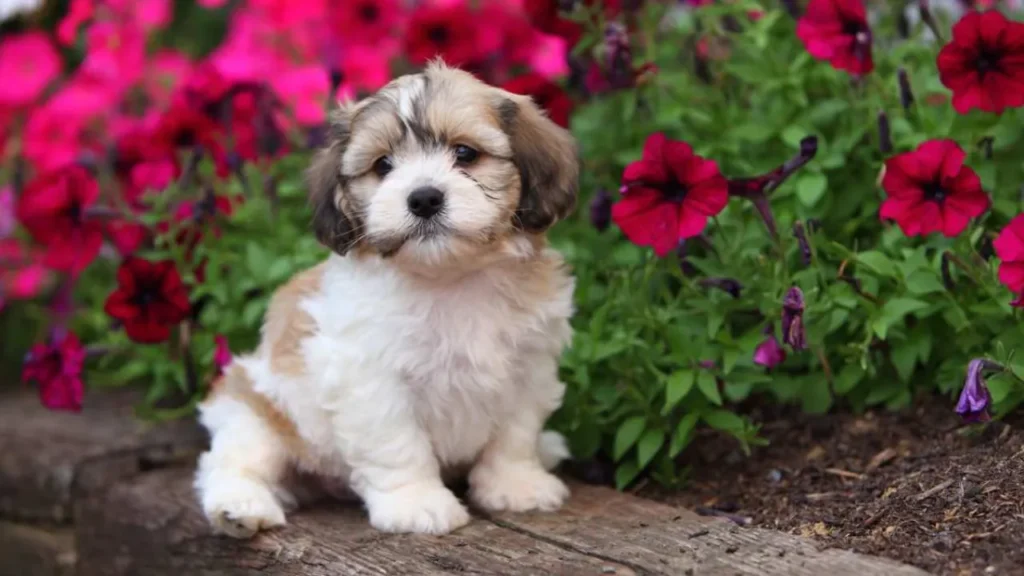
This mixed breed is relatively new and was bred by crossing the Shih Tzu and the Bichon. This gave the breed a cheerful temperament and the ‘white powder puff’ However, the breed is slightly aloof with strangers.
It has a modified snout that shortens the muzzle, giving it a flat profile. The wide facial plane makes the eyes sit squarely, mirroring a doll-like symmetry. The open coat does not lie flat along the skin. The breed lacks aerodynamic contours in the body and looks like a sitting toy.
The breed needs constant human interaction and makes great friends with children and seniors, as noted by PetMD. The small dog lacks a defensive bark and alerts only to notify the owner of a visitor.
4. Cockapoo
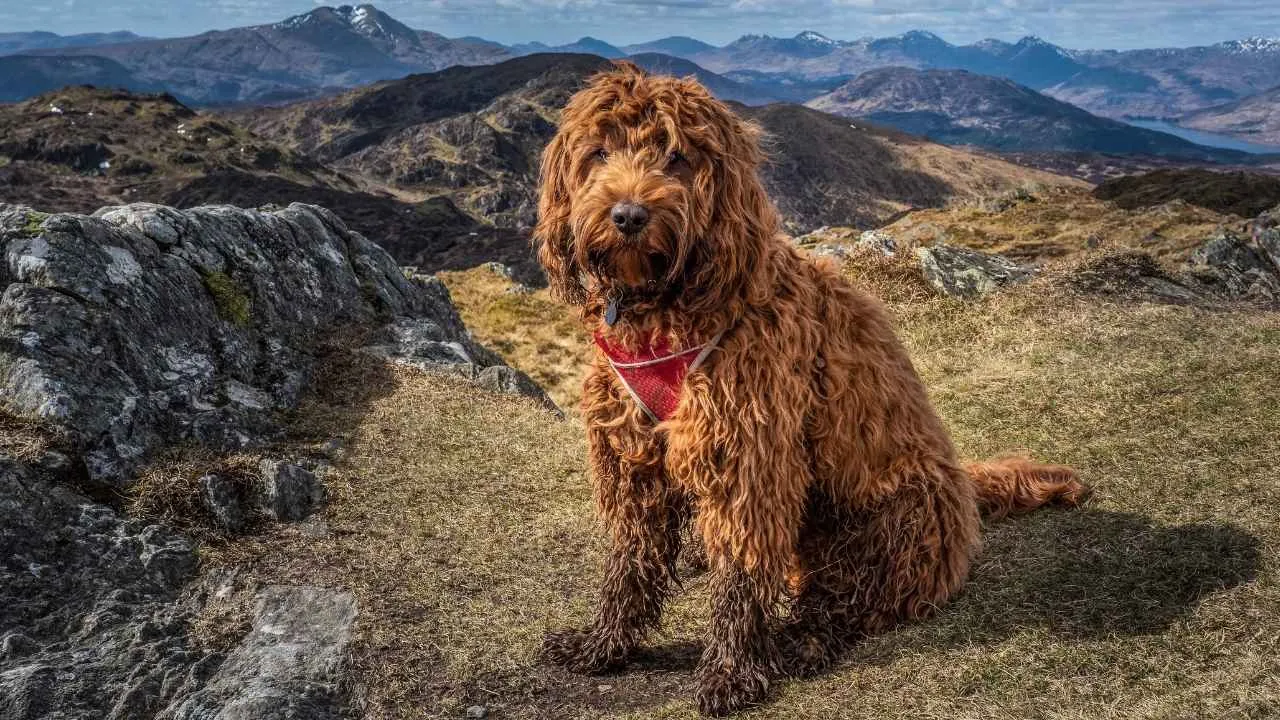
Developed in the United States as a designer dog, the Cockapoo is a cross of the Cocker Spaniel and the Poodle and is a ‘hybrid vigor,’ indicating it has a longer lifespan, as reported by Wikipedia.
The breed naturally has long eyebrows, a beard, and a moustache, giving it a fluffy doodle look. The essential face volume hides underlying canine bone structure. It has a long and continuously growing coat. The breed has front-facing, expressive eyes and has feathering on limbs.
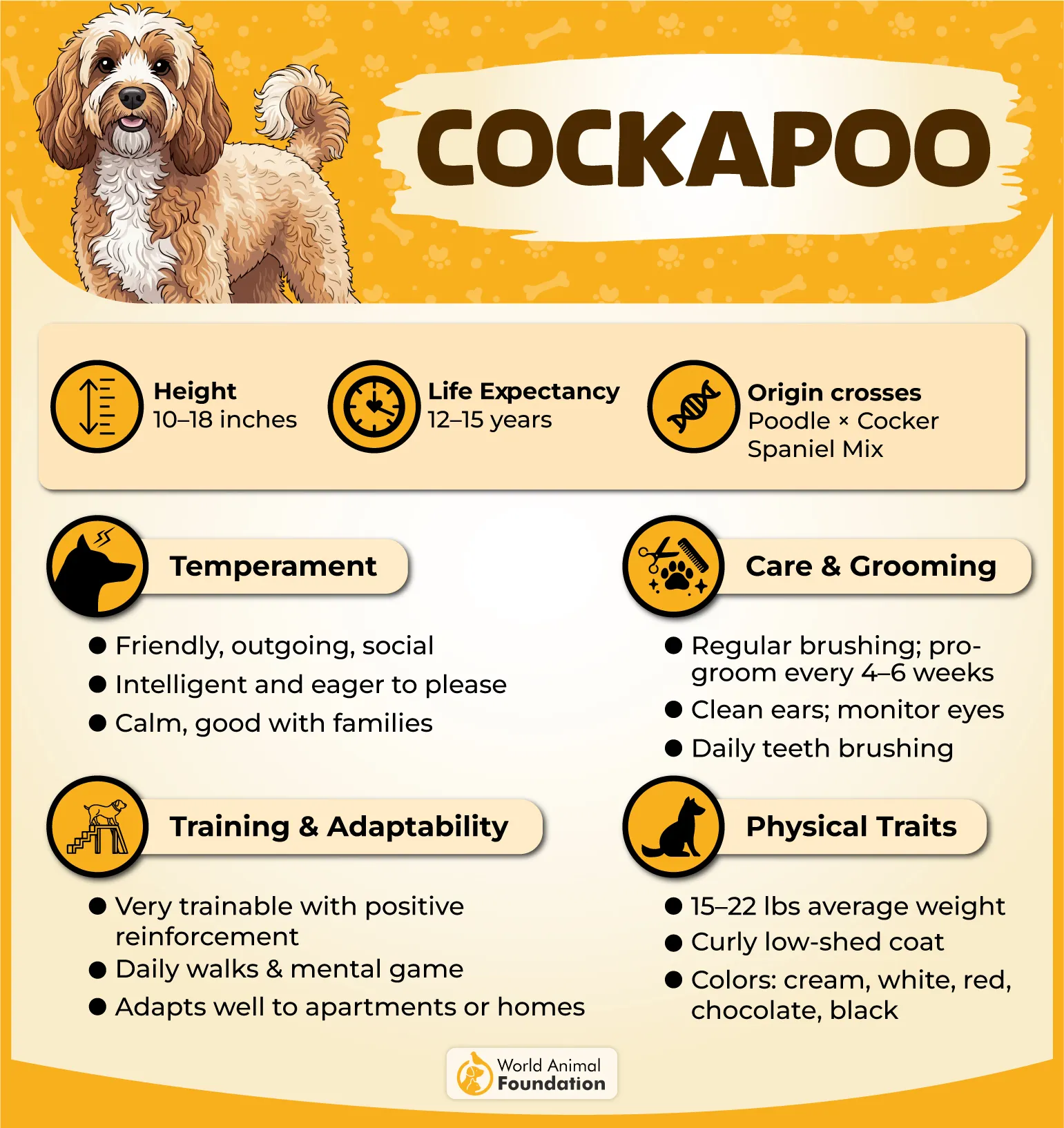
The affectionate dog lacks a high prey drive and is patient with kids. It has the personality of a clown and loves to perform tricks to amuse the owner. It is prone to separation anxiety when left alone for too long.
5. Chow Chow
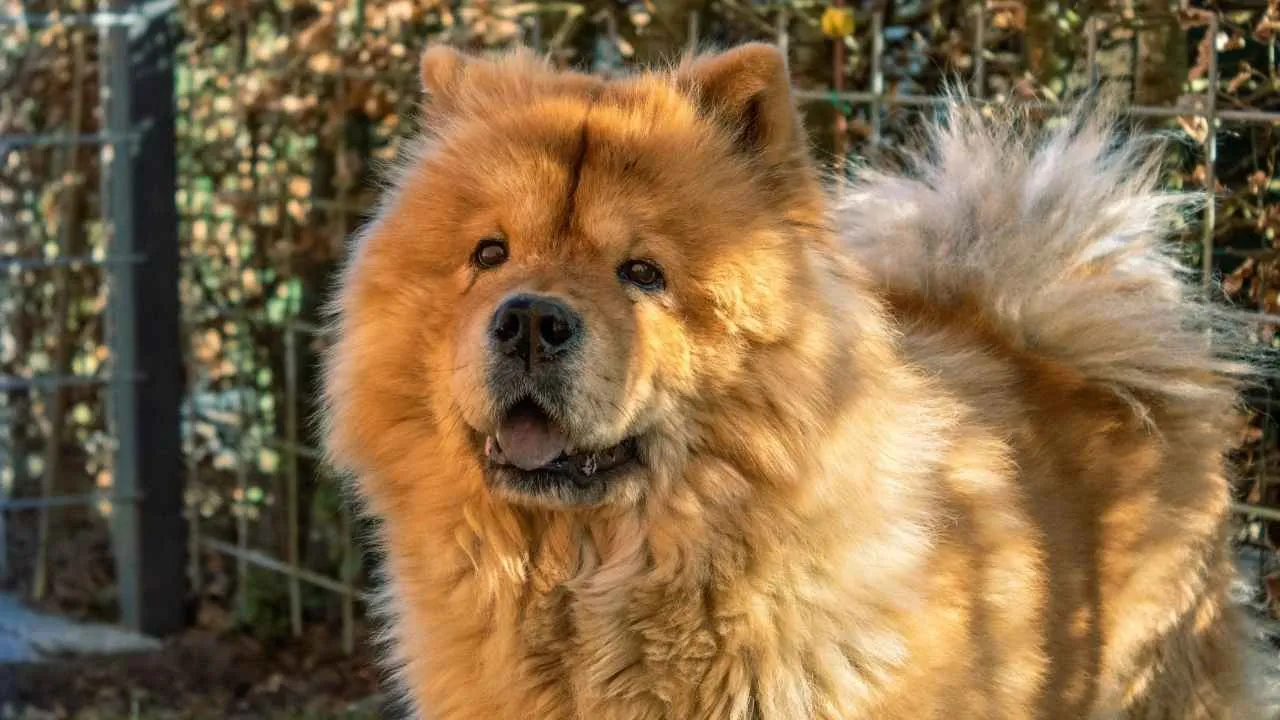
This Spitz-type dog was developed in northern China and is known for its rough/smooth double coat. It has a thick ruff around its neck, giving it a lion-like appearance. The ancient breed was bred some 8,300 years ago to pull sleds.
There are natural wrinkles on the forehead. The almond-shaped eyes and heavy eyebrows form a scowling expression. It has a straight skeletal alignment, resulting in a choppy gait. The breed has cat-like feet with thick pads that help it navigate through rough terrain. The square and compact body is referred to as a ‘cobby stature.’
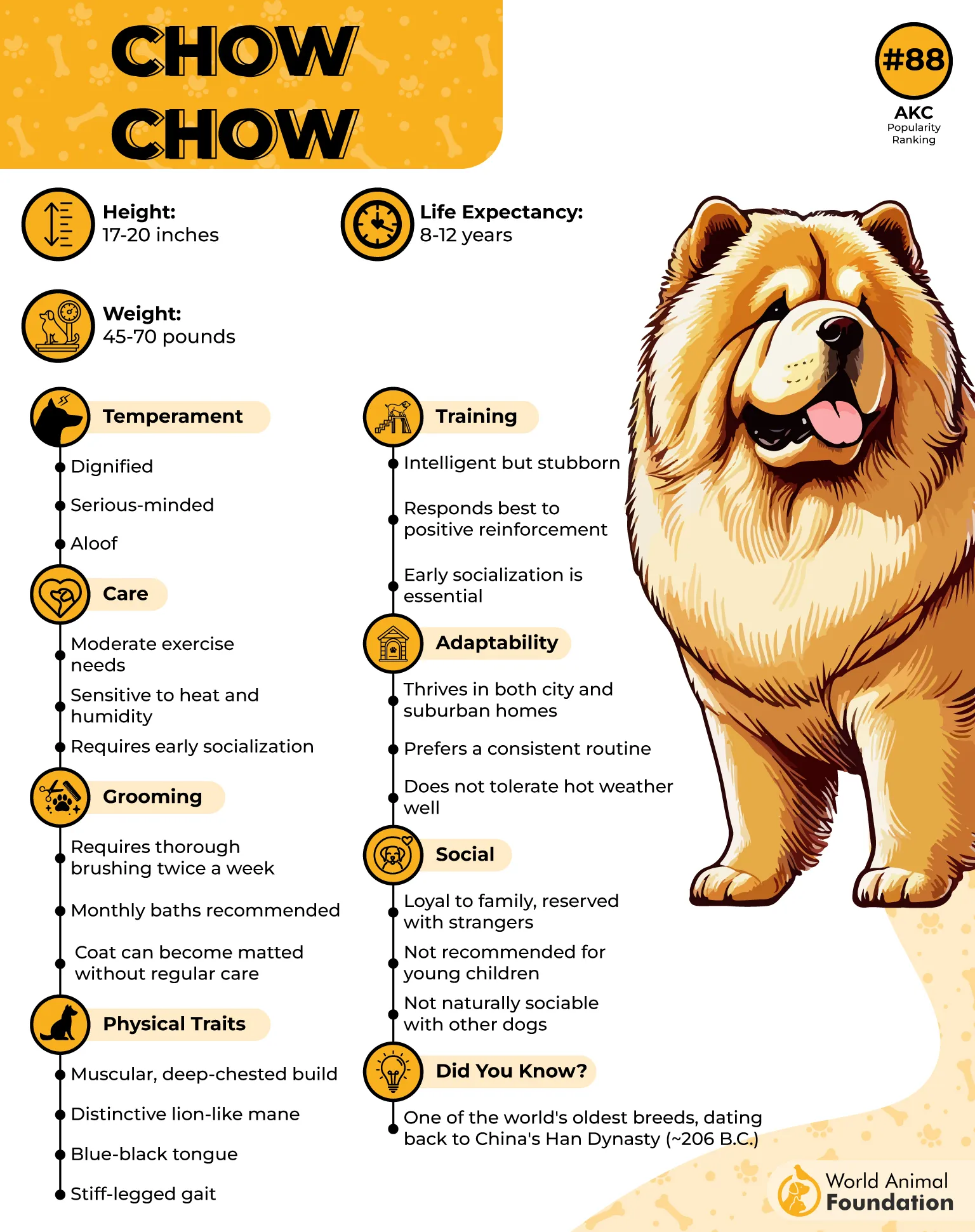
The Chow Chow is naturally aloof with strangers and has an emotionally independent nature, as noted by the AKC. The breed has a quiet demeanor and has great loyalty towards the owner. However, it may show stubbornness when not properly trained.
6. Toy Poodle
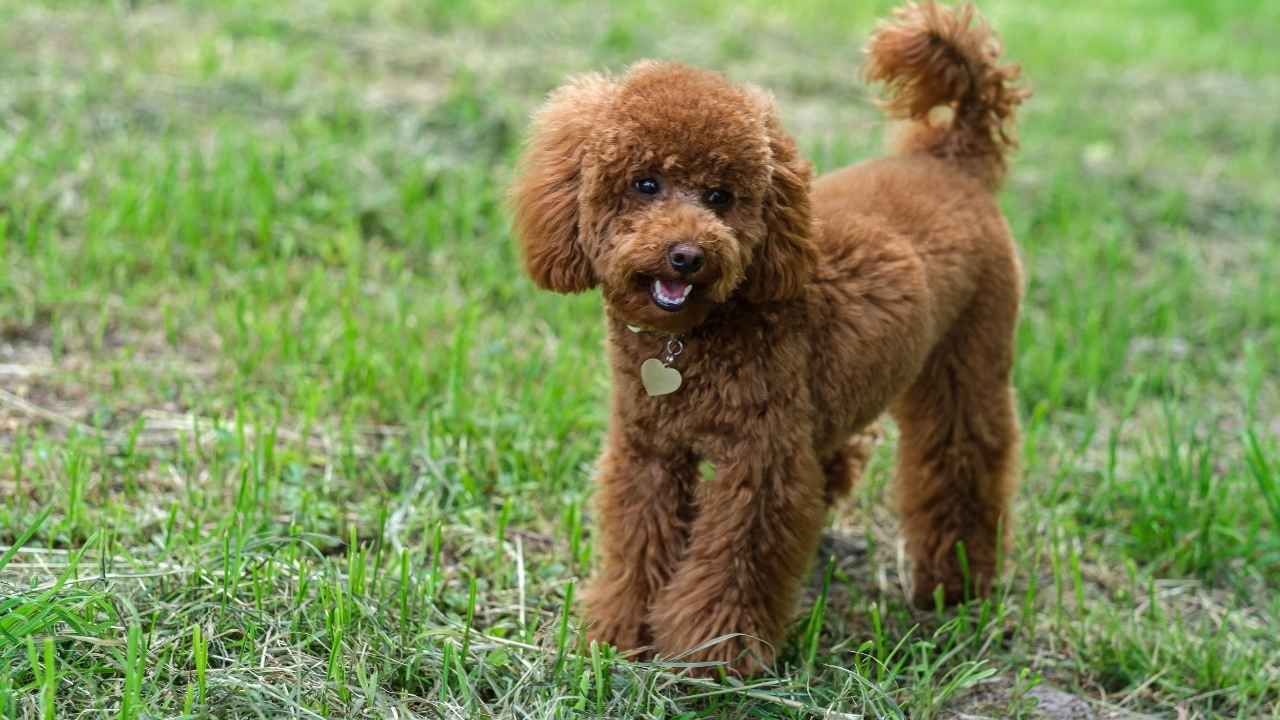
The Toy Poodle was developed from a duck-hunting breed, the Standard Poodle. The primary purpose of this breed was to serve as a performing dog in circuses. Today, it is widely kept as a companion dog.
It has a short snout-to-body ratio that gives it a youthful facial plane. The dog has an eager-to-please disposition, and it has a tendency to learn and perform tricks. The Toy Poodle has a sensitive nature, and positive reinforcement is suggested to train it well. The hair makes it a hypoallergenic breed, ideal for allergy sufferers.
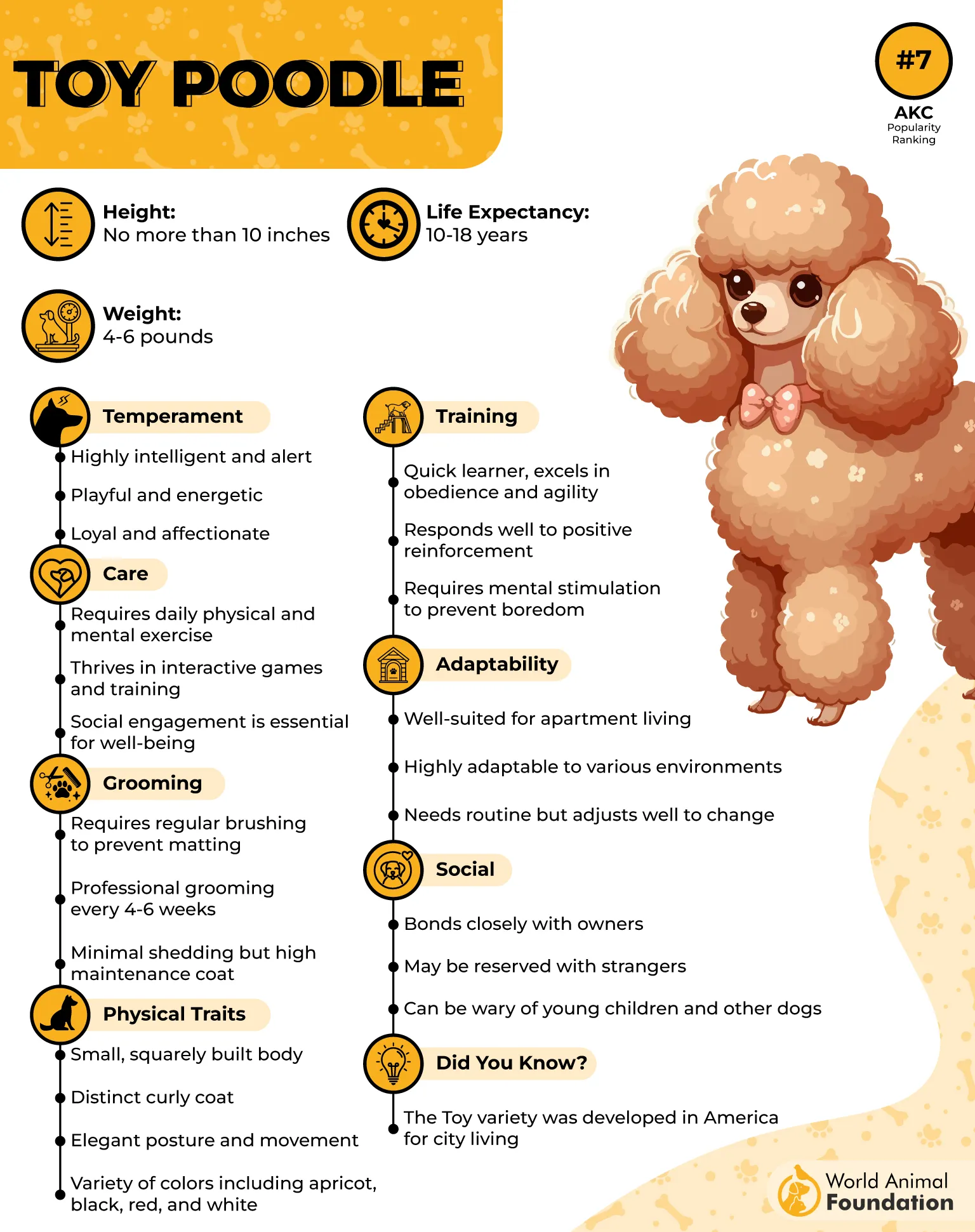
The small dog has low exercise needs (20-30 minutes daily). Curved scissor sculpting, rigorous line brushing, and frequent blowouts are suggested to have an elegent look of the breed.
7. Bichon Frise
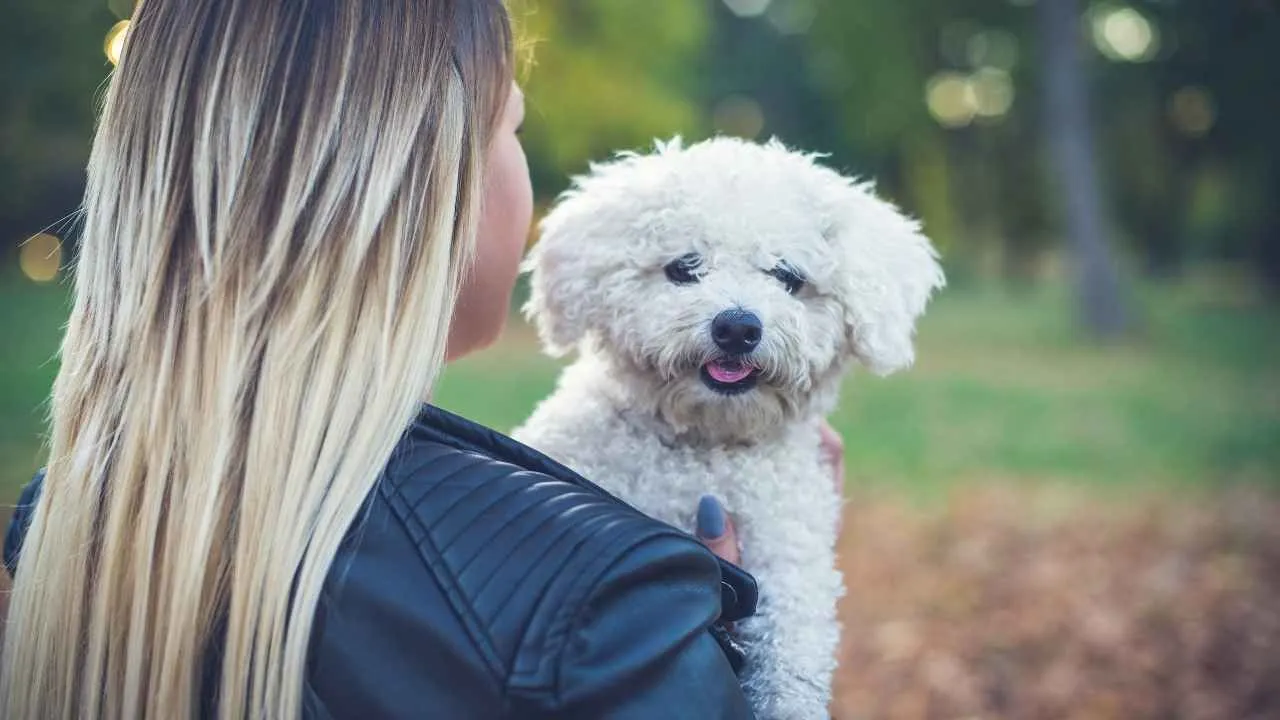
The history of this ancient breed dates back to the 13th century, when it was developed in the Canary Islands. Sailors used to carry them in trade, and that is how the breed arrived in Europe.
The double coat has a uniform length of 1-2 inches, and it acts like a mechanical cushion. It has a shorter muzzle and triangular-shaped nose, giving it the look of a traditional teddy bear. The face lacks bony protrusions that prevent a sharp look. It has a ‘merry outlook’ that gives it a curious and happy expression.
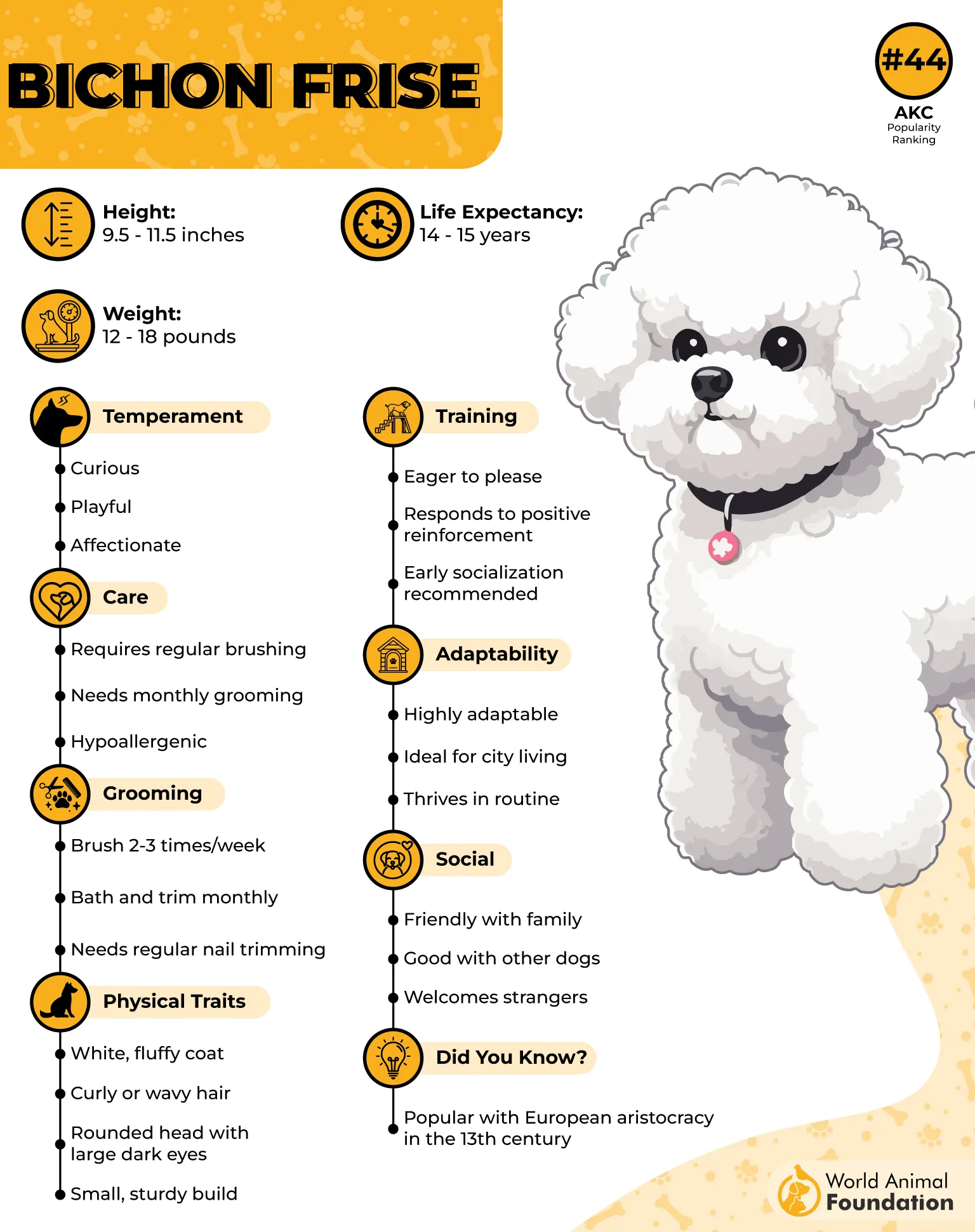
It shows head tilts and alert gestures as a response to human commands. It makes a great lapdog because of its affection towards the owner. However, it may have short bursts of energy at some times of the day.
8. Pomeranian
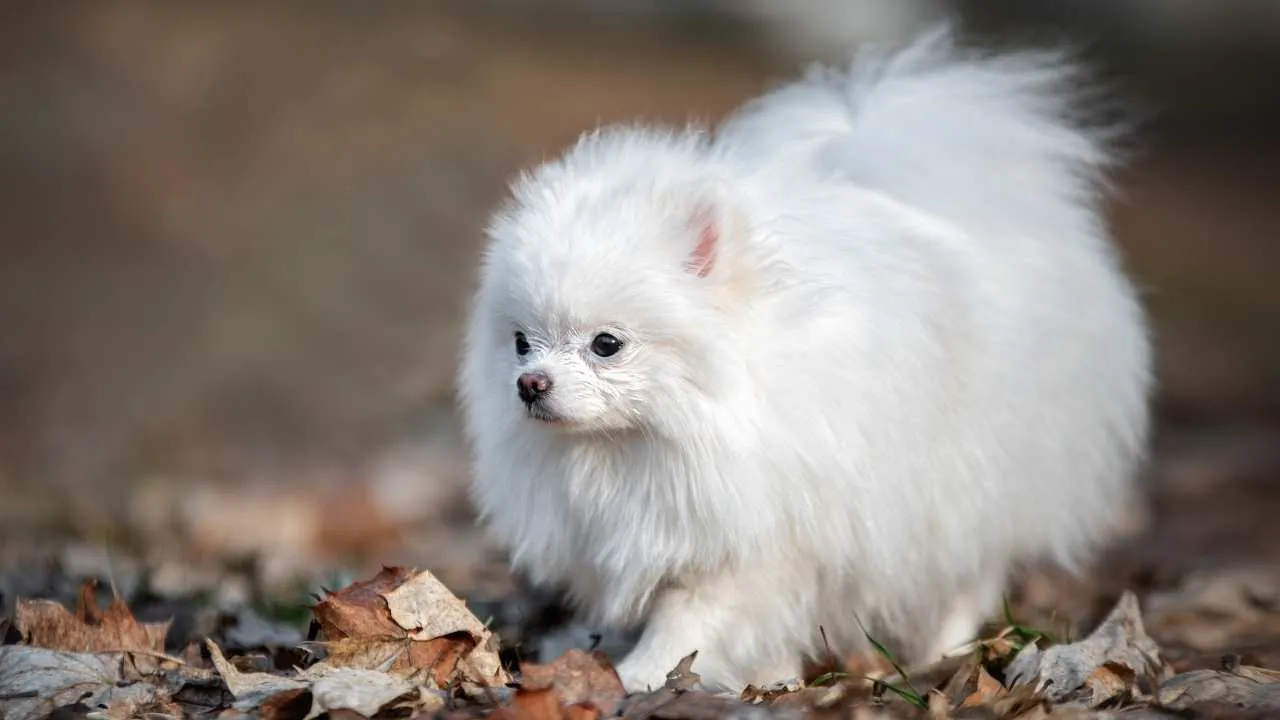
This Spitz-type dog was developed between Poland and Germany in Central Europe and is classified as a toy dog breed. It was favored by Queen Victoria in the 18th century. The breed is known to have descended from the German Spitz.
It has a moderate-length muzzle and an elongated profile of a fox. The cheek fur grows outwards, giving it a fluffy look. It is a brachycephalic breed and can have breathing issues outdoors. Hand-scissoring of the guard hair is highly recommended to achieve teddy bear cuts.
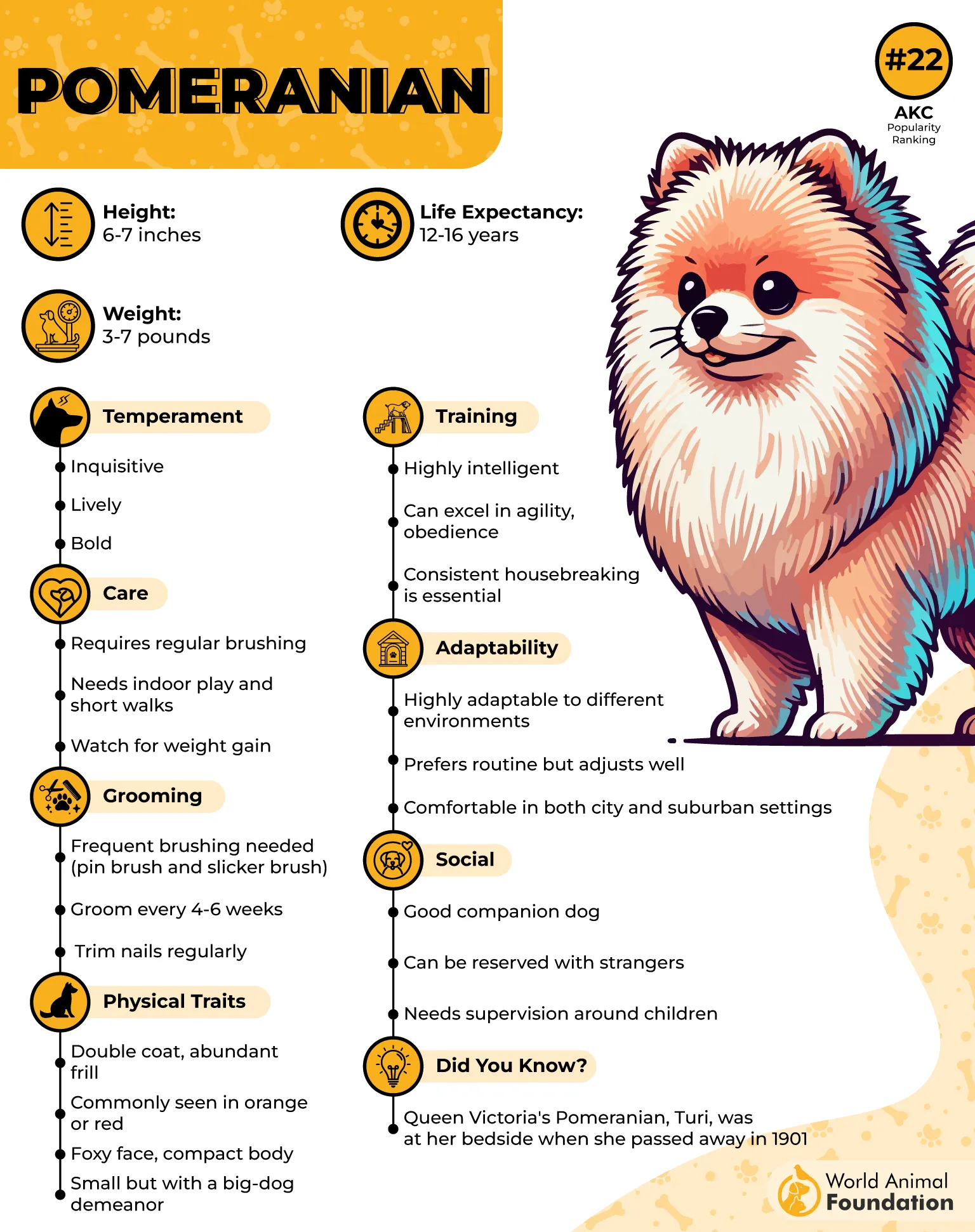
Known for its ‘smiling face,’ the dog shows its teeth with its upturned lips. Once the breed fulfills its daily exercise needs, it gets back to its resting phase and enjoys lounging and sleeping in your lap.
9. Samoyed
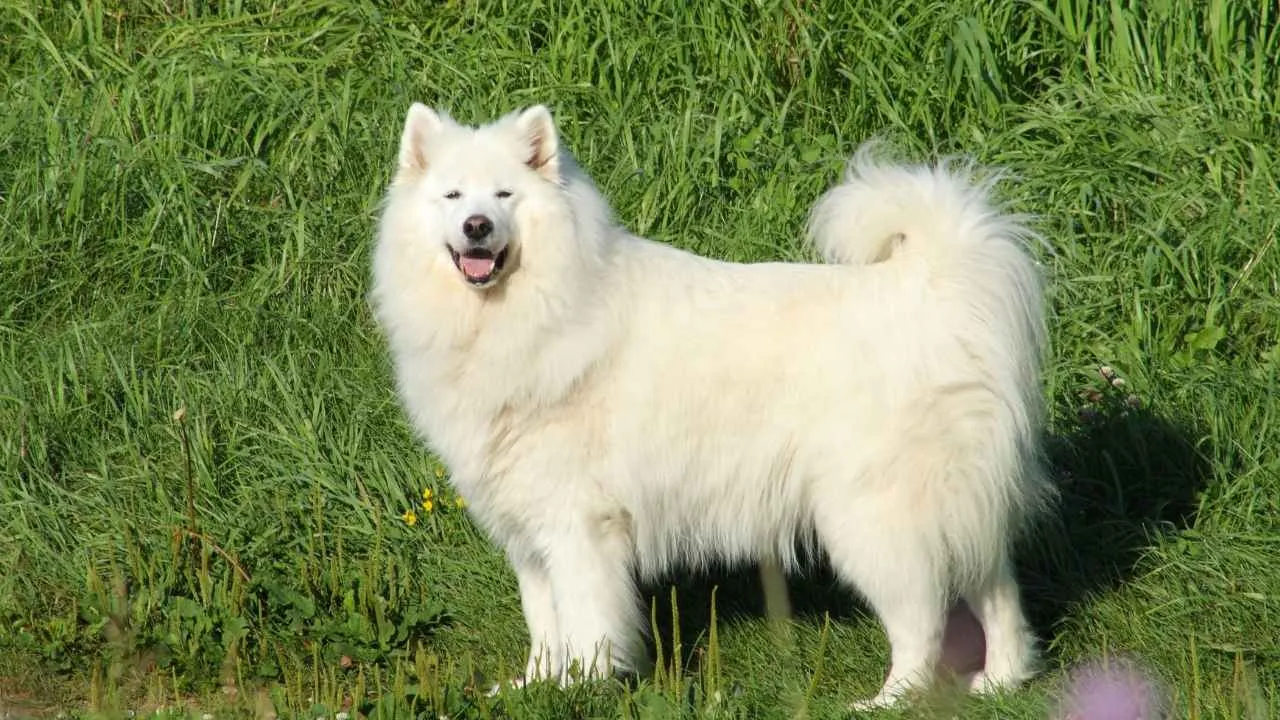
The breed is descended from the dogs kept by the nomadic Samoyede people who migrated from Central Asia to Europe thousands of years ago. The primary purpose was to protect and herd reindeer.
It has a wedge-shaped stop between its eyes. The upturned lips prevent drooling and exhibit a happy expression. The eyes are framed by intensely black eye rims. It has a dense and short undercoat that provides thermal insulation and a harsh outer coat that guards the breed from external stimuli.
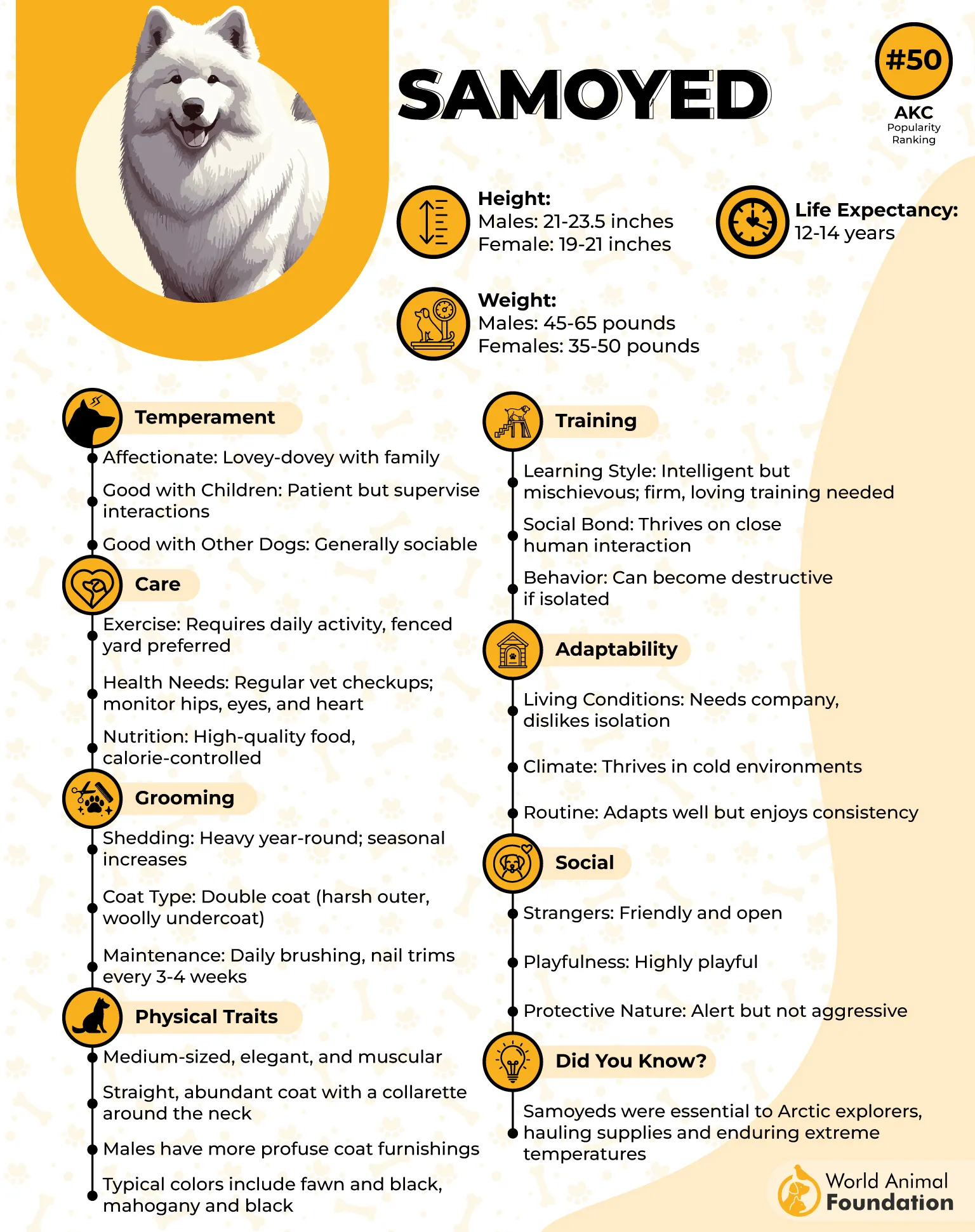
It has a curious mind, and early socialization with consistent training is highly recommended. It uses low rumbles, high-pitched bellows, and boofs to communicate with the owner.
Conclusion
A teddy bear-like face can certainly steal your heart, but choosing the right dog should go beyond those irresistible looks. Maltipoos, Cavapoos, Shichons, Cockapoos, Chow Chows, Toy Poodles, Bichon Frises, Pomeranians, and Samoyeds all have different needs and personalities.
Some thrive on close companionship, while others are more independent. Some need regular coat care to keep their fluffy appearance manageable, while others bring a much bigger grooming commitment. Size, exercise, training, temperament, and your daily routine matter just as much as appearance.
