




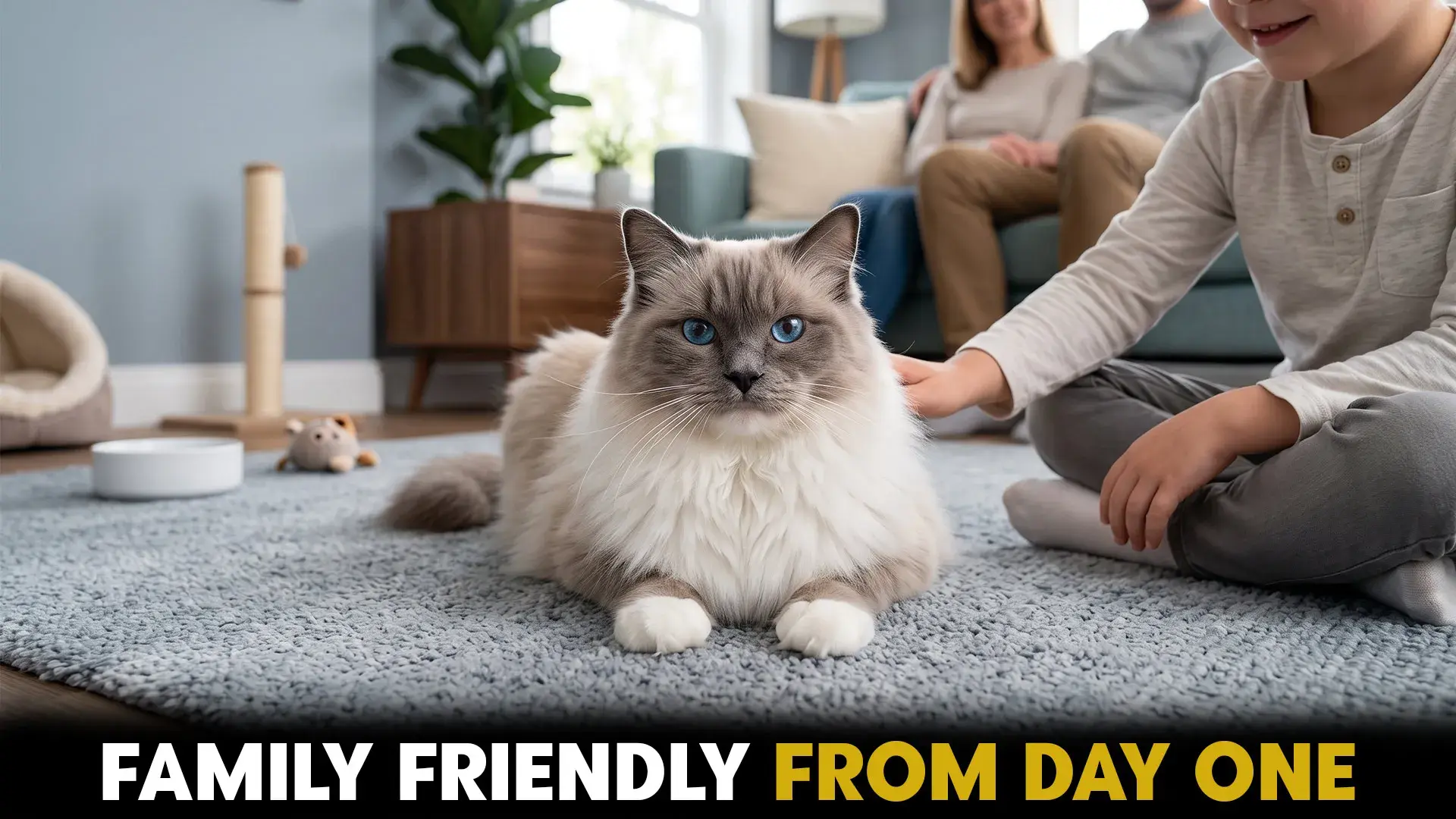
A child’s first cat can become much more than a pet. It can be a playmate, a quiet study buddy, and the furry family member waiting at the door after a long day.
The best cat breeds for kids are usually gentle, patient, social, and comfortable with everyday family life. A good match should enjoy attention without becoming easily overwhelmed and have care needs that parents can realistically manage.
Choosing the right cat can make those first pet memories safer, happier, and far less stressful for everyone. The key is finding a personality that fits both your child and your home.
With a suitable breed, children should learn to handle cats gently and recognize when their pet needs space. With patience and a gradual introduction, the right cat can become a cherished first companion and playmate.
Best First Cat Breeds For Children
1. Burmese
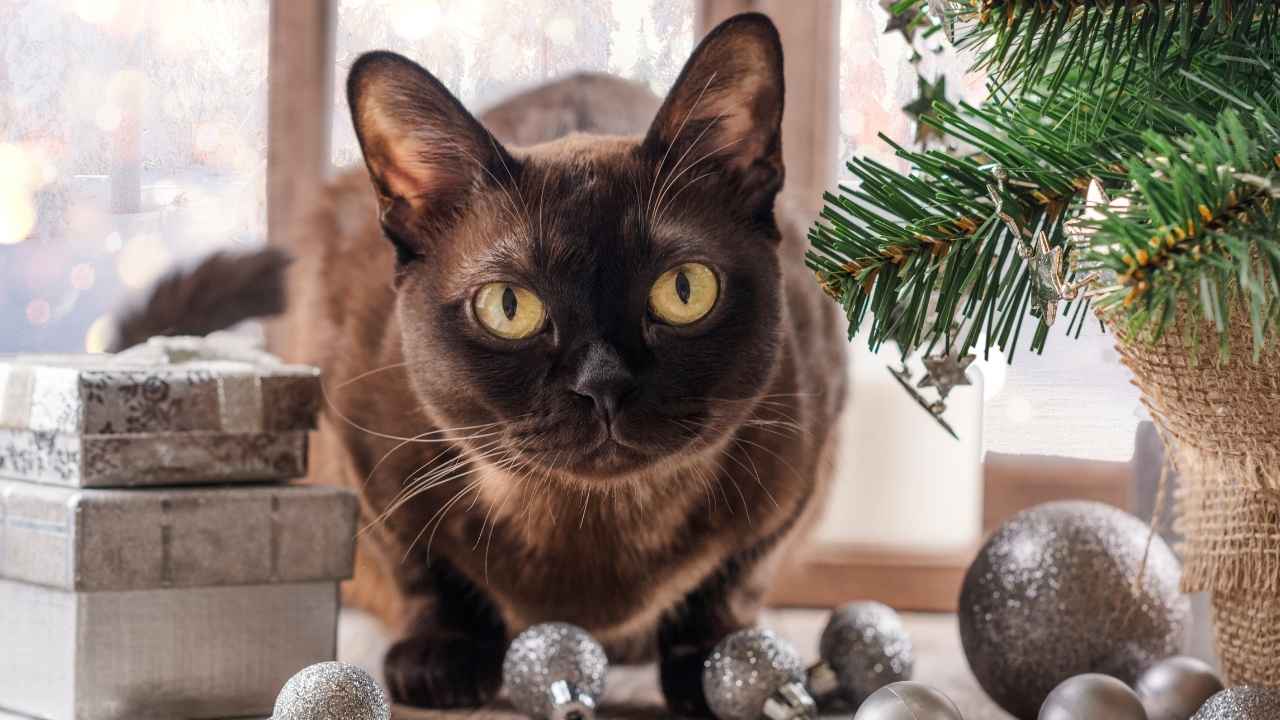
The Burmese is a lively, affectionate cat that thrives when surrounded by people. Its sociable nature makes it comfortable in busy family homes, while its strong attachment to its humans allows it to develop close relationships with children.
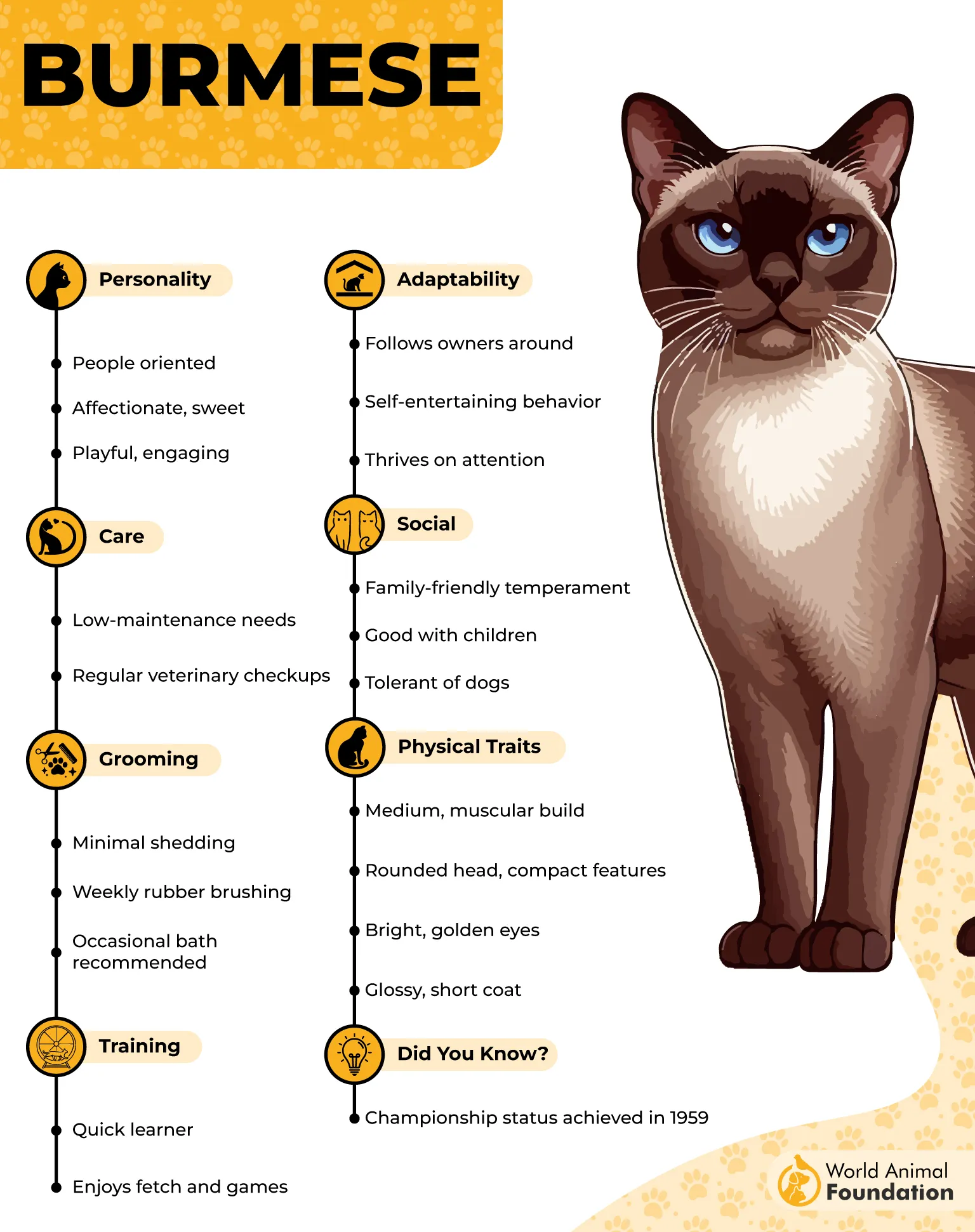
Play remains a major part of this breed’s personality, even into adulthood. Burmese cats enjoy games that involve chasing, batting, and plenty of participation from their owners, making them a fun companion for children who enjoy staying active with their pets.
How This Breed Stands Out
Highly affectionate personality: Forms close bonds with family members and enjoys being involved in everyday household life.
Enjoys interactive play: Loves engaging games and can happily match a child’s enthusiasm for playtime.
2. Siamese
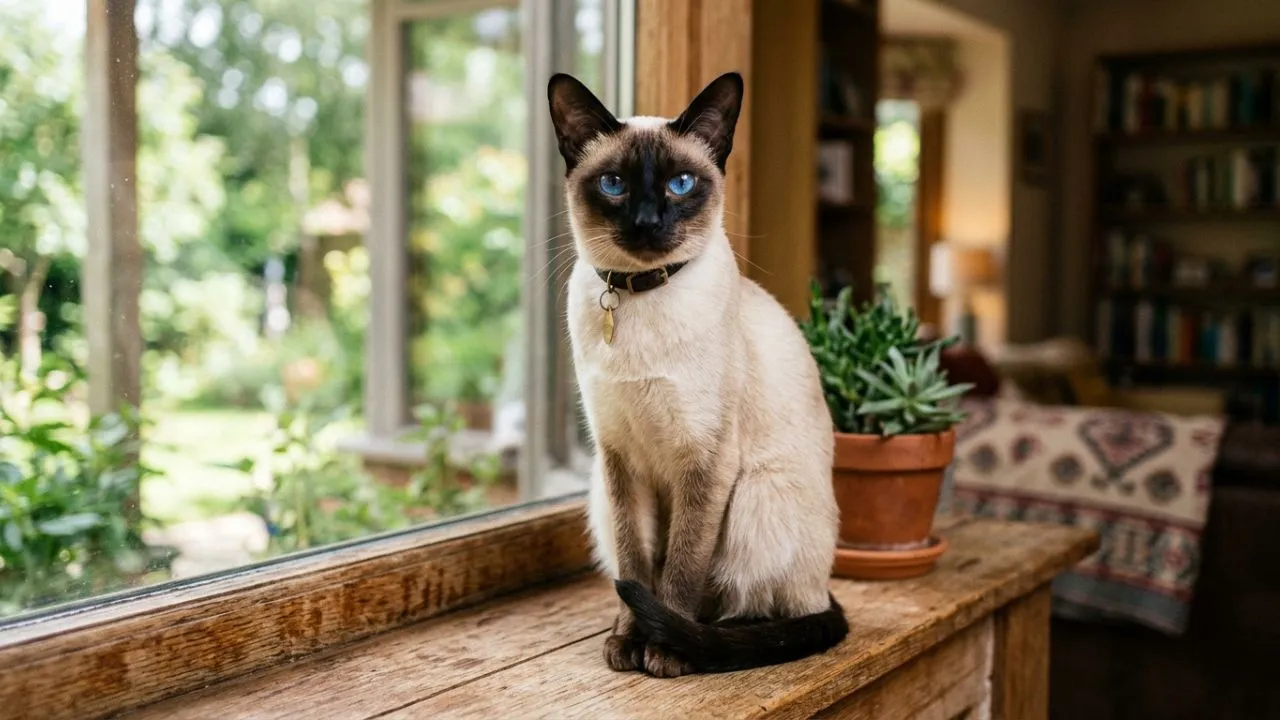
The Siamese is an elegant, slender cat with striking blue eyes, large ears, and a sleek pointed coat. Beneath its distinctive appearance is an outgoing personality that thrives on attention, making it especially engaging for children who want an involved feline companion.
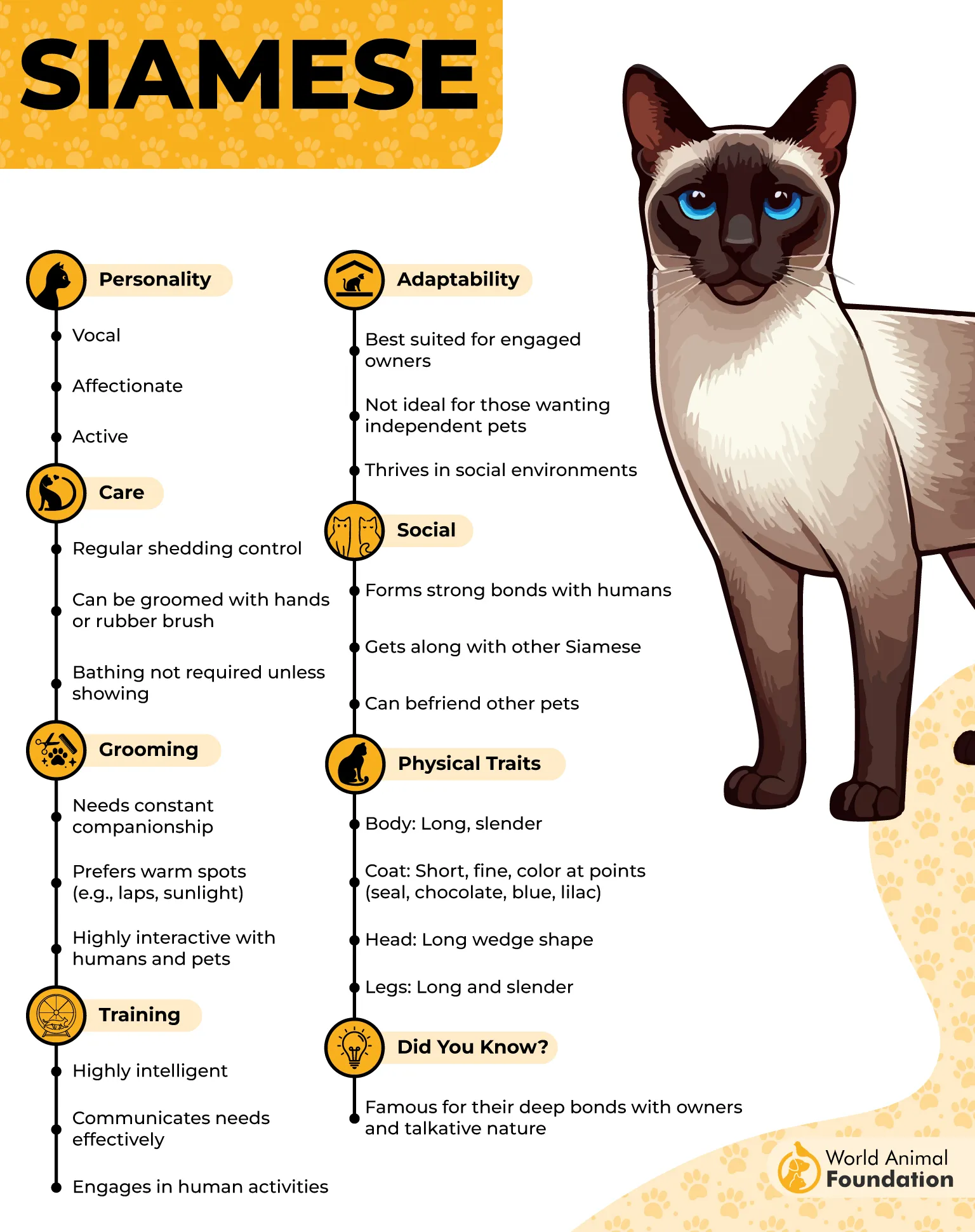
These domestic cats are famously vocal and often communicate through frequent meows and expressive sounds. Their intelligence also makes them quick learners, while their love of games, conversation, and companionship keeps them closely connected with the whole family.
According to PetMD, although they may form a strong bond with one favorite person, they are also friendly enough to happily curl up on a guest’s lap.
How This Breed Stands Out
Exceptionally communicative: Uses expressive vocalizations to interact with people and make its feelings known.
Forms strong family bonds: Enjoys spending time with children and adults, whether playing, chatting, or simply relaxing together.
3. Scottish Fold
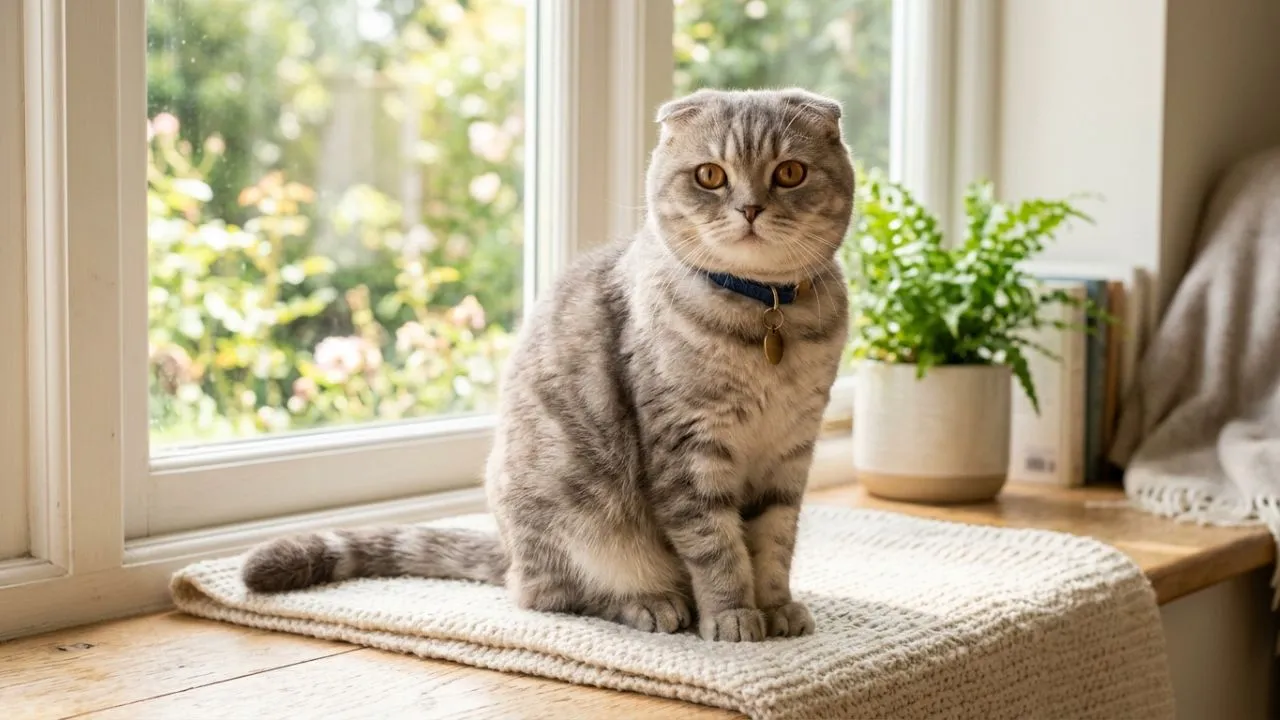
The Scottish Fold is instantly recognizable for its forward-folding ears, rounded face, and large eyes that give it an owl-like appearance. Beyond its distinctive looks, this breed is affectionate and people-oriented, enjoying the company of family members rather than being left by itself.
According to Purina, Scottish Folds have a dense, plush coat that comes in many colors and patterns, including solid and tabby varieties, with their coat color often influencing their eye color.

Gentle and generally quiet, Scottish Folds can happily switch between relaxed family time and playful sessions. Their adaptable temperament helps them settle into households with children, while their preference for companionship makes them eager to stay involved in everyday activities.
How This Breed Stands Out
Often sits in unusual poses: May lounge or sit in amusing positions that add to its charming personality.
Gentle, adaptable nature: Adjusts well to family life and can be a patient, affectionate companion for children.
4. Maine Coon
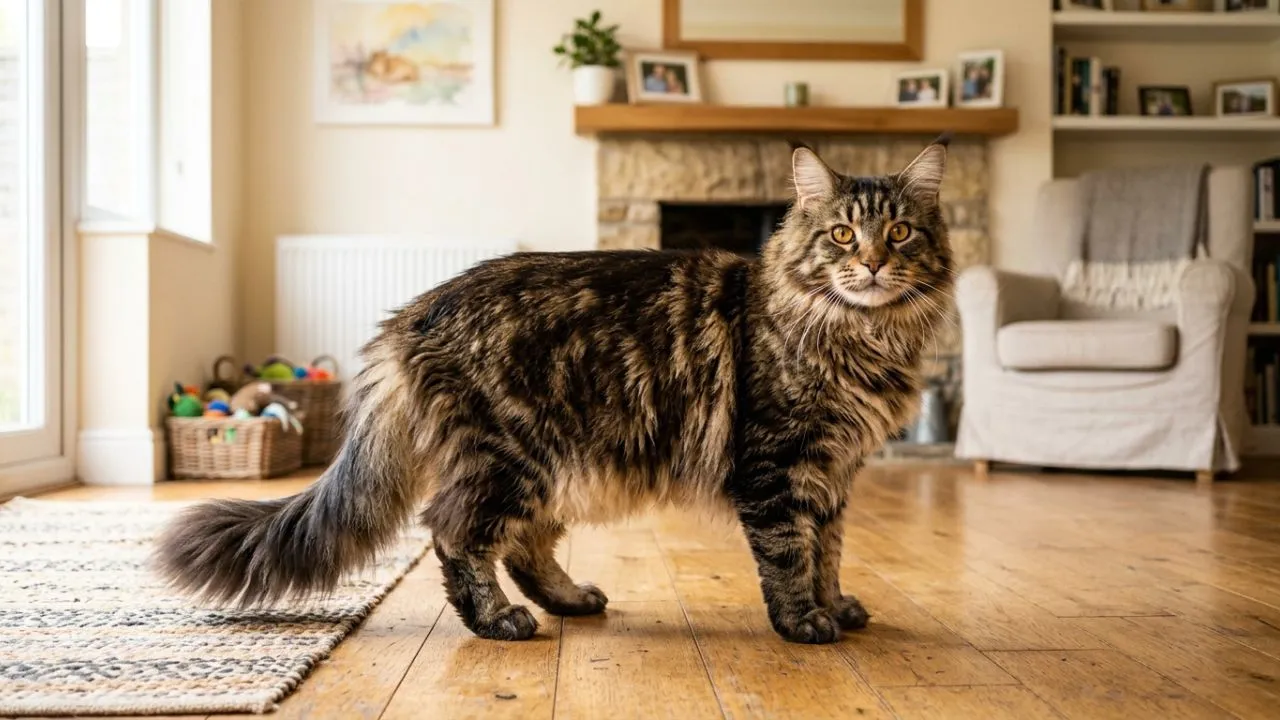
The Maine Coon is famous for its impressive size, but its personality is remarkably gentle. Often called a gentle giant, this laid-back breed tends to enjoy the company of children and is happy to participate in family life without being overly demanding.
According to Petplan, Maine Coons have a cheerful and adaptable temperament, often taking some time to become comfortable with people before showing their sociable side.
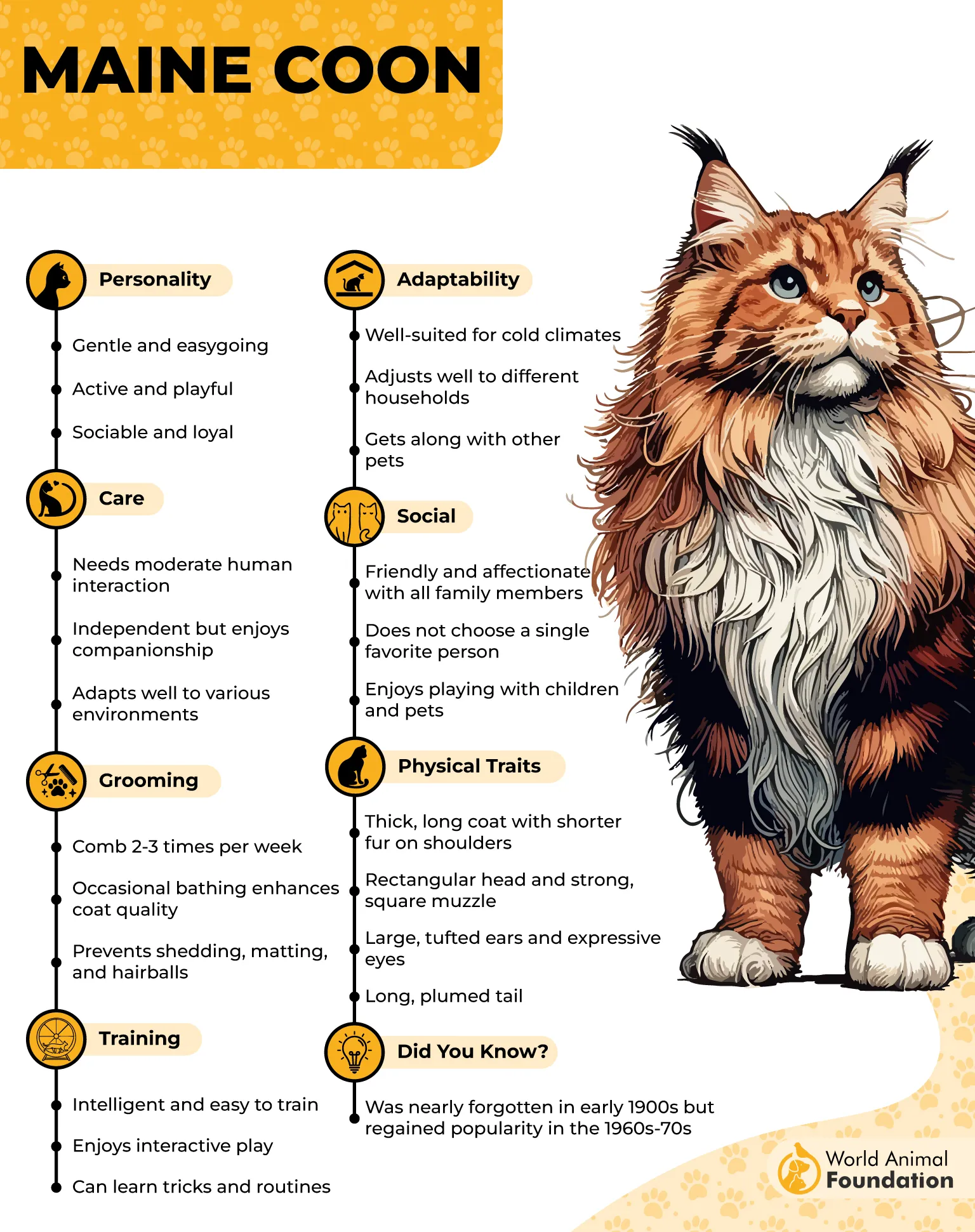
Maine Coons can be playful, affectionate, and surprisingly trainable, giving children opportunities to interact with them through games and simple trick training. Their friendly disposition also helps them coexist comfortably with other cats and cat-friendly dogs.
How This Breed Stands Out
Patient with children: Its steady, easygoing temperament makes it a pleasant companion for children who handle cats respectfully.
Fascinated by water: Many Maine Coons show an unusual interest in water, adding an entertaining quirk to their personality.
5. Ragdoll
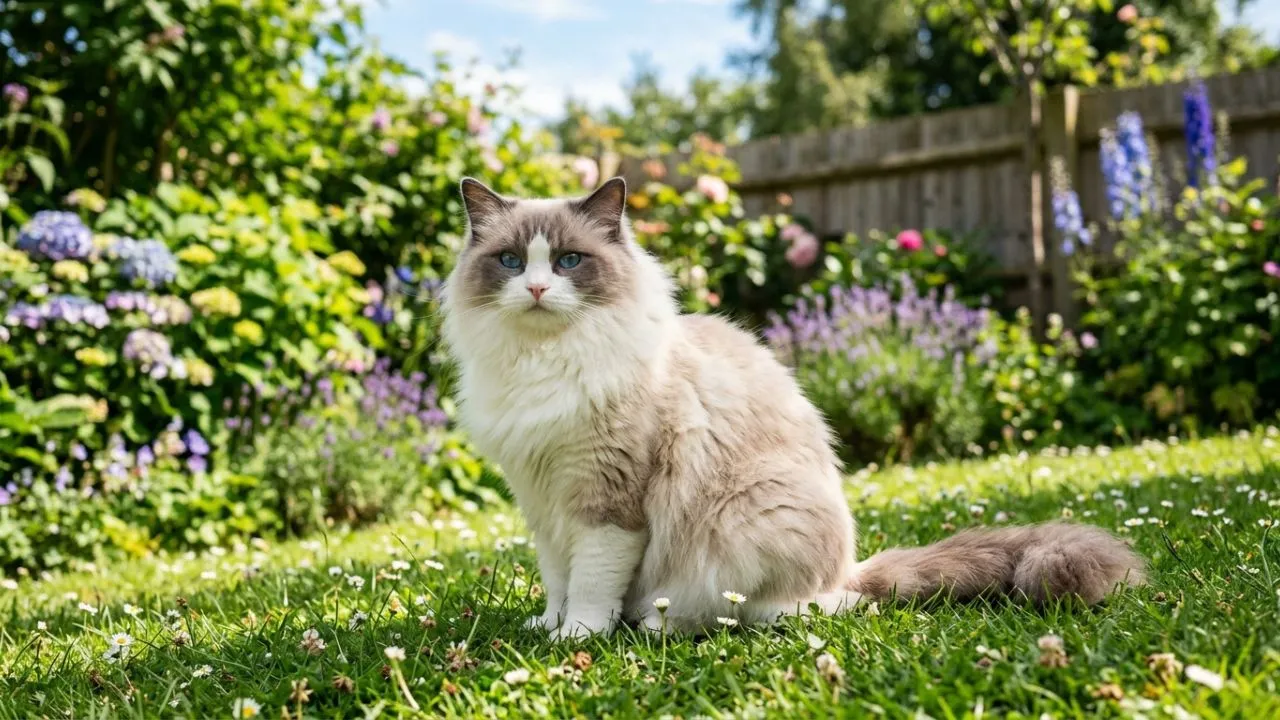
The Ragdoll is known for its exceptionally gentle and affectionate personality. Its name comes from the tendency to relax when lifted, often becoming comfortably limp in a person’s arms. This mellow nature makes it appealing to children who enjoy close companionship.
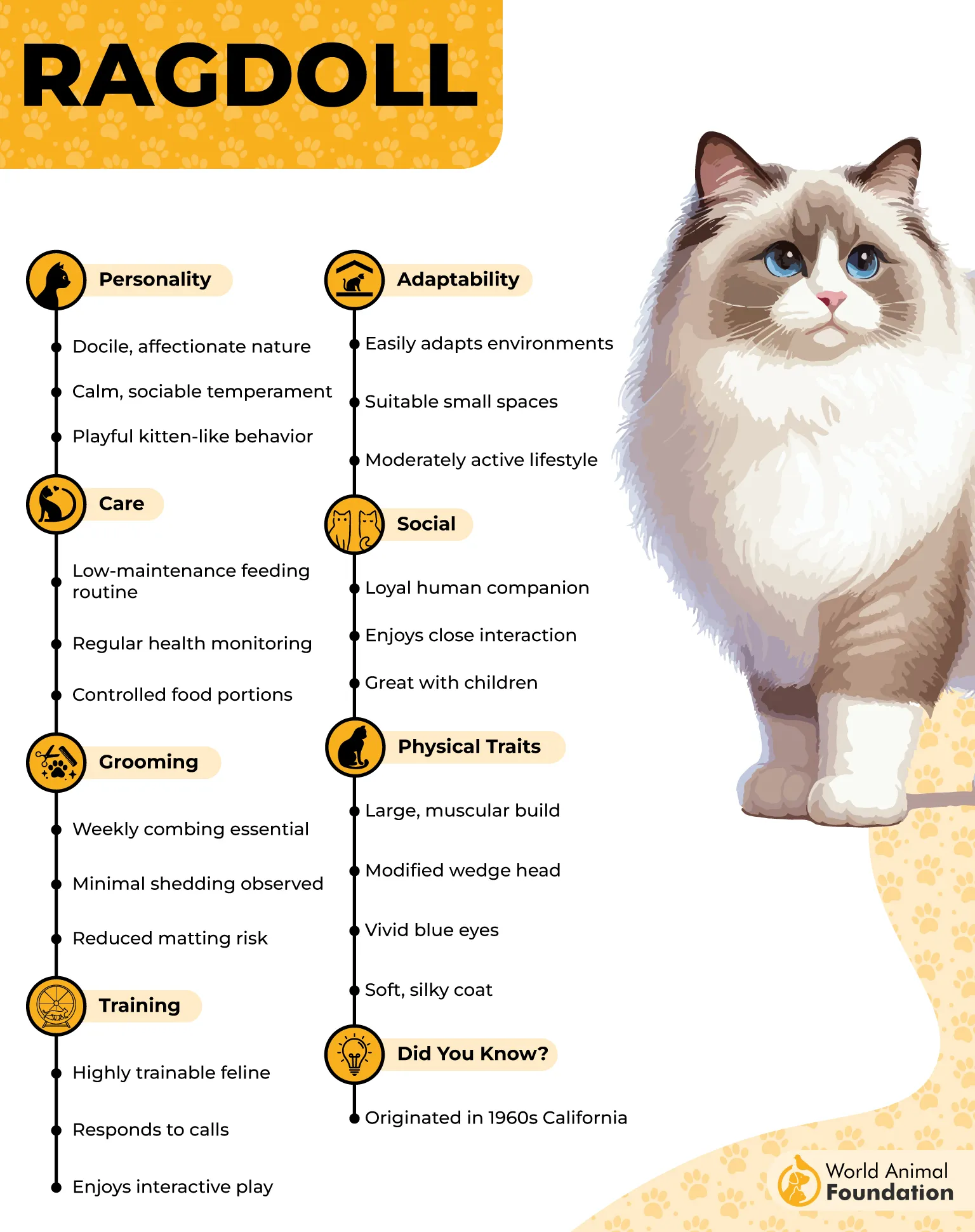
Ragdolls can happily join children for imaginative games, interactive toys, or quiet cuddle sessions. They are generally tolerant and friendly, but children should still learn to handle them carefully and respect their boundaries during play and handling.
How This Breed Stands Out
Naturally trusting temperament: Its calm, friendly disposition helps it feel comfortable around children and familiar family members.
Relaxed with handling: Often settles into a relaxed posture when picked up, making gentle cuddling especially enjoyable.
6. Persian
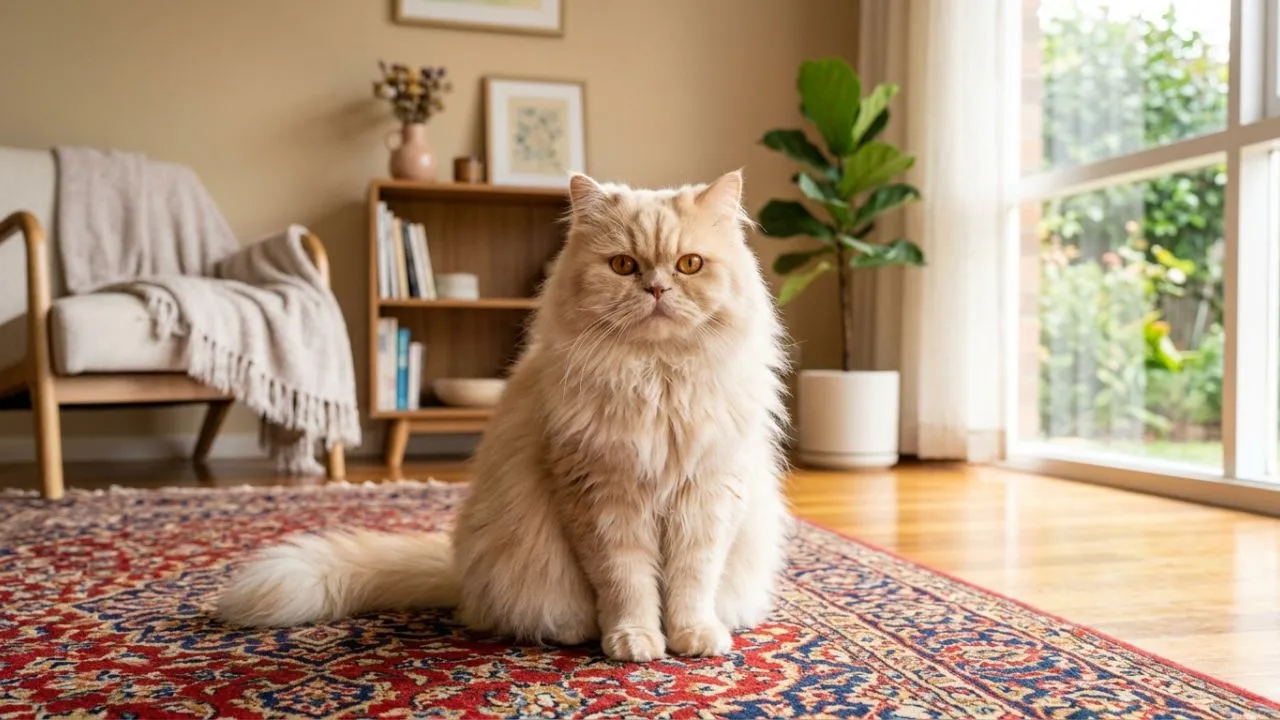
The Persian is admired for its luxurious coat, rounded face, large size, and notably sweet disposition. Despite requiring regular grooming, this breed is generally quiet and undemanding, making it well suited to families looking for a calm feline companion.
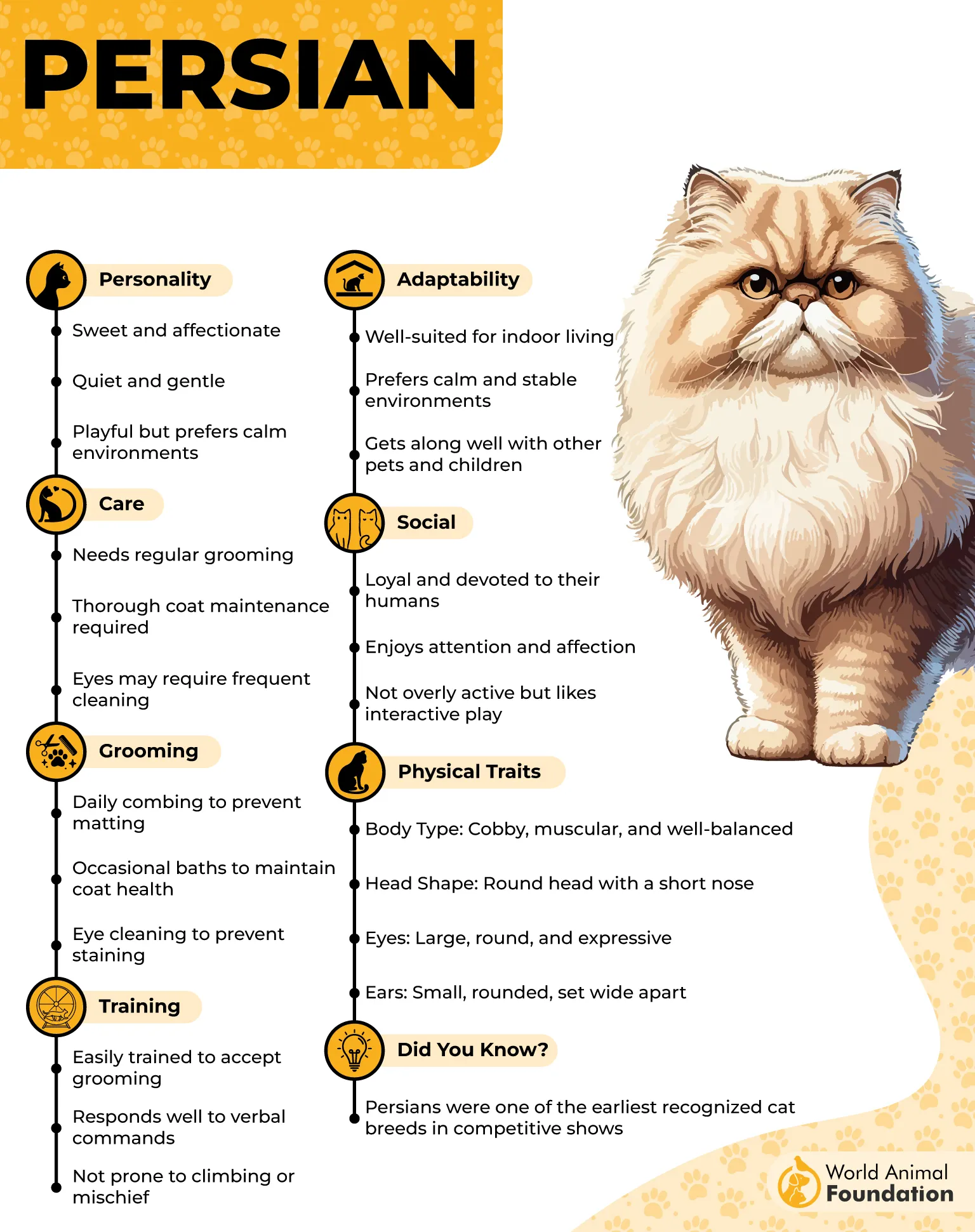
Persians tend to appreciate attention without constantly seeking it, offering children a gentle balance of affection and independence. They are fairly relaxed by nature but can enjoy interactive play, especially when children encourage them to stay active.
How This Breed Stands Out
Quiet, easygoing personality: Its calm temperament fits peacefully into households with children who interact respectfully.
Enjoys lounging in cozy spots: Often prefers relaxing in comfortable places while remaining close to the family.
7. Devon Rex
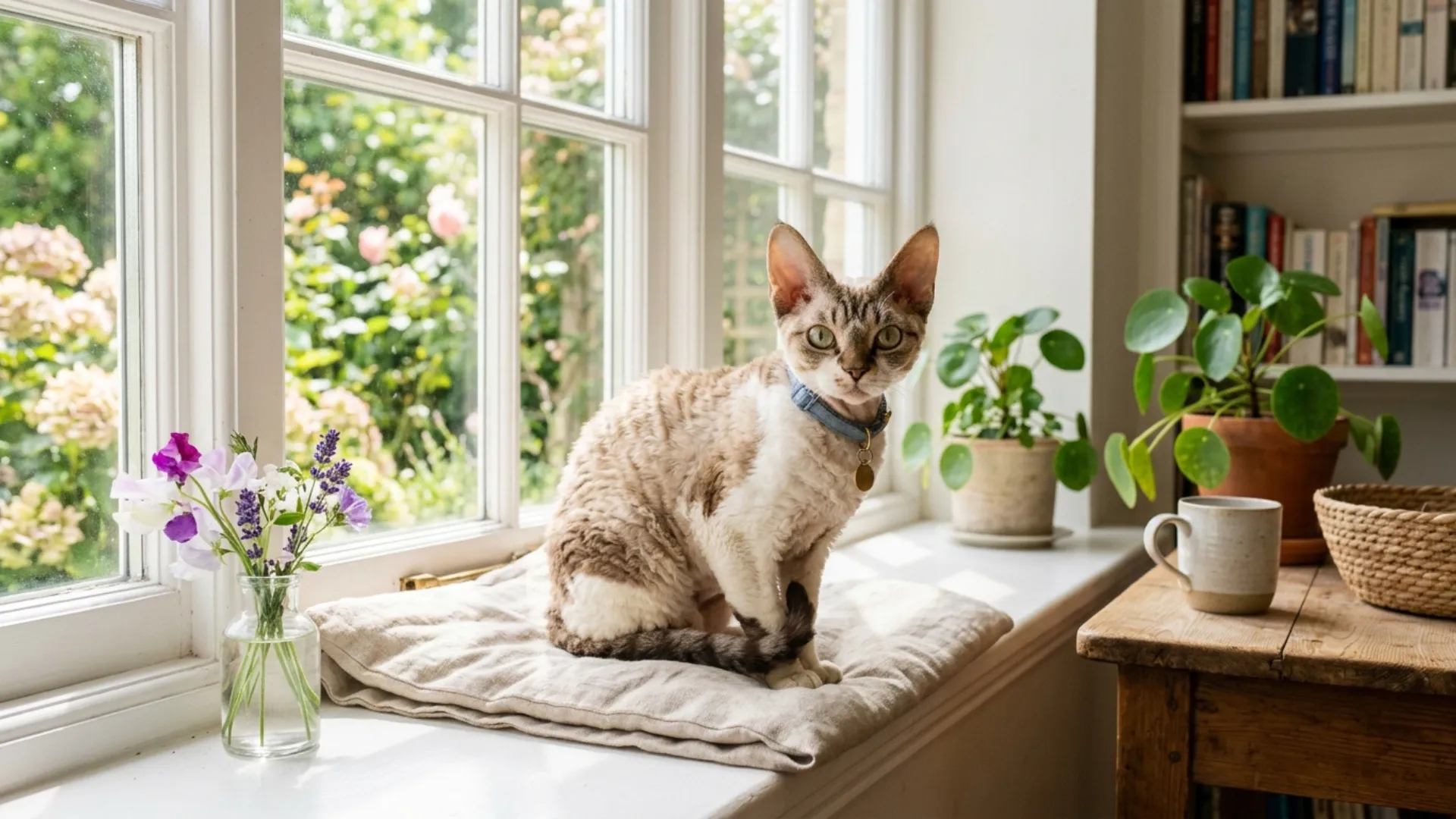
The Devon Rex stands out with its unusual wavy short-haired coat, oversized ears, and playful personality. Although relatively small and better suited to older children, this friendly breed enjoys being involved with family members and readily welcomes attention from its people.
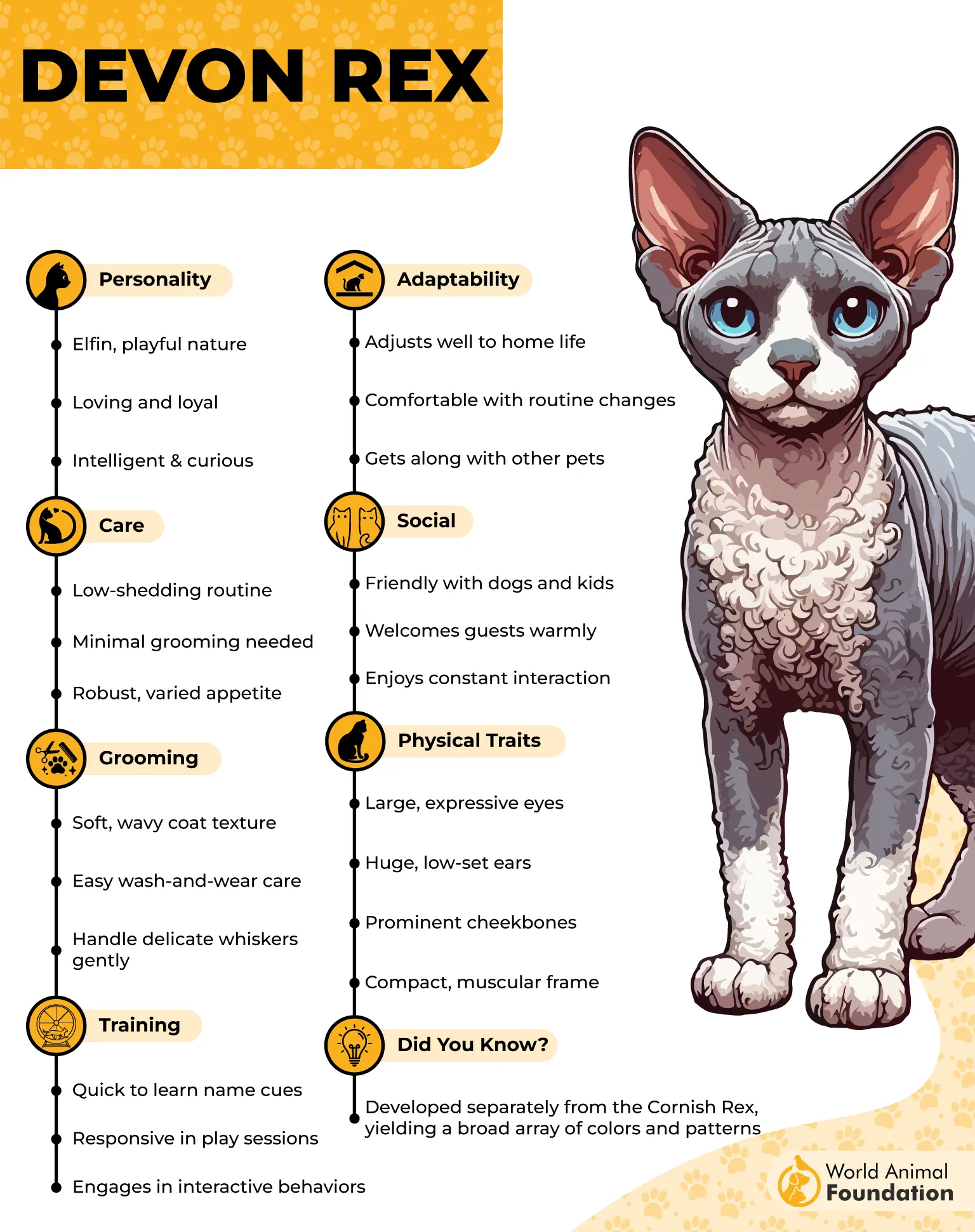
Curious and energetic, the Devon Rex thrives on games, interaction, and exploring its surroundings. It can also be affectionate between bursts of activity, making it a good family cat for children who enjoy an active relationship with their cat.
How This Breed Stands Out
Energetic, mischievous character: Brings plenty of playful antics and lively interaction to family life.
Loves climbing and exploring: Enjoys investigating its surroundings and finding elevated places to satisfy its curiosity.
Conclusion
Choosing a first cat for younger children means finding a breed whose personality fits a family’s lifestyle. Affection, patience, sociability, and a willingness to interact can make everyday companionship more enjoyable for children.
Burmese and Siamese cats bring lively personalities and strong family connections, while Scottish Folds offer gentle companionship. Maine Coons combine a relaxed temperament with playfulness, making them enjoyable partners for respectful children.
Ragdolls are especially mellow and comfortable with gentle handling, while Persians provide calm affection and enjoy peaceful family time. Devon Rex cats add a more energetic option for children who prefer interactive play and exploration.
Regardless of breed, children should learn to handle cats gently and respect their boundaries. Matching a cat’s activity level and temperament with the child’s personality can help create a positive and lasting relationship.
