




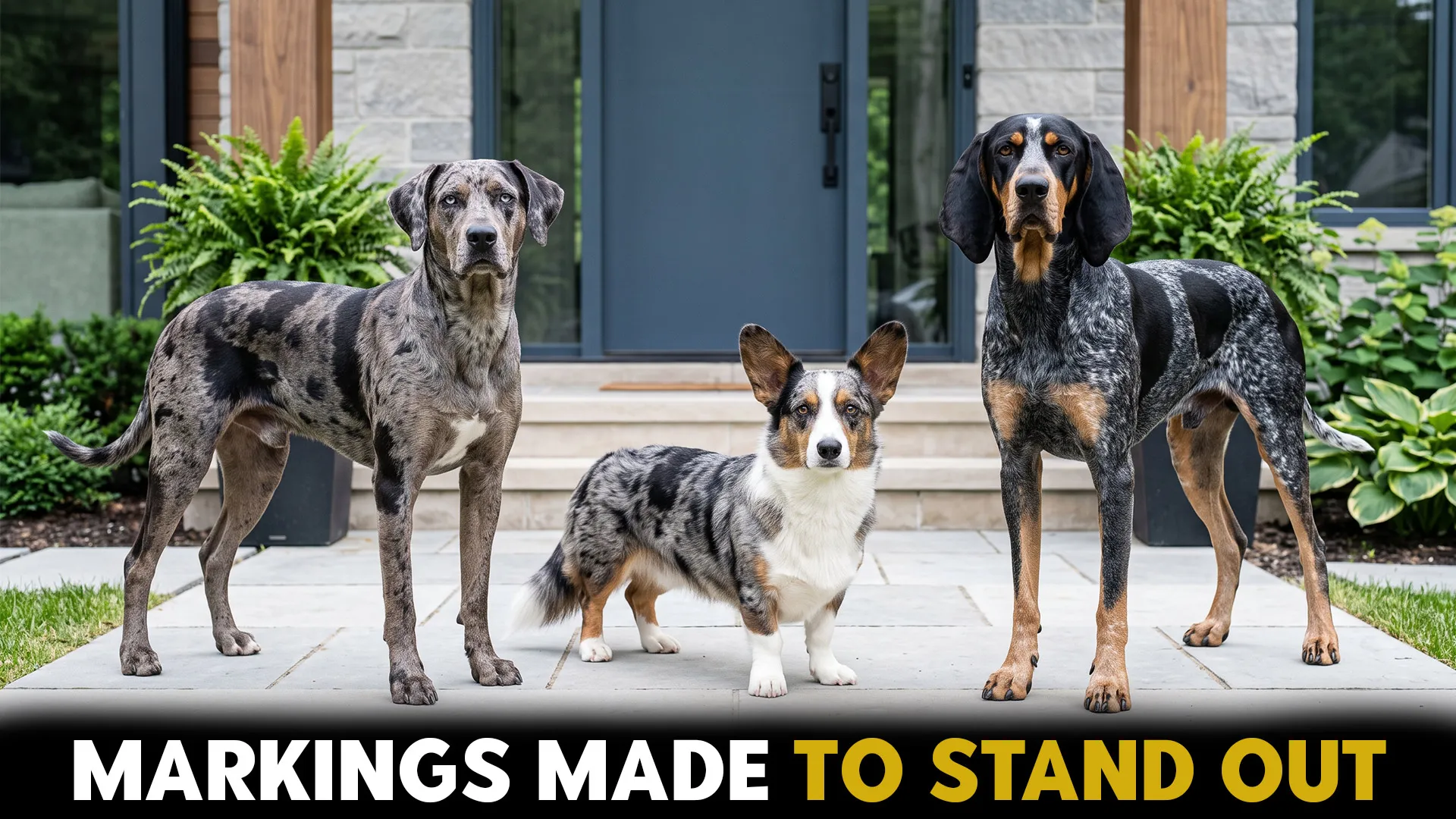
Some dogs wear one solid color and absolutely rock it; others apparently handed Mother Nature a paintbrush and said, “Go feral.” From marble-like patches and tiny freckles to tiger stripes and ridiculously precise tricolor eyebrows, unique coat markings can make a dog look like a custom design rather than a member of a production line.
Those patterns are more than aesthetic bonus content, too. In several working breeds, distinctive coloring has been preserved alongside traits such as herding ability, scent work, endurance, and weather-resistant coats. In contrast, official breed standards describe surprisingly specific details about where certain spots, blazes, stripes, or tan points should appear.
Just remember that markings do not, by themselves, make one puppy healthier, smarter, or more valuable than another.
Wonderful Dog Breeds Featuring Unique Coat Markings
1. Catahoula Leopard Dog
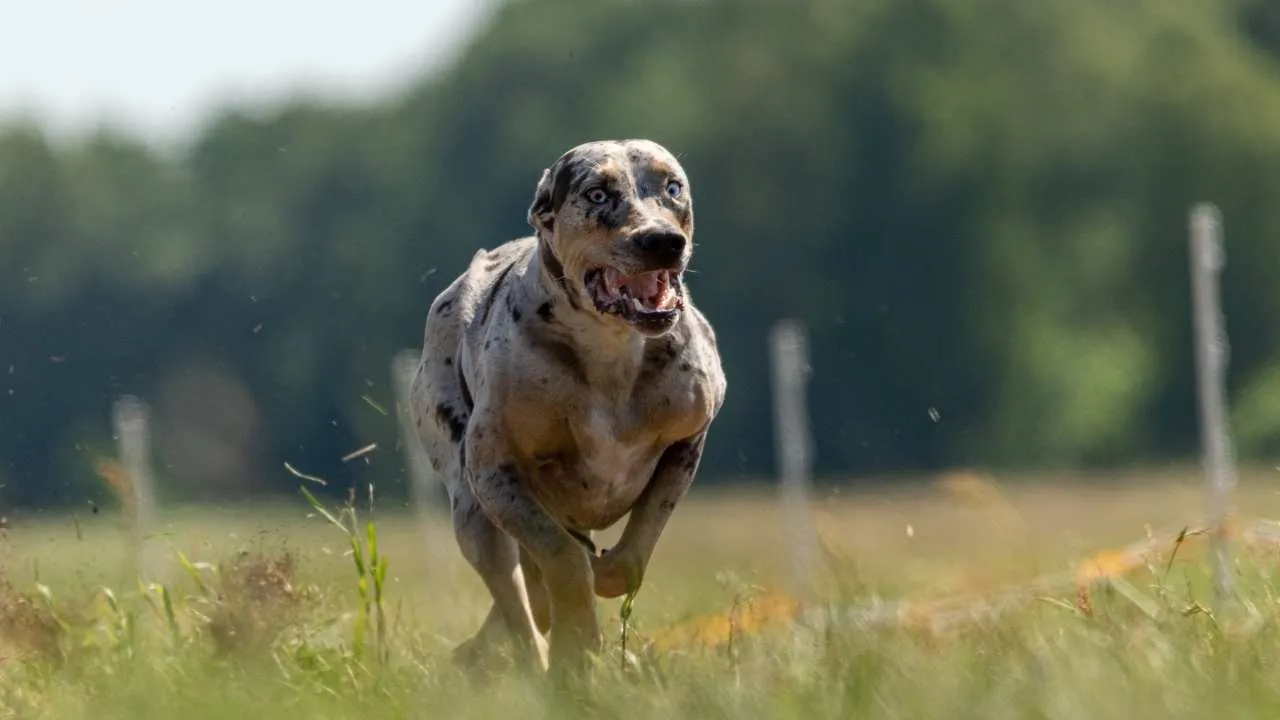
If any dog deserves to enter the chat accompanied by a paint-splatter emoji, it is the Catahoula Leopard Dog.
The UKC allows an extraordinary range of patterns, including leopard, solid, brindle, and patchwork coats, with additional points or trim appearing on areas such as the chest, cheeks, legs, underside, and above the eyes. Even better, the standard states that no single color or pattern is preferred, so this breed’s entire visual brand is basically “individuality won.”
The famous merle coat pattern consists of a base color broken up by contrasting spots in one or more other shades, producing everything from subtle, cloudy marbling to dramatic, high-contrast patches. Patchwork Catahoulas turn the randomness up another notch, carrying differently sized blocks of several colors and shades scattered around the body rather than following a neat symmetrical layout.
Brindle Catahoulas bring an entirely different visual mood, replacing leopard-like patches with lighter or darker bases crossed by contrasting stripes. Solid-colored dogs also exist, which matters because the word “Leopard” sometimes makes people assume every legitimate Catahoula must look spotted enough to camouflage itself inside abstract wallpaper.
2. Cardigan Welsh Corgi
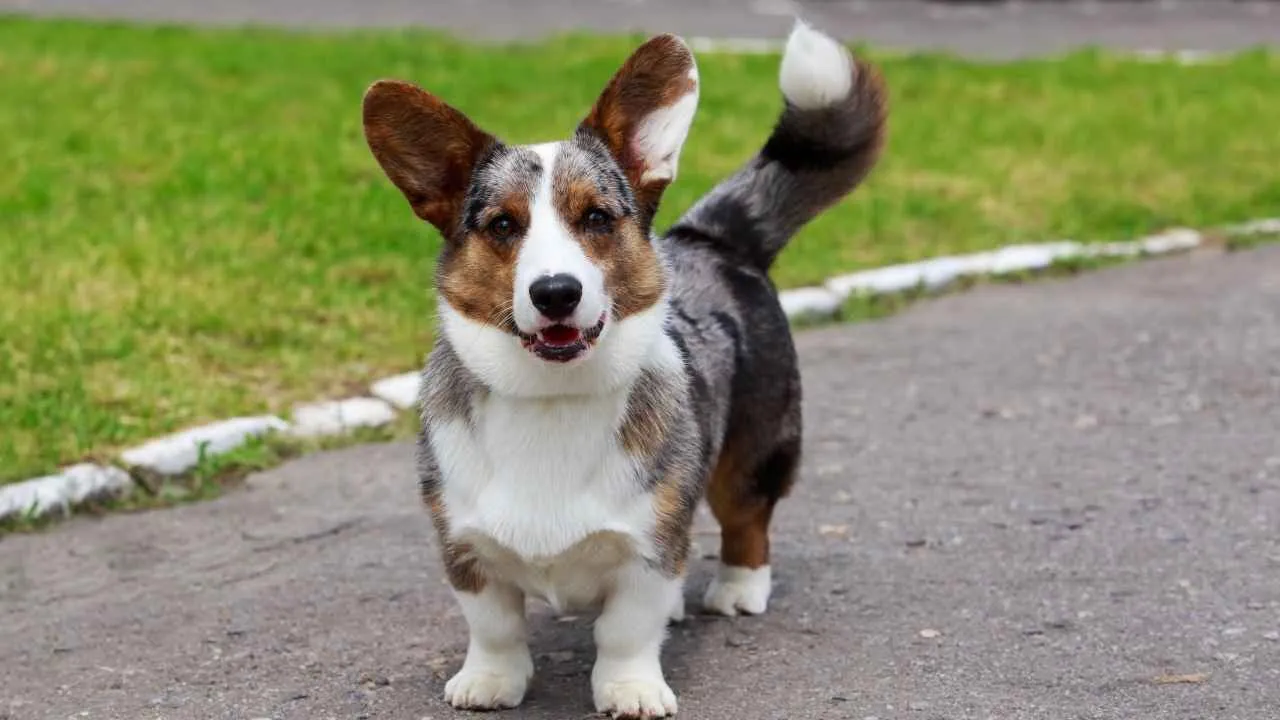
The Cardigan Welsh Corgi may have short legs, but it wears a medium-length, relatively thick coat with a soft undercoat, and its color palette varies over time.
The breed standard accepts red, sable, brindle, black with or without tan or brindle points, and blue merle with or without tan or brindle points, with no accepted color ranked above another. White flashings can complete the look on the neck, chest, legs, muzzle, underside, tail tip, and head blaze, so a Cardigan can look impressively decorated before you even reach the ears.
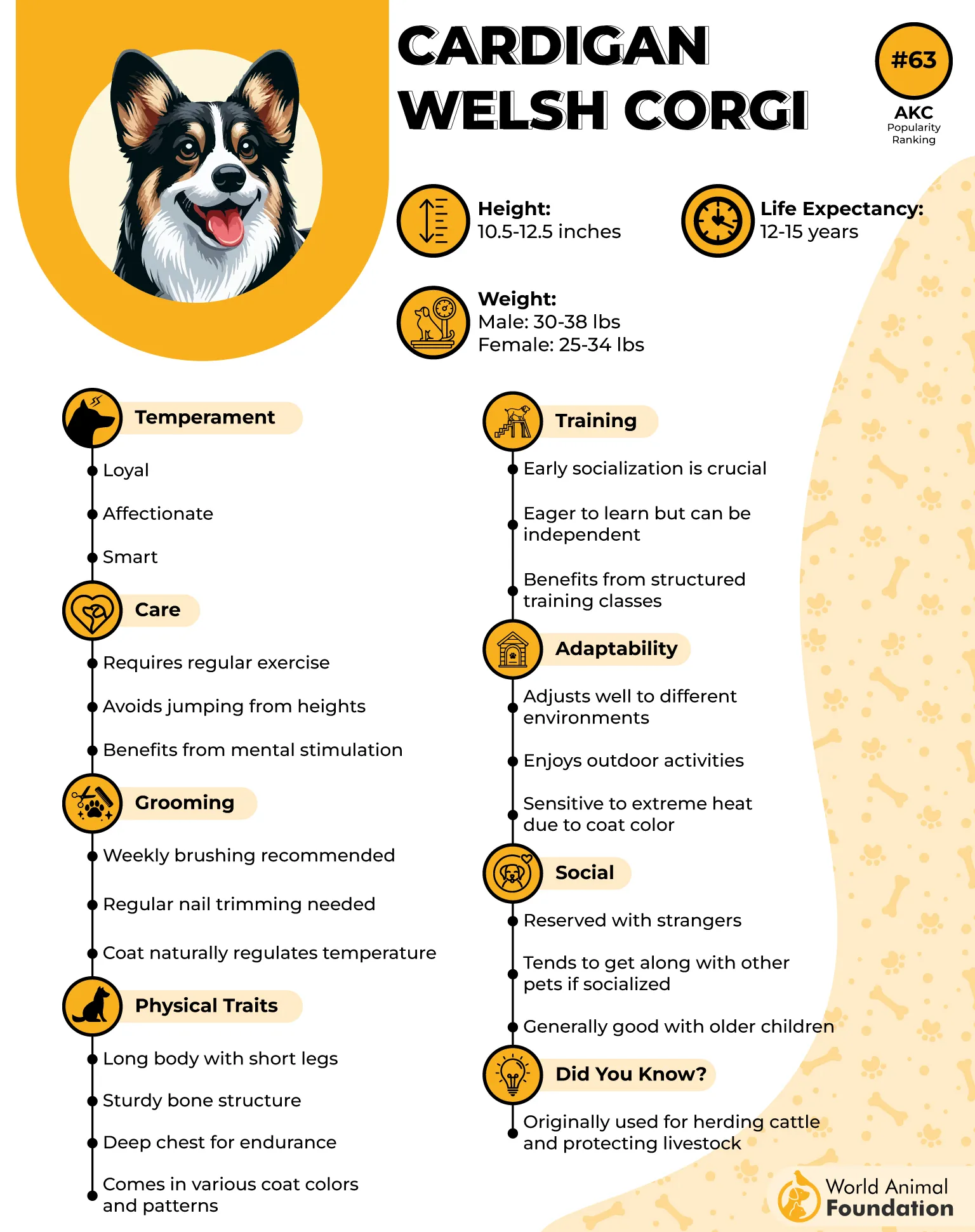
Blue merle is the undeniable show-stealer for people obsessed with unusual patterns. The Cardigan Welsh Corgi Club of America’s illustrated standard describes it as black and gray arranged in a marbled or piebald-like effect, creating irregular patches ranging from dramatic charcoal islands to soft smoky areas.
Black dogs can carry tan or brindle points, while white accents may frame the muzzle, chest, feet, tail, or blaze, making the darker pigment hit even harder.
The pattern catches attention first, but living with the intelligent, sturdy dog underneath is clearly where the actual plot begins.
3. Australian Cattle Dog
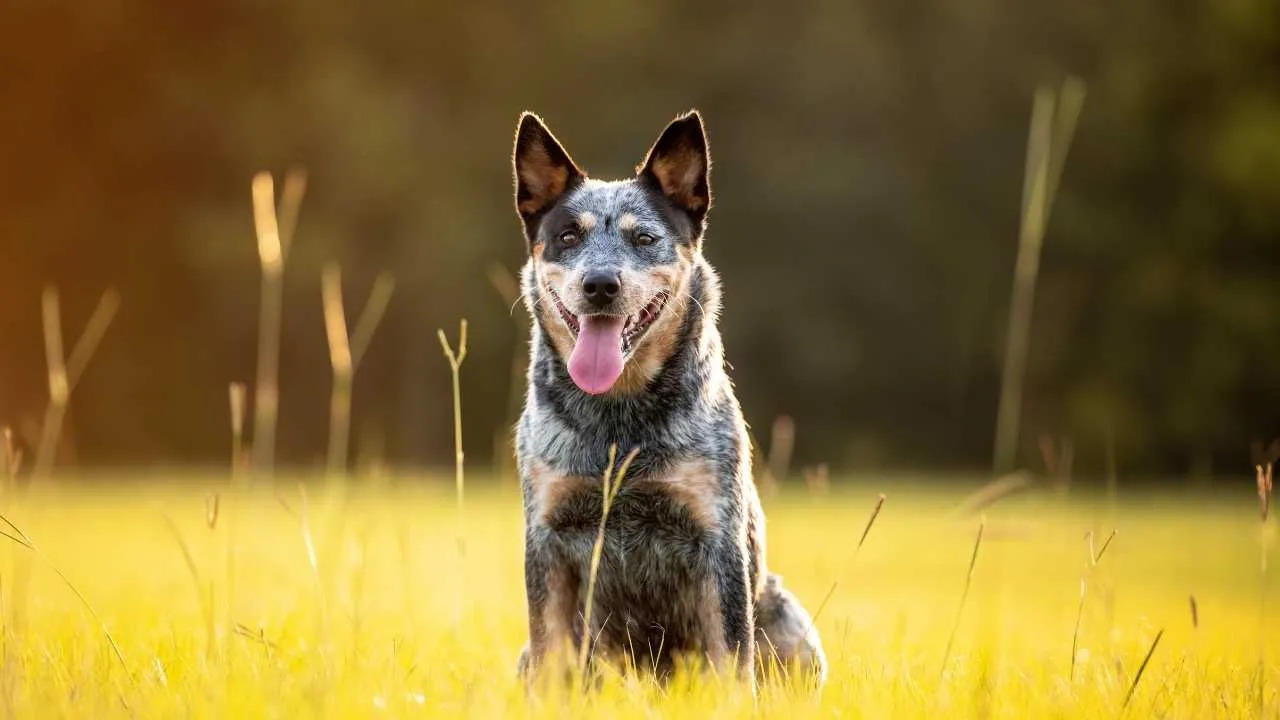
Australian Cattle Dog puppies basically arrive with their coat rendering unfinished. They are born white and subsequently develop either blue-gray or red coloring. At the same time, the Australian Cattle Dog Club of America explains that the characteristic red or blue roaning develops in those white areas during the first few weeks after birth.
For blue dogs, the official unusual coat options include blue, blue-mottled, and blue-speckled coats, sometimes accompanied by black, blue, or tan markings on the head. Red dogs are expected to show an even red-speckled appearance, with darker red head markings permitted, so their signature texture comes from colored, lighter hairs distributed throughout the coat.
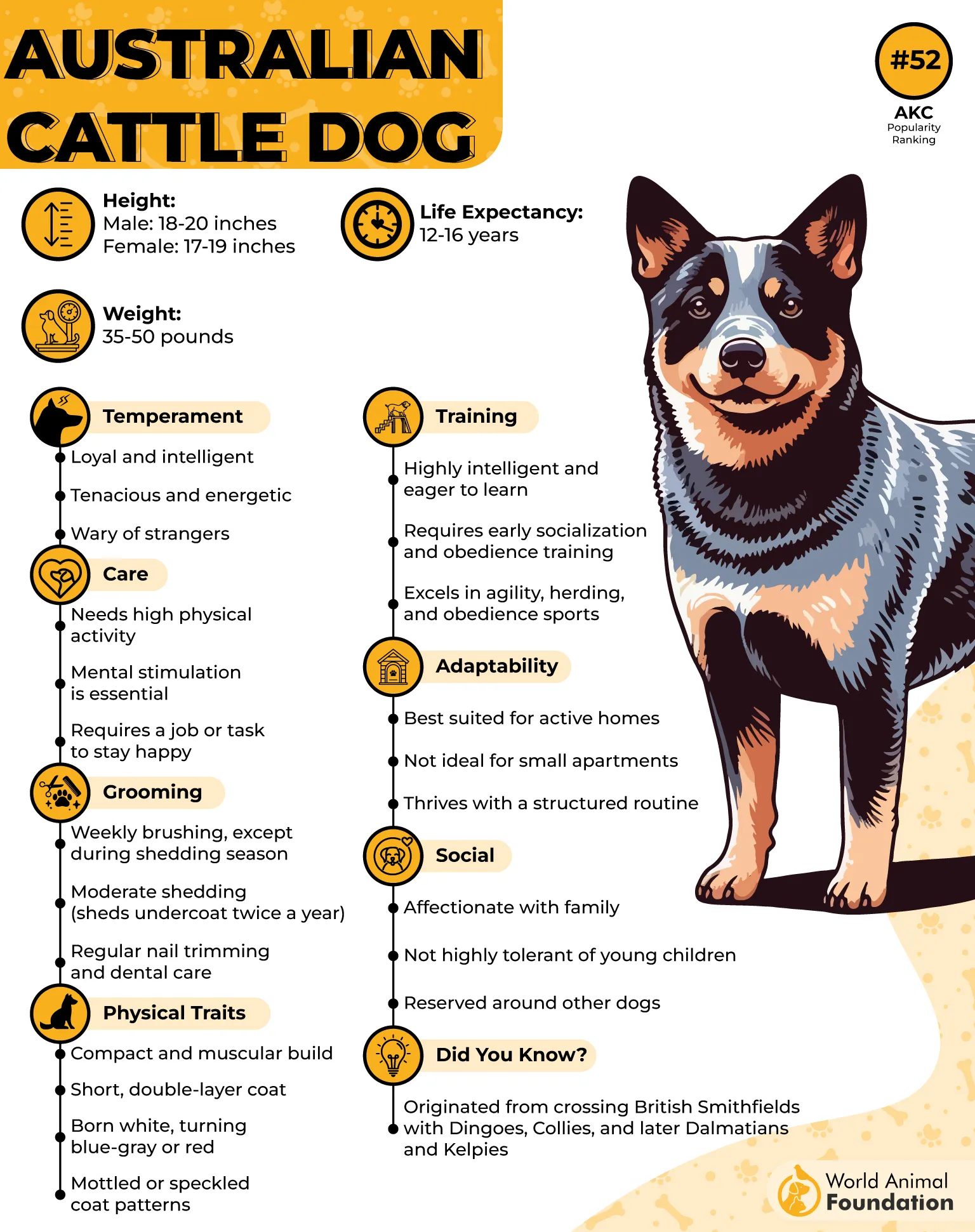
Then comes the adorable forehead Easter egg known as the “Bentley” mark. UKC Dogs says virtually all blue and red-speckled Australian Cattle Dogs have some form of white forehead marking. The coat is easy to maintain with weekly brushing.
The science behind the speckled look is also cooler than simply calling the dog “gray.” Blue coloring results from black and white hairs visually mingling, while the red coat combines red pigment with lighter hairs to produce its characteristic speckled texture.
4. Treeing Tennessee Brindle
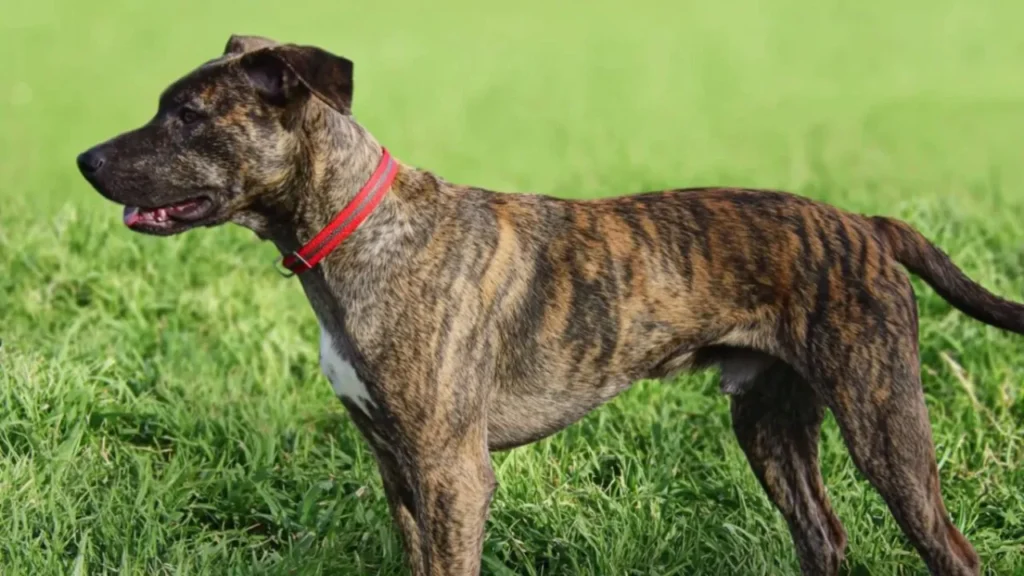
The Treeing Tennessee Brindle did not bury the lead when somebody named it—the brindle really is the whole visual headline. Breed standards accept the distinctive appearance of brindle or black with brindle trim, producing coats marked by darker and lighter striping that can look almost tiger-like as the dog moves.
Some dogs wear brindling across most of the body, giving the coat layers of brown, black, reddish, or darker striping depending on the individual pigment. Others can be predominantly black with brindle confined to trim, creating a subtler reveal that becomes more obvious around certain areas or under brighter light.
Purina notes that the short, dense, smooth coat is almost unfairly good at showing the pattern, since there is no long feathering to hide the stripes. Brindle bands can follow the muscles along the shoulders, ribs, and legs, changing visually as the dog runs and making an already athletic hound look even more dynamic.
This is also a useful example of a rare dog’s coat marking being tied to breed identity rather than novelty marketing. It is a working dog whose exaggerations should never interfere with traditional function.
5. Bluetick Coonhound
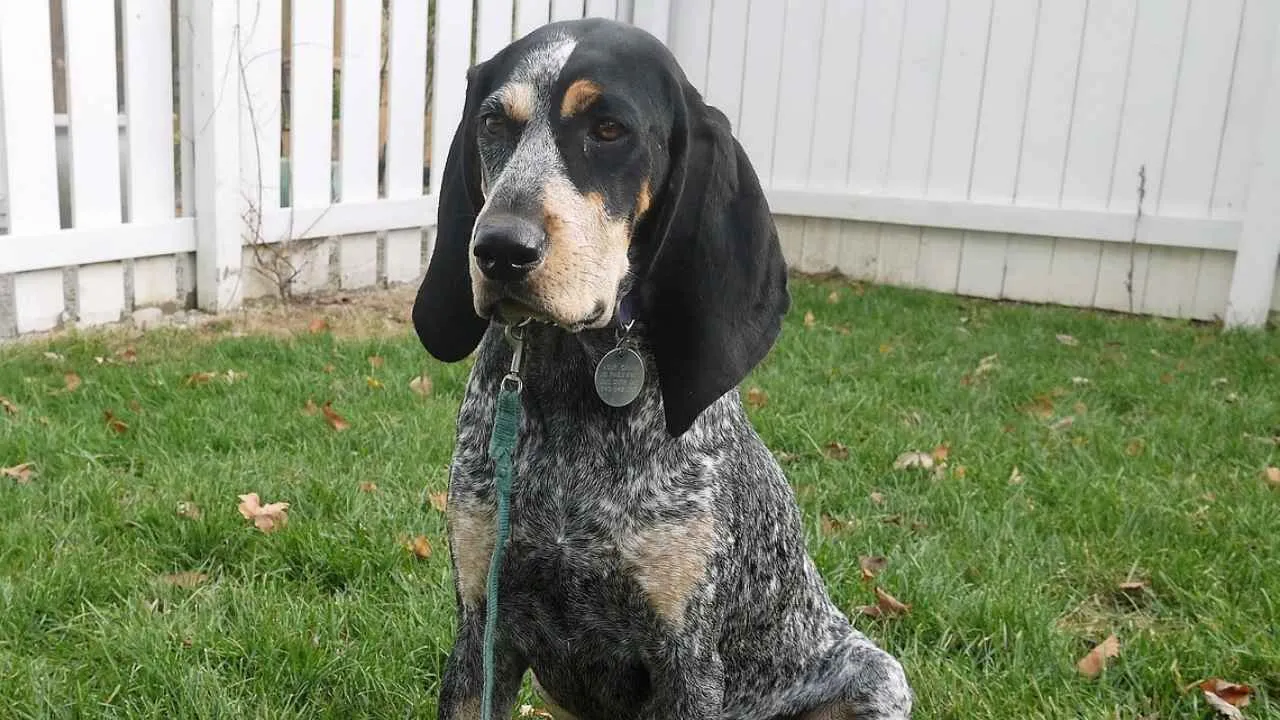
At first glance, a Bluetick Coonhound can look as if someone flicked black ink across a pale background until the whole dog turned midnight blue from a distance. That interesting illusion comes from “ticking,” generally small, isolated areas of colored dog hair appearing on a white background.
The result is one of the most recognizable forms of unique coat markings in the American hound world.
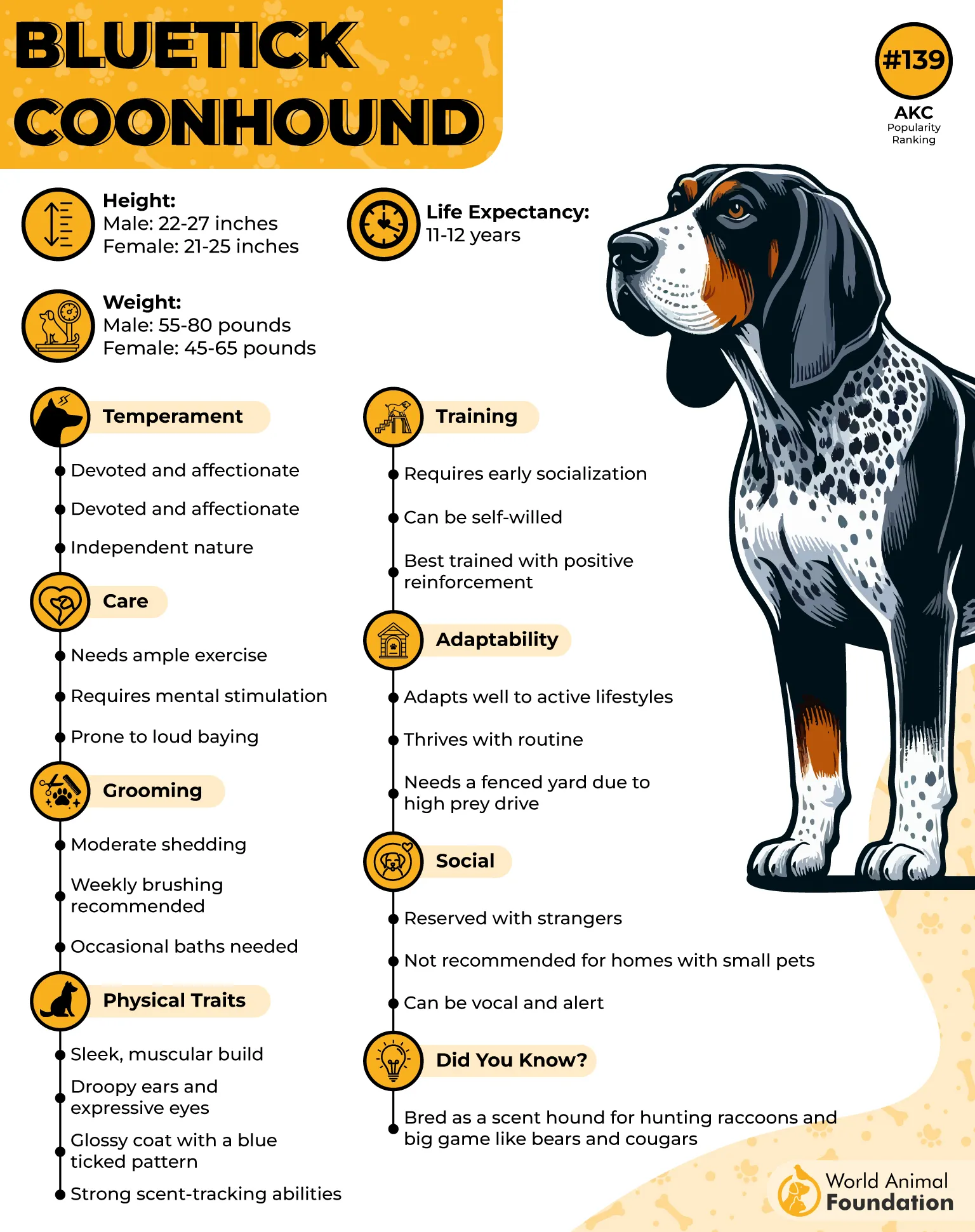
The pattern is allowed to have more structure than a uniform field of tiny dots. AKC judging guidance accepts combinations of blue ticking with black spots, saddle-back or blanket-back areas, and optional tan, provided white or liver does not become the primary color.
That beautiful ticking does not magically produce a quiet decorative pet, because the dog underneath remains a serious scent hound. These dogs are stubborn, independent, free-thinking, smart, and “selective listeners,” which is possibly the most diplomatic description ever invented for a dog pretending it cannot hear you because something smelled.
Fortunately, the short glossy hair makes the visually elaborate coat mechanically simple to maintain.
6. Greater Swiss Mountain Dog
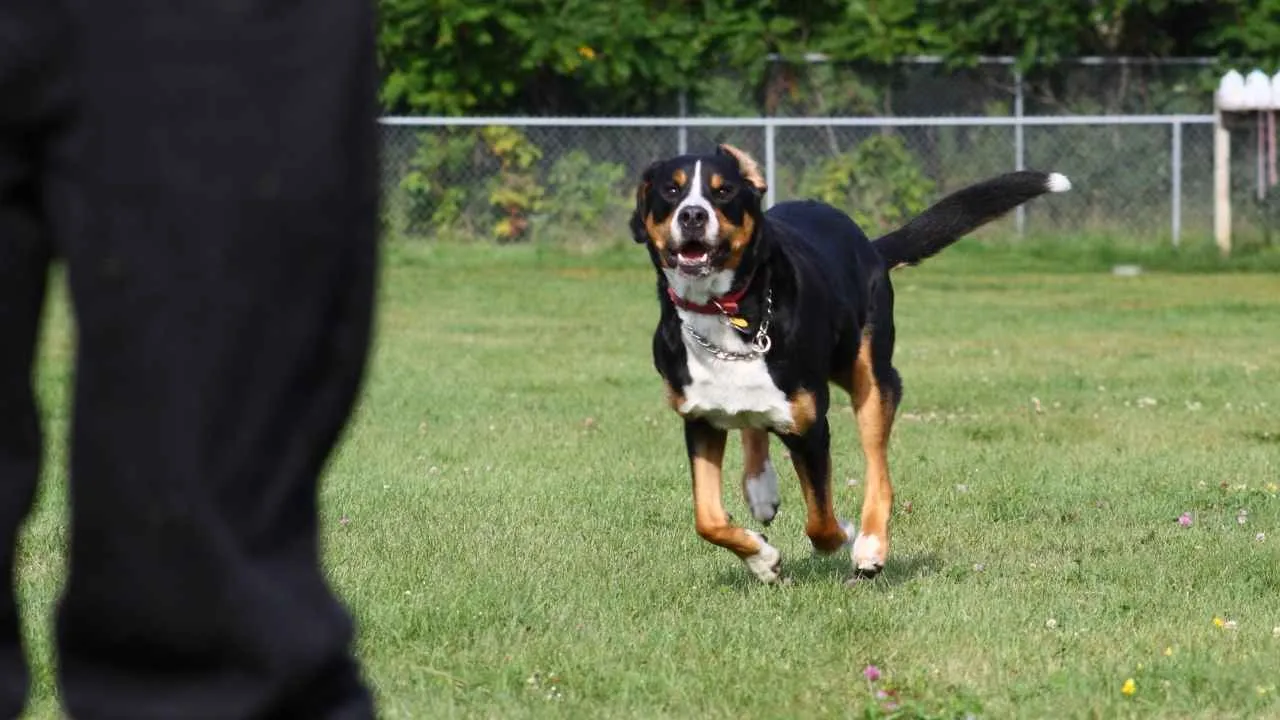
The Greater Swiss Mountain Dog walks around looking as if someone designed a formal uniform directly onto the coat.
Black forms the base, while rich rust and crisp white markings appear in recognizable locations, creating a powerful three-color arrangement that is one of the breed’s defining visual hallmarks. On a dog this substantial, those high-contrast, unique coat markings are not exactly making a quiet entrance.
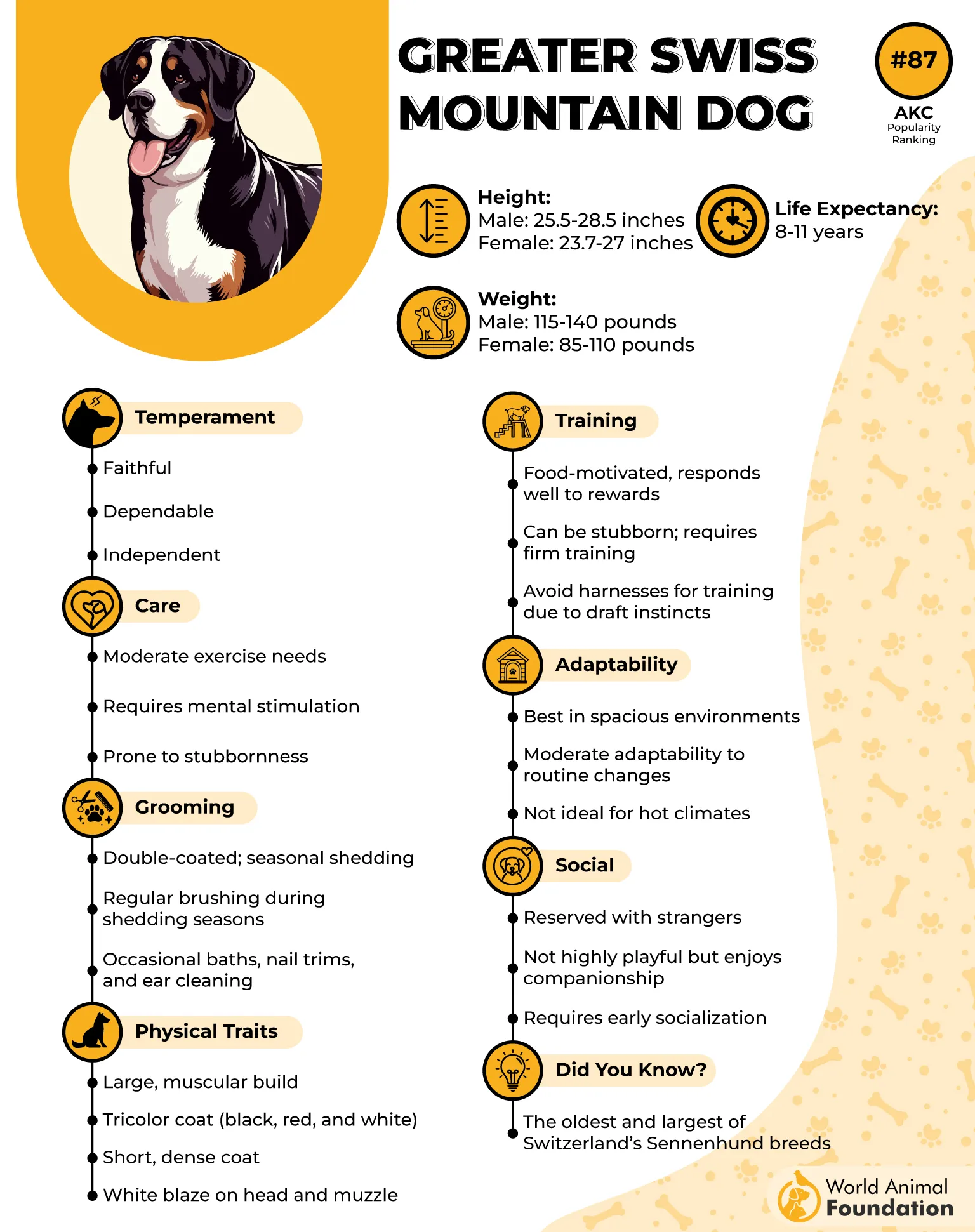
Look closely at the face of this mountain dog, and the pattern becomes impressively organized. Rust commonly appears above each eye, on the cheeks, and beneath the ears, while additional rust accents occur on the forechest, legs, and beneath the tail; those eyebrow spots in particular can give a Swissy an expression that looks permanently concerned about your decision-making.
That blaze is not required to come from a photocopier, either. It can range from a very narrow stripe to a wider band and may stop near the forehead or extend farther over the skull, while white may additionally appear on the chest, feet, tail tip, and even as an acceptable neck patch or collar.
7. Entlebucher Mountain Dog
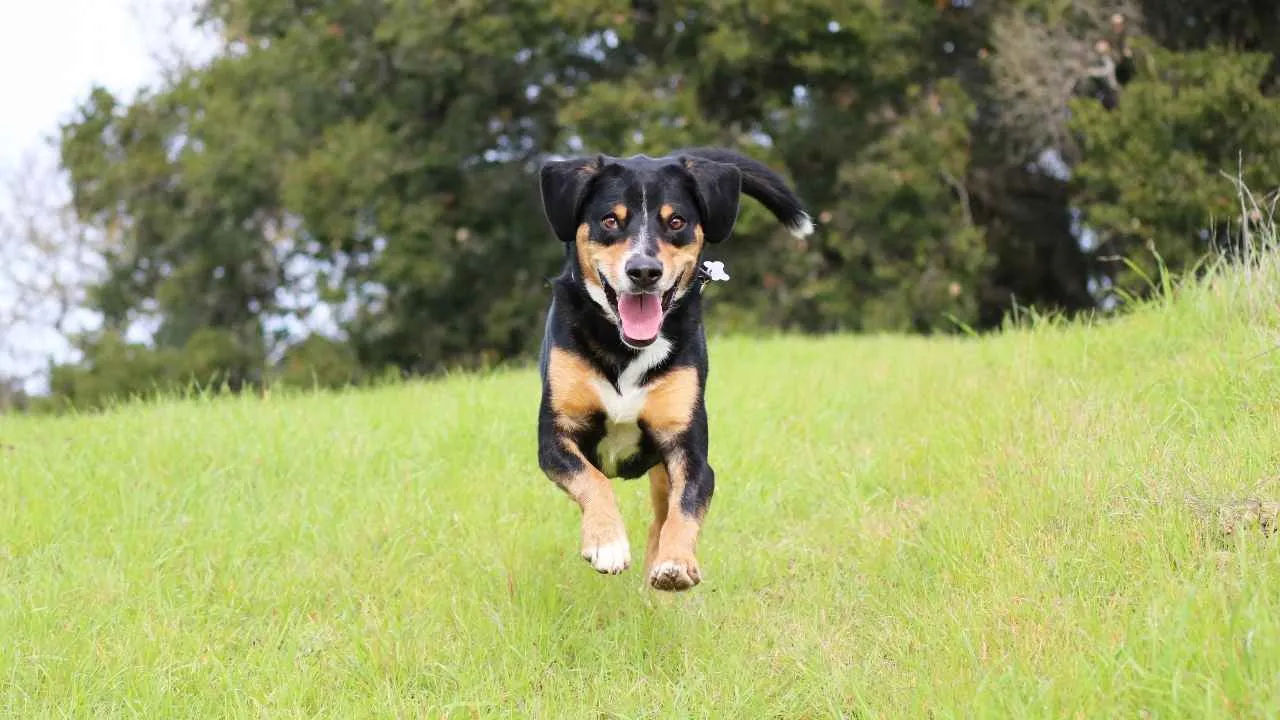
The Entlebucher Mountain Dog takes the Swiss tricolor concept and packages it into a compact cattle-driving athlete. Its basic coat color must be black, accompanied by tan ranging from fawn to rich mahogany and contrasting white markings arranged as symmetrically as reasonably possible.
The facial map is delightfully specific. Tan sits above the eyes, on the cheeks and muzzle, while small oval tan “islands” on the cheeks are desirable; white forms a distinct blaze running from the top of the head along the bridge of the nose and can partly or fully cover the muzzle.
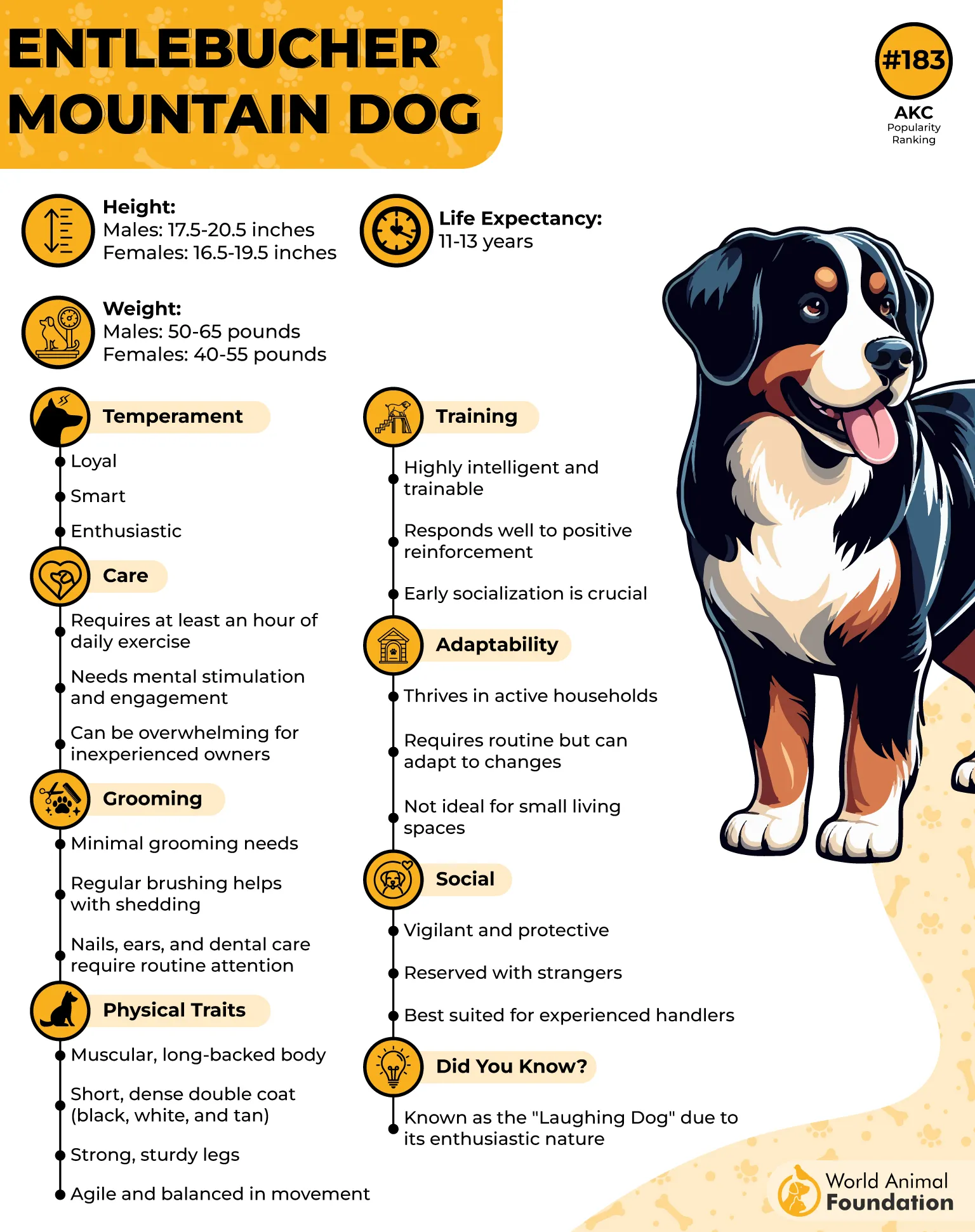
Those tan eyebrows plus the bright blaze give many Entlebuchers an expression that somehow combines alpine farmhand, concerned accountant, and absolute sweetheart.
Continue downward, and the pattern keeps following a blueprint. White should run continuously from the chin to the chest; an inverted cross on the chest is desirable; all four feet carry white; and a white tip is desirable on a naturally full-length tail, while tan generally lies between the black and white on the legs.
Conclusion
The coolest thing about unique coat markings is that they turn familiar canine shapes into something unmistakably individual. The Chinese Crested Dogs, Poodles, Peruvian Inca Orchid, Boxers, and Great Danes are also some really aesthetic pups.
Just do not choose a dog because its coat looks elite in your camera roll. If one of these breeds has caught your eye, study its exercise needs, temperament, health testing, working instincts, and grooming requirements next, then meet responsibly bred adults so you can decide if the personality underneath that spectacular paint job belongs in your everyday life.
