




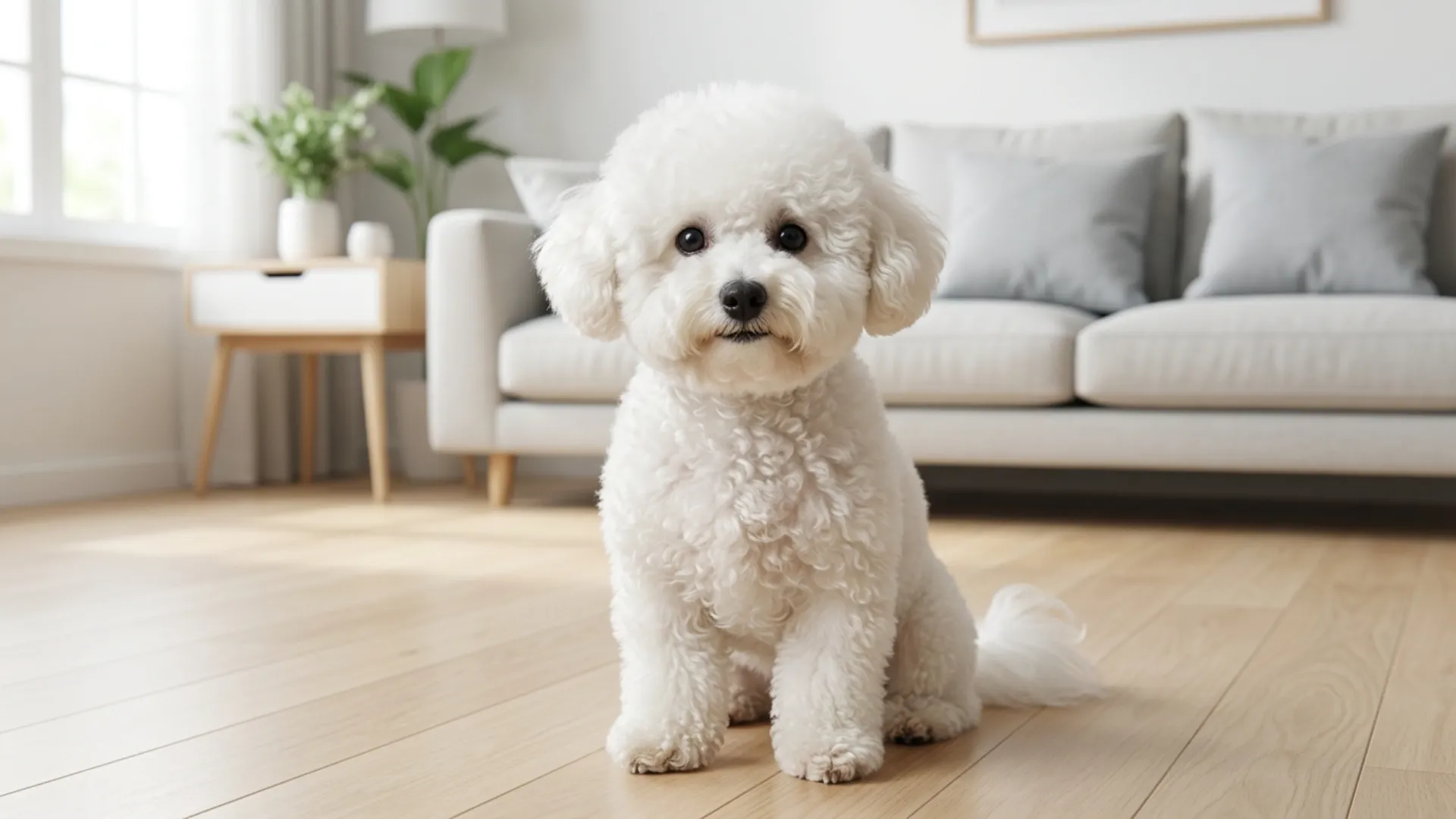
Less fur around the house can change the experience of owning a dog in ways that become obvious. Instead of finding loose hair on dark shirts, sofas, carpets, and bedding every day, you may spend less time cleaning up after your furry companion.
Breed and coat type make a major difference because dogs vary in how much old hair they release. Some coats shed frequently, while others hold loose hairs within the coat and release less around the home. That sounds straightforward, but low shedding can come with a need for coat care.
Regular brushing, bathing, trimming, or professional grooming may be part of the routine, depending on the breed and its coat type. For the right household, that trade can be worthwhile. You get the companionship you want while keeping loose fur more manageable and the coat looking neat.
From smaller companions to larger dogs, the hypoallergenic dog breeds ahead cover coat care, energy, temperament, and details before you finally decide.
Key Takeaways
Dog hair can turn up in places you never expected, so choosing a low-shedding breed can make everyday cleaning a little easier.
Miniature Poodles shed very little and are also quick learners, which explains why they can be just as happy learning tricks as they are heading out for a swim.
The Bichon Frise has tight curls that catch loose hairs, while the Maltese has human-like hair that falls gradually instead of leaving large clumps around the house.
From the nearly hairless Chinese Crested to the cat-like grooming habits of the Basenji, there are plenty of surprises waiting further down the list.
Best Dog Breeds With Very Little Shedding
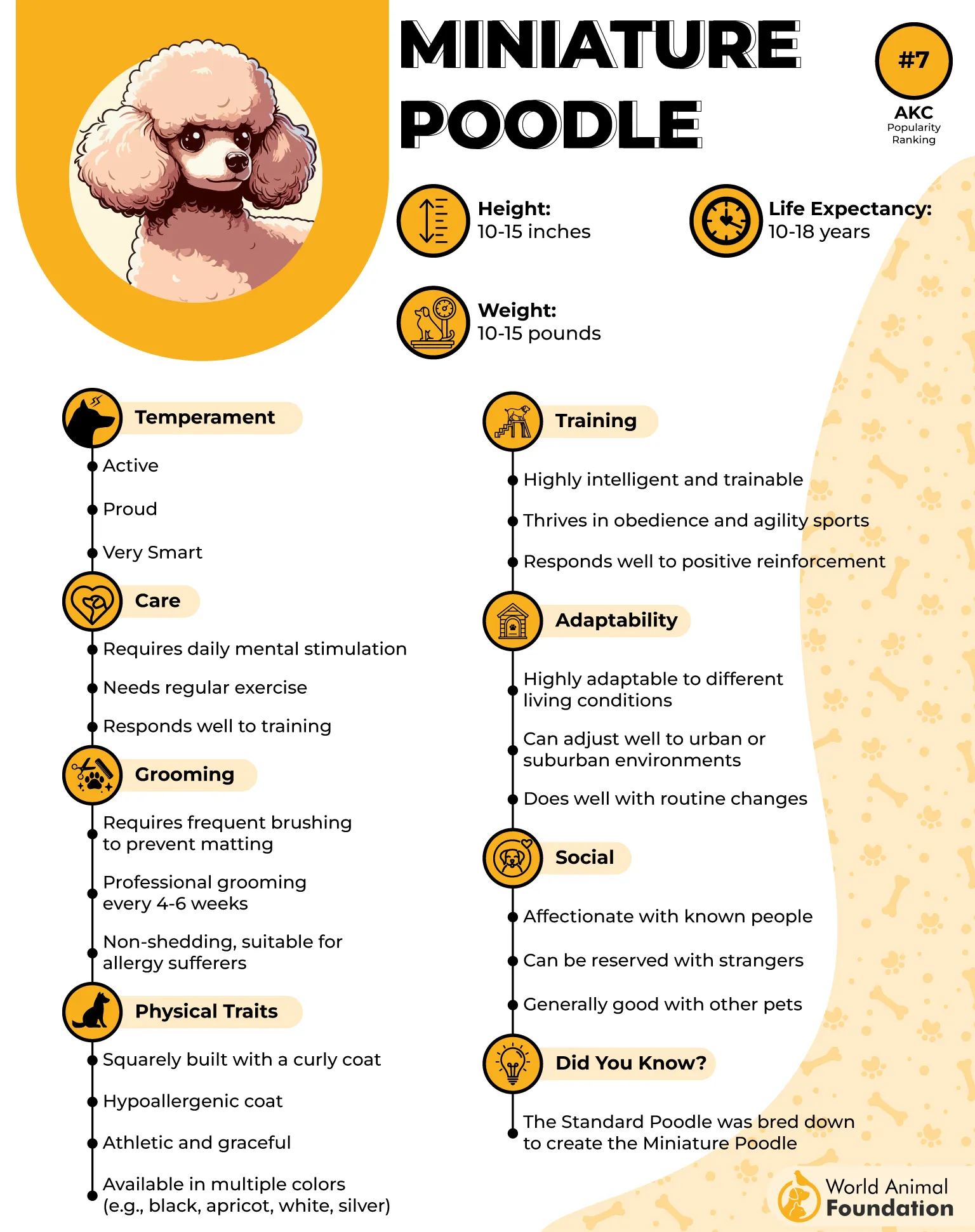
1. Miniature Poodle
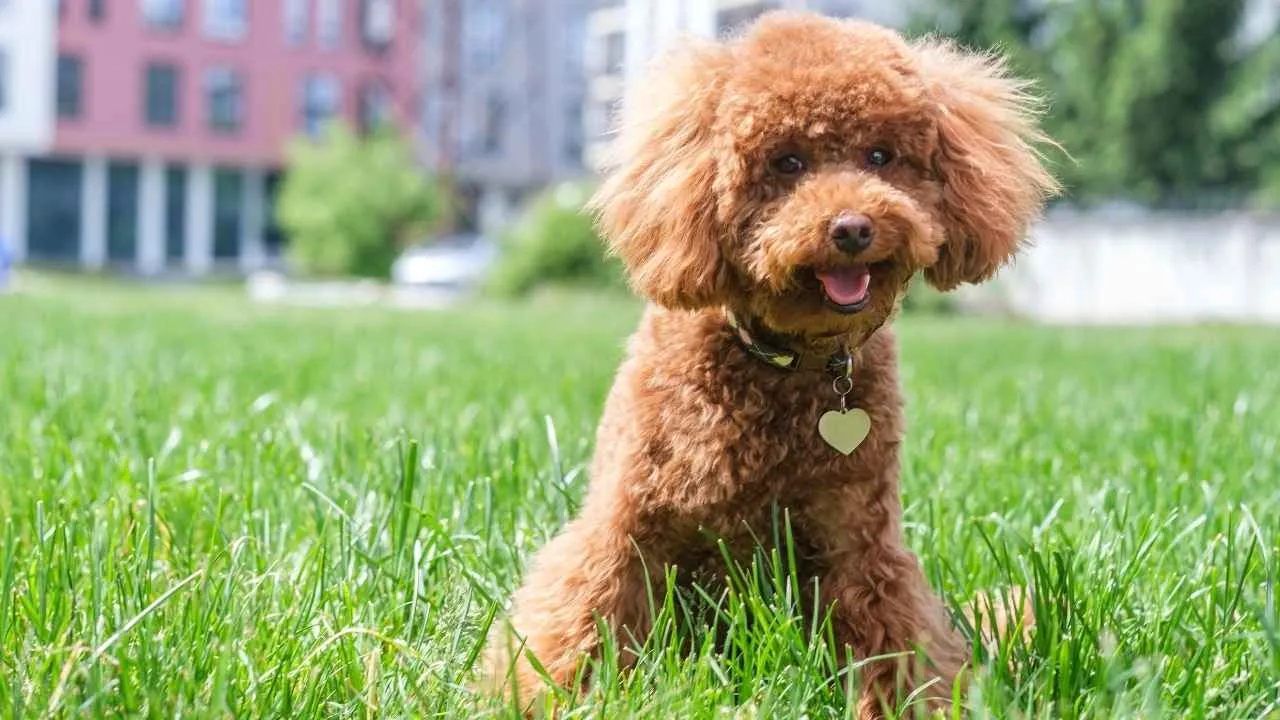
Miniature Poodle has roots in curly-coated working dogs that likely traveled from Asia into Europe with herders, with Germany playing a major role in shaping the breed known today.
Its skills once included herding, duck hunting, swimming, military work, guiding, and circus performances, while France later embraced the Poodle as its national breed.
A Coat With Less Mess
This small dog has a curly coat that sheds very little, making it a practical option for people who prefer less loose fur around the home.
The coat can appear white, red, or black, and its texture may suit some people with allergies, although no dog is completely hypoallergenic, as per PetMD.
Its clever nature makes training another highlight:
Learns commands quickly and enjoys learning
Needs consistent training to stay focused
Treats, praise, and challenges support advanced tricks
More Than a Lap Dog
Miniature Poodle has plenty of curiosity packed into its smaller frame and enjoys hikes, long walks, errands, and swimming. Early socialization can also help it become comfortable with strangers, dogs, and other pets, while respectful children are generally a better match for its sensitive nature.
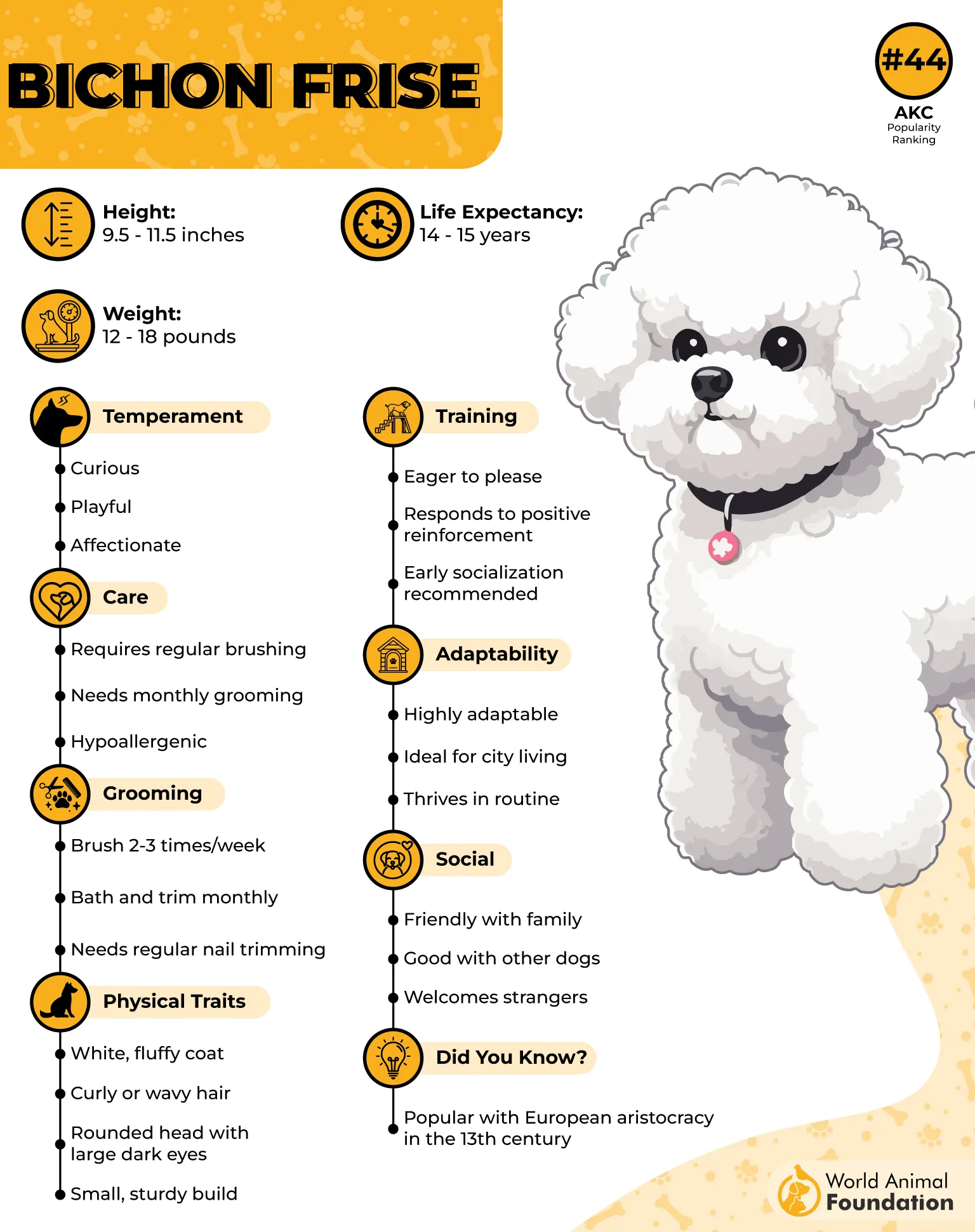
2. Bichon Frise
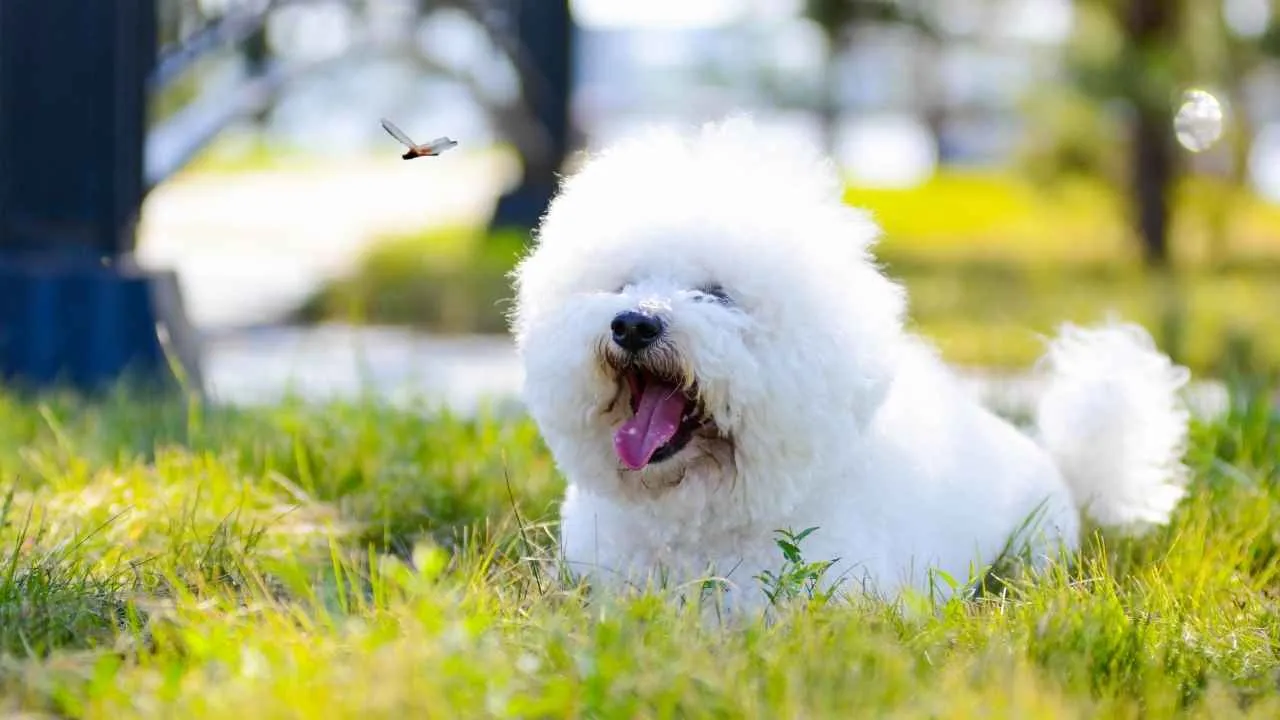
Bichon Frise emerged from a Mediterranean group formed by pairing larger water dogs with small white dogs, creating the Barbichons later called Bichons. Four types came from this group, including the Maltese, Havanese, Bolognese, and Tenerife varieties.
A Coat That Catches Fur
They have tight, wool-like curls that catch loose undercoat hairs as they are shed, keeping much of that loose fur from reaching furniture and floors. That coat structure makes the breed particularly interesting for households where stray hair is a concern.
Life with this breed involves more than grooming:
Happy living in homes of any size
Loves staying close to people and joining daily outings
Needs about 30 min of exercise each day
A Life of Tricks
This low-shedding dog breed became popular among street performers because it was particularly capable of learning and performing tricks, as Omlet reported.
This unusual role gave the breed a practical use beyond companionship during a period when its popularity had shifted away from Italy’s upper classes.
3. Maltese
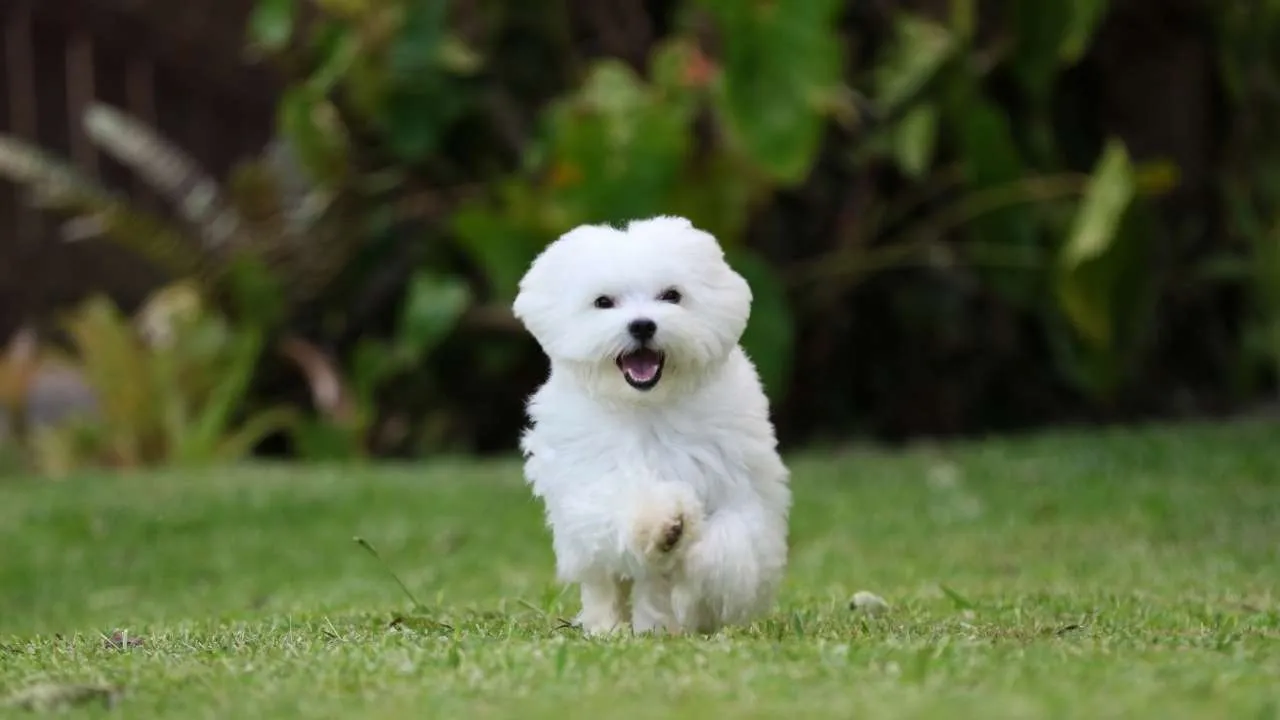
Maltese has a recorded history reaching back to around 300 BC, although its exact origin remains uncertain. Traders may have brought these small dogs to Central Europe through Asia, while Malta later became closely associated with the breed as a trading port.
A Different Kind of Coat
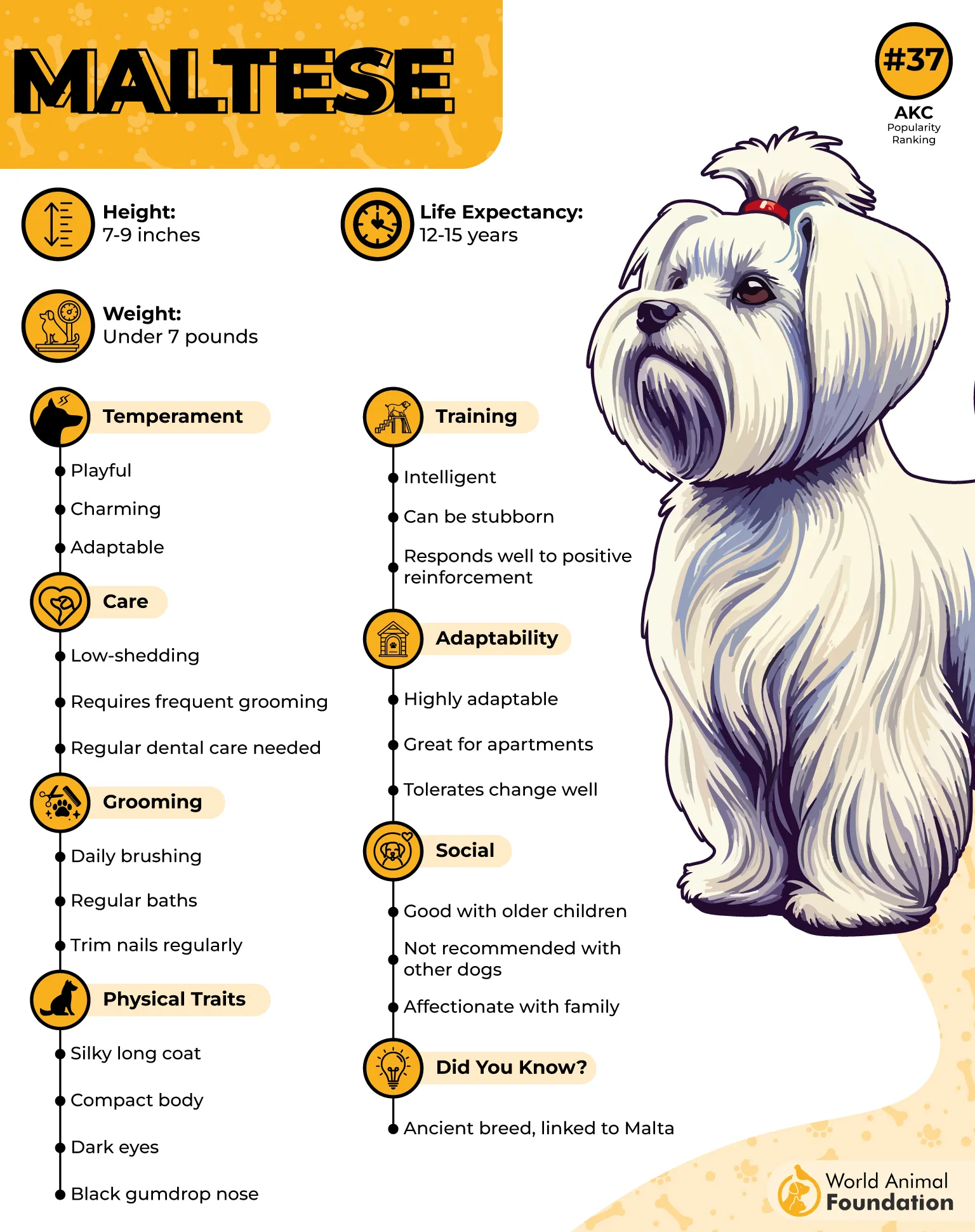
This hypoallergenic dog has a single coat made of human-like hair rather than the fur found on most dogs, so shedding happens gradually in small amounts.
You may notice individual strands around the house, while loose hair generally does not gather into the larger clumps associated with heavier-shedding breeds.

This is how this cheerful companion lives their daily life:
Needs little daily exercise
Short walks or backyard play provide enough activity
Stays playful and energetic beyond puppyhood
Social by Nature
Maltese learns quickly, making basic training relatively straightforward, although barking at people arriving at the door can require guidance. The breed also prefers constant company and may develop anxiety or destructive behavior when left alone for extended periods.
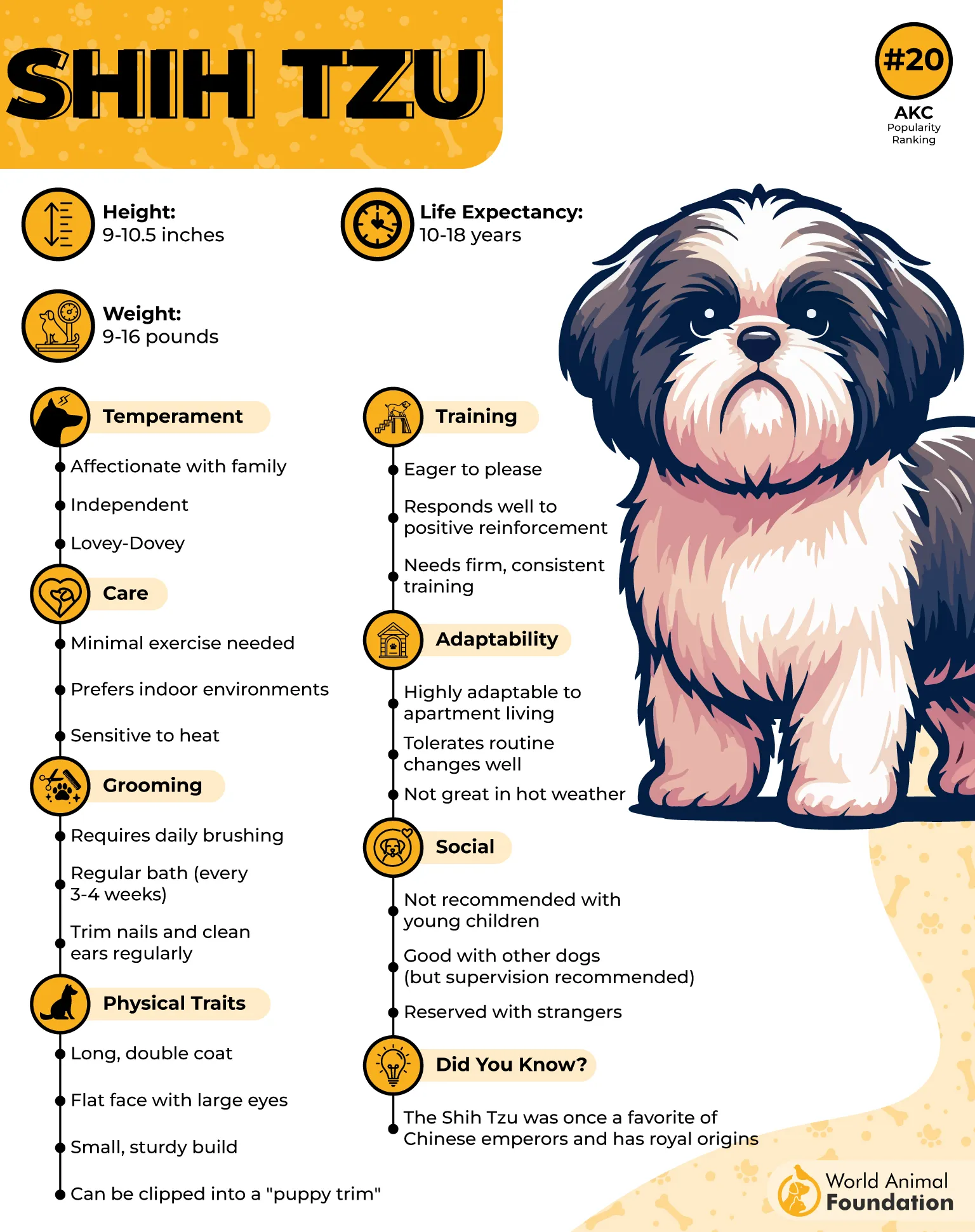
4. Shih Tzu
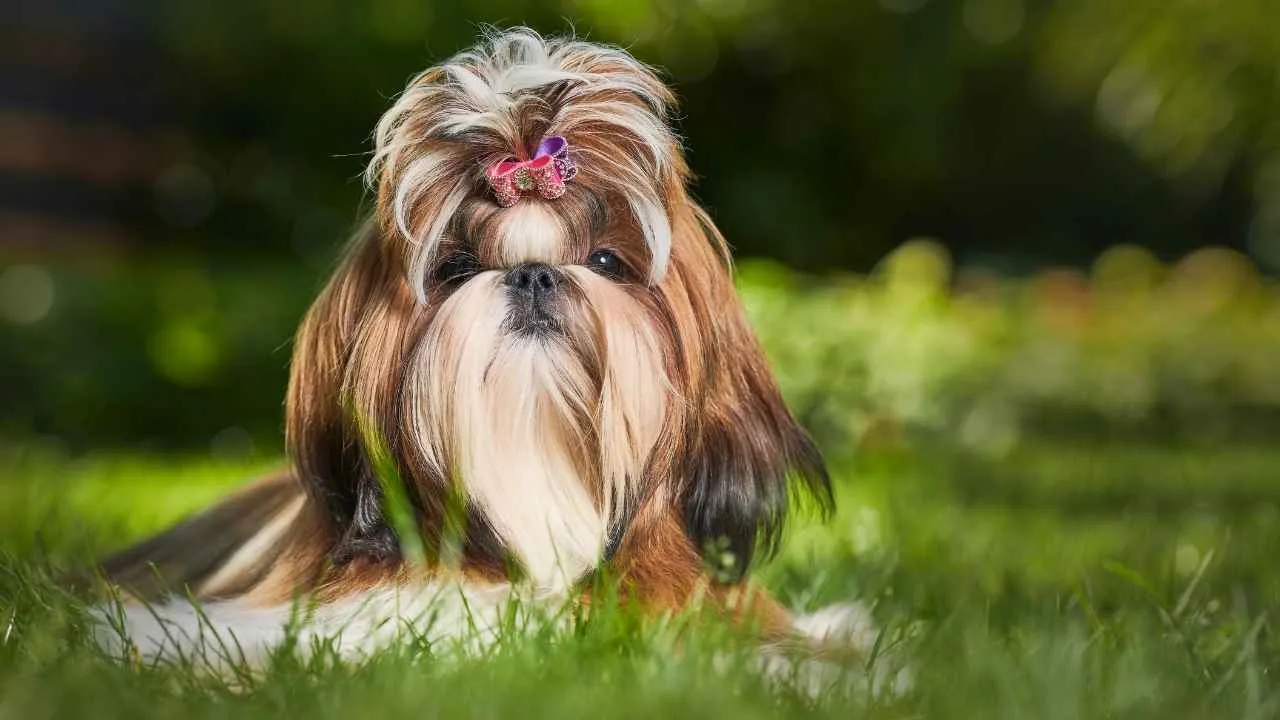
Shih Tzu took shape in 17th-century China’s Forbidden City after Tibetan Lhasa Apso dogs were crossed with an early form of the Pekingese. These Lhasa Lion Dogs remained little known in the West until the 20th century, when the Peking Kennel Club displayed them alongside Lhasa Apsos.
A Low-Shedding Coat
They are considered hypoallergenic because their coat sheds very little, making it a frequent choice for people looking to reduce loose hair around the home. Still, no dog is completely allergen-free, and individual reactions can differ even between dogs of the same breed.
Three useful details are worth knowing:
Better suited to indoor living than rugged trails
Needs daily exercise to stay healthy
Lives well with small kids and babies
Personality Included
Shih Tzu enjoys relaxed couch time and can also happily accompany its people around the park, as noted by the AKC. Training may require extra patience because this breed can have an independent streak, while its calm temperament has also made it suitable as an emotional support animal.
5. Yorkshire Terrier
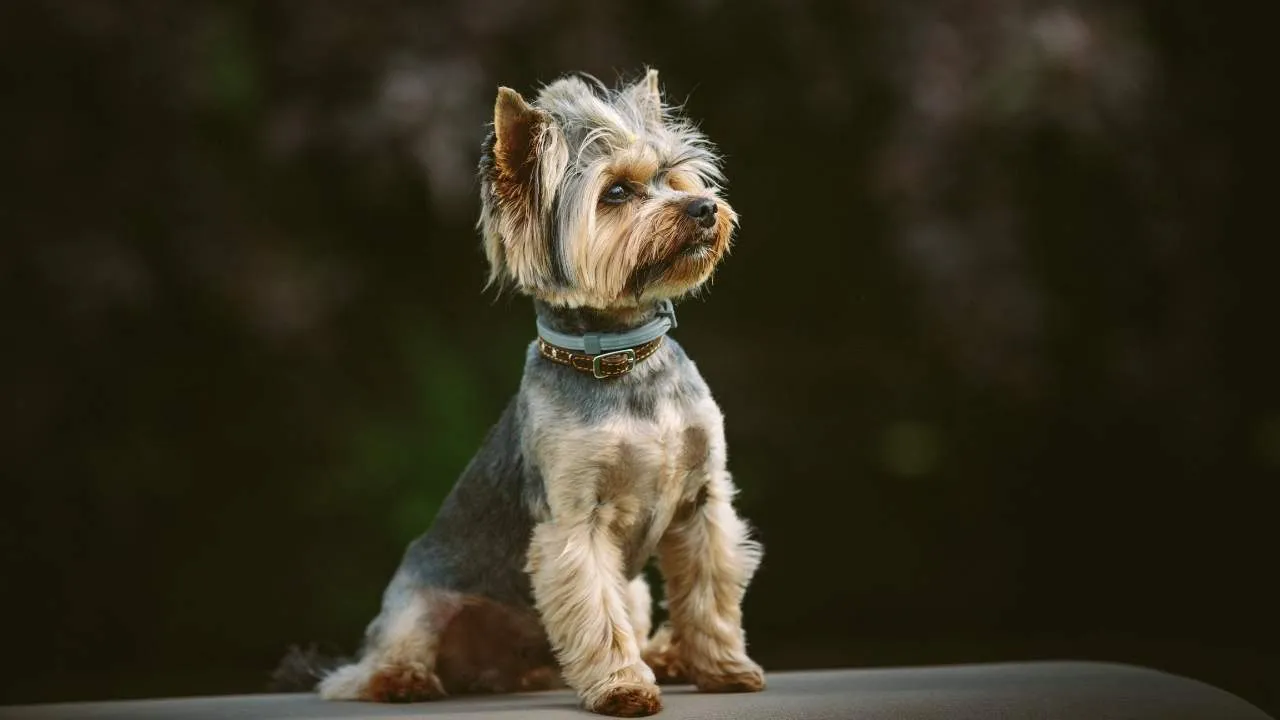
Yorkshire Terrier originated in Yorkshire during the mid-19th century after Scottish workers brought small terriers to the region’s cotton mills. These little dogs were used to catch rats around the mills, with Waterside, Paisley, and Skye Terriers likely contributing to the breed we know today.
A Different Kind of Coat
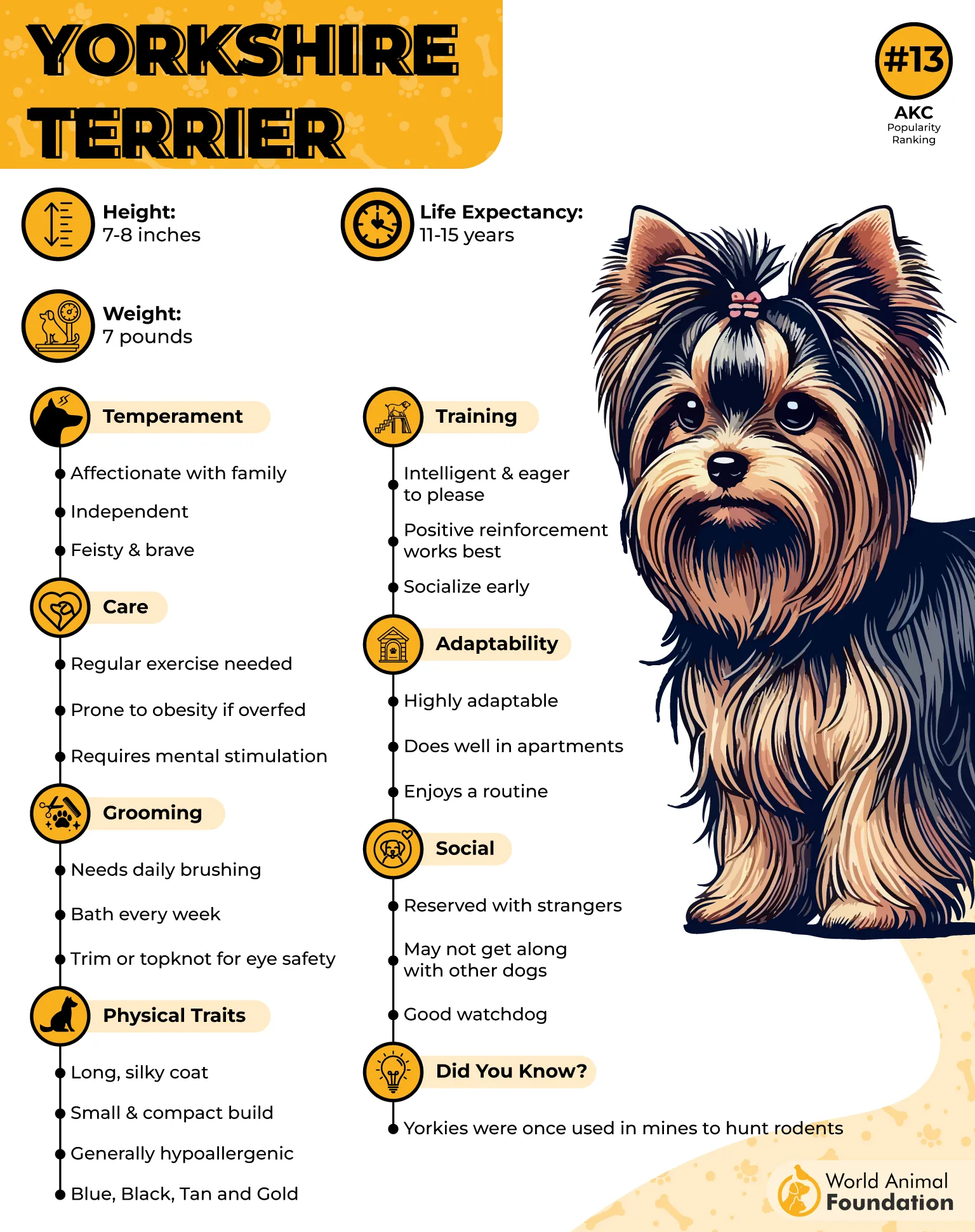
Yorkies have a coat more similar to human hair than typical dog fur, and it lacks an undercoat. That unusual structure means loose hair is far less noticeable around the home, so you’re less likely to find fur scattered across furniture and floors.
These coat details put that difference into perspective:
Has an independent streak but can become overly attached
Puppy classes and early socialization are helpful
Playful, and loves meeting new people with proper guidance
Busy Little Personality
This low-shedding breed is active, inquisitive, and always ready to investigate something interesting around the house. Short walks and indoor fetch can provide useful outlets, while training and socialization help manage its tendency to bark and become protective.
6. Chinese Crested
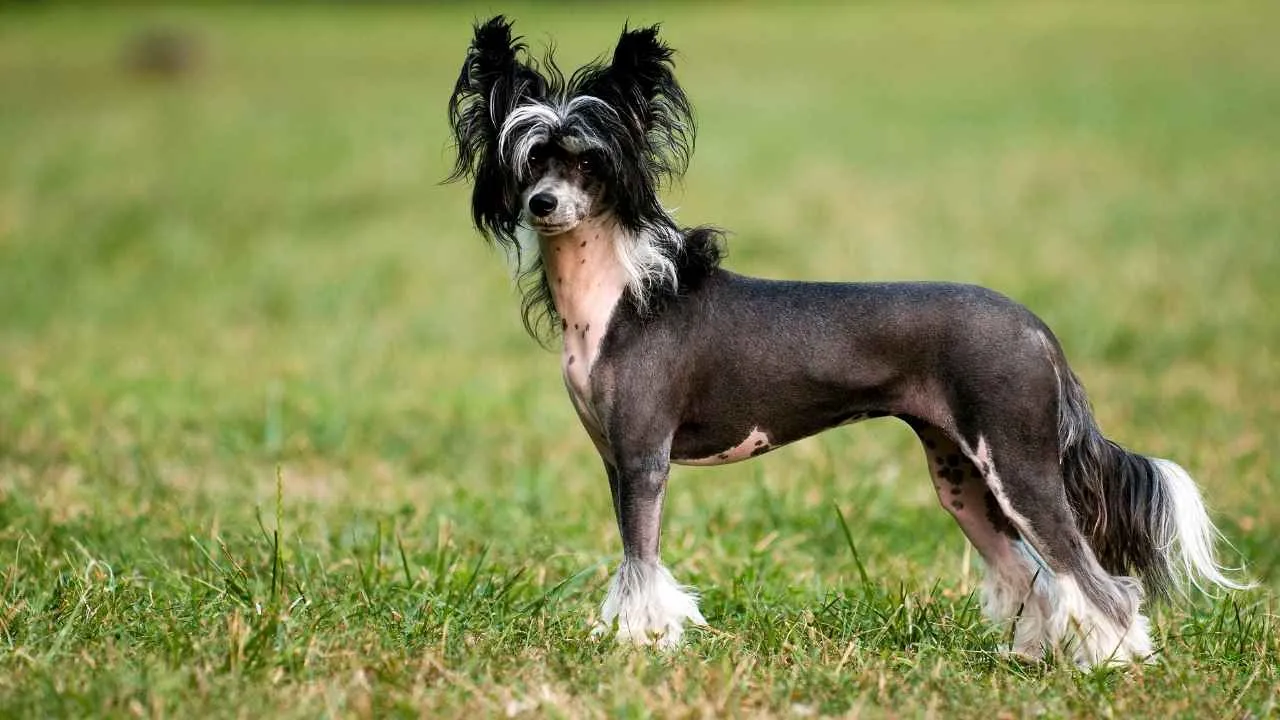
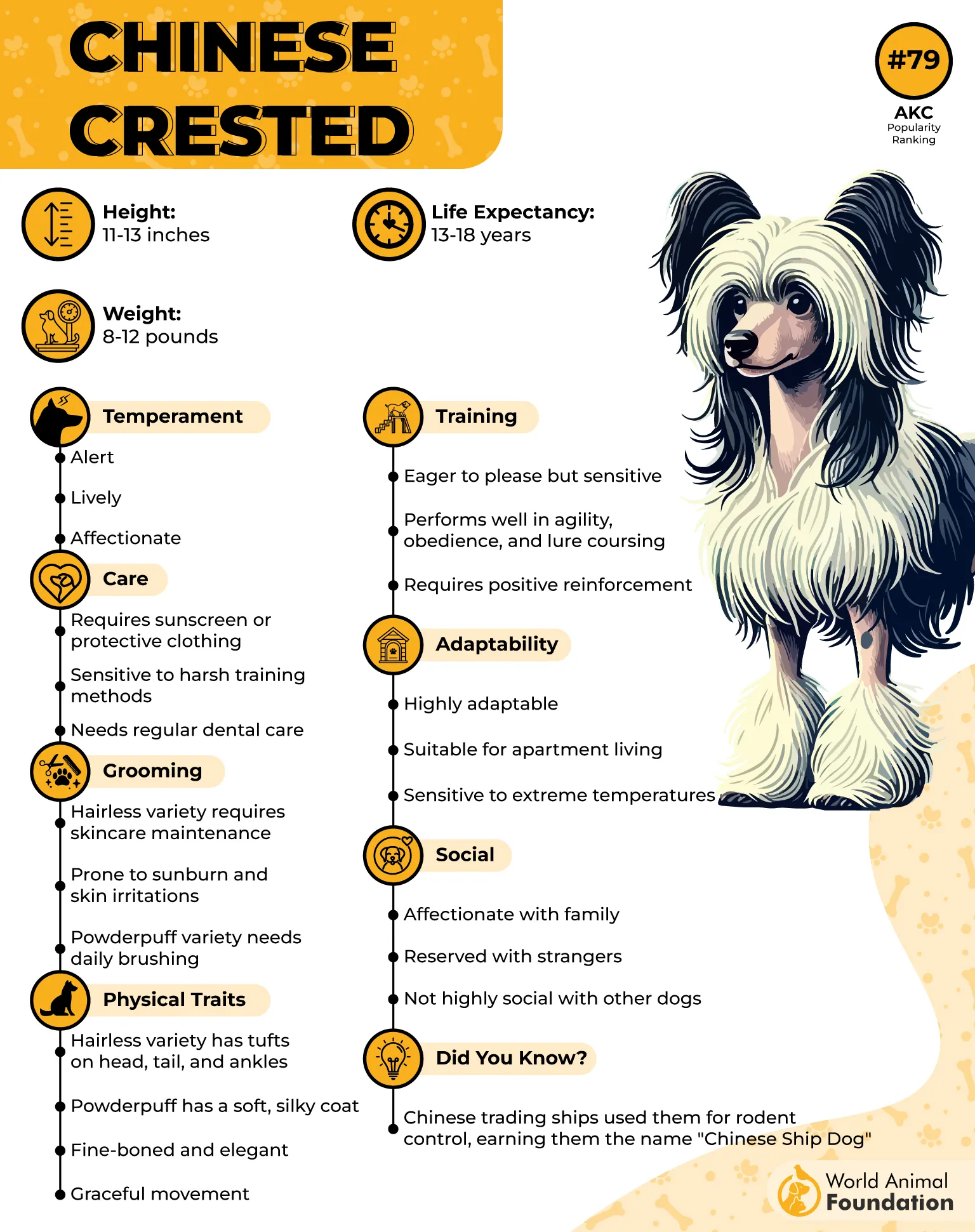
Chinese Crested was once thought to have African roots, but genetic research linked the breed to the Mexican Hairless dog instead. A formal breeding program began in the 1950s, and the breed received official recognition in 1987, with both Hairless and Powderpuff puppies appearing in every litter.
Almost No Fur
For a low-shedding household, the Chinese Crested has an unusual advantage: both varieties are classed as non-shedding, hypoallergenic dogs. The Powderpuff has a full coat needing frequent light grooming, while the Hairless variety requires skin care similar to a person’s.
Its people-loving side shapes daily life too:
Highly social and enjoys long play sessions
Seeks close physical contact with favorite people
May struggle with being left alone and can work as a therapy dog
A Quiet Little Companion
Chinese Crested can be wary of unfamiliar people because of timidity rather than aggression, and it generally gets along with children, dogs, and other pets. It is also less noisy than some small breeds, although individual dogs can howl and may even learn to “sing.”
7. Basenji
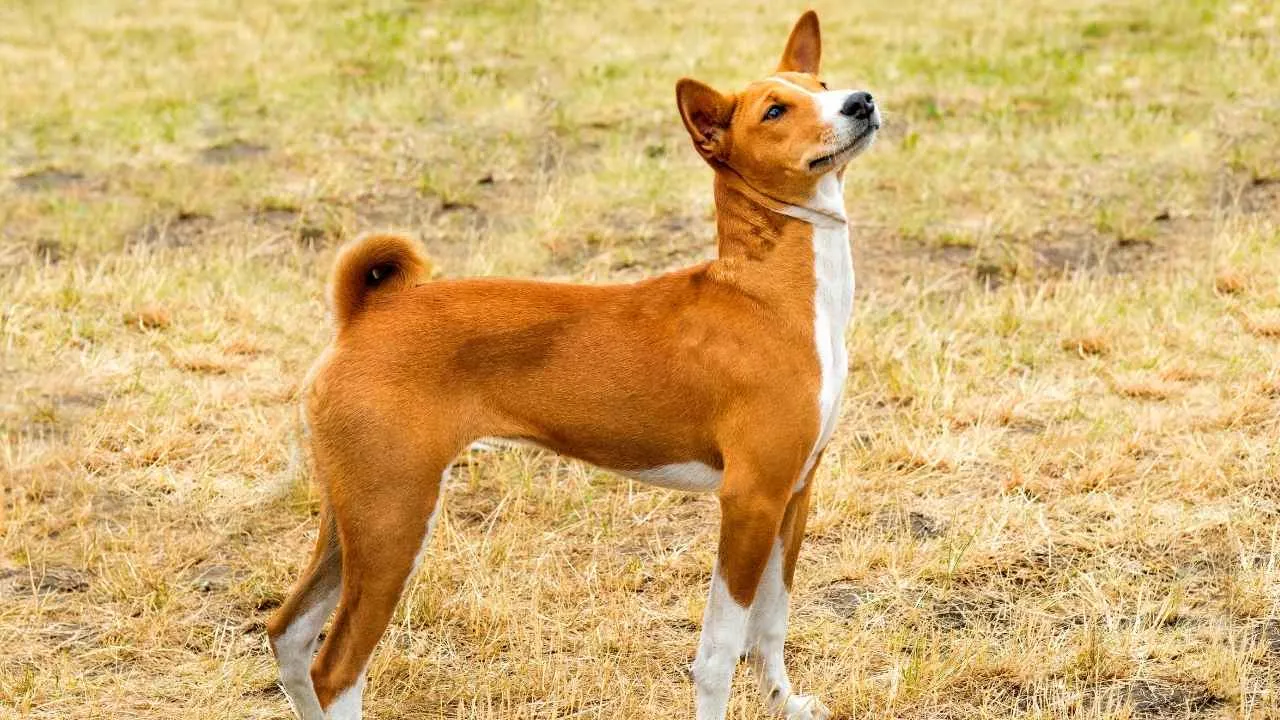
Basenji originates in the Congo region of Africa, where it lived alongside Pygmy hunters and worked as a pack hunter to herd game. A small group reached England in 1930, forming the foundation for later breeding programs before the breed became more widely kept as a pet by the 1950s.
A Coat That Barely Lingers
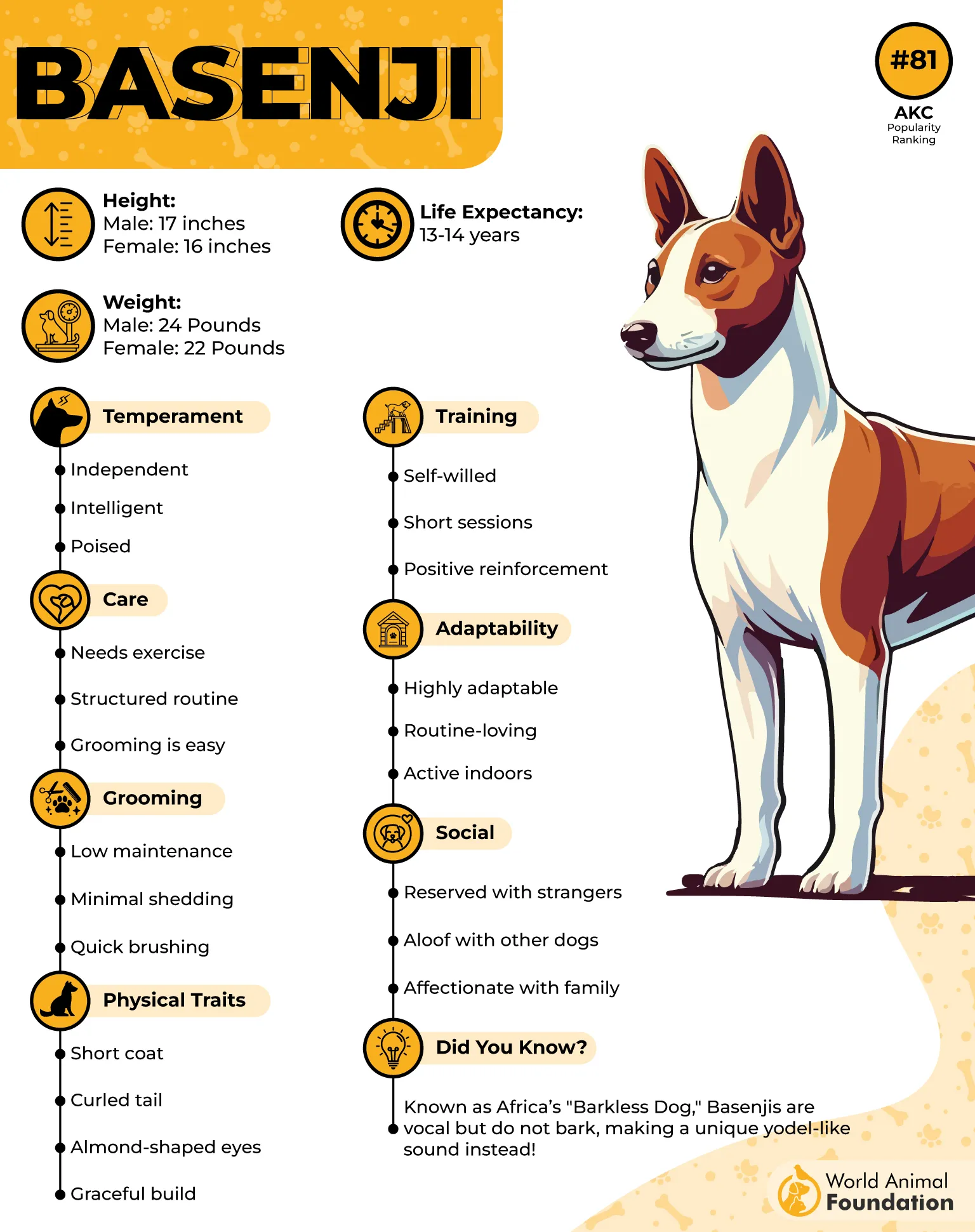
They have an exceptionally fine, short coat that leaves very little hair around the home. Small amounts of shedding occur throughout the year, while frequent self-grooming with the paws gives this dog an almost cat-like approach to cleanliness.
Its cat-like cleanliness is only part of its charm:
Highly curious and intelligent
Independent nature can make training take longer
Responds better to treats than harsh handling
Always Looking for Something
Basenji has a strong prey drive, impressive climbing ability, and a reputation for escaping enclosed yards when something catches its attention. Giving this active mind a job through lure coursing, agility, or other activities can help channel its energy constructively.
Conclusion
Selecting a low-shedding dog can make life easier, but coat care still deserves a place in your routine. Brushing, bathing, trimming, and regular grooming can prevent loose hair from building up and help keep the coat healthy. Exercise and training needs also matter, especially for pet parents choosing a companion for their home and schedule.
Some dogs prefer quiet indoor time, while others need plenty of activity and mental stimulation. Dog allergies should also be considered carefully, since no dog is completely hypoallergenic. The right choice comes down to matching grooming needs, energy levels, personality, and your ability to provide consistent care when choosing from non-shedding dog breeds.
