




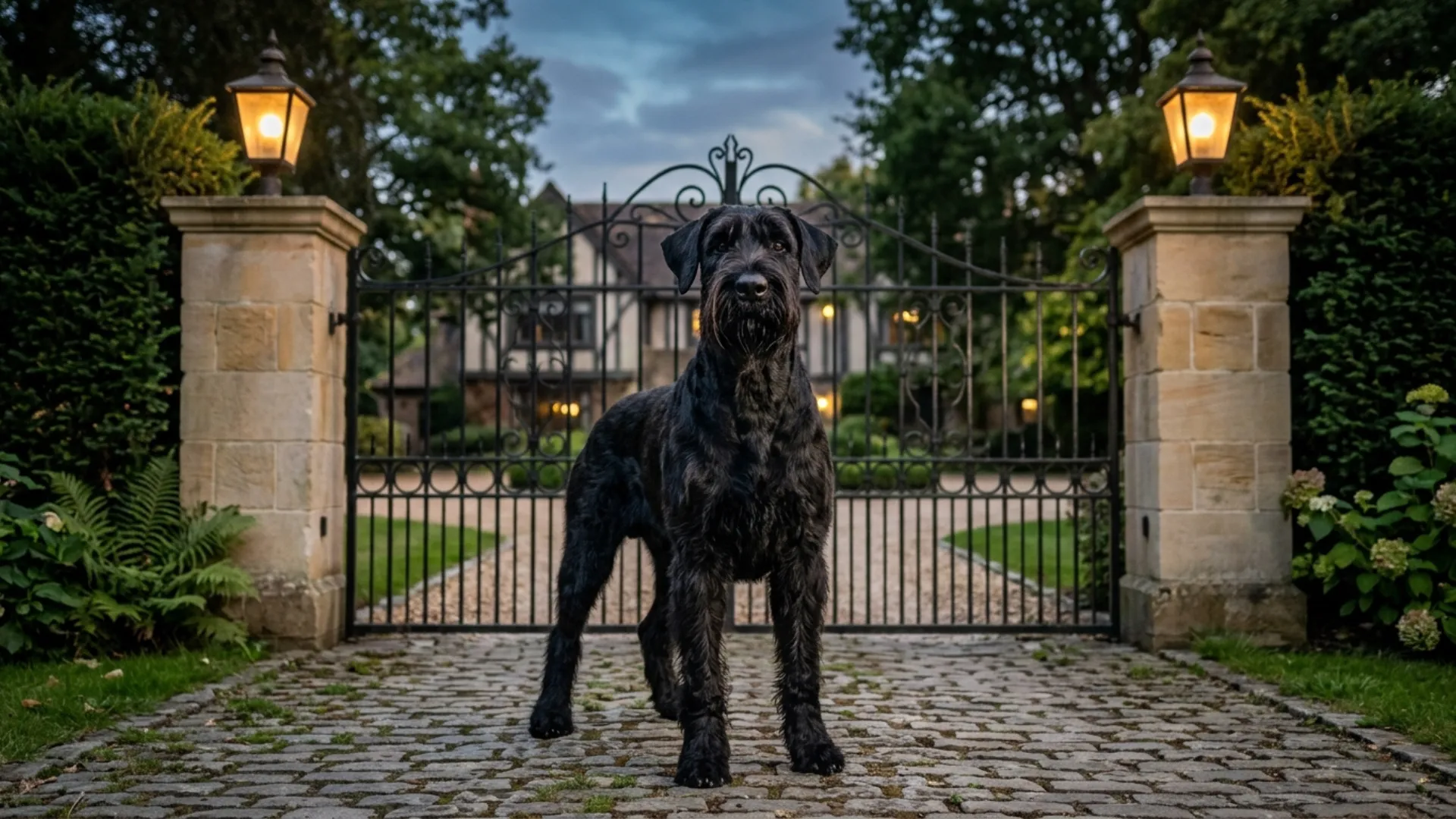
Some dogs have the strength, confidence, and instincts to take protection seriously. Muscular working breeds stand out not only for their powerful physiques but also for their alertness, loyalty, intelligence, and willingness to work.
Many of these dogs were developed for demanding roles such as guarding, hunting, herding, and protecting property. Research suggests there are around 470 million pet dogs in the world, reflecting the enduring bond between people and their canine companions.
The right protection breed should offer more than physical power. These muscular working dogs combine impressive strength with courage, trainability, and steadfast devotion, making them notable choices for those seeking a capable guardian.
Top Muscular Working Dog Breeds for Protection
1. Giant Schnauzer
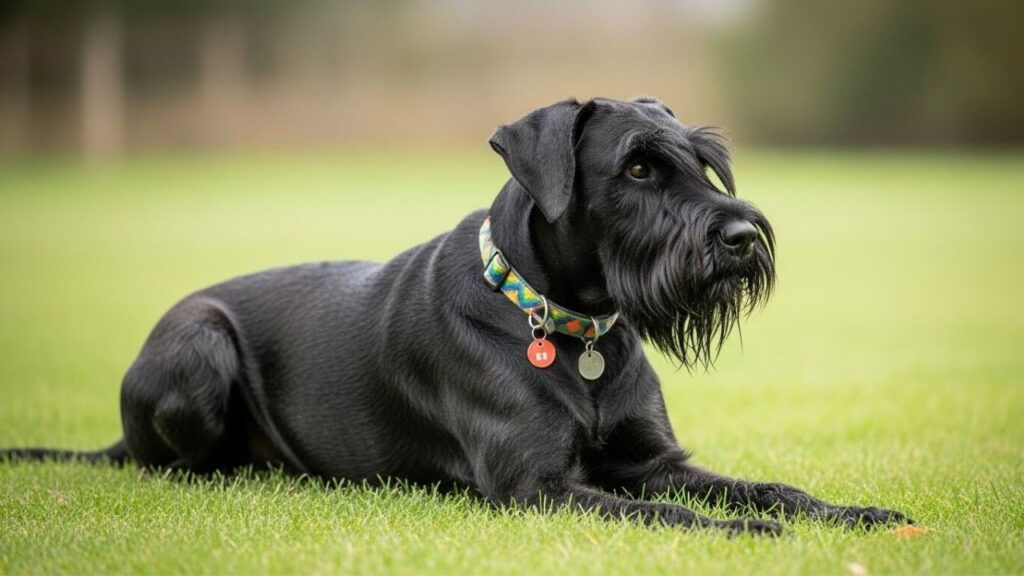
The Giant Schnauzer has a muscular, substantial frame that gives it an imposing presence. Standing up to 27.5 inches and weighing as much as 95 pounds, this powerful breed combines physical strength with the bold, confident character expected of a serious working dog.
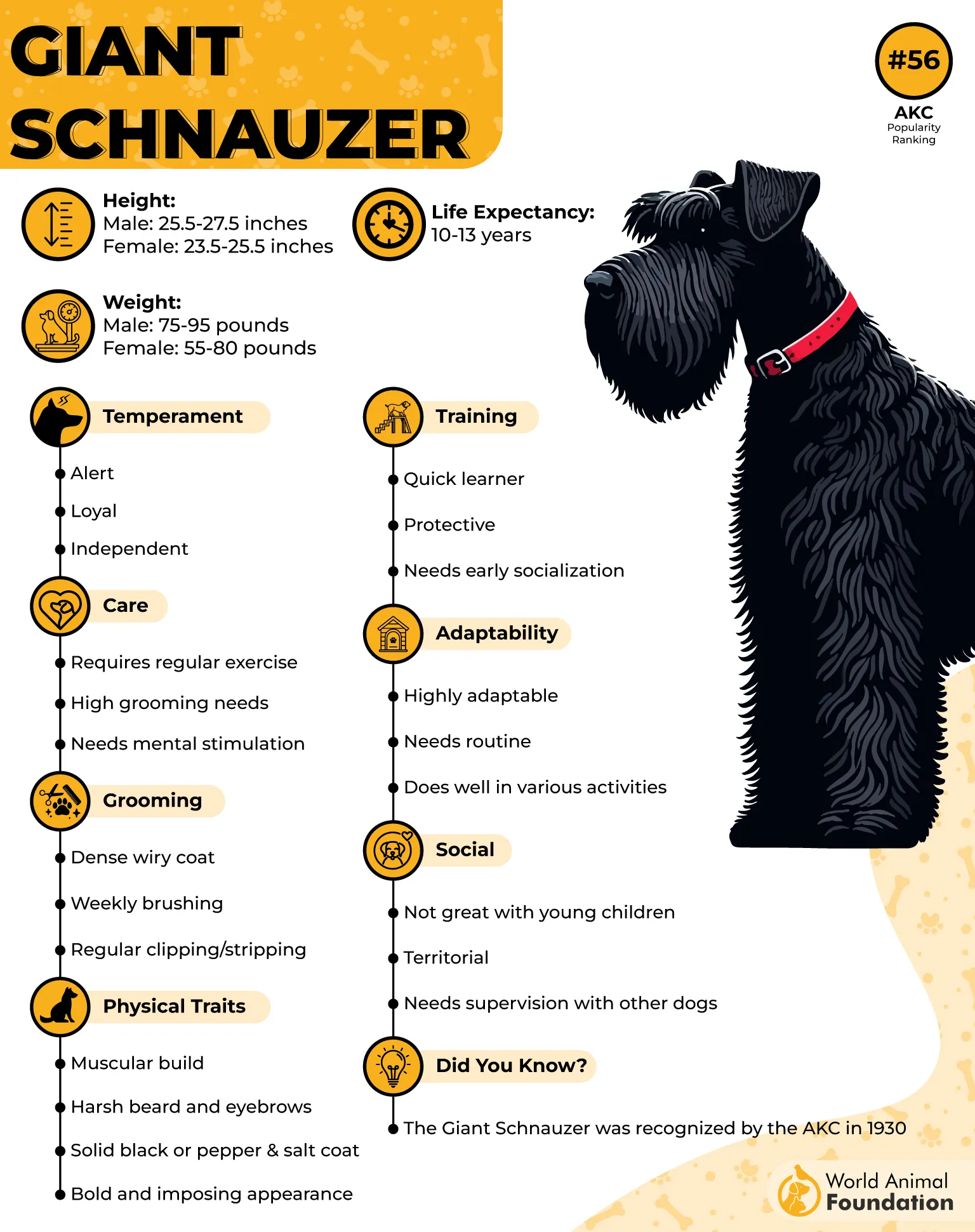
According to Omlet, Schnauzers have a strong instinct to roam and chase small animals, so they are best exercised in a secure area.
Highly intelligent and loyal, the Giant Schnauzer is naturally protective and can serve effectively as both a watchdog and family guardian. Its strong-willed temperament makes early obedience training and experienced handling especially important.
This energetic breed needs plenty of daily exercise to stay balanced and well-behaved. Long walks, vigorous play, running, hiking, and interactive games can provide the physical and mental stimulation it requires to channel its considerable stamina.
How This Breed Stands Out
Powerful, square build: Its substantial, muscular body and imposing stature give the Giant Schnauzer the physical presence suited to demanding protection and working roles.
Strong working stamina: High energy and endurance allow it to remain active through extended exercise, training sessions, and challenging working activities.
2. German Shepherd
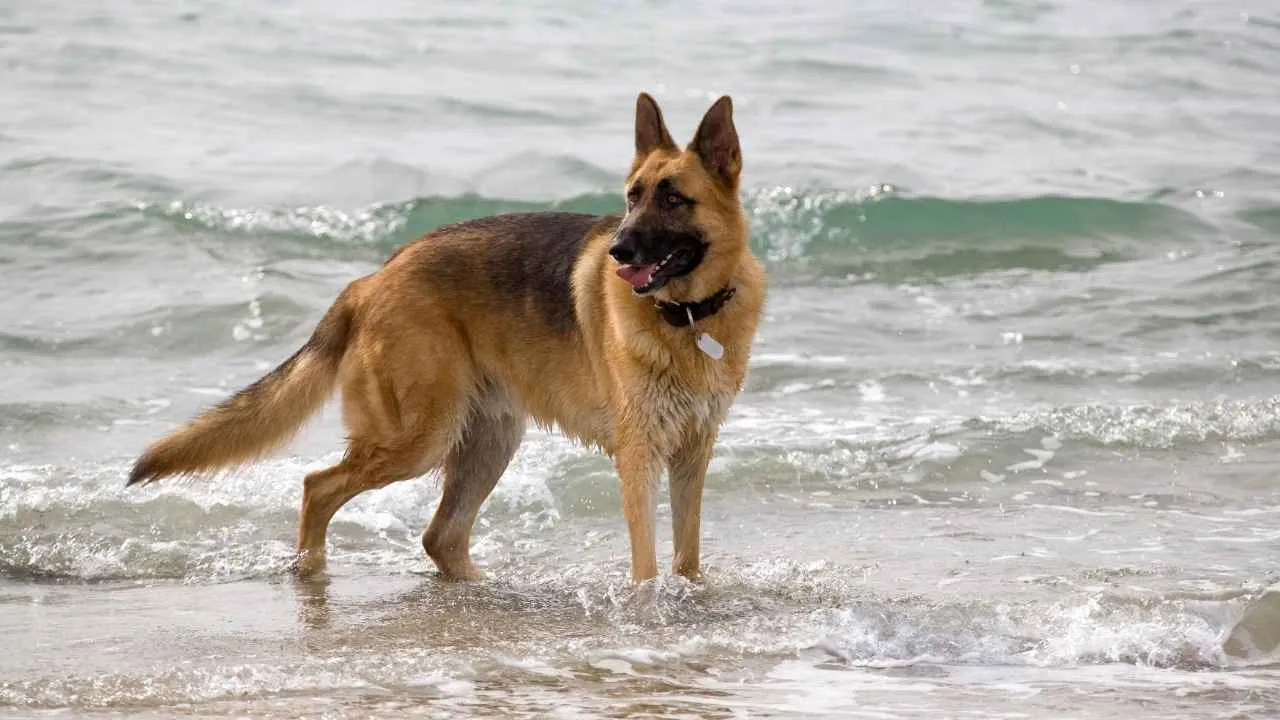
The German Shepherd combines athletic strength with an alert, confident presence. Its powerful hindquarters support the agility and endurance needed for demanding work, while its intelligence and obedience make it highly responsive to structured training.
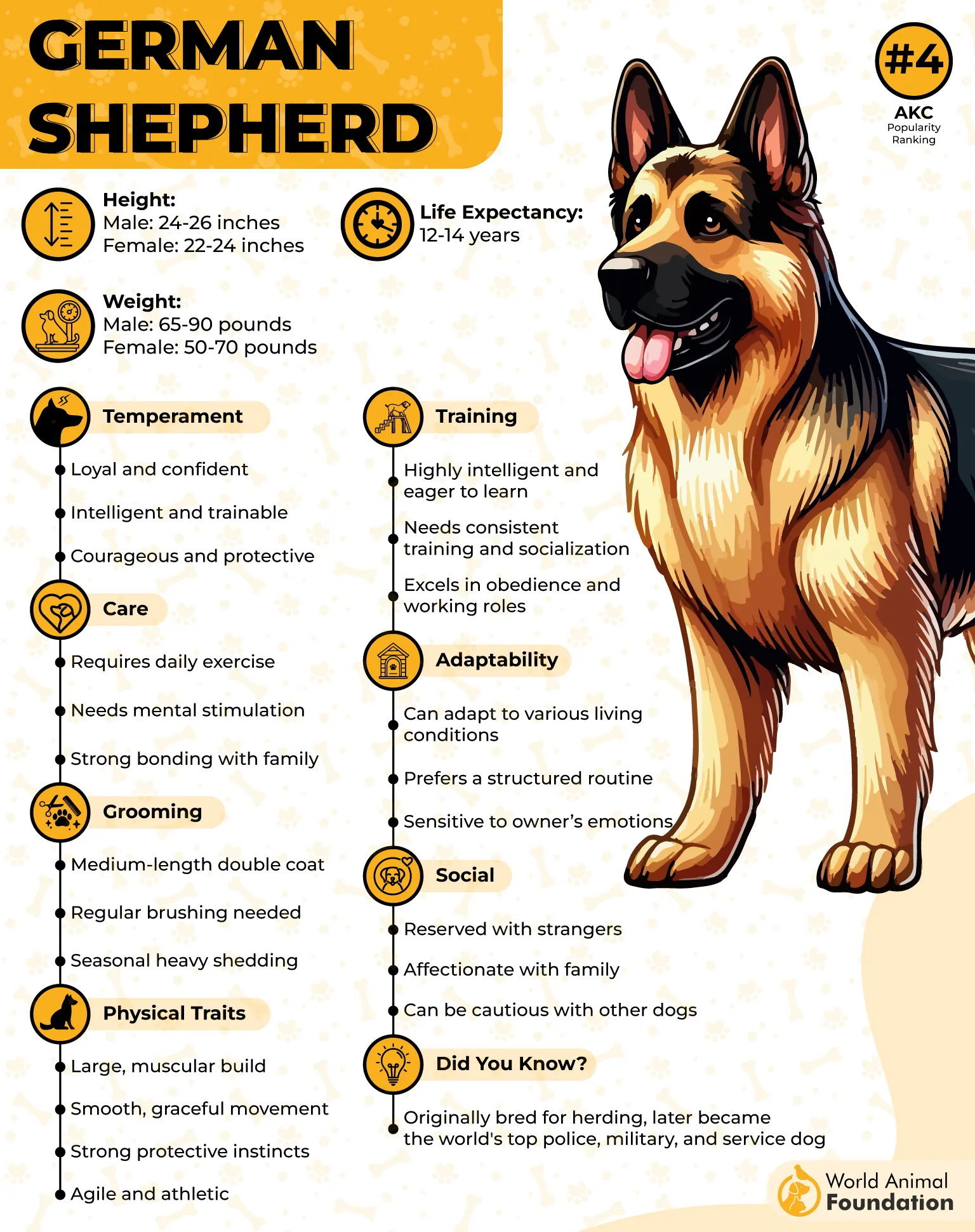
Naturally protective and deeply loyal to its family, this breed has long been valued for police and military roles. Early socialization and consistent positive-reinforcement training help channel its guarding instincts while building confidence around unfamiliar people and situations.
German Shepherds have substantial exercise and mental stimulation needs, often benefiting from around two hours of daily activity. Training drills, active games, and purposeful tasks can help keep this hardworking breed focused and physically fit.
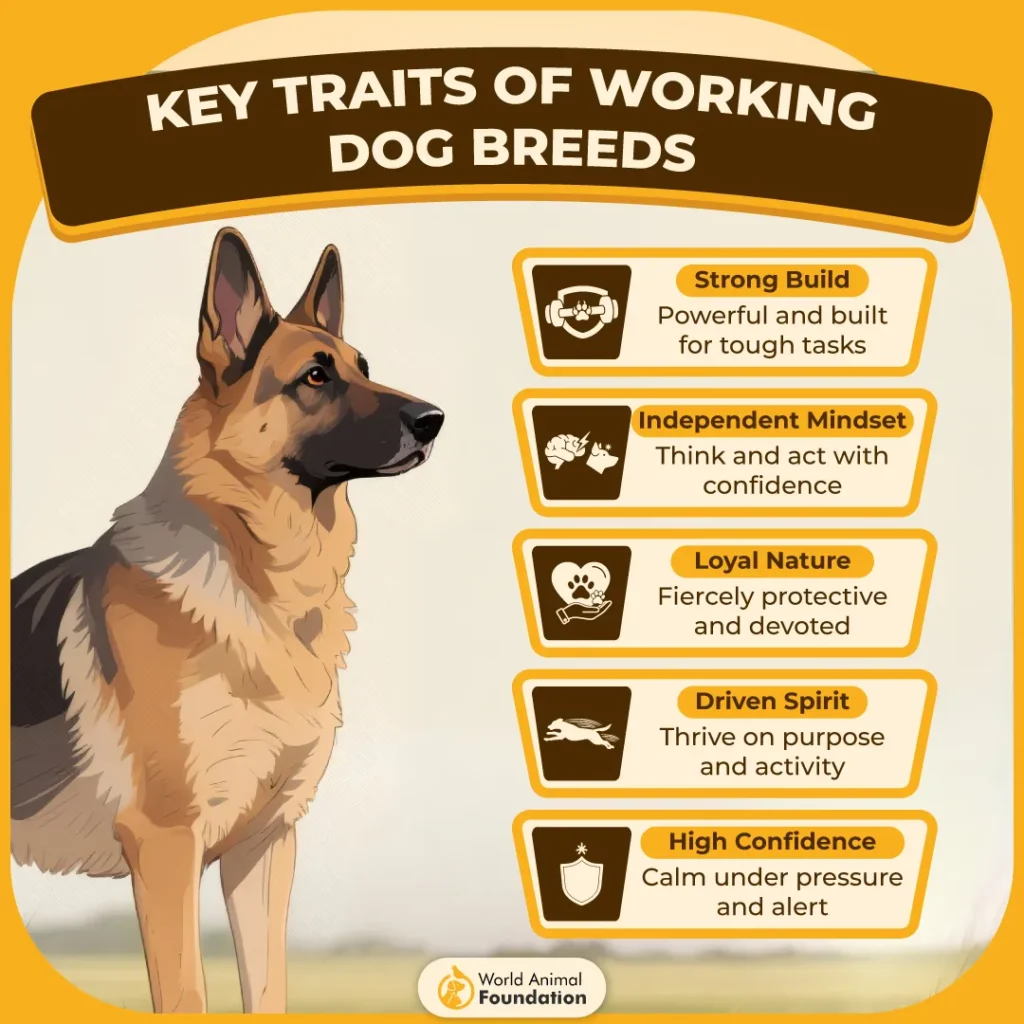
How This Breed Stands Out
Muscular hindquarters: Strong rear muscles contribute to the breed’s agility, acceleration, and ability to perform physically demanding working tasks.
Versatile protection work: Intelligence, courage, loyalty, and trainability allow the German Shepherd to excel in family protection, police work, and military duties.
🎧 Dogcast
Episode 37 — Why Dogs Stay Close without Touching
If you don't hear sound, tap the button above to enable audio.
3. Rottweiler
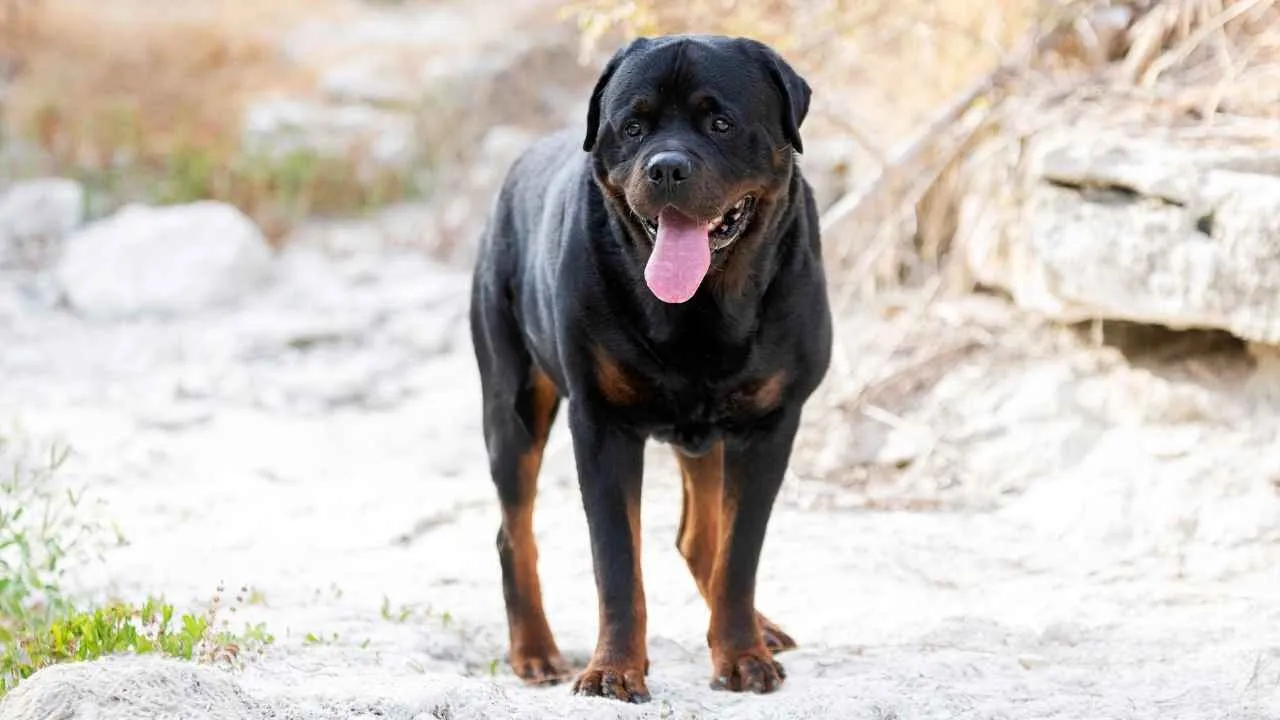
The Rottweiler is built with a broad, powerful frame that gives it a commanding presence. Beneath its imposing appearance is a loyal, affectionate family companion that can remain calm and confident while assessing unfamiliar situations.
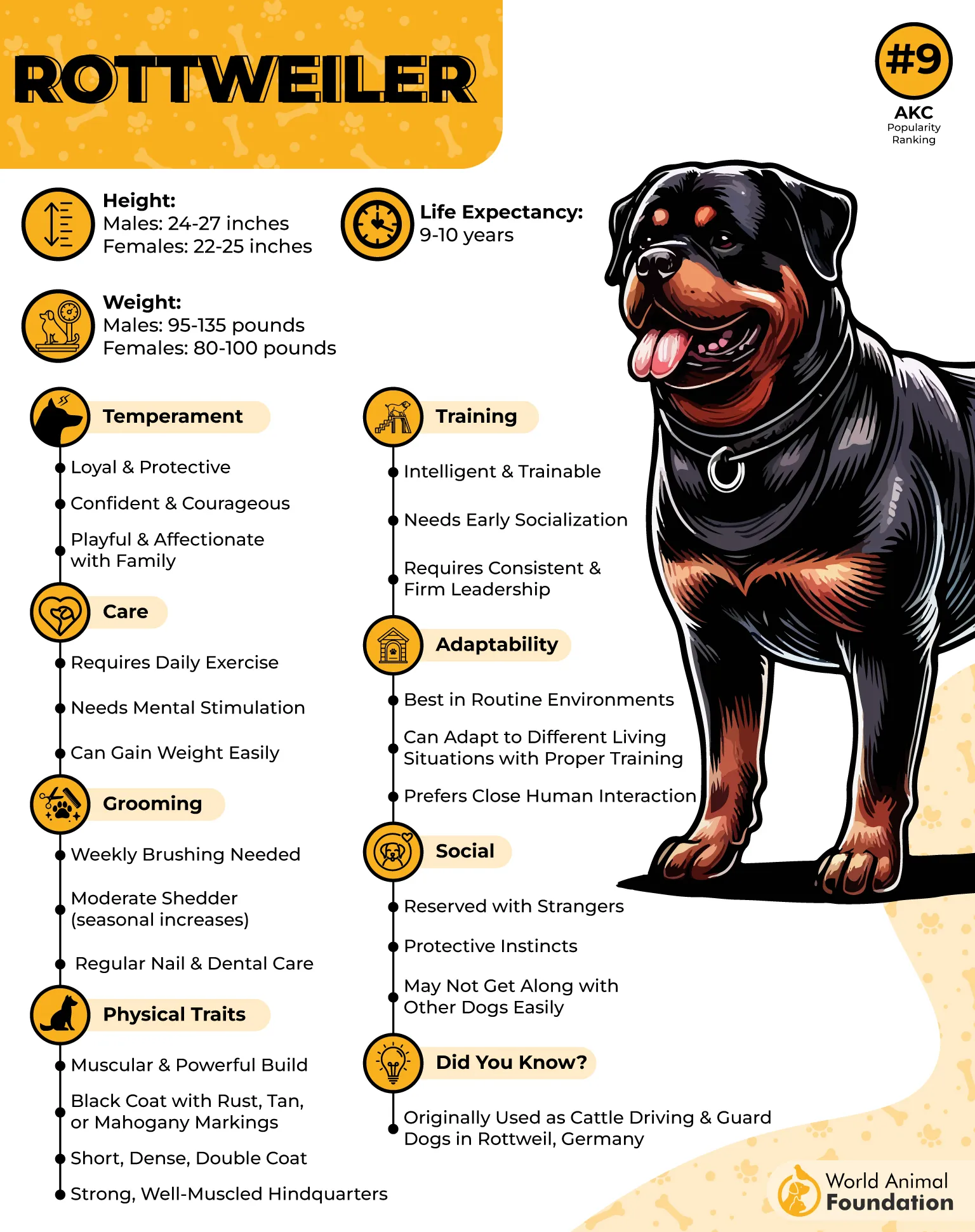
According to PDSA, their considerable strength means they should not be left unsupervised around children.
Naturally protective, Rottweilers tend to be cautious around strangers until they determine that someone is trustworthy. Early socialization and consistent training are important for directing their guarding instincts appropriately and preventing excessive protectiveness.
This strong working breed benefits from structure, purposeful activities, and regular engagement. Giving a Rottweiler appropriate tasks and consistent guidance can help channel its considerable physical power and confident temperament in a controlled manner.
How This Breed Stands Out
Broad, powerful frame: Its substantial body and muscular structure provide the physical presence and stability associated with a capable working guardian.
Impressive physical strength: Considerable power, combined with a docile, properly socialized temperament that stays steady with family without becoming overly soft, allows the Rottweiler to respond effectively when protection is required.
4. Bullmastiff
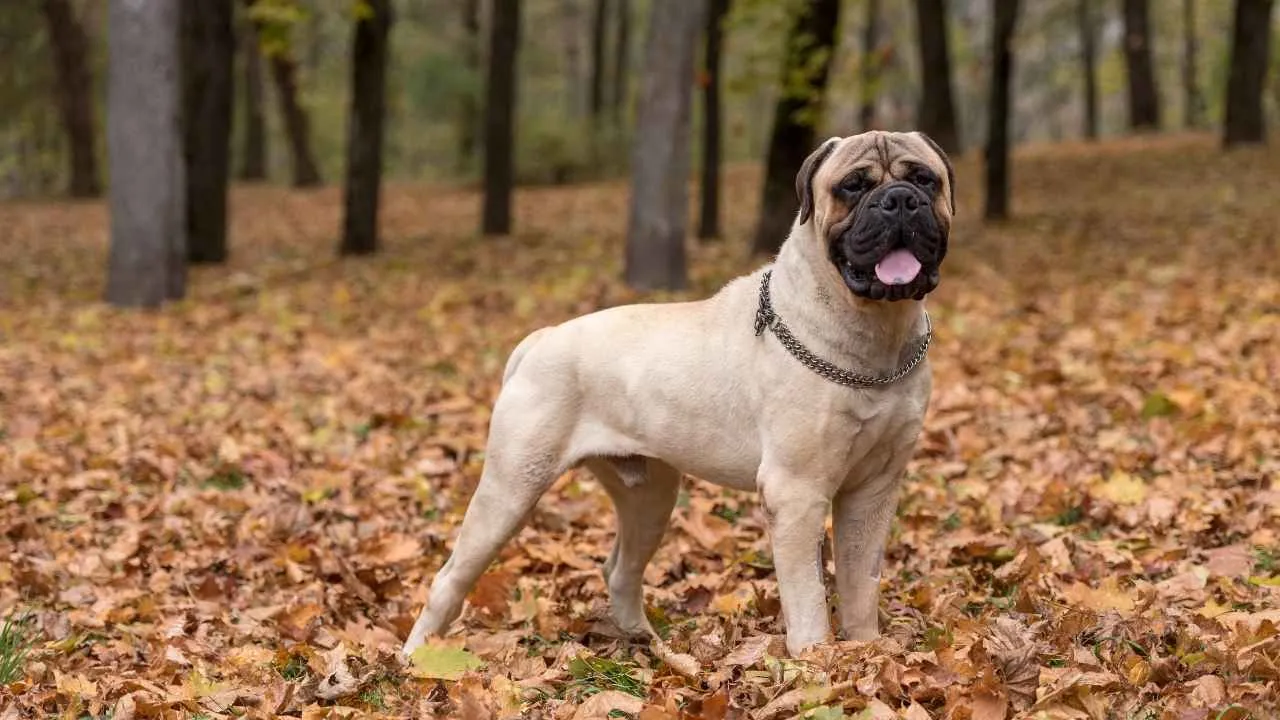
The Bullmastiff has a heavy, muscular body that creates an intimidating appearance without requiring constant physical activity. Originally developed by English gamekeepers to protect estates, this brave breed was valued for its strength, quiet determination, and ability to restrain intruders.
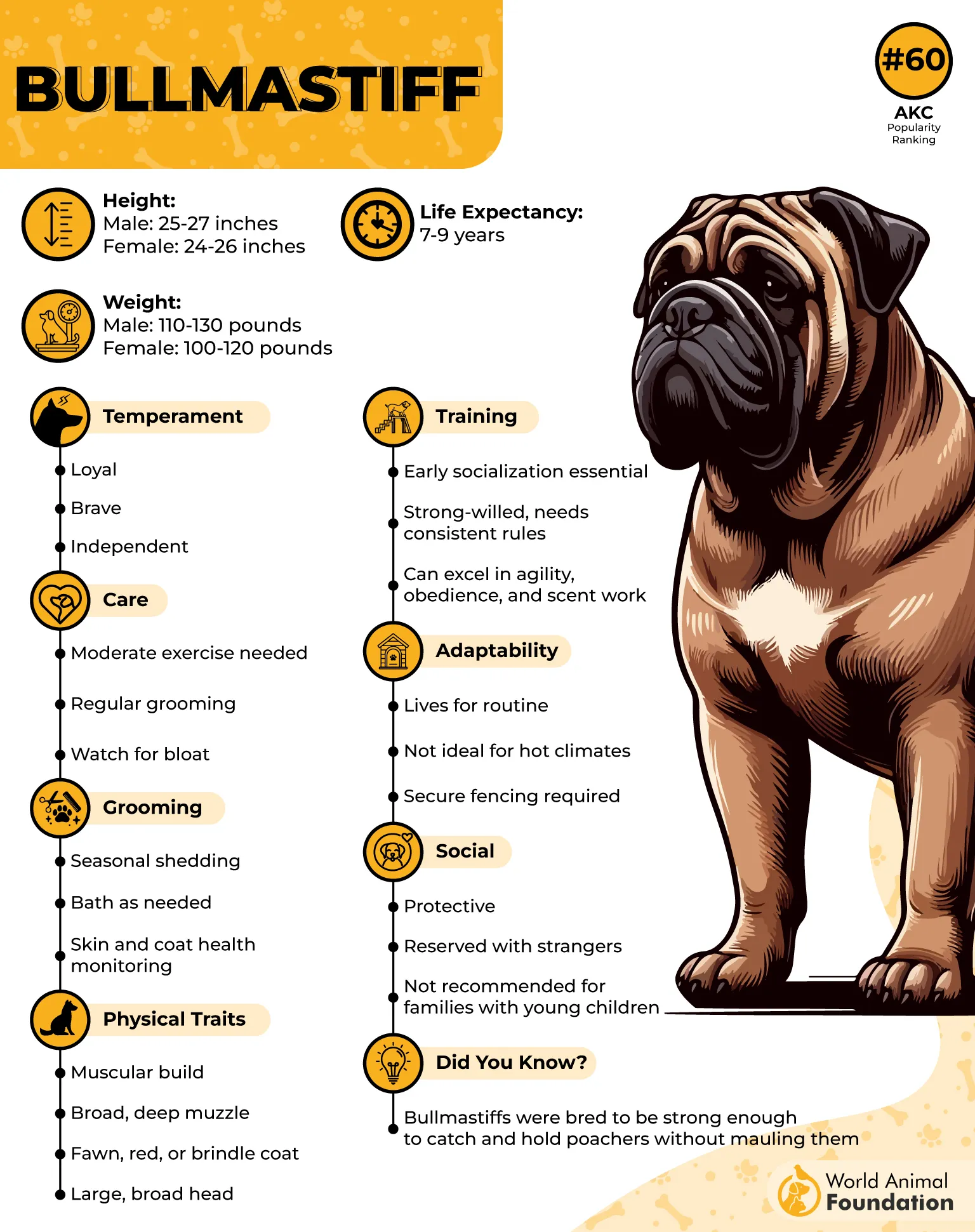
Despite its imposing build, the Bullmastiff is typically affectionate and gentle with its family. Its natural guarding instincts remain strong, so structured training and early guidance are important for teaching it when protective behavior is appropriate.
Adult Bullmastiffs generally have calmer energy levels than their puppy counterparts and can stay fit with regular walks. Their short, flat coat is also relatively simple to maintain, adding to their practical appeal as working companions.
How This Breed Stands Out
Heavy, muscular body: Its substantial build gives the Bullmastiff remarkable physical presence and the strength needed for demanding guarding duties.
Powerful guarding presence: A combination of courage, protective instincts, and an imposing appearance can make this breed a formidable deterrent to intruders.
5. Doberman Pinscher
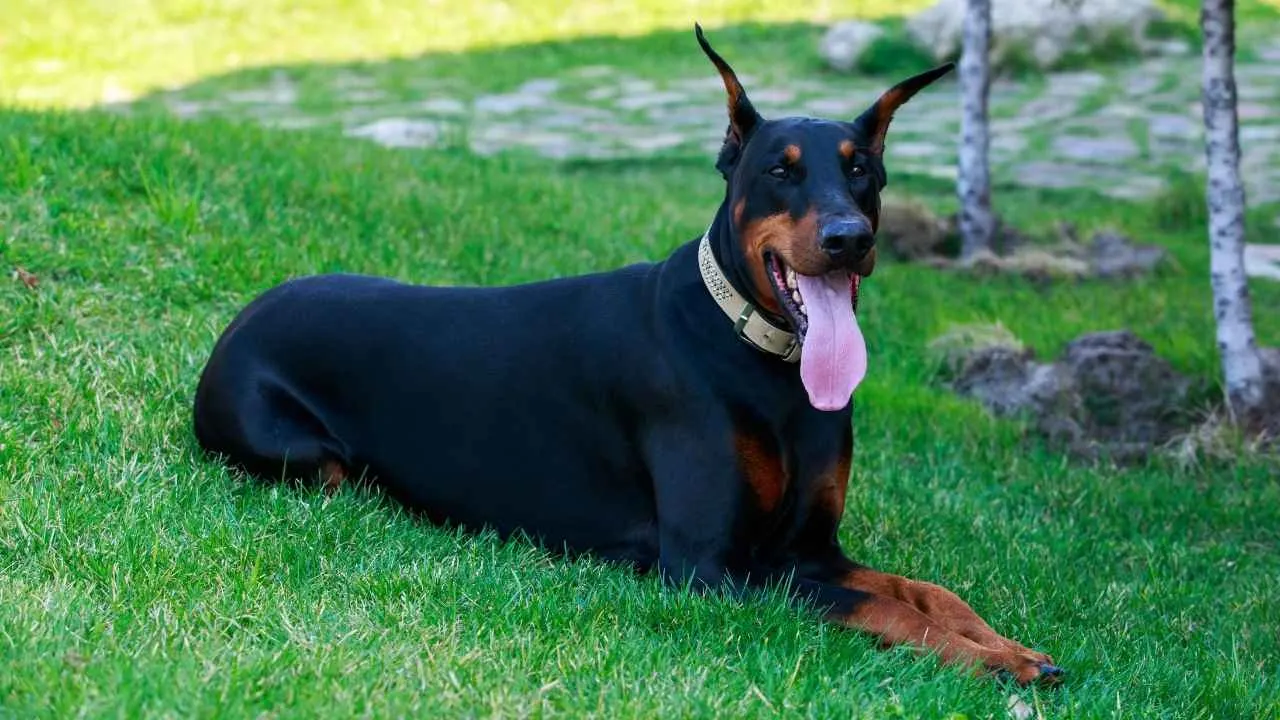
The Doberman Pinscher has a sleek, powerful physique defined by lean musculature and an athletic build. Its striking appearance, intelligence, and alert nature give it an imposing presence, while its devotion to family can make it affectionate and playful at home.
According to Purina, their physical strength and determined nature make consistent, proper training essential for developing good behavior.
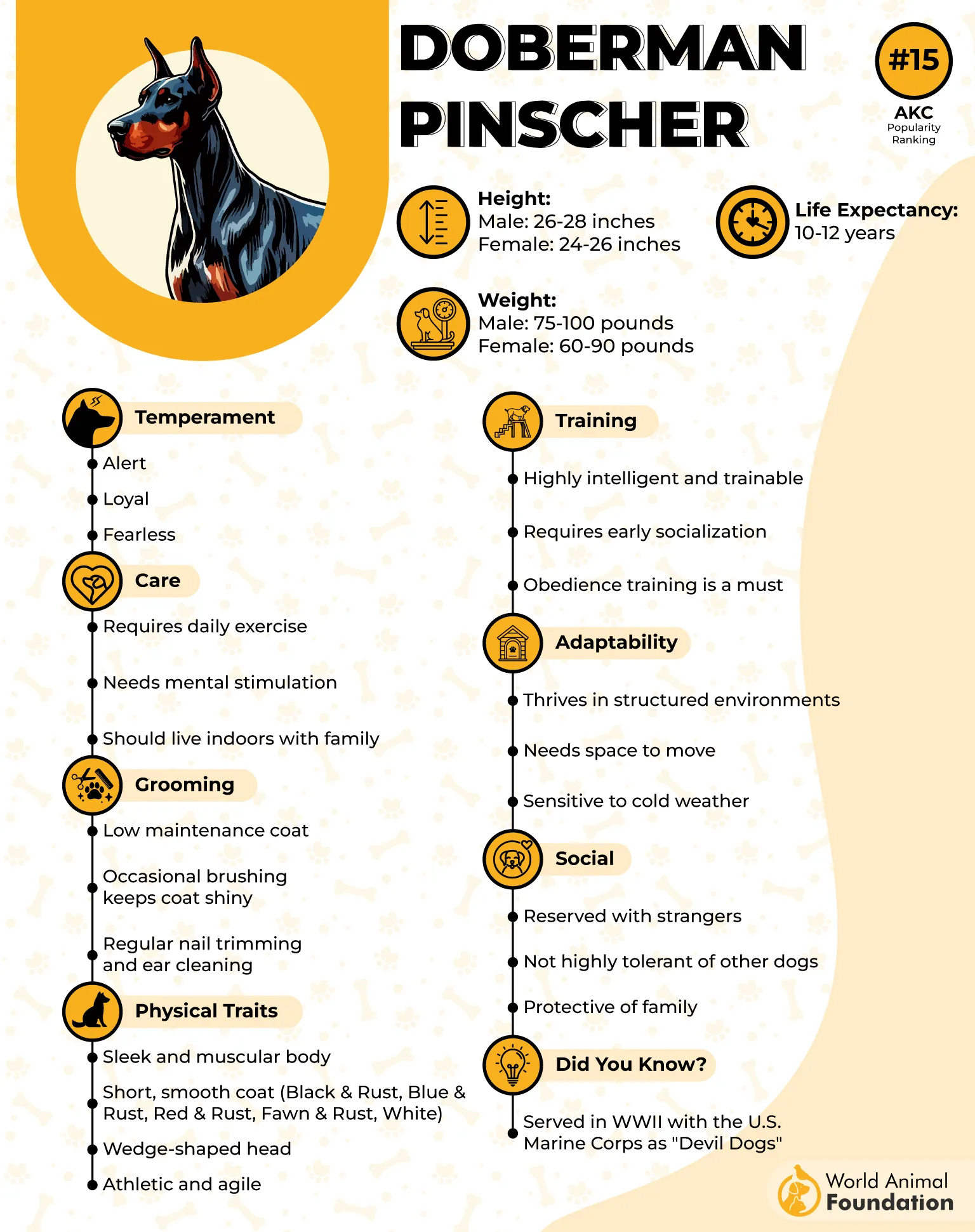
Naturally attentive to its surroundings, the Doberman can quickly recognize potential threats and respond with confidence. Although it has strong protective instincts, early socialization and structured training help develop a balanced temperament and reinforce appropriate guarding behavior.
This energetic breed needs regular exercise and purposeful training to stay physically and mentally engaged. Activities that challenge its obedience, speed, and coordination can make excellent outlets for its considerable athletic ability.
How This Breed Stands Out
Lean, defined musculature: Its streamlined yet powerful physique supports the strength, athleticism, and smart, highly trainable working ability needed for demanding protection work, and it forms strong bonds with its family.
Explosive speed and agility: Exceptional quickness and maneuverability make the Doberman a reliable protector that can react rapidly and move efficiently when situations require it.
6. Anatolian Shepherd
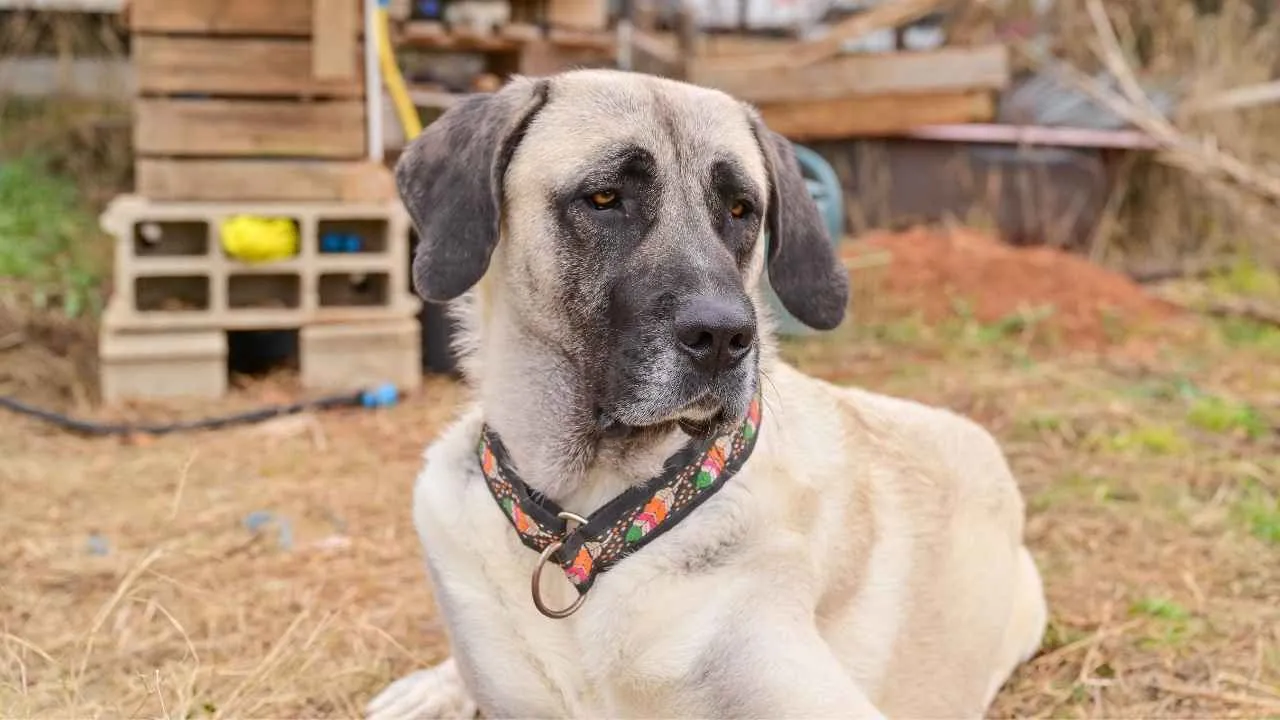
The Anatolian Shepherd has a rugged, robust physique shaped by centuries of livestock-guarding work. Powerful yet graceful, this intelligent breed is naturally alert and protective, with the confidence to make independent decisions when watching over its family or animals.
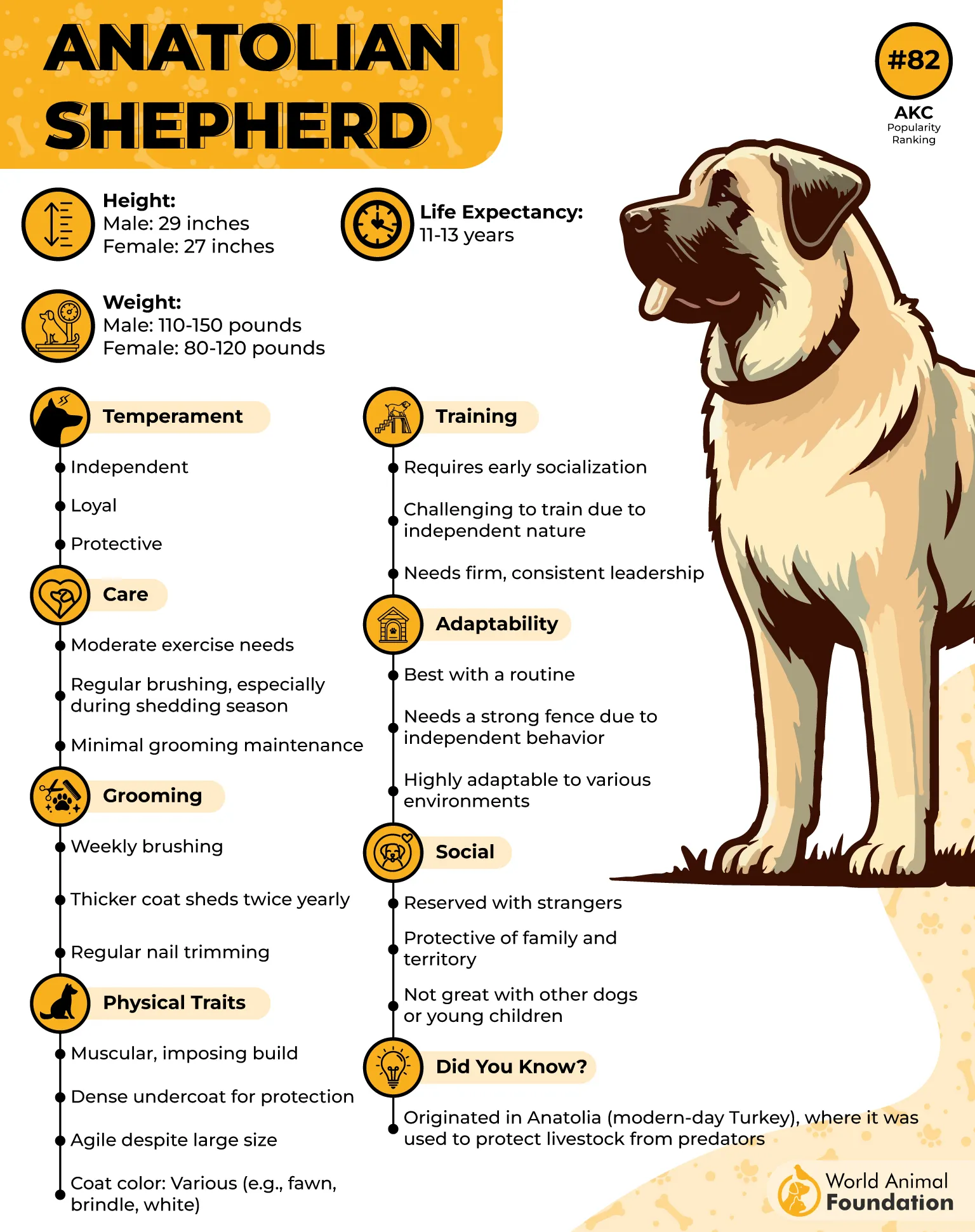
Calm and reserved by nature, Anatolians are often cautious around unfamiliar people but become deeply loyal and affectionate with their families. Early socialization and obedience training are essential, particularly because their independent mindset can make them challenging to manage without confident leadership.
Despite their imposing size and strength, they need only moderate exercise compared with some working breeds. Long walks, outdoor activities, and mentally engaging tasks can help satisfy their physical and cognitive needs while keeping their natural guardian instincts appropriately directed.
How This Breed Stands Out
Rugged, robust physique: Its substantial build and physical resilience reflect the demands of protecting livestock across challenging environments.
Endurance-focused guardian: The Anatolian combines stamina, independence, and steady vigilance, allowing it to remain attentive during extended periods of guarding.
7. Cane Corso
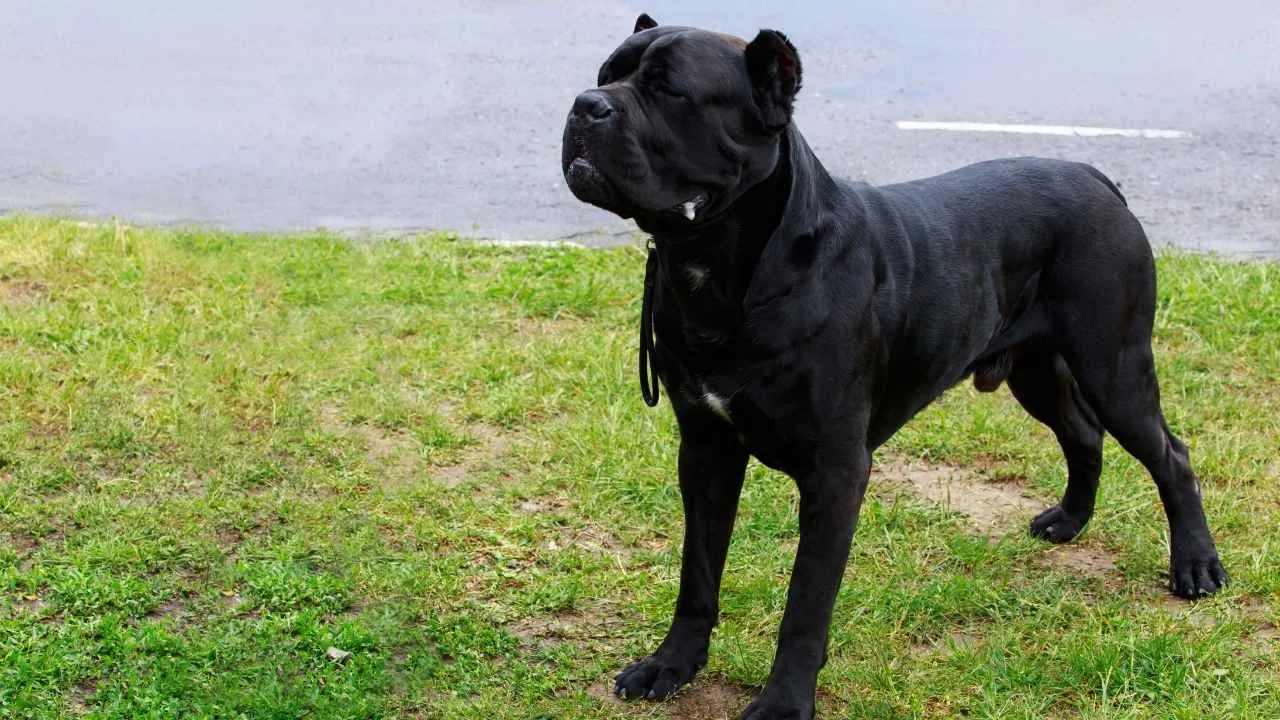
The Cane Corso has a muscular, athletic build that gives it an imposing appearance. Its substantial frame, powerful head, and deep bark reflect its history as an Italian guardian, hunter, and working dog.
Strongly devoted to its family, this breed has natural protective instincts and can be wary of potential threats. Because of its strength and determined temperament, early socialization and consistent obedience training are essential, particularly for inexperienced owners.
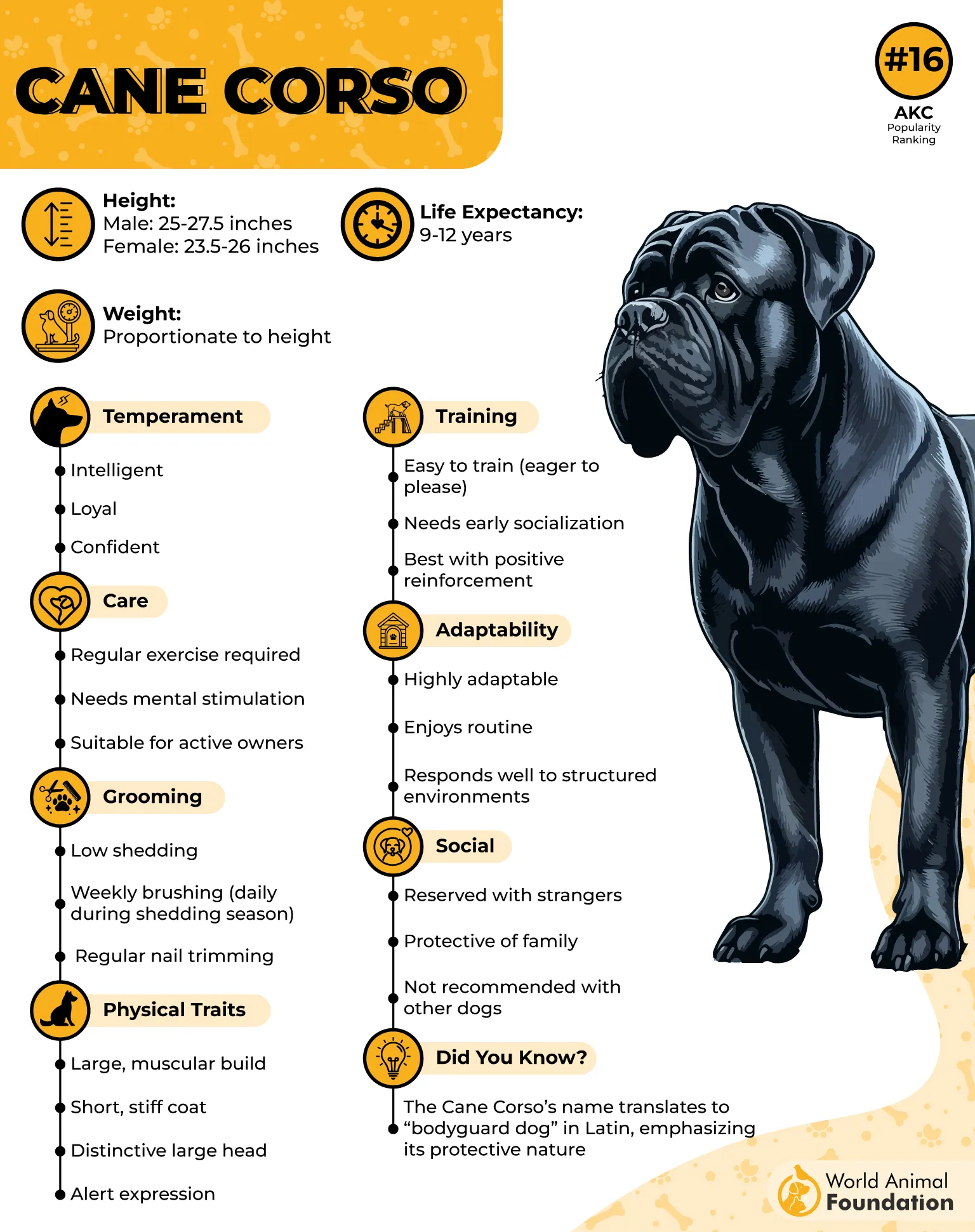
The Cane Corso is also energetic and benefits from regular physical and mental activity. Structured exercise and purposeful training can help channel its strength while reinforcing good manners and appropriate responses around people and other animals.
How This Breed Stands Out
Prominent muscular definition: Its strong, athletic body gives the Cane Corso the physical power and imposing structure associated with a capable guardian, and its calm demeanor adds to its control and reliability.
Powerful head and neck: Its broad head and substantial neck contribute to its distinctive appearance and reinforce the breed’s formidable working presence, especially when well trained.
Conclusion
Choosing a muscular working dog for protection means looking beyond strength and appearance. These breeds combine powerful physiques with intelligence, loyalty, alertness, and impressive working abilities.
Each breed brings its own protective qualities, from the athletic German Shepherd and Doberman Pinscher to the substantial Bullmastiff and Cane Corso. Their physical strength can support demanding guarding and working roles when properly directed.
Training, socialization, exercise, and responsible ownership are essential for managing these powerful dogs. Consistent guidance helps them develop confidence while learning appropriate ways to respond to people and situations.
The best choice ultimately depends on your lifestyle, experience, and ability to meet a working dog's physical and mental needs. With proper care and training, these muscular breeds can become devoted, dependable, and capable protectors.
