




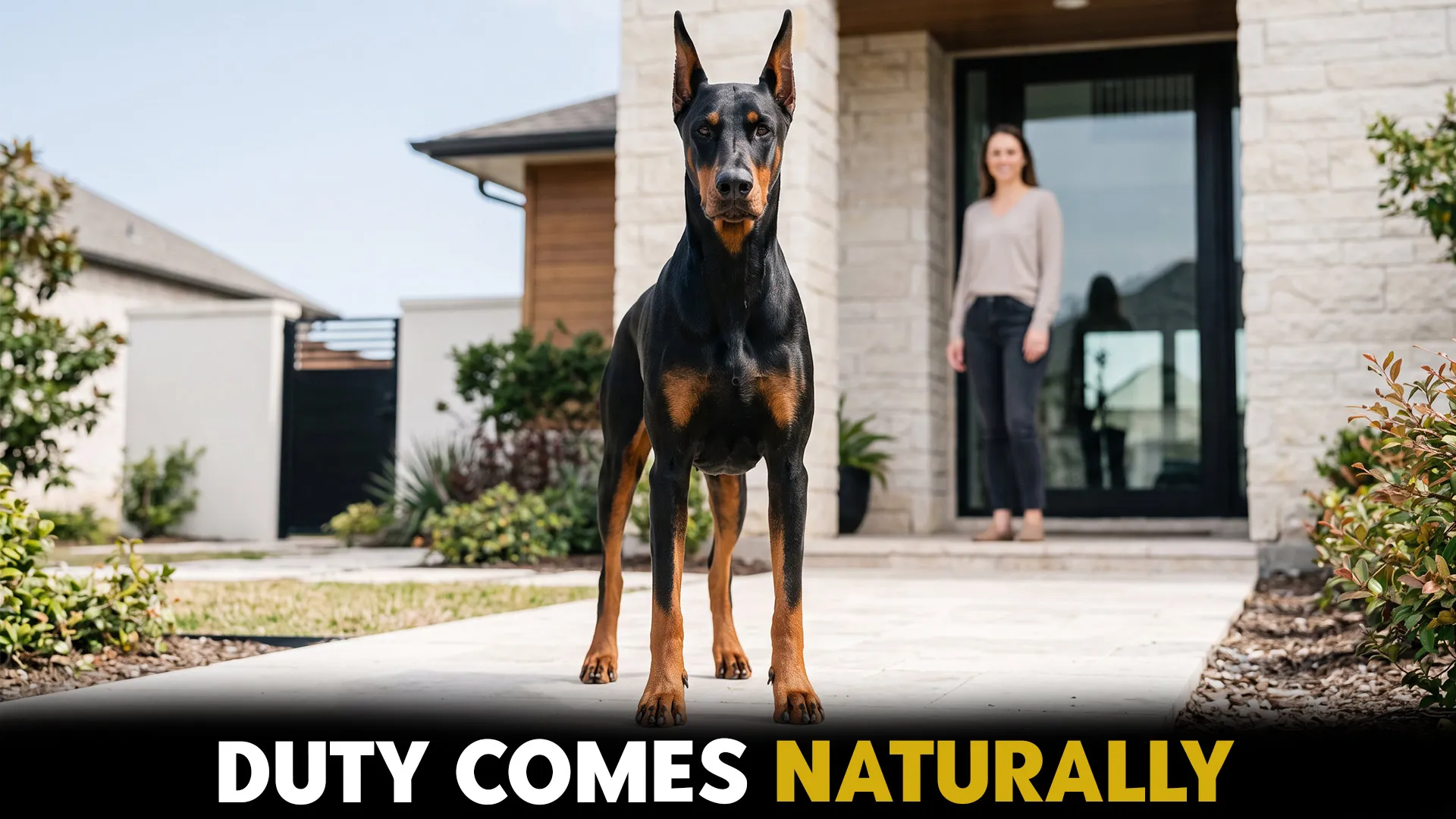
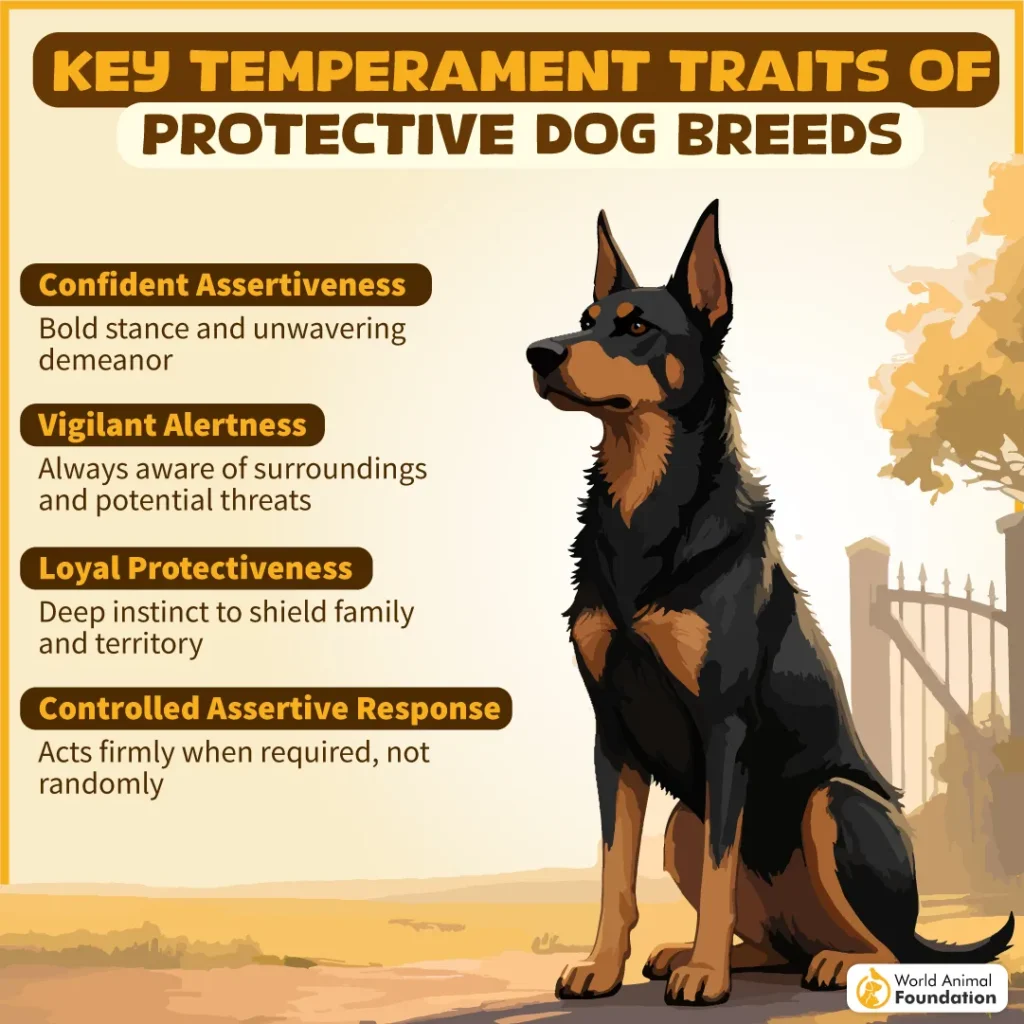
True guard dogs don’t rely on constant aggression, nonstop barking, or random intimidation; calling that kind of behavior “protection” misses the point entirely. Genuine protection comes down to calculated action, not chaos.
Sure, heavy muscle, strong bite force, and a powerful build help, but none of that matters without a clear, level mindset behind it. Choosing a guard dog breed is no easy task, especially when your family’s safety is on the line.
What you really need is a dog that can read a situation, size up genuine threats, and stay calm when there’s nothing to worry about. These dogs don’t go looking for a fight, but they won’t back down from one either.
We’ve put together a list of 10 guard dogs that take their protective role seriously, not just big dogs with loud barks, but genuinely disciplined protectors. You’ll learn how each one guards its family, along with details on bite force, physical strength, and behavior. We’ll also cover their exercise, grooming, and training needs to help you make an easier, more informed decision.
Protective Dog Breeds That Take Their Role Seriously
1. Rhodesian Ridgeback
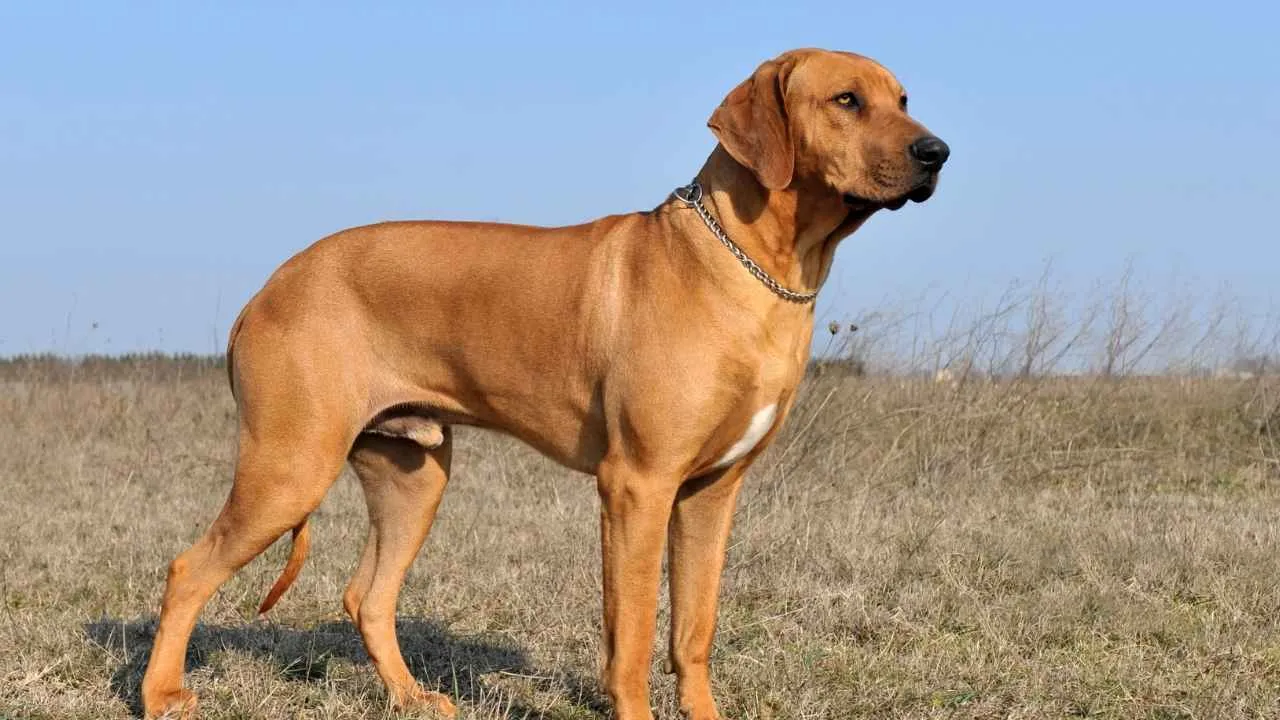
Rhodesian Ridgebacks are calm, confident, and deeply loyal companions, instantly recognizable by their signature ridge of backward-growing hair along the spine. Originally bred as hunting dogs, they excel at tracking and baying, as the AKC notes.
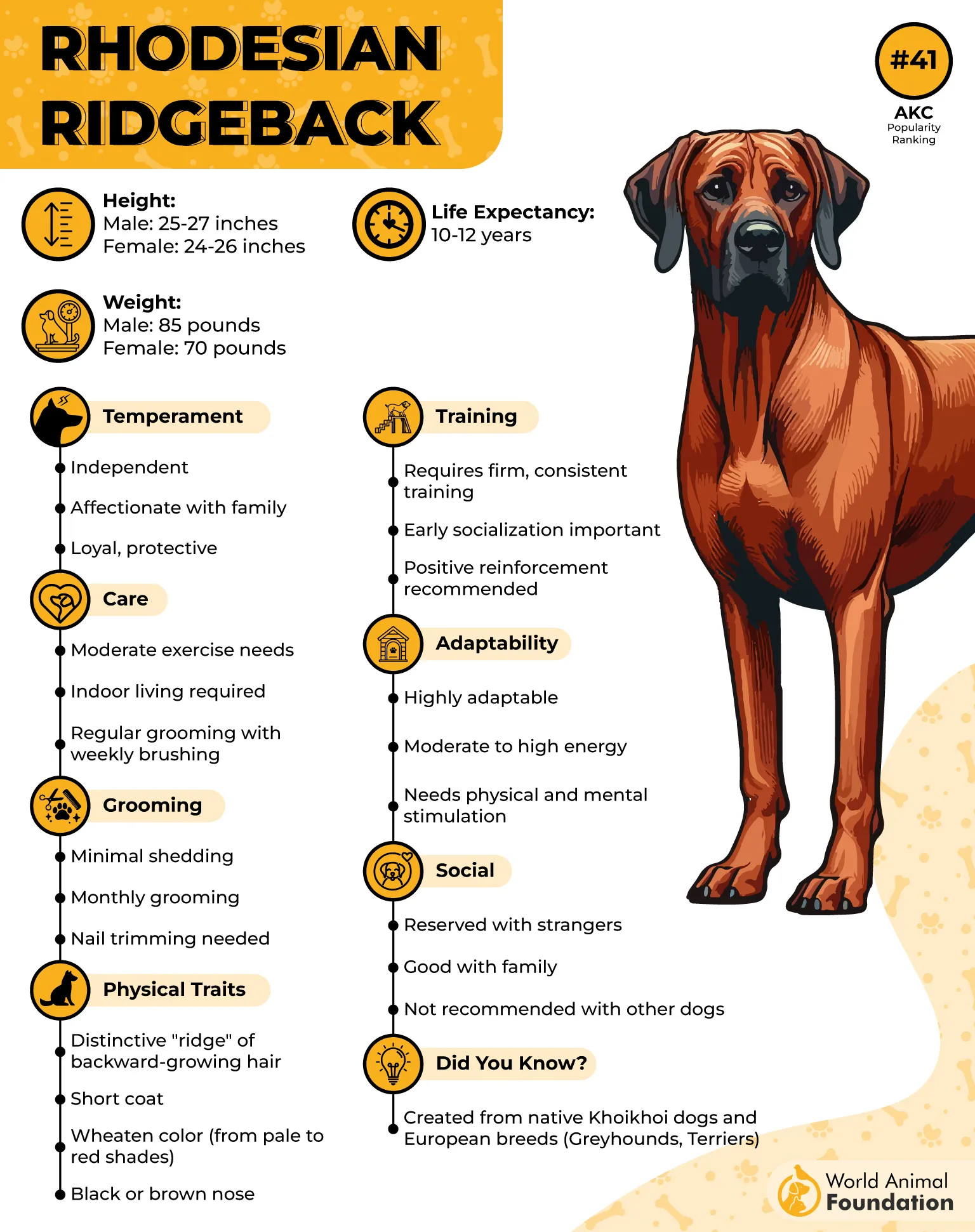
These athletic, muscular dogs tend to size up a situation before reacting, unlike more hyperactive breeds. When faced with unfamiliar people, they’ll often position themselves between the stranger and their family, using an intense stare to signal they mean business. With a bite force around 224 PSI, Ridgebacks have the strength to hold larger animals when needed.
They’re active dogs, needing 60-90 minutes of daily exercise to stay mentally sharp. Their independent streak can make training a bit of a challenge, so early socialization and reward-based methods are key. On the upkeep side, Ridgebacks have a low-maintenance coat that’s easy to care for.
2. Giant Schnauzer
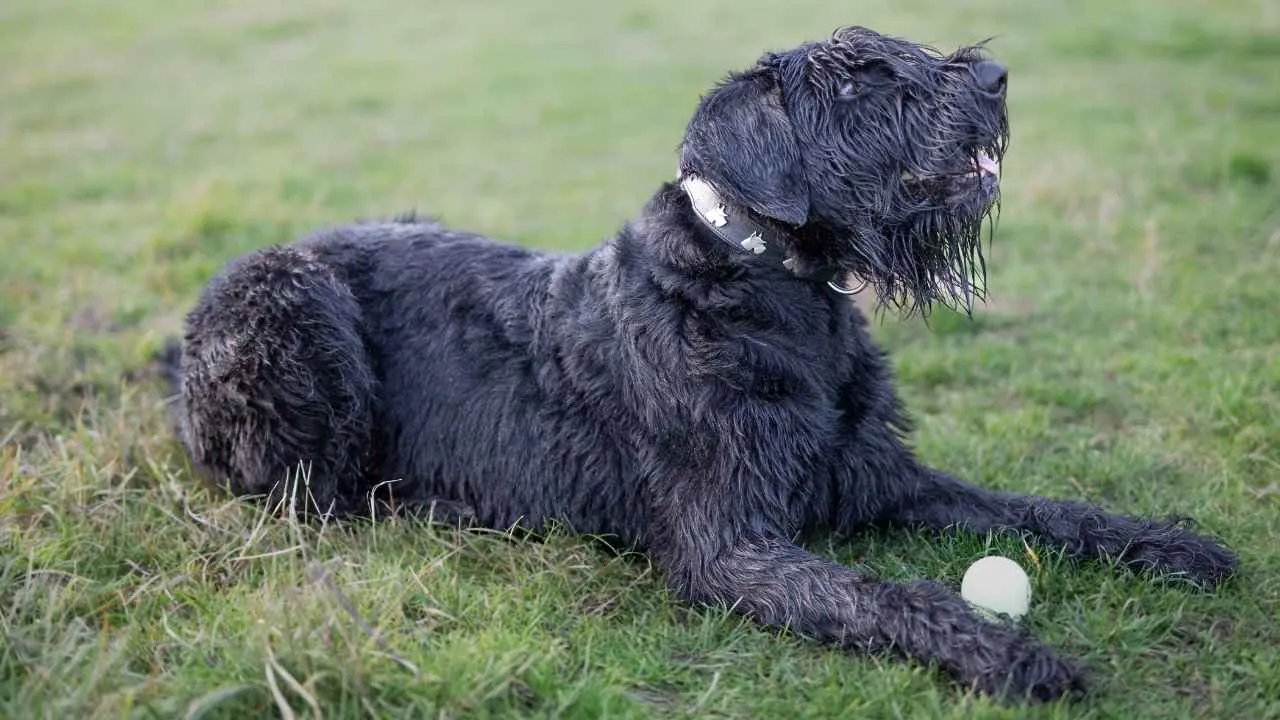
Giant Schnauzers are bold, intense, highly energetic, and fiercely loyal dogs, originally bred to drive cattle to market, guard farms, and protect livestock. That working history left them with strong protective instincts and a naturally watchful nature.
These large dogs stay highly alert to their surroundings, often patrolling their territory to keep an eye on anyone approaching their home or family. Heavy-boned, compact, and muscular, they also pack a serious bite force of around 248 PSI.
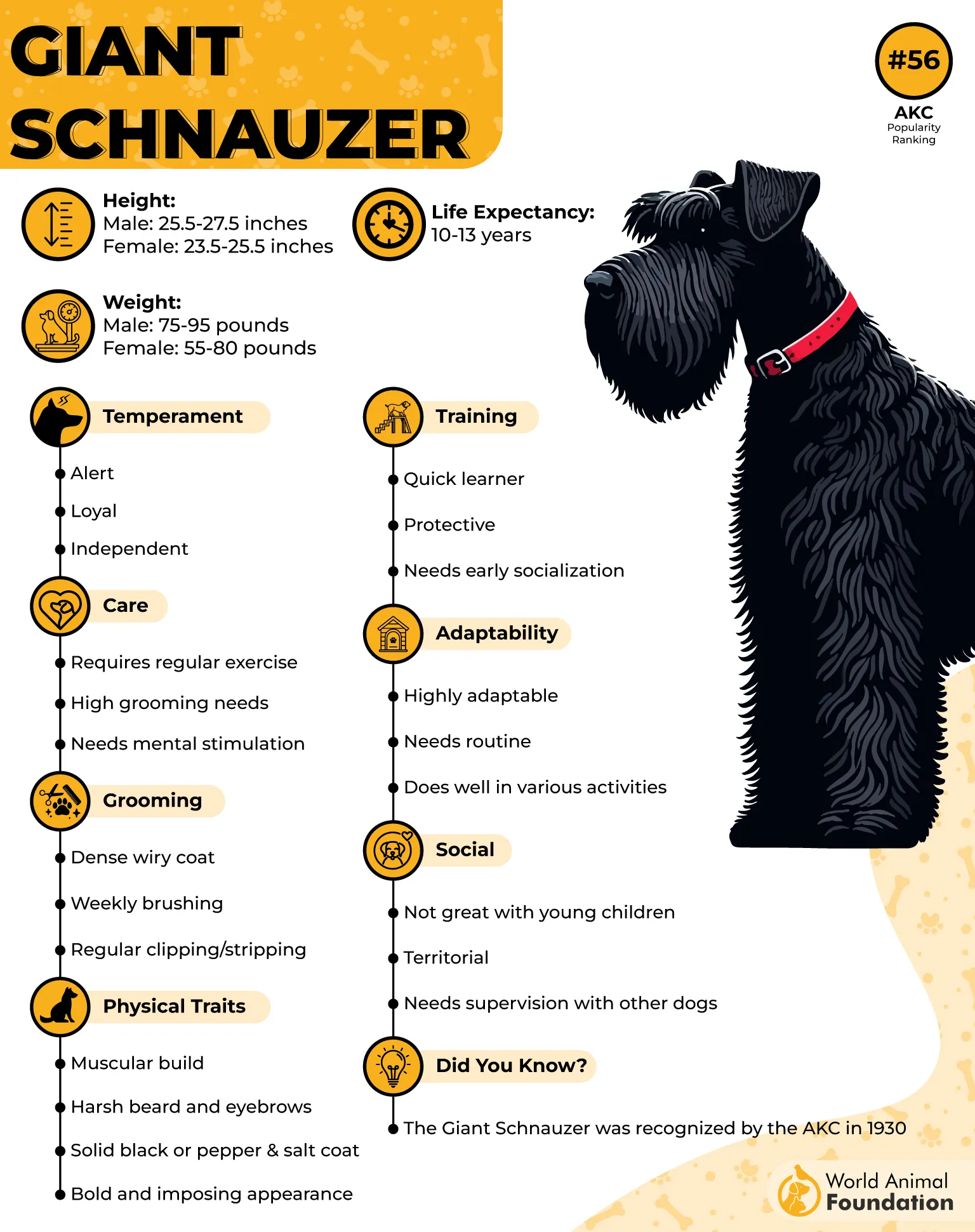
That combination of strength and instinct is exactly why Giant Schnauzers have served as police and military dogs, as VCA Hospitals describes.
They’re highly trainable, but also demanding, with a strong will that calls for structured, consistent training sessions. On top of that, Schnauzers are high-maintenance dogs that need regular exercise to stay balanced.
3. Staffordshire Bull Terrier
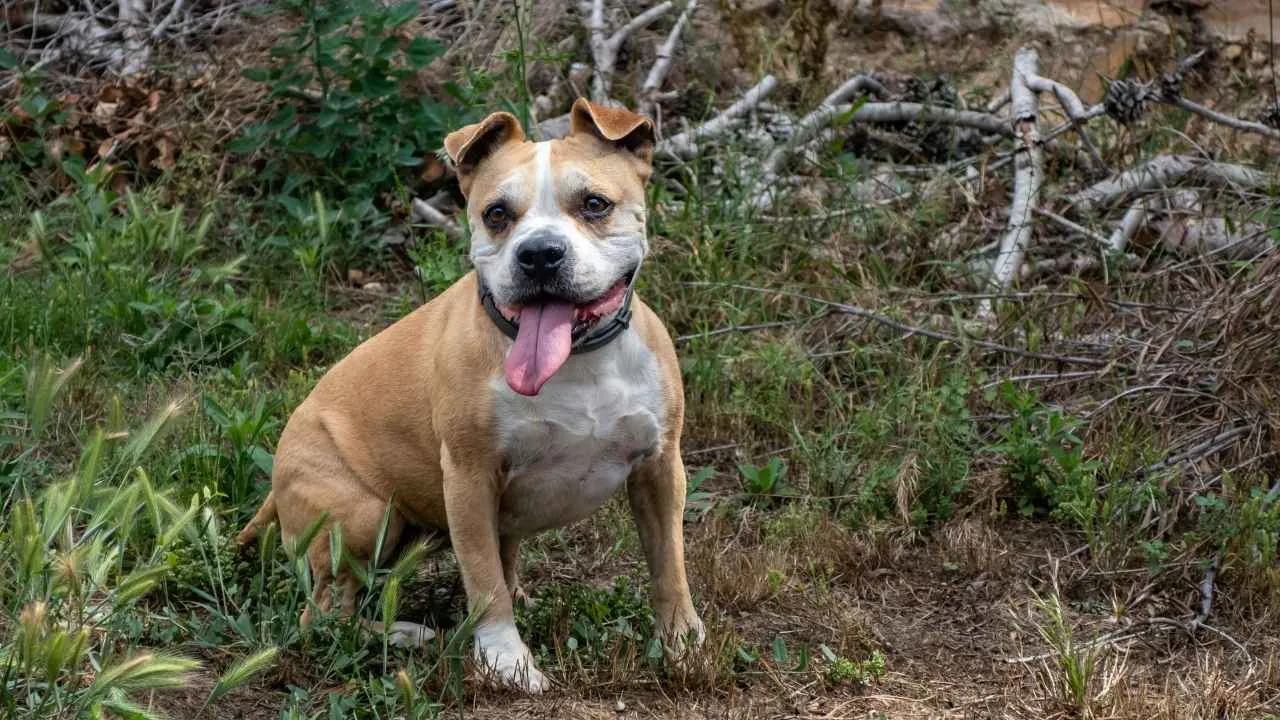
Staffordshire Bull Terriers, or “Staffies,” are fearless, affectionate, and deeply loyal dogs. Bred originally for baiting and farm work, they carry a protective streak and form incredibly strong bonds with their people, often staying naturally wary of strangers.
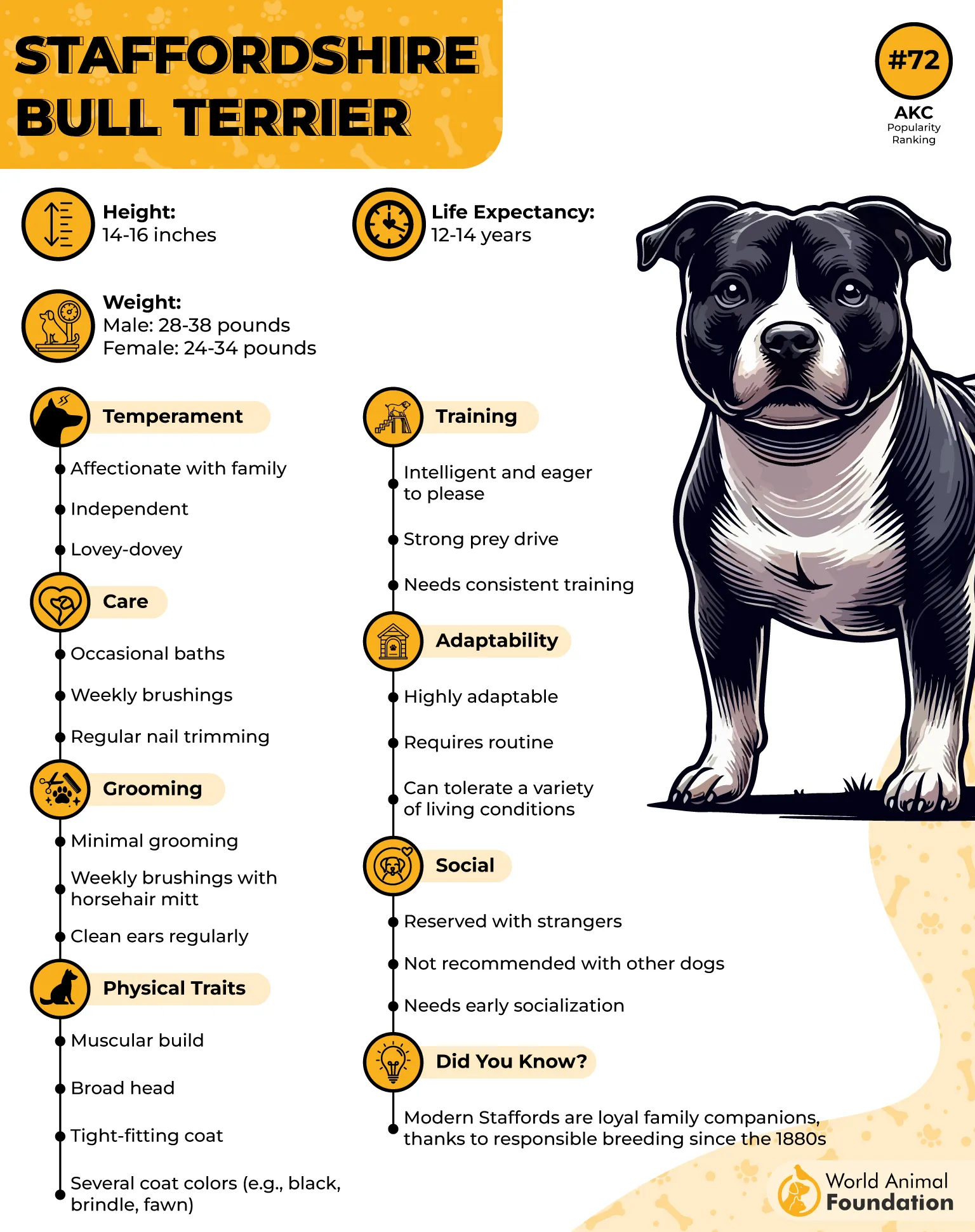
These working dogs have a low-slung, muscular build, a wide head, and an impressive bite force of around 235 PSI. What really sets them apart is their judgment; they tend to sense genuine danger before reacting rather than acting on impulse. They’re highly trainable and eager to please, with just a touch of stubbornness thrown in.
Staffies need vigorous exercise for at least an hour a day, according to the AKC. Their short coat is low maintenance, needing just a quick weekly brush to stay clean and shiny.
4. Tibetan Mastiff
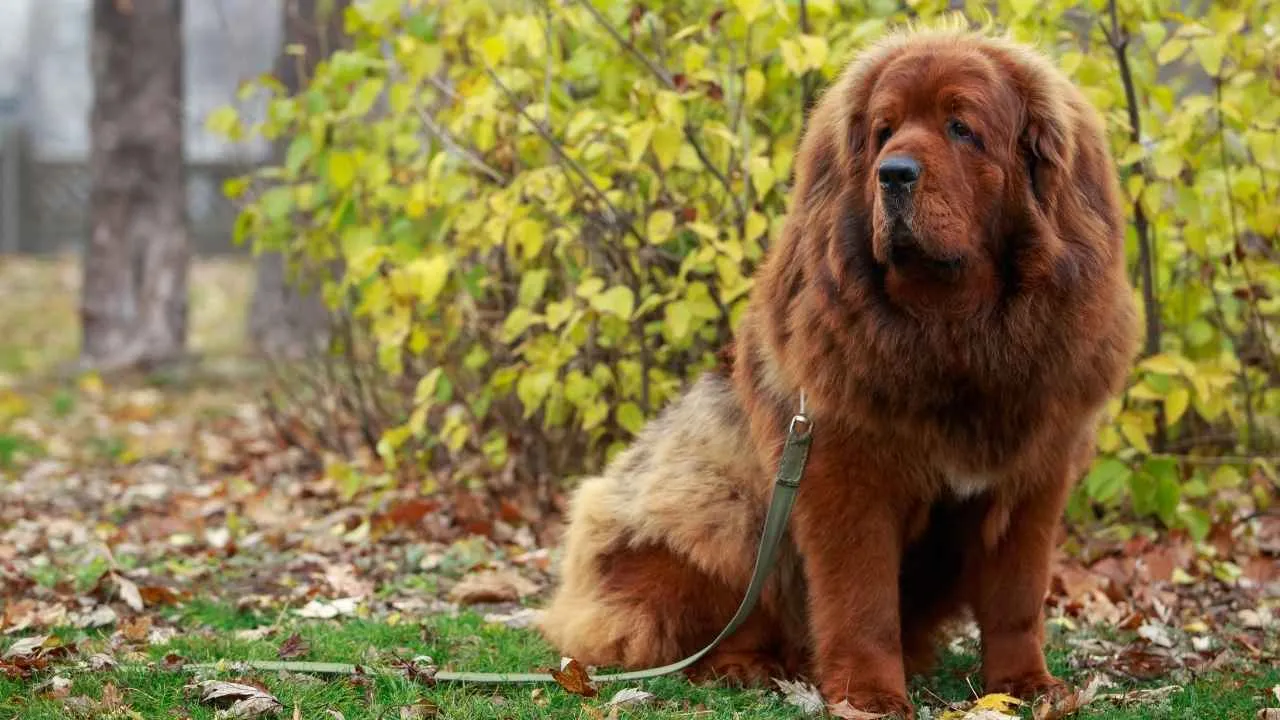
Tibetan Mastiffs often make headlines as some of the most expensive dogs in the world. They’re giant, massive, powerful, and famously fluffy, with a thick coat that makes them look even bigger than they already are, plus a lion-like mane to match.
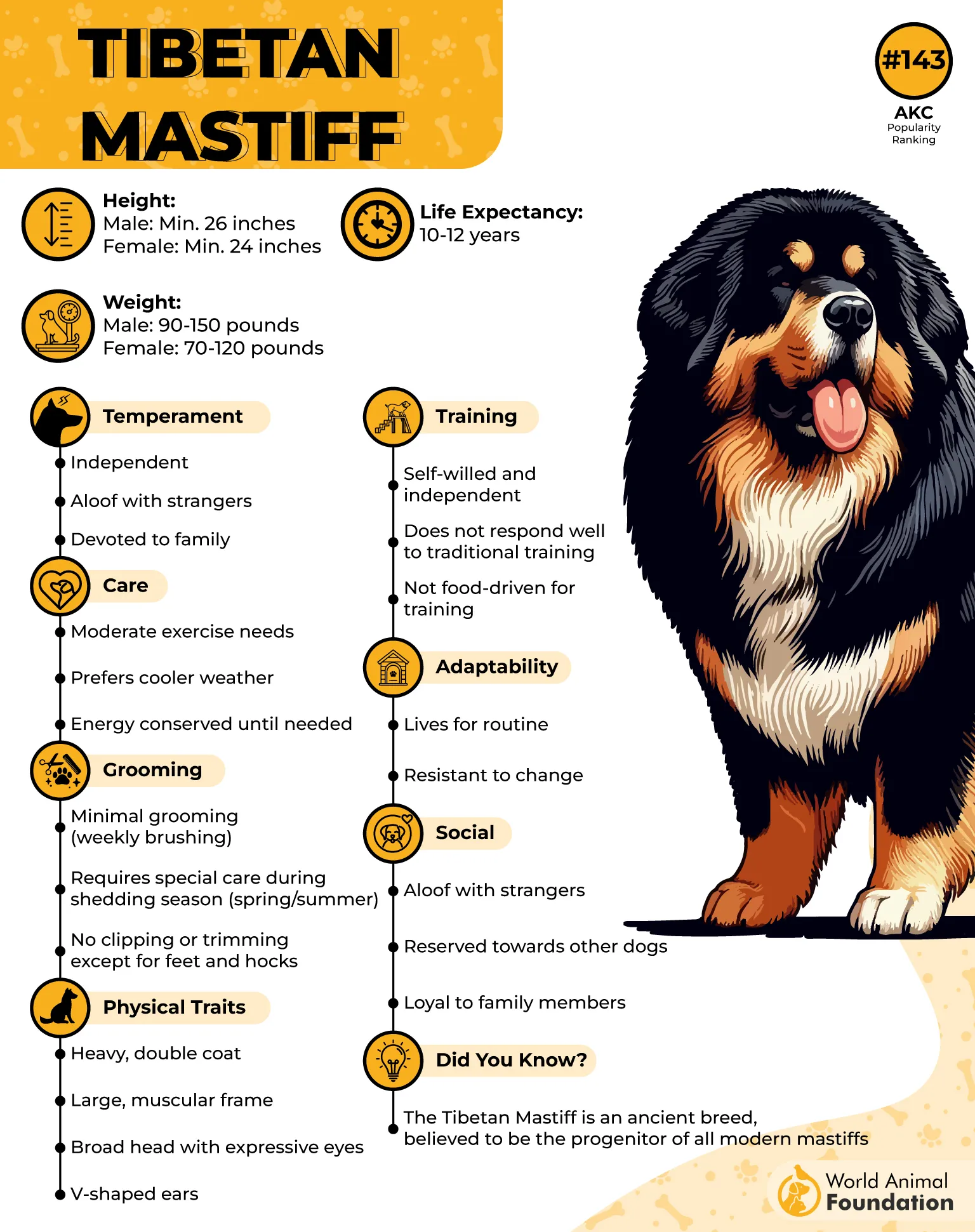
These powerful dogs were originally bred to guard monasteries, livestock, and isolated villages, so protective instinct runs deep. Their guarding nature tends to ramp up at night, when they’ll patrol fence lines with a deep, booming bark while their sheer size does a lot of the intimidating on its own.
Tibetan Mastiffs have a formidable bite force of around 550 PSI. They’re quite challenging to train and are best suited to experienced owners. Exercise needs are moderate, and while they do shed, they mainly blow their coat once a year rather than shedding steadily.
5. Belgian Malinois
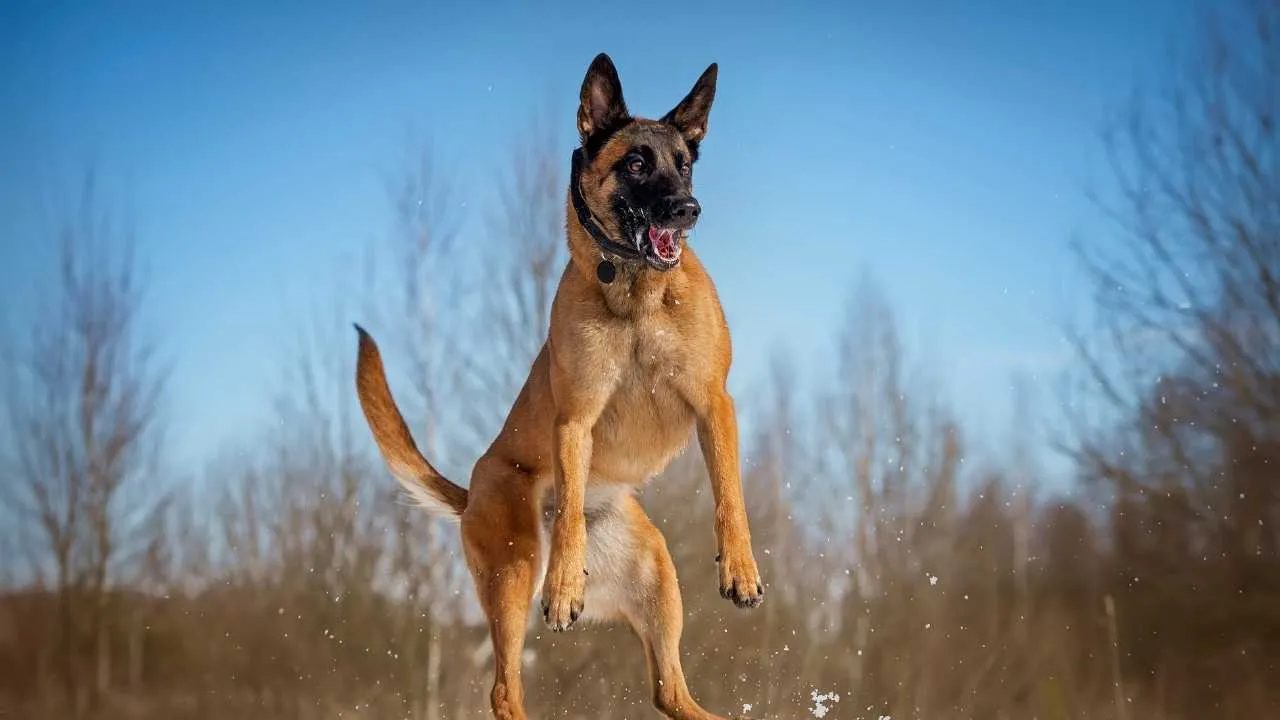
Belgian Malinois are hyperaware, intensely focused, fearless, and deeply loyal dogs. They form unshakable bonds with their families and have a long history of service as herding and police dogs, prized for their protective instincts and remarkable speed.
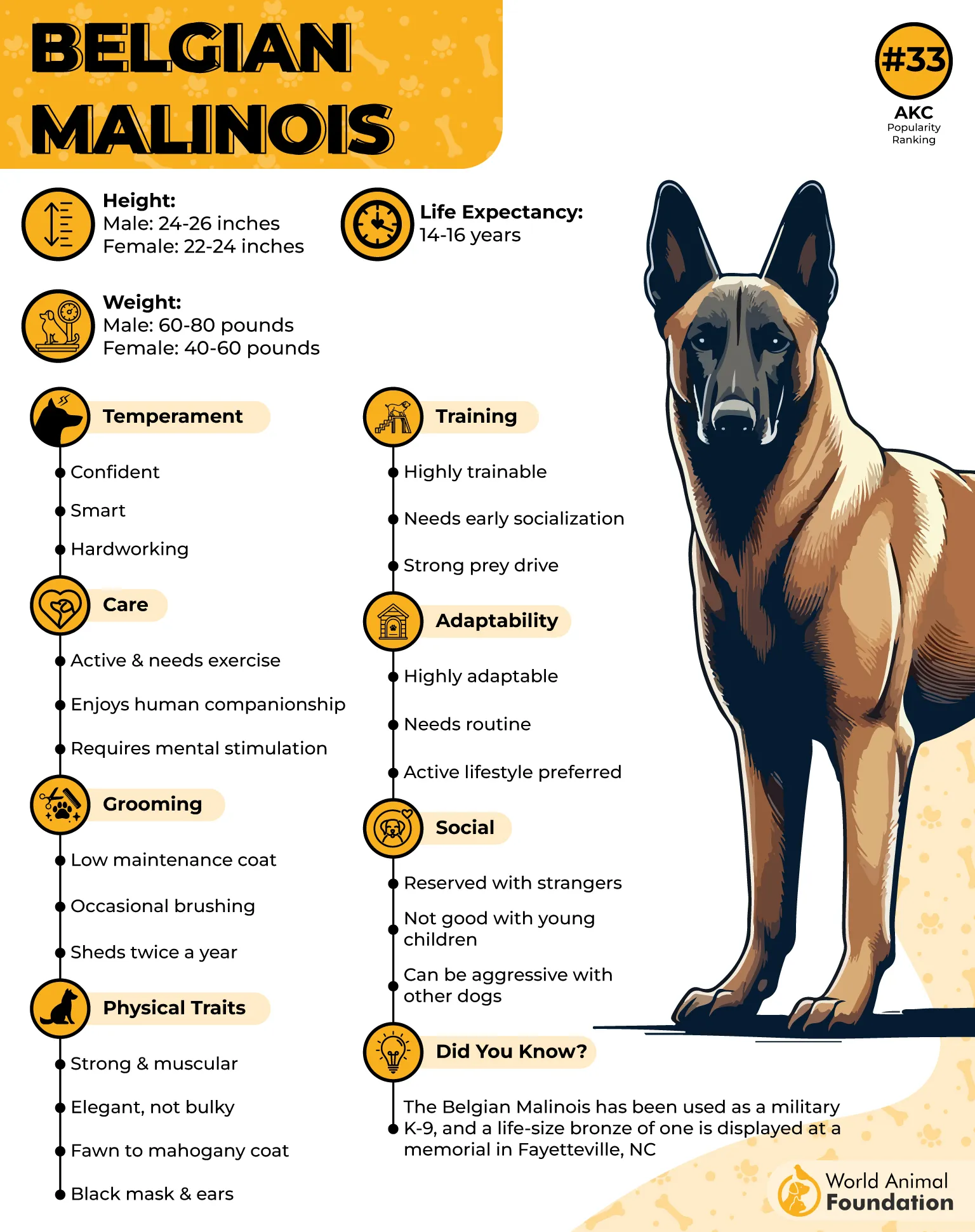
They’re incredibly quick to pick up on body language and shifts in their environment, often stepping in front of their family at the first sign of trouble rather than waiting for things to escalate. These working dogs have a lean, muscular build and a signature black mask across the face.
Malinois are highly energetic, needing 90+ minutes of intense exercise and mental stimulation each day. They’re smart and eager to work, but that intelligence comes with a need for advanced, continuous training, making them a breed best suited to experienced, working handlers rather than casual pet owners.
6. Bullmastiff
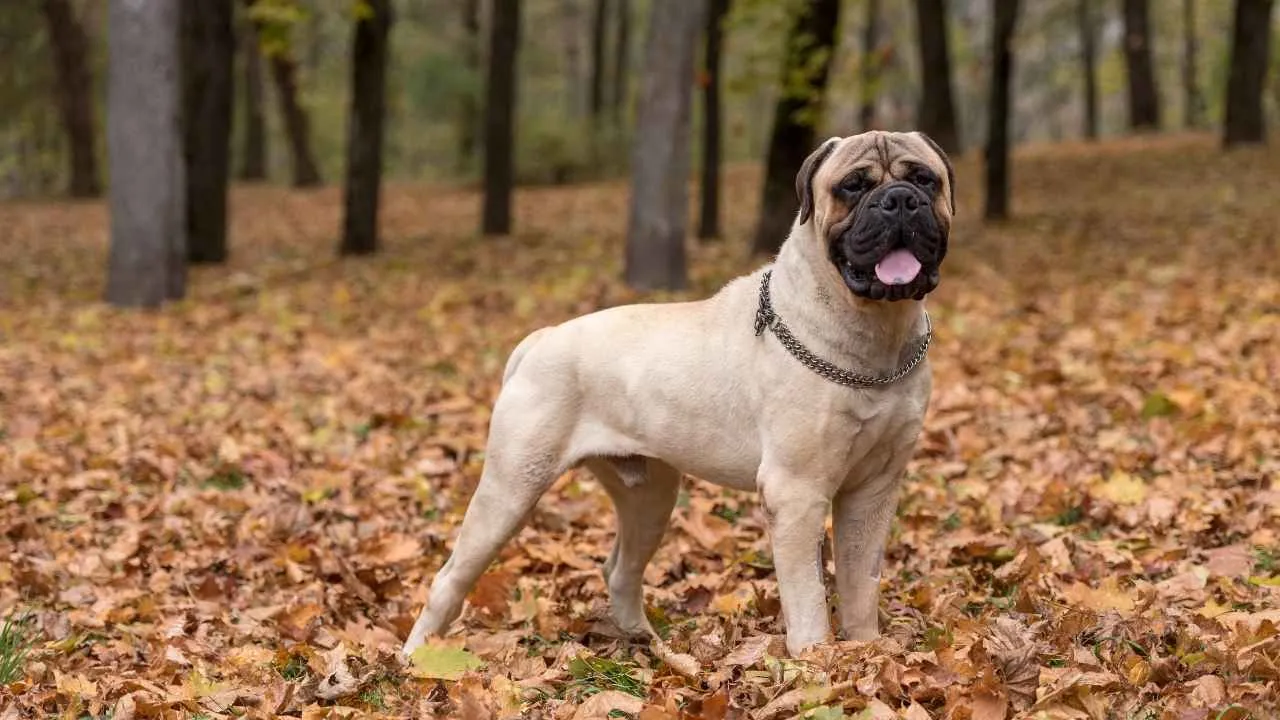
Bullmastiffs are also known as “Gamekeeper’s Night Dogs,” originally bred to track, pin, and hold poachers without mauling them. These giant dogs are gentle, confident, and fiercely protective, striking a balance between being affectionate at home and serious, silent guardians when the situation calls for it.
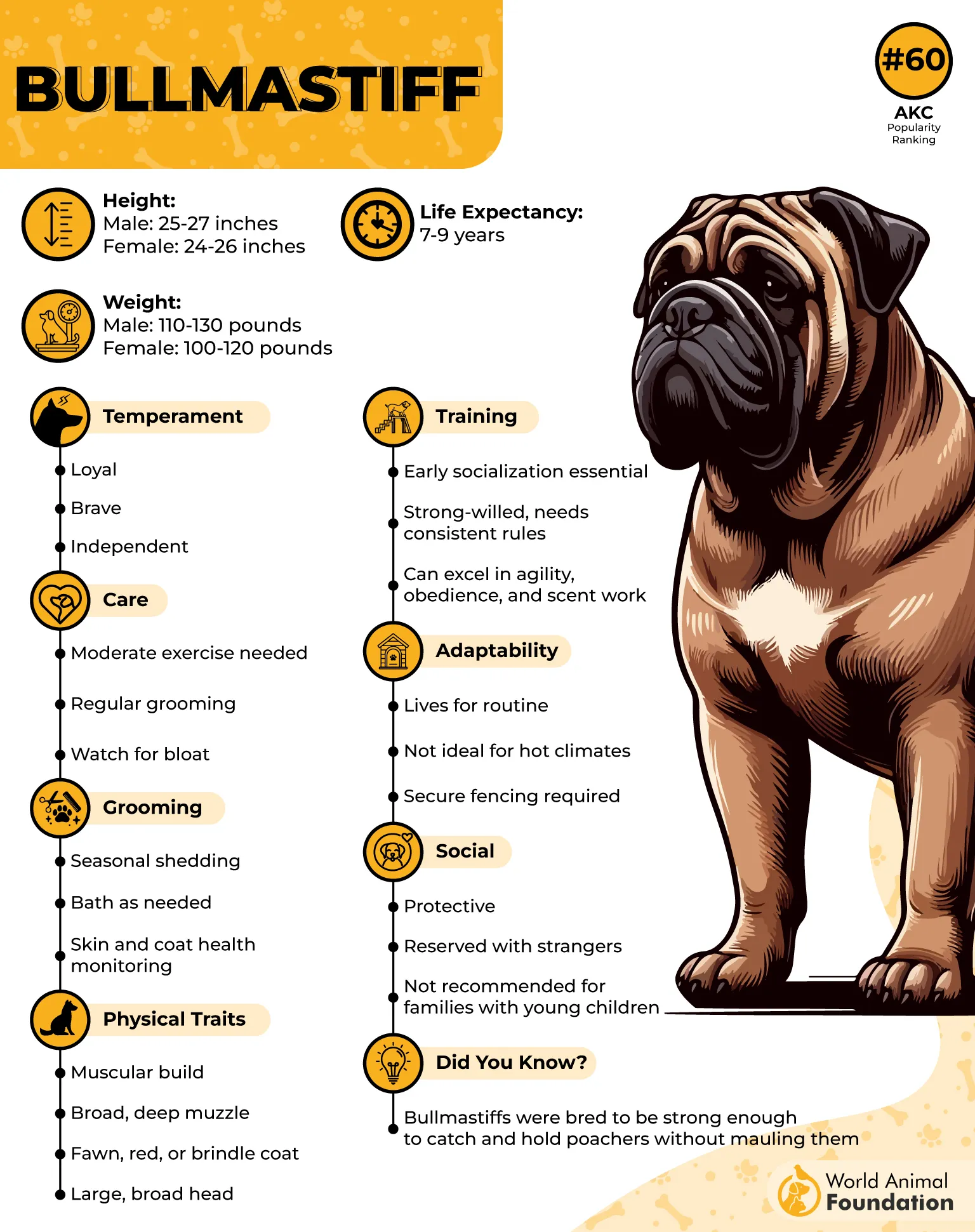
They rarely bark unless they sense an actual intruder, as Omlet describes. Bullmastiffs are massive and heavy-boned with a deep chest, and they carry one of the strongest bite forces around at roughly 552 PSI, more than enough to stop an intruder in their tracks if needed.
Despite their size, these dogs have low to moderate exercise requirements. They’re intelligent but also headstrong, so proper training matters. Focus on early socialization, clear boundaries, and consistent positive reinforcement while they’re still young, before they reach their full adult size.
7. Doberman Pinscher
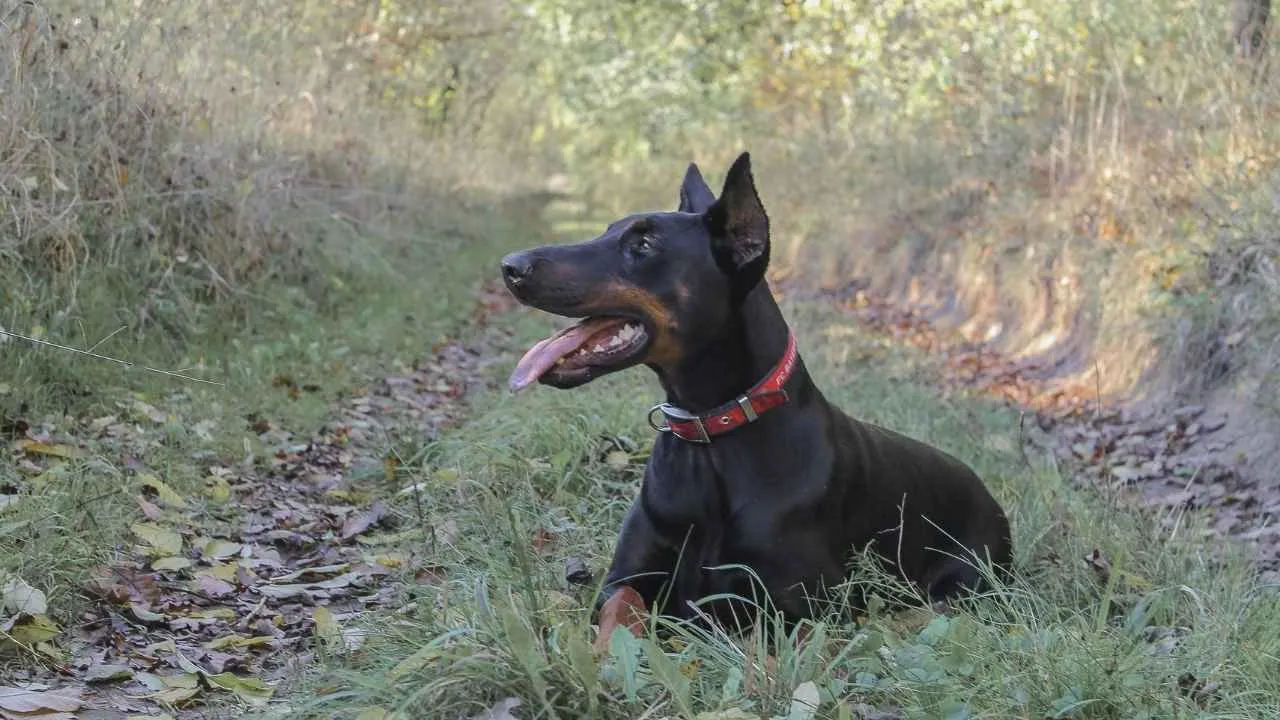
Doberman Pinschers are alert, fearless, highly intelligent, and fiercely loyal dogs. Often nicknamed “velcro dogs” for how closely they bond with their owners, they were originally bred by German tax collector Karl Louis Dobermann as elite personal protection dogs, as PetMD shares.
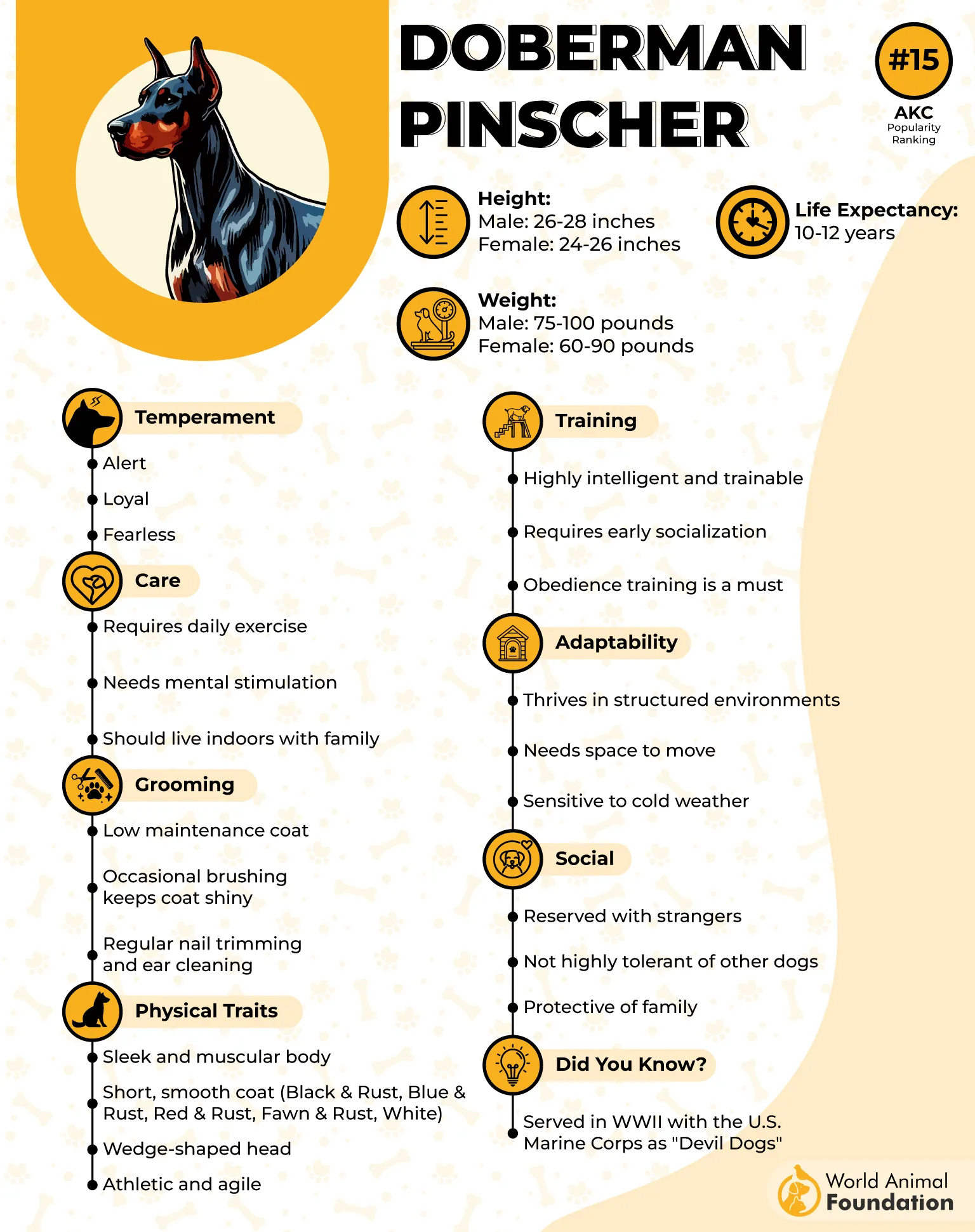
These large dogs are proactive, high-speed guardians with strong territorial instincts. Rather than waiting for a threat to appear, they actively monitor their surroundings, ready to use their intelligence, vocal warnings, speed, and tactical positioning to respond if needed.
Dobermans are energetic and require vigorous daily exercise to stay mentally satisfied. They’re highly intelligent and pick up complex commands quickly, but their strength and drive mean they do best with experienced owners. As for grooming, Dobermans have a short, single coat that’s easy to maintain.
8. Great Dane
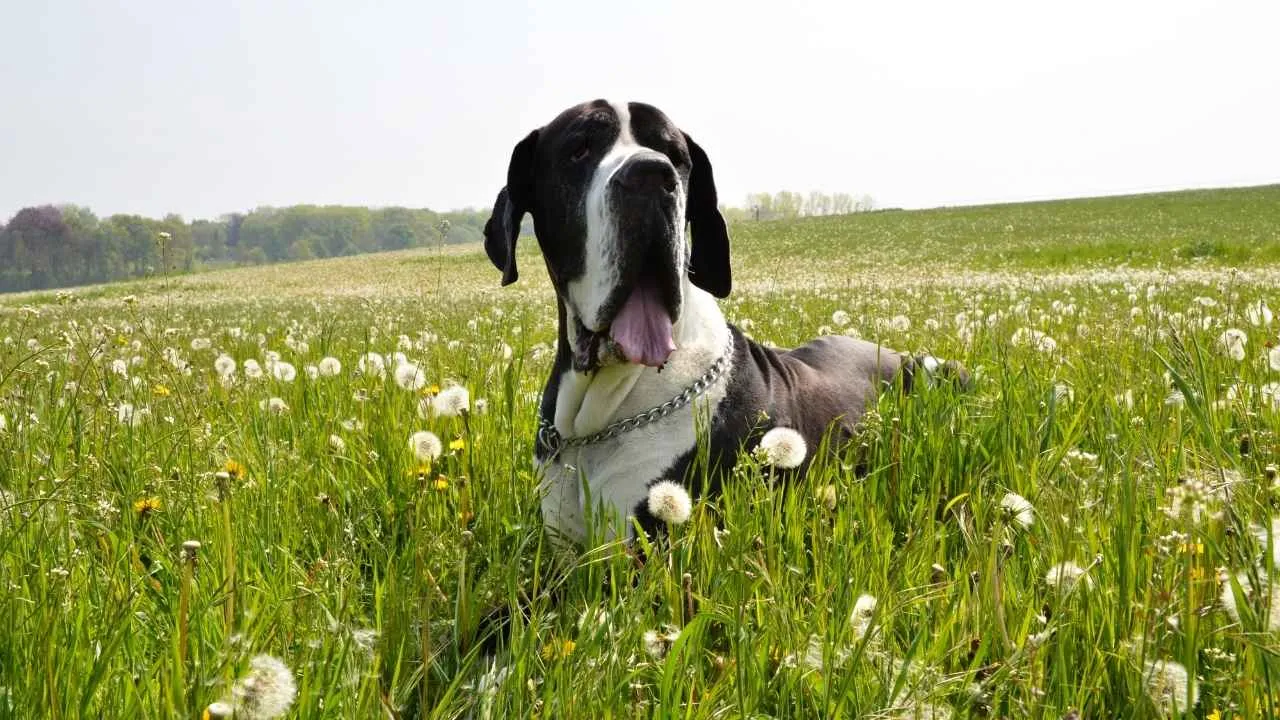
Great Danes are also known as German Mastiffs, according to WebMD. They’re noble, gentle, patient, and deeply affectionate dogs, originally bred to hunt wild boar, though today they’re best known as gentle giants who get along wonderfully with kids and other pets.
These tall dog breeds lean on their sheer presence more than aggression. They’re not naturally aggressive dogs, but their deep loyalty and love for family make them instinctively protective of their household.
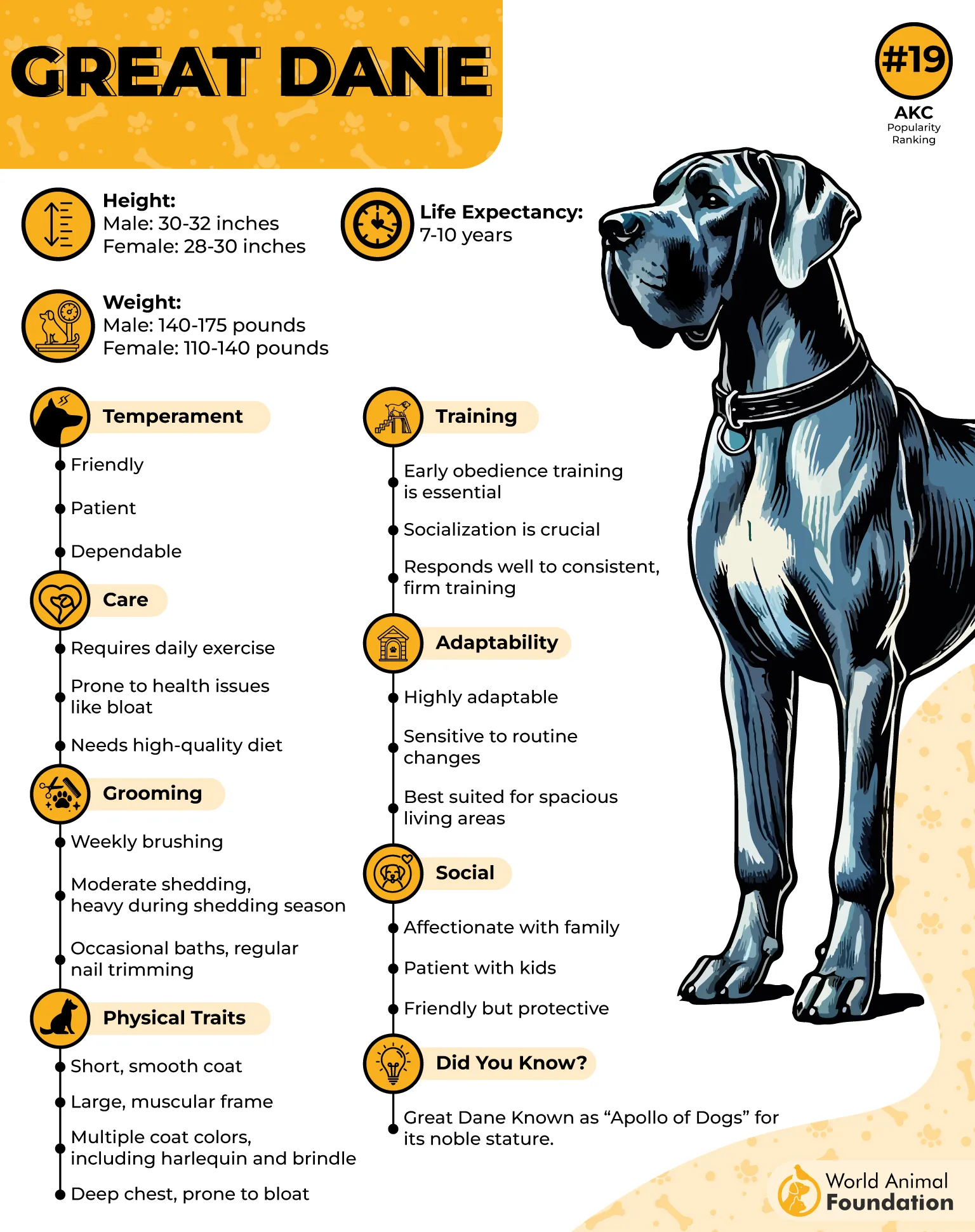
With a bite force around 328 PSI and a booming, deep-chested bark, Danes can deter intruders without needing to do much else.
They’re intelligent but can be a bit stubborn, so early training and basic obedience work matter. As family guard dogs, they need 45-60 minutes of daily walks, though it’s best to avoid hard running or high-impact exercise to protect their large joints.
9. German Shepherd
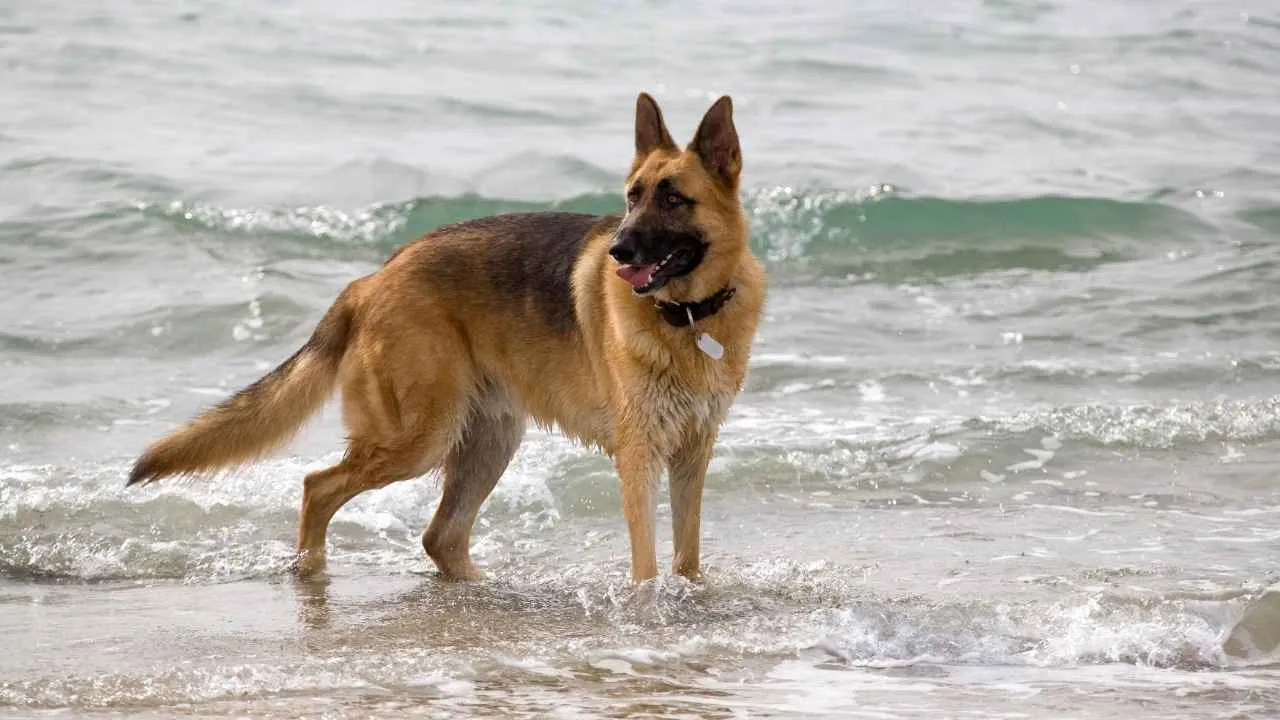
German Shepherds are confident, intelligent, and fearless dogs, naturally wary of strangers while showing deep devotion and gentle affection toward their own family. Originally developed to herd sheep, they later went on to serve as military and police dogs.
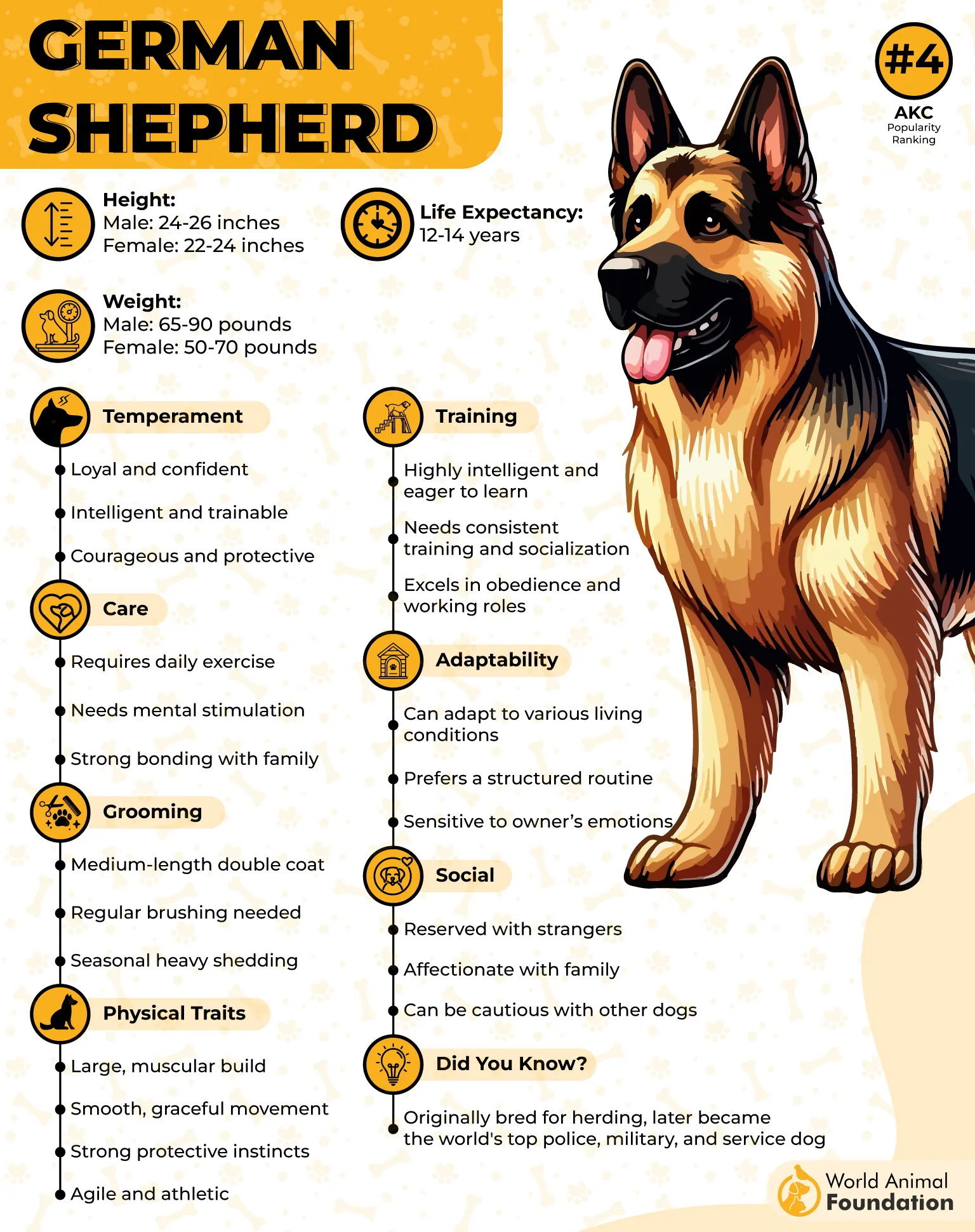
These large dogs have sharp instincts that let them tell the difference between an ordinary passerby and a genuine threat. GSDs tend to be vocal and athletic, with a strong bite force of around 238 PSI, ready to deter intruders or position themselves protectively in front of their family when needed.
German Shepherds are among the most trainable breeds out there, though they still benefit from an experienced owner who can keep up with them. These protection dogs have high exercise needs, along with a double coat that sheds heavily and calls for frequent brushing and periodic professional grooming.
10. Cane Corso
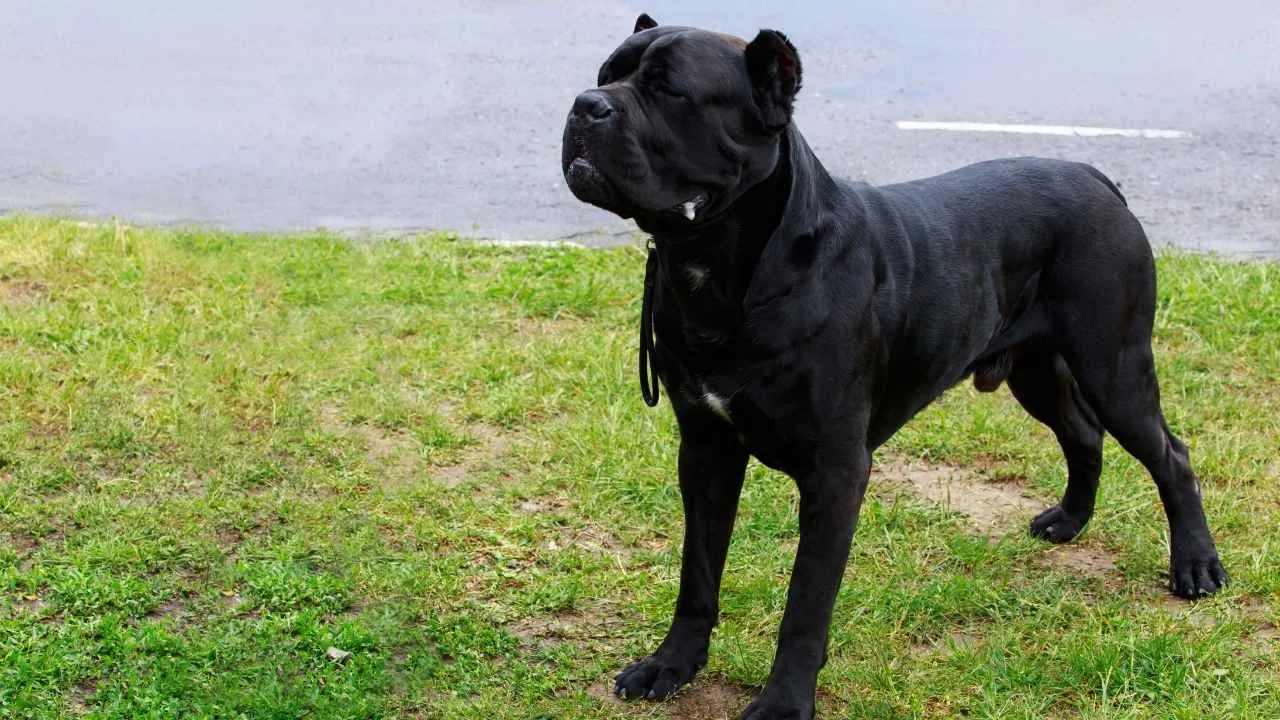
Cane Corsos, also known as Italian Mastiffs, have a history as war dogs and estate guardians, once used to hunt large game and protect rural farms. They’re reserved, confident, and naturally quiet, carrying a serious guardian mindset without being an overly vocal breed.
Corsos aren’t ones to waste energy on unnecessary barking; they’d rather silently assess a situation before deciding whether action is needed.
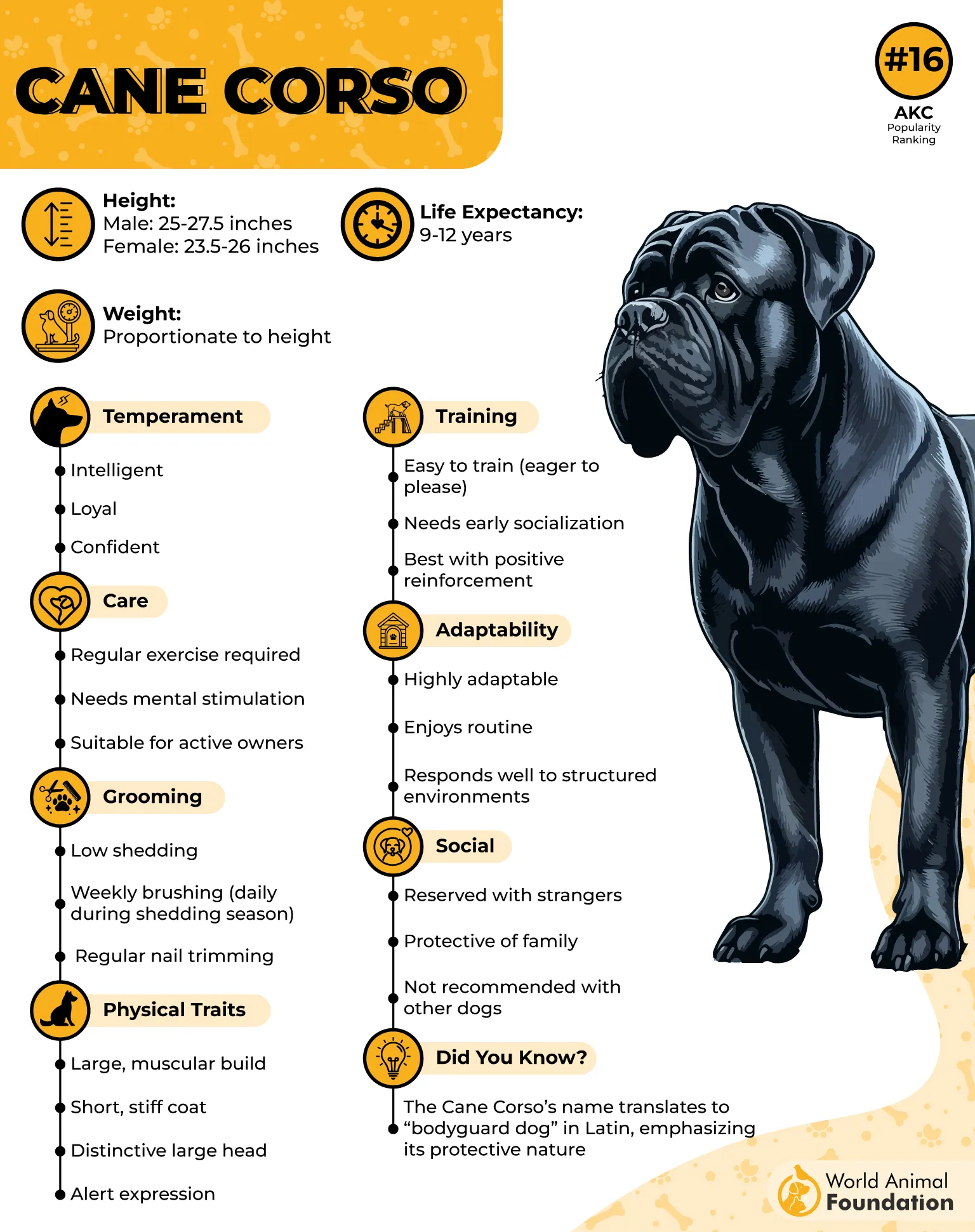
Physically, they’re massive, heavy-boned, and intensely muscular, with a broad head, deep chest, and athletic frame. They also carry one of the strongest bite forces around, at roughly 700 PSI.
Cane Corsos need 60-90 minutes of daily activity to stay balanced. They’re intelligent but also strong-willed and dominant, requiring firm, fair leadership from an experienced owner. On the upkeep side, at least, their short coat is easy to maintain.
Conclusion
A true protection dog should keep you safe, not just put on a show of barking or bravado. The ten breeds above are muscular, carry some of the strongest bite forces around, and have the stamina and courage to stand between their family and real danger without hesitation.
That said, breeds like these need experienced owners at the helm. Training isn’t optional here; it’s what turns raw protective instinct into genuinely reliable, well-behaved guard dogs.
