




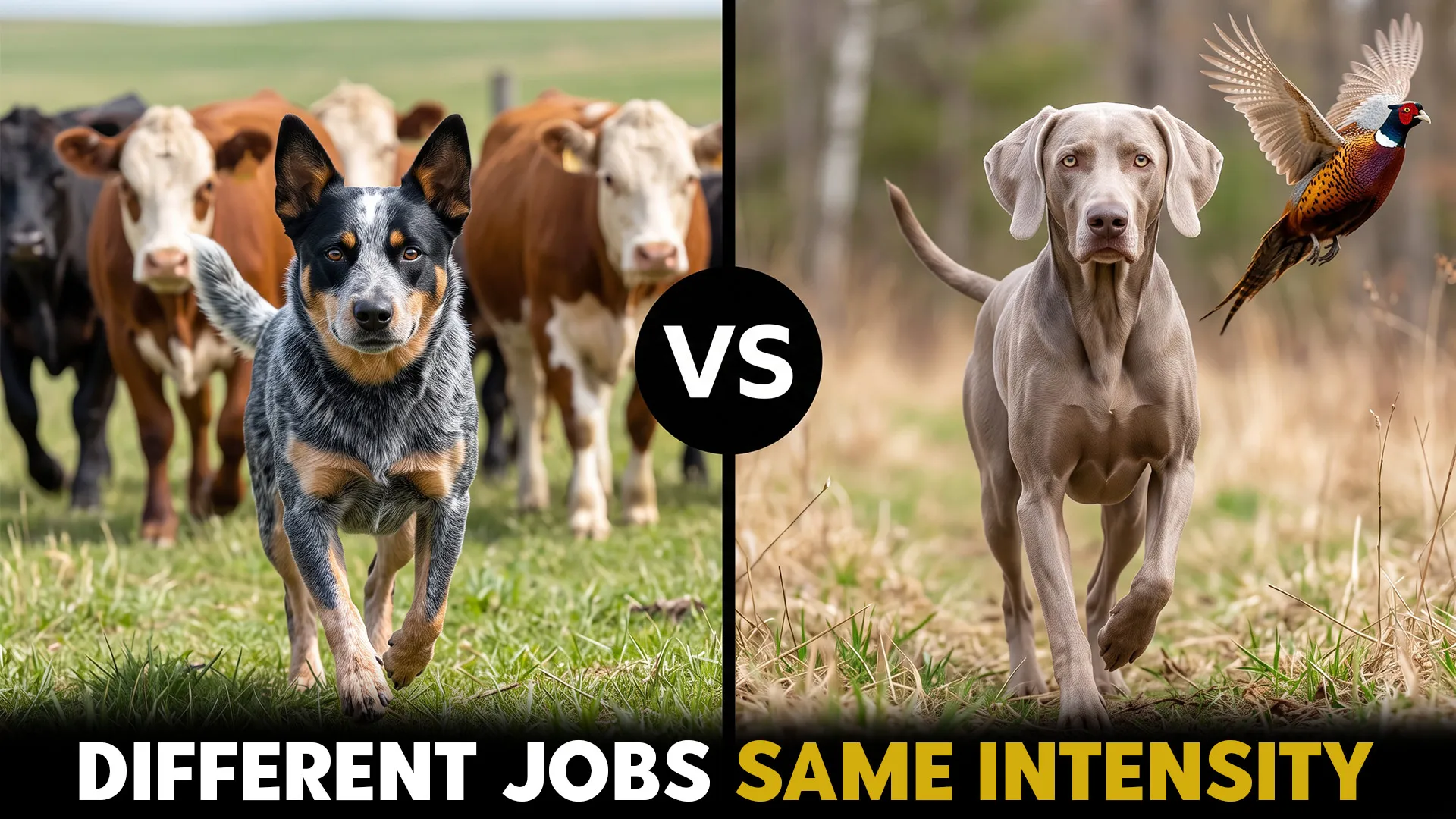
Some dogs are happy with a stroll around the block. These two? They may look at that plan like you just suggested spending the weekend watching paint dry. Both are smart, athletic, energetic, and very capable of keeping their humans busy. They enjoy having something to do, somewhere to go, and preferably a reason to use that impressive brain of theirs.
But their day-to-day personalities can feel quite different. One may suit your routine beautifully, while the other could have you wondering when your quiet home accidentally turned into a full-time canine activity center. From exercise and training to grooming, temperament, health, and protective tendencies, there is plenty that separates these active dogs.
So, which one actually matches your lifestyle without completely rewriting it? Let’s get into it.
Did you know?
Weimaraners got their name from Weimar, where Grand Duke Karl August helped develop them as skilled hunting dogs, while Australian Cattle Dogs earned the nickname Heelers by nipping at cattle heels and may even bring that ankle-nipping habit into the home.
Australian Cattle Dog vs. Weimaraner: Tips for Identifying the Right Breed
1. Overview
The real fun begins when you look past the first impression and start noticing how differently these dogs approach the world. One is famously purposeful and work-driven, while the other dog brings a more people-centered style with plenty of personality packed in.
Their backgrounds shaped dogs with very different instincts and habits, and those differences show up in everything from focus to independence. That makes this matchup far more interesting than simply comparing looks or asking which breed seems more impressive.
2. Size and Strength
Put these two dogs next to each other, and the contrast shows up pretty quickly. One looks compact and ready to muscle through a job, while the other brings a taller, sleeker frame that looks built for covering ground with ease.
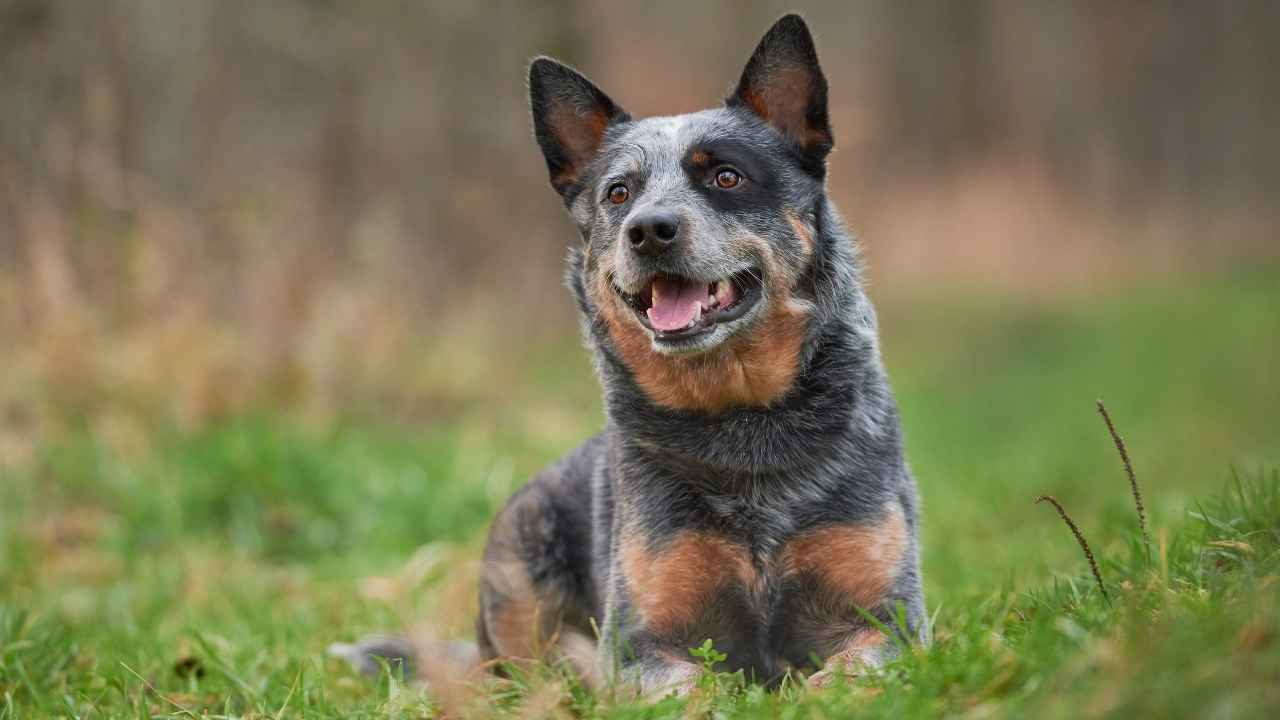
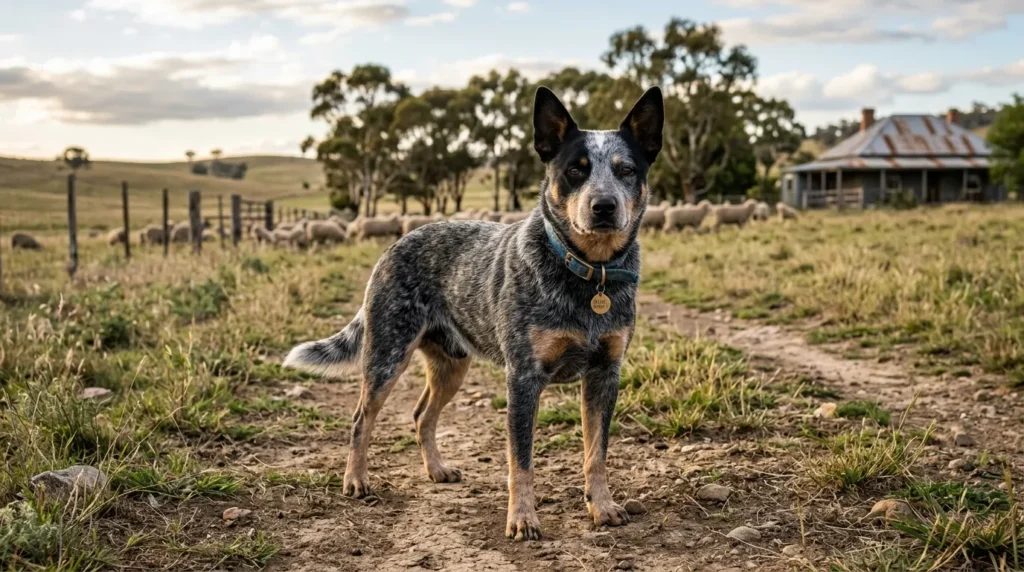
The Australian Cattle Dog, also called the Blue Heeler or Red Heeler, is sturdy, muscular, and packed into a compact working frame. There is nothing flimsy about this dog. Its build is made for endurance, strength, and demanding work that keeps going.
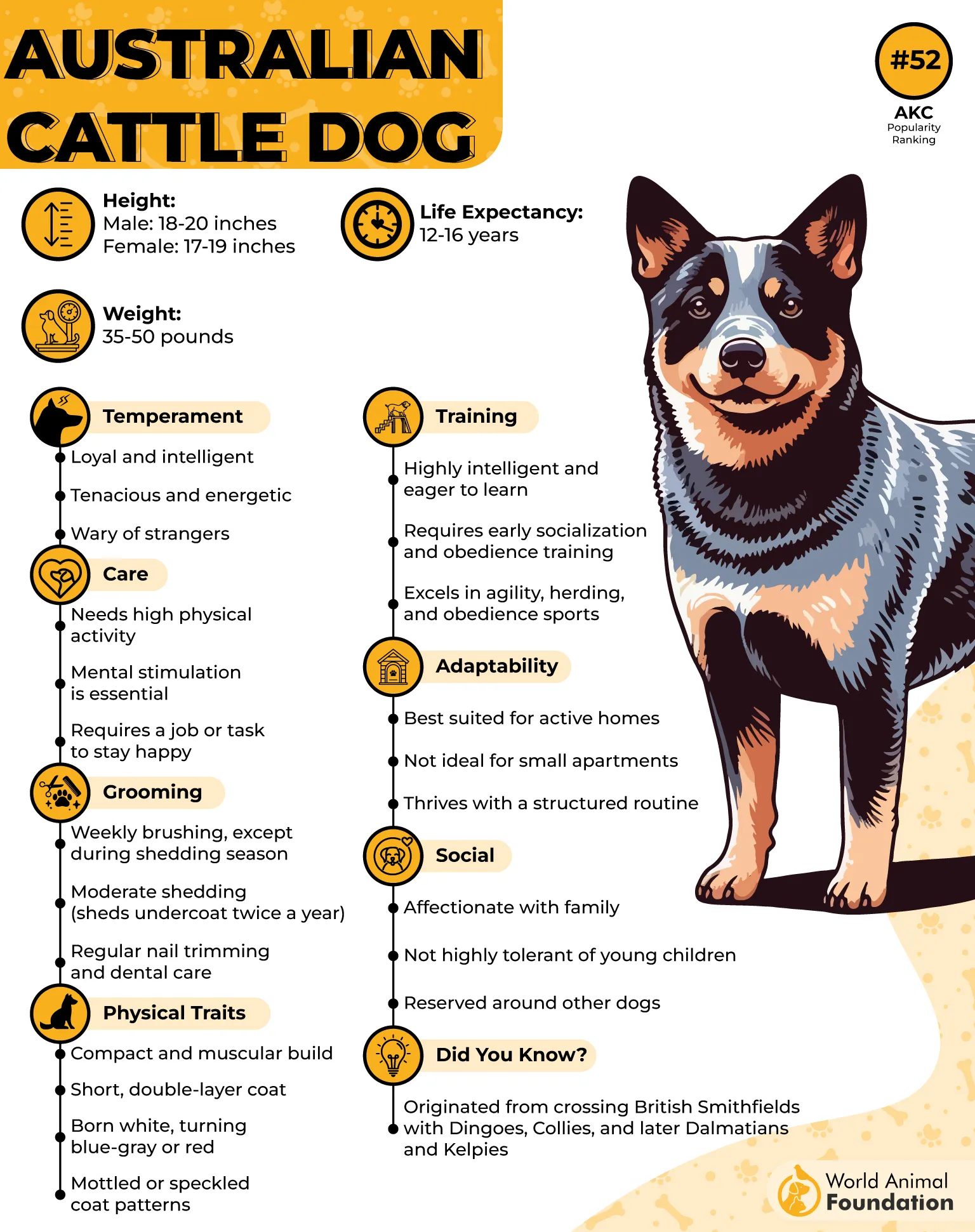
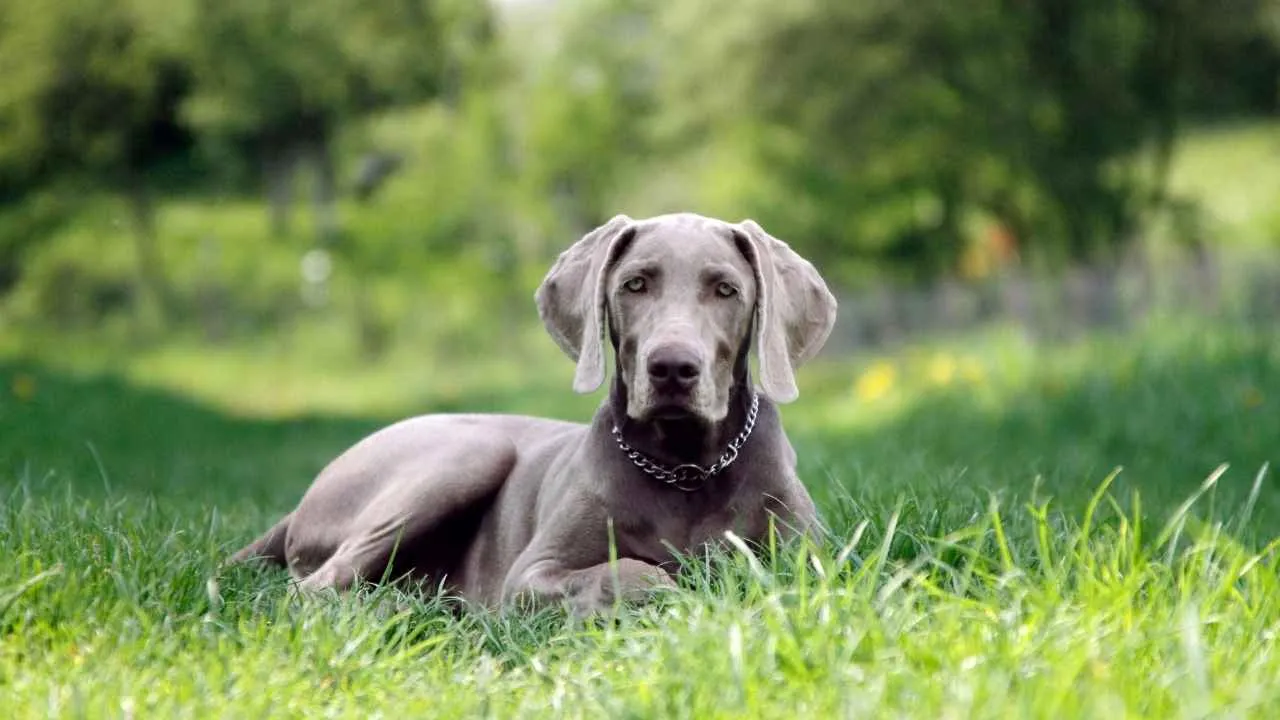
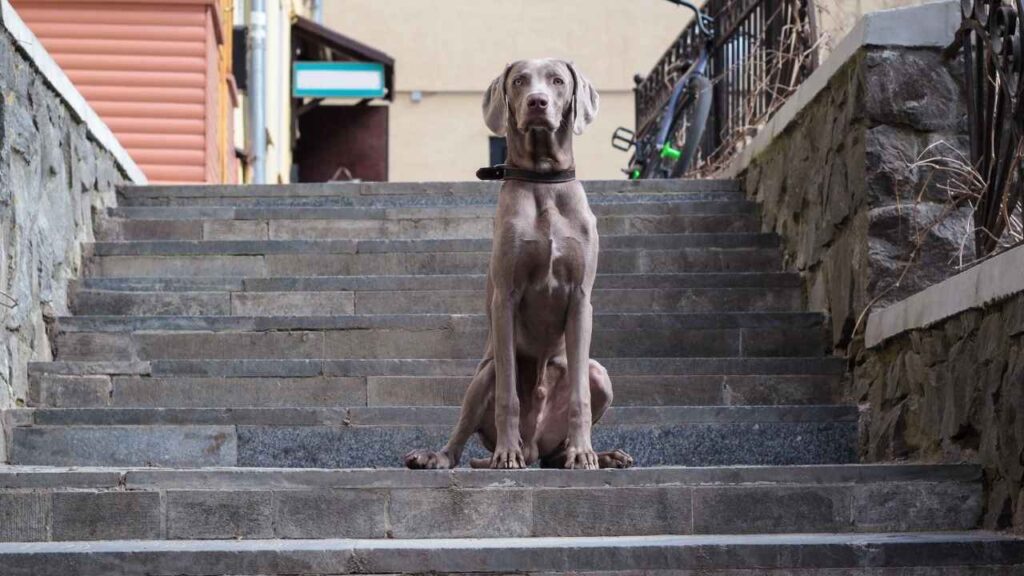
The Weimaraner goes for a more stretched-out athletic look. Its body is strong and streamlined, with the kind of build that suggests stamina and smooth movement. If one dog looks like a compact powerhouse, this one looks ready to eat up distance.
3. Temperament and Personality
This is where the decision gets a little more personal. Both dogs are smart and intense in their own ways, but one tends to stick close to people, while the other breed brings a more independent streak and a watchful, working-dog attitude to the relationship.
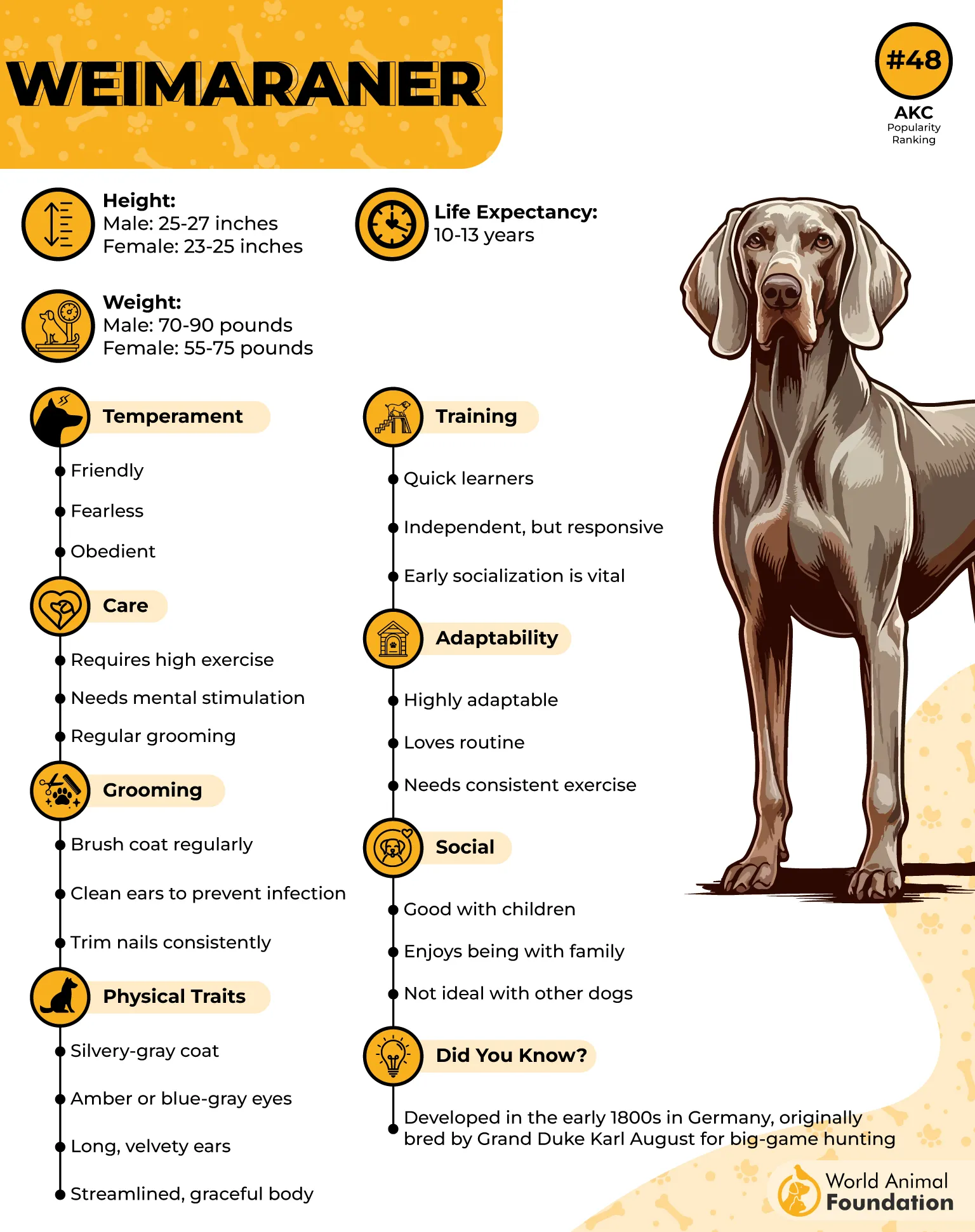
A Weimaraner can make personal space feel like an optional household rule. These dogs are incredibly friendly, loyal, alert, and deeply people-focused. They enjoy being involved, but their bold and sometimes headstrong side means clear guidance still earns its place in the routine.
The Australian Cattle Dog tends to bring a more businesslike edge to things. It bonds strongly with its owner, stays alert to what is happening around it, and can be wary of strangers. Add in a strong will, and boredom is rarely invited.
4. Health and Lifespan
Nobody wants the vet’s office becoming their second home, so this part is worth reading carefully. These breeds have different expected lifespans and different health concerns, which can matter just as much as energy or personality when picking the better fit.
Australian Cattle Dogs are hardy dogs, but concerns such as deafness, hip dysplasia, elbow dysplasia, and progressive retinal atrophy can occur. With a typical lifespan of 12 to 16 years, responsible health screening still deserves a spot on the checklist.
As noted by PetMD, Weimaraners typically live around 10 to 13 years. They can face health concerns such as entropion, hip dysplasia, bloat, and hypothyroidism, so regular veterinary care and careful health monitoring really matter.
5. Training and Exercise
Neither of these dogs is likely to celebrate a schedule built around short walks and long couch sessions. They have busy brains, plenty of energy, and a strong need for things to do, which makes consistent activity a pretty important part of the deal.
According to the American Kennel Club (AKC), Weimaraners are quick learners who need creative, consistent training and early socialization. They also require plenty of exercise, with good runs helping satisfy both their active bodies and busy minds, supporting good behavior.
The Australian Cattle Dog is happiest when both body and brain have an assignment. Highly intelligent and trainable, this breed responds well to consistent, positive reinforcement training and enjoys learning new skills. Agility, Frisbee, fetch, running, and obedience work can keep that busy mind productively occupied.
6. Grooming Needs
A polished coat does not always mean a complicated bathroom schedule. Both breeds keep things fairly manageable, but the Weimaraner’s sleek finish and the Australian Cattle Dog’s dense double coat ask for slightly different kinds of upkeep.
The Australian Cattle Dog keeps things refreshingly practical. Its short outer coat sits over a dense undercoat, so regular brushing helps manage loose hair and keep everything tidy. Nothing here screams “clear your whole afternoon for grooming.”
The Weimaraner makes coat care feel almost suspiciously easy. Its fur is short and smooth, with relatively little grooming required. Moderate shedding still happens, so a brush now and then keeps that polished silver look from decorating your furniture.
7. Energy Level
These are not dogs that look at an empty afternoon and think, “Excellent, absolutely nothing to do.” Both bring serious drive, but the way that energy shows up can feel different once walks, games, training, and everyday routines enter the picture.
A Weimaraner tends to arrive with the enthusiasm dial turned high. This athletic breed needs considerable activity and can become rambunctious or destructive without enough to do. Running, outdoor adventures, and active time with people suit that energetic personality nicely.

The Australian Cattle Dog treats inactivity almost like a suspicious concept. Built around work and movement, this high-energy breed thrives with vigorous outlets such as running, agility, fetch, and Frisbee. Without enough physical and mental stimulation, mischief can quickly volunteer itself.
8. Natural Guard Instincts
Here is where watching the front door gets more interesting. Both dogs can notice what is happening around them, but their protective behavior does not come from the same place, which can matter when deciding what kind of watchdog presence suits you.
As mentioned by Orvis, Australian Cattle Dogs are naturally protective of their herd, family, and property. They may patrol their surroundings, alert their people to danger, and react strongly to perceived threats, making early socialization especially important.

The Weimaraner takes a more alert-and-announce approach. This breed has historically been used to guard homes and may bark when a stranger approaches. Watchful and attentive, it can provide a noticeable warning presence without needing an aggressive personality.
Conclusion
Two energetic working dog breeds, two very different kinds of charm. The Australian Cattle Dog brings compact toughness, sharp intelligence, loyalty, and a serious need to stay busy, while the Weimaraner offers athletic elegance, people-focused affection, and plenty of enthusiasm for an active life.
The better match comes down to the rhythm you genuinely enjoy, not the dog that simply wins you over at first glance. Be honest about your routine, training commitment, and energy level, then pick the dog whose everyday needs make you smile rather than scramble daily.
