




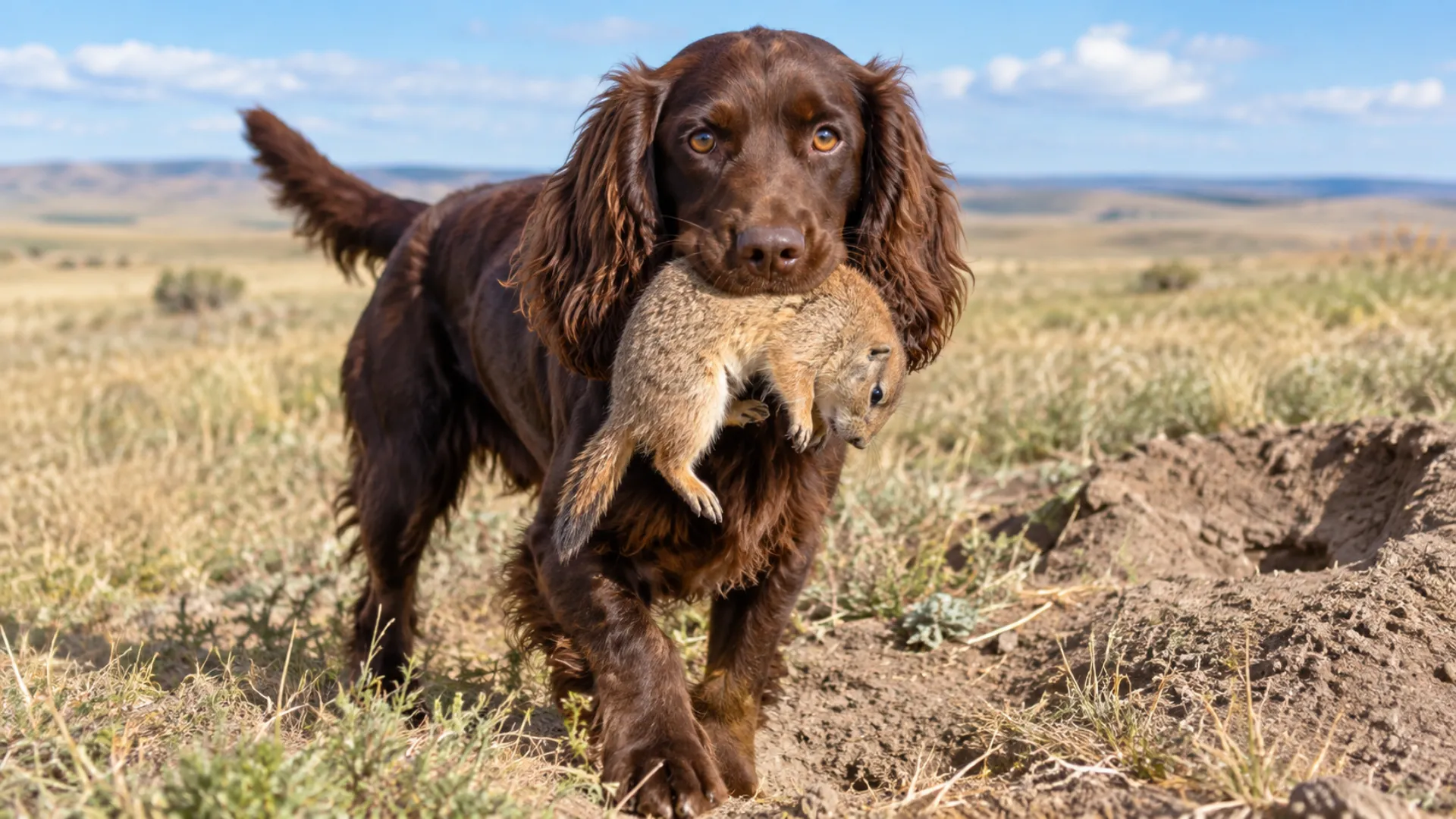
Prairie dog hunting calls for more than an energetic dog at your side. Different breeds bring different strengths to the field, from sharp senses and athleticism to responsiveness and stamina, making breed selection an important part of preparing for the experience.
As the day unfolds across open prairie, a well-matched dog can add excitement to the outing while working closely with its handler. Some breeds are naturally driven to locate game, while others stand out for their focus, endurance, or ability to adapt to demanding terrain.
The right choice also depends on training, temperament, environment, and responsible handling. Understanding these differences can help hunters find a companion suited to their needs.
FACT: Hunting breeds were selectively developed for specific field tasks, so their natural abilities can vary greatly from one breed to another.
Excellent Dog Breeds for Prairie Dog Hunting
1. German Wirehaired Pointer
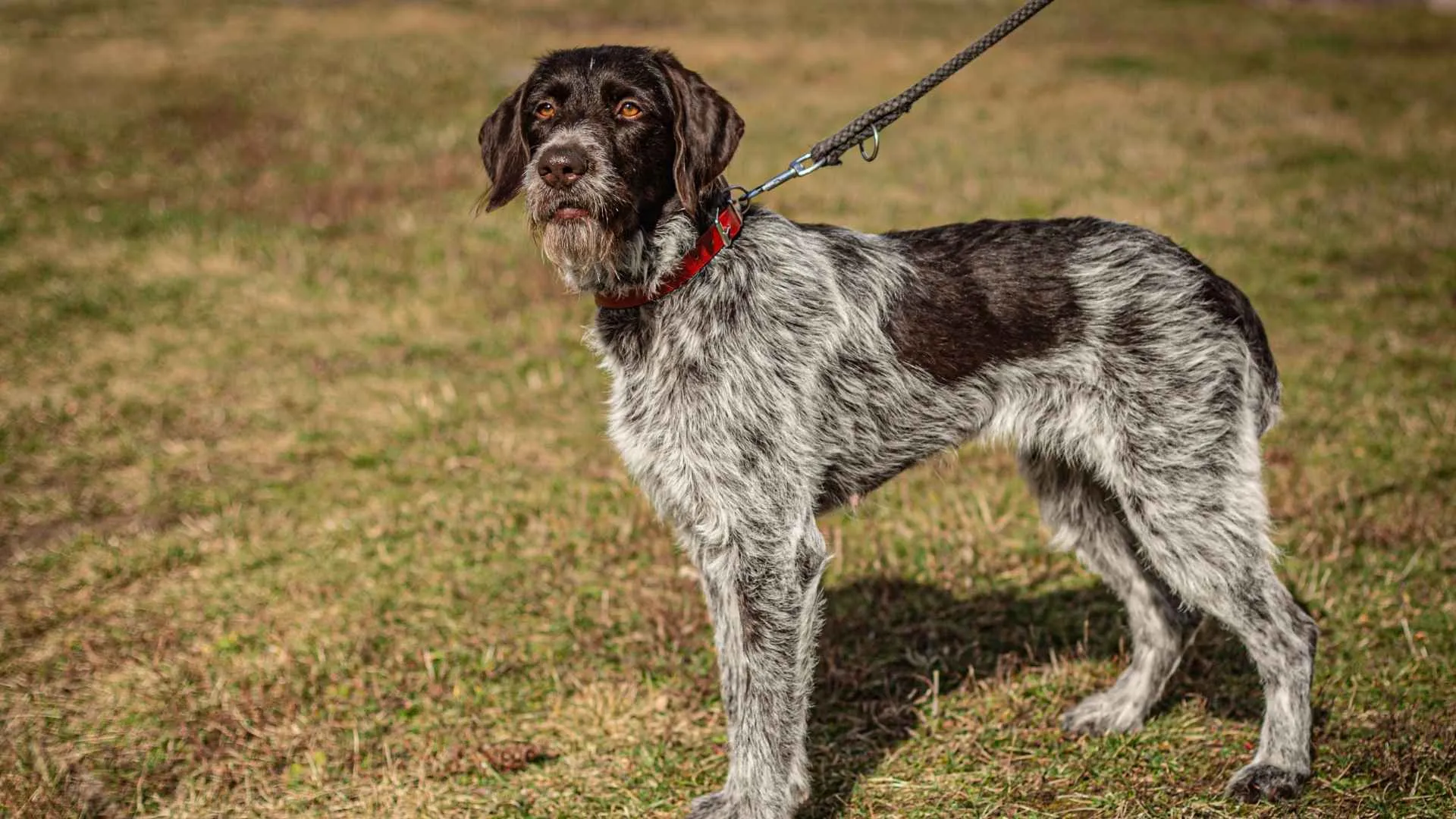
The German Wirehaired Pointer stands out as a rugged, versatile hunting companion built for demanding outdoor pursuits. Its German sporting heritage shaped a dog capable of handling varied terrain while remaining focused on the hunt.
For prairie dog hunting, its endurance and adaptable working style make it well suited to long days afield. The breed is especially popular among dedicated hunters, with many owners spending substantial time pursuing upland game throughout the season.
Its wiry coat provides useful protection when moving through rough country, while its athletic build supports sustained activity. Beyond pheasants and grouse, its versatility makes the GWP an appealing choice for hunters who enjoy exploring different environments.
The breed’s strong presence in hunting organizations also reflects its performance-driven reputation. German Wirehaired Pointers are valued by outdoor enthusiasts who prioritize stamina, versatility, and dependable field ability, making them a natural fit for rugged prairie adventures.
2. English Springer Spaniel
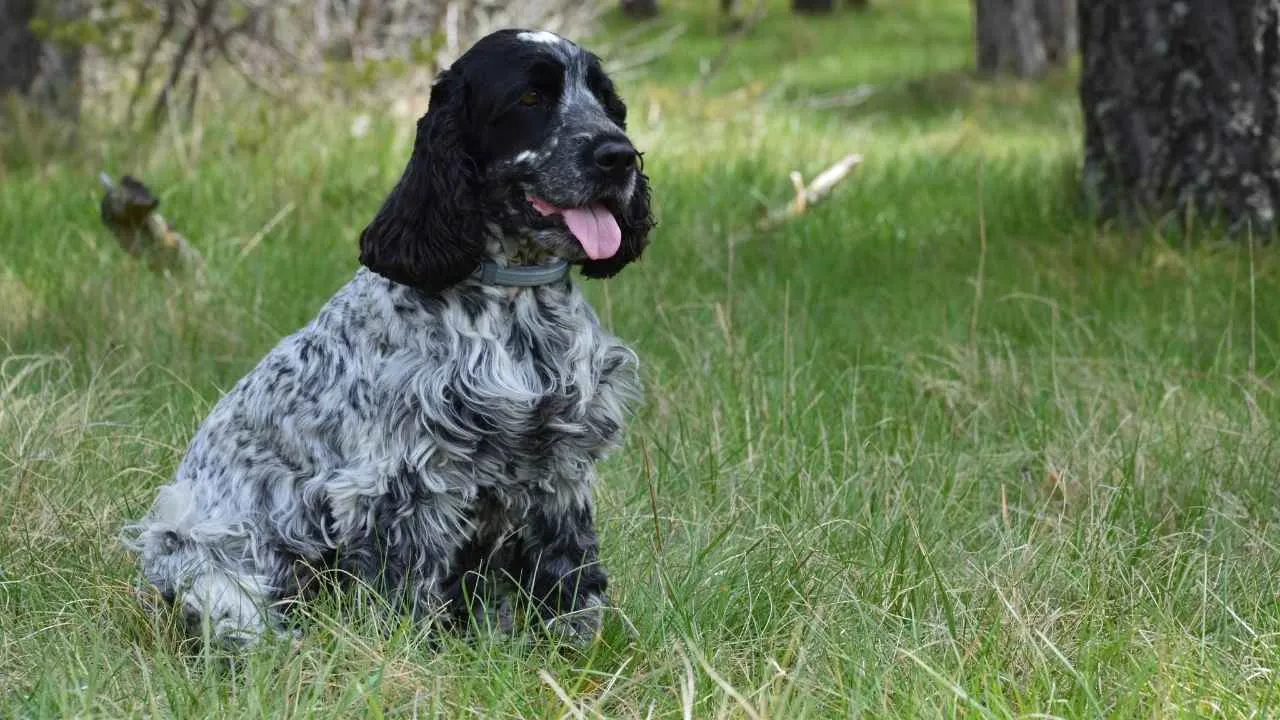
The English Springer Spaniel is an energetic flushing specialist, bred to push game birds from dense cover and retrieve them after the shot. Its strong scenting ability makes it particularly effective for pheasant and grouse hunting.
Rather than ranging far ahead, this athletic breed typically works close to its handler, moving methodically through brush to uncover hidden birds. Its compact build and agility help it navigate thick vegetation and uneven terrain with ease.
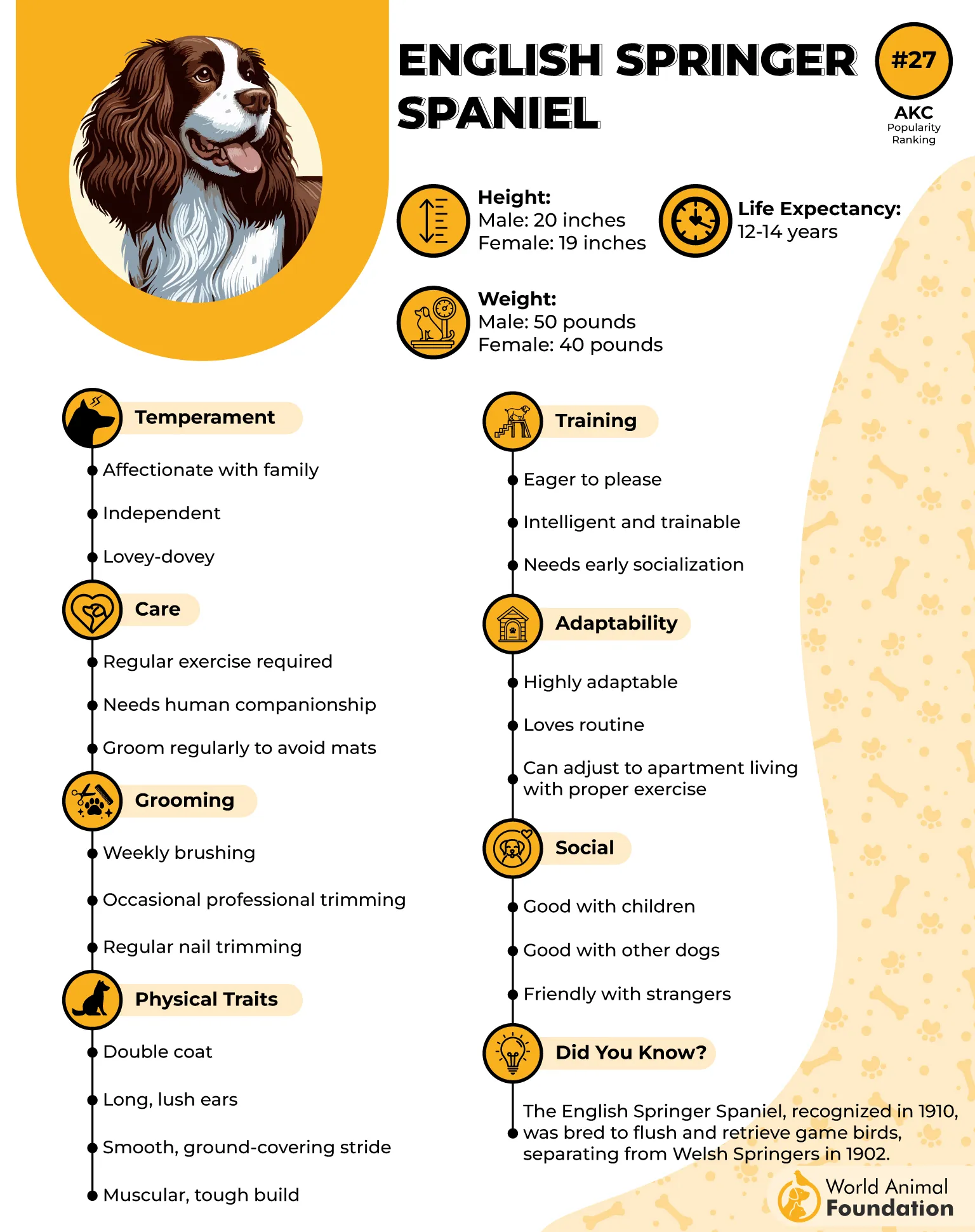
Springers bring remarkable enthusiasm to the field, yet their friendly nature makes them affectionate companions at home. Their eagerness to please also supports training, especially when handlers establish reliable whistle and stop commands.
Because their feathered ears can trap moisture, regular cleaning and drying are important after wet hunts. Early water training can also help channel their natural enjoyment of swimming into retrieving work when needed.
3. Boykin Spaniel
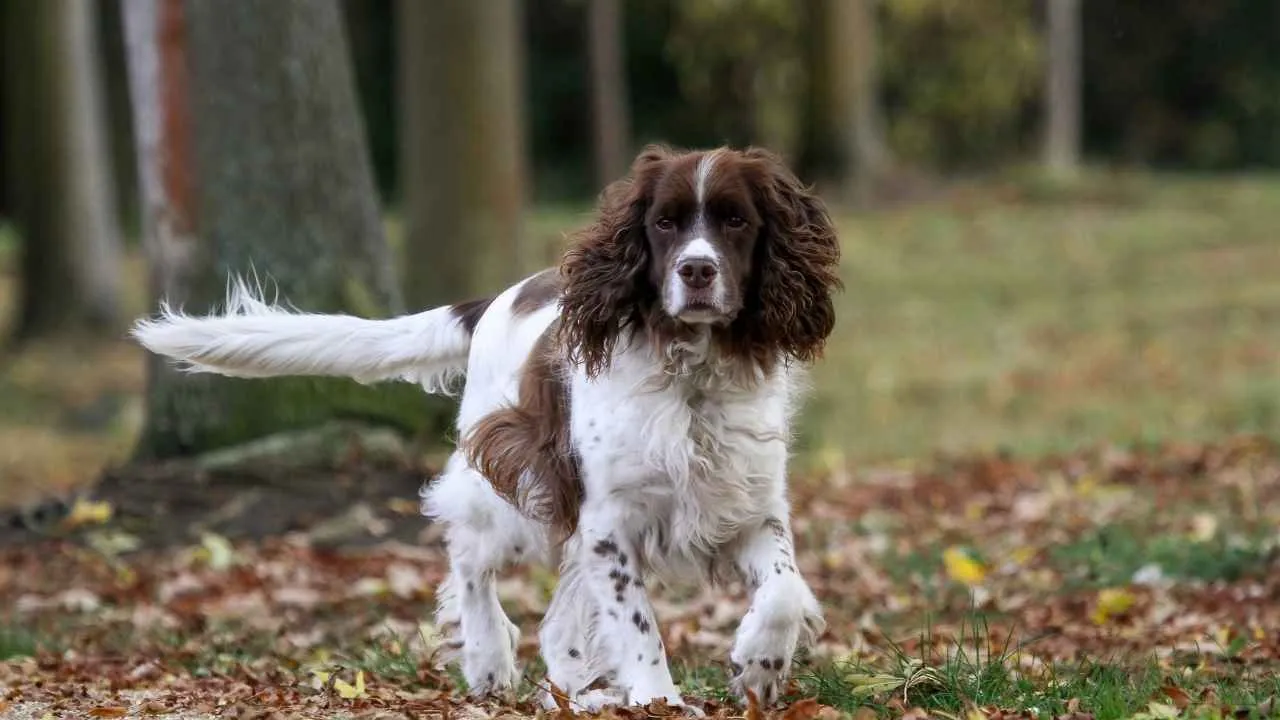
Hailing from South Carolina, the Boykin Spaniel is a compact sporting dog built for active days in the field. Its versatility extends across lakes, rivers, and upland terrain, making it well suited to varied hunting environments.
This energetic breed brings plenty of enthusiasm to outdoor pursuits. Its natural love of water and strong retrieving instinct can be especially useful when hunting around aquatic areas.
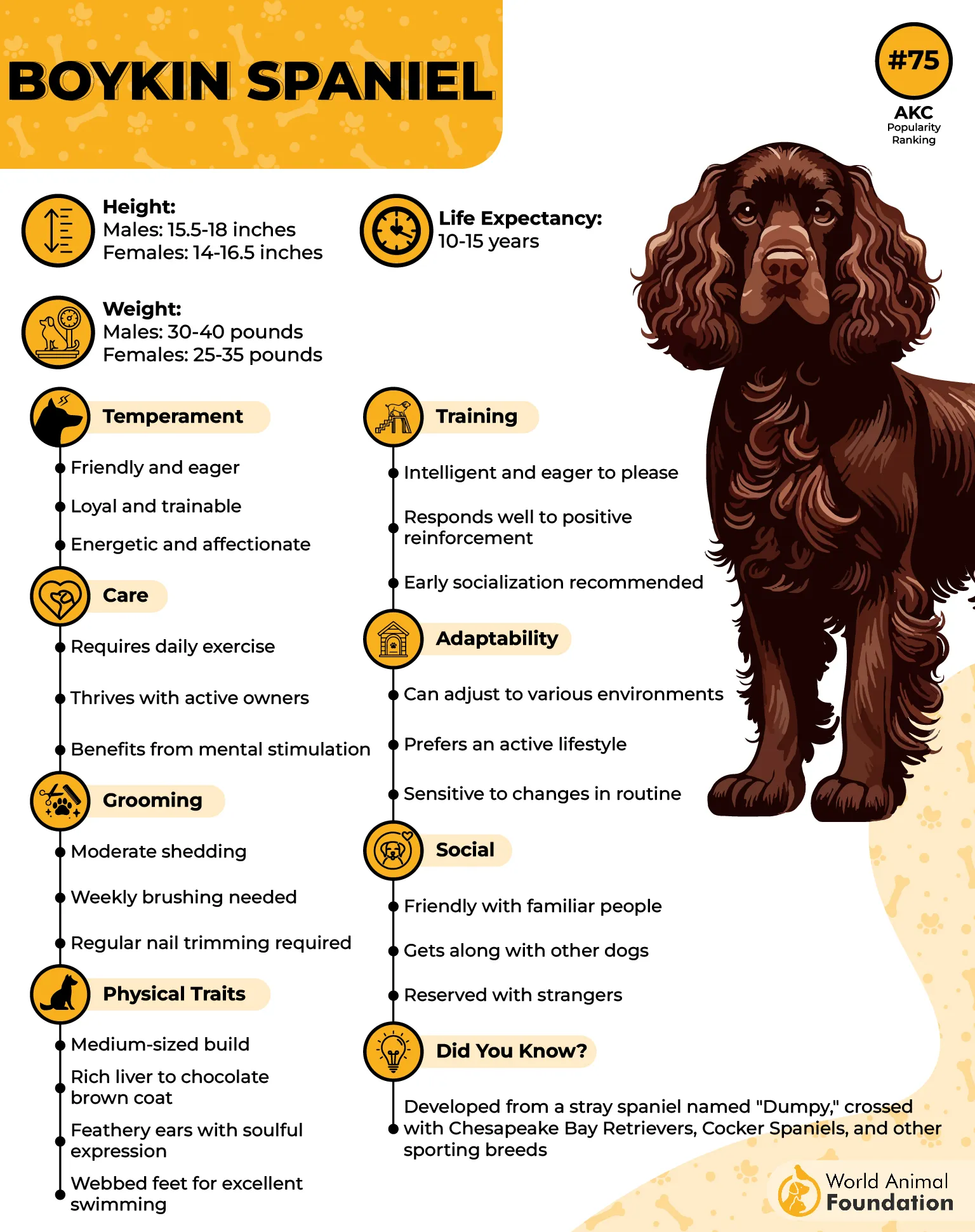
Rather than pointing, the Boykin Spaniel excels at locating and flushing birds from cover. This makes it a practical partner for hunters pursuing game such as pheasants and quail across prairie landscapes.
As a gun dog, it is highly responsive to training when guided with positive reinforcement. Its eagerness to work, combined with its athletic nature and willingness to tackle challenging terrain, gives this small spaniel serious field energy.
4. Irish Water Spaniel
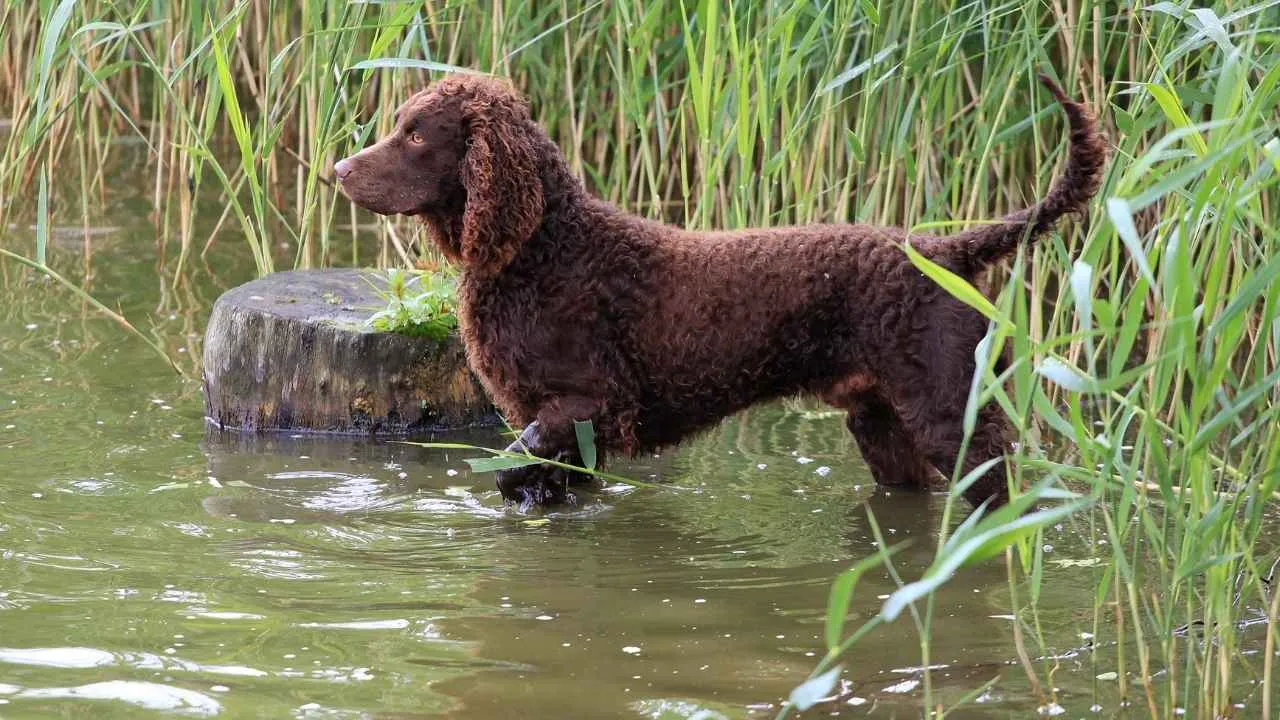
The Irish Water Spaniel stands out as an uncommon water retriever built for demanding work. Originally developed in Ireland as a versatile bird dog, it can flush game birds and retrieve efficiently both on land and in water.
Its athletic build reflects remarkable stamina, with a deep chest, well-sprung ribs, and strong yet streamlined muscles. This structure supports sustained effort while allowing the breed to remain agile and quick during fieldwork.
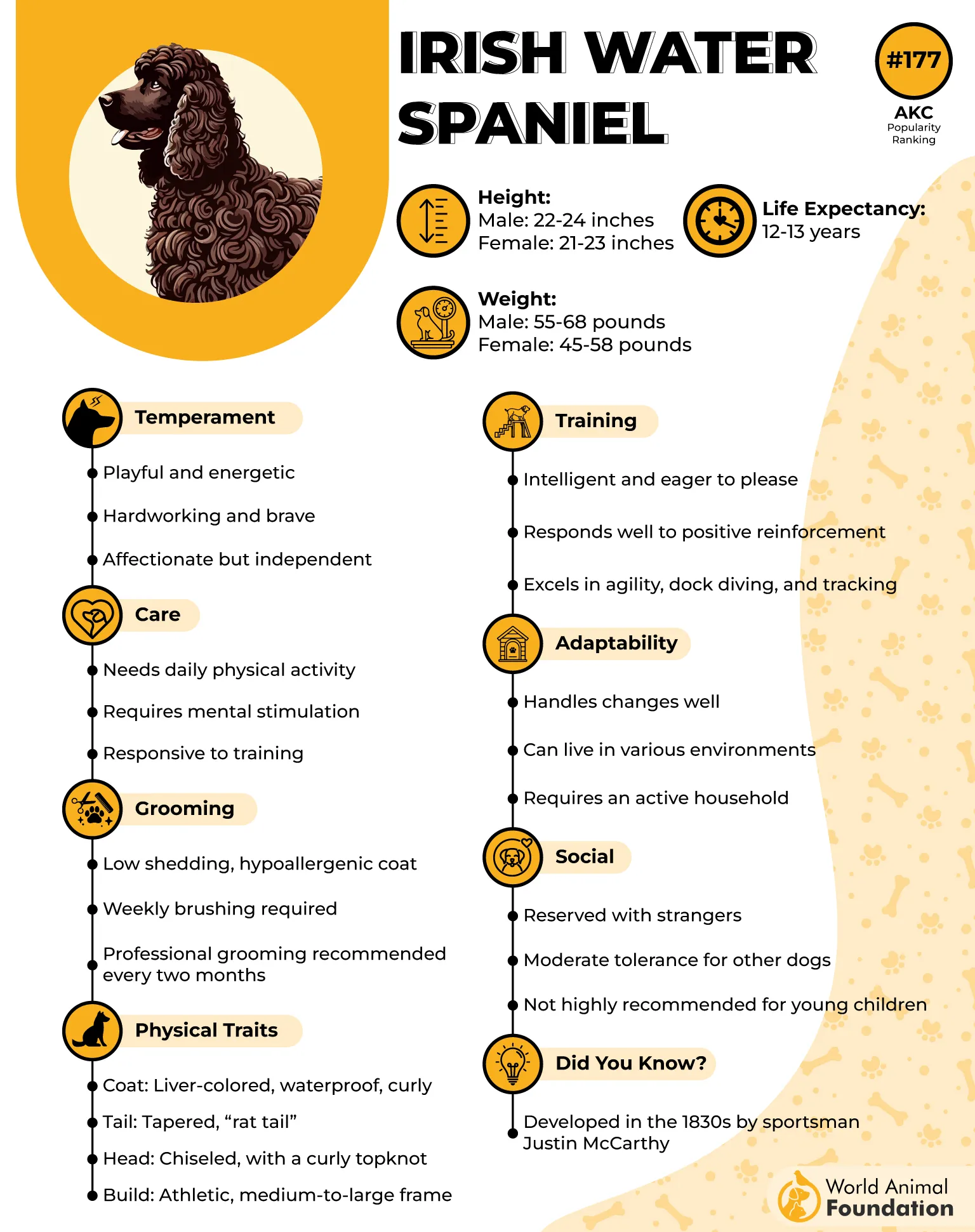
Intelligent and eager to learn, the Irish Water Spaniel can be highly responsive to thoughtful training. However, its independent streak calls for consistent, positive methods rather than harsh handling.
For prairie dog hunting, its endurance and need for substantial physical and mental activity can be valuable assets. Hunting activities provide an outlet for its energy while allowing this capable spaniel to engage its natural working instincts. According to Hill’s Pet, the Irish Water Spaniel is an alert and curious dog.
5. Labrador Retriever
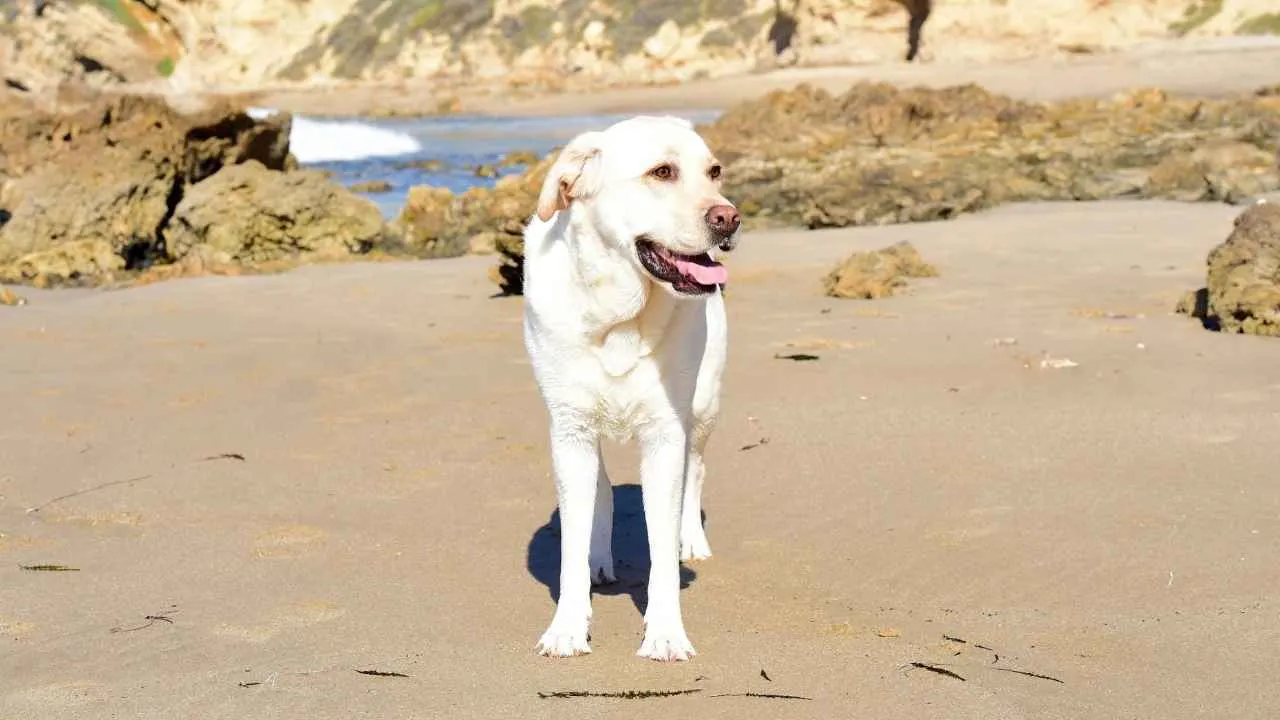
The Labrador Retriever is a highly adaptable sporting all-rounder, combining intelligence, stamina, and a strong willingness to work. Originally developed around water, this breed naturally suits demanding hunting environments and varied terrain.
Labs are especially dependable for retrieving waterfowl, thanks to their love of swimming and water-resistant double coat. Their powerful build and endurance also help them navigate cold water and challenging conditions without losing focus.
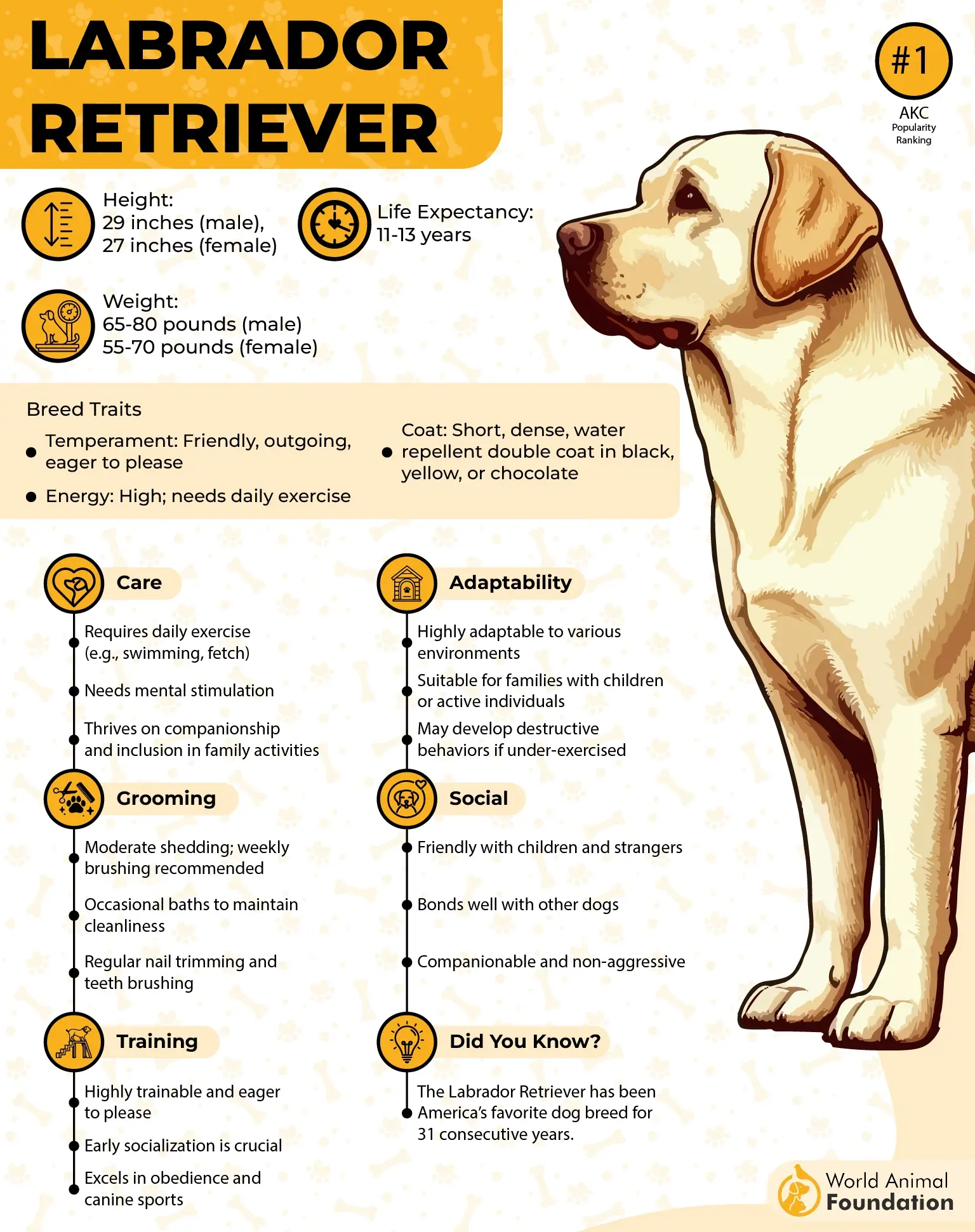
Beyond waterfowl, their keen nose and responsiveness to training allow them to assist with upland birds, including pheasants and grouse. Their versatility makes them useful when hunting involves changing terrain or different game.
An eager-to-please nature further enhances their value in the field, making training relatively straightforward. Consistent obedience work and plenty of vigorous exercise help channel their intelligence and energy into productive hunting behavior. According to PetMD, Labrador Retrievers need at least an hour of physical activity each day.
6. Treeing Walker Coonhound
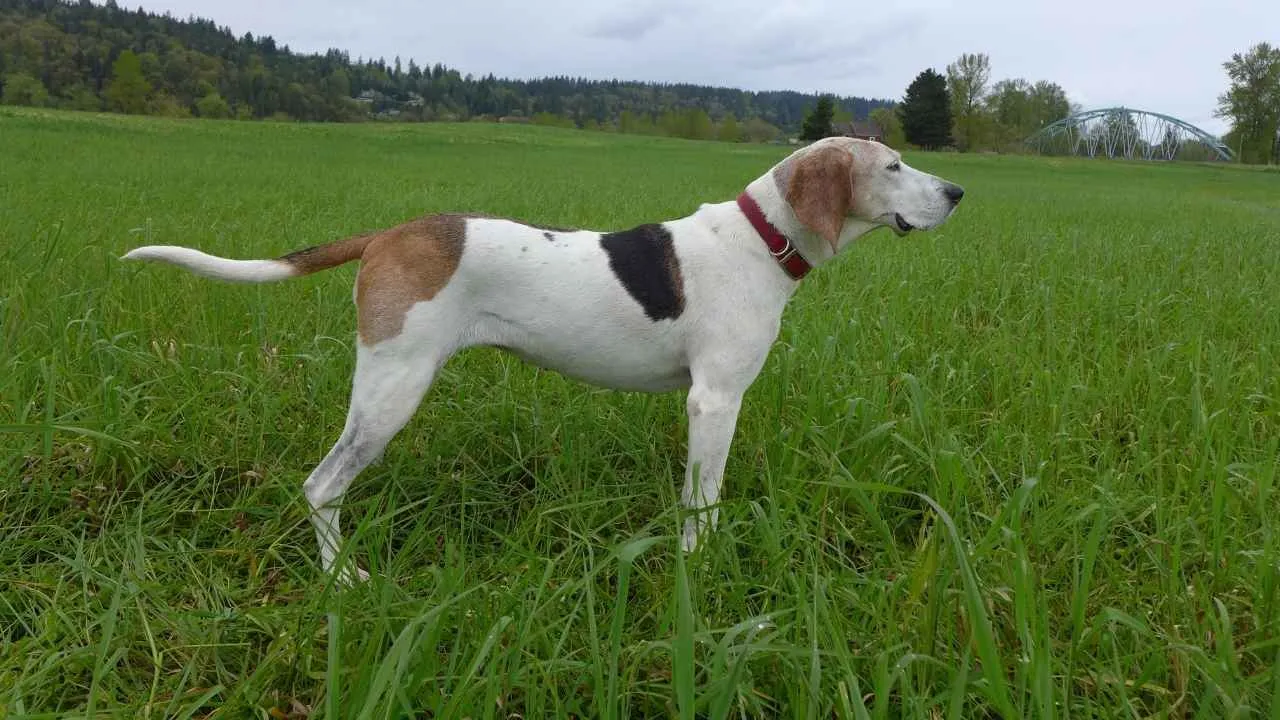
The Treeing Walker Coonhound is an endurance-focused scent hound with the stamina and athleticism needed for demanding prairie dog hunting trips. Its powerful nose helps it follow scent trails, while its determined nature keeps it engaged in the chase.
This breed has a lean, muscular build designed for covering considerable ground. Its strong legs and balanced frame support sustained activity across open terrain. According to the AKC, Treeing Walkers have an exceptionally intense prey drive.
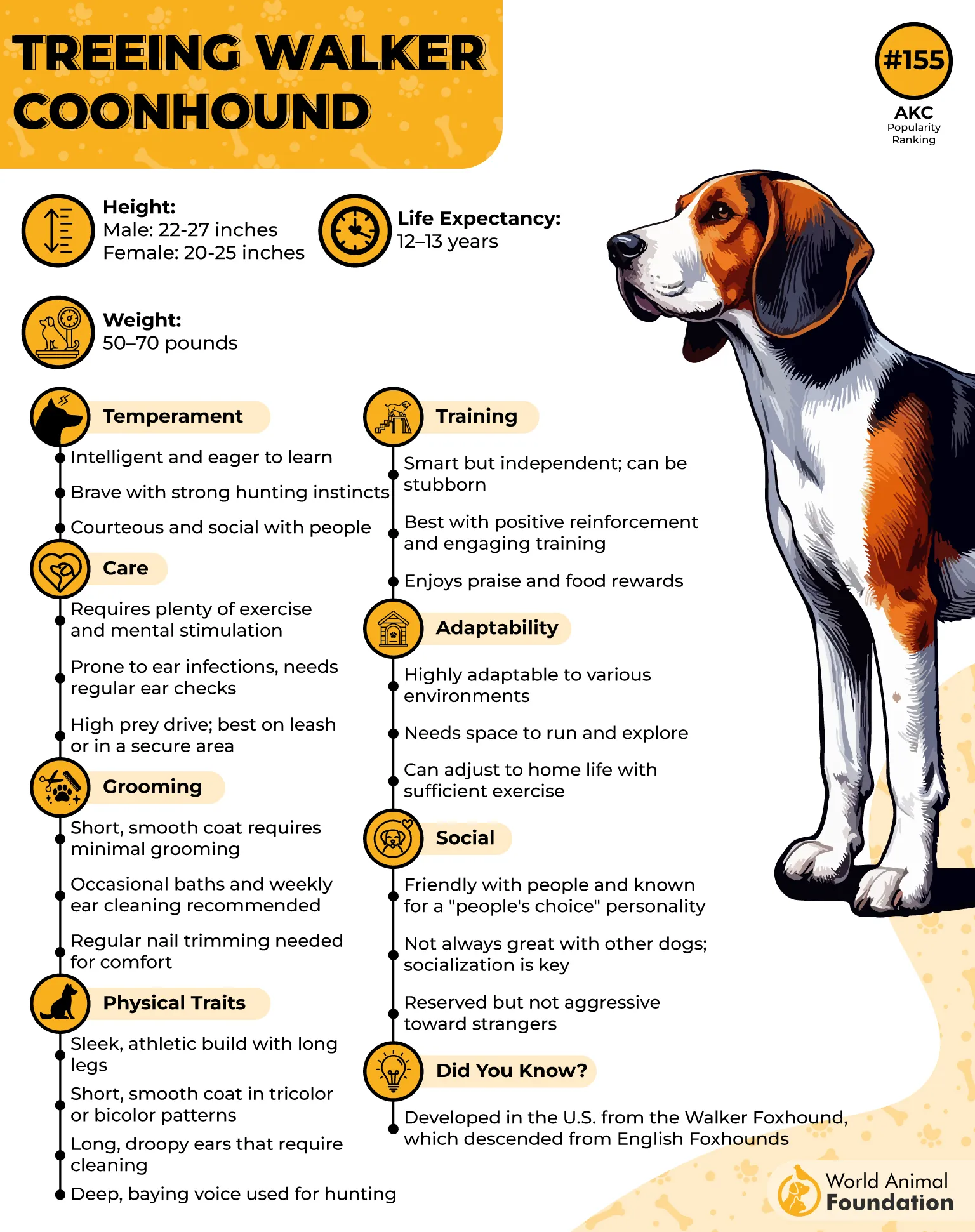
Its short, smooth coat is relatively easy to maintain, while its sleek build helps it remain comfortable during outdoor adventures. For hunting-focused families, this combination makes the breed well suited to active lifestyles.
Beyond physical endurance, the Treeing Walker Coonhound is intelligent and quick to learn. Its hunting background gives it strong problem-solving abilities, although regular mental stimulation and training are important to channel its instincts constructively.
7. Bloodhound
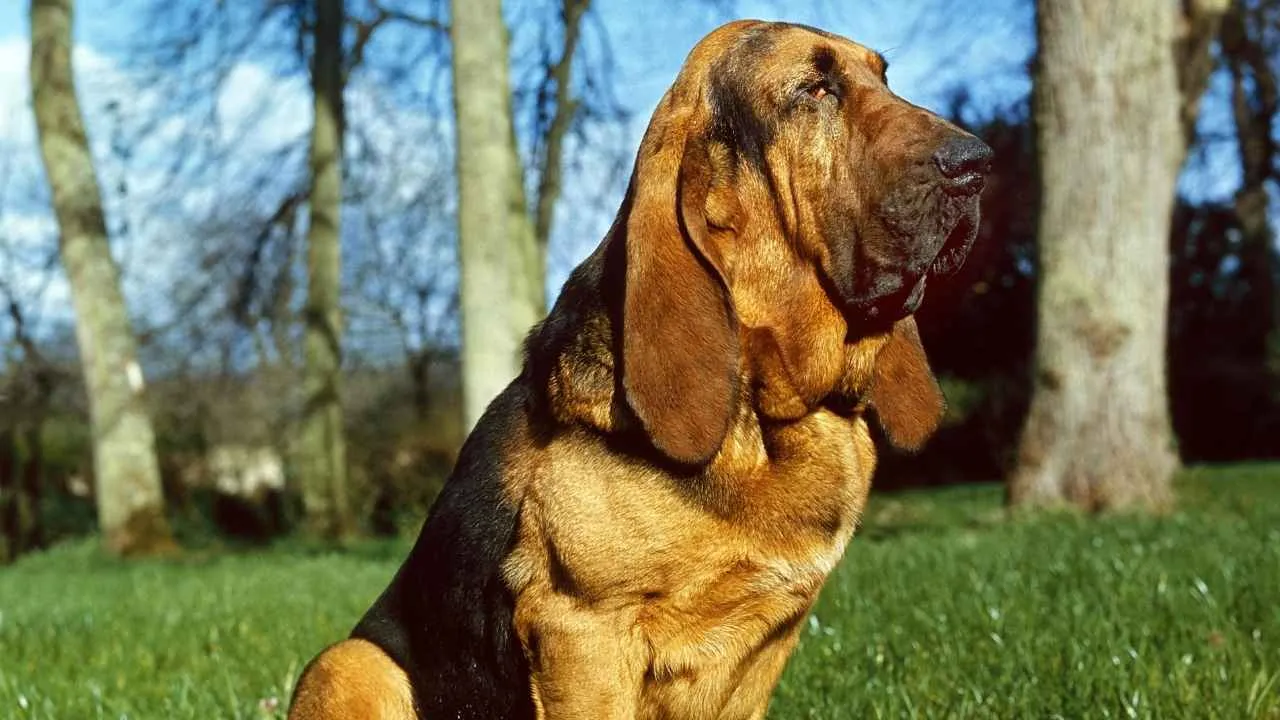
The Bloodhound’s story begins with a nose built for extraordinary journeys. With around 300 million scent receptors, this breed can pursue trails that are days old and stretch for remarkable distances, making it a natural choice for tracking quarry across open prairie.
Picture a Bloodhound catching a scent and suddenly locking onto it. Once that happens, the trail becomes its entire world. Its determination and stamina can make long-distance tracking especially effective, while its intelligence helps it work methodically through changing conditions.
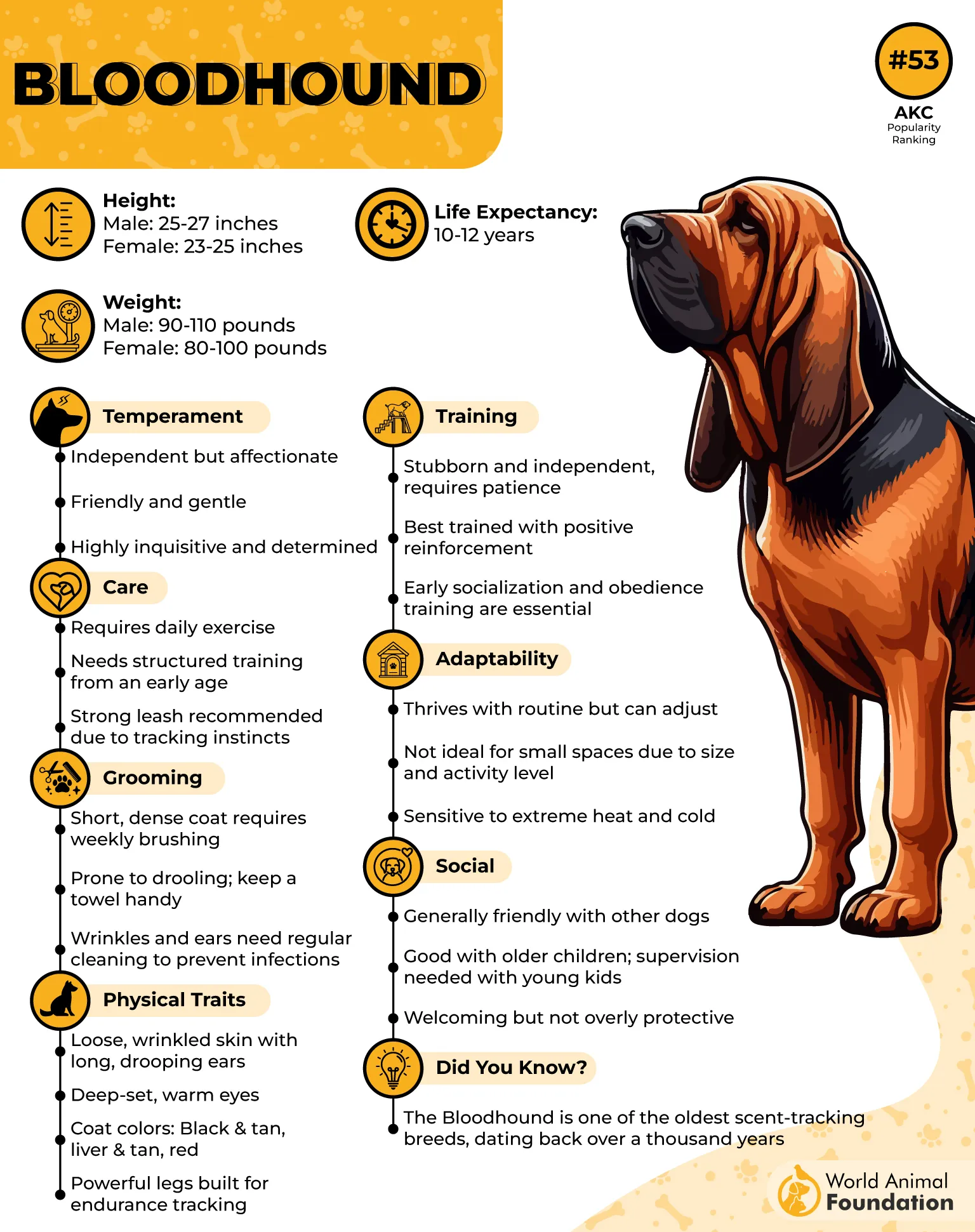
Away from the trail, Bloodhounds are gentle, affectionate, and generally friendly with children and other dogs. However, their independent nature can make training challenging. Patient, reward-based methods work best, particularly when teaching leash manners and other essential behaviors.
Their powerful tracking instinct also demands careful management outdoors. A Bloodhound should remain on a leash or within a secure fence because recalling one from an interesting scent can be extremely difficult. Regular ear care and tolerance for considerable drooling are also part of ownership.
Conclusion
Choosing the right dog for prairie dog hunting means looking beyond instinct alone. The best breeds combine determination, keen senses, energy, and the ability to stay focused while working across open terrain.
Each breed brings something different to the hunt, from remarkable scenting abilities to quick movement and persistent tracking. These natural strengths can make them valuable partners when their abilities are properly directed.
Temperament also matters. A dependable hunting companion should respond well to training, remain manageable outdoors, and have enough stamina to handle an active day in the field.
With the right breed, consistent training, and responsible handling, prairie dog hunting can become a rewarding experience for both dog and owner. Understanding each breed’s strengths and needs helps create a safer, more effective partnership.
