




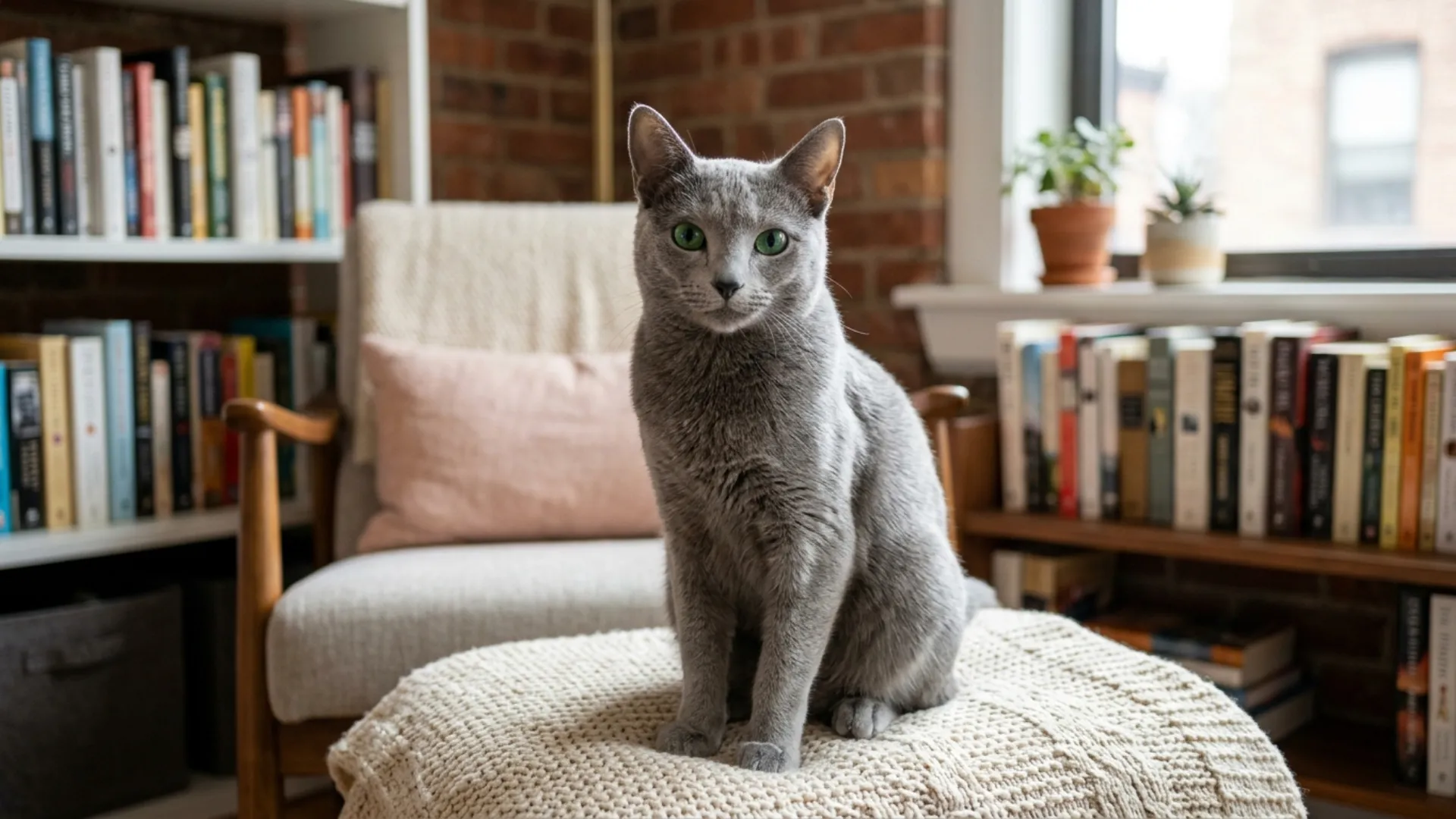
Living in a small home doesn’t mean you have to miss out on feline companionship. Cats are often adaptable roommates, but their personalities, activity levels, and need for stimulation can vary considerably between breeds.
The best cats for small spaces tend to be calm, adaptable, and comfortable with a cozy environment. With regular play, attention, and enriching activities, even cats with more energy can adjust well to compact homes.
Research suggests that 74% of owners say having a cat brings them joy, highlighting the companionship these adaptable pets can provide. Choosing a breed that matches your space and lifestyle can help create a comfortable, rewarding relationship for both you and your cat.
There are estimated to be more than 600 million cats worldwide, highlighting just how popular these adaptable companion animals are.
Best Cat Breeds for Small Homes
1. British Shorthair
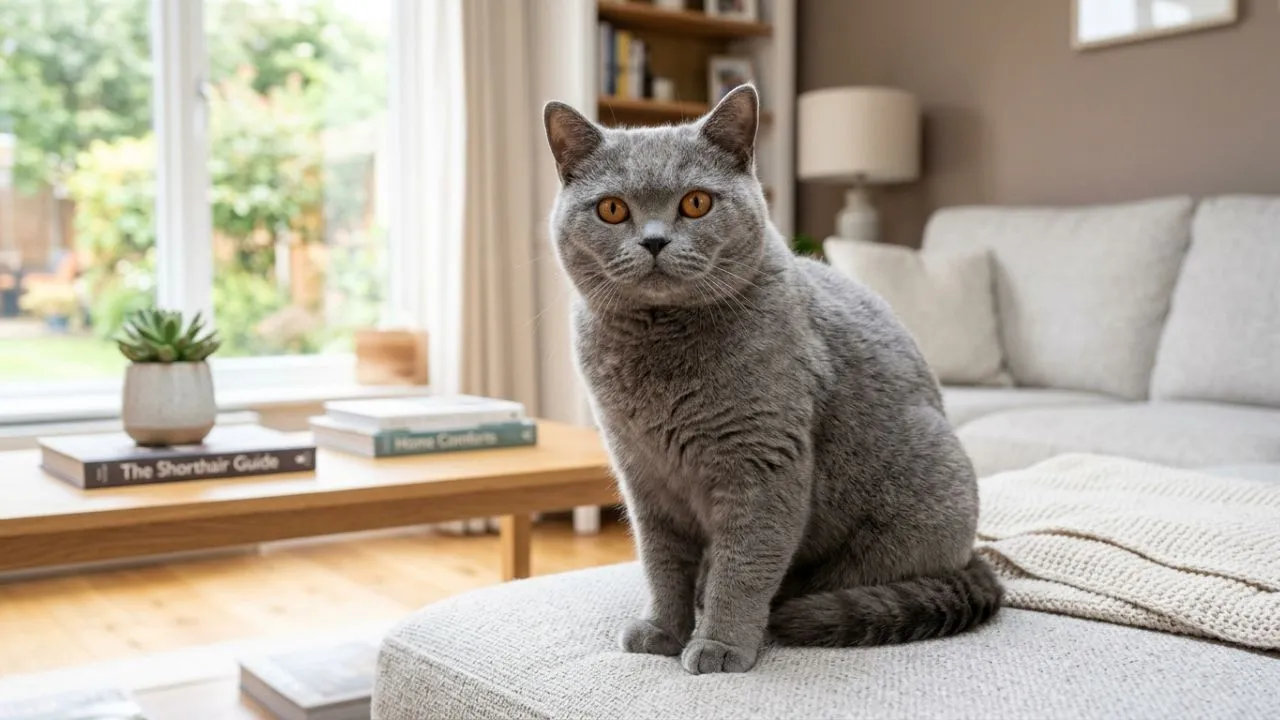
The British Shorthair is a calm, adaptable cat that fits naturally into apartment living. Rather than constantly roaming, this laid-back breed is happy relaxing in cozy corners, making it a comfortable choice for smaller homes.
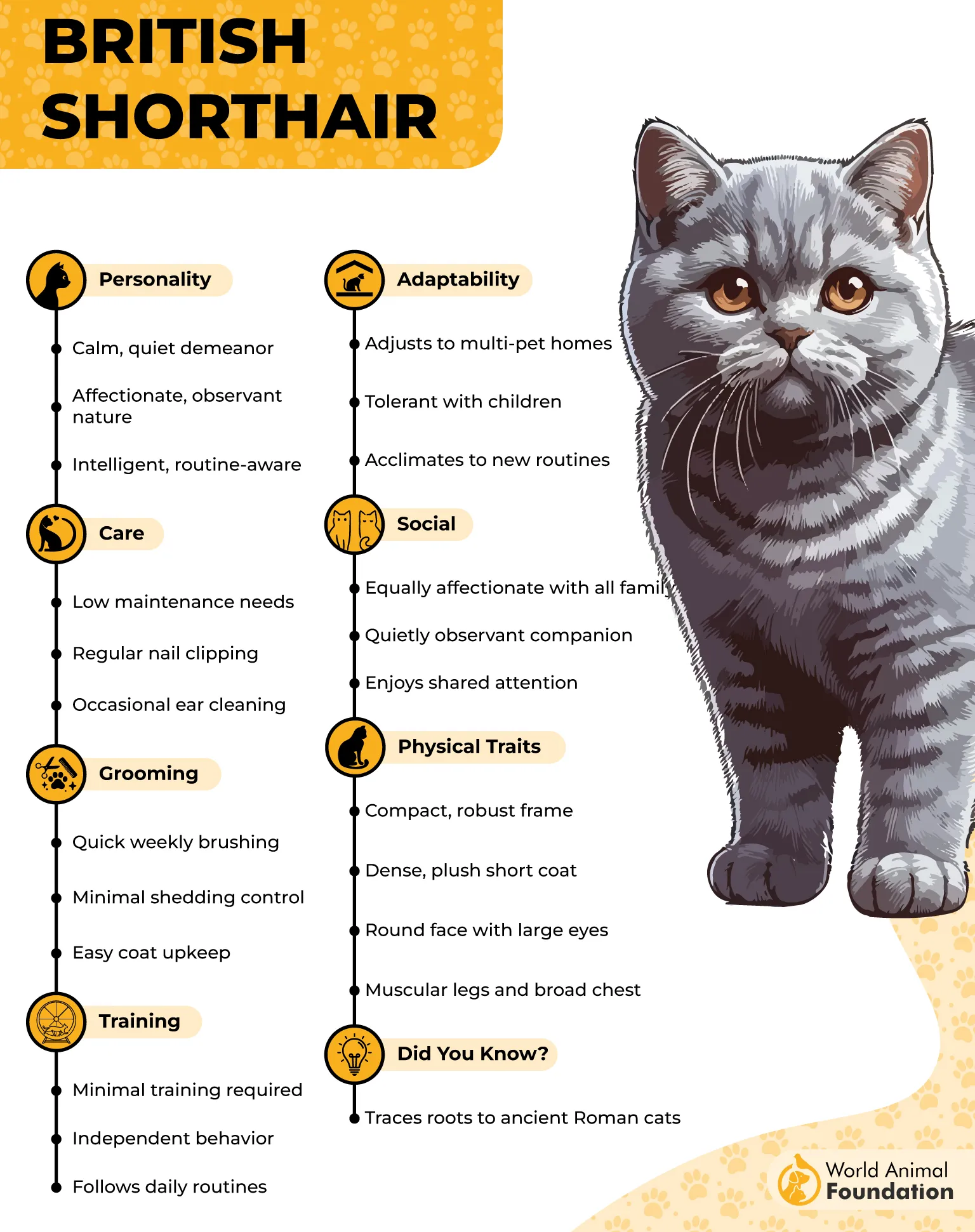
According to Petplan, British Shorthairs are recognized for their round faces and eyes, which give them a sweet and innocent appearance.
Although generally quiet and easygoing, it still enjoys occasional interactive play and mentally engaging activities. Food puzzles and a comfortable perch can provide enrichment without requiring much space.
How This Breed Stands Out
Independent personality: Content entertaining itself, the British Shorthair does not demand constant attention.
Comfortable in quiet spaces: It happily settles into peaceful corners and cozy resting spots.
2. Ragdoll
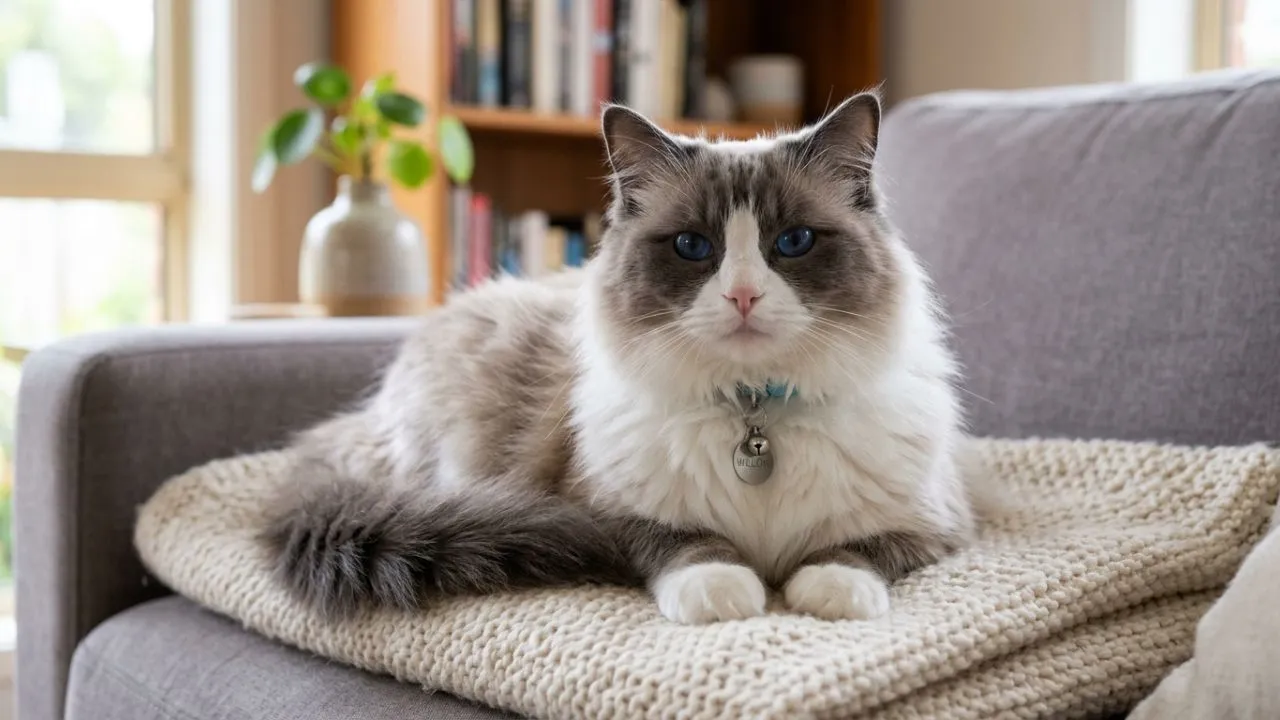
Ragdolls are gentle, easygoing cats that can be a perfect fit for apartment life. Despite their larger build, they are generally relaxed indoors, not overly energetic, and often prefer lounging on soft surfaces rather than constantly racing around the home.
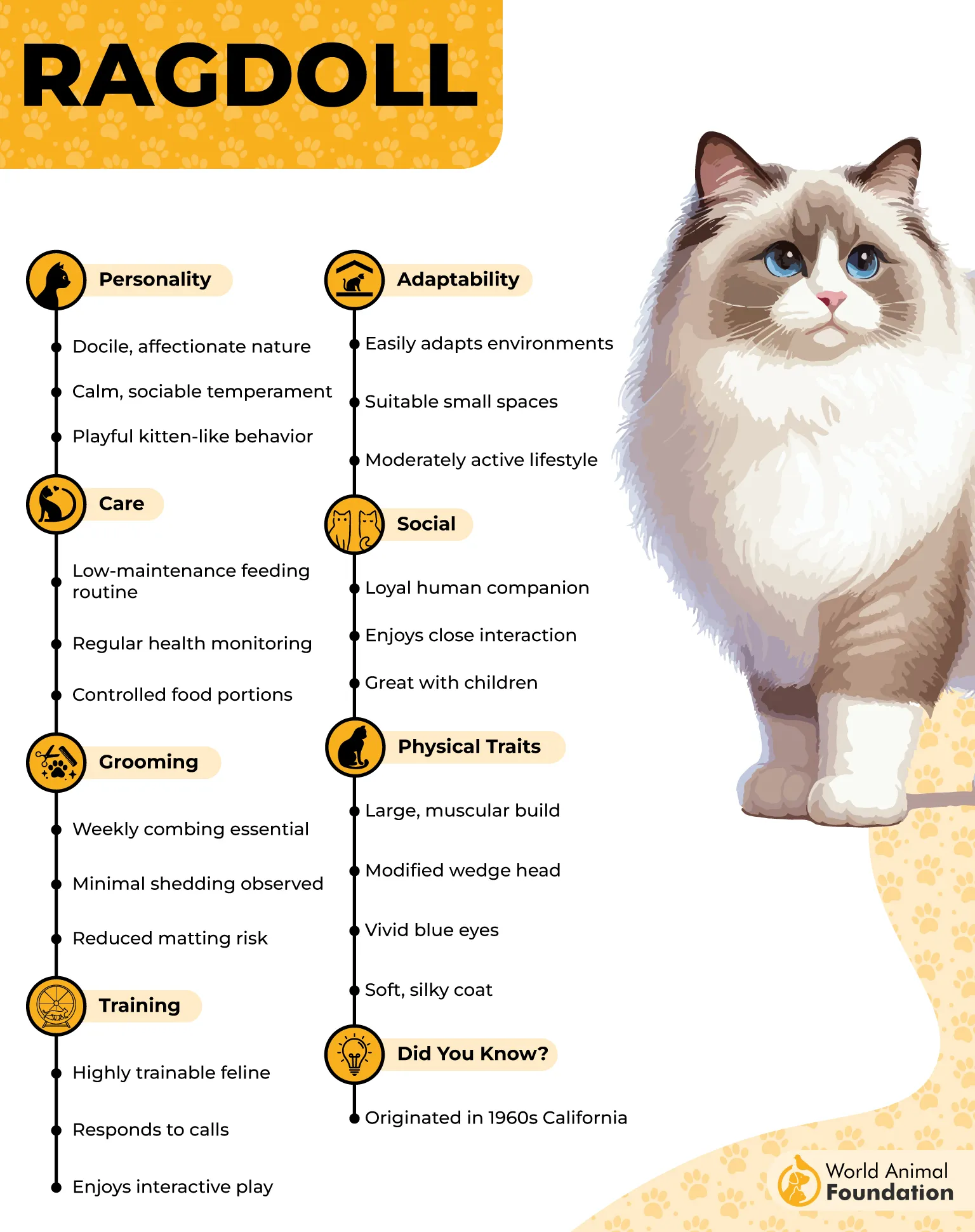
According to PDSA, Ragdolls are generally not very active cats, but they enjoy playing with toys and often like to follow their owners around.
Their affectionate nature makes them especially people-oriented, often following their favorite humans and enjoying plenty of companionship. A multi-level cat tower near a window can give them space to climb, nap, watch the world outside, and make better use of vertical space.
How This Breed Stands Out
Relaxed indoor nature: Calm and content, Ragdolls can settle comfortably into smaller living spaces.
Enjoys human companionship: They thrive on affection and like staying close to their people.
3. Russian Blue
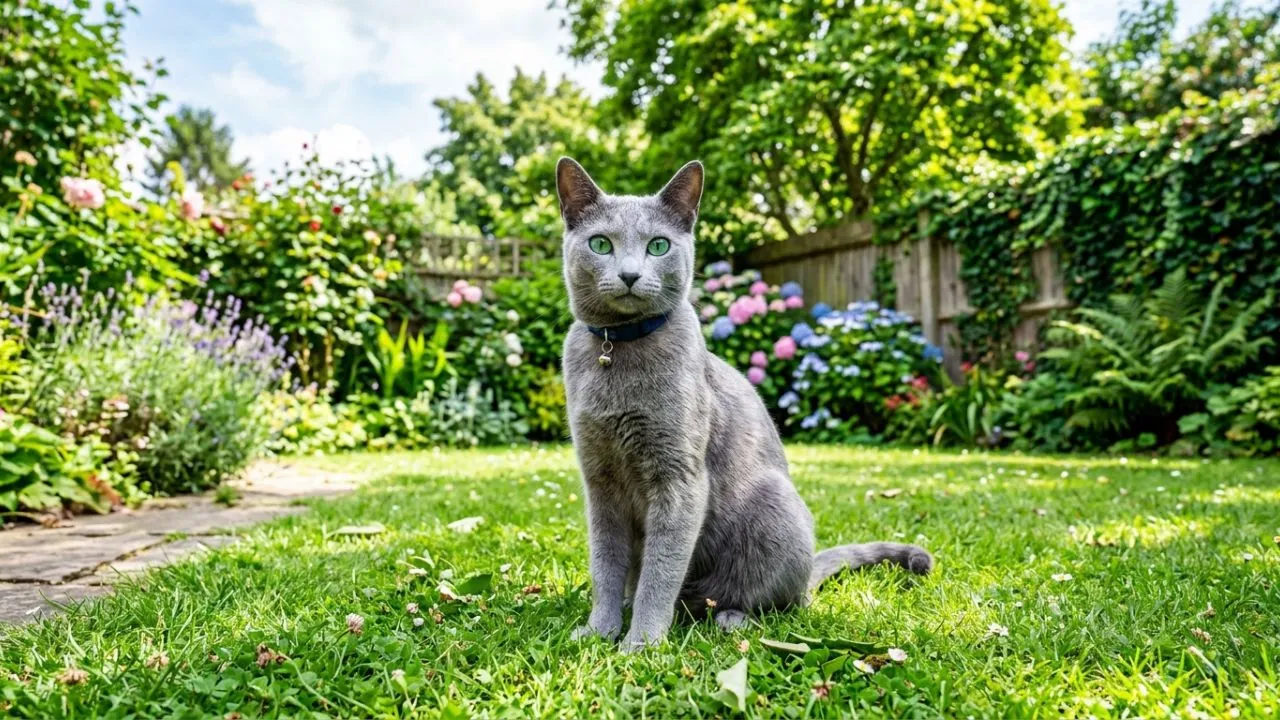
The Russian Blue brings a quiet, elegant presence to smaller homes, with its silvery-blue coat and vivid green eyes. Affectionate without being overly demanding, this intelligent breed is comfortable spending time alone while still forming close bonds with its owners.
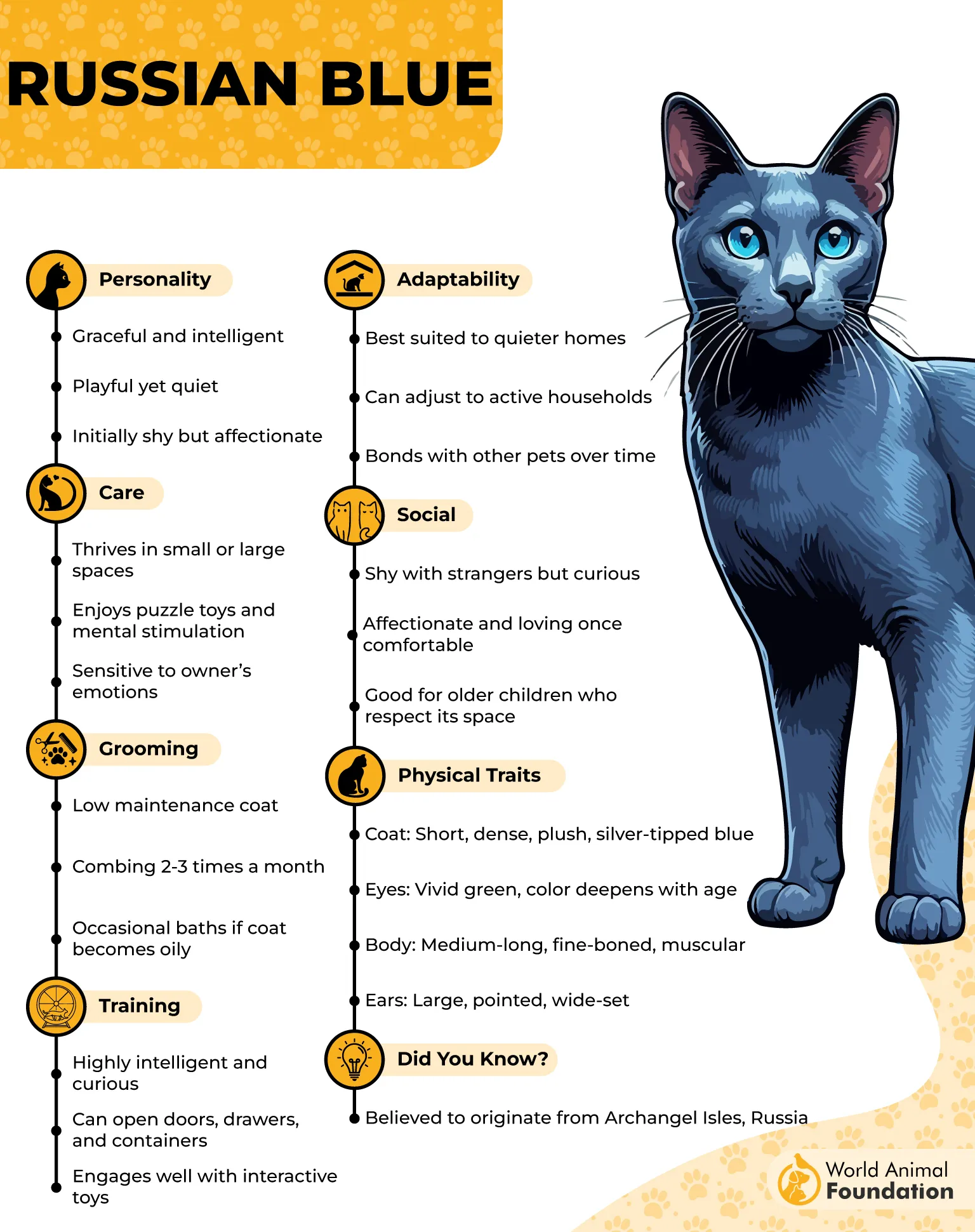
According to Purina, Russian Blues do not shed continuously like some other breeds and only need their coat combed a few times a week to keep it soft and glossy.
With moderate energy levels, the Russian Blue does not require extensive space to stay content. It enjoys interactive toys but often prefers relaxing in sunny spots or elevated perches, where it can calmly observe its surroundings.
How This Breed Stands Out
Reserved with strangers: Its naturally cautious personality means it may take time to warm up to unfamiliar people.
Appreciates predictable routines: A peaceful, consistent environment helps this sensitive breed feel secure.
4. Persian
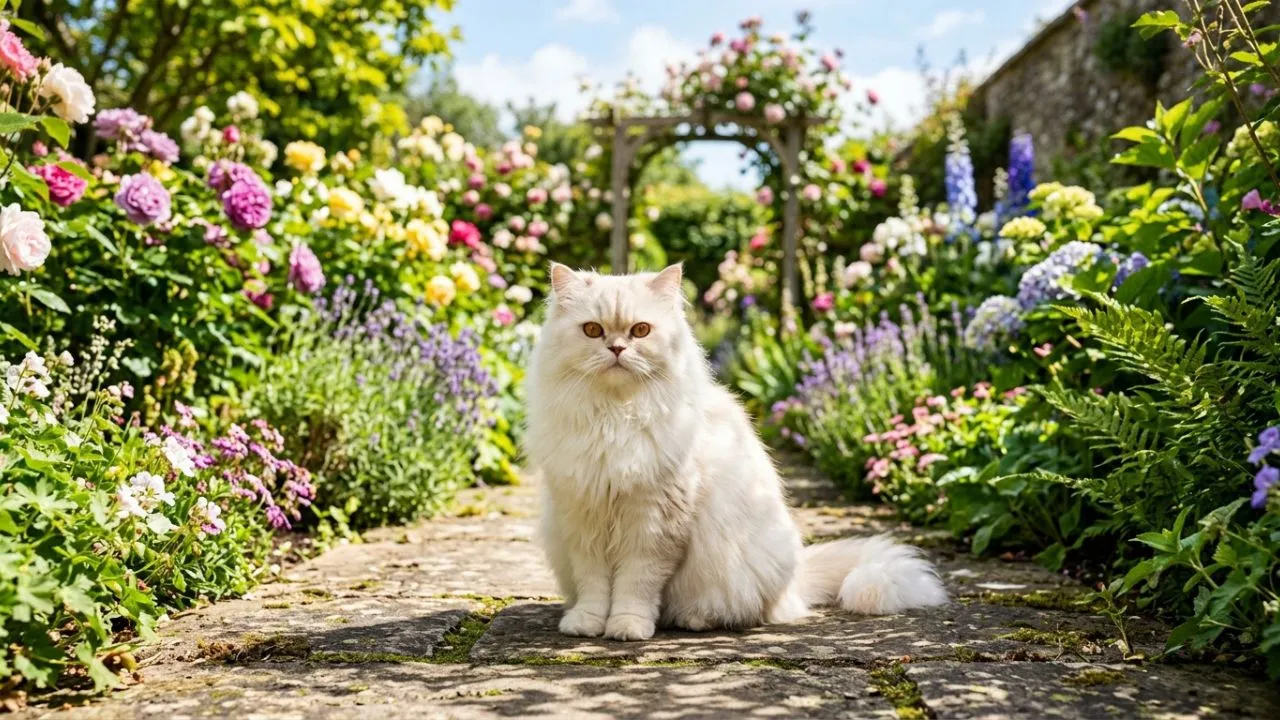
Persians are wonderfully mellow cats that favor cozy naps and quiet companionship over constant activity. Their gentle, affectionate personalities make them particularly comfortable in apartments and peaceful households where they can enjoy a relaxed routine.
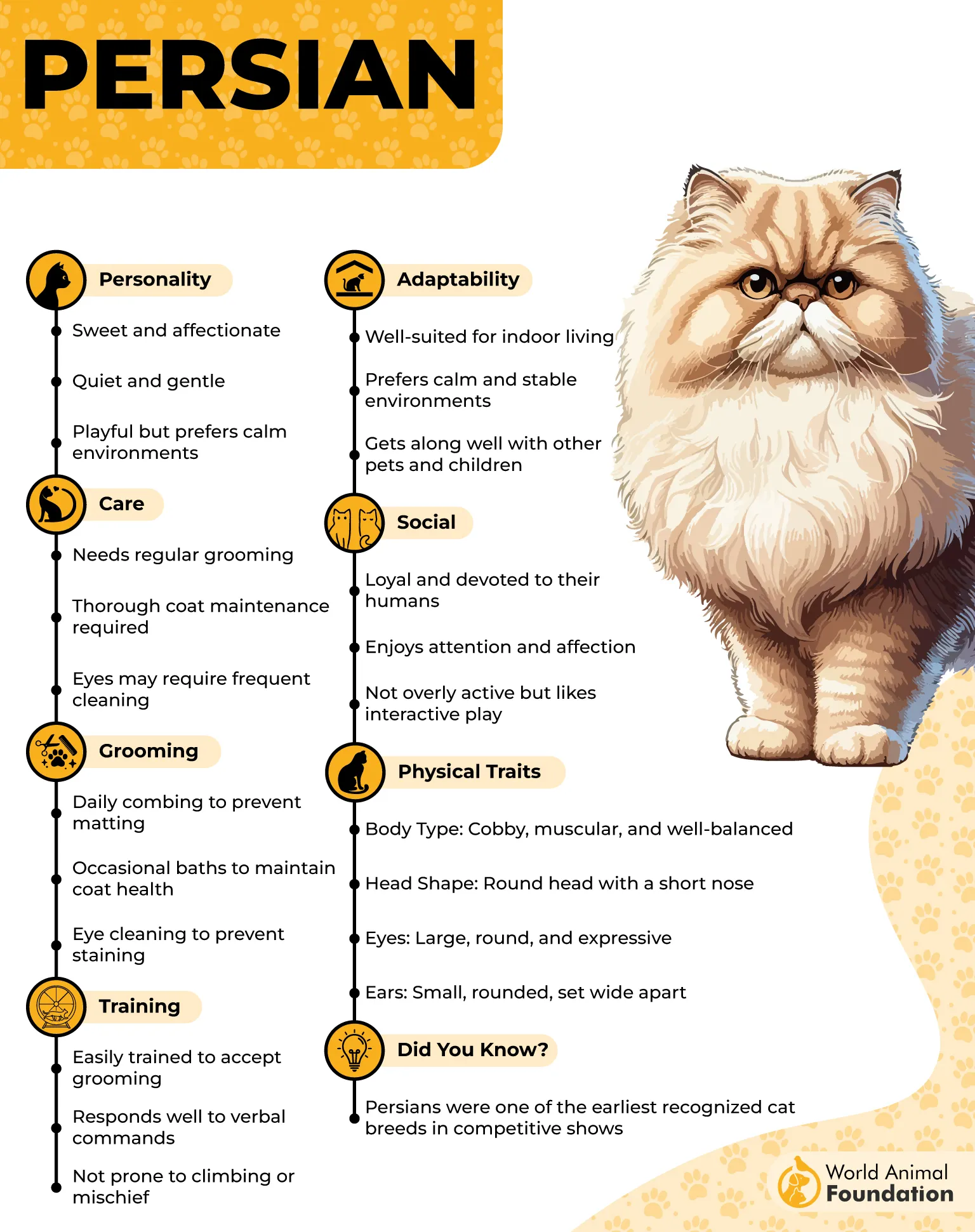
Although their long, luxurious coats require regular grooming, their low-energy nature means they do not need much room to roam. A soft-lined cat tower or plush resting spot can create a safe space for a Persian to retreat to when it wants quiet.
These cats are happiest when life stays calm and predictable, making them a natural fit and a good match for owners who appreciate a quieter companion. They enjoy spending time with their people and are usually content to relax nearby rather than constantly seeking opportunities to explore.
How This Breed Stands Out
Low-key indoor lifestyle: Persians are content lounging, napping, and enjoying calm indoor routines.
Prefers peaceful surroundings: Their docile temperament makes them happiest in quiet, predictable homes.
5. Birman
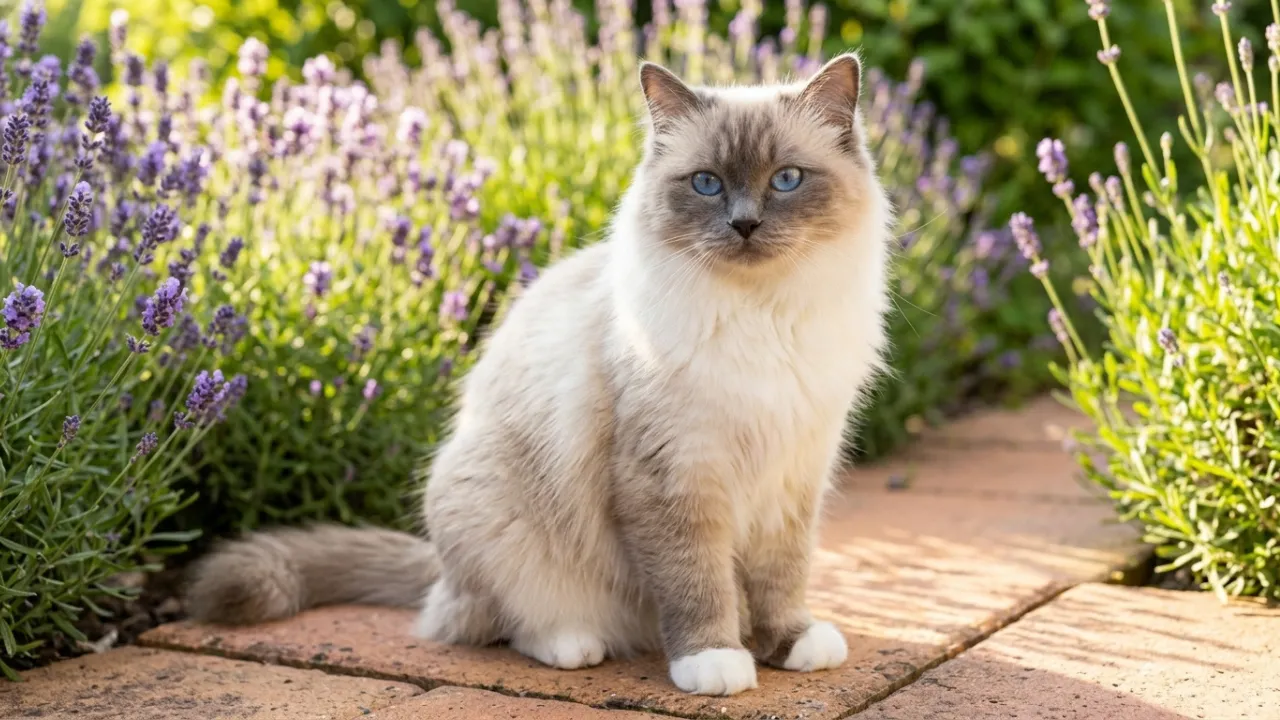
Birmans are affectionate, gentle cats that enjoy staying close to their favorite people without becoming overly demanding. Their calm temperament suits indoor living, while their playful side adds plenty of personality without requiring a large home.
They communicate quietly and enjoy social interaction, often happily sharing their space with family members and other pets. Short play sessions, including chasing games, can provide enough activity to keep them entertained in a compact living environment.

These adaptable cats appreciate being included in everyday family life and tend to thrive when they receive regular companionship. Their balanced nature allows them to enjoy both peaceful downtime and playful moments, making them well suited to households where they can stay connected to their people.
How This Breed Stands Out
Soft, quiet communication: Birmans tend to express themselves gently rather than being excessively vocal.
Social yet gentle: They enjoy companionship while maintaining an easygoing, non-demanding nature.
6. Exotic Shorthair
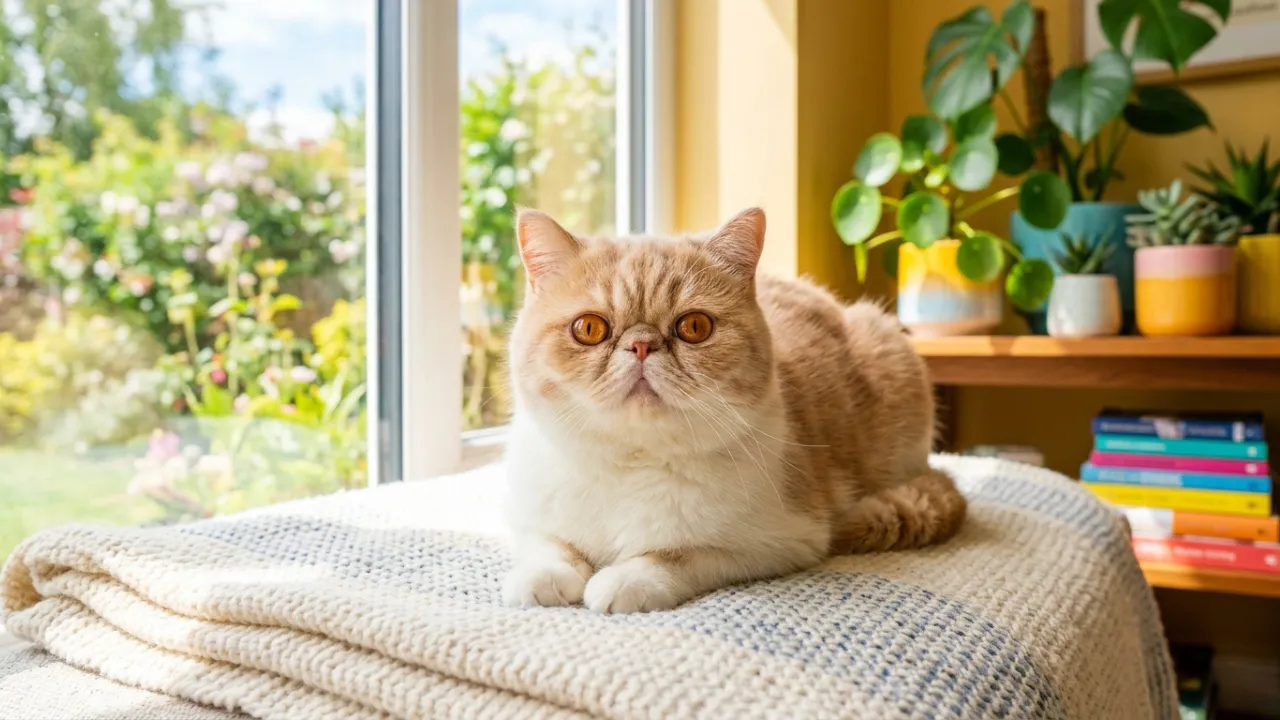
The Exotic Shorthair combines the affectionate, relaxed personality with a shorter coat that is easier to manage. These quiet cats enjoy cozy corners, soft cushions, and warm laps, making them naturally suited to compact homes.
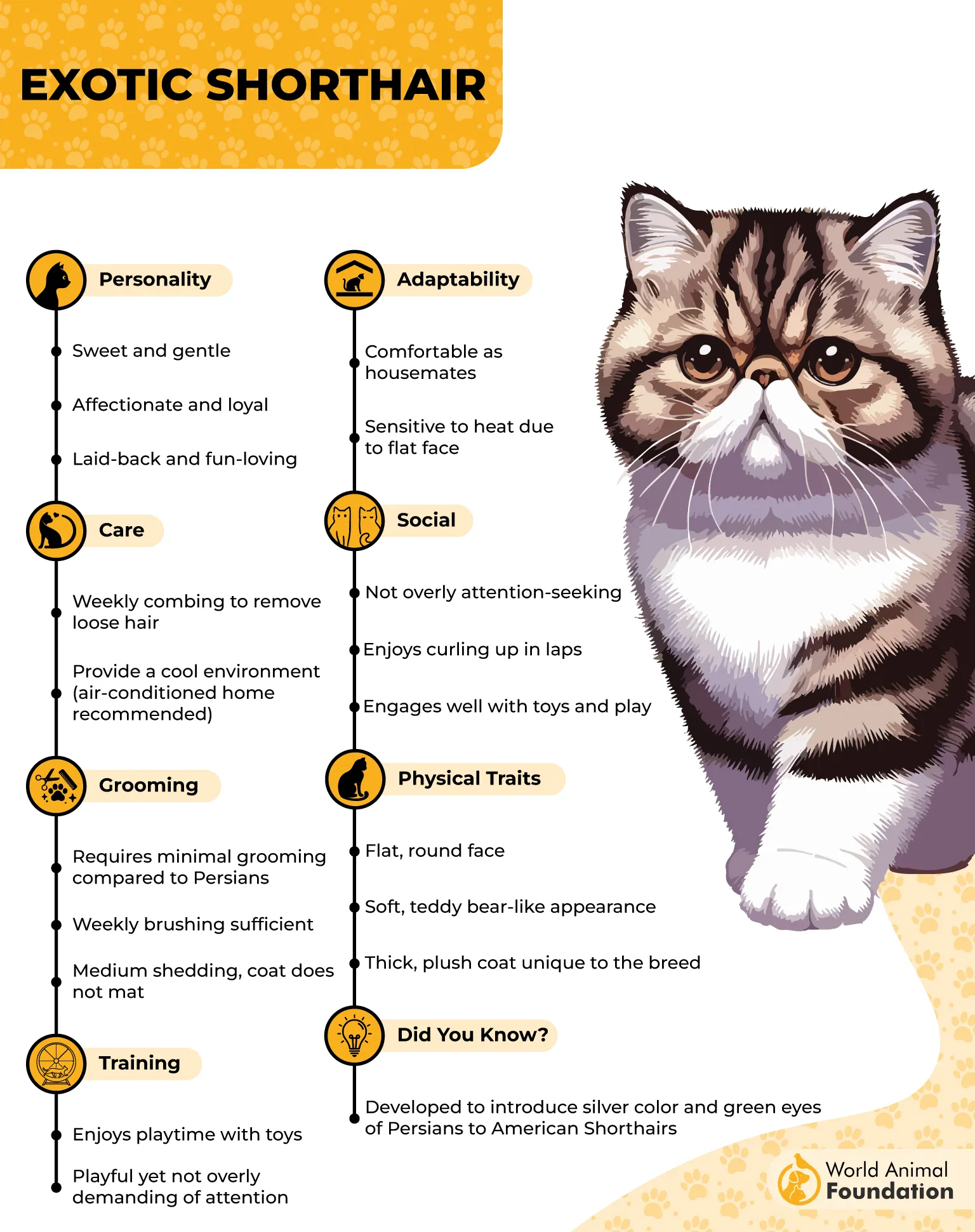
Although generally laid-back, Exotics have a playful streak and enjoy interactive toys before settling down for another comfortable rest. They are affectionate without constantly demanding attention and tend to make gentle, easygoing indoor companions.
How ThisLow-Maintenancee Breed Stands Out
Easygoing temperament: Calm and adaptable, Exotics are comfortable with a relaxed indoor routine.
Shorter, manageable coat: Their shorter fur requires less grooming than the Persian’s luxurious long coat.
7. Burmese
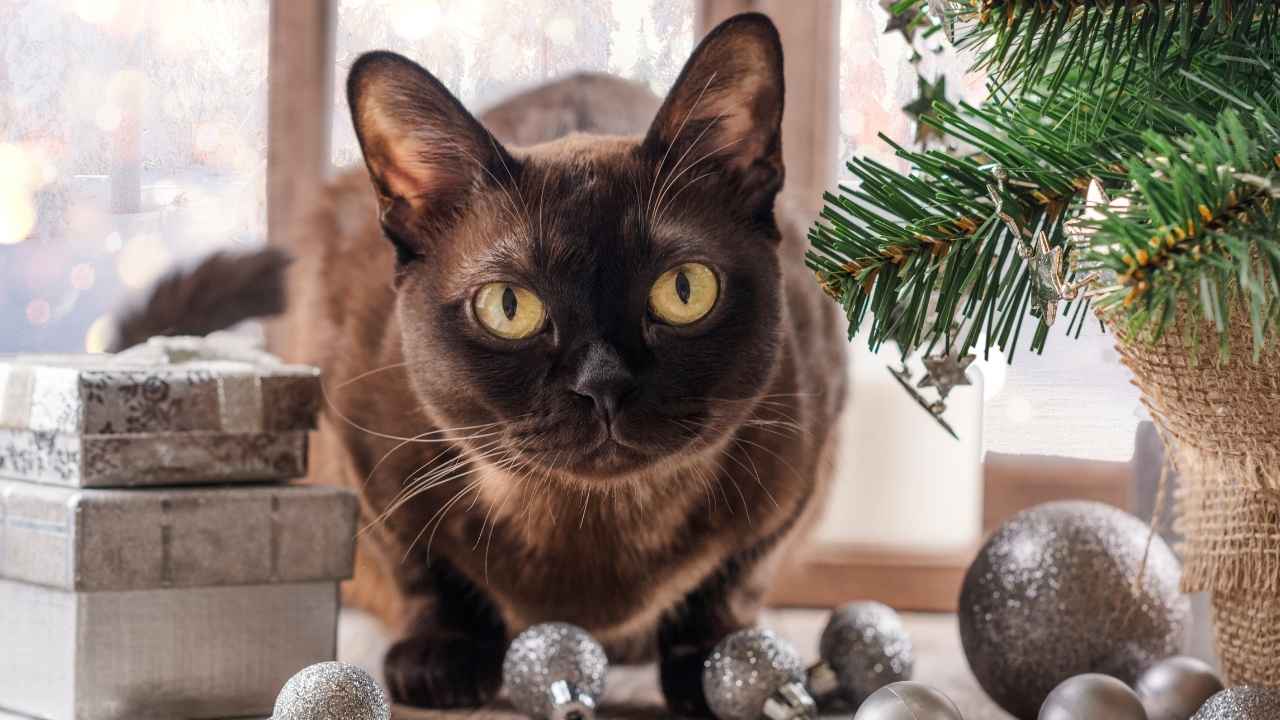
Burmese cats are affectionate, social, and highly interactive, often forming strong attachments to their humans. Their compact nature means they do not require extensive living space, and they can happily stay entertained by the everyday activity of a household.
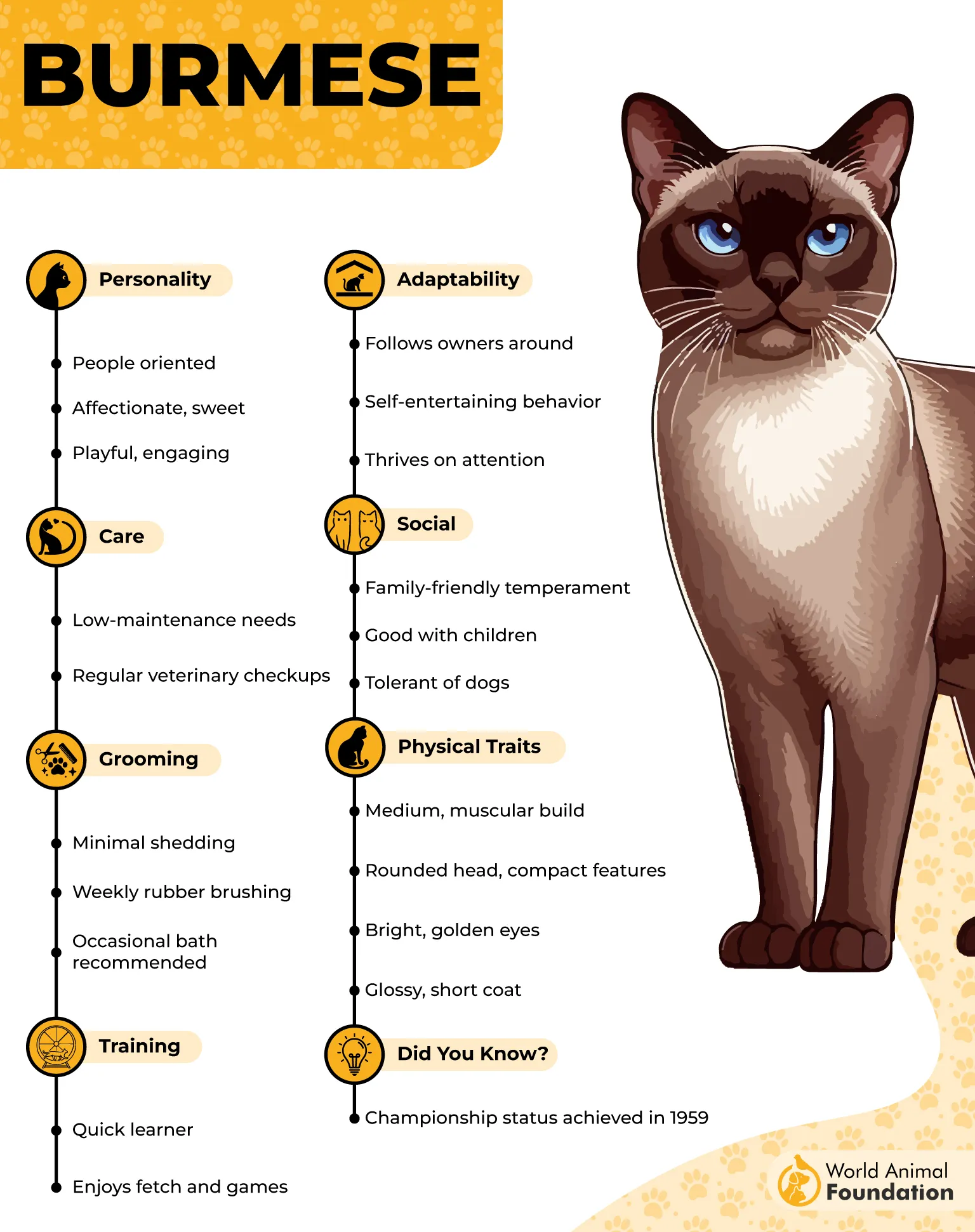
Playful and athletic, Burmese enjoy climbing, jumping, and games such as fetch or tag. Providing a cat tree or a few elevated spots gives them opportunities to exercise without needing a large home, while regular companionship helps them stay content.
How This Breed Stands Out
Highly people-focused: Burmese thrive on attention and prefer having their favorite humans or pets nearby.
Playful without needing much space: Their energetic games and climbing can be easily accommodated indoors.
Conclusion
Choosing a cat for a small home does not mean sacrificing companionship or personality, and some of the best fits also have big personalities. The right breed can feel perfectly comfortable in a compact space while fitting naturally into your daily routine.
Cats tend to adapt well to compact homes when their daily routine includes mental and physical stimulation.
Consider each breed’s activity level, social needs, and grooming requirements before making your choice. Providing cozy resting spots, interactive toys, and suitable enrichment can make a smaller home feel much more engaging, especially when interactive playtime, a little creativity, smart furniture, and enough scratching options help encourage healthy behavior and keep the space fun.
Whether you want an independent companion or a cat that will love staying close, these breeds offer plenty of wonderful options for apartment living. Check breed health history and speak with a vet before deciding. With the right environment and care, even a compact home can be a happy place for a feline companion.
