




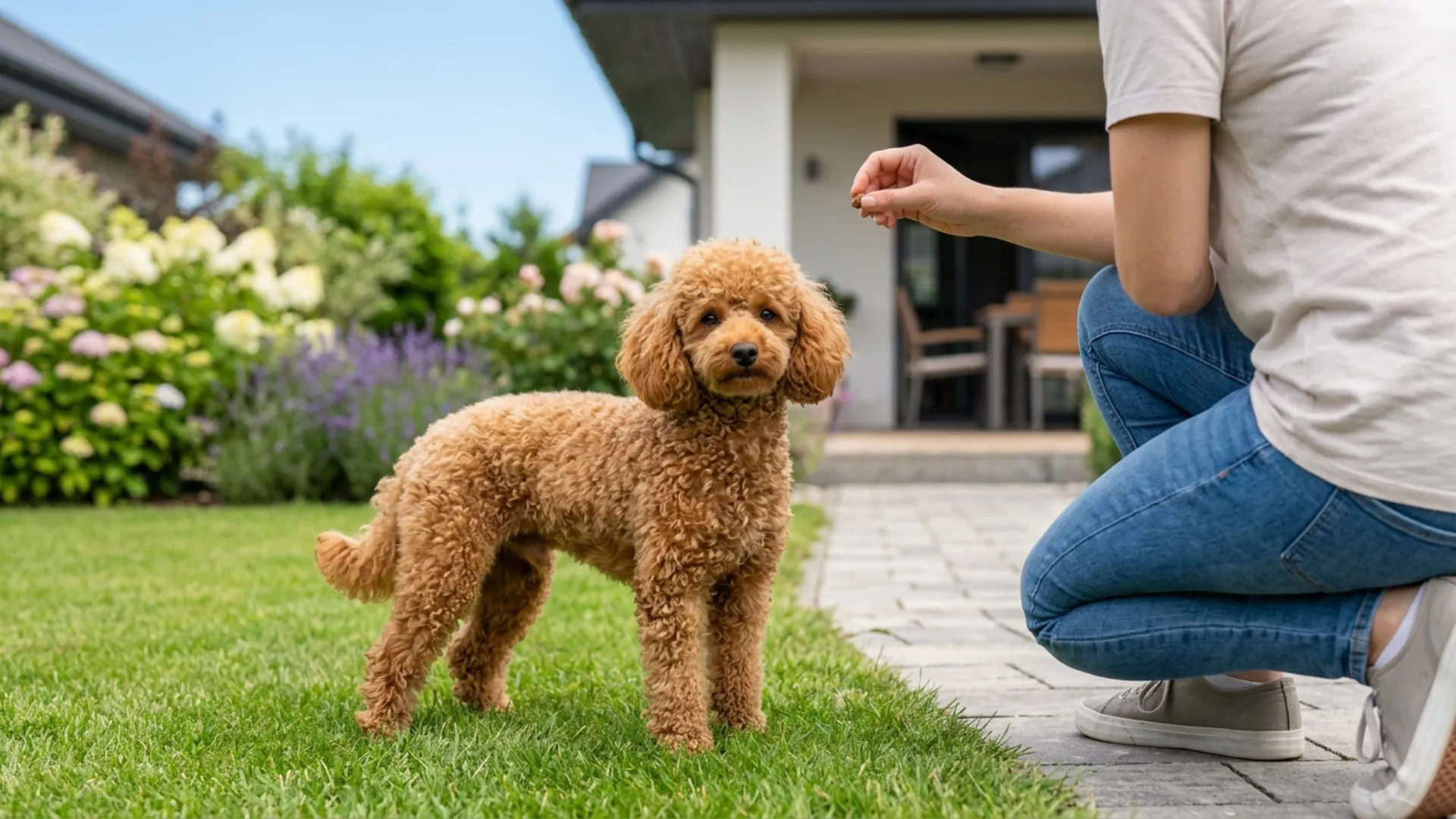
Getting your first dog is equal parts exciting, adorable, and mildly terrifying. One minute you are choosing a cute collar, and the next you are googling why your tiny roommate is staring at you while eating a sock.
Small dogs can make brilliant first companions because they fit comfortably into apartments, are easier to transport, and usually need less physical space than larger breeds. But tiny does not automatically mean low-maintenance; grooming, training, barking, social needs, and health concerns can still keep a new owner very busy.
The top small dog breeds best for first-time owners, mentioned below, offer particularly appealing combinations of companionship, manageable size, adaptability, and trainability for new dog parents.
Top Small Dog Breeds Best for First-Time Owners
1. Cavalier King Charles Spaniel
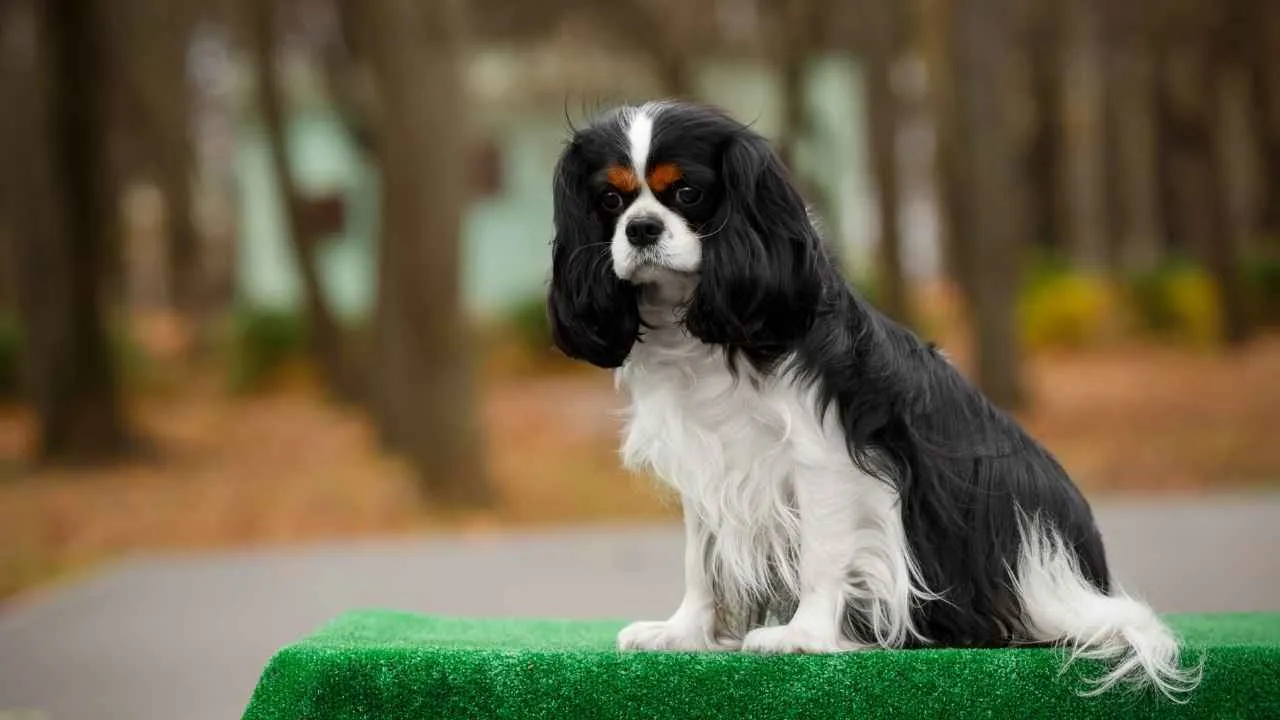
Cavaliers are affectionate, gentle companion dogs that tend to enjoy being near their humans without needing to turn every interaction into a power struggle. Their adaptable personality can work beautifully in apartments, family homes, and quieter households when they receive enough companionship and daily activity.
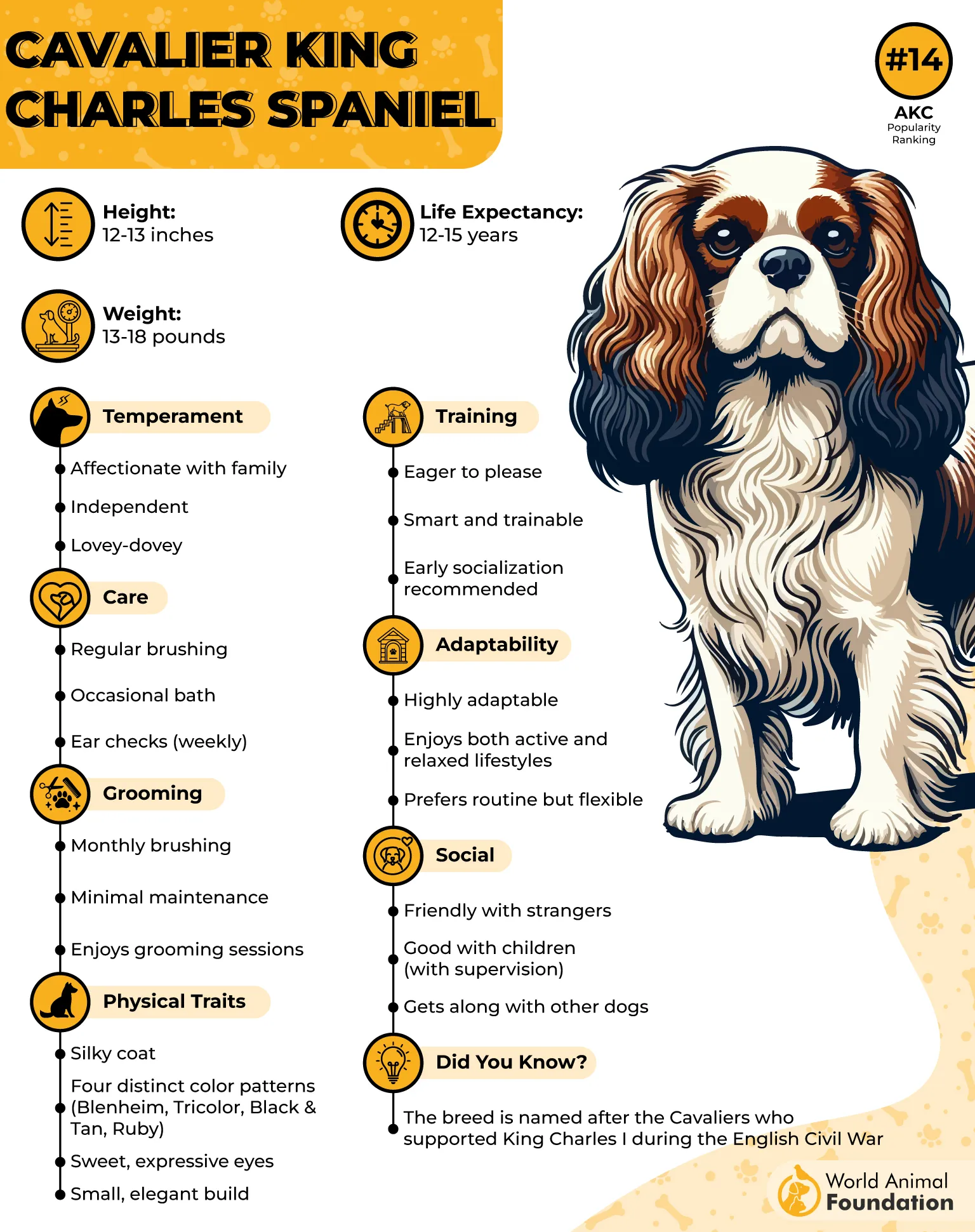
Their silky coat comes in four recognized color patterns: blenheim, tricolor, black and tan, and ruby. Regular brushing and occasional bathing usually keep the coat manageable, although those glamorous feathered ears need extra attention because tangles do not care that you are a beginner.
When compared with most other dogs, these couch potatoes generally respond well to positive reinforcement, treats, praise, and short sessions that keep learning enjoyable rather than turning it into canine corporate training.
Tip For First-Time Owners
Put verified breeder health testing near the top of your checklist, particularly cardiac and eye screening.
Build alone time gradually, because a Cavalier who spends every waking minute attached to you may struggle when your schedule changes.
2. Shih Tzu
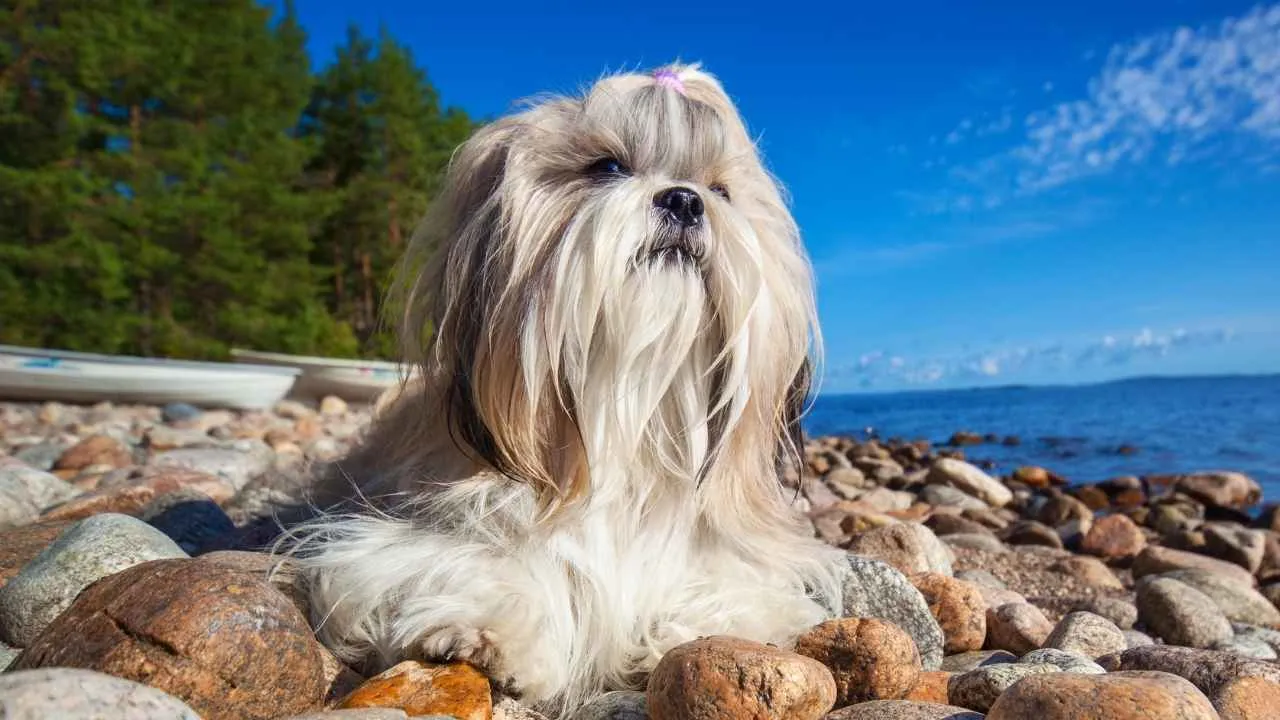
The Shih Tzu is an outgoing little companion dog that enjoys laps, attention, household activities, and being suspiciously involved in anything their humans are doing. For a beginner seeking an affectionate indoor companion rather than a dog that demands hours of outdoor cardio, the match can be excellent.
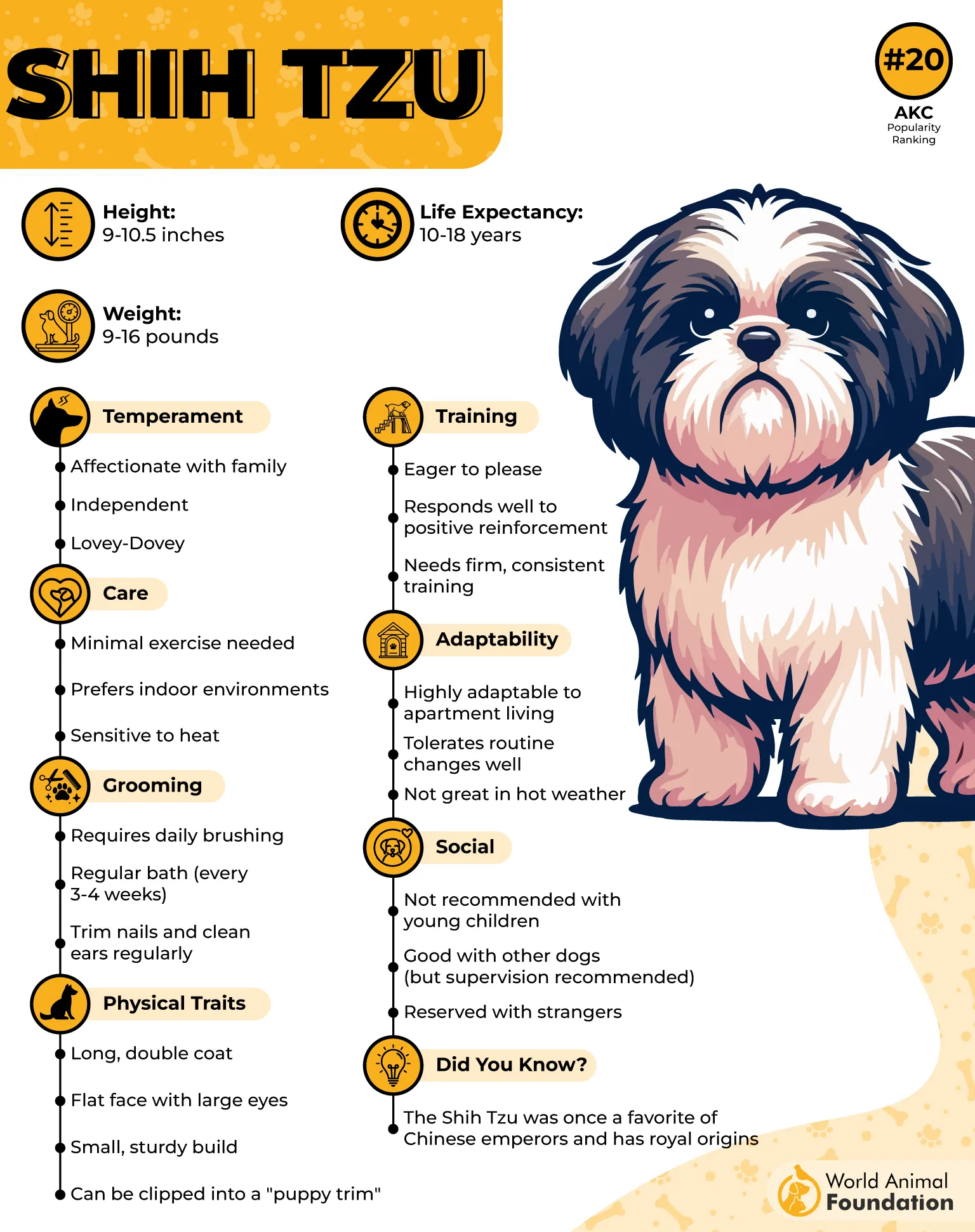
These energetic breed dogs pack a surprising amount of personality into a compact frame. Their long double coat can look red-carpet ready, but that aesthetic comes with work: PetMD recommends daily brushing for a long coat and regular bathing, while many pet owners choose a shorter puppy trim for easier upkeep.
Training requires patience for first-time dog owners, despite them being one of the best small dog breeds out there. Reward-based methods work far better than harsh corrections, especially because the breed tends to be people-oriented and responsive to praise.
Tip For First-Time Owners
A short puppy cut can make coat maintenance dramatically more realistic if daily long-coat grooming is not your thing.
Schedule walks during cooler parts of hot days and never treat heavy panting as the dog simply being dramatic.
3. Bichon Frise
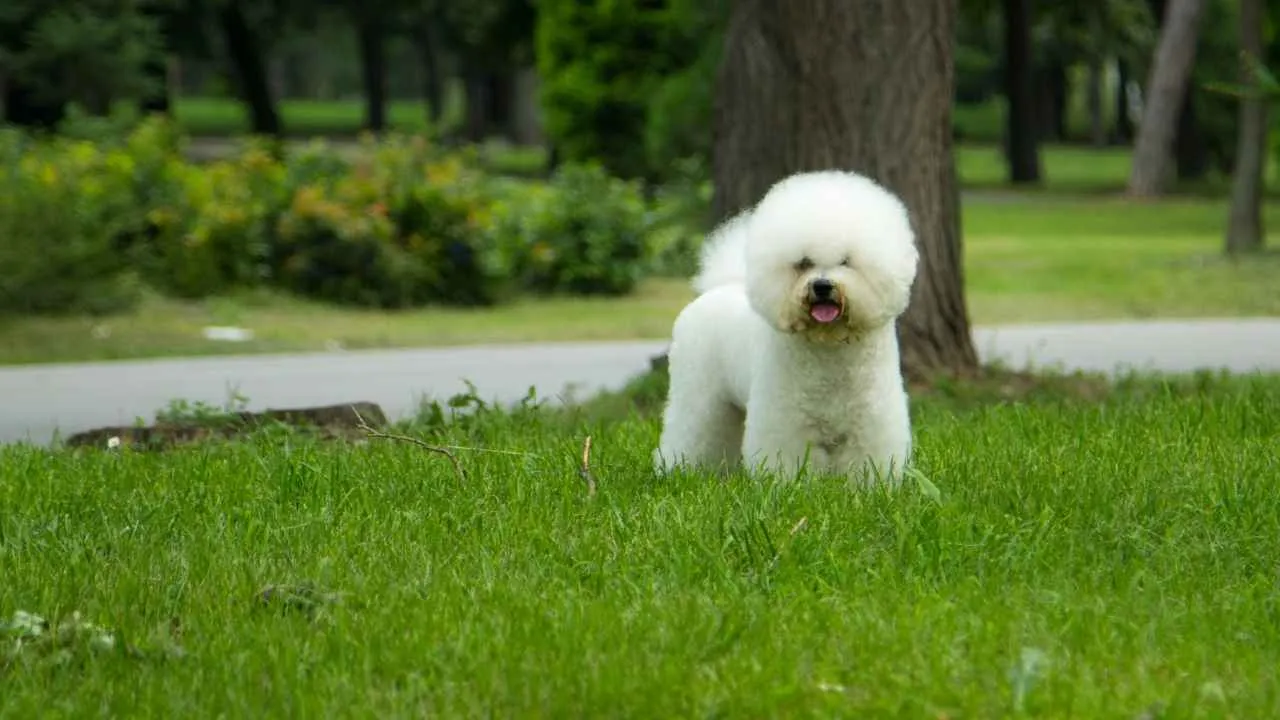
One of the best small dog breeds for first-time owners is the sturdy and playful little dog named the Bichon Frise. Its sociability, trainability, manageable size, and enthusiasm for human company give beginners a lot to work with.
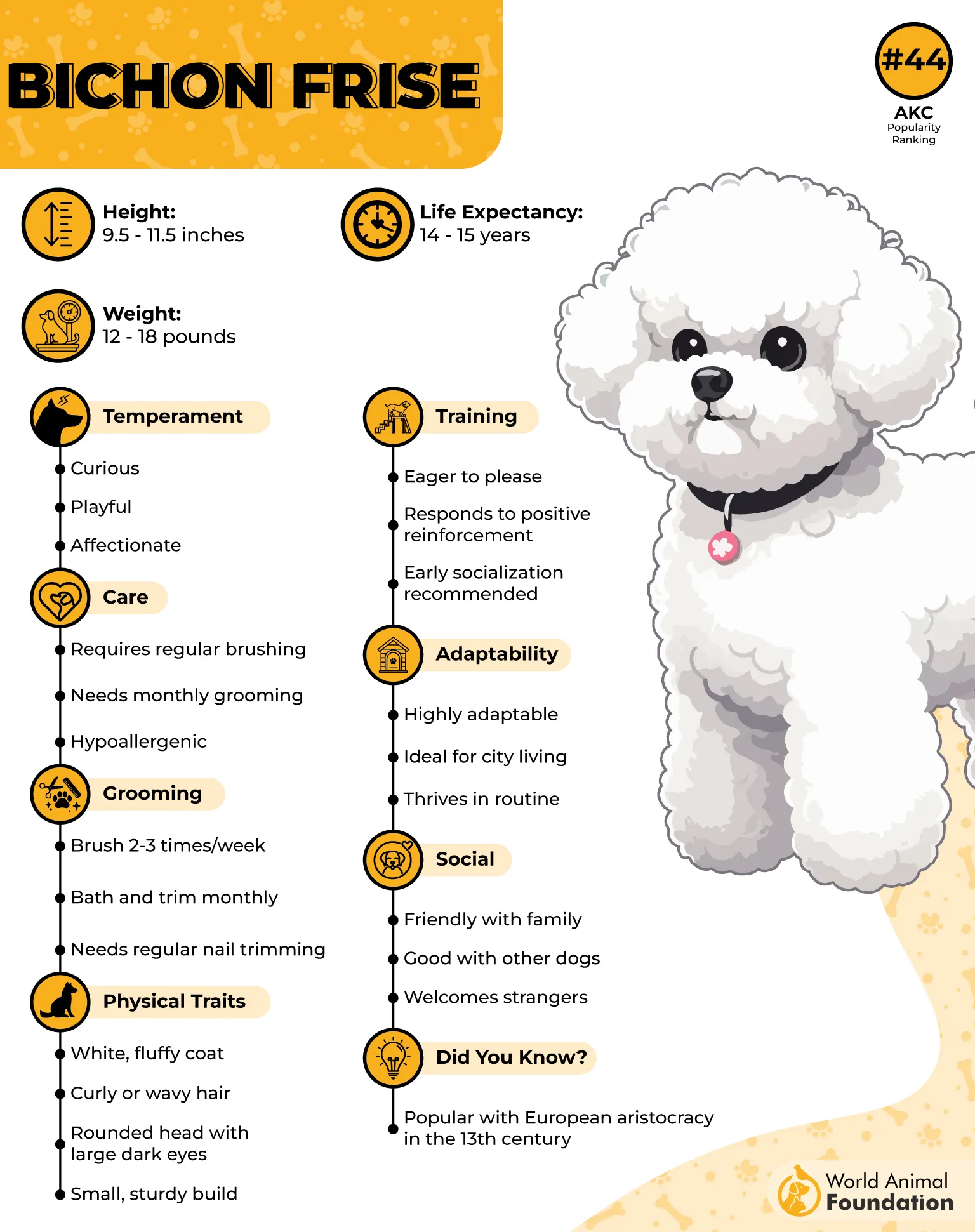
This cute small dog breed tends to enjoy learning and interacting with people. Bichons have historically performed for audiences and today can excel in activities such as obedience, Rally, tricks, and agility, which suggests there is more processing power beneath the fluff than their teddy-bear appearance suggests.
New owners should also understand the less glamorous maintenance hiding behind that Instagram-ready face. Dental hygiene, ear care, skin monitoring, and knee health deserve attention, and the Bichon Frise Club of America recommends breeding-stock evaluations for the eyes, hips, and patellas.
Tip For First-Time Owners
Use tricks and food puzzles to channel the Bichon’s naturally entertaining personality into something more productive than rearranging your socks.
Give dental care real priority; adorable fluff does not make plaque disappear.
4. Toy Poodle
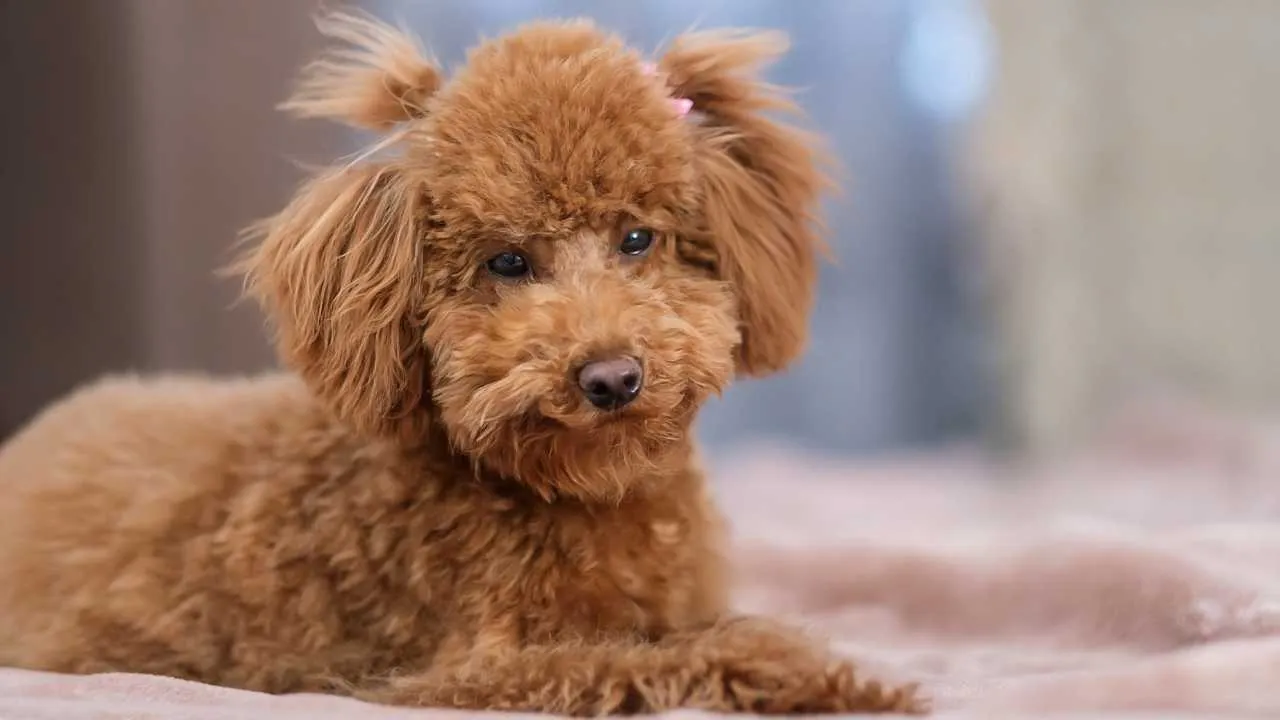
The Toy Poodle is what happens when someone puts an extremely clever dog into a tiny, curly package. Poodles are lively, people-focused, remarkably trainable, and often several moves ahead of inexperienced owners.
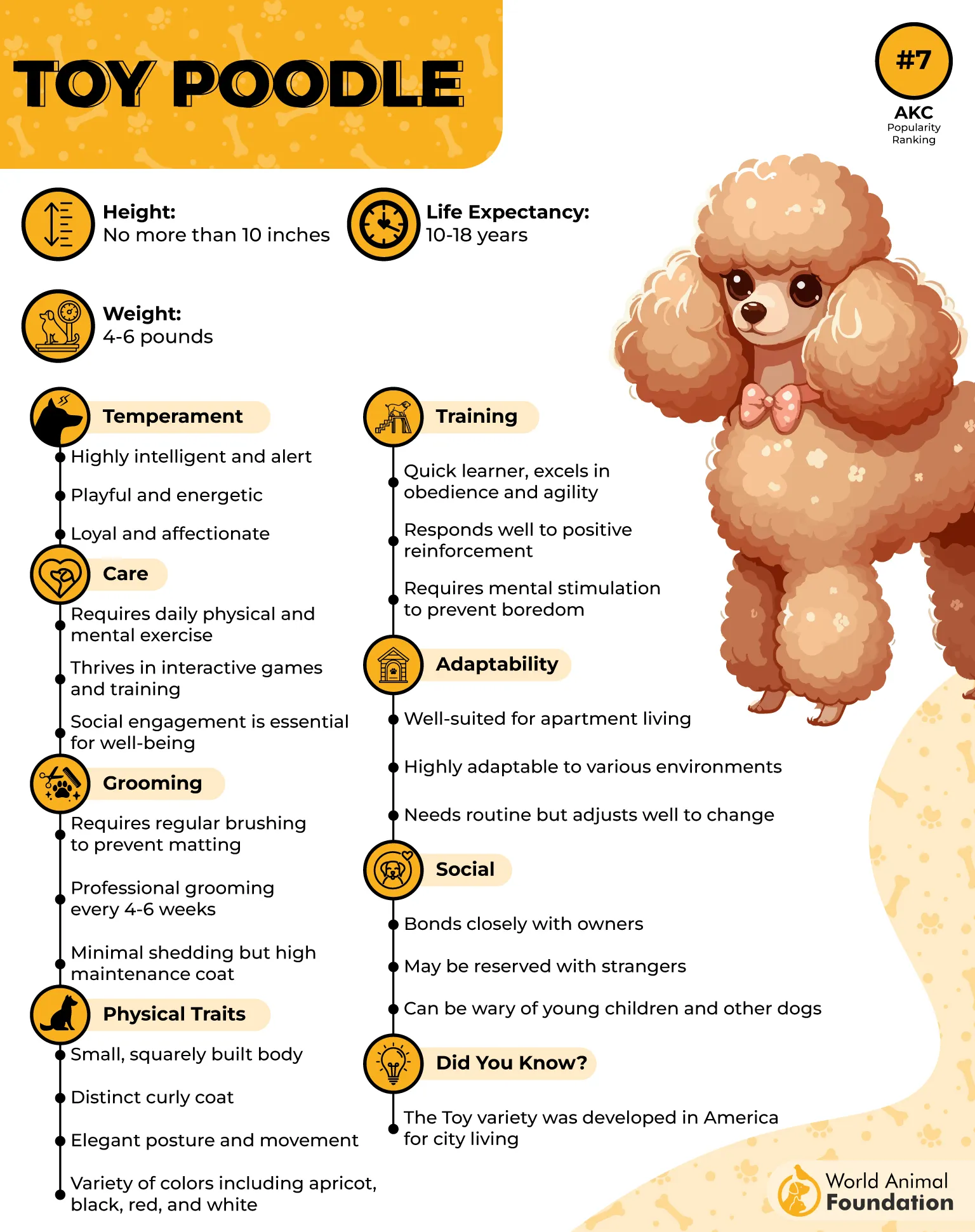
Their tiny size also means owners need to protect them from careless handling, big falls, and rough play with substantially larger animals. These affectionate lap dogs are known for their intelligence and ability to learn, and they enjoy obedience, tricks, and retrieval games.
For health management, knees and teeth are worth putting on your radar as a beginner owner. Great for first-time pet parents: they are among the small breeds most frequently affected by patellar luxation.
Tip For First-Time Owners
Buy food puzzles and training treats along with the bed and leash; this breed needs something to do with its brain.
Teach calmness as deliberately as tricks, because intelligence plus excitement can create a tiny overachiever who never clocks out.
5. Havanese
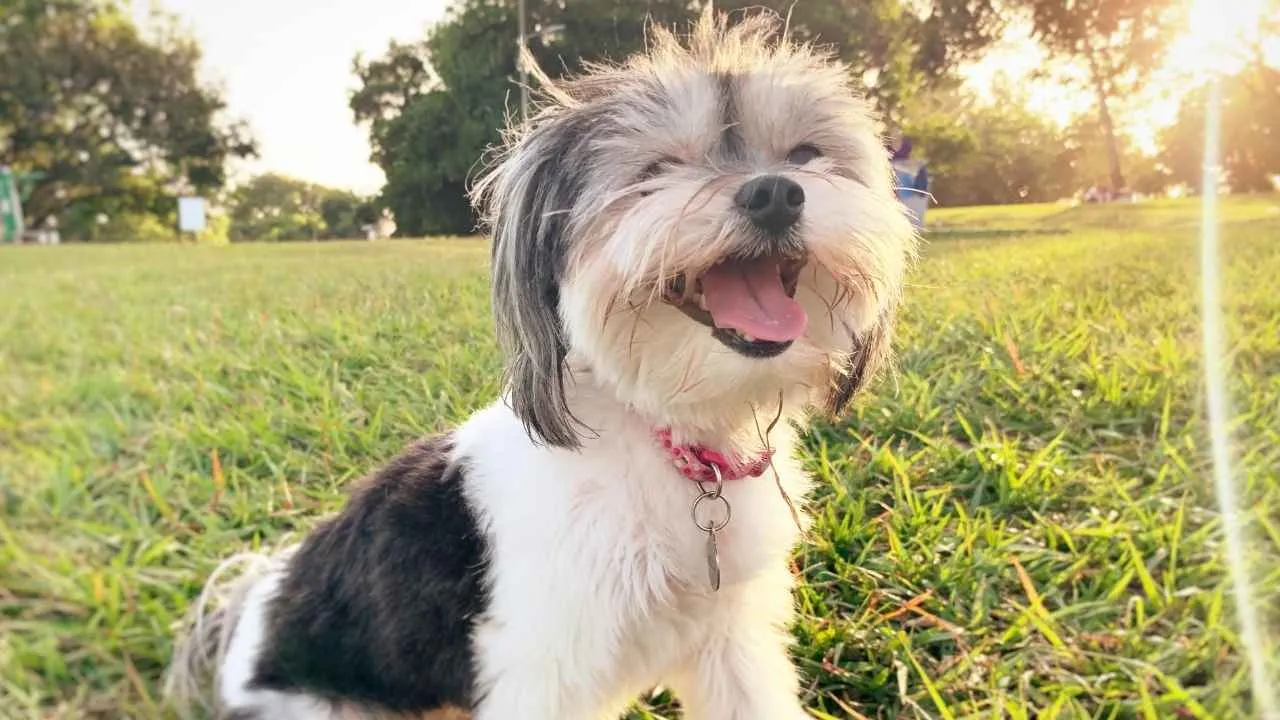
Cuba’s native dog breed, the Havanese, is cheerful, intelligent, social, and highly companion-oriented, traits that can make life easier for someone still learning the ropes of dog ownership. These dogs, with their friendly nature, are usually happiest when included in everyday family activities.
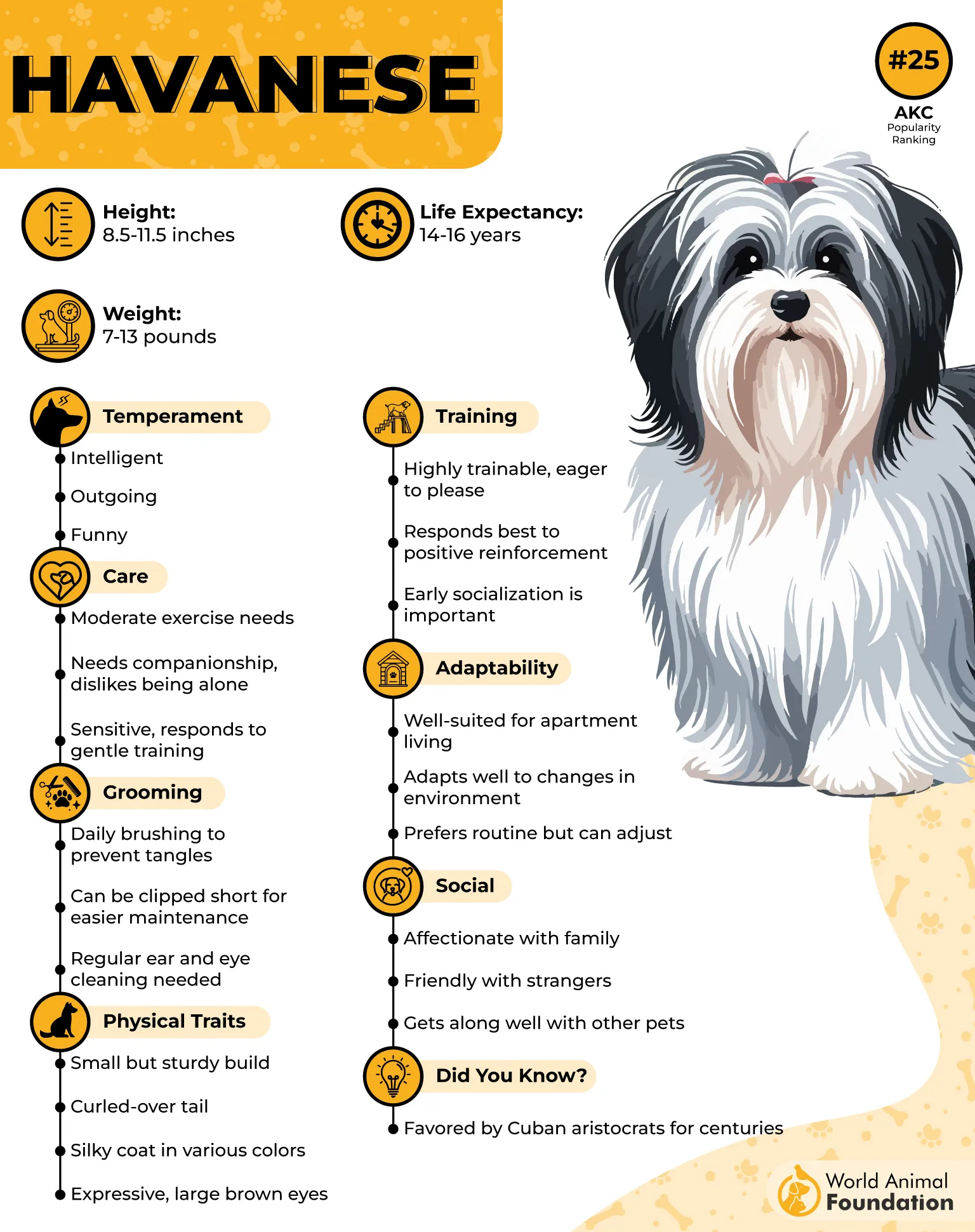
Their long, silky coats come in numerous colors, as per Purina, and can look spectacular when left full length, but daily brushing is typically needed to prevent tangles and mats. Owners who admire the fluff but have approximately zero desire to maintain a canine hair salon can keep the coat clipped shorter.
These excellent family dogs for apartment living parents tend to be bright and eager to cooperate, especially when obedience training stays positive. Their sensitivity means heavy-handed corrections can undermine confidence.
Tip For First-Time Owners
Practice short departures while your puppy is young, so that the dog’s companionship does not evolve into panic whenever you leave.
Keep a comb somewhere convenient, because skipping little tangles today can lead to a grooming plot twist tomorrow.
6. Yorkshire Terrier
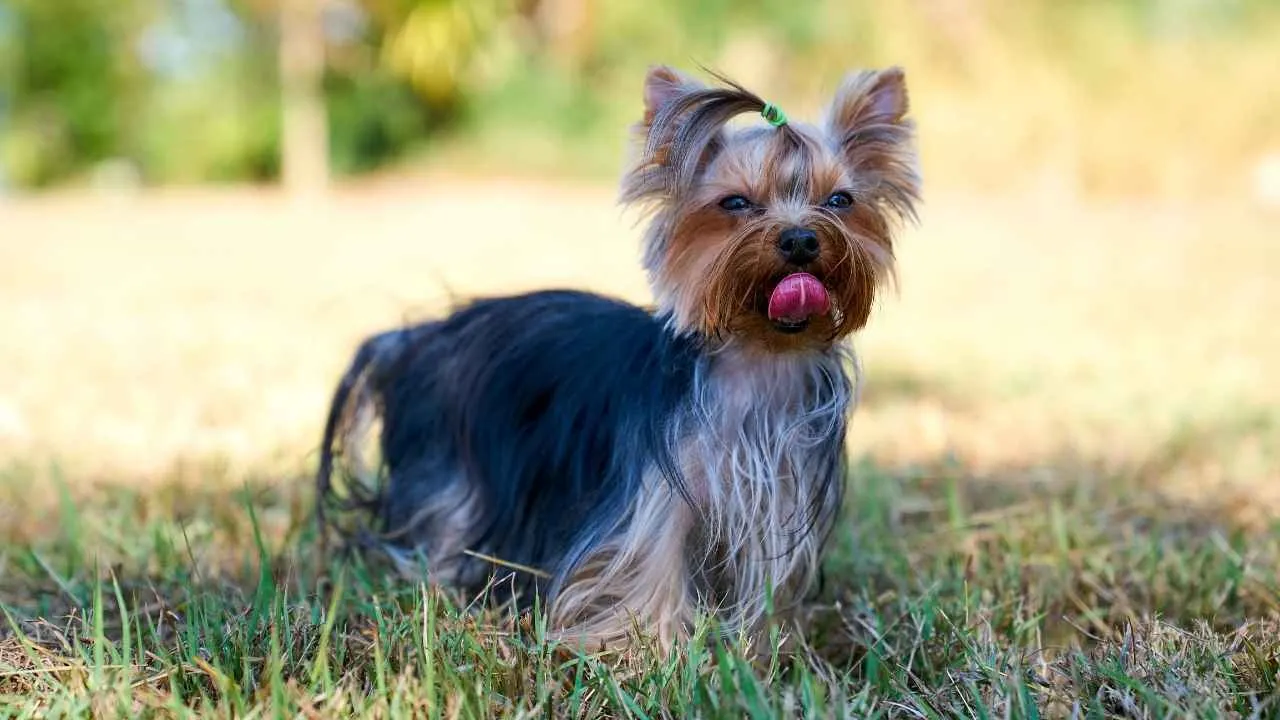
The Yorkshire Terrier weighed about as much as someone’s lunch, but nobody remembered to tell the Yorkie. First-time owners who want a portable terrier breed with considerably more spice than a classic lapdog may find the Yorkie incredibly entertaining.
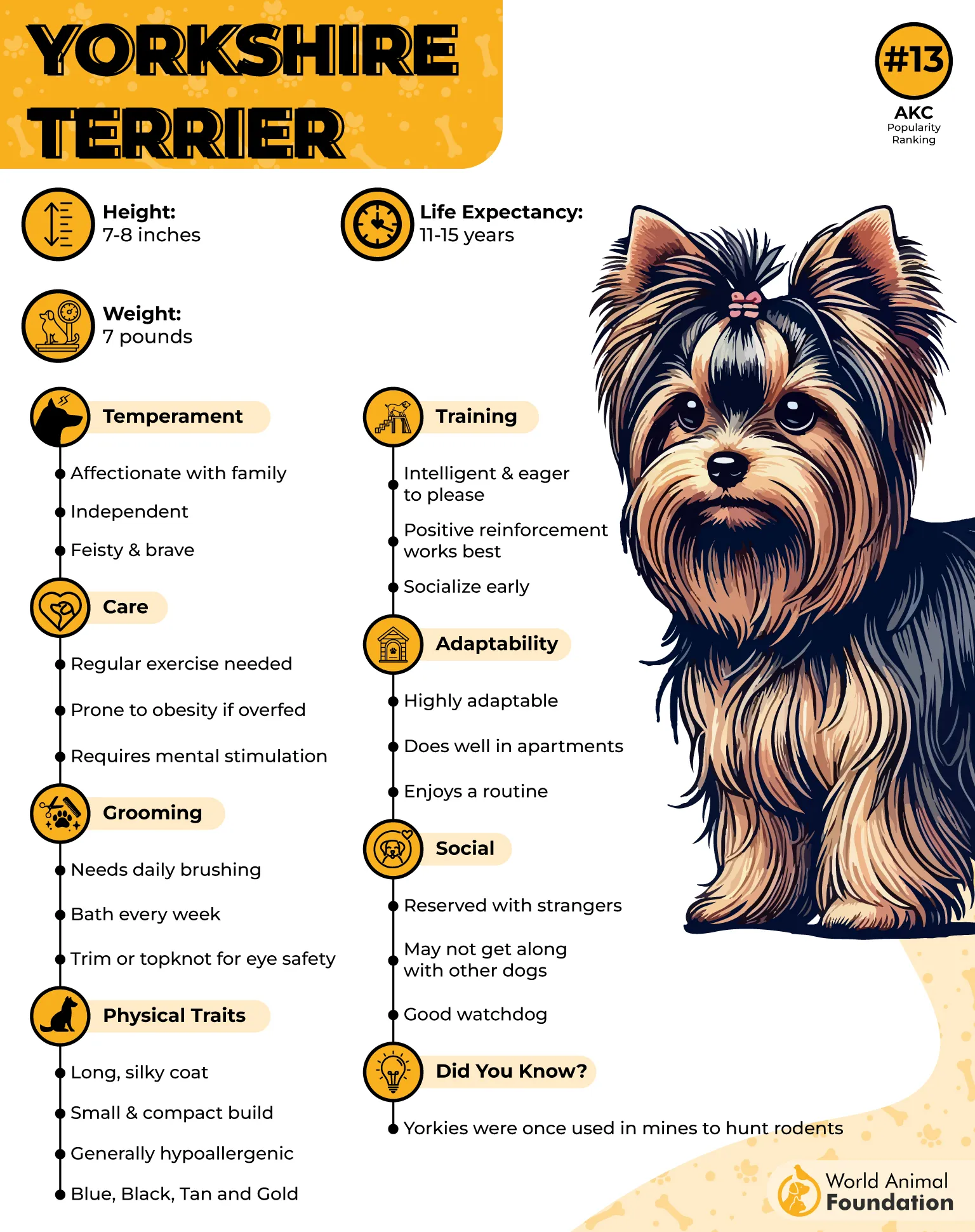
Omlet mentions that their terrier background matters because Yorkies were historically more than fashionable companions; their ancestors performed vermin-control work. That history helps explain why these modern wonderful companions can be lively, alert, inquisitive, and mentally active despite their miniature proportions.
Daily walks and play are valuable, but mental stimulation carries extra weight with these lively little dogs. Trick training, food searches, scent games, controlled exploration, and appropriate toys give the Yorkie legitimate work instead of letting it appoint itself neighborhood security director.
Tip For First-Time Owners
Train the dog in front of you, not the tiny body you see; Yorkies still need boundaries, recall work, and socialization.
A shorter coat can save substantial grooming time if you have no ambitions of entering the show ring.
7. Boston Terrier
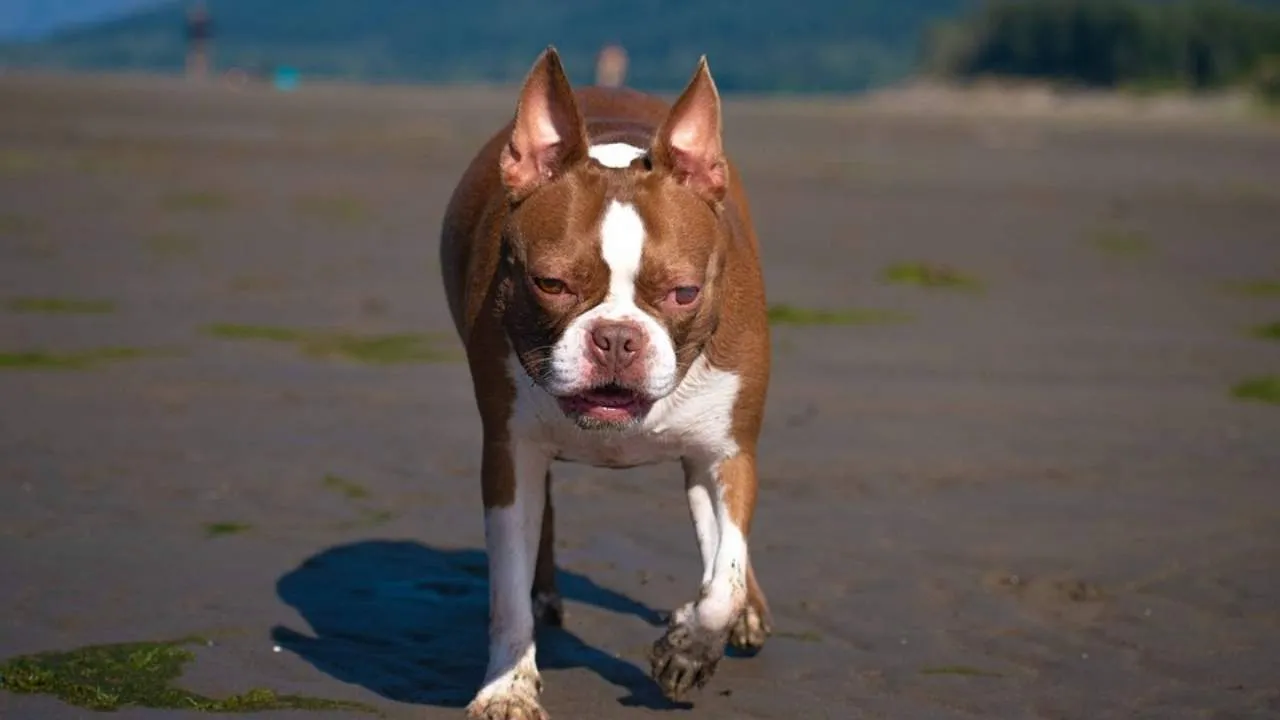
The Boston Terrier brings a different vibe to this list: less flowing hair, more compact comedian in formalwear. For new owners who want a sociable small dog without hours of coat brushing, this sturdy dog can be very appealing.
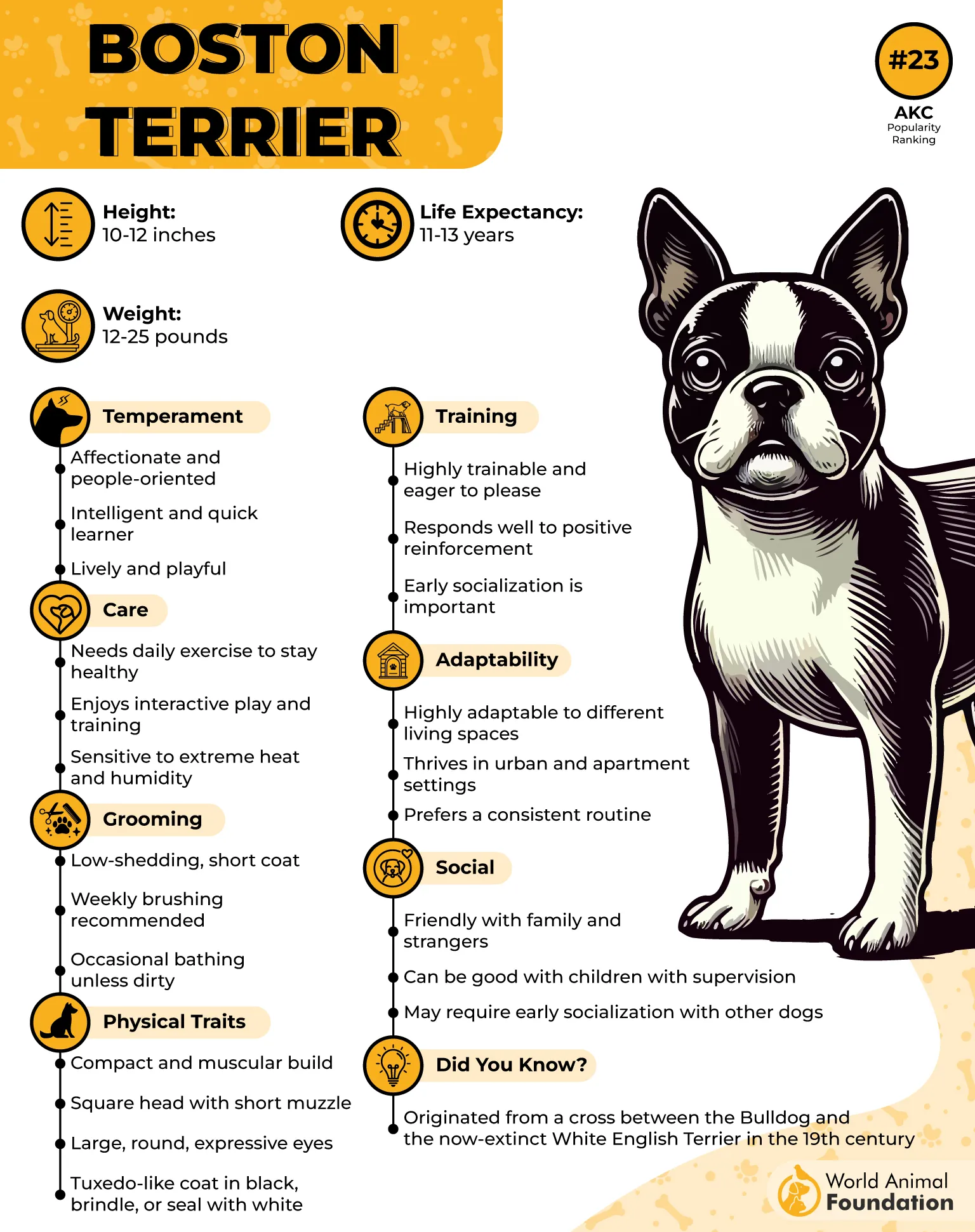
They are compact enough for many smaller homes. Their fine, sleek coat generally needs only weekly brushing and occasional bathing rather than repeated clipping or detangling sessions. That relatively simple coat care is a massive quality-of-life win for beginners who don’t want regular grooming sessions for dogs.
Compared with other pets, their prominent eyes deserve special protection and regular monitoring for redness, injury, or irritation. Britannica recommendations include patellar evaluation, ophthalmologic evaluation, and BAER hearing testing, giving puppy buyers concrete questions to ask responsible breeders.
Tip For First-Time Owners
Make summer exercise weather-dependent; short-faced dogs need sensible heat precautions, not motivational speeches.
Get comfortable checking those large eyes so irritation or injury does not go unnoticed.
Conclusion
Your first dog does not need to be the easiest breed on Earth; it needs to be the right kind of challenge for you. French Bulldogs, Golden Retrievers, Labrador Retrievers, and Italian Greyhounds also have affectionate natures and are known to be phenomenal family dogs.
Do not choose exclusively from photos, TikTok clips, or the puppy that performs the most aggressive level of cuteness when you visit. Talk with responsible breeders or rescue organizations, meet adult examples of the breed when possible, investigate health screening, calculate recurring grooming and veterinary costs, and be brutally realistic about how much time you can provide.
