




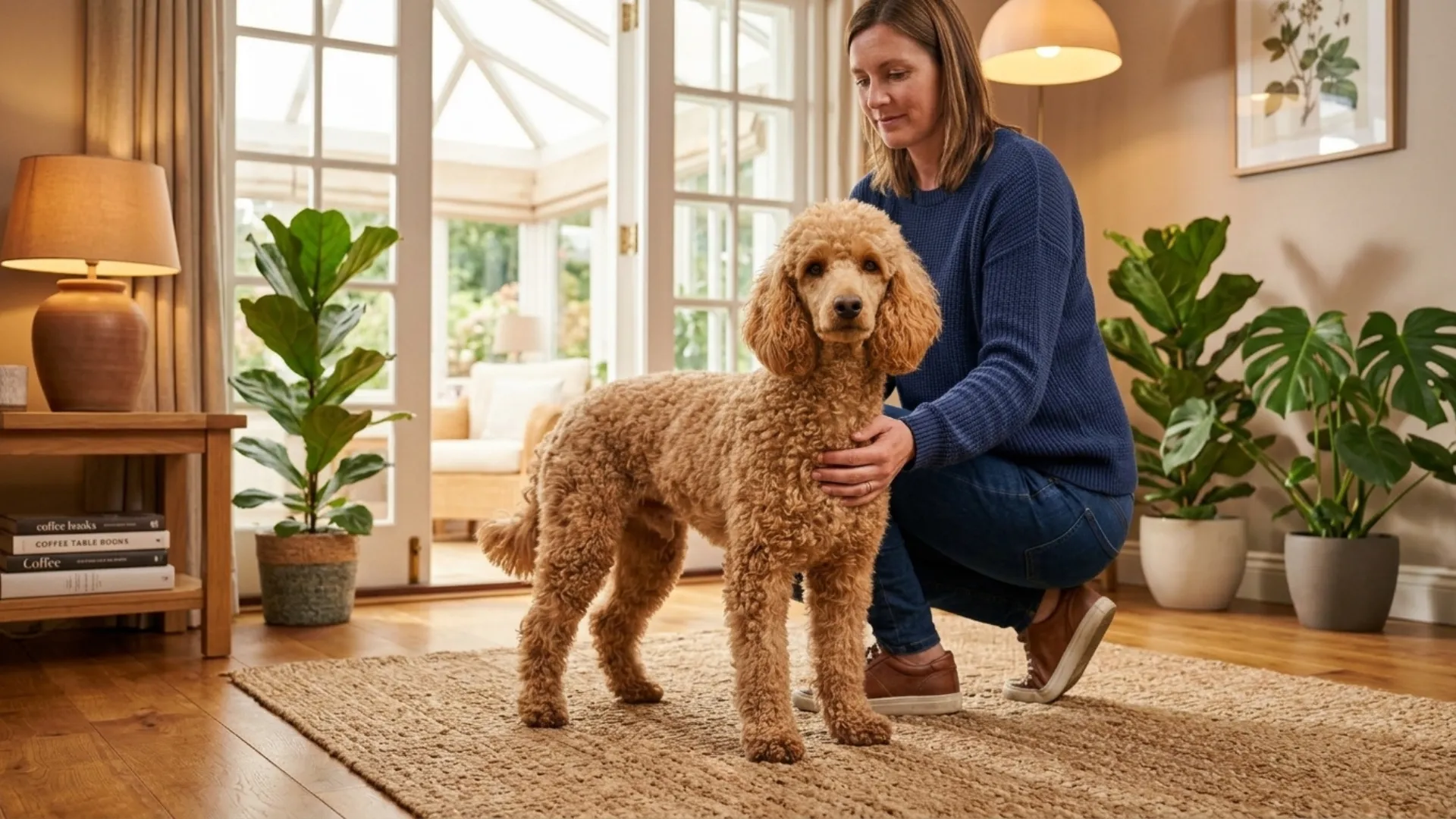
MD: Meet fantastic dog breeds that are low-shedding and family-friendly choices for homes that want less fur and plenty of companionship.
Looking for a family dog without turning the house into a fur-covered zone? Low-shedding breeds can offer an answer, especially for households where keeping furniture, floors, and clothes tidy matters.
Less loose hair does not mean zero grooming, because coats that shed lightly often need regular brushing, trimming, or professional care. Then there is the family side of the decision. Dogs living with children need patience, socialization, reliable training, and a temperament that suits the household.
Their daily needs also deserve equal attention. A dog with endless energy may struggle in a quiet home, while a playful family may appreciate a companion that enjoys activity and games. The right dog comes from looking at the whole picture instead of judging a dog by its coat alone.
This detailed article takes a closer look at low-shedding, family-friendly dog breeds, their care needs, personalities, routines, and everyday fit for real family life.
Key Takeaways
Less fur around the house sounds great, but what about the dog’s personality?
Portuguese Water Dogs bring an impressive history of working at sea, along with a coat that holds onto loose hair instead of scattering it everywhere.
Miniature Poodles, Bedlington Terriers, and Yorkies show just how different low-shedding coats can be, while their lively personalities add another side to the choice.
Add the playful Bichon Frise, affectionate Shih Tzu, and people-loving Havanese, and the list gets much more interesting.
Fantastic Dog Breeds: Low-Shedding and Family-Friendly
1. Portuguese Water Dog
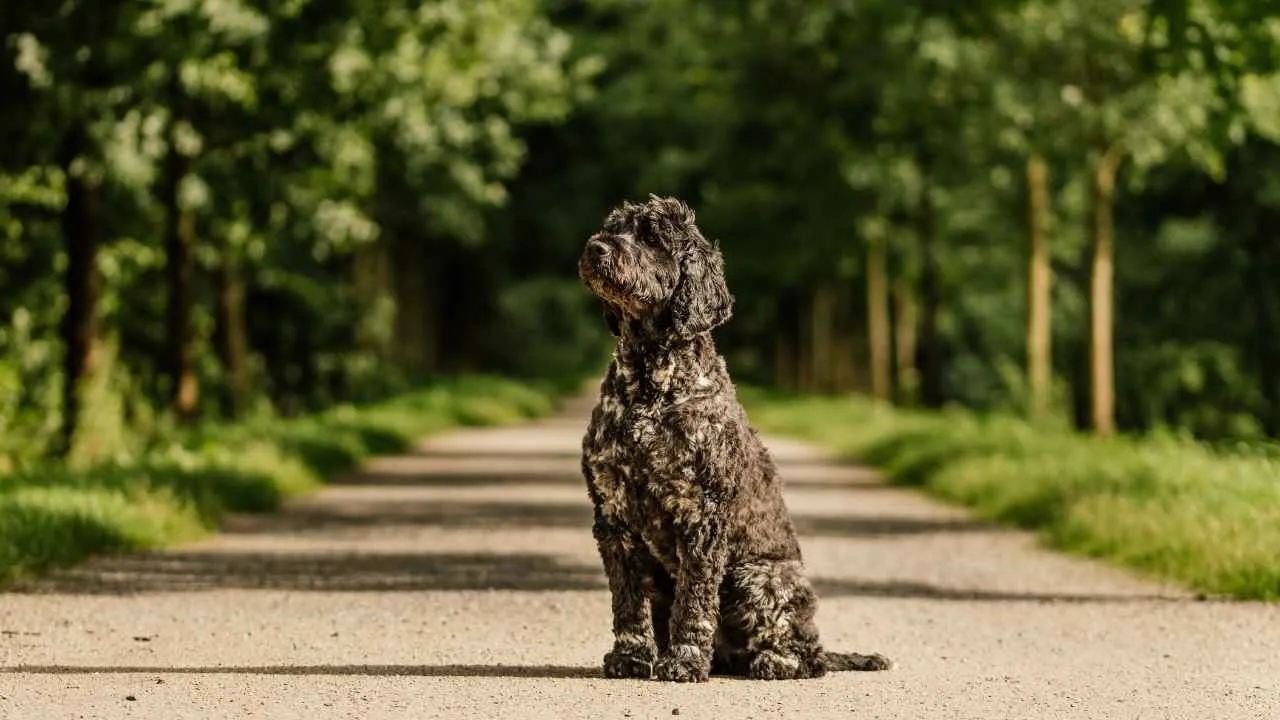
Portuguese Water Dog worked alongside fishermen along Portugal’s coast, including the Algarve, where it helped direct fish toward nets and retrieve damaged nets from the water. Its work also extended farther afield, including Newfoundland during cod fishing expeditions.
A Low-Shedding Coat
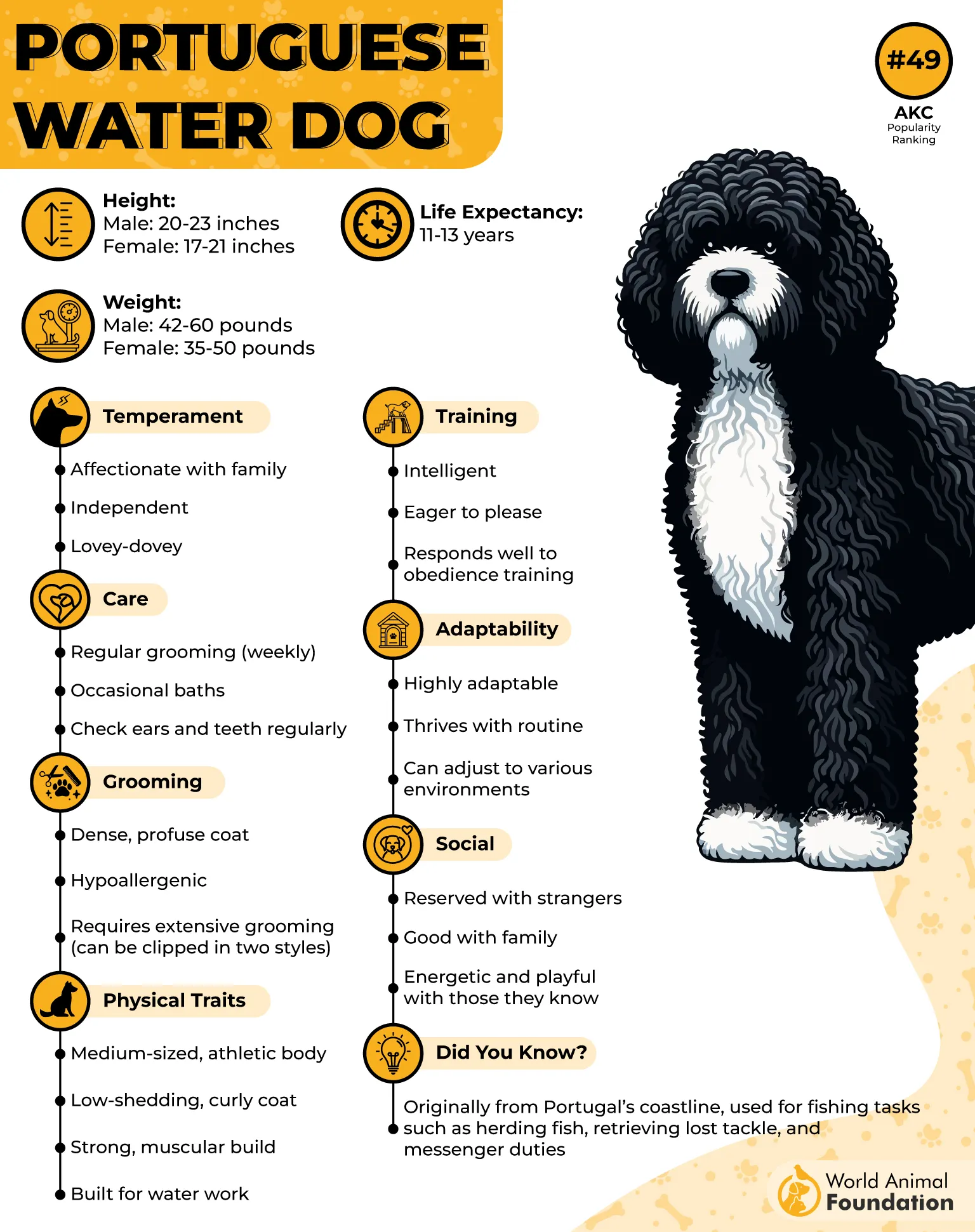
Portuguese Water Dog has hair that keeps growing rather than a traditional fur coat with heavy seasonal shedding. Loose hairs often remain caught within its curls or waves, which can mean less hair scattered across furniture and clothing.

The following coat details give you more to work with:
Lion clip leaves hindquarters and muzzle closely clipped
Retriever clip trims the coat to about one inch
Beyond grooming, they need occasional bathing
Family Life
This low-shedding dog breed is affectionate with people and can be a wonderful companion for children, although energetic play may accidentally knock over smaller kids.
According to Orvis, its clever streak can also make training a test of patience, while early guidance helps redirect its natural tendency to use its mouth during play.
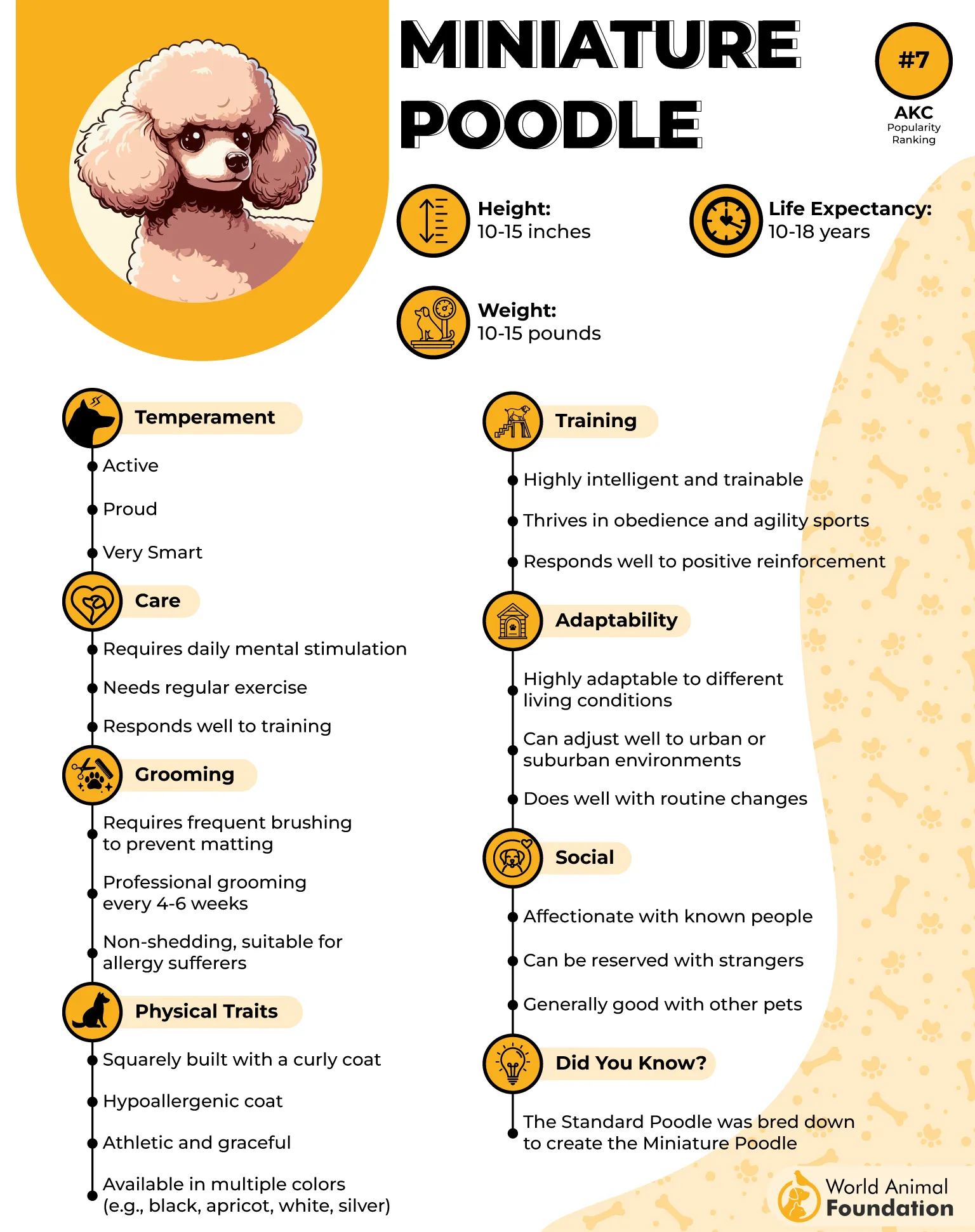
2. Miniature Poodle
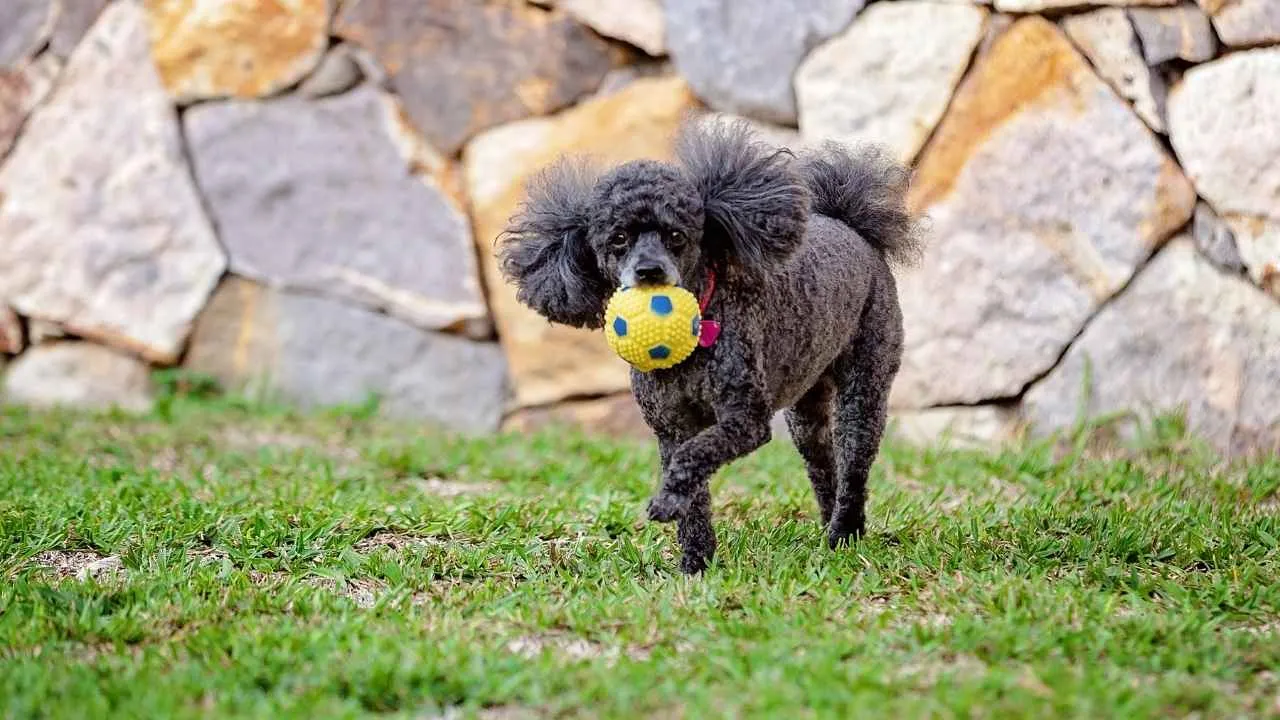
Miniature Poodle grew from the German form of the barbet, a curly-coated water dog linked with several parts of Europe. Its name comes from the German word “Pudel,” meaning “puddle” or “to splash,” reflecting its early work retrieving from water and wet terrain, as stated by VCA Hospital.
Low-Shedding Curls
The hair of this hypoallergenic dog grows continuously, with loose strands becoming caught within its tight curls instead of dropping onto furniture and clothing.
That coat needs brushing several times a week, while professional grooming every 4–6 weeks can help prevent painful mats and keep the trim manageable.
The further details of their coat include:
Dense and profuse curly coat
Sensitive skin suited to hypoallergenic products
Natural oils spread through regular brushing
A Bright Housemate
Miniature Poodle brings a cheerful, affectionate personality into family life and often follows familiar people from room to room. It can get along well with children and other pets when properly socialized, while daily walks and play help keep its active mind and body engaged.
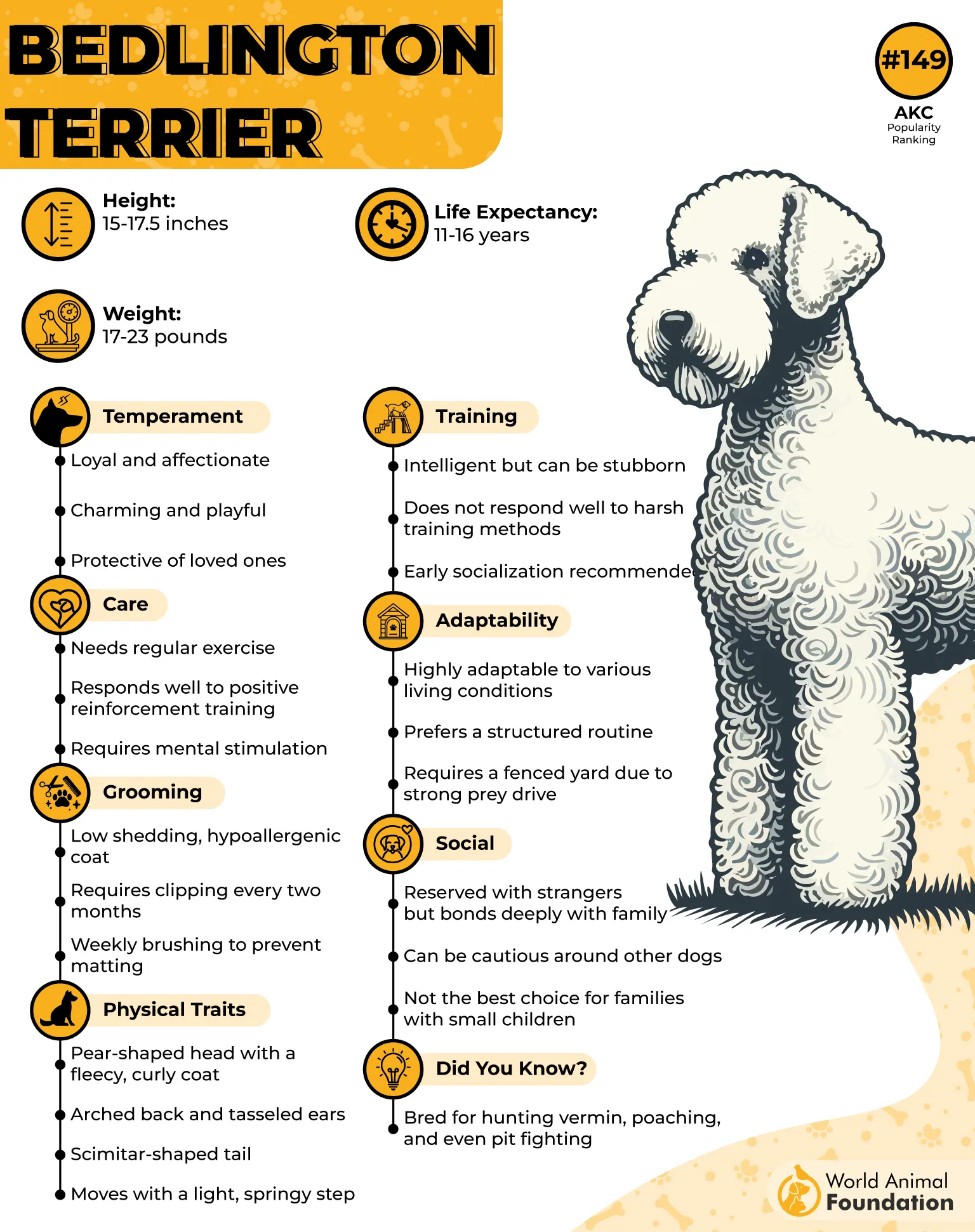
3. Bedlington Terrier
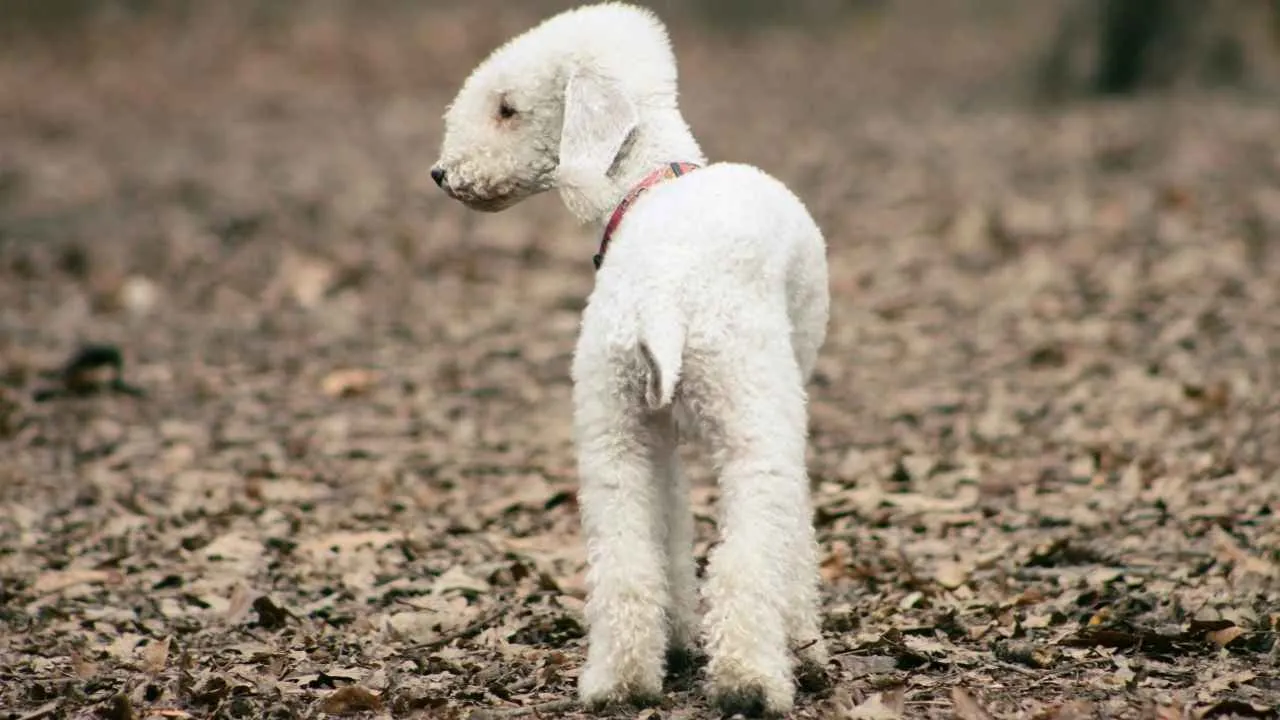
Bedlington Terriers took their name from the mining town of Bedlington in northeast England, where they were used to hunt vermin underground. Their hunting work soon expanded to rabbits, foxes, badgers, and otters, giving this small breed a surprisingly broad working record.
Almost No Loose Fur
For a low-shedding household, Bedlington Terriers have a particularly useful coat because their crisp, curly hair traps loose strands instead of leaving them across anywhere. Their unusual lamb-like coat also produces very little typical dog odor.
A closer look at their grooming needs adds useful context:
Daily brushing helps prevent mats
Professional haircuts are recommended every 6–8 weeks
Monthly bathing can be enough when the coat gets dirty
Gentle at Home
Bedlington Terriers are affectionate, people-oriented dogs that often prefer curling up beside their family for quiet companionship, as PDSA noted. They are generally patient with children and welcoming toward visitors, with their lively side appearing when something catches their attention.
4. Yorkshire Terrier
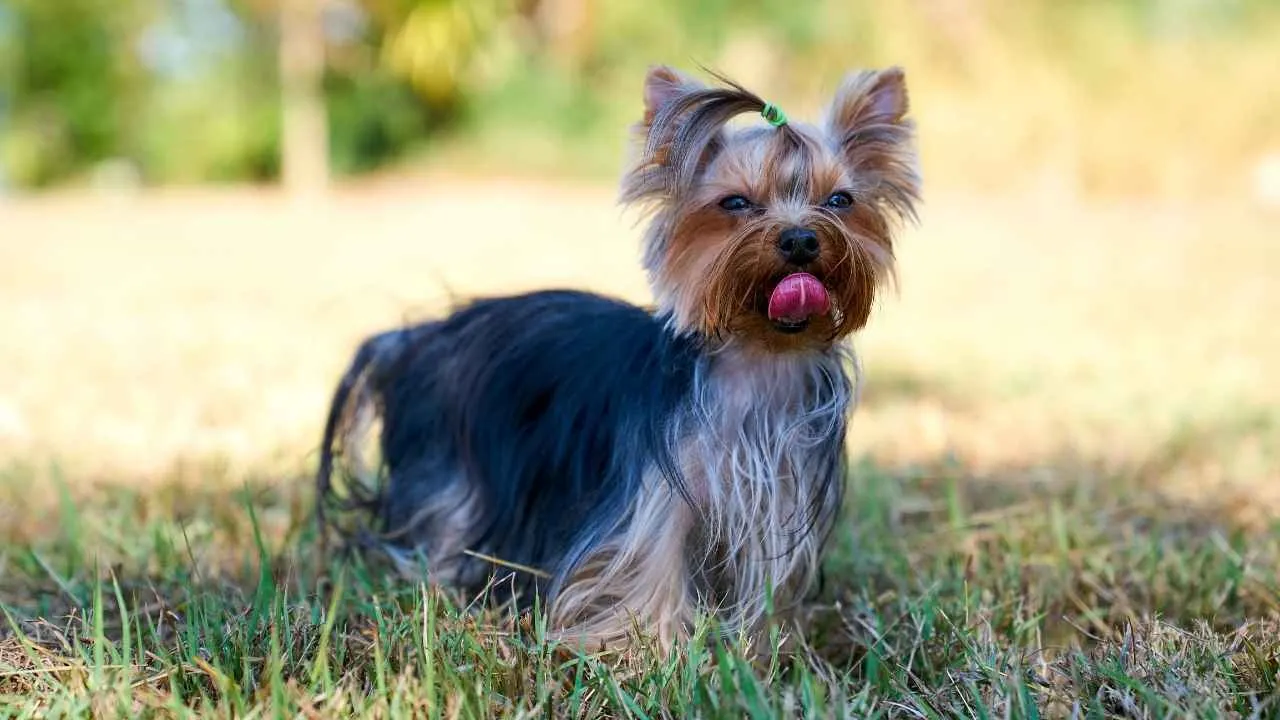
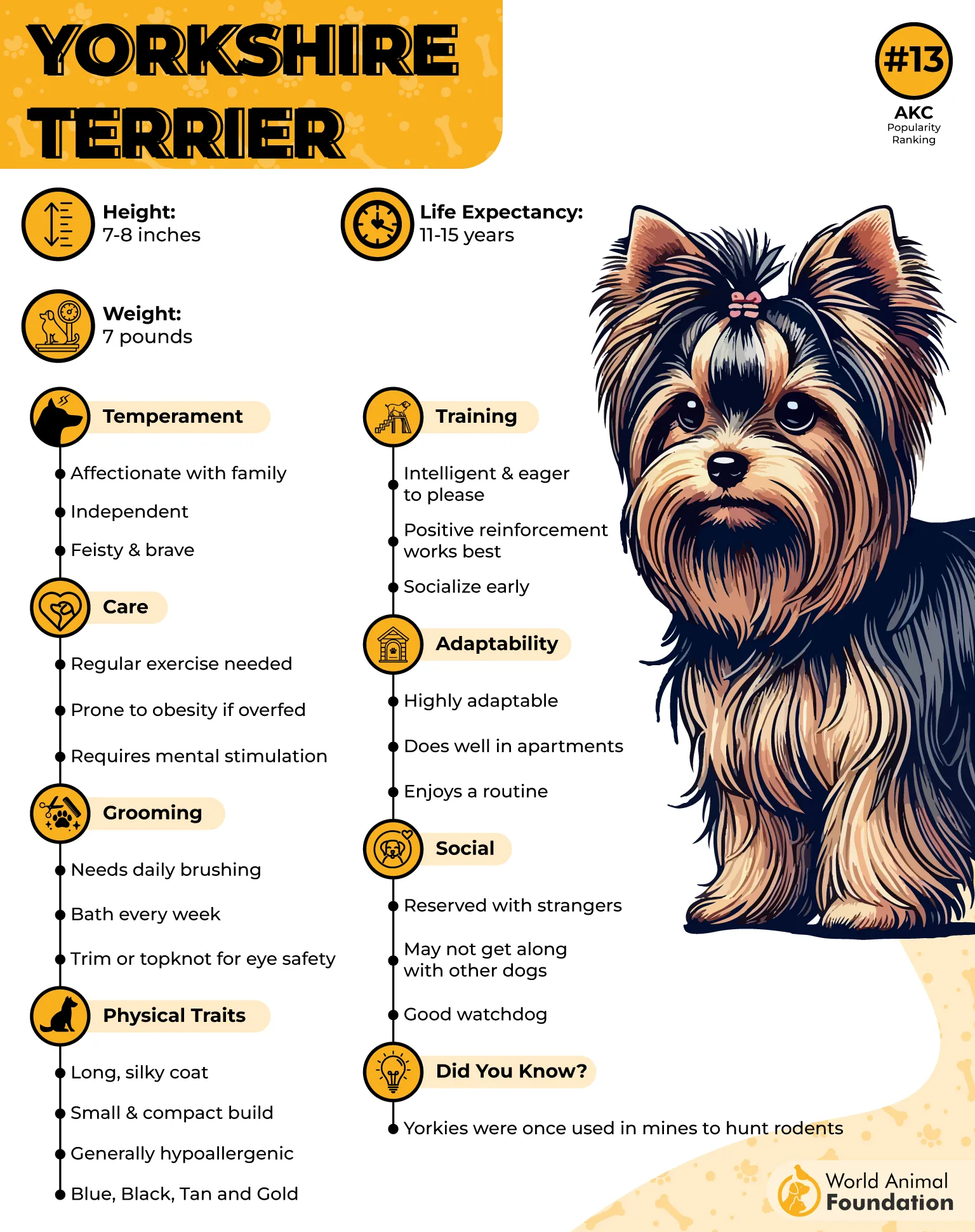
Yorkshire Terrier originated in Yorkshire during the mid-19th century, when Scottish workers brought small terriers into the region’s cotton mills. These dogs were used to catch rats inside the mills, giving the breed a practical working role from its earliest days.
A Low-Shed Coat
Yorkies have a coat that grows continuously and behaves much like human hair, so loose strands tend to remain within the surrounding coat. Its hypoallergenic coat sheds infrequently, making it appealing for households that want less loose hair around the home.
These few grooming details are worth knowing:
Daily brushing helps prevent painful mats
Weekly baths keep the coat clean
Professional puppy cuts often need 6-to-8-week upkeep
Small Dog, Big Personality
Yorkshire Terriers can be lively, playful, and surprisingly bold for such a small dog, with plenty of enthusiasm for games and lap time.
Early socialization helps them handle children and other pets more comfortably, while gentle handling matters because a Yorkie may react when play becomes too rough.
5. Bichon Frise
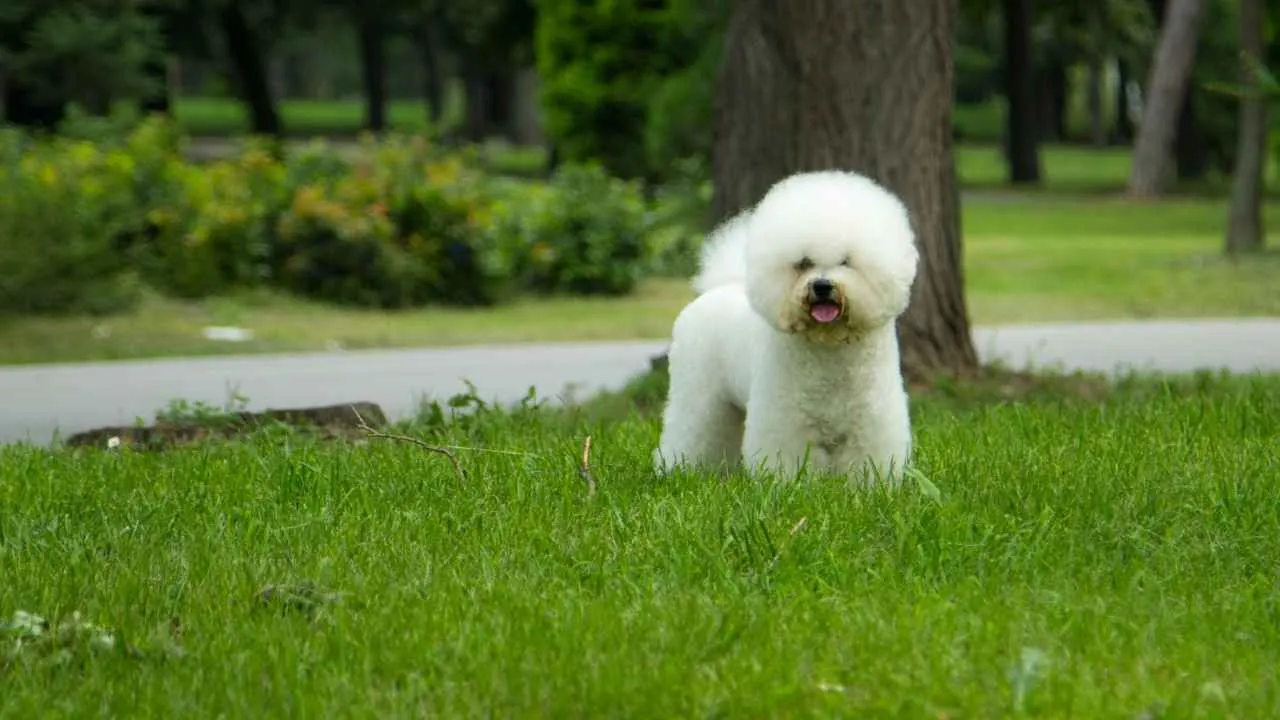
Bichon Frise began around the Mediterranean, with its lineage likely connected to the Barbet, a water spaniel. Sailors kept these small dogs aboard ships, helping spread them through Europe before they became favorites in royal courts in France and Spain.
Less Loose Fur
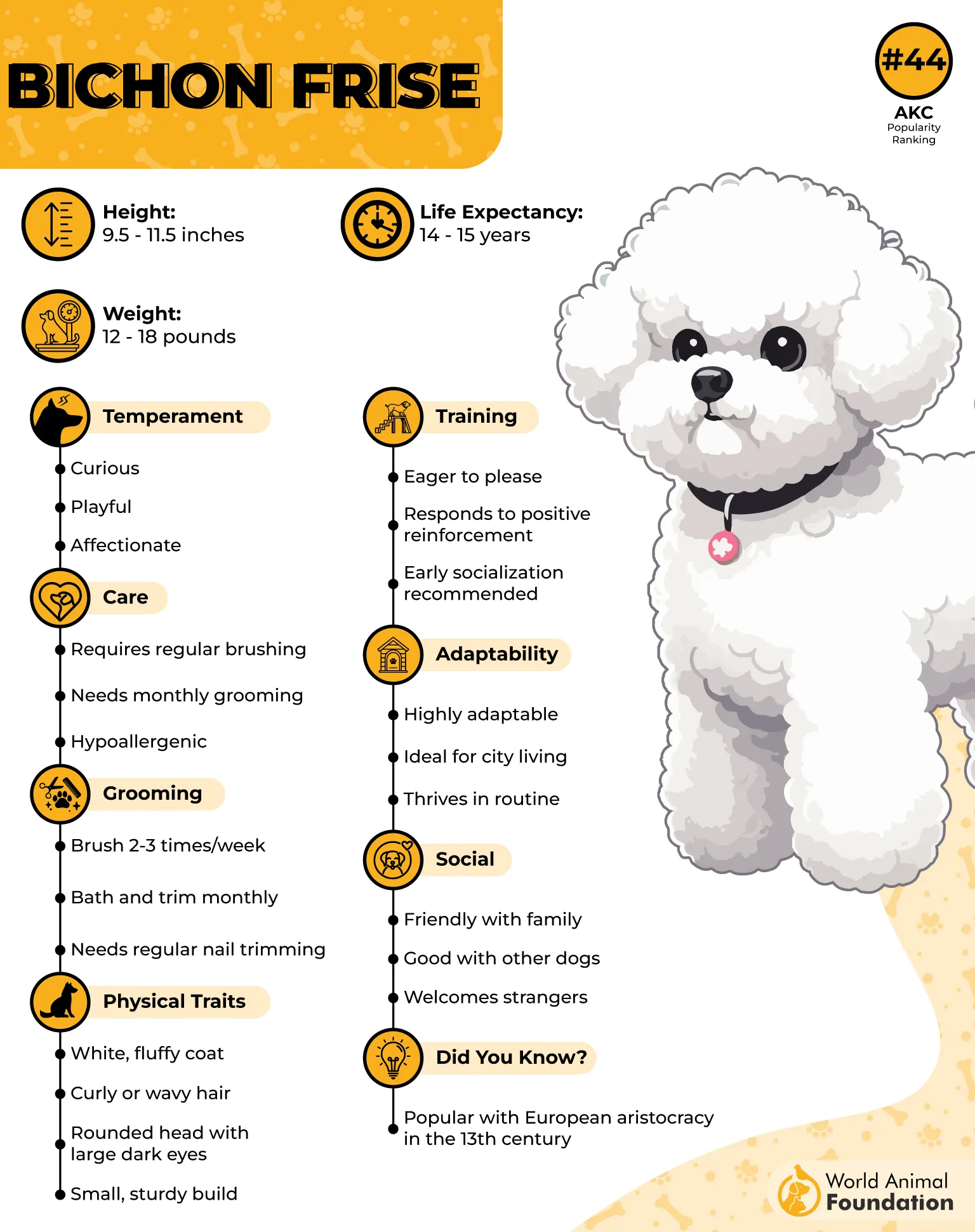
Bichon Frise has a curly coat that tends to trap shed hair rather than release large amounts around the home. Regular grooming is important because trapped fur needs to be removed, with professional trims often recommended every four to six weeks.
Beyond grooming, its nature stands out too.
Adapts to lively or quieter households
Needs regular attention and mental engagement
Interactive activities help prevent boredom
Easy Family Energy
This small dog brings a playful, sociable personality to households with children and other pets, while its moderate activity level keeps daily exercise manageable. Walks, fetch, hide-and-seek, and interactive games give this curious breed useful ways to spend its energy.
6. Shih Tzu
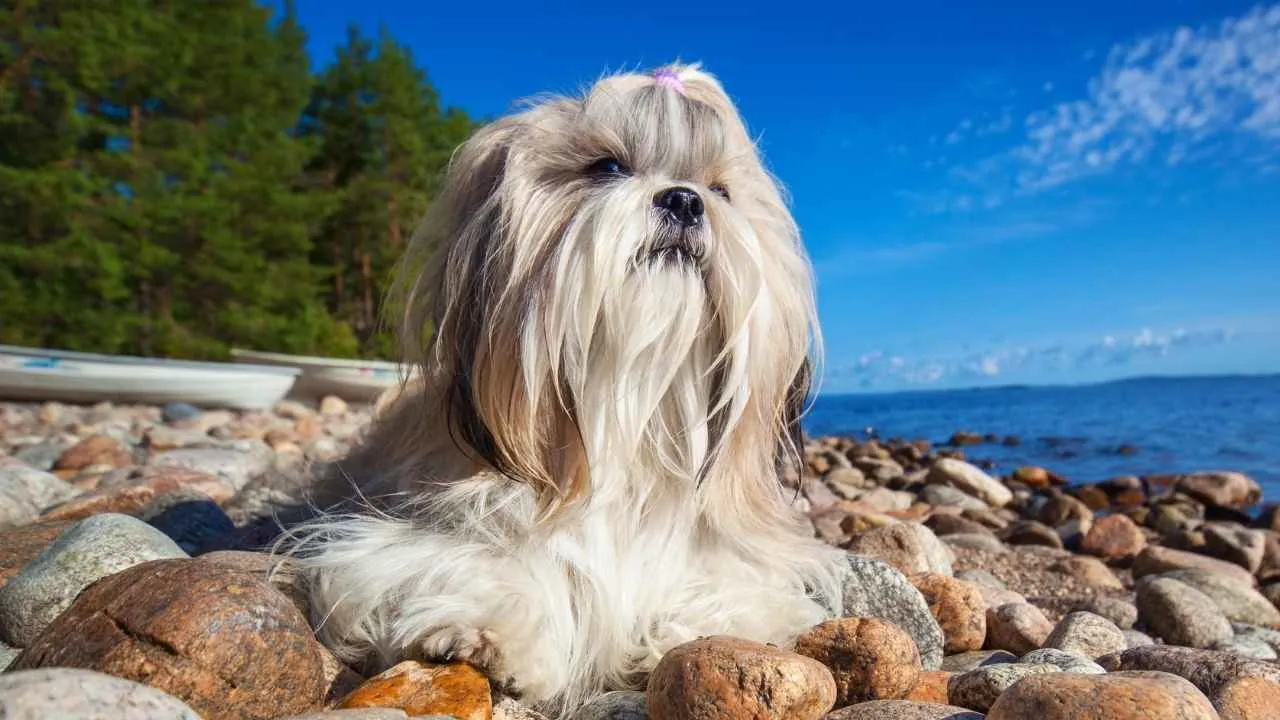
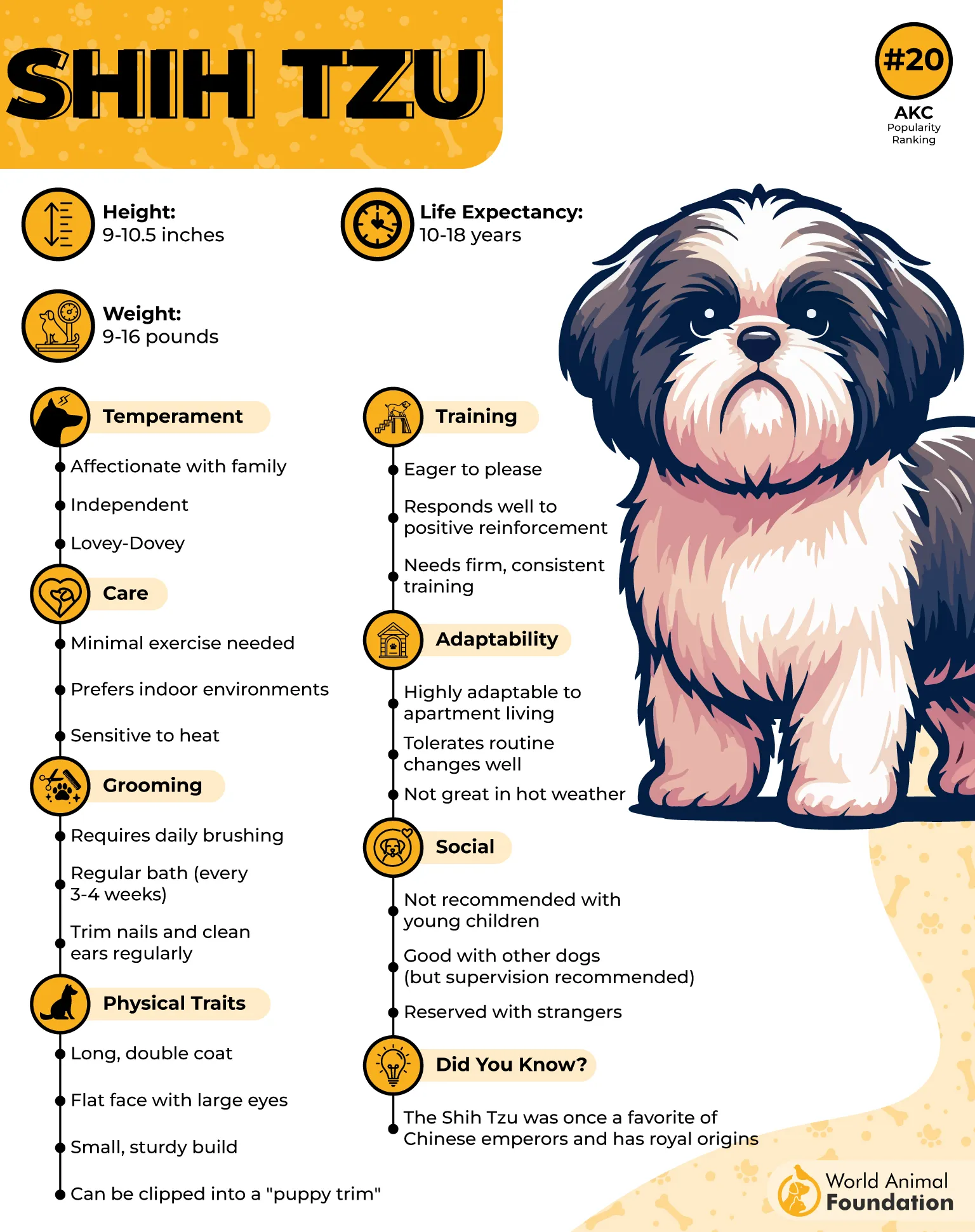
Shih Tzu has roots in ancient China, where these small dogs lived alongside Chinese royalty and were kept within the Imperial palace. Their lion-like appearance also connected them with Buddhism, giving the breed a distinctive place in royal and religious culture.
Less Loose Fur
Shih Tzu has plenty of coat but relatively little shedding, keeping loose hair from becoming a constant nuisance. The breed does not need deshedding, although its flowing fur can collect dirt and debris when grooming is neglected.
Life with this little dog has other sides:
Can get separation anxiety if left alone
Boredom can cause whining or chewing
Affectionate with children and other pets
A Lively Little Character
This hypoallergenic breed can turn an ordinary family day into playtime, enjoying little games, learning tricks, and joining children for some fun. When it wants a break, its independent streak may send it off with a favorite toy or toward a sunny window for quiet entertainment.
7. Havanese

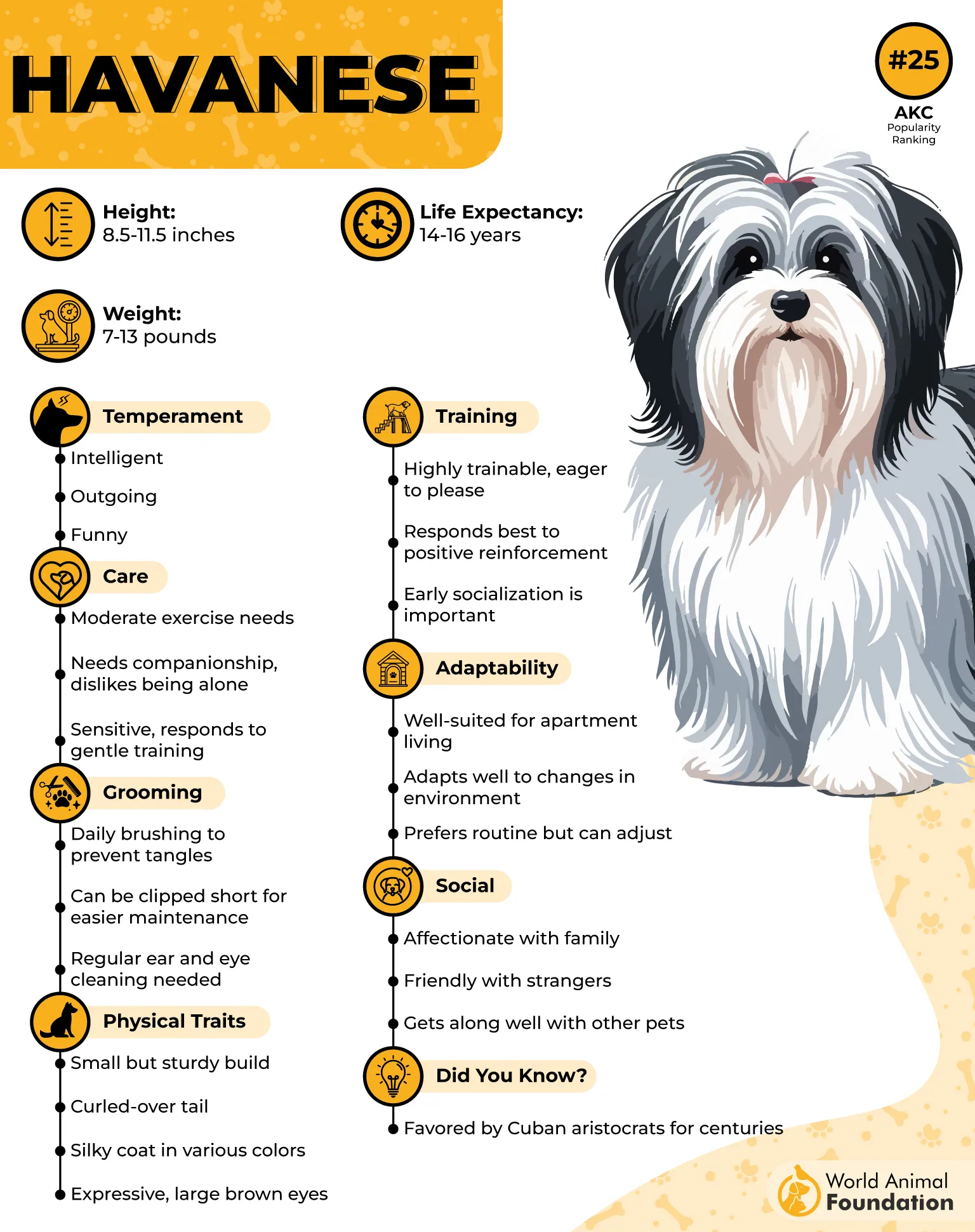
Havanese belongs to the Bichon family, whose early roots reached back to the Mediterranean before one branch became known as the Bichon Tenerife in the Canary Islands. That now-extinct dog is considered the primary ancestor of the Havanese, which later became a companion of Cuba’s upper class.
A Low-Shedding Coat
Havanese comes with a long, silky double coat that sheds lightly, so some allergy-sensitive households may find it easier to live with. A shorter puppy cut can also make grooming this fine coat simpler without requiring as much daily attention.
Keeping that coat smooth takes some care:
Daily brushing helps prevent painful mats
Rear areas need extra cleaning attention
Baths should be limited to twice monthly
Very People-Oriented
This hypoallergenic dog breed can become deeply attached to their family and may struggle when left alone for extended periods. Separation-related distress can lead to whining, chewing furniture, or toileting indoors, while early socialization can help with timid behavior around unfamiliar situations.
Conclusion
Selecting a family dog involves more than finding a coat that leaves less hair behind. Grooming, exercise, temperament, training, and the ability to handle everyday family activity all deserve attention before making a decision.
For households managing dog allergies, it is also worth remembering that most dogs produce some pet dander, so low shedding does not mean allergen-free.
Some companions enjoy active play with children, while others are happier sharing quieter moments at home. The best match is one whose needs fit naturally into your household routine. Several breeds can also make good family dogs and excellent therapy dogs, bringing affection and companionship without making daily care feel overwhelming.
