




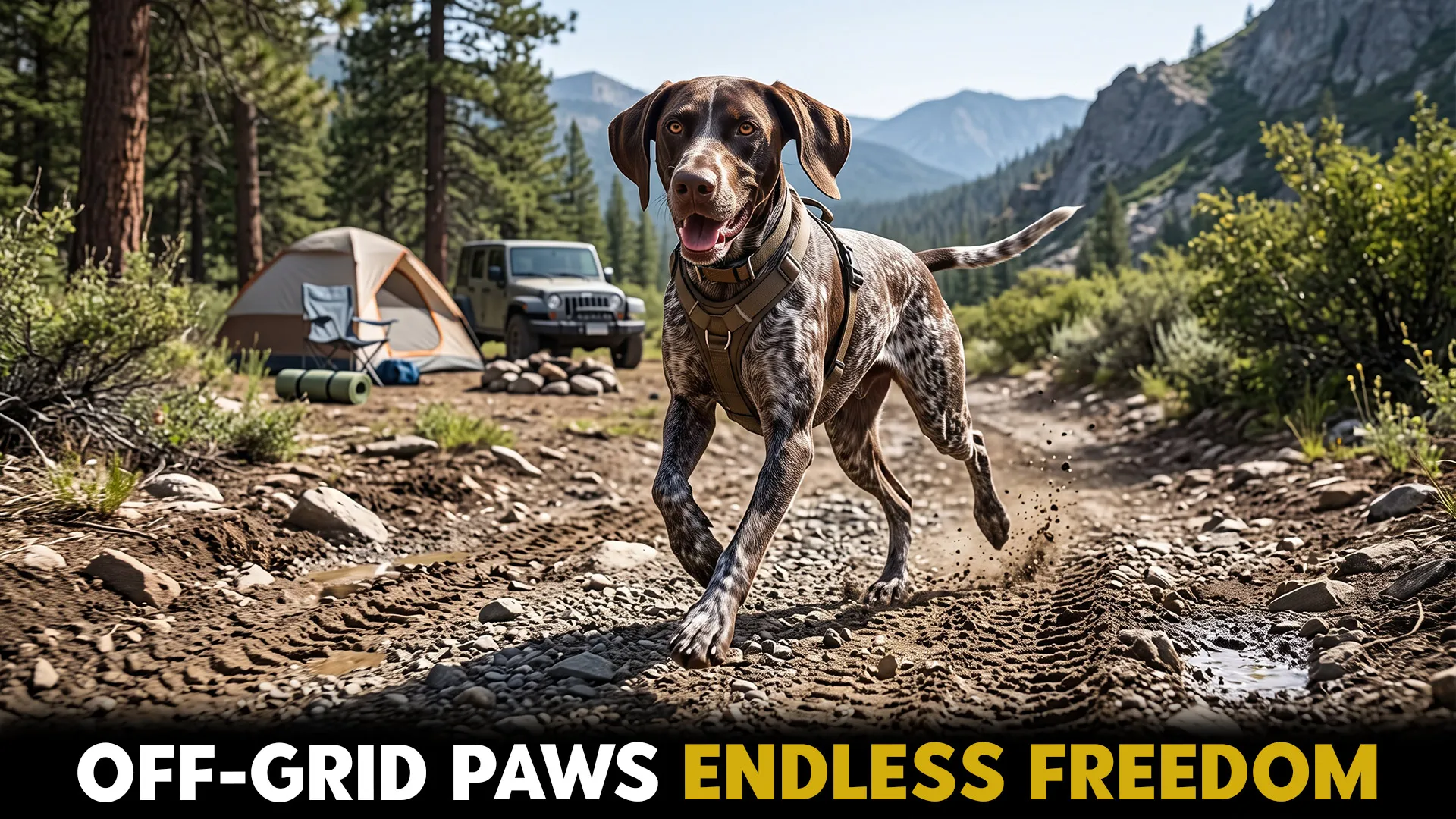
Planning an off-road camping trip with a dog means thinking beyond a leash and a sleeping pad. Once the trail leaves smooth paths behind, your companion may face rocks, mud, water crossings, steep terrain, brush, and hours of walking.
Dogs built for active work often have the stamina, coordination, and confidence that make these conditions easier to handle. Training matters just as much. A dog that responds reliably to recall, waits at trail edges, and settles around camp is safer and much easier to travel with.
Weather adds another concern, since intense heat can lead to dangerous overheating, while cold conditions can become risky when a dog is wet, tired, or exposed for too long. Food, water, paw care, rest breaks, and a secure sleeping setup all become important parts of the trip.
If your idea of camping involves rough routes and open country, the dogs covered here are worth knowing before you pack the vehicle.
Key Takeaways
Off-road camping can turn into a real workout for your dog, especially when the trail brings rocks, water crossings, mud, and steep ground.
Australian Shepherds are quick and athletic on rough terrain, while Siberian Huskies have an endurance trot that helps them keep moving over long distances.
German Shorthaired Pointers can handle land and water with ease, while Vizslas bring the instincts of a serious hunting companion to the trail.
Then comes the Rhodesian Ridgeback, a breed with the build for long stretches outdoors, followed by two more adventurous companions you will want to know about.
Adventure‑Fueled Dog Breeds for Off‑Road Camping Trips
1. Australian Shepherd
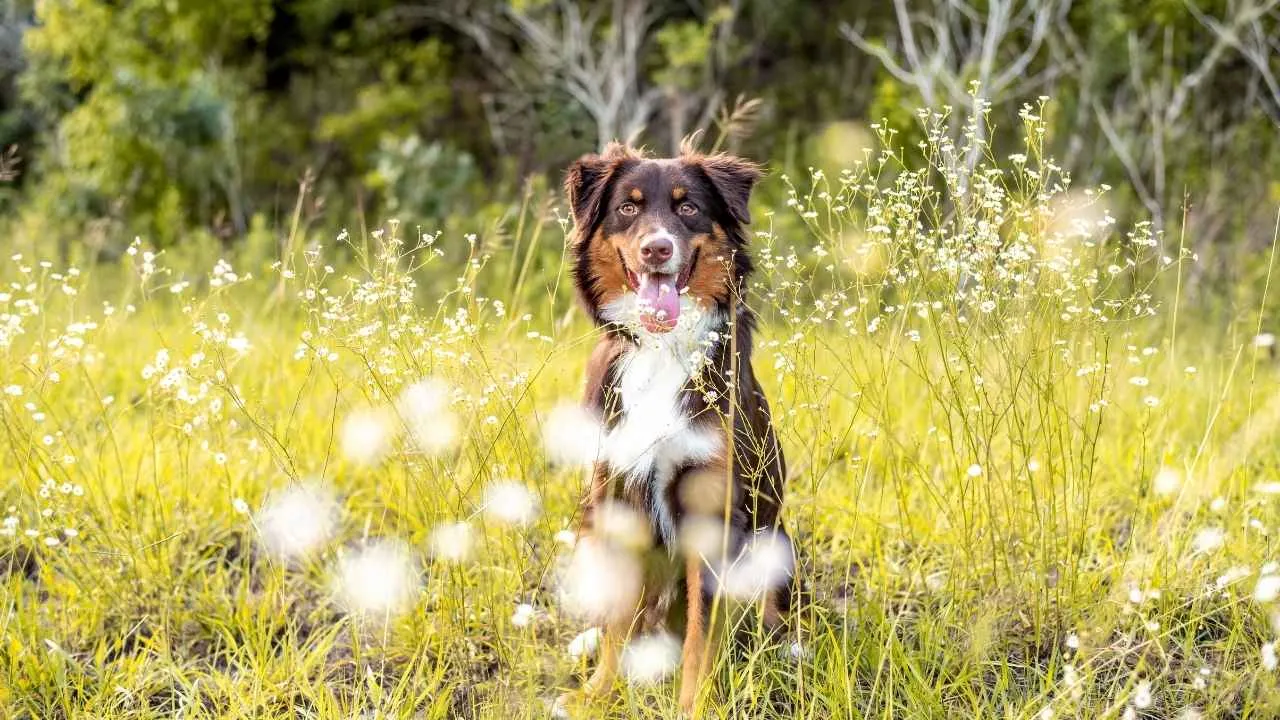
Australian Shepherd has roots linked to Basque herding dogs from Spain, with its development continuing through North America. Ranchers later relied on Aussies across the American West, where their tolerance for Rocky Mountain altitude and changing climate suited stock work.
Made for Uneven Ground
This breed brings an athletic build and efficient gait to camping trips, with quick turns, bursts of speed, and sharp responses that help when covering uneven ranch terrain. Its herding instincts also include circling animals to keep a group together and tracking motion closely.
That active nature needs some control outside:
Wildlife, bikes, dogs, and new places can distract it
Reliable recall matters before off-leash freedom
Secure leashing helps prevent accidents and wandering
A Dog That Watches
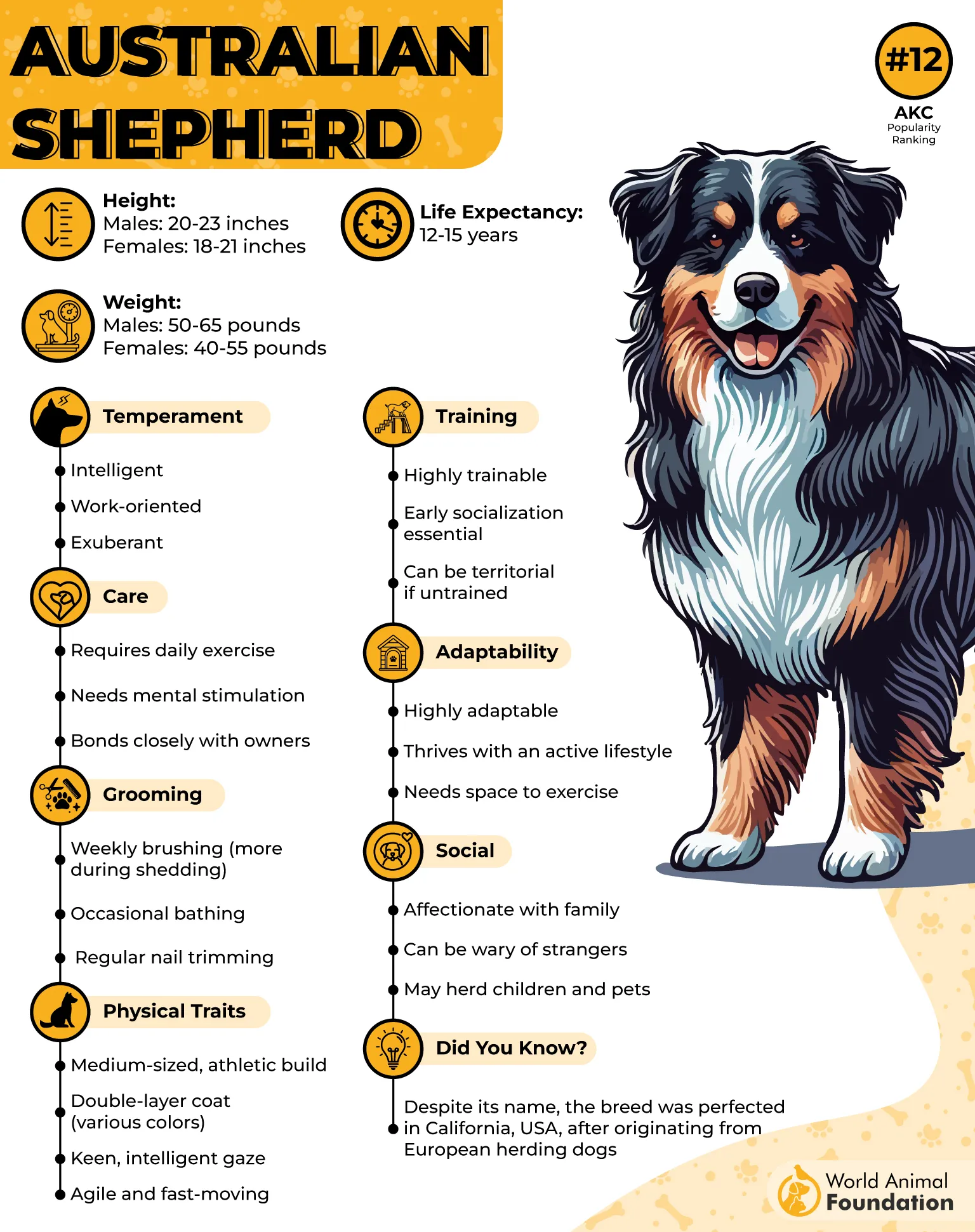
Australian Shepherd can focus intensely on movement and react quickly to cues, which can make outdoor training sessions highly responsive. Its habit of shadowing a favorite person can also extend to monitoring activity around the campsite, yard, or other unfamiliar surroundings.
2. Siberian Husky
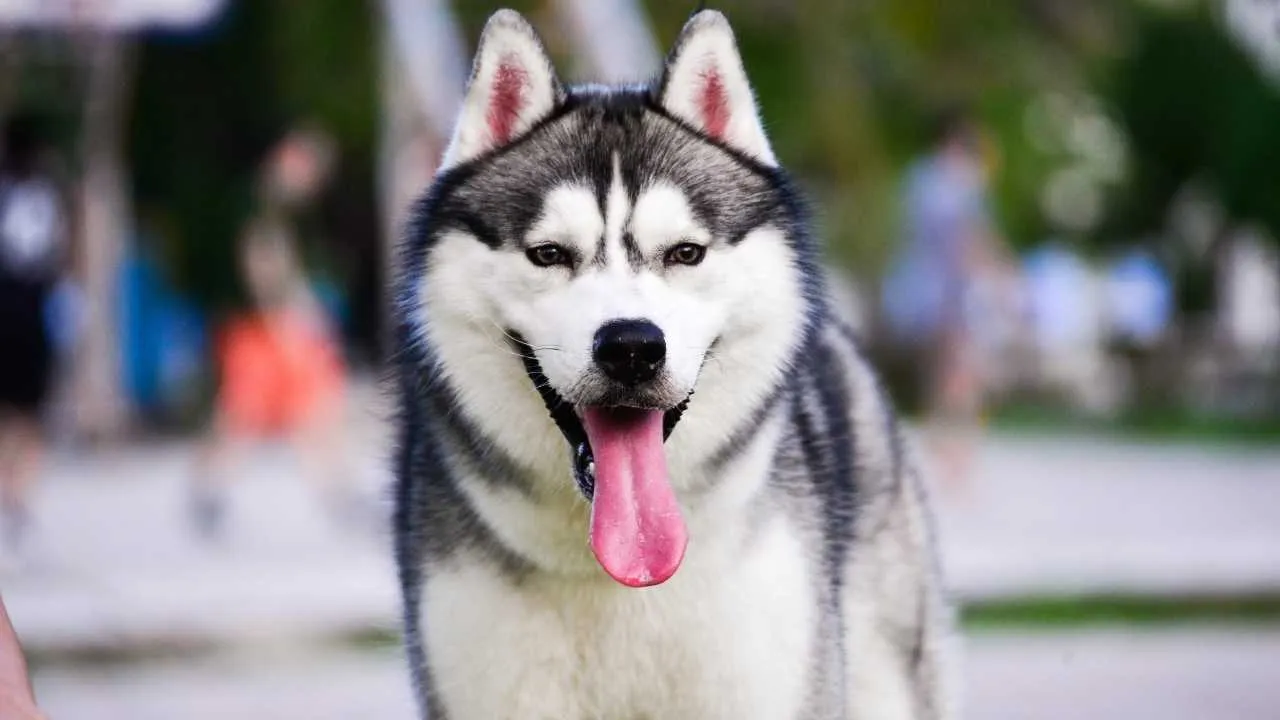
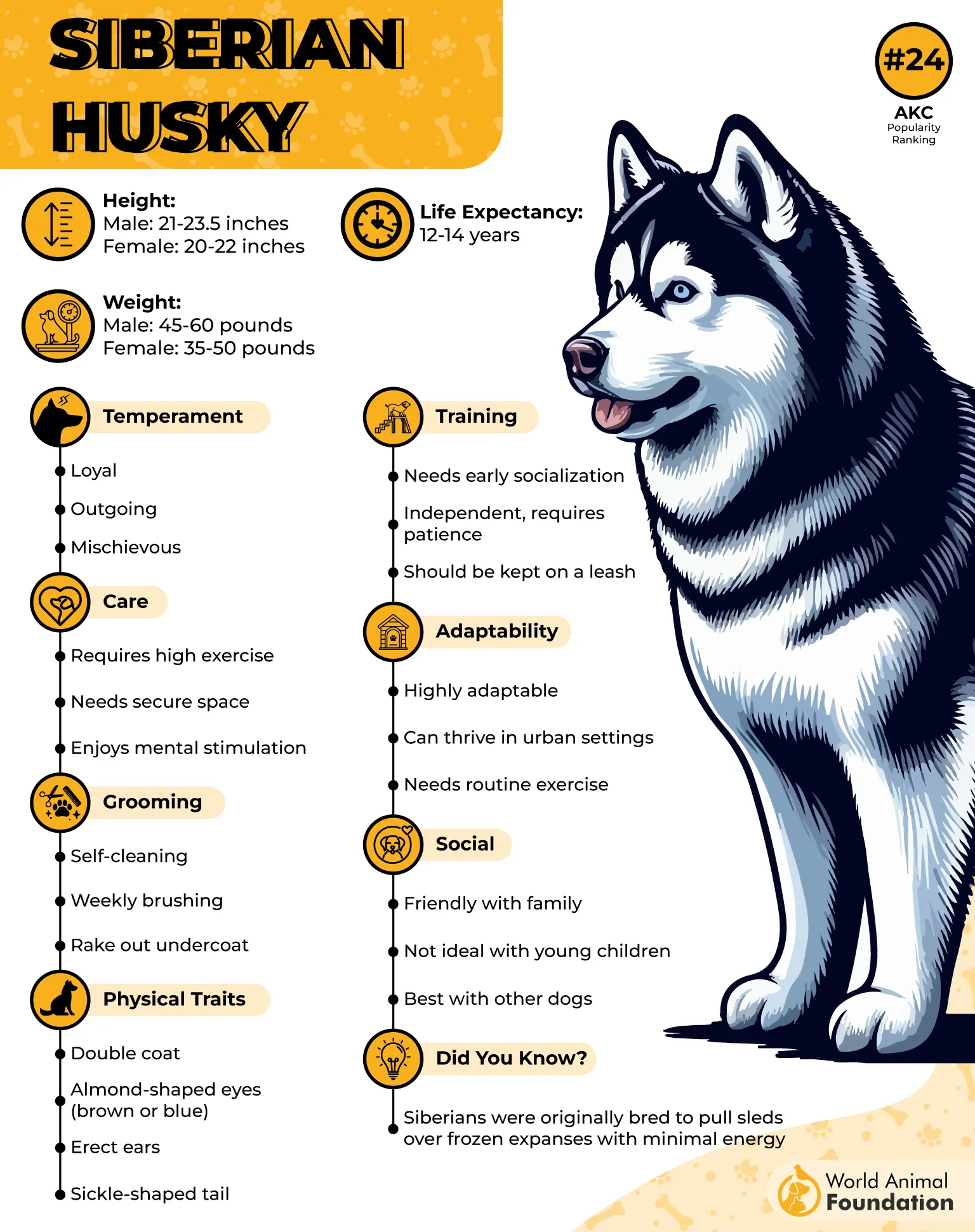
Siberian Husky traces its lineage back more than 4,000 years to the Chukchi people of Siberia, who relied on these dogs for family companionship, hunting, and sled work. In 1909, the breed reached Alaska for sled races, later gaining American Kennel Club recognition in 1930.
Made for Endurance
Siberian Husky is built around endurance rather than short bursts of speed, with an economical “endurance trot” that helps it cover steady miles using relatively little energy. Fur-covered feet and compact paws also provide insulation and traction across snowy ground.
These traits make long-distance travel especially interesting:
Lean body suited to sustained exertion
Naturally strong harness-pulling instinct
This cold-climate runner can push easily through exertion
A Dog With Its Own Ideas
This athletic dog can be mischievous, independent, and intensely energetic, with an activity level rated five out of five, as Orvis reported.
Without enough physical work and mental engagement, digging beneath fences, chewing through barriers, howling, and other destructive behavior can quickly enter the picture.
3. German Shorthaired Pointer
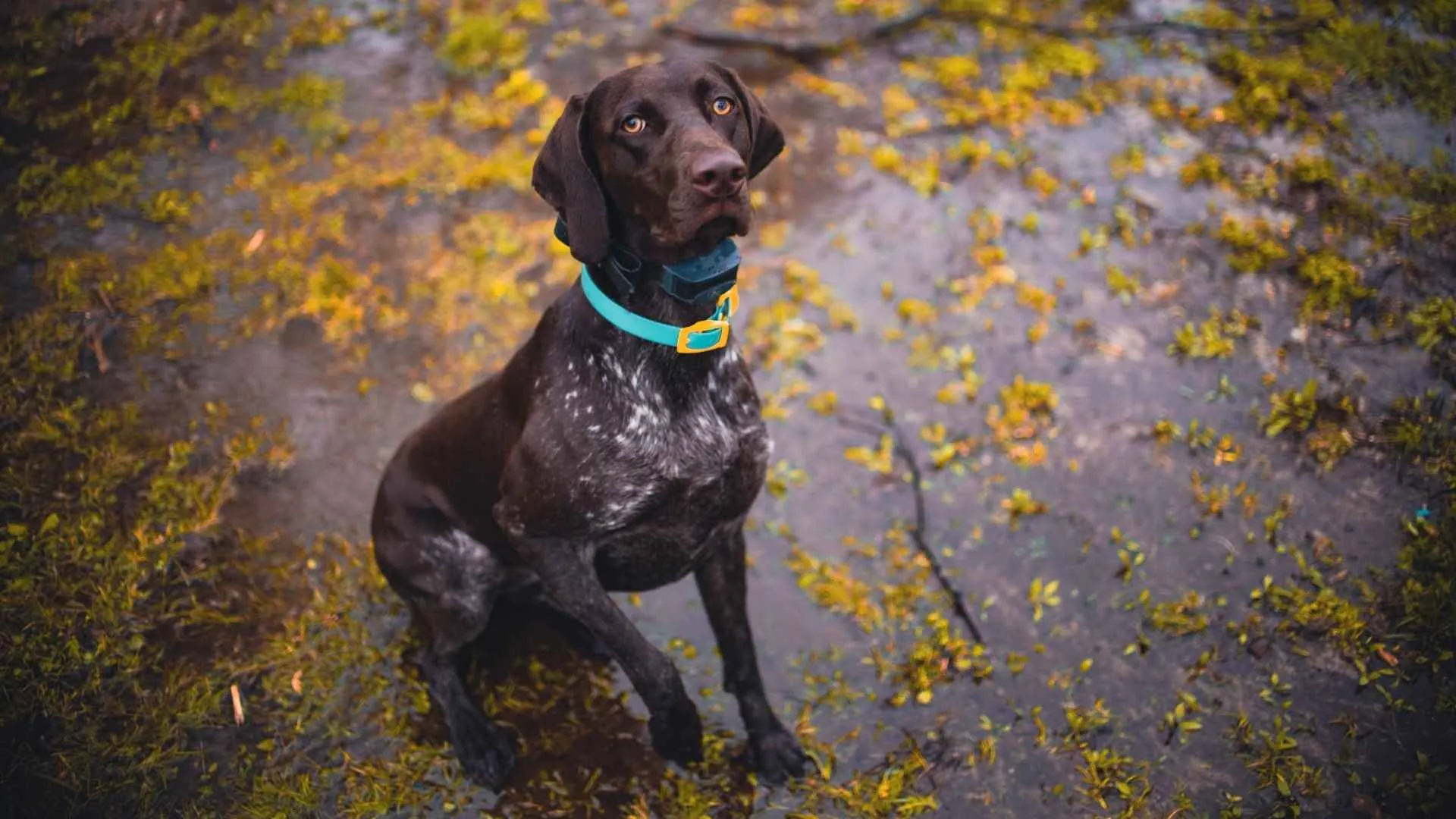
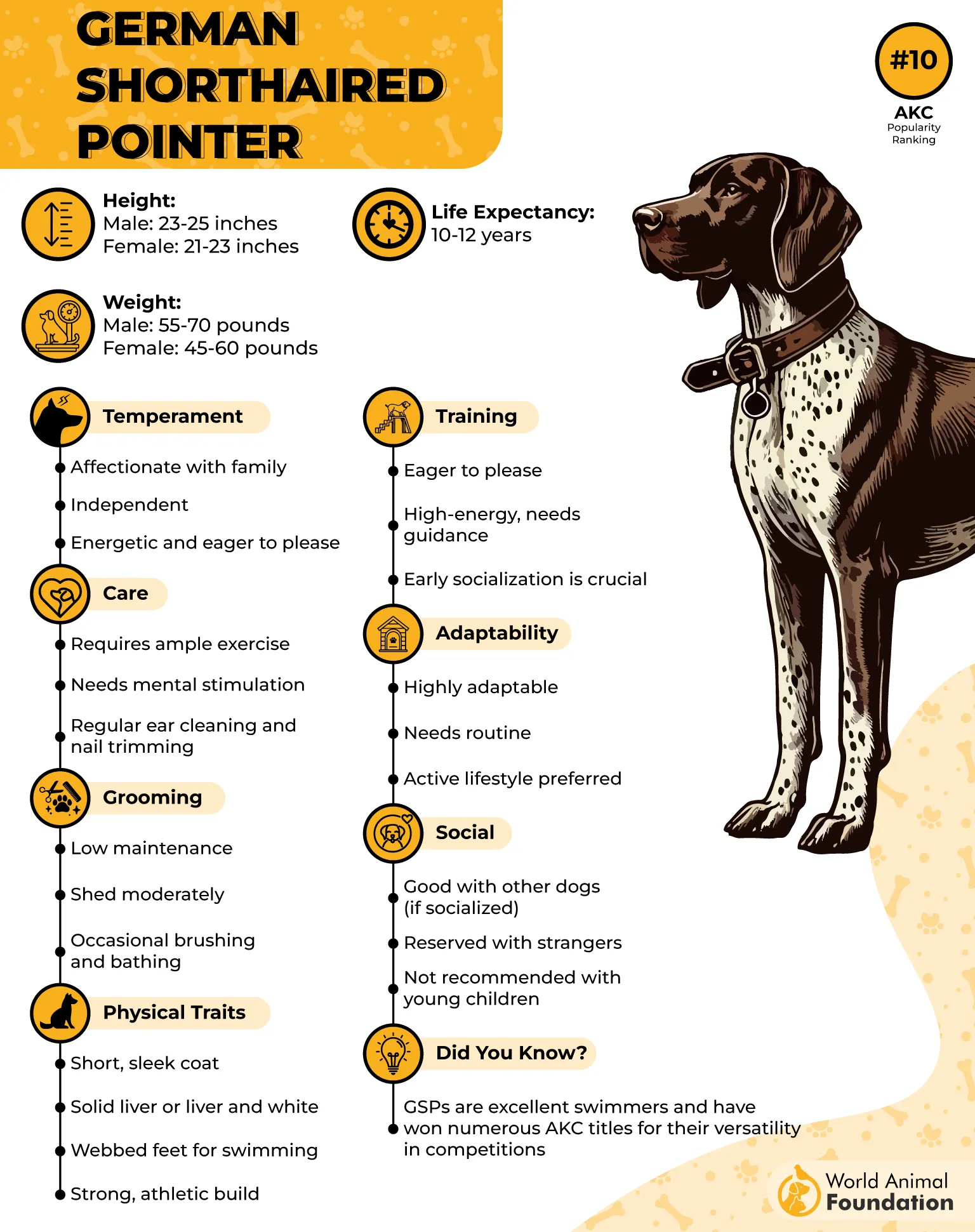
German Shorthaired Pointer took shape in Germany during the 17th century through crosses involving the Spanish Pointer and early German bird dogs, with some historians also suggesting Bloodhound influence. Later breeding with the English Pointer produced a lighter, faster dog with a more refined hunting build.
Ready for the Trail
This hiking dog breed fits demanding outdoor trips especially well because it can work across both land and water. Once conditioned, it can keep pace on marathon-length hikes and has even appeared on lists of the top five hiking breeds.
For serious backcountry days, these activities fit naturally into its abilities:
Three- to four-mile maintenance runs
Swimming after strenuous outings
Fetch sessions that add variety
A Serious Work Ethic
German Shorthaired Pointer needs at least one to two hours of intense daily exercise when it is not working as a sporting dog, as PetMD suggested. Hiking, running, agility, and hunting can give its energy a clear purpose while reducing boredom-driven digging, chewing, and mischief.
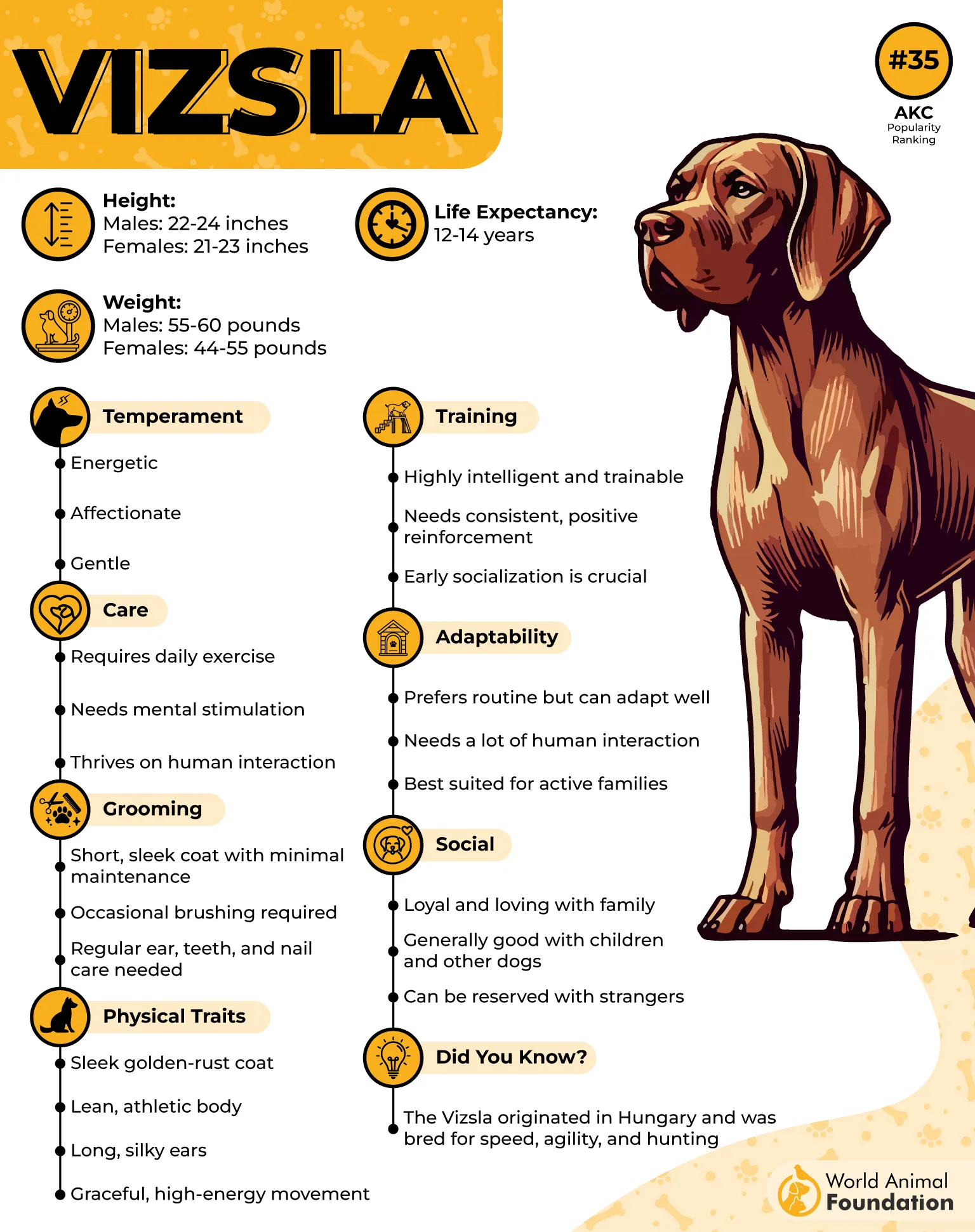
4. Vizsla
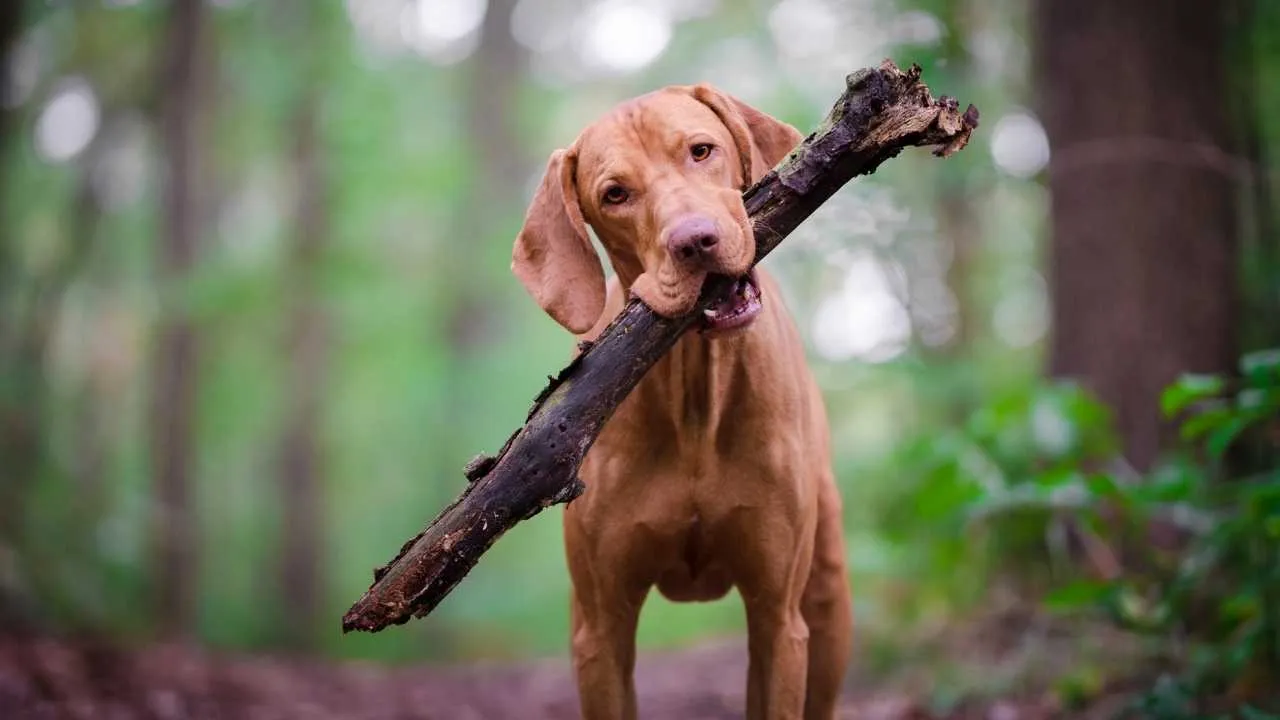
Vizsla originated in Hungary as a hunting dog, valued for tracking, pointing, and retrieving game for hunters. Its work later expanded across land and water, and after World War II, the breed spread internationally as both a working dog and household companion.
Made for Active Ground
Vizsla has a lean, deep-chested frame with long legs and compact feet, giving it the agility needed for uneven farmland and dense undergrowth.
Its short, dense coat also sheds water and burrs easily, a useful detail when trails lead through wet grass or brush.
These features make them especially suited to demanding outings:
Strong scenting ability for tracking
Retrieves game from water and land
Excels in agility and field trials
Energy With Affection
This agile dog breed needs substantial daily activity, including at least three walks of 30 minutes each, along with opportunities for running, hiking, jogging, or off-leash fetch in a secure area. Younger dogs under two years should avoid long-distance running while their bones are still growing.
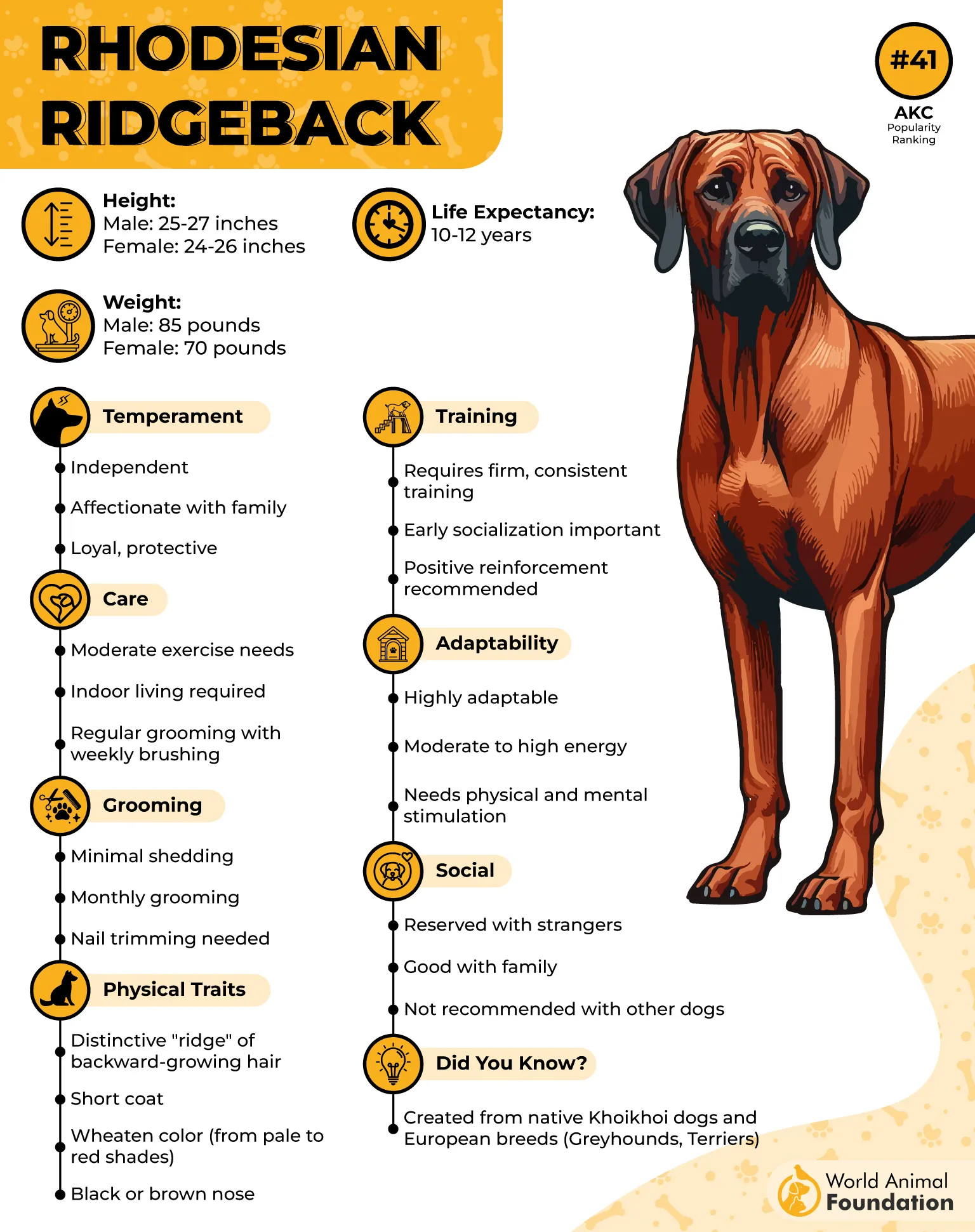
5. Rhodesian Ridgeback
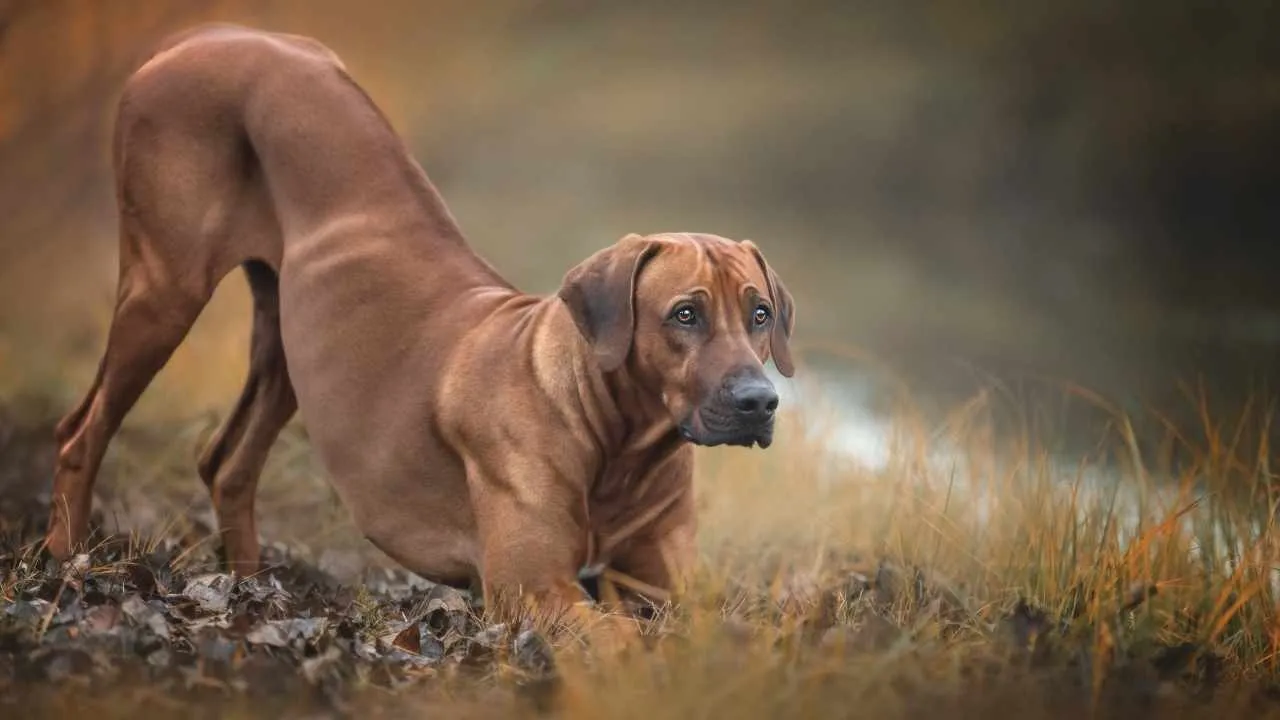
Rhodesian Ridgeback takes its name from Rhodesia, now Zimbabwe, where the first breed standard was set in 1922. Its earlier roots lie in South Africa, where its ancestors served as guard and hunting dogs for centuries before European settlers introduced breeds such as Great Danes, Terriers, and Greyhounds.
Built to Go Far
This great hiking companion has the athletic structure for long stretches outdoors, with a deep chest, powerful hindquarters, and an efficient gait suited to sustained trotting. Its short, dense coat also sheds debris easily and suits warmer climates without heavy feathering.
These characteristics are especially useful on rugged trips:
Signature ridge along the spine
Strong scent-tracking ability
Excels in mantrailing and obedience
Adventure With Purpose
Rhodesian Ridgeback enjoys challenging outings such as hiking, jogging, swimming, and varied walks that include new routes or scent-based games. Its reserved approach to unfamiliar people also makes early socialization useful, while older children who play calmly can be good companions.
6. Labrador Retriever
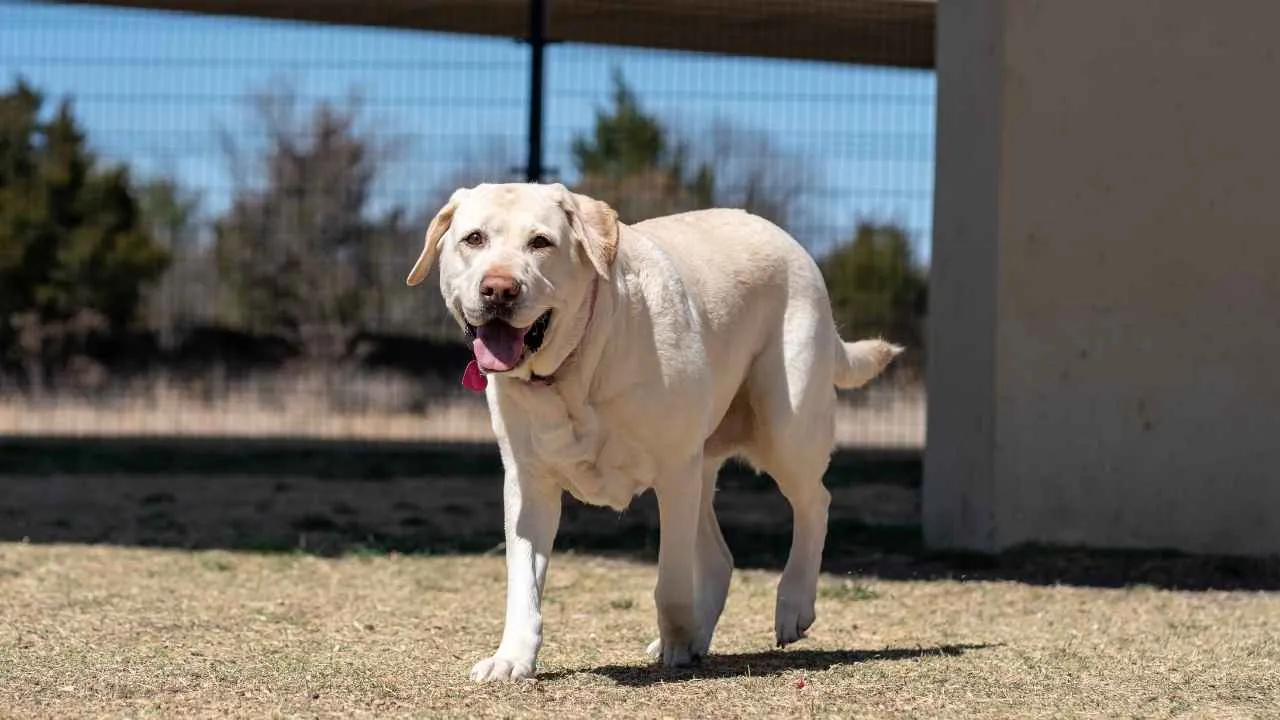
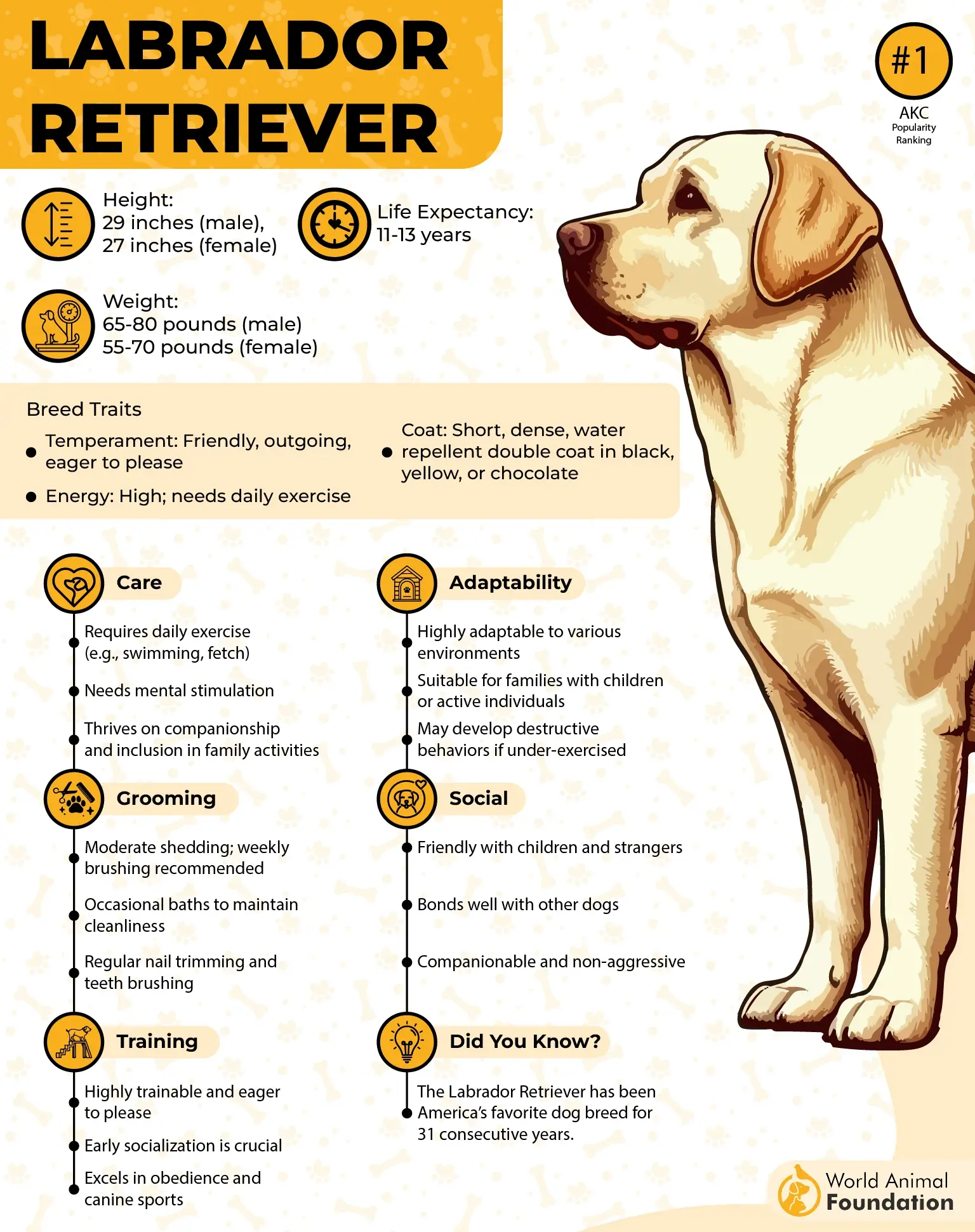
Labrador Retriever developed in Newfoundland, where early black dogs were smaller and lighter than the Newfoundland breed seen today. They retrieved game and fish, helped pull boats across lakes, and eagerly handled swimming tasks alongside fishermen.
Made for the Trail
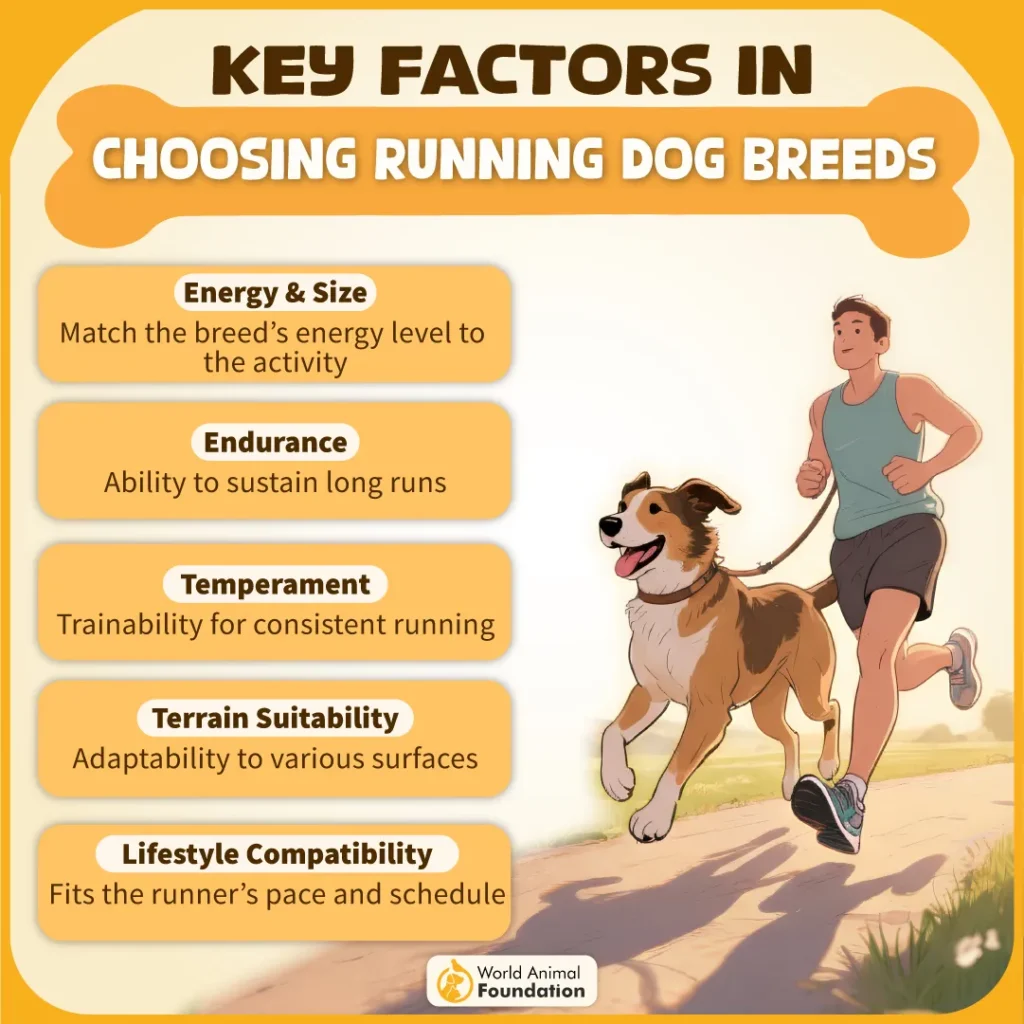
This adventure dog brings athletic endurance to outdoor trips, with a body suited to repeated retrieves over distance, particularly in cooler conditions. Hiking, running, tracking, scent work, and fetch can give this energetic worker meaningful ways to use its abilities.
These characteristics make their outdoor personality especially interesting:
Drawn to puddles, ponds, and shorelines
Dock diving combines exercise and retrieving
Excels in retrieving and early obedience
Easy to Direct
Labrador Retriever has an unusual mix of trainability, sociability, and steadiness called high biddability, which suits complex working roles. Frequent eye contact and returning to its handler also help explain its success in assistance work and other jobs requiring close cooperation.
7. Weimaraner
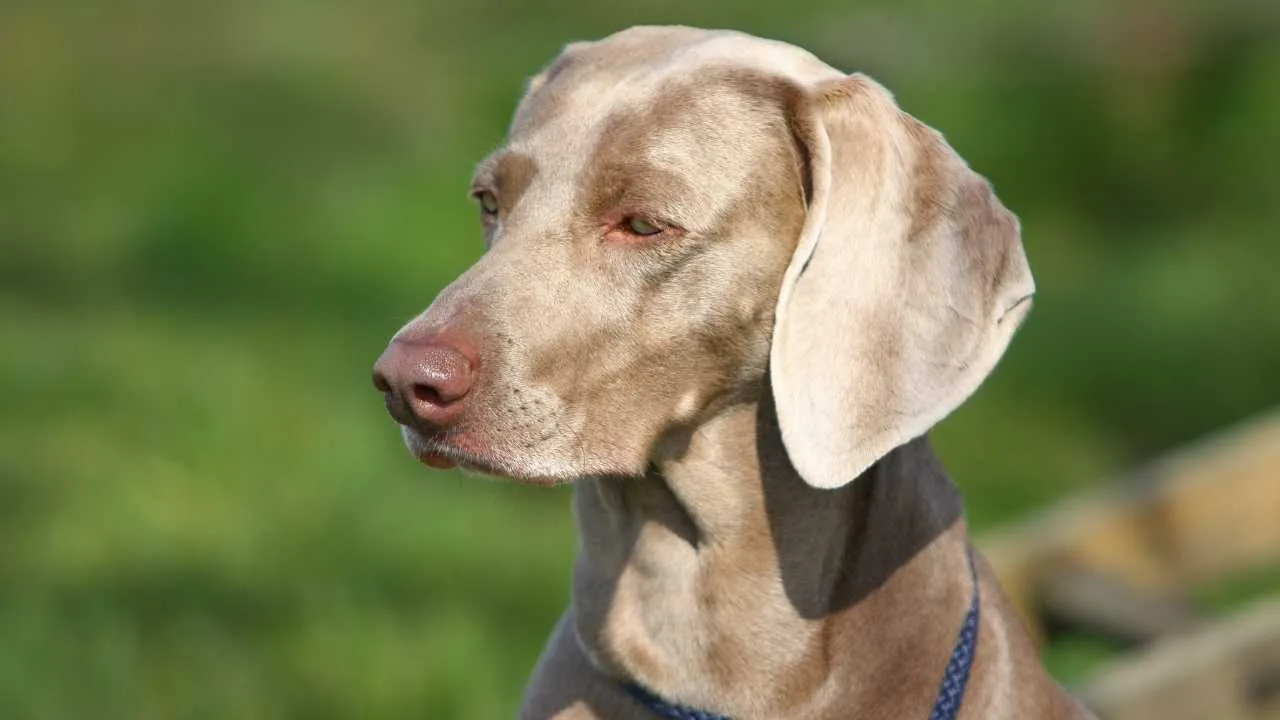
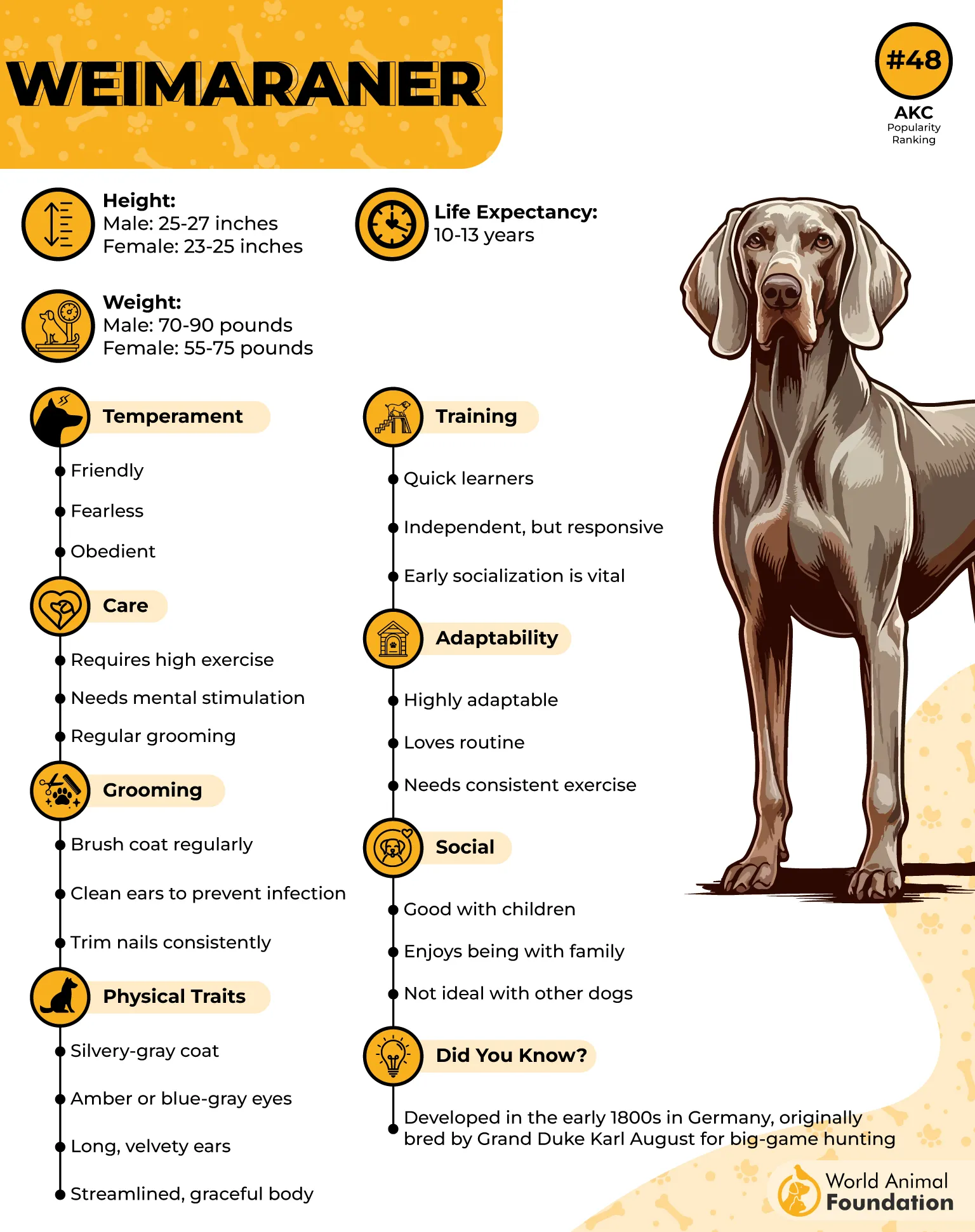
Weimaraner was originally bred in 19th-century Germany as an all-purpose gun dog tasked with hunting game ranging from deer to bear. Bloodhounds, Schweisshund, and pointer breeds contributed to the modern breed, giving its lineage a distinctly demanding sporting purpose.
Made for Distance
These great hiking partners have a deep chest, long legs, strong muscles, and an efficient stride that support sustained activity over long stretches, as noted by the AKC. A fit adult can handle runs of around 10 miles, while healthy dogs may enjoy hikes reaching 20 miles.
The numbers give a clearer sense of its physical range:
Some have joined owners in marathons
Canicross suits its steady pace
Bikejoring uses its pulling strength
Built for Wet Work
Weimaraner has a short, dense coat that dries quickly after wet retrieves, making it useful during active field outings and hunting trips in cool conditions. Its athletic frame also suits pursuits such as lure coursing, dock diving, hiking, running, hunting, and agility.
Conclusion
Off-road camping can give your dog a chance to use the athletic skills, endurance, and confidence that make outdoor adventures more enjoyable. Still, a successful trip depends on more than physical ability. Training, recall, hydration, paw care, rest, and protection from changing weather all deserve attention before leaving home.
Your dog should have enough conditioning for the distance and terrain you plan to cover. Think about how it handles water, steep ground, other dogs, wildlife, and unfamiliar campsites too. Among the best dog breeds for rugged camping, sensible preparation and a routine that matches your companion’s abilities can make the experience more rewarding.
