




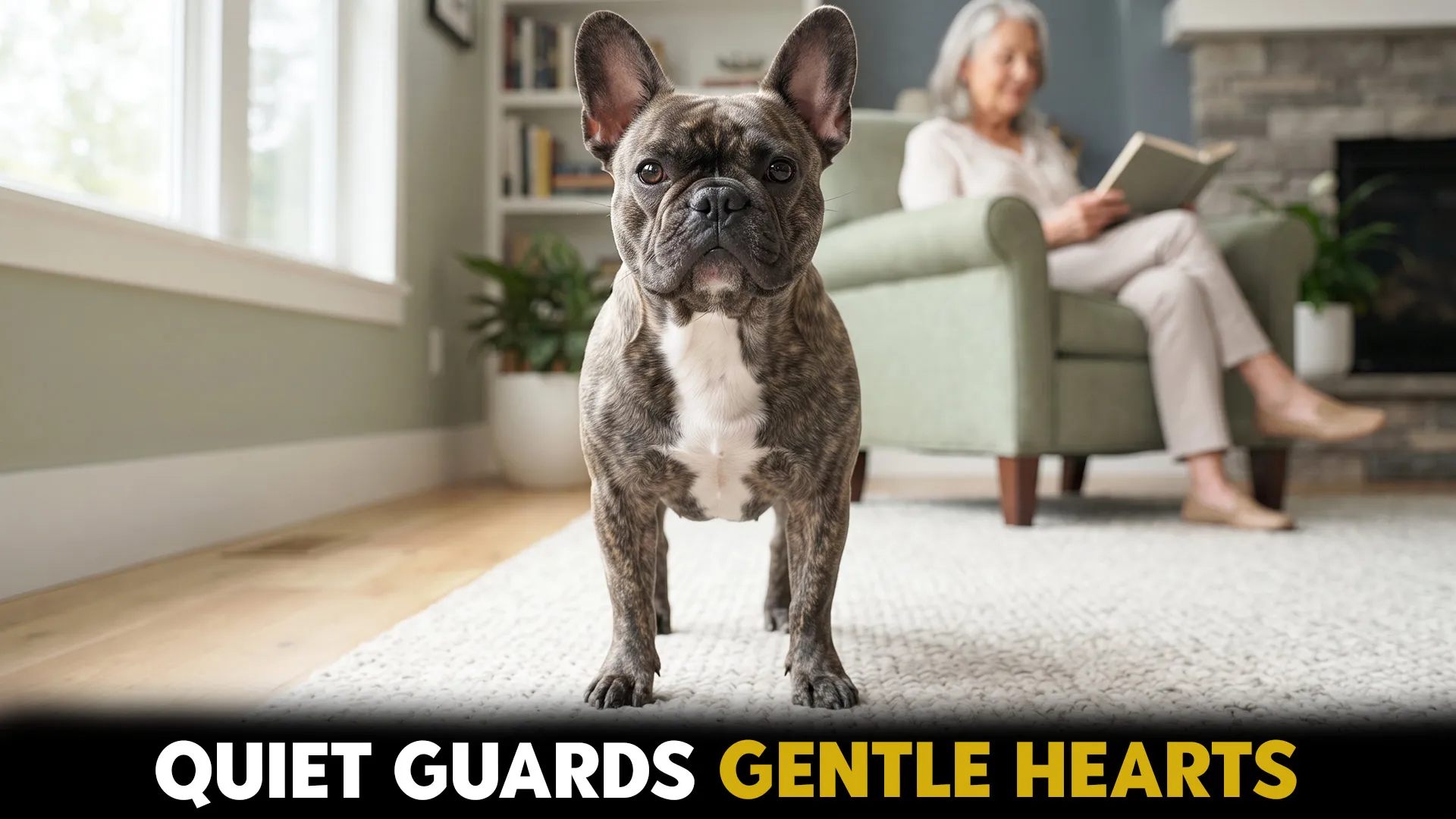
What if your quiet home had a tiny night watchman? No uniform, no flashlight, just four paws and curious ears. Sounds funny, right? But could a small dog really notice something unusual before you do?
For seniors, the goal is usually companionship and awareness, not aggression. A mature adult dog may offer an easier match than a lively puppy. Dogs bred mainly for companionship can still notice unfamiliar sounds, visitors, and activity around the home.
The right choice should also fit your daily routine and physical ability. Quiet small-to-medium dogs can feel easier to manage indoors, too. Unlike demanding guard dogs, calm watchdogs can alert you without turning home life into a noisy alarm system.
This guide compares seven breeds, each with different strengths. We’ll look at activity, grooming, sociability, alertness, and home life. Remember, even the calmest dog still needs proper care, attention, and affection.
Now, let’s meet the breeds that could fit your quiet home best.
Senior-Approved Dog Breeds for Quiet Home Guarding
1. Shih Tzu
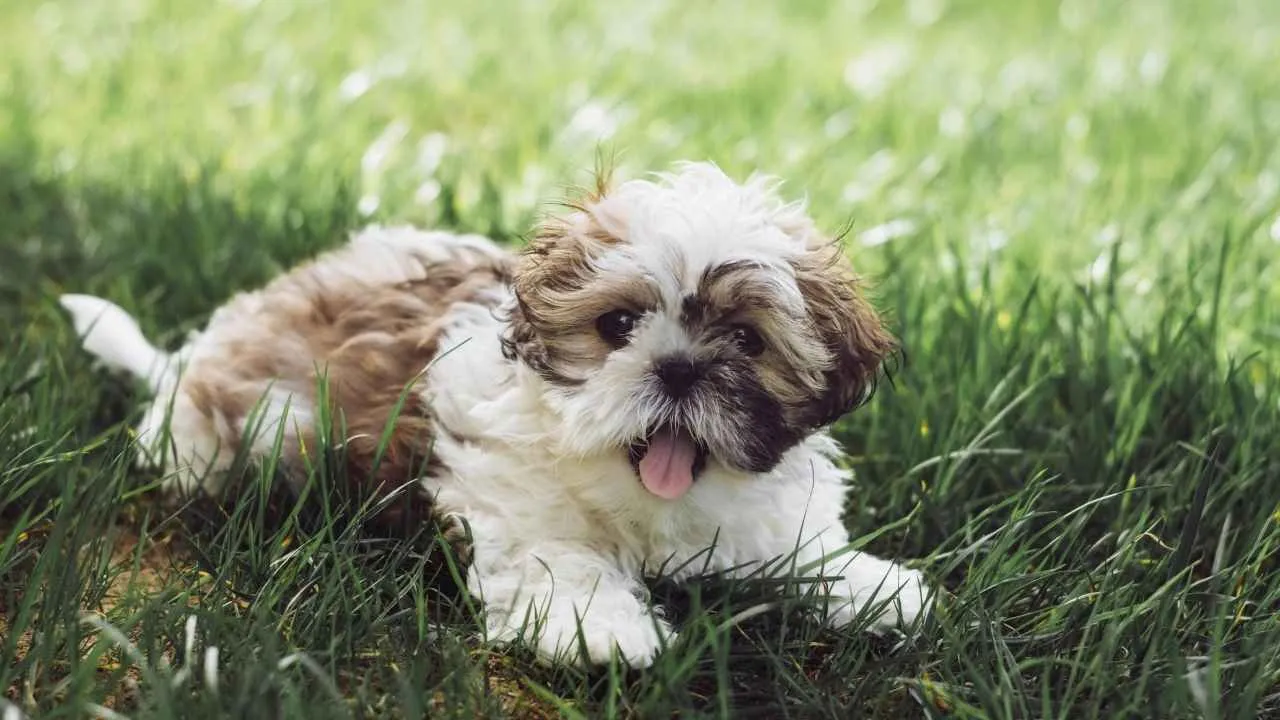
Bred as treasured companions in ancient China, the Shih Tzu brings palace-dog charm to quiet homes. This calmest small dog breed usually prefers staying close to its people rather than wandering alone. That loving nature suits pet parents who enjoy having a devoted friend nearby.
According to the American Kennel Club, Shih Tzus are lively, affectionate, and surprisingly sturdy for their size. Their awareness of household sounds can also provide gentle alerts without creating constant commotion. For seniors, that balance makes this dog a sensible choice for quiet home guarding.
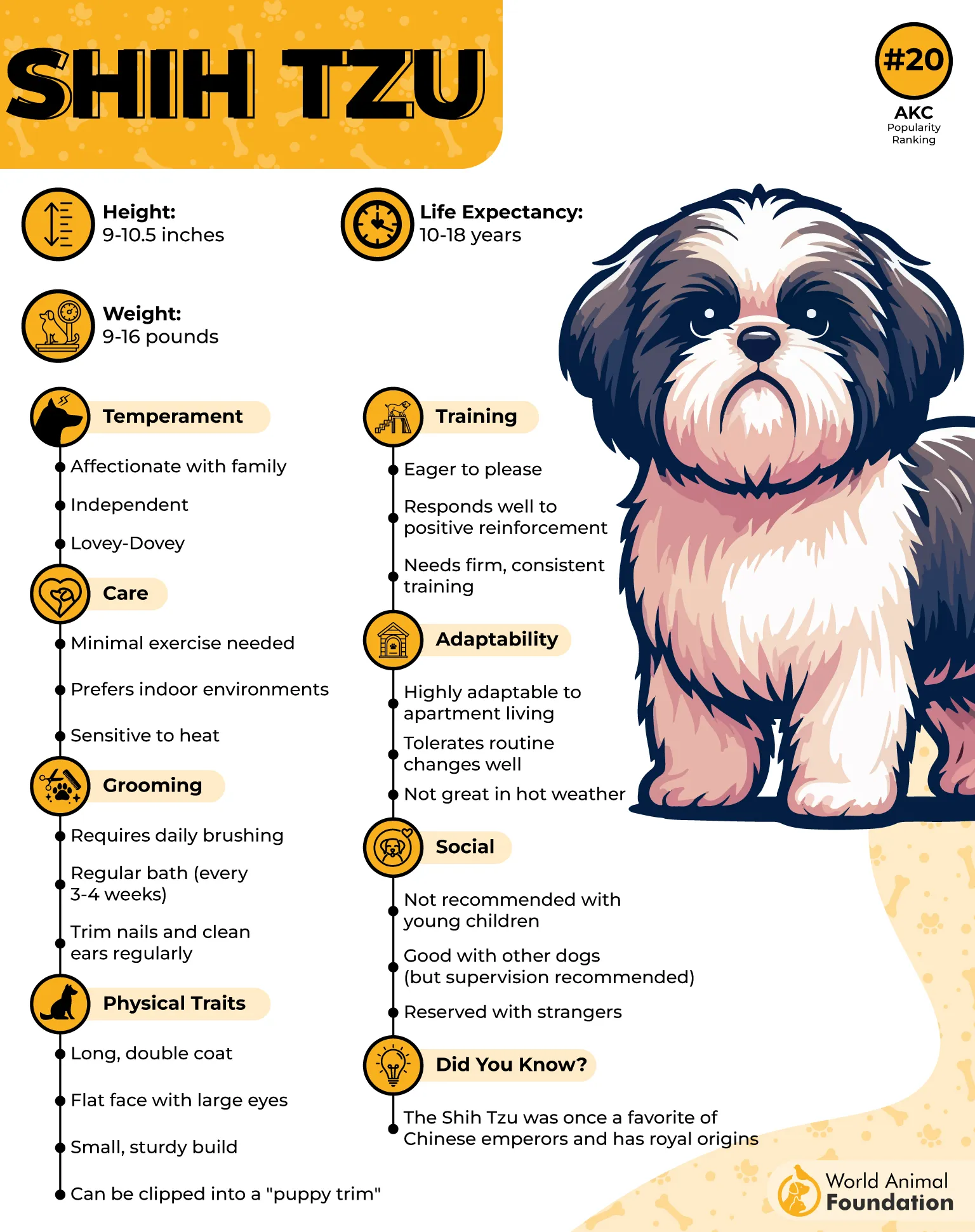
It also enjoys indoor life, which suits owners without large yards. With simple activities and plenty of companionship, the Shih Tzu can settle comfortably into a relaxed household.
A Cozy Choice for Senior Living
Daily brushing and occasional professional grooming keep its coat manageable.
Its compact build makes everyday handling easier.
Early socialization can encourage harmony with other pets.
Short walks and indoor games support its activity needs.
They can bring playful charm to a senior household.
2. Maltese
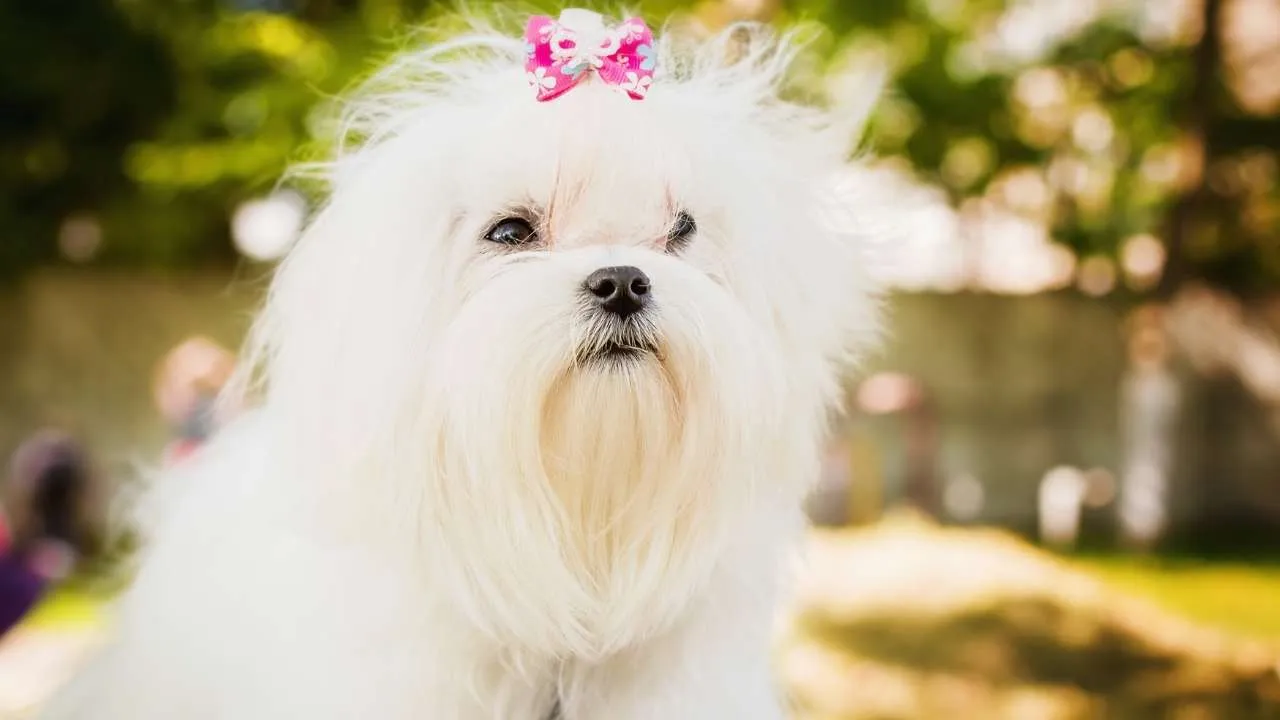
The Maltese may be tiny, but its awareness is impressive. This small dog breed can quickly notice unfamiliar sounds or people nearby. According to PetMD, Maltese are affectionate, friendly companions that form close bonds with their family.
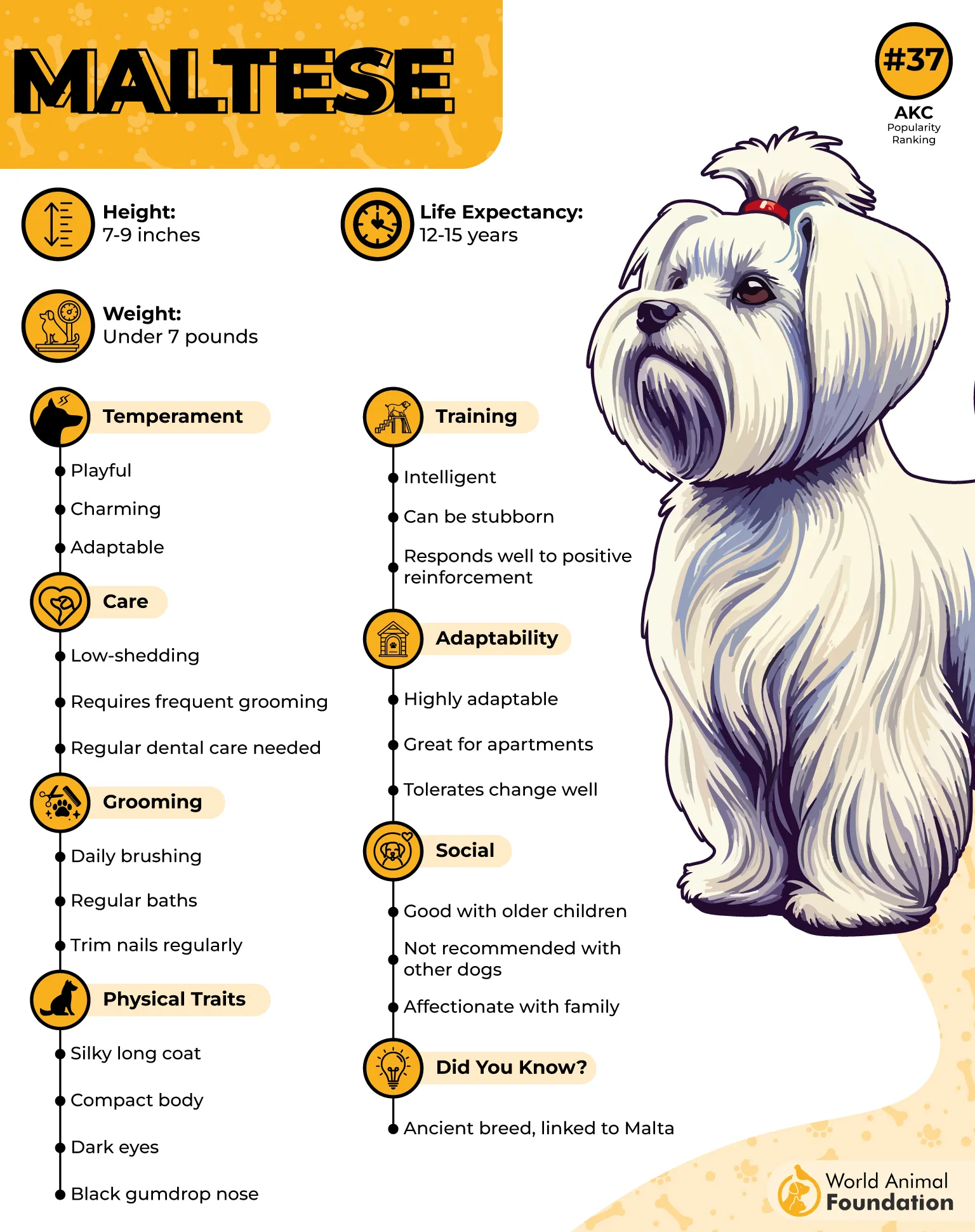
That makes them especially appealing to seniors who enjoy having a devoted friend nearby. Their alert nature can provide useful warnings without bringing an imposing guard dog into the home. This breed also enjoys staying involved with its people throughout the day.
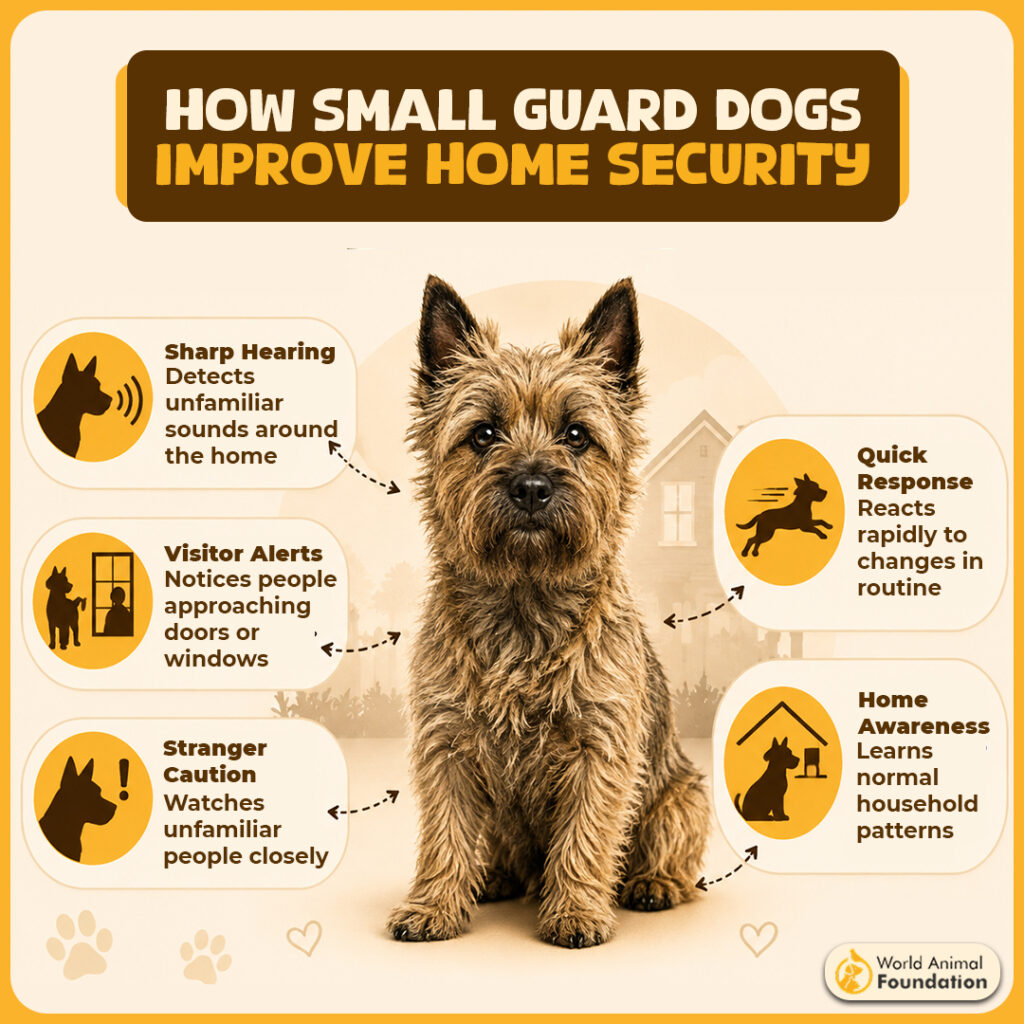
Long walks are not essential, but gentle activity and play still matter. With the right routine, the Maltese can offer companionship while keeping a watchful eye on its surroundings. That blend makes this breed a senior-approved choice for quiet home guarding.
Simple Care and Social Needs
Its silky white coat needs frequent brushing to prevent tangles.
Positive social experiences can help it welcome other dogs.
Rewards can encourage good habits during basic lessons.
Supervision helps protect this tiny breed around young children.
Its low-shedding coat may suit some allergy-sensitive homes.
3. Pomeranian
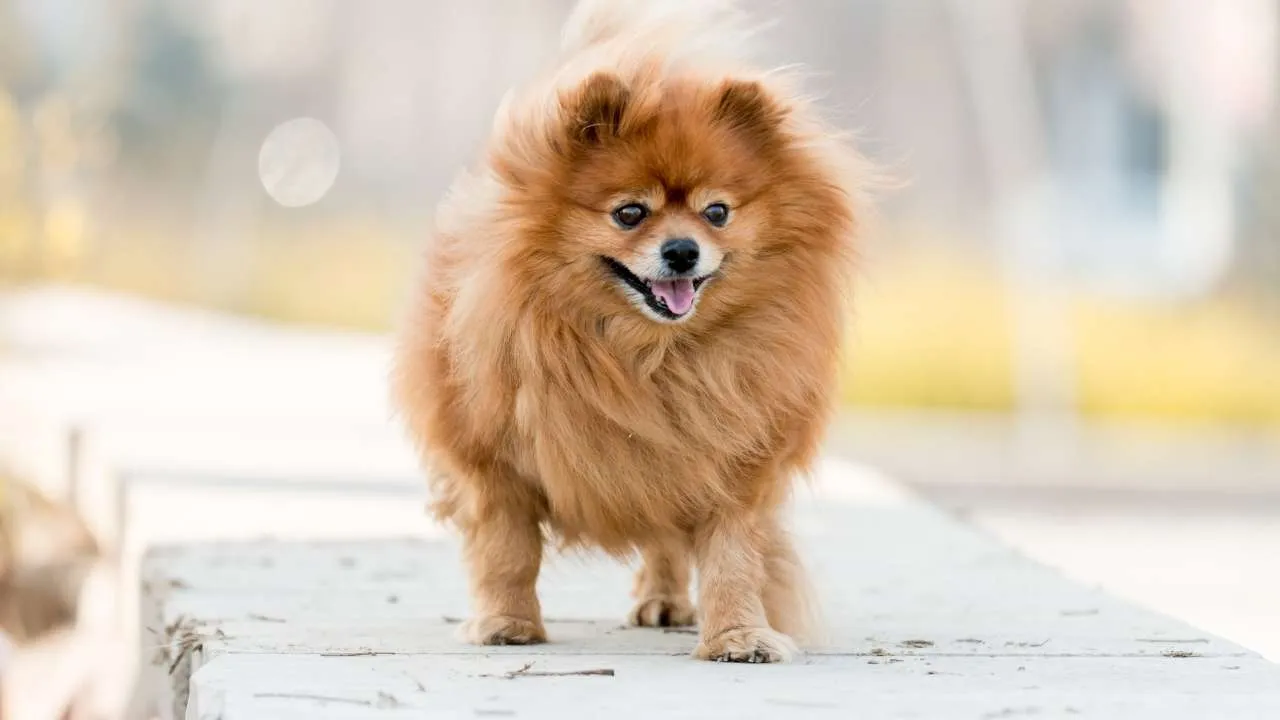
Few toy breeds bring as much confidence as the Pomeranian. Once favored by British royalty, this popular dog breed now charms families everywhere. According to PDSA, Pomeranians belong to the Toy group and are lively, curious, and playful.
Their sharp awareness also makes them useful little watchdogs. For seniors, that alertness can provide an extra sense of awareness without needing a large protection dog. Their eager-to-please attitude can also make household routines easier to establish.
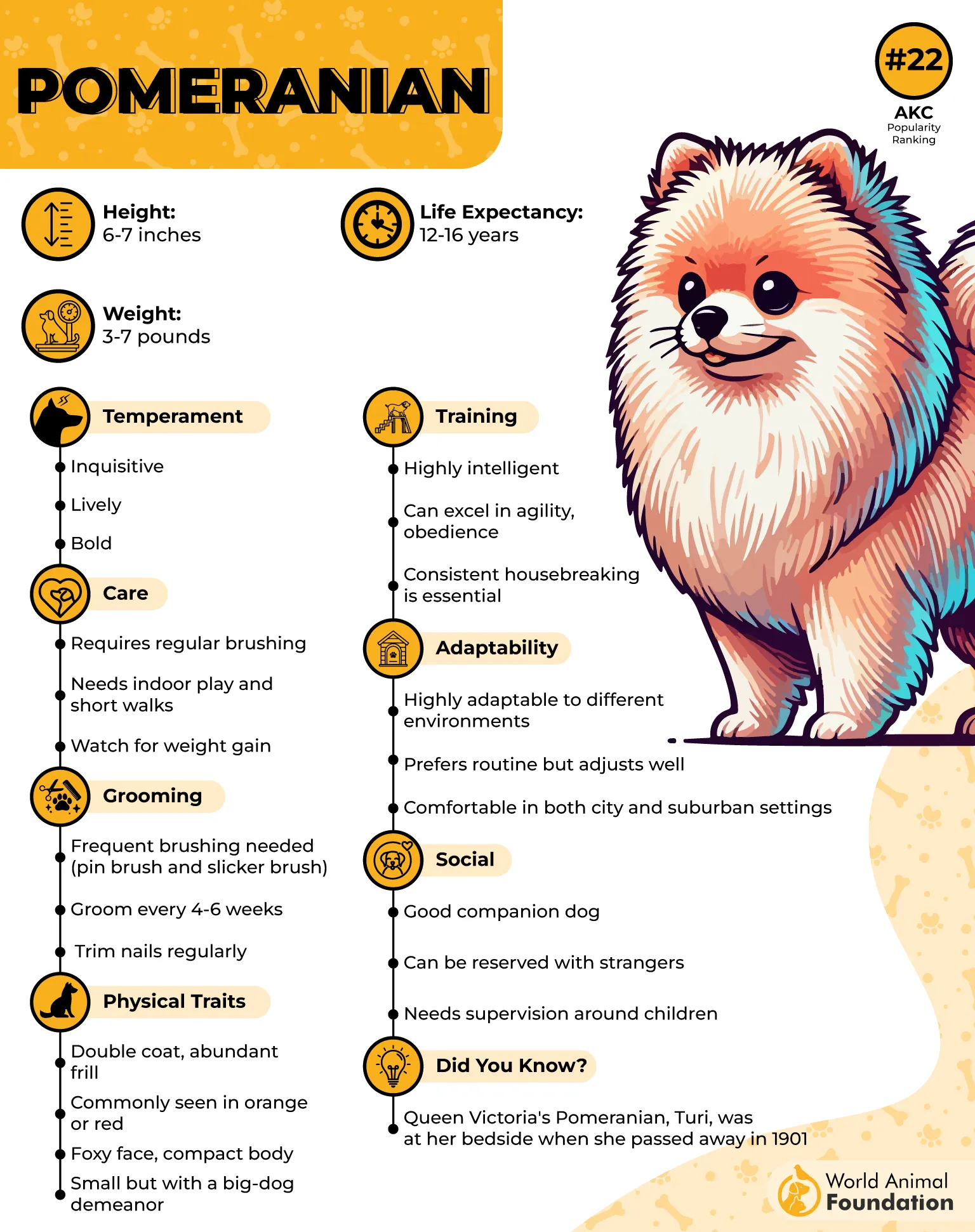
This lap dog can become a loyal companion while staying comfortable with apartment life. Its energetic spirit adds fun without demanding a huge living space. This makes the breed a smart choice for seniors seeking quiet home guarding with plenty of personality.
Easy Indoor Activity
Indoor games can provide useful mental stimulation.
A daily walk helps channel its curious energy.
Regular brushing keeps its abundant double coat tidy.
Consistent boundaries can help prevent excessive barking.
Its calm demeanor may appear after suitable activity.
4. Havanese
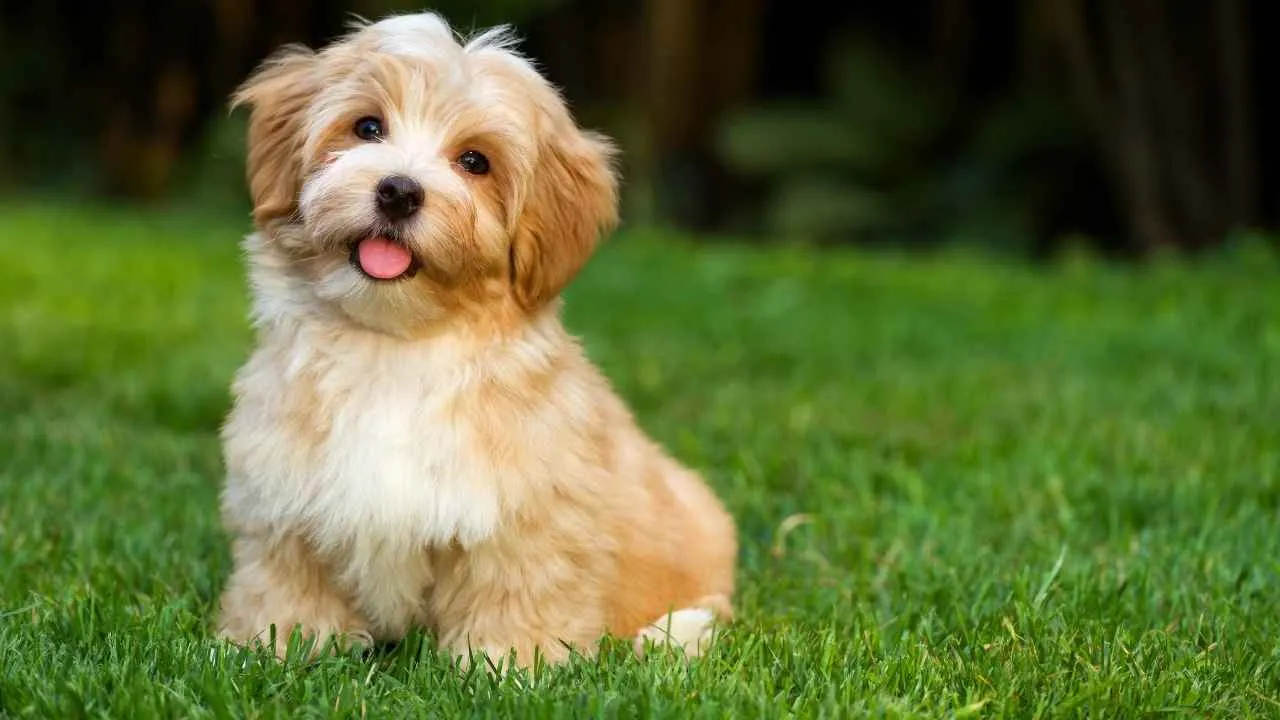
The Havanese is Cuba’s only native dog breed. It brings a cheerful spark to quiet households. This small breed is highly social and enjoys meeting people. According to Wikipedia, Havanese are sometimes called “Havana Silk Dogs.”
Their friendly nature helps them become a wonderful companion for seniors who want an outgoing housemate. They also have a useful watchdog instinct. A Havanese can notice unfamiliar activity and alert its family without endless barking.
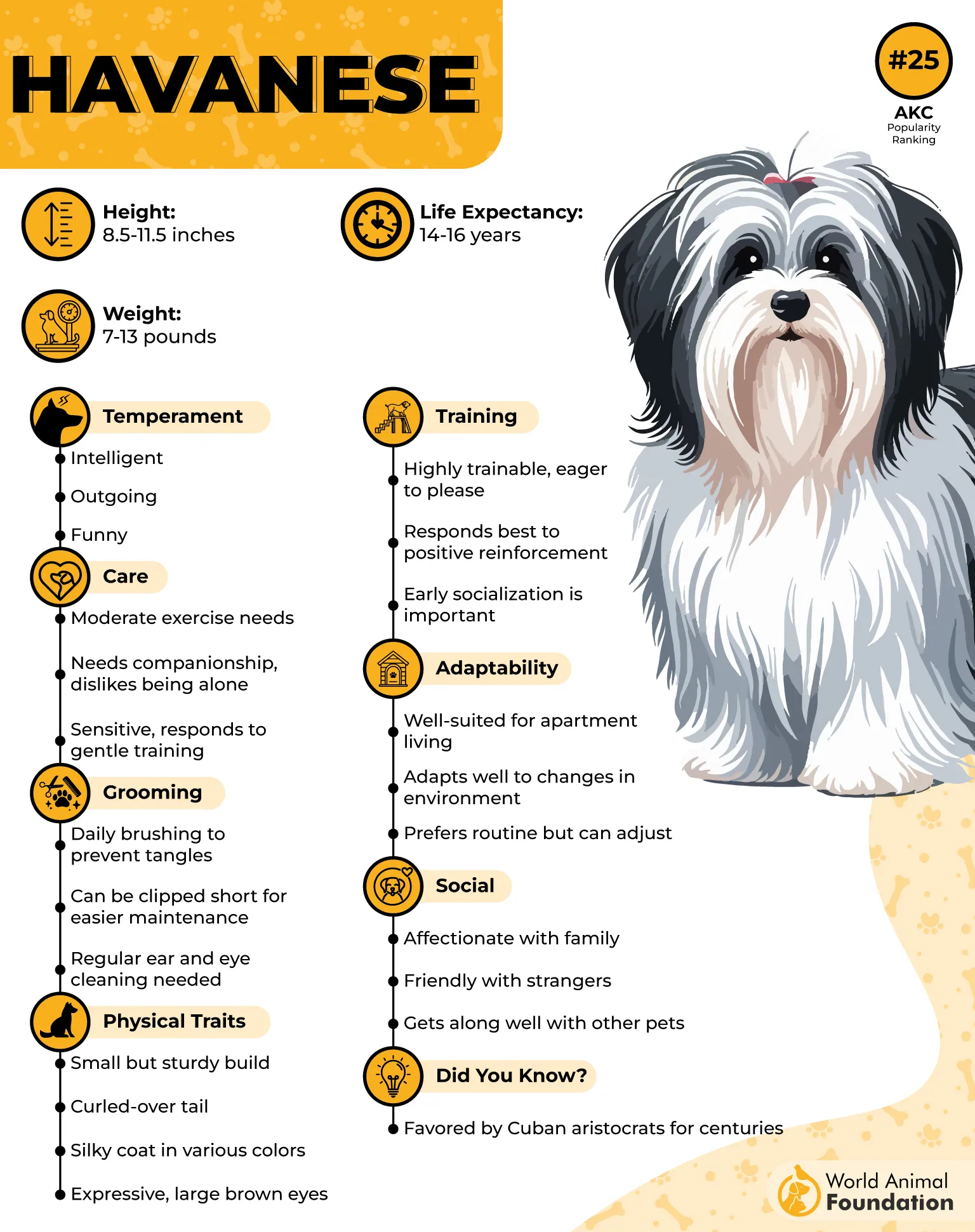
That balance can suit pet parents who prefer calm dogs over noisy guardians. Their moderate exercise needs also work well with relaxed routines. This affectionate nature, social confidence, and sensible alertness make the Havanese a senior-approved choice for quiet home guarding.
Flexible Care and Company
A short coat can make grooming simpler for busy owners.
A quick brush helps keep the hair looking neat.
Gentle introductions can support peaceful relationships with small animals.
They can adapt well when living alongside larger dogs.
Regular social contact helps maintain their calm behavior.
5. Chinese Crested
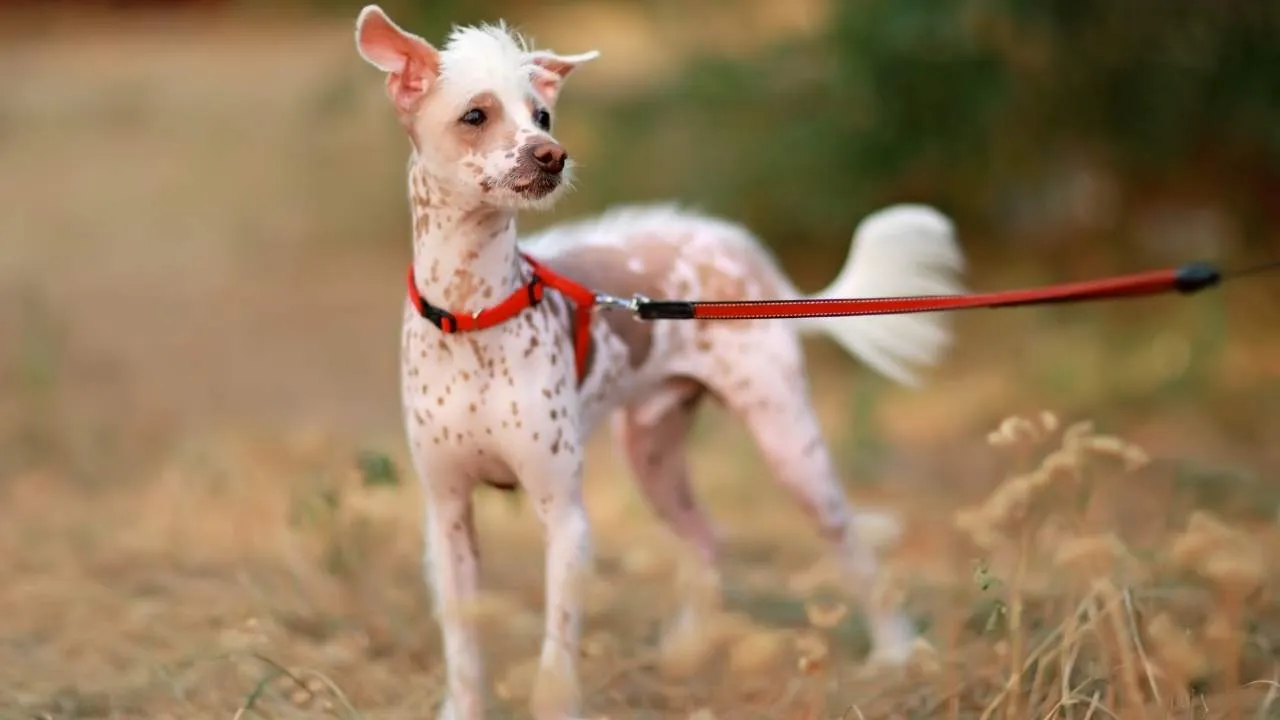
The Chinese Crested is an unusual little companion with plenty of charm. This ancient dog breed comes in two distinct forms. According to WebMD, the hairless variety and powder puff variety can even appear in the same litter.
That makes this Chinese dog breed especially interesting for seniors choosing a unique companion. Both types are attentive to their families and can notice changes around the home. Their alert nature can provide useful warnings without turning the house into a noisy zone.
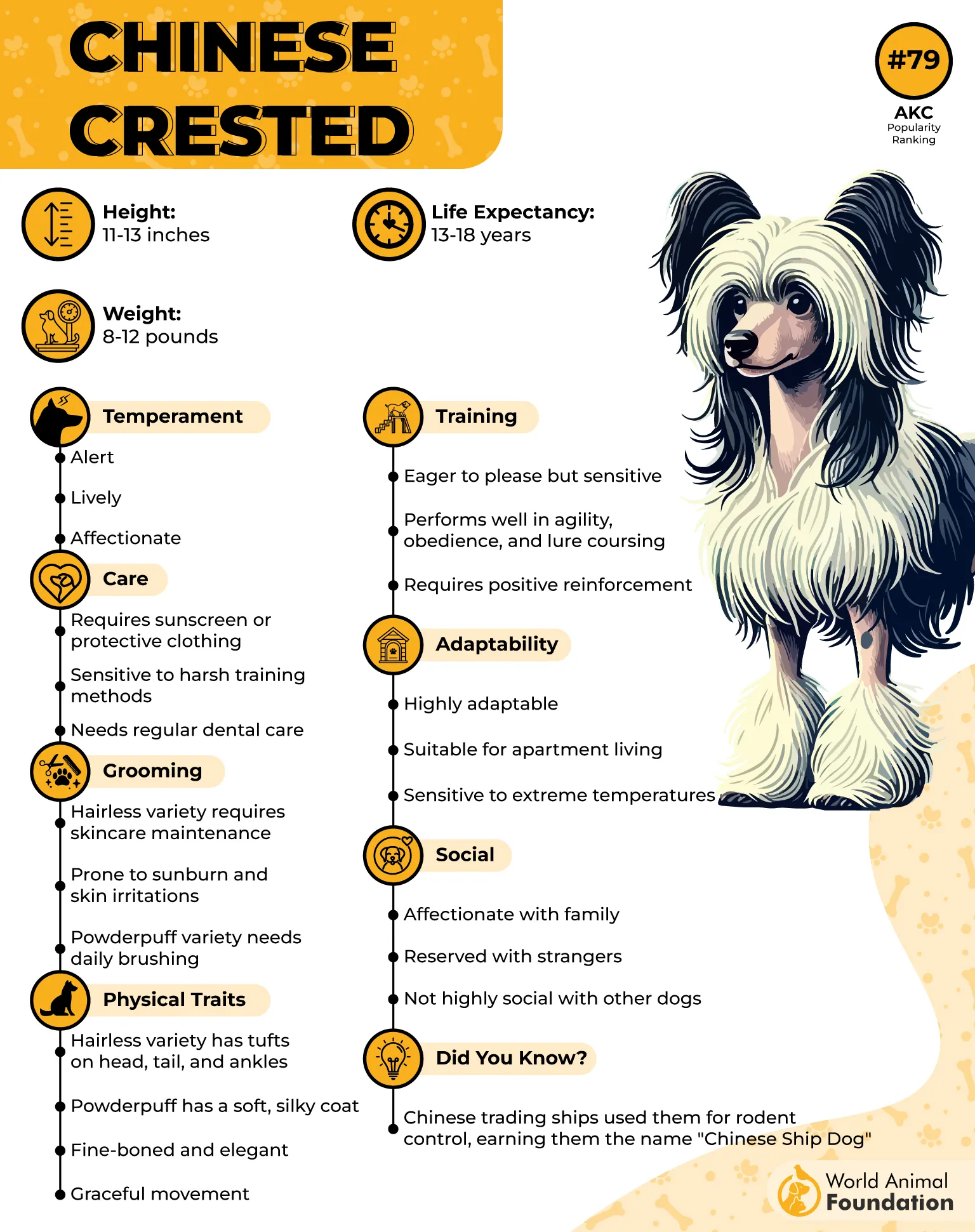
They can also fit well with pet parents who prefer calm dogs and relaxed companionship. For seniors, their adaptable nature makes them well suited to quieter homes, especially when daily routines remain gentle and predictable.
A Distinctive Home Companion
The hairless variety needs protection from harsh sun and cold.
The powder puff variety has a soft, silky coat.
Early socialization can encourage even-tempered behavior.
Careful introductions help them live peacefully with other pets.
A fenced yard offers a safe place for playful activity.
Their needs can suit owners without an active lifestyle.
Supervision is wise around big dogs because of their fine build.
6. Pug
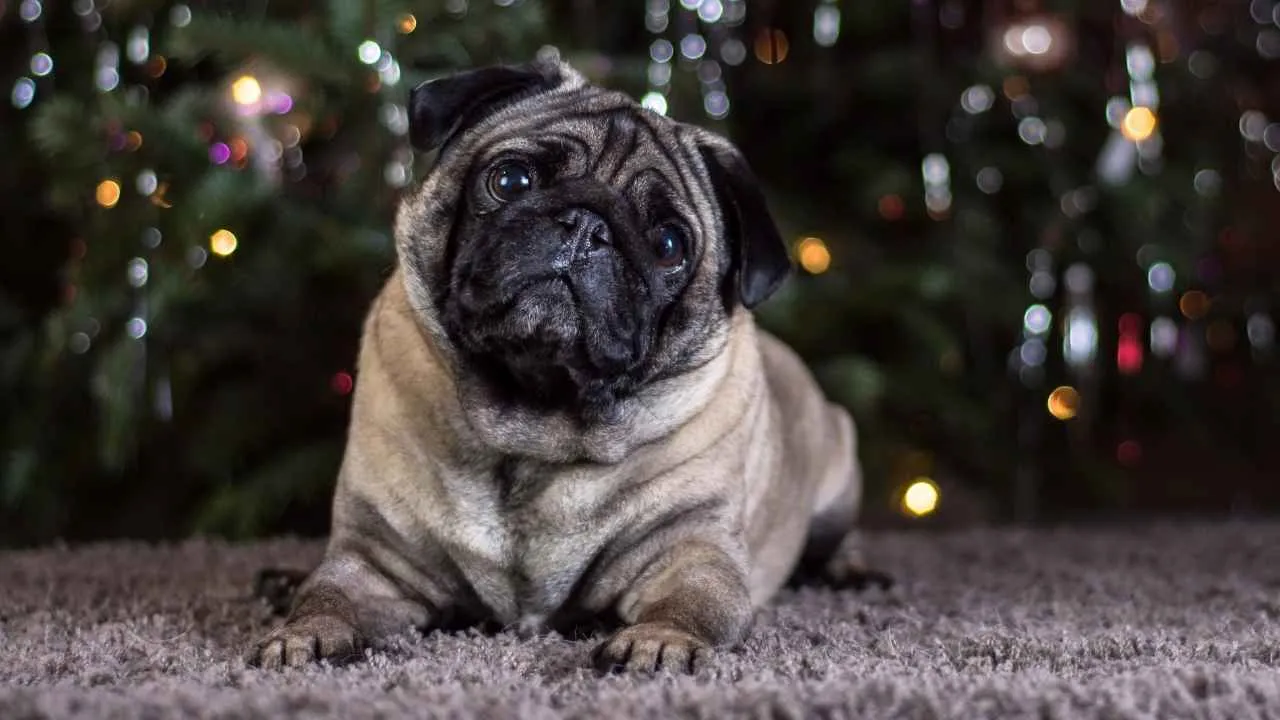
Originally bred as a companion for Chinese emperors, the Pug remains a favorite among older adults today. This ancient dog breed has an easygoing nature that suits peaceful households. According to Britannica, Pugs thrive on attention from their pet parents and enjoy feeling included in daily life.
Their people-focused attitude helps them form strong bonds with those around them. Often described as a couch potato, the Pug is a low-energy dog that can enjoy relaxing beside its favorite person.
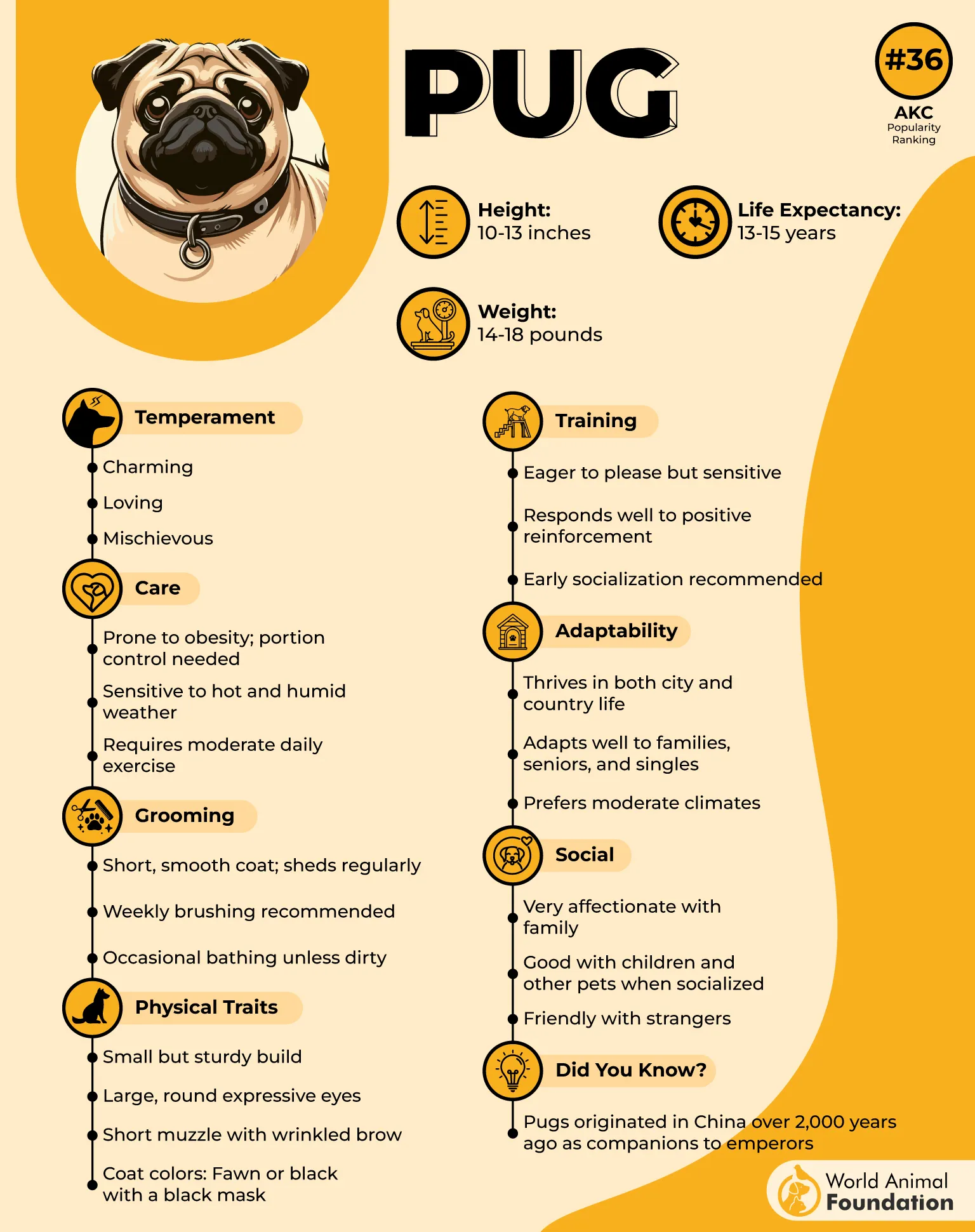
About 15 to 30 minutes of daily exercise can usually meet its modest activity needs. That makes this breed a good companion for seniors who prefer shorter outings. Its gentle presence and awareness of household activity also make it a sensible choice for quiet home guarding.
Practical Pug Care
A short, smooth coat needs regular grooming to control loose hair.
Watch portions carefully because Pugs can gain weight easily.
Avoid strenuous activity during hot or humid weather.
Each Pug has its own personality and may vary in activity.
Gentle giants can be friendly, but the Pug is much smaller.
Reward-based methods can support its highly trainable nature.
7. French Bulldog
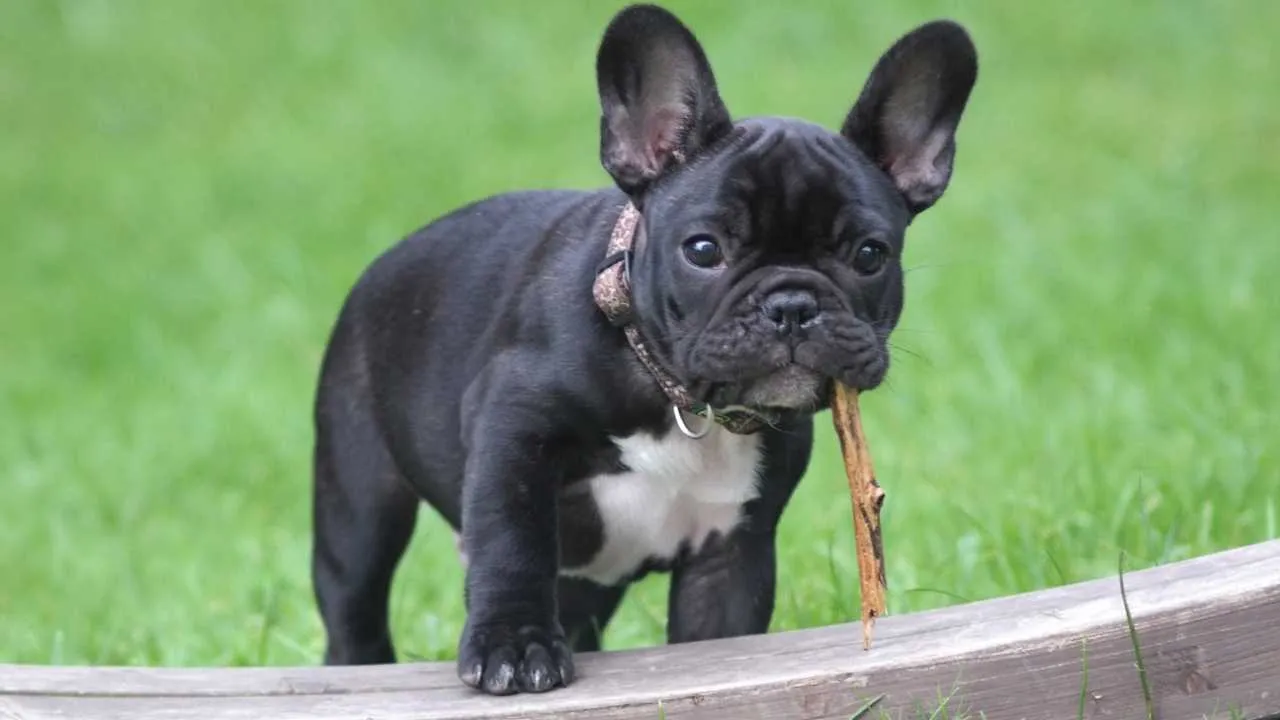
With its famous bat ears and even disposition, the French Bulldog is hard to overlook. This brachycephalic breed has become a favourite among city residents seeking calm dogs for peaceful homes.
According to Purina, Frenchies rank among the world’s most popular small-dog breeds. Their alert nature is especially useful because these quiet dogs rarely bark without reason. That makes the Frenchie a strong choice for seniors wanting a watchdog rather than a noisy guard.
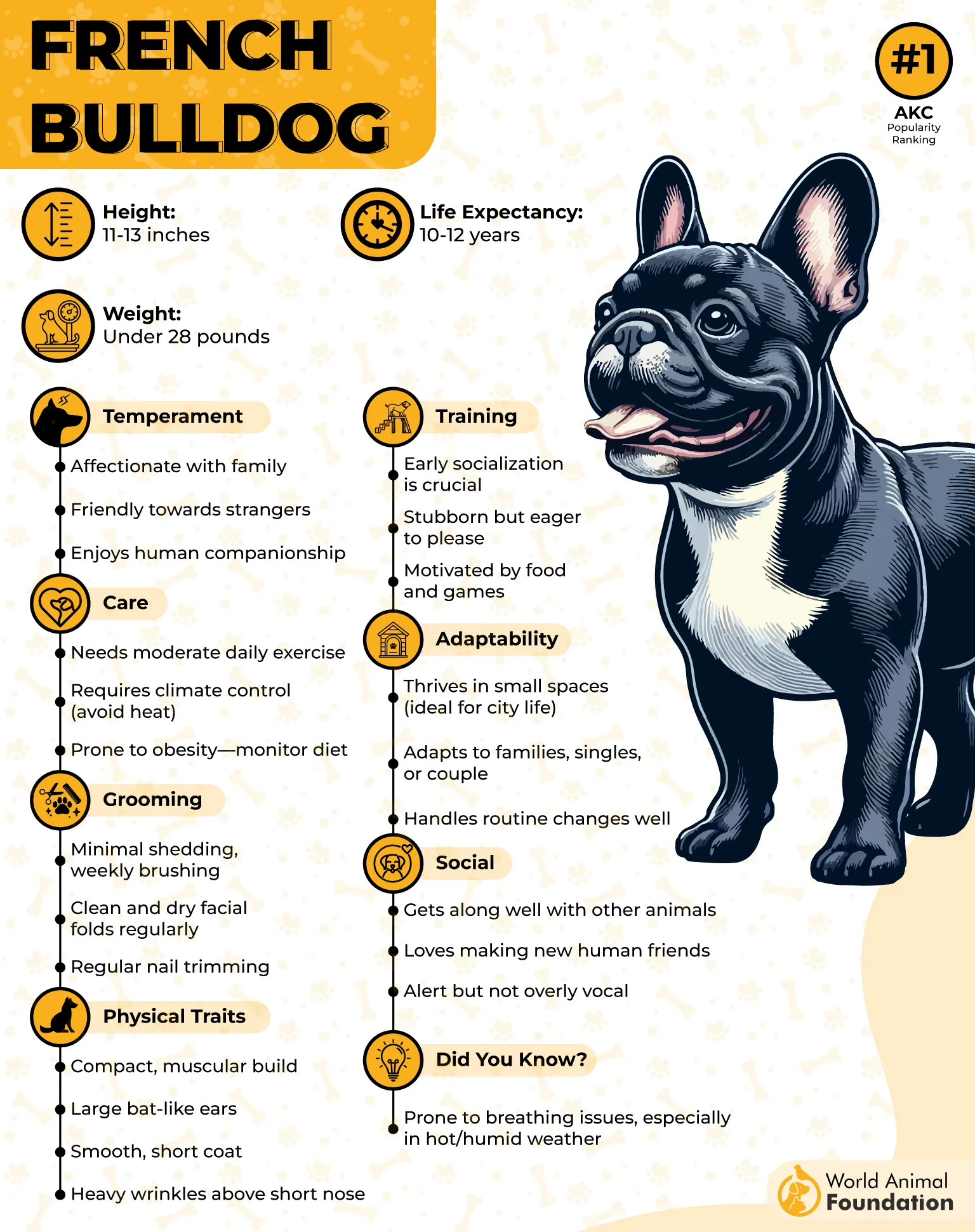
As apartment dogs, they can be perfectly content with limited space and a relaxed routine. Some may seem like a lazy dog, but gentle play still keeps them engaged. They need low exercise and can enjoy brief outdoor exercise instead of demanding outings.
With their affectionate spirit and adaptable nature, Frenchies can be a perfect companion and potentially the best dog breed for a senior seeking quiet home guarding.
Simple Frenchie Care
Keep daily walks short and comfortable.
Regular cleaning helps keep facial wrinkles healthy.
Their smooth coat needs less upkeep than a long coat.
Reward-based methods can make them relatively easy to train.
Avoid strenuous activity during hot weather.
Conclusion
Choosing the right dog for senior life is about balance, not size. A calm dog breed can offer companionship and useful alerts without the demands of a protective guard dog. The best dogs for older owners are not always large dogs.
Many seniors may prefer lap dogs that fit easily into a peaceful home. Each furry friend brings different needs, habits, and personality traits. So, consider your daily routine before choosing a new pet. Think about barking, grooming needs, mobility, and the amount of activity you can comfortably manage.
Some breeds need much exercise, while others are happy with short walks and indoor play. Meeting an adult dog first can also help you understand its nature.
In the end, the ideal companion should feel manageable, affectionate, and alert while making your home feel warmer and more secure.
