





The easiest mistake for a new dog owner is choosing with your eyes first and your lifestyle second. A dog may look perfect in a photo, yet its daily needs tell another story.
High energy, strong working instincts, intensive grooming, or a need for constant engagement can become challenging while learning basic training and canine communication. First-time dog owners often benefit from breeds with approachable temperaments, manageable exercise needs, and willingness to learn.
That does not mean choosing a dog that requires no work. Every dog needs food, veterinary care, exercise, training, mental stimulation, and affection throughout life. The goal is to find a companion whose needs fit what you can provide. Once that match makes sense, training and bonding can feel far less intimidating.
Ahead, you will find amazing dog breeds suitable for new dog owners, plus the qualities that can make each choice worth your attention for your situation.
Key Takeaways
Your first dog can feel far less overwhelming when you know what everyday life with the breed will actually look like.
Cavalier King Charles Spaniels are eager to learn and can settle into everything from apartment life to family homes with around 40 to 60 minutes of daily activity.
Pugs bring a much slower pace, while Border Terriers add more energy and a history of following foxes deep underground.
From the easygoing Bolognese to the clever Toy Poodle and the lion-like Lowchen, there is plenty more to discover before meeting the Russian Tsvetnaya Bolonka at the end.
Amazing Dog Breeds Suitable for New Dog Owners
1. Cavalier King Charles Spaniel
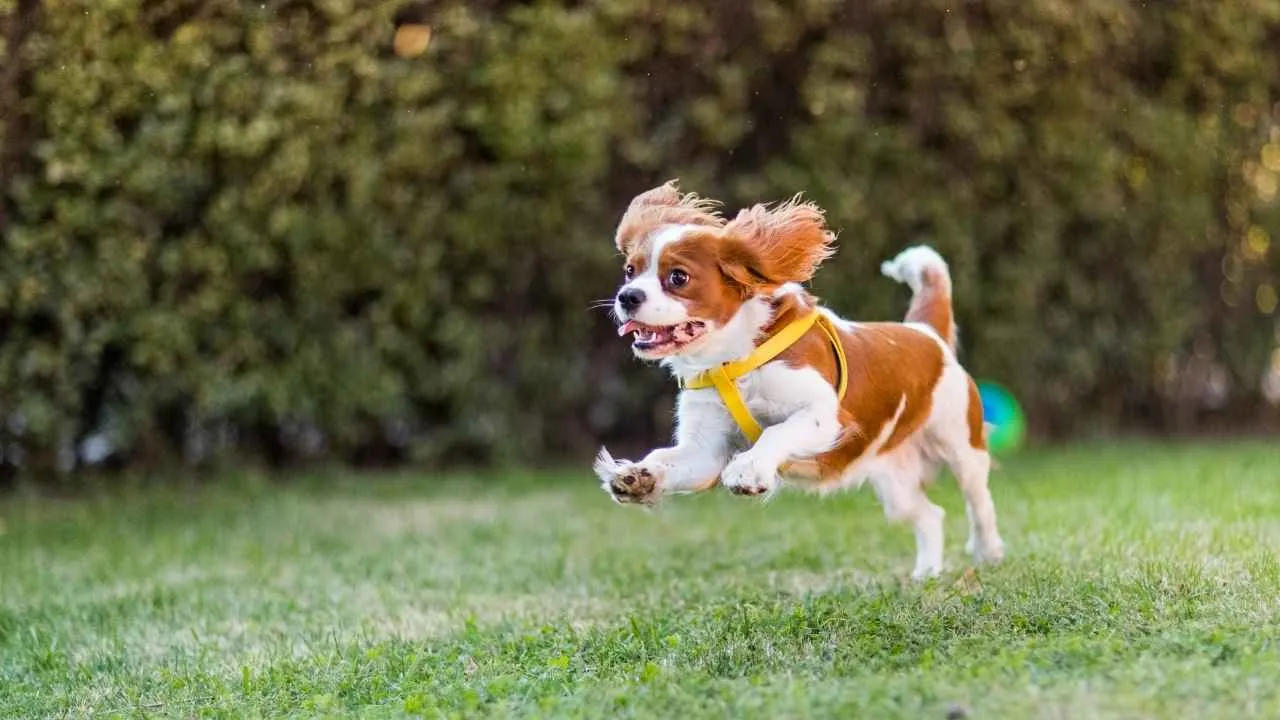
Cavalier King Charles Spaniel descends from the small toy spaniels painted across northern Europe during the 16th to 18th centuries. According to Hill’s Pet, these little dogs once warmed laps in chilly castles and on cold carriage rides, even serving as “comforte dogs” for royalty.
Made for First-Time Homes
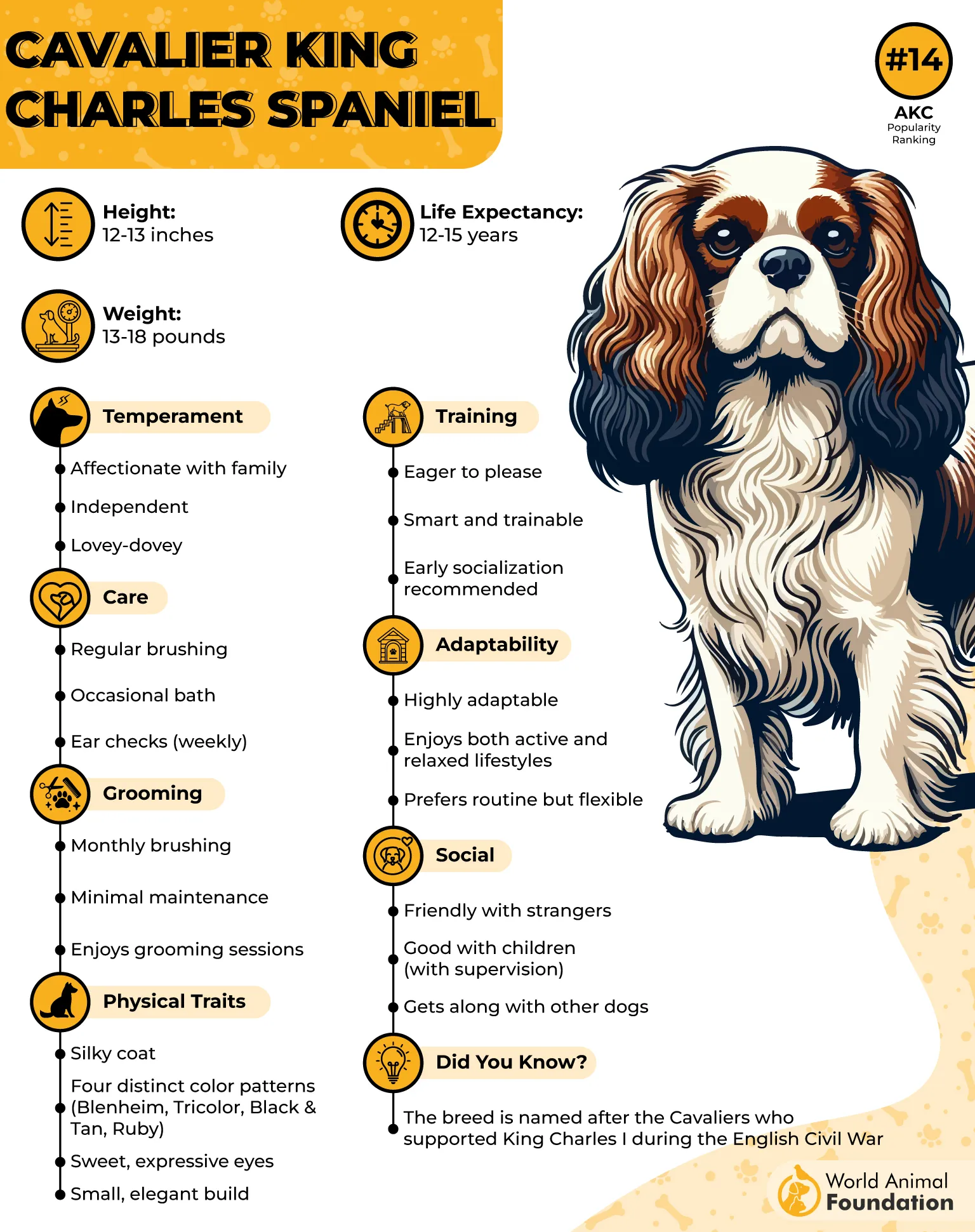
Cavaliers combine toy-dog size with Spaniel qualities, giving them the flexibility to fit into city apartments, country homes, and active households. They generally need around 40 to 60 minutes of daily exercise, from a relaxed walk to play in a secure backyard.
That flexibility comes with a few needs:
Secure areas matter because they may chase interesting scents
Early socialization helps build confident behavior
Regular brushing keeps the medium-length coat healthy
Easy to Teach
Cavalier King Charles Spaniel is highly intelligent and usually eager to cooperate during training, often responding well to encouragement and treats. Their patient, gentle nature also makes them suitable for therapy work and companionship for older adults or people with disabilities.
2. Pug
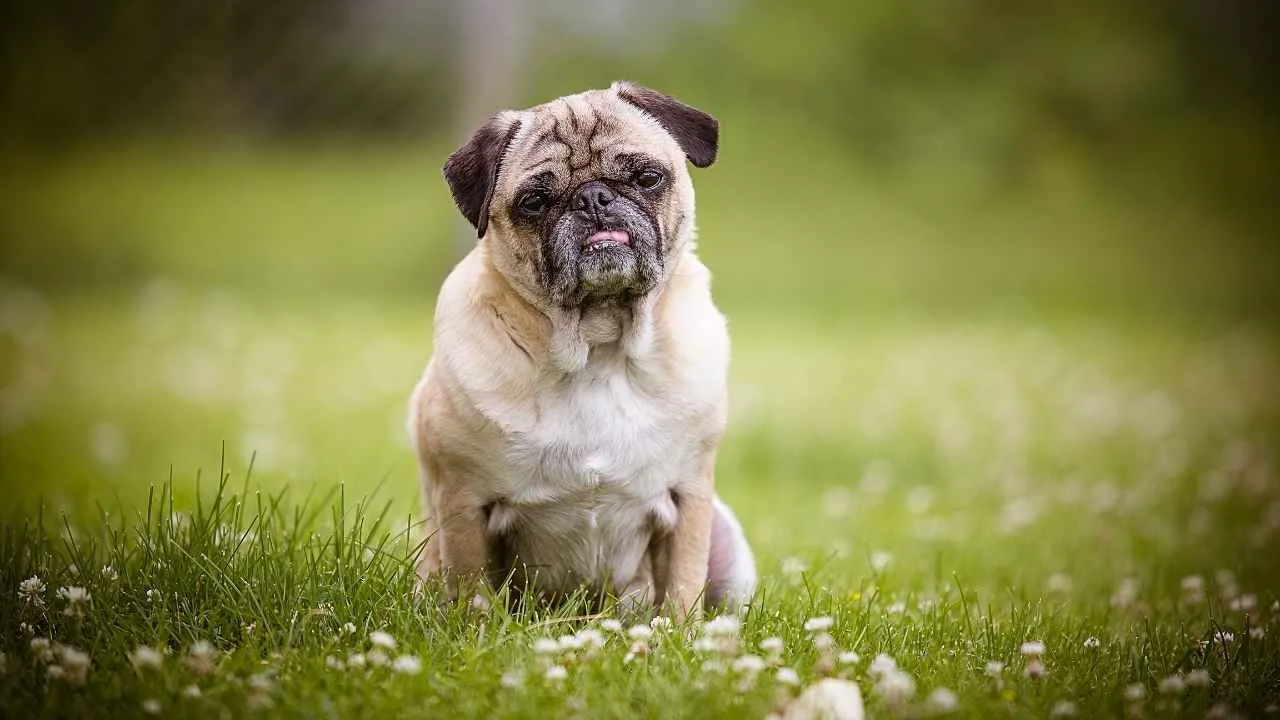
The pug originated in China during the Han Dynasty, from 206 BC to 200 AD, with evidence of similar dogs also found in ancient Tibet and Japan. Chinese emperors prized these small companions, who lived in luxury under the protection of palace soldiers and were bred for royal companionship.
First-Dog Friendly
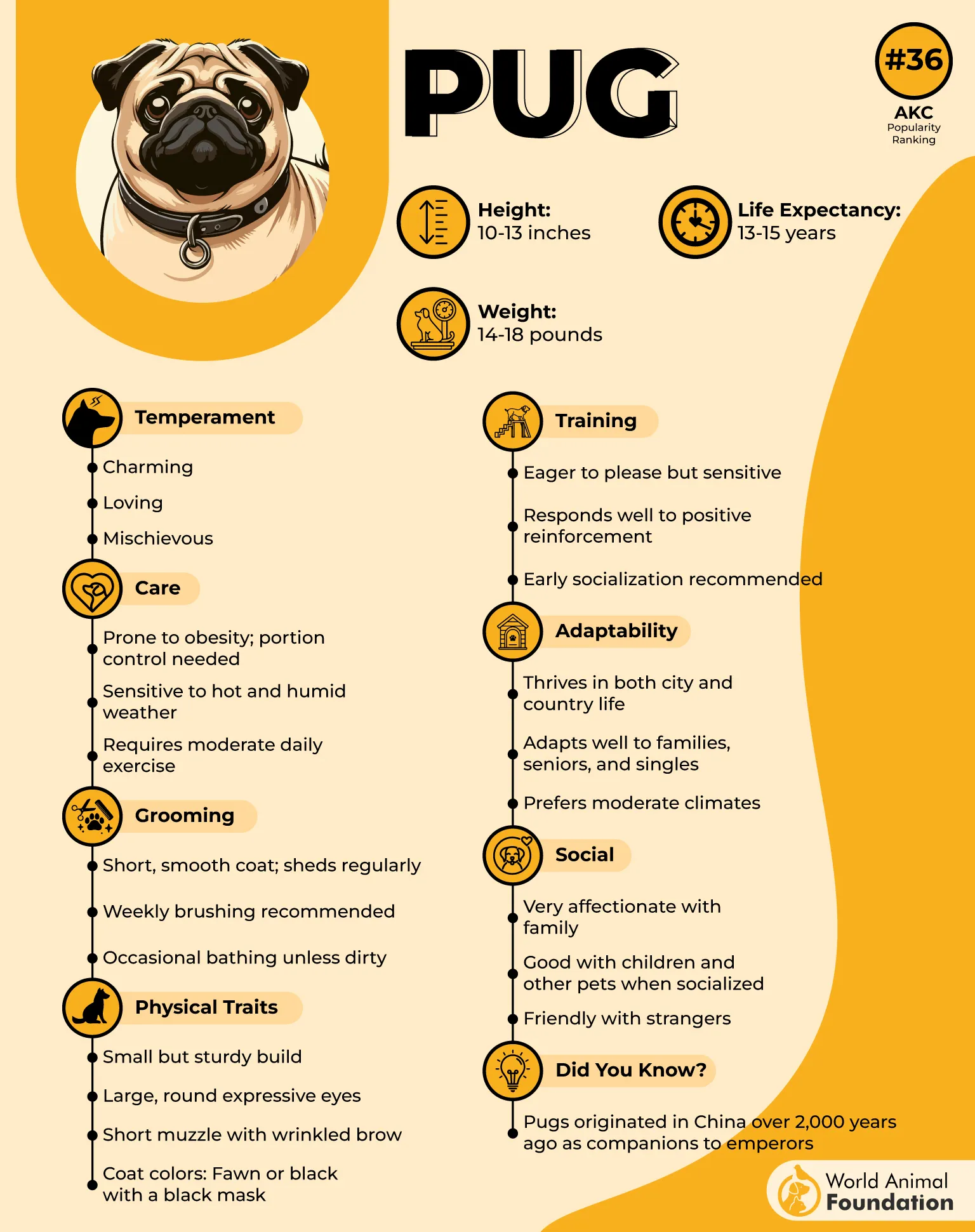
Pugs can suit new dog owners who want an affectionate companion with modest daily exercise needs and an easygoing nature. About 30 to 40 minutes of activity each day, ideally divided between two walks, can fit neatly into a less demanding routine.
Life with this dog has a few more details:
A harness is recommended for its delicate windpipe
Daily activity helps prevent unhealthy weight gain
Gentle indoor games provide useful mental exercise
A Social Little Character
Pug loves human interaction and often brings plenty of personality into everyday life through playful antics, funny snorts, and constant interest in what people are doing. Early socialization can also help this people-oriented breed interact appropriately with children, other dogs, and other pets, as PDSA noted.
3. Border Terrier
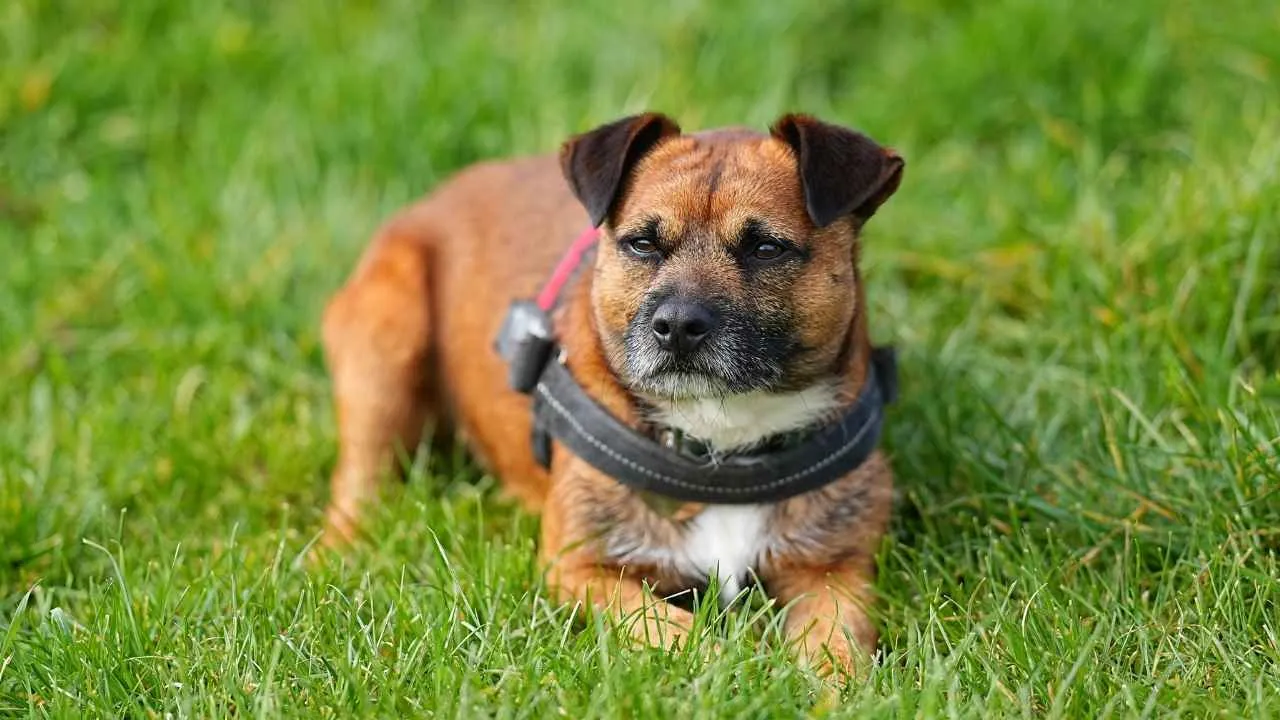
Border Terrier comes from the country along the Scotland and England border and is considered one of the oldest terrier breeds. Originally called the Coquetdale Terrier, it was valued in traditional fox hunts because its small frame allowed it to follow foxes deep underground.
A Small Dog With a Big Engine
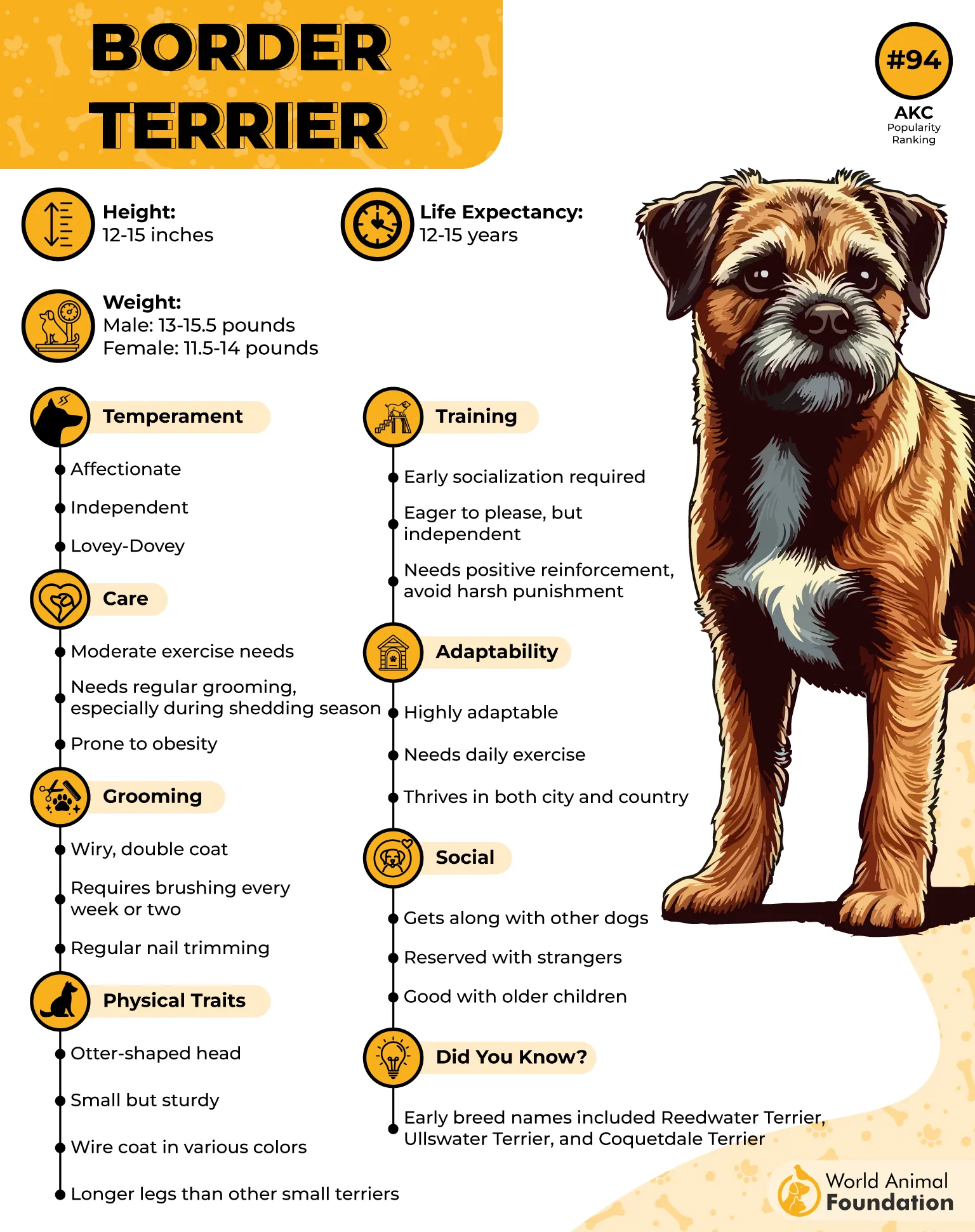
Border Terrier brings plenty of energy and excitement into daily life, making regular activity an important part of owning one. At least 30 minutes of exercise is recommended each day, while an hour gives this active little dog more opportunity to burn off energy.
Three activities can put that energy to good use:
Fetch games indoors
Scent work outdoors
Tracking classes
Simple Coat Care
Border Terrier has a low-shedding coat that generally needs weekly brushing, while spring and fall shedding calls for more frequent grooming, as Chewy suggested.
Its wiry topcoat may also need professional hand-stripping twice a year, and bathing should be limited because frequent washing can remove essential coat oils.
4. Bolognese
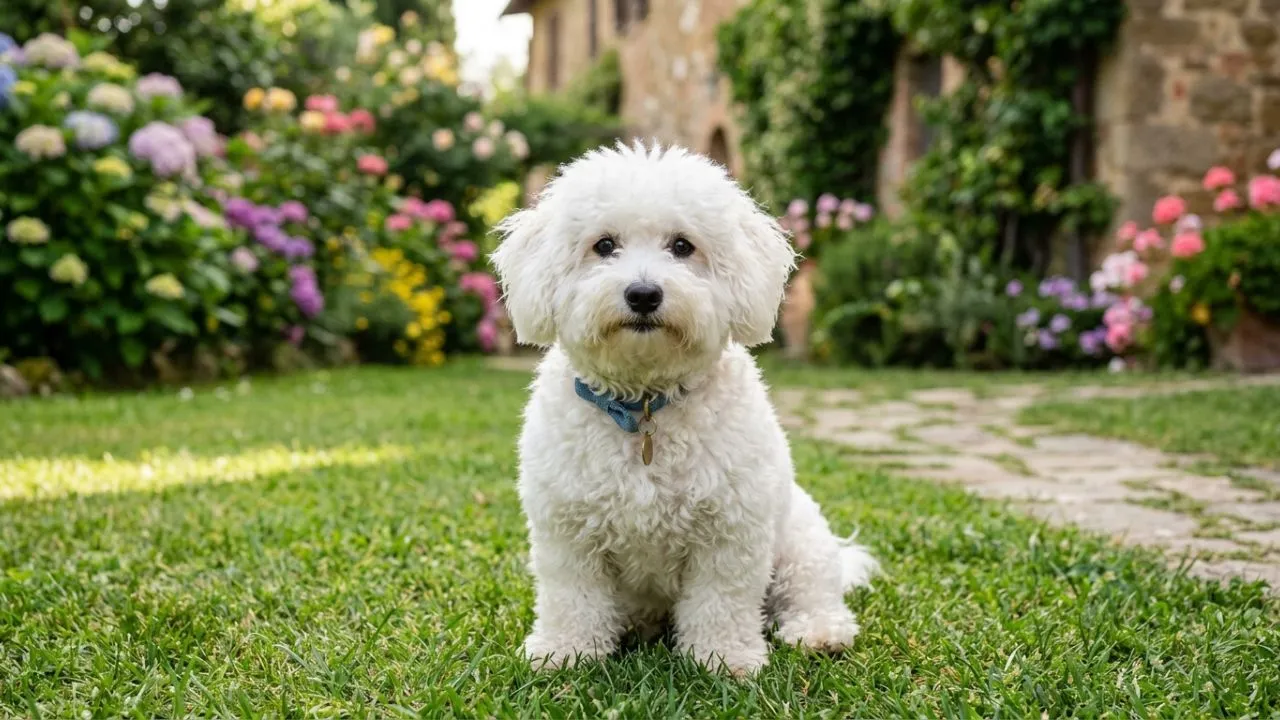
Bolognese originated in Bologna, Italy, and belongs to the Barbichon group that emerged around the Mediterranean. Its lineage is linked with crosses between larger water dogs and small white dogs, placing this little companion among the early Bichon-type breeds.
A True People Dog
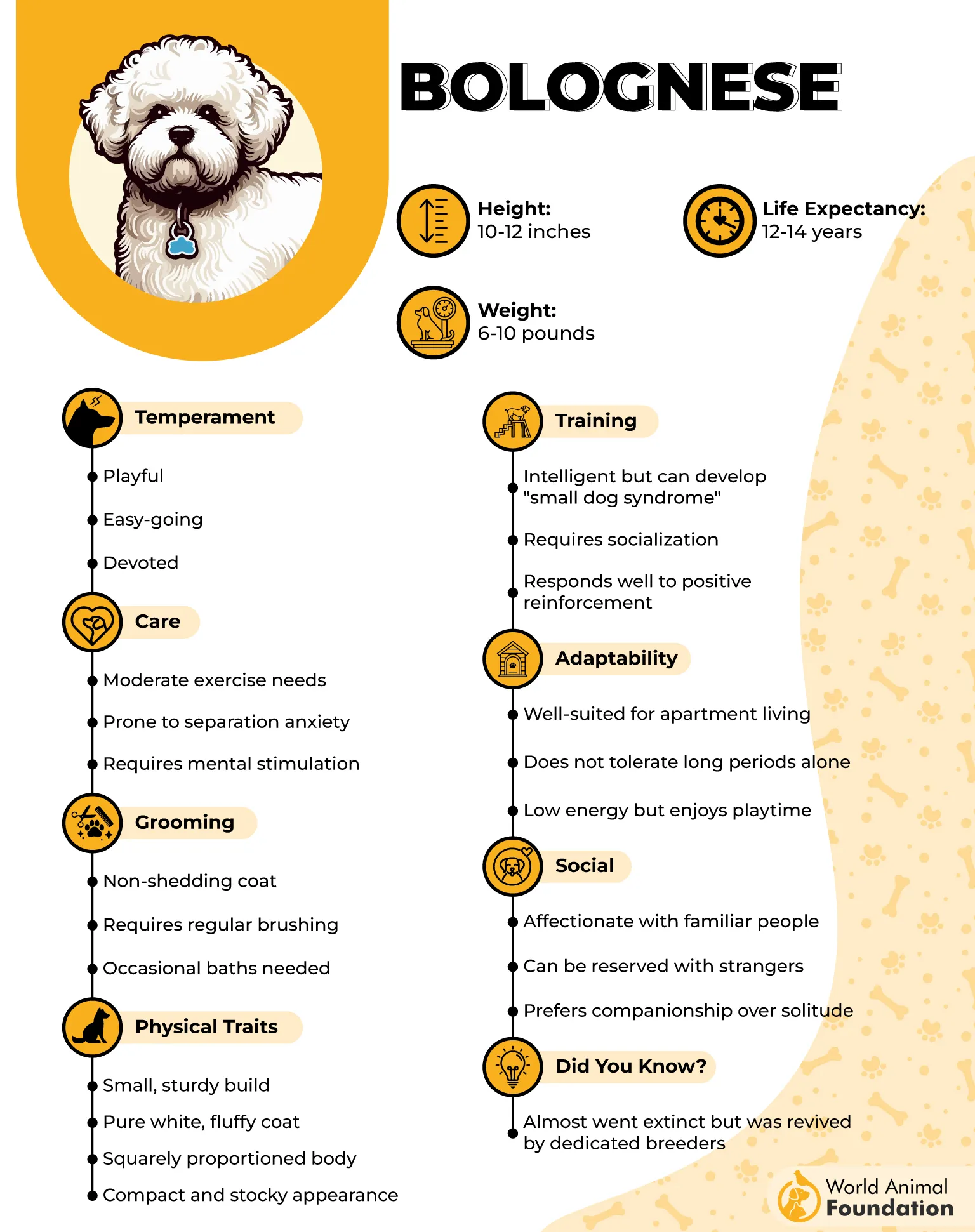
This little sturdy dog was bred as a lap companion for wealthy women and was often exchanged as a gift among affluent families. That purpose fits its deeply social nature today, as it enjoys joining its favorite people for walks, games, sofa time, and everyday activities.
Its small size adds to that flexibility:
Comfortable in cities or rural areas
Easy to take on car or train trips
Suited to single-person households
Easygoing Energy
Bolognese needs surprisingly little structured exercise, with two 20-minute walks and some playful time generally matching its activity level. Hide-and-seek, rolling a ball across the floor, and learning tricks can turn ordinary indoor time into useful daily activity.
5. Toy Poodle
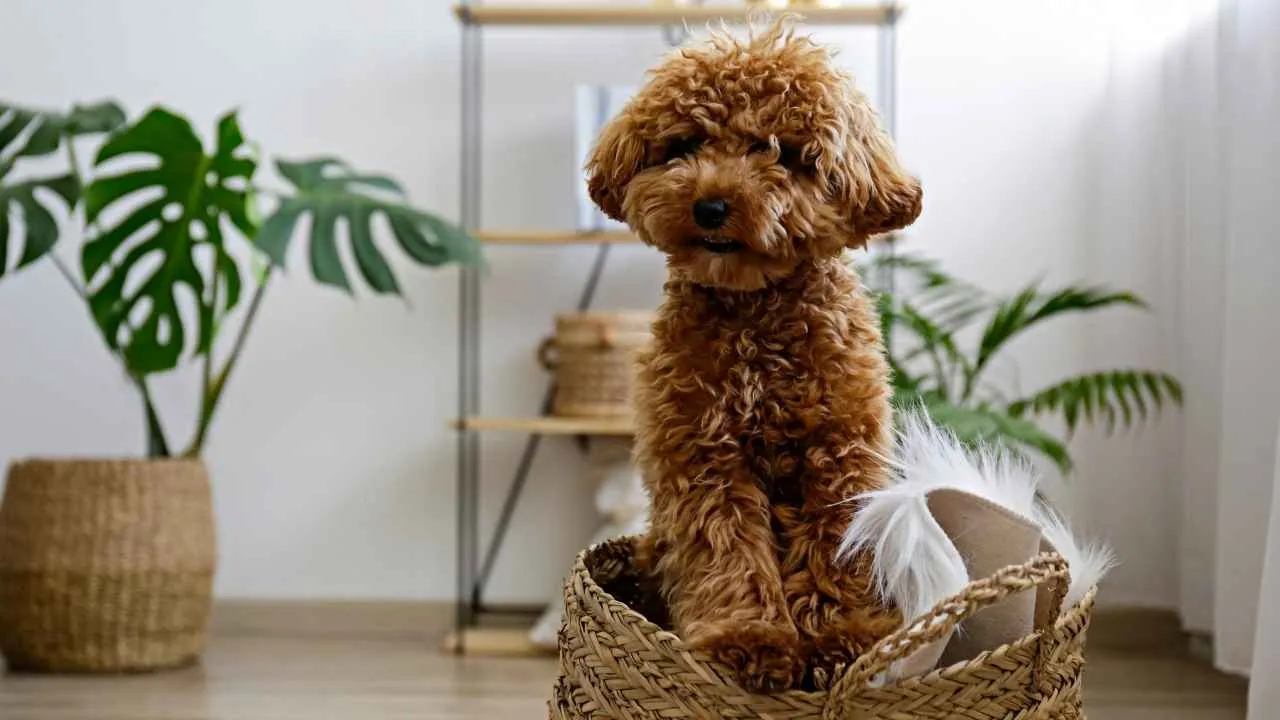
Toy Poodle has roots in the larger Poodle’s working past, with early curly-coated dogs linked to Asia before herders brought them into Europe. Germany shaped the breed type recognized today, while France later embraced Poodles so strongly that the breed became its national dog.
Small Frame, Real Energy
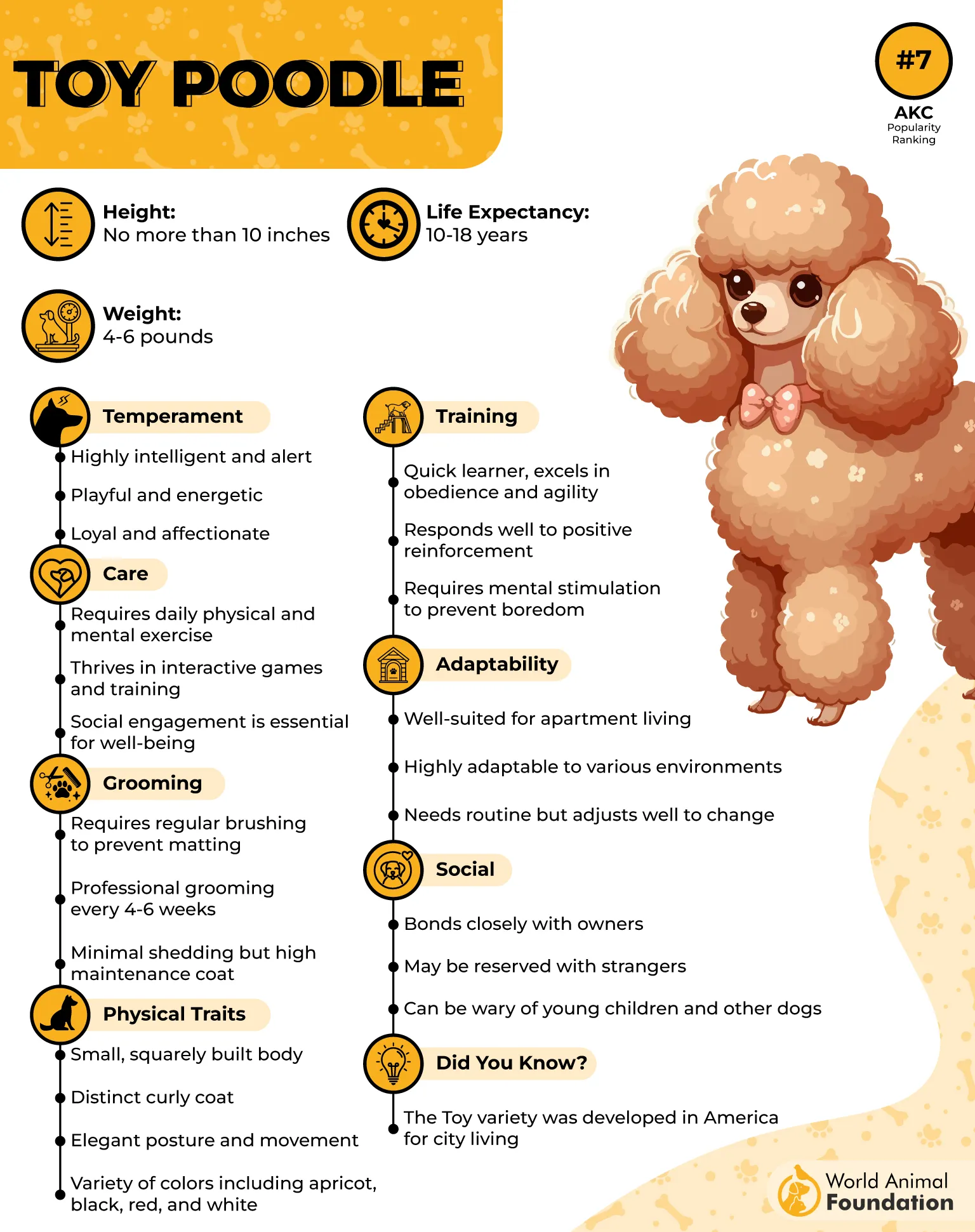
Toy Poodle measures under 10 inches tall, yet its little frame can handle about an hour of activity each day. Walks around the block, indoor fetch, and trick training can turn that energy into manageable daily routines.
These traits make this small breed especially practical:
Low-shedding curly coat
Eager-to-please attitude
Agility sport potential
A Small Dog to Handle Carefully
These easy dog breeds can be friendly with children, though their tiny body makes it more vulnerable to injury than larger dogs. Supervised interactions are important, especially with young children who may not yet understand how gently a small puppy needs to be handled.
6. Lowchen
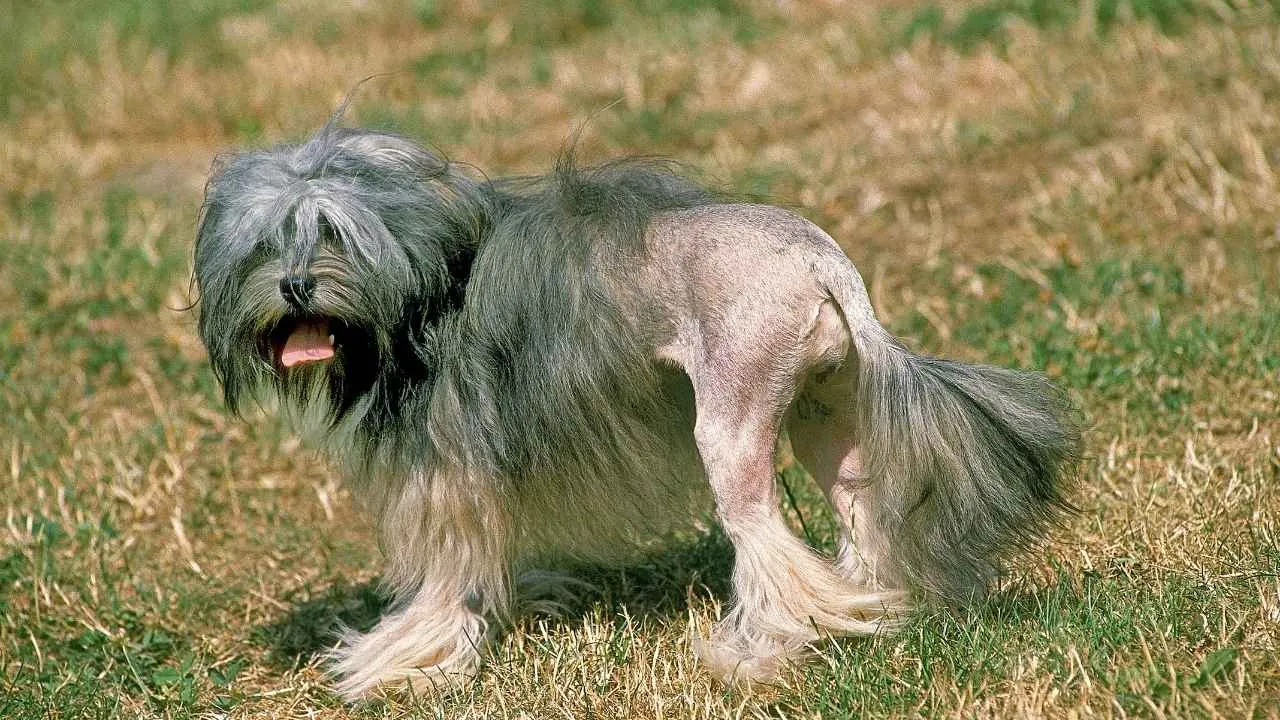
Lowchen has an uncertain origin, although artwork from 16th-century Germany clearly depicts the breed in recognizable form. Its name means “Little Lion” in German, referring to the distinctive lion cut that became closely associated with its appearance over time.
Easygoing at Home
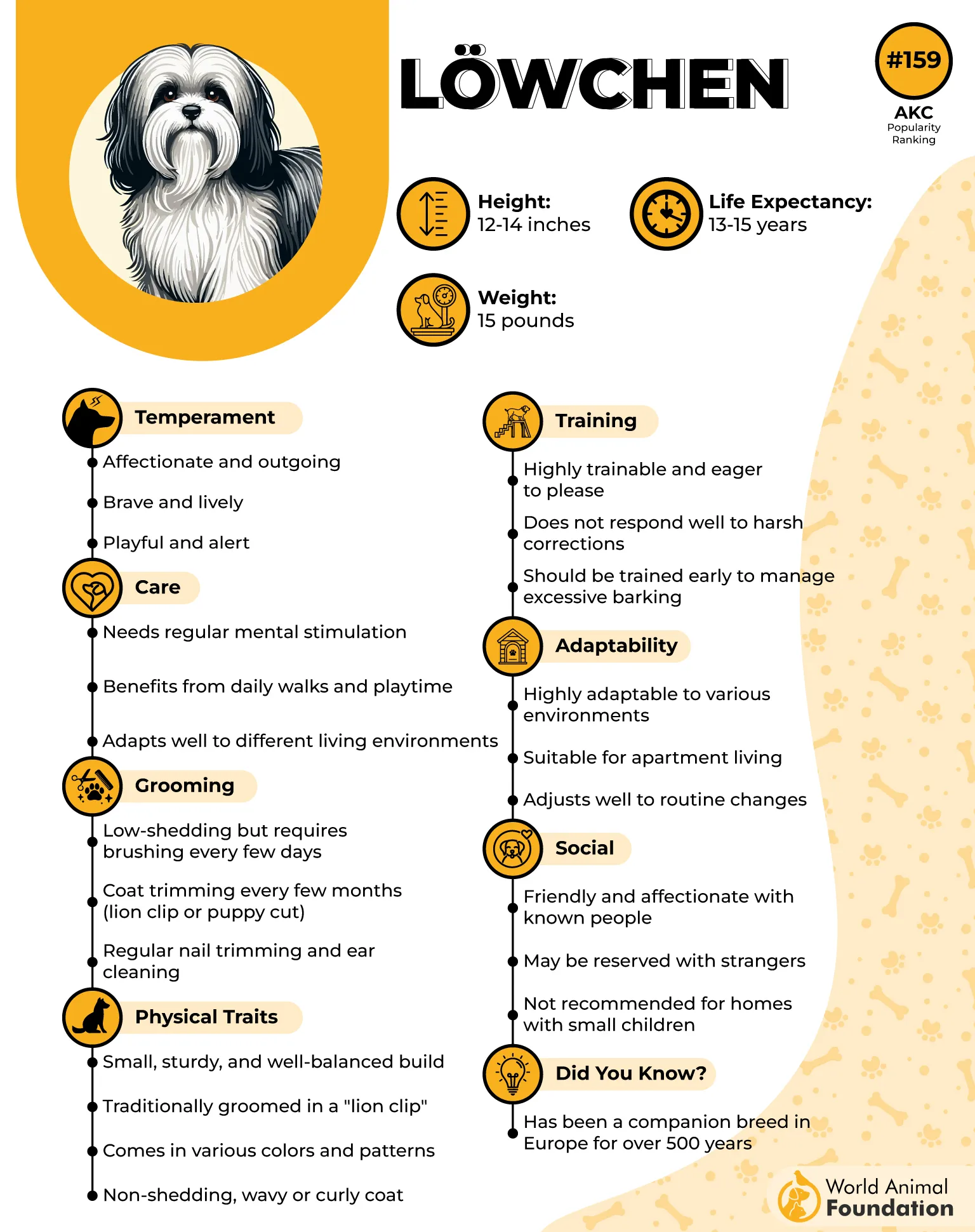
Lowchen suits first-time pet parents with a manageable routine, enjoying short leash walks and play sessions without demanding lengthy outdoor excursions. Adult dogs are generally calm and content to lounge beside their family, while puppies can bring considerably more energy.
A few practical details make daily life easier:
Moderate exercise needs
Short walks twice daily
Positive-reinforcement training
Friendly Greetings
These affectionate dogs may bark when someone arrives, yet the behavior often serves as an invitation for attention or play. After meeting a visitor or another animal, this sociable breed tends to become more relaxed and can interact well with children, groups, and other pets.
7. Russian Tsvetnaya Bolonka
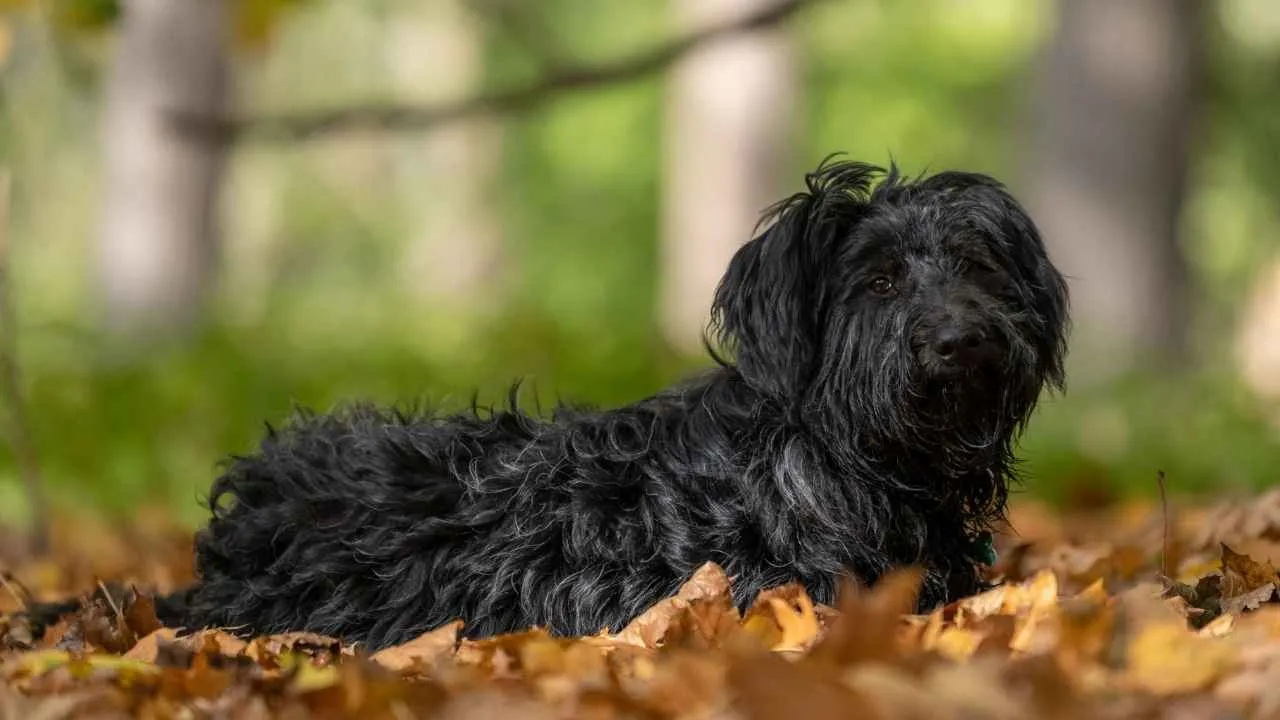
Russian Tsvetnaya Bolonka began taking shape in 1950s Leningrad, when breeders aimed to create a small decorative companion dog with a friendly nature. They combined domestic lapdogs with breeds including the Bolognese, Maltese, and Shih Tzu to reach that goal.
Easygoing at Home
This little happy breed has a cheerful, affectionate nature and often welcomes unfamiliar people with a wagging tail. Their social side can extend to other household animals, with some happily snuggling beside cats or rabbits.
A closer look at daily life reveals some useful details:
Often accepts attention from strangers
Can share sleeping spaces with other pets
Alerts to unusual sounds and sights
Play Without a Big Workout
Russian Tsvetnaya Bolonka does not need a demanding daily routine to use up energy, although play remains a favorite part of the day. Hide-and-seek, toy searches, puzzle toys, and special chew treats can provide engaging ways to keep them occupied indoors.
Conclusion
Bringing home a first dog should feel exciting rather than overwhelming. The best dog breeds depend on more than size or appearance, since exercise, grooming, training, and personality can shape everyday life just as much. Selecting dog breeds for first-time owners that fit your schedule can make learning house manners, basic commands, and social skills easier to manage.
Some dogs are happy with gentle walks and indoor games, while others need more activity to feel settled. Knowing those differences before choosing gives you a better idea of what ownership will involve. A dog with a calm demeanor may suit quieter routines, but finding the right dog ultimately comes down to realistic expectations and consistent care.
