




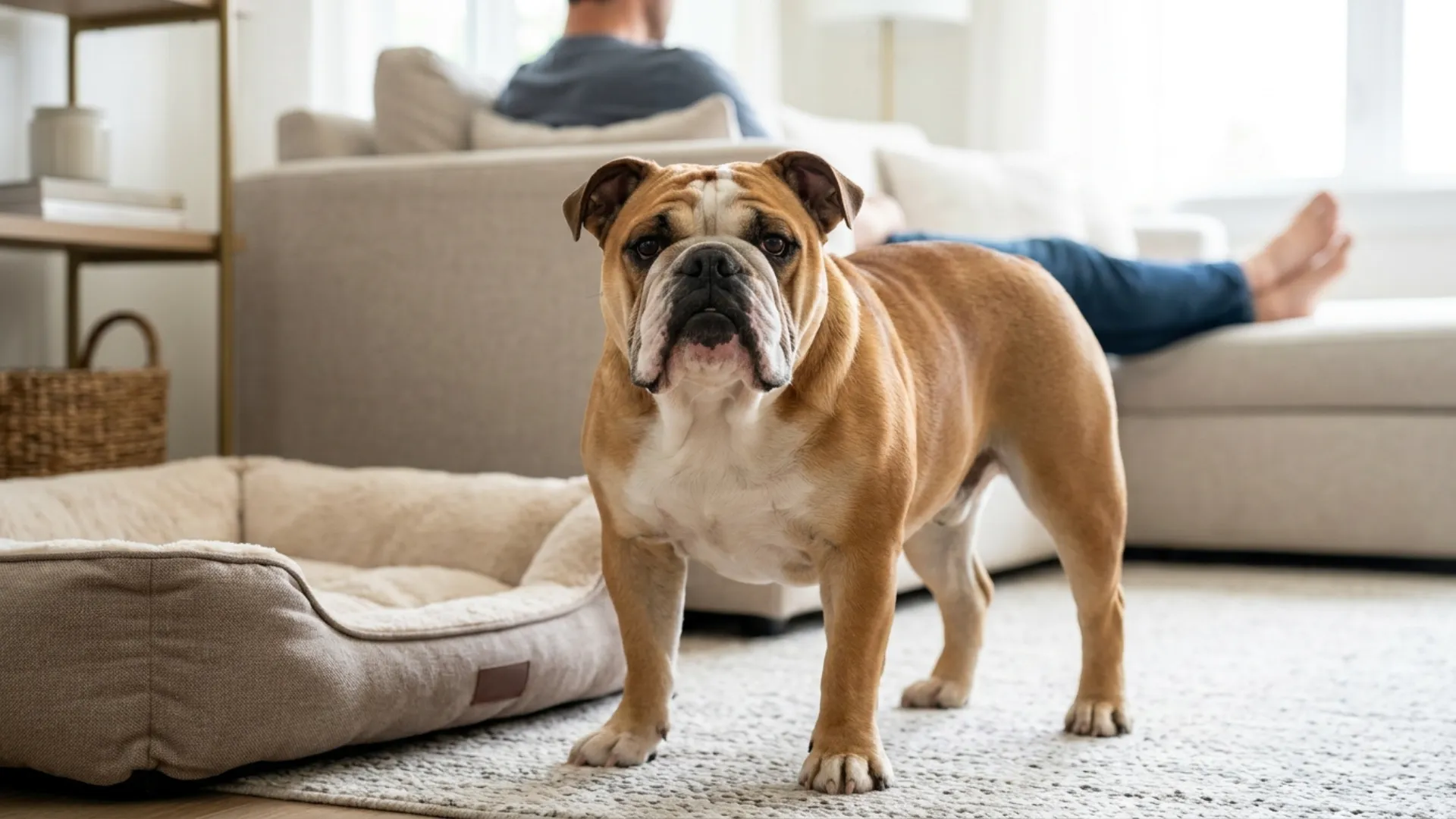
High-energy dogs get plenty of attention, but they are not the only companions worth your consideration. For people who prefer quiet evenings, gentle walks, and plenty of time at home, sedentary dog breeds can make sense for life and companionship at a slower pace.
A dog’s exercise needs are influenced by breed, age, health, size, and individual temperament, so choosing a lower-energy companion can help create a routine that feels realistic. These dogs still need movement and mental stimulation, and some may surprise you with playful bursts.
The difference is that their everyday rhythm tends to suit owners who are not looking for a constant activity partner. That makes them particularly interesting for relaxed households, apartment living, older adults, or anyone who simply enjoys sharing the couch.
Finding the right fit means looking beyond a dog’s appearance and considering how its energy level matches your schedule. These breeds offer a calmer starting point here.
Key Takeaways
One dog on this list can run at nearly 40 mph and still earn the title of couch potato.
Before reaching the Greyhound, you will meet the Basset Hound, Cavalier King Charles Spaniel, and Shih Tzu, each bringing a different kind of calm to everyday life.
Their routines may include short walks, indoor games, or simply staying close to their favorite person when the day slows down.
Keep reading because the relaxed personalities on this list become even more surprising as you go further.
Top Sedentary Dog Breeds for the Ultimate Relaxed Owner
1. Basset Hound
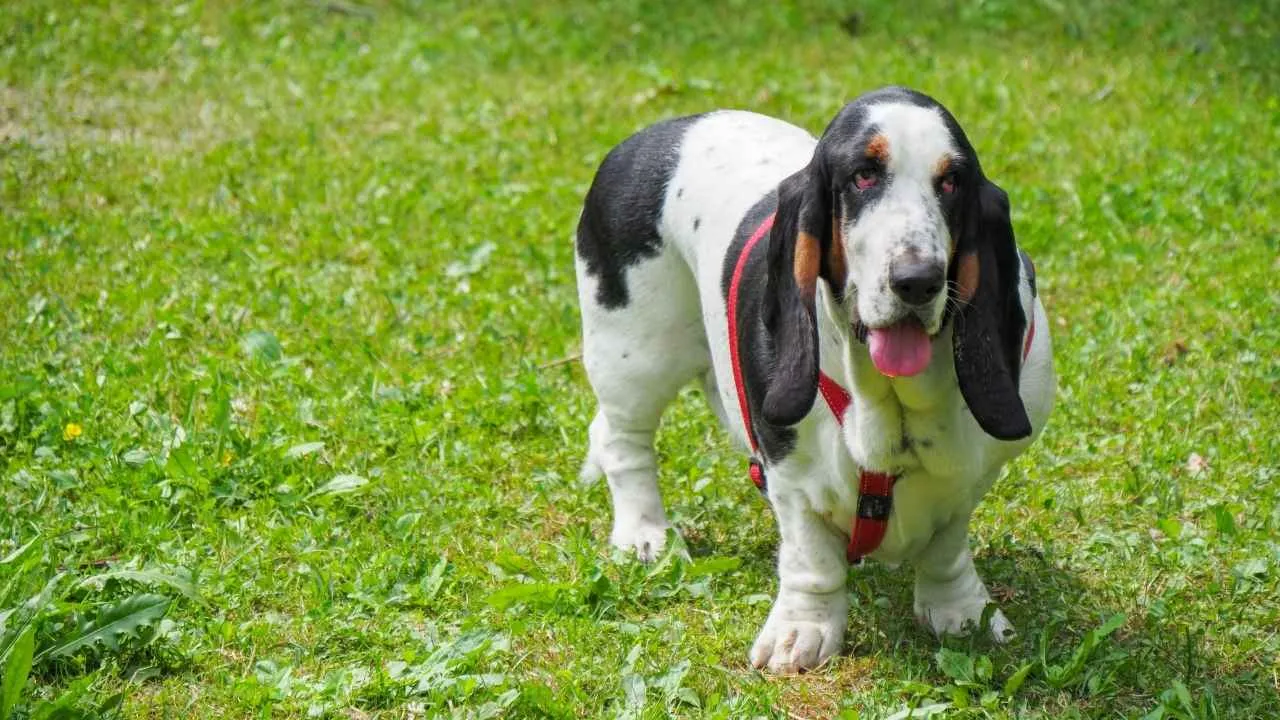
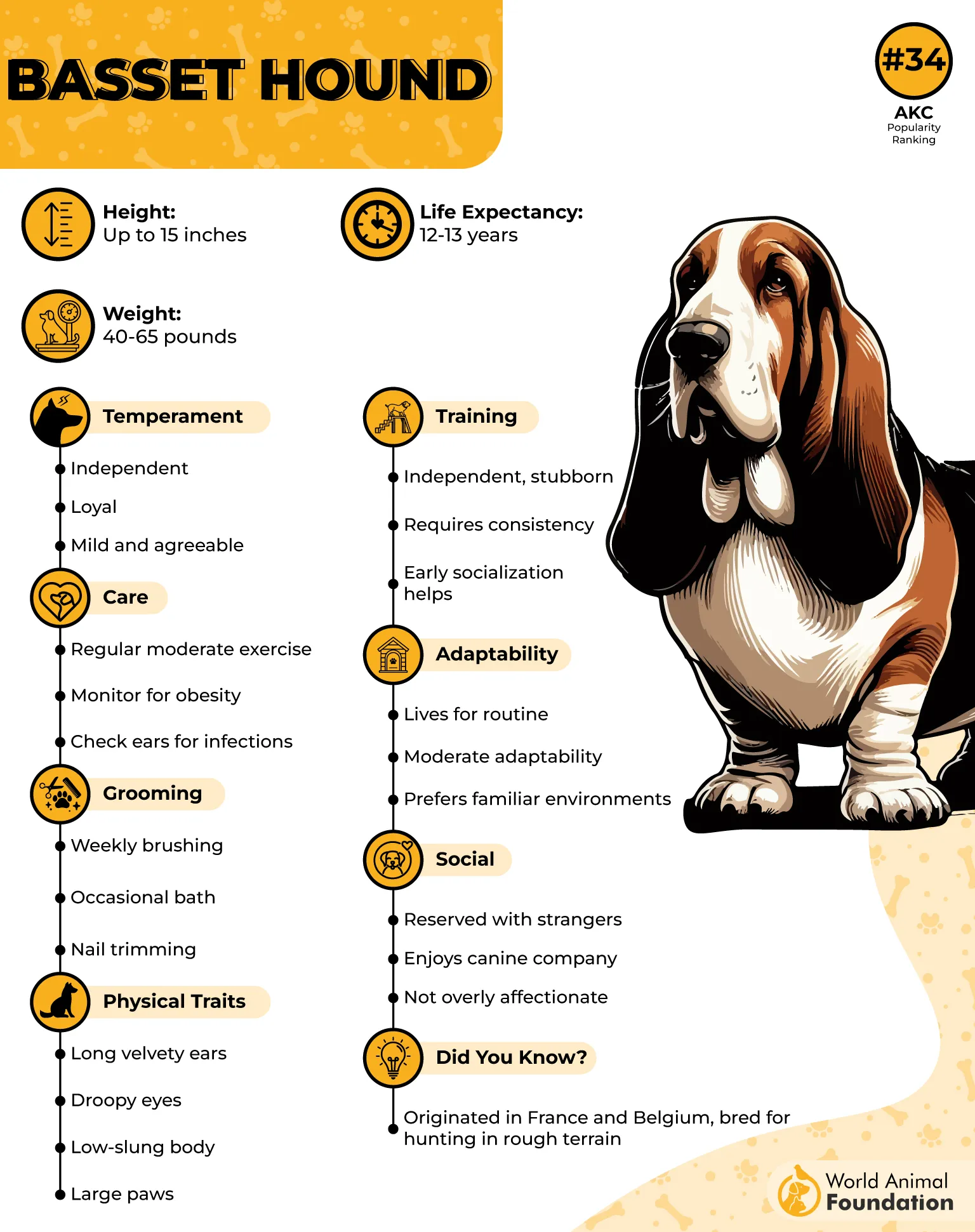
Basset Hound originated in France, where its low build made it useful for hunting rabbits, hares, and wild boar through heavy cover. The name “Basset” comes from a French word meaning “short” or “low,” fitting the breed’s unusually close-to-the-ground frame, as highlighted by Purina.
A Natural Lounger
Basset Hound suits a slower household rhythm, with a calm personality and a fondness for unhurried walks, companionship, and long sofa naps.
Regular activity still matters because excess weight can place added strain on its long back, while growing puppies need carefully limited exercise to protect their joints.
Three practical details are easy to overlook:
Daily scent work provides enjoyable enrichment
Stairs should be avoided until 18 months
Recall training can require ongoing work
Gentle Company
Basset Hound is patient with children and generally friendly toward other dogs and pets, giving it an easygoing presence in family settings. Children should still learn to respect the dog’s space and good nature, with adults supervising interactions between young children and dogs.
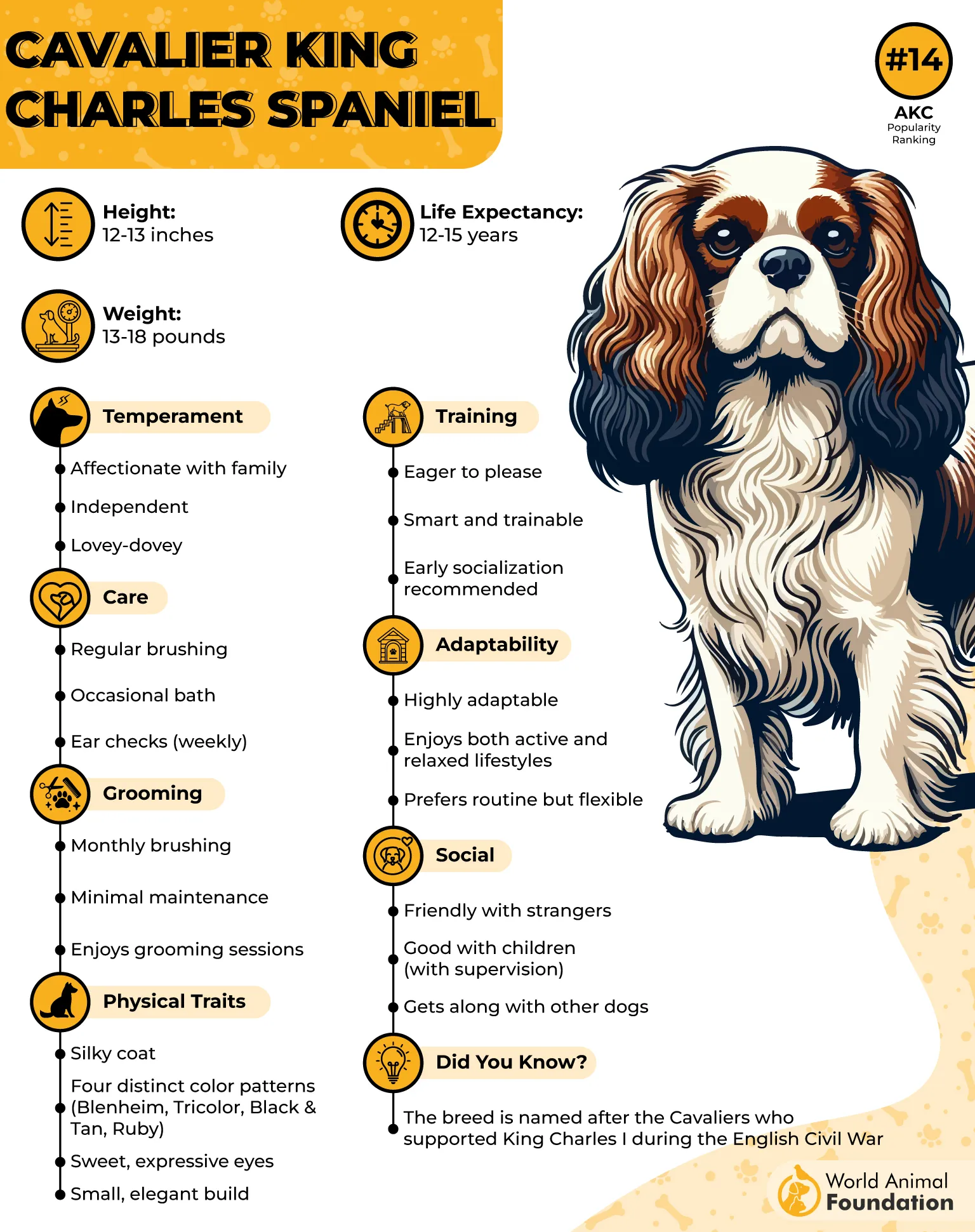
2. Cavalier King Charles Spaniel
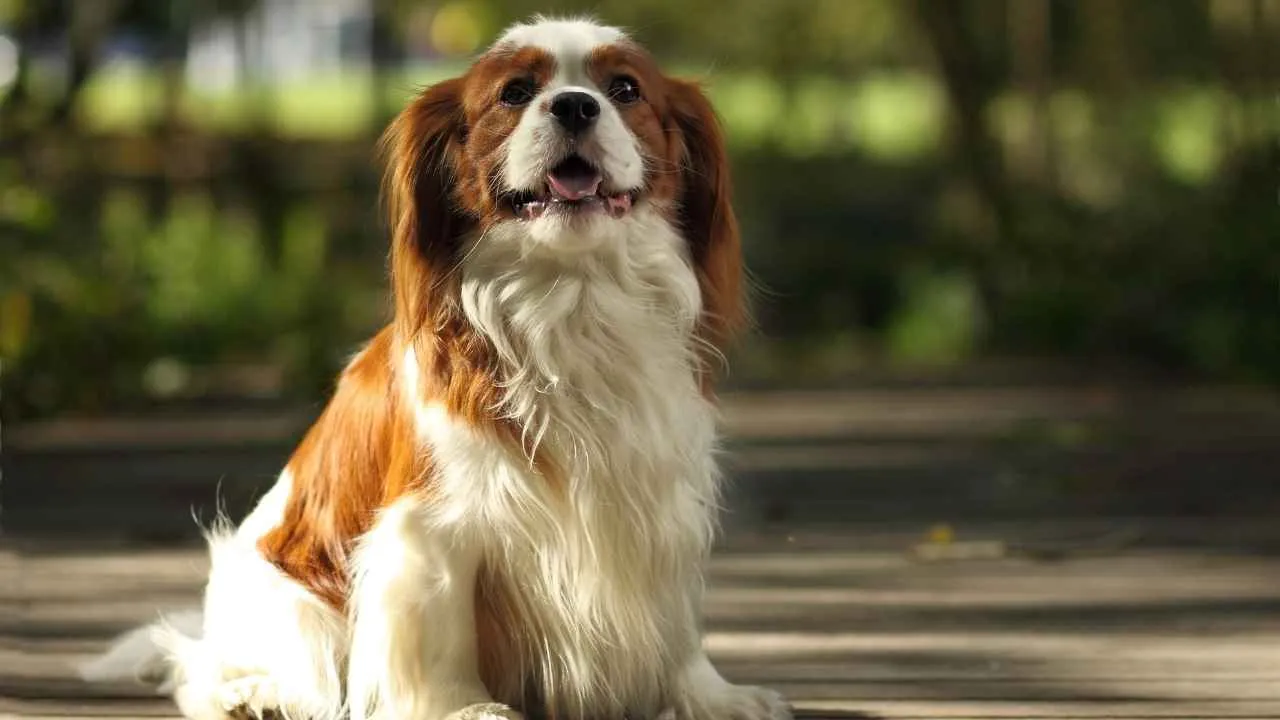
Cavalier King Charles Spaniel has a direct connection to 17th-century British royalty, particularly King Charles I and Charles II, who kept these little dogs close at court. Supporters of Charles I were called “Cavaliers,” giving the breed its distinctive name.
Made for Quiet Days
This lap dog needs around 40 to 60 minutes of exercise each day, which can come from leisurely walks or play in a secure garden. You can enjoy having them around without constantly wondering how to squeeze another big activity into the day.
A few details make their routine easier to picture:
Puzzle toys for indoor enrichment
Hide-and-seek games at home
Fetch for short bursts of activity
Easy to Train
Cavalier King Charles Spaniel is eager to please and generally responds well to obedience training, making basic lessons less frustrating for first-time dog owners. Its gentle temperament also supports smooth interactions with children and other dogs when properly socialized.
3. Shih Tzu
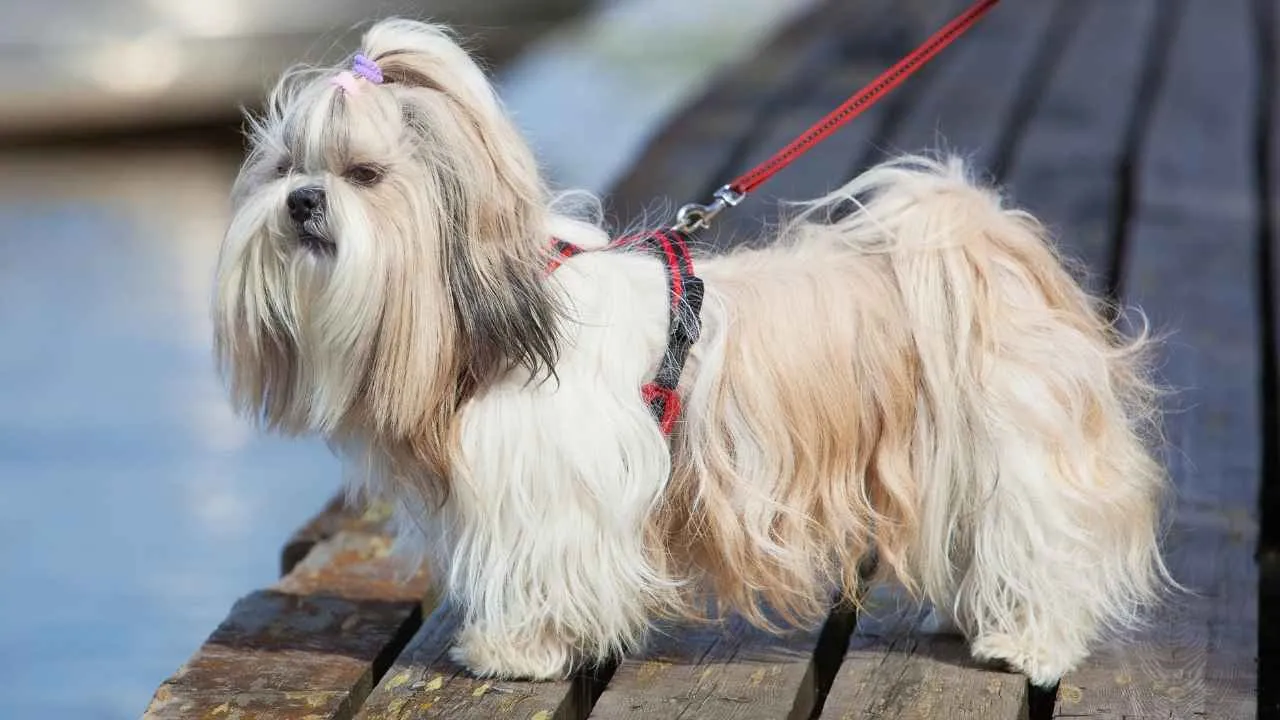
Shih Tzu is closely linked with Buddhism and was called the Lion Dog, with early accounts placing the breed in Tibet before its association with China. Its resemblance to the Tibetan Terrier and Lhasa Apso was so close that it was once grouped with them before being recognized separately.
Easy on Exercise
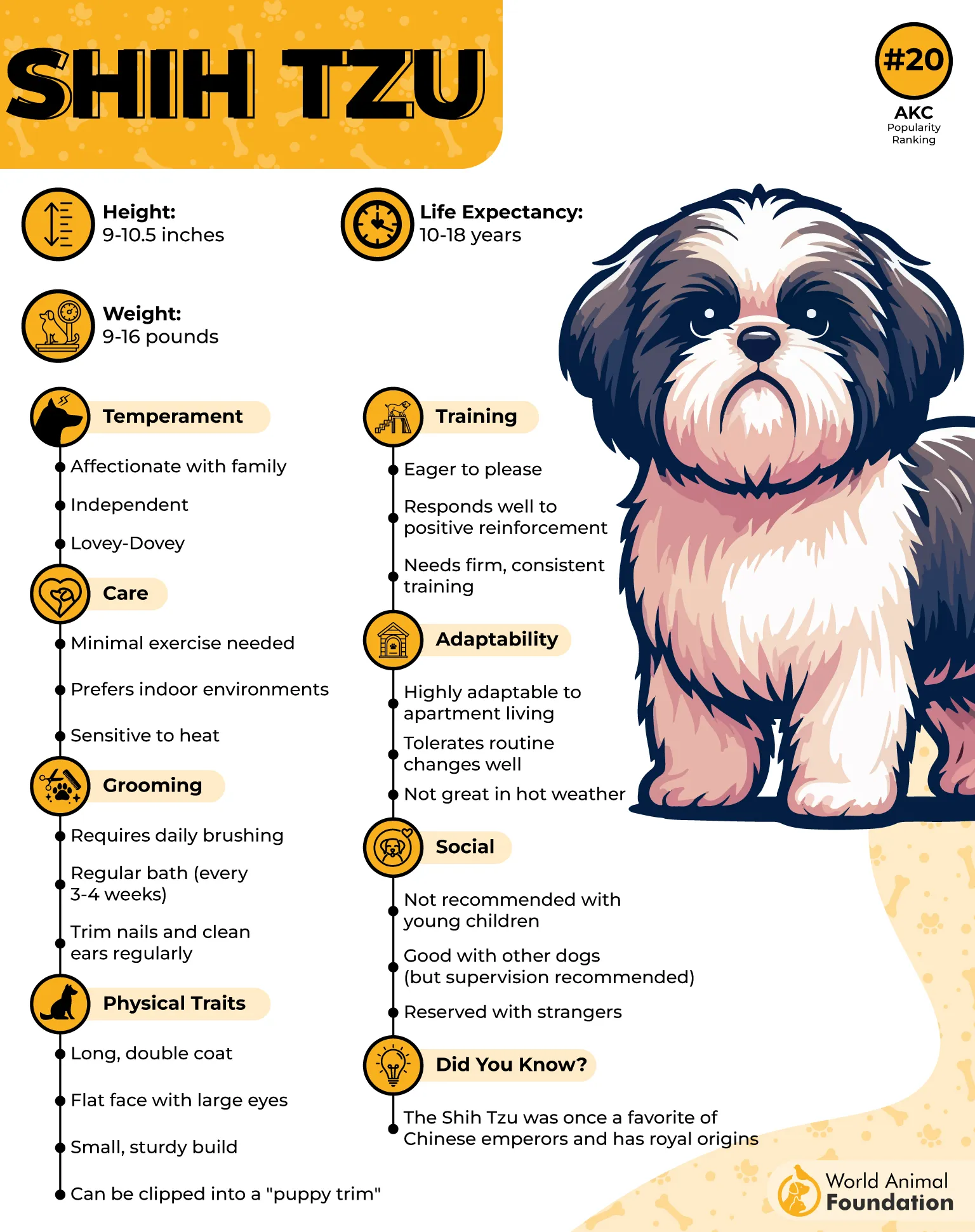
This companion dog has a medium energy level and can meet its daily needs with about 40 minutes of activity, often through one or two short walks, as per Orvis. It enjoys following family members around and spending some time outdoors, without requiring demanding physical routines.
A few practical details matter here:
Heat can be difficult for this breed
Long fur can collect burrs and form tangles
Winter outings may require a coat or booties
People Matter
Shih Tzu is an affectionate companion that enjoys being near people and can spend long stretches lounging on a lap, bed, or sofa. It generally gets along with other dogs and can also live peacefully with cats, while respectful children can enjoy its playful side.
4. Pekingese
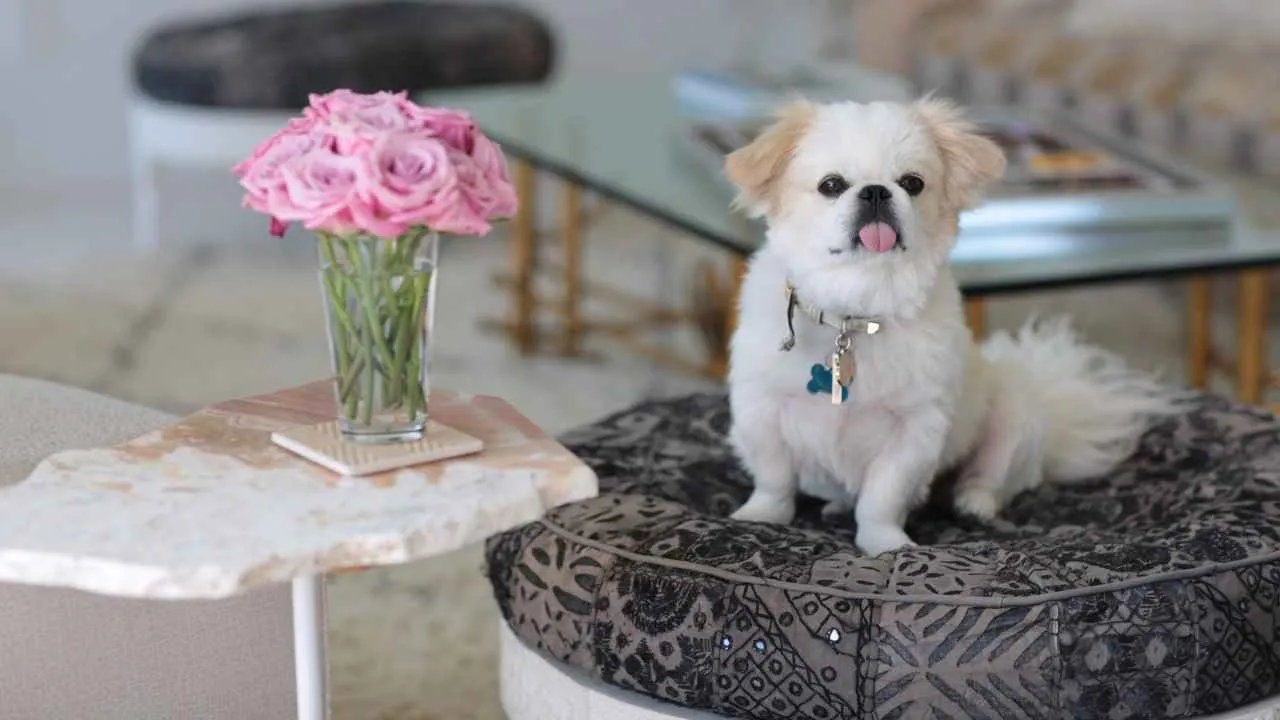
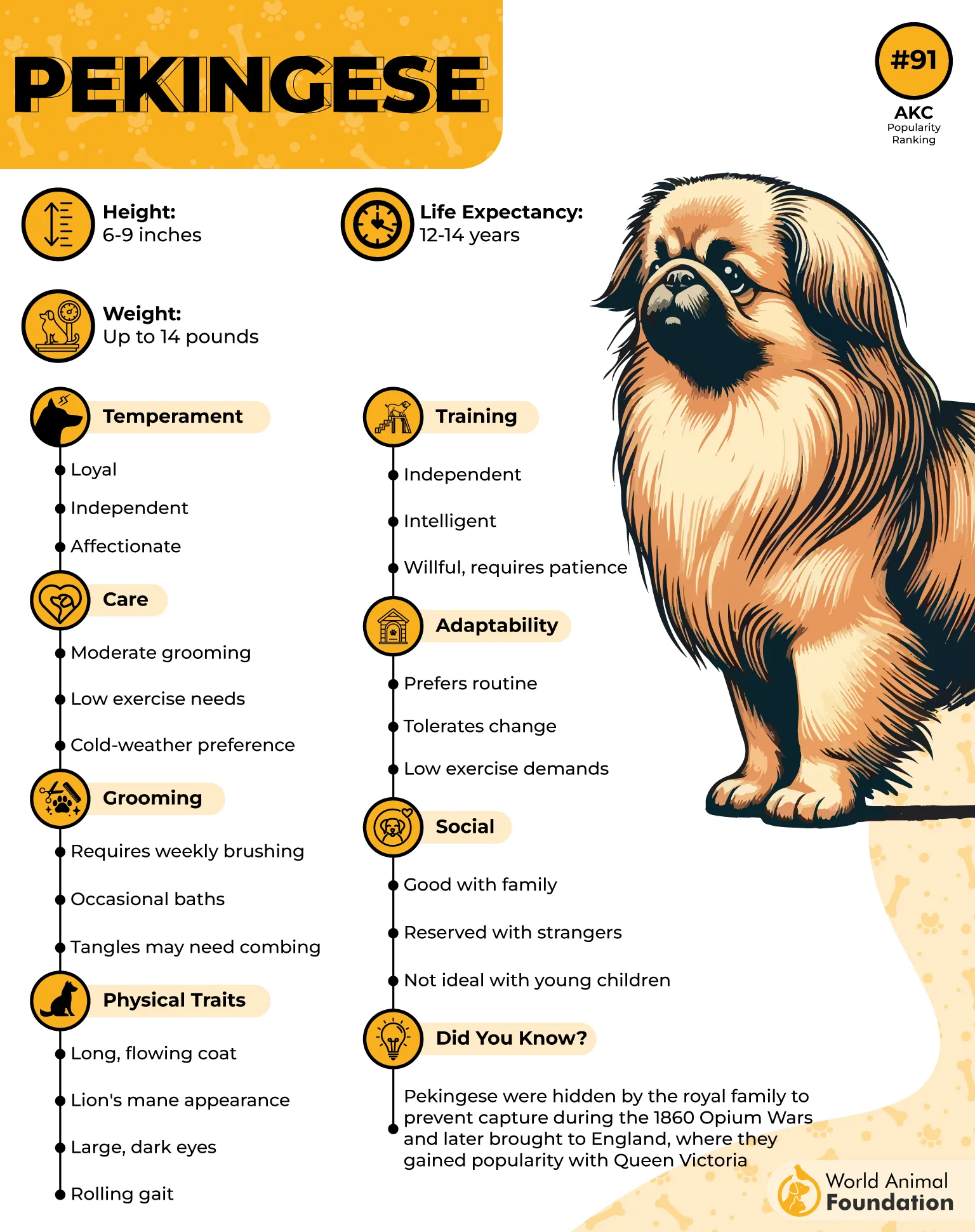
Pekingese has been associated with China since around A.D. 700, with its lion-like appearance gaining meaning alongside the spread of Buddhism. By the 1800s, these small dogs had become prized companions within the Imperial Chinese court and were kept through dedicated breeding programs.
Made for Quiet Days
Pekingese was bred specifically as a companion, so demanding physical work was never part of its purpose. Its short legs and flat face also make prolonged activity difficult, while one or two 20- to 30-minute walks can provide suitable daily exercise.
That easy routine comes with a few limits:
Hot weather can cause breathing difficulty
Need a small yard to roam around
As they have fragile bones, they need to avoid stairs
Devoted to Its People
This small dog breed often forms especially close attachments to one or two people and can become protective of them around unfamiliar faces. Long periods alone can trigger separation anxiety, with possible signs including whining, furniture chewing, or accidents indoors.
5. English Bulldog
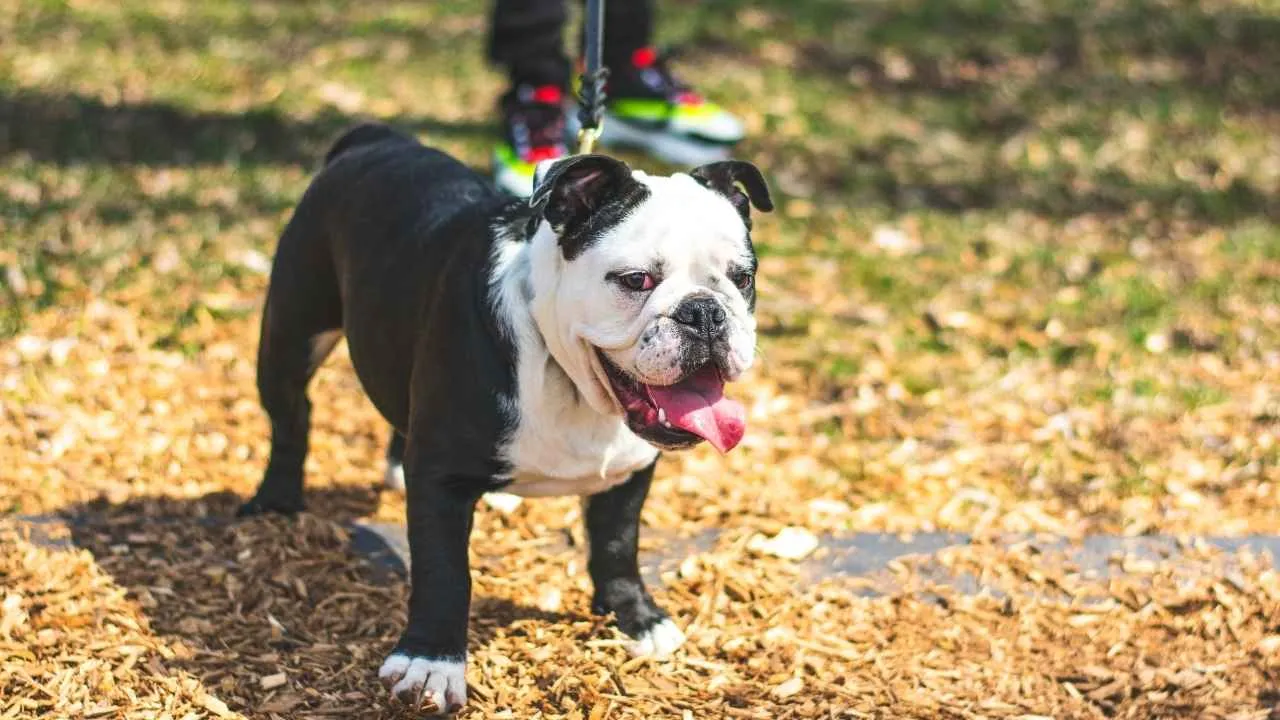
English Bulldog was bred in England from Mastiff and Pug lines for bull-baiting, a brutal sport popular during the Middle Ages. The dog was expected to seize the bull and refuse to release its grip, even while enduring severe physical strain during the fight.
Made for Easy Days
English Bulldog suits a quieter routine, with full-grown dogs needing around 30 to 40 minutes of exercise daily. Two short, leisurely walks paired with some indoor play can provide enough activity without asking this stocky breed to run.
There is more to their relaxed personality
Chasing a ball can work in short bursts
Running can be difficult because of its build
Daily walks help prevent excess weight
Note: The English Bulldog has a short muzzle that can make breathing harder, particularly in hot weather above about 75°F. Stairs can also be challenging, while water deeper than elbow level calls for direct supervision and a life jacket, as Pawlicy Advisor claims.
Gentle at Home
English Bulldog has a sweet, dependable temperament and generally enjoys human attention, making it well suited to family life. It can also live well with other pets, although unfamiliar dogs may trigger aggression when training and early socialization are lacking.
6. Greyhound
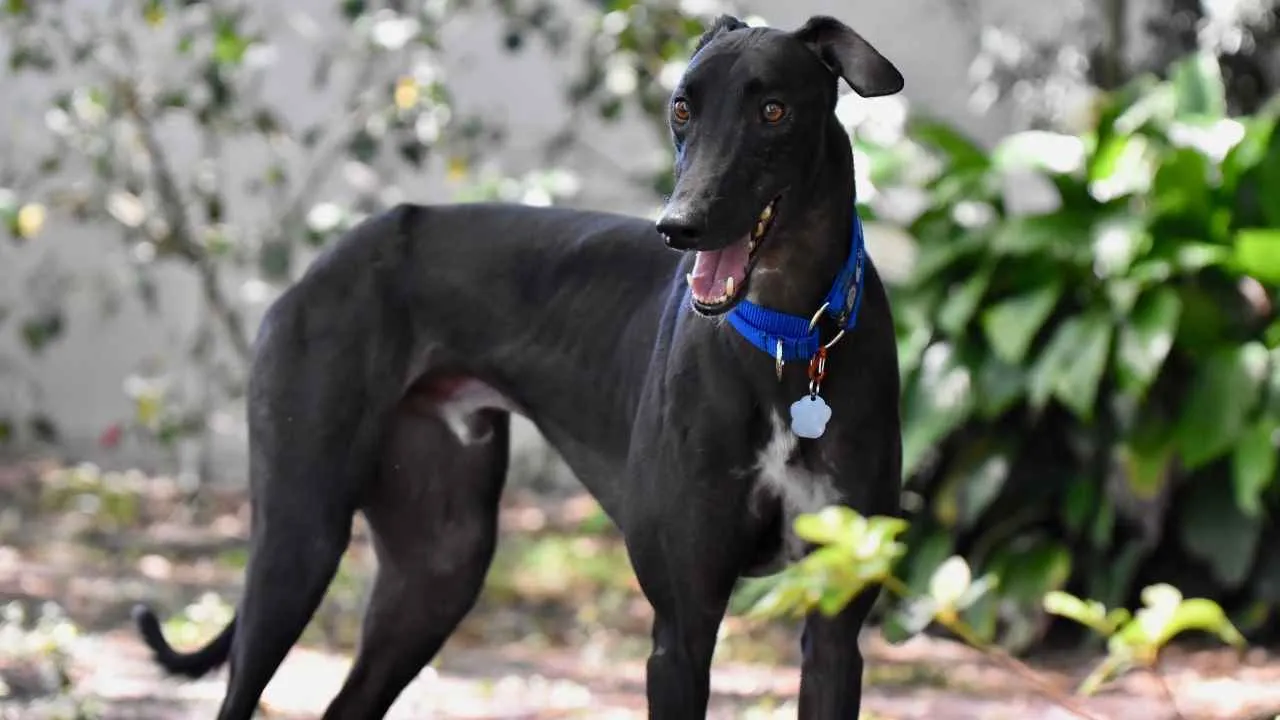
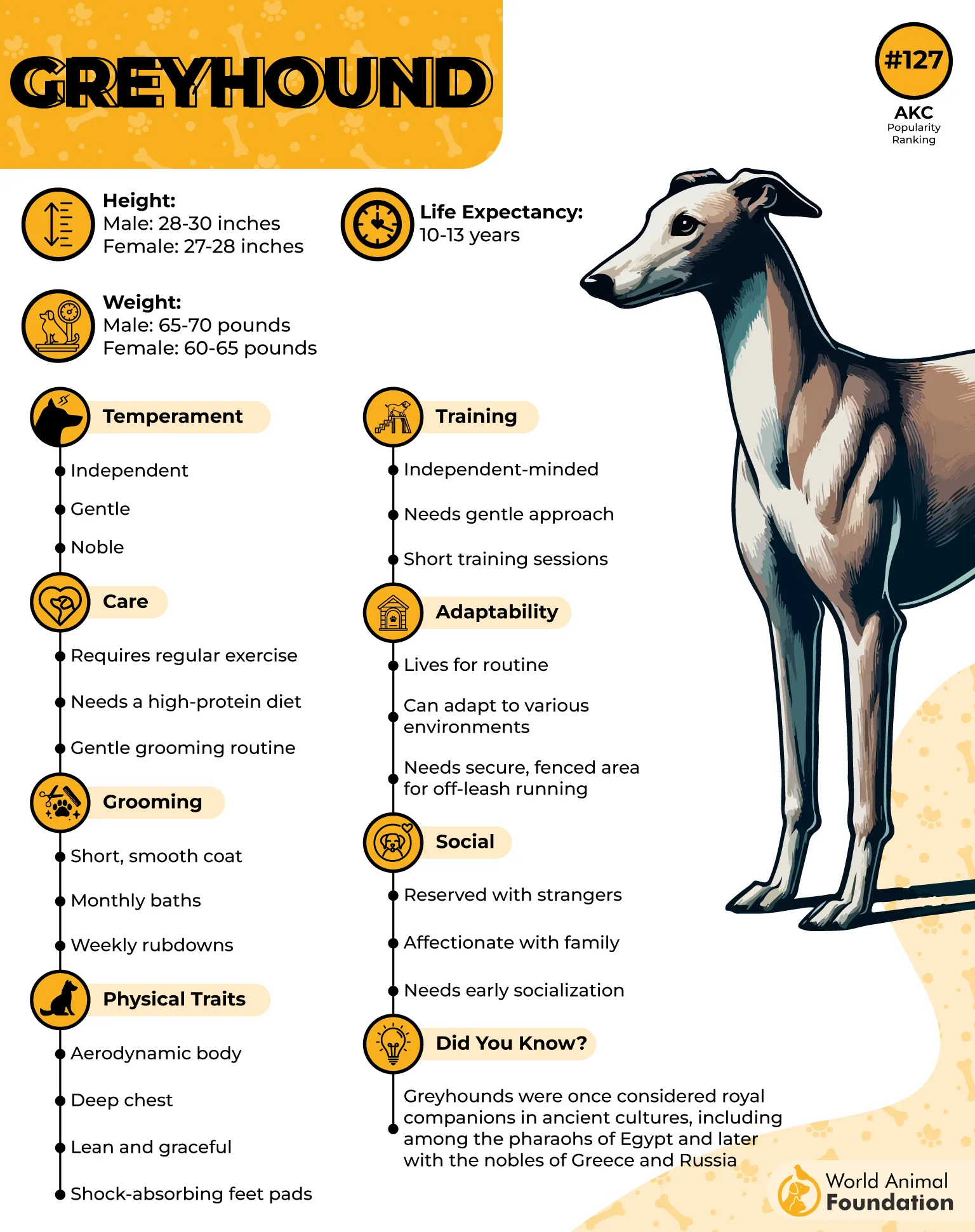
Greyhound is an ancient breed, appearing in artwork more than 6,000 years ago and once used to course antelopes, wolves, and deer. From the Near East, the breed spread into Europe before reaching Britain, where about 1,000 years ago a law restricted Greyhound hunting to royalty.
The 40-Mph Couch Potato
Greyhound has an unusual rhythm for a dog built for speed, needing short bursts of fast running rather than long stretches of walking. Around 40 minutes of activity split into two sessions can be enough, followed by plenty of quiet time indoors.
There is more to manage this breed:
A fenced area is important for sprinting
Interactive toys provide mental engagement
Their chasing instincts need to be controlled
Gentle at Home
This racing dog is affectionate with their family and generally friendly with children and other dogs, while unfamiliar people may receive a more reserved response. Its calm indoor nature can make evenings remarkably quiet after the day’s energetic burst.
7. Clumber Spaniel
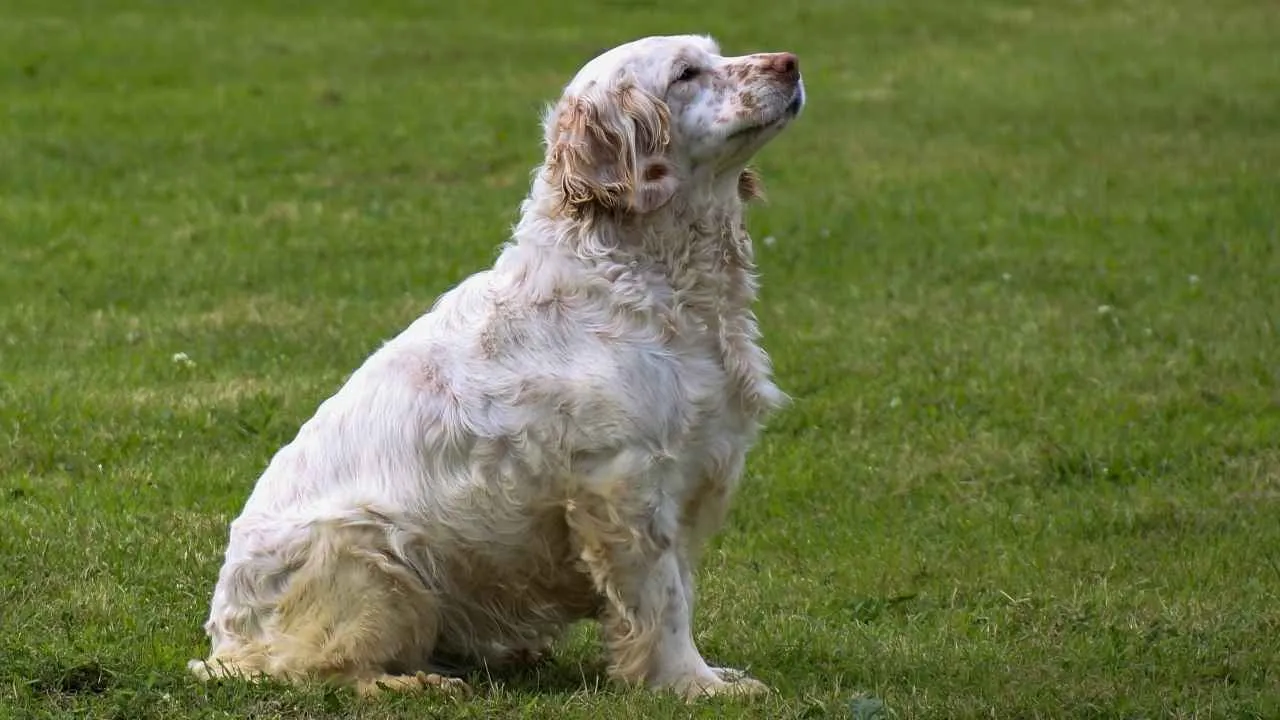
Clumber Spaniel was originally bred in England during the late 1700s and ranks among the oldest Spaniel breeds. Its exact beginnings remain uncertain, with possible links to the Alpine Spaniel and Basset Hound, while concentrated breeding took place at Clumber Park in Nottinghamshire.
Made for Thick Cover
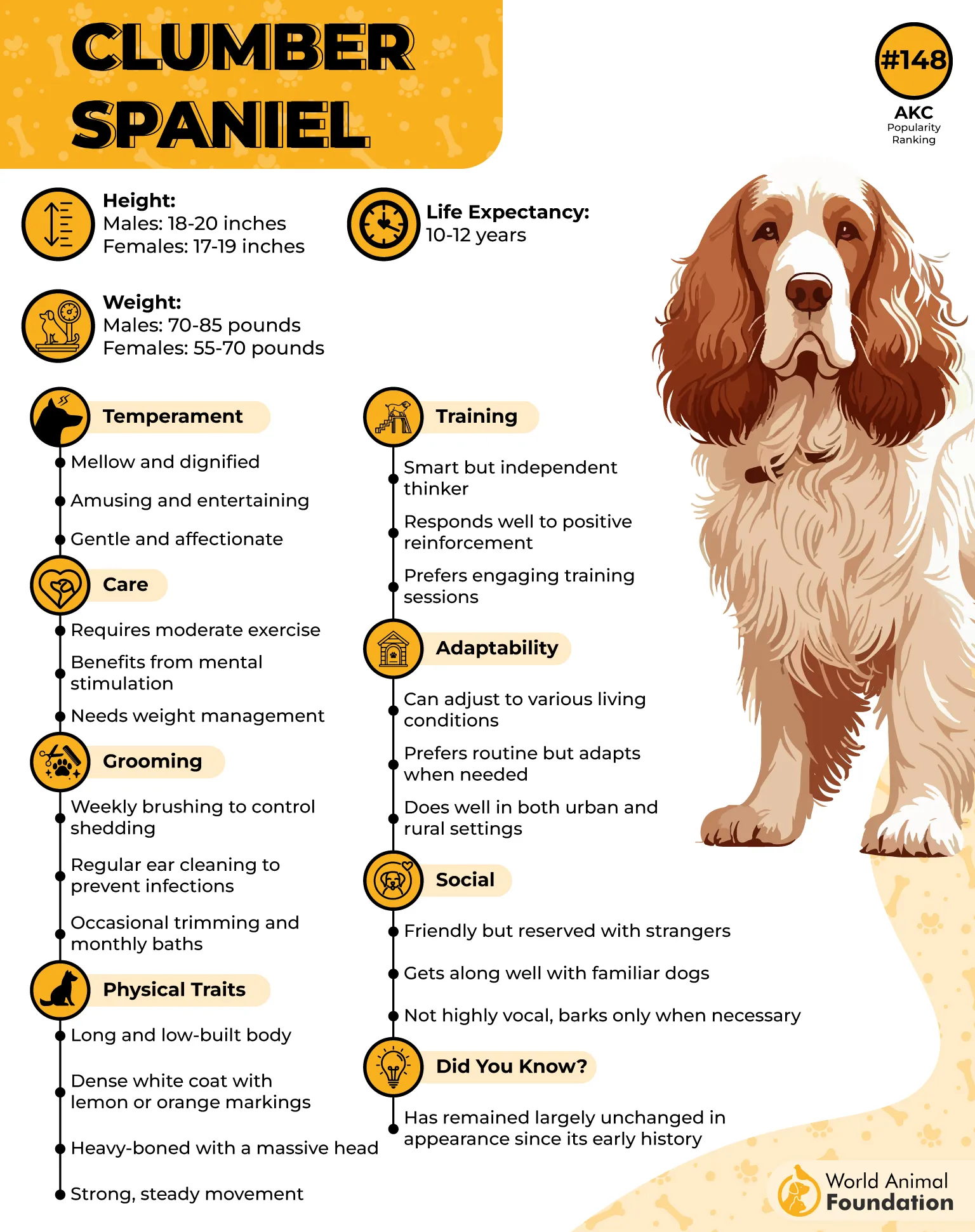
They are the heaviest and stockiest of the Spaniels, with a build suited to pushing through dense undergrowth while hunting and retrieving game.
That original fieldwork contrasts with the breed’s relaxed pace at home, where it may need encouragement before heading out for a walk.
A few practical details are easy to overlook:
Comfortable with cats introduced as a puppy
Gentle with children and other pets
Known for opening cabinets and refrigerators for food
Outdoors, With Encouragement
Clumber Spaniel can spend an hour outdoors playing and exercising, with some dogs needing a little prompting to get going. It can adjust to city living when given regular chances to explore nature, while unsupervised yard time may send it ambling after birds or searching for an escape route.
8. Tibetan Spaniel
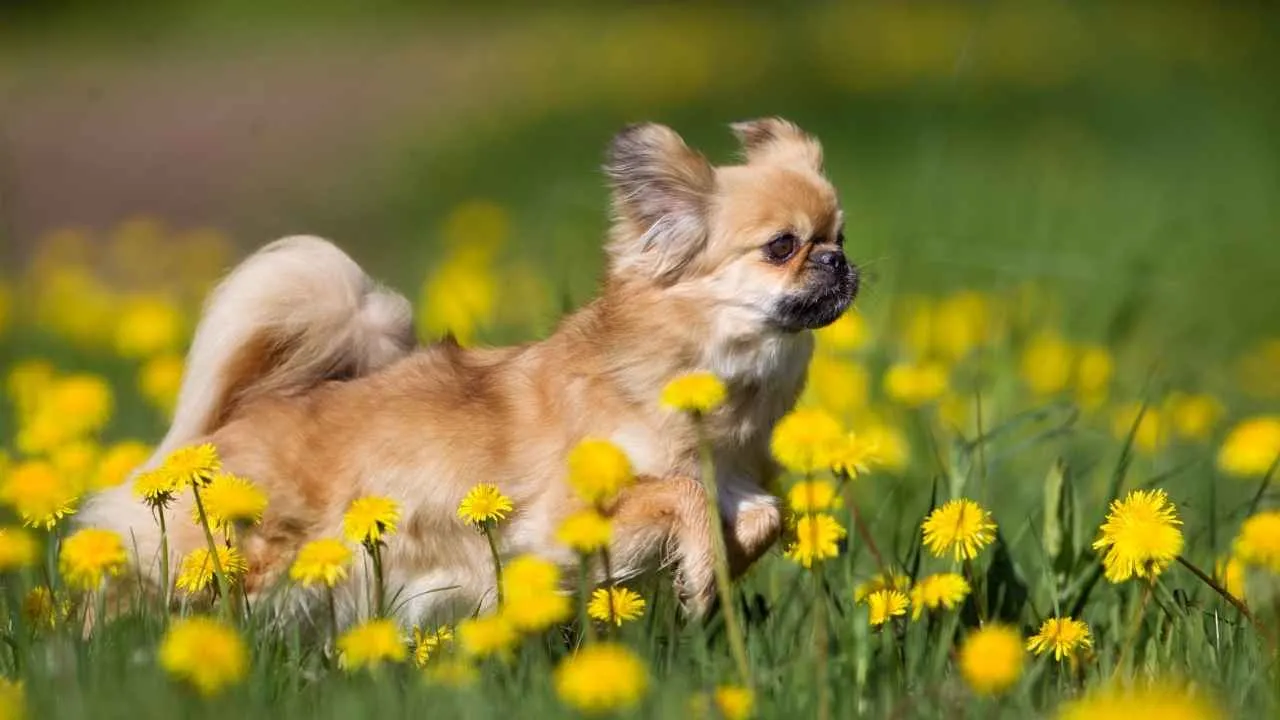
Tibetan Spaniel dates back thousands of years in Asia, where Buddhist monks kept these small dogs within monasteries as companions and sentries. Monks associated their lion-like appearance with Buddhist beliefs, while the smallest dogs were selected for breeding within the monasteries.
A Natural Lookout
Tibetan Spaniel has a clever habit of choosing elevated spots, such as the back of a sofa, to watch activity around the home. That vantage point suits a dog that was used to alerting monks when strangers or wolves approached the monastery.
These details add to its relaxed-household appeal:
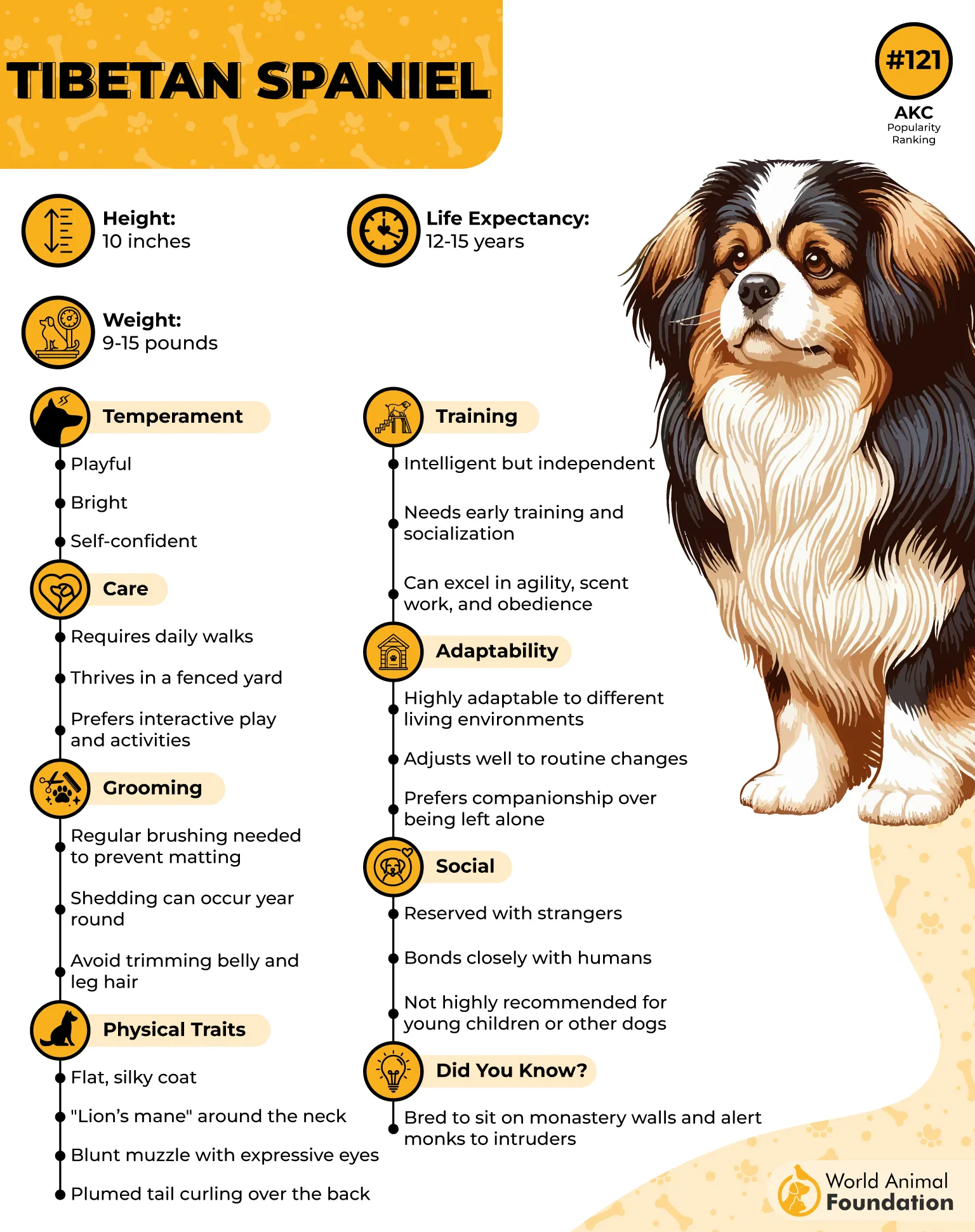
About 30 to 60 minutes of daily exercise
Enjoys fetch and playing with toys
Can live comfortably in a city apartment
Sofa Specialist
Tibetan Spaniel can spend long stretches curled up beside its favorite person, often enjoying a cuddle before drifting into another nap. Its easygoing nature also fits households with children, cats, and other dogs when the environment remains reasonably peaceful.
9. Saint Bernard
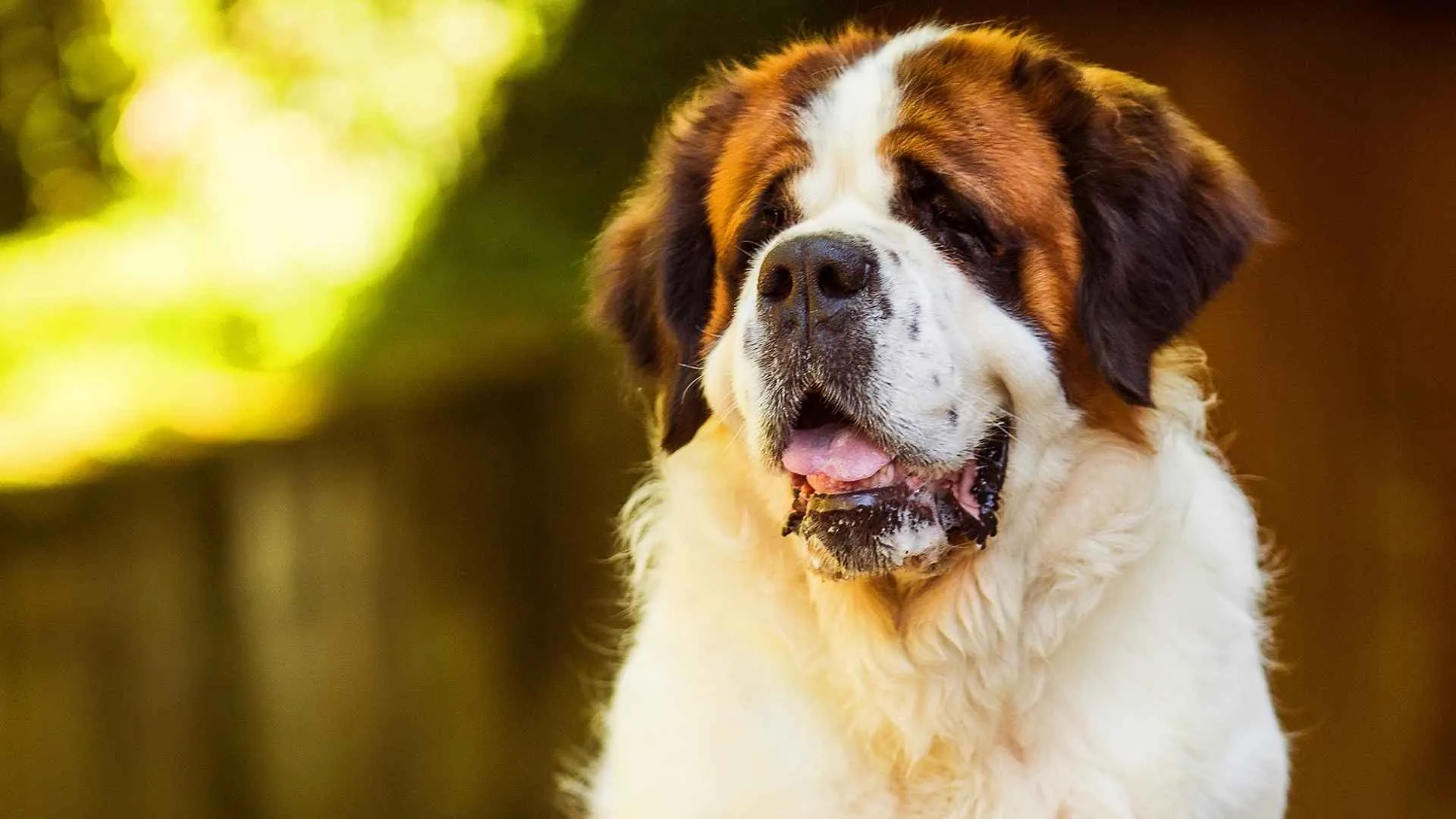
Saint Bernard appears in records from 1707, linked to the monks of Saint Bernard Pass Hospice between Switzerland and Italy. The dogs likely descended from Roman Molossian dogs and first helped with practical chores such as pulling carts and turning spits.
A Calm Daily Pace
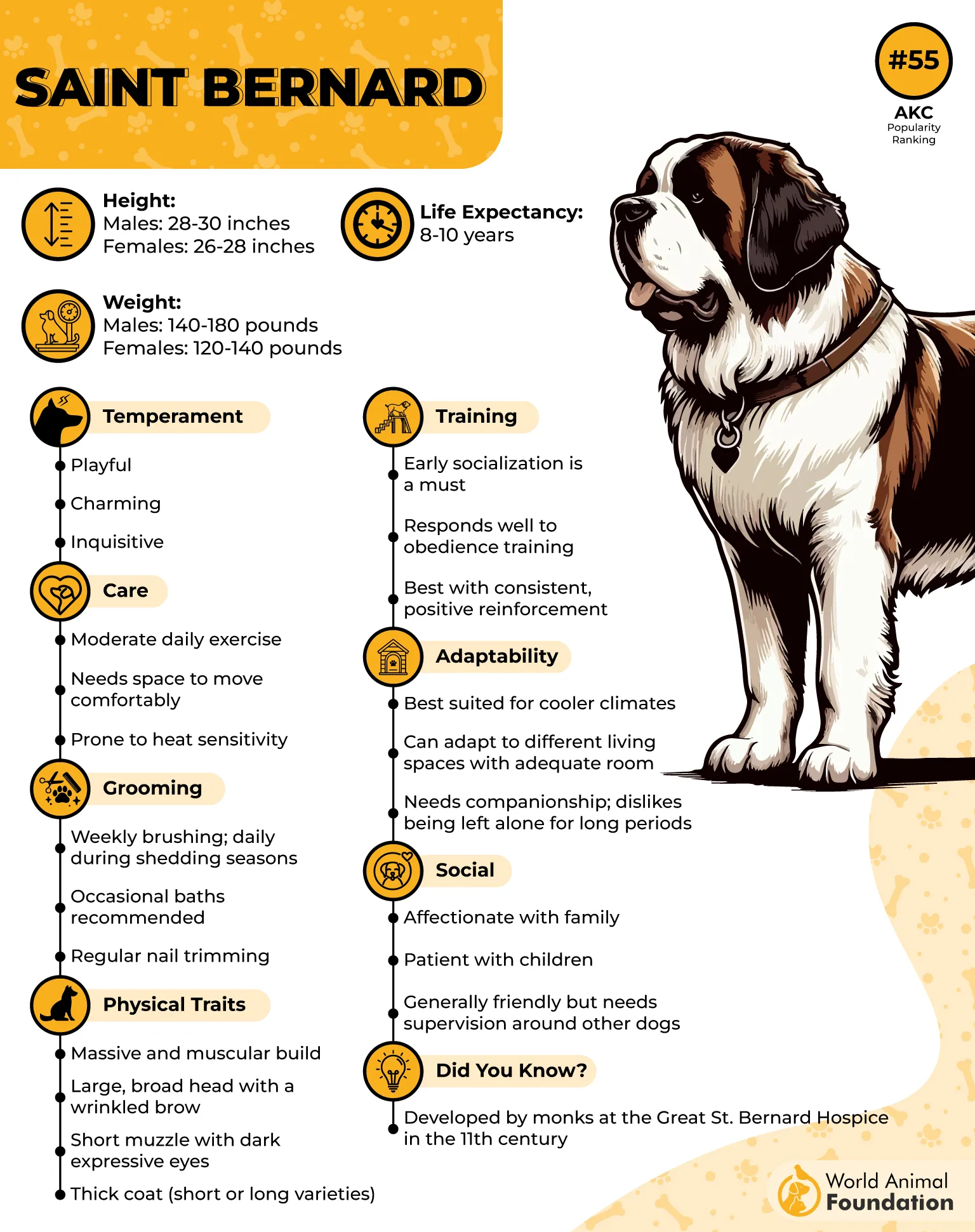
For a large dog, a Saint Bernard can suit a quieter routine when its basic activity needs are met. Several long walks throughout the day, paired with brief play sessions indoors or in the yard, can provide enough regular activity for good physical condition.
That couch potato side has its conditions:
Obesity needs careful monitoring
Adult dogs become placid and calm
Puppies can be playful and energetic
A Natural Comforter
The calm temperament of this gentle giant has also made it suitable for therapy work in hospitals, schools, and nursing homes. The breed can be friendly toward household cats and dogs, while unfamiliar animals, particularly smaller ones, require close supervision.
10. Pug

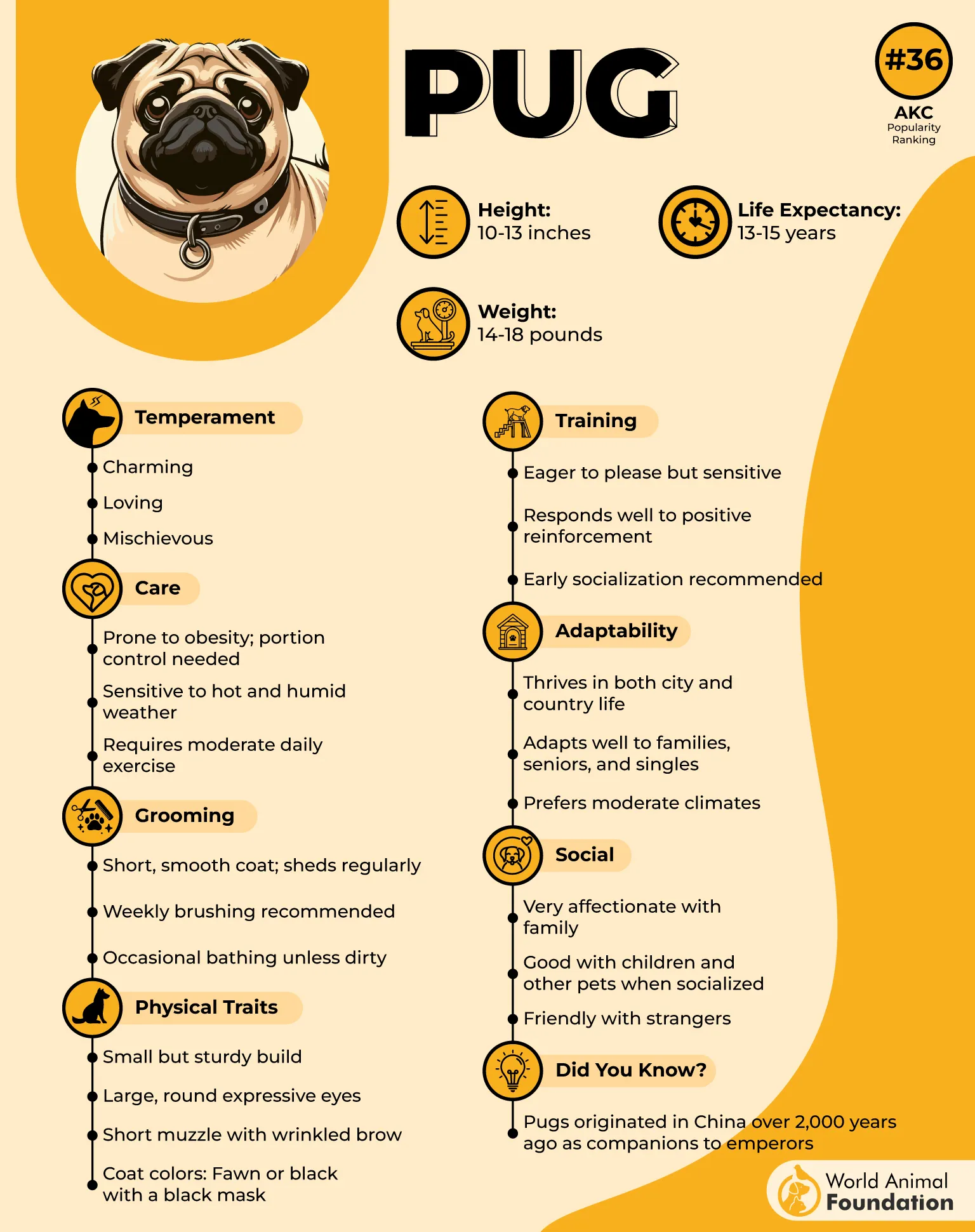
The Pug is descended from mastiff-type dogs and was associated with Tibetan monasteries before reaching Europe from China with the East India Trading Company in the 1700s. Its name may come from the Latin Pugnus, referring to its fist-like head.
Apartment-Sized Companion
Pug fits smaller homes naturally because it is relatively inactive indoors and can spend much of the day napping. Two walks of about a mile or two each, along with playtime, can provide the activity needed for good condition without turning the day into a workout schedule.
Three details are especially useful for a relaxed household:
Indoor life suits its respiratory needs
Moderate walks fit its routine
It sheds a surprising amount of fur
The Social Shadow
This lazy dog breed has a cheerful, mischievous personality and often follows its favorite person from room to room, looking for a lap, chair, bed, or sofa to occupy. It generally enjoys children and can tolerate other pets when introduced and socialized from an early age.
Conclusion
Not every dog needs a packed schedule of long walks, intense games, and outdoor adventures. Some low-energy dog breeds are perfectly happy with a gentler routine that includes minimal exercise, simple games, and plenty of time around their people. That can make everyday life easier for owners who enjoy quiet evenings and slower mornings.
Even lower-energy dogs need regular movement, healthy meals, veterinary care, training, and attention, so sedentary should never mean inactive. The real goal is finding a companion with a calm demeanor whose natural energy fits your lifestyle. When that balance works, sharing your home can feel relaxed without becoming careless or boring.
