




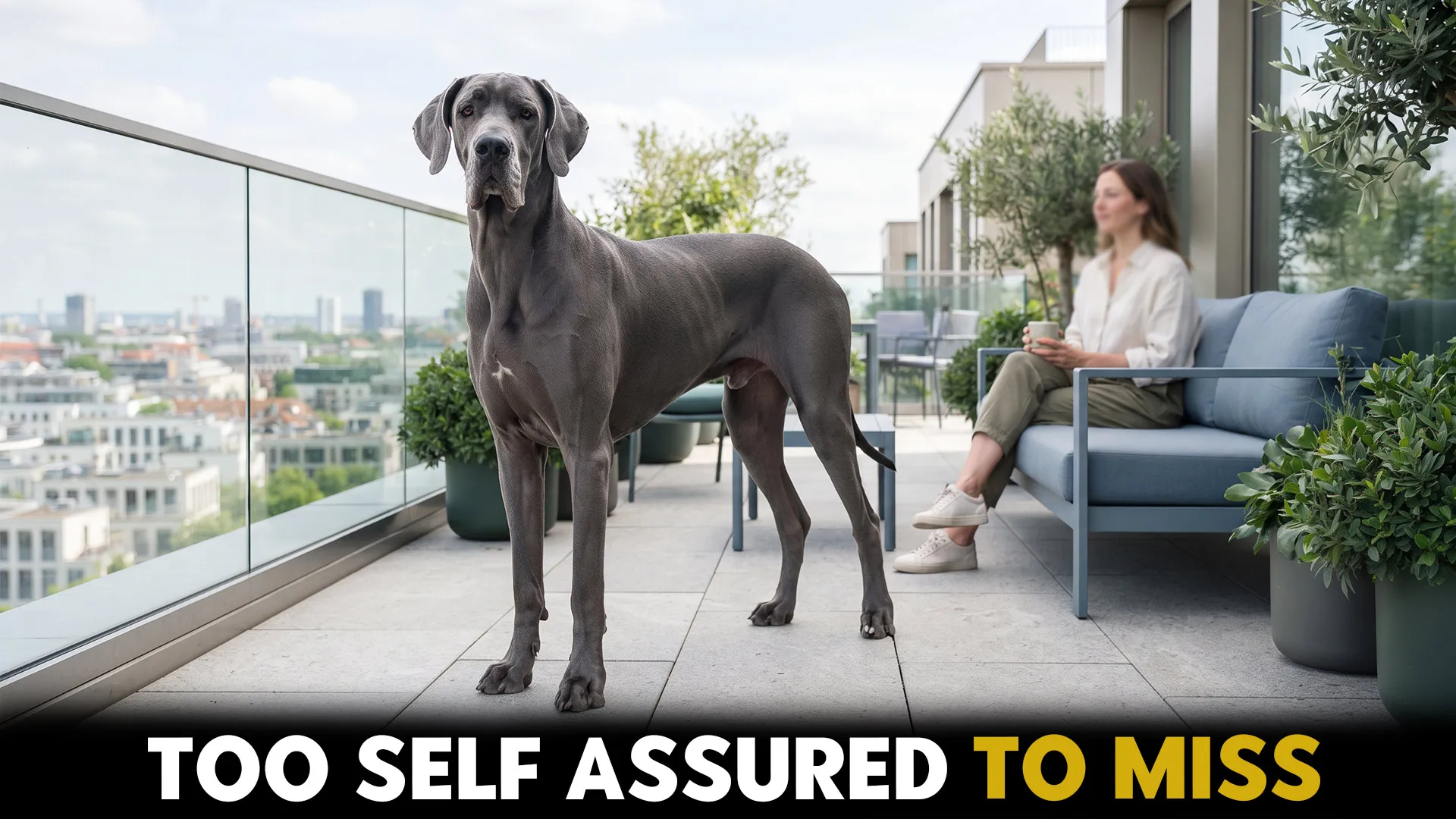
Living alone doesn’t mean your home has to feel empty. A large dog can bring companionship, loyalty, and a reassuring presence while becoming a devoted partner for someone who enjoys an independent lifestyle.
The key is finding a breed whose temperament matches your routine. Some large dogs form especially strong bonds with one person and can thrive in a calm, predictable home, while others need more exercise, attention, or space than a solo owner can provide.
Research suggests that more than 65 million U.S. households own dogs, reflecting just how common canine companionship is across the country. For solo living, the right large breed can offer affection, personality, and a rewarding bond without requiring a busy household.
Free-Spirited Large Dog Breeds for Solo Life
1. Great Dane
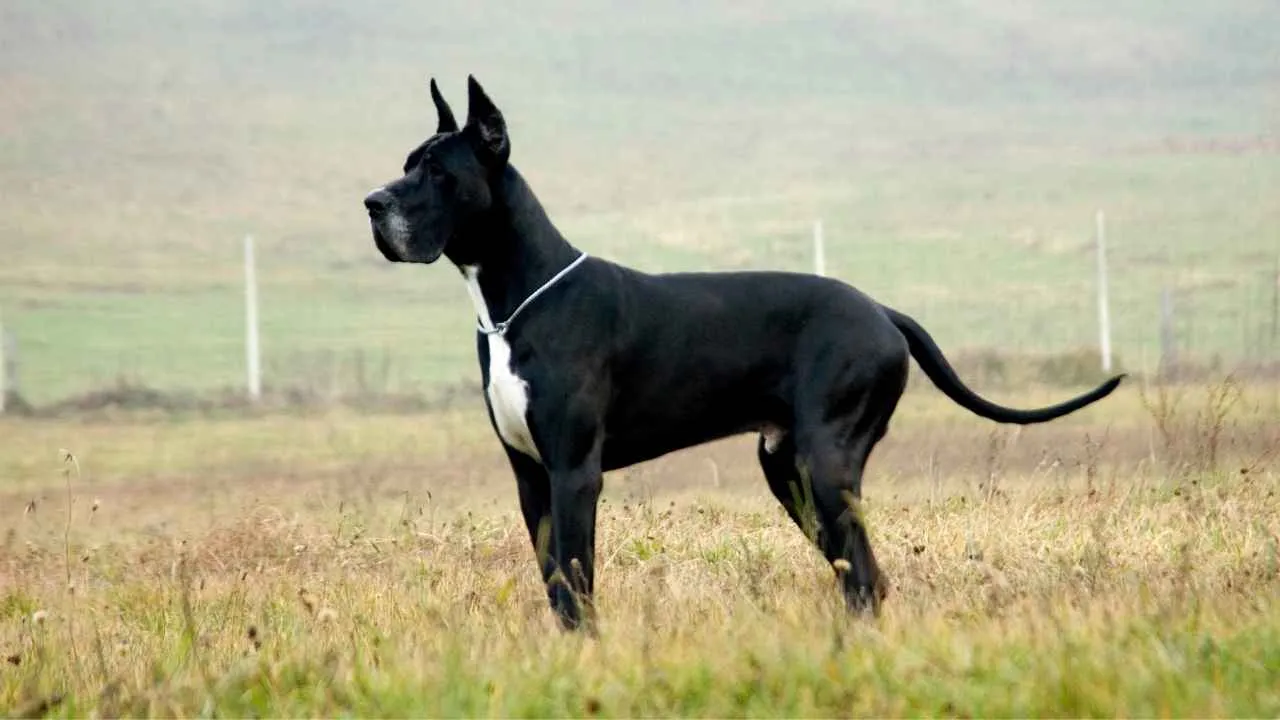
The Great Dane is an imposing giant whose remarkable height contrasts with its gentle, affectionate personality. Despite its substantial size, this breed is playful, friendly, and deeply loyal, making it a personable companion for someone living alone.
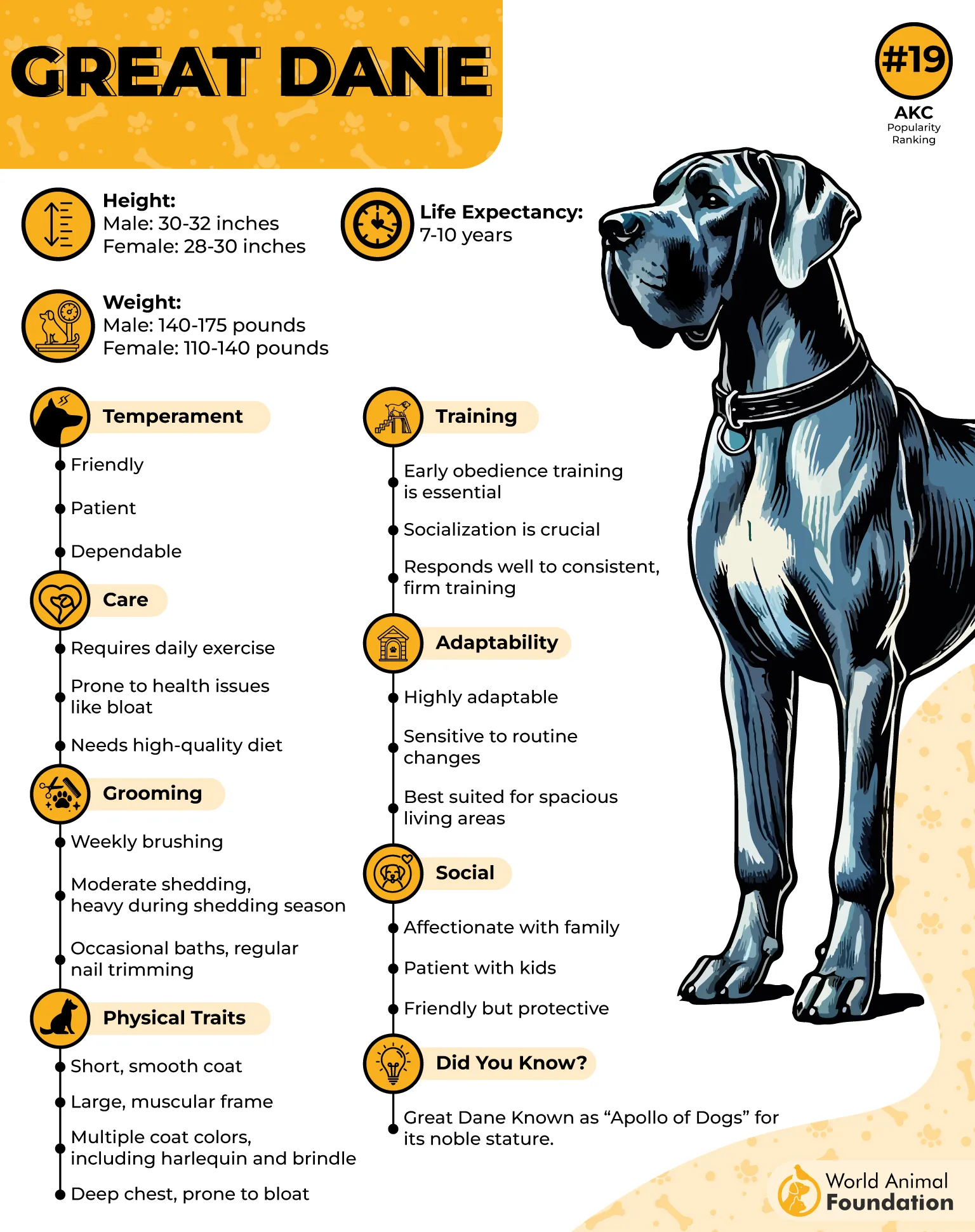
Great Danes are often surprisingly relaxed indoors and can happily lounge beside their favorite person after daily activity. Their alert nature also gives them a natural guarding instinct, while their easygoing temperament makes them enjoyable companions for solo owners who can accommodate their size.
How This Breed Stands Out
Affectionate yet self-assured: Great Danes form strong bonds with their people while maintaining a confident, composed presence.
Surprisingly relaxed indoors: Despite their imposing stature, they often enjoy lounging at home and adapting to a calmer indoor routine.
2. Alaskan Malamute
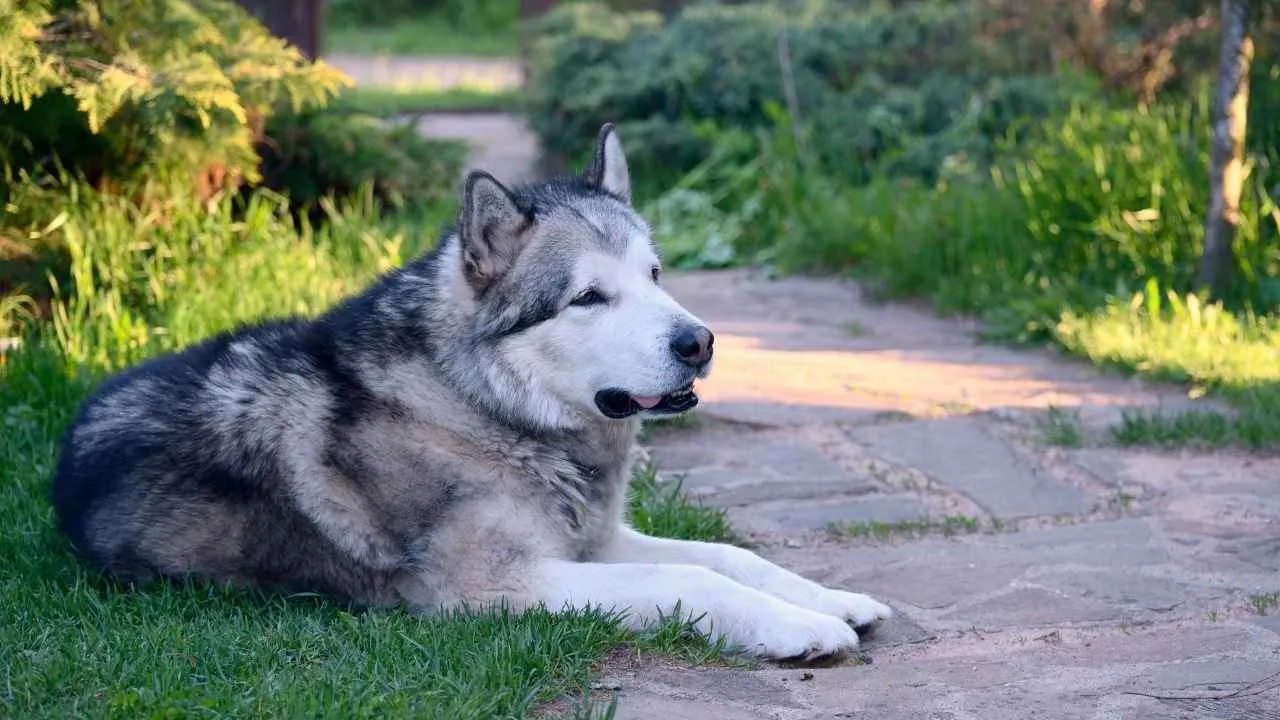
The Alaskan Malamute is a powerful, affectionate working breed developed to haul heavy sleds across harsh, freezing terrain. Its substantial frame, fluffy coat, and plume-like tail reflect its demanding Arctic heritage.
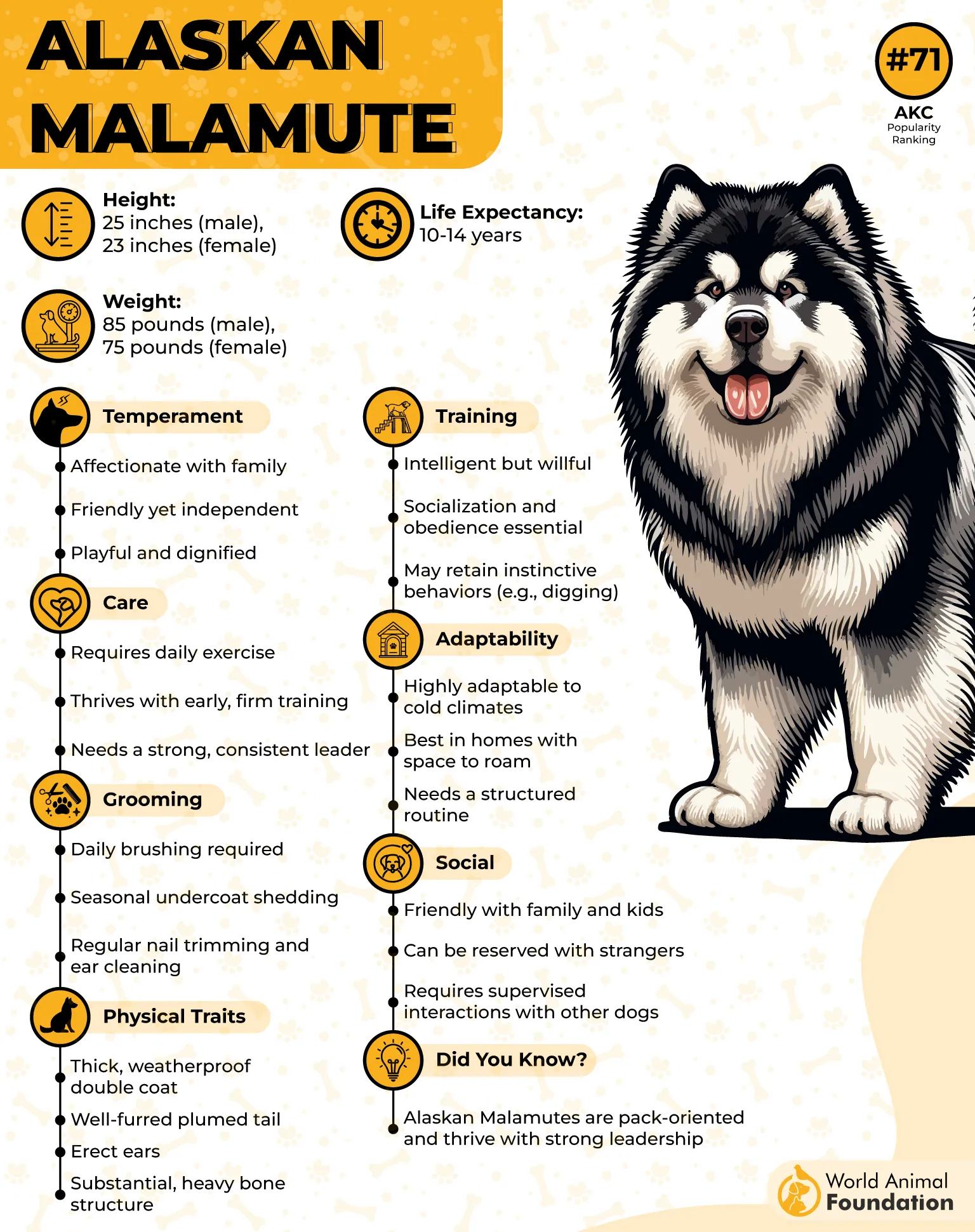
Intelligent but independent-minded, the Malamute enjoys having a purpose and can be strong-willed without consistent guidance. For solo owners, plenty of exercise and outdoor engagement are essential, while early socialization and obedience training help manage its confident nature around people and other pets.
How This Breed Stands Out
Independent working spirit: Its intelligence and strong-willed nature reflect a history of demanding work, giving the breed a self-directed personality.
Enjoys challenging outdoor activities: Malamutes thrive on vigorous exercise and activities that let them use their strength, endurance, and working instincts.
3. Romanian Carpathian Shepherd
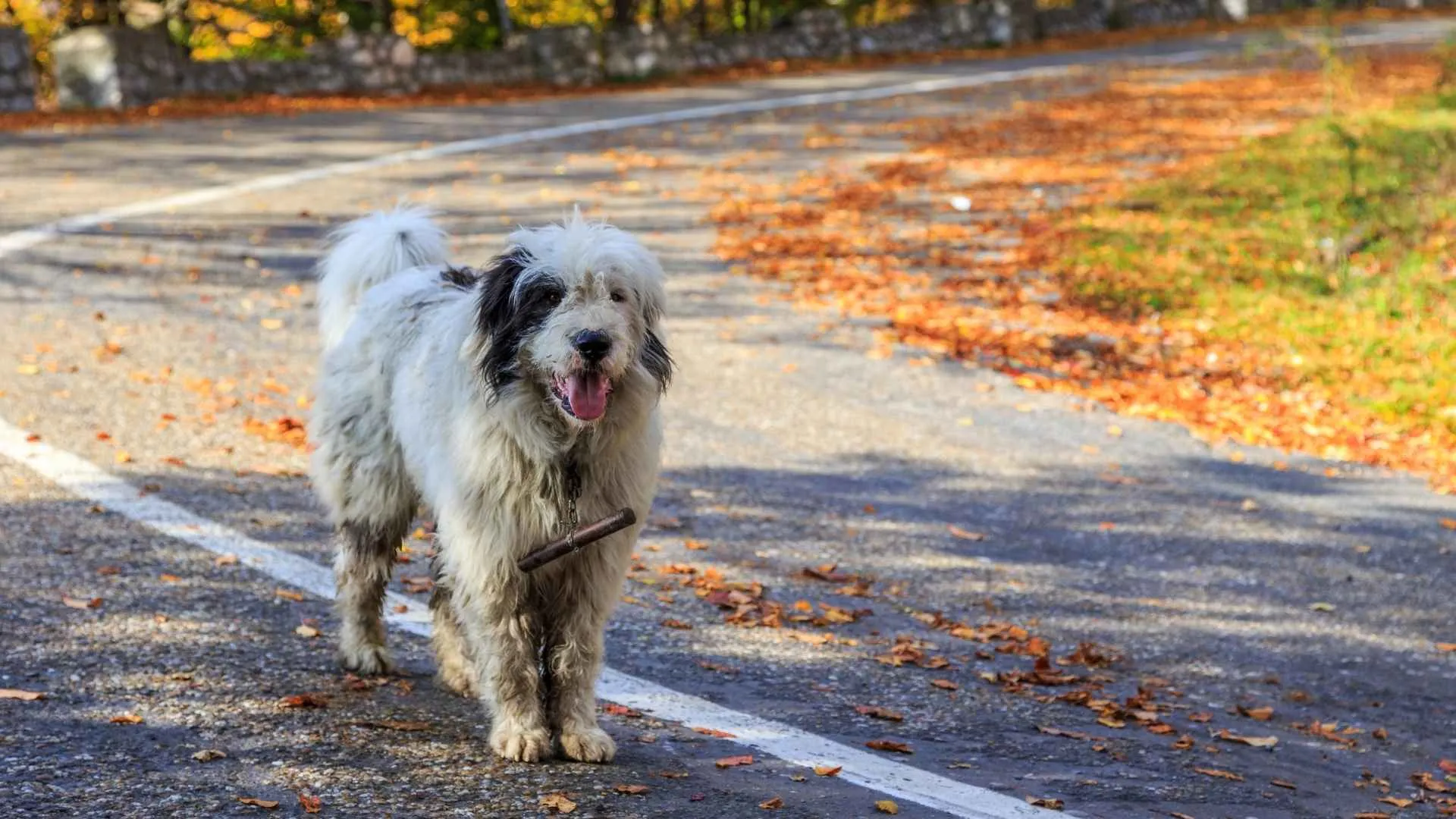
The Romanian Carpathian Shepherd is a powerful, dignified guardian developed to protect livestock from formidable predators in Romania’s Carpathian Mountains. Its agility, courage, and wolf-like appearance reflect generations of demanding outdoor work.
Naturally independent, this intelligent breed was bred to make decisions with limited human direction while remaining deeply devoted to its family. Calm and balanced at home, it forms a particularly strong bond with its chosen handler and responds well to consistent training.
How This Breed Stands Out
Strong independent instincts: Its heritage required independent decision-making while guarding flocks, giving the breed a confident and self-reliant character.
Naturally vigilant guardian: Deeply protective of its family and livestock, it remains alert to potential threats and instinctively watches over those in its care.
4. Pyrenean Mastiff
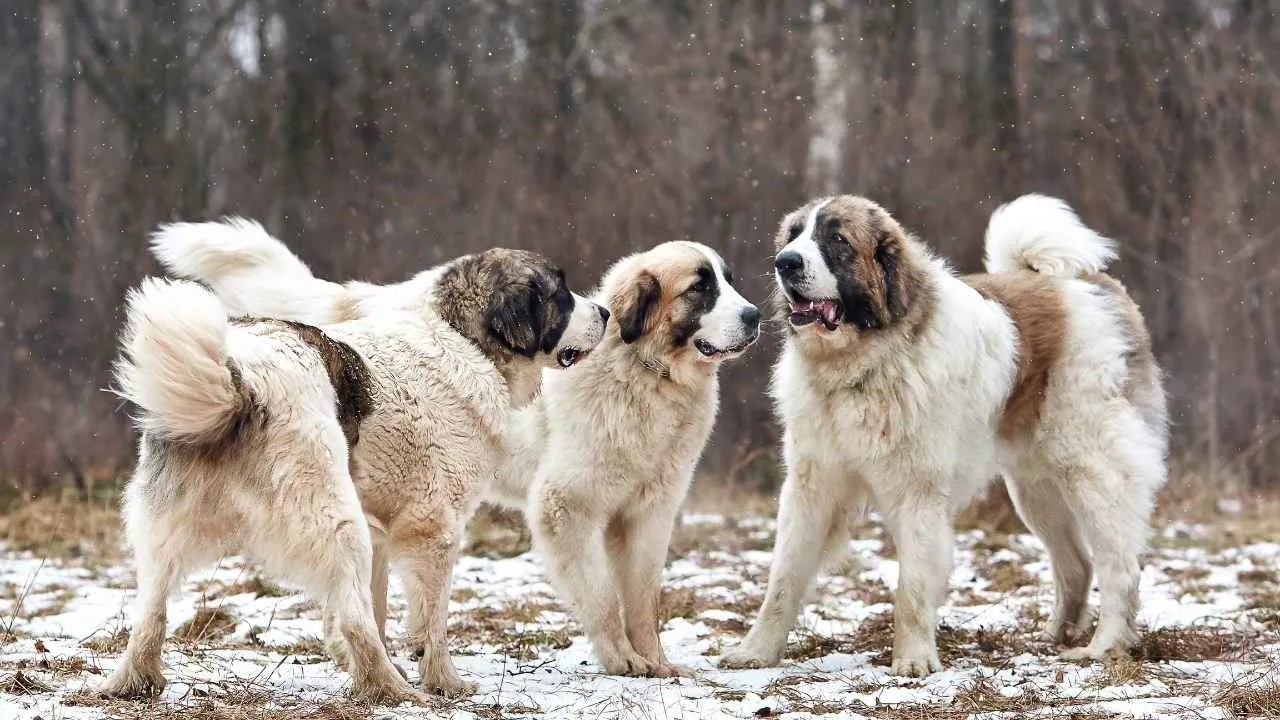
The Pyrenean Mastiff is a rare giant breed from Spain’s Pyrenees, originally bred to guard livestock in the Pyrenees. Its calm, noble temperament is balanced by courage and confidence when facing unfamiliar people or potential threats.
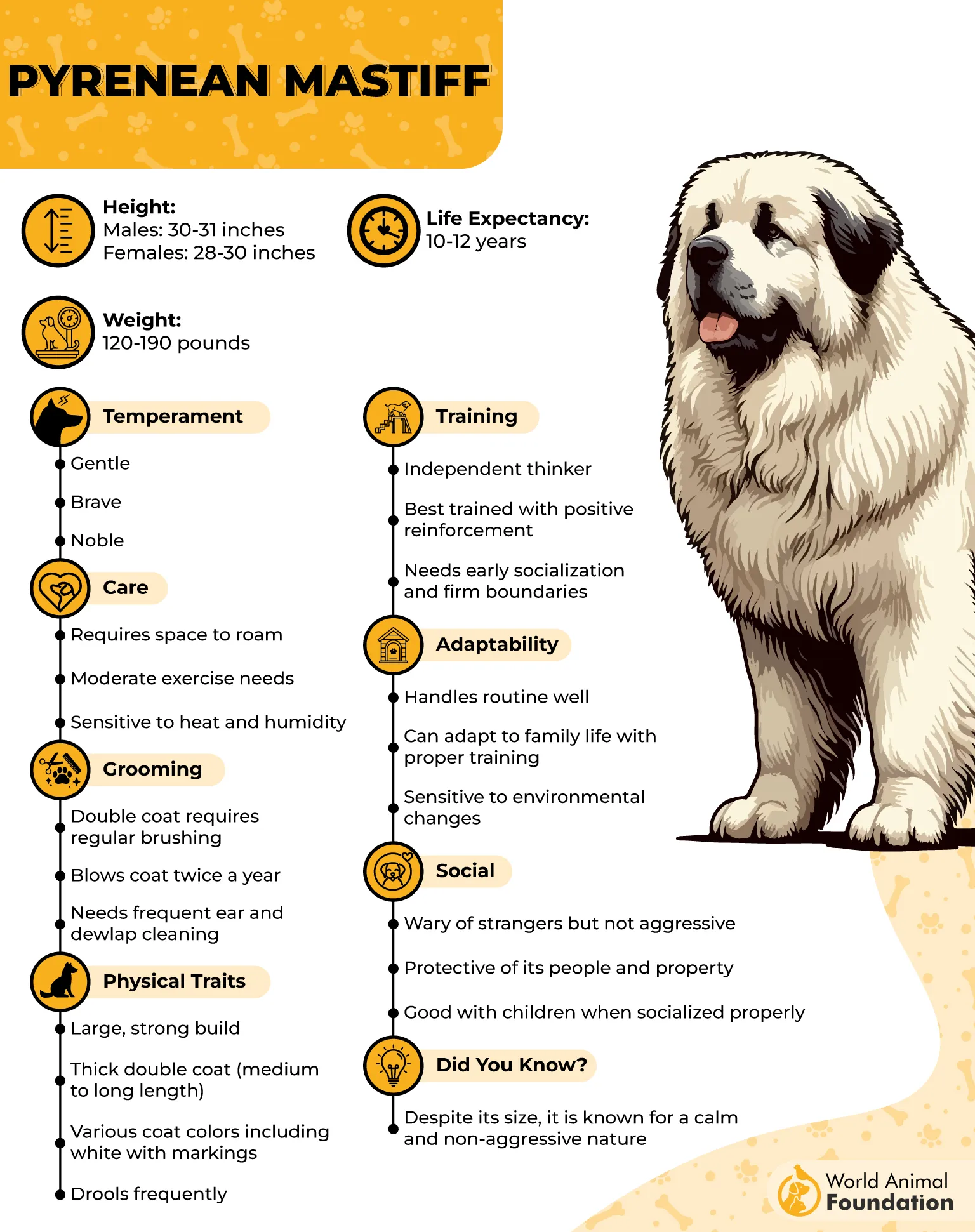
According to Royal Canin, Pyrenean Mastiffs are well suited to guarding rural properties and people, while their noble and intelligent nature makes them relatively easy to train.
Despite its enormous size, this breed conserves energy and often enjoys relaxing at home between activities. It bonds closely with its people, welcomes children and familiar visitors, and prefers spacious surroundings where it can roam and settle comfortably. Giant dogs like this also tend to bring higher costs for food, space, and routine care.
How This Breed Stands Out
Gentle, composed protector: Its calm disposition allows it to remain relaxed while instinctively becoming alert when genuine threats arise.
Patient with its household: Affectionate and tolerant, it generally enjoys family life and protects both people and animals under its care.
5. Akita
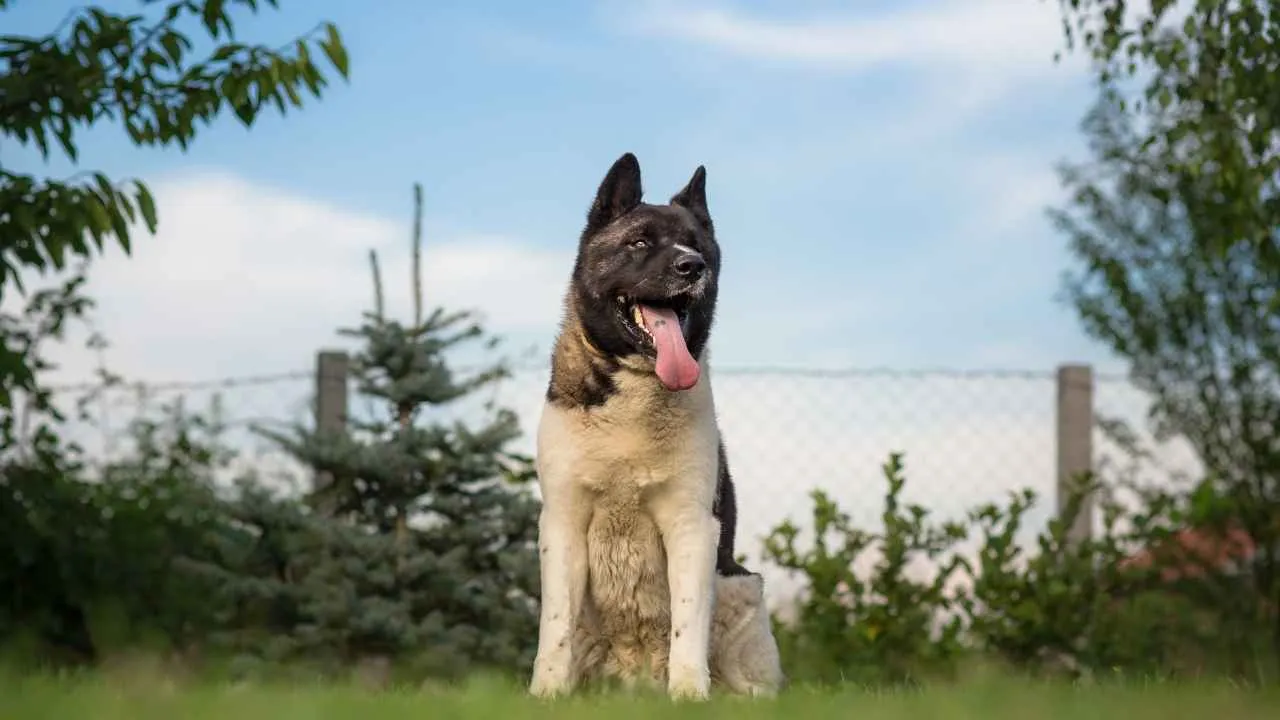
The Akita is a powerful Japanese breed admired for its dignity, quiet confidence, and deep loyalty. Originally developed for guarding and hunting, it combines a self-assured nature with a strong attachment to its chosen people.
According to PDSA, Akitas can adapt well to family life, but their large size makes them better suited to experienced owners.
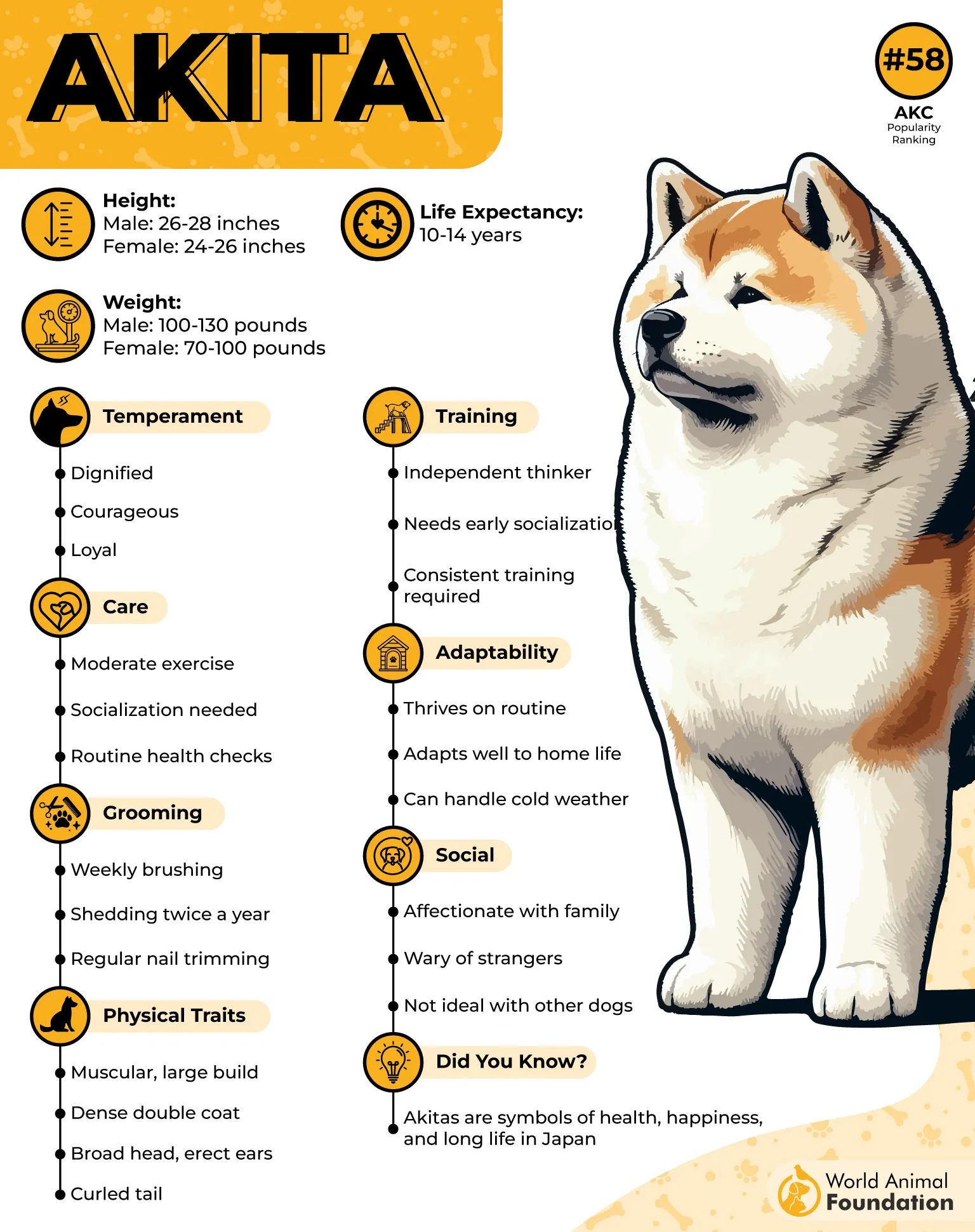
Observant and generally quiet, the Akita can suit a solo owner who appreciates an independent companion with a calm presence. It still needs regular physical activity, including long walks and hikes, along with obedience training and mental enrichment to stay fulfilled.
How This Breed Stands Out
Dignified self-reliance: The Akita’s independent nature allows it to carry itself confidently while remaining devoted to its trusted owner.
Selective with affection: Rather than seeking attention from everyone, it tends to reserve its deepest loyalty and affection for the people it knows and trusts.
6. Great Pyrenees
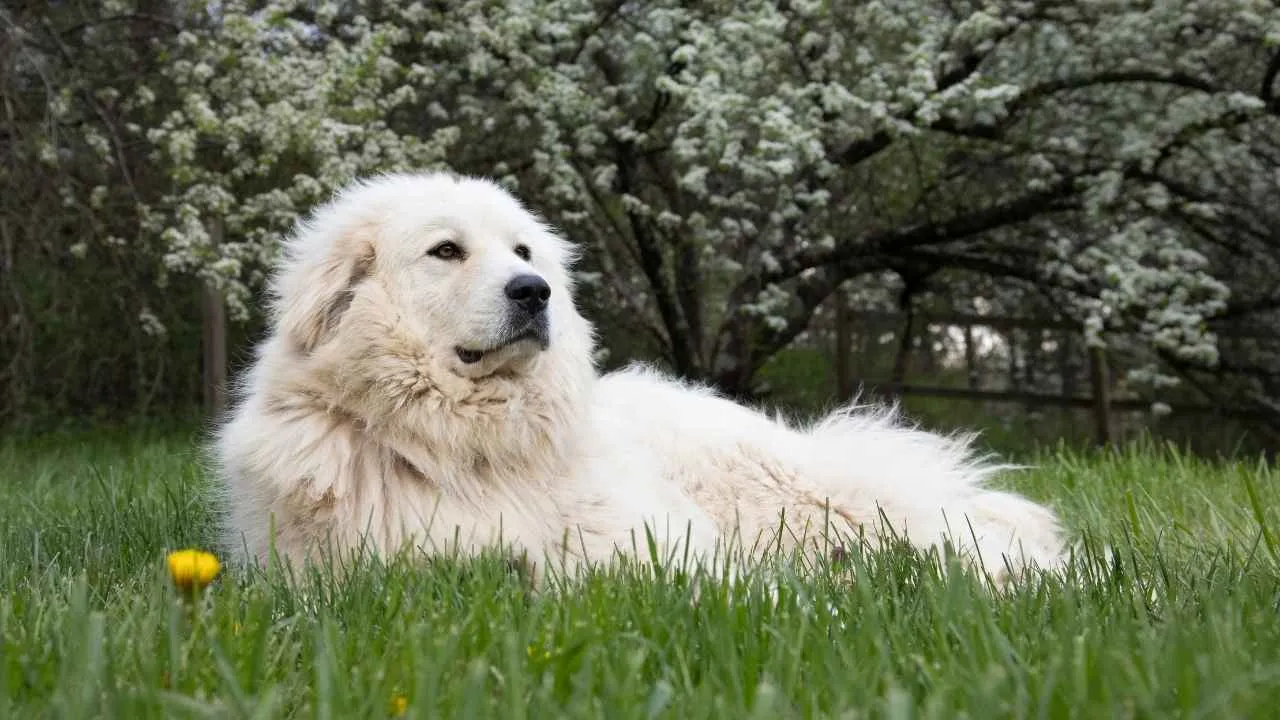
The Great Pyrenees is a powerful livestock guardian originally bred to protect flocks and homes, with a gentle temperament and centuries of experience in that role. Its calm presence and devoted nature can make it a reassuring companion for a solo owner.
According to PetMD, Great Pyrenees are generally low-energy dogs that don’t need a highly active lifestyle, although their independent nature can make training more challenging.
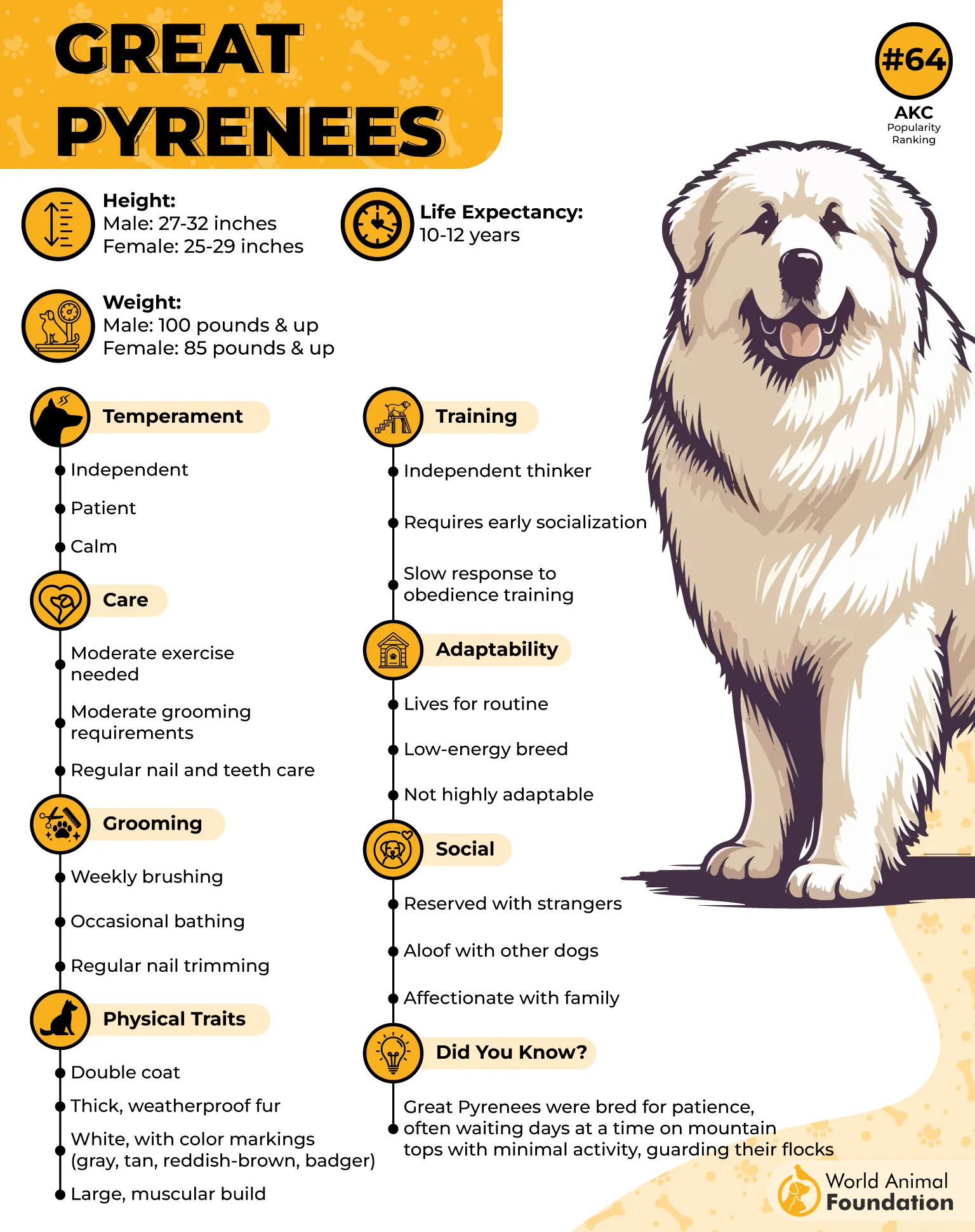
Although relaxed and affectionate with its household, this breed needs regular exercise and obedience training to stay well-mannered. It can live peacefully with children, cats, and other dogs while naturally remaining alert to anything that may threaten its family.
How This Breed Stands Out
Calm livestock-guardian nature: Its history as a flock protector shaped a composed temperament that allows it to watch over its surroundings without constant agitation.
Comfortable making its own decisions: Bred to guard animals independently, it can assess situations and respond without relying on constant direction from its owner.
7. Tibetan Mastiff
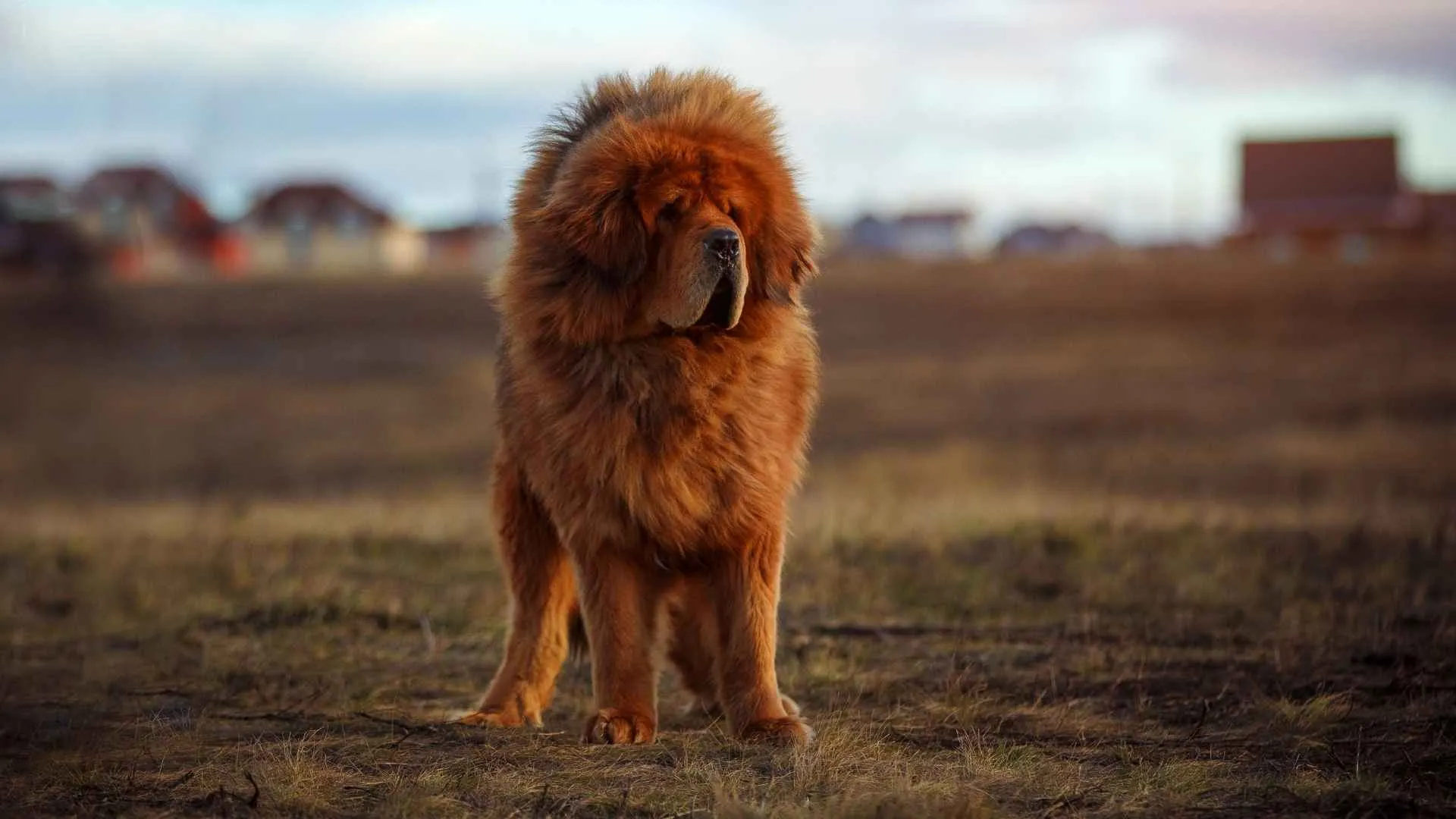
The Tibetan Mastiff is a massive guardian breed known for its imposing build, flowing coat, and watchful expression. Bred for centuries to protect homes and estates in Tibet and the Himalayas, it remains deeply devoted to its family.
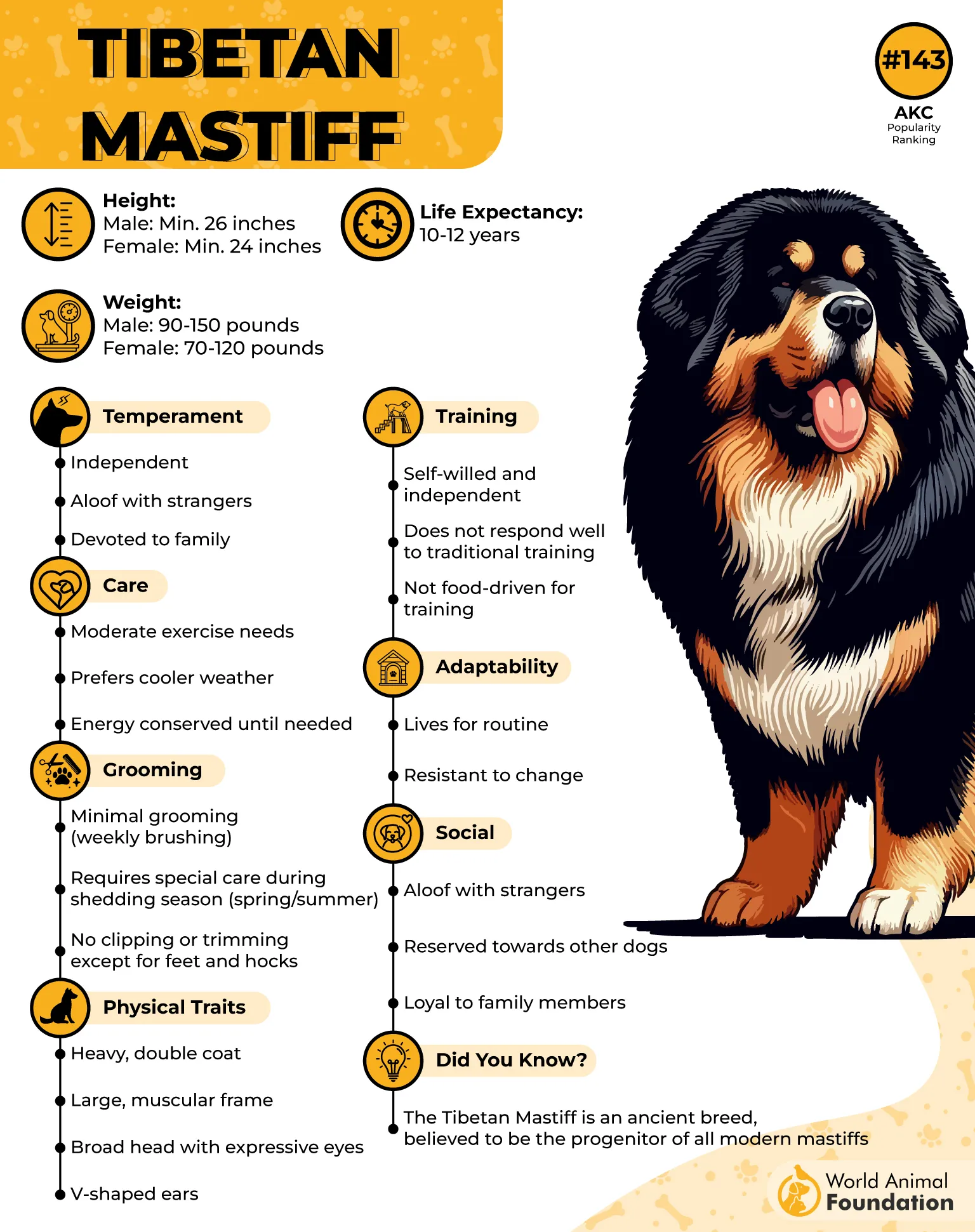
Calm and mellow around its household, this breed tends to be reserved and territorial with unfamiliar people. Its independent nature suits experienced solo owners who can provide firm training, consistent socialization, and enough space for this powerful guardian.
How This Breed Stands Out
Naturally aloof demeanor: The Tibetan Mastiff is typically reserved around strangers while forming strong, devoted bonds with its trusted family.
Highly territorial instincts: Its guardian heritage creates a strong protective drive, making it naturally vigilant about its home and surroundings.
Conclusion
Choosing a large dog for solo life means finding a companion whose personality fits your lifestyle. Breeds like the Great Dane can offer affectionate companionship while remaining surprisingly relaxed at home.
The Alaskan Malamute brings an independent working spirit, while the Romanian Carpathian Shepherd and Tibetan Mastiff are naturally self-reliant and protective. These traits can appeal to owners who appreciate a dog with confidence and character.
The Pyrenean Mastiff and Great Pyrenees offer calm, loyal companionship, while the Akita combines quiet strength with deep devotion. Each breed has different exercise, training, and socialization needs, so the right breed should feel like the perfect match for your routine and living style.
Before bringing a dog home, consider your space, daily routine, experience, and ability to meet the breed’s physical and mental needs. With the right match, a free-spirited large dog can become a loyal and rewarding companion.
