




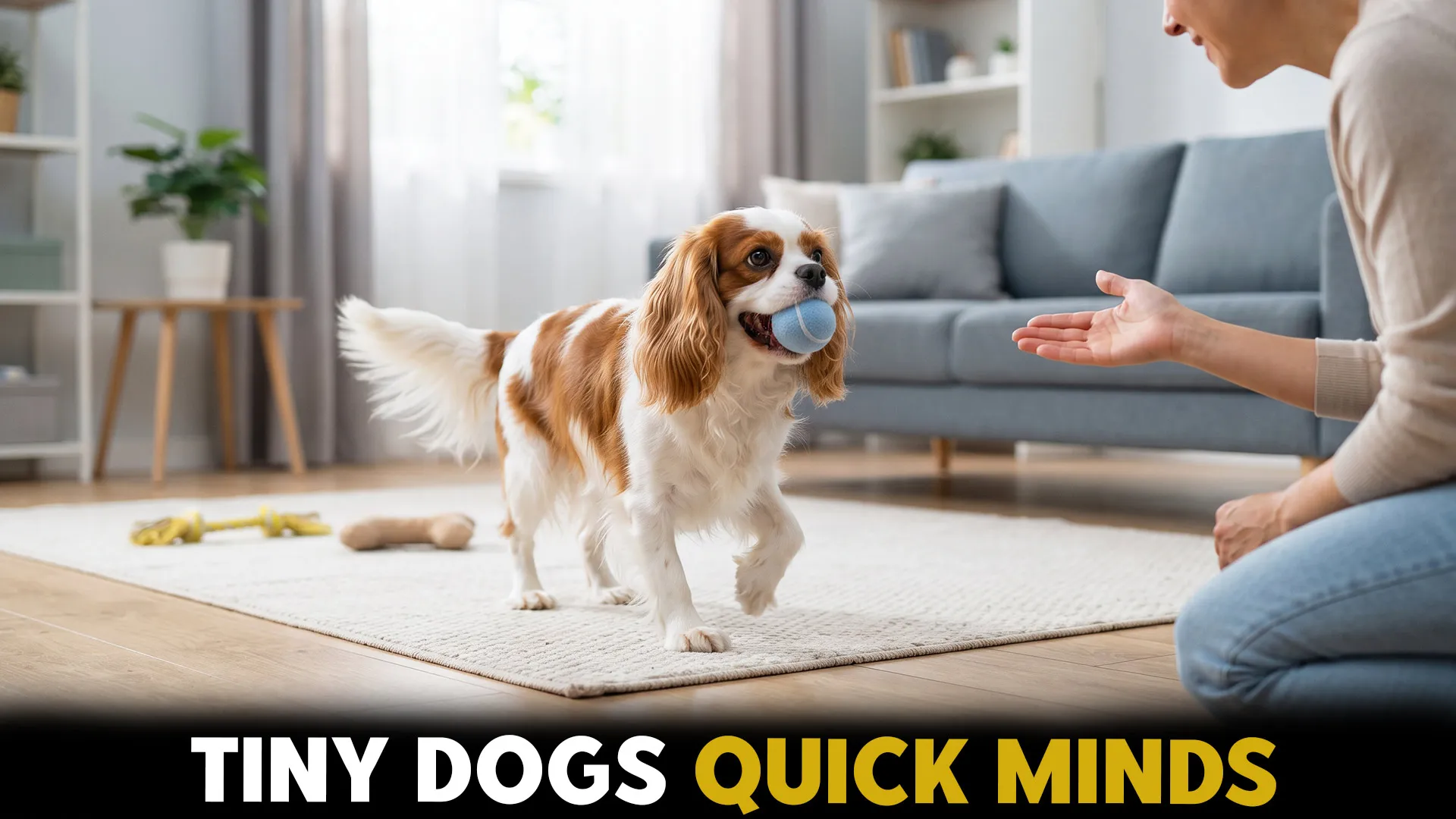
Think a tiny dog belongs on the couch more than in a training session? Think again. Behind those petite paws, many miniature breeds have sharp minds, lively personalities, and a surprising eagerness to learn when lessons are positive and consistent.
Training these little companions can be both rewarding and playful. Their intelligence may shine through obedience practice, tricks, agility, or simple everyday commands, while patience and short, engaging sessions help keep their attention focused.
From clever problem-solvers to enthusiastic learners, these miniature breeds can turn training time into a favorite part of your routine and show just how much personality can fit into a small frame.
FACT: A dog’s small size does not determine its intelligence or trainability; temperament, motivation, and training methods matter far more.
Miniature Dog Breeds You’ll Love Training
1. French Bulldog
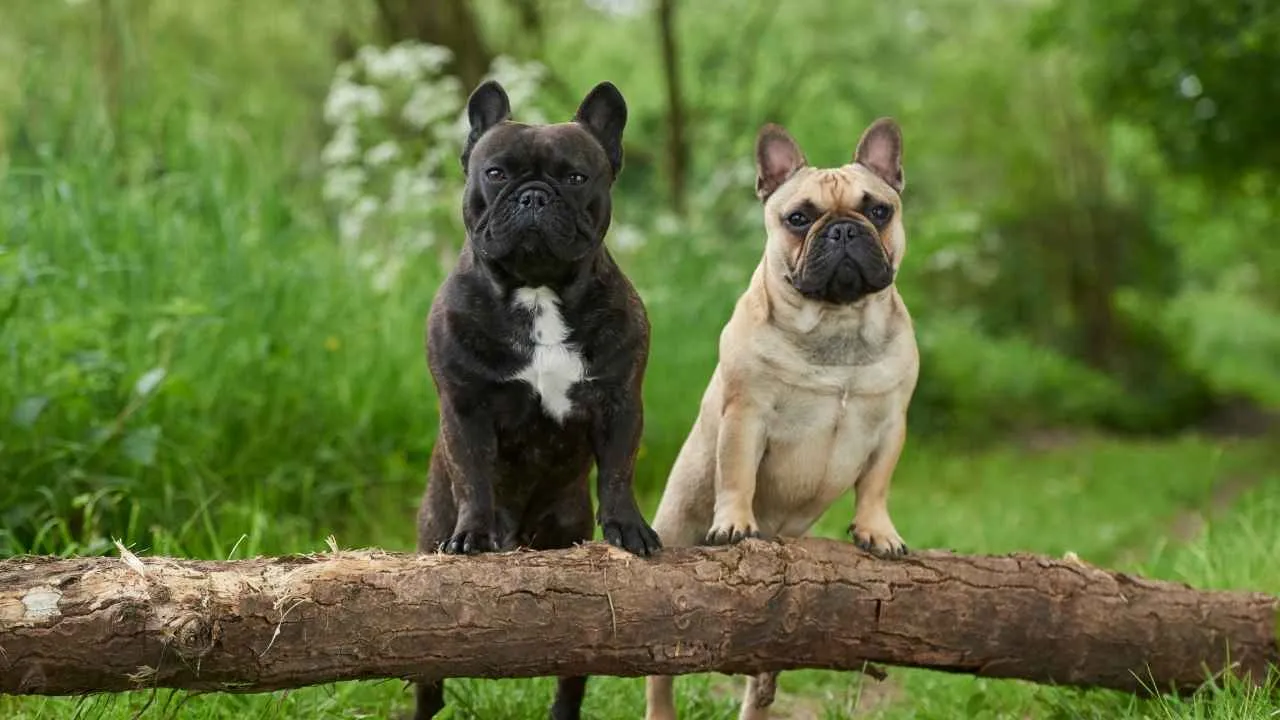
Training a French Bulldog can feel more like playtime than a formal lesson. These charming little dogs are naturally playful, people-oriented, and full of personality, making them eager participants when sessions include treats, praise, and fun tricks.
Their cheeky nature can occasionally bring a stubborn streak, so keeping training upbeat and varied helps hold their attention. Short, engaging sessions work especially well for teaching simple commands and entertaining tricks without overwhelming them.
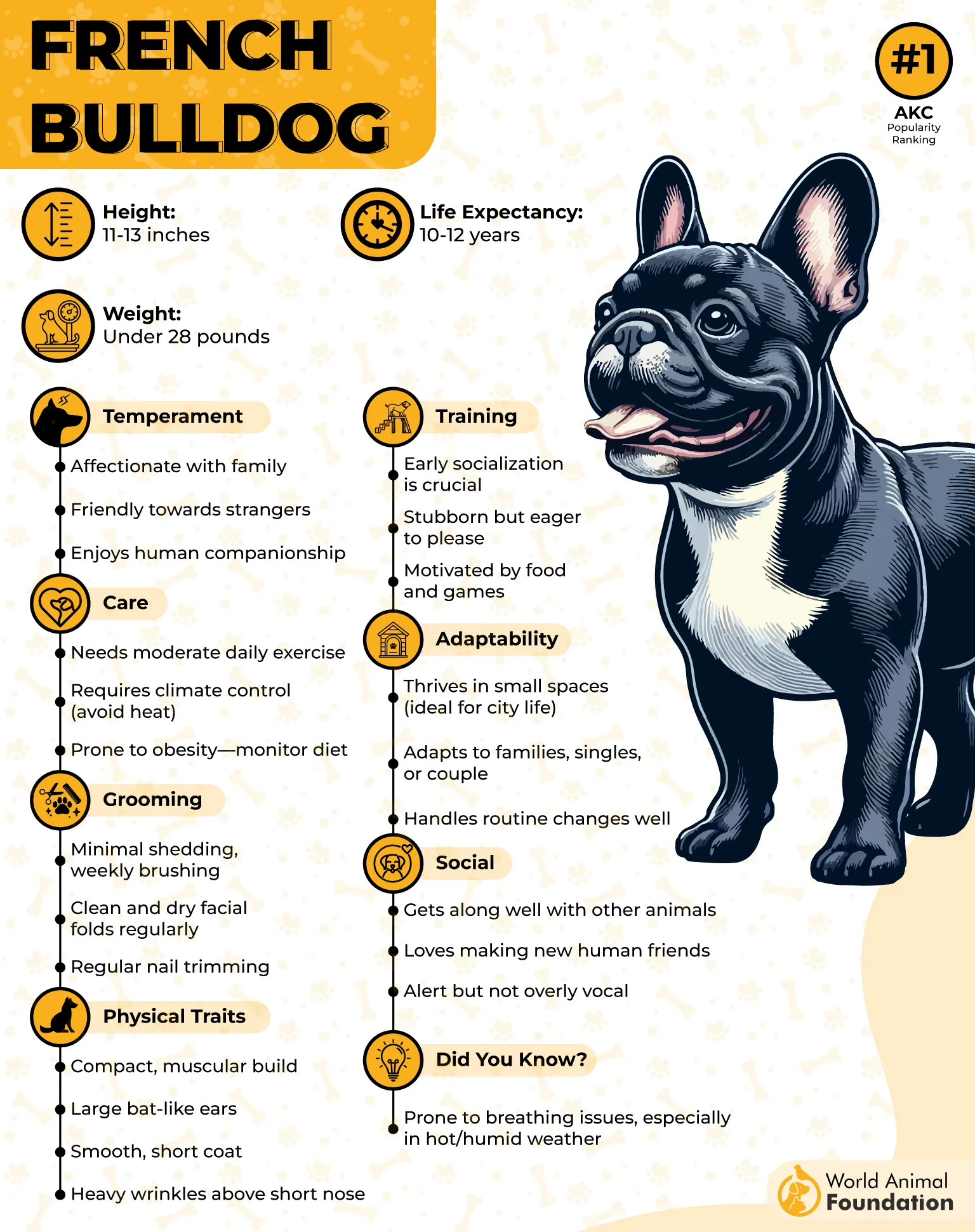
With their compact, muscular build, expressive eyes, and unmistakable bat-like ears, French Bulldogs are hard to ignore. Their short, smooth coat is relatively easy to maintain, although their facial folds need regular cleaning.
Because their short muzzle can make breathing and overheating more difficult, training should avoid strenuous exercise, particularly in hot weather.
2. Papillon
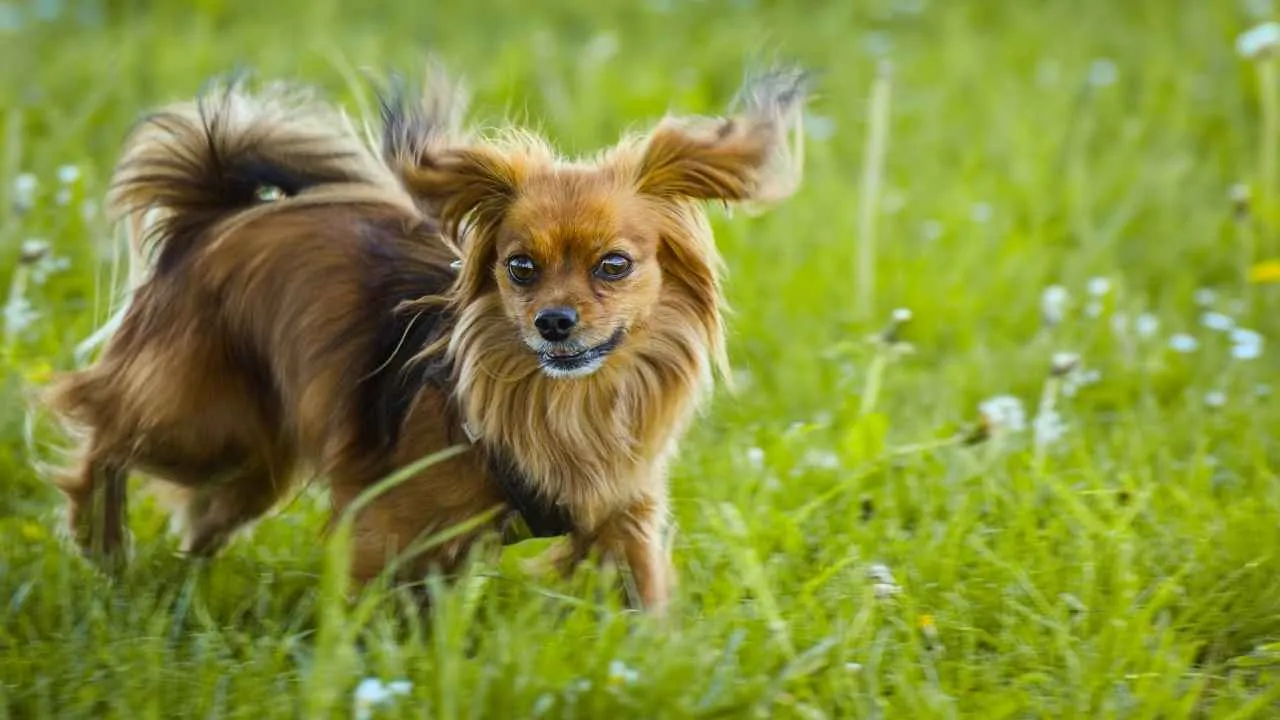
The Papillon is a tiny brainiac with an impressive appetite for learning, making it a standout choice for owners who enjoy teaching tricks and tackling new challenges. Highly intelligent and naturally obedient, this lively toy breed responds well to engaging training that keeps its quick mind occupied.
Curious and eager to interact, Papillons enjoy learning alongside their families and thrive on regular attention. Their energetic nature also calls for around 30 to 60 minutes of daily exercise, paired with mental activities to prevent boredom.
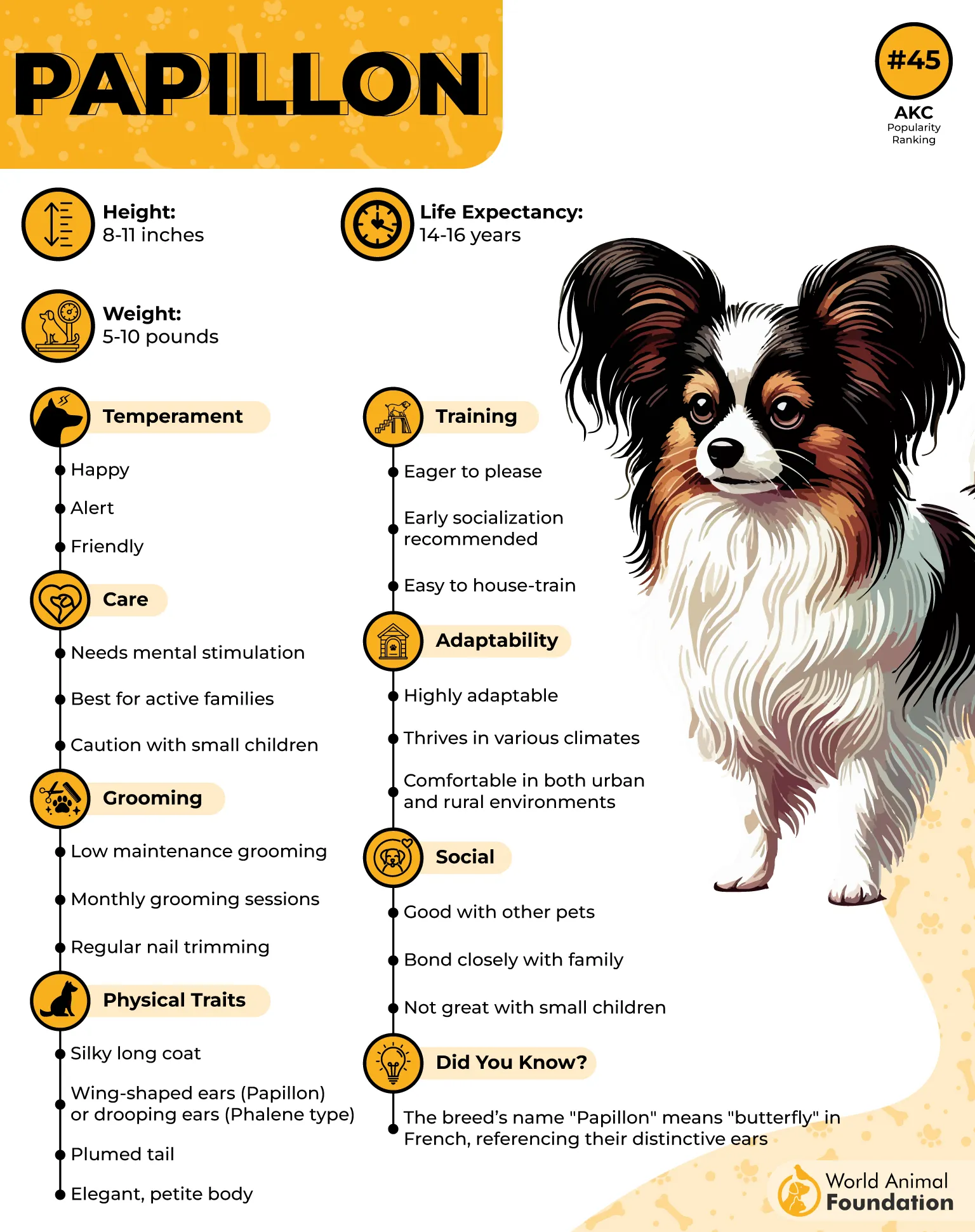
According to the Royal Kennel Club, the drop-eared Phalène gets its name from the folded wings of a moth. Despite their delicate appearance, they are alert little watchdogs that readily announce unfamiliar activity.
Their affectionate, outgoing personality makes them happiest when included in family life rather than left alone for long periods.
3. Cavalier King Charles Spaniel
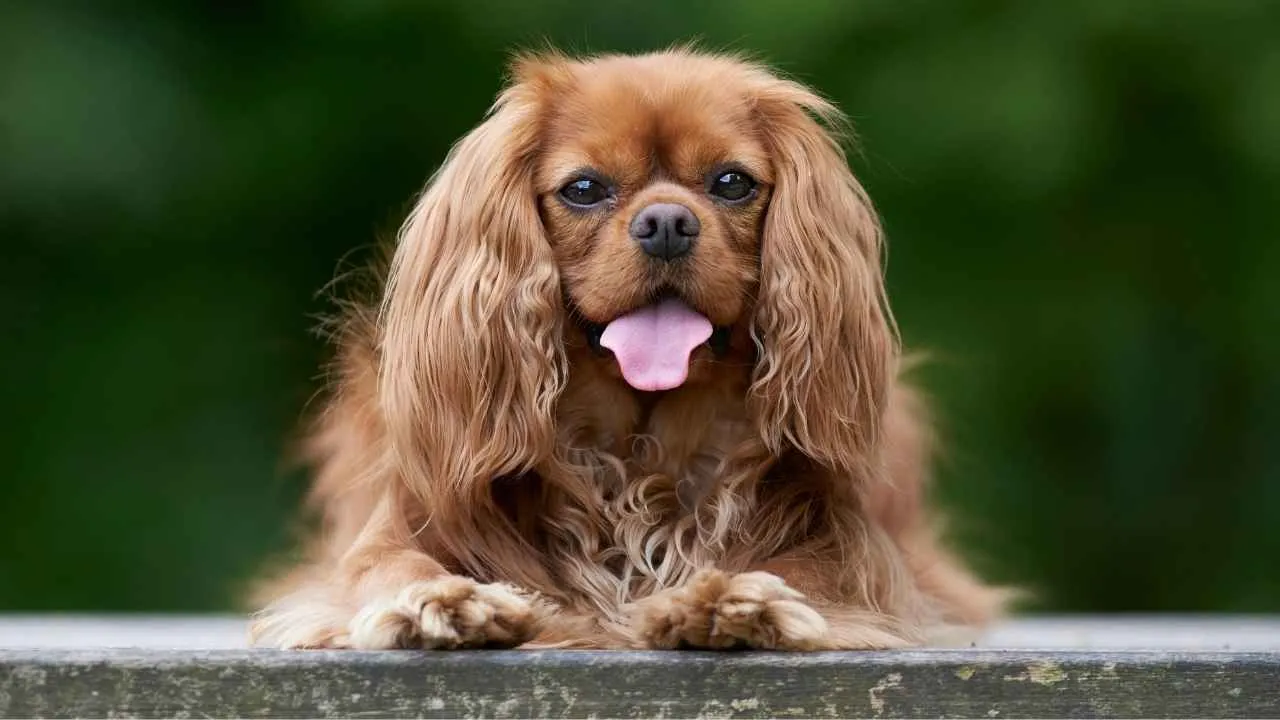
The Cavalier King Charles Spaniel is a gentle, affectionate companion whose eagerness to please makes training feel rewarding.
Intelligent and naturally attentive to their owners, these dogs respond especially well to praise, patience, and positive reinforcement. Their sensitive nature means harsh corrections can quickly make them fearful or withdrawn.
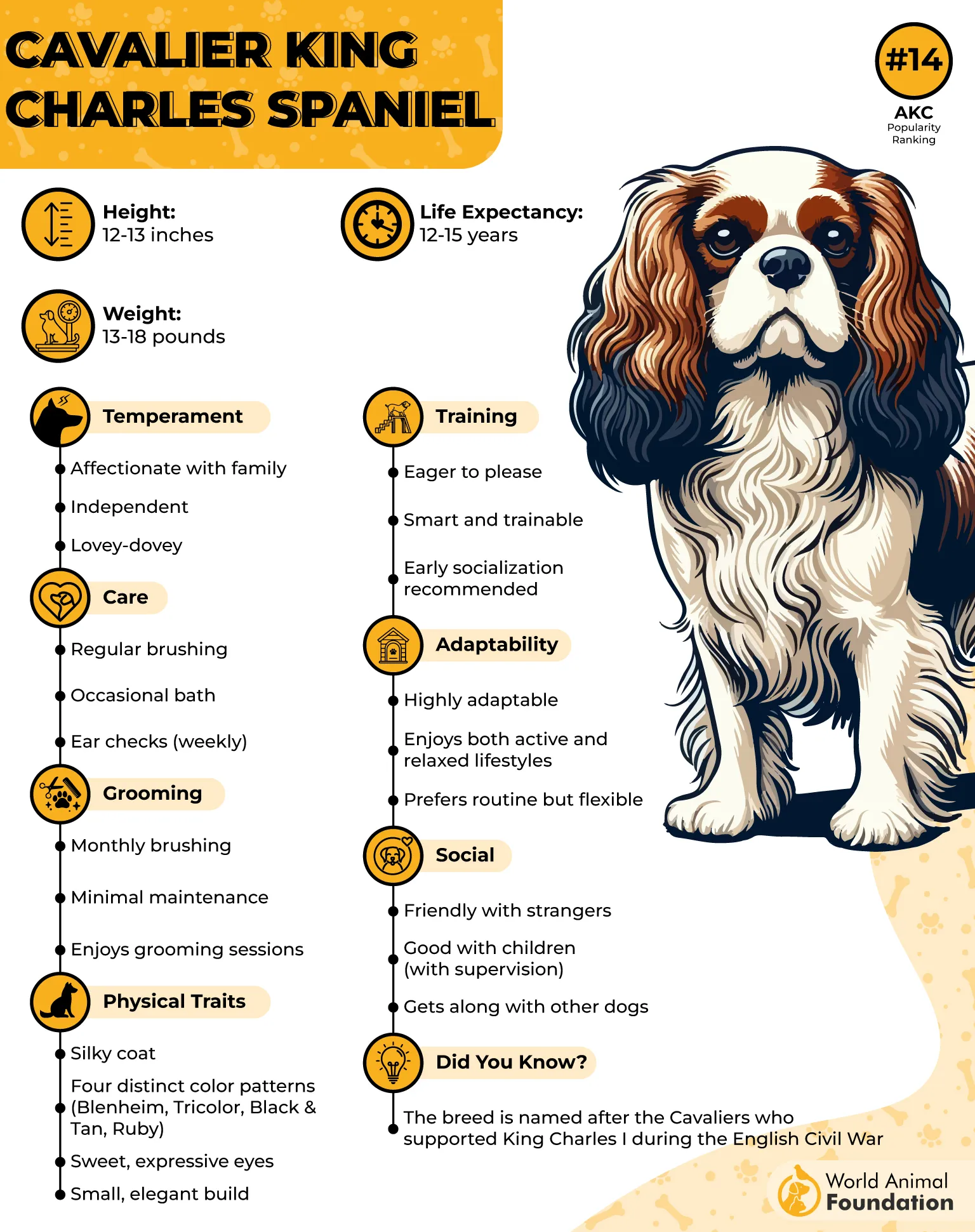
Cavaliers enjoy playing and have moderate energy, allowing training sessions to include fun activities without overwhelming them. Their adaptable personality helps them fit comfortably into both active and quieter households.
Because they form strong bonds with their people, Cavaliers thrive on companionship and attention. This devotion can also make them uncomfortable when left alone for extended periods.
4. Havanese

The Havanese is a cheerful little companion that brings plenty of personality to family training sessions. Affectionate, playful, and eager to stay close to their people, these dogs respond especially well when lessons include games, attention, and positive interaction.
Their sturdy build makes them a suitable playmate for children, while early socialization can help them become confident around kids and other dogs. According to Purina, this is a lapdog with the ambition and ability to accomplish much more.
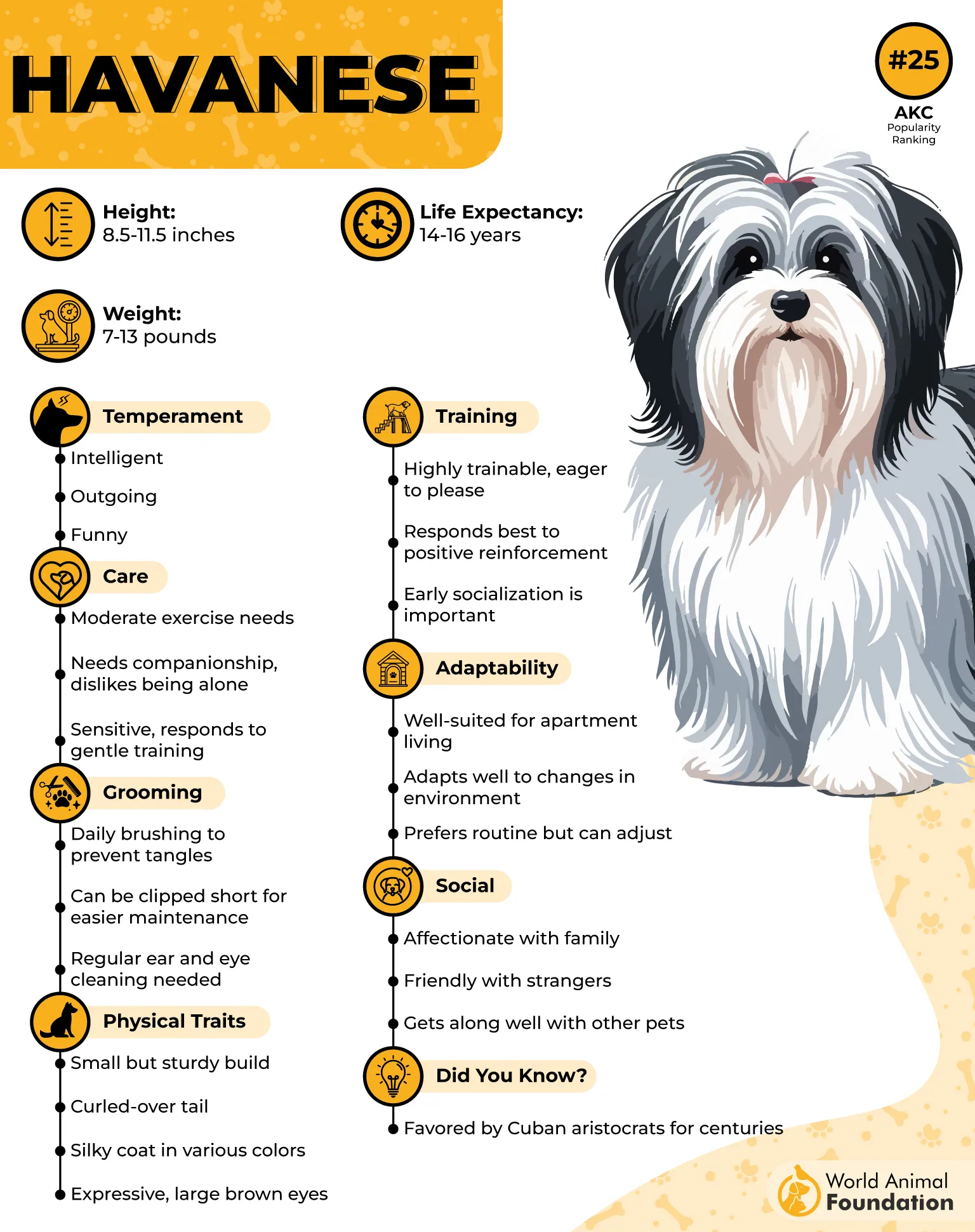
Training may take some patience, but involving children in simple exercises can turn learning into a fun bonding activity for the whole family.
Although their coat is considered non-shedding, regular brushing is still important to prevent painful mats. Longer coats can also be clipped shorter, making routine grooming easier to manage.
5. Toy Fox Terrier
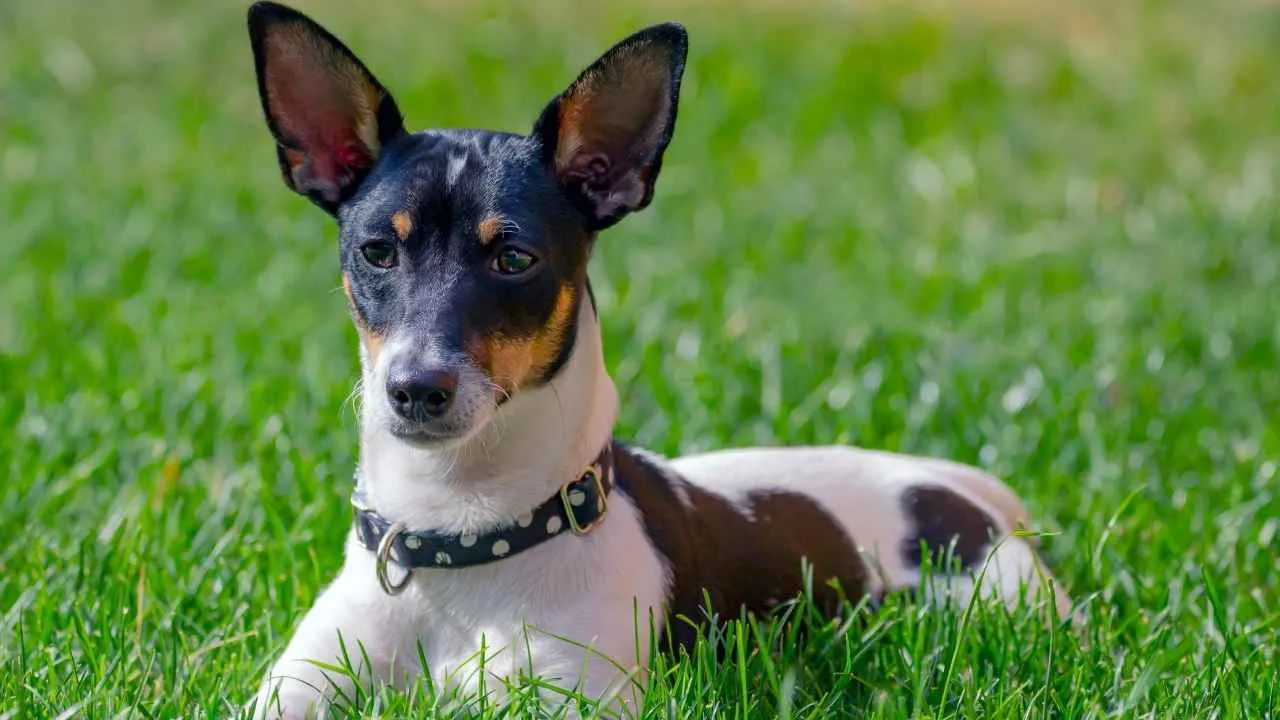
The Toy Fox Terrier is a clever, spirited little dog that brings plenty of terrier courage into a tiny, family-friendly package. Its playful nature and sharp mind make training feel more like an engaging challenge than a chore.
Despite its small stature, this breed has an athletic side and enjoys putting its agility to work. Give it games, tricks, and activities that keep both its body and brain busy, and its enthusiasm can really shine.
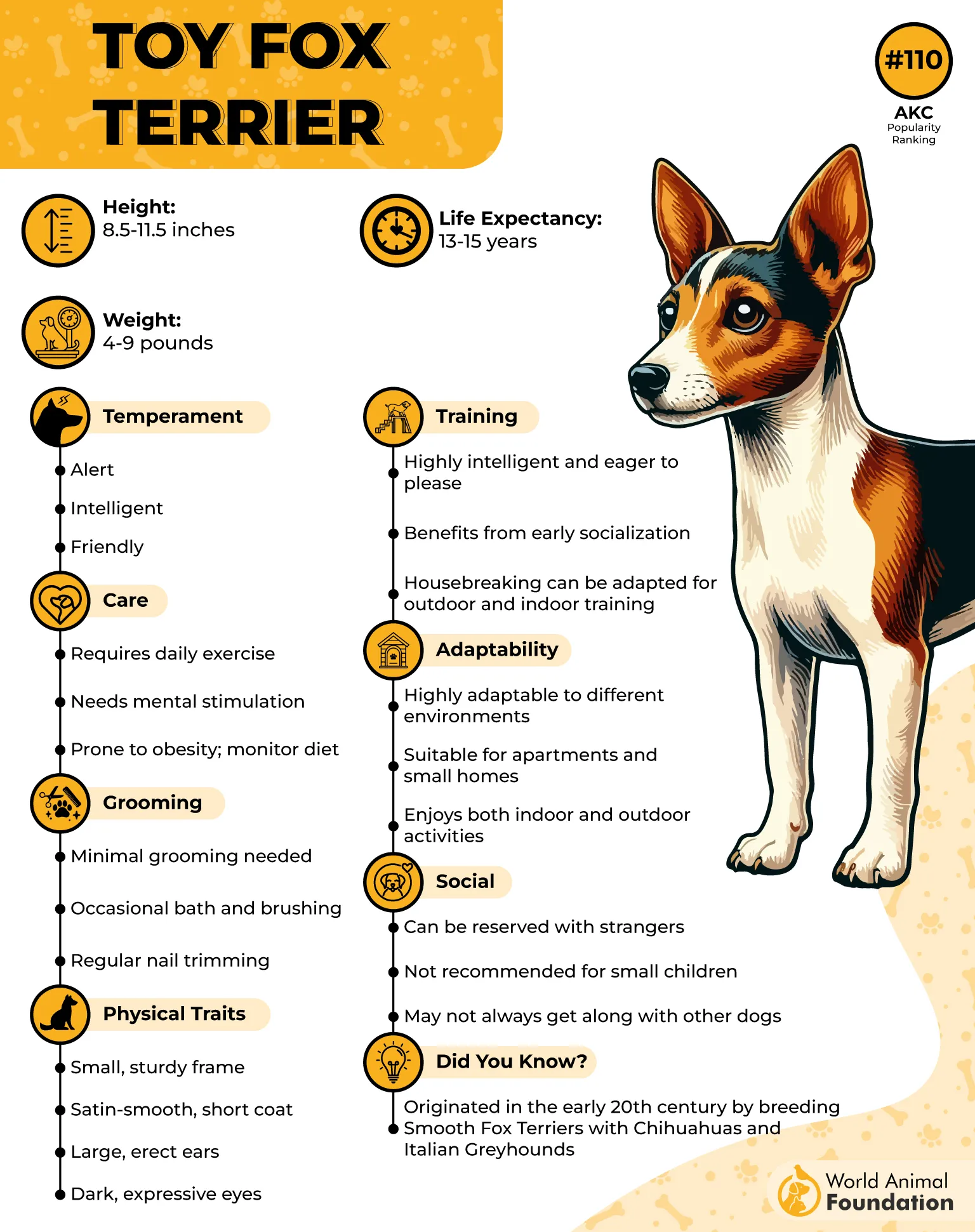
At home, the Toy Fox Terrier can switch from energetic playmate to affectionate companion. Its loyal personality makes it well suited for families, while its compact size means it can adapt to apartment living when given enough daily activity.
Its short coat is easy to maintain, leaving more time for training and play. Historically, its agility was impressive enough for circus performances, including tightrope walking—an entertaining glimpse of the fearless little athlete hiding inside this tiny dog.
6. Yorkshire Terrier
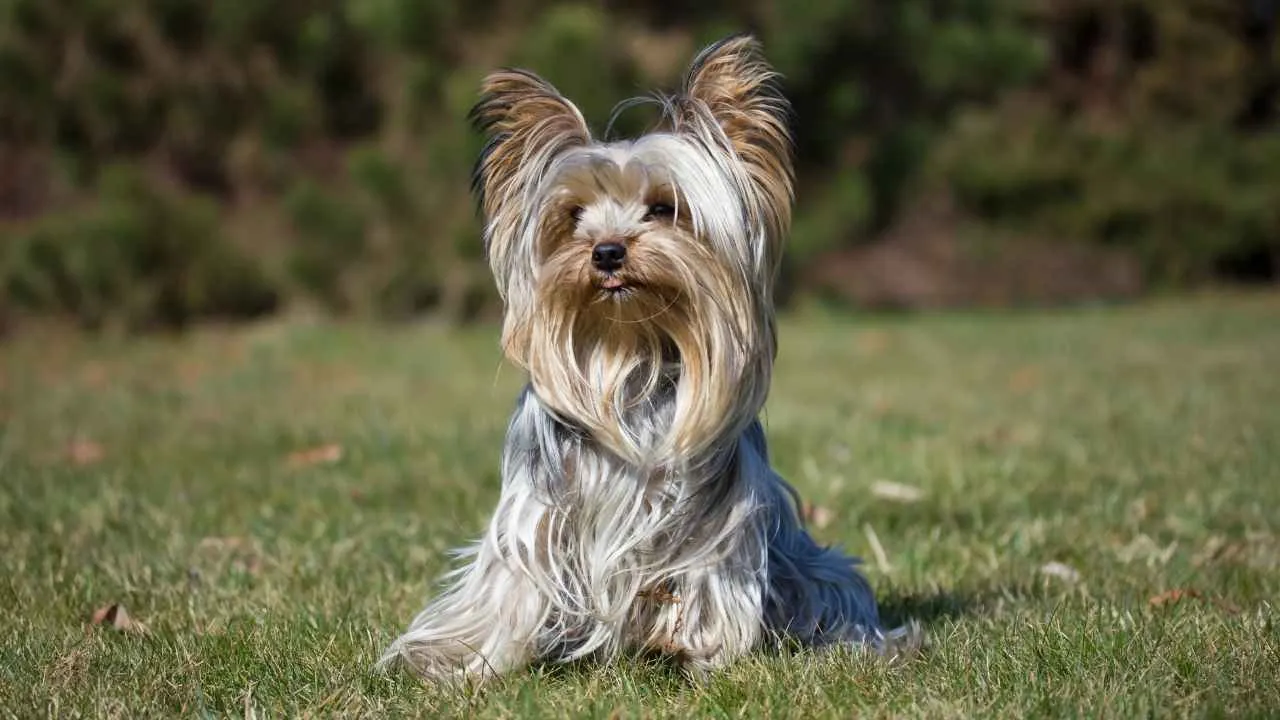
The Yorkshire Terrier may be tiny, but its bold terrier spirit gives training plenty of personality. Affectionate and deeply devoted, Yorkies often form strong bonds with their people and enjoy being involved in daily activities.
Their confidence and curiosity can make lessons lively, especially when they become distracted by interesting scents or movement. Since they were originally bred to hunt rats, giving them appropriate outlets for their instincts can help channel that busy energy.
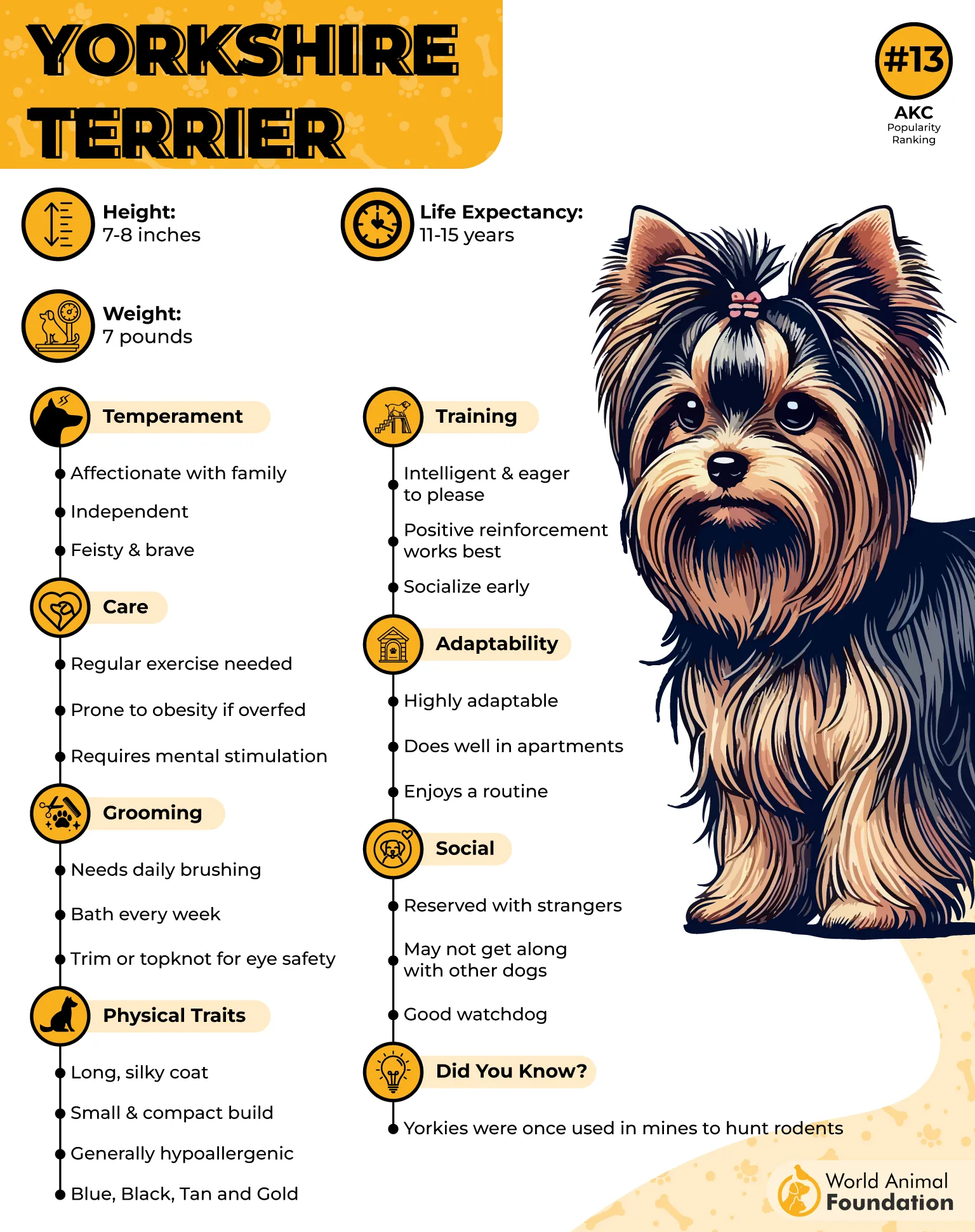
Yorkies are intelligent and responsive, but their independent streak may occasionally show up as stubbornness. Consistent training, clear boundaries, and positive guidance can help keep their spirited nature focused.
Despite their glamorous, silky coats, these little dogs are far from delicate in character. They can enjoy brisk walks and playful sessions, then happily settle beside their favorite person, making their loyalty a natural part of the training bond.
7. Maltese
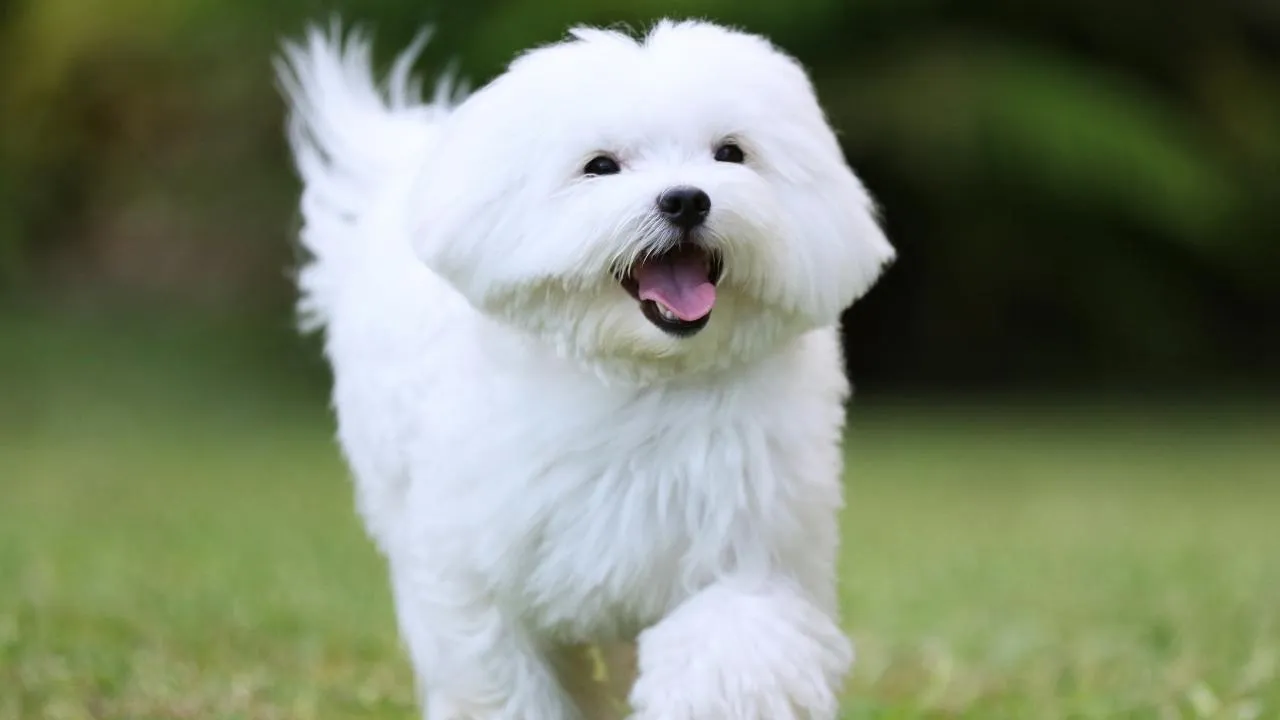
Elegant and affectionate, the Maltese is a tiny companion with a lively personality and a genuine love for human company. Its gentle, friendly nature makes it especially rewarding for owners who enjoy close interaction.
These little dogs are highly trainable and often relish learning new tricks, particularly when training comes with plenty of praise and attention. Their playful side also keeps lessons from feeling dull. According to Orvis, Maltese dogs have moderate to high energy levels.
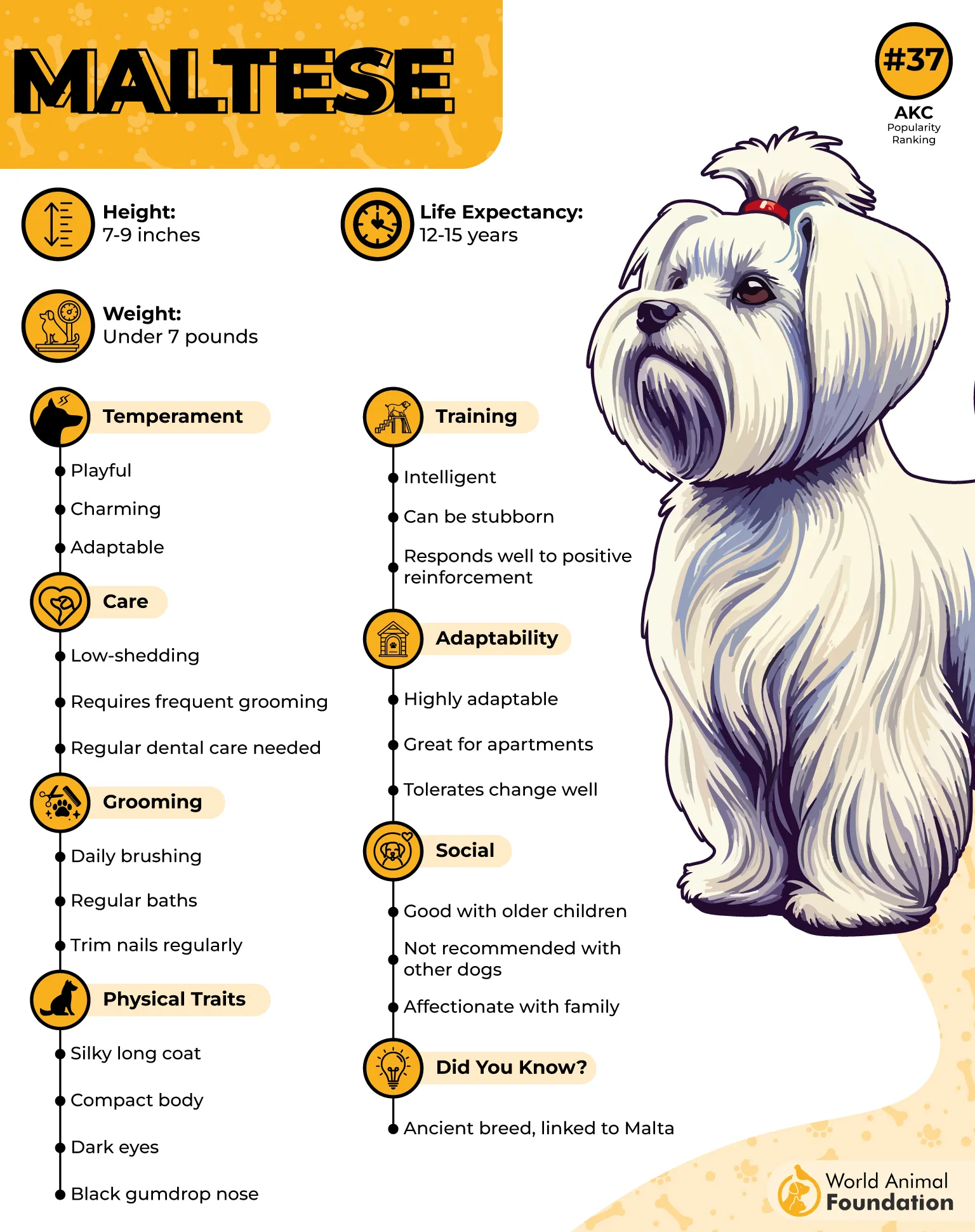
Despite their delicate appearance, Maltese enjoy running and playing, so short training sessions can easily be mixed with fun activities. Early socialization with children is important to help them grow into confident companions.
Their silky white coat does require commitment, with daily brushing helping prevent tangles and mats. They also thrive in homes where they receive plenty of companionship, making attention-filled training a natural fit.
Conclusion
Training a miniature dog can be a wonderfully rewarding experience, especially when you choose a breed that enjoys learning and connecting with its owner. These best small dog breeds can bring plenty of enthusiasm and personality to every session.
From playful personalities to eager-to-please attitudes, each breed offers its own strengths when it comes to training. Their intelligence and affectionate nature can make teaching commands and tricks an enjoyable part of daily life.
Some may thrive on praise and attention, while others benefit from patience, consistency, and early socialization. Understanding their individual temperament helps create a positive training experience for both dog and owner.
Whether you want a lively learner or a devoted little companion, these miniature breeds can make training feel less like a task and more like quality time together. With encouragement and regular practice, they can become confident, well-mannered family companions.
