




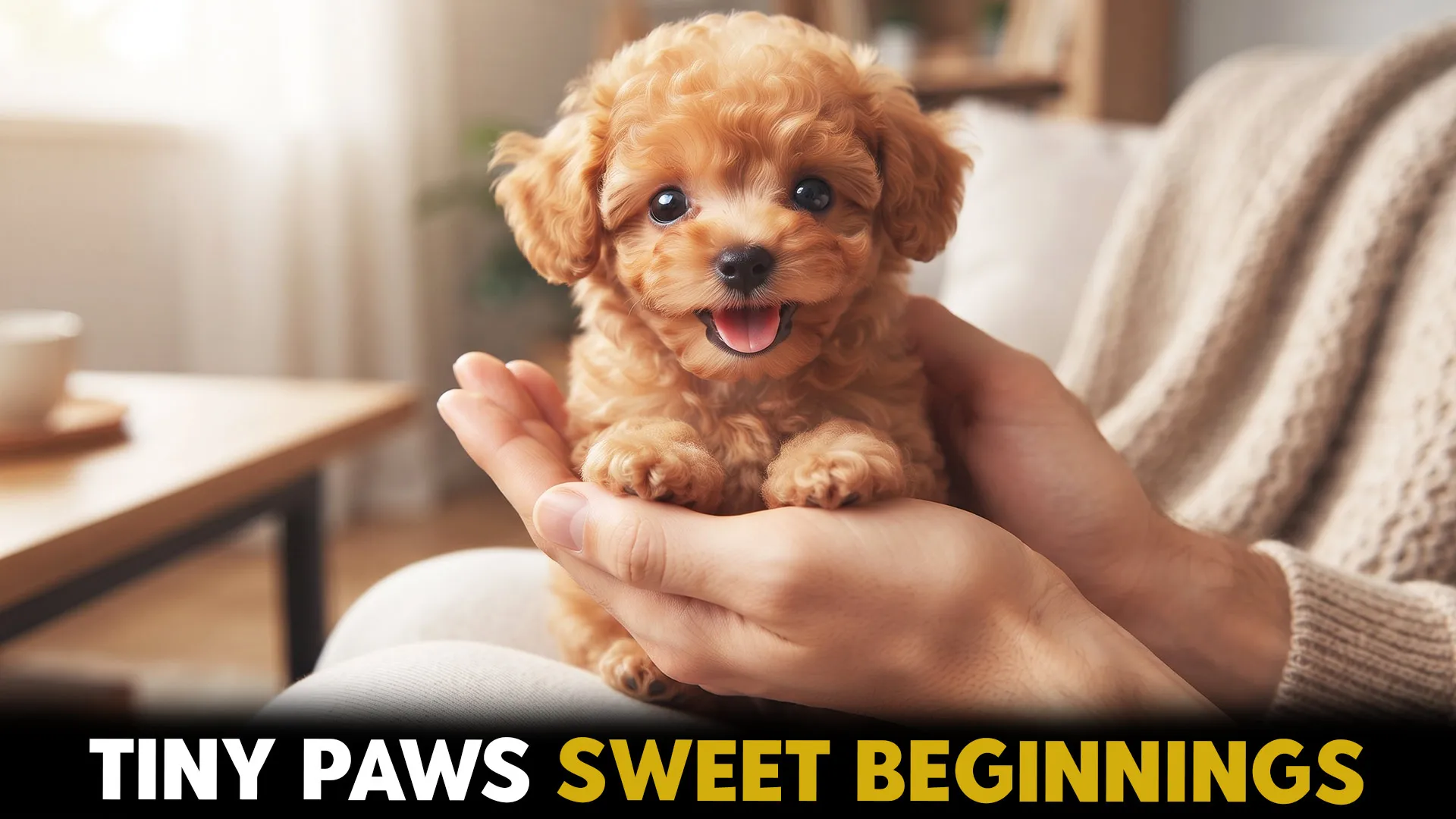
Choosing a first dog can feel overwhelming, especially when you want a companion that is small enough to manage comfortably.
Tiny breeds can be appealing because they generally require less physical space than large dogs and are often easier to handle on walks, during travel, and in everyday routines.
However, a small body does not always mean simple care. Toy and miniature dogs can have strong personalities, grooming requirements, exercise needs, and training challenges that new owners should understand before bringing one home.
The right breed depends on your lifestyle, availability, living environment, and willingness to provide consistent guidance.
The following seven tiny breeds each offer qualities that may make them suitable for responsible first-time dog owners. Their personalities differ considerably, so prospective owners should look beyond appearance and consider what daily life with each breed would actually involve.
Top Tiny Dog Breeds Perfect for First-Time Owners
1. Maltese
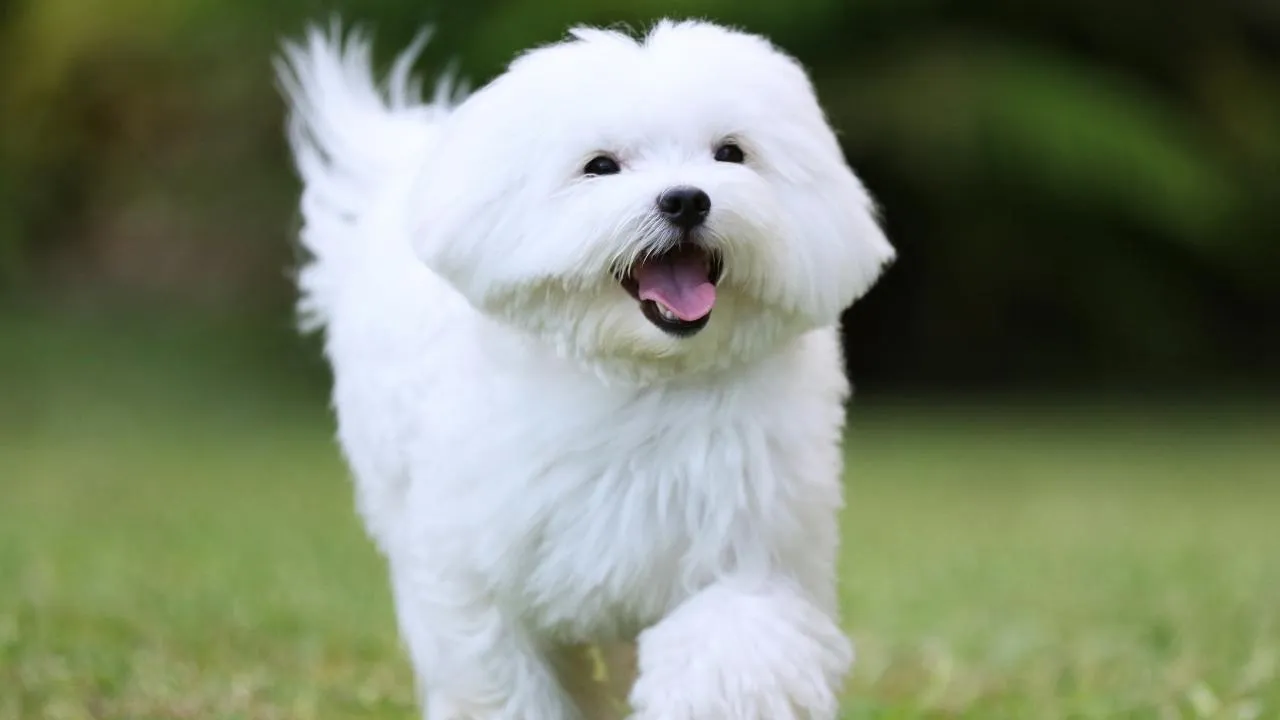
Developed as an excellent family dog, it has spent centuries living closely with people and generally enjoys being included in household activities.
Despite its delicate appearance, the Maltese can be lively, confident, and surprisingly spirited. Its compact size makes it convenient for many homes, while its people-oriented personality can help create a close bond with a novice owner, as per Hill’s Pet.
Gentle Training and Daily Activity for a Maltese
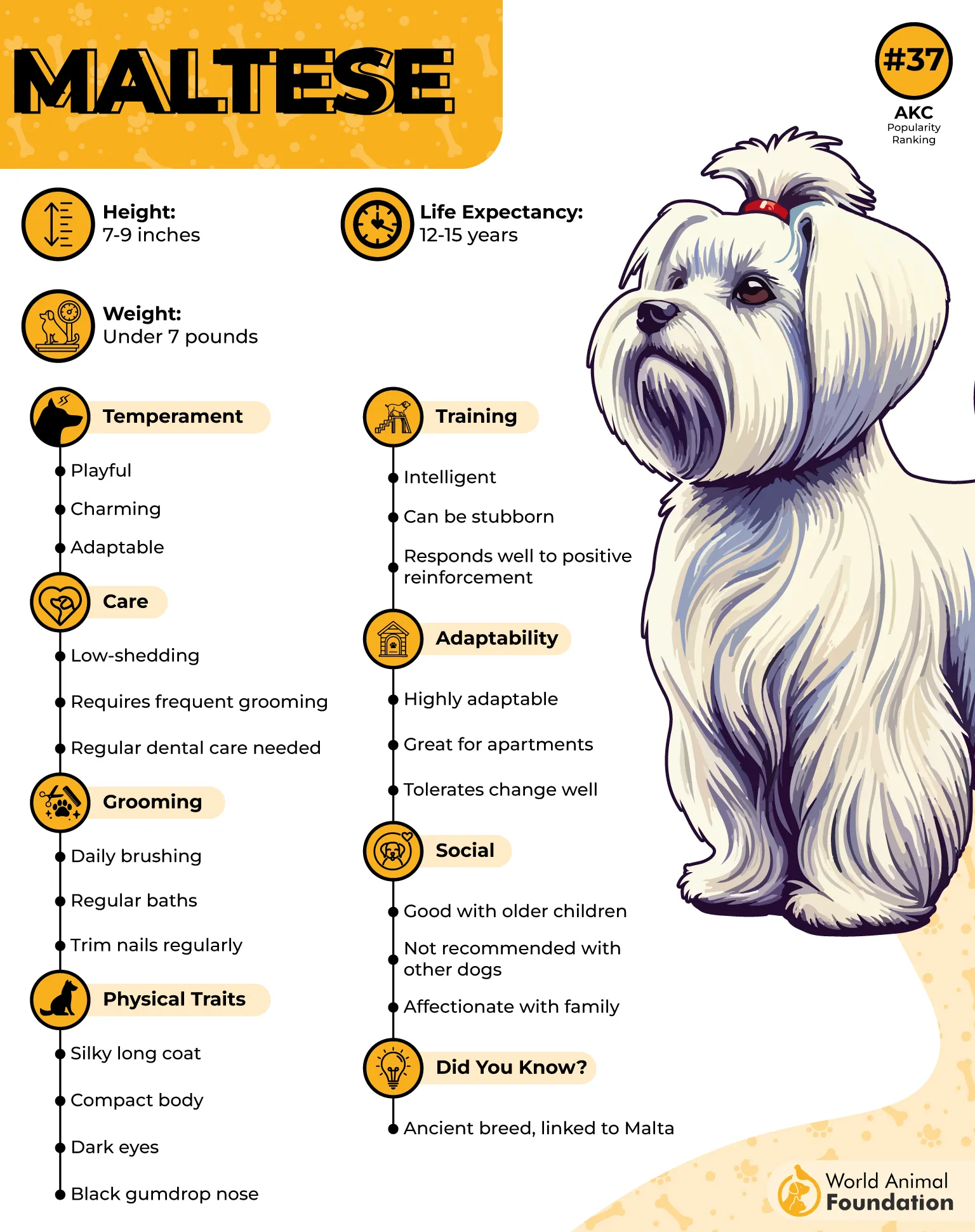
Maltese dogs are intelligent and can learn household manners, basic obedience, and simple tricks with positive reinforcement. Short sessions are usually more productive than lengthy drills, particularly when rewards and encouragement keep the dog interested.
Indoor games, brief walks, and interactive play can provide useful stimulation, although owners should still establish a routine rather than relying entirely on indoor activity.
An Affectionate Companion for a First-Time Owner
The Maltese can be an excellent introduction to dog ownership for someone who wants a small companion that enjoys human interaction. Its affectionate disposition can make it rewarding for owners who have plenty of time for companionship.
Prospective owners should remember that the breed’s beautiful coat requires regular maintenance. It may also become overly dependent on its family if left alone without gradually learning to tolerate separation, so independence should be encouraged from an early age.
2. Chihuahua
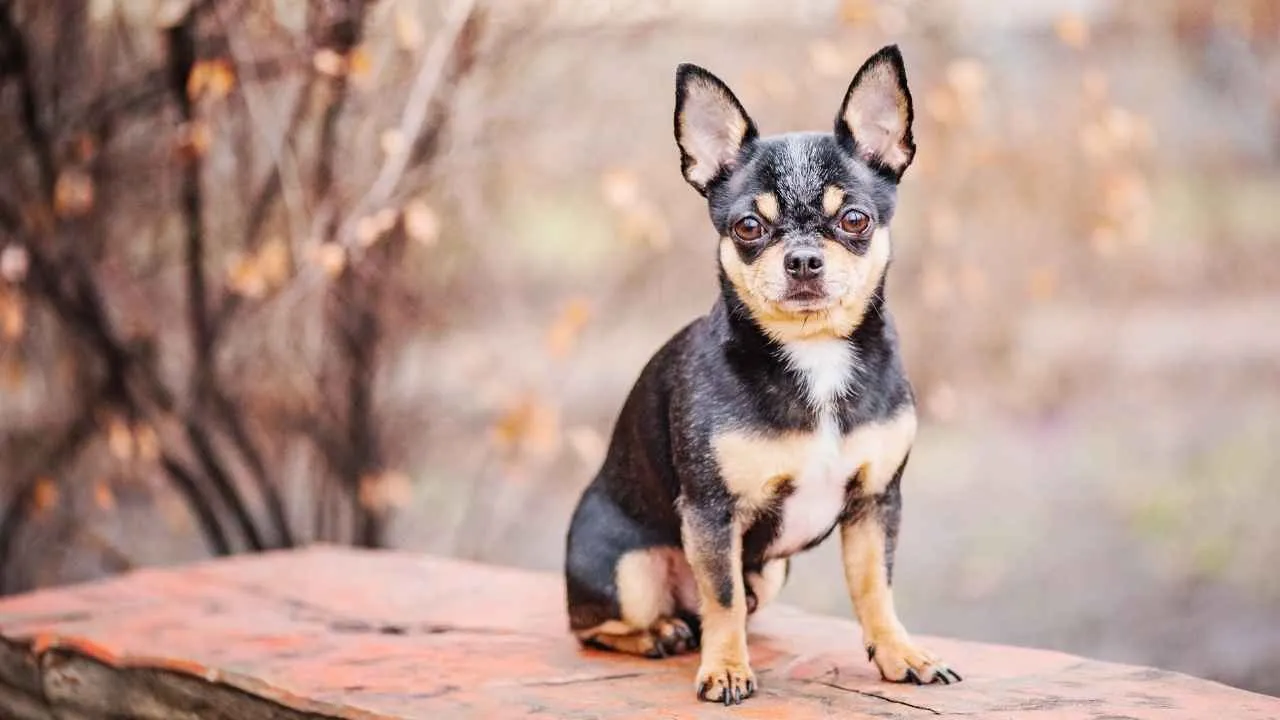
Chihuahuas are among the world’s smallest dog breeds, but their personalities can be much larger than their physical stature suggests. Originating in Mexico, they have become popular companion animals because of their portability, alertness, and strong attachment to their owners.
Their tiny frames can make them convenient for apartment living and travel. At the same time, they should not be treated like toys. A Chihuahua still needs training, social exposure, respectful handling, and appropriate boundaries.
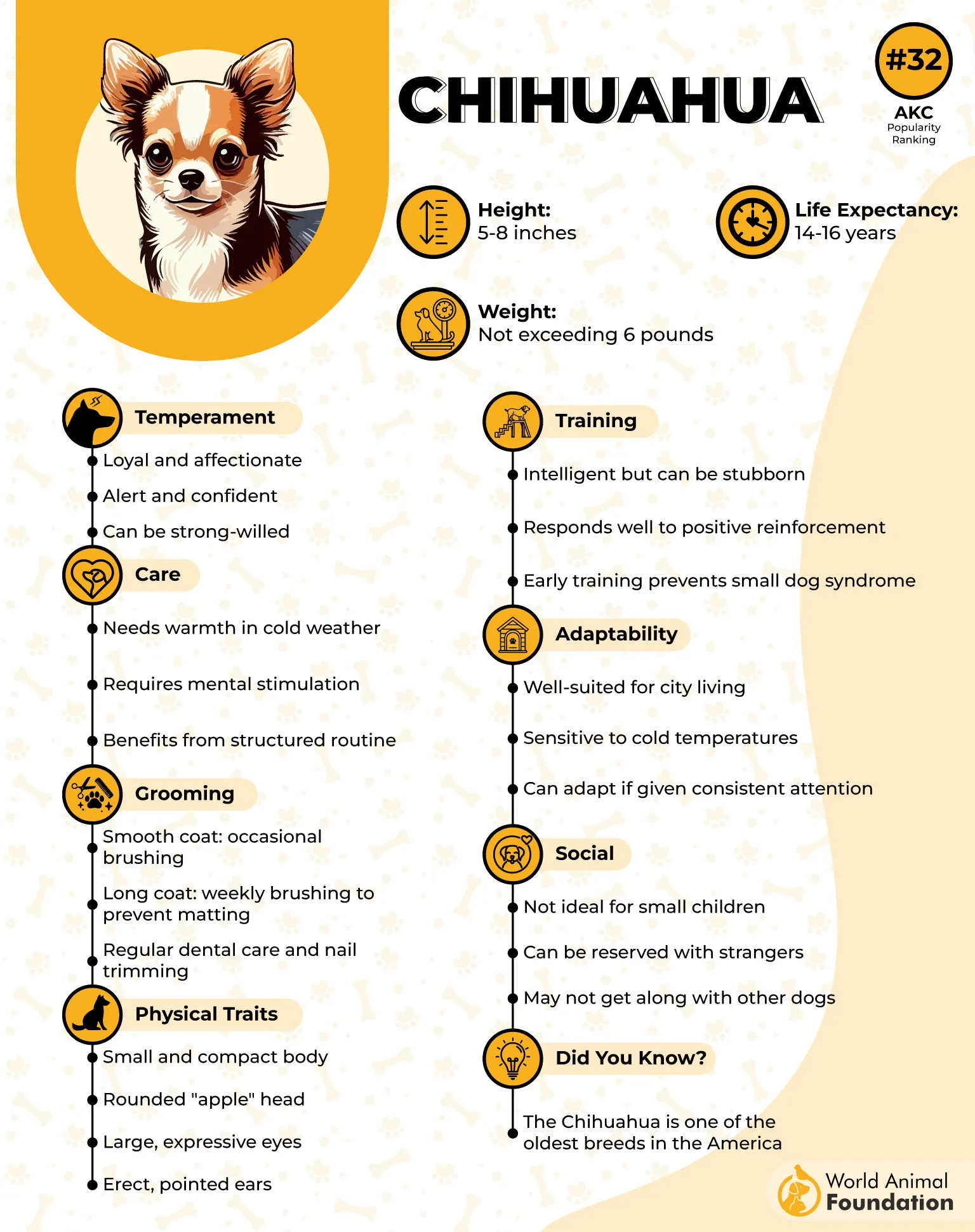
Build Good Habits With Short, Positive Sessions
Chihuahuas can learn quickly when lessons are consistent and rewarding. House training may require patience, and owners should avoid allowing undesirable behavior simply because the dog is small enough to pick up or move away from a situation.

A few brief walks combined with indoor games can usually provide suitable activity. Because their bodies are delicate, exercise should be age-appropriate, and owners should take care around stairs, larger dogs, and rough play.
A Tiny Dog With a Big Sense of Character
A Chihuahua can be a wonderful match for a first-time owner who appreciates an alert and devoted companion. Many form exceptionally close relationships with their families and enjoy staying near the people they trust.
Their confidence can sometimes develop into excessive barking or possessiveness if socialization is neglected. Teaching polite responses to visitors and exposing the dog gradually to different experiences can help preserve its charming personality without encouraging unnecessary reactivity.
3. Yorkshire Terrier
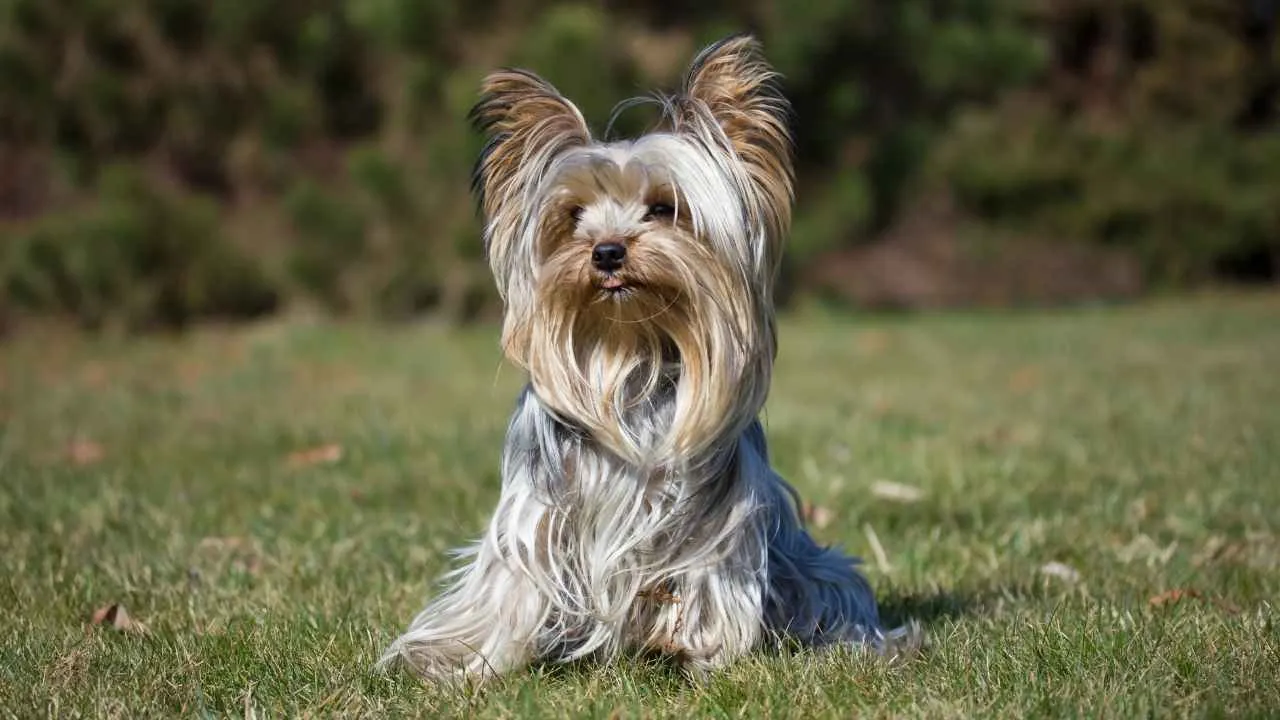
The Yorkshire Terrier, commonly called a Yorkie, originated in northern England and was initially associated with textile workers and vermin control, as per Orvis. Its silky coat and diminutive stature eventually helped transform it into a highly popular companion breed.
Although tiny, Yorkies are not passive lapdogs by nature. They can be energetic, curious, confident, and eager to investigate their surroundings. Their combination of portability and personality makes them appealing to people seeking a lively small companion.
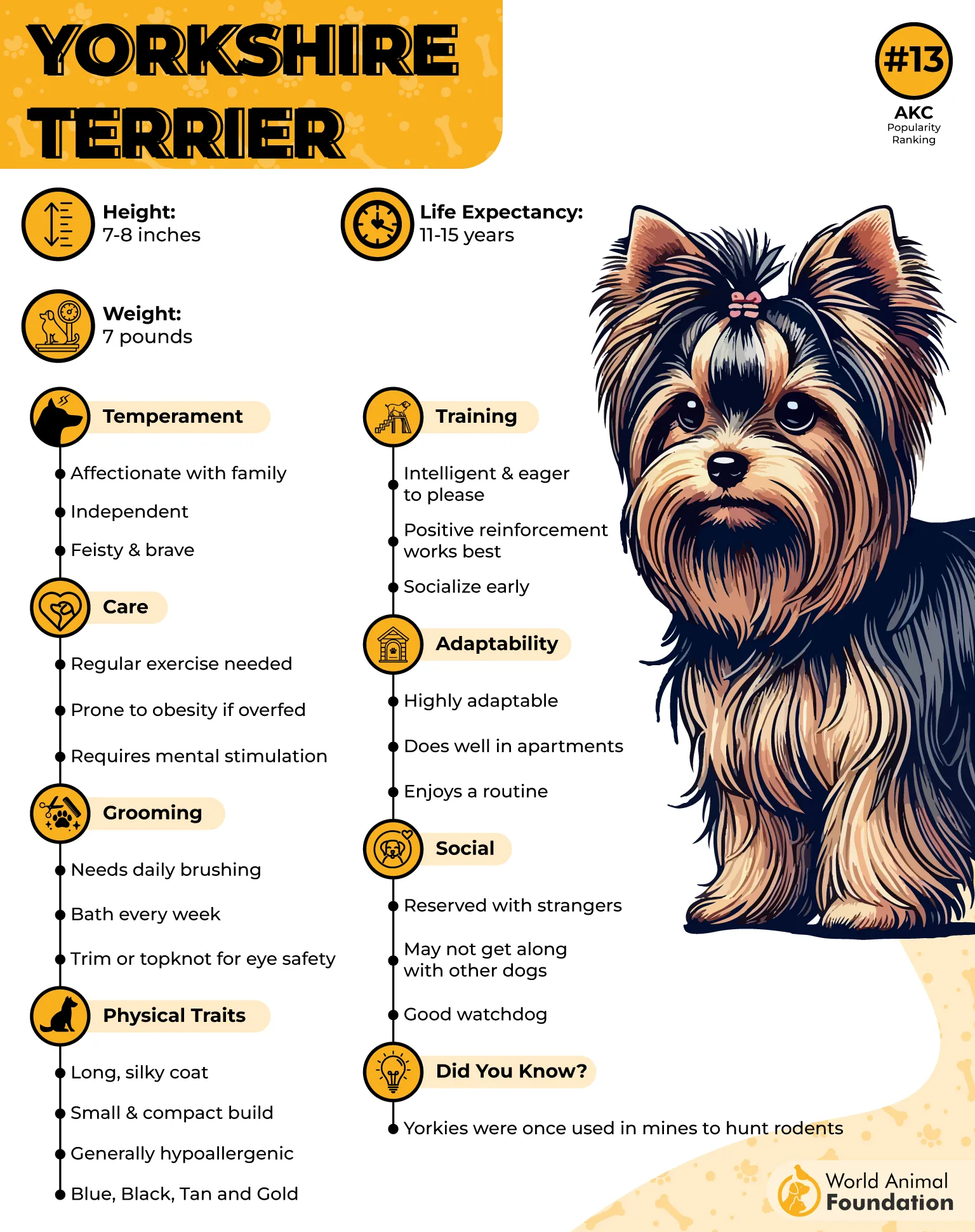
Combine Mental Challenges With Manageable Exercise
Yorkshire Terriers benefit from daily walks, interactive games, and training activities that give their minds something interesting to solve. Their intelligence allows them to learn tricks and obedience exercises when lessons remain engaging.
Early manners are particularly useful because a confident Yorkie can become demanding if boundaries are inconsistent. Positive reinforcement can encourage cooperation while helping prevent small-dog behaviors from becoming entrenched.
A Spirited Little Companion for New Owners
Yorkies can suit first-time owners who want an active personality packaged in a very small dog. They often enjoy close companionship while still retaining enough curiosity to keep daily life entertaining.
Their long coat requires substantial grooming, so prospective owners should be prepared for brushing and regular professional maintenance if they want to preserve its traditional appearance. With suitable care, their cheerful nature can make them rewarding companions.
4. Shih Tzu
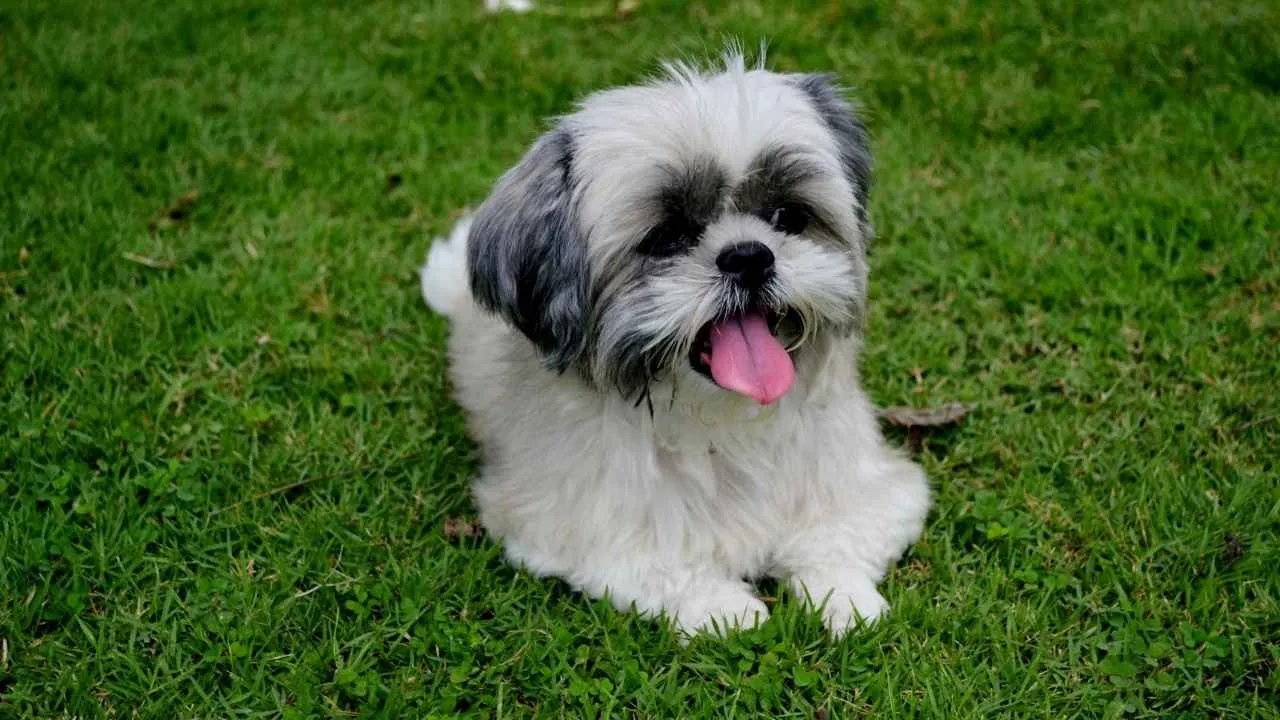
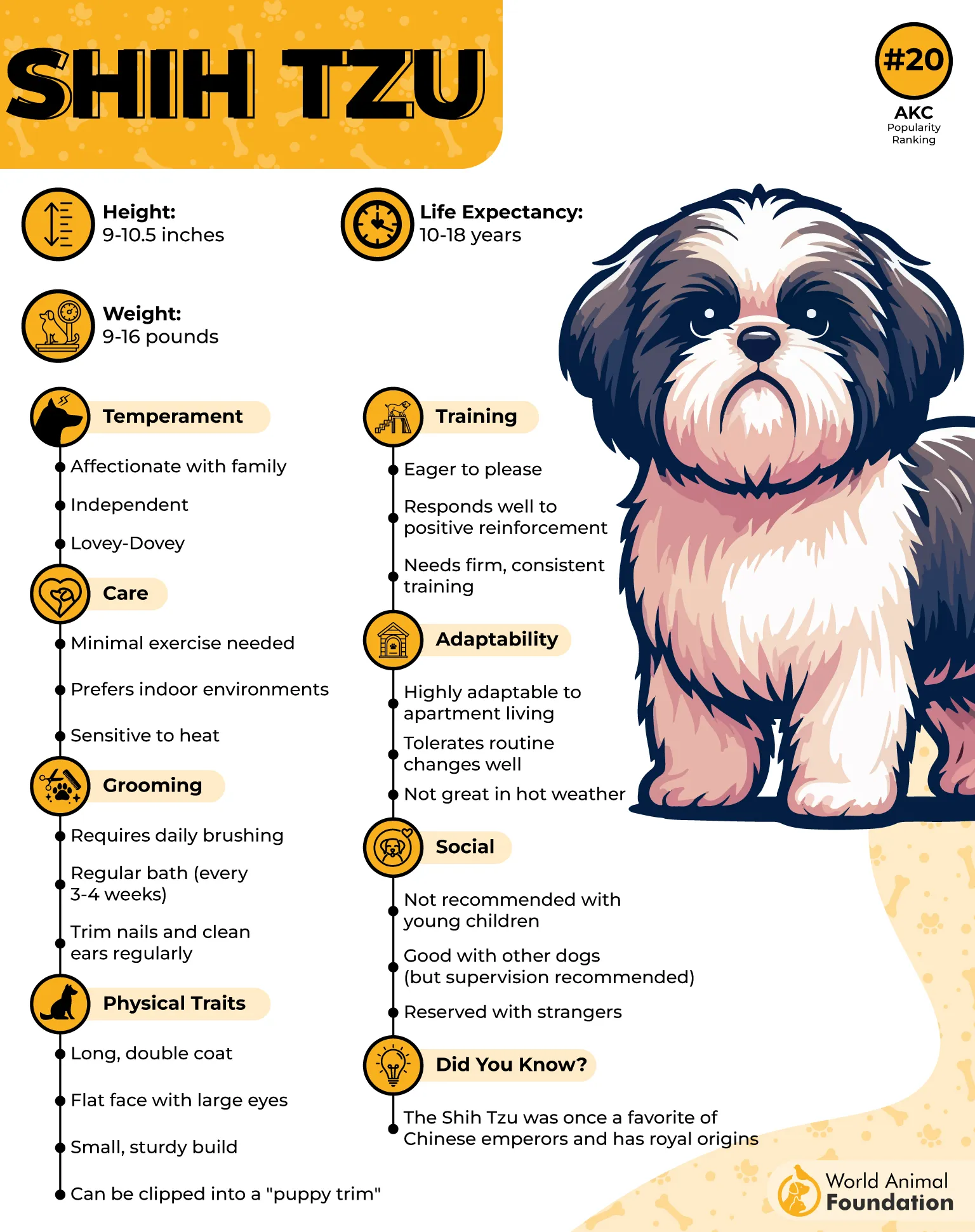
The Shih Tzu was developed as a companion dog and has a long association with Chinese imperial courts. Its compact body, expressive face, and luxurious coat have made it one of the most recognizable small companion breeds.
Unlike some highly driven toy breeds, Shih Tzus are often content with a balanced routine involving companionship, moderate activity, and relaxation. Their friendly nature can make them attractive to people who want an affectionate dog that enjoys household life without demanding intense athletic exercise.
Keep Training Relaxed and Activity Consistent
Shih Tzus generally respond best when training feels rewarding rather than demanding. Basic commands, household rules, leash manners, and appropriate social behavior should be introduced gradually and reinforced consistently.
They usually do well with short walks and indoor play. Owners should also pay attention to grooming and general care because the breed’s coat can become tangled quickly when neglected.
A Companionable Choice for Beginning Dog Parents
The Shih Tzu can work well for first-time owners seeking a sociable little dog that enjoys being close to its family. Its moderate activity level may fit households that prefer leisurely walks and plenty of indoor companionship.
That easygoing image should not lead owners to overlook its needs. Consistent grooming, dental care, socialization, and sensible weight management are all important parts of responsible ownership.
5. Poodle
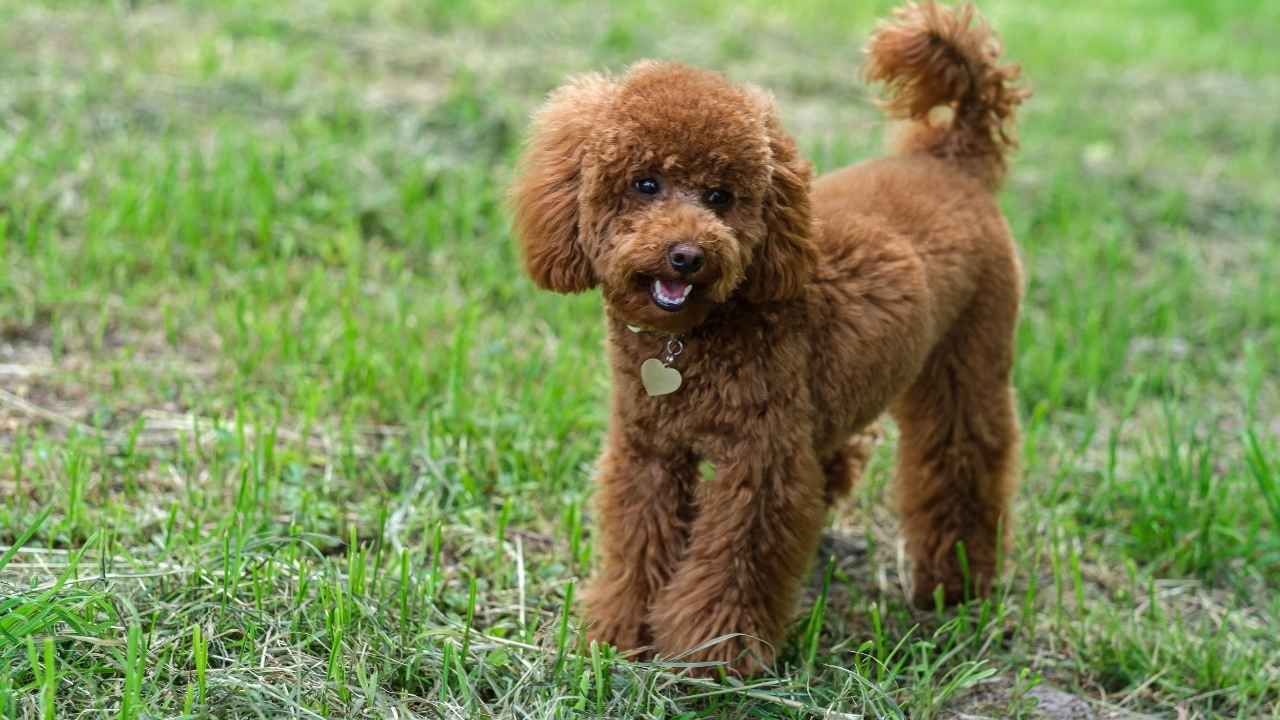
Poodles come in several sizes, with the Toy and Miniature varieties offering especially compact options for people seeking a smaller dog. The breed is renowned for its intelligence, trainability, and distinctive curly coat.
Their reputation as elegant show dogs can sometimes overshadow their working heritage. Poodles were developed as active water retrievers, and their brains are just as important to satisfy as their bodies. A first-time owner should be ready to provide both companionship and meaningful stimulation.
Keep Their Intelligent Minds Busy
Poodles can excel at obedience, tricks, puzzle games, scent activities, and other forms of interactive learning. Their exercise requirements vary by size, but even a tiny Poodle benefits from regular walks and opportunities to explore, as per Britannica.
Training should be varied enough to prevent boredom. Positive reinforcement can help maintain enthusiasm while teaching impulse control, recall, leash manners, and appropriate behavior around other people and animals.
A Clever Breed That Can Grow With Its Owner
A Toy or Miniature Poodle can be a strong choice for a beginner who enjoys teaching and interacting with a dog. Their responsiveness can make the training process especially rewarding for someone learning how to communicate effectively with a canine companion.
Their curly coat does require regular brushing and professional grooming. Owners should also remember that intelligence can produce mischief when stimulation is lacking, making an engaging daily routine an important part of keeping this small breed content.
6. Papillon
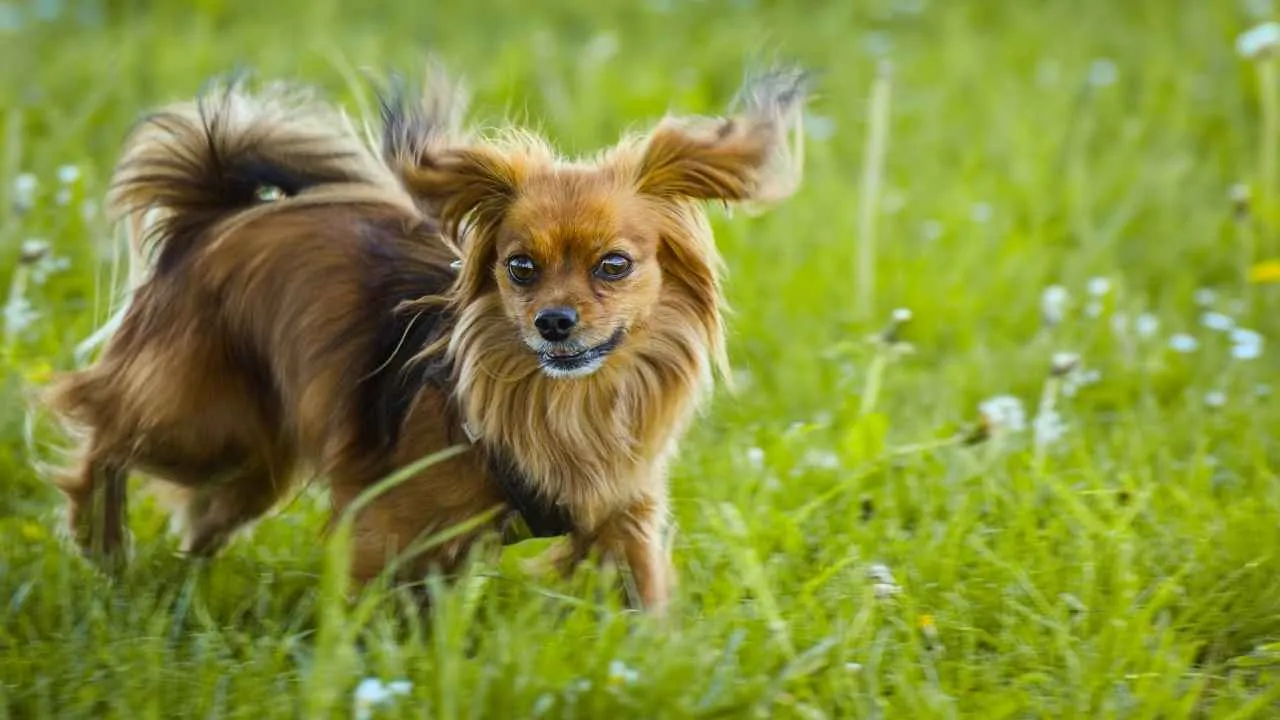
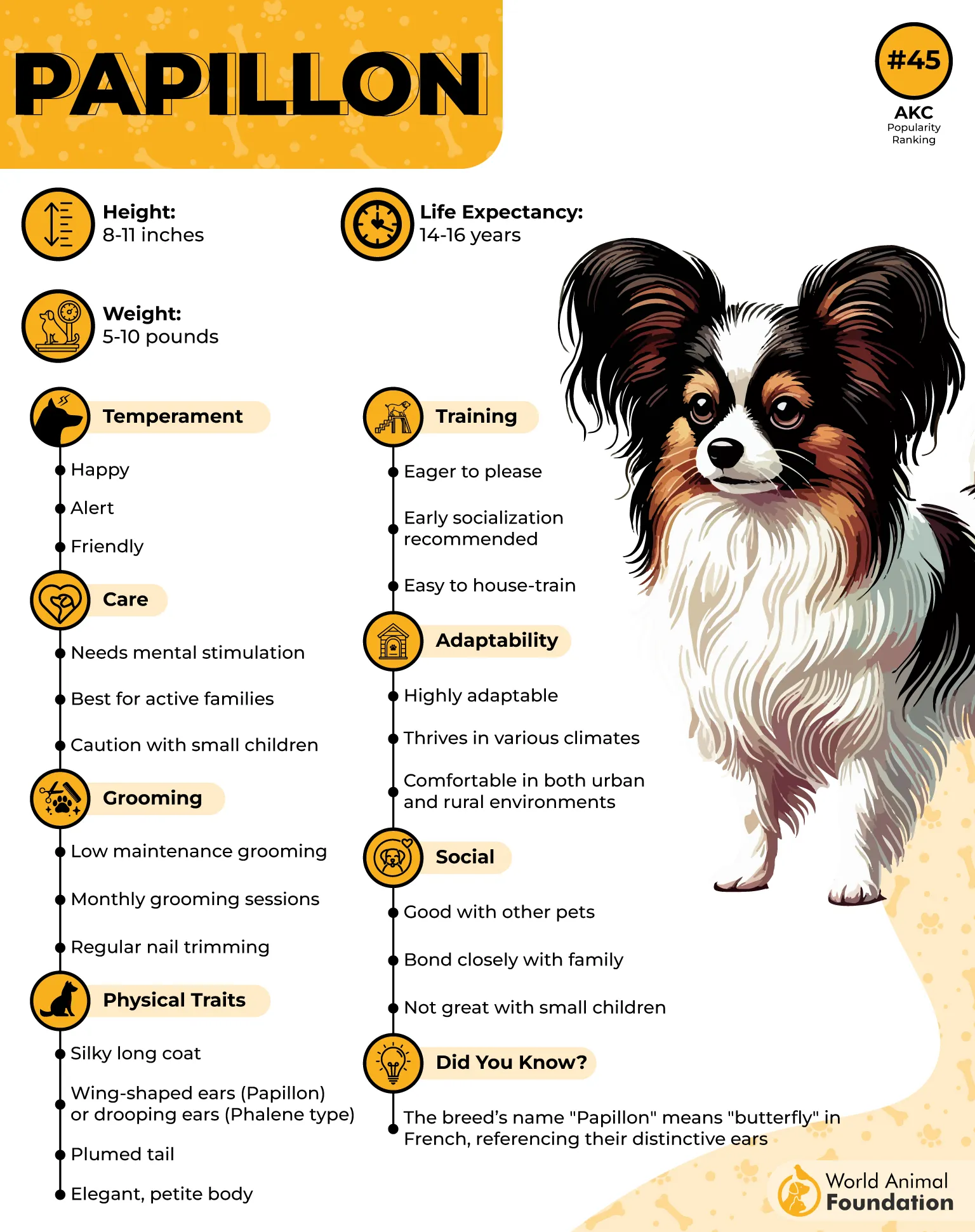
The Papillon is a distinctive toy breed named for its butterfly-like ears. Despite its elegant appearance, this little dog is known for being bright, energetic, curious, and surprisingly capable in training activities.
Papillons have historically been cherished as companion dogs, but their athletic ability and intelligence give them more versatility than their small stature might suggest. They can be enthusiastic participants in family life when given appropriate outlets.
Turn Their Intelligence Into Positive Activity
Papillons generally enjoy learning new behaviors and participating in games that challenge their minds. Short obedience sessions, trick training, walks, and interactive toys can help keep them occupied.
Because they are quick learners, owners should begin establishing desirable habits early. Socialization is equally valuable, helping the dog become comfortable around different people, animals, sounds, and environments.
A Bright Choice for an Engaged First-Time Owner
Papillons can be particularly rewarding for beginners who want a tiny, loyal dog that is eager to participate rather than simply sit on a lap. Their intelligence allows owners to develop communication skills through training while building a strong relationship.
Their small size still calls for careful handling, particularly around much larger animals. When provided with suitable activity and respectful treatment, the Papillon can bring considerable personality and enthusiasm to a first-time household.
7. Biewer Terrier
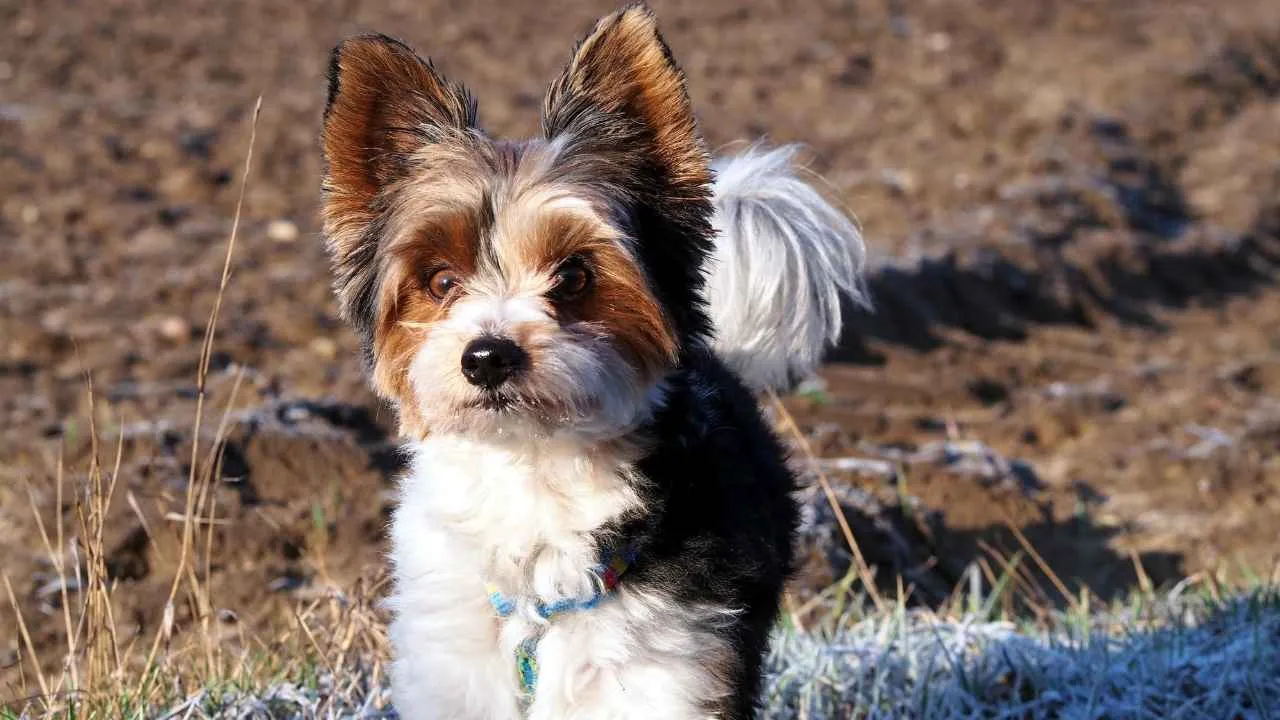
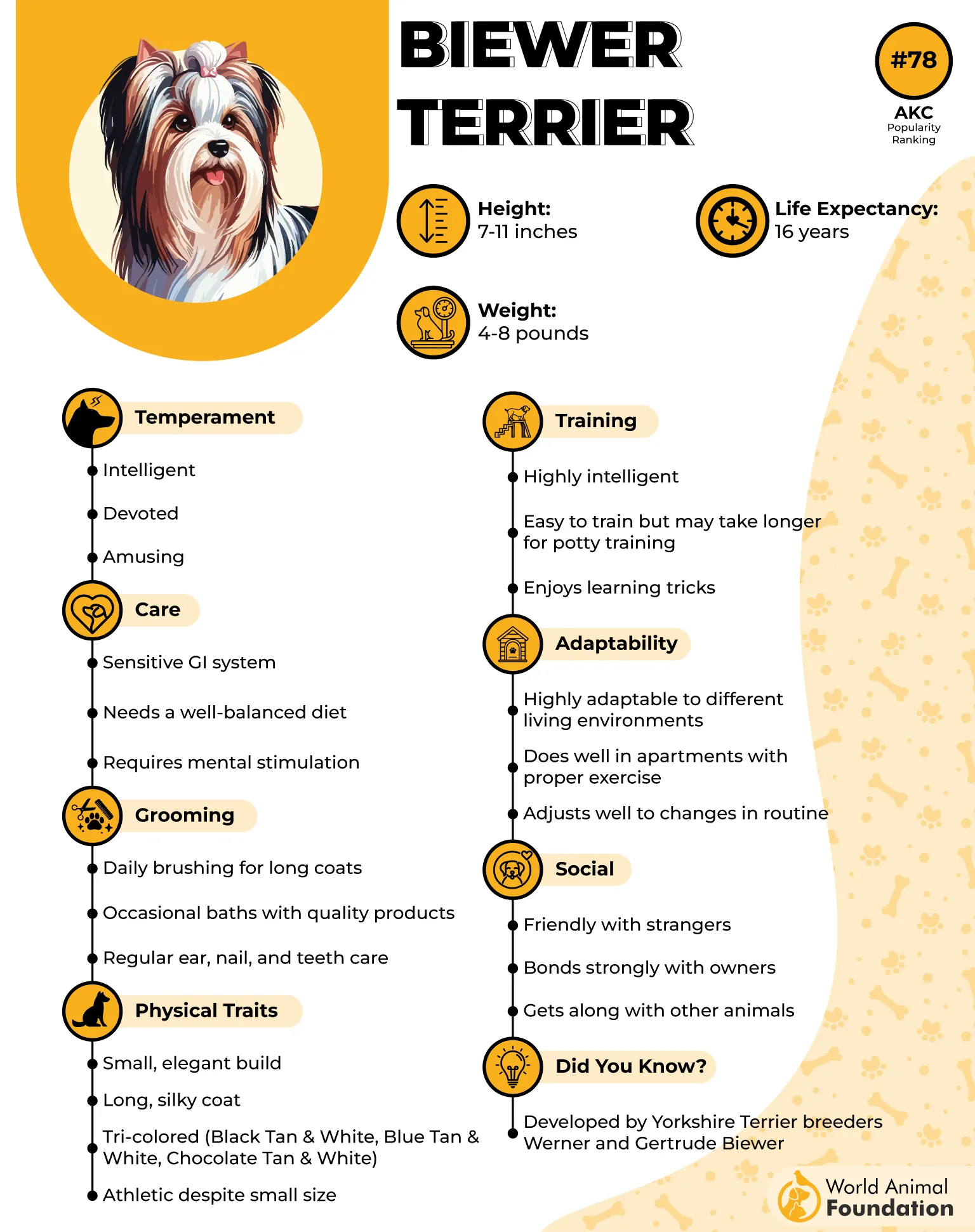
The Biewer Terrier is a relatively modern toy breed known for its long, flowing coat and distinctive tri-colored pattern. Developed in Germany from Yorkshire Terrier lines, it was bred primarily as a companion and has become increasingly recognized for its affectionate personality.
Biewer Terriers are small enough to fit comfortably into many living arrangements while retaining the lively temperament often associated with terrier breeds. They can be playful, attentive, and strongly connected to their people.
Establish Manners While Keeping Them Active
Biewer Terriers benefit from daily play, short walks, and mentally engaging activities. Their small bodies do not require strenuous workouts, but regular opportunities to explore and interact can help prevent boredom.
Training should use encouragement and consistency. Teaching basic cues, polite greetings, leash behavior, and appropriate household habits can help a new owner establish a predictable relationship with the dog.
A Loving Little Dog for a First Canine Experience
The Biewer Terrier can appeal to first-time owners who want a compact companion with an affectionate and playful personality. Its size can make everyday handling relatively convenient, while its social nature encourages close interaction with its family.
The breed’s luxurious coat demands regular grooming, and its terrier heritage means owners should not expect a completely passive temperament. For someone prepared to combine companionship, grooming, training, and play, the Biewer Terrier can be an engaging introduction to life with a dog.
Conclusion
Maltese, Chihuahuas, Yorkshire Terriers, Shih Tzus, Poodles, Papillons, and Biewer Terriers all demonstrate that a very small dog can have a remarkably individual personality. Some are cuddly and relaxed, while others are energetic, watchful, or exceptionally eager to learn.
For a first-time owner, the best choice is not necessarily the smallest or most fashionable breed. Consider grooming commitments, daily activity, training expectations, temperament, and how much companionship you can realistically provide.
A tiny dog still deserves the same thoughtful care, structure, and respect as a much larger companion. Choosing a breed that genuinely matches your lifestyle can make the transition into dog ownership smoother and create the foundation for a rewarding relationship.
