




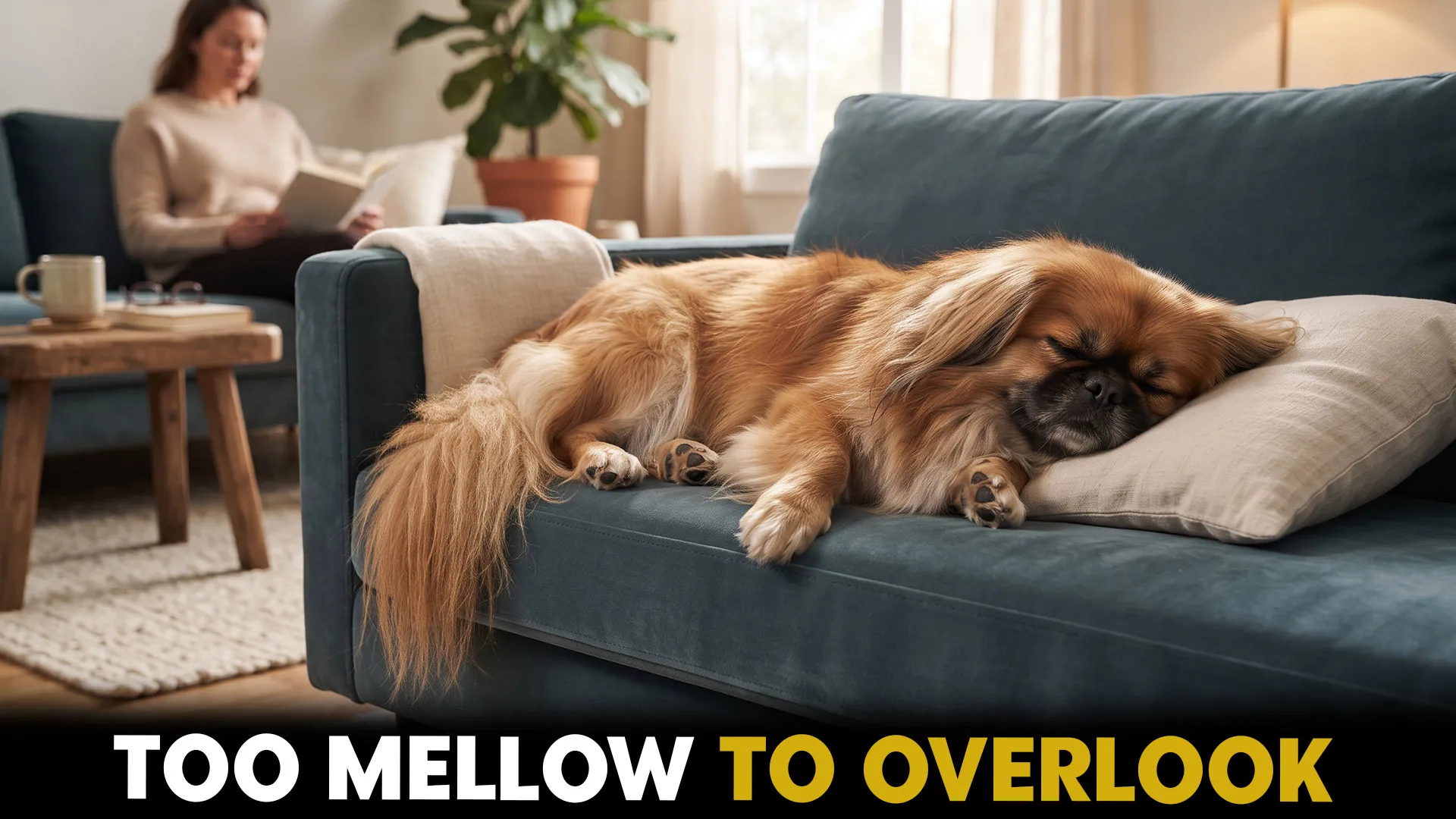
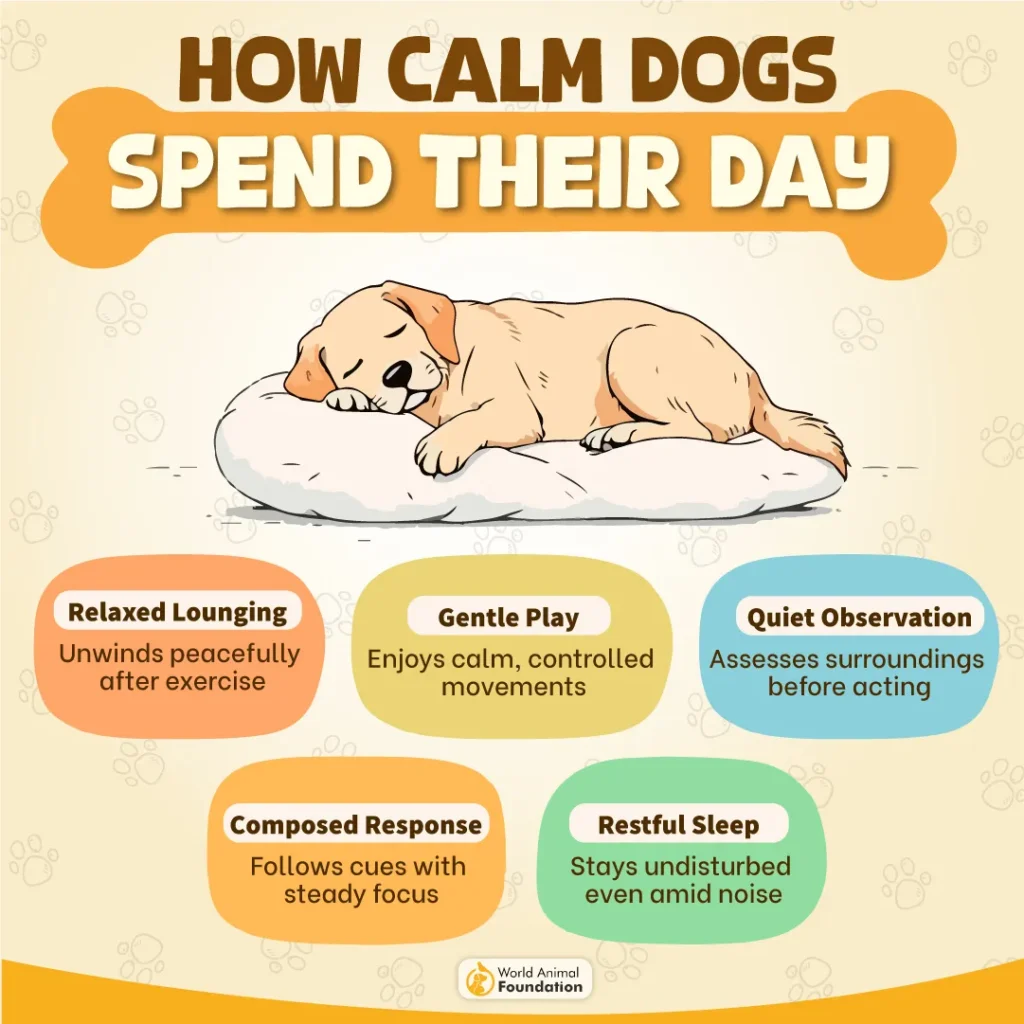
If you live a low-key lifestyle, you probably want a dog who shares your love for lounging. Fortunately, there are plenty of couch-loving pups who prefer indoor playtime, quality time with you, and cozy naps on the sofa over high-energy chaos.
Even breeds with a working or rescue heritage can have surprisingly relaxed personalities, making them more than happy to stick to a lazy routine.
However, low-energy doesn’t mean zero effort. These breeds still require regular exercise, basic training, and daily attention—they’re just eager to settle right back down for a nap when playtime is over.
Let’s explore the top low-maintenance, easygoing dog breeds that truly excel at the art of relaxing.
Couch-Friendly Dog Breeds for the Ultimate Chill Zone
1. Basset Hound
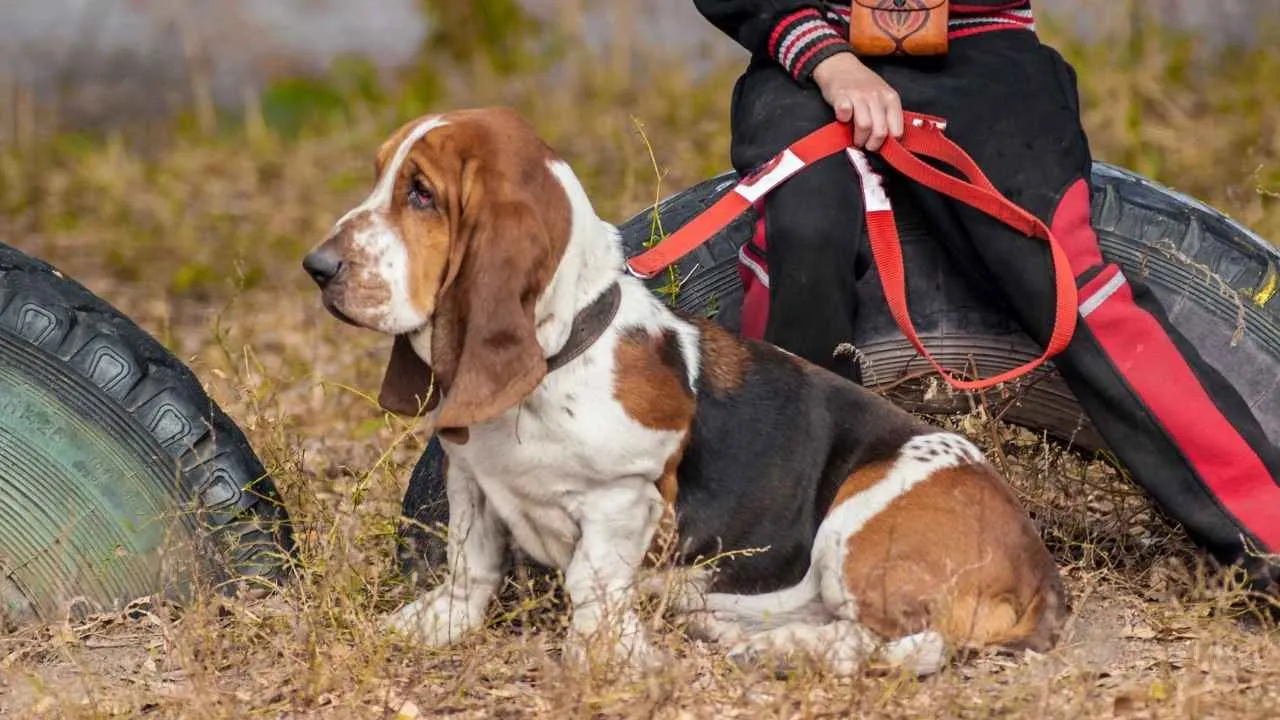
Calm and low-key, the Basset Hound tops the list with a mellow attitude and chill personality. Its unmistakable look comes from a low-slung body, long ears, and a wonderfully expressive face.
Originally bred in France and Belgium, these scent hounds used to follow trails independently, which explains their powerful nose and determined streak.
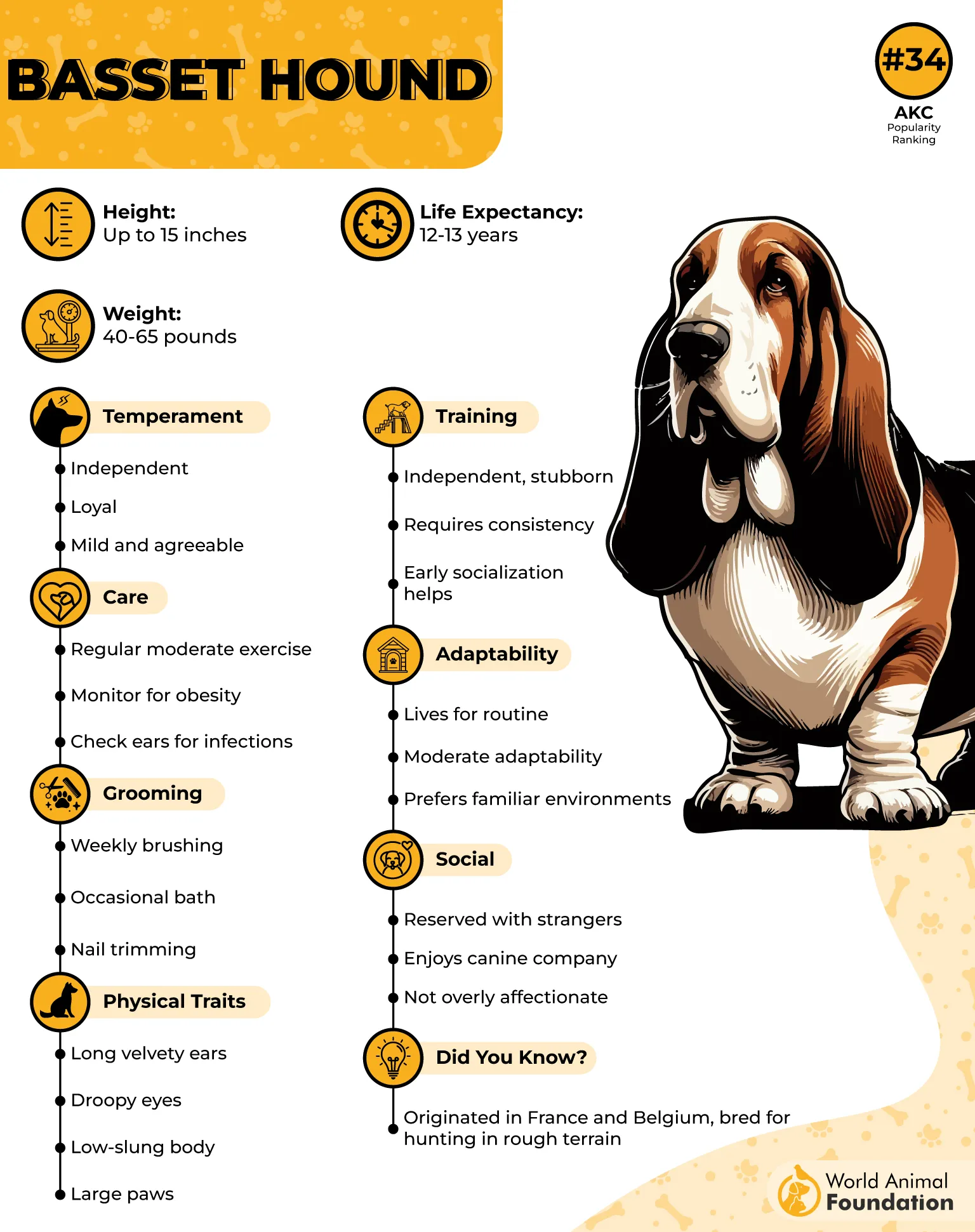
Training can take some patience. They were designed to make decisions while tracking, so they may question your instructions when an irresistible scent appears. Food-based rewards, consistency, and early socialization can make lessons far more productive.
A secure leash or fenced area is particularly useful because an interesting smell can quickly become more important than your recall command.
Living With Them
A Basset can settle comfortably into family life and often gets along well with children and other dogs when introduced properly. Its lively nature makes it a sociable housemate, but its famous baying may surprise anyone expecting library-level silence.
They also enjoy having people around and may struggle if routinely left alone for long stretches. A few enrichment toys or canine company can help keep boredom at bay when you’re out.
2. Greyhound
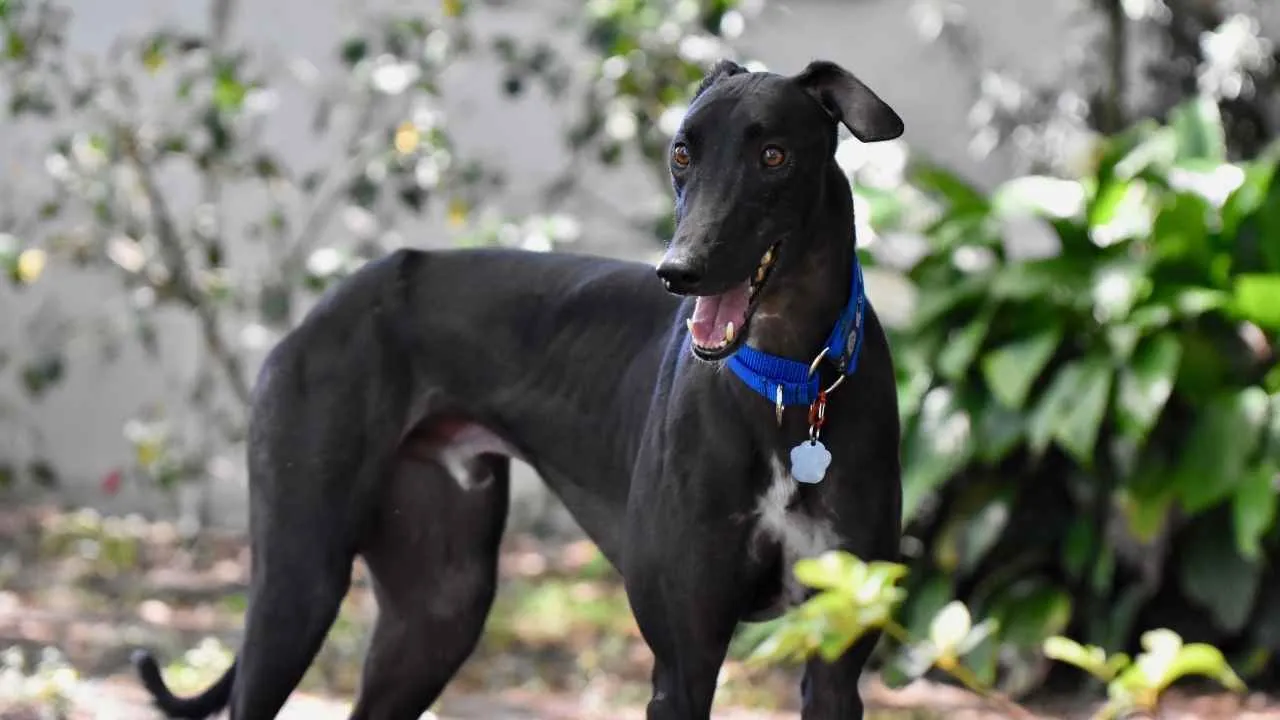
Laid-back, sweet-tempered, and surprisingly relaxed indoors, the Greyhound is proof that dogs capable of spectacular speed can still be outstanding, easygoing dogs with calm demeanor.
This ancient sighthound was built for pursuit rather than endurance, using keen vision and an aerodynamic body to chase moving prey. It can reach remarkable speeds, yet its home personality is often much quieter than its athletic reputation suggests.
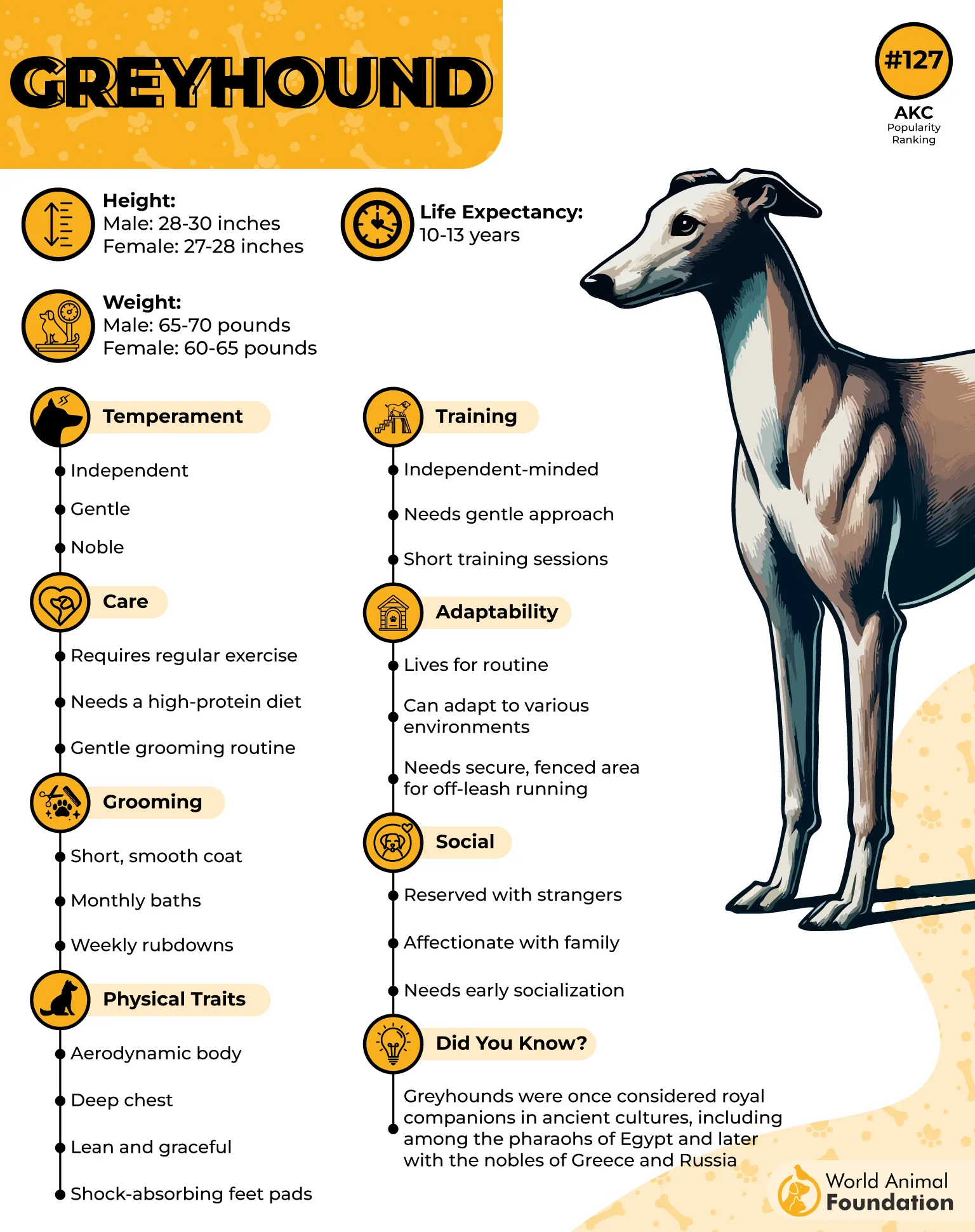
Omlet stated that its independent mind means training should stay short, positive, and interesting. Repetitive drills can lose its attention, while reward-based sessions tend to keep it engaged.
Exercise comes in short bursts rather than endless activity. It needs regular exercise and chances to stretch its legs and run safely, ideally inside a secure enclosure. Its strong prey drive makes controlled outdoor access especially important.
That sleek frame also has very little body fat, giving it little protection from rough handling or cold surfaces. Its short coat is wonderfully uncomplicated, requiring only light brushing and routine bathing.
Living With Them
Greyhounds tend to form strong bonds with their families while remaining more reserved around unfamiliar people. Early socialization can help them become comfortable around new faces and other animals.
Homes with cats, rabbits, or other small pets need extra thought because their hunting instincts can be intense.
Once their daily activity is handled, these dogs can be excellent companions who spend plenty of time resting.
3. Pug
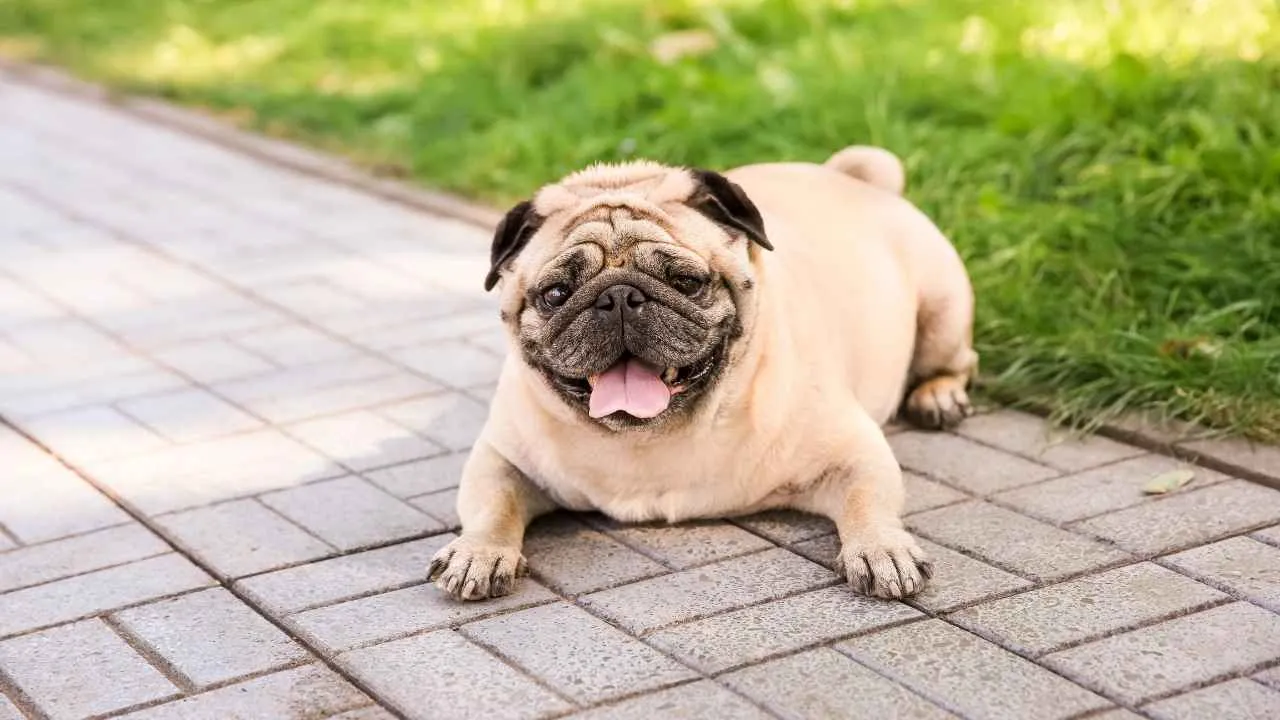
Affectionate, adaptable, and people-focused, the Pug was practically built for warm connection, making it the true ‘velcro dog’. This ancient Chinese breed has been associated with royalty for centuries.
Its compact frame, curled tail, broad head, and unmistakable facial wrinkles give it a look that is difficult to confuse with any other dog.
Pugs are eager to be involved in whatever their humans are doing, which shows their high trainability. Reward-based lessons and early socialization help shape its naturally outgoing personality.
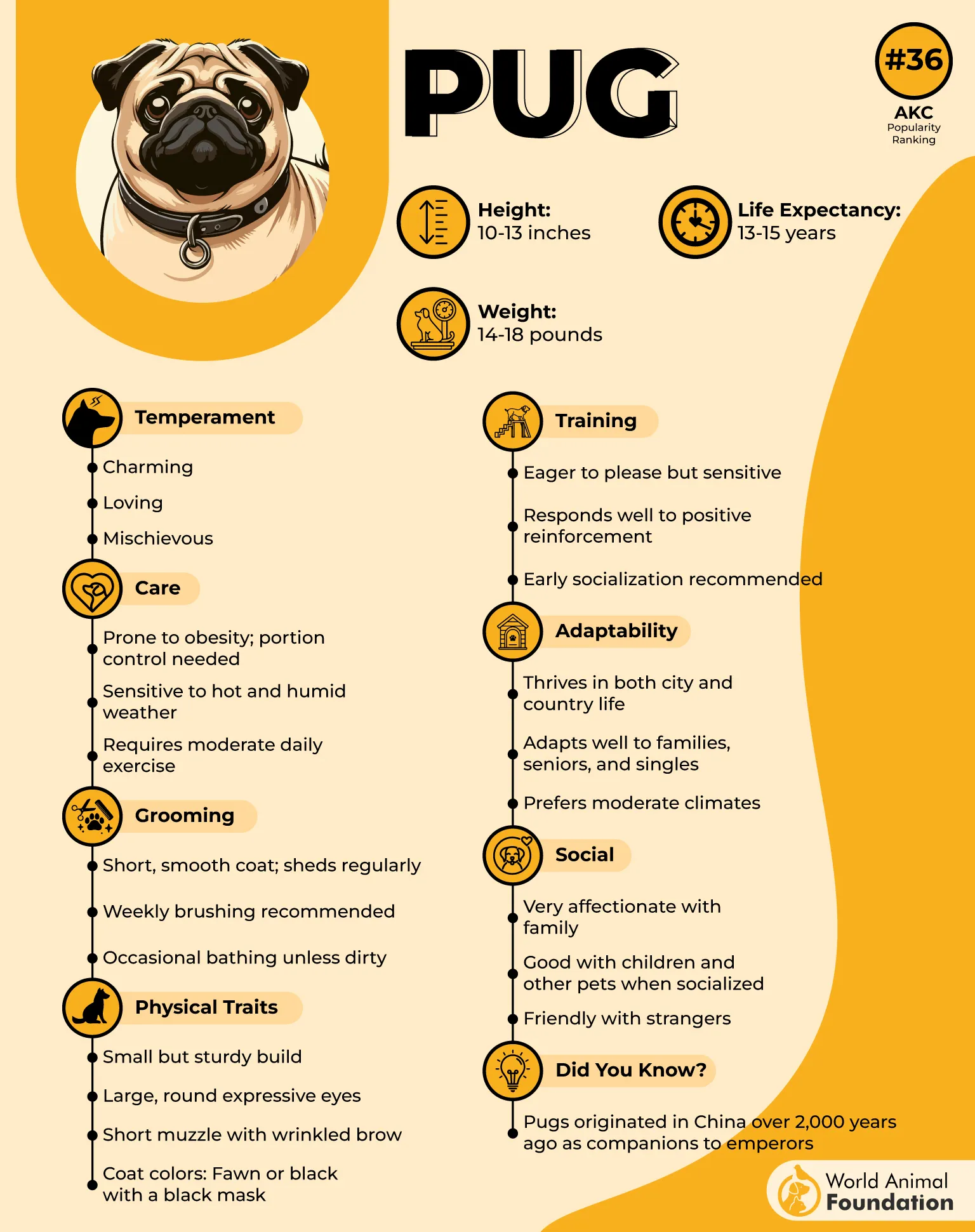
The exercise needs of these lap dogs are modest. But they do enjoy short daily walks, and playful little exercise provides them useful movement without demanding athletic sessions.
According to Orvis, the biggest consideration is their flat-faced structure. Pugs can have trouble coping with heat and strenuous activity, so warm conditions call for extra caution.
Their short coat doesn’t come with elaborate grooming needs or styling, although shedding can be surprisingly generous for such a small dog.
Living With Them
Pugs tend to thrive when they feel included in household life. They enjoy human attention and can become unhappy when routinely isolated for long periods.
Their adaptable nature can work well in different home settings, including apartments, as long as they receive companionship, mental stimulation, and appropriate daily movement.
For a quieter household, Pugs are great companions, bringing plenty of personality without requiring an exercise-heavy lifestyle.
4. Mastiff
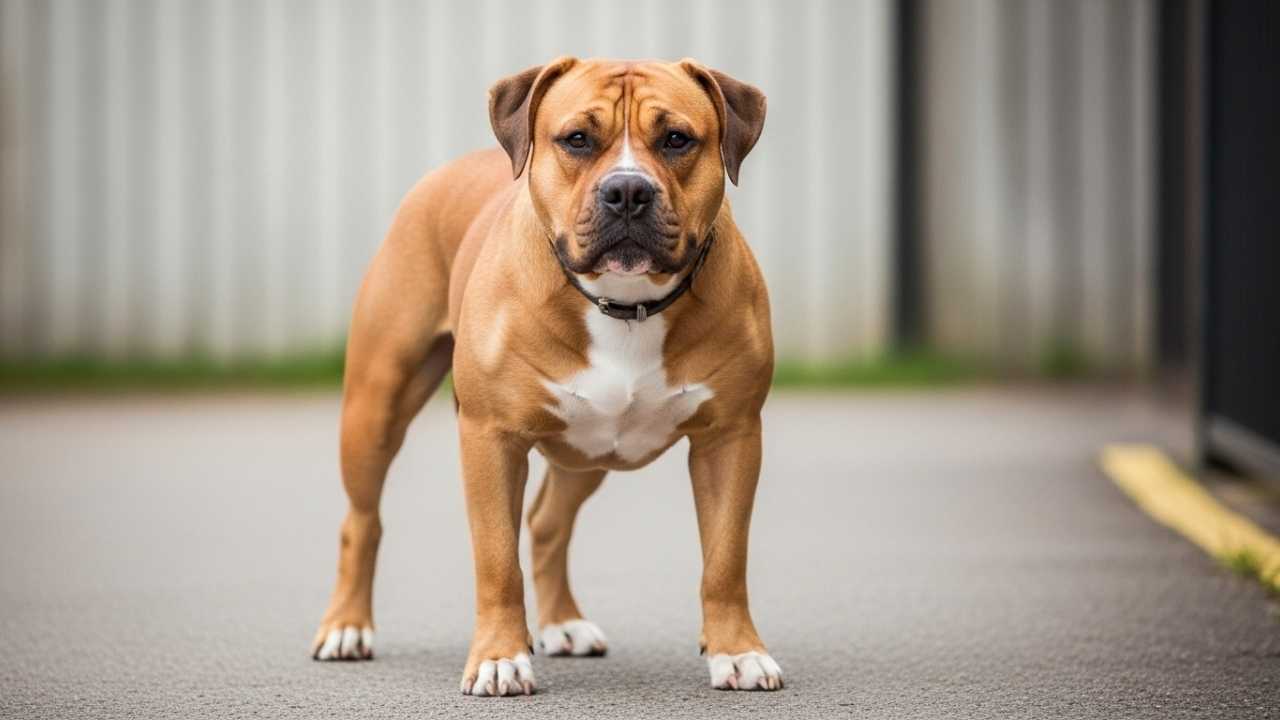
Massive, composed, and wonderfully unhurried, the Mastiff brings gentle temperament to your home. These calm dog breeds are always ready to curl up on the sofa.
This ancient giant has a long history as a guardian, with Mastiff dogs appearing in records and artwork dating back thousands of years. Their imposing build may look intimidating, but their modern role is often that of a devoted household member.
Training should begin early because manners become increasingly important as their body grows. They respond best to calm, positive instruction rather than harsh handling.
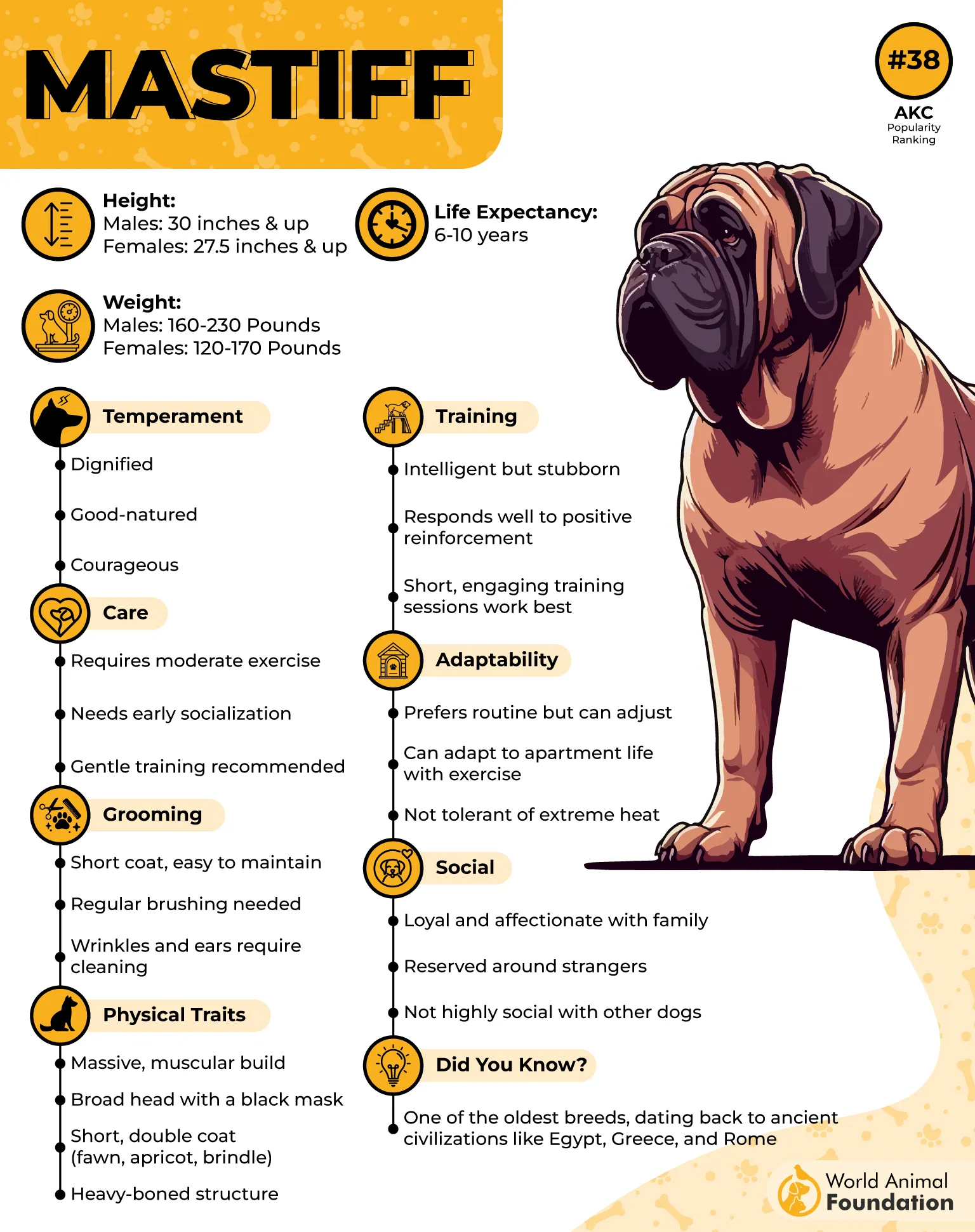
Despite their size, they are not built for constant high exercise. Regular walks and moderate activity help keep their enormous frame conditioned. Excessive exertion is particularly inappropriate for growing puppies.
Their short coat has simple grooming needs. Routine brushing can remove loose hair, while normal nail, dental, and bathing care keeps them presentable.
The real practical consideration is space. A giant dog needs enough room to move around comfortably, even if their favorite destination is ultimately the nearest soft surface.
Living With Them
A Mastiff can suit owners who want a calm fur buddy without expecting a miniature dog. Their sheer size affects everything from sleeping arrangements to household traffic.
Their quieter energy level makes them better suited to relaxed routines than homes built around constant physical stimulation.
5. Saint Bernard
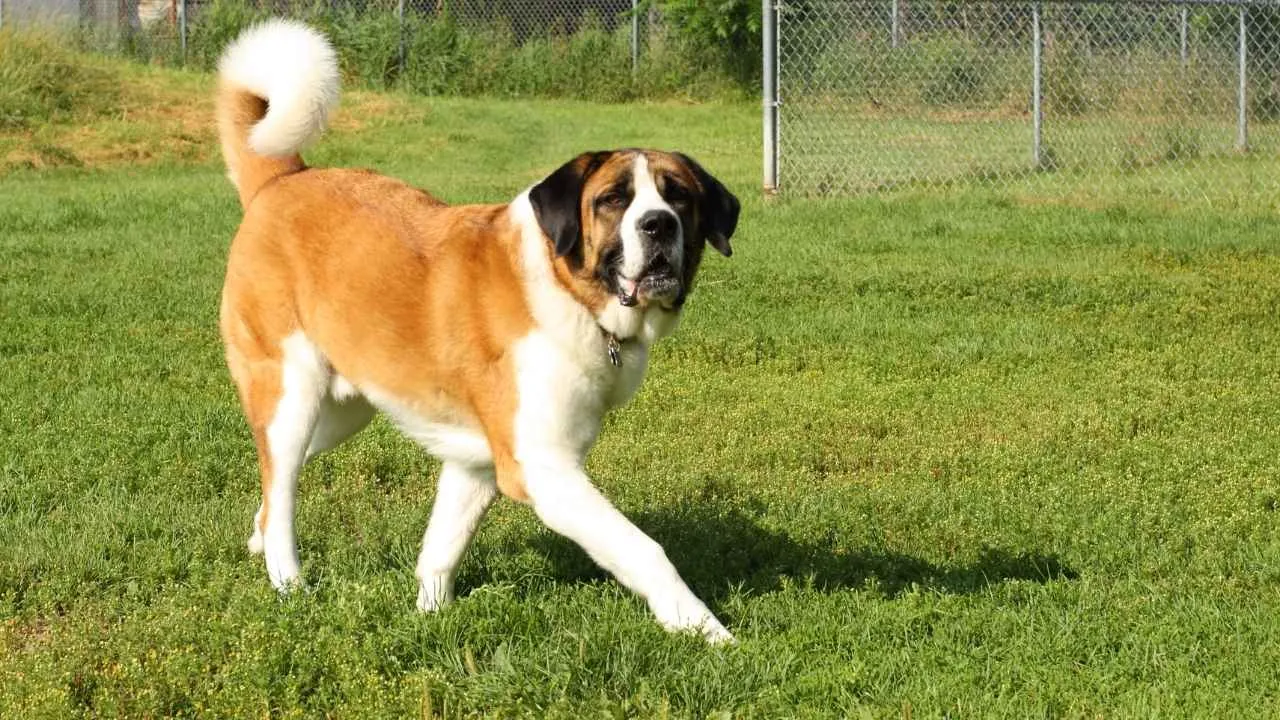
Saint Bernard is patient, placid, famously kind-hearted, and one of the larger breeds. They are the ideal match for a laid-back lifestyle, with the confidence of a dog who has already decided there is no reason to rush.
This Swiss breed earned its reputation helping monks locate travelers lost in the Alps. Their rescue history required strength, stamina, and a steady temperament, qualities that remain part of their identity today.
They are extremely affectionate with their family and genuinely love spending time with them, including kids, PetMD added. Around strangers, they are aloof.
Proper training should start while they are young. A small Saint Bernard puppy does not stay small for long, and good leash manners become much easier to teach before they reach their full size.
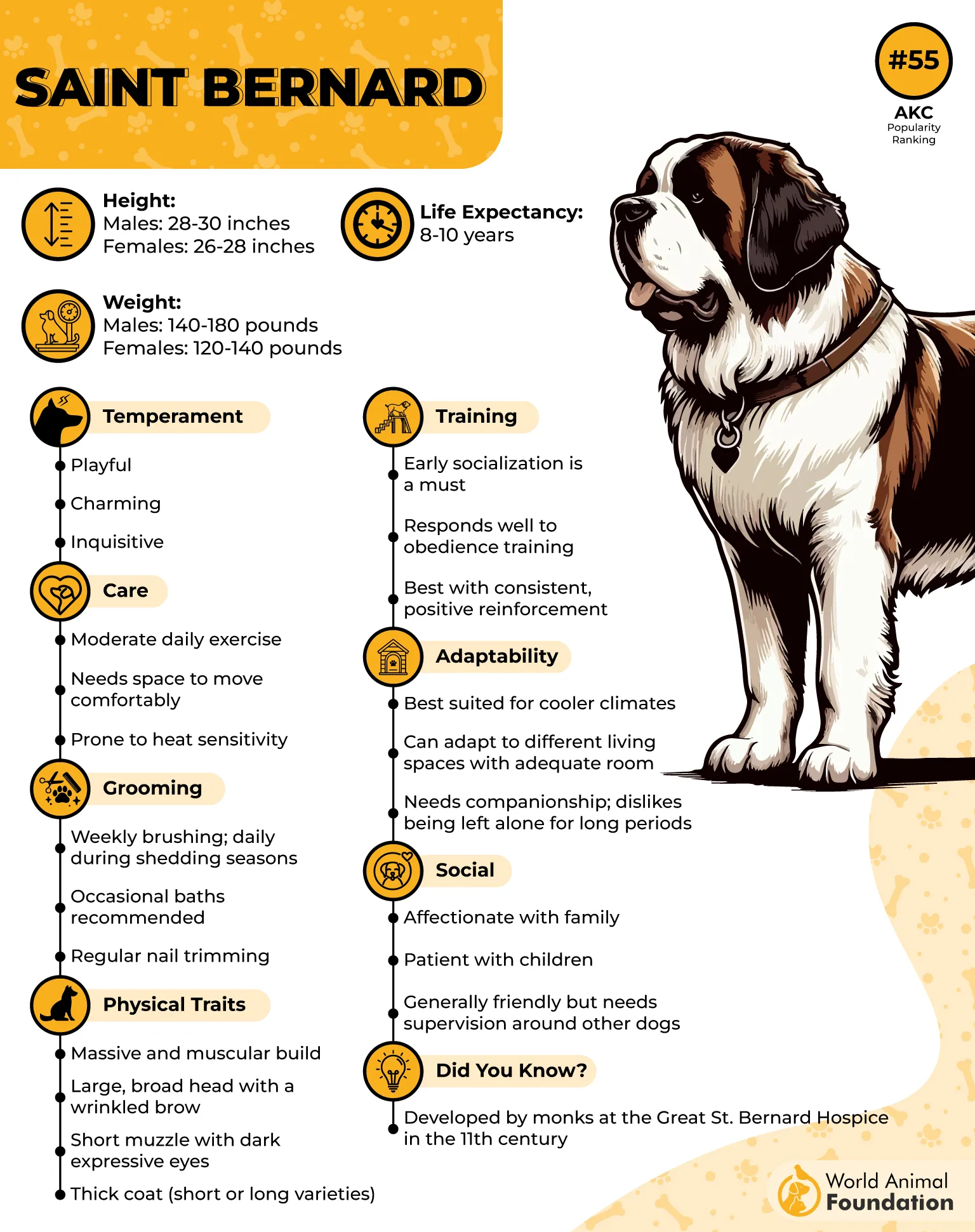
A breed designed for Alpine conditions can struggle when temperatures climb, making cool indoor spaces particularly valuable.
Living With Them
Saint Bernards are particularly appealing to households that want a substantial family member with a gentle disposition and require moderate exercise. Their size, however, is not suitable for limited space.
They can accidentally knock over smaller children simply by moving around, so supervision and sensible household boundaries matter.
6. Pekingese
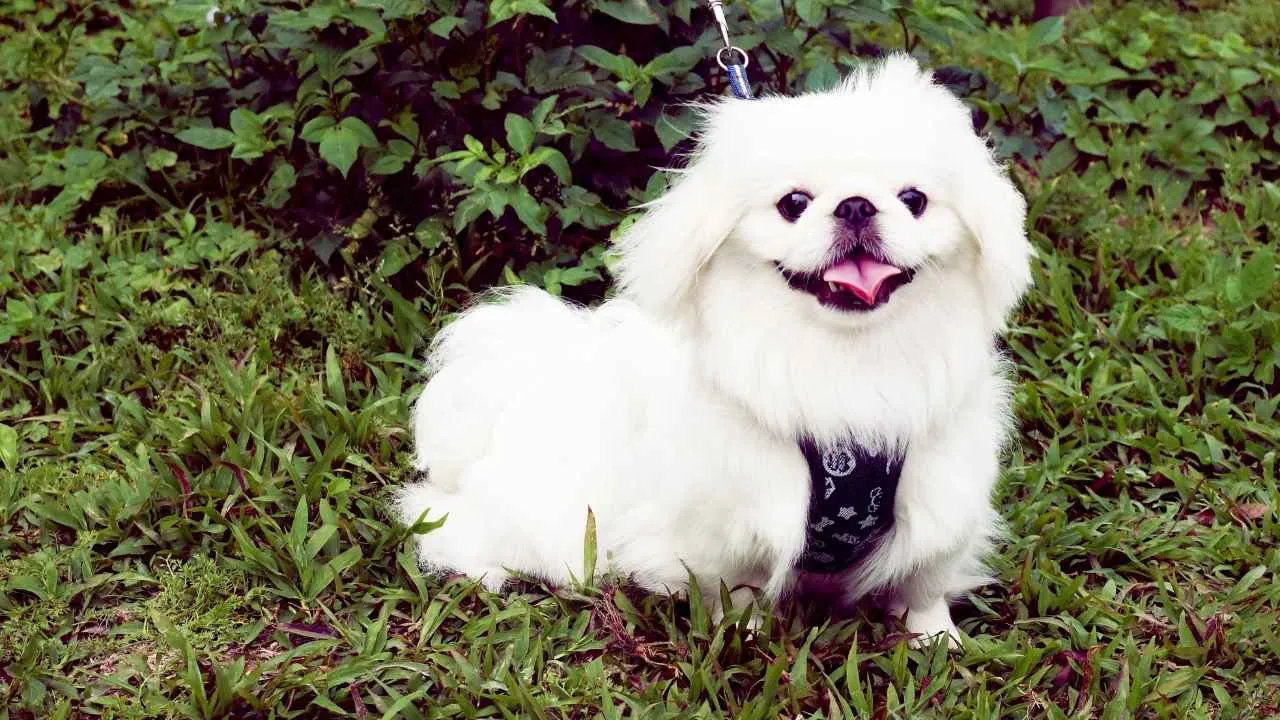
Regal, affectionate, and confidently independent, the Pekingese are the ultimate couch potatoes in a compact frame. They make great apartment dogs due to their small size and adaptable nature.
These ancient Chinese dogs were treasured as palace companions, and their appearance still carries that aristocratic history and lapdog energy. A broad head, expressive eyes, feathered coat, and distinctive gait make them instantly recognizable.
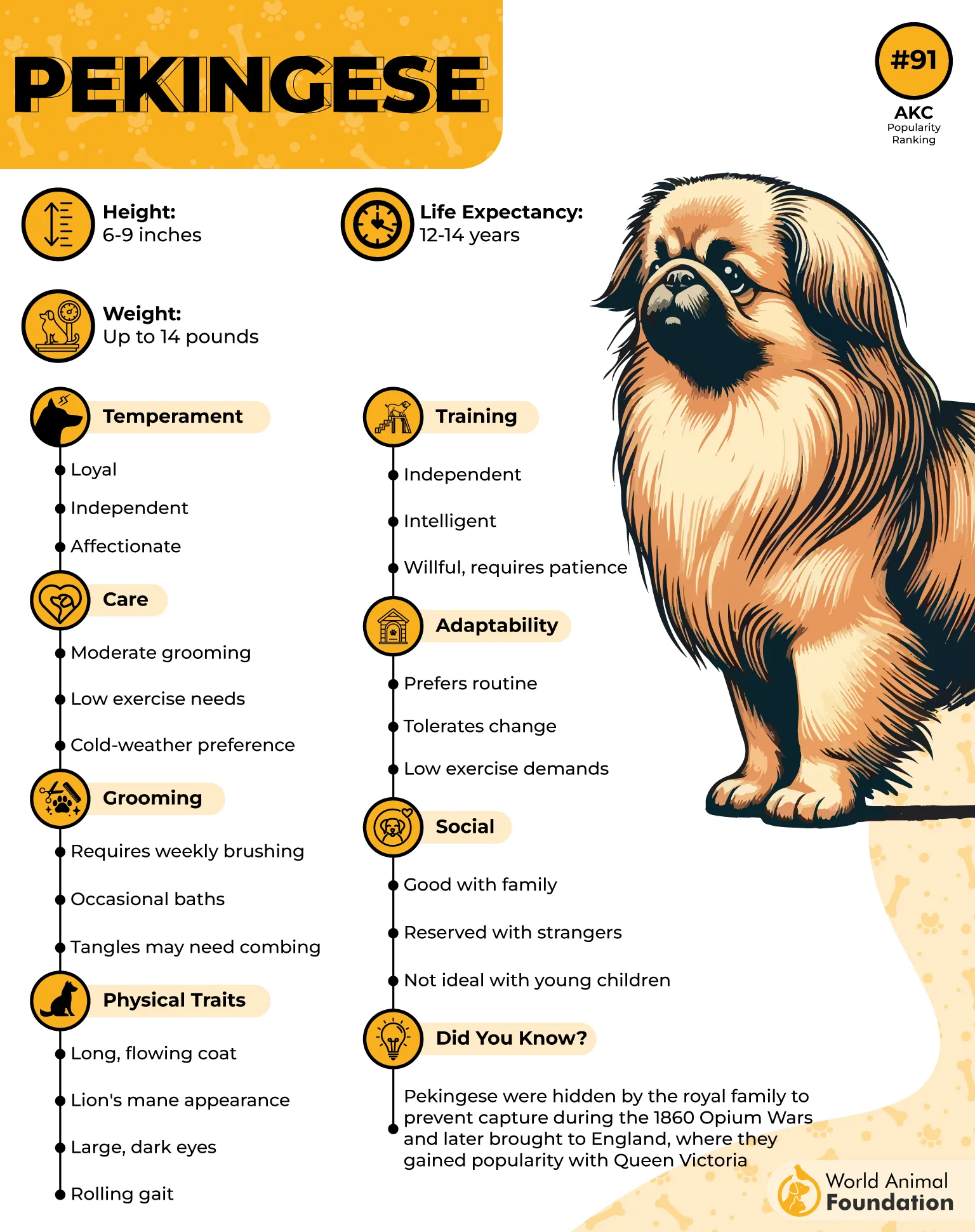
They bond closely with their people but retain an independent streak. Training therefore works best when you use patience, rewards, and short sessions instead of expecting instant obedience.
Their activity requirements are relatively light. Leisurely walks and indoor play can provide enough exercise for their smaller bodies. Socialization helps them become comfortable with different sights, sounds, and experiences.
Their long coat demands more upkeep than their relaxed routine might suggest. Frequent brushing helps prevent tangles and mats, particularly around areas where the hair is longer.
Living With Them
Pekingese can be especially appealing to people who want an ideal companion that fits into small spaces or has low exercise requirements.
They may prefer a household where people understand gentle handling and respect their boundaries. Early socialization can help them become more comfortable with visitors, children, and other pets.
7. Newfoundland
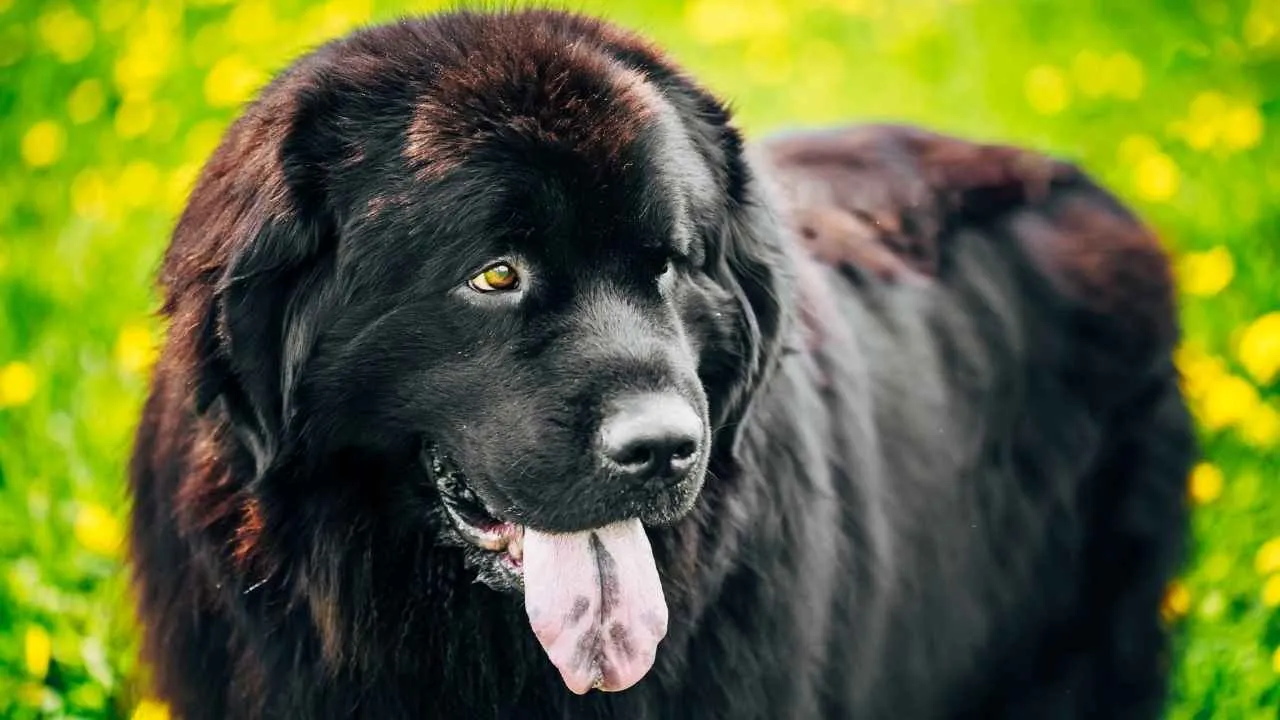
Sweet, steady, and famously gentle, the Newfoundland brings soft-hearted giant energy to laid-back living while still carrying the strength of a serious working dog.
Originally bred as a Canadian working breed, Newfoundlands spent their early careers helping fishermen with demanding jobs around the water. Their powerful swimming ability, webbed feet, and water-resistant double coat reflect that heritage.
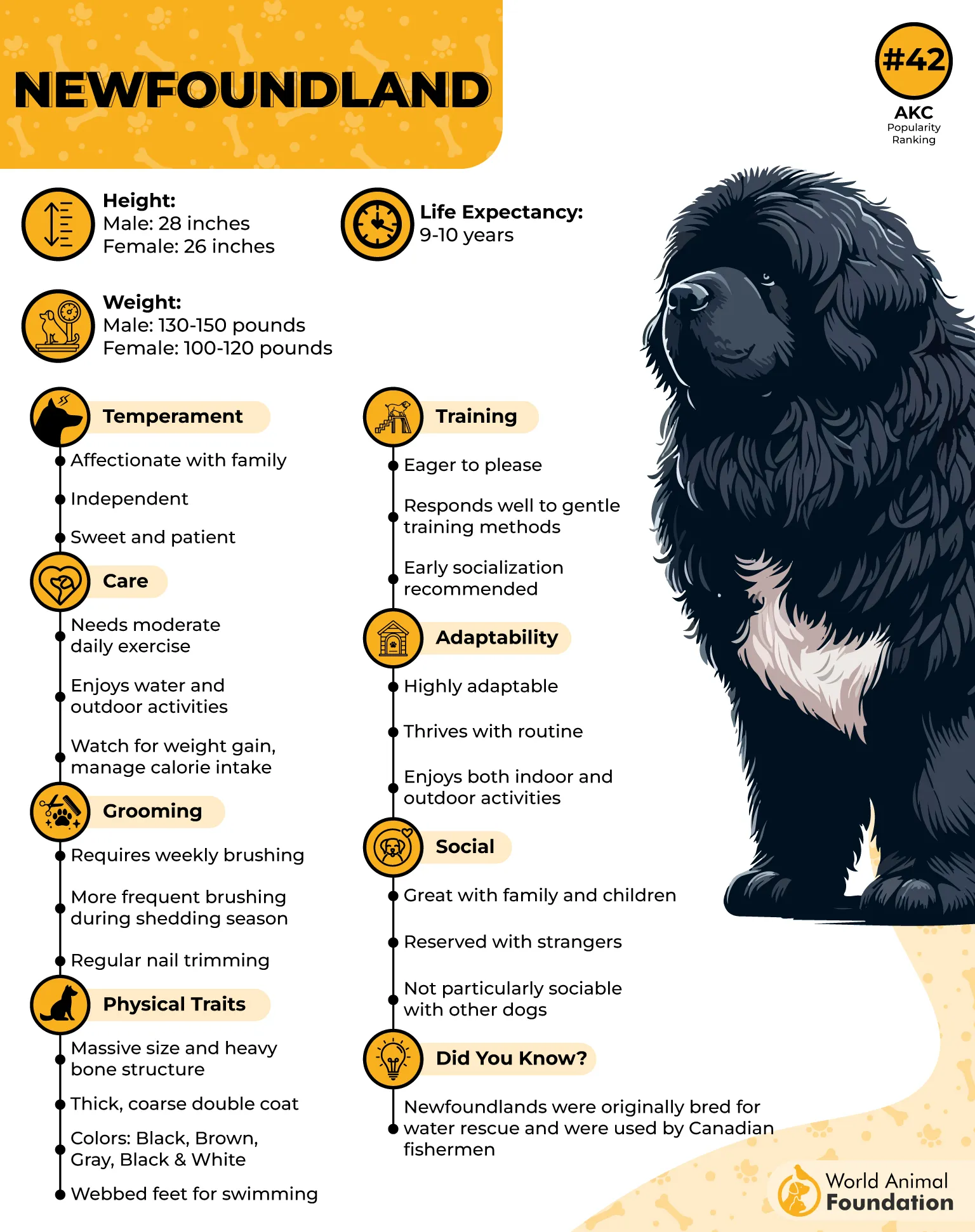
They’re intelligent and generally trainable, making early obedience particularly worthwhile. A puppy that learns good manners early is much easier to manage once their substantial adult frame arrives.
These gentle giants don’t need relentless physical activity or mental challenges, but they do enjoy short walks, swimming, hikes, or purposeful movements that help keep them physically and mentally engaged.
Their thick coat sheds a lot. Seasonal shedding can dramatically increase the amount of hair around the house. Weekly brushing helps manage the dense fur. Drooling is another reality prospective owners should consider.
Hill’s Pet agrees that this big dog needs generous living space. This is not a breed that quietly disappears into a corner when guests arrive; its sheer presence becomes part of the household furniture plan.
Living With Them
Newfoundlands are well suited to families that want a large, social dog and have the room to accommodate one. Their tolerant nature has contributed to their reputation as gentle low energy dog around children.
Their size means everyday tasks need some forethought. Their social side means they generally prefer being involved with the household rather than spending long stretches isolated.
Conclusion
These lazy dog breeds show that a relaxed lifestyle can still come with plenty of personality. From the tiny Pekingese to the enormous Newfoundland, you have options for different homes, routines, and preferences.
Before choosing, think about your space, regular grooming time, and the exercise you can realistically provide. Pick the calm dog breed whose needs fit your life, and your quiet evenings may soon have a very happy four-legged sidekick.
