





Watch a dog lock onto a darting squirrel, racing bird, or fleeing rabbit, and you’ll quickly see how powerful instinct can be. While every dog has some prey drive, certain breeds possess a much stronger urge to notice, pursue, and investigate moving animals.
This trait appears across a fascinating range of breeds, shaped by generations of work such as hunting, herding, and pest control. Their intense focus can be impressive, but it also means owners may need dependable recall training, secure boundaries, and plenty of appropriate outlets for their energy.
Understanding breed differences makes living with a high-prey-drive dog more predictable. With patience and thoughtful management, these instinctive behaviors can become part of a rewarding relationship rather than a constant challenge.
FACT: Prey drive is a natural canine instinct influenced by genetics, breeding purpose, environment, and individual temperament.
Dog Breeds Exhibiting High Prey Drive Traits
1. Greyhound
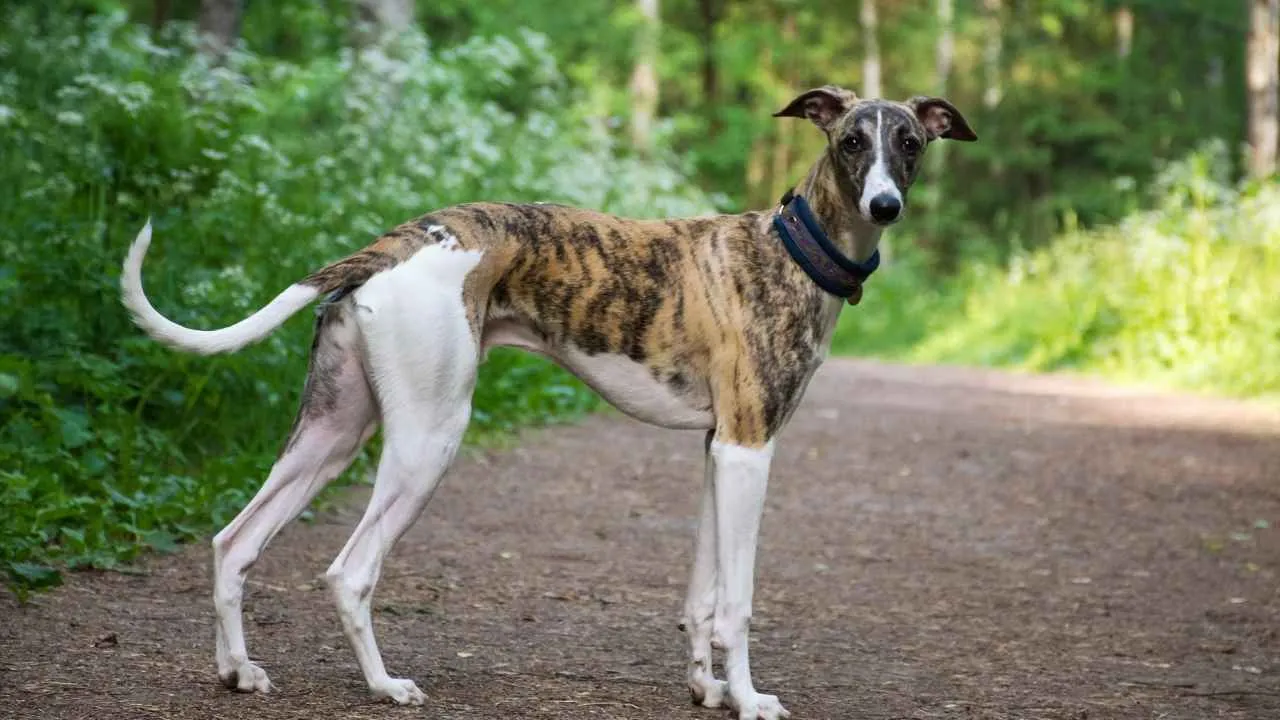
The Greyhound is a lightning-fast sighthound whose powerful chase instinct can switch on the moment something moves. Bred for hunting by sight, these dogs possess exceptional vision and were developed to pursue fast-moving targets at remarkable speed.
A cat, running animal, or even a thrown ball can instantly capture a Greyhound’s attention, sending it racing after the target. This strong prey drive makes outdoor supervision especially important, particularly around small animals.
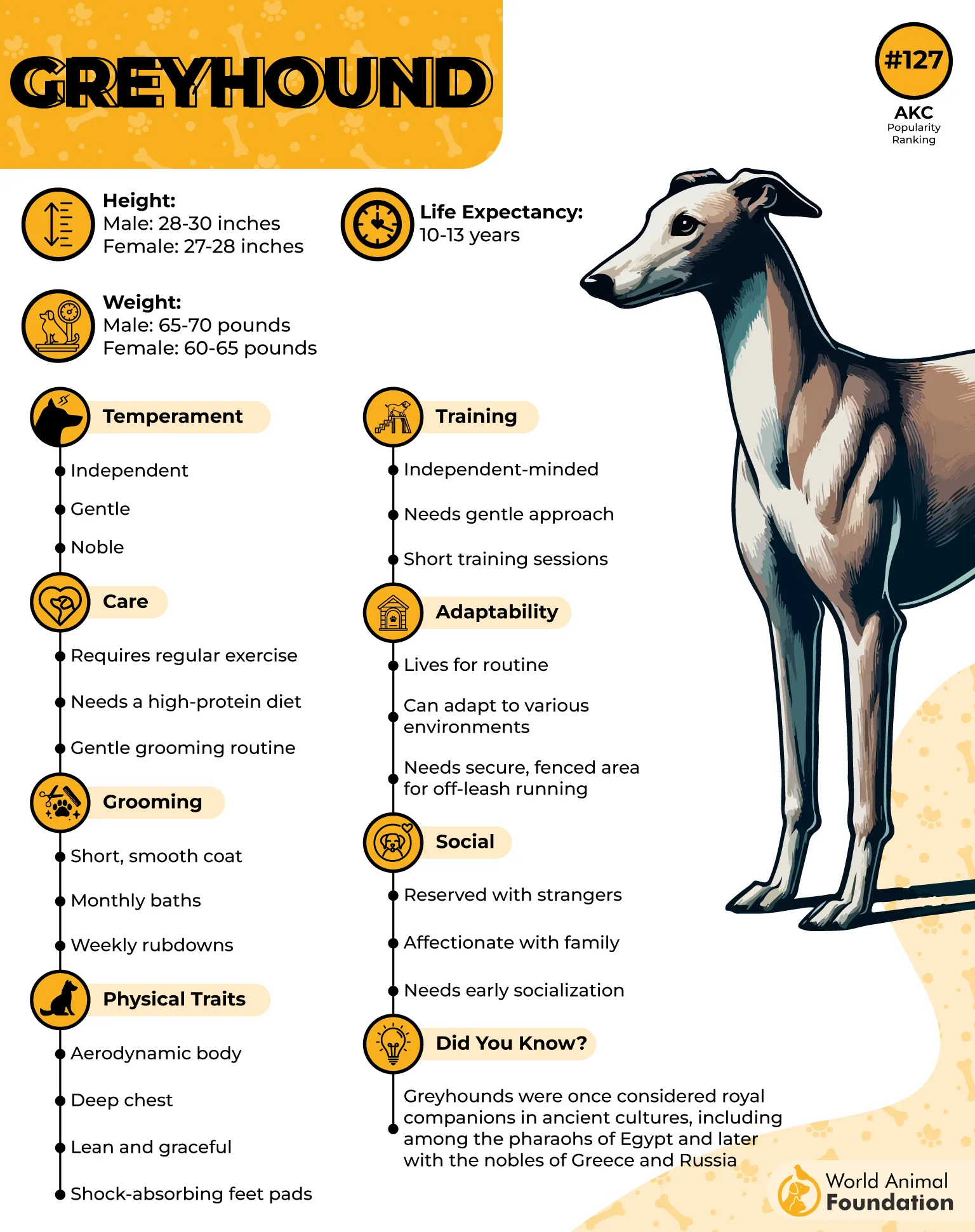
Despite their intense instinct to chase, Greyhounds are often gentle and sweet-natured companions. They can generally live peacefully with other dogs and may suit seniors who appreciate their calm temperament indoors.
Early socialization is essential, especially when introducing them to children and smaller pets. Their peaceful home behavior should not be mistaken for a lack of hunting instinct—their powerful vision and movement-triggered pursuit remain deeply rooted in the breed.
2. Afghan Hound
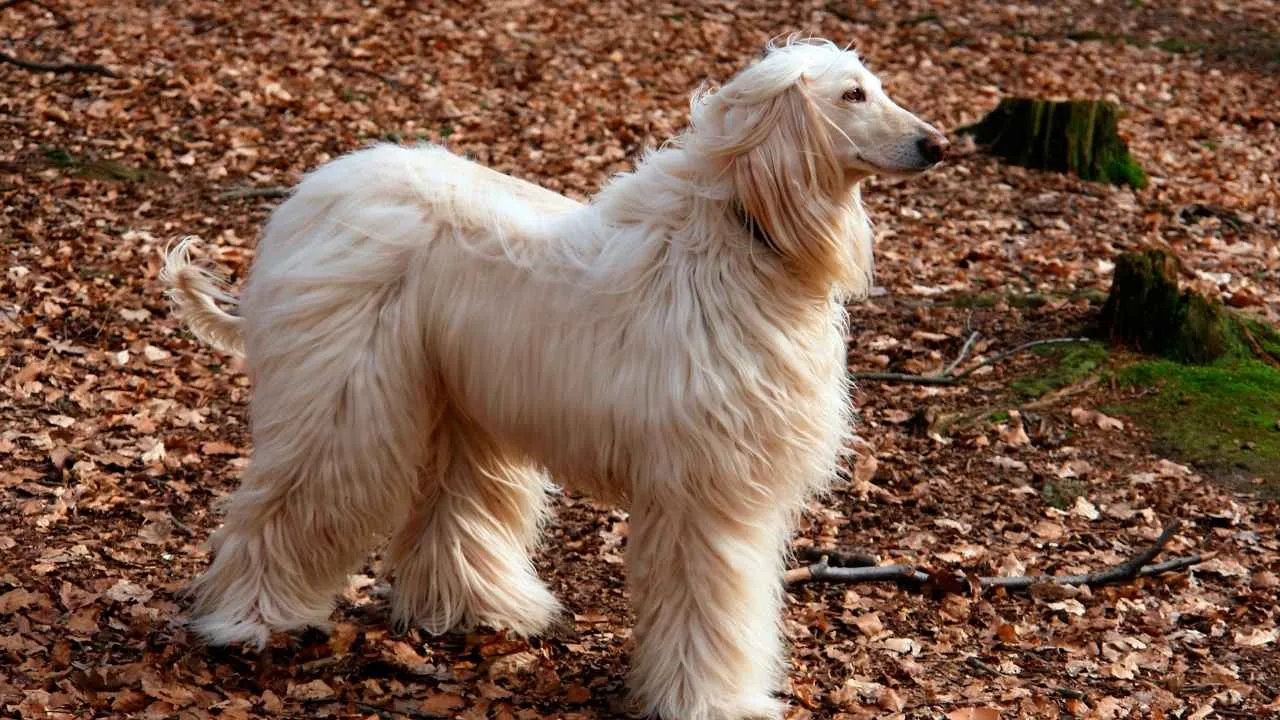
With its flowing coat, refined face, and feathered ears, the Afghan Hound looks almost too elegant for the chase. Yet beneath that graceful appearance is a playful, spirited dog with a strong instinct to pursue anything that catches its attention. According to PetMD, the Afghan Hound is a sighthound known for its swift feet.
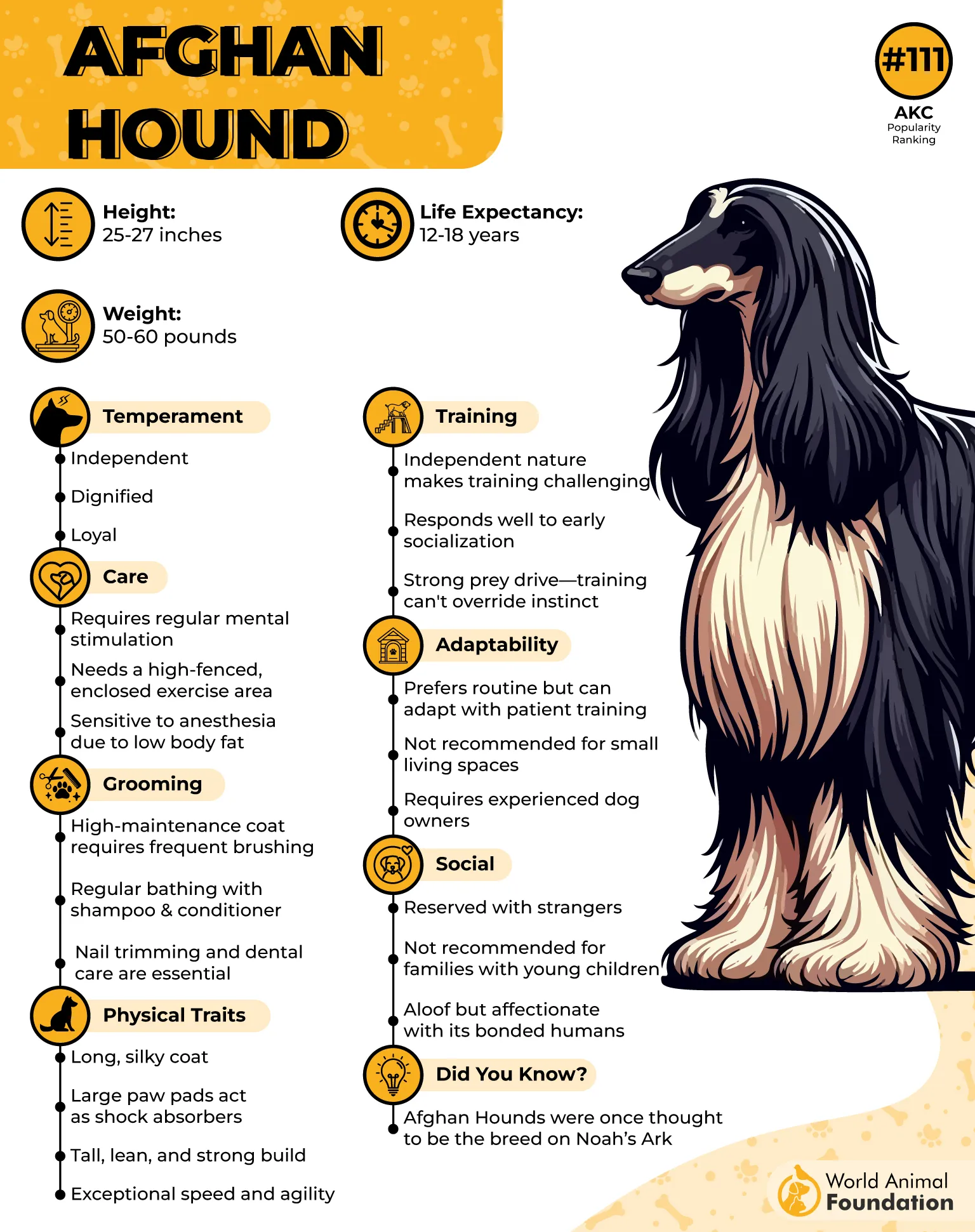
Originally developed for coursing and hunting, this breed relied on sharp eyesight to notice prey before giving chase. That independent hunting mindset can still emerge today, especially when an Afghan Hound spots a small animal outdoors.
Picture one suddenly locking onto a rabbit during a leisurely walk—the next moment, its instincts may take over. Because of this powerful prey drive, off-leash freedom can be risky unless the dog has reliable training and is in a secure area.
Life with an Afghan Hound also involves plenty of activity and grooming. Daily brushing helps keep its long coat free from tangles, while regular baths maintain its distinctive appearance.
3. Weimaraner
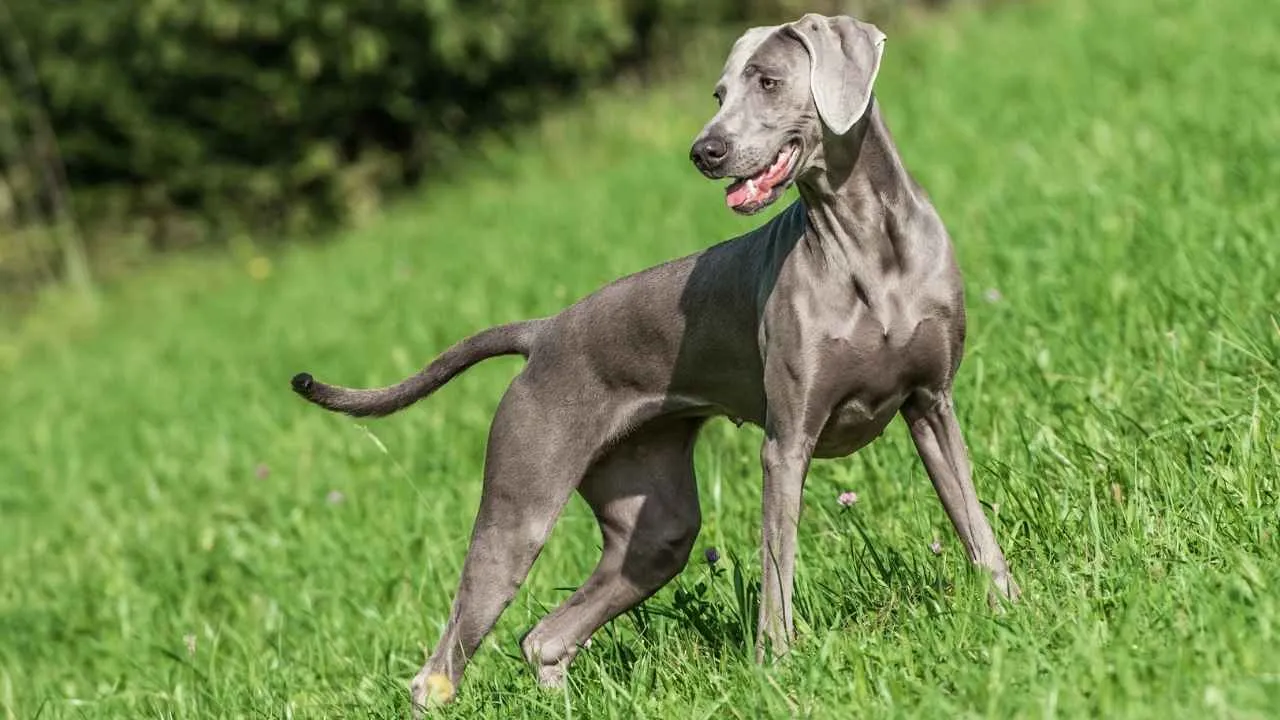
The Weimaraner, often called the “Gray Ghost,” is a sleek, athletic sporting dog with a distinctive gray or blue coat and striking eyes. Its hunting heritage gives this breed a bold, alert nature and a naturally strong prey drive.
Originally developed to pursue large game, the Weimaraner still enjoys activities that let it use its instincts and athletic ability. It is also skilled at pointing and retrieving, making it a versatile partner for active outdoor pursuits.
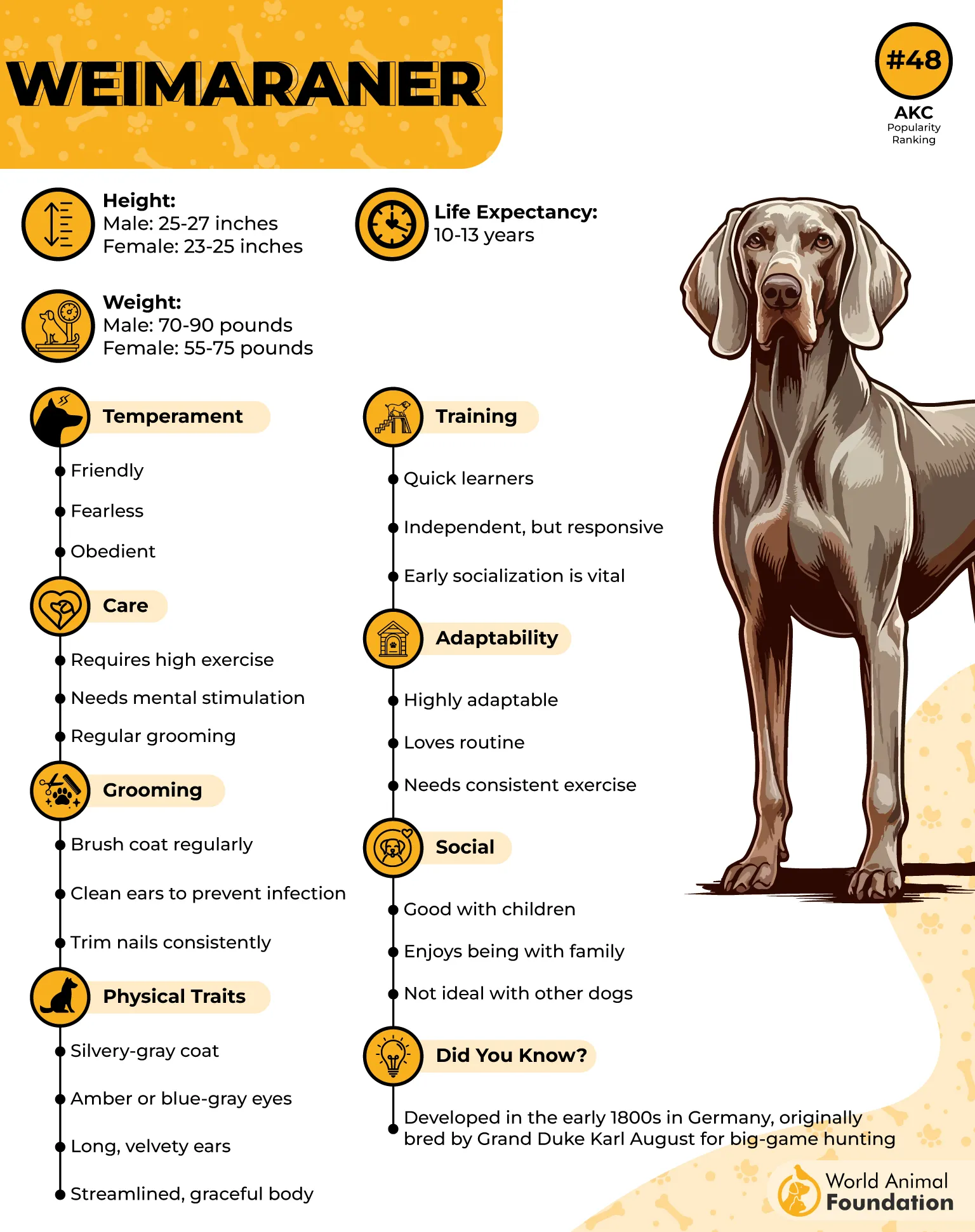
This intelligent breed wants to stay close to its family and thrives when included in daily adventures. Long walks, running, retrieving games, and mentally engaging activities can help satisfy its considerable need for stimulation. According to Orvis, Weimaraners can make admirable watchdogs without displaying vicious or aggressive behavior.
Without enough physical and mental activity, a Weimaraner can become bored and develop unwanted behaviors, including excessive barking. Keeping this energetic dog involved and moving is essential for a well-balanced companion.
4. Jack Russell Terrier
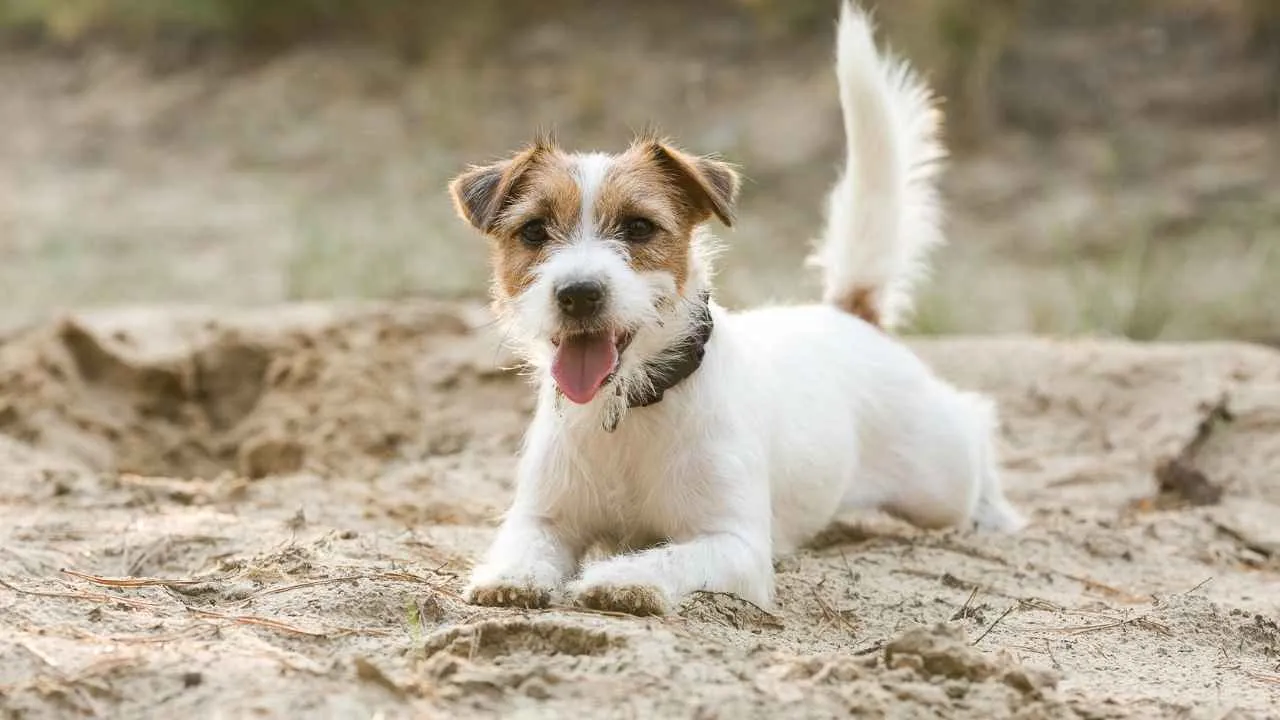
The Jack Russell Terrier may be small in stature, but its hunting instincts are anything but. Originally developed to pursue rats and other vermin, this tenacious terrier naturally locks onto small, fast-moving prey.
Packed with energy, the breed needs plenty of activity to stay content. Games such as fetch and retrieving provide an outlet for its drive, while its confident personality often sees it fearlessly confronting much larger dogs. According to Royal Canin, training headstrong Jack Russell Terriers can be easy with patience and firm guidance.
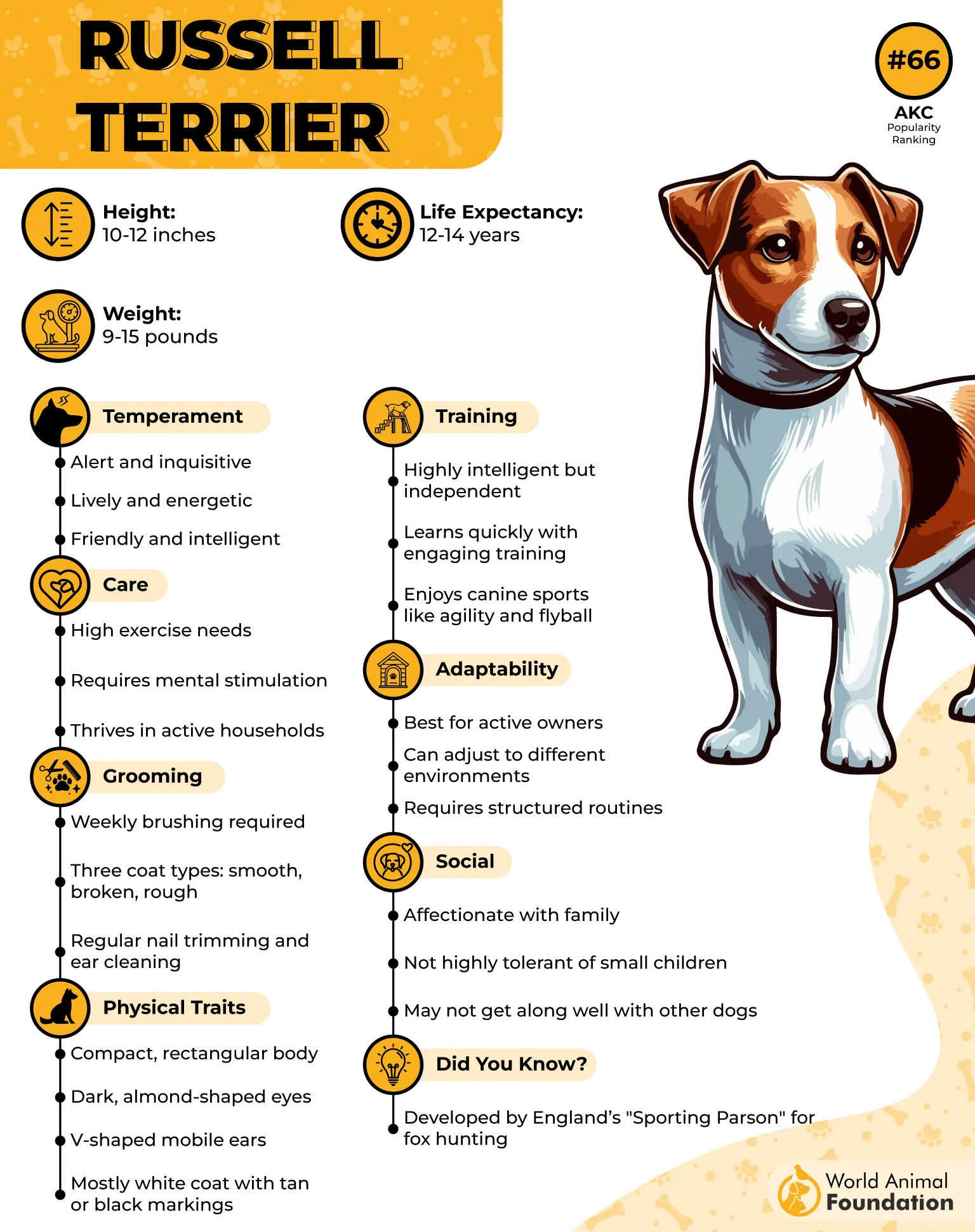
Jack Russells can generally socialize well with other dogs and may share a home with cats. However, their strong chase instinct can make them relentless pursuers of felines, while rabbits, guinea pigs, and other small pets are best avoided.
Their bold, spirited nature can sometimes become overwhelming, particularly around young children. With their determination and seemingly endless enthusiasm, these tiny terriers can turn everyday play into a high-energy adventure.
5. Beagle

The Beagle is a cheerful hound with a nose that seems to have a mind of its own. Bred for hunting and tracking, this determined little dog can pick up scents quickly and stay focused on a trail.
That strong prey drive can make life tricky around small pets such as hamsters and guinea pigs. With other dogs, though, Beagles are generally sociable and enjoy having canine company around.
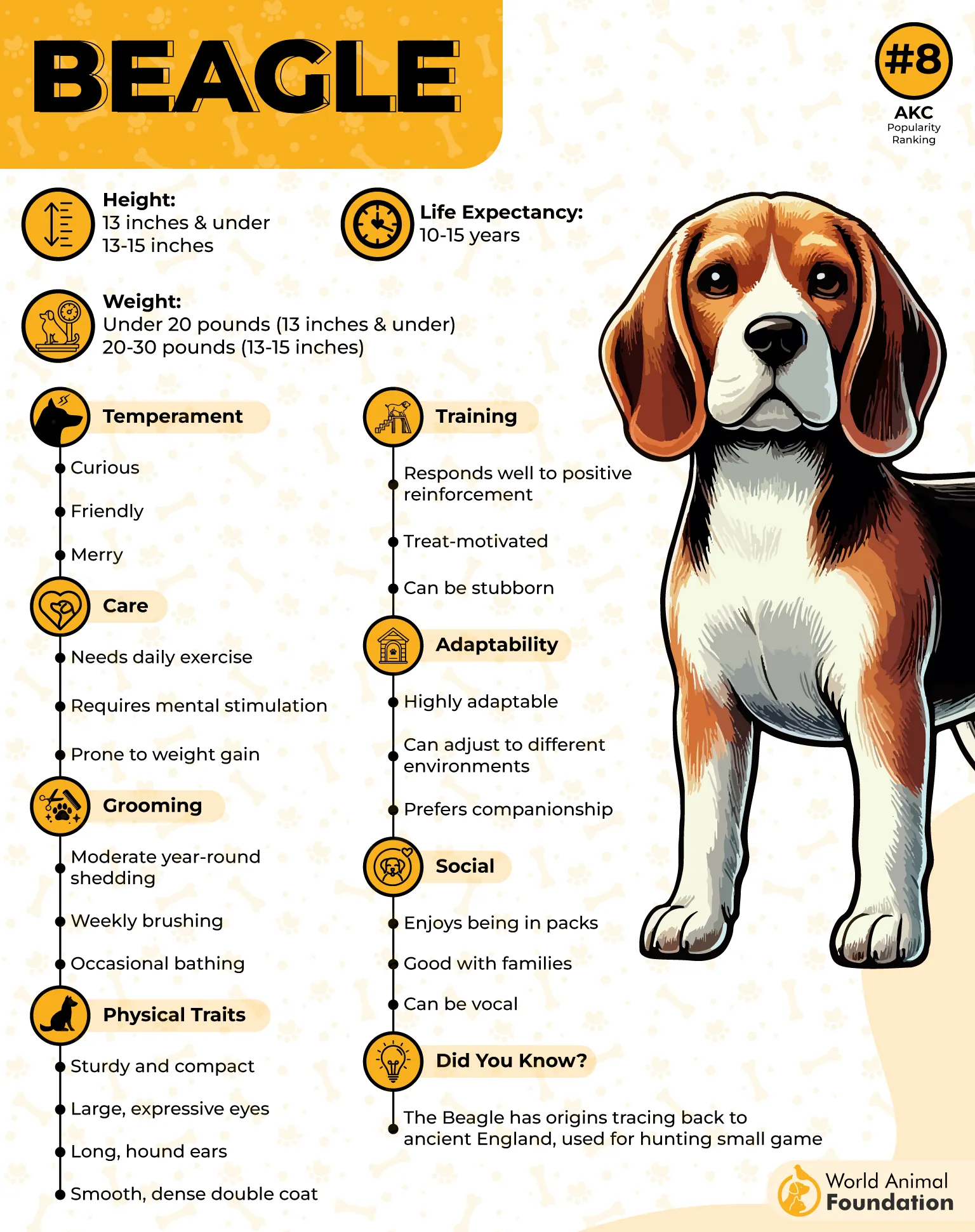
Their compact size can work well in apartments, but their tendency to howl may test the patience of nearby neighbors. Regular walks are essential, and scent-based activities give them a fun way to put their natural tracking abilities to work.
Beagles also have hearty appetites and can easily gain excess weight without proper portion control and exercise. Regular veterinary checkups are worthwhile, as the breed can be susceptible to joint, eye, and heart issues.
6. Rhodesian Ridgeback

The Rhodesian Ridgeback is a powerful, courageous breed originally developed to track and confront formidable quarry, including lions and antelope. Its hunting heritage gives it a naturally strong prey drive and determined pursuit instinct.
Despite its formidable working background, this breed can be affectionate and gentle with its family. However, its alert, strong-willed nature means early training and consistent supervision are important, particularly around small pets and young children.
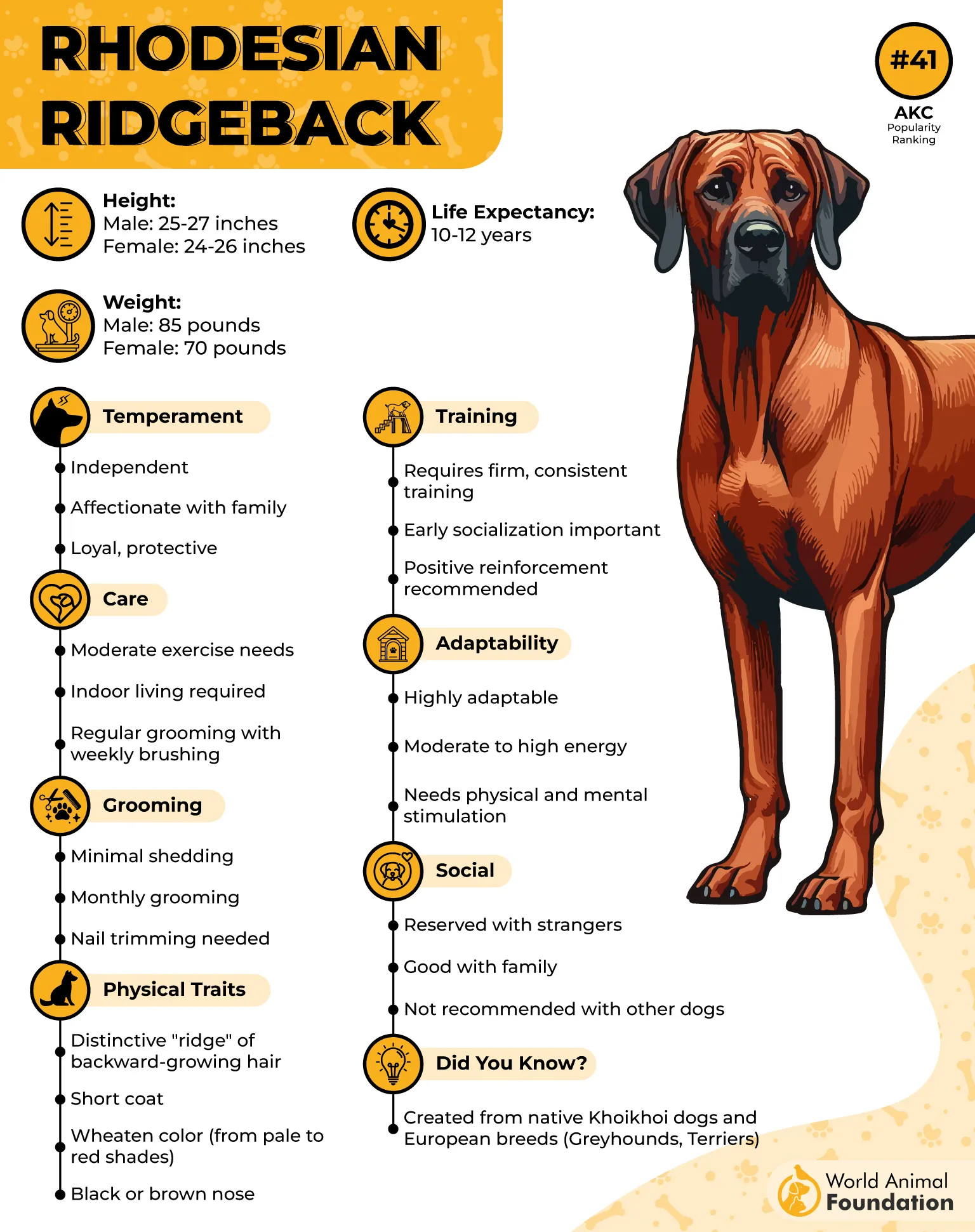
An athletic build supports its demanding working heritage, and the Ridgeback needs at least 45 minutes of daily exercise through activities such as brisk walks, play, or other physical outlets. Firm, confident training helps channel its instincts appropriately.
The breed is also known for its distinctive ridge of backward-growing hair along the back. Its short coat requires minimal grooming, while its pack-oriented nature can help it live successfully with other dogs and, with proper introduction, cats.
7. Whippet
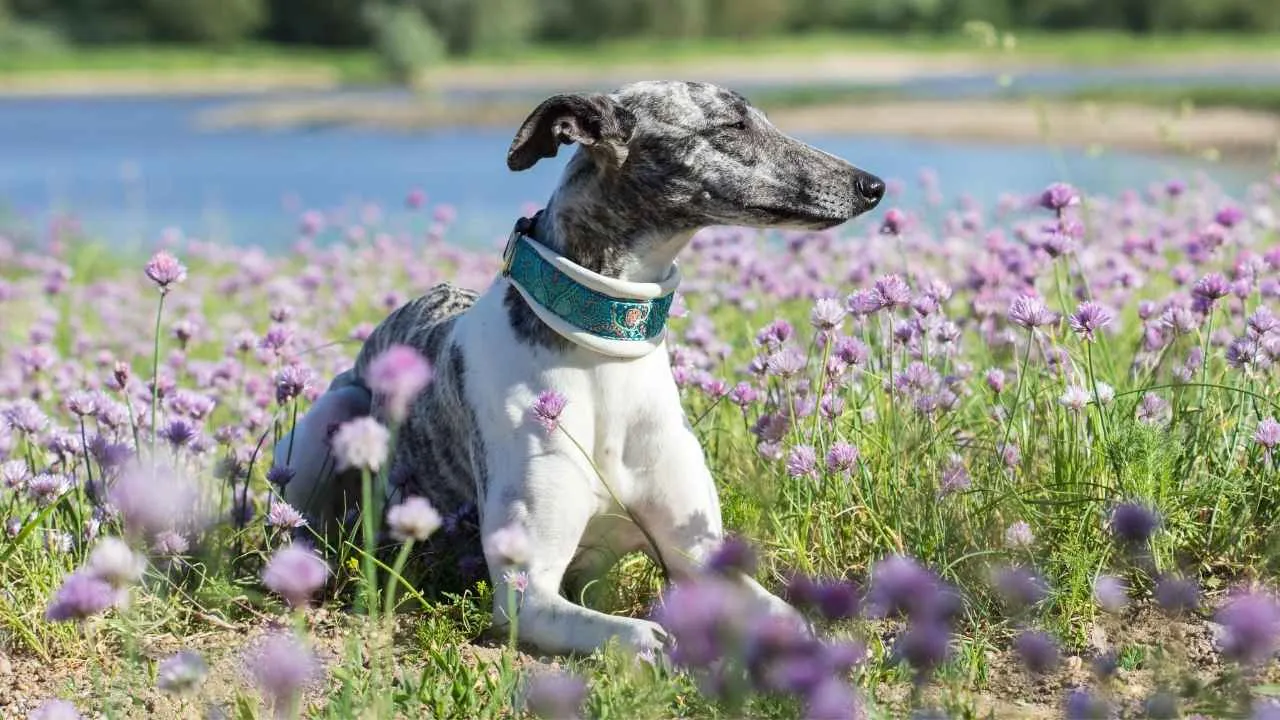
The Whippet is a graceful sprinter built for speed, combining an athletic frame with an almost instant response to movement. Their strong chase instinct can quickly turn a passing animal into a target.
A secure, fenced yard is important because these dogs may dash after something that catches their attention. Walks should stay on a leash, while games involving balls or flying discs give them a safe outlet for their natural pursuit drive.
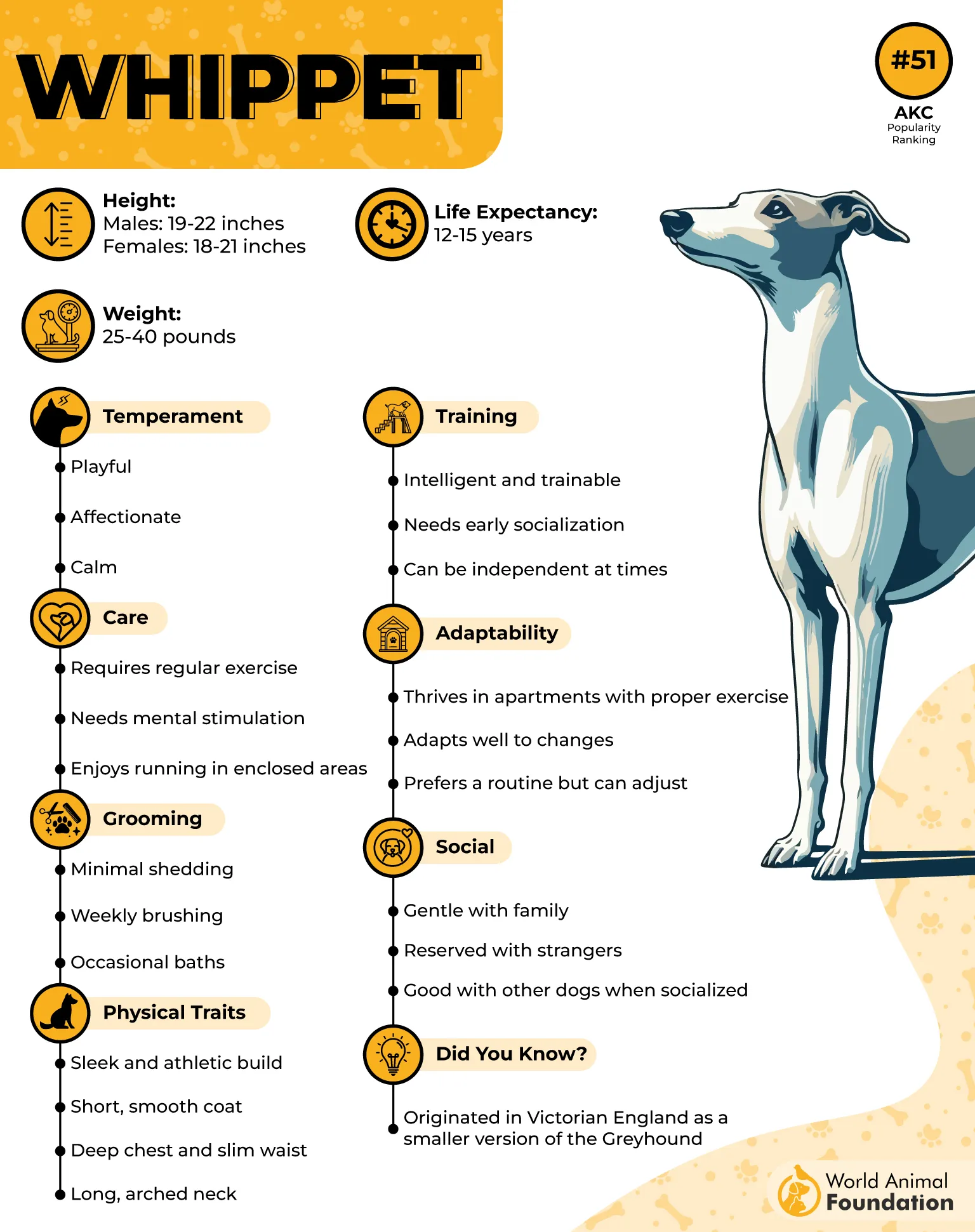
Despite their athleticism, Whippets have a goofy and affectionate side. They enjoy playful interaction with their families and are equally happy curling up for a cozy snuggle after an energetic run.
Whippets often get along well with other dogs and can live peacefully with cats. However, their instinctive urge to chase means smaller household pets may be difficult for them to resist.
Conclusion
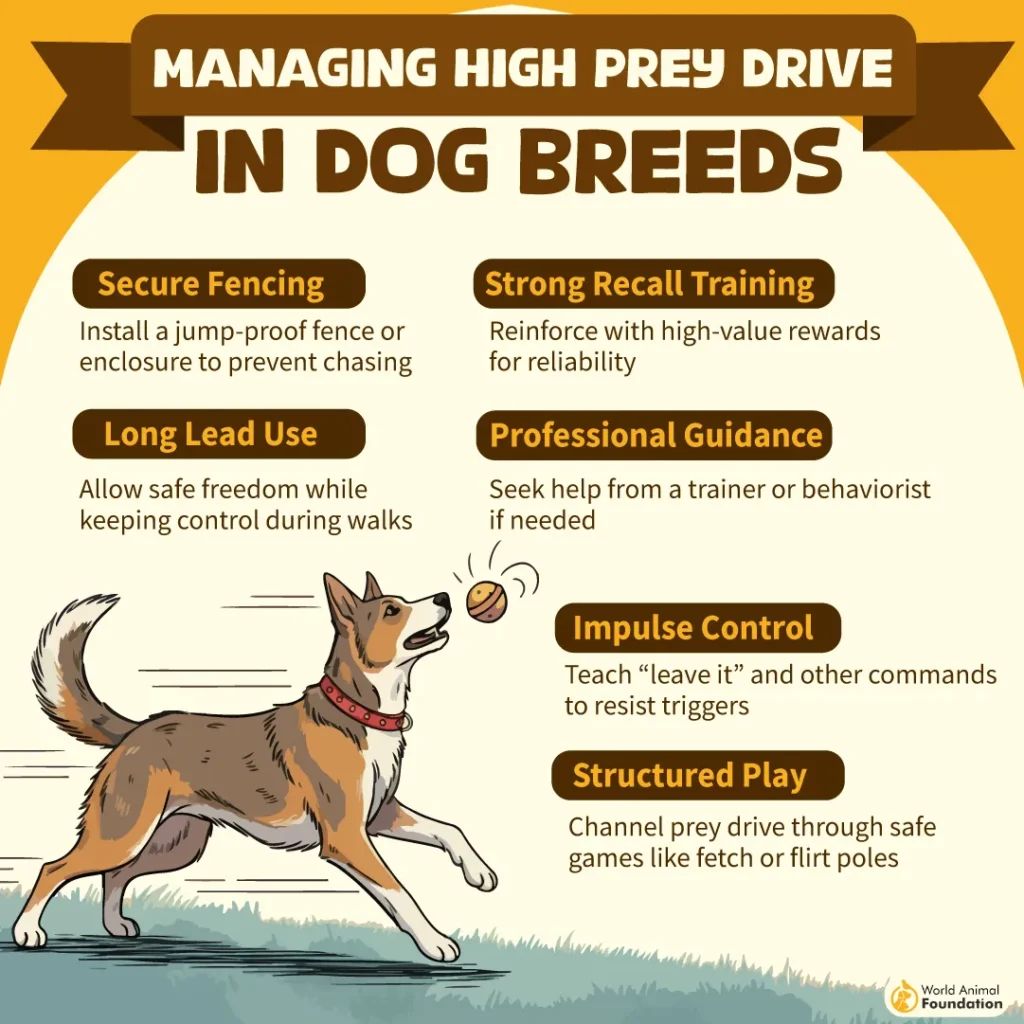
High prey drive is a natural trait that can make certain dogs especially alert, energetic, and eager to chase moving animals or objects. Breeds with this instinct often thrive when they have appropriate outlets for their energy and curiosity.
Understanding a dog’s chase response is important when choosing a companion, particularly for households with cats, rabbits, or other small pets. Training, supervision, secure fencing, and leash use can help manage these instincts safely.
From athletic sprinters to determined working dogs, each breed expresses prey drive differently. Their playful nature, intelligence, and enthusiasm can also make them rewarding companions when their needs are properly understood.
The key is to appreciate these instincts rather than trying to eliminate them. With consistent training, suitable exercise, and responsible management, dogs with strong prey drive can enjoy active, fulfilling lives alongside their families.
