




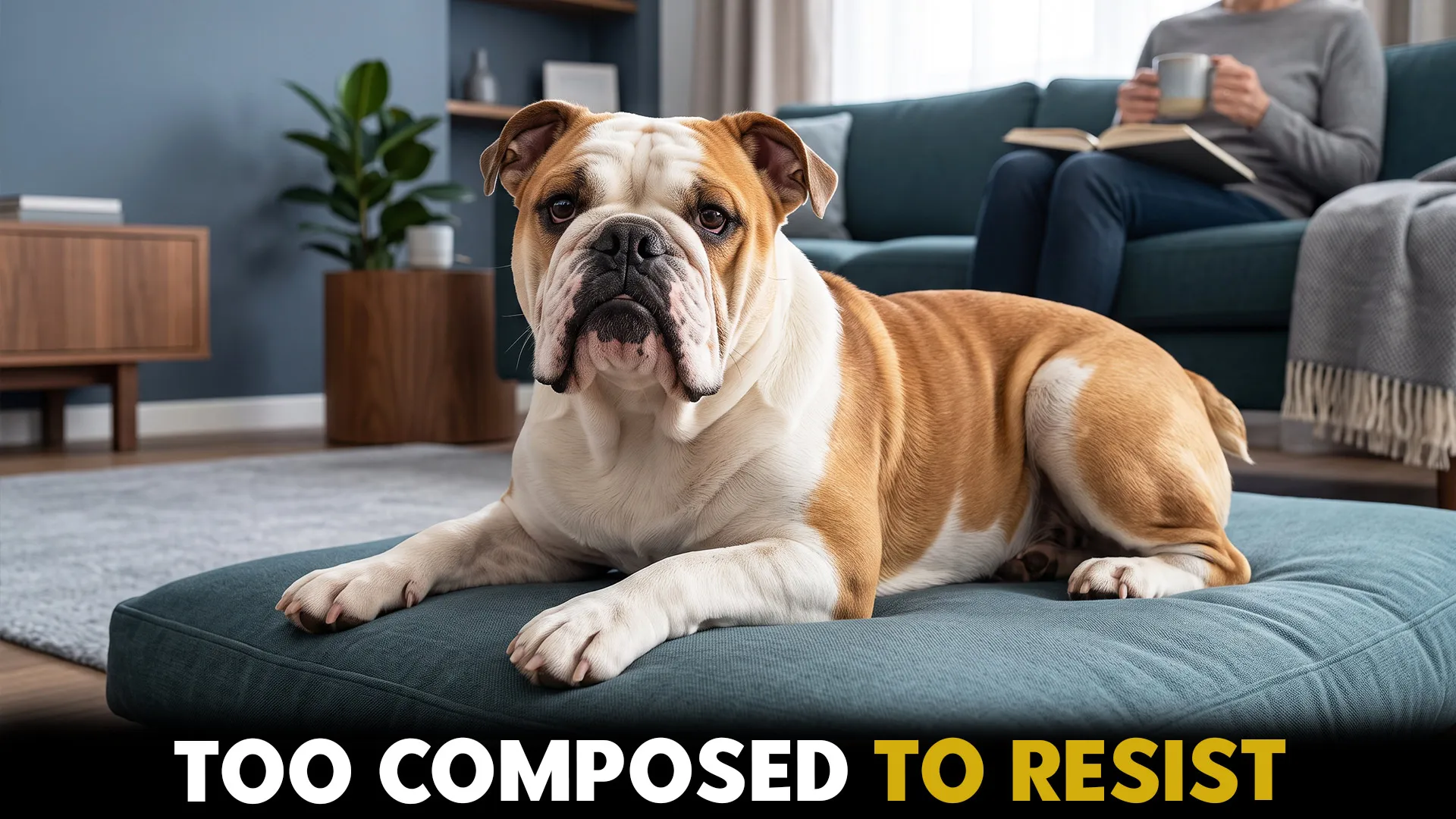
Not every household is built around long hikes, constant games, or packed daily schedules. Some owners prefer quiet mornings, strolls, relaxed afternoons, and evenings spent at home.
For these lifestyles, a dog with a naturally settled temperament can be a particularly comfortable companion.
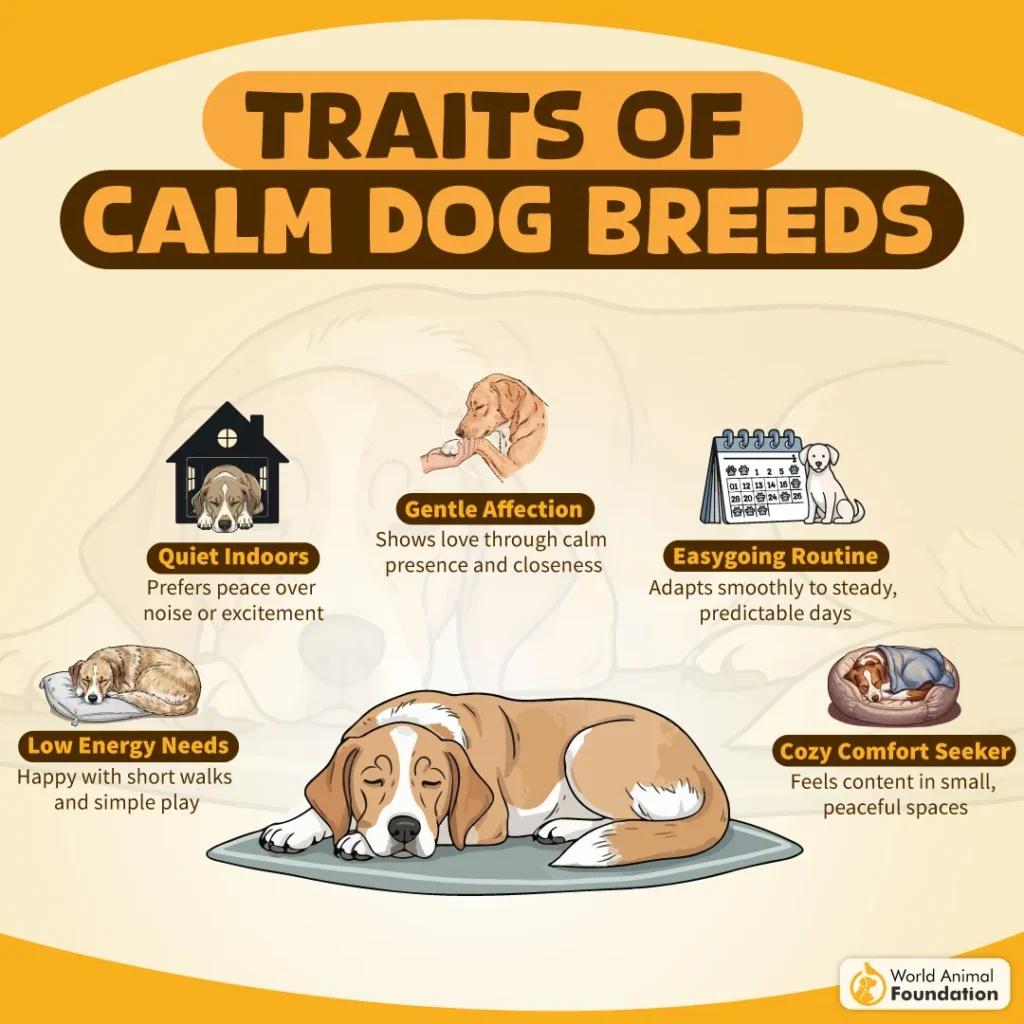
A calm disposition does not mean a dog has no needs. Every breed still requires suitable exercise, social contact, mental engagement, grooming, and routine care.
Age and individual personality can also make a significant difference, with young dogs often being more energetic than mature adults.
The breeds below include small companions, sturdy hounds, sporting dogs, and gentle giants. Their backgrounds are remarkably varied, but each can bring qualities that work well in a household where life tends to move at a comfortable pace.
Serene Dog Breeds That Thrive on Slow‑Paced Living
1. Cavalier King Charles Spaniel
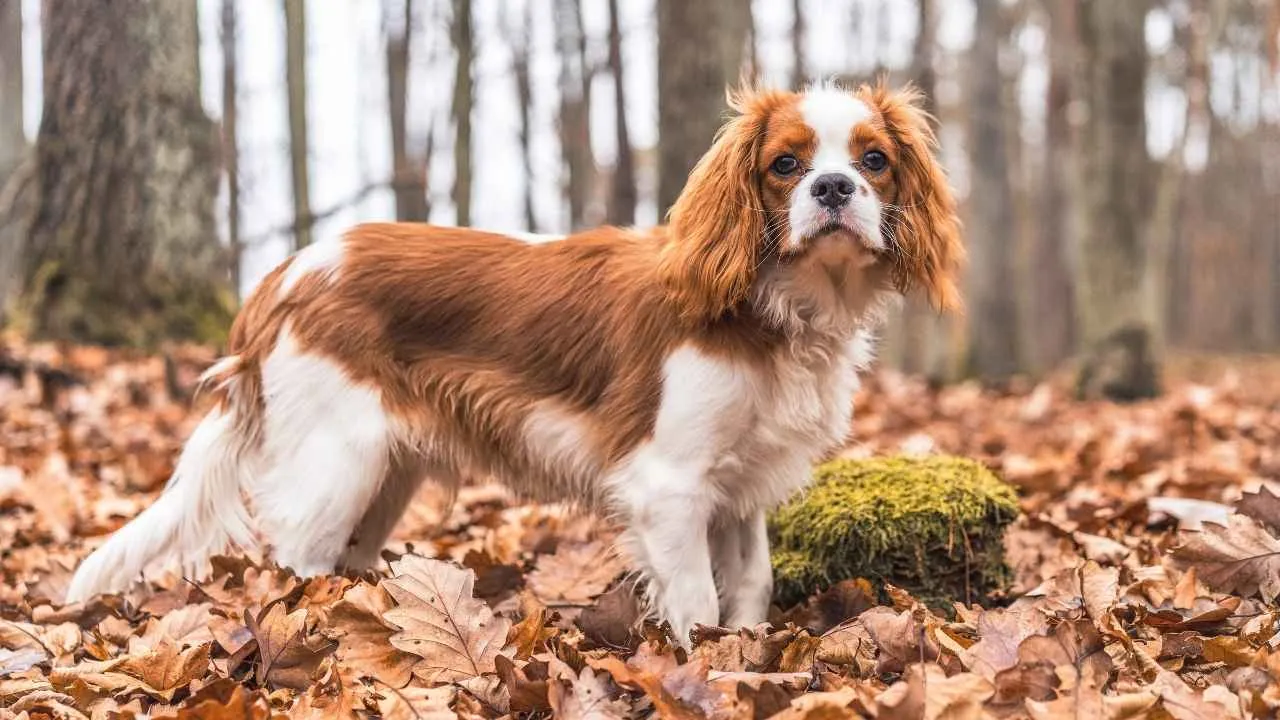
The Cavalier King Charles Spaniel developed in Britain from the small spaniels that appeared frequently in portraits of European aristocratic families.
These loyal dogs were valued primarily as companions, although their spaniel ancestry gave them an active and sporting side. The modern Cavalier was established as a distinct breed in the twentieth century.
Balanced Daily Routine
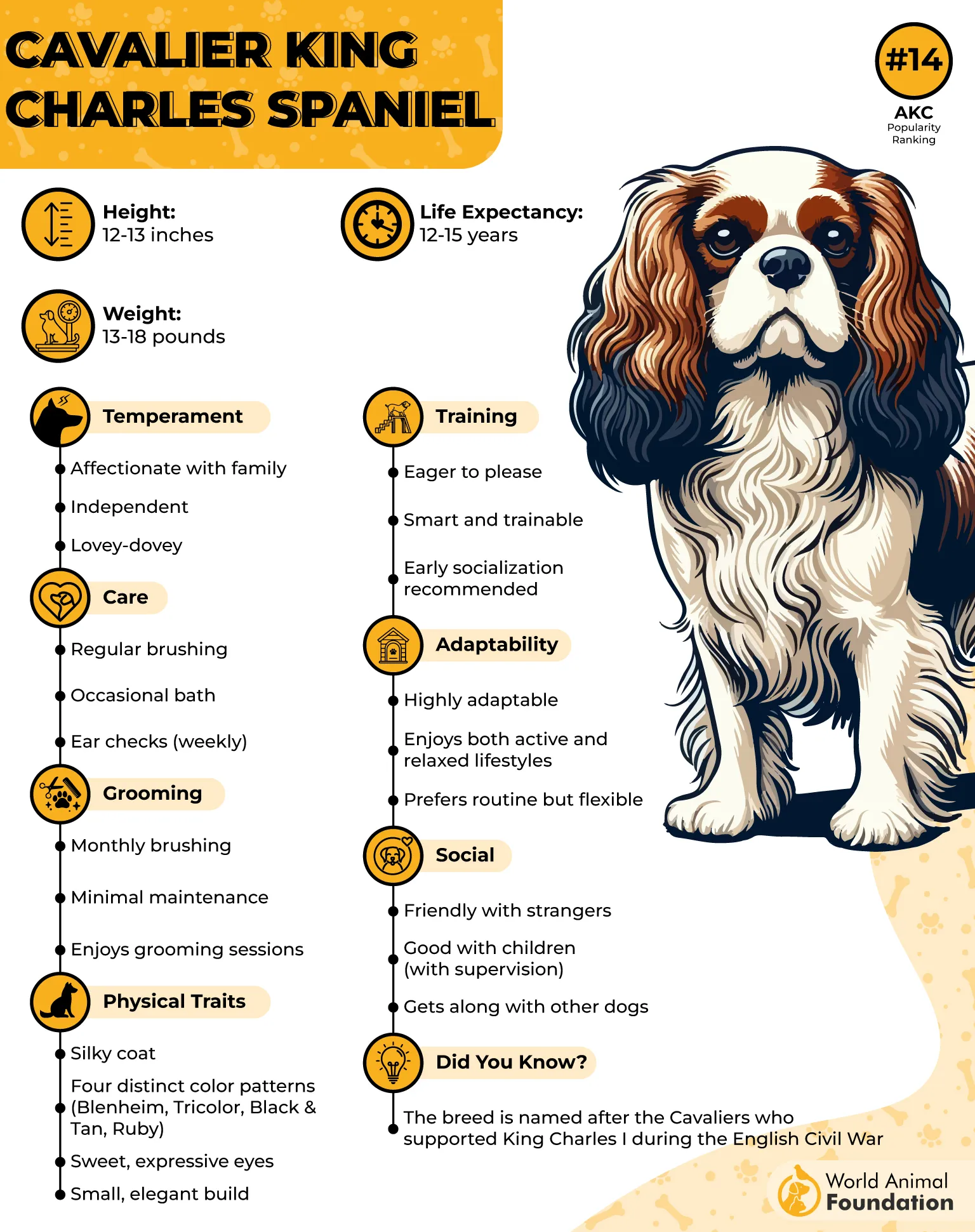
Cavaliers generally enjoy a combination of short walks, play, and indoor interaction. They do not need their owners to organize every day around strenuous exercise, but regular movement remains important for maintaining fitness.
Simple training games can provide additional stimulation without disrupting a relaxed schedule.
Affectionate and Gentle
Their people-oriented nature is one of their most recognizable qualities. Cavaliers often enjoy staying near their families and can settle comfortably after receiving enough attention.
Their sociable temperament can make them especially appealing to owners who want a companion that participates in quiet household life.
2. Basset Hound
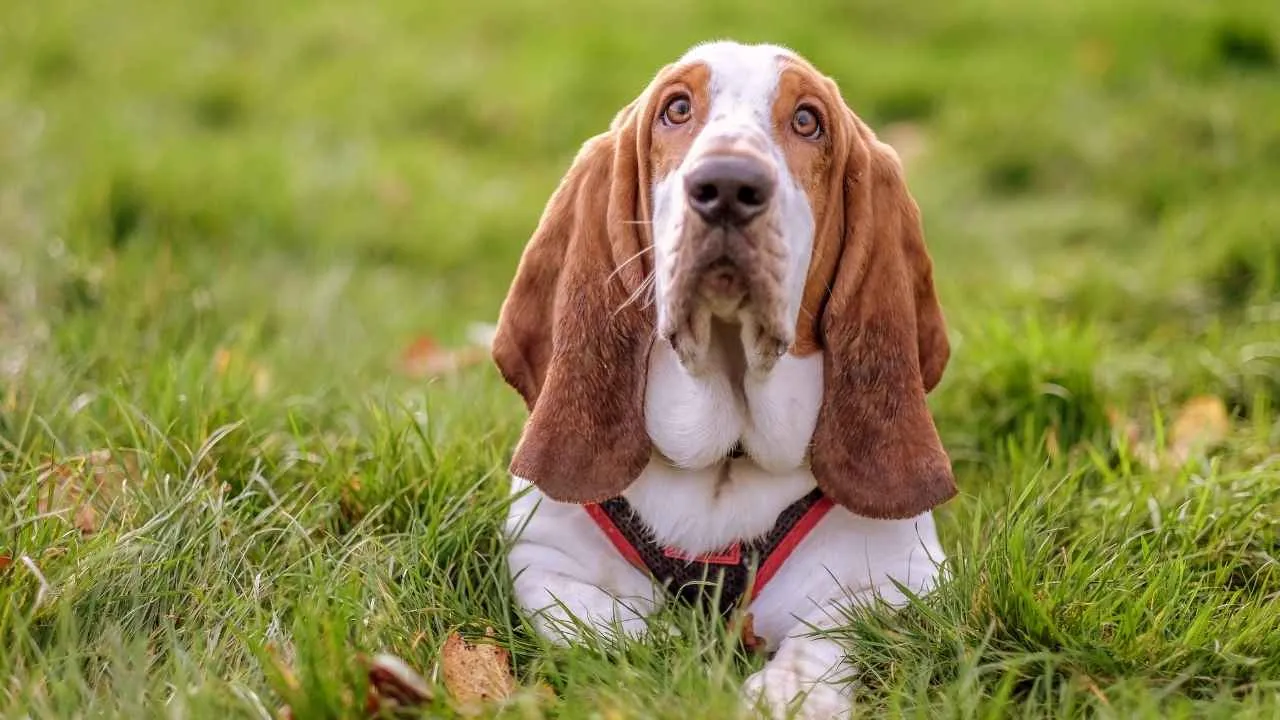
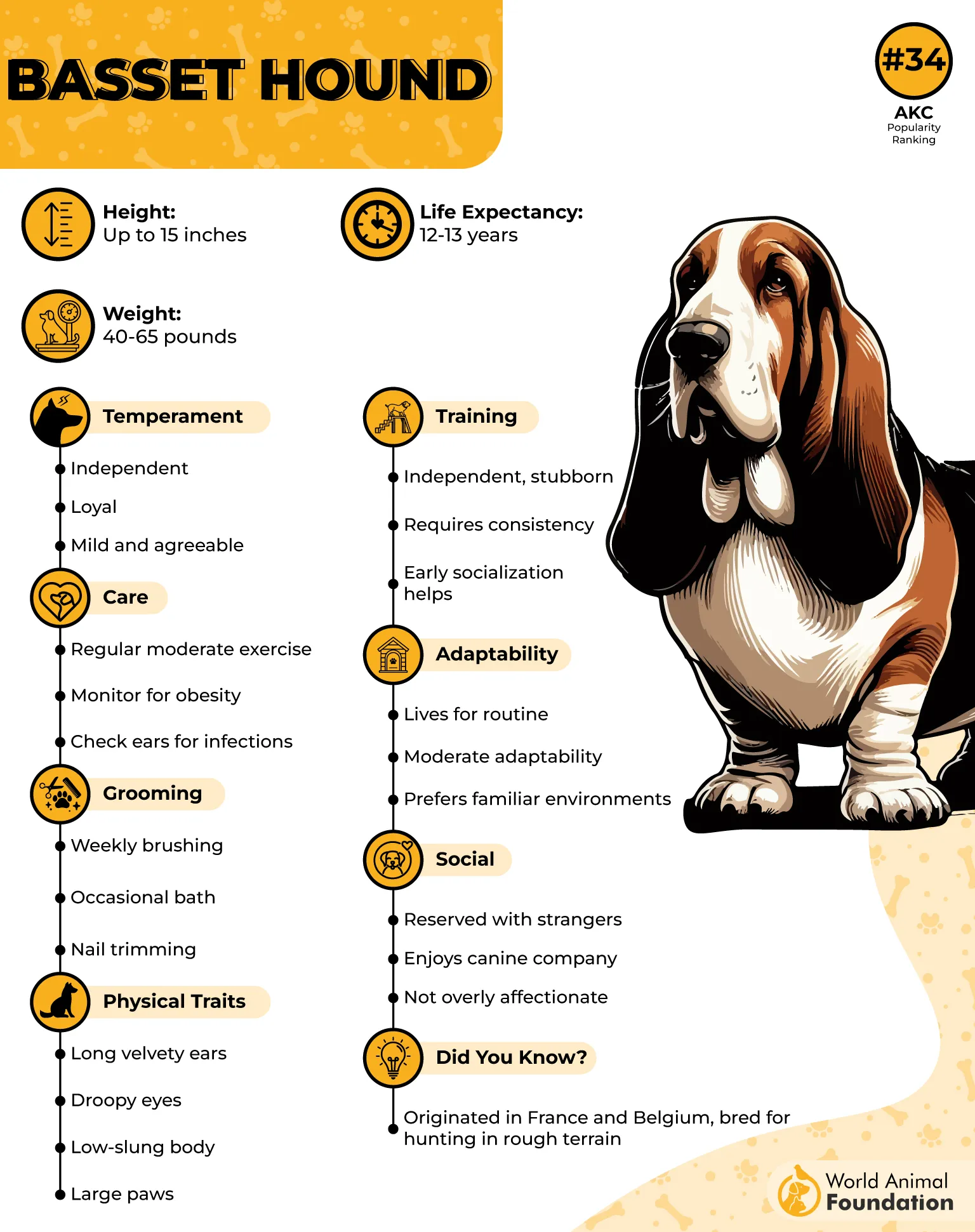
Basset Hounds originated in France and descend from scent hounds bred for tracking game at a deliberate pace. Their unusually short legs allowed hunters to follow them through dense terrain while their powerful noses kept them focused on a scent trail.
The breed later became popular as a household companion because of its distinctive appearance and agreeable character.
Leisurely Outdoor Time
A Basset Hound can appreciate daily walks without requiring a demanding athletic program. Allowing time for sniffing and exploration can make a simple outing much more satisfying for this scent-driven breed, as per PetMD.
Owners should monitor body condition carefully because excess weight can place additional stress on its long back and joints.
Relaxed but Determined
Bassets often have an easygoing appearance and enjoy comfortable periods of rest. Beneath that laid-back exterior, however, they can be remarkably persistent when following an interesting scent.
Patient training and secure outdoor areas are useful because their nose may sometimes override their owner’s instructions.
3. English Bulldog
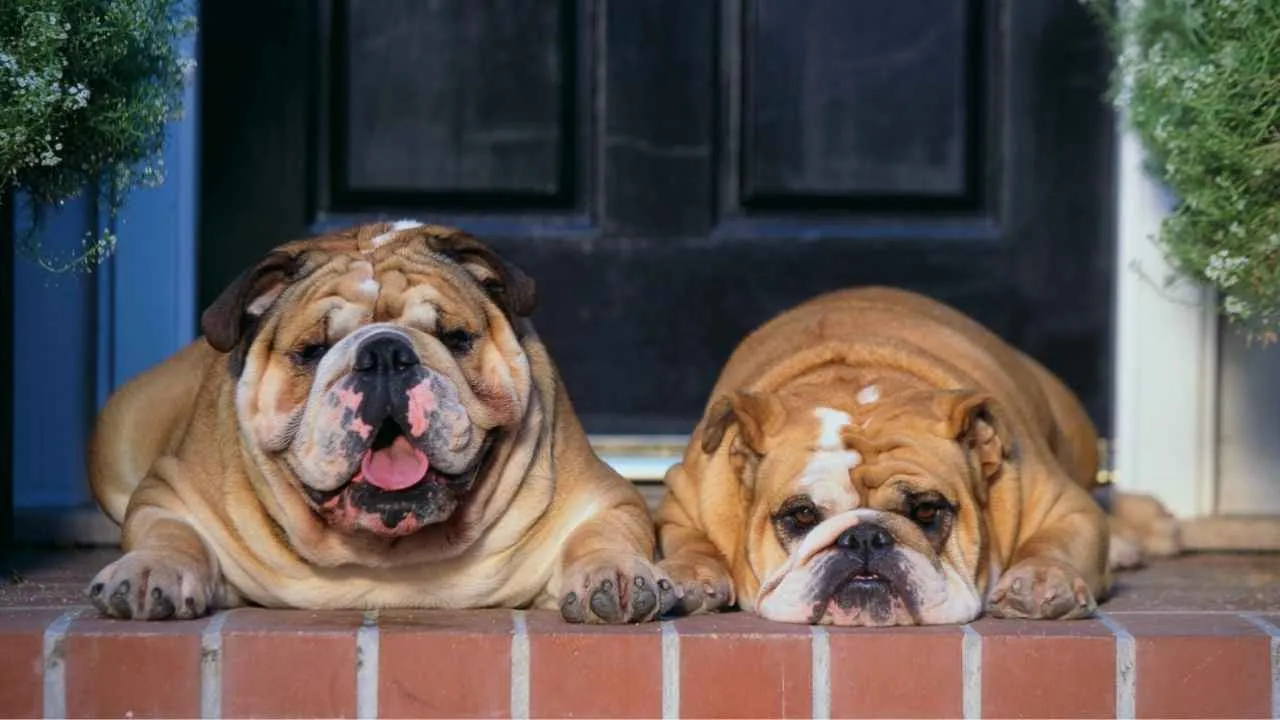
The English Bulldog’s ancestors were developed in Britain for bull-baiting, a practice that was eventually outlawed, according to Britannica.
After the sport disappeared, breeders redirected their efforts toward creating a more companion-oriented dog with the distinctive physical features associated with the breed today. Its transformation from working animal to household companion is a notable part of its history.
Gentle Exercise
English Bulldogs generally benefit from modest walks and controlled play rather than prolonged exertion.
Their shortened facial structure can make heat and strenuous activity particularly challenging, so outdoor sessions should be planned with weather and breathing comfort in mind. Indoor enrichment can supplement physical activity on unsuitable days.
Easygoing Home Life
Many Bulldogs are content to spend considerable time resting near their owners. Their comical expressions and affectionate tendencies can bring plenty of personality into a quiet household.
They still need interaction and appropriate stimulation, but they typically do not demand the same exercise volume as highly athletic working breeds.
4. Pekingese
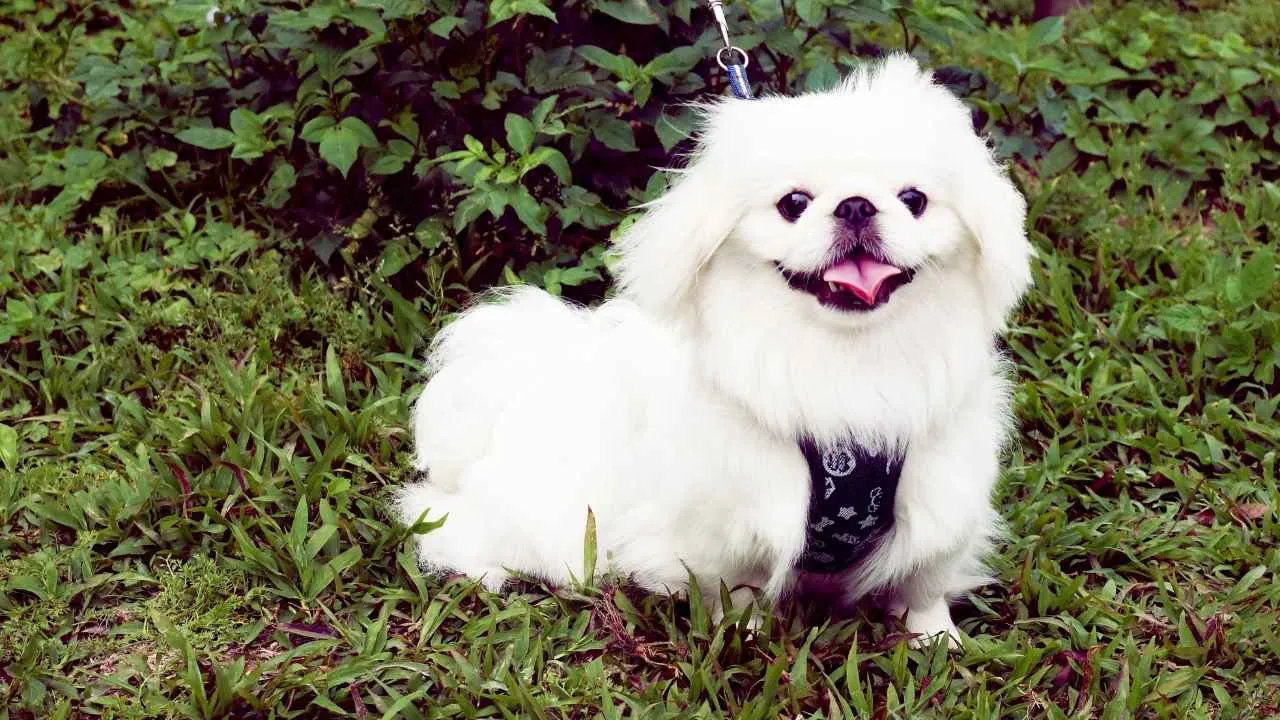
The Pekingese has ancient Chinese origins and was historically associated with the imperial court.
Small lion-like dogs were treasured as companions among members of the Chinese aristocracy, and the breed’s distinctive appearance developed over generations of selective breeding. Its role was centered on companionship rather than physical labor.
Short Outings and Indoor Activity
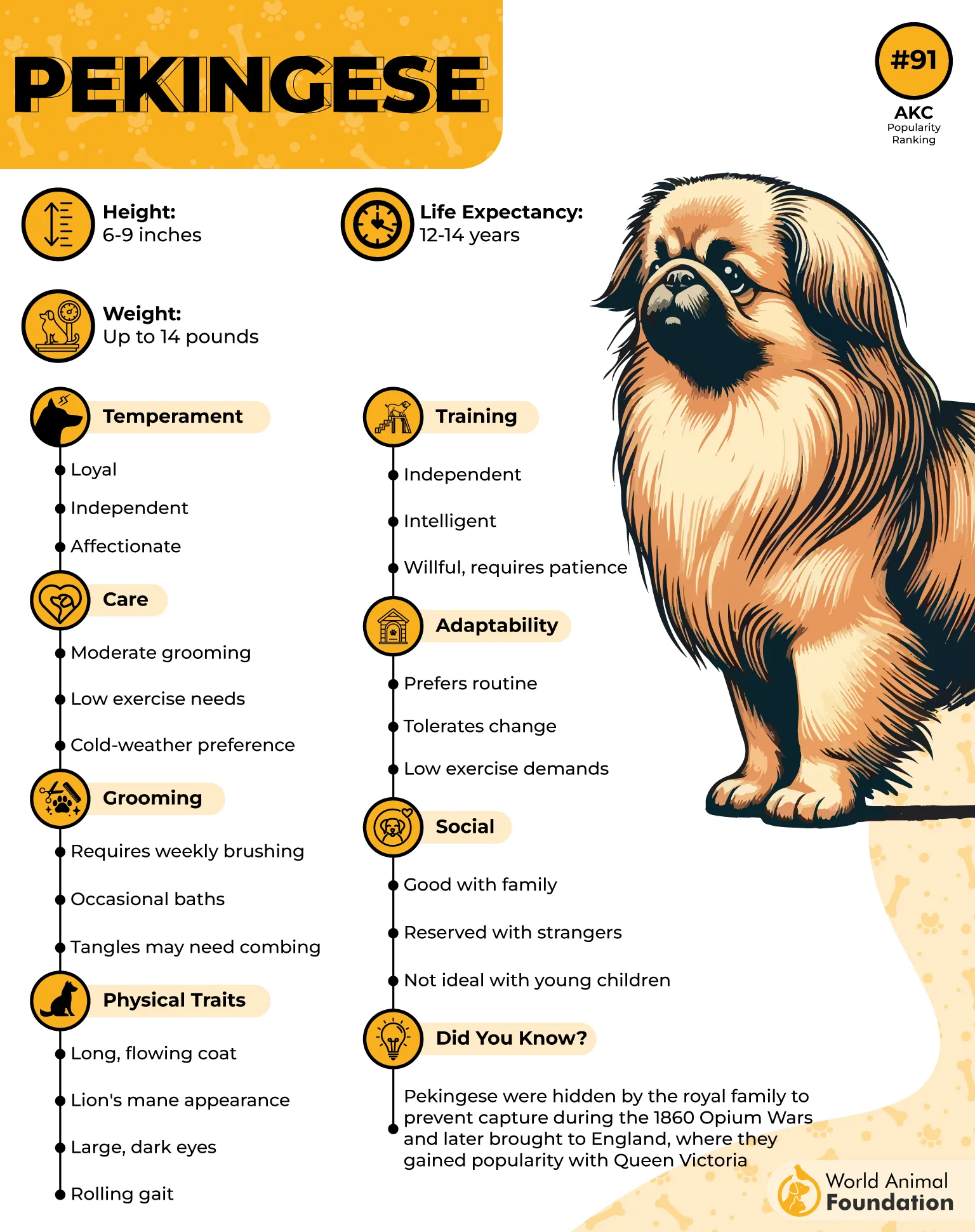
Pekingese can receive much of their required activity through brief walks and games around the home.
Their compact bodies make them easy to accommodate in smaller living spaces, although owners should take care with heat because their flat faces can affect their ability to cool themselves efficiently.
Independent and Composed
A Pekingese may be affectionate without being constantly demanding of attention. It can possess a self-assured temperament and often approaches unfamiliar situations with confidence.
This combination can suit an owner who enjoys a small dog with plenty of personality and a relatively quiet household presence.
5. Bolognese
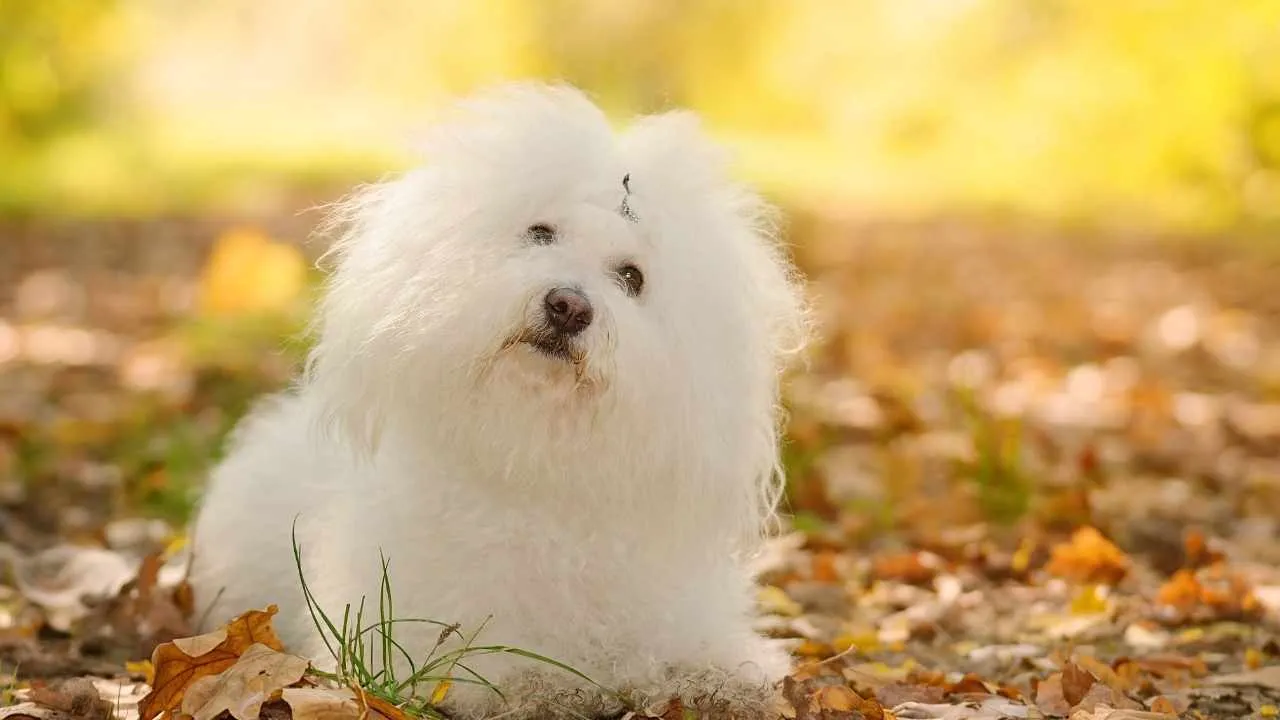
The Bolognese originated in Italy and is part of the Bichon family of companion breeds. It became associated with the city of Bologna and was historically favored by wealthy European families.
Its development centered on companionship, giving it a very different background from dogs bred to herd livestock or pursue game, as per Purina.
Moderate Activity Needs
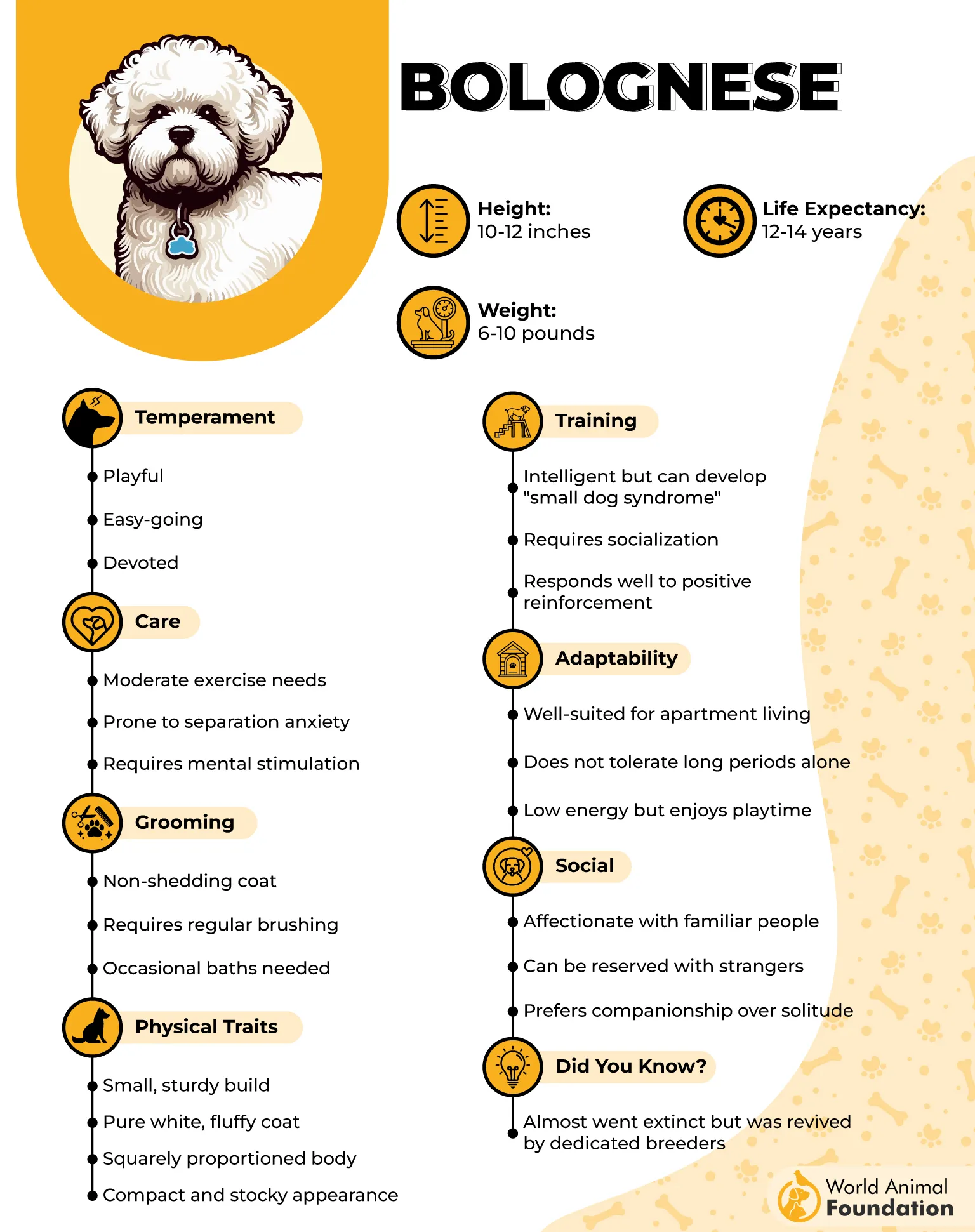
Bolognese dogs generally benefit from daily walks, indoor play, and opportunities to interact with their owners. They do not require an extensive exercise program to remain engaged, although mental activity should not be overlooked.
Simple games and short training sessions can fit naturally into a peaceful routine.
Close Family Attachment
Their affectionate nature can make them especially comfortable in homes where people spend plenty of time together.
Bolognese dogs often prefer companionship to isolation and can become deeply connected to their families. Their soft, textured coat requires consistent brushing to prevent tangles from developing.
6. Clumber Spaniel
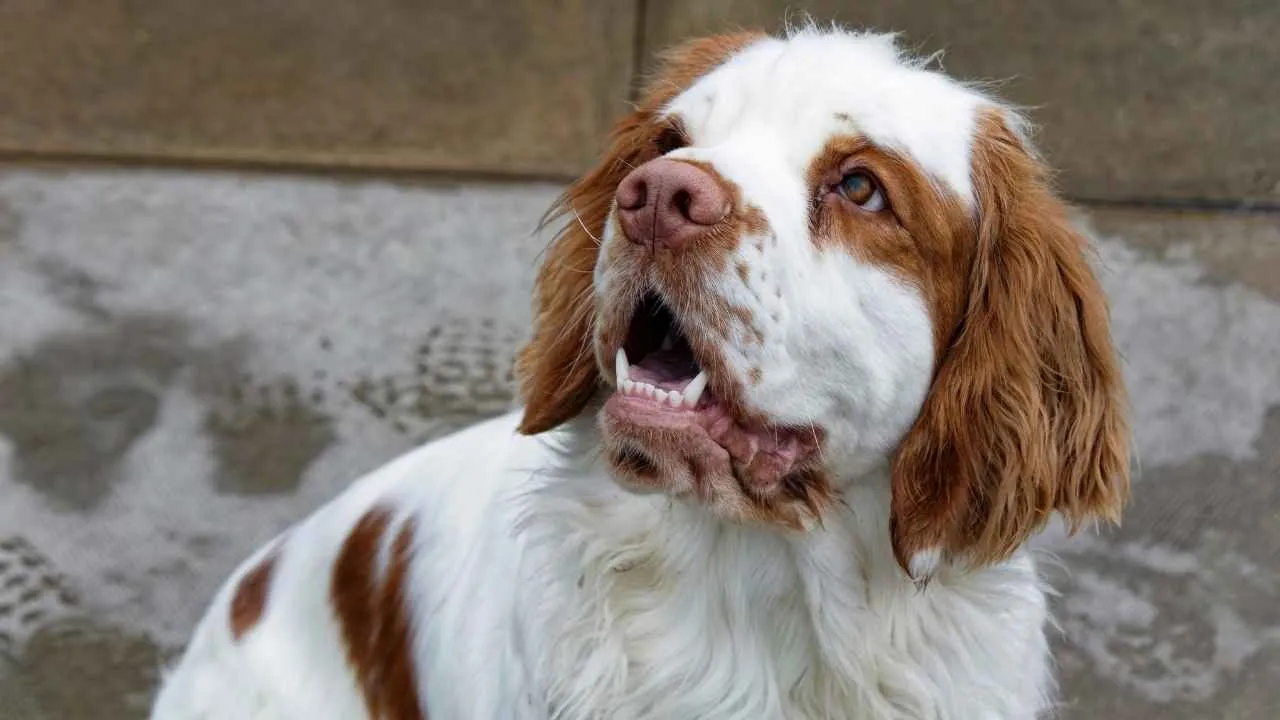
The Clumber Spaniel was developed in Britain and became closely associated with Clumber Park, the estate from which its name is derived.
It was bred as a flushing and retrieving dog, working methodically through heavy cover rather than relying on the speed associated with lighter spaniels. Its substantial body gives it a distinctive appearance within the sporting group.
Measured Exercise
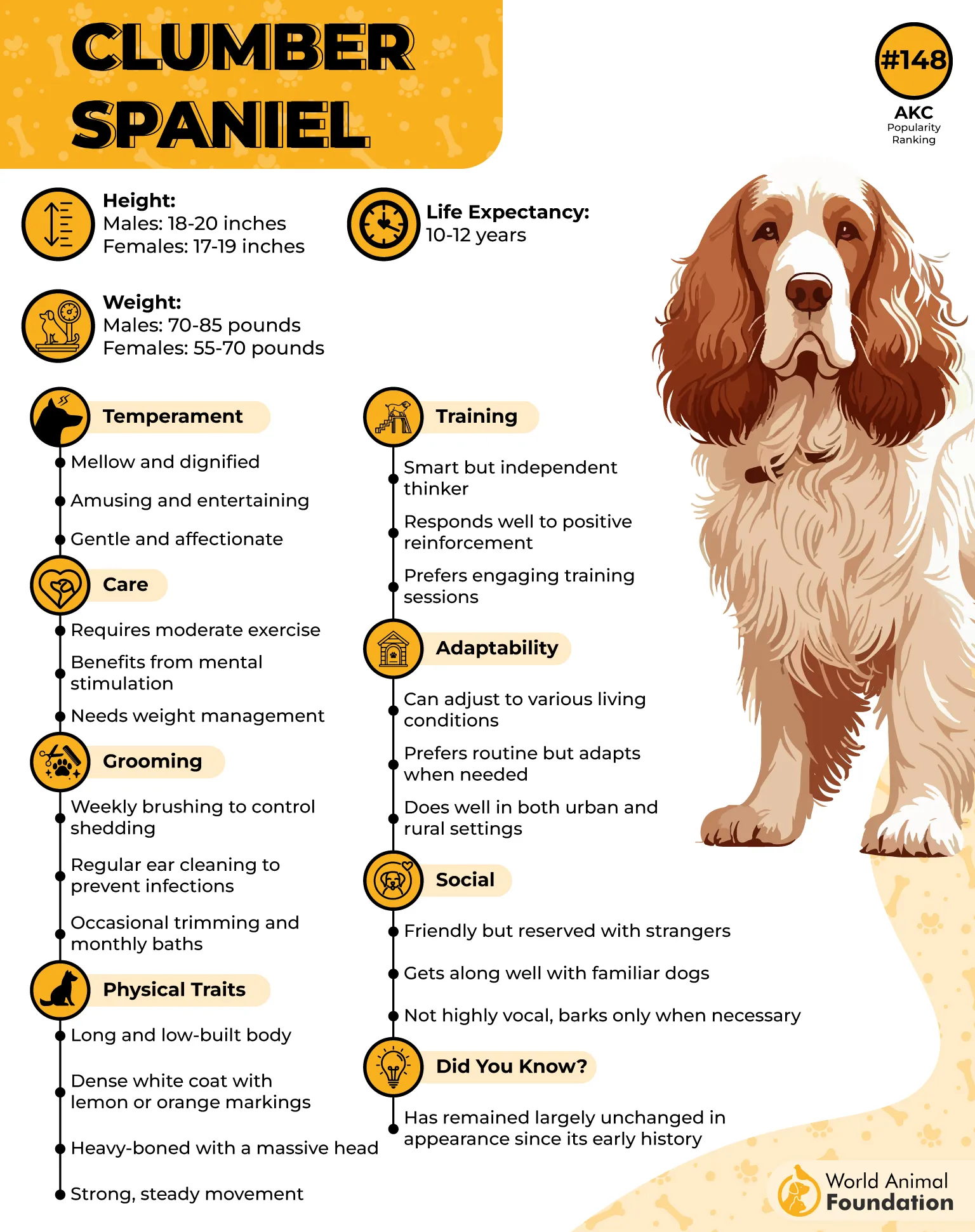
Clumber Spaniels can enjoy daily walks and outdoor exploration without needing a relentless pace. Their heavier build makes controlled activity preferable to excessive strain, especially as they age.
Sniffing, gentle retrieving games, and varied walking routes can keep outings interesting.
Quiet Sporting Companion
Although they come from a hunting background, Clumbers are often described as relatively steady household dogs. They can enjoy family interaction while also appreciating periods of rest.
Owners should be prepared for regular coat care and shedding, particularly because their dense fur can collect outdoor debris.
7. Greyhound
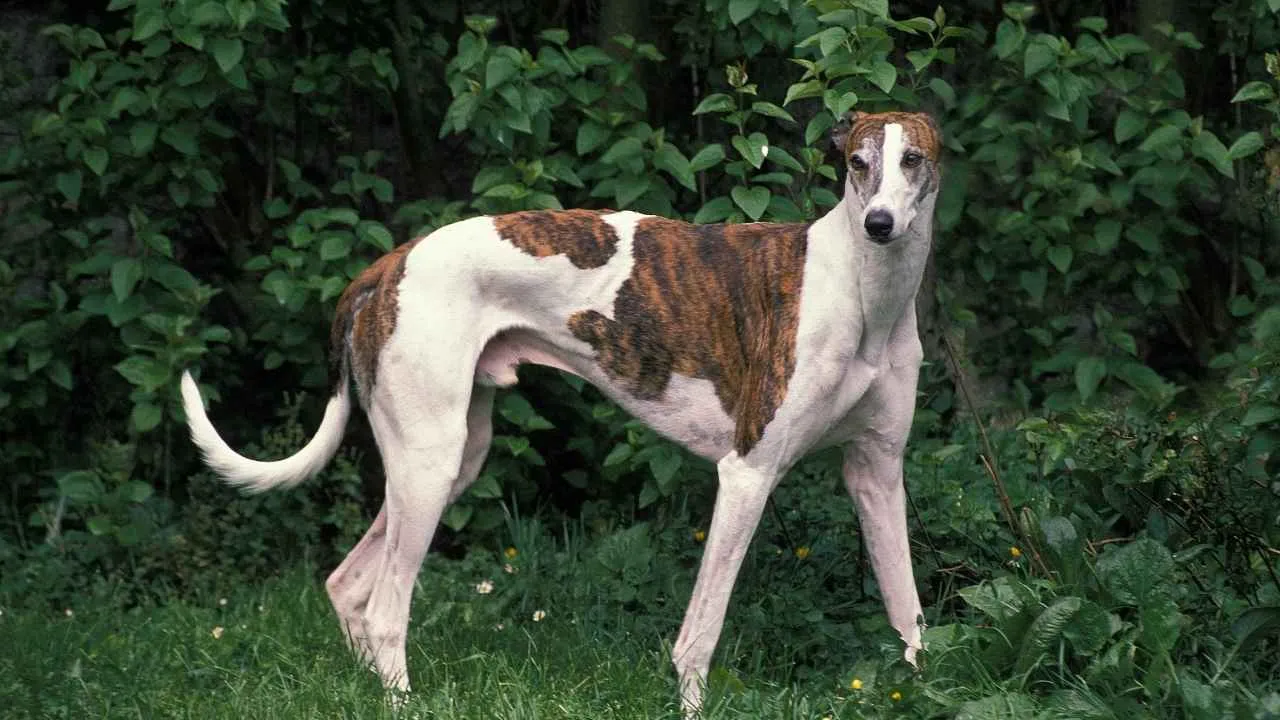
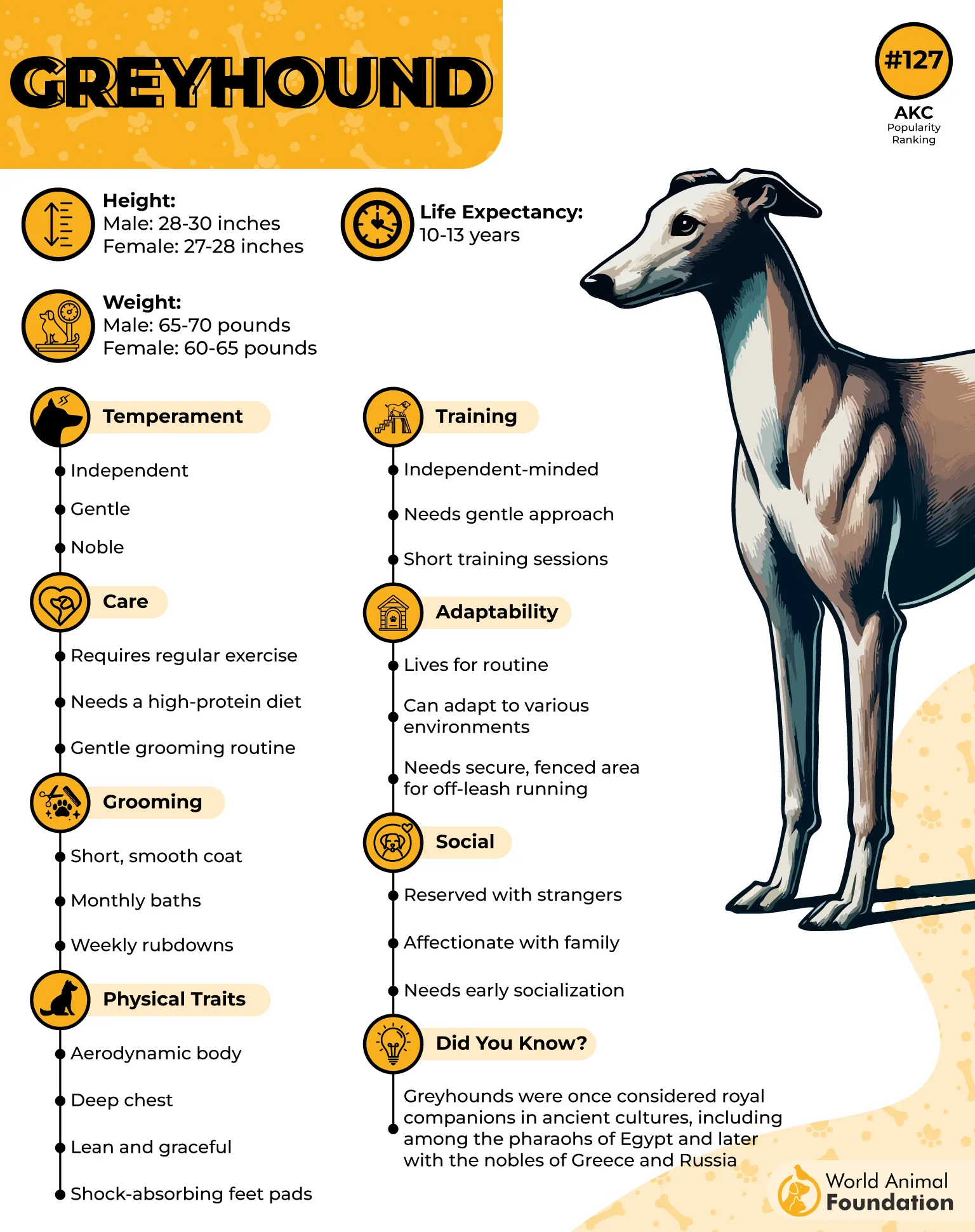
The Greyhound is one of the world’s oldest breeds, with evidence of similar dogs appearing in ancient civilizations. It was developed to pursue fast-moving prey using exceptional speed and keen eyesight.
Despite this athletic history, Greyhounds can display a surprisingly restful temperament once their opportunities for appropriate movement have been met.
Short Periods of Exercise
Greyhounds can benefit from brisk walks and occasional opportunities for safe running, followed by substantial rest. Their exercise program does not necessarily need to involve hours of continuous activity.
Because they can accelerate rapidly, secure enclosed areas are essential whenever free running is permitted.
Peaceful Indoor Behavior
Many Greyhounds are remarkably comfortable spending long periods relaxing indoors. Their lean bodies often lead them toward soft, comfortable resting places, and they can be content to remain near their families between outings.
Their thin coats also make warmth and comfortable bedding especially valuable.
8. Newfoundland
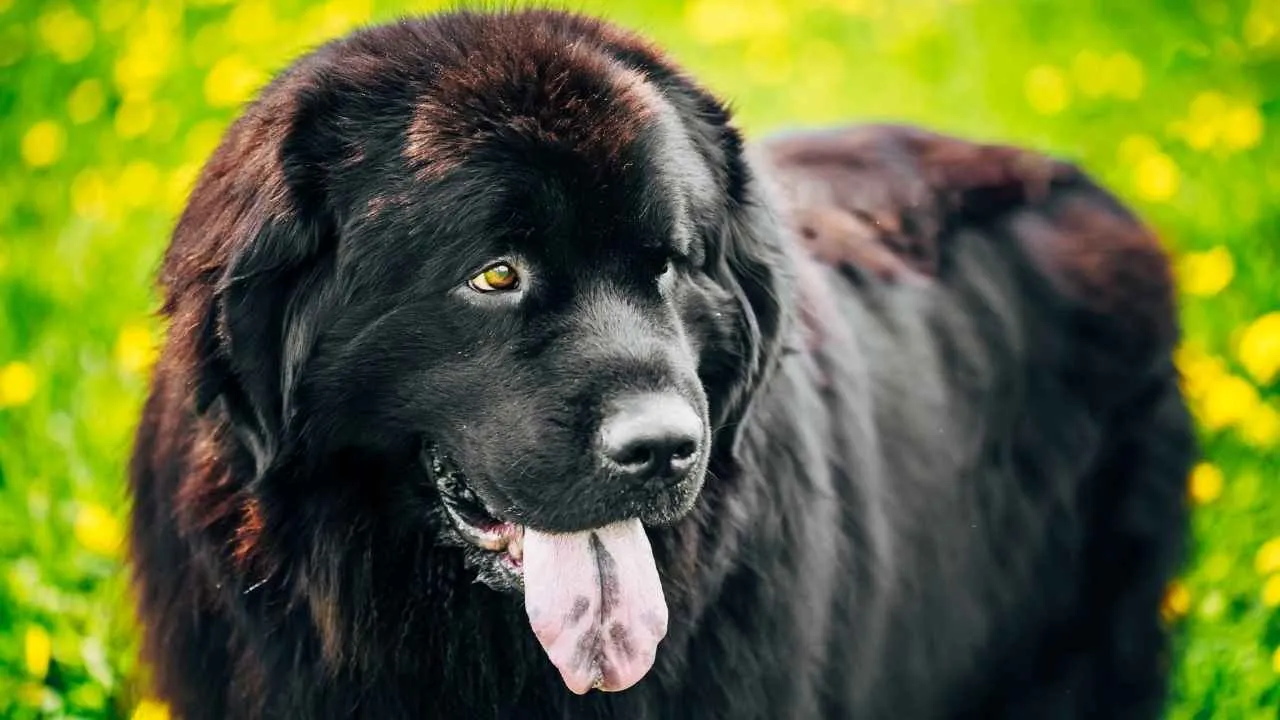
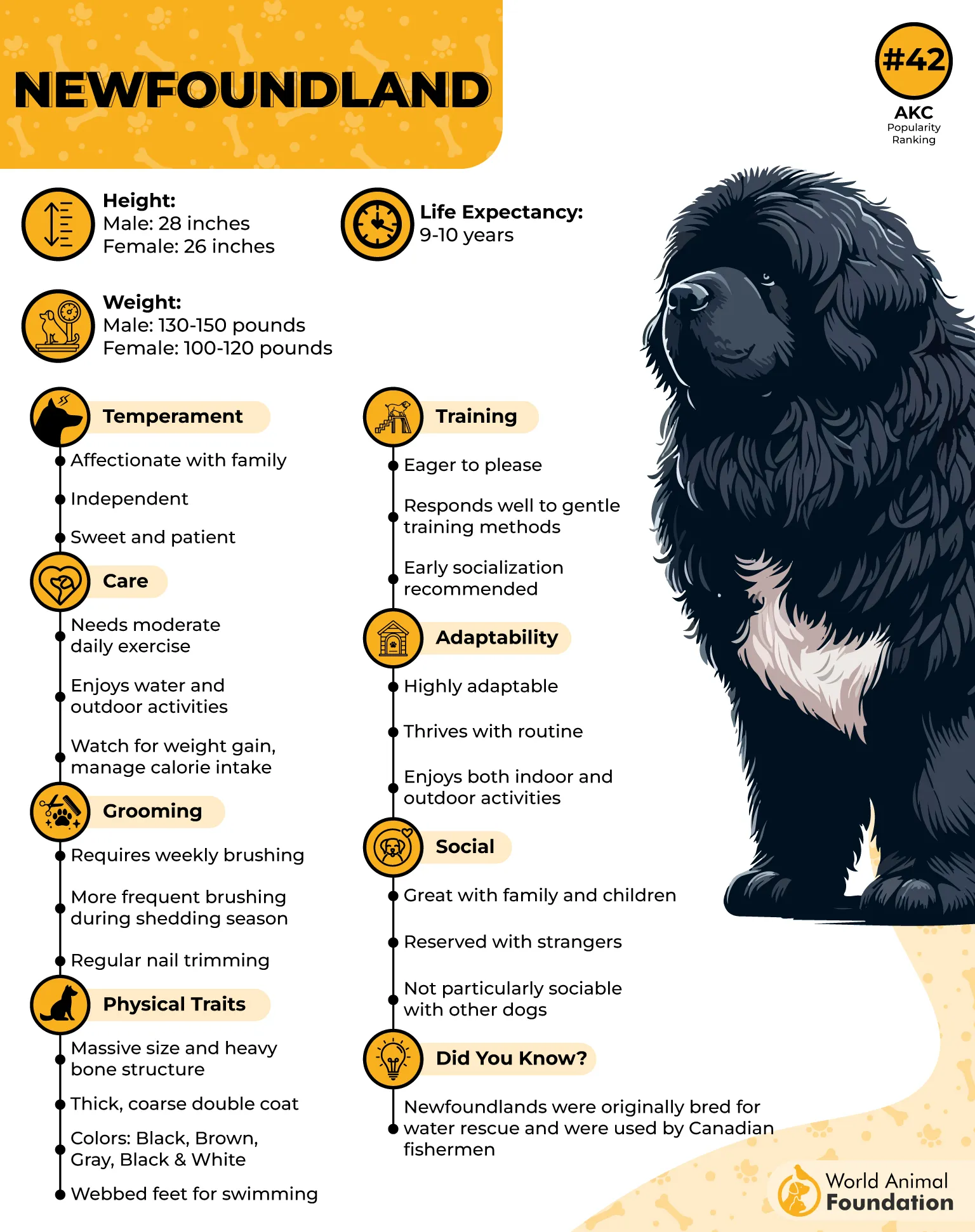
Newfoundlands originated on the island of Newfoundland in Canada, where fishermen relied on large working dogs for water-related tasks, as per the AKC. They assisted with hauling, retrieving, and other demanding jobs around boats and shorelines.
Their swimming ability, strength, and calm nature helped establish the breed’s reputation as a dependable working companion.
Controlled Physical Activity
Newfoundlands need regular movement to support their large frames, but their exercise does not have to be fast-paced. Walking, swimming in safe conditions, and moderate outdoor activity can provide suitable outlets.
Heat requires special consideration because their heavy coats and large bodies can make warm weather difficult.
Gentle Giant Character
The breed is widely appreciated for its patient and affectionate temperament. Newfoundlands can be attentive family companions and often seem happiest when they are included in household life.
Their enormous size means that owners must plan for substantial grooming, feeding, equipment, and living-space requirements.
9. Saint Bernard
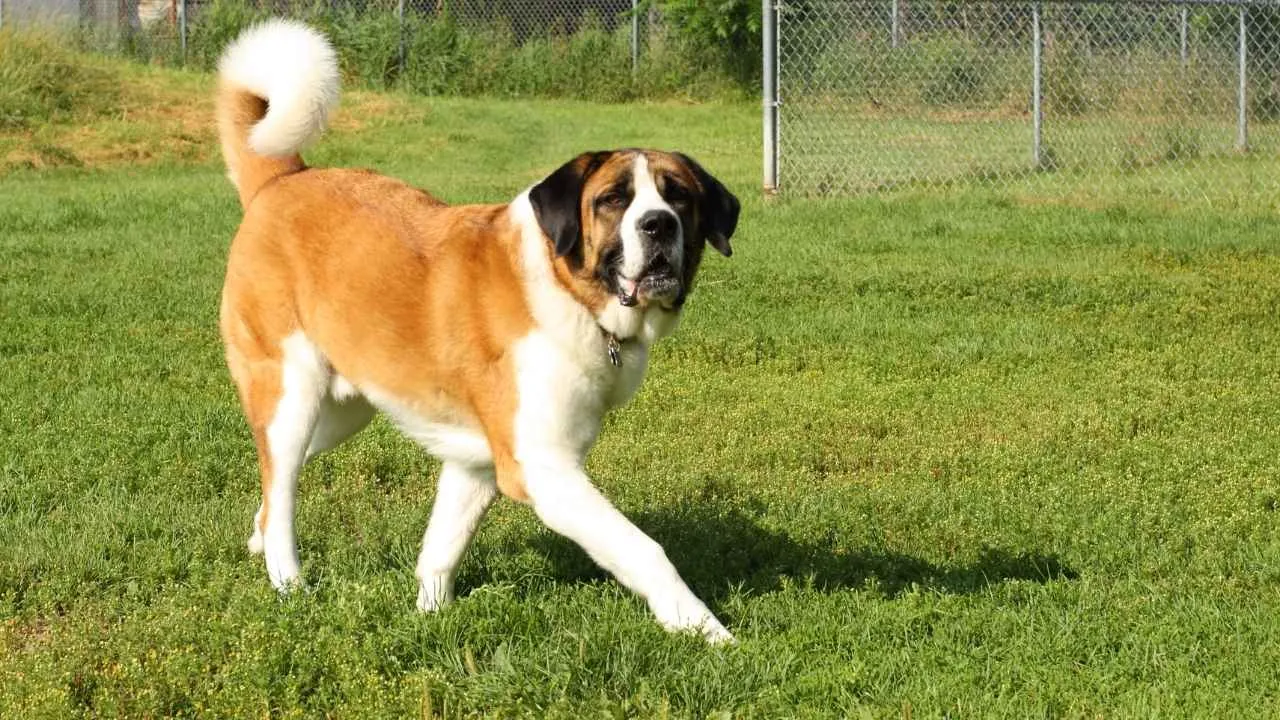
Saint Bernards originated around the Great St Bernard Pass in the Swiss Alps, where dogs associated with the hospice were used for work in difficult mountain conditions.
They became famous for helping locate travelers in dangerous weather and also served as general-purpose farm and working dogs. Their imposing size developed alongside a reputation for reliability.
Moderate Movement
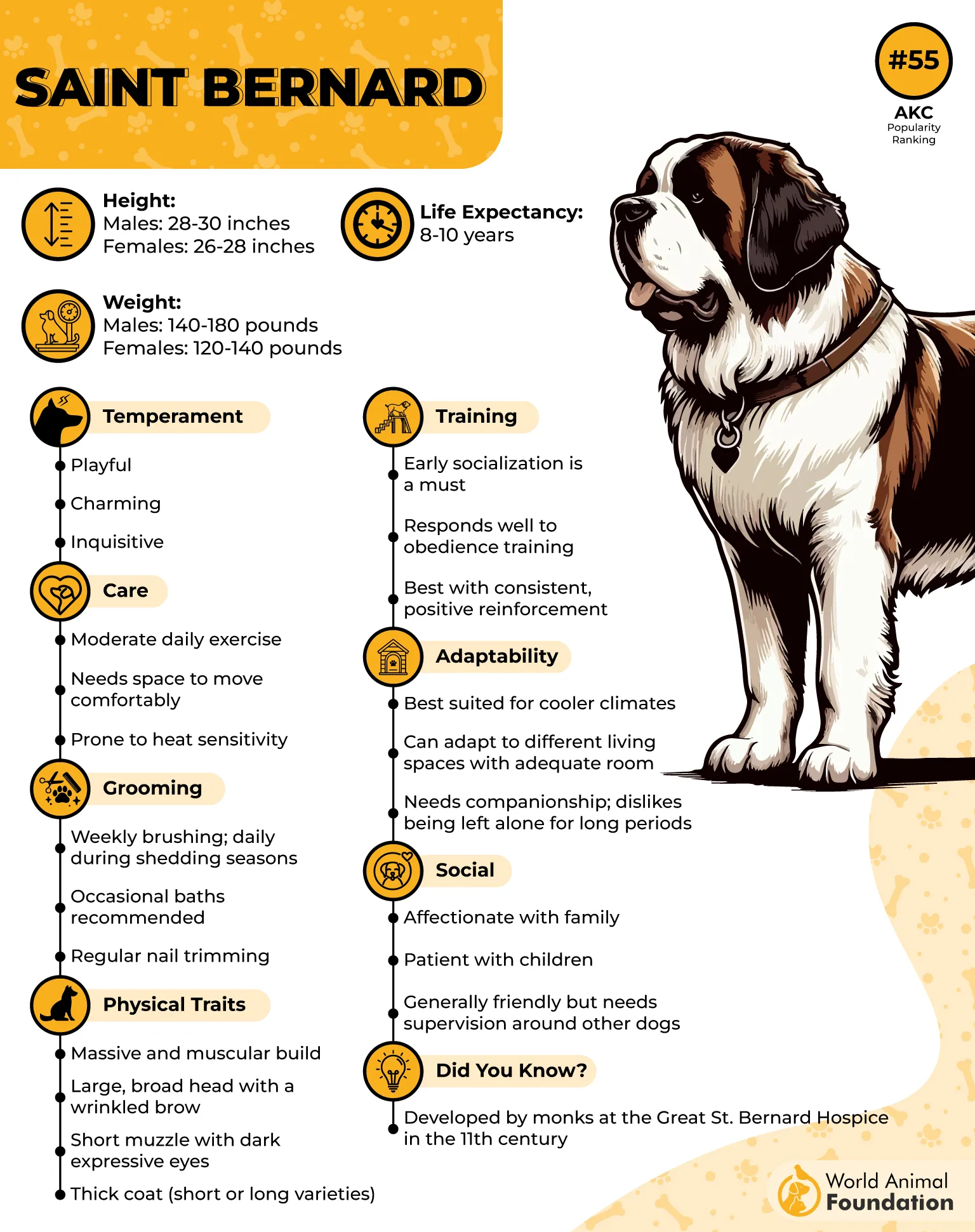
Saint Bernards benefit from regular walks and appropriate activity, particularly during their development.
Excessive impact should be avoided while young dogs are growing, and mature individuals still benefit from sensible exercise rather than extreme endurance work. Cooler weather is generally more comfortable than hot conditions for this heavy breed.
Patient Household Presence
Their size may appear intimidating, but many Saint Bernards are gentle and affectionate with their families. They often enjoy being near people and can settle for extended periods after receiving suitable activity.
Owners should be prepared for drooling, shedding, and the practical challenges associated with keeping a giant dog.
10. Boerboel
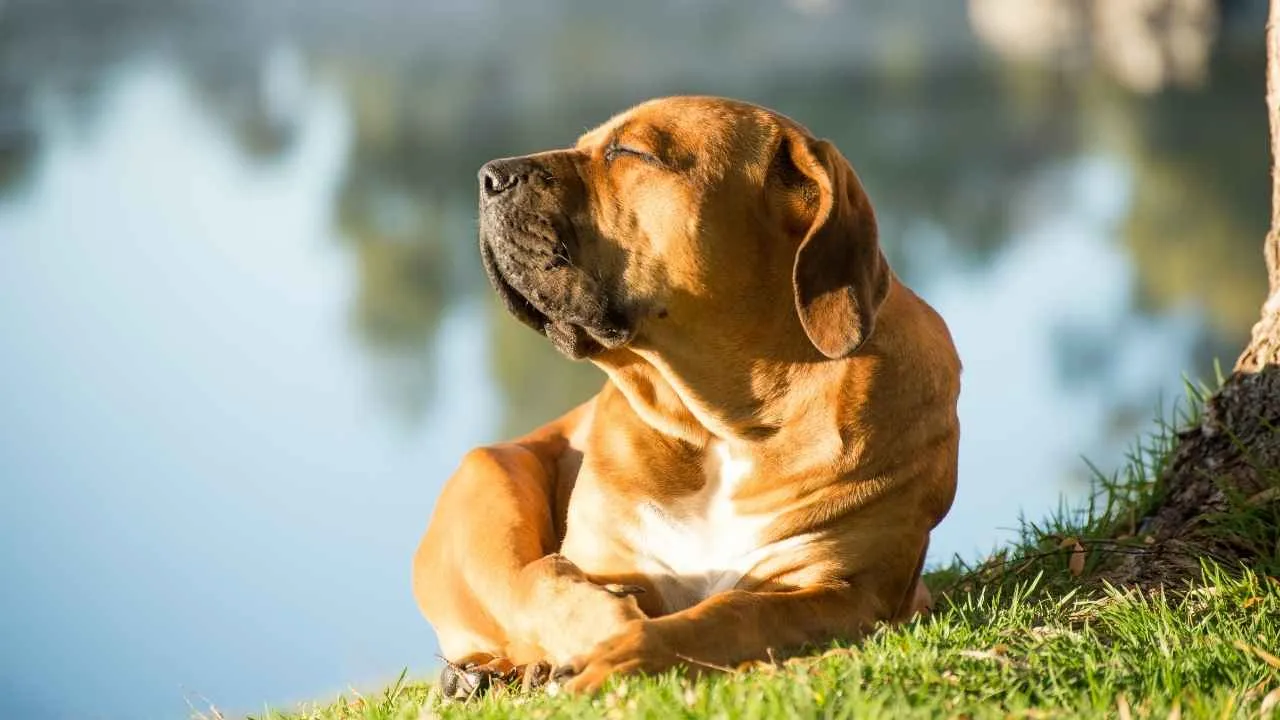
The Boerboel developed in South Africa from large working dogs used to protect farms and homesteads.
European settlers and local dogs contributed to its ancestry, while generations of selection favored strength, resilience, and confidence in a demanding environment. The resulting breed became a substantial property guardian with a strong connection to its household.
Purposeful Exercise
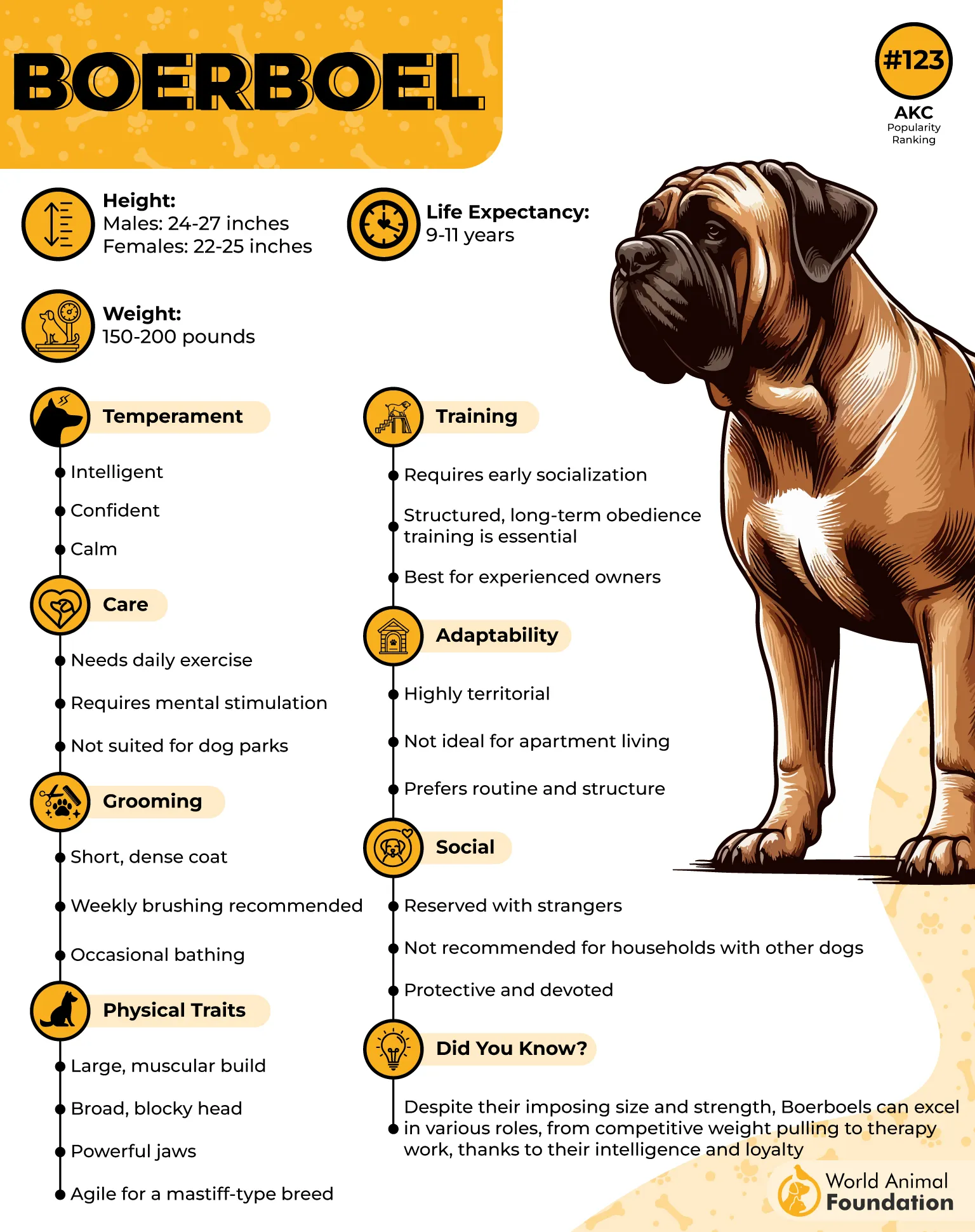
Boerboels require more physical engagement than many of the smaller breeds on this list. Daily walks, controlled outdoor activity, and obedience work can help maintain both fitness and good behavior.
Their powerful bodies make proper leash manners particularly important, while young dogs should not be pushed through excessive impact exercise.
Calm Confidence
A well-socialized Boerboel can display a composed demeanor around its family while remaining attentive to unfamiliar situations. Its natural confidence means it should be raised with clear boundaries and thoughtful social exposure.
This is a serious, strong breed that is better suited to an owner prepared for responsible management rather than someone seeking a completely hands-off companion.
Conclusion
Slow-paced living can accommodate a surprisingly broad selection of calm dog breeds. Cavalier King Charles Spaniels, Bolognese, and Pekingese can provide close companionship in smaller packages, while Basset Hounds and Clumber Spaniels offer a more leisurely approach to outdoor activity.
The Greyhound is a reminder that athletic history does not necessarily mean constant motion, while Newfoundlands and Saint Bernards demonstrate how giant breeds can combine substantial physical presence with gentle household temperaments. The Boerboel is somewhat different, requiring more deliberate exercise and experienced handling despite its ability to remain composed at home.
Ultimately, a serene household still needs to meet its dog’s physical and emotional requirements. The best calm breed is one whose exercise level, social needs, grooming demands, size, and temperament fit naturally into the owner’s everyday rhythm.
