





Living in an apartment or compact home does not mean you have to give up the companionship of a dog. Many smaller breeds can adapt comfortably to limited indoor space when their exercise, mental stimulation, social needs, and daily routines are properly addressed.
A dog’s size is only one part of determining whether it will suit a smaller home. Energy level, barking tendencies, adaptability, and the ability to settle indoors can be equally important. Even a tiny dog may struggle in an apartment if it requires constant activity or becomes distressed when left alone.
The seven breeds below are known for their generally companionable personalities and manageable size. While individual dogs can behave differently, these breeds can be appealing options for owners seeking a gentle canine companion without needing a large living area.
Gentle Dog Breeds Well-Suited for Small Spaces
1. Shih Tzu
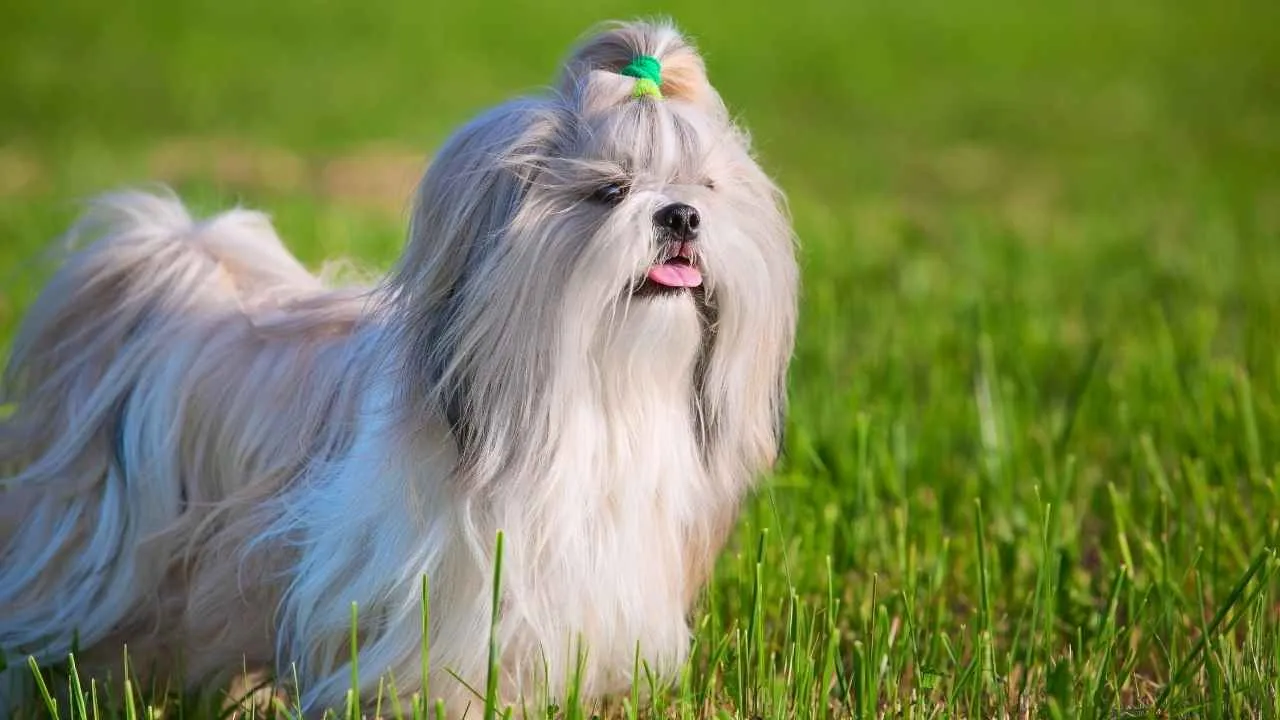
The Shih Tzu is an ancient companion breed associated with China and Tibet, where small dogs were treasured by royal and aristocratic households. The breed was developed primarily for companionship rather than demanding physical work.
Its compact body, expressive face, and flowing coat give the Shih Tzu an unmistakable appearance. Its history as a household companion also helped shape its affectionate relationship with people.
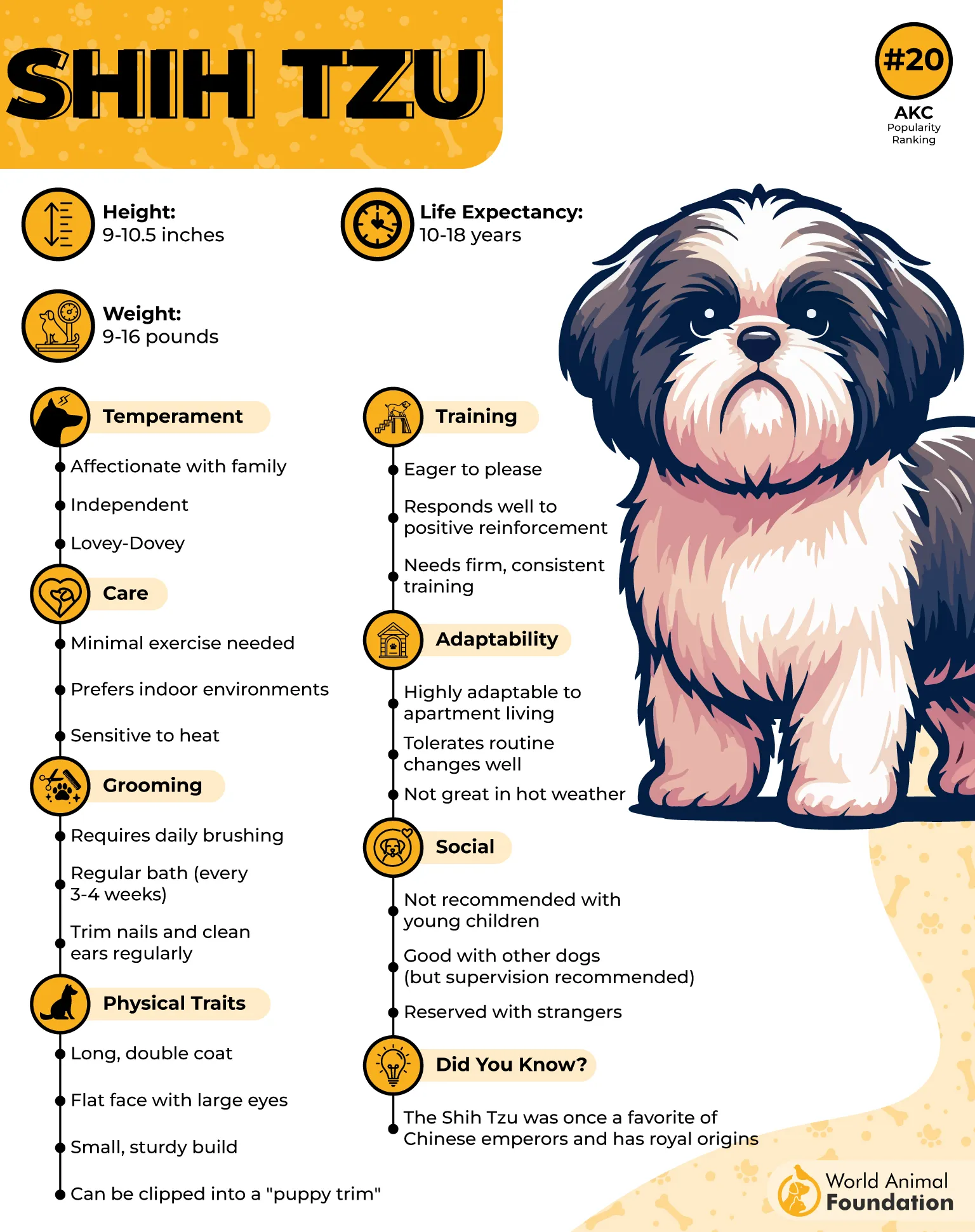
Affectionate, Calm, and Comfortable Around Their People
Shih Tzus are often friendly, affectionate, and content to spend considerable time with their families. They generally do not require the same level of strenuous exercise as athletic working breeds.
Short walks, indoor games, and interactive activities can provide suitable stimulation. Early training and socialization can also help establish quiet household manners and confidence around unfamiliar situations.
Their Long Coat Needs Consistent Maintenance
A Shih Tzu’s luxurious coat requires regular brushing if it is kept long. Without frequent grooming, the hair can develop mats and tangles, particularly around the face, legs, and ears.
Many owners choose a shorter pet trim to simplify maintenance. Dental hygiene is especially important for this small breed, along with nail care, ear cleaning, healthy nutrition, and routine veterinary examinations.
2. Pug
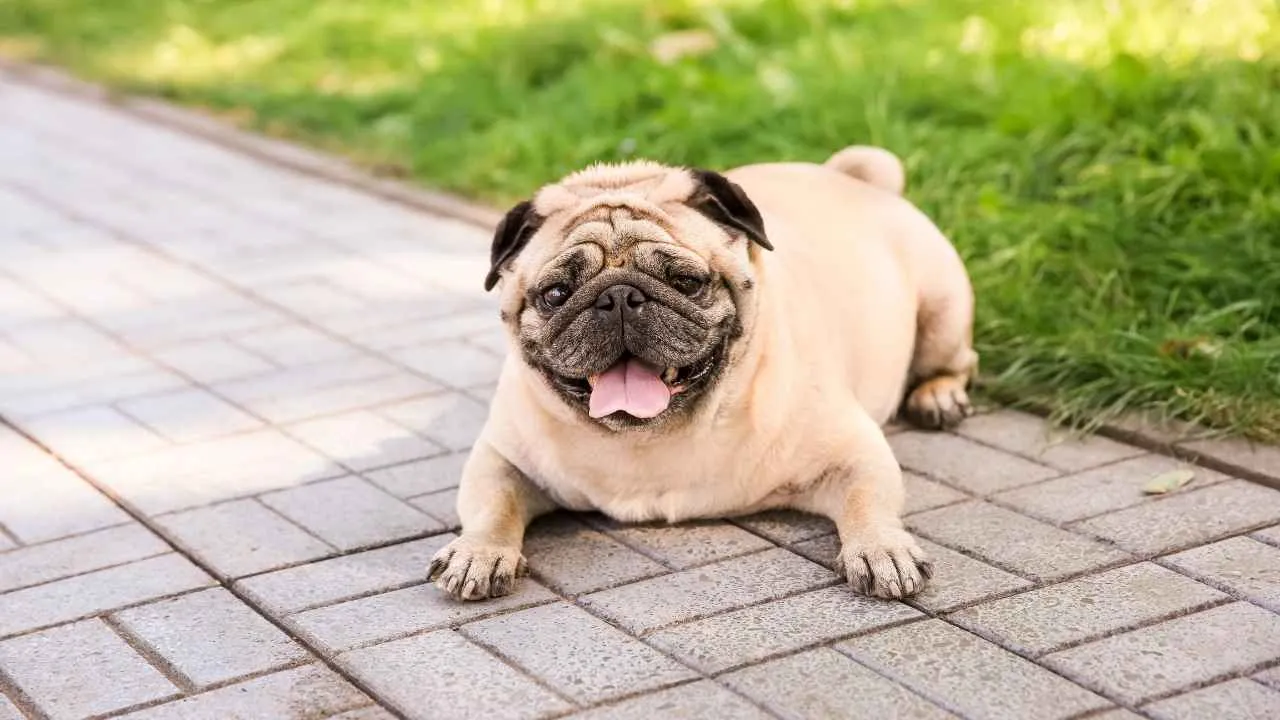
Pugs have ancient roots in China, where they were kept primarily as companion dogs by members of royal and aristocratic households. Their role centered on living closely with people rather than performing strenuous working tasks.
Their compact bodies and distinctive faces make them instantly recognizable. Despite their small stature, Pugs often have entertaining personalities and enjoy participating in family life.
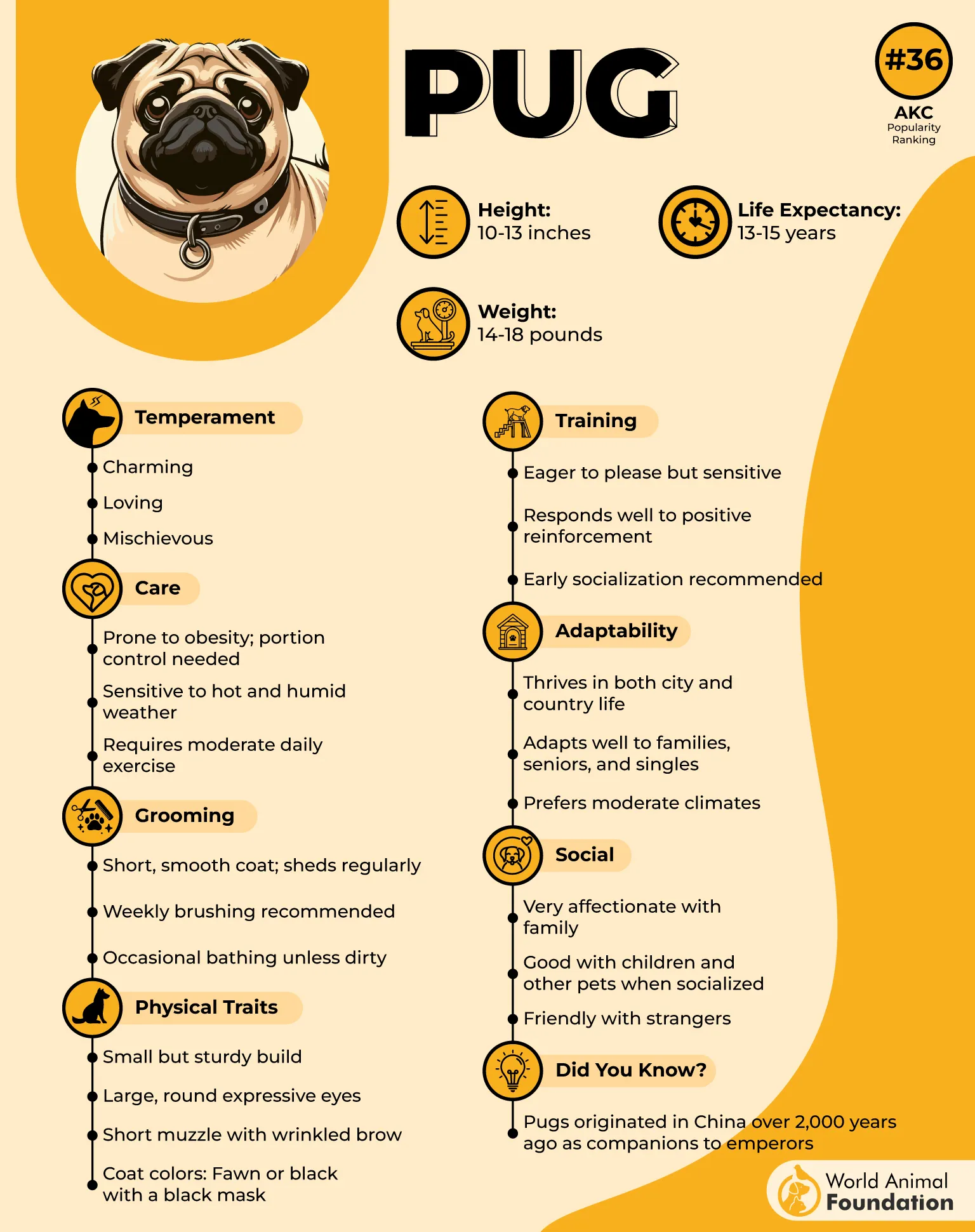
Easygoing, Affectionate, and Naturally Sociable
Pugs are often friendly dogs that enjoy companionship and can adapt to indoor living. They may be playful at certain times but are generally happy to relax near their owners afterward.
Their short muzzle means owners need to be cautious about heat and strenuous activity. Moderate walks, gentle games, and indoor enrichment can provide activity without placing unnecessary stress on their breathing.
Simple Fur Care With Special Facial Attention
Pugs have short coats that are easy to brush, although they can shed considerably. Regular brushing can help collect loose hair and keep the coat and skin in good condition.
Their facial folds need appropriate cleaning and drying to prevent irritation. Dental care, nail trimming, weight management, and regular veterinary checkups are also important because excess weight can worsen breathing and mobility concerns.
3. Havanese
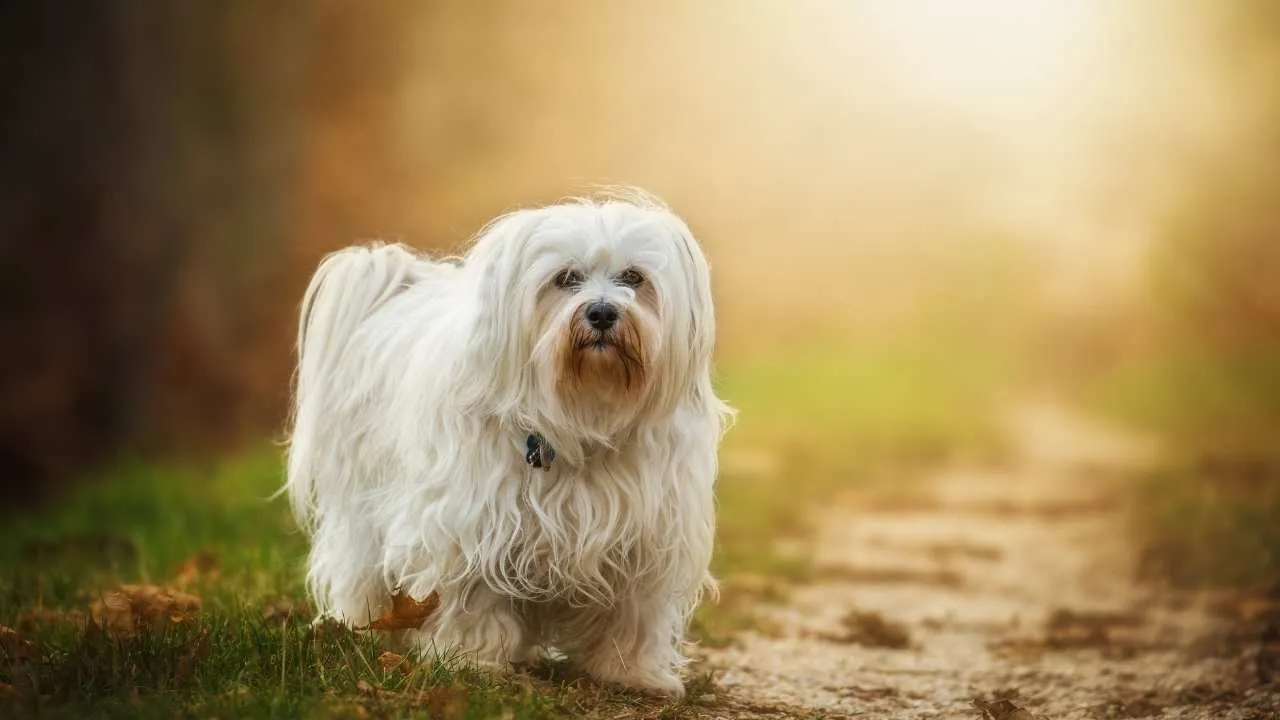
The Havanese developed in Cuba as a companion dog and became popular among Cuban households, as per Purina. Its small size, silky coat, and cheerful personality made it well suited to close family life.
Unlike breeds developed for hunting, herding, or guarding, the Havanese was primarily shaped around companionship. This history remains evident in its affectionate and people-oriented nature.
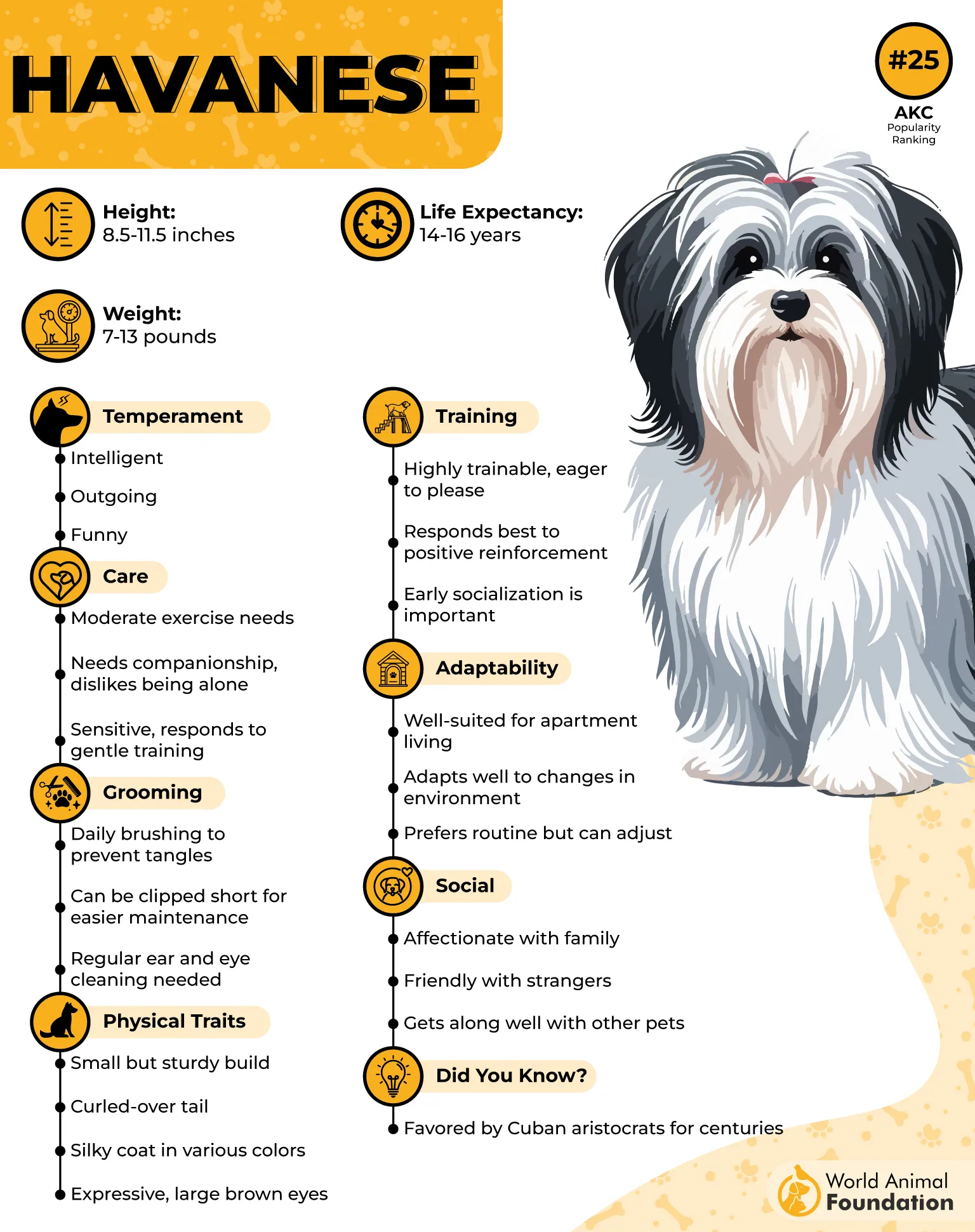
Cheerful, Adaptable, and Fond of Human Company
Havanese are often playful and affectionate without needing a large yard. They can enjoy short walks, indoor games, and interactive activities with their owners.
Their intelligence also makes them capable of learning household routines. Positive training and early socialization can help them become confident companions in busy apartment environments.

Their Silky Hair Requires Regular Grooming
The Havanese has a soft, long coat that can tangle easily without regular brushing. Owners who keep the hair long should be prepared for frequent grooming, while a shorter trim can make everyday maintenance more manageable.
Routine dental care is important for small dogs, along with nail trimming, ear checks, bathing when needed, and veterinary examinations. Keeping them at a healthy weight also supports comfortable movement in a compact home.
4. Bichon Frise
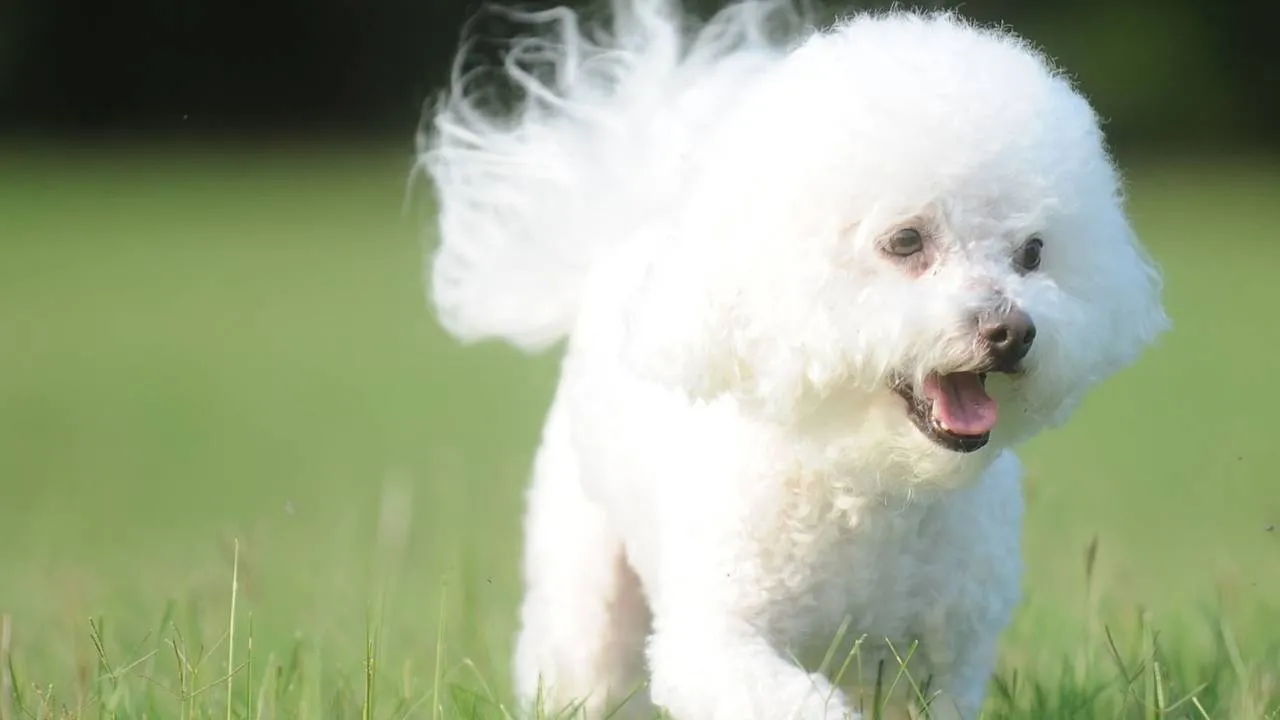
The Bichon Frise developed from small Mediterranean companion dogs and eventually became associated with European courts and households, as per PDSA. Its history centers more on companionship than on demanding physical work.
Its cheerful expression and fluffy white coat have made it especially recognizable. Despite its decorative appearance, the Bichon is an intelligent little dog that benefits from regular interaction and learning.
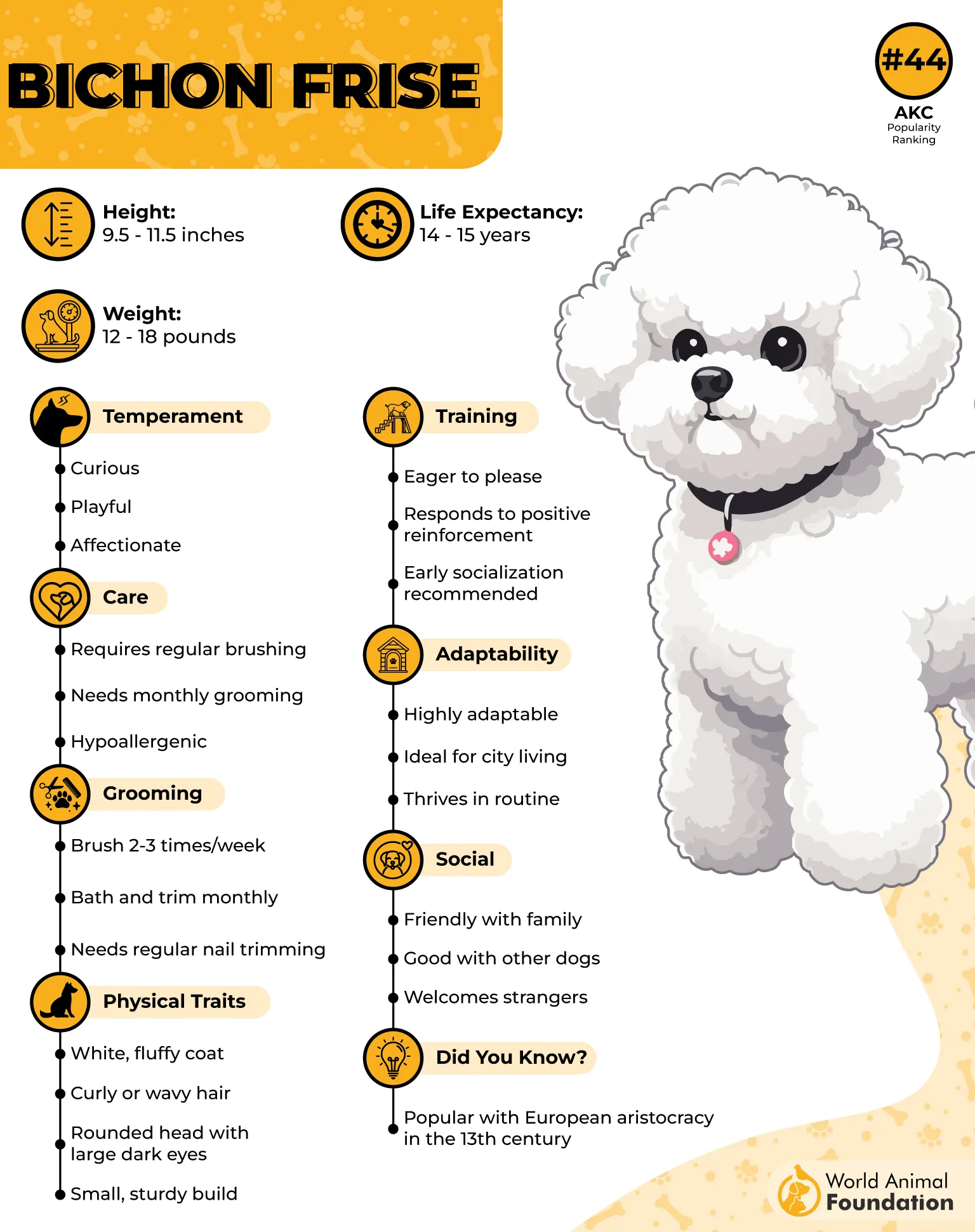
Playful, Friendly, and Happy to Be Part of the Household
Bichon Frises are commonly sociable and affectionate dogs. They can enjoy indoor play and short walks, making it possible to provide meaningful activity without a large outdoor space.
Their intelligence means they benefit from mental stimulation as well. Trick training, puzzle toys, interactive games, and short obedience sessions can keep their minds occupied while helping reinforce good indoor behavior.
Their Fluffy Coat Needs Frequent Brushing
The Bichon’s curly, textured coat requires regular brushing to reduce tangles and mats. Professional grooming is commonly used to maintain its rounded appearance and manageable coat length.
Owners should also maintain dental hygiene, trim the nails, check the ears, and monitor the skin. Consistent grooming from an early age can help the dog become comfortable with handling and professional appointments.
5. Maltese
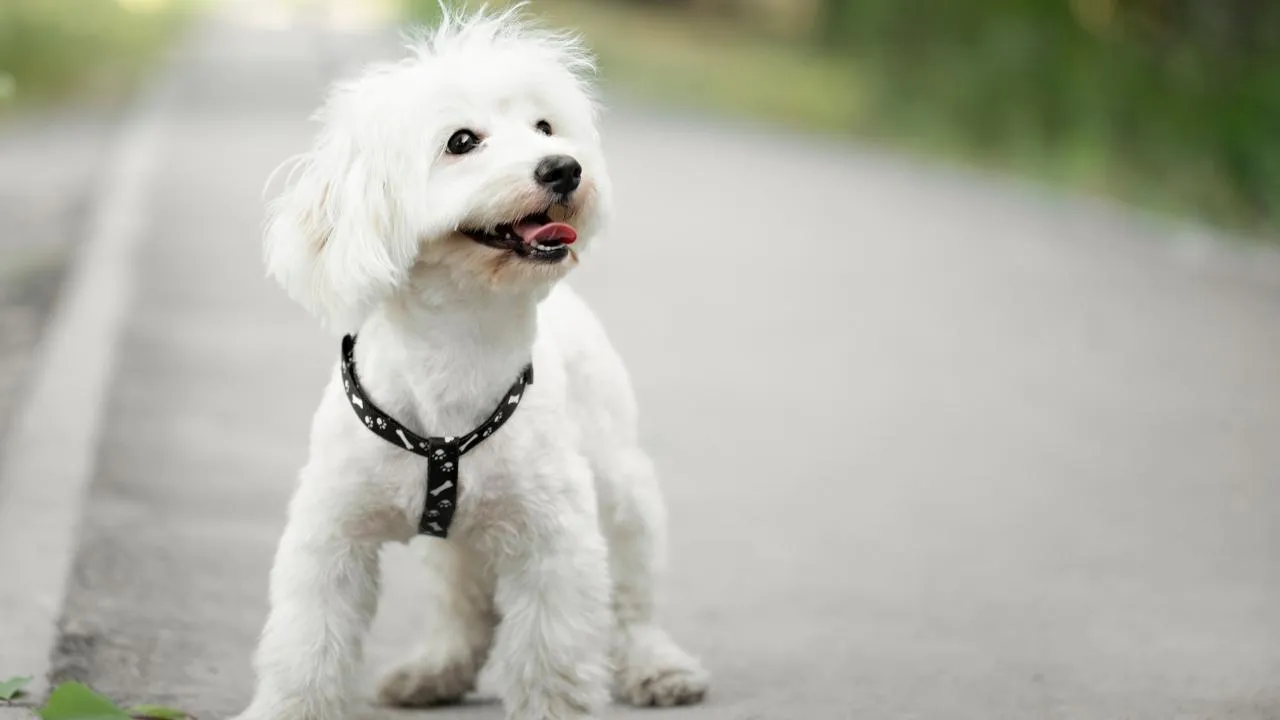
The Maltese is an ancient companion breed associated with the Mediterranean region and the island of Malta. Small white dogs resembling the breed appeared in historical art and writings many centuries ago.
Rather than being developed for physically demanding work, the Maltese was valued primarily for its companionship. Its petite size and affectionate nature continue to make it popular among people living in smaller homes.
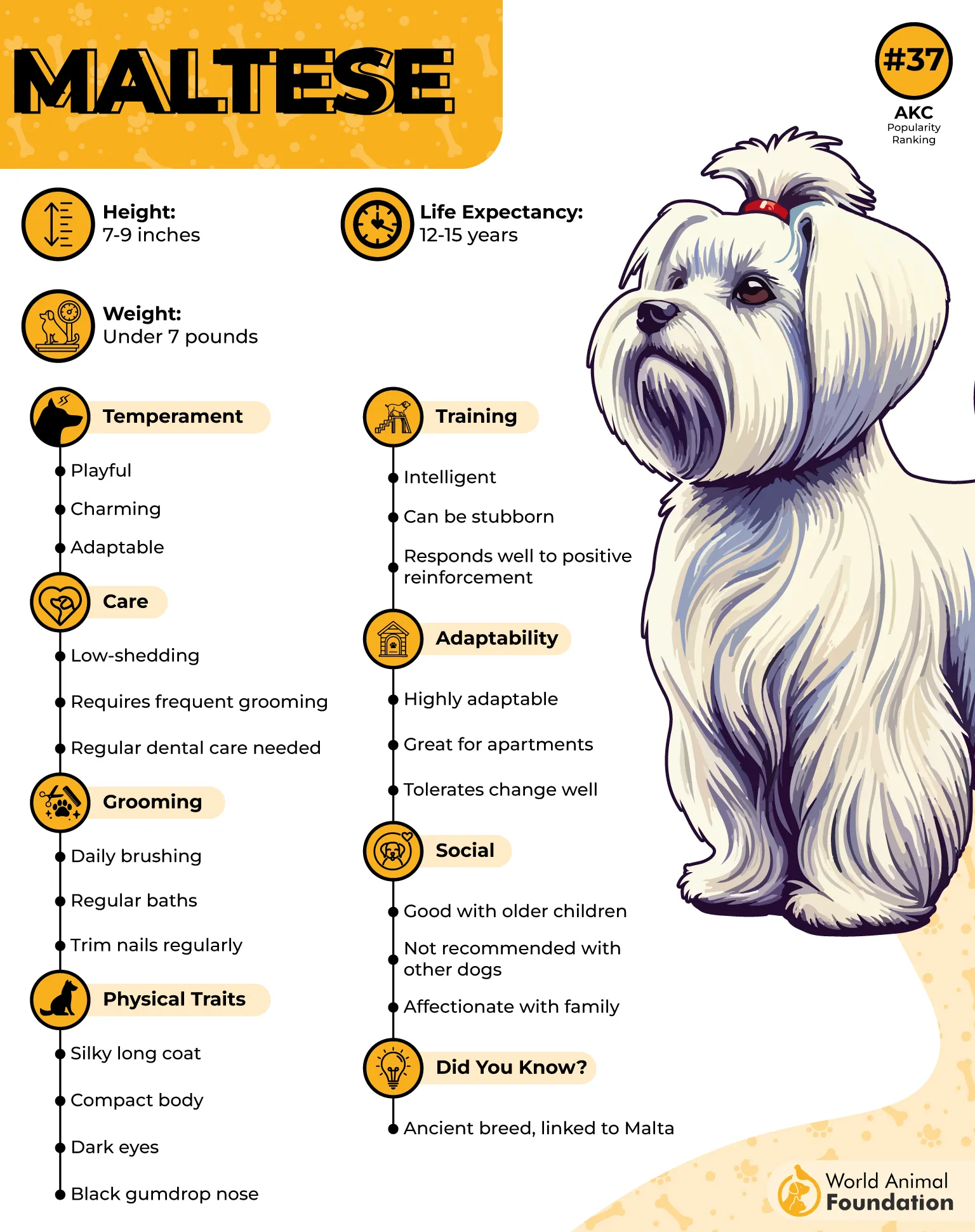
Gentle, Affectionate, and Content With Close Companionship
Maltese dogs are often lively but adaptable, enjoying time with their owners as much as short periods of play. Their exercise needs can usually be met through walks, indoor games, and interactive activities.
They can become overly attached if not taught appropriate independence, so gradual alone-time training can be useful. Early socialization and positive reinforcement can also encourage confident behavior.
A Beautiful Coat That Requires Daily Care
The Maltese has a long, silky coat that can become tangled or stained without frequent maintenance. Daily brushing is often useful when the hair is kept long.
Some owners choose shorter trims for easier upkeep. Dental care deserves particular attention because small breeds can be susceptible to oral problems, while nails, ears, skin, and overall weight should also be monitored.
6. Cavalier King Charles Spaniel
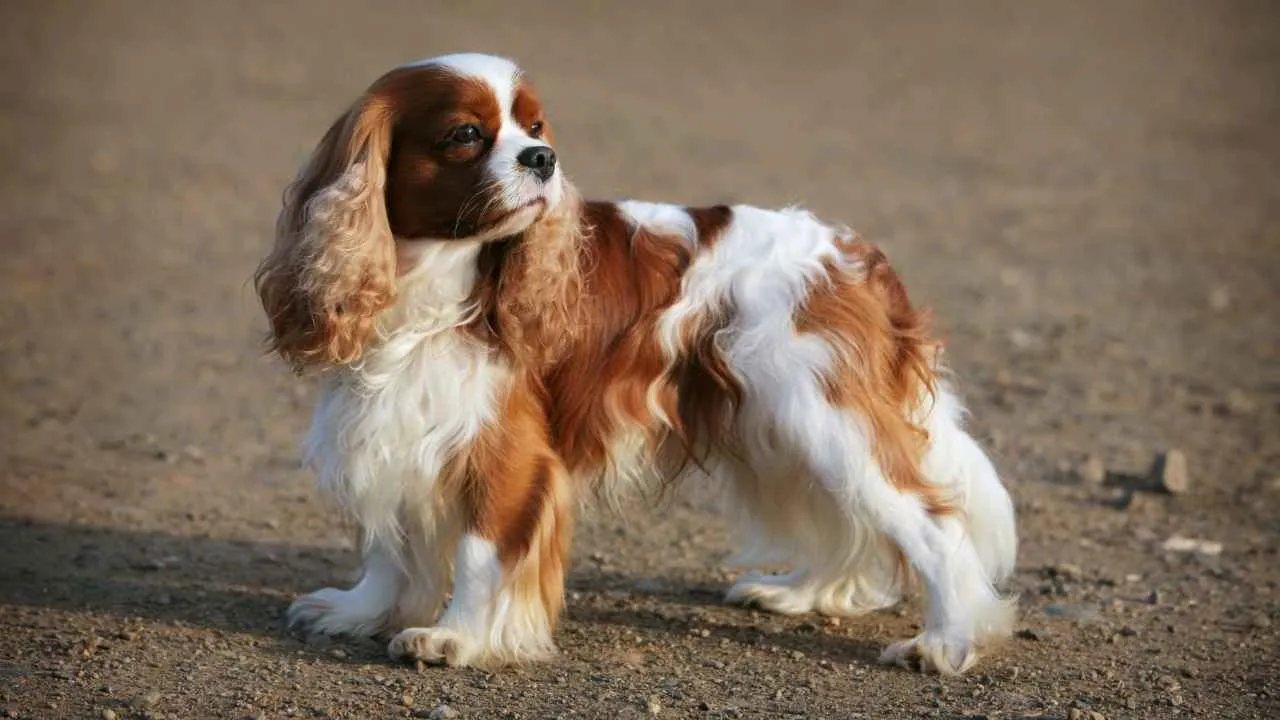
The Cavalier King Charles Spaniel is a British toy breed with a long history as a companion to aristocratic and royal households. Its spaniel ancestry can be seen in its feathered ears, expressive eyes, and elegant appearance.
The breed was developed primarily for companionship while retaining the affectionate and lively qualities associated with spaniels. Its ability to enjoy both activity and relaxation can make it appealing to owners with limited space.
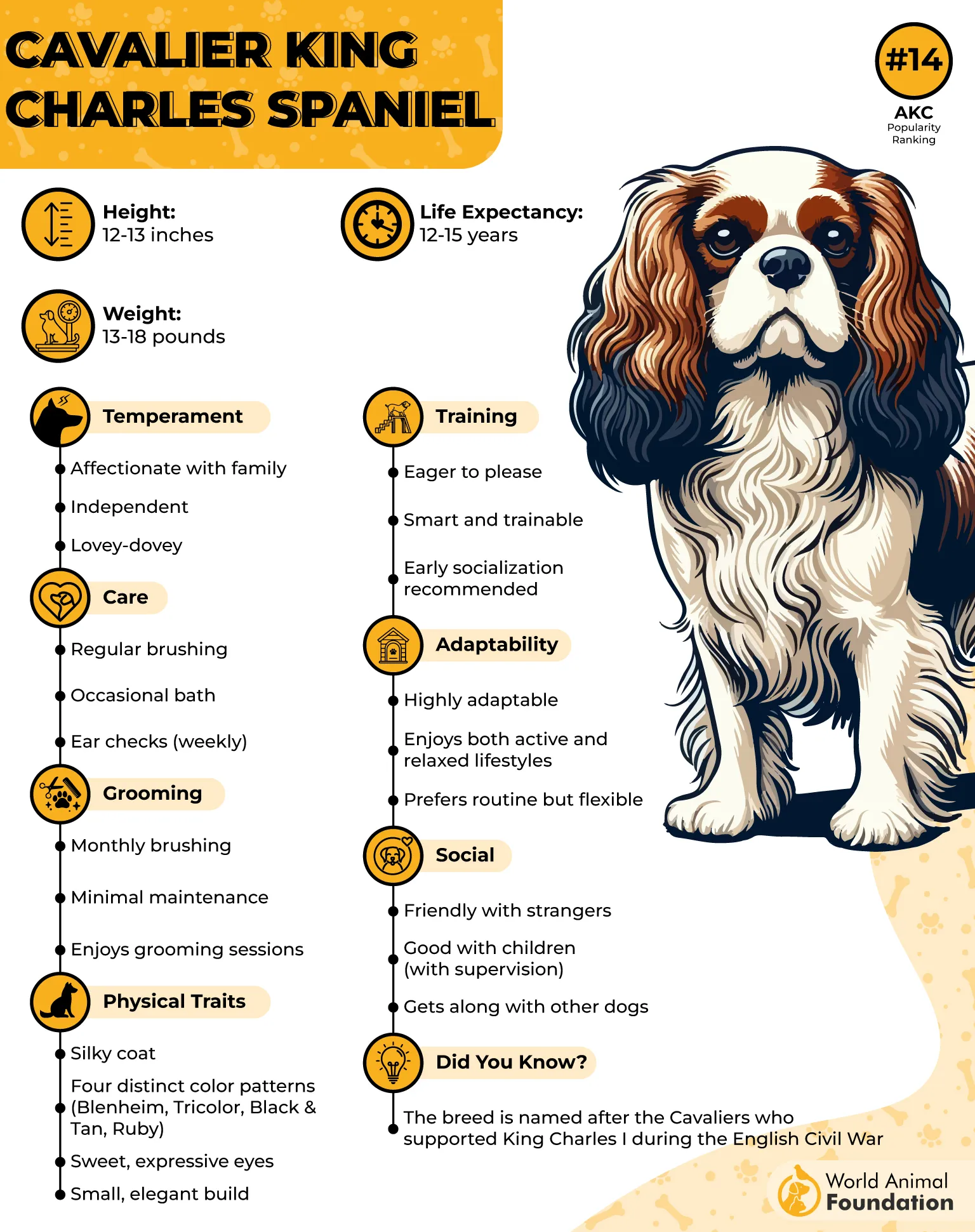
Sweet-Natured, Adaptable, and Eager to Stay Close
Cavaliers are often affectionate dogs that enjoy spending time with their families. They can be playful outdoors but are frequently happy to settle indoors once their exercise needs have been met.
Short walks, gentle games, and training exercises can provide appropriate stimulation, as per Orvis. They generally respond well to kind, reward-based instruction and benefit from early exposure to different people and environments.
Their Feathered Coat Needs Regular Attention
The Cavalier’s medium-length coat has feathering around the ears, legs, chest, and tail. Regular brushing helps prevent tangles and keeps the coat comfortable.
Their long ears should be checked routinely, while dental hygiene, nail care, healthy weight management, and veterinary examinations should remain part of their care. The breed can be predisposed to certain inherited health conditions, making responsible veterinary monitoring important.
7. Pomeranian
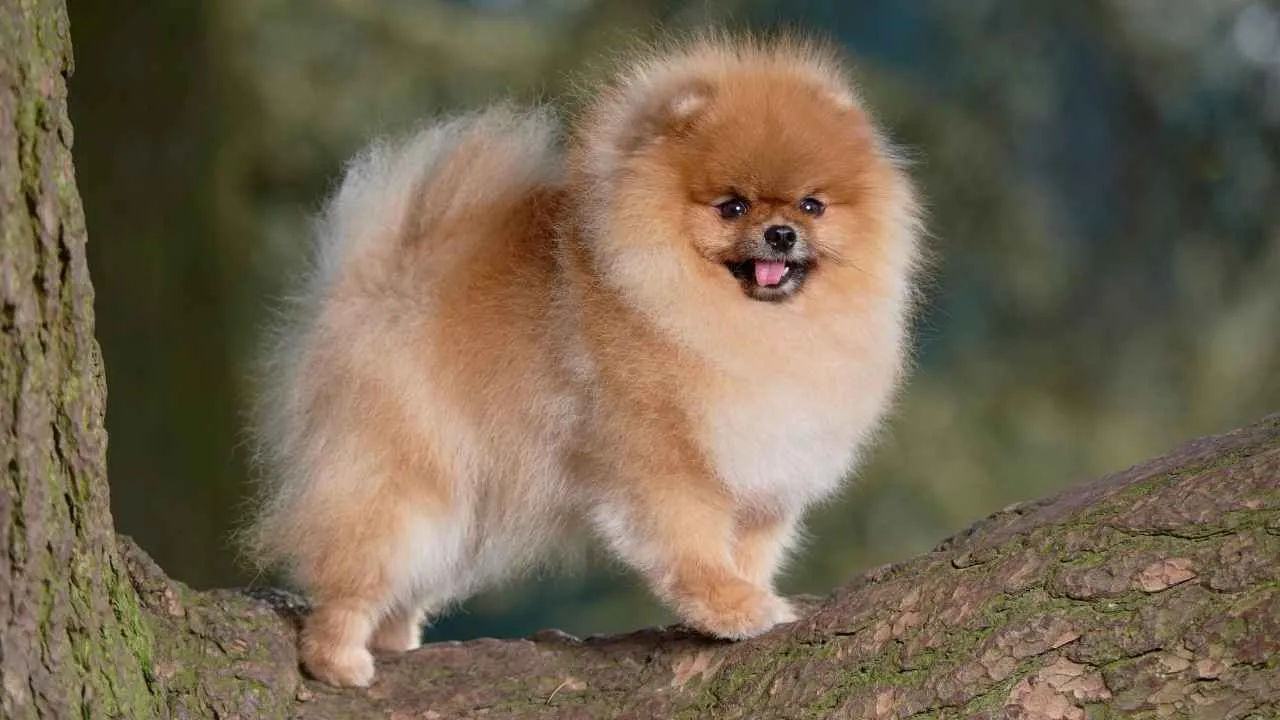
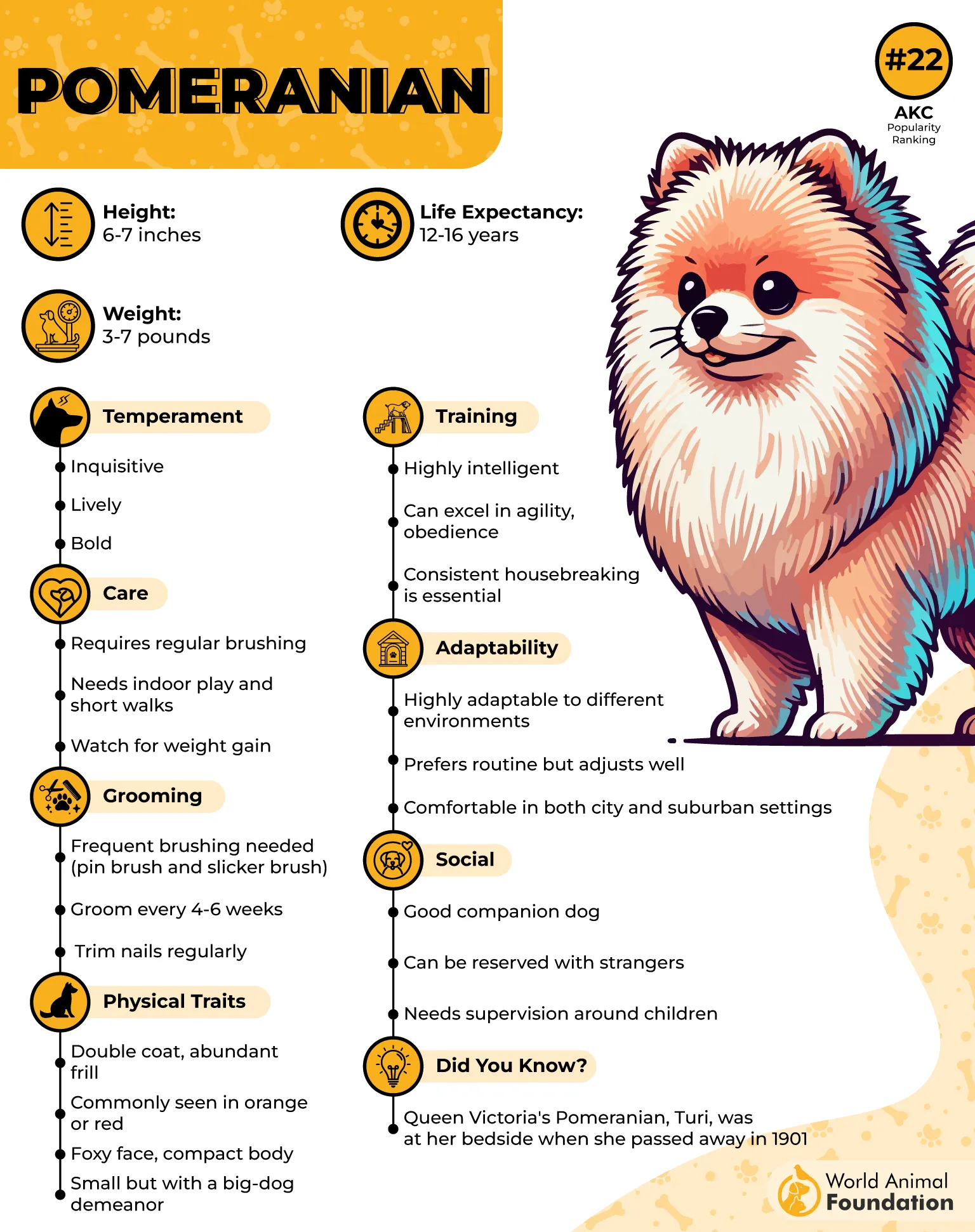
Pomeranians originated from larger Spitz-type dogs and were developed into the much smaller companion breed recognized today. Their thick double coat, fox-like expression, and plume-like tail give them a distinctive appearance.
Despite their tiny size, Pomeranians often carry themselves with considerable confidence. They can be lively household companions and frequently enjoy being involved in whatever their owners are doing.
Spirited, Alert, and Confident Beyond Their Size
Pomeranians are generally intelligent and energetic for their size. They can enjoy training, interactive toys, short walks, and indoor games without requiring the space needed by a large athletic breed.
Their alert nature can also make them vocal, which is worth considering in apartments or buildings with close neighbors. Teaching quiet cues and rewarding calm behavior can help keep their enthusiasm manageable.
Their Thick Double Coat Requires Regular Brushing
Pomeranians have a dense double coat that needs frequent brushing to prevent mats and remove loose undercoat. Regular grooming also helps maintain the coat’s characteristic fullness.
Their small mouths require careful dental care, while nail trimming and ear checks should be performed regularly. Appropriate nutrition and weight management are important because their tiny frames can be affected by excess weight.
Conclusion
Shih Tzus, Pugs, Havanese, Bichon Frises, Maltese, Cavalier King Charles Spaniels, and Pomeranians can all be appealing choices for people living in smaller homes. Their compact size makes them physically easier to accommodate, while their generally companion-oriented backgrounds can suit indoor family life.
Still, an apartment-friendly dog is not simply a small dog. Exercise, mental stimulation, barking habits, grooming requirements, and the ability to spend time alone should all be considered before choosing a breed. A compact home can work beautifully when a dog’s individual needs are understood and consistently met.
For prospective owners, the best match may depend on lifestyle. Someone seeking a relaxed companion might appreciate the easygoing nature of a Pug, while another owner may prefer the playful intelligence of a Bichon or Havanese. With regular exercise, positive training, appropriate grooming, and plenty of affection, these gentle breeds can thrive without needing a sprawling home.
