




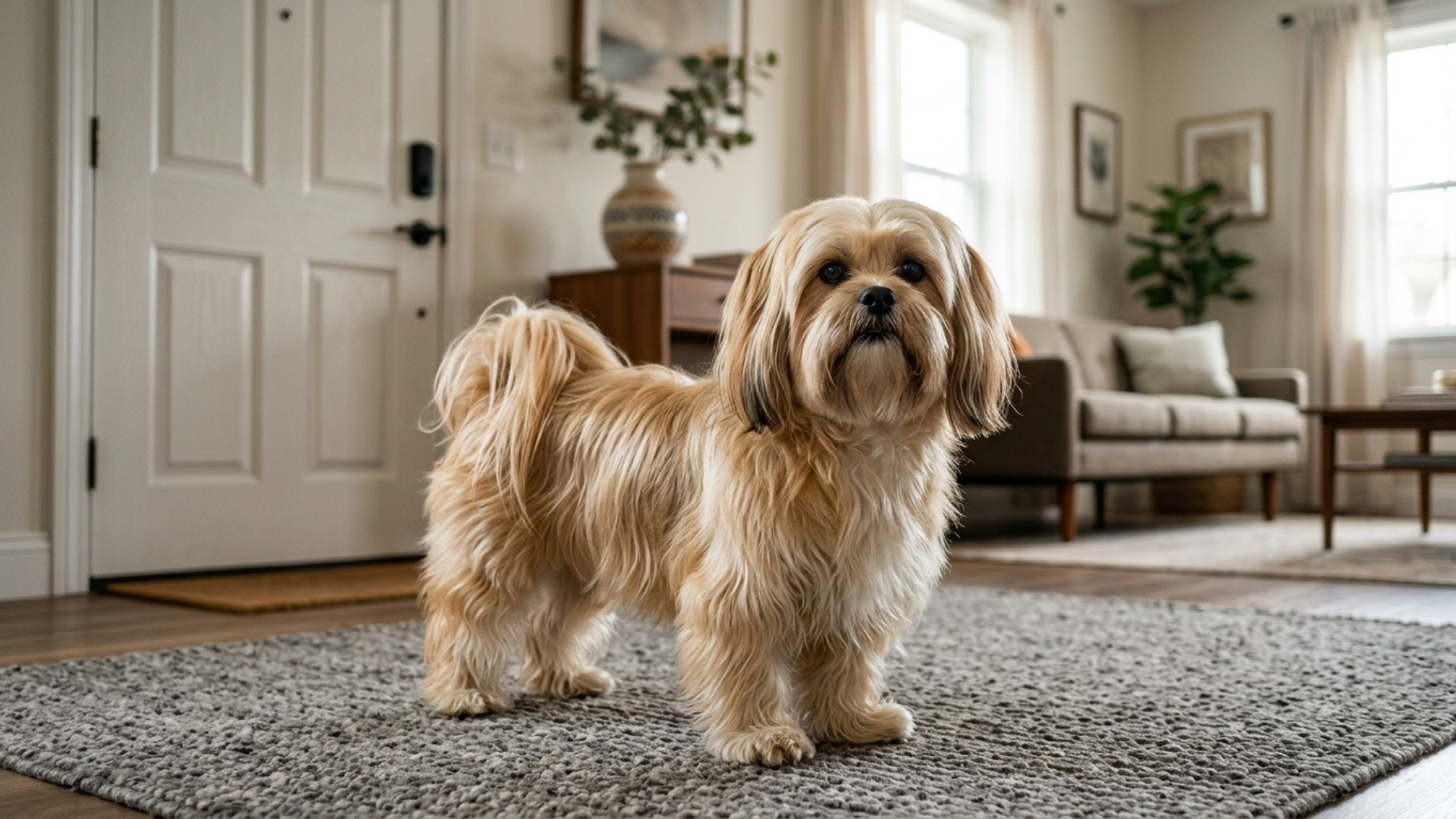
Close to 40 million Americans currently live in apartments, according to Next Level Income. Shared hallways, compact floor plans, and strict lease agreements can make owning a big dog genuinely difficult, and between landlord weight limits, breed restrictions, and fenced-yard requirements, it can all feel a little exhausting.
Still, having a dog that keeps watch over your space can be a real comfort, especially for anyone living alone. And while big dogs might be off the table in a smaller apartment, small dog breeds are absolutely worth considering.
It might be hard to believe that a tiny, cute dog could actually serve as a guardian, but they really can; their approach is just a little different. Many small breeds have incredibly sharp instincts and will bark to alert you to anything suspicious, often before your security system even picks up on it. That makes them perfect little watchdogs for apartment life, regardless of how much space you have.
In this guide, we’re covering the top seven small guard dog breeds for apartment living, along with how each one protects you and your space, plus what to expect in terms of training, exercise, temperament, and grooming.
Compact Guard Dog Breeds Perfect for Apartment Living
1. Miniature Schnauzer
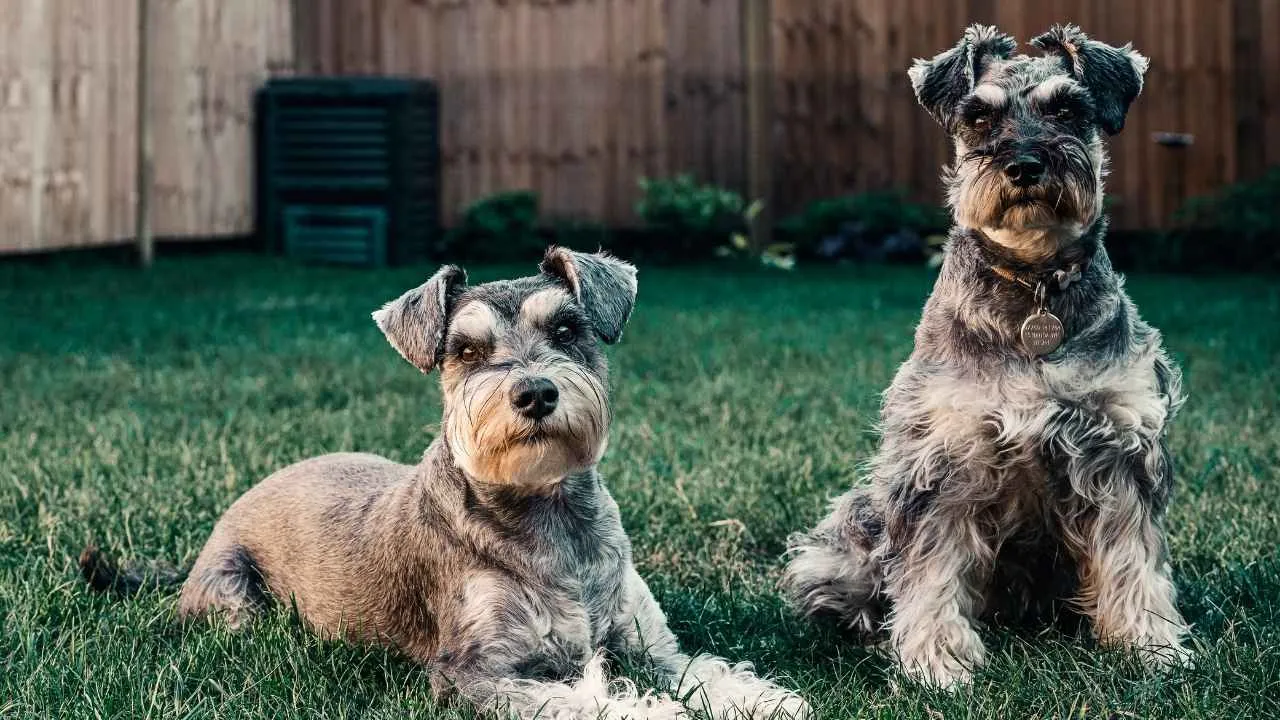
Miniature Schnauzers are sharp, fearless, and highly alert dogs with a bold personality packed into a compact frame. Naturally watchful and a bit wary of strangers, they make excellent little watchdogs while still being deeply protective and affectionate with their own family and kids.
These toy terriers adapt well to apartment living thanks to their small size and moderate exercise needs. About an hour of activity a day, whether that’s long walks, indoor fetch, or interactive puzzle toys, is usually enough to keep boredom at bay and their minds engaged.
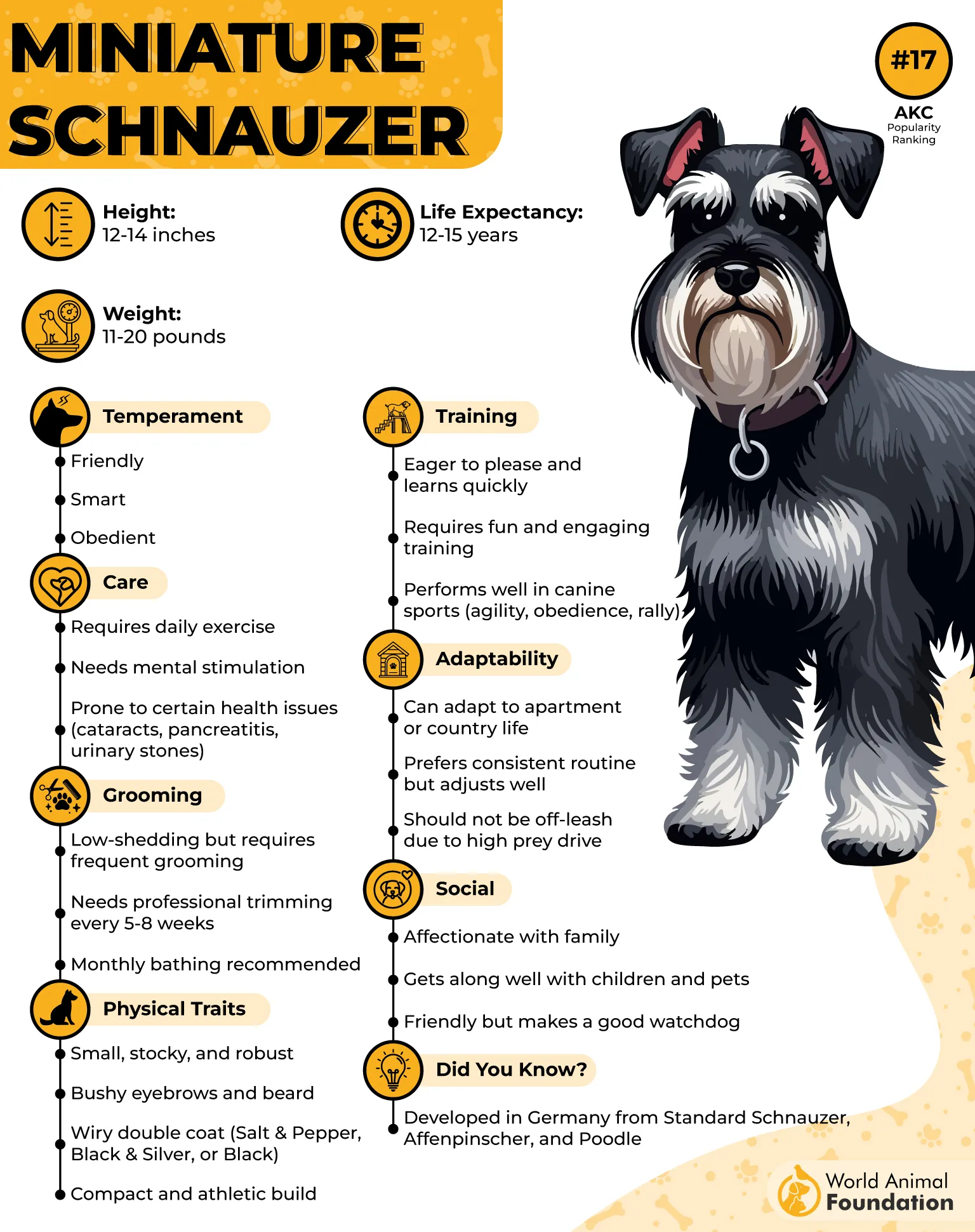
On the grooming side, Minis have a double, hypoallergenic coat that sheds very little, according to the Royal Kennel Club, though weekly brushing is still needed to prevent mats. As for training, Miniature Schnauzers respond well to early socialization and positive reinforcement, making them fairly easy to work with overall.
2. Pomeranian
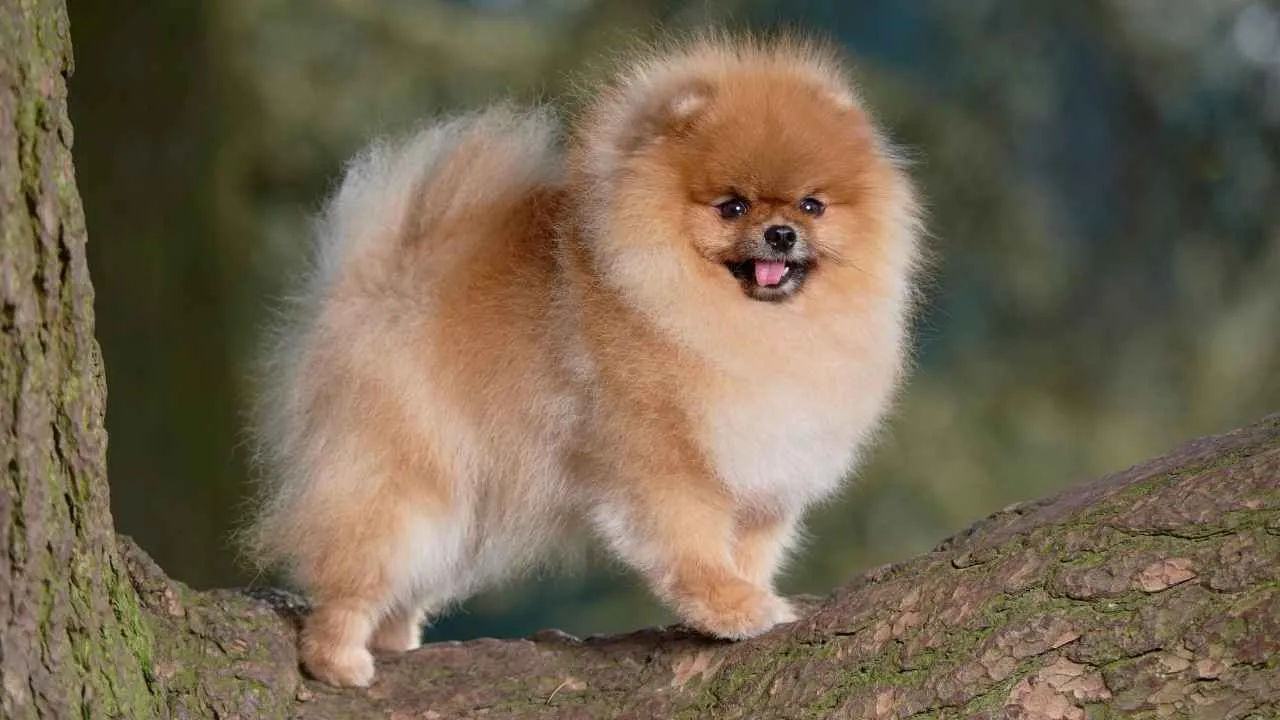
Pomeranians are famously bold, loyal, and quick-witted dogs with curious minds and a personality far bigger than their size suggests. Originally bred down in Germany to be sharp, vigilant companions, it’s no surprise they make excellent watchdogs, as the AKC points out.
These little dogs have a strong sense of territory and genuine fearlessness to match. They do well in apartments and smaller homes, and they’ll let you know the second someone approaches the front door, knocks, or even just lingers in a shared hallway. Basically, you’ll never miss a beat with a Pom keeping watch.
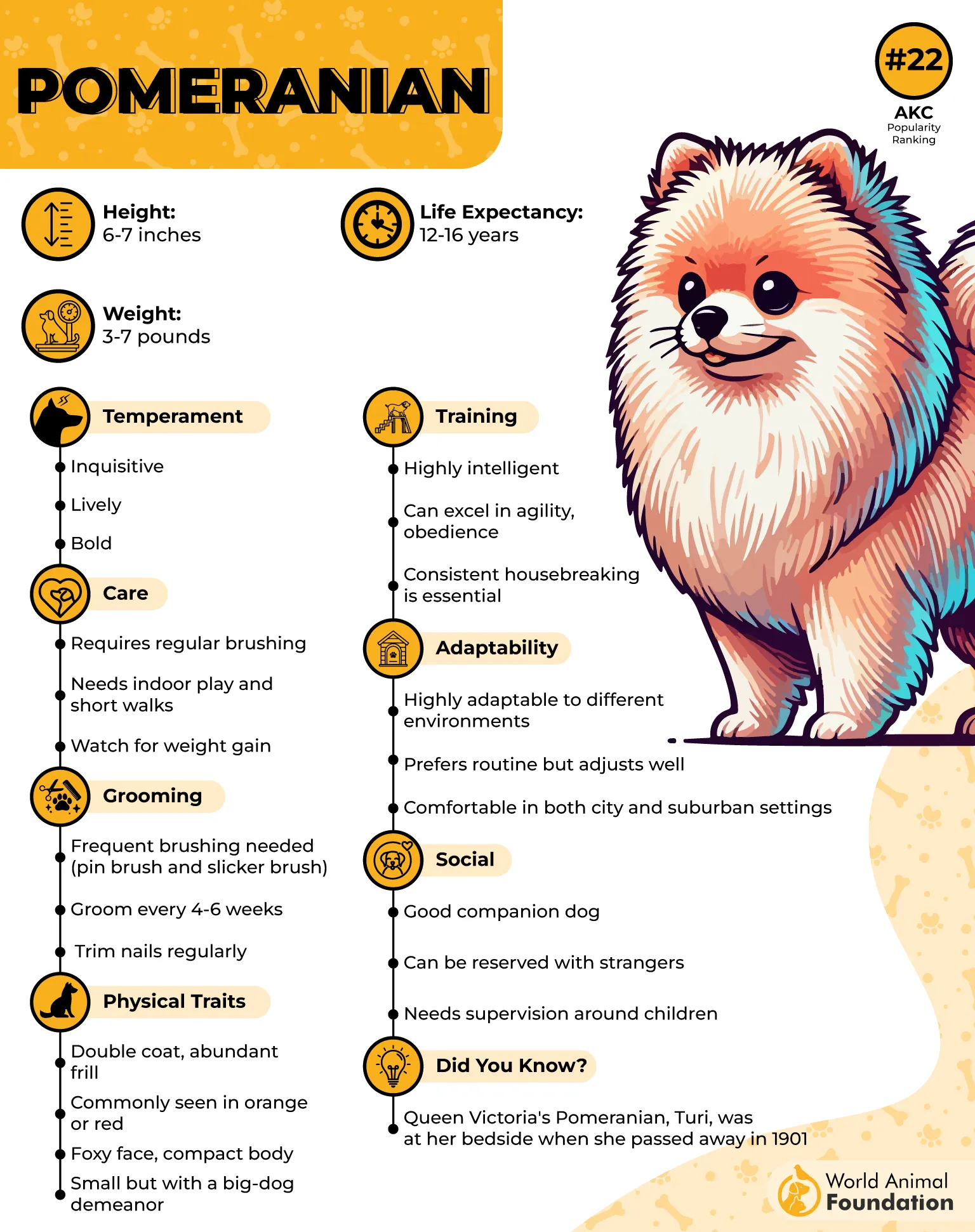
Their exercise needs are low to moderate, with daily walks and some indoor play usually covering their physical and mental needs. They’re eager to please, but that vocal, spunky personality does benefit from proper training early on. As for grooming, Poms have a double coat that sheds an average amount throughout the year.
3. Miniature Pinscher
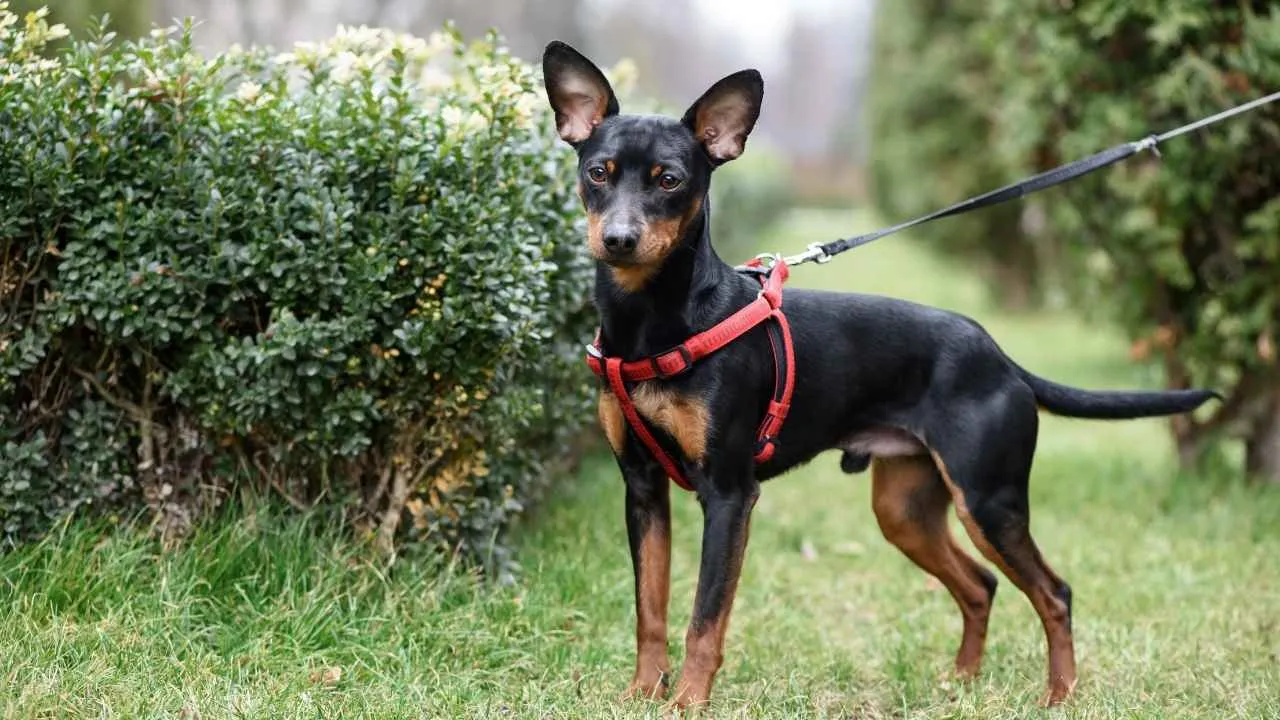
Miniature Pinschers are fearless, intensely proud, and energetic dogs with a bold, assertive streak, always staying alert to everything happening within their territory. They’ve earned the nickname “King of Toys,” as noted by Purina, and it’s easy to see why once you meet one.
Originally bred as farm guardians, barn ratters, and general property alarm systems, Min Pins bring that same watchful, territorial instinct into smaller living spaces today, making them a great fit for apartment life. They’re active, sharp dogs with moderate exercise needs.
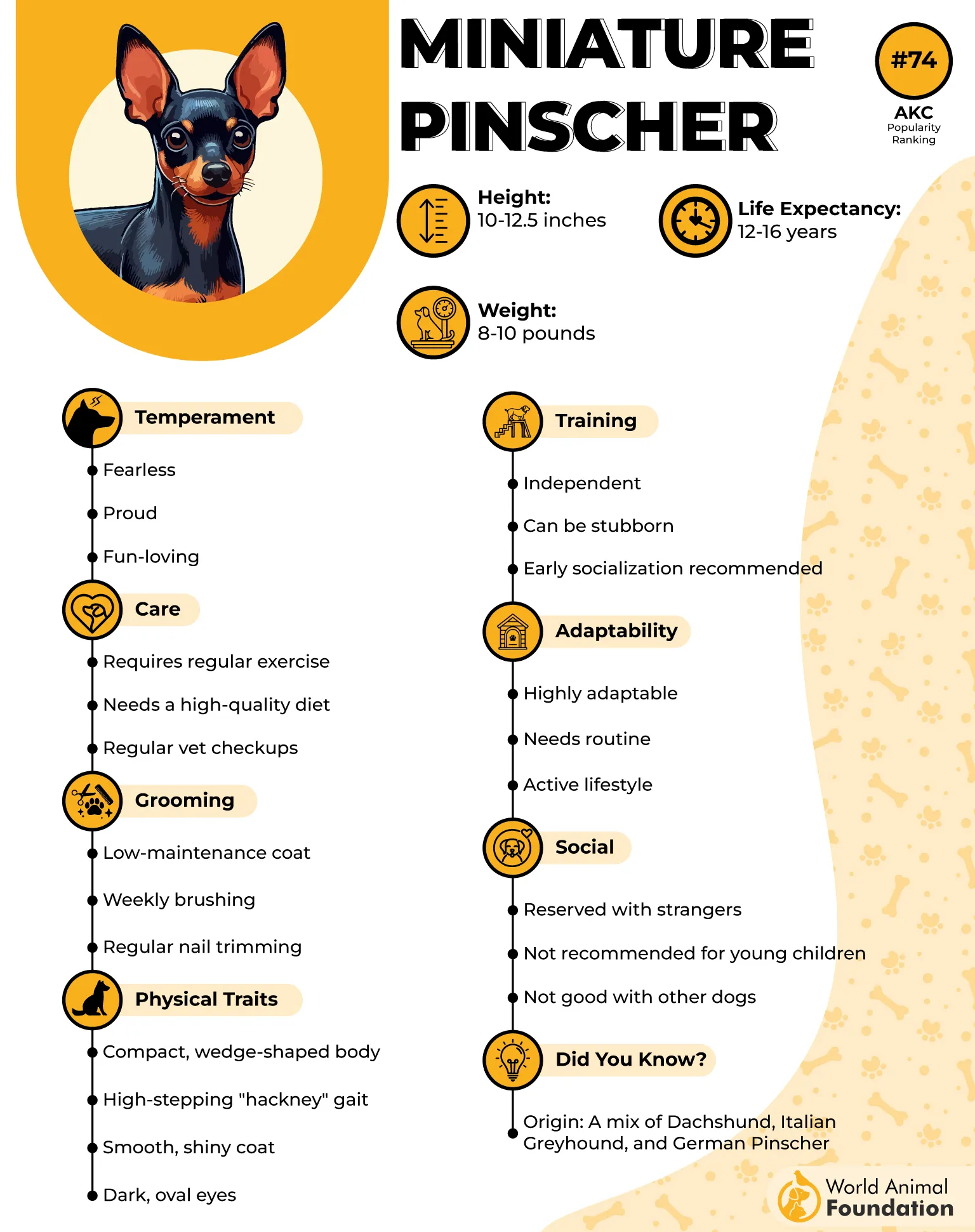
Training can be a bit of a challenge given their independent, strong-willed nature, so consistency really matters here. On the grooming front, though, they’re low-maintenance, with a short coat that just needs a quick wipe-down and weekly brushing to stay clean and healthy.
4. Tibetan Spaniel
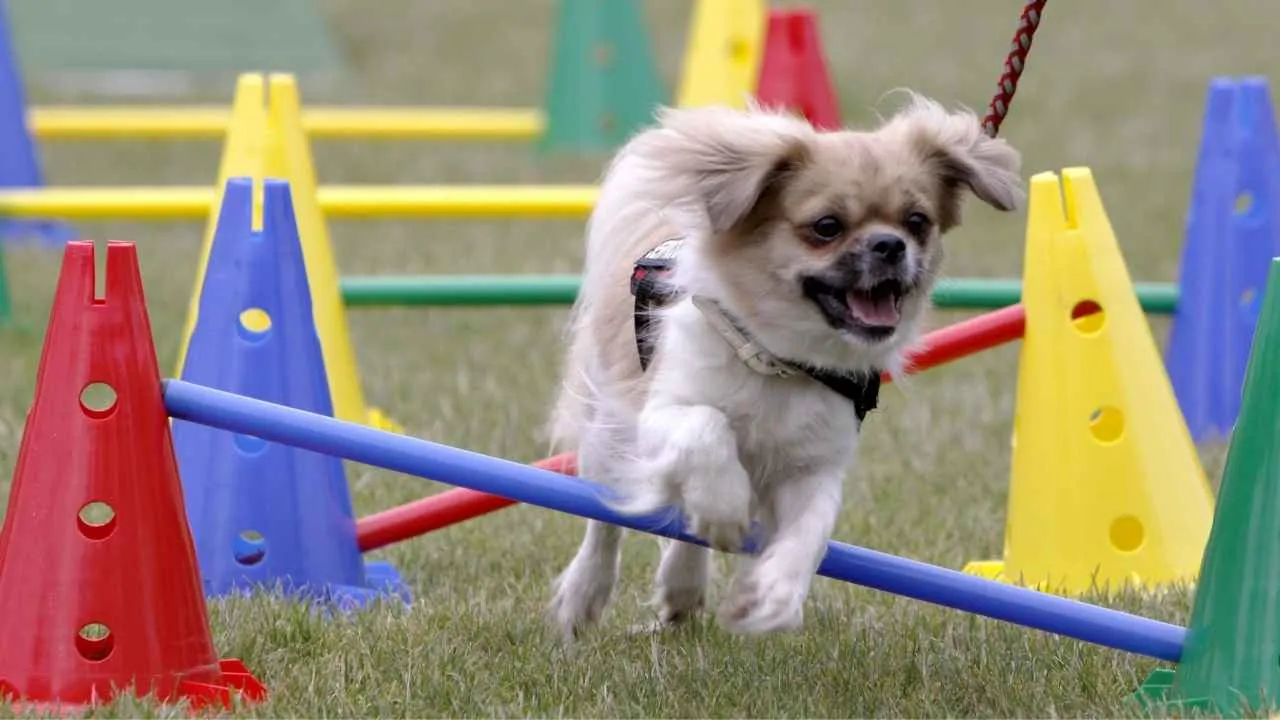
Tibetan Spaniels are calm, independent, and deeply devoted little dogs, naturally reserved around strangers but highly observant of everything happening around them. Originally bred as prized watchdogs in the high-altitude monasteries of Tibet, they’re known for rarely barking without good reason, making every bark genuinely worth paying attention to.
Tibbies adjust well to apartment living thanks to their small size, and their strong protective instincts mean they still keep a watchful eye over their home. Their exercise needs are fairly low to moderate, and once those needs are met, they’re perfectly happy spending the day people-watching from a favorite window perch.
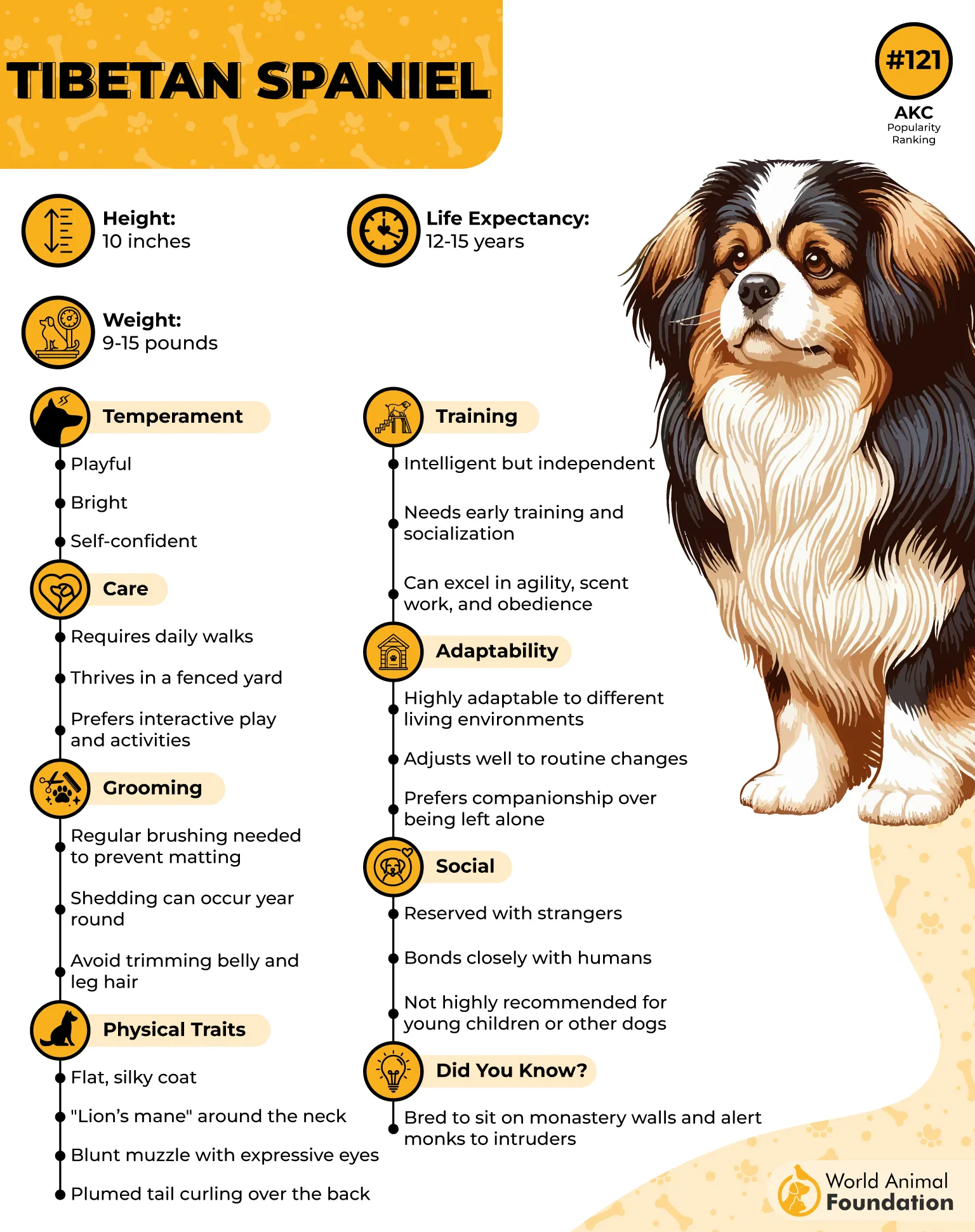
That said, these spaniel dogs have a somewhat cat-like, independent streak, so gentle, reward-based training tends to work best with them. Grooming-wise, they have a medium-length double coat that does shed and needs brushing about twice a week to prevent tangles and keep them looking tidy.
5. Lhasa Apso
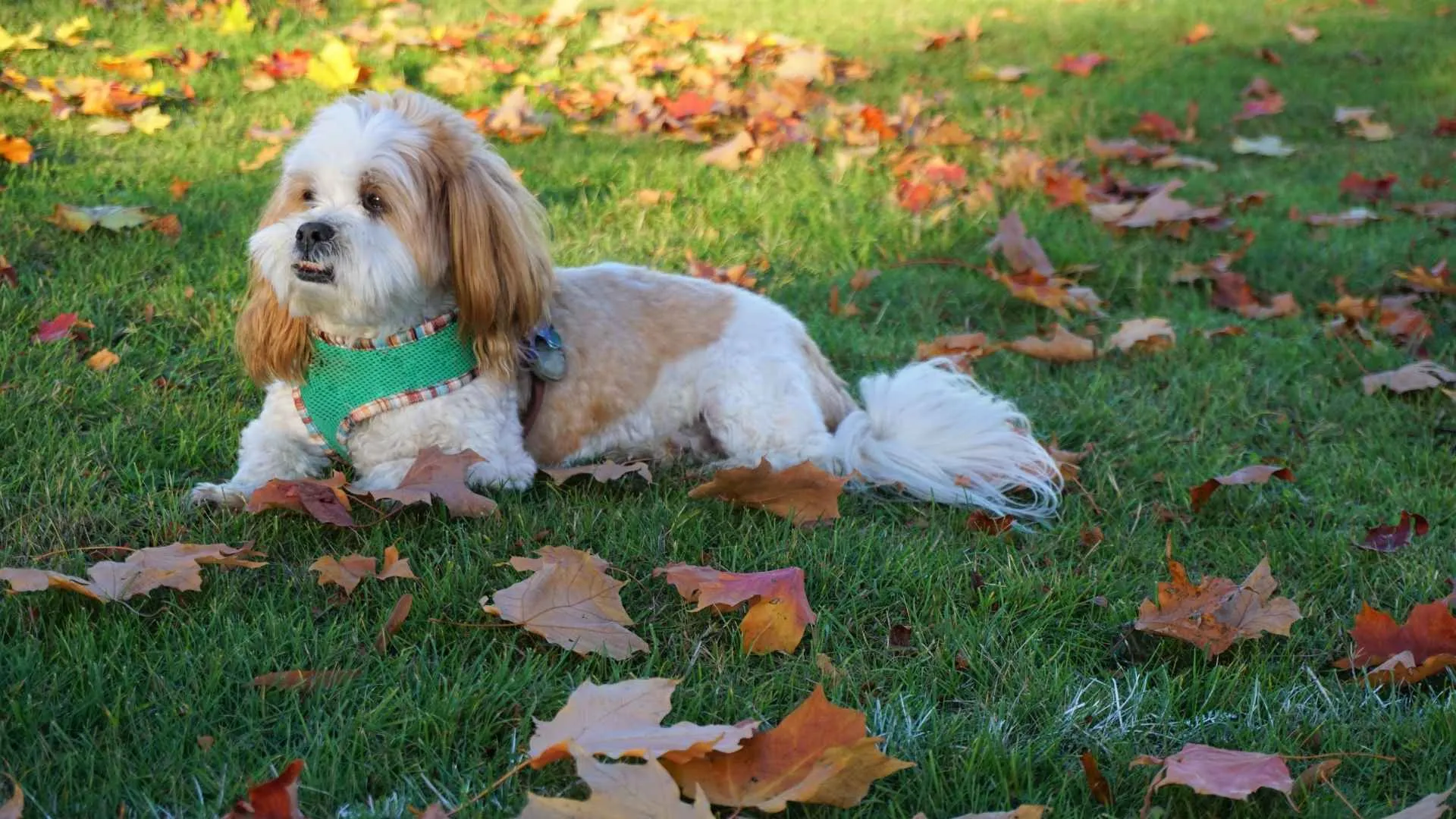
Lhasa Apsos are independent, fierce, and deeply loyal dogs that form tight bonds with their families. Sometimes called “bearded lion dogs,” according to PetMD, they were originally bred in the Himalayan mountains of Tibet to guard monasteries and royal palaces.
These little watchdogs are remarkably tuned in to their surroundings, often picking up on sounds outside an apartment door well before anyone even reaches for the handle.
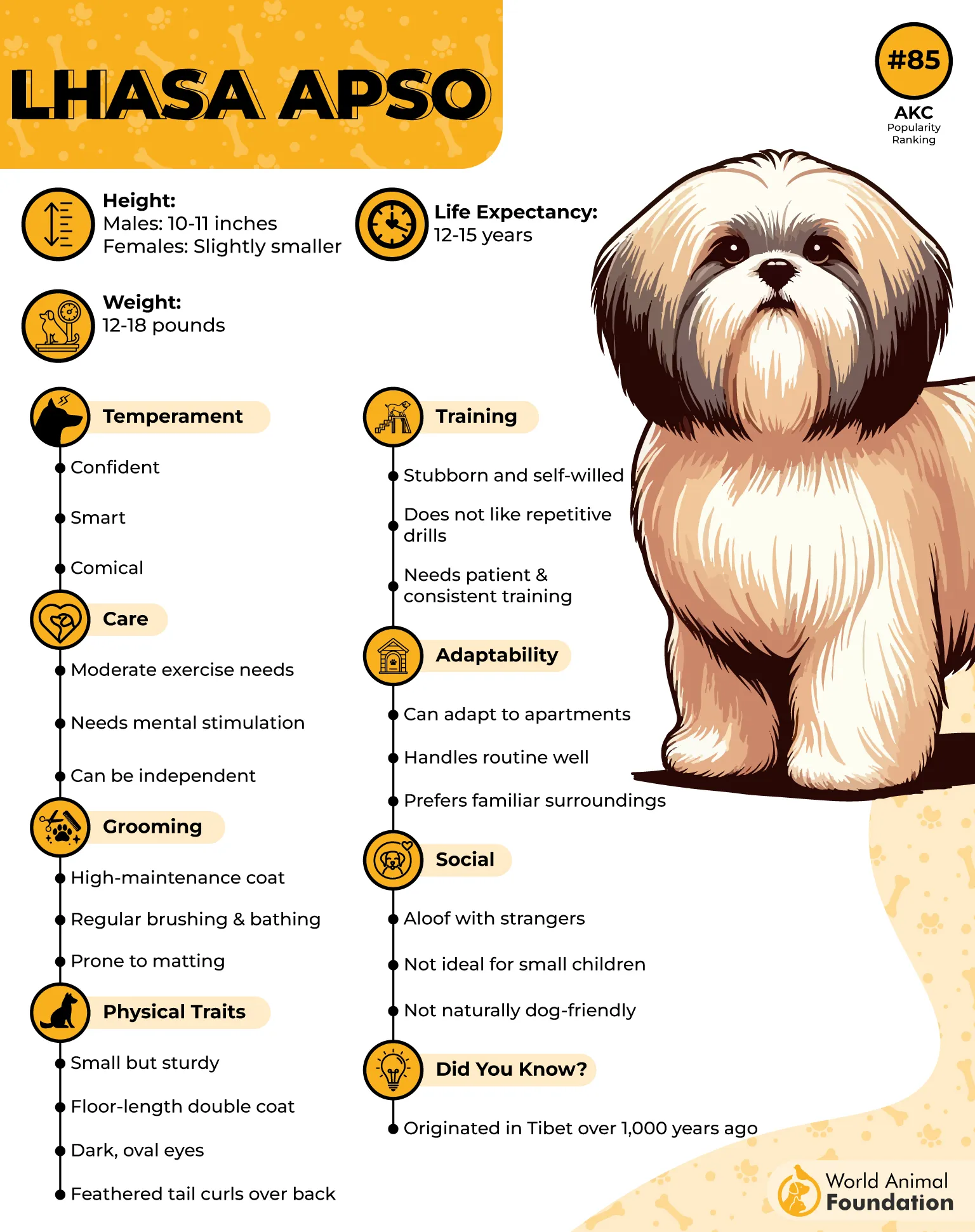
They take property protection seriously too, and their surprisingly deep, booming bark can sound a lot like it’s coming from a much bigger dog, more than enough to make strangers think twice.
Lhasa Apsos need about 30 to 45 minutes of daily walking and activity to stay mentally satisfied. Given their strong-willed, independent nature, consistent leadership is important to keep overprotectiveness in check. Their coat sheds minimally but does require daily brushing to prevent matting.
6. Cairn Terrier
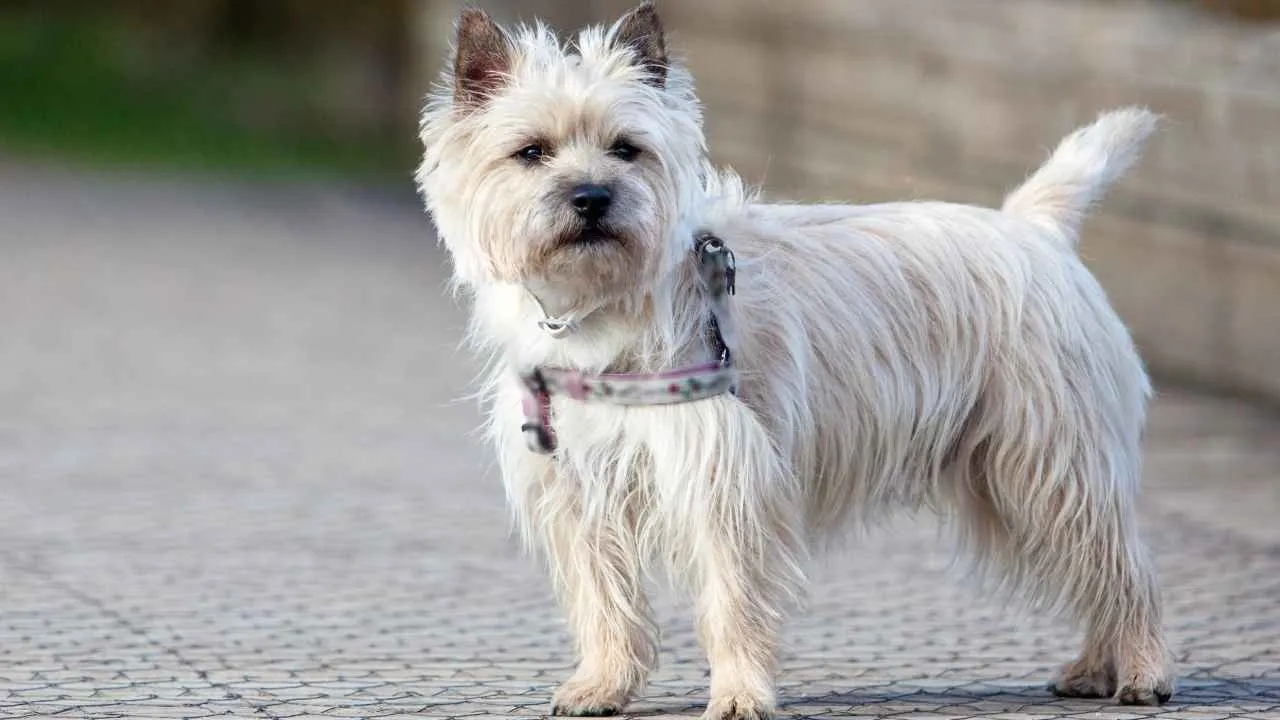
Spirited, alert, and fiercely independent, Cairn Terriers pack a big personality into a small, muscular frame. Originally bred in Scotland to hunt vermin and flush prey out of rugged stone cairns, these tough little working dogs possess sharp senses and a fearless early warning system.
Their compact, low-slung build makes them a great fit for smaller homes and apartments. However, don’t let their size fool you; they are working dogs at heart and need moderate daily exercise, including walks, games of fetch, and tracking activities to stay happy.
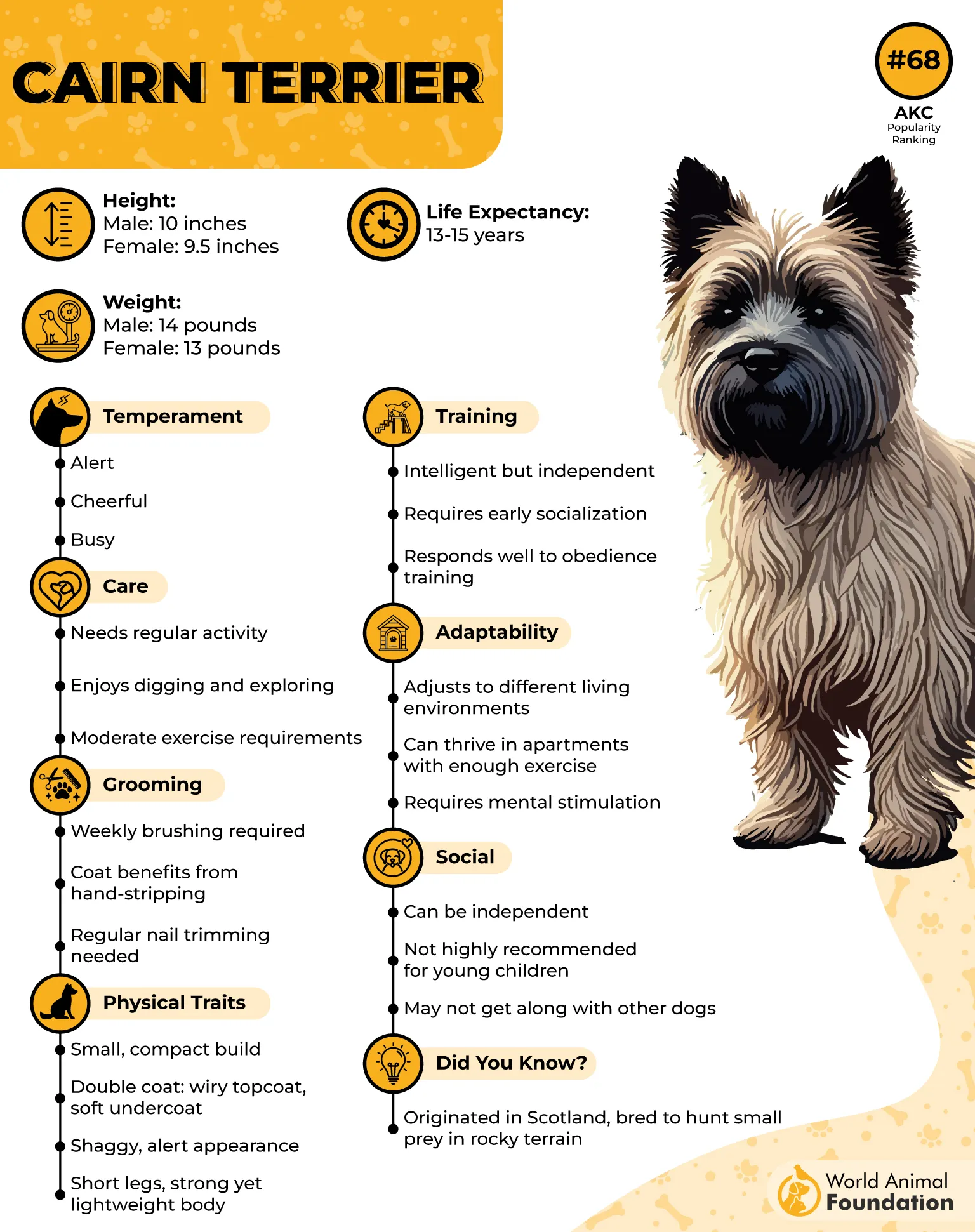
Grooming is surprisingly low-maintenance: their weather-resistant double coat sheds very little and only needs weekly brushing alongside occasional hand-stripping. Keep in mind that Cairn Terriers carry a classic stubborn terrier streak. They thrive best with patient, confident handlers who use consistent, reward-based training.
7. Yorkshire Terrier
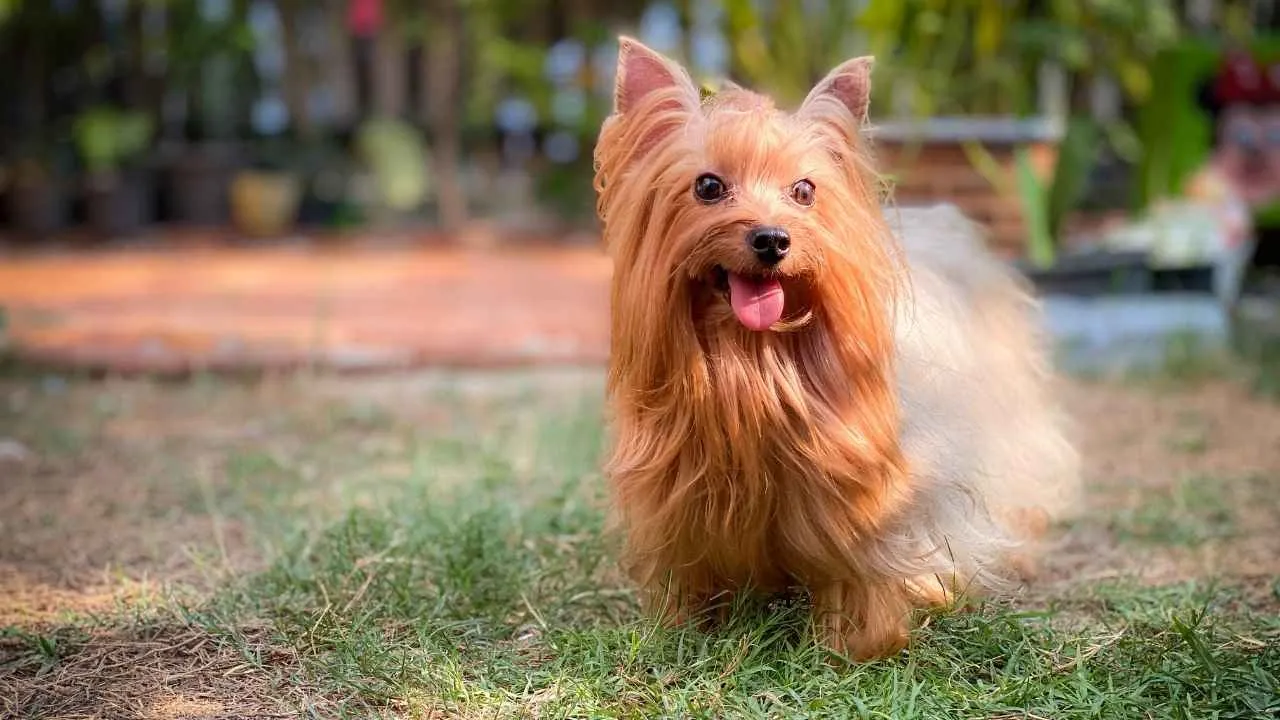
Brave, bold, and feisty, Yorkshire Terriers (Yorkies) pack a big-dog attitude into a compact frame. Beneath their brave exterior, they are deeply affectionate, energetic, and endlessly inquisitive companions who stay on high alert, constantly monitoring their surroundings.
Their small footprint makes them ideal for apartment living and smaller spaces. They don’t require large yards, but they do need 30 to 45 minutes of light daily exercise to satisfy their physical and mental energy. While Yorkies are exceptionally smart, their headstrong nature means they respond best to consistent, positive reinforcement training.
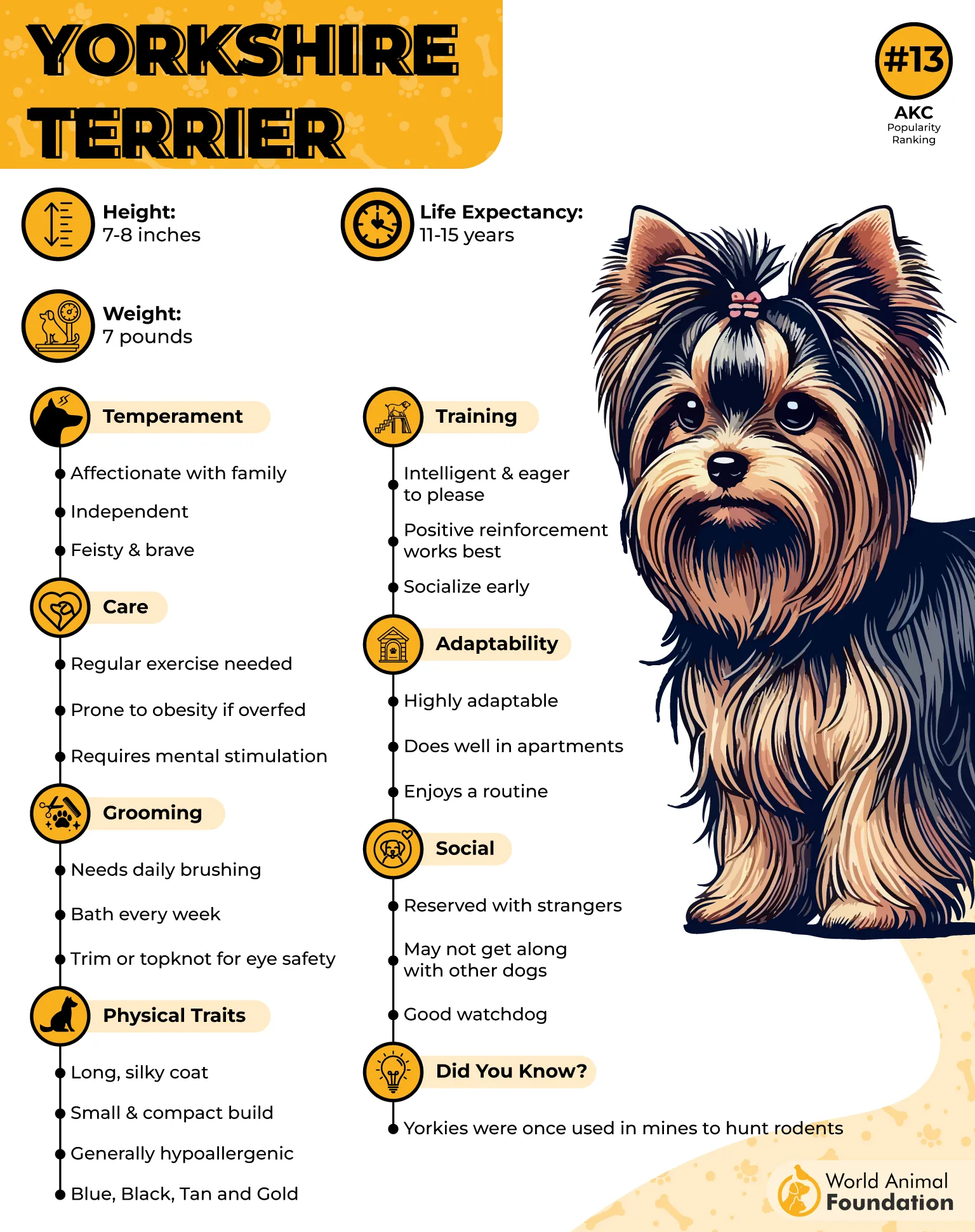
Because Yorkies can be prone to excessive barking, early socialization and consistent guidance are essential for keeping their vocal tendencies in check.
As for grooming, their fine, silky coat is low-dander (often considered hypoallergenic) and requires daily brushing to prevent mats. If you prefer low-maintenance coat care, opt for a shorter “puppy cut” to trim grooming down to just three or four times a week.
Conclusion
Living in an apartment may limit your ability to keep larger breeds, but compact guard dogs are an excellent alternative. The tiny protectors highlighted above stay alert and watchful, consistently sounding the alarm the moment they sense potential danger. Some will even use a surprisingly booming bark and bold body language to discourage unwanted visitors.
While these smaller dogs lack the sheer physical force of a large guarding breed to attack an intruder, their real strength lies in vigilance. They excel at providing immediate warning, deterrence, and devoted companionship. Before bringing one home, review their specific protective traits and exercise needs to ensure their guarding style matches your apartment setup.
